 Zee Entertainment announces Rs 600 crore share buyback at Rs 91 per share
 Donald Trump Targeted? One killed, four injured in shooting near White House
 Maatrubhumi conquers, Military veteran, Shaurya Chakra awardee react to trailer of Salman Khan's action drama
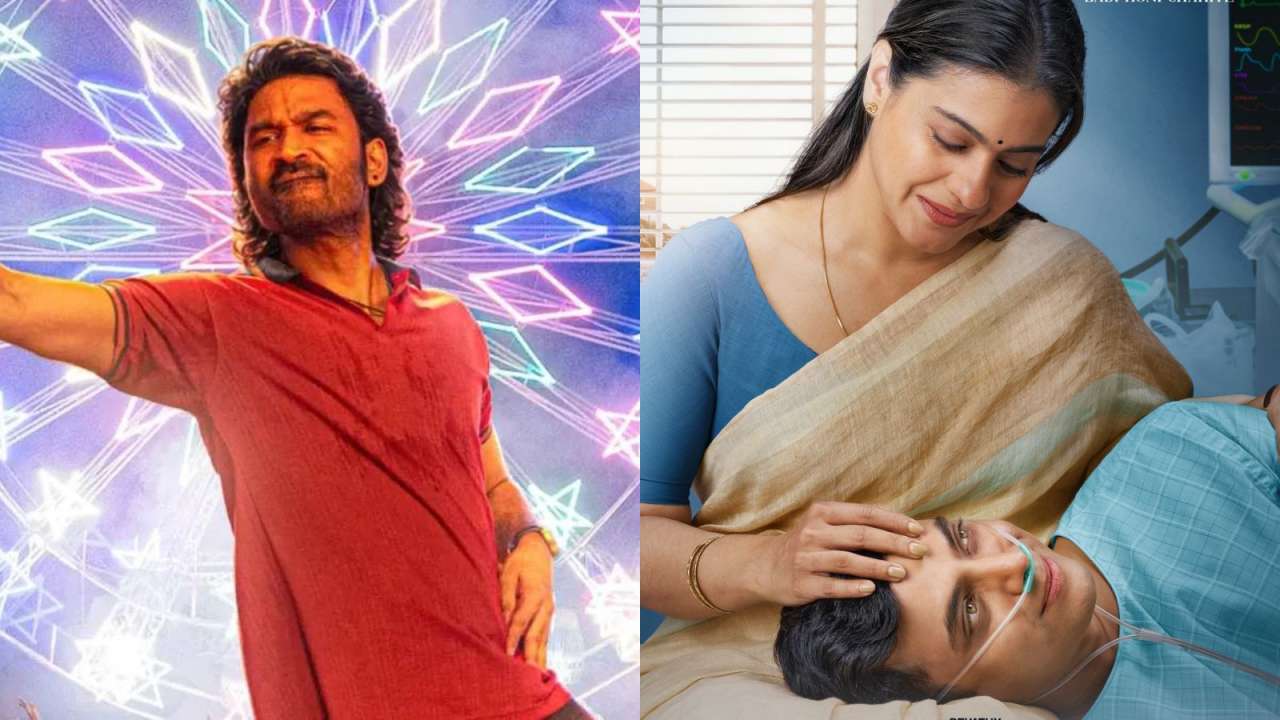 Exclusive: Salaam Venky, OM producer R Take's Shraddha Agarwal on challenge of keeping slice-of-life genre alive amid big-budget extravaganzas
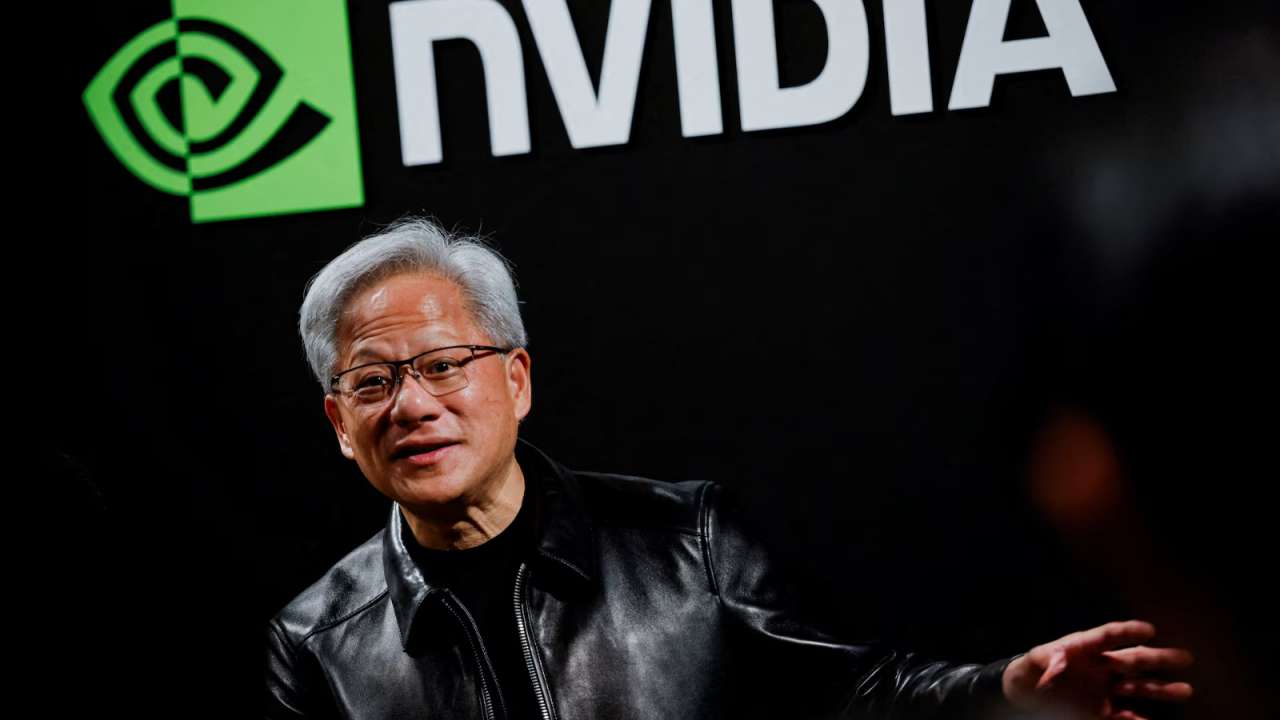 Nvidia CEO Jensen Huang resigns amid spy affair scandal; CFO Colette Kress named interim CEO
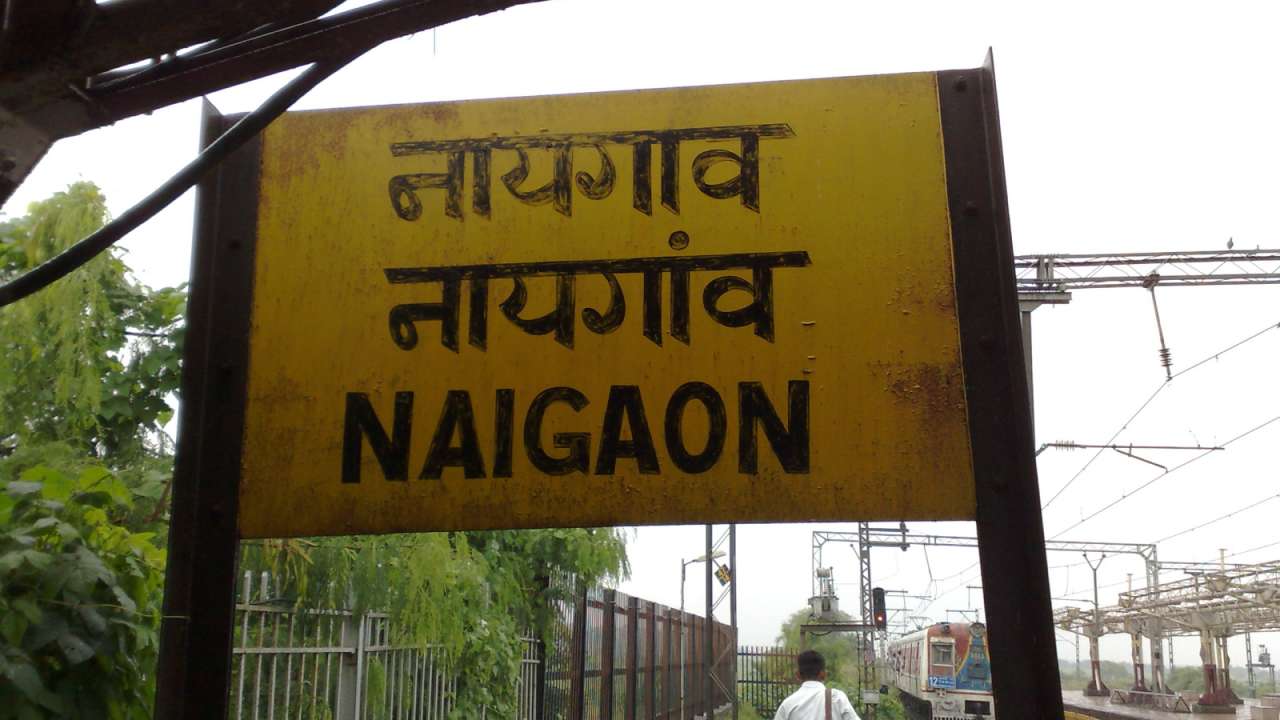 Maharashtra Shocker: 20-year-old woman molested on local train, pushed onto tracks, loses arm
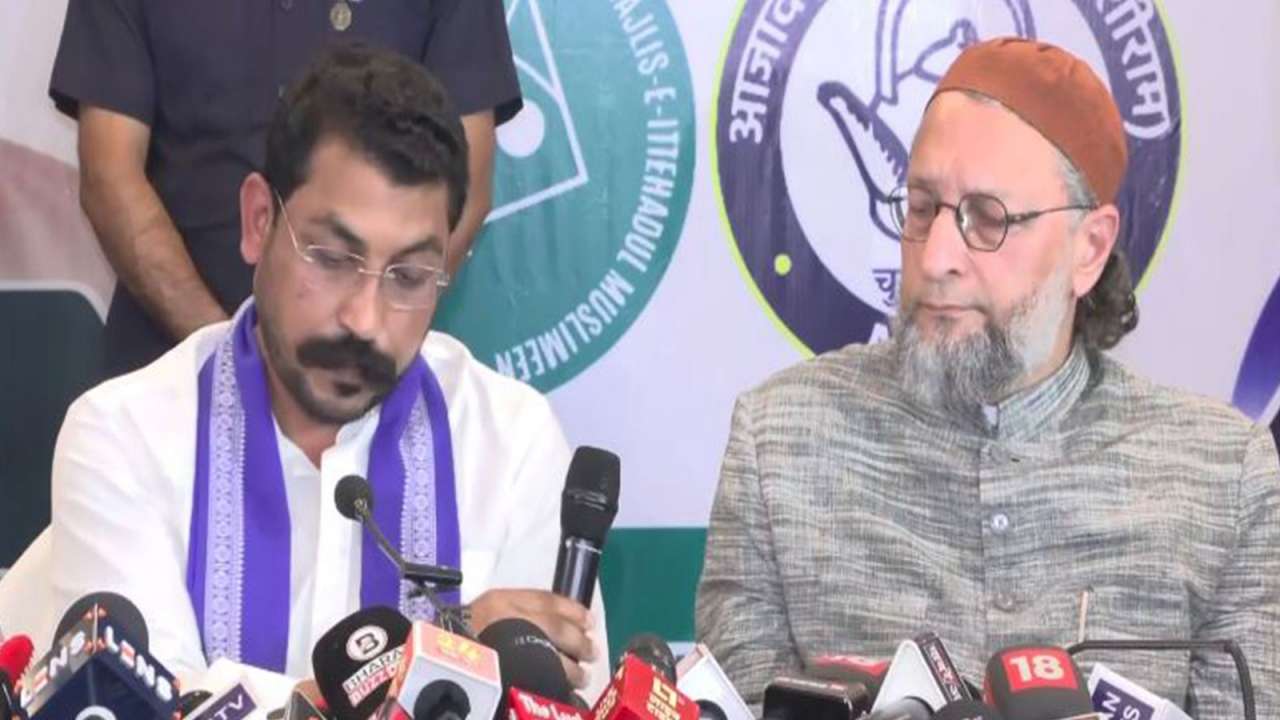 Owaisi-Azad join hands in UP, picks Chandra Shekhar Azad as CM face to consolidate Dalit-Muslim votes against BJP
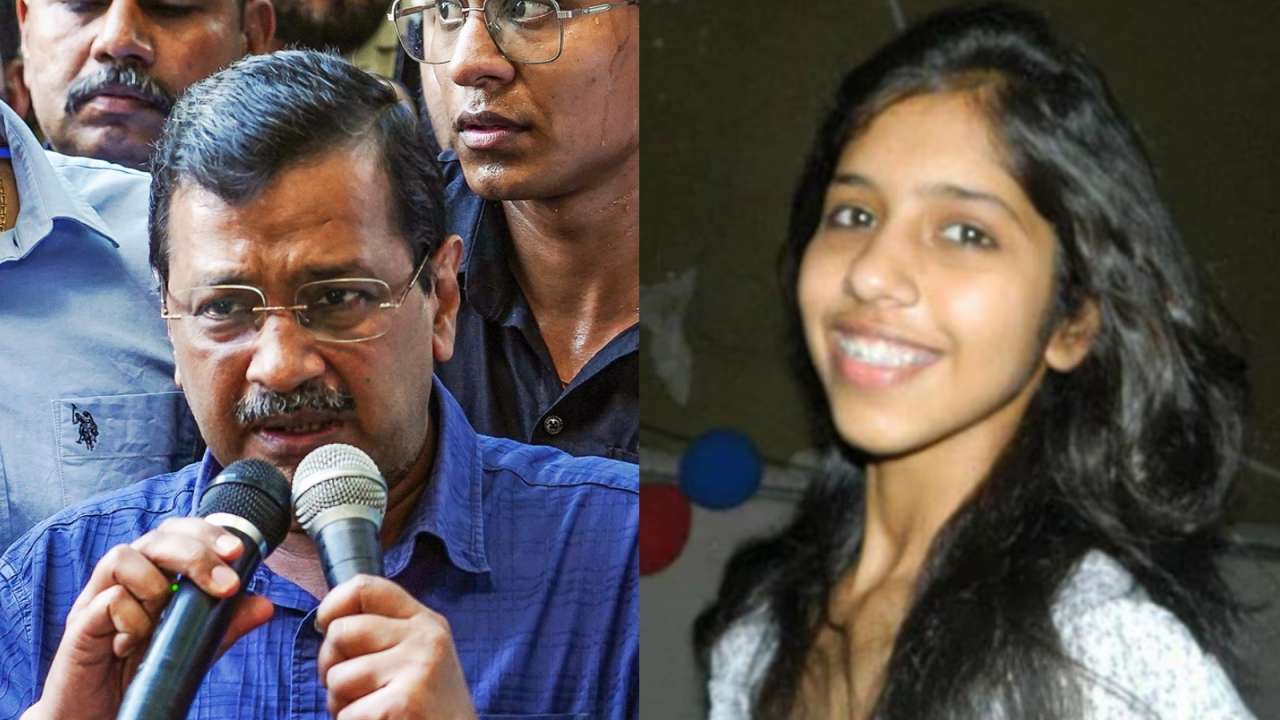 Arvind Kejriwal after Tiger Shroff? Bishnoi gang threatens him, demands ransom of Rs 7 crore, what will Rekha Gupta govt do?
 Abhishek Banerjee attacks Bengal govt after anti-encroachment action near house: 'You cannot bulldoze my voice'
 Jammu and Kashmir Horror: Bullet-riddled bodies of two missing SPOs, who had gone missing on duty, found in KishtwarDonald Trump Targeted? One killed, four injured in shooting near White HouseNvidia CEO Jensen Huang resigns amid spy affair scandal; CFO Colette Kress named interim CEO
 Liberia-flagged tanker hit by projectile off UAE, 19 Indian crew safe
 Donald Trump vs Netanyahu Over Iran War: Report claims 'shouting match from hell' call
 Who is Kang Wei? Alice Huang's husband who introduced her to Nvidia CEO Jensen Huang
 Why does inflation soar to 6.09% despite falling fuel prices, US-Iran war halt? RBI's next move under focus
 UP Elections 2027: Will Asaduddin Owaisi and Chandrashekhar Azad defeat BJP or help Yogi win?
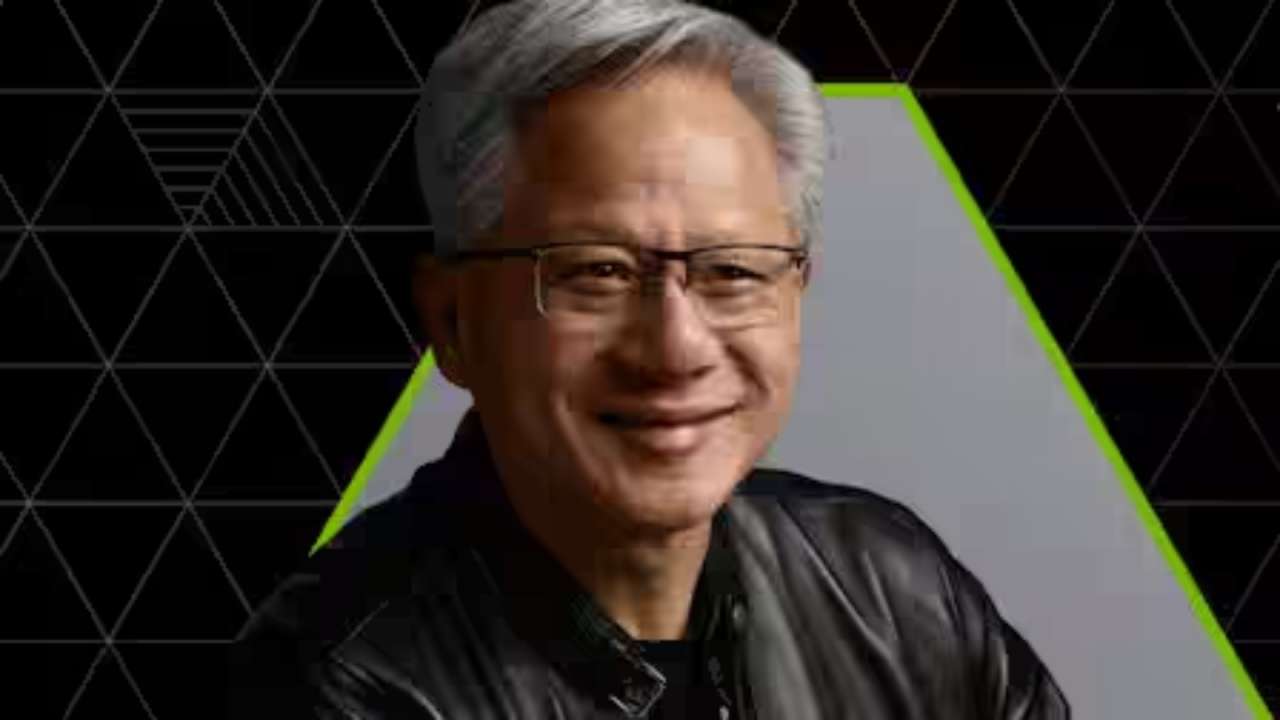 From Nvidia CEO Jensen Huang to top officials: 5 Alleged Chinese 'honey trap' cases that shocked world
 Brent crude crashes from $115 to $90: Will petrol and diesel prices become cheaper in India?
 Sensex soars 1,300 points, Rs 6 lakh crore added in minutes: 3 BIG reasons behind stock market rallyMaatrubhumi conquers, Military veteran, Shaurya Chakra awardee react to trailer of Salman Khan's action dramaExclusive: Salaam Venky, OM producer R Take's Shraddha Agarwal on challenge of keeping slice-of-life genre alive amid big-budget extravaganzas
 Ramayana box office collection Day 8: Despite big drop, Ranbir Kapoor scores his biggest hit, 1st 1000 crore film
 Viral video: Jackie Shroff dodges reacting to Tiger Shroff's firing incident? His mute reaction leaves netizens puzzled
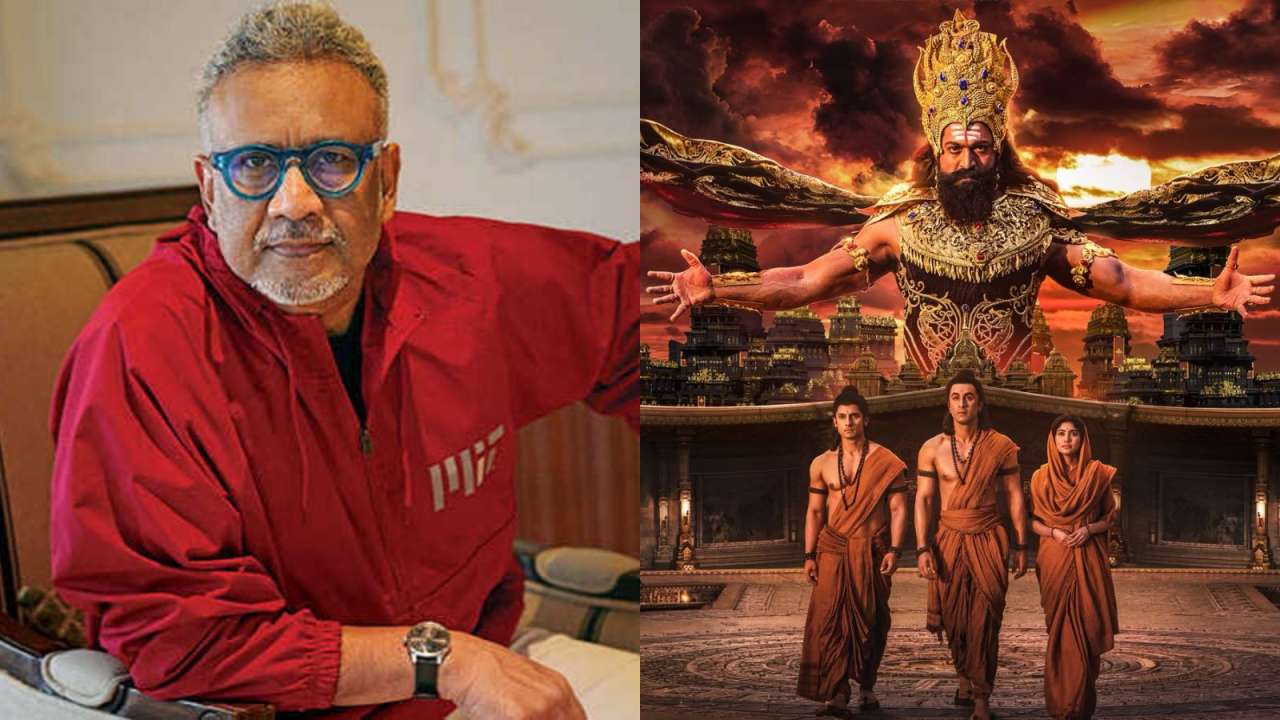 Anubhav Sinha 'jealous' of Ramayana? Director hopes film 'will no longer be gladiators', netizens brutally trolled him: 'You should stop making movies'Zee Entertainment announces Rs 600 crore share buyback at Rs 91 per share
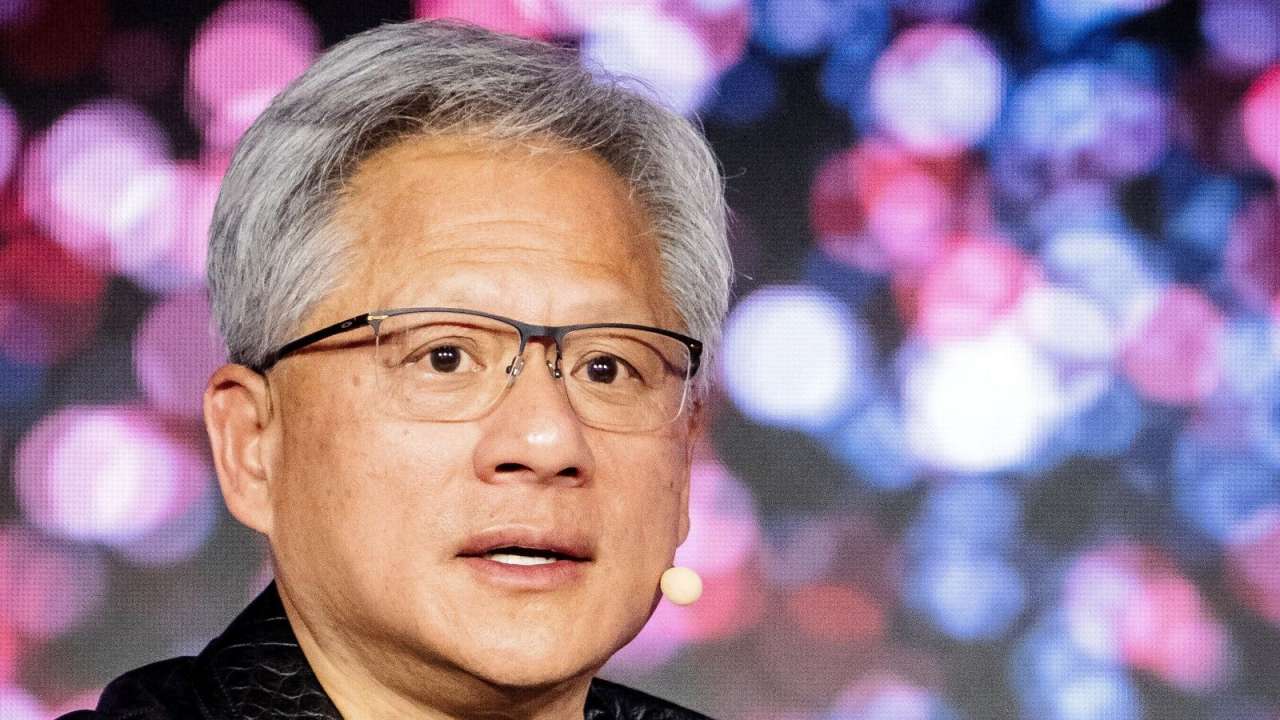 Who may replace Nvidia CEO Jensen Huang? THIS Indian tech executive emerged among top contenders
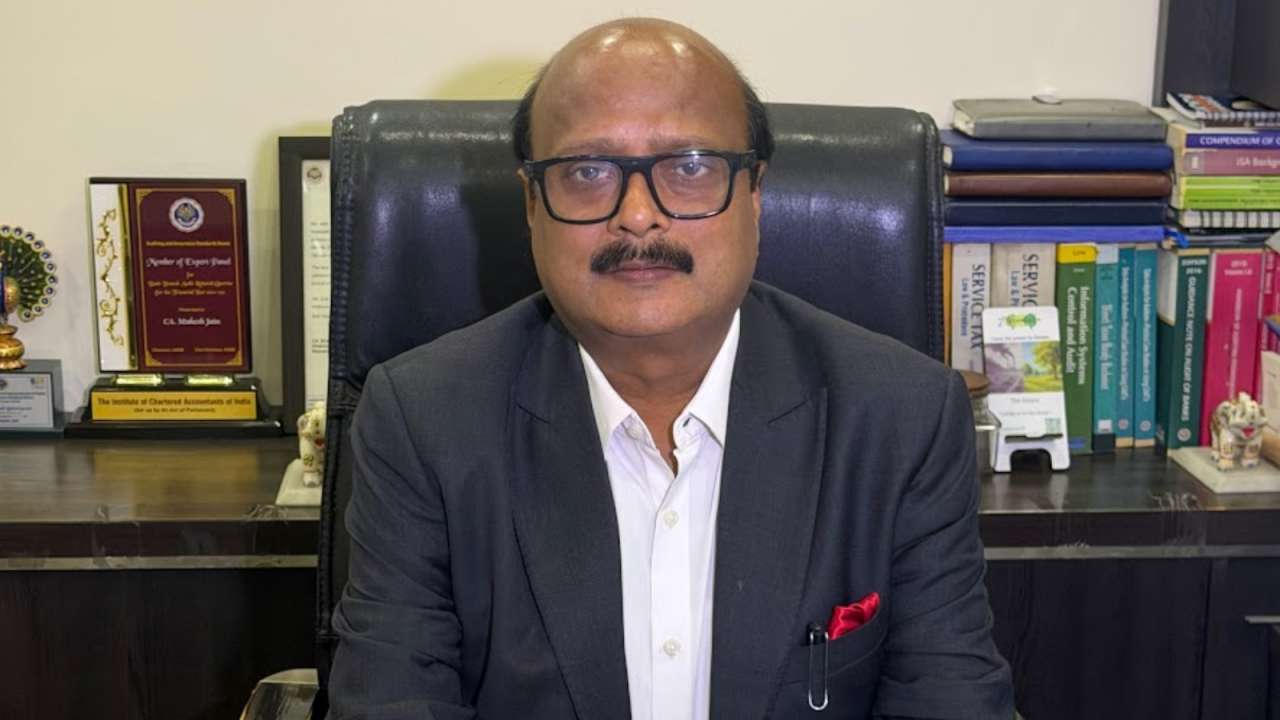 When CA Mukesh Jain Tested Kwala Intel: Inside the AI market wizard that money managers now swear by
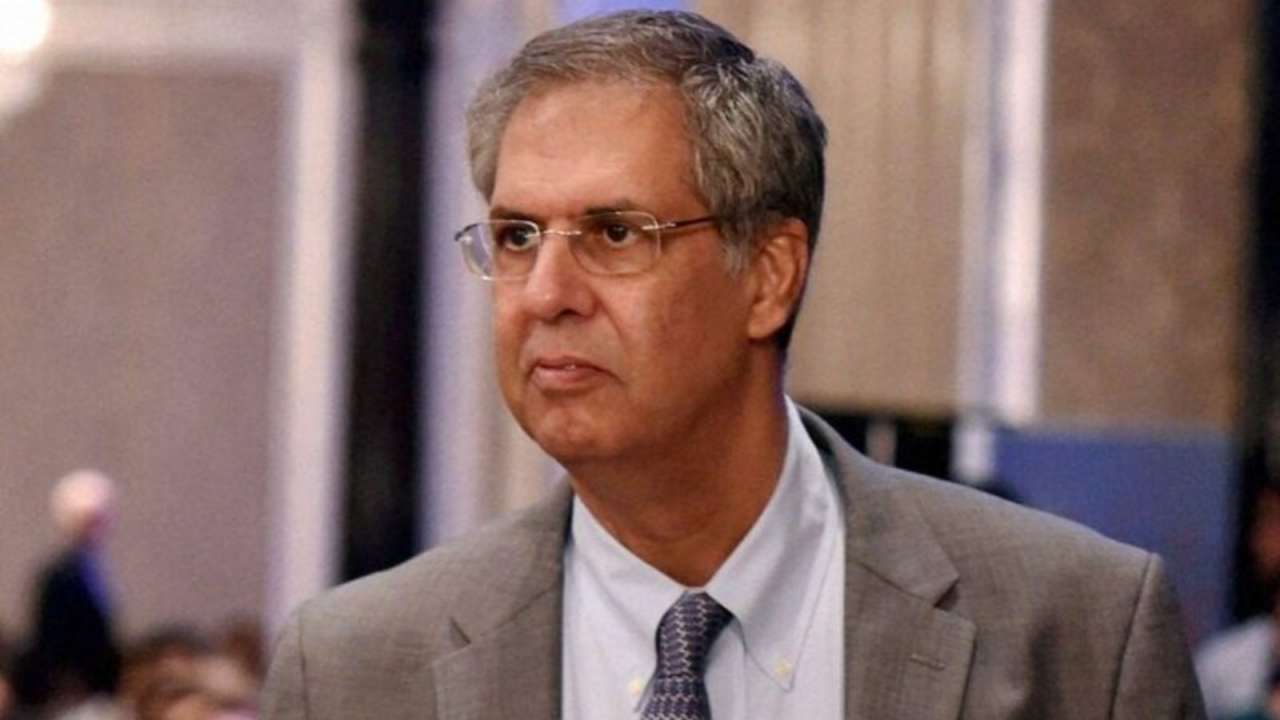 Tata Group Power Struggle Intensifies: Noel Tata quits boards of six companies, what next?
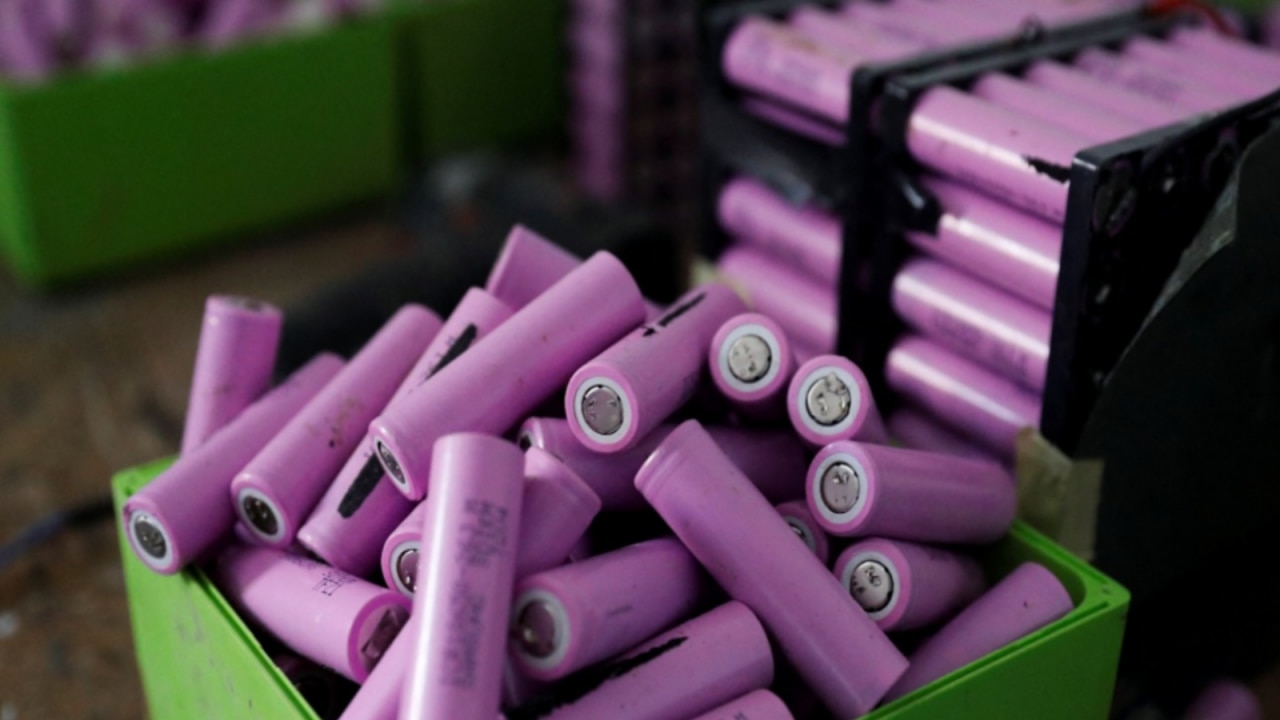 India bans lithium-ion battery waste exports: What's the reason behind the move?
 Arshdeep Singh and Samreen Kaur take relationship to next level: See engagement pictures
 Akash Ambani's first reaction after Hardik Pandya trade, welcomes Arshdeep Singh to Mumbai Indians
 Hardik Pandya drops first message after joining PBKS goes viral, says 'Sat Sri Akal Punjab'
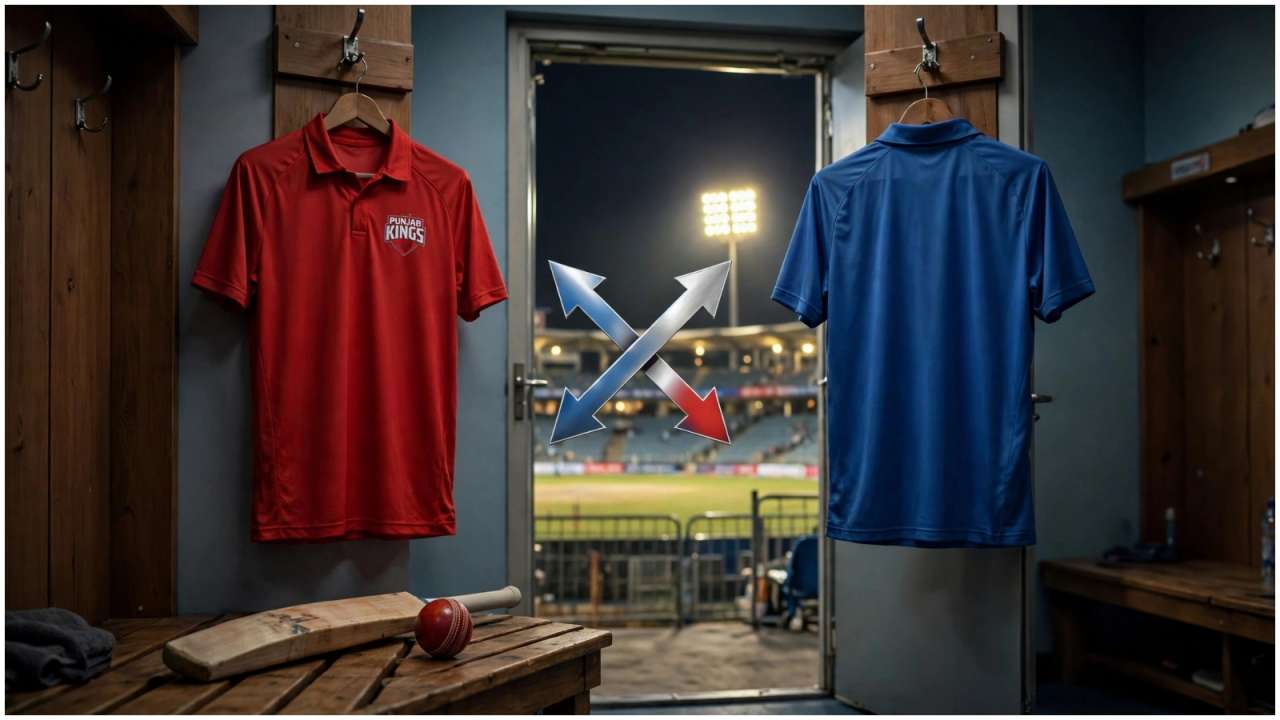 IPL 2027 trades: Full list of players who have switched teams, Hardik-Arshdeep deal included
 Irfan Pathan makes big statement on Arshdeep Singh's trade to MI, says 'Makes Mumbai Indians a stronger side'
 Nvidia-Jensen Huang News: 'Would Be An Honor To Hire Him...' Will Musk Save Huang After Resignation
 J&K News: 'Won't Spare You...' 2 Days Before Kulgam Attack, CRPF Got Unexpected Warning By Boy
 J&K News: Two Special Police Officers Who Went Missing In Kishtwar District Found Dead
 Assam Train Accident: 'Break Failure Or Control Loss...' 300 Passengers Escape Death; What Happened?
 Delhi AQI News: Why India’s Official AQI Stops At 500 While Private Apps Show Readings Above 1,500
SCIENCE
Copernicus was NASA's first multiwavelength astronomy observatory, featuring the largest ultraviolet telescope in space and four X-ray sensors.

Updated : Aug 21, 2022, 03:48 PM IST
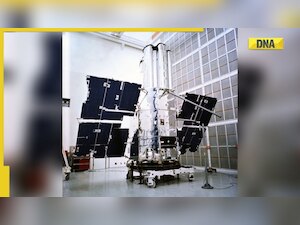
















The Copernicus satellite, the largest and most complicated space observatory of its day, was launched into orbit by NASA on August 21, 1972, from Launch Complex 36B at what is now Cape Canaveral Space Force Station in Florida.
Also, READ: Did Earth's water come from asteroid? Here's what Japan's space mission has found
Orbiting Astronomical Observatory (OAO) was renamed OAO 3 to keep up with the times after it was launched into orbit. Aside from that, it was rechristened to commemorate the birth of astronomer Nicolaus Copernicus 500 years ago (1473–1543). By formulating a concept of the solar system in which the Sun occupies centre position rather than Earth, the Polish astronomer broke with 1,300 years of convention and sparked a scientific revolution.
Copernicus was perhaps NASA's first dedicated multiwavelength astronomy observatory, equipped with the biggest ultraviolet telescope ever orbited and four co-aligned X-ray sensors. Because of this, it may be considered a precursor to modern space telescopes like NASA's Neil Gehrels Swift Observatory, which monitors the sky in visible, ultraviolet, and X-ray radiation.
The Princeton Experiment Package was the principal instrument on board Copernicus, and it had a 32-inch (0.8-meter) mirror, making it about a third the size of Hubble's. The device, led by Lyman Spitzer Jr. of Princeton University in New Jersey, revealed previously unknown details about interstellar gas and the ionised outflows of blazing stars. Strong absorption from hydrogen molecules was detected in its initial target, a star designated Zeta Ophiuchi that is partially obscured by an interstellar cloud. Theoretical calculations predicted that most of the hydrogen in gas clouds existed in this form, and measurements from hundreds of different stars verified this.
It was Spitzer's 1946 speculations about the probable scientific applications of a big orbiting telescope that ultimately prompted the creation of the Hubble Space Telescope. The Spitzer Space Telescope, a NASA observatory active from 2003 to 2020 and named for him, studied nascent stars in chilly clouds.
When NASA reviewed Copernicus equipment options, only the Sun produced X-rays. 1962 brought change. Riccardo Giacconi of American Science and Engineering Inc. in Cambridge, Massachusetts, led the team that discovered Scorpius X-1. Suborbital rockets carried innovative X-ray detectors. Other missions have uncovered other cosmic sources, including Cygnus X-1, which has a star-mass black hole.
Copernicus has provided UV and X-ray readings for 8.25 years despite being deactivated in 1981. As more advanced observatories appeared, such as Einstein and the International Ultraviolet Explorer, it lost its role at the vanguard of space astronomy. 650 scholarly papers cite Copernicus data. Over 160 academics from the US and 13 other countries utilised its gadgets to analyse 450 items.