 Hardeep Singh Puri steps down as UP Rajya Sabha MP 11 days before term ends
 Ukraine expects largest-ever prisoner exchange with Russia with over 1,000 from each side
 India-US trade deal nears finish line, Jaishankar says most issues resolved
 Why PMO summoned Telecom Secretary; How fake court orders led to blocking of 129 websites
 Tata Sons Listing Row: Why Noel Tata fears it could change Tata GroupHardeep Singh Puri steps down as UP Rajya Sabha MP 11 days before term endsWhy PMO summoned Telecom Secretary; How fake court orders led to blocking of 129 websites
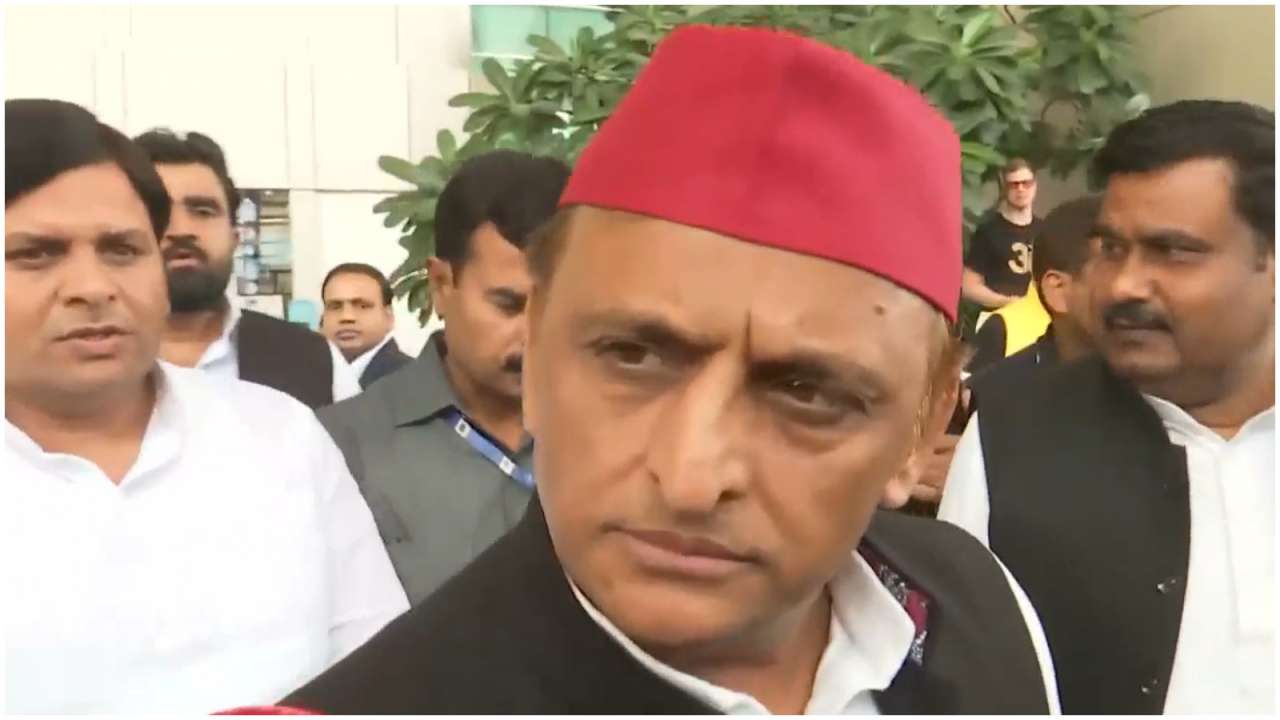 Akhilesh Yadav reacts to Owaisi-Chandrashekhar Azad alliance ahead of 2027 UP polls, here's what he said
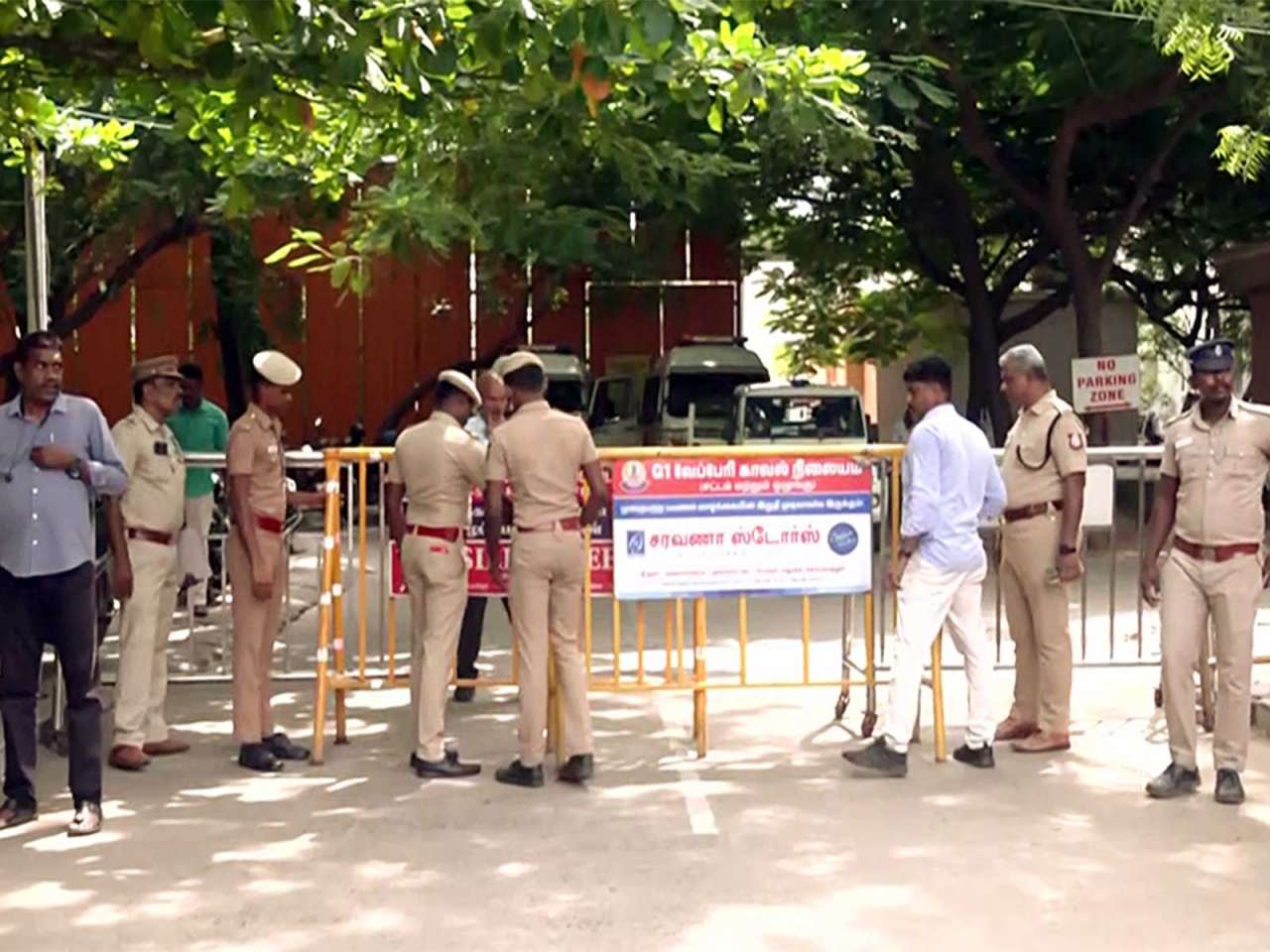 Shocking! Man found dead inside police station in Tamil Nadu; CBI and CID to investigate
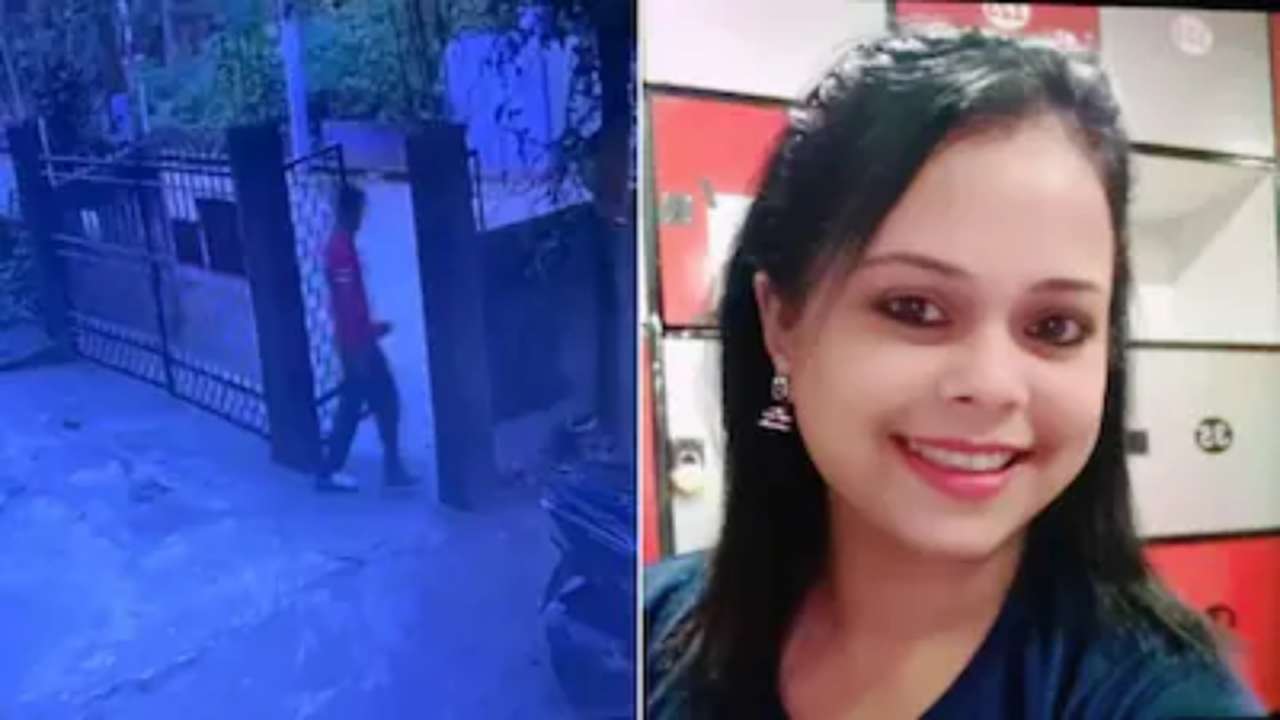 Assam Horror: Class 9 student stabs mother in Guwahati, dies after falling from buildingUkraine expects largest-ever prisoner exchange with Russia with over 1,000 from each sideIndia-US trade deal nears finish line, Jaishankar says most issues resolved
 Iran's navy warns tankers against entering restricted Strait of Hormuz zone after vessel hits mine
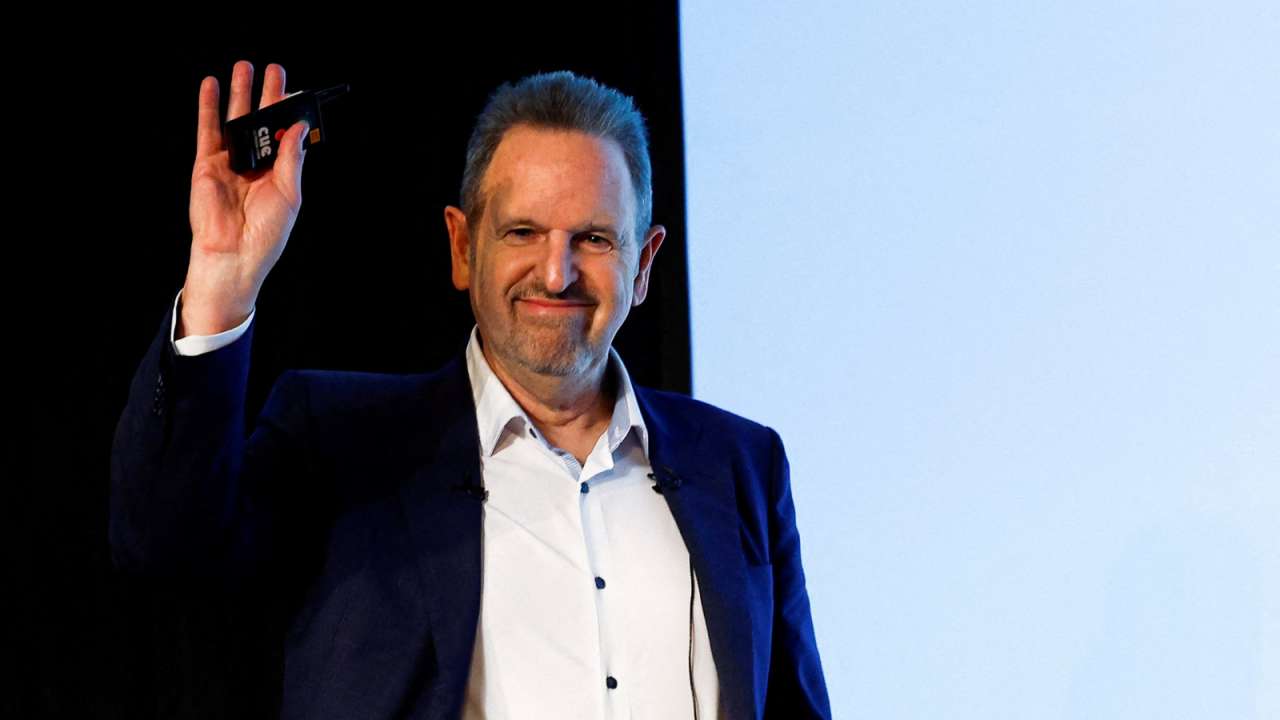 Who is Rene Haas? Arm CEO approached by Nvidia board to succeed Jensen Huang
 Pakistan’s polio crisis deepens: Vaccine refusals and public distrust fuel fresh outbreak fears
 Microsoft Global Outage: Why did Outlook stop working? How were airlines in India affected?
 Nvidia After Jensen Huang: Will India's AI dream face chip shortage or open door for new rivals?
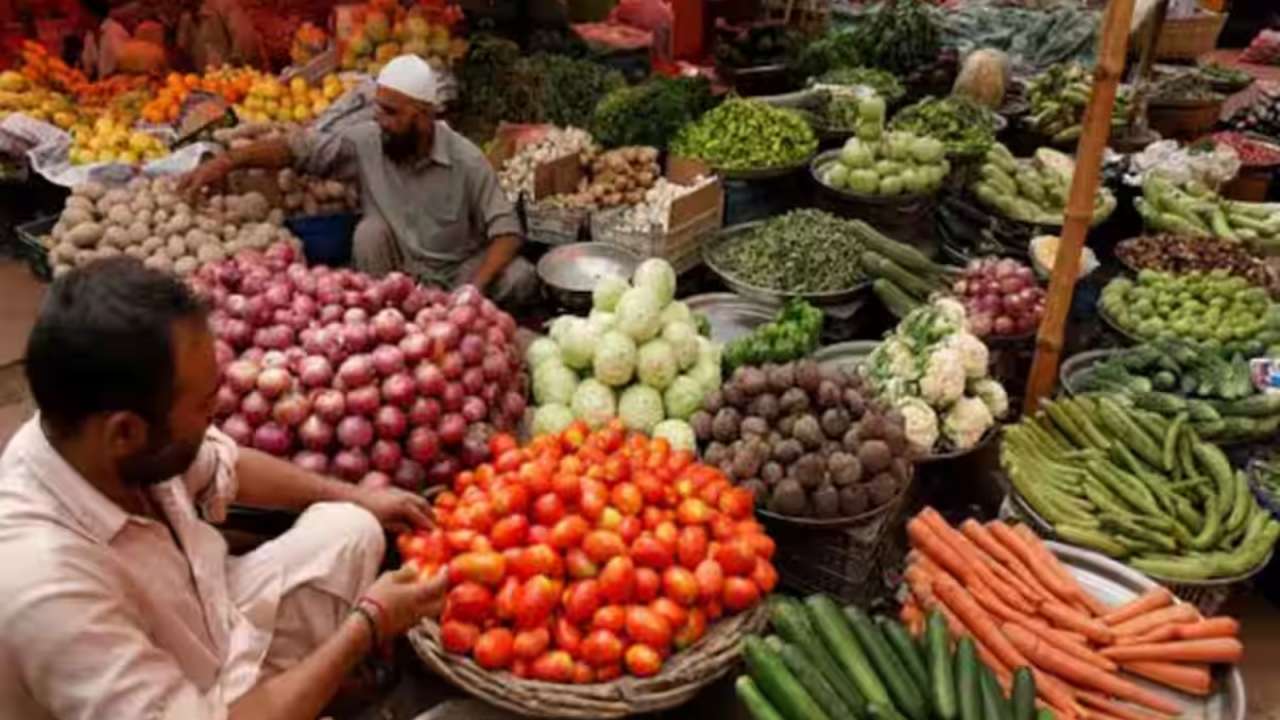 Why does inflation soar to 6.09% despite falling fuel prices, US-Iran war halt? RBI's next move under focus
 UP Elections 2027: Will Asaduddin Owaisi and Chandrashekhar Azad defeat BJP or help Yogi win?
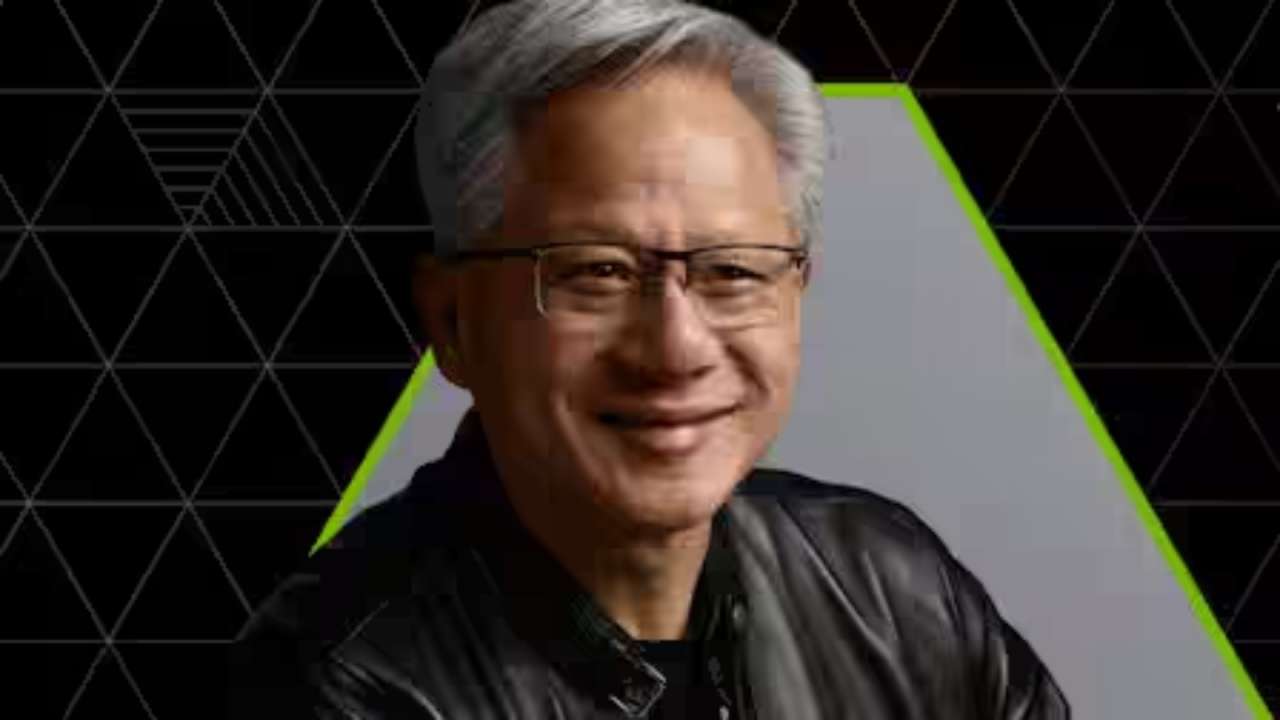 From Nvidia CEO Jensen Huang to top officials: 5 Alleged Chinese 'honey trap' cases that shocked world
 Campus Diaries 2 trailer: Harsh Beniwal returns to show after five years, Ritwik Sahore on how drama has evolved: 'Audiences may not always agree'
 Dhvani Bhanushali gets engaged to 'cupcake for life', posts pic with boyfriend Yash
 Anupam Kher defends Ramayana, explains if Ravana is shown more powerful than Rama, hits back at haters: 'There are people who...'
 Sharad Kapoor APPEALS film industry for work, reveals how his health got detoriated, recalls tragic injury: 'I need your support, not money'
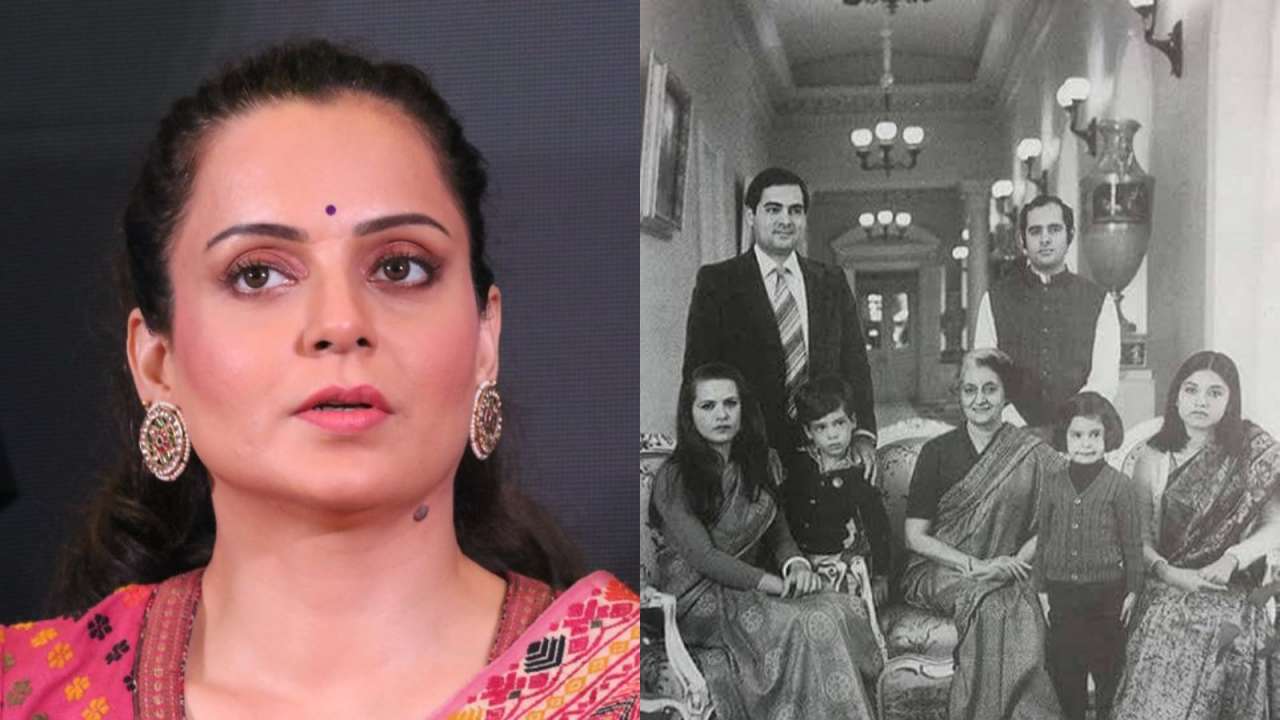 Kangana Ranaut lands in major trouble, FIR against actress-politician for insulting Sonia Gandhi and familyTata Sons Listing Row: Why Noel Tata fears it could change Tata Group
 Who will replace Jensen Huang at Nvidia? 3 Indian-origin executives in the race
 Zee Entertainment announces Rs 600 crore share buyback at Rs 91 per share
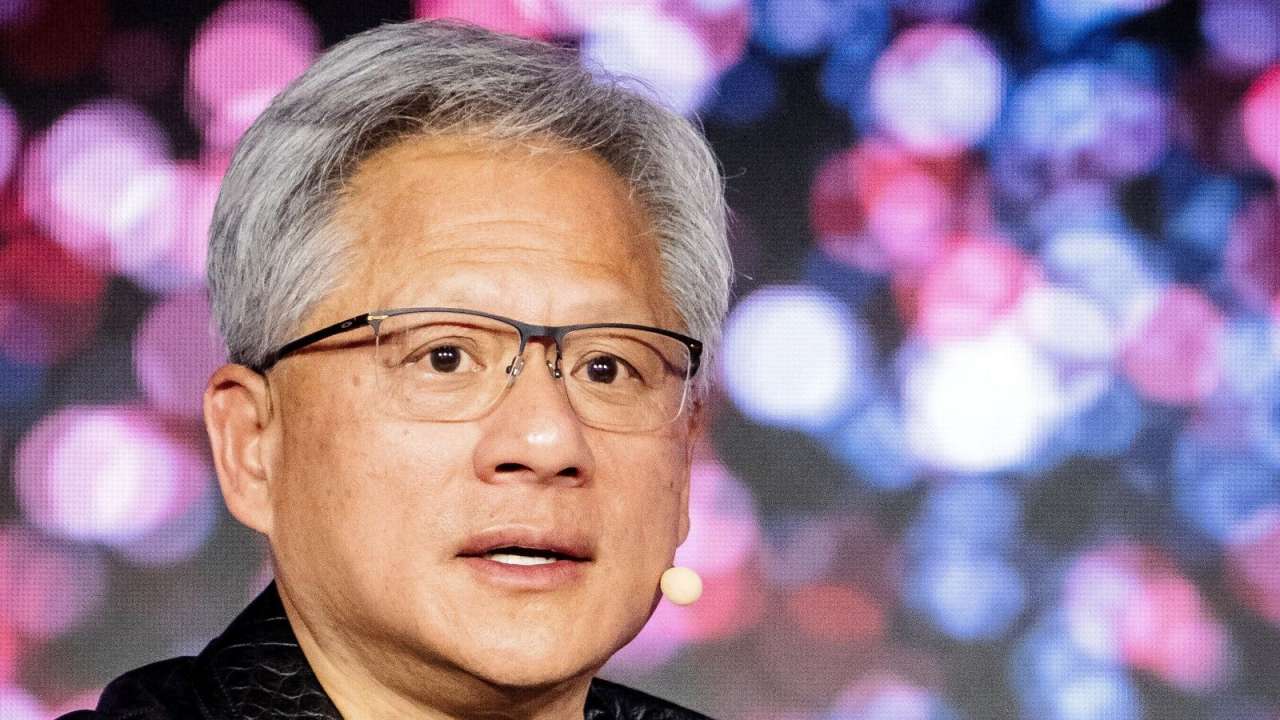 Who may replace Nvidia CEO Jensen Huang? THIS Indian tech executive emerged among top contenders
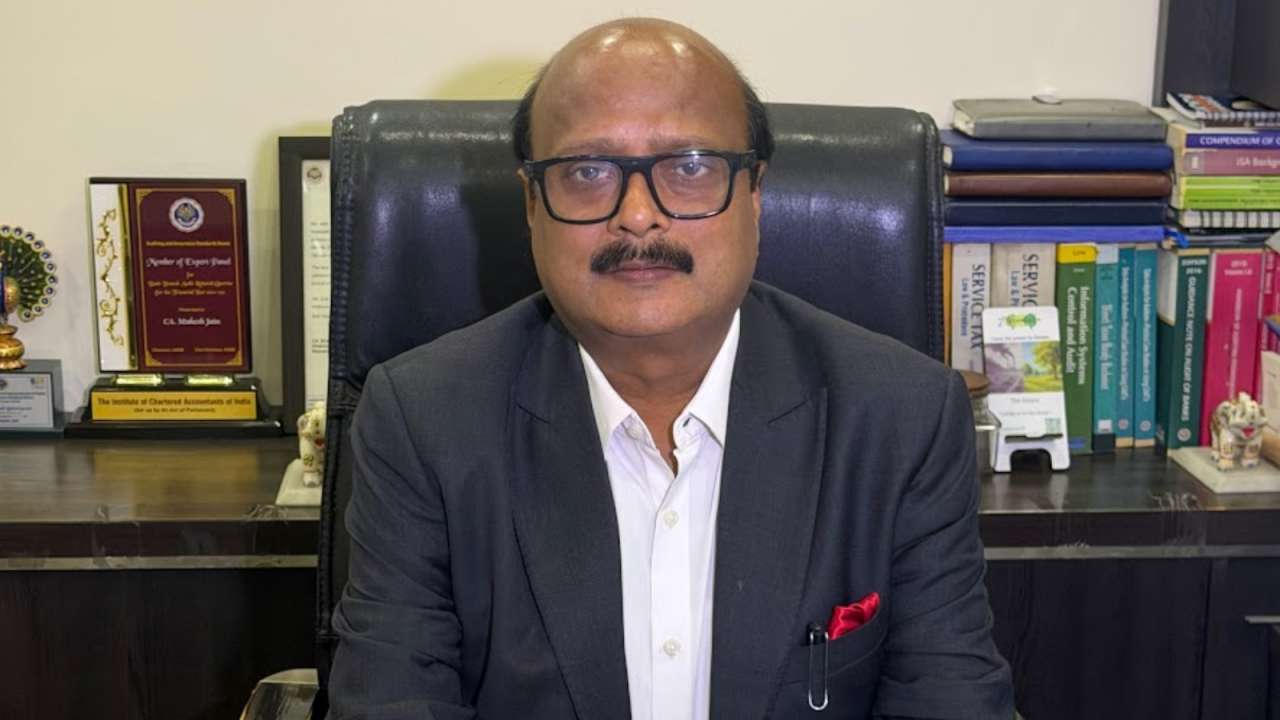 When CA Mukesh Jain Tested Kwala Intel: Inside the AI market wizard that money managers now swear by
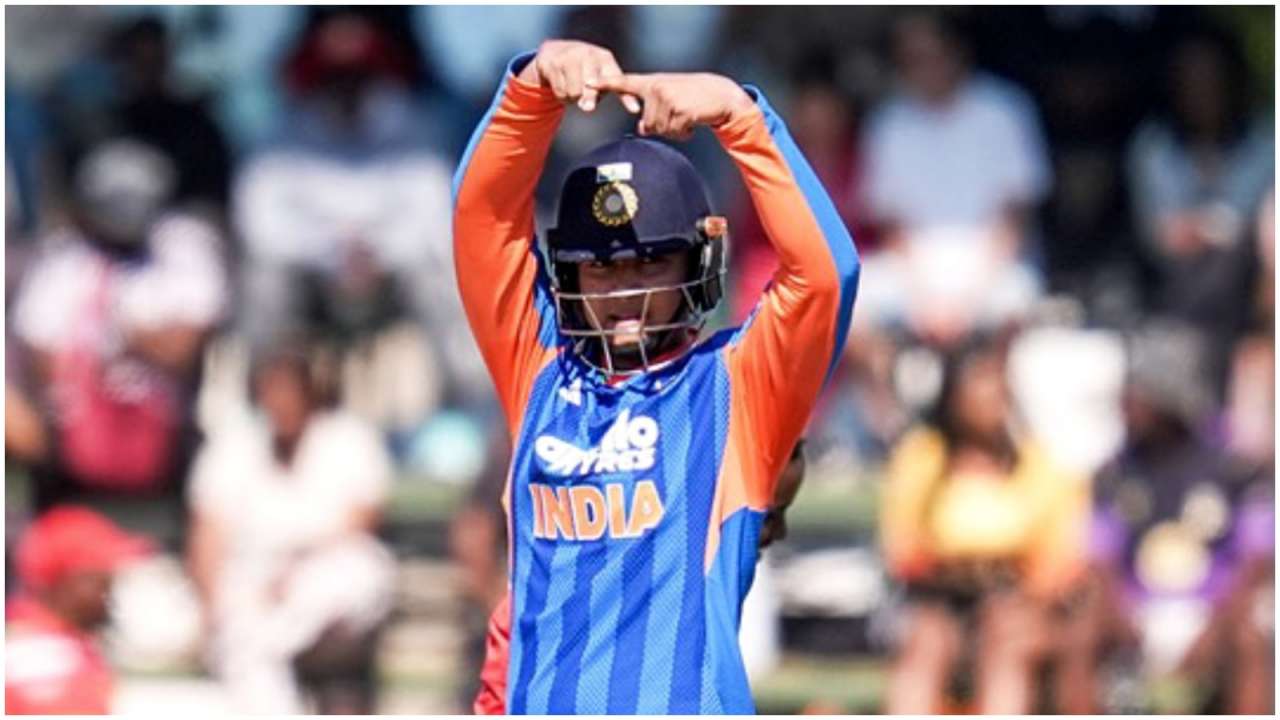 Vaibhav Sooryavanshi achieves a rare first at 15, creates history in T20 cricket
 IND vs PAK U19 Asia Cup final: When and where to watch match live on TV and online
 'Big brown mark on my sheets': Usman Khawaja makes shocking revelation about former Australia teammate
 Kabaddi Champions League: Former India star Mohit Chhillar backs it for next generation
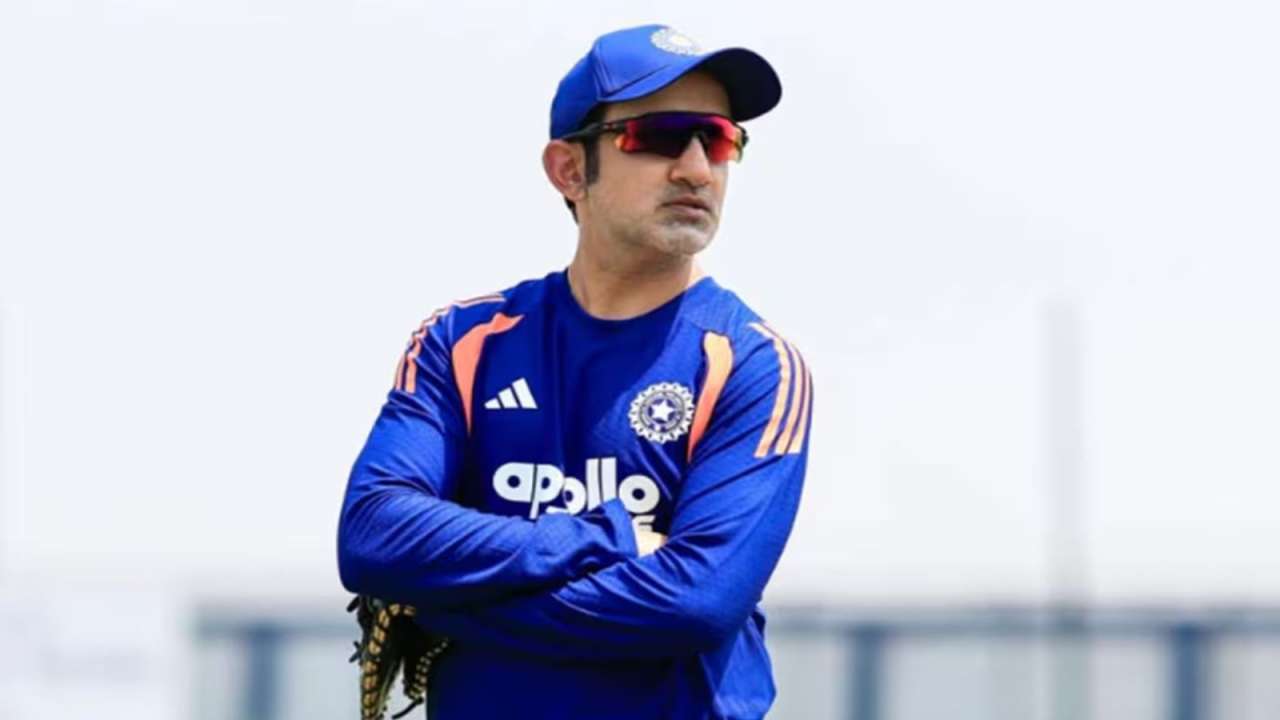 Gautam Gambhir loses patience after India's 89-run collapse against New Zealand, refuses to spare batters, slams Rohit, Kohli, Iyer
 Kaziranga Road Accident Update: Death Toll Rises To 24; Mini-Bus Had 13 Overspeeding Challans
 Bay of Bengal Cyclone Alert: Low-Pressure Area To Intensify By November 16; Yellow Alert In Odisha
 Microsoft 365 Outage Update: Gradual Recovery Underway After 20 Hours; Email Timeout Doubled to 48 Hrs
 Nvidia-Jensen Huang News: 'Would Be An Honor To Hire Him...' Will Musk Save Huang After Resignation
 J&K News: 'Won't Spare You...' 2 Days Before Kulgam Attack, CRPF Got Unexpected Warning By Boy
BUSINESS
GST Council may focus on administrative, compliance issues to check evasion

Updated : May 29, 2019, 05:00 AM IST
















NDA 2.0 may not see drastic structural changes in the goods and services tax (GST) as the focus may be more on administrative and compliance issues to reduce evasion and enhance tax revenues.
Experts DNA Money spoke to, do not expect the structure of the unified indirect tax system to alter much beyond collapsing its design from a four-rate slab to a three-rate-slab.
They believe the GST Council will concentrate more on driving better compliance to improve tax collection. For this, it will try to simplify returns filing and auditing process for taxpayers.
After introducing the electronic-way (e-way) bill, there are speculations that the government is looking at an e-invoice system that enables every transaction to be automatically registered on the GST Network (GSTN). The government is also looking to roll out the simplified single form returns filing system by July.
DELICATE BALANCE |
|
The GST Council is expected to meet for the first time after the new government is formed around mid-June.
Pratik Jain, partner and leader, indirect tax, PwC India, told DNA Money the first meeting may not be "agenda-heavy" and could be more "introductory" in nature.
 He expected the Council to continue to pursue its agenda of plugging leakages in GST through "e-invoicing, data analytics and the crackdown on tax evaders".
Jain said there could be some rationalisation in GST rates as items like cement, air conditioner (AC) and others are moved from 28% tax slab to 18% slab. He also expects the GST Council to finally include fuels such as natural gas and aviation turbine fuel (ATF) in GST.
Even as he called on the government to work at "more stability and lesser aggression," he said the government is likely to continue to lay emphasis on tax collection and evasion.
"The government would focus on tax collection, evasion and simplification of compliances processes. From the industry perspective, of course, they would want more stability now, and hopefully lesser aggression on the ground by the authorities," he said.
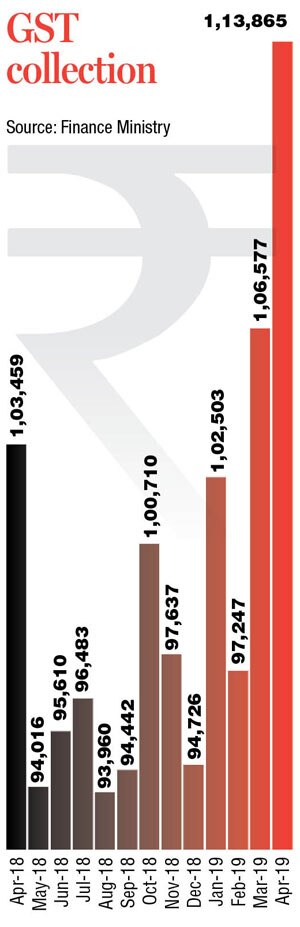
Last fiscal, the government struggled to meet its budgeted GST target of an average of over Rs 1 lakh per month. It had estimated the total GST collection, by Centre and state, at Rs 13.48 lakh crore in FY19. They had fallen short of this target. For the current fiscal, the government is looking to mop up central GST (CGST) of Rs 7.61 lakh crore.
According to Jain, one of the areas that will need attention is strengthening of the GST dispute resolution mechanism. "The government should look at strengthening the dispute resolution mechanism. There are a lot of litigations relating to GST happening," he said.
Suresh Rohira, partner, leader – indirect tax practice –Grant Thornton, expects the number of rate slabs to be brought down to three from four.
According to him, if the GST rate on cement, which is currently charged at 28%, is brought down to 18%, the government would try to make for the loss of revenue due to it from other "areas".
The government has refrained from rationalising the GST rate on cement as it would reportedly result in a loss of Rs 13,000 crore to the government. GST collected on cement constitutes a major part of the total GST revenues.
"Cement contributes a major chunk of the GST revenues. So the government would do a balancing act if its rate is rationalised. If they reduce the rates of cement then definitely they would look at other areas for compensating the loss from it," he said.
Archit Gupta, founder and CEO of ClearTax, sees the GST 2.0 as old wine in a new bottle that will ensure better compliance to boost revenues in the run.
"GST 2.0 envisages a scenario where businesses manage and closely monitor their input tax credit (ITC) credit and work with suppliers for smooth ITC flow on a month-on-month basis. Sellers will continuously upload invoices, and buyers will accept/reject on the system. Initially, provisional credit will be allowed to help businesses smoothen out the credit process, giving them time to align with sellers. A systematic and phased implementation will help businesses adapt and help build better compliance leading to a boost in revenues in the longer term," he said.