While last year, over 231 dengue-like illness cases were reported of which 153 confirmed cases were in August
The number of dengue and dengue-like illness cases has seen a decrease this year compared to the previous year. The recent monsoon report released by Brihanmumbai Municipal Corporation's public health department stated that in August, around 134 cases and 1,894 dengue-like illness cases were reported. While last year, over 231 dengue-like illness cases were reported of which 153 confirmed cases were in August.
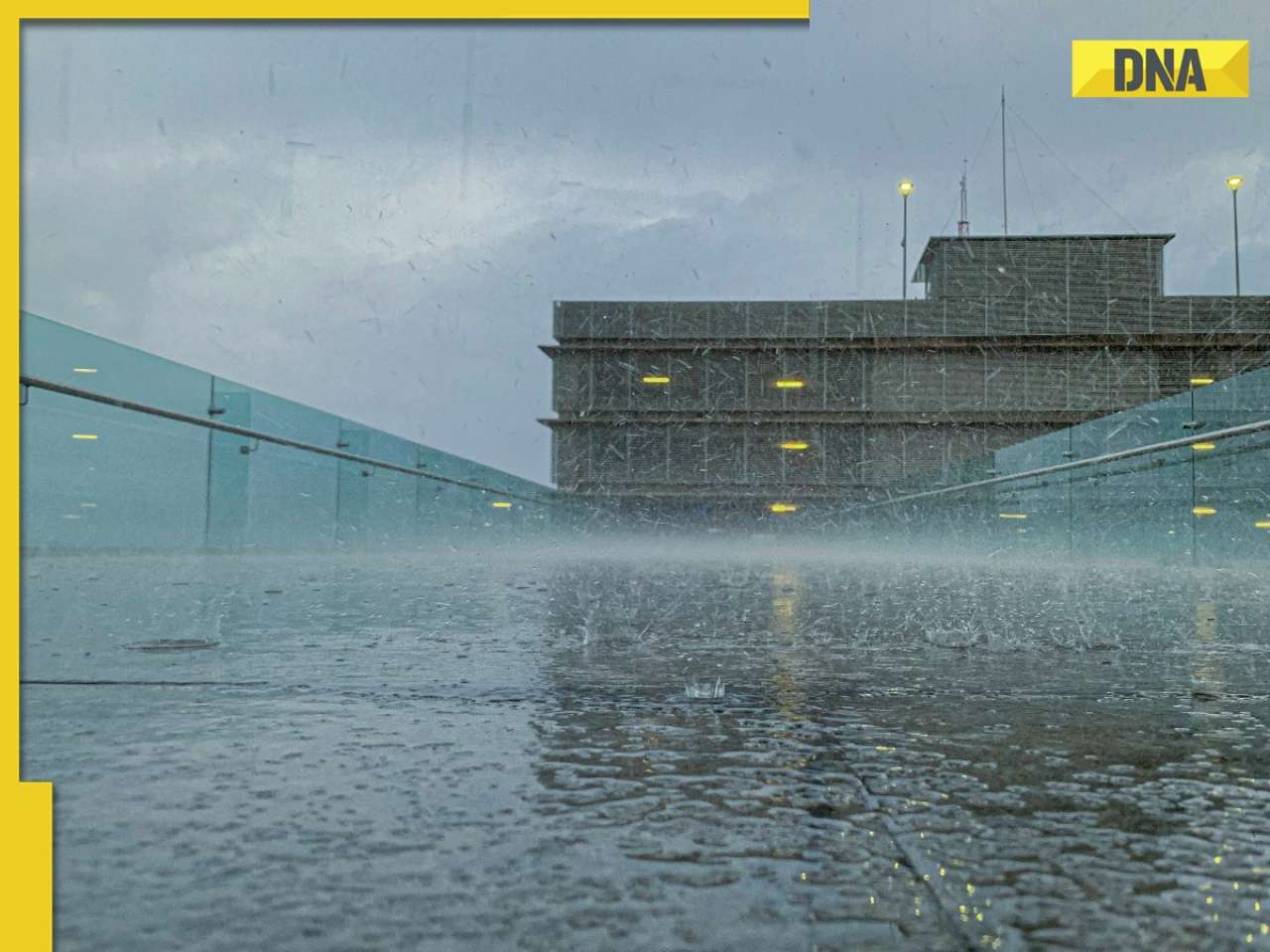
There certainly seems to be a spurt in fever cases on the out-patient department (OPD) most likely due to the return of the monsoon. Some of those are diagnosed to be dengue positive cases.
Speaking about preventive measures to be taken, Dr Abhishek Subhash, Internal Medicine, Tardeo Bhatia Hospital, said, "People with illnesses such as diabetes, hypertension, heart disease, kidney failure, lung disorders, immunocompromised patients should seek the help of physician immediately at the onset of fever. Do not let water stagnate inside your house and in your building and locality. People should use mosquito repellents and avoid street food made at unhygienic surroundings."
So far since the onset of monsoon from June to August, BMC has reported 163 dengue cases this year and 3594 dengue-like illness cases. While last year, 233 cases were confirmed and 4,455 dengue-like illness cases were reported. Common symptoms include fever, headache, joint pain to name a few.
In monsoon-related diseases, mosquitoes act as a vector. Aedes Aegypti mosquitoes breed on clean water and transmit dengue.
As a preventive step to reduce the number of cases, inspection of under-construction sites & removal of debris so water doesn't accumulate must be done.
A health officer from epidemiology cell of the BMC's public health department, said, "With an aim to prevent dengue and malaria, mosquito breeding spots should be in control and a proper system for the water to flow and not get stagnant be made. Usually, the dengue and malaria case rise during the end of the monsoon season as the climate changes."































)
)
)
)
)
)
)
)
)
)
)
)
)
)
)
)
)

 "Dengue")






)
)
)
)
)
)
)
)
)
)
)
)
)
)
)
)
)
)