 Kulgam on high alert as fresh encounter breaks out between terrorists, security forces
 Jensen Huang breaks silence on Nvidia exit, hints at return: 'Owns mistake completely'
 Ramayana box office collection day 13: Ranbir Kapoor, Yash film breaches Rs 800 crore mark in India
 Scene box office collection day 12: Suriya, Naslen film crosses Rs 250 crore worldwide
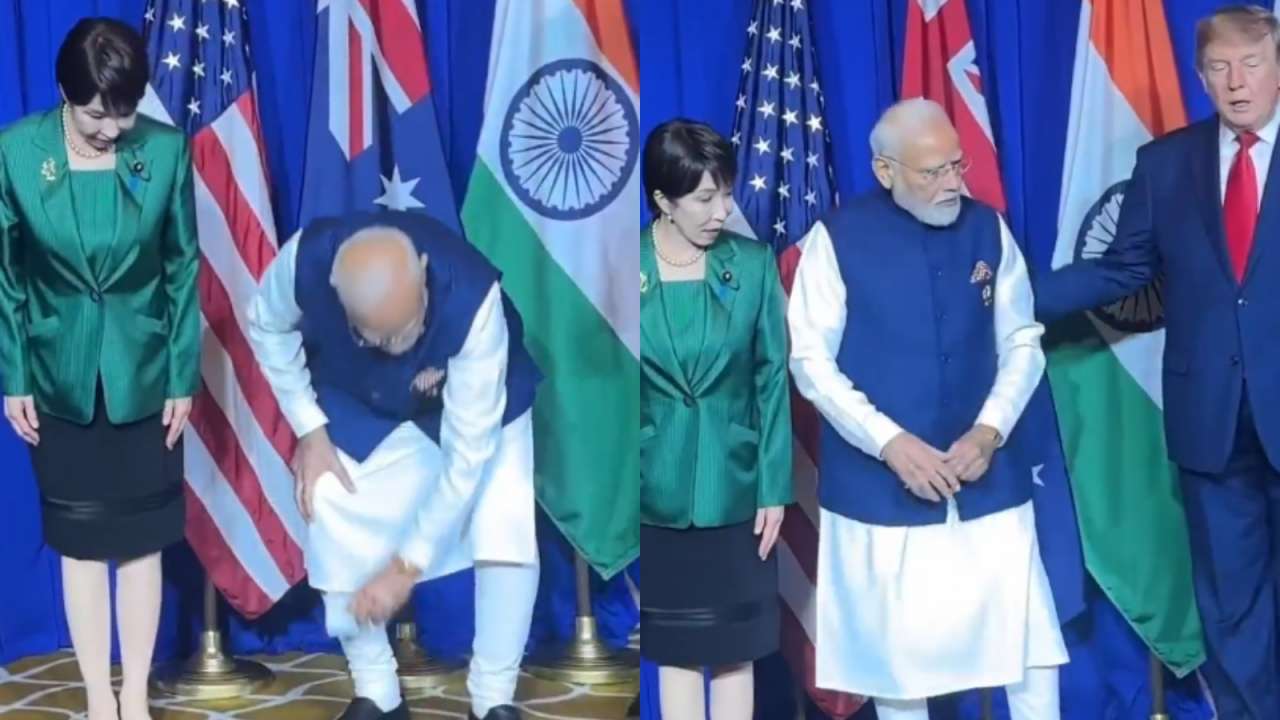 PM Modi lifts Indian flag marker during Quad photo-op, keeps it in pocket: WatchKulgam on high alert as fresh encounter breaks out between terrorists, security forcesJensen Huang breaks silence on Nvidia exit, hints at return: 'Owns mistake completely'PM Modi lifts Indian flag marker during Quad photo-op, keeps it in pocket: Watch
 Maharashtra tightens lift safety norms, bans children below 12 from using lifts alone
 Trump describes PM Modi as a 'Tough Man' during Quad leaders' meeting in Philippines
 US proposes two-year hiring ban on employers laying off American workers for similar jobs
 ‘Biryani for Pakistan minister’: Congress questions Centre’s decision to invite Islamabad to SCO meet
 Was Jeffrey Epstein killed in prison? Fresh investigation raises questions
 Oil tanker hits naval mine? Iran reports fourth fire near Strait of Hormuz
 US bank outage explained: What went wrong with Chase, Bank of America and Wells Fargo?
 India Eyes $1 Trillion Exports As 7-Month Exports Hit $570 Billion
 PM Modi Attends Quad Summit: How can India corner China in Indian Ocean without firing a shot: 5 strategic moves
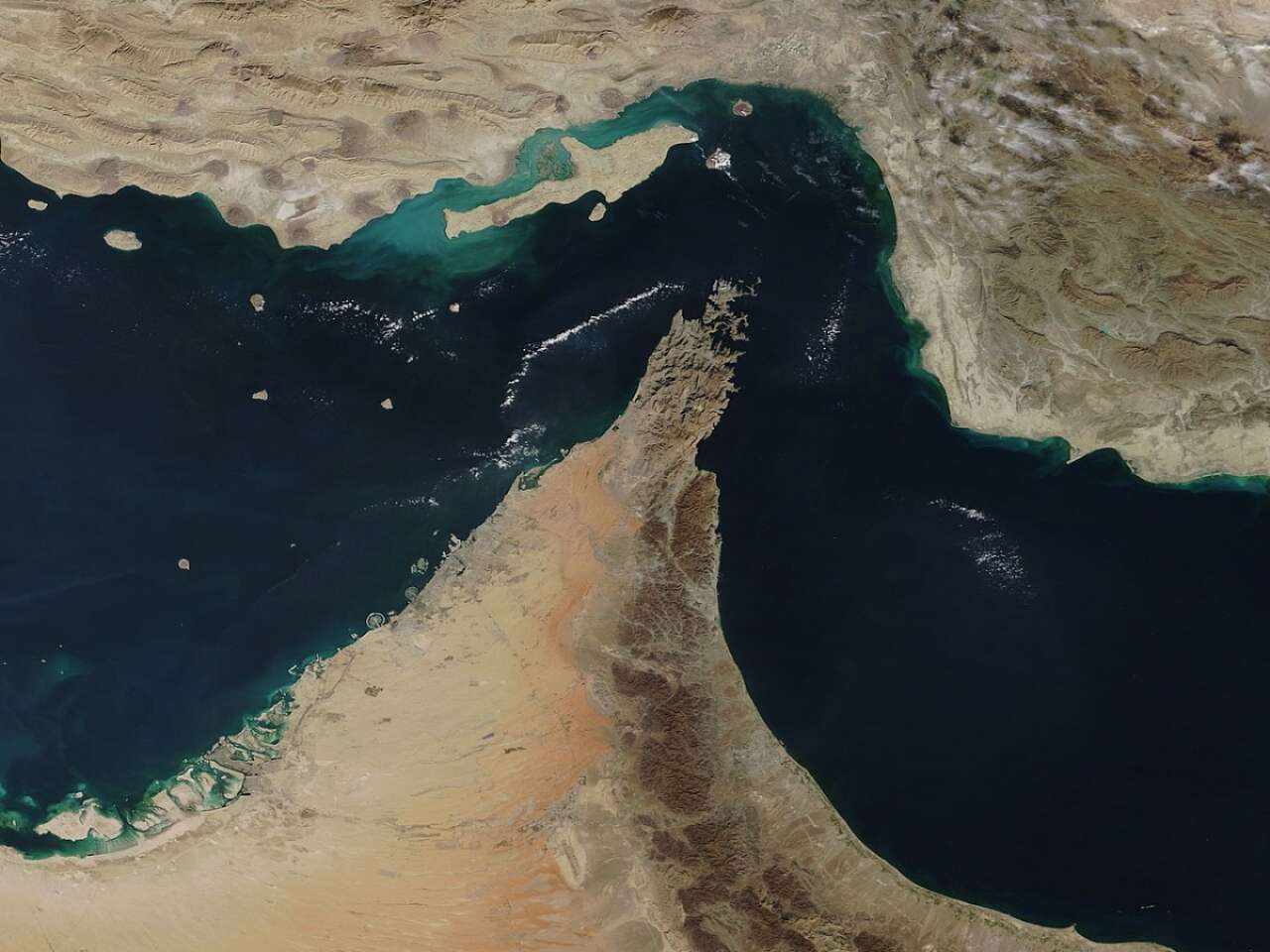 Oil Tankers Catch Fire In Strait Of Hormuz: Will petrol and diesel prices rise in India?
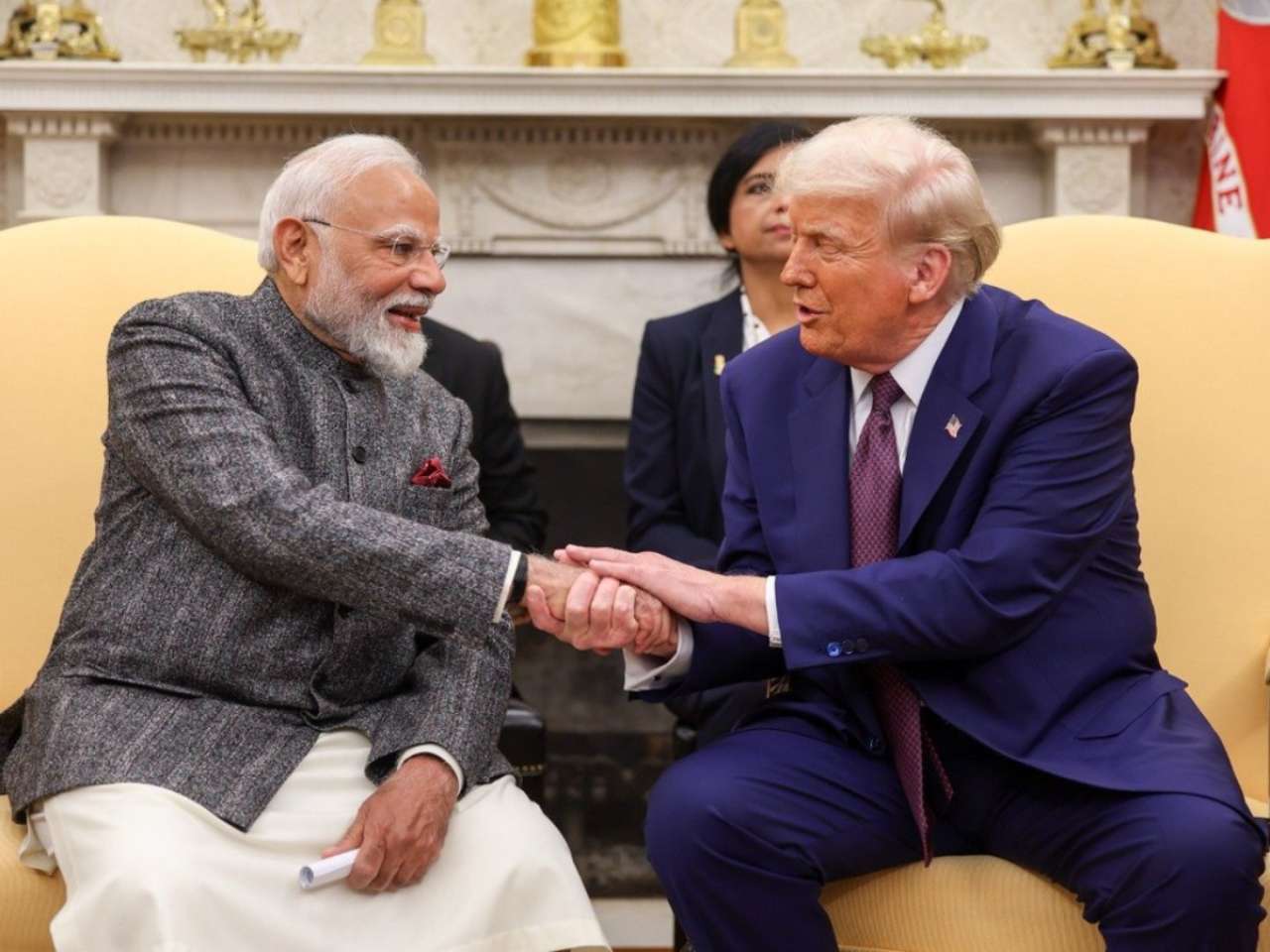 Modi-Trump Meeting In Manila: 5 Big issues India-US may discuss, from China to trade deal
 Microsoft Global Outage: Why did Outlook stop working? How were airlines in India affected?Ramayana box office collection day 13: Ranbir Kapoor, Yash film breaches Rs 800 crore mark in IndiaScene box office collection day 12: Suriya, Naslen film crosses Rs 250 crore worldwide
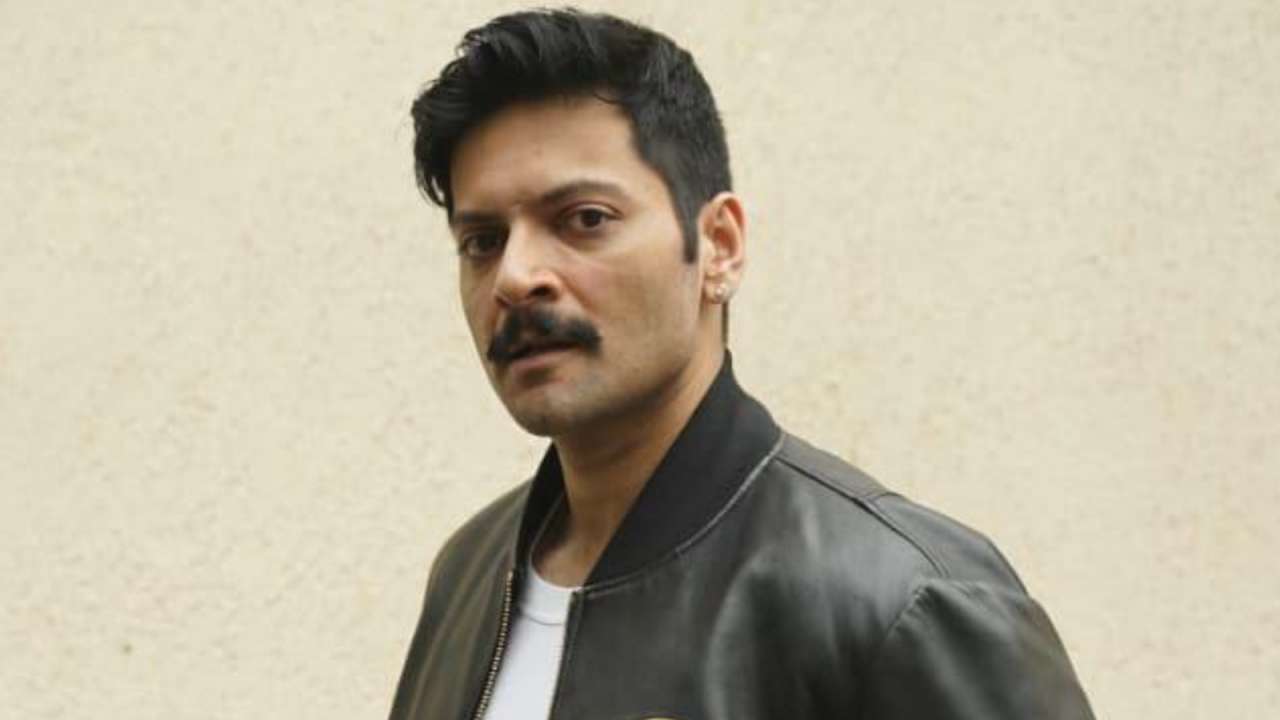 Ali Fazal to lead series adaptation of EM Forster's iconic novel A Passage to India; Naseeruddin Shah, Fiona Shaw join him
 Rashmika Mandanna's Mysaa explores emotional father-daughter bond in soulful second single Aao Ri Chirraiya
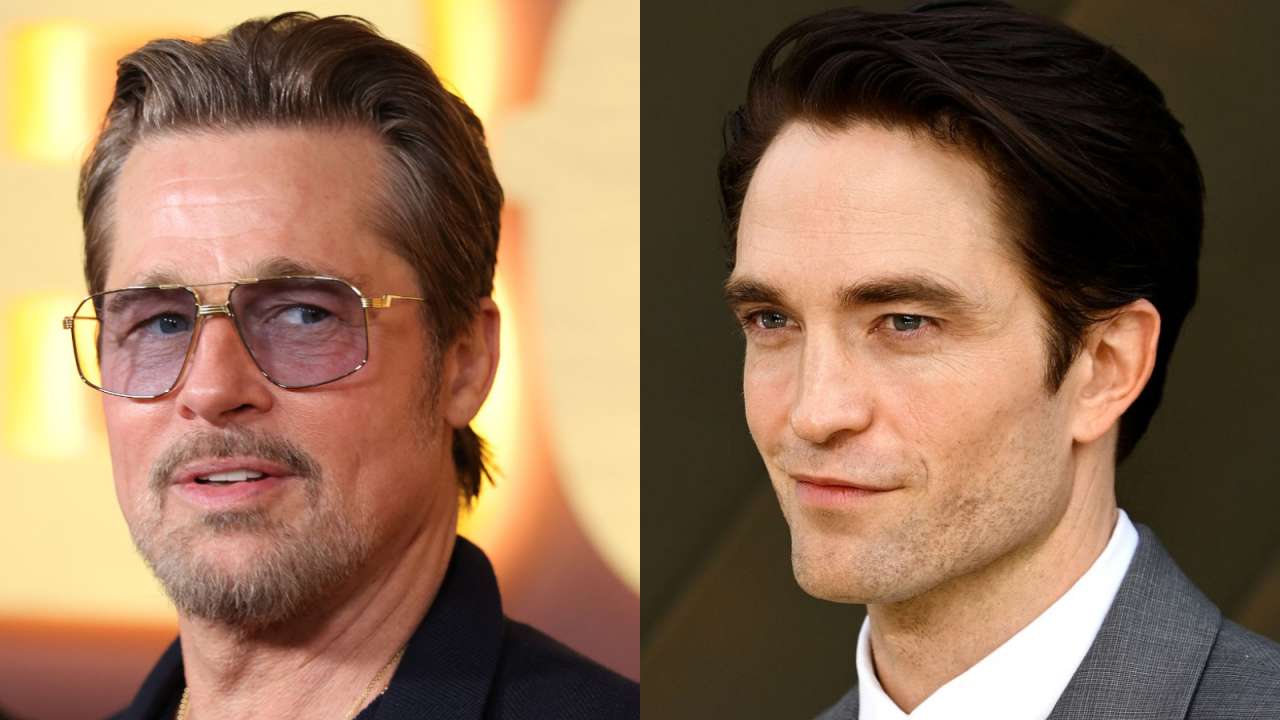 Brad Pitt wants to play the villain opposite Robert Pattinson's James Bond: 'Get Denis Villeneuve on the phone'
 India's Astrology Boom: Faith, big business or emotional dependence? Who is watching the industry?
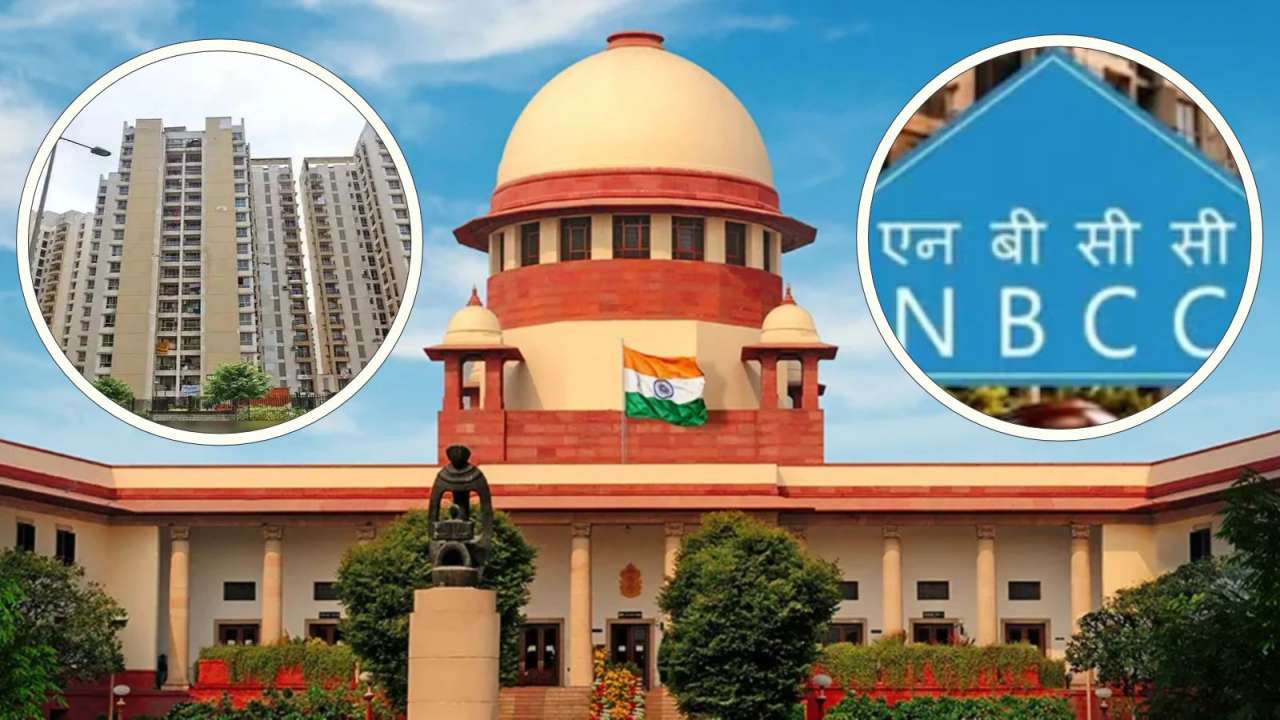 Did NBCC commit contempt of court? Firm resumes auction of flats despite matter being sub judice
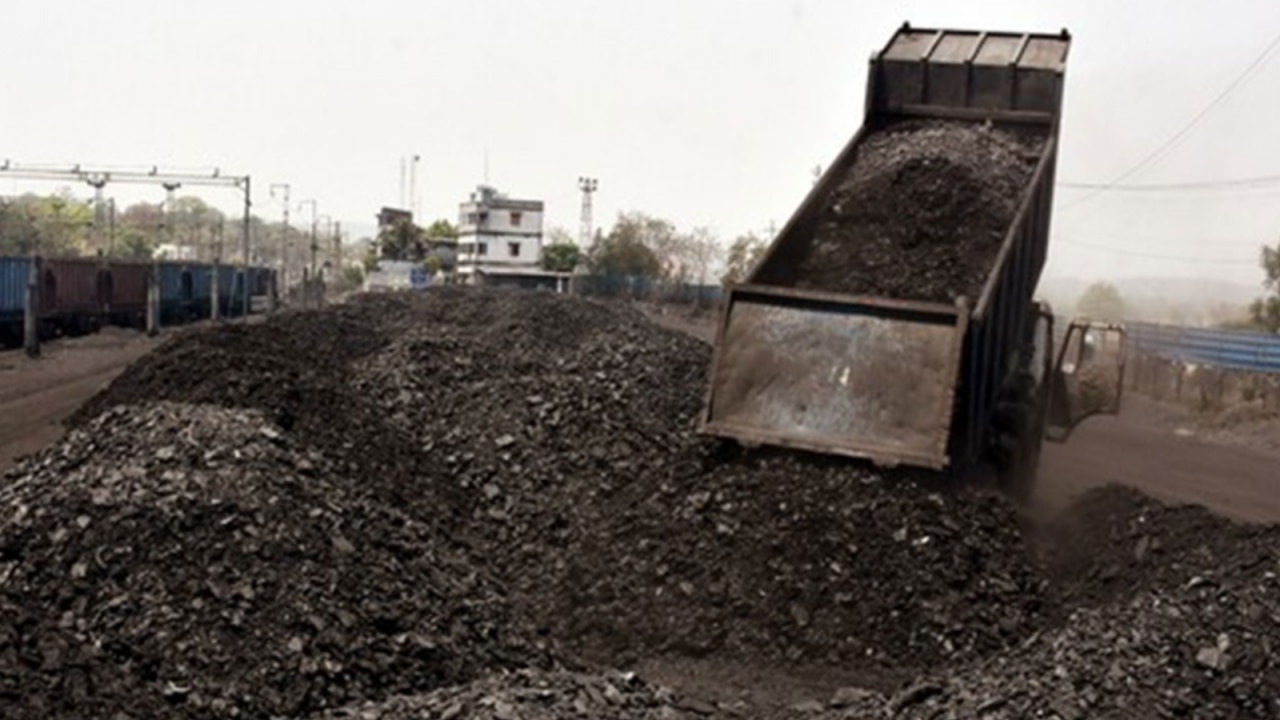 Mahanadi Coalfields IPO: 10 Things to know about issue date, GMP, price band, size and listing
 Tata Sons Listing Row: Why Noel Tata fears it could change Tata Group
 Who will replace Jensen Huang at Nvidia? 3 Indian-origin executives in the race
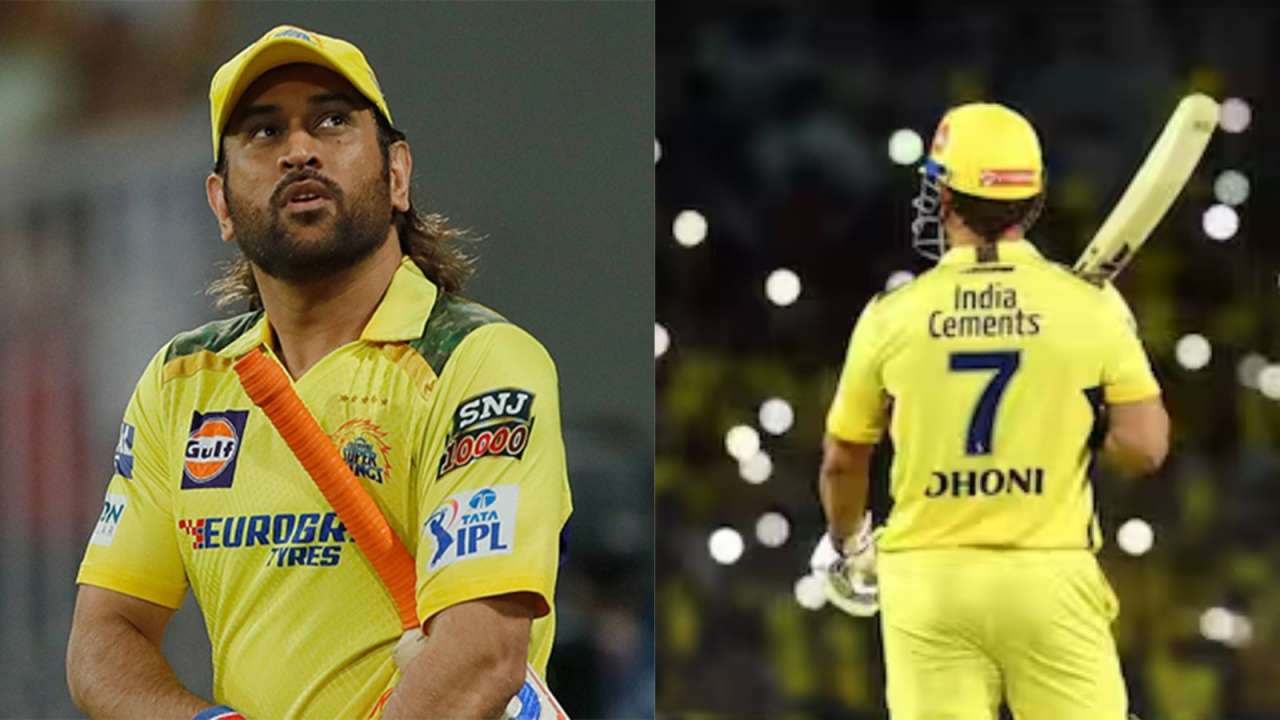 MS Dhoni among IPL's oldest players: Who tops list, where does CSK legend rank?
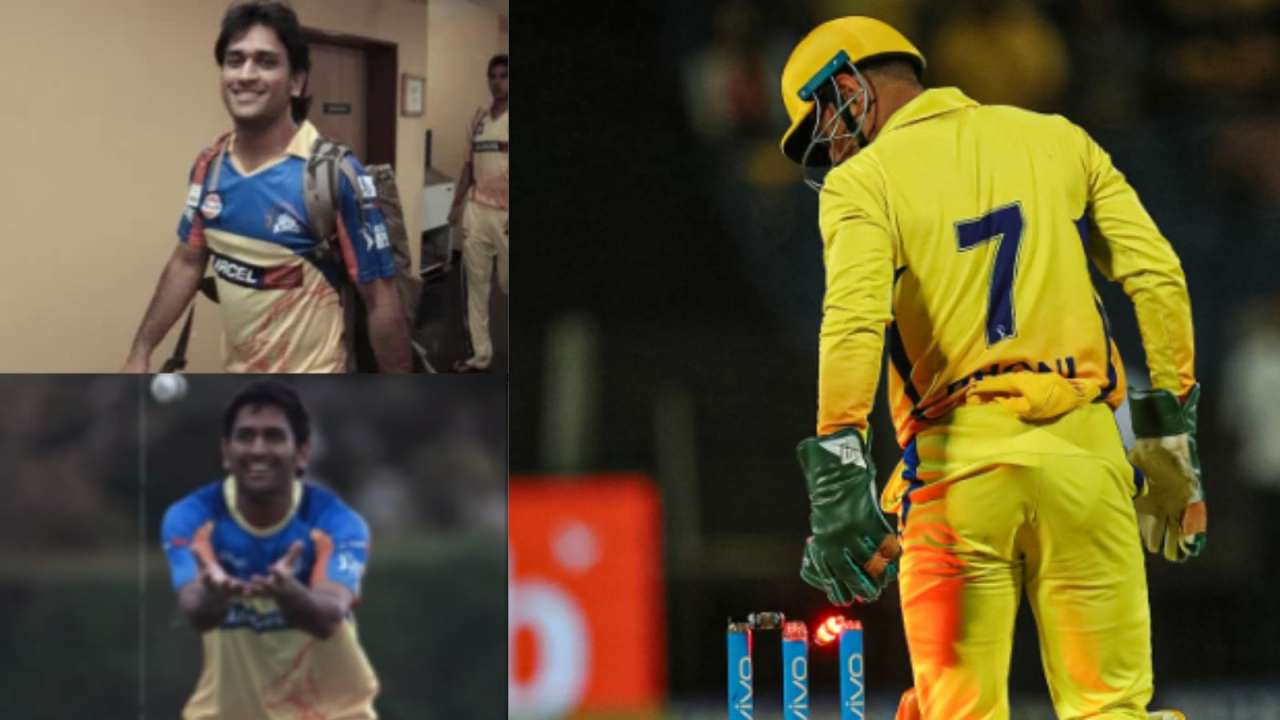 MS Dhoni Retires: CSK shares emotional 'Always Thala' video, Mahi begins new chapter as team mentor; Watch
 MS Dhoni retires from IPL: 7 top records of former CSK captain in T20 league
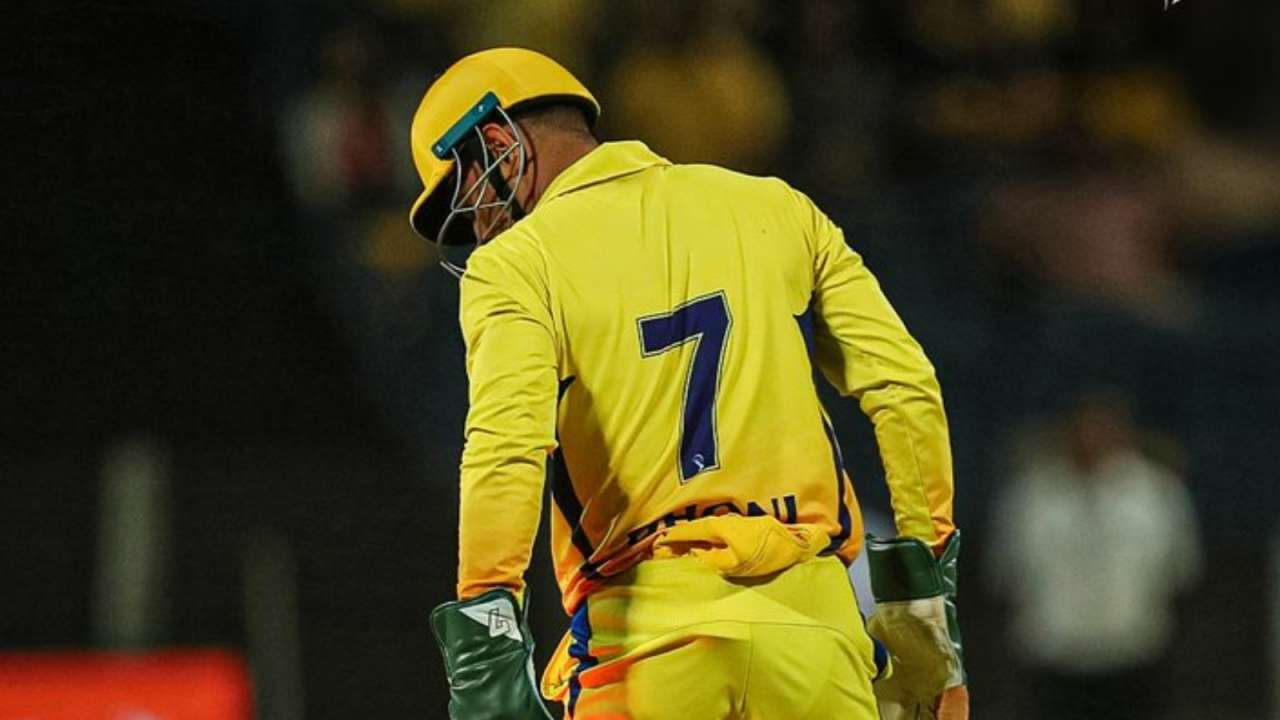 MS Dhoni retires from IPL after 19 years, Chennai Super Kings appoints him as mentor
 Travis Head likely to skip IPL 2027: What options does Kavya Maran have for SRH?
 CJP News: 'Condition In Delhi Police Won't Leak It...' Saurav Das Submits Address Proof To Court
 Punjab News: Head Constable Shot Dead In Punjab, Sixth Cop Killed This Year | Bhagwant Mann
 Cyclone Akvan: Odisha Deploys 74 Rescue Teams, Begins Evacuation Ahead Of 'Severe Storm' | Andhra
 Uttarakhand Bus Accident: 6 Killed After Bus Falls Off Bridge On Rishikesh-Badrinath Highway
 Pakistan News: 'Give Me Justice Before It Is Too Late...' Imran Khan's Urgent Appeal From Jail
INDIA
A bench headed by Justice S K Kaul said the issue does not survive now and referred to the November 2019 verdict of a constitution bench.

Updated : Aug 30, 2022, 08:31 PM IST
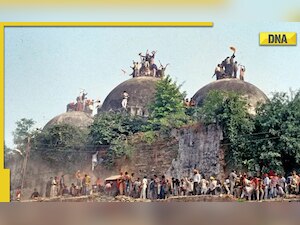
















The Supreme Court on Tuesday closed the contempt proceedings, arising out of the demolition of Babri Masjid at Ayodhya in 1992, against the state of Uttar Pradesh and others. A bench headed by Justice S K Kaul said the issue does not survive now and referred to the November 2019 verdict of a constitution bench.
A five-judge constitution bench of the apex court had on November 9, 2019, cleared the way for the construction of a Ram Temple at the disputed site at Ayodhya and directed the Centre to allot a five-acre plot to the Sunni Waqf Board for building a mosque. While closing the contempt proceedings, the bench observed that the matter ought to have come up for hearing earlier.
Here is a timeline of events in the Babri Masjid demolition case:
Aug 1989: Allahabad High Court orders status quo in respect of disputed structure.
Dec 6, 1992: Babri Masjid demolished.
Dec 1992: Two FIRs lodged in connection with the case - one against unknown kar sevaks for demolition of the mosque and second against BJP leaders L K Advani, M M Joshi and others for allegedly giving communal speeches before the demolition.
Dec 12, 1992: The Narasimha Rao government set up the Liberhan Commission to probe the case.
Oct 1993: CBI files composite charge sheet accusing Advani and others of conspiracy.
May 2001: Special CBI court drops proceedings against Advani, Joshi, Uma Bharti, Bal Thackeray and others.
Nov 2004: CBI challenges before the Lucknow bench of Allahabad High Court the dropping of proceedings against BJP leaders on technical grounds. Court issues notices.
May 2010: High court dismisses plea. Says no merit in CBI’s revision petition.
Sep 2010: In a 2:1 majority, HC rules three-way division of disputed area between Sunni Waqf Board, Nirmohi Akhara and Ram Lalla.
May 2011: SC stays HC verdict on Ayodhya land dispute.
Feb 2011: CBI moves Supreme Court against high court order in the mosque demolition case.
Mar 2017: SC indicates it may consider reviving conspiracy charge against the BJP leaders in Babri Masjid demolition case.
* SC suggests fresh attempts to resolve Ayodhya dispute.
* Apr: SC favours time-bound completion of trial in the case and reserves order on CBI’s plea.
* SC restores criminal conspiracy charge against leaders including Advani, Joshi and Uma Bharti and clubs the trials in the matters pending against VIPs and kar sevaks.
Nov 2019: SC grants entire disputed land in Ayodhya to deity Ram Lalla, directs govt to allot an alternative five-acre plot to Muslims to build mosque.
Aug 2020: PM Narendra Modi conducts ‘bhoomi pujan’ in Ayodhya, launches construction of Ram temple.
* Supreme Court extends by a month the deadline for completion of trial in the Babri Masjid demolition case.
September 2020: Special Judge S K Yadav delivered verdict in the Babri mosque demolition case and acquitted all accused.
January 2021: A petition was filed by Ayodhya residents Haji Mahmood Ahmad and Syed Akhlaq Ahmad in the Allahabd High Court against the acquittal of all 32 accused, including L K Advani and Murli Manohar Joshi, in the Babri mosque demolition case.
August 2022: The Allahabad High Court allowed the Uttar Pradesh government and the CBI to file their objections to the maintainability of a criminal appeal against the acquittal of all 32 accused, including L K Advani and M M Joshi, in the Babri mosque demolition case. The HC fixed September 5 as the next date of hearing.