Reported By: | Edited By: |Source: |Updated: Nov 21, 2013, 01:44 PM IST
The Red Queen, in Alice in Wonderland, had the habit of imperiously declaring, “Off with his head” anytime she did not like someone. Our politicians too have the tendency to say “ban it” every time they are faced with a creative work that goes against received wisdom.
The American academic James W Laine has been at the receiving end of such peremptory attitudes twice. On both occasions, he wrote books on the Maratha hero Shivaji and each time, the government, instead of inviting a debate on the scholarly merits of the writing, chose to ban the works. The first time round, in 2004, miscreants went on a rampage at the Bhandarkar Oriental Research Institute in Pune where Laine had done much of his research. This time, the government has been quick off the mark, banning an older book Epic of Shivaji because a descendant of the Maratha warrior discovered “defamatory” passages in it.
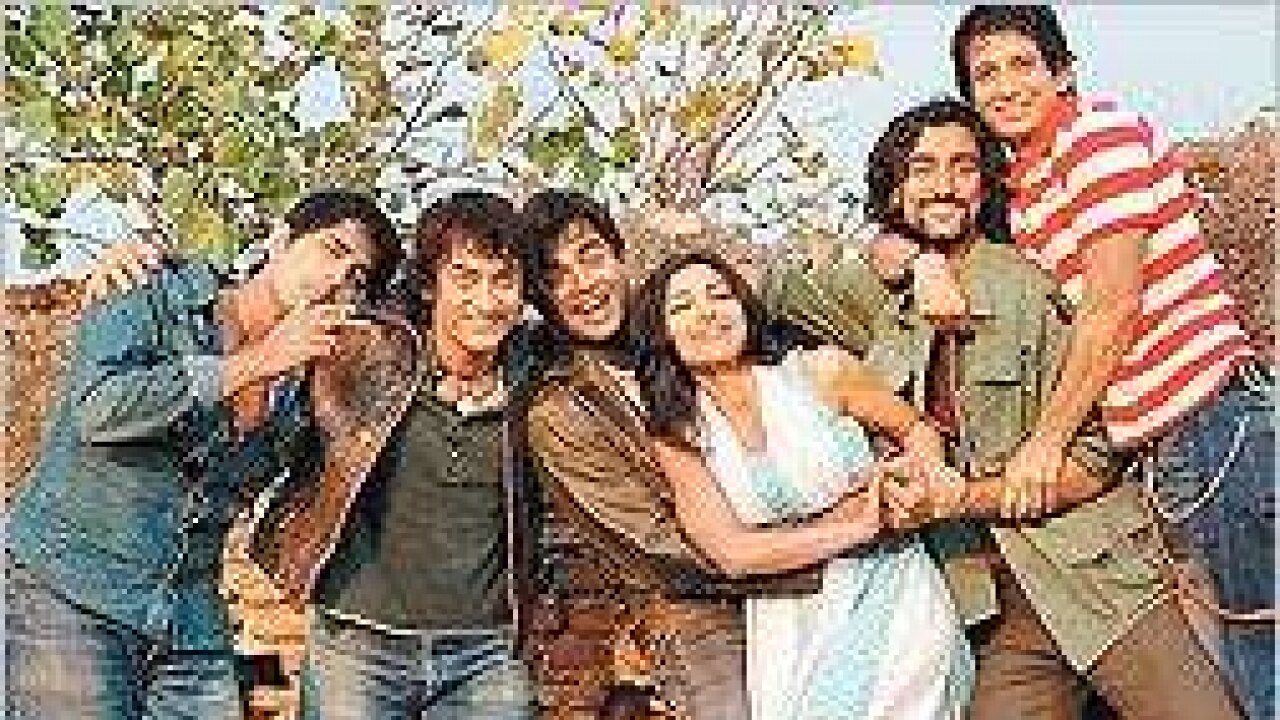
Laine is not alone in his travails. The Aamir Khan starrer Rang de Basanti is also facing trouble because it contains less than flattering references to Mig-21 aircraft. These fighter planes have long come in for criticism for poor safety standards and have been long derided in newspaper columns as “flying coffins” for their high crash rate. The film censor board—itself a body whose very existence needs to be re-examined—in a burst of over-enthusiasm showed the film to the defence minister and the Indian Air Force brass asking for their views. The question begs itself: does the IAF have any supra-jurisdiction over the censor board to suggest changes?
One of the key tenets of democracy is the freedom of speech. This includes freedom to express views that may occasionally upset people. When that happens, they are free to take recourse to the law. The descendants of Shivaji are within their rights to sue Laine and his publishers, but to use clout with the government to get the book banned negates the principle of agreeing to disagree. Anyone who feels the book or the film will offend them simply need not read or see them.
India is proud that it respects the notion of freedom of speech. But such aberrations, especially when they come from the people in positions of responsibility, make a dent in our claims to being a democracy. The Maharashtra government should reconsider its decision to ban the book and the film should be shown publicly without any IAF-suggested cuts. Strengthen democracy, don’t subvert it.