The trust further stated that engineers from CBRI Roorkee, IIT Madras along with L&T are currently testing the soil at the mandir site.
The construction work for the Ram Temple in Ayodhya has begun, and is expected to finish in 36-40 months, Shri Ram Janmbhoomi Teerth Kshetra said on Wednesday.
The trust further stated that engineers from CBRI Roorkee, IIT Madras along with L&T are currently testing the soil at the mandir site.
"The construction of Shri Ram Janmbhoomi Mandir has begun. Engineers from CBRI Roorkee, IIT Madras along with L&T are now testing the soil at the mandir site. The construction work is expected to finish in 36-40 months," Shri Ram Janmbhoomi Teerth Kshetra tweeted.
It further added that the temple will be built adhering to India's "ancient and traditional construction techniques", and will be able to sustain natural calamities.
"The Mandir will be built by adhering to India's ancient and traditional construction techniques. It will also be built to sustain earthquakes, storms and other natural calamities. Iron won't be used in the construction of the Mandir," the trust further added.
Ram Janmbhoomi Teerth Kshetra further added that copper plates will be used to fuse stone blocks with each other, upon which people who donated bricks to the temple can engrave family names, place of origin or their community temples' names on these plates.
"For Mandir construction, copper plates will be used to fuse stone blocks with each other. The plates should be 18 inches long, 30 mm wide & 3 mm in depth.10,000 such plates may be required in total structure. We call upon Shri Rambhakts to donate such copper plates to the trust," trust constituted to look after construction and management of Shri Ram Janmbhoomi Mandir in Ayodhya tweeted.
"Donors can engrave family names, place of origin or their community temples' names on these plates. This way, the copper plates will not only symbolize the unity of this country but also be a testament to the entire country's contribution towards Mandir construction," it further added.
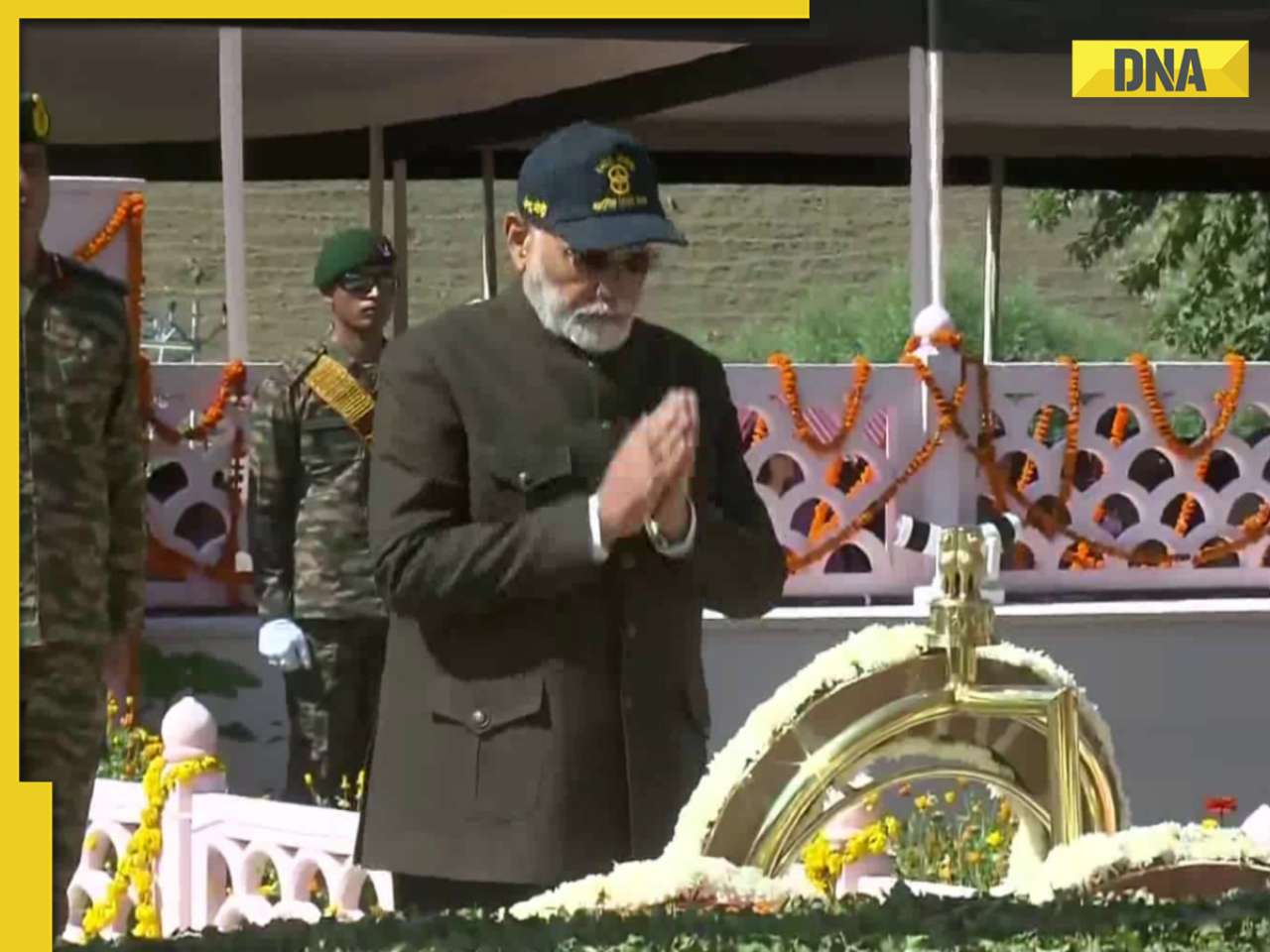
Prime Minister Modi conducted the 'Bhoomi Pujan' for the construction work of Ram temple in Ayodhya on August 5. The decades-old contention in the holy land of Ayodhya reached its crucible with the foundation stone being laid for the construction of the Ram Janmabhoomi temple.
The Ram Janambhoomi Teerth Kshetra Trust has been created for the construction of the Ram temple in Ayodhya. The 15-member trust was constituted by the Modi government, after the Supreme Court's verdict on November 9 settled the Ram Janmabhoomi-Babri Masjid case.
The trust had chosen Nitya Gopal Das as its president while Prime Minister Narendra Modi's former principal secretary Nripendra Misra has been appointed to head temple construction committee of the Ram Janmabhoomi Mandir in Ayodhya.






































)
)
)
)
)
)
)
)
)
)
)
)
)
)
)
)
)
)

 "Representational image")


)
)
)
)
)
)
)
)
)
)
)
)
)
)




)
)
)
)
)
)
)
)
)
)
)
)
)
)
)
)
)
)