 Iran accuses US of 'threatening to starve' people as Trump intensifies economic pressure
 Mumbai 26/11 Terror Attack: 20-year-old arrested for recce of Nariman House, foreign handlers suspected
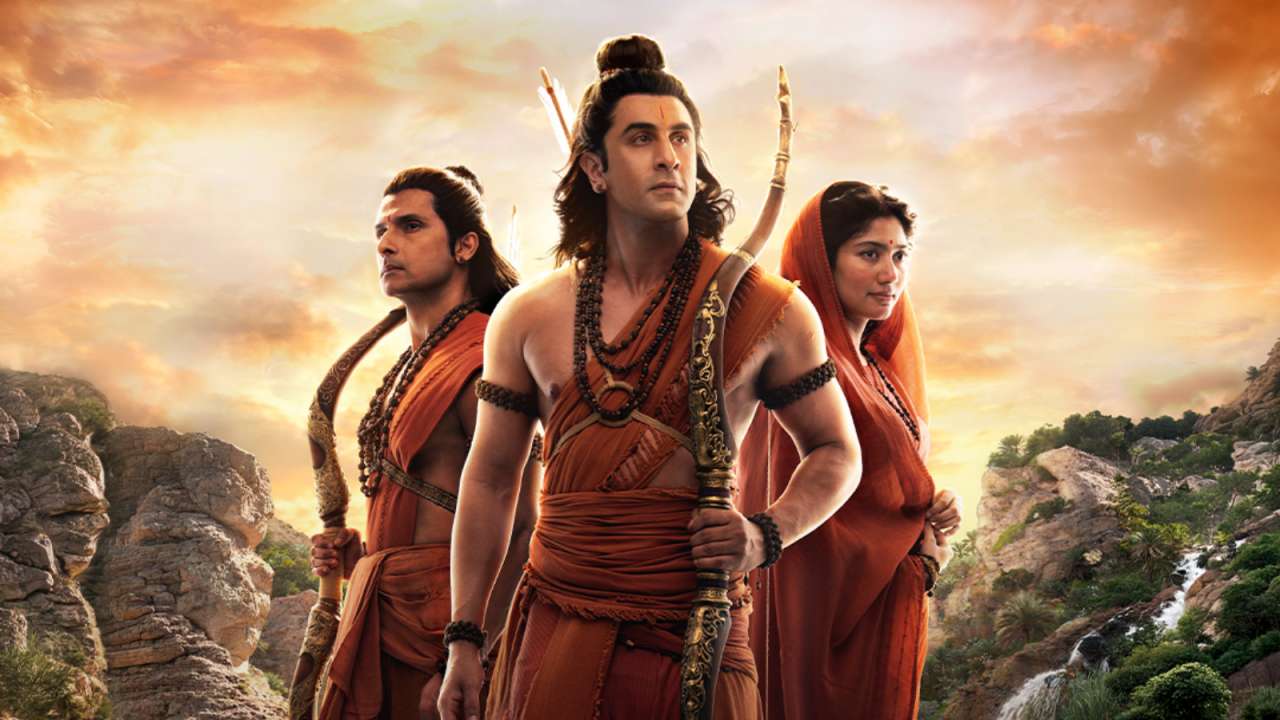 Ramayana box office collection day 10: Ranbir Kapoor, Yash film beats Jawan, KGF 2; earns Rs 1200 crore
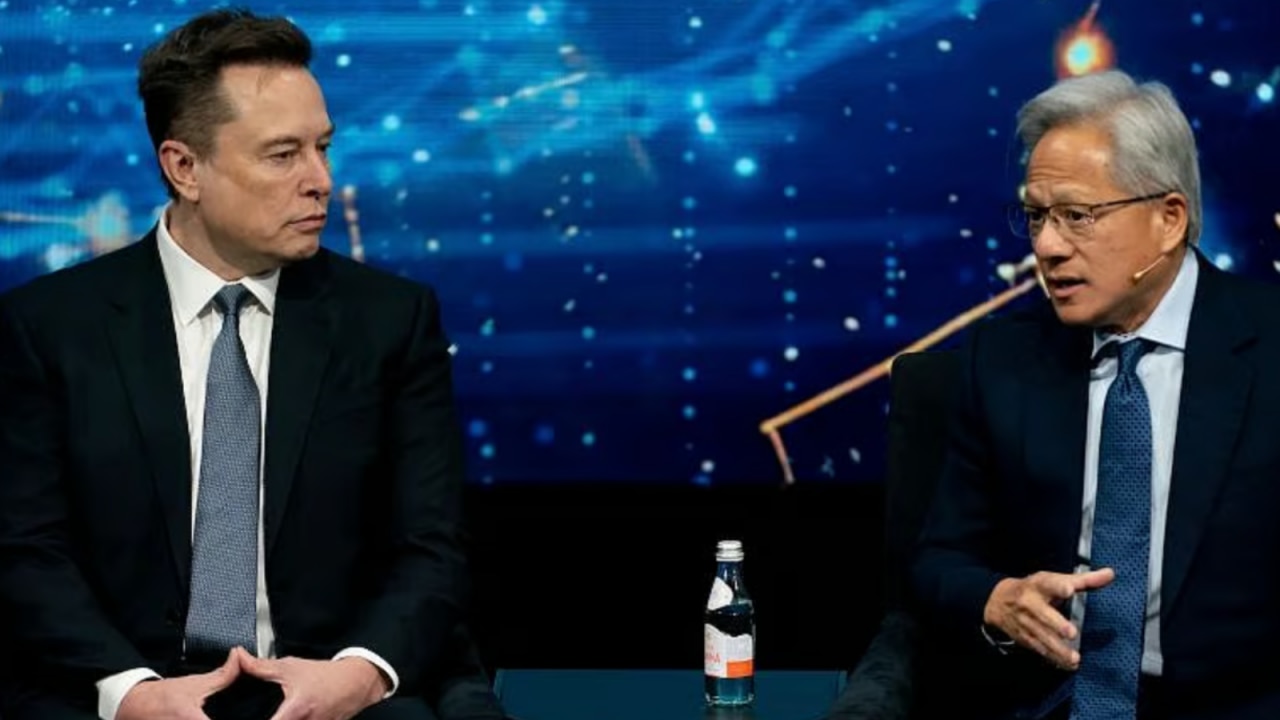 What changes at Nvidia after Jensen Huang's exit? Elon Musk warns of lost deals, Trump disclosed stock investments
 Viral video: Newlyweds Anirudh Ravichander, Kavya Maran return to Chennai after their Greece wedding - WatchMumbai 26/11 Terror Attack: 20-year-old arrested for recce of Nariman House, foreign handlers suspected
 Punjab Bus Accident: 4 killed, 30 injured as two pilgrimage scheme buses collide in Tarn Taran
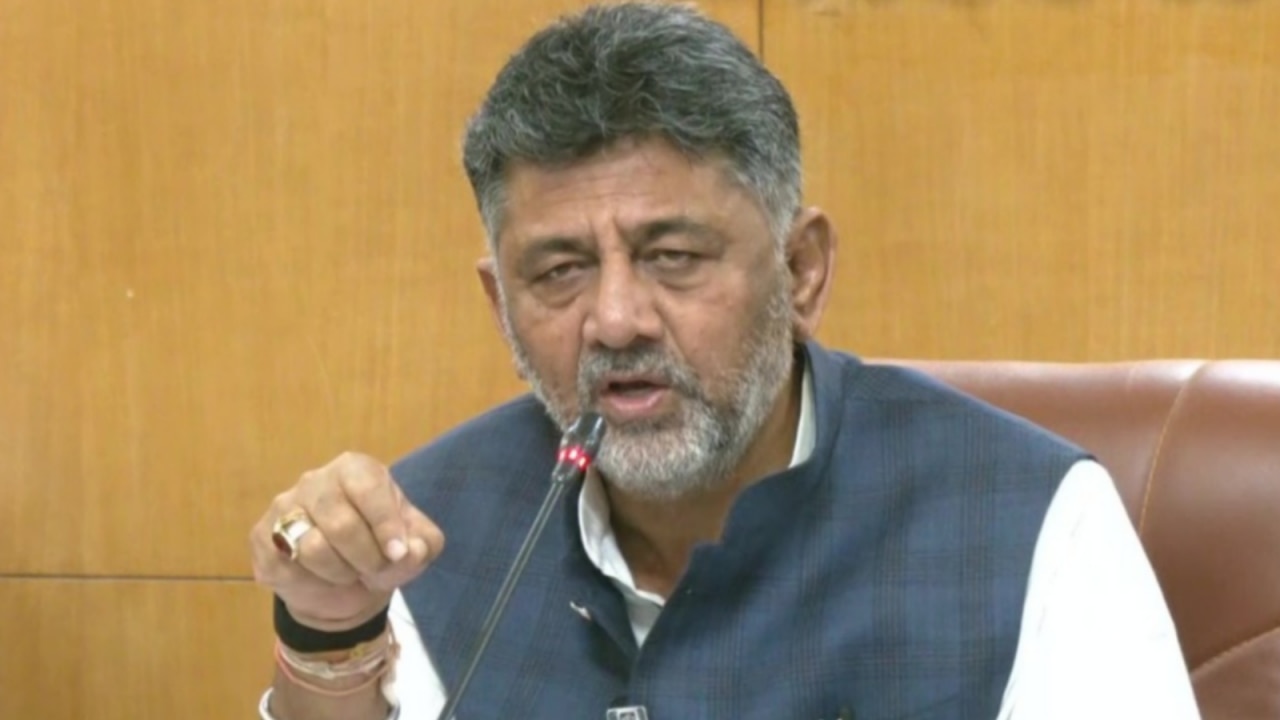 DK Shivakumar writes to PM Modi, seeks ninth schedule protection for Karnataka's 56% quota
 Hardeep Singh Puri steps down as UP Rajya Sabha MP 11 days before term ends
 Why PMO summoned Telecom Secretary; How fake court orders led to blocking of 129 websites Iran accuses US of 'threatening to starve' people as Trump intensifies economic pressureWhat changes at Nvidia after Jensen Huang's exit? Elon Musk warns of lost deals, Trump disclosed stock investments
 US-India Trade Deal By March 2027? India assured tariff advantage over competitors
 Ukraine to leave Donbas for NATO Membership? Zelenskyy reveals US question in peace talks
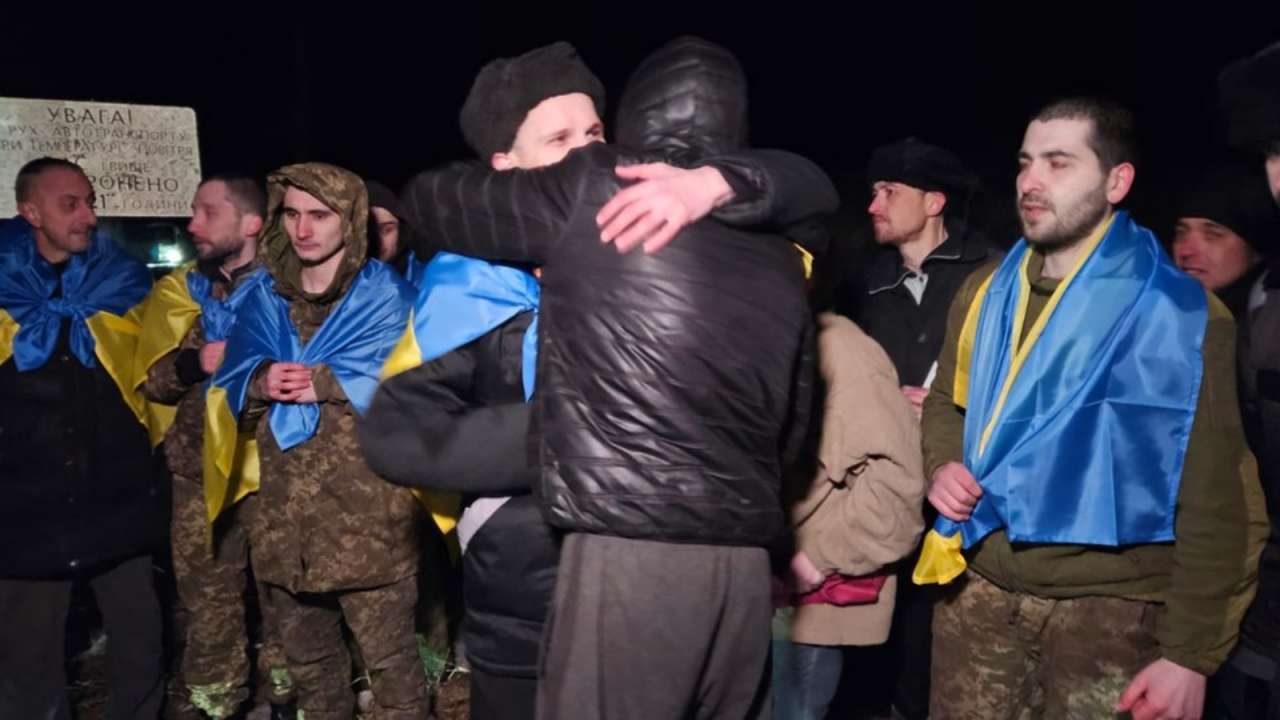 Ukraine expects largest-ever prisoner exchange with Russia with over 1,000 from each side
 Microsoft Global Outage: Why did Outlook stop working? How were airlines in India affected?
 Nvidia After Jensen Huang: Will India's AI dream face chip shortage or open door for new rivals?
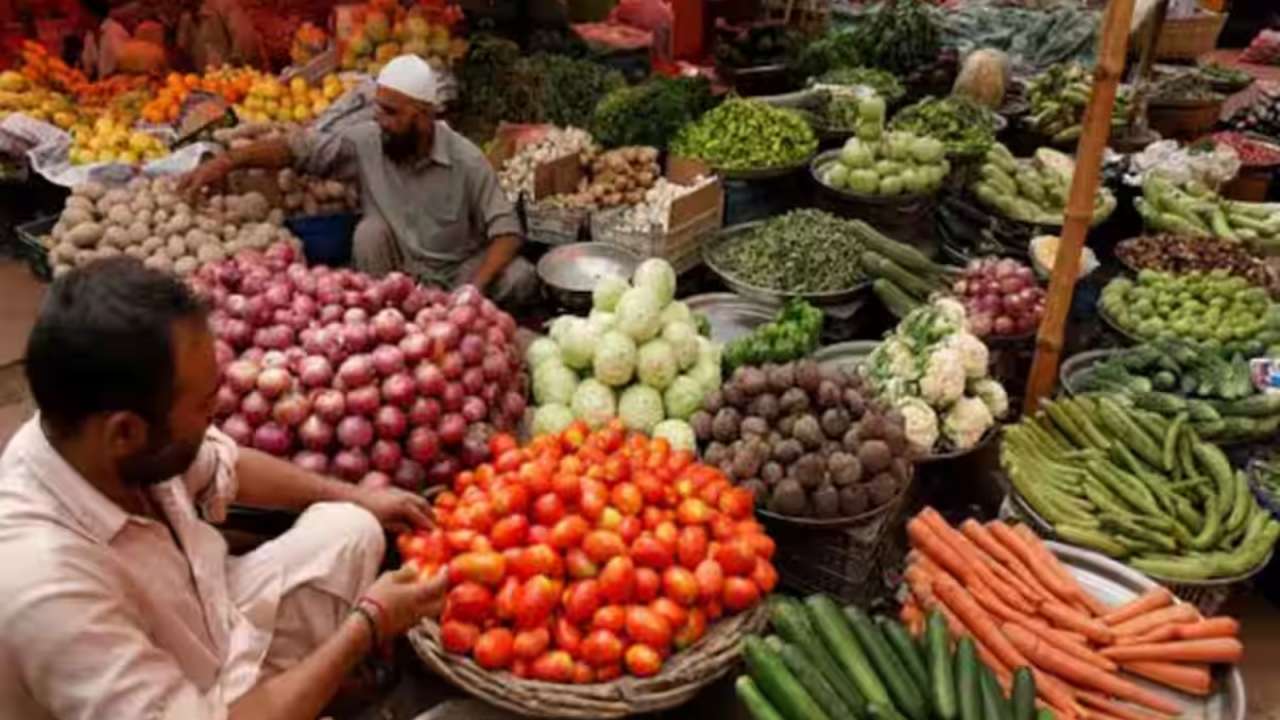 Why does inflation soar to 6.09% despite falling fuel prices, US-Iran war halt? RBI's next move under focus
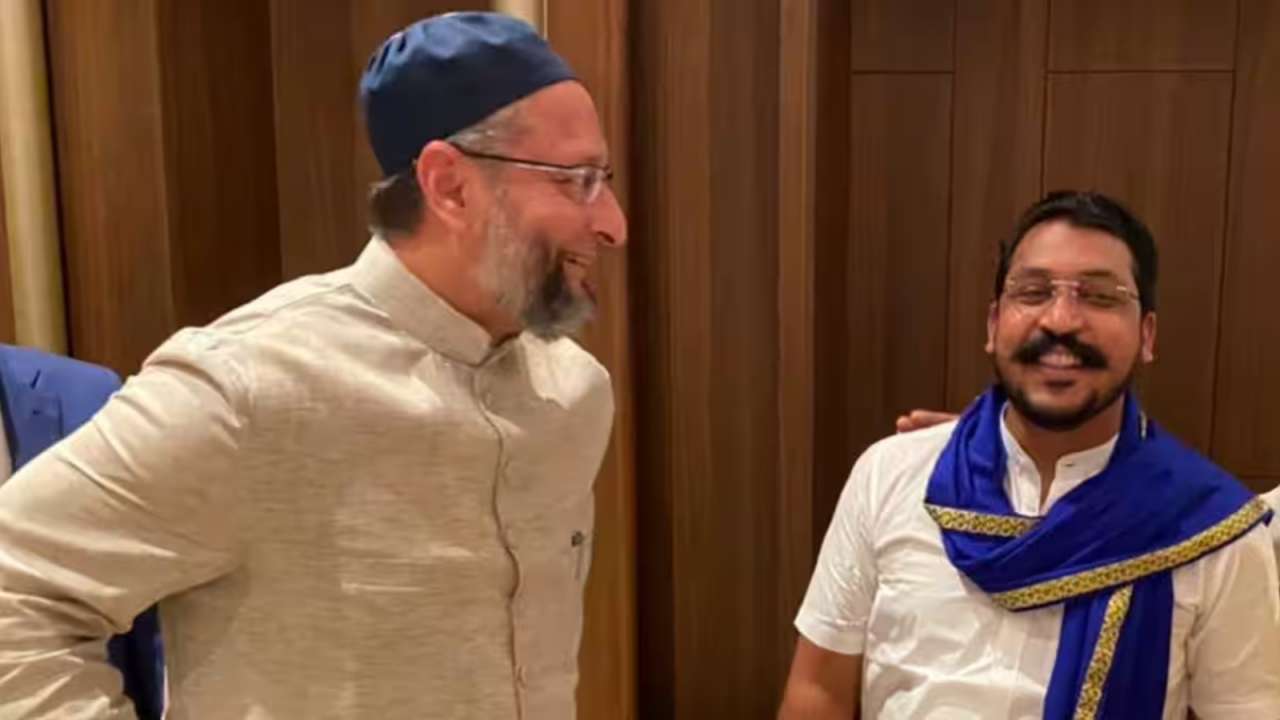 UP Elections 2027: Will Asaduddin Owaisi and Chandrashekhar Azad defeat BJP or help Yogi win?
 From Nvidia CEO Jensen Huang to top officials: 5 Alleged Chinese 'honey trap' cases that shocked worldRamayana box office collection day 10: Ranbir Kapoor, Yash film beats Jawan, KGF 2; earns Rs 1200 croreViral video: Newlyweds Anirudh Ravichander, Kavya Maran return to Chennai after their Greece wedding - Watch
 Veteran Telugu actor Giri Babu dies at 80 in Hyderabad; Pawan Kalyan, Chiranjeevi pay tribute
 Varun Dhawan-starrer Yash Raj Films' first horror movie locks release date in 2028
 Family Kirana Store Season 3 out on YouTube: TVF sitcom sets new benchmark, delivers three seasons in 10 months
 Tata Sons Listing Row: Why Noel Tata fears it could change Tata Group
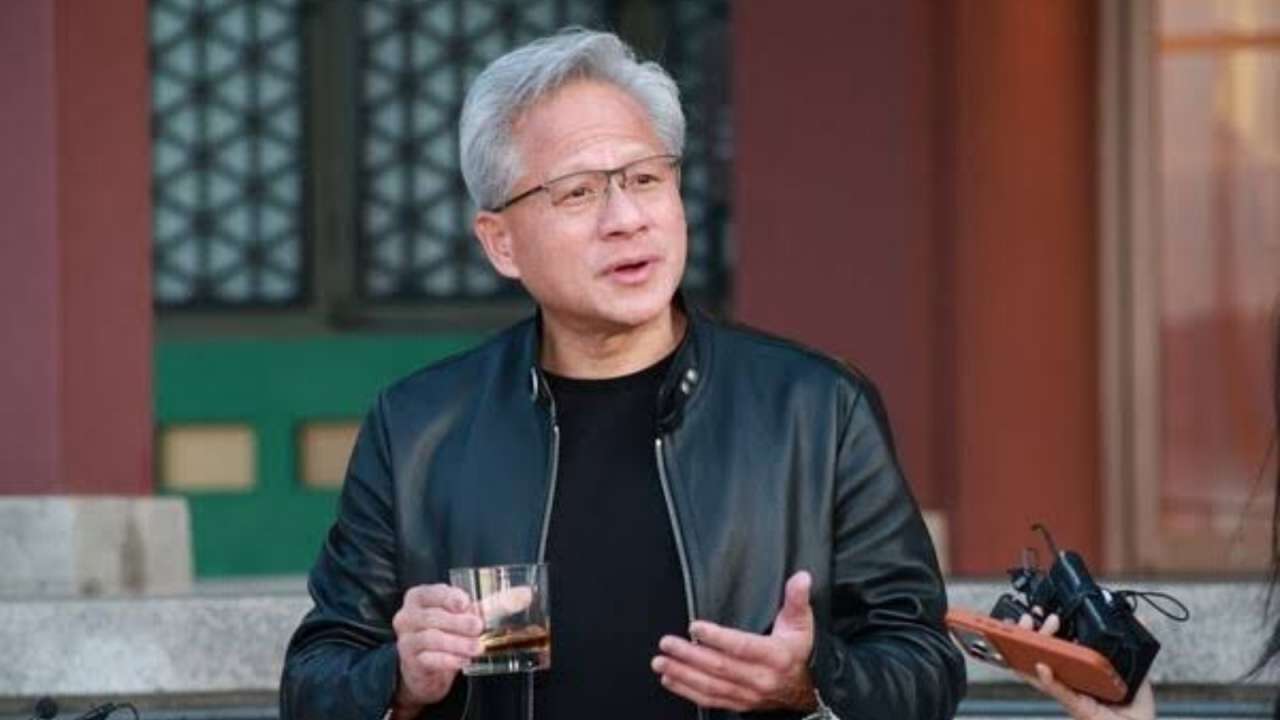 Who will replace Jensen Huang at Nvidia? 3 Indian-origin executives in the race
 Zee Entertainment announces Rs 600 crore share buyback at Rs 91 per share
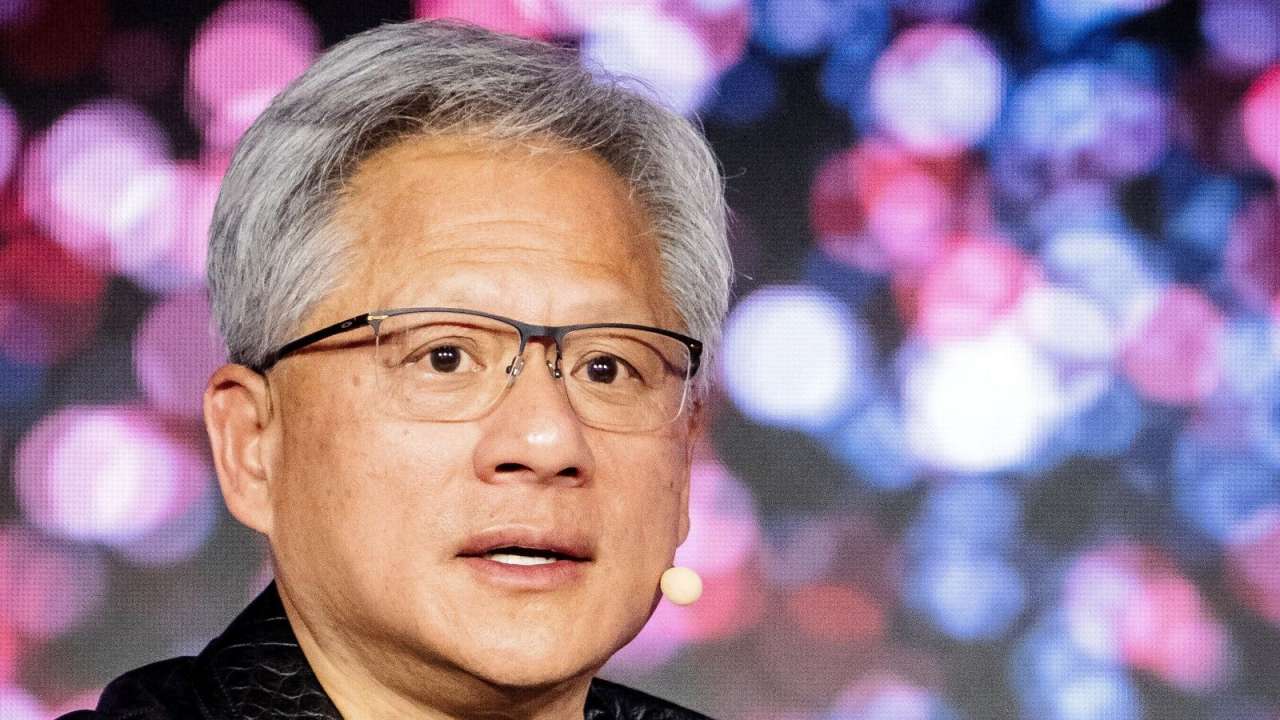 Who may replace Nvidia CEO Jensen Huang? THIS Indian tech executive emerged among top contenders
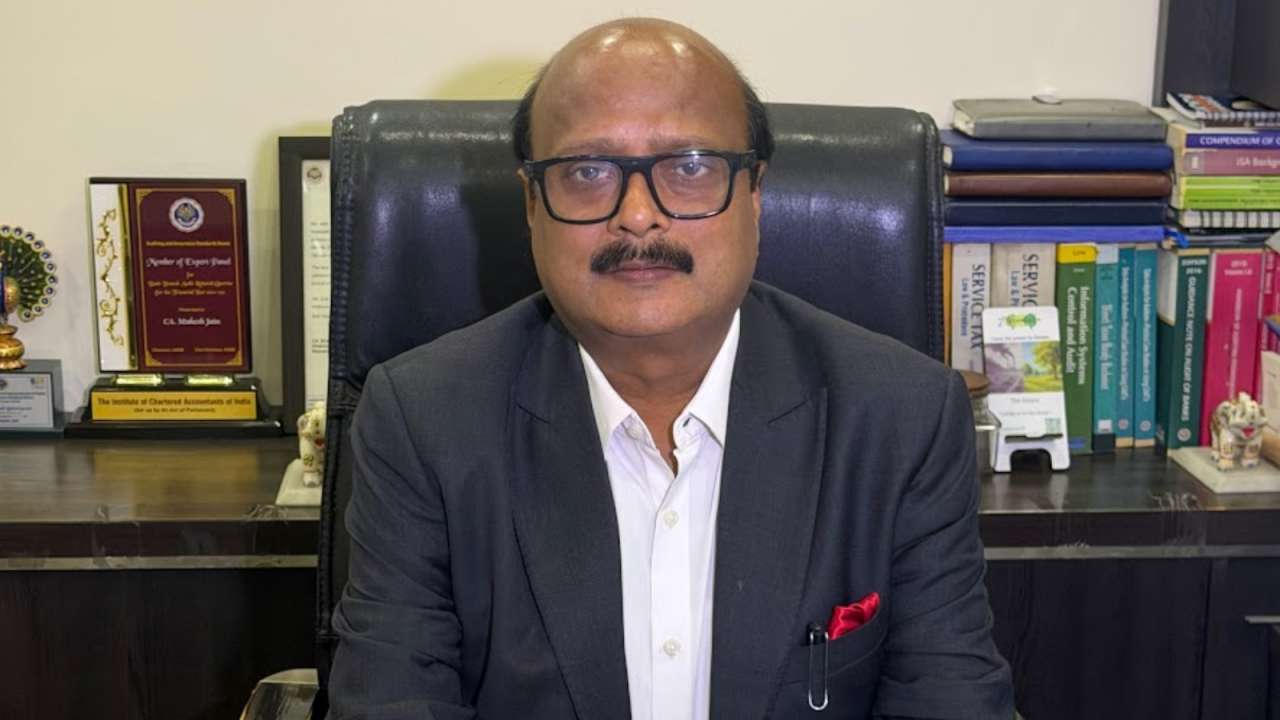 When CA Mukesh Jain Tested Kwala Intel: Inside the AI market wizard that money managers now swear by
 PM Modi congratulates India U19 team after thrilling win over Pakistan in Asia Cup 2026 final
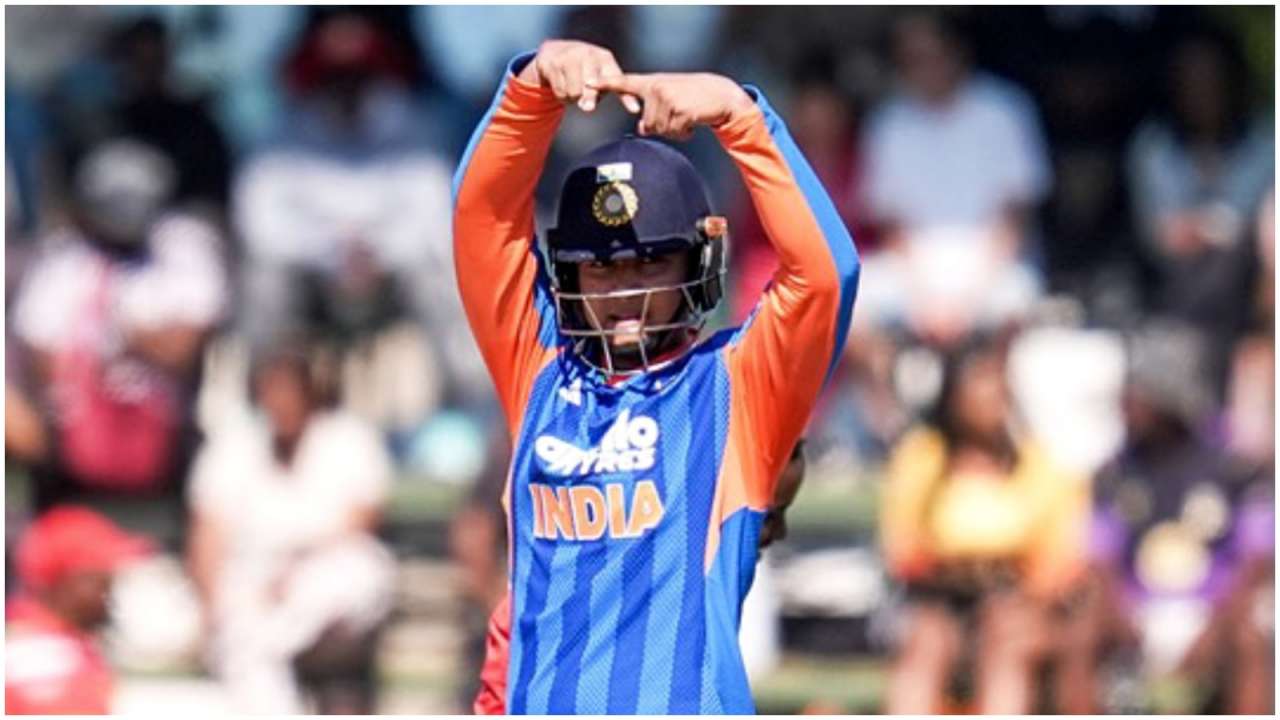 Vaibhav Sooryavanshi achieves a rare first at 15, creates history in T20 cricket
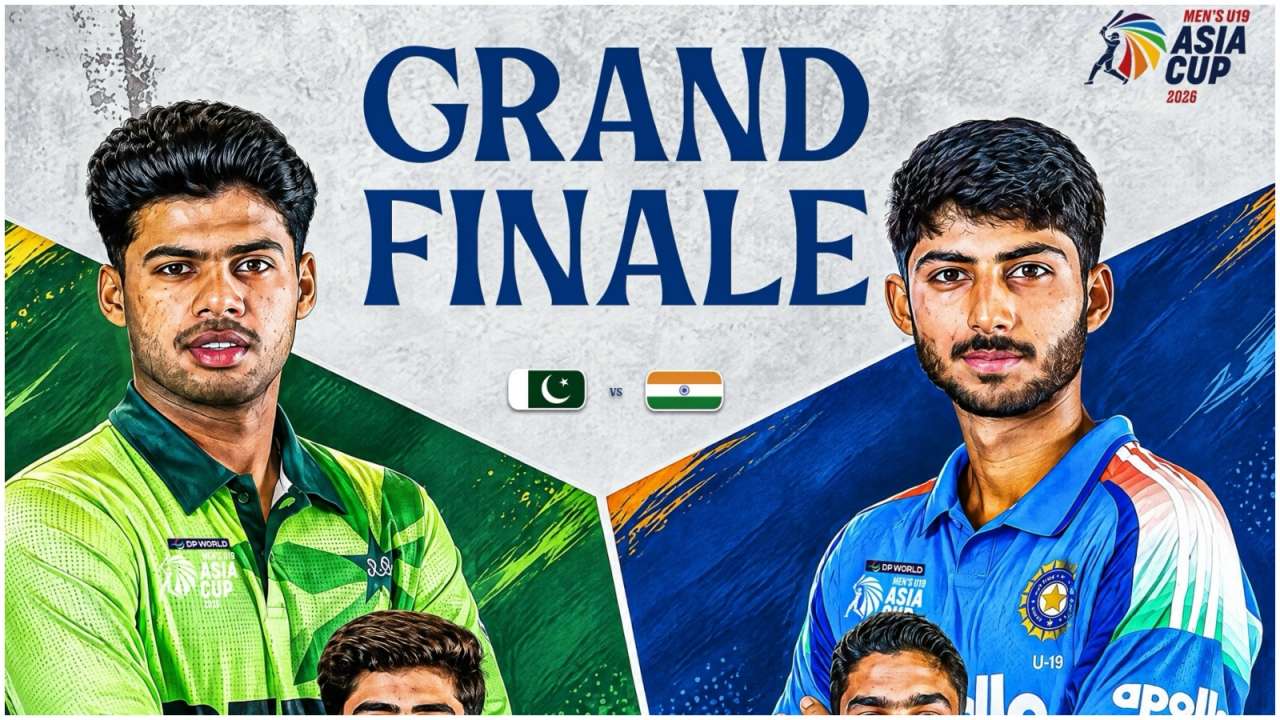 IND vs PAK U19 Asia Cup final: When and where to watch match live on TV and online
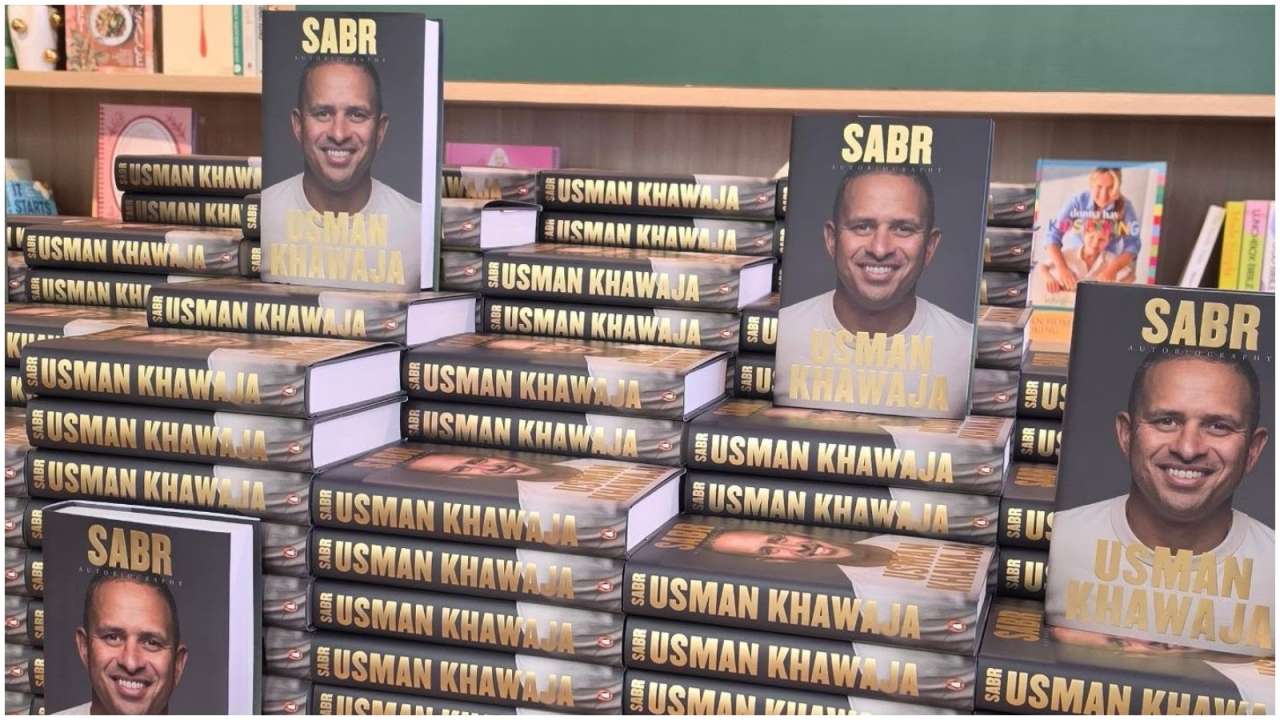 'Big brown mark on my sheets': Usman Khawaja makes shocking revelation about former Australia teammate
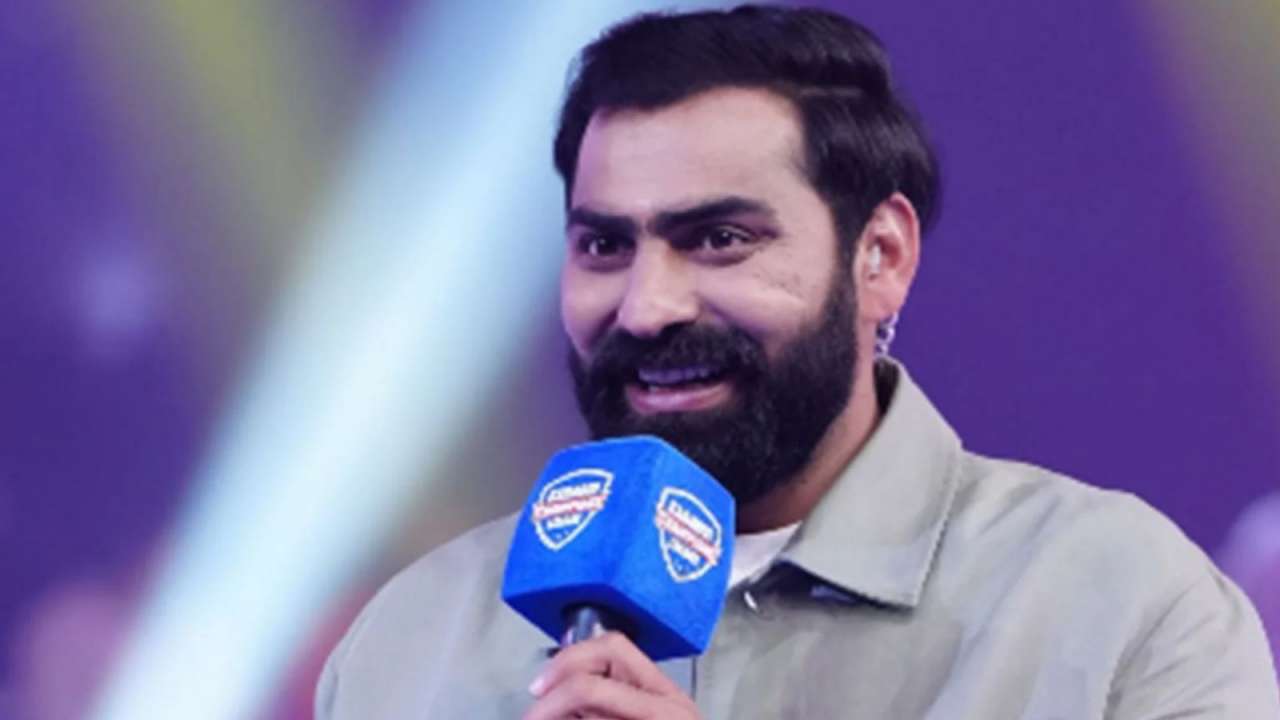 Kabaddi Champions League: Former India star Mohit Chhillar backs it for next generation
 Kaziranga Road Accident Update: Death Toll Rises To 24; Mini-Bus Had 13 Overspeeding Challans
 Bay of Bengal Cyclone Alert: Low-Pressure Area To Intensify By November 16; Yellow Alert In Odisha
 Microsoft 365 Outage Update: Gradual Recovery Underway After 20 Hours; Email Timeout Doubled to 48 Hrs
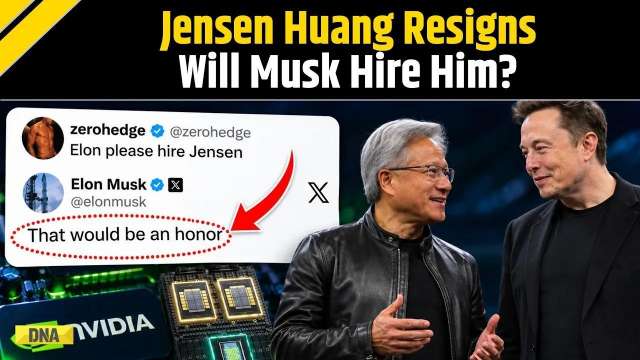 Nvidia-Jensen Huang News: 'Would Be An Honor To Hire Him...' Will Musk Save Huang After Resignation
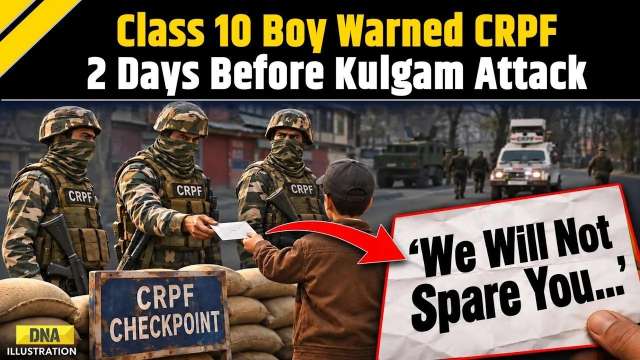 J&K News: 'Won't Spare You...' 2 Days Before Kulgam Attack, CRPF Got Unexpected Warning By Boy
WORLD
Iran's Supreme Leader, Ayatollah Ali Khamenei, governs Iran for all practical purposes, as he is the head of state, the commander-in-chief of its armed forces, and the final authority in legal and religious matters. He can issue decrees and make the final decisions on the government's main policies.

Updated : Jun 18, 2025, 12:56 PM IST



US President Donald Trump shocked the world by declaring brazenly that he knew where Iran's supreme leader Ayatollah Ali Khamenei was hiding, but he "would not kill him for now". With this declaration, the US made its intentions clear as it supports the Zionist expansionist forces and works in tandem with them. But, who is Iran's supreme leader and why are Washington and Tel Aviv so upset with him?
The son of an ethnic Azerbaijani father from Khamaneh and an ethnic Persian mother from Yazd, Ali Hosseini Khamenei is the second and incumbent grand ayatollah of Iran. The Grand Ayatollah is the highest authority on Islamic theology and law in the Shia branch of Islam. After death of Ayatollah Rohallah Khomenei, the leader of the Islamic Revolution of 1979, Ali Khamenei was chosen as the grand ayatollah in 1989. Earlier, he served as Iranian president three times from 1981 to 1989. Before the revolution, he was arrested six times and expelled once for three years during the reign of Muhammad Reza Shah Pahlavi, the king of Iran. He once escaped the assassination attempt that left his right arm paralysed.
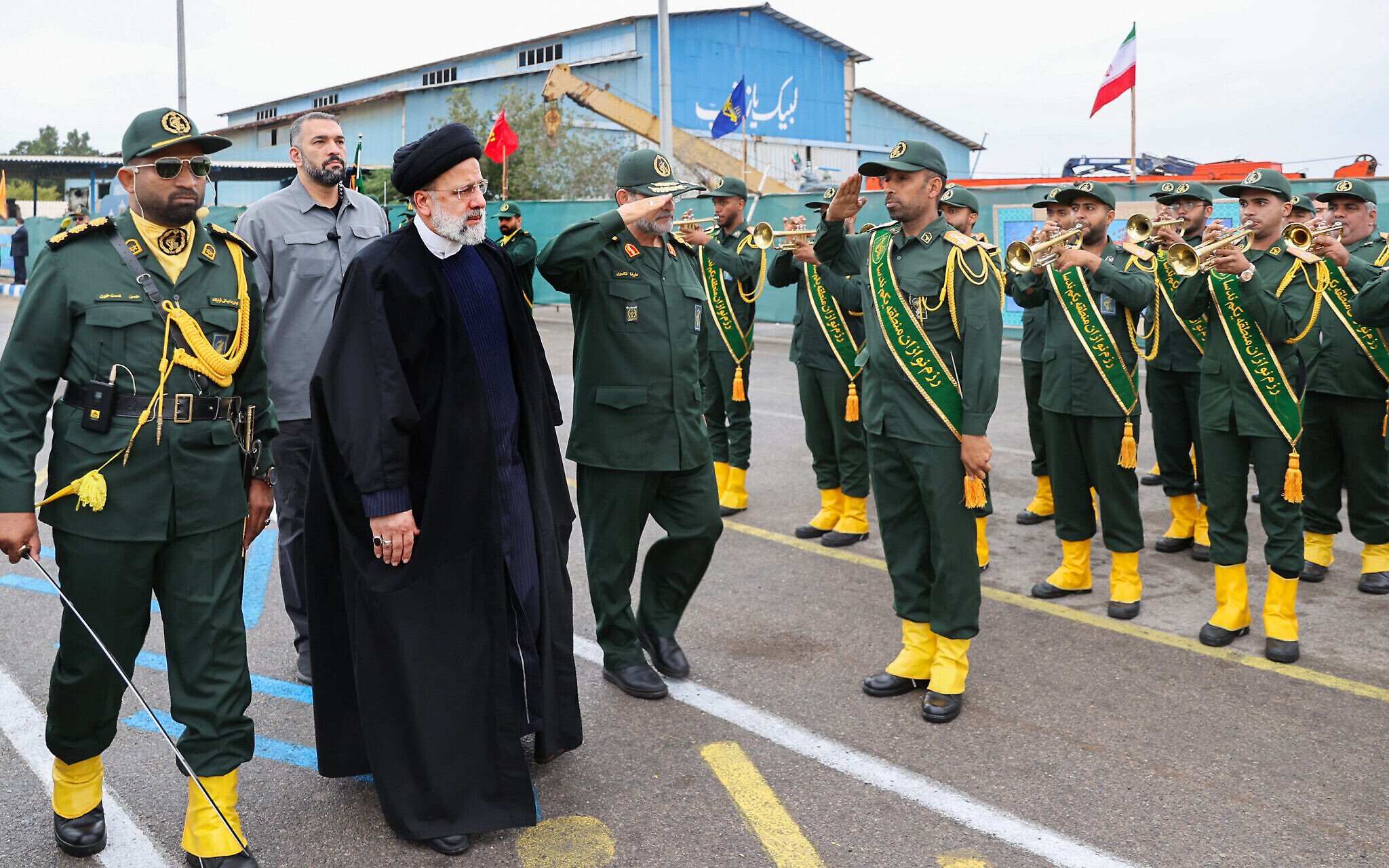
Besides being the supreme leader of Shiite theology and law, Ali Khamenei is the fountainhead of all authorities in Iran, where he is considered the most powerful person. He has been head of the servants of Astan Quds Razavi since April 14, 1979. He also commands the Revolutionary Guards, which has been accused of crushing opposition to the government and his interpretation of the Shiite branch of Islam.
He also spearheaded the Iran-Iraq war during the 1980S. His writs run the country in all practical purposes as he is the head of state of Iran, the commander-in-chief of its armed forces and the final authority in legal and religious matters. He can issue decrees and make the final decisions on the government's main policies in the economy, environment, foreign policy, and national planning. In practical terms, Ali Khamenei has either direct or indirect control over all branches of the state, including the executive, legislative, and judicial besides the military and media.
Experts believe the US will never assassinate Iran's supreme leader as it would antagonize it to the entire Islamic world, including many of its allies. However, Trump may put pressure on him so that the Shiite nation gets apprehended and signs a nuclear treaty on the dotted lines and relinquishes the entire plan and technology of developing nuclear weapons.