 Rahul Gandhi’s claims on President Murmu meeting ‘Incorrect’: Report
 ECI Caps Form-7 Applications amid SIR Row: What are new rules for voter deletion objections?
 Drishyam 3 box office collection day 8: Ajay Devgn film crosses Rs 250 crore in India, mints Rs 400 crore worldwide
 Elon Musk takes fresh swipe at Mukesh Ambani over Starlink’s India entry: ‘Dear Prime Minister’
 Rahul Gandhi on meeting President Murmu: INDIA Bloc to submit evidence of ‘vote chori’
 Which ex-Pakistan cricketer did Nana Patekar support after his mother’s death? Untold story revealed
 New Zealand suffer huge double injury blow ahead of India T20Is; full revised squad inside
 'Constant chopping, changing': Shane Watson questions Gautam Gambhir’s team stability, backs Sanju Samson's selection
 Pakistan withdraws from India-hosted Asian Hockey Champions Trophy 2026; Bangladesh replaces them
 IND vs WI 2nd T20I: Will rain play spoilsport? Check Ranchi weather forecast, pitch report and live streaming detailsDrishyam 3 box office collection day 8: Ajay Devgn film crosses Rs 250 crore in India, mints Rs 400 crore worldwide
 Viral video: As Tanushree Dutta mocks Nana Patekar after his demise, Sona Mohapatra defends actress: 'Growing old doesn't make anyone...'
 Mrunal Thakur defends Katrina Kaif, Kriti Sanon amid postpartum, Rakhi ad trolling: 'People are crazy'
 Shefali Bagga ADMITS 'unknowingly' promoting Mahadev betting app, Bigg Boss 13 contestant surrenders Rs 1.20 crore to ED
 Which Nana Patekar film was rejected by Sridevi, Kajol? Distributors also backed out, yet it became superhit and won National Award
 Saudi Houthi War: India Issues Urgent Advisory To Citizens In Saudi After Riyadh Airport Attack
 CJP Protest: 7,000 CRPF Personnel Rushed To Capital Ahead Of CJP's Oct 10 March
 CJP News: Delhi CAPF Deployment Raised To 26,000 Ahead Of CJP October 10 Protest
 CJP Protest: In Bengaluru Dhruv Rathee, Prakash Raj Join Anti-SIR Demonstration
 Flydubai Flight News:'Revenge For Gaza'; Flydubai Co-Pilot Hamam Al-Hammami Confesses To Terror Plot
 Reliance Jio IPO: Price Band likely at Rs 1065-1119 per share, issue may open on October 21; check details
 How to bypass H-1 B visa restrictions? Can Indian professionals use L-1 and O-1 visas as alternative routes to enter US?
 US Green Card Row: TCS says PERM suspension won't impact business, applications in single digits
 Gold, Silver prices today, October 9, 2026: Check city-wise rates in Delhi, Mumbai, Chennai, Kolkata and more
 57th GST Council Meeting: Experts hail decriminalisation, wider ITC refunds; flag implementation challenges
 OTT Releases This Week (Sept 28 - Oct 4): Dupahiya 2, Pooja Meri Jaan; new movies and shows to watch this Gandhi Jayanti weekend
 From Neeti Mohan, Heer, Sarthak Kalyani; Ahead of Sa Re Ga Ma Pa, 5 musical geniuses championed by AR Rahman
 72nd National Film Awards 2024: Kartik Aaryan, Yami Gautam, Aditya Dhar, Mammootty, Dhanush, Anant Nag accept honours
 OTT Releases This Week (September 14-20): Lust Stories 3, Irumudi, Thudakkam; Indian movies, series to watch on Netflix, Prime Video, JioHotstar
 Ganesh Utsav 2026: Deva Shree Ganesha, Sindoor Lal Chadayo; 5 iconic Ganpati songs that should be must-haves in your playlistRahul Gandhi’s claims on President Murmu meeting ‘Incorrect’: ReportECI Caps Form-7 Applications amid SIR Row: What are new rules for voter deletion objections?Elon Musk takes fresh swipe at Mukesh Ambani over Starlink’s India entry: ‘Dear Prime Minister’Rahul Gandhi on meeting President Murmu: INDIA Bloc to submit evidence of ‘vote chori’
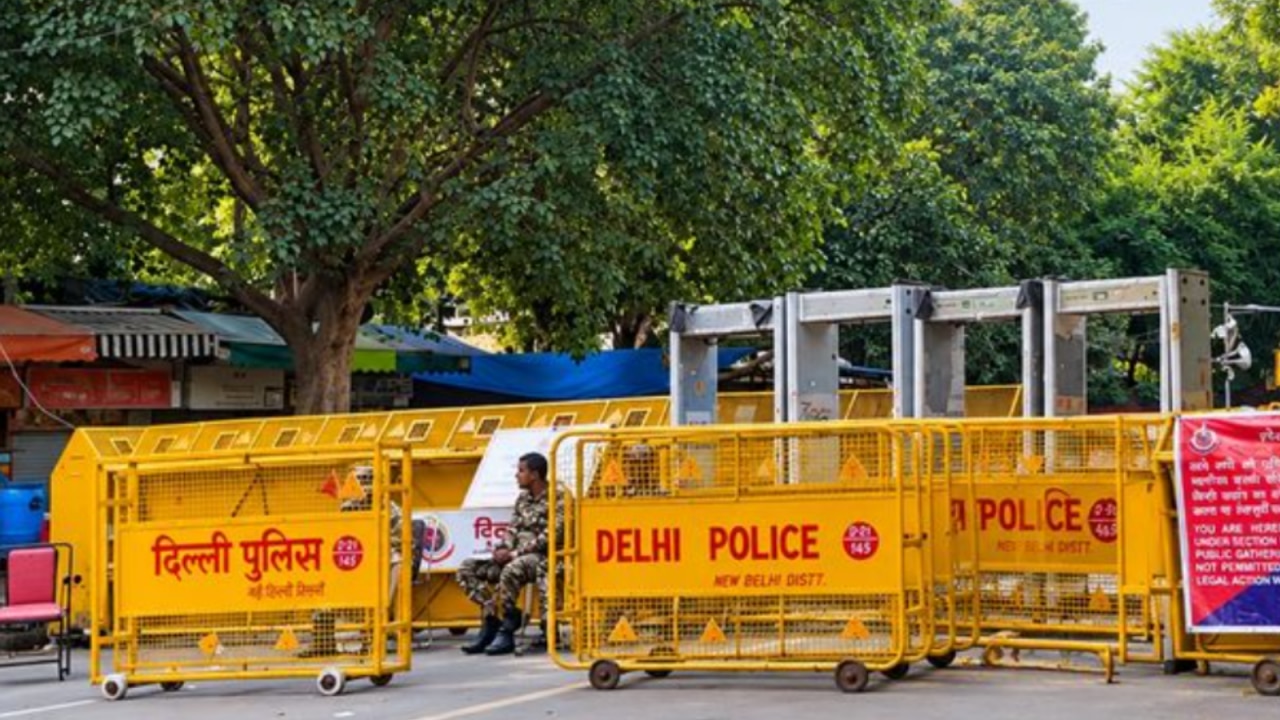 Delhi: Internet suspension to begin at 10 PM today ahead of CJP protest at Jantar Mantar
 Third Language Row: SC extends relaxation to Class 6 students, asks CBSE to grant exemption, here's what it means
 NEET PG 2026 Result Out: Check how to download scorecard from natboard.edu.in; Know category-wise cut-off and more
 Five-year BTech programmes? Ex-IIT director makes proposals amid IIT suicide controversy
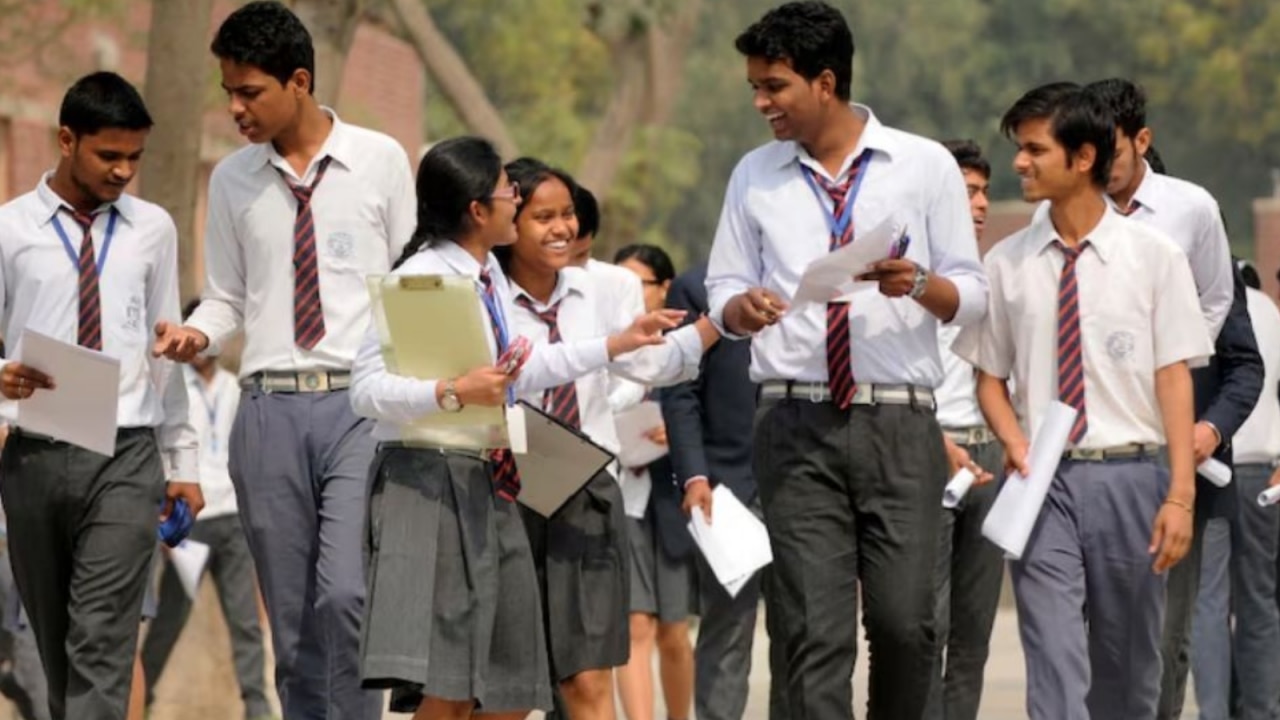 CBSE Date Sheet 2027: When will Class 10, 12 timetable be released? Check details here
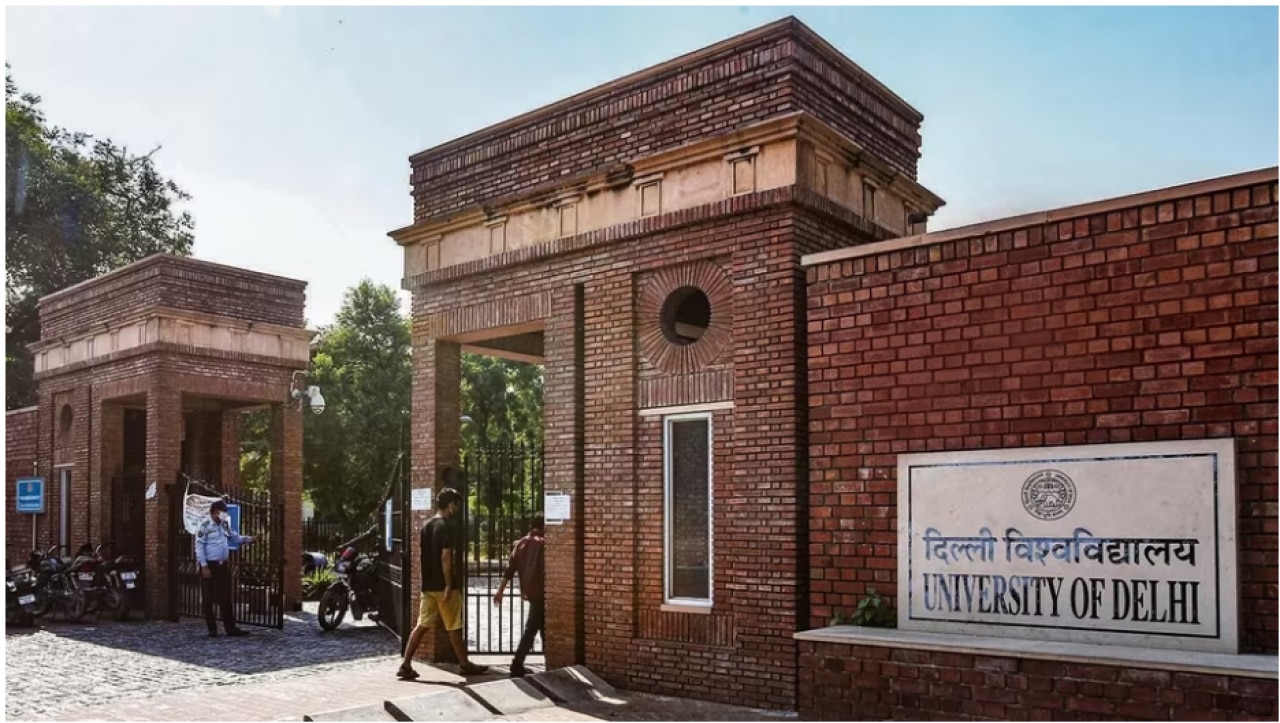 From Rs 150 in 1947 to powerful student body: The story of DUSU’s rise | Explained
 After Hyundai, Maruti Suzuki makes cars costlier ahead of festive season: Check new prices after hike
 Hyundai cars to get costlier from September: Check new prices and reason behind hike
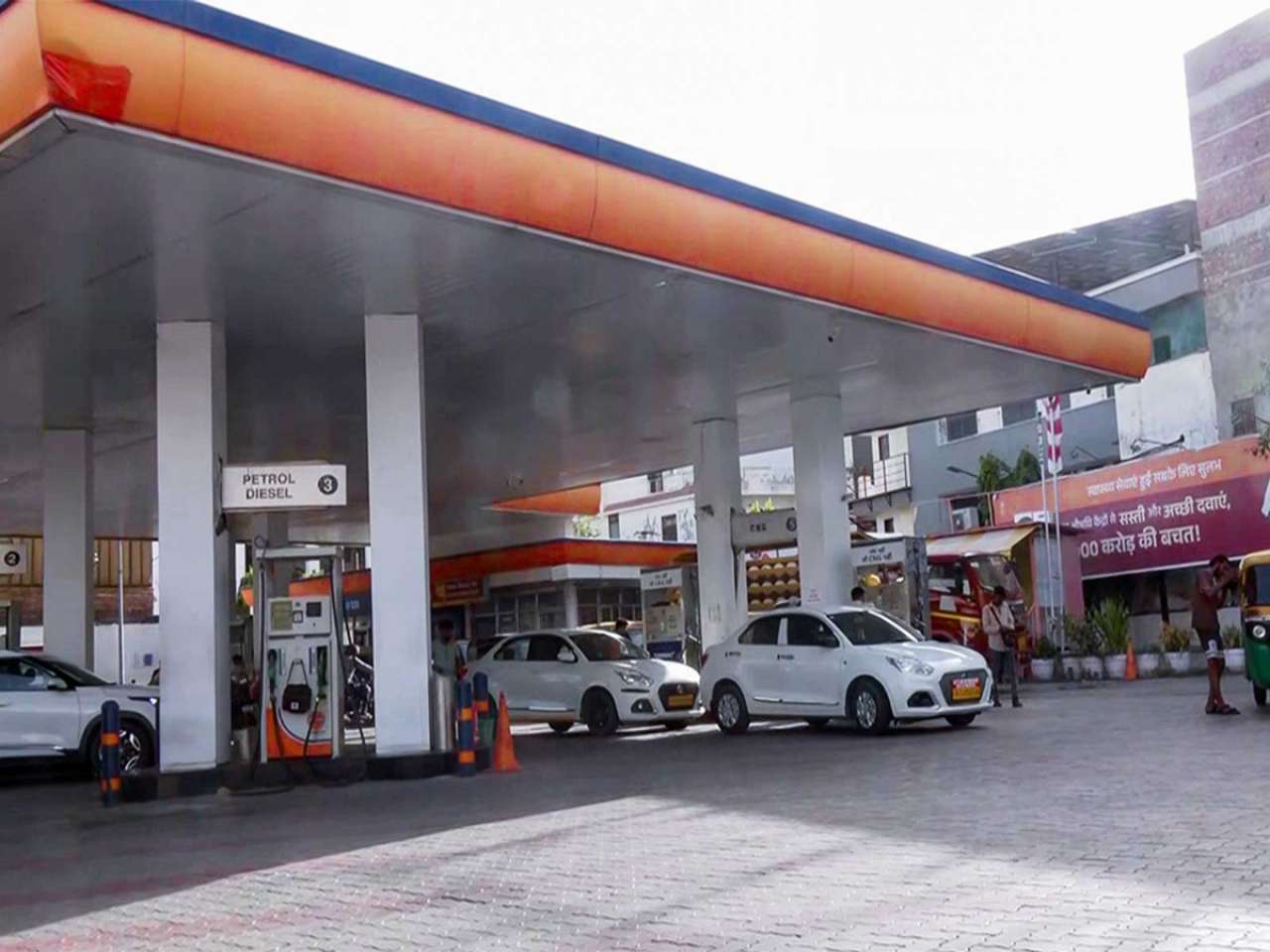 Why can't consumers choose pure petrol or E10? Centre explains why E20 is now the standard fuel
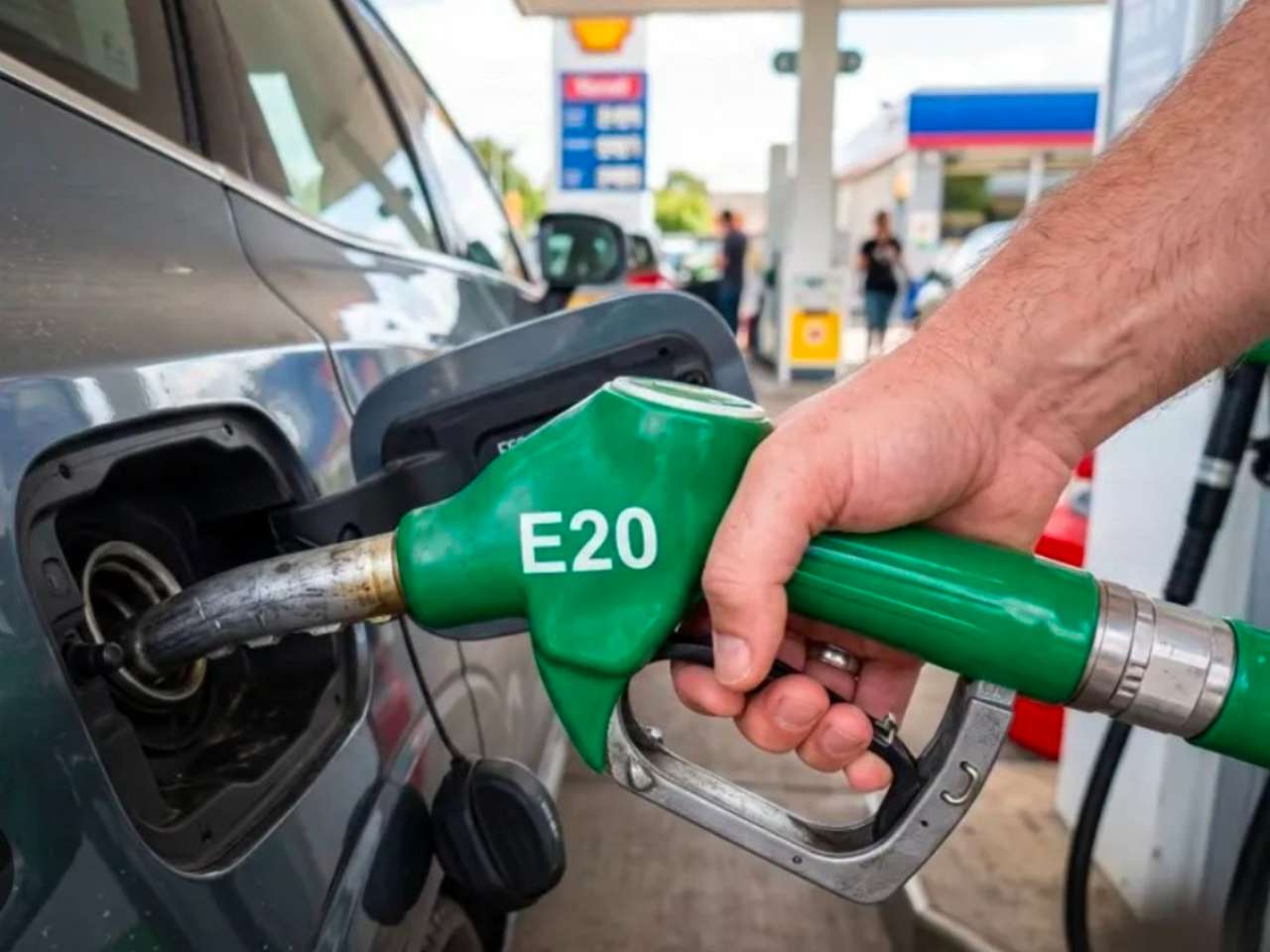 Centre claims E20 fuel does not damage engines, cites data from Maruti Suzuki and Hero MotoCorp
 Maruti WagonR Flex Fuel: What’s price of India’s first ethanol car? Specs, mileage, and top features explained
WORLD
As US continues to support Israel, China has come up as a big threat with its possession of a rare earth metal, samarium. It holds samarium’s 100% global supply and has banned its export. This has hurt trade deal with US.

Updated : Jun 15, 2025, 11:08 AM IST



Amid war in the Middle East, US’s intervention in Israel Iran war can be seen through its military support to Israel and strategic deterrence against Iranian actions. To help Israel, US has deployed THAAD, its advanced defense systems, and Patriot batteries. As US continues to support Israel, China has come up as a big threat with its possession of a rare earth metal. Not just this, globally the Asian giant boasts of the biggest share of rare earth elements. However, out of this treasure, the element that it completely controls is samarium, a rare earth mineral, which means that China holds samarium’s 100% global supply.
It is used only in military industries that help in making fighter planes, missiles, smart bombs, and other advanced platforms and nowhere else. Why the possession of this strategic resource gives an edge to China is because one US F-35 fighter jet, needs up to 23kg of samarium magnets for its construction. However, as it has sole control over samarium, China has put a ban on its export in April along with six other rare earths as the trade war with the US is underway and it can use this ban to gain a bargaining edge in the tussle.
The two countries have made a deal under which US manufacturers will get export licenses for only six months giving China an upper hand in case trade tensions rise again. China possesses seven rare earths and six of them-dysprosium, gadolinium, lutetium, scandium, terbium, and yttrium- are used for civilian purposes. Other ways in which it can damage US and other Western militaries are by hurting deliveries of new platforms and impacting repair, maintenance, and upgrading of existing ones.
With possession of rare earth metal used only for military purposes, military and even electronics industries worldwide have been shaken. This has led automakers, defense contractors, and such industries to look for alternatives. Even US automakers like Tesla and Ford have been impacted by this as halt in exports have disturbed production.