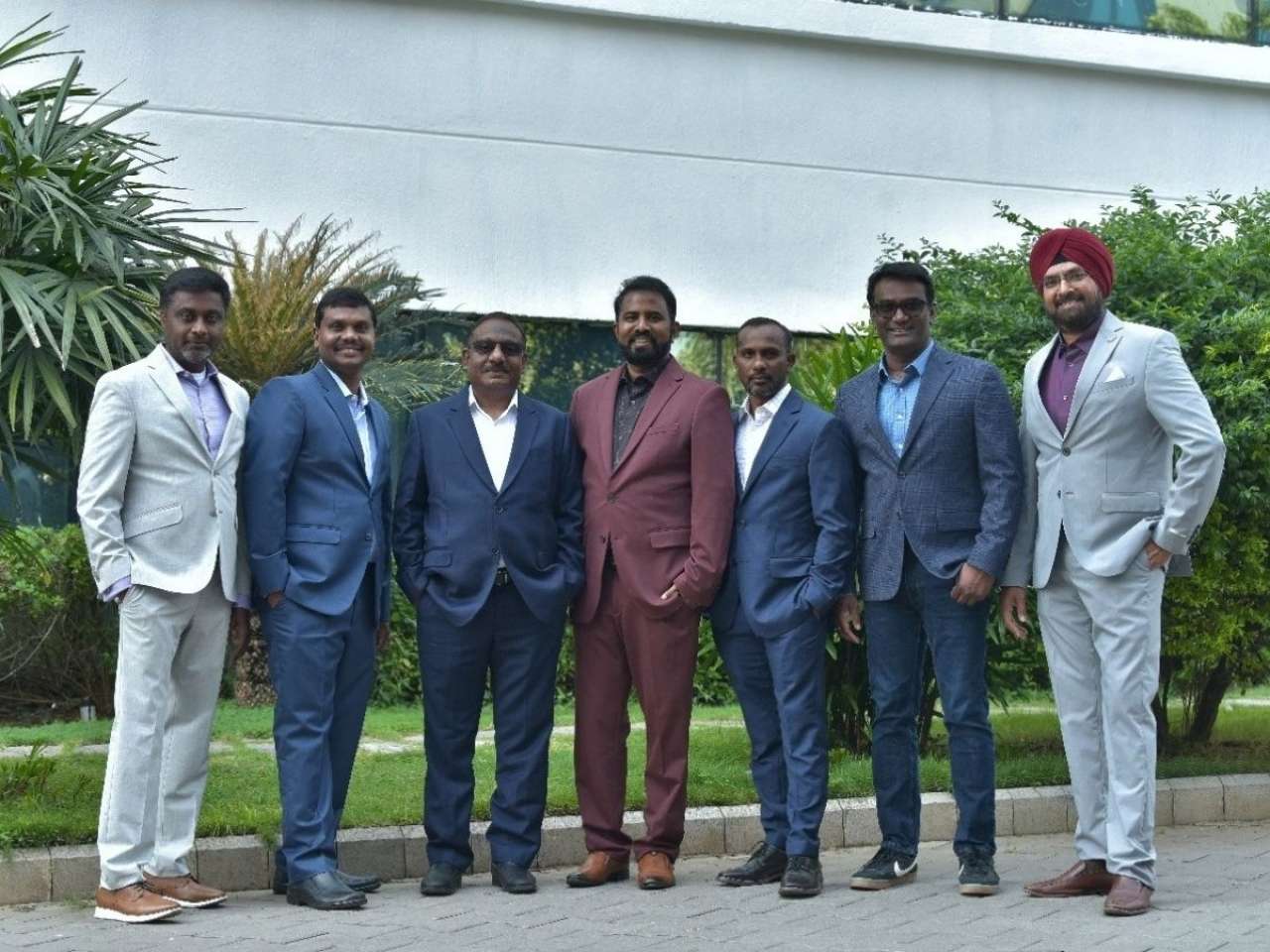
 1,000-Strong and Fastest to $100M: How QualiZeal's Seven Founders Made AI Their Tailwind
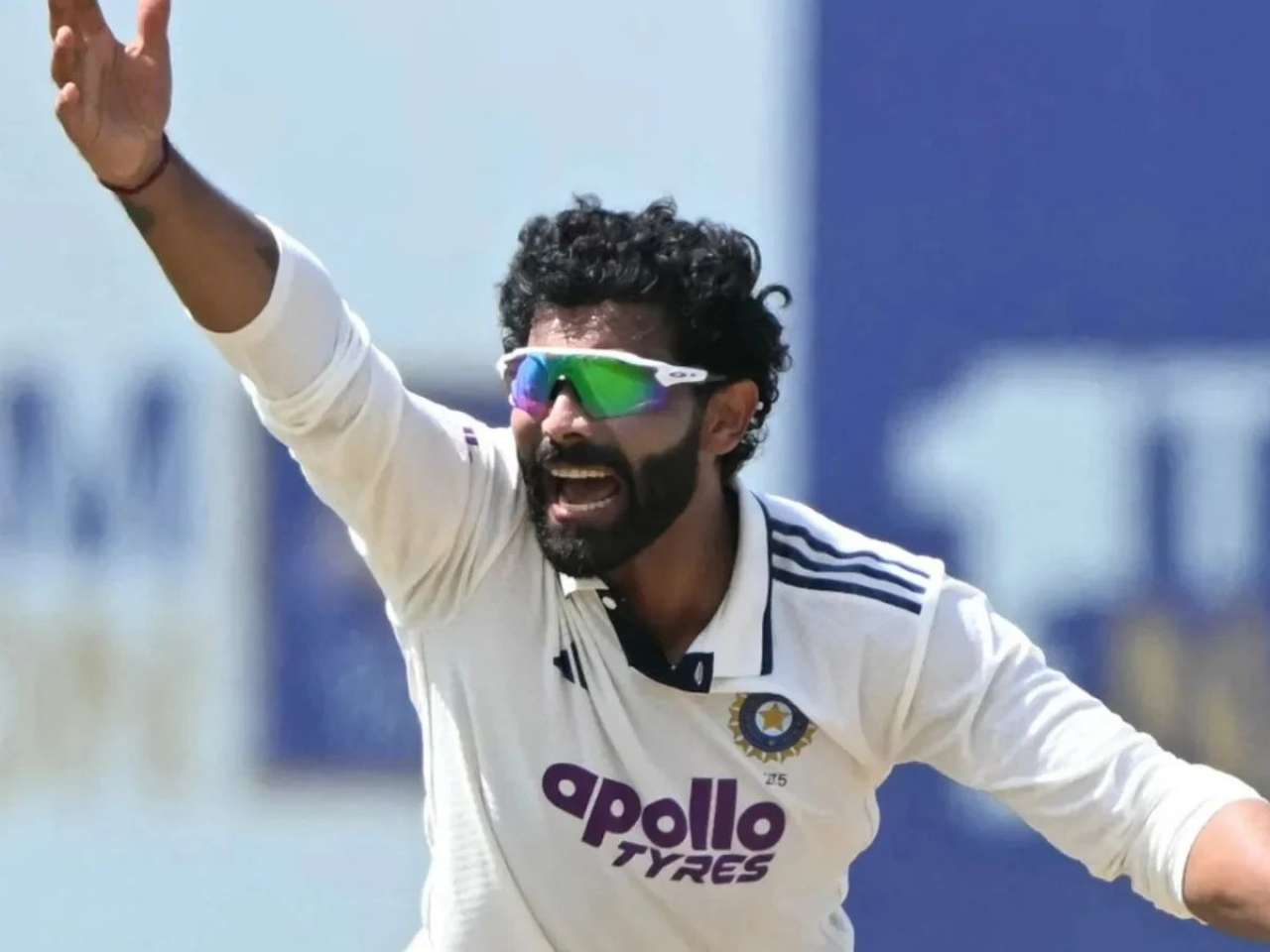 'What’s the procedure?': Ravindra Jadeja's cheeky remark after BCCI invites applications for Ajit Agarkar's replacement
 From Network Segmentation to Behavioral Analytics: One Engineer's Approach to Securing Industrial Systems
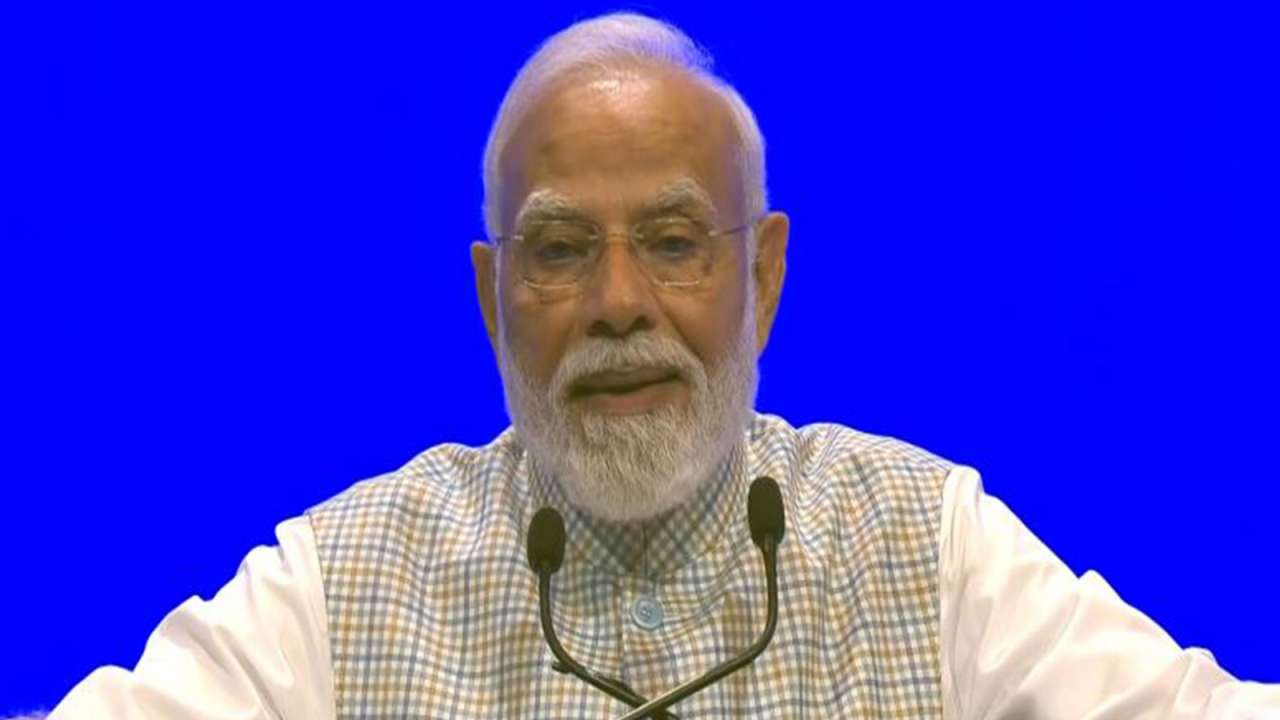 PM Modi hails India's digital transformation at IMC, says '5G has reached every district', governance now on mobile
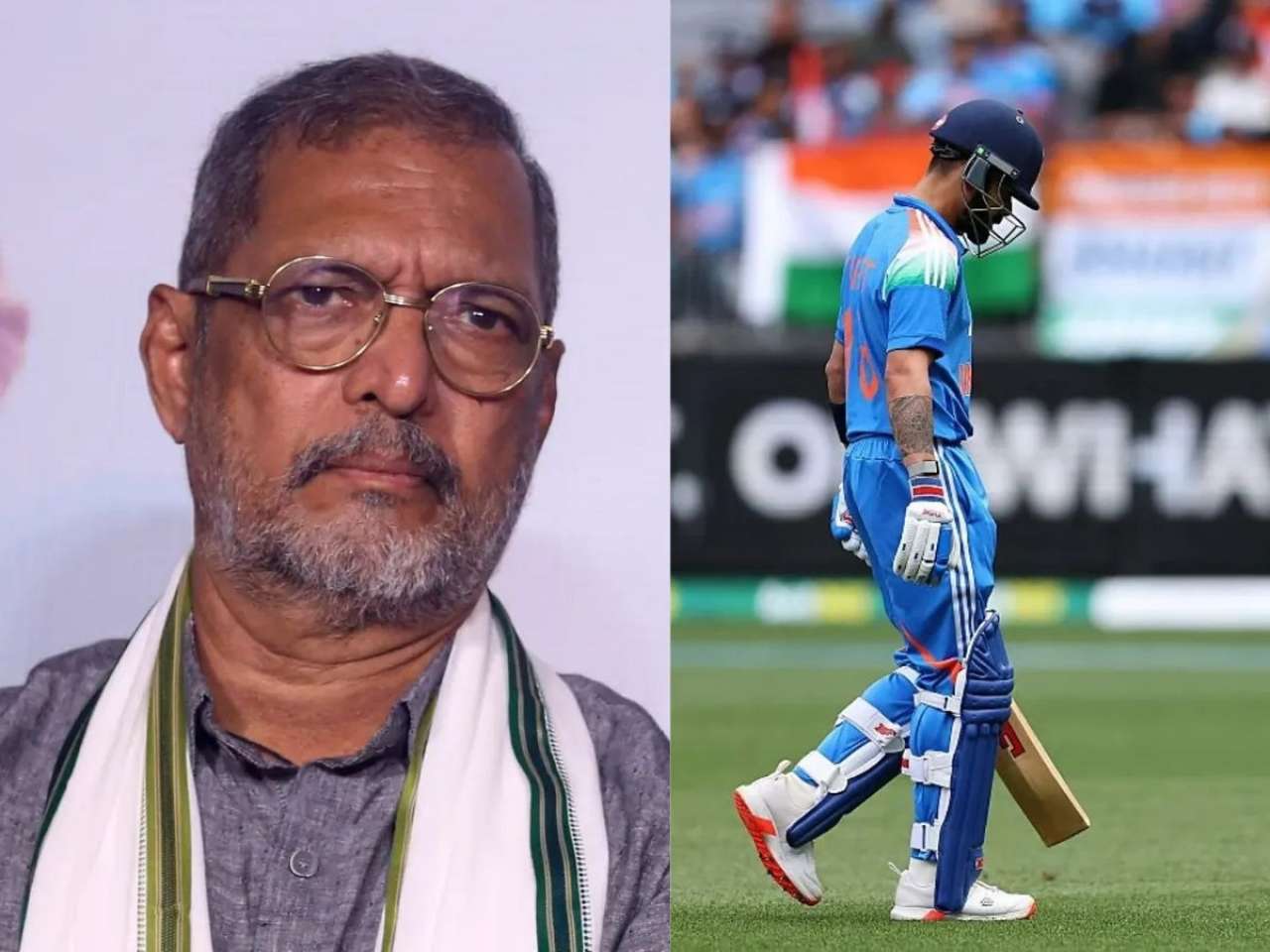 'I didn't feel like eating': Nana Patekar’s viral remark on Virat Kohli resurfaces as fans pay tribute to the late actor'What’s the procedure?': Ravindra Jadeja's cheeky remark after BCCI invites applications for Ajit Agarkar's replacement'I didn't feel like eating': Nana Patekar’s viral remark on Virat Kohli resurfaces as fans pay tribute to the late actor
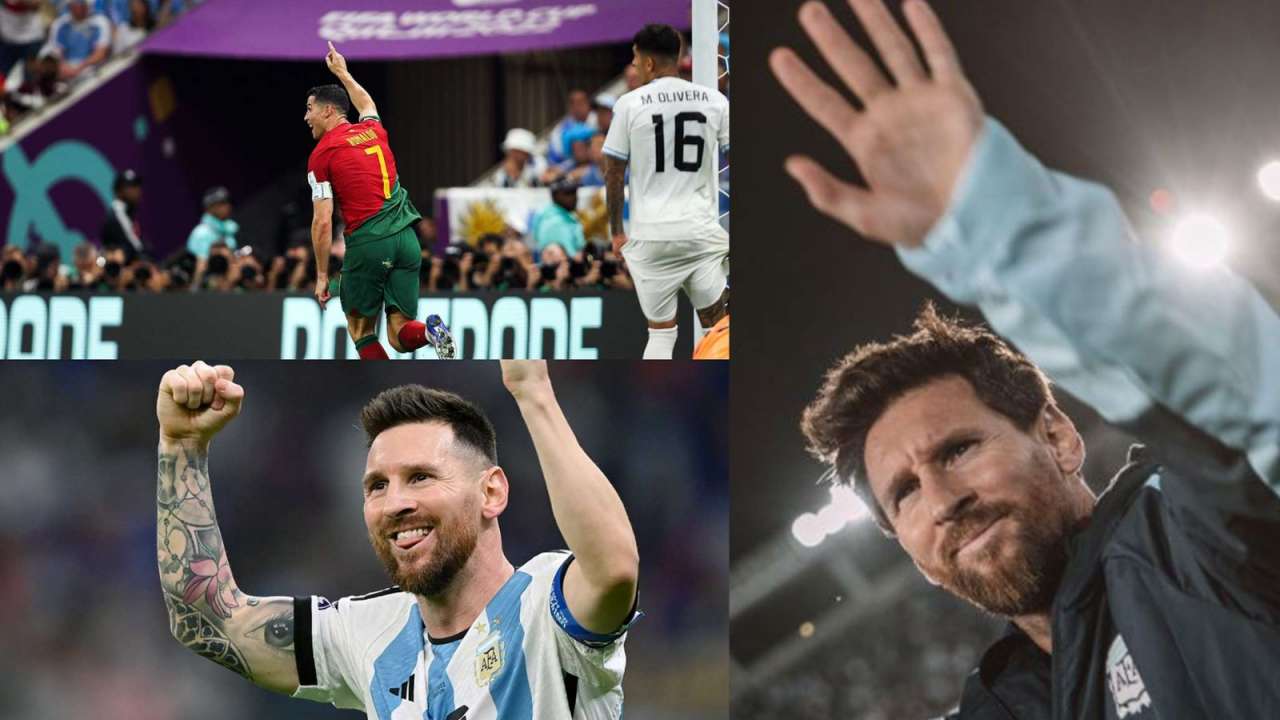 Portuguese football legend Ronaldo pays rich tribute to arch-rival Lionel Messi, says, 'history will last forever'
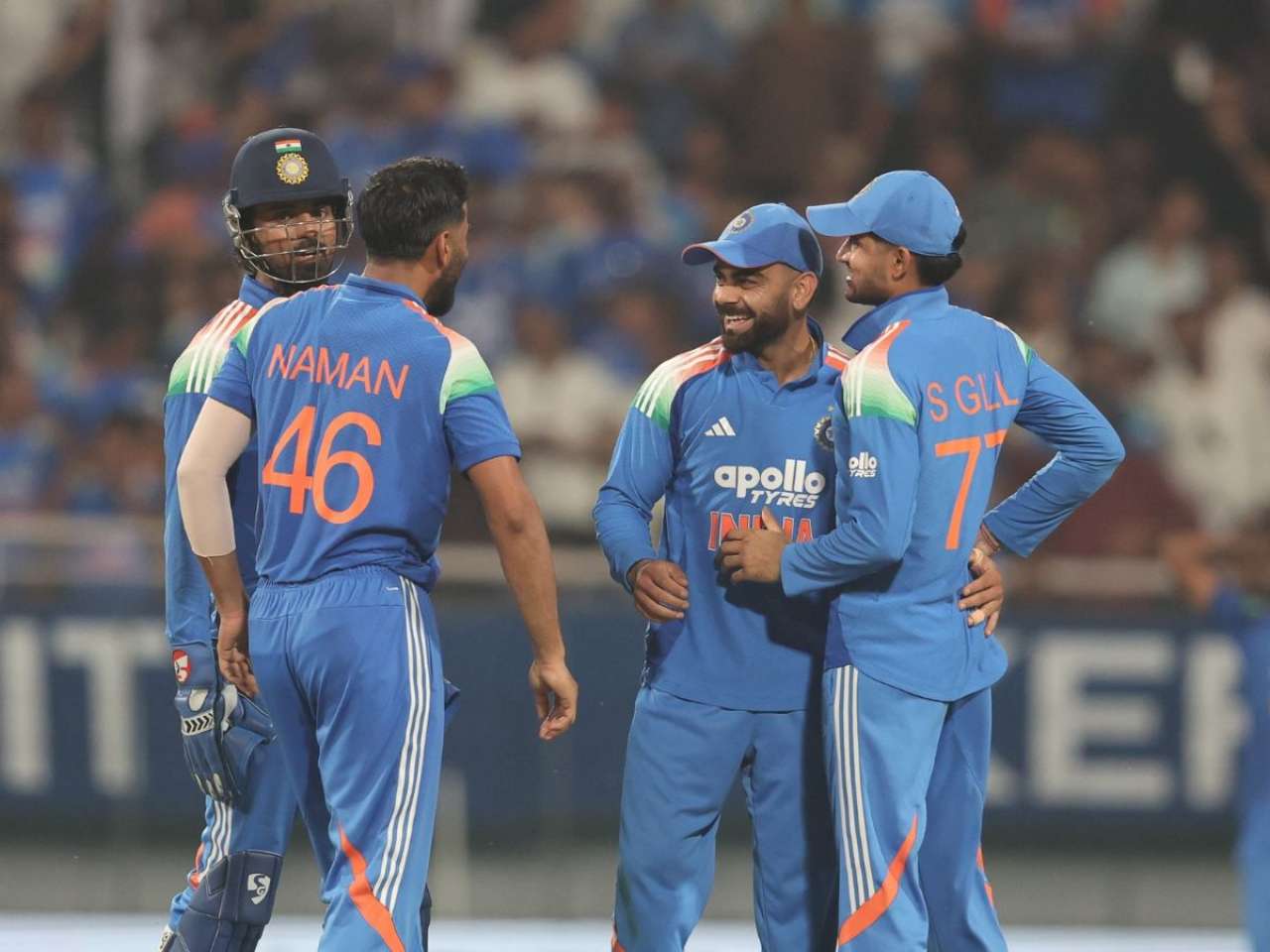 India squad for New Zealand tour delayed: Why selectors are waiting until next week to pick ODI team
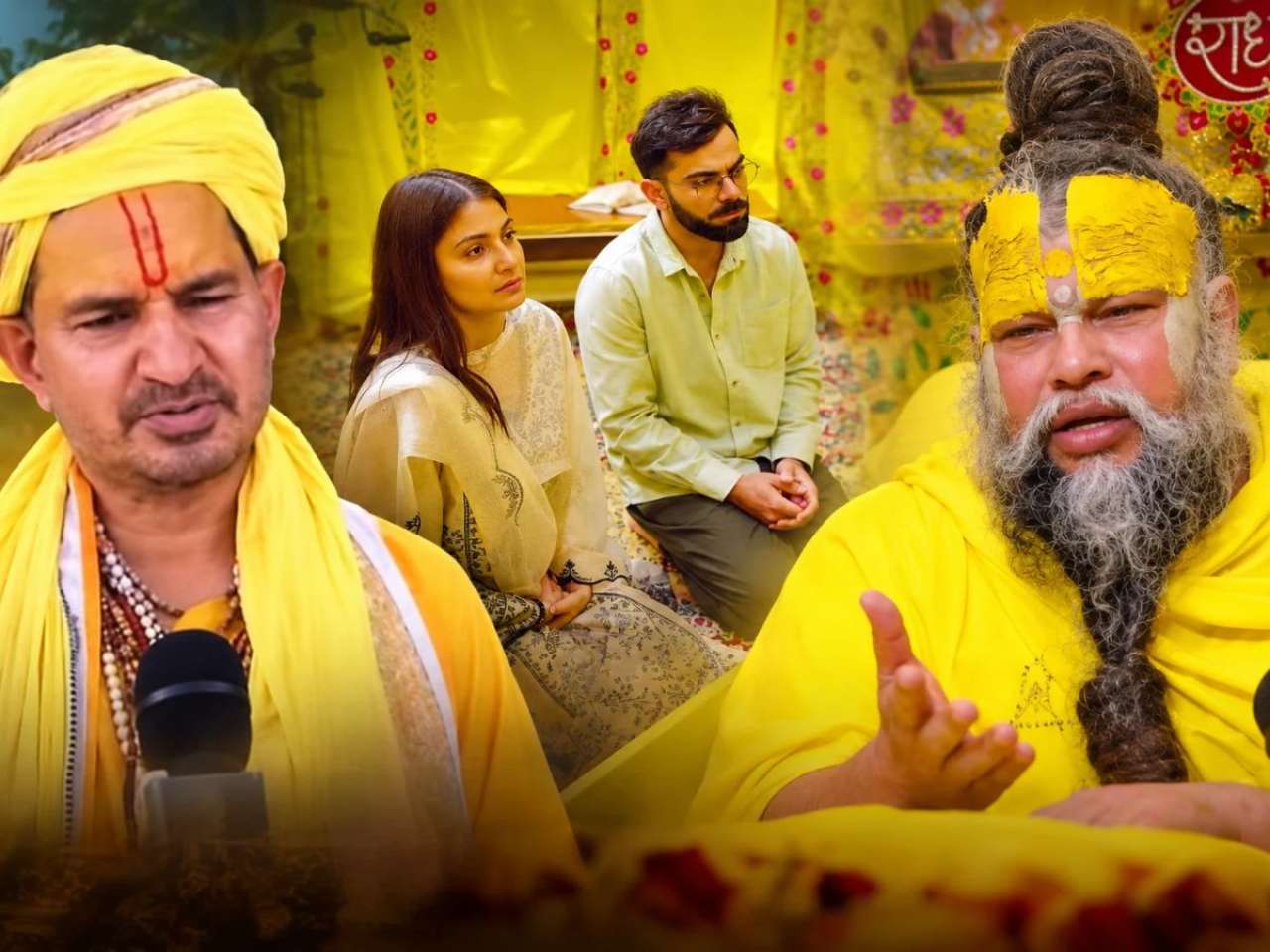 Virat Kohli–Premanand Maharaj Rs 5 crore row escalates: Dinesh Falahari fires back, demands audit of company accounts
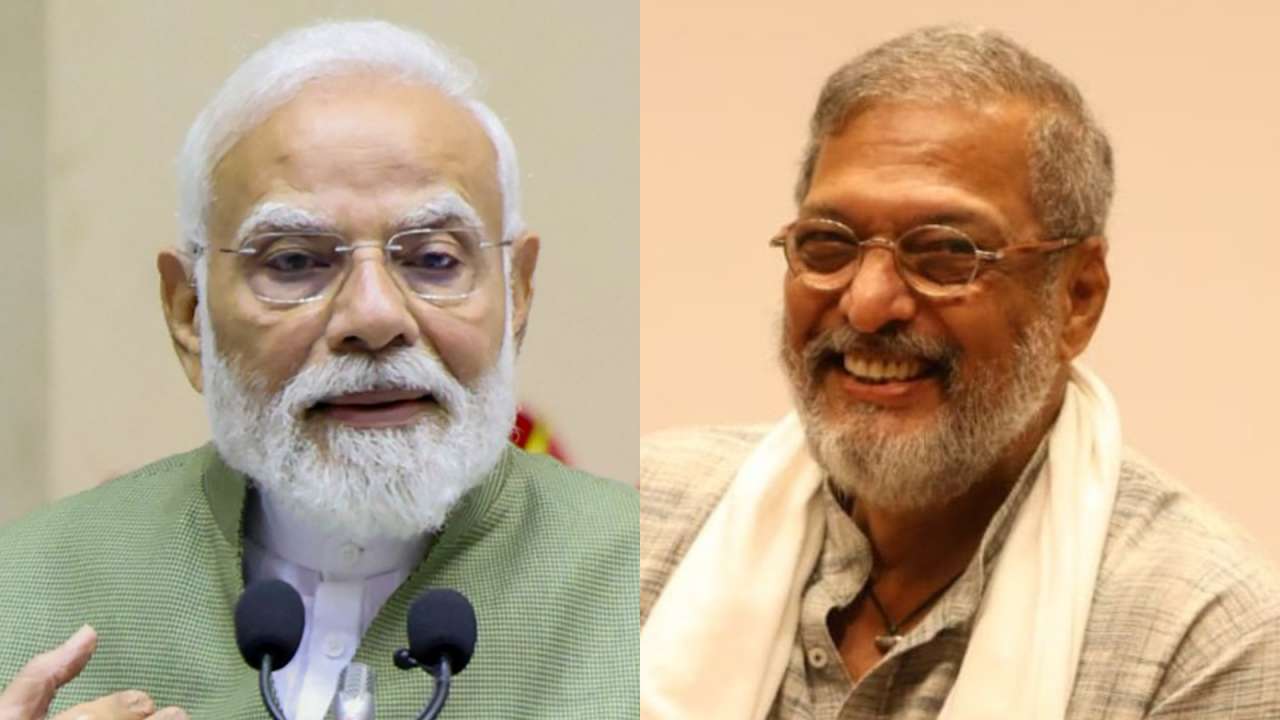 PM Modi pays tribute to Nana Patekar, recalls his ‘unmistakable presence’
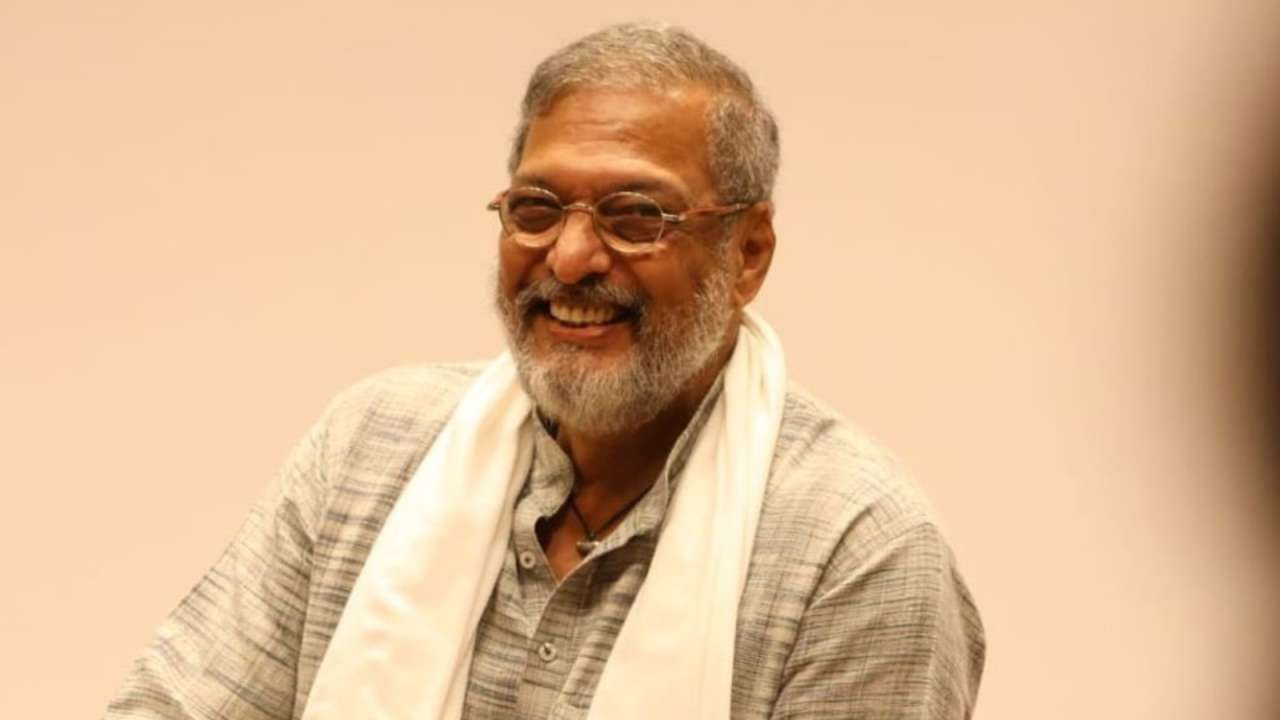 Nana Patekar’s last rites to be held at his Pune farmhouse, son Malhar confirms
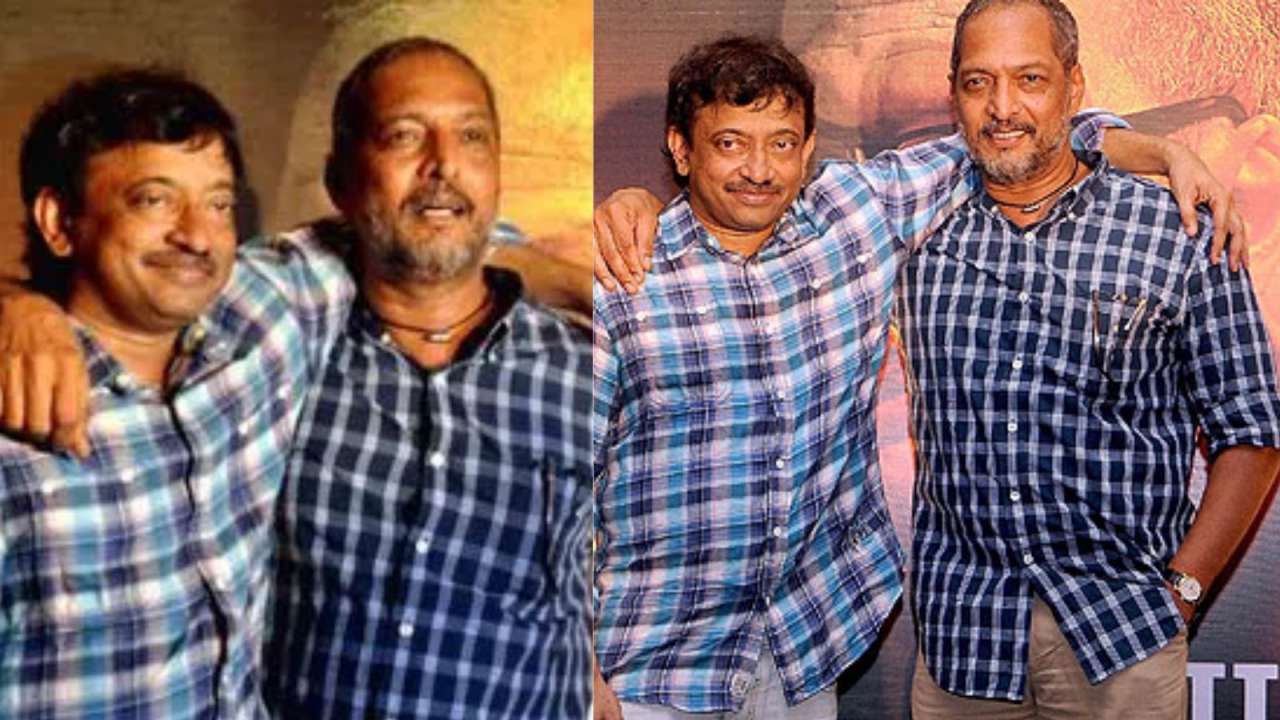 'Goodbye Nana': Ram Gopal Varma pens heartfelt note after Nana Patekar's death at 75; shares throwback photo
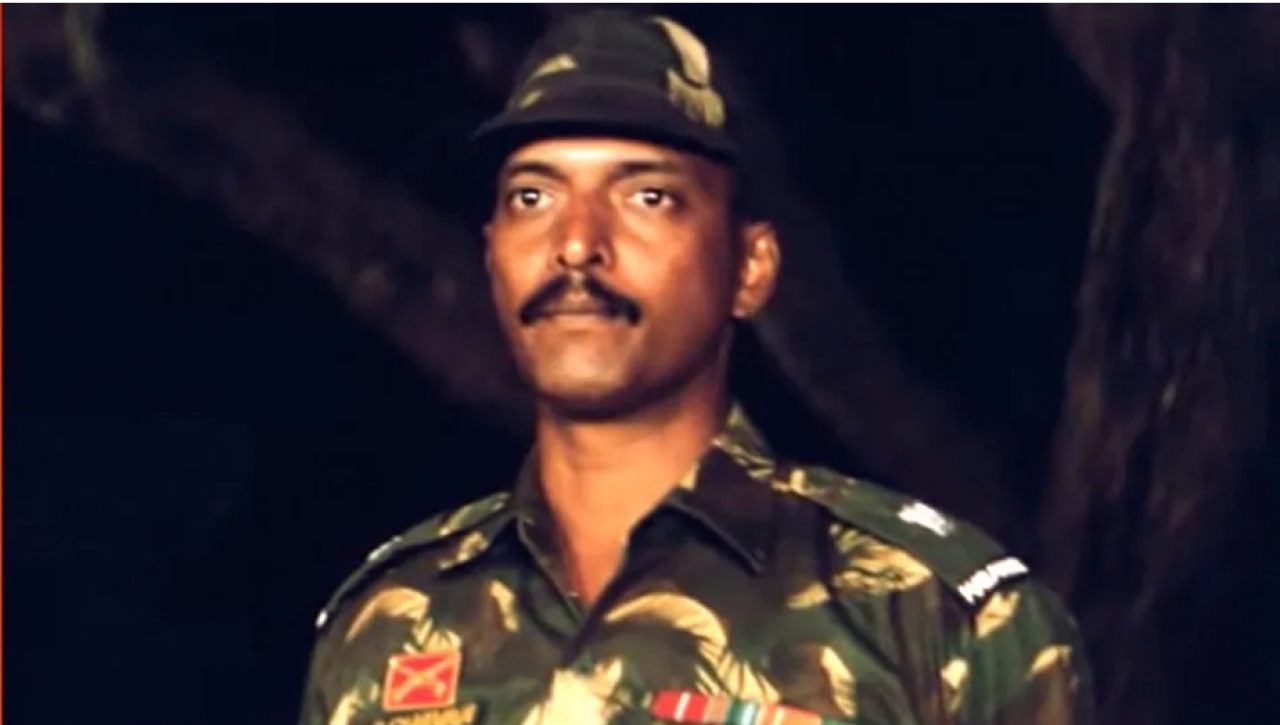 Nana Patekar’s Kargil story: Actor left films, joined Indian Army at career peak, lost 20 kg while serving at the front
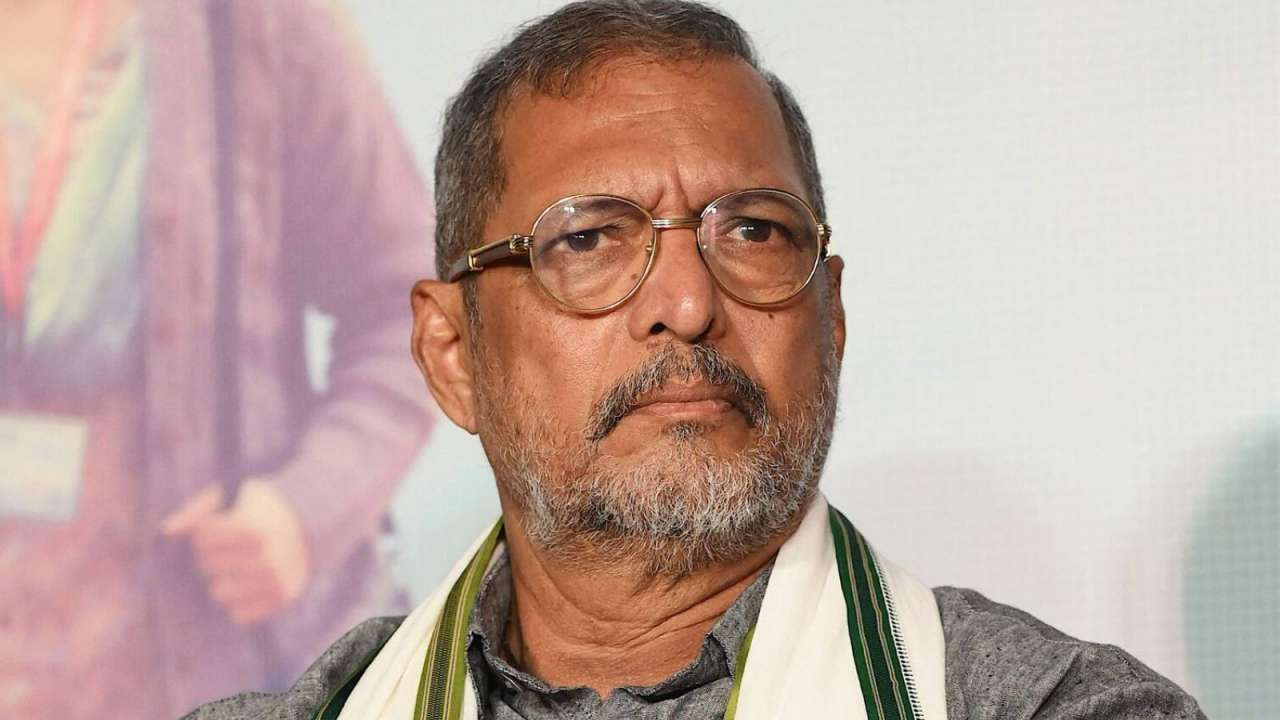 Nana Patekar Dies At 75: Here's all about his Rs 80 crore net worth, simple lifestyle and humanitarian work for farmers
 Flydubai Flight News:'Revenge For Gaza'; Flydubai Co-Pilot Hamam Al-Hammami Confesses To Terror Plot
 Delhi Building Collapse: 5-Storey Building Collapses In Seemapuri; Emergency Teams Rush To Spot
 PM Modi News: Congress Attacks Modi Over Repo Rate Hike, Says ‘Achhe Din’ Became ‘Vasooli Wale Din’
 CJP News: CJP Announces ‘Chappal Protest’ in Bengaluru On October 8 | CEC Gyanesh Kumar Resignation
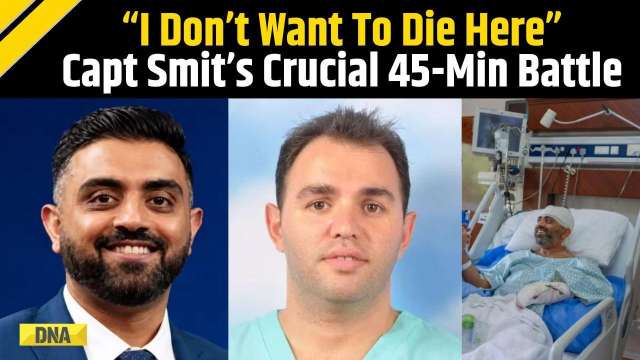 Flydubai Attack: Israeli Dentist Reveals How He Helped Save Captain Smit After Flydubai Attack
 After Oracle, Hubspot Layoffs: Amazon cuts nearly 1000 jobs; will Indian employees be affected?
 Gold, Silver prices today, October 8, 2026: Check city-wise rates in Delhi, Mumbai, Chennai, Kolkata and more
 Rupee slips despite RBI rate hike: Why is the Indian currency under pressure against US dollar?Rupee slips despite RBI rate hike: Why is the Indian currency under pressure against US dollar?
 Your loan EMIs are about to rise: RBI hikes interest rates by 0.25%
 OTT Releases This Week (Sept 28 - Oct 4): Dupahiya 2, Pooja Meri Jaan; new movies and shows to watch this Gandhi Jayanti weekend
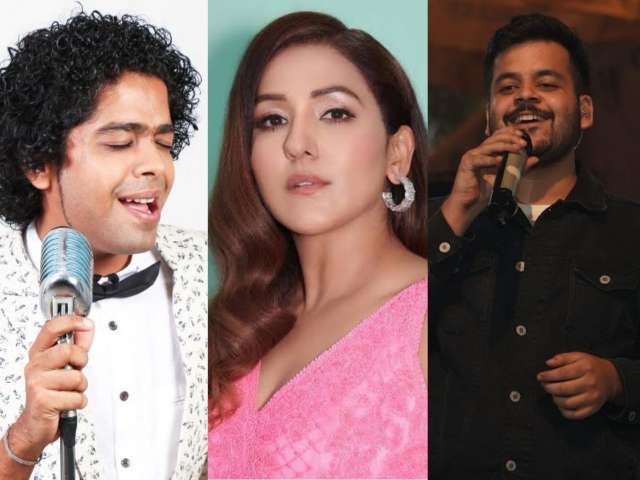 From Neeti Mohan, Heer, Sarthak Kalyani; Ahead of Sa Re Ga Ma Pa, 5 musical geniuses championed by AR Rahman
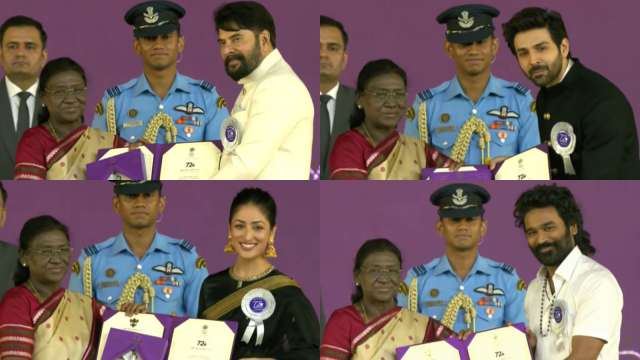 72nd National Film Awards 2024: Kartik Aaryan, Yami Gautam, Aditya Dhar, Mammootty, Dhanush, Anant Nag accept honours
 OTT Releases This Week (September 14-20): Lust Stories 3, Irumudi, Thudakkam; Indian movies, series to watch on Netflix, Prime Video, JioHotstar
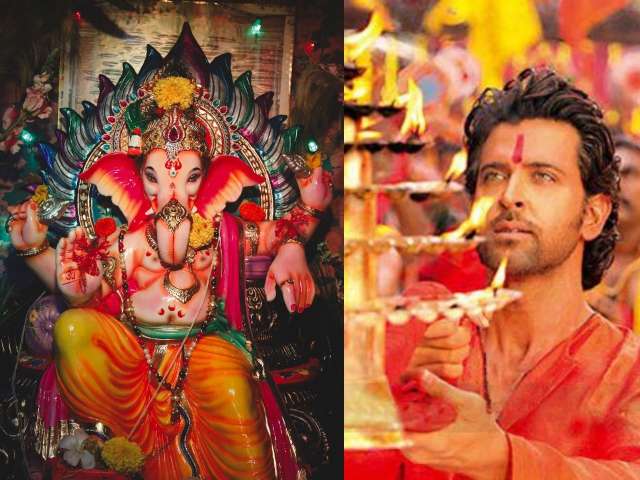 Ganesh Utsav 2026: Deva Shree Ganesha, Sindoor Lal Chadayo; 5 iconic Ganpati songs that should be must-haves in your playlistPM Modi hails India's digital transformation at IMC, says '5G has reached every district', governance now on mobile
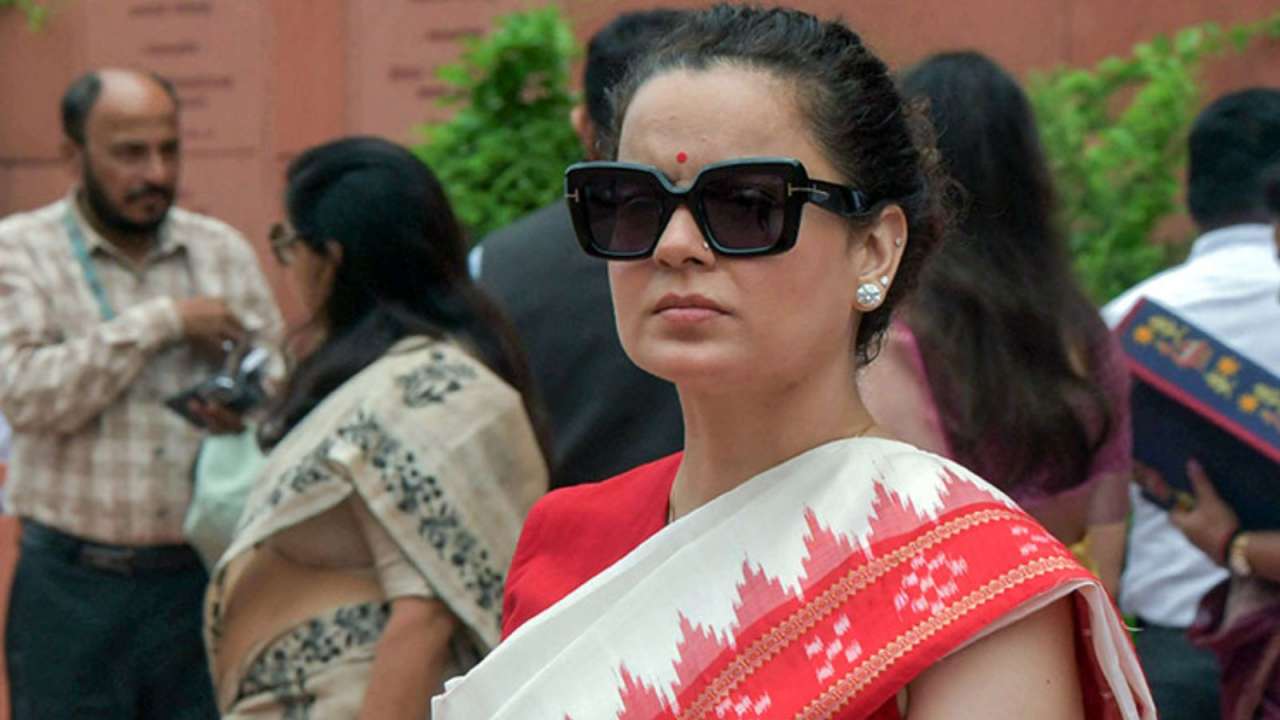 Delhi High Court issues summons after Kangana Ranaut files plea against misuse of personality rights
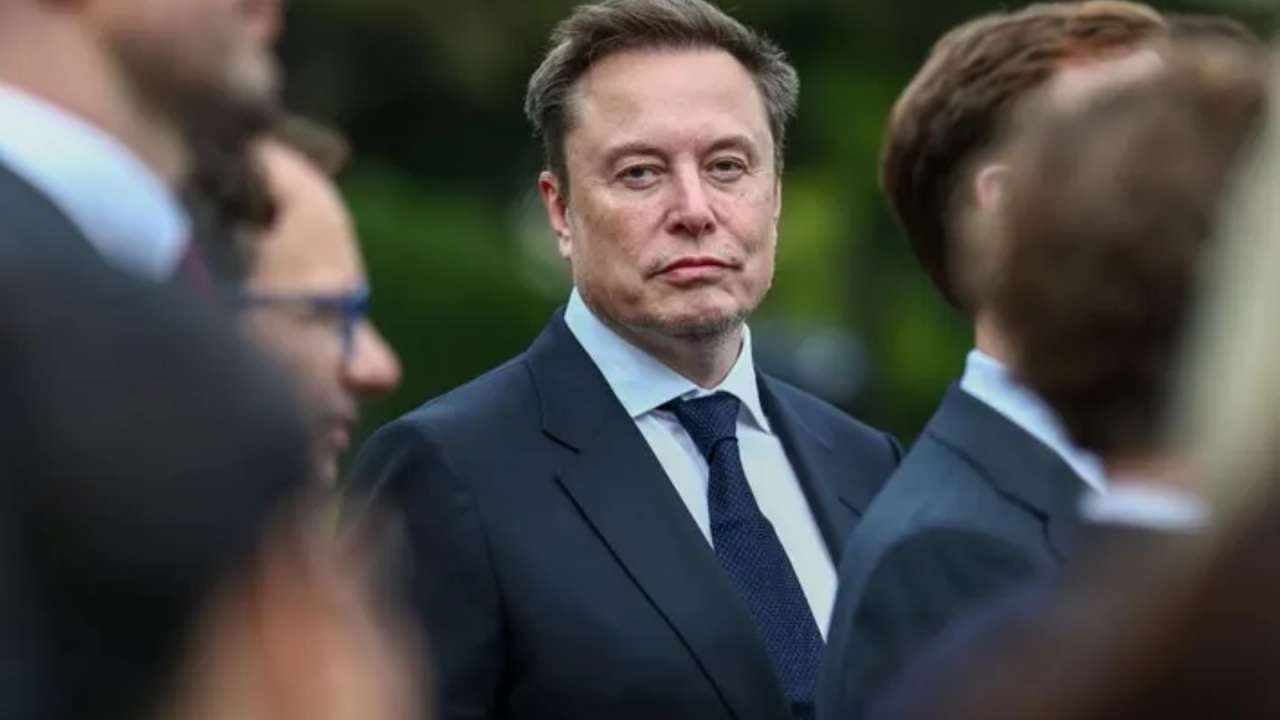 Elon Musk accuses 'oligarchs' of blocking Starlink's entry into India, who are these people?
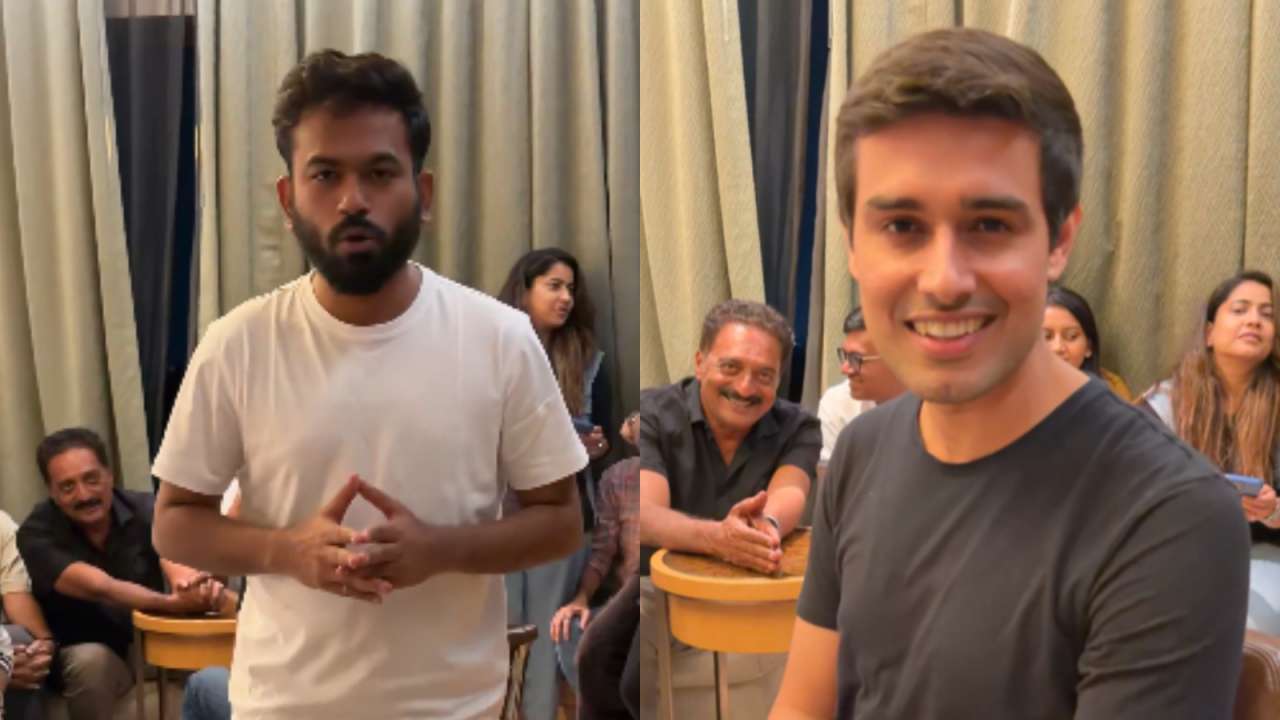 Dhruv Rathee joins Bengaluru protest against SIR, CJP plans bigger Delhi agitation on October 10| Video
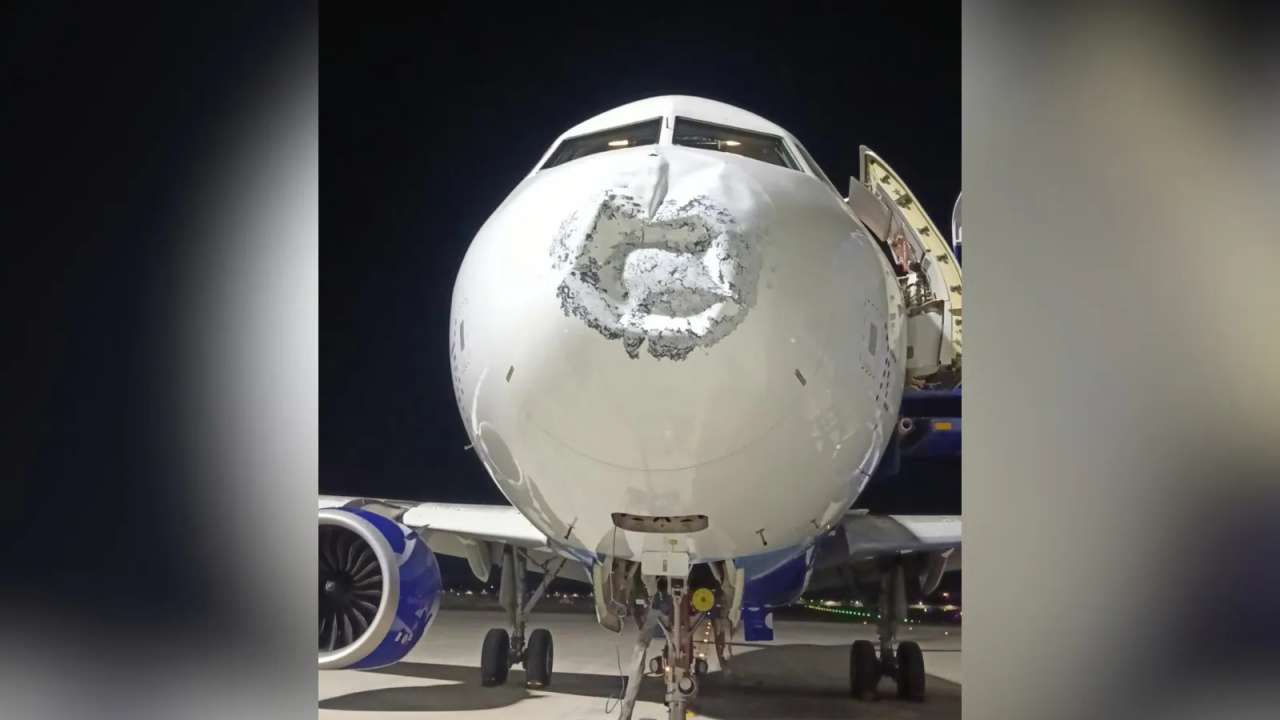 IndiGo Patna-Lucknow flight hit by lightning at 17,000 feet, makes emergency landing; nose damaged
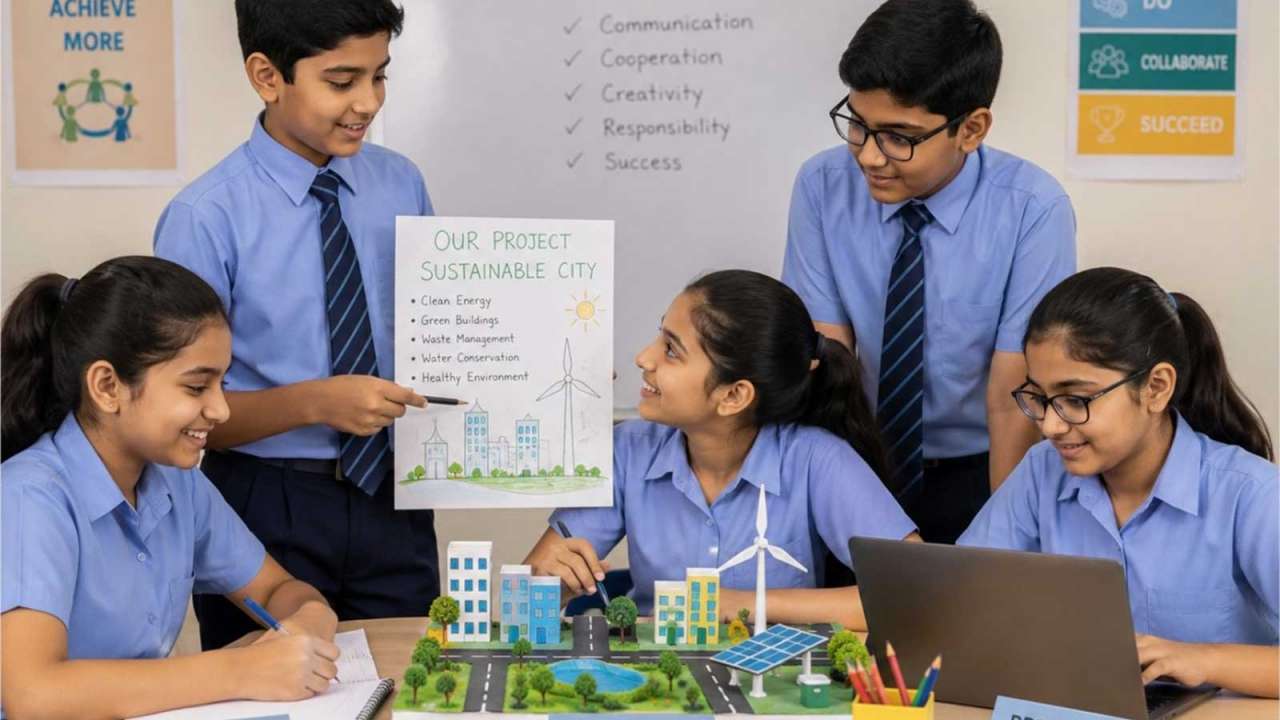 Third Language Row: SC extends relaxation to Class 6 students, asks CBSE to grant exemption, here's what it means
 NEET PG 2026 Result Out: Check how to download scorecard from natboard.edu.in; Know category-wise cut-off and more
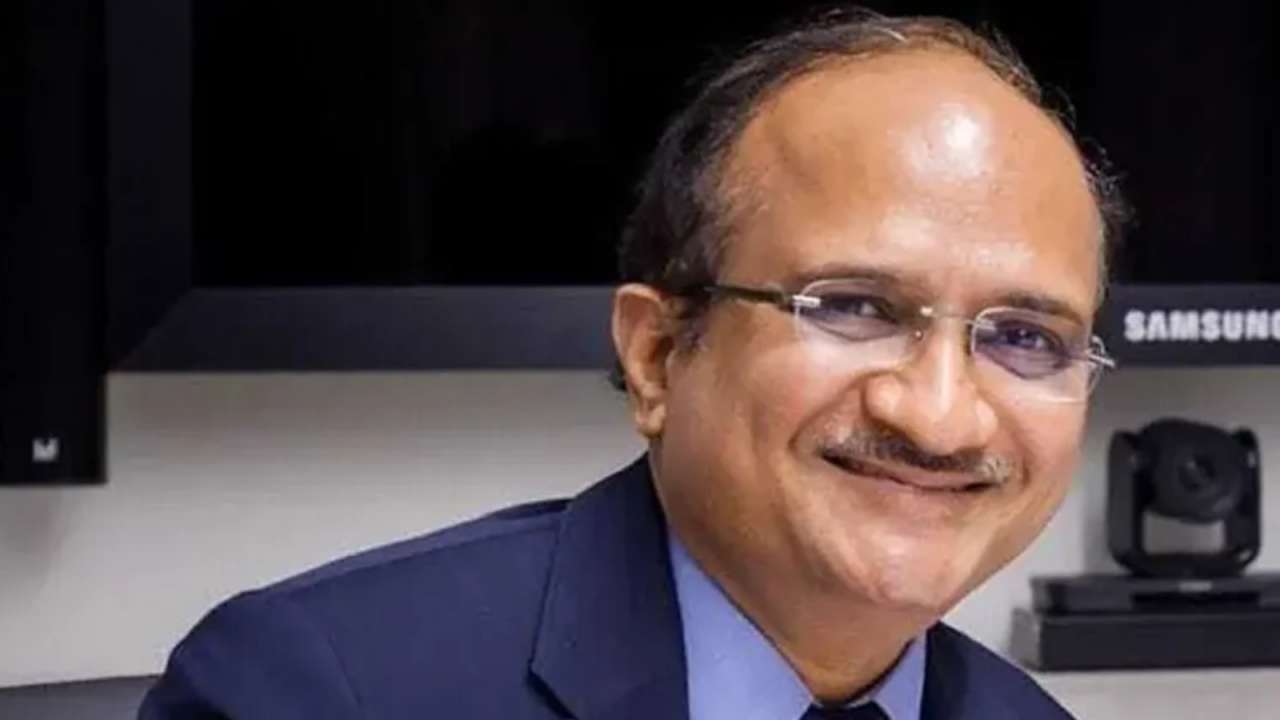 Five-year BTech programmes? Ex-IIT director makes proposals amid IIT suicide controversy
 CBSE Date Sheet 2027: When will Class 10, 12 timetable be released? Check details here
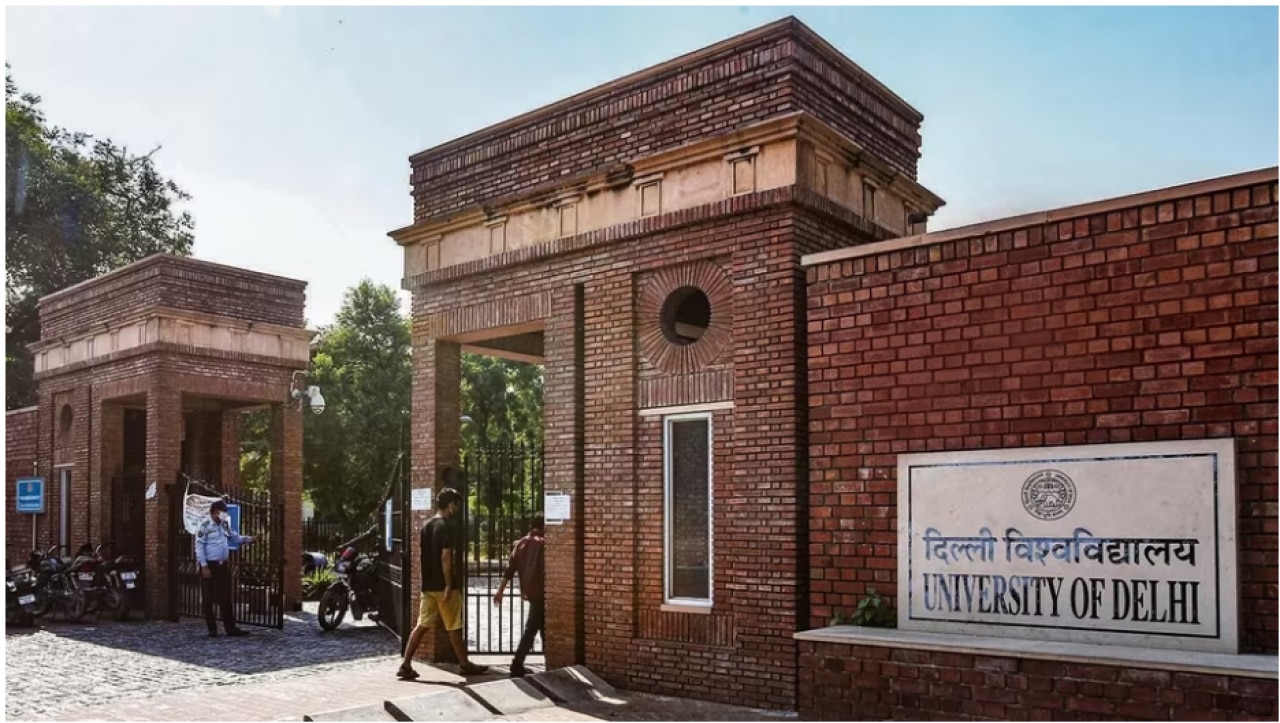 From Rs 150 in 1947 to powerful student body: The story of DUSU’s rise | Explained
 After Hyundai, Maruti Suzuki makes cars costlier ahead of festive season: Check new prices after hike
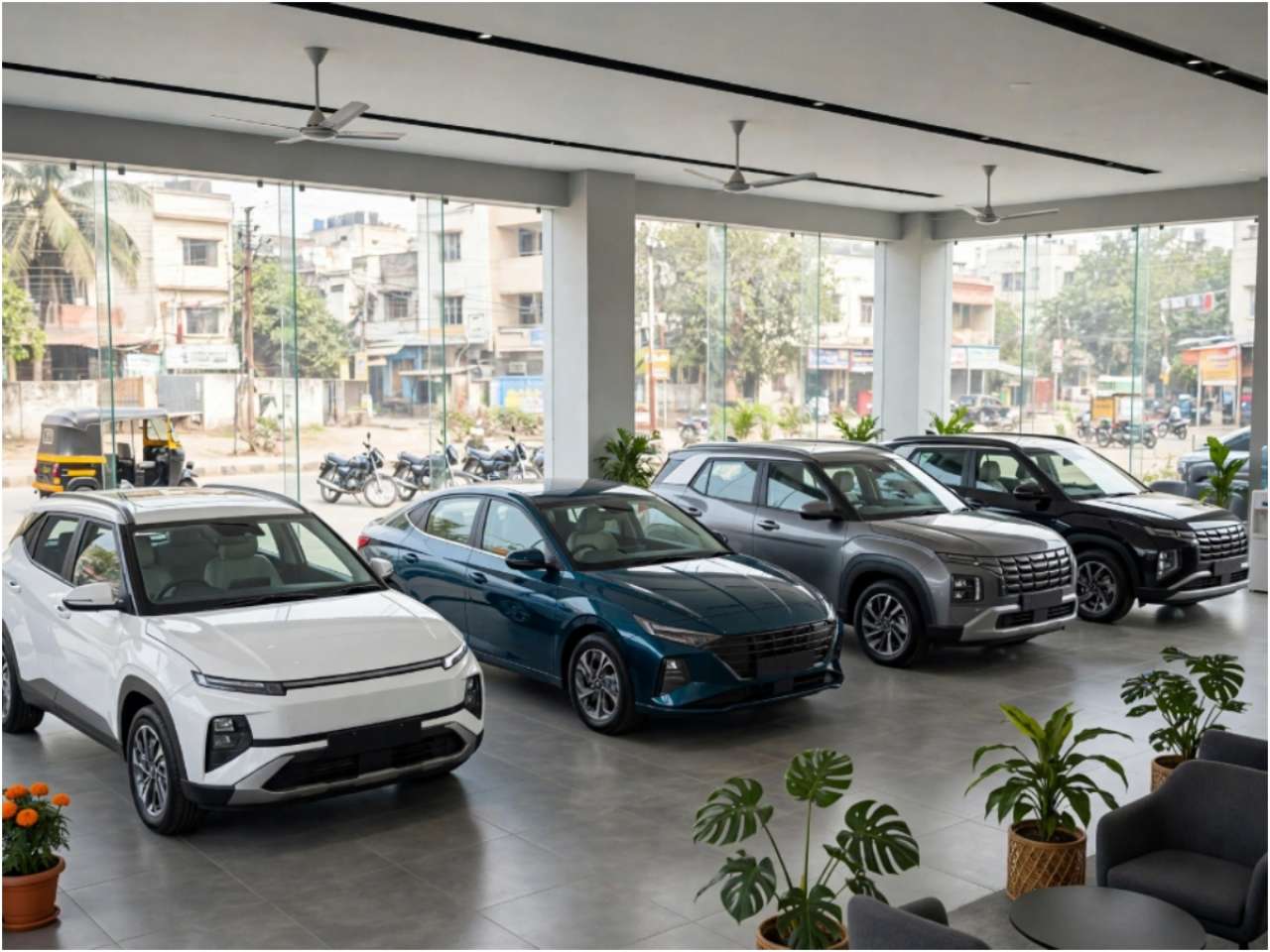 Hyundai cars to get costlier from September: Check new prices and reason behind hike
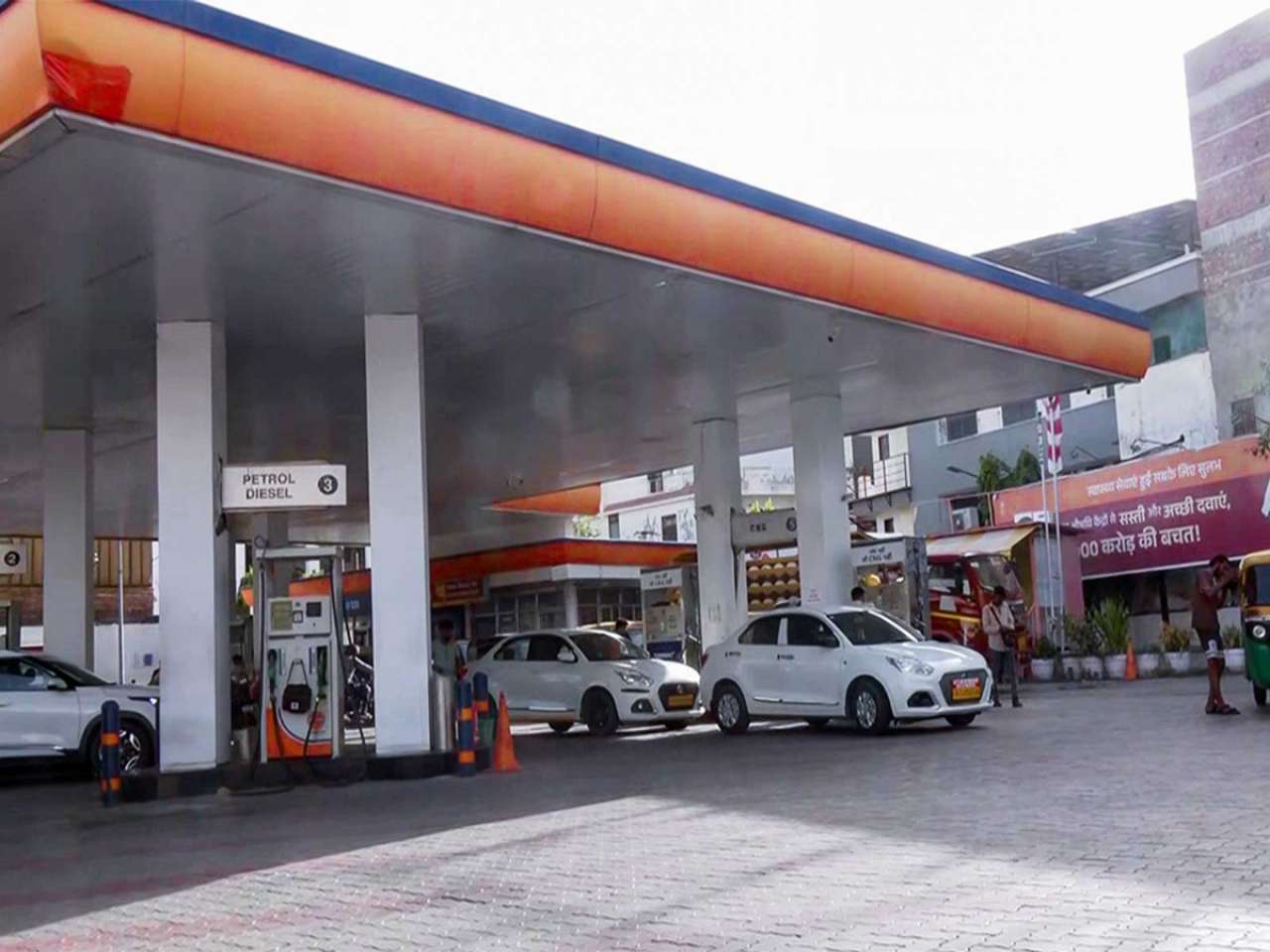 Why can't consumers choose pure petrol or E10? Centre explains why E20 is now the standard fuel
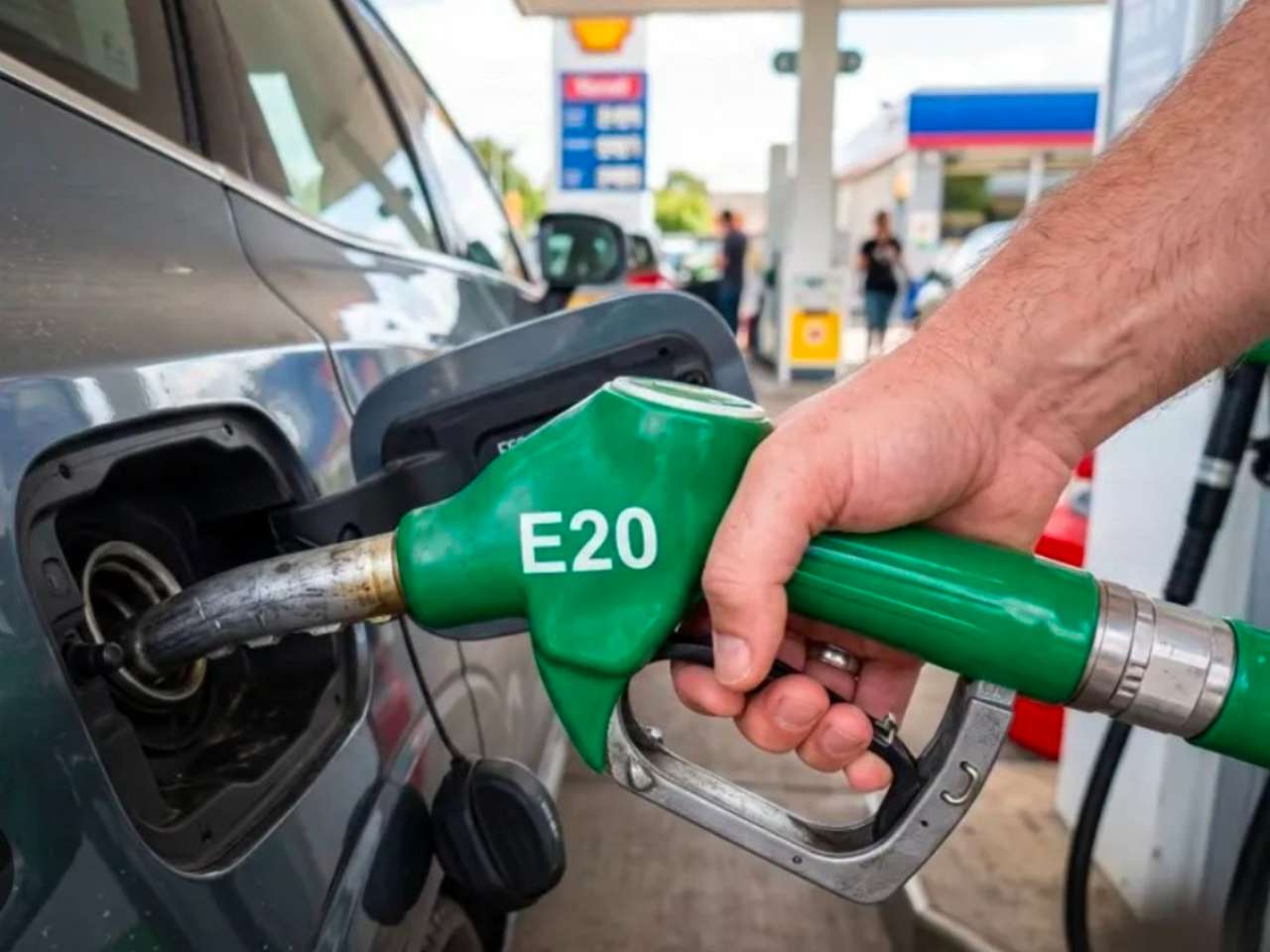 Centre claims E20 fuel does not damage engines, cites data from Maruti Suzuki and Hero MotoCorp
 Maruti WagonR Flex Fuel: What’s price of India’s first ethanol car? Specs, mileage, and top features explained
WORLD
Whistle-blower leaves seats empty on flight to Cuba after leaving Hong Kong for Moscow.

Updated : Nov 21, 2013, 01:44 PM IST



America on Monday night demanded that Russia hand over the fugitive whistle-blower Edward Snowden, as his efforts to evade US authorities took a farcical turn.
Mr Snowden arrived in Moscow on Sunday and was expected to fly out to South America shortly afterwards.
Yesterday a plane heading for Cuba left seemingly without him, and the US suggested he had remained in Russia. The army of journalists waiting to greet him were left bemused, and questioning where he could be, as those reporters who did manage to get on the plane were dismayed to discover that Mr Snowden's seat was empty. Max Seddon, a reporter with AP, tweeted: "Cuba here we come. Taxiing down Sheremetevo runway and no sign of Snowden. Seats empty still by 17A."
There were suggestions that Mr Snowden could have been whisked into first class, or that officials from a third country could have sent their own private plane to pick him up. He could have remained in Russia, or he could have left the country immediately - giving everyone the slip.
President Barack Obama said the US was using "all the appropriate legal channels" to apprehend him.
Jay Carney, the White House spokesman, said Washington assumed he was still in Moscow, and had registered its "deep disappointment" with Hong Kong and China for letting him slip away. He said the US was in touch with countries through which Mr Snowden could transit, although he refused to say which.
"This was a deliberate choice by the [Chinese] government to release a fugitive despite a valid arrest warrant, and that decision unquestionably has a negative impact on the US-China relationship," said Mr Carney.
The 30-year-old, a former contractor for the National Security Agency, has confessed to publishing a trove of documents detailing America's surveillance of its own citizens and foreigners. He was charged with spying on Friday, with charges of theft, "unauthorised communication of national defence information" and "willful communication of classified communications intelligence information to an unauthorised person".
Kristinn Hrafnsson, spokesman for WikiLeaks, confirmed he had made an informal approach to Iceland to inquire about asylum, as well as to Ecuador. Ecuador granted political asylum to WikiLeaks founder Julian Assange in August. Mr Hrafnsson had, he said, carried out "similar processes elsewhere" - but refused to mention where Mr Snowden had sought asylum.
Michael Ratner, WikiLeaks' lawyer in the US, said it would be either a "big country like China or Russia", which could stand up to American pressure - "or else a small South American one, such as Venezuela, Ecuador, Cuba or Argentina".
But still no one knew where Mr Snowden was. Mr Snowden's lawyer Albert Ho said Mr Snowden was told by the authorities in Hong Kong that he could be at risk of arrest if he remained, and that he could be confined without his laptop. He told The New York Times Mr Snowden came to Hong Kong from Honolulu without a clear plan, and overestimating his freedom to move around Hong Kong. "He's a kid, I really think he's a kid," said Mr Ho. "He never anticipated this would be such a big matter in Hong Kong."
Julian Assange, the WikiLeaks founder, said his organisation assisted Mr Snowden in his flight. Asked whether it was not surprising a champion of freedom of expression should ally himself with China, Russia, and potentially Cuba or Ecuador, Mr Assange said: "I do not see the irony." He said: "Mr Snowden has revealed information about mass unlawful spying that has affected us all. That is a very serious situation. Any country that upholds his human rights should be applauded."
Even if that country did not uphold the human rights of its own citizens? "That is another matter," he said. "We do not criticise people for seeking asylum in the US, despite its use of drone attacks and torture."
Mr Assange refused to discuss where the American could be - only confirming he had travelled with Sarah Harrison, a WikiLeaks activist. "Mr Snowden and Miss Harrison are healthy and in a safe place," he said. "I cannot give further information on their whereabouts or circumstances." He denied claims Mr Snowden was being debriefed by the Russian authorities, or had held meetings with the Chinese. He criticised the "extreme bellicose statements from the US, attempting to bully Russia into preventing Mr Snowden from soliciting asylum".
In a dial-in press conference, he added: "It is counterproductive and unacceptable for Obama to curtail the right of asylum. It reflects poorly on his administration, and no self-respecting country would submit to such tactics.
"The kidnapping or incapacitation of Mr Snowden must have been contemplated. So I believe that he did the right thing to go public in the way he did."