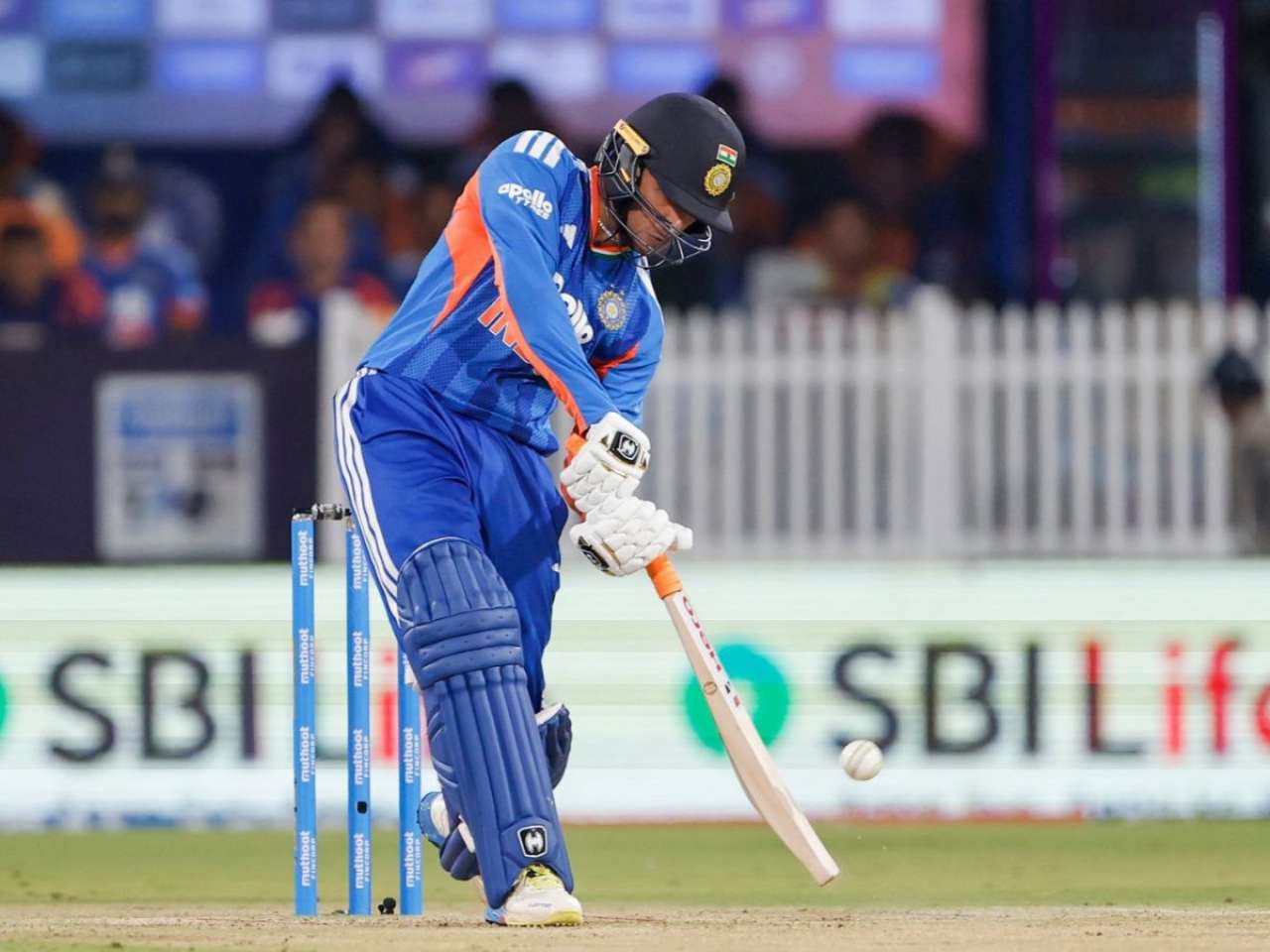
 Abhishek Sharma scripts T20I history, overtakes Suryakumar Yadav for massive world record
 Sahiba Bali calls viral Tamannaah Bhatia comment screenshot fake
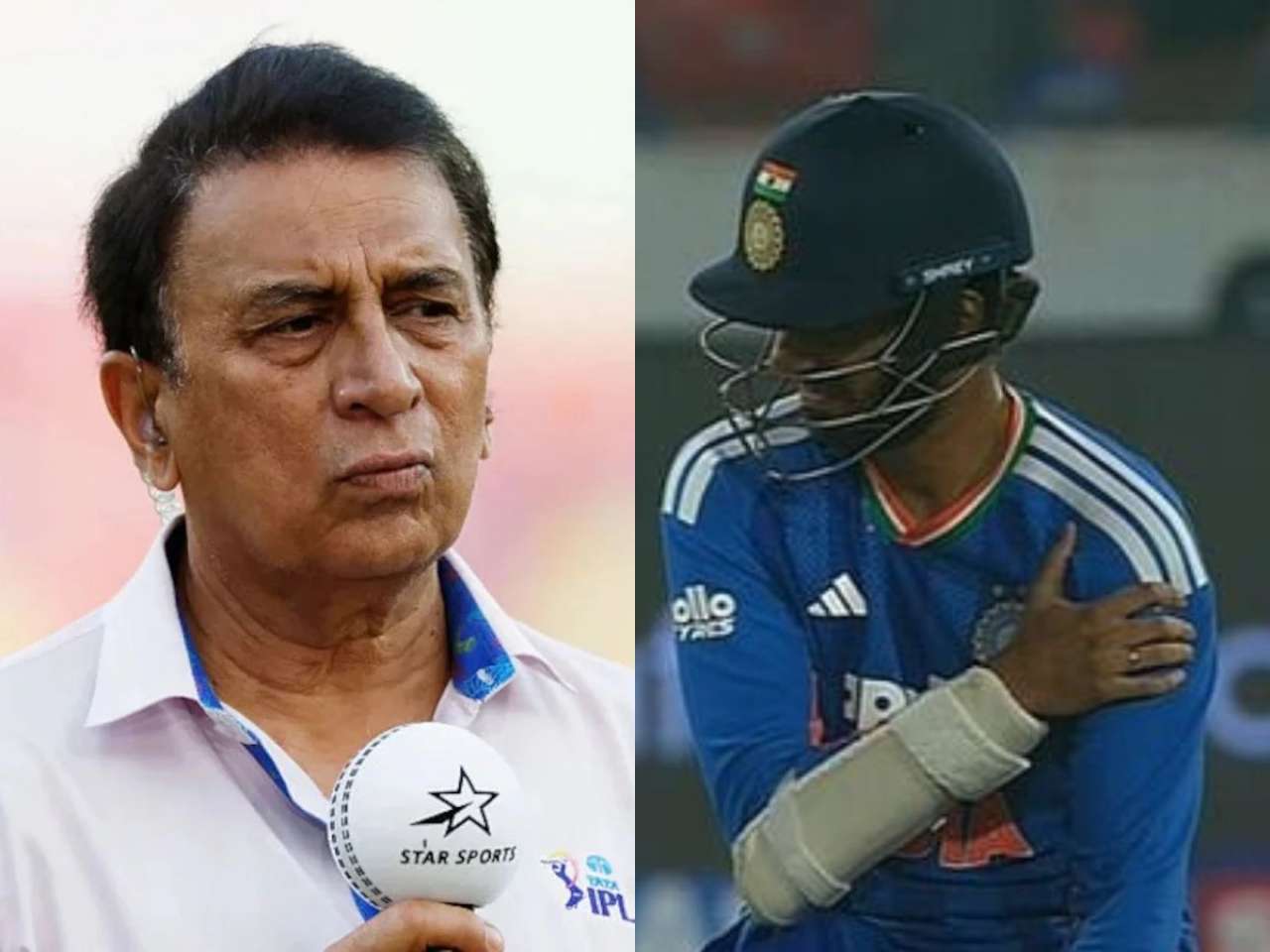 'Trying to attack Arshdeep': Sunil Gavaskar slams Shamar Joseph’s on-field antics following West Indies win in 4th T20I
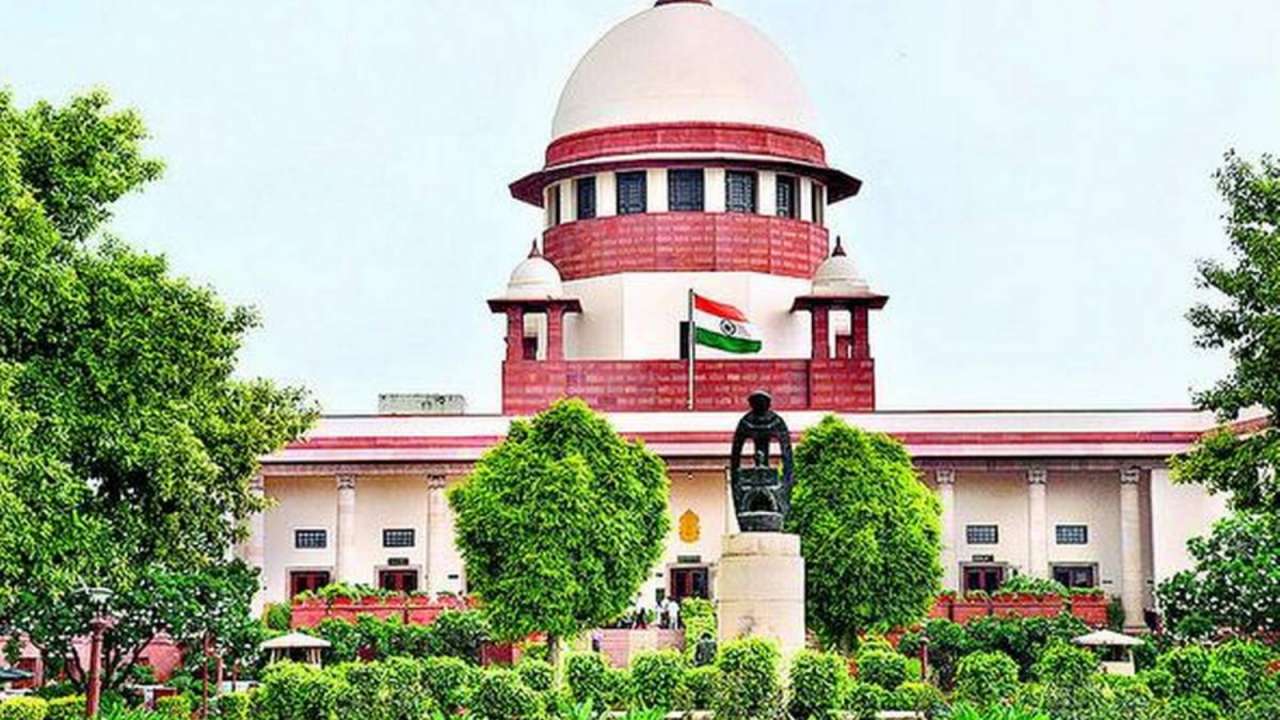 Can person converting to Islam claim reservation benefits?
 Prithvi Shaw quits social media, says, 'Just me, my cricket and my family'Abhishek Sharma scripts T20I history, overtakes Suryakumar Yadav for massive world record'Trying to attack Arshdeep': Sunil Gavaskar slams Shamar Joseph’s on-field antics following West Indies win in 4th T20IPrithvi Shaw quits social media, says, 'Just me, my cricket and my family'
 IND vs WI: Shai Hope creates T20I history, smashes record-breaking century to join elite West Indies list
 WATCH: Prince William pulls off stunning big hit against Sourav Ganguly outside Buckingham PalaceSahiba Bali calls viral Tamannaah Bhatia comment screenshot fake
 Bollywood actor Imran Khan asked to leave India by Oct 28 after joining anti-CEC protest
 Bigg Boss 20: Nakul Dhull’s return on the cards after eviction following Gullu clash? Here's what we know
 ‘I had hernia, shoulder messed up...’: Salman Khan reveals how Sultan left him with multiple health issues| Watch
 Ayushmann Khurrana on Udta Teer, admits bringing patriotic theme with action, comedy is 'something audiences haven't seen before'
 CJP Protest: Rahul Gandhi Accuses Delhi Police Of Beating Youngsters At Protest | Jantar Mantar
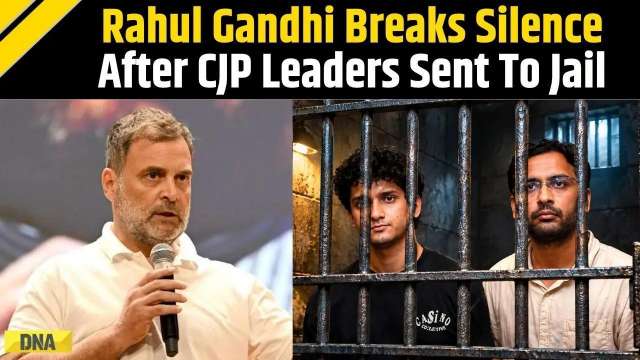 CJP Protest: Congress Rahul Gandhi Backs CJP Leaders Jailed For Tresspassing At Jantar Mantar
 Delhi Protest: Delhi High Court Bench To Hear Pleas On Protest Regulation & Jantar Mantar Ban
 Pakistan News: 5 Killed, 30 Injured As Rehman Baba Express Derails Near Multan In Pakistan
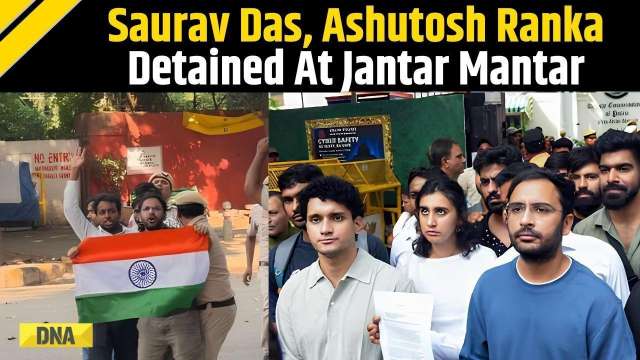 CJP Protest: Delhi Police Detains CJP Spokespersons Saurav Das And Ashutosh Ranka At Jantar Mantar
 Gold, Silver prices today, October 15, 2026: Check city-wise rates in Delhi, Mumbai, Chennai, Kolkata and more
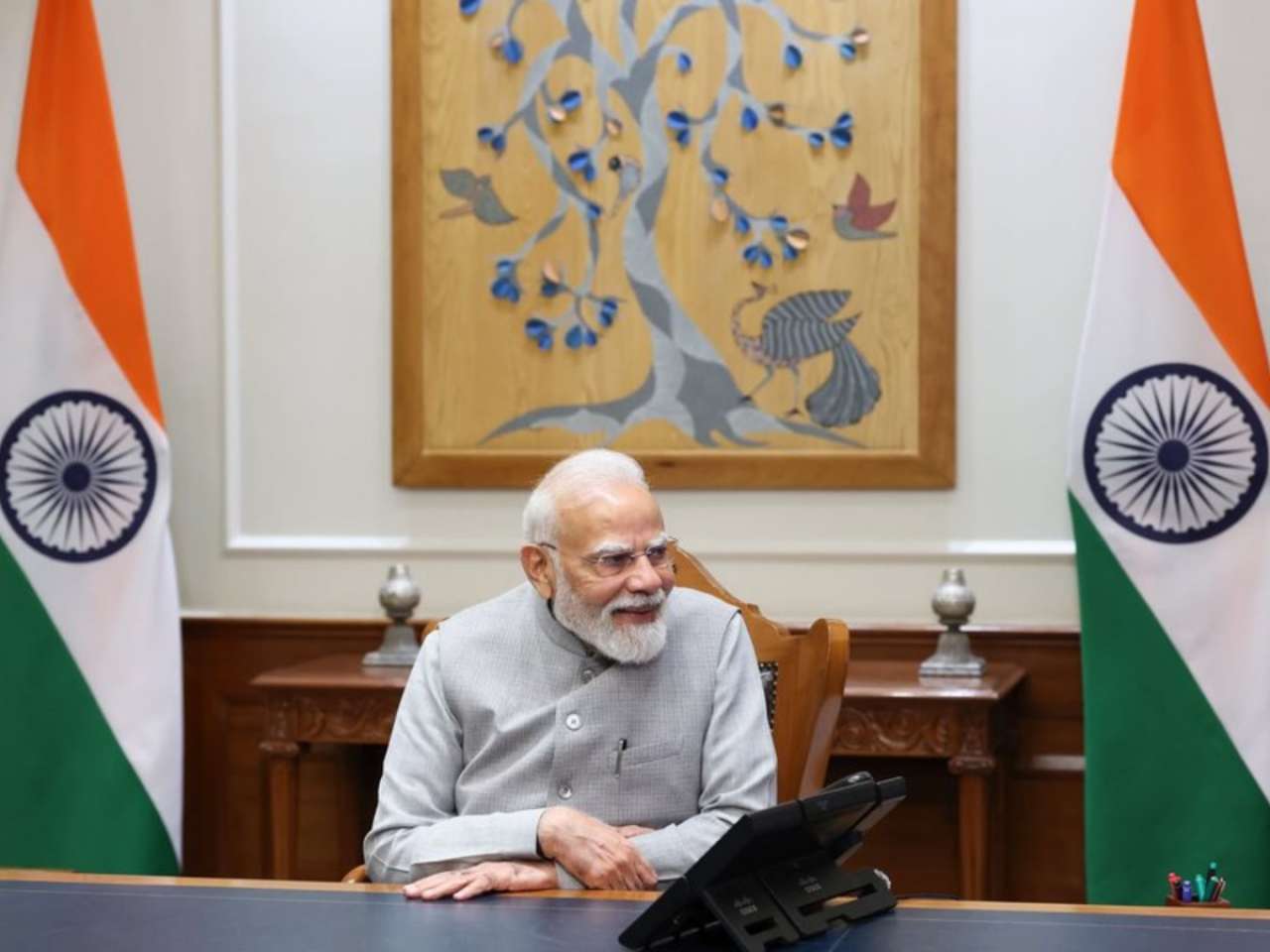 IDBI Bank Sold For Rs 52,878 Crore: From Air India to IDBI Bank- Modi govt's big disinvestment moves explained
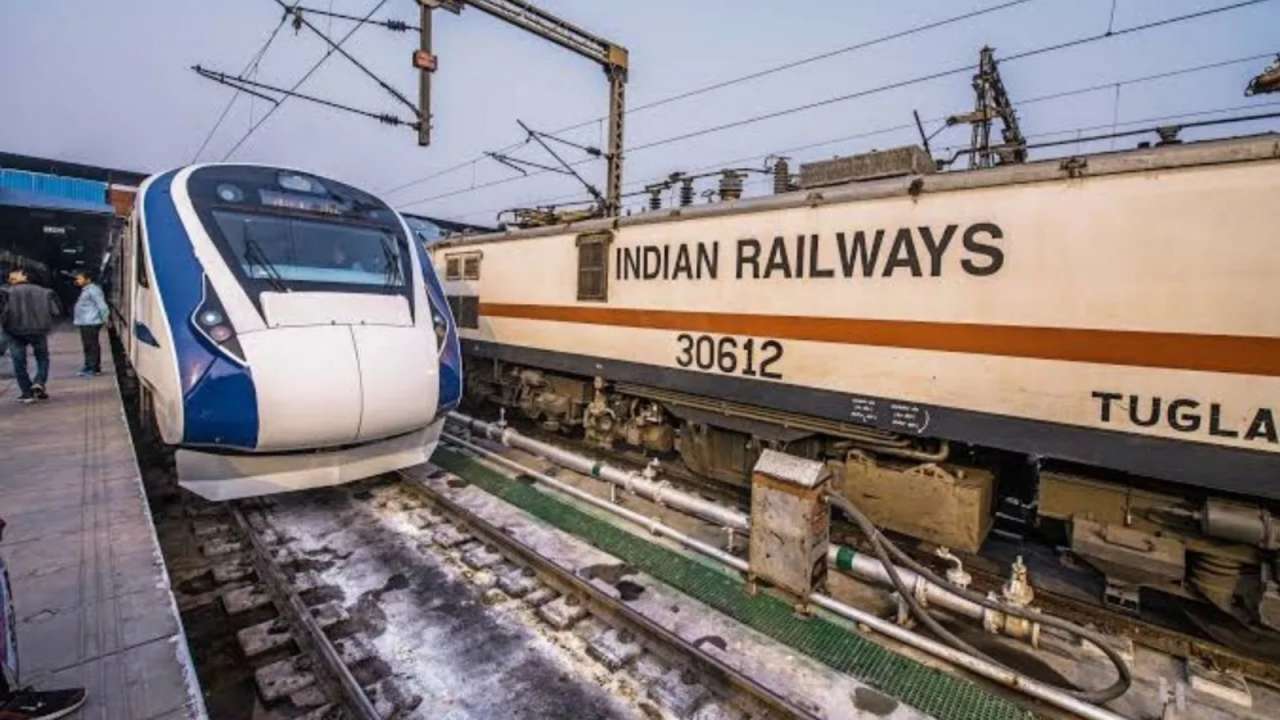 Puja Gift To Railways Employees: 11 lakh workmen to get 78-day bonus, govt to spend Rs 2009 crore
 New AI tool for investors: Ask anything about listed companies, valuations, portfolio performance
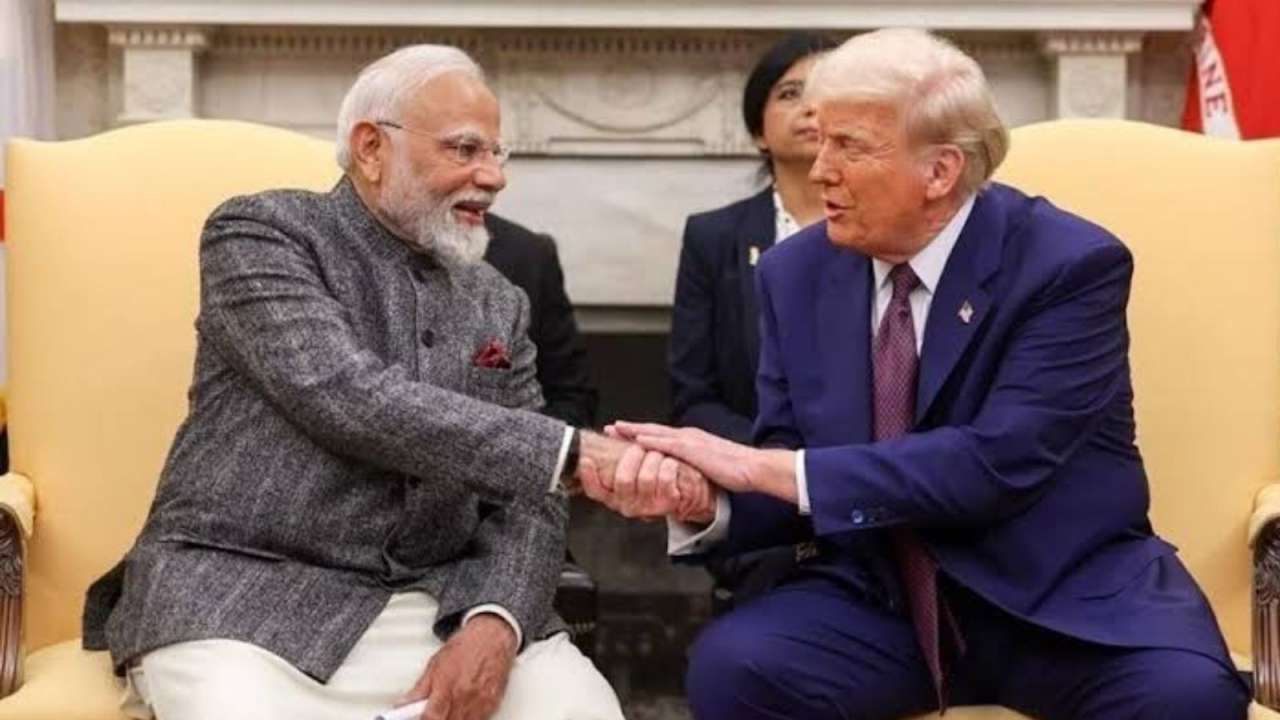 PM Modi to meet Donald Trump to iron out differences over India-US Bilateral Trade Agreement?
 Navratri Day 4: From Shraddha Kapoor, Kriti Sanon, Sanya Malhotra, actresses who embody goddess in blue outfits
 Navratri 2026: From Alia Bhatt to Sara Ali Khan, Shraddha Kapoor, take inspiration from Bollywood actresses to stun everyone in white
 Ranbir Kapoor-Sai Pallavi, Yami Gautam-Addinath Kothare, Rajkummar Rao-Wamiqa Gabbi: 5 fresh on-screen jodis to watch out for in 2026
 OTT Releases This Week (October 5-11): Awarapan 2, Khalifa, Mandaadi; new India movies, shows to watch on Netflix, Prime Video
 OTT Releases This Week (Sept 28 - Oct 4): Dupahiya 2, Pooja Meri Jaan; new movies and shows to watch this Gandhi Jayanti weekendCan person converting to Islam claim reservation benefits?
 Facing sexual harassment charges, Delhi Police books victim under SC/ST Act
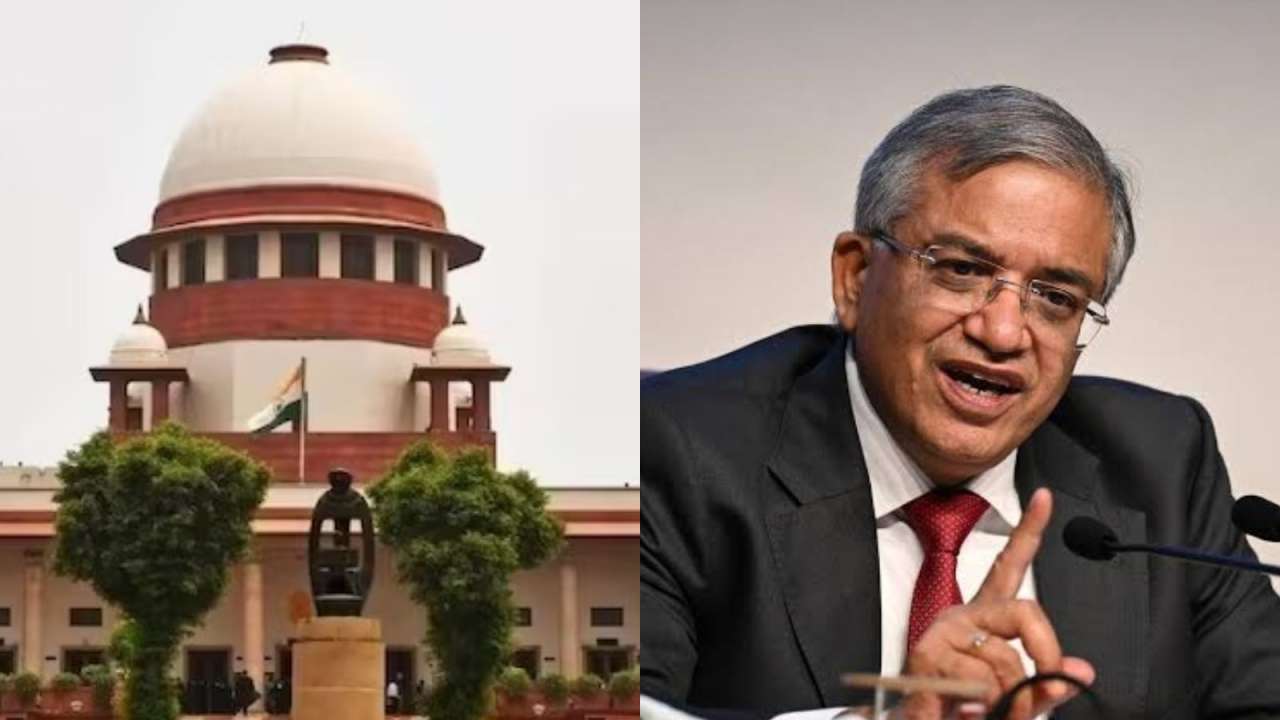 Trouble Mounts For CEC Gyanesh Kumar: SC slams EC for missing Shringeri counting footage
 Who is Dushyant Gautam? Why are people protesting against future Sikkim governor?
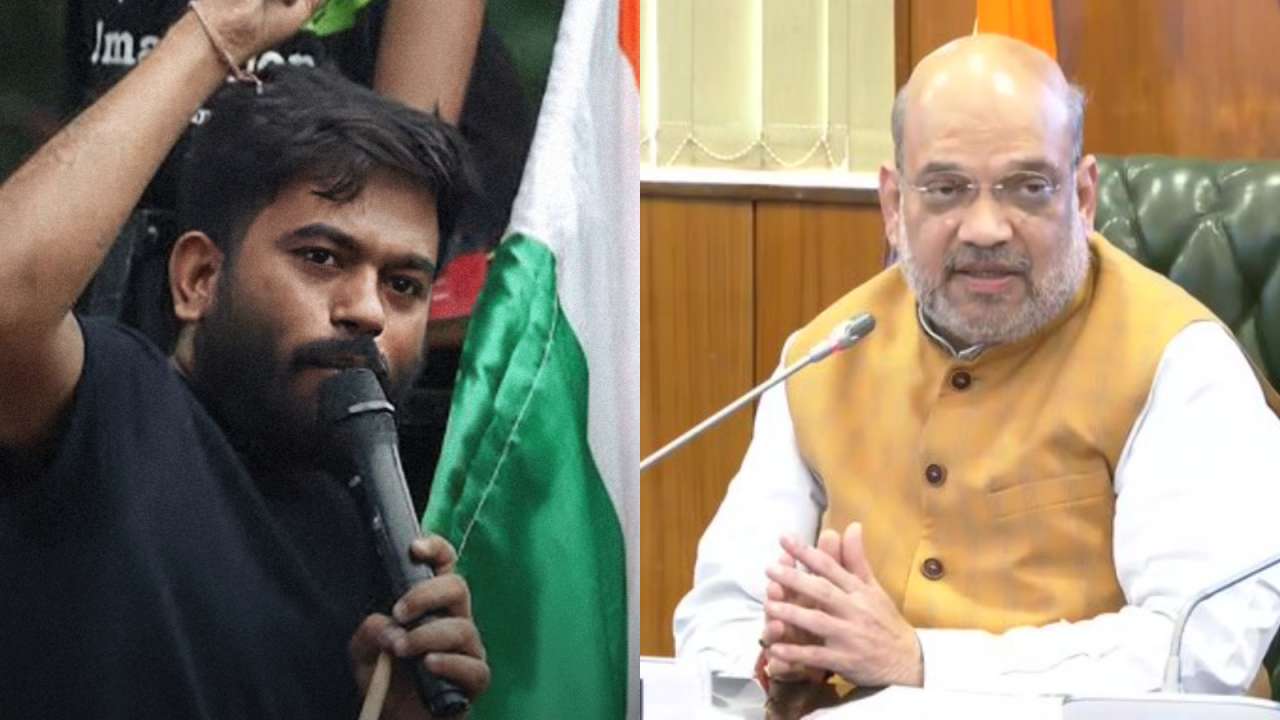 Is US funding CJP to destabilise Modi govt? Abhijeet Dipke dates Amit Shah to probe
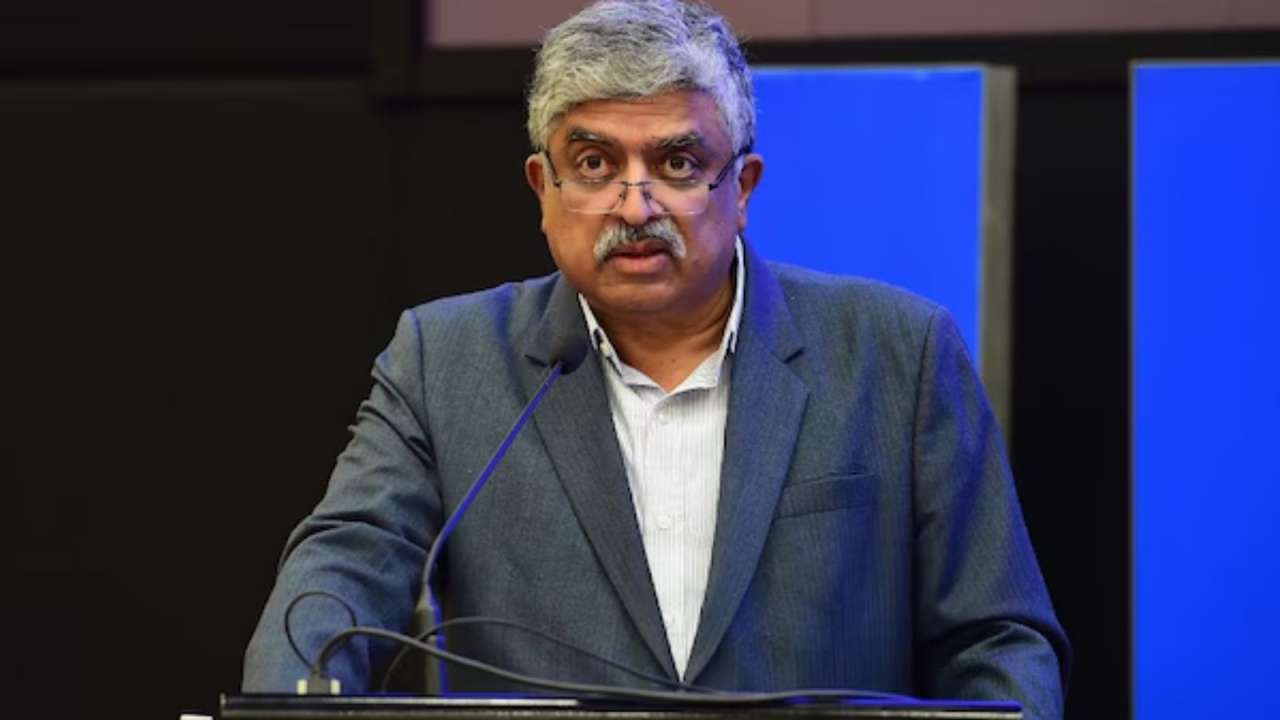 AI-generated question papers for NEET? Nandan Nilekani proposes novel idea for stopping paper leak
 Third Language Row: SC extends relaxation to Class 6 students, asks CBSE to grant exemption, here's what it means
 NEET PG 2026 Result Out: Check how to download scorecard from natboard.edu.in; Know category-wise cut-off and more
 Five-year BTech programmes? Ex-IIT director makes proposals amid IIT suicide controversy
 CBSE Date Sheet 2027: When will Class 10, 12 timetable be released? Check details here
 After Hyundai, Maruti Suzuki makes cars costlier ahead of festive season: Check new prices after hike
 Hyundai cars to get costlier from September: Check new prices and reason behind hike
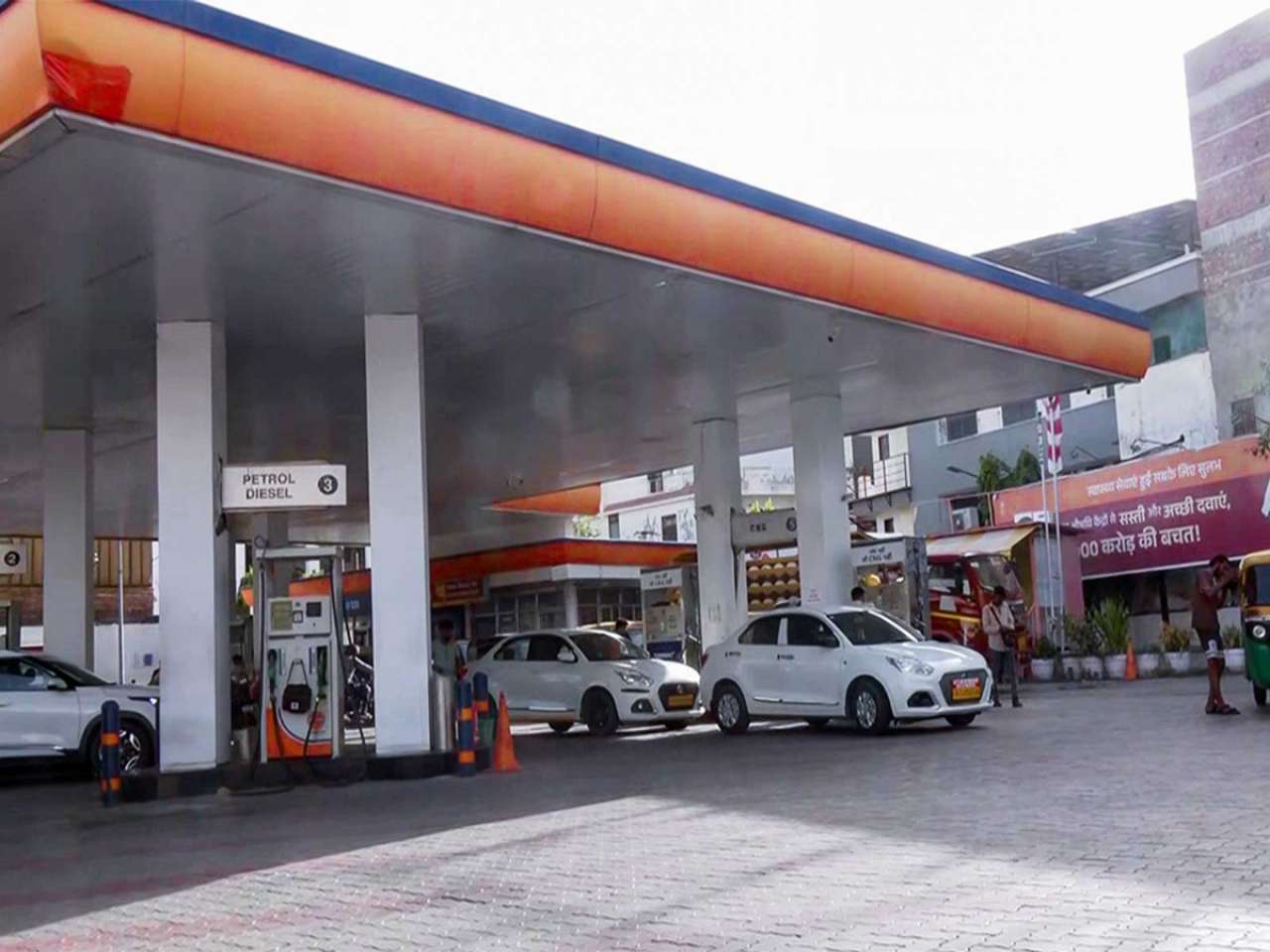 Why can't consumers choose pure petrol or E10? Centre explains why E20 is now the standard fuel
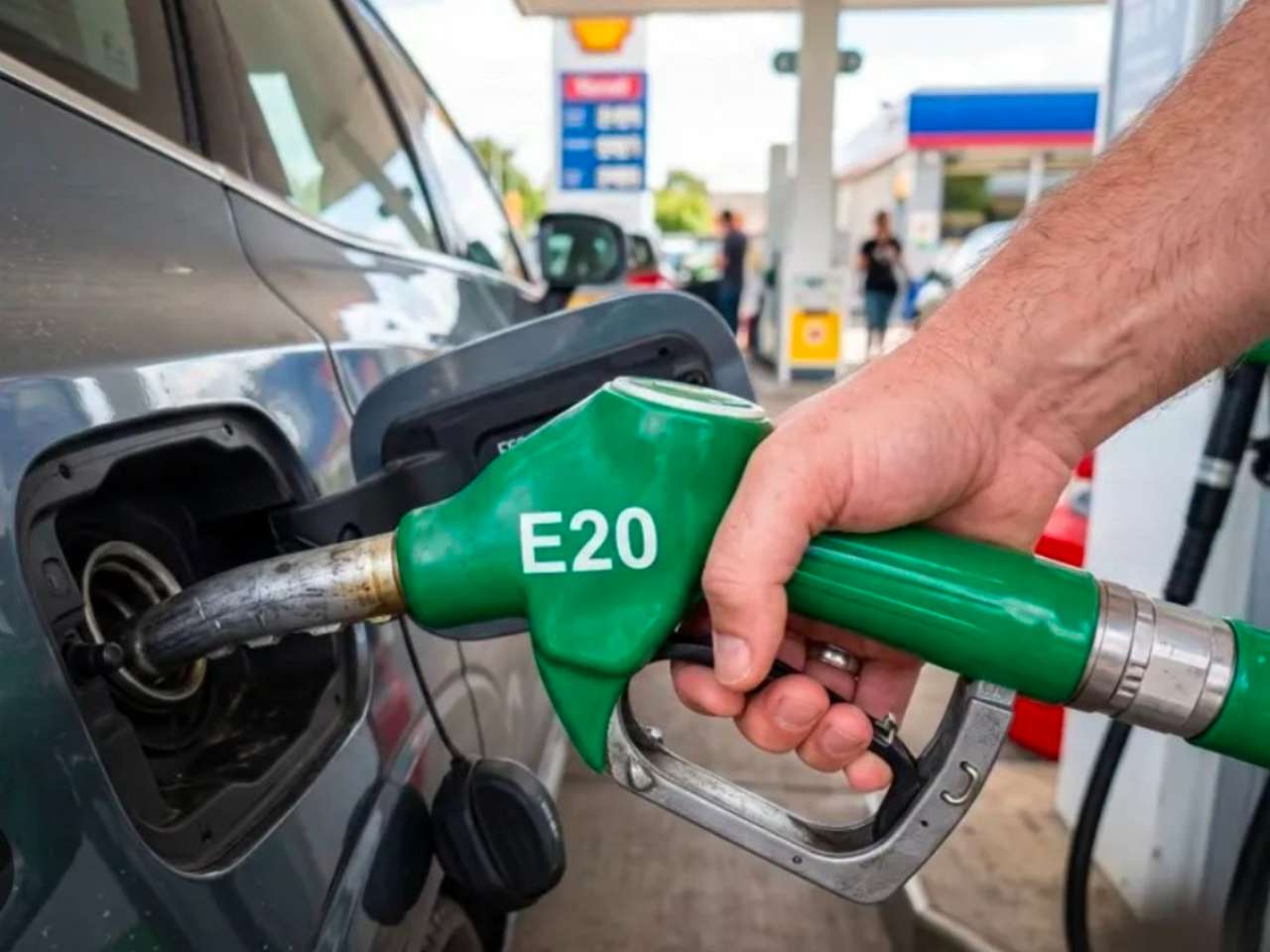 Centre claims E20 fuel does not damage engines, cites data from Maruti Suzuki and Hero MotoCorp
 Maruti WagonR Flex Fuel: What’s price of India’s first ethanol car? Specs, mileage, and top features explained
WORLD
Chinese air defence systems have been proven ineffective against Indian missiles. China had compared its HQ-9B and HQ-16 air defense systems to the American Patriot missile defense system, but they failed to counter Indian SCALP stealth cruise missiles and Hammer glide bombs.

Updated : May 20, 2025, 10:55 AM IST



India's Operation Sindoor has caused significant damage in Pakistan. Indian missile and drone strikes have rendered Chinese weapons in Pakistan unusable. The attacks have revealed vulnerabilities in Pakistan's air defence and infrastructure. The Pakistani army heavily relies on Chinese weapons, including its air defence systems, missiles, and drones, which have been completely ineffective. India has selectively targeted and destroyed Chinese air defense and missile systems, showcasing the poor quality and unreliability of Chinese weaponry.
Chinese air defence systems have been proven ineffective against Indian missiles. China had compared its HQ-9B and HQ-16 air defense systems to the American Patriot missile defense system, but they failed to counter Indian SCALP stealth cruise missiles and Hammer glide bombs. The Chinese systems have also failed to detect missiles at lower ranges and altitudes.
Experts suggest that Pakistani fighter aircraft depend on pre-programmed flight paths, while Indian aircraft possess superior technology. Consequently, Pakistan's Chinese weapons have been unable to counter the trajectories of Indian weapons effectively. China does not provide Pakistan with its most advanced technology, leading to the obsolescence of many Pakistani systems. In contrast, India utilizes weapons from Russia, the United States, and Israel, which are much more advanced. For instance, the Barak-8 missile, developed jointly by India and Israel, successfully intercepted the Pakistani Fateh-1 missile mid-air.
China has supplied Pakistan with downgraded weapon systems. For example, the HQ-9P has a range of 125 km, while China's domestic HQ-9B has a range of 250-300 km. An LY-80 radar system in Gujranwala was destroyed by India's Harop loitering munition due to poor mobility and counter-drone capabilities.
The KLJ-7A AESA radar of the JF-17 fighter jet has a smaller aperture than India's Rafale RBE2-AA radar, reducing detection range and tracking accuracy. Moreover, its fuel capacity is low, necessitating frequent refueling. The PL-15 air-to-air missiles provided to Pakistan have a range of approximately 145 kilometers, whereas the Chinese PL-15 has a range of 200 to 300 kilometers.