 Creating Your Own Opportunity: How Graduates Can Use Pitch Decks to Approach Startup Founders
 SEISAE 2026 Concludes Successfully at Gyan Ganga College of Technology, Highlighting Global Industry Insights and Research Innovation
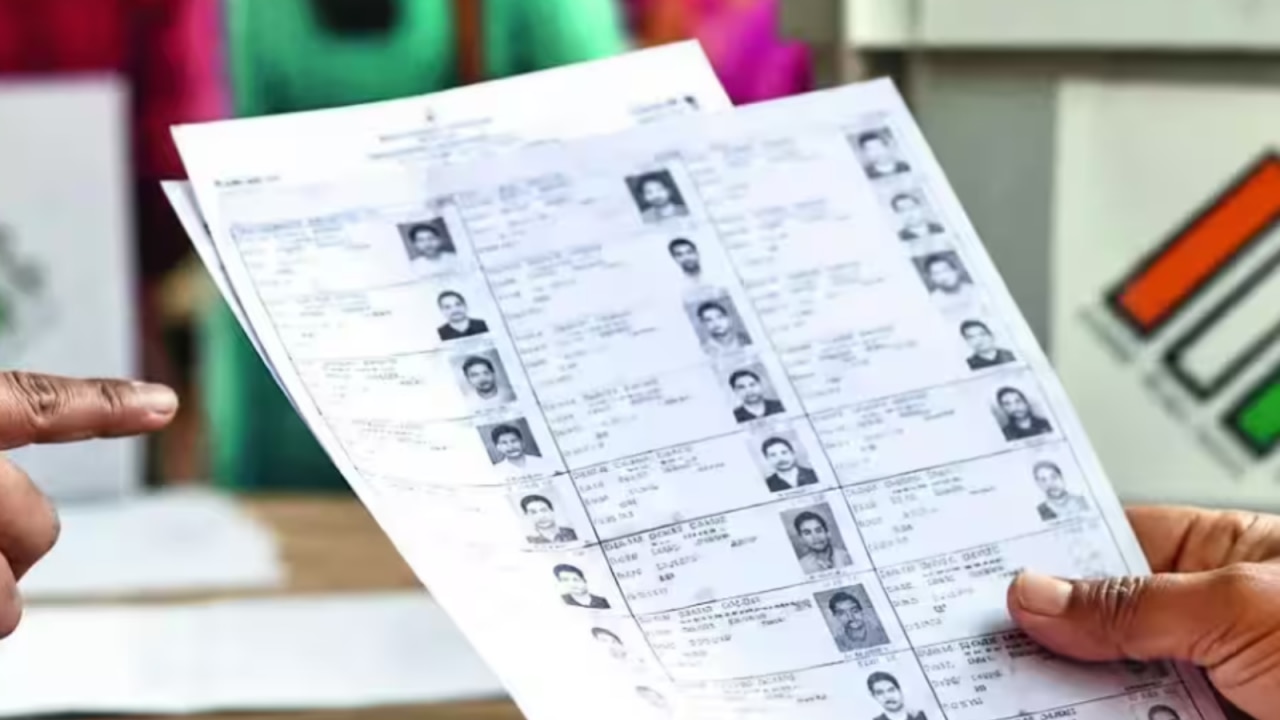 EC gives voters left out of SIR draft rolls another chance in Delhi, 6 states; How to apply
 Maatrubhumi release date: Salman Khan follows Animal, Pushpa 2, Dhurandhar route; sets box office clash with Eetha
 Supreme Court clarifies 'creamy layer' status of OBC category in reservation, here is what it saidEC gives voters left out of SIR draft rolls another chance in Delhi, 6 states; How to applySupreme Court clarifies 'creamy layer' status of OBC category in reservation, here is what it said
 Delhi-NCR Air Pollution: GRAP Stage III restrictions imposed ahead of Diwali; What's allowed, what's not
 ‘Customer is king’: India welcomes Starlink, Jio and OneWeb; says consumers will decide satcom market winner
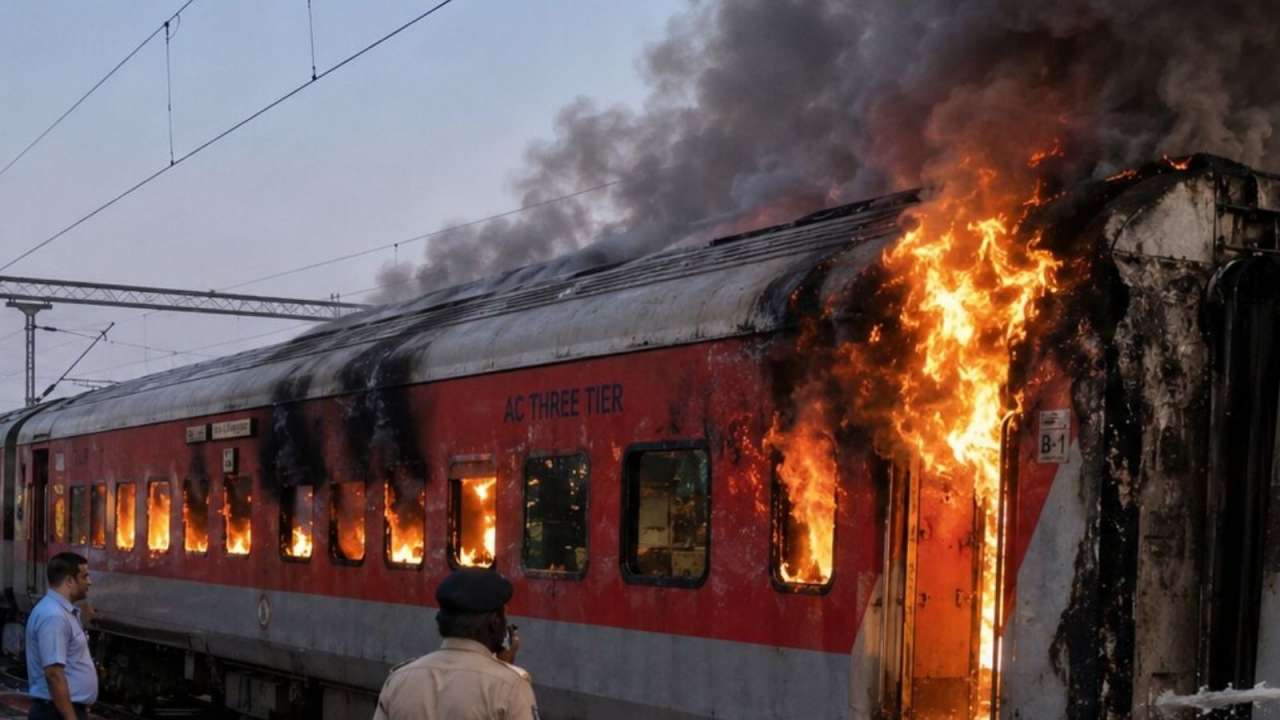 Train On Fire: Flames engulf 4 coaches of Karmabhoomi Express in Punjab, passengers panic
 'POK Turned Into Gaza': People compare Pakistan Army to Israeli forces after deadly drone strikes
 Who is socialist Nithya Raman? India-born wins LA mayoral race, becomes city’s first South Asian mayor
 Benjamin Netanyahu's bid to stay in power takes hit as Arab parties pick Eisenkot to form next govt
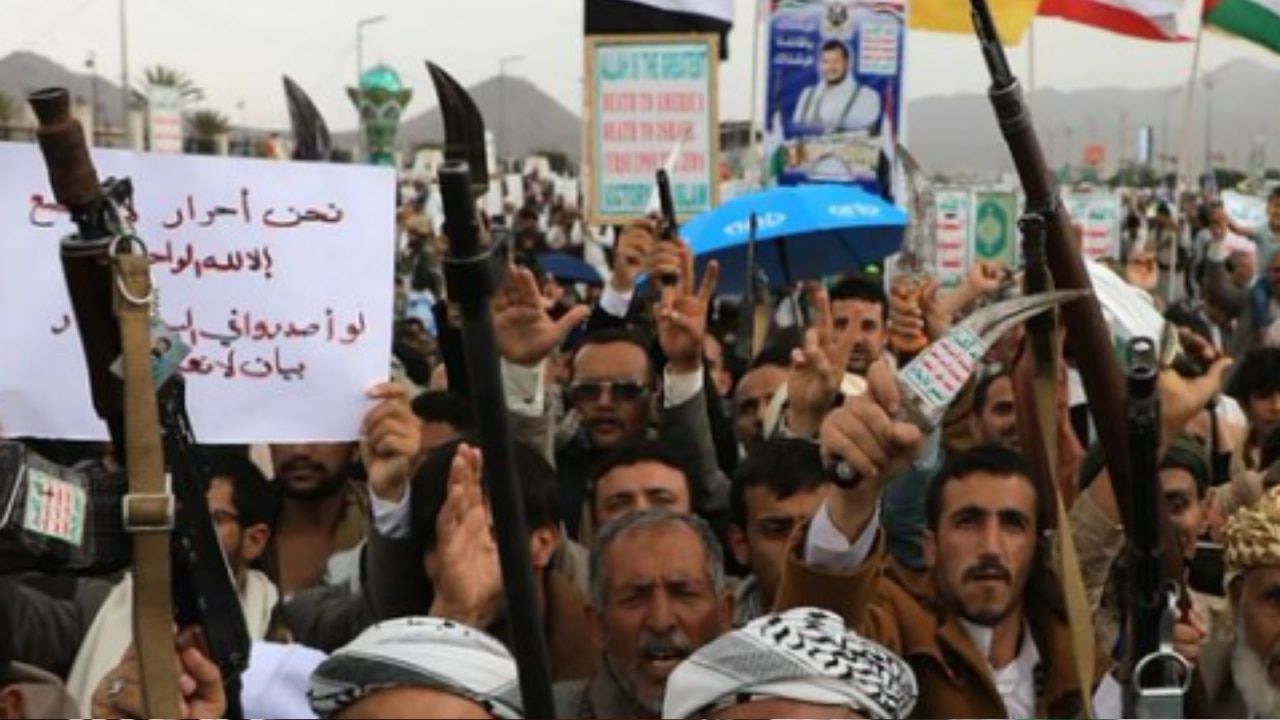 Why are Yemen's Houthis demanding $51 billion from Saudi Arabia?
 Eiffel Tower closes as protests and unrest escalate across France
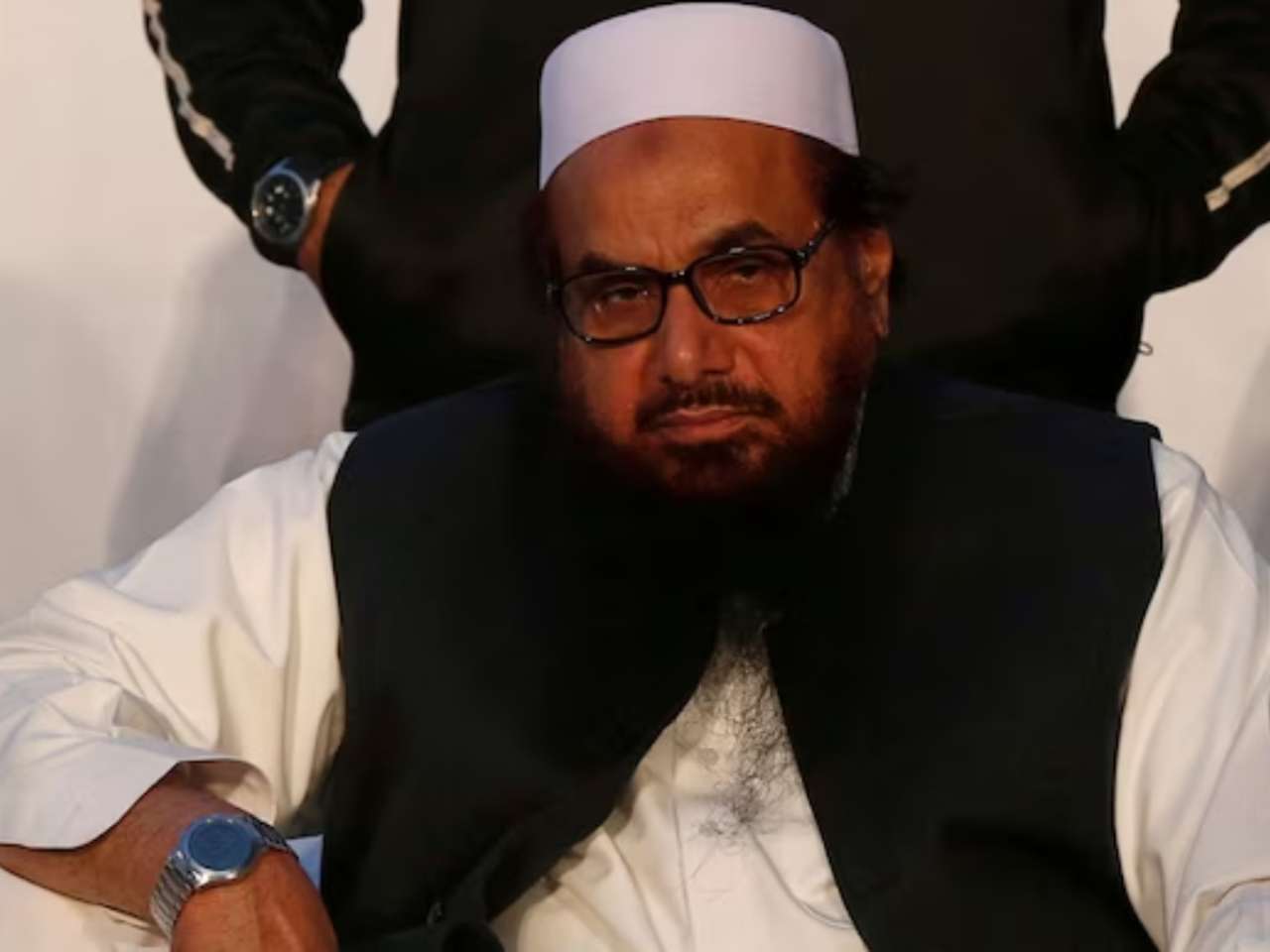 New 26/11 Threat? Is Hafiz Saeed's LeT getting maritime training near Karachi to target India?
 Gold Hits Rs 1.46 Lakh Per 10 Grams On Dhanteras: Check 18K, 22K and 24K gold rates in Delhi, Mumbai, Chennai, Kolkata
 Trump humiliated in US midterms, planning fresh attack on Iran? Pentagon, Israel reportedly prepare for new strikes
 Trump's midterm defeat could shake up AI: Why Democrats' victory may impact Nvidia, data centres, India's $105 billion opportunity
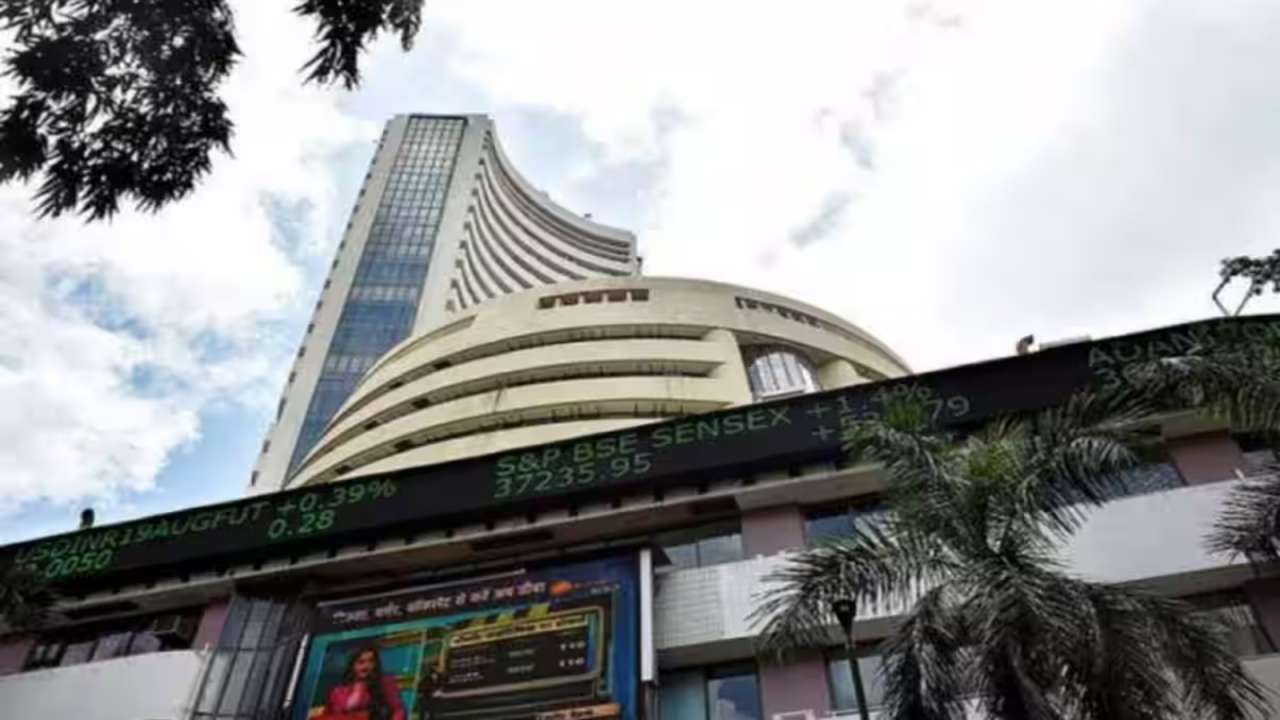 Why did Sensex jump 1,600 points, with market adding Rs 6.9 lakh crore day after Trump's defeat?Maatrubhumi release date: Salman Khan follows Animal, Pushpa 2, Dhurandhar route; sets box office clash with Eetha
 Amitabh Bachchan's bungalow Jalsa, Bombay High Court, Bombay Stock Exchange receive bomb threat email
 Not Diljit Dosanjh, Badshah, Karan Aujla, Honey Singh; this is the first Indian artist to perform at Electric Daisy Carnival
 Rise And Fall 2 Grand Finale: Shehzad Poonawalla wins Virender Sehwag's show, takes home Rs 35 lakh
 Maatrubhumi: Sajid Khan reveals why he asked Salman Khan to not eat or drink anything before recording Teri Sexy Beauty
 Dhanteras 2026: Are banks open or closed on November 6? Check RBI holiday list
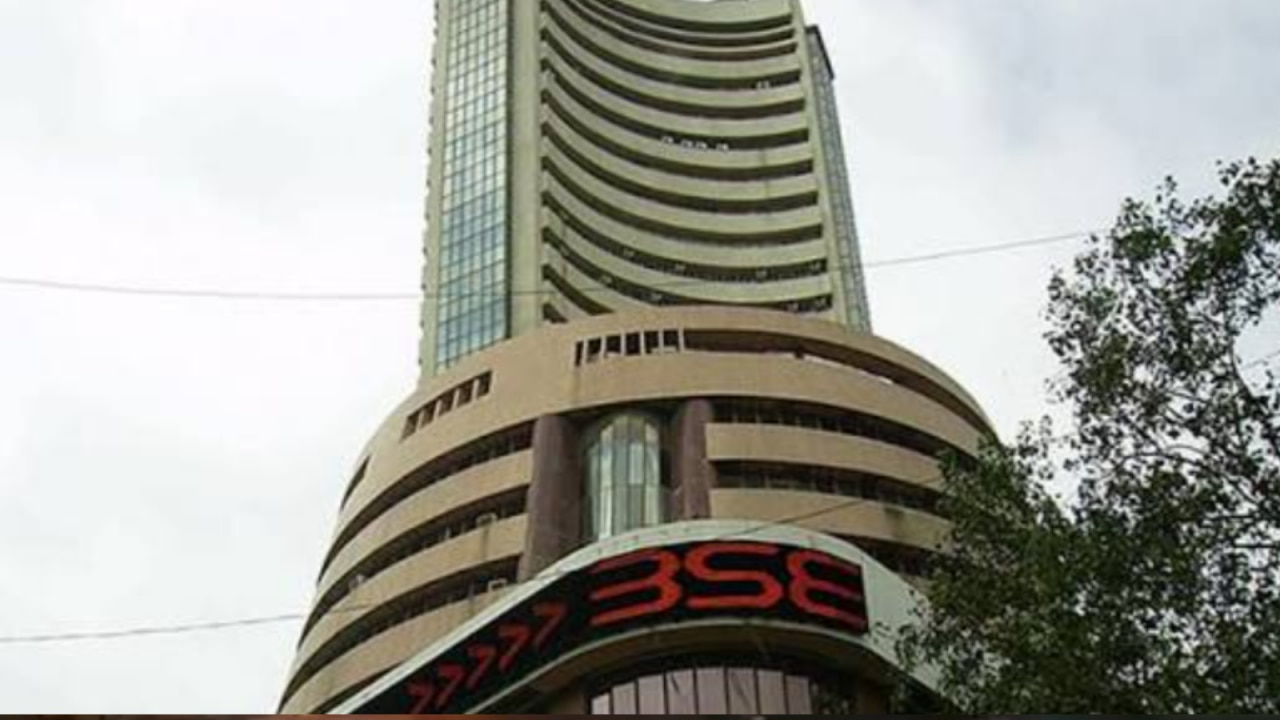 Why did Sensex surge over 2,000 points, Nifty rally 576 points today?
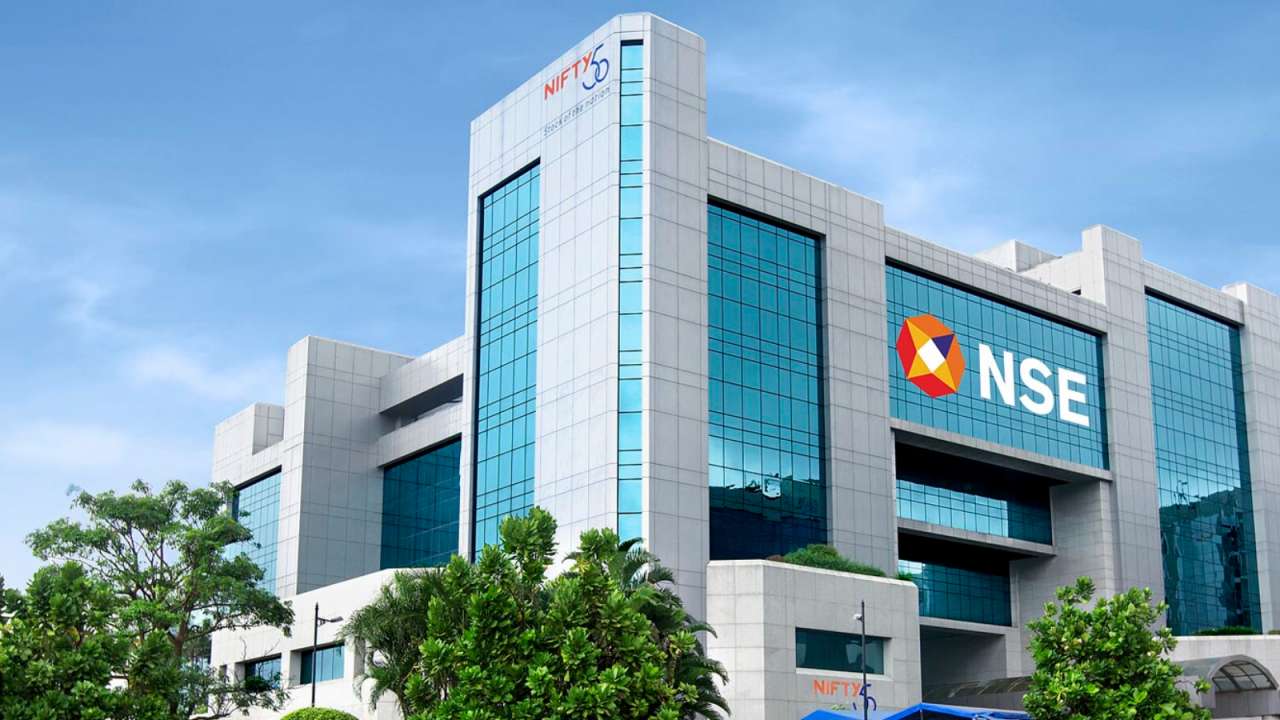 Diwali Muhurat Trading 2026: What investors need to know about date, timings and settlement
 Gold, Silver prices today, November 5, 2026: Check city-wise rates in Delhi, Mumbai, Chennai, Kolkata and more
 Gold, Silver prices today, November 4, 2026: Check city-wise rates in Delhi, Mumbai, Chennai, Kolkata and more
 World Record Chaos: 53 Red Cards after mass brawl erupts during Brazil U20 football match
 Cristiano Ronaldo retires from international football after fallout with coach Jorge Jesus, bids emotional farewell
 Virat Kohli Turns 38: From humble schoolboy to cricket 'King', know about his net worth, education, car collection
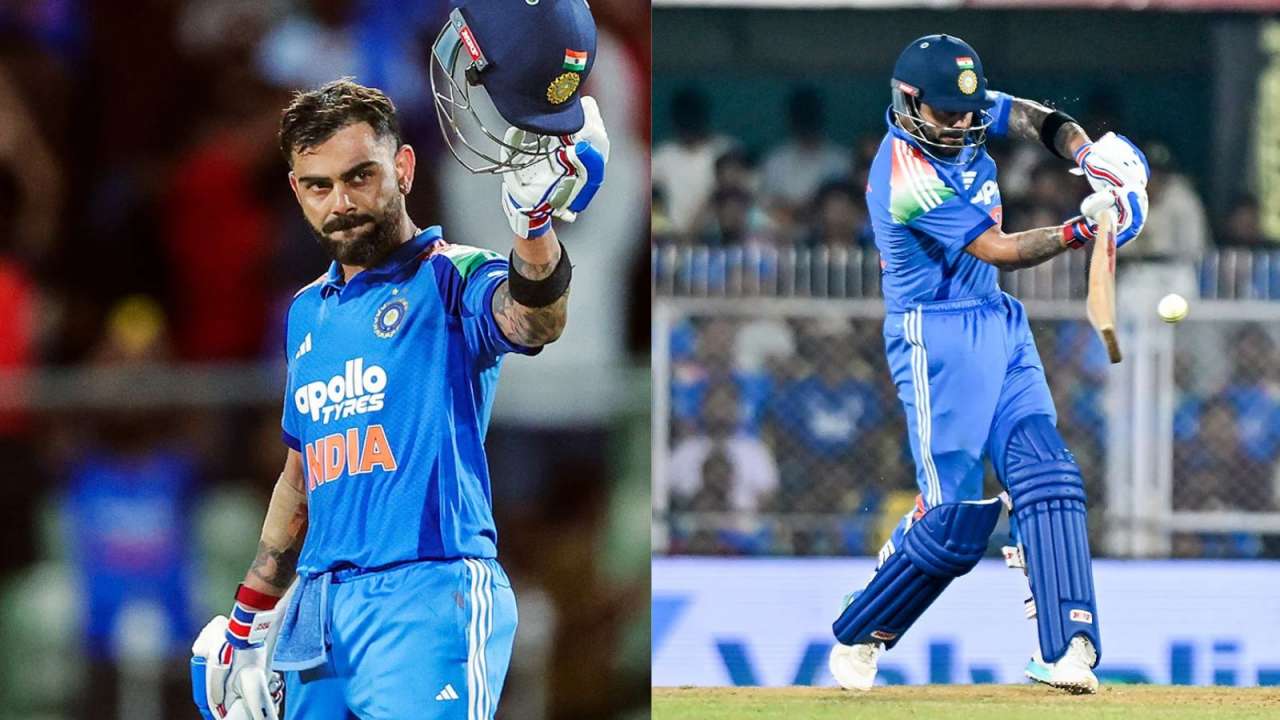 Virat Kohli Celebrates 38th Birthday: Cricket fraternity praises 'King' for passion, hunger to win and fighting spirit
 WPL 2027 full schedule announced: Check opening match, dates, venues and final
 US MidTerm Elections: How Trump's Defeat Could Impact Pakistan? | Democrats Vs Republicans | India
 Agniveer News: '2 Year Extension...' Army's Major Relief For Agniveers; CDS Subramani's Full Speech
 Delhi Police Protest: 'Threatened Lawyer With Ak-47' PIL Against ACP Manasvi Vashistha In Delhi HC
 Cyclone Murasu: 'Electric Poles Damaged', Aftermath Of 'Severe' Cyclonic Storm In Andhra Pradesh
 ACP Manasvi Vashishta who led protest outside Delhi Police HQ suspended
WORLD
The high cost of Israel’s defensive interceptor systems has become a growing concern, especially after recent missile and drone attacks from Iran.

Updated : Jun 19, 2025, 12:33 PM IST

















Israel is running low on Arrow interceptor missiles, which are crucial for defending against long-range ballistic missile attacks. According to a report by The Wall Street Journal, the shortage could seriously impact Israel’s ability to protect itself if the conflict with Iran continues. The high cost of Israel’s defensive interceptor systems has become a growing concern, especially after recent missile and drone attacks from Iran. Due to frequent use, the stock of these interceptors is depleting rapidly. Defending against such attacks every night is costing Israel a huge amount of money — something Pakistan can’t even imagine.
Israel’s multi-layered air defense system includes three types of interceptors, each designed to tackle different threats and each coming at a different cost:
1. Arrow System: Designed to intercept high-altitude, long-range ballistic missiles. It is the most effective against Iranian missile threats and also the most expensive system in Israel’s arsenal.
2. David’s Sling: Targets medium- to long-range threats such as large rockets and cruise missiles.
3. Iron Dome: Built to counter short-range threats like rockets and drones.
Due to continuous use of these interceptors — especially the costly Arrow missiles — Israel is spending a massive amount on defense each night. As per Israeli financial daily The Marker, the country is shelling out up to $285 million per night (over Rs 2,300 crore) to neutralise Iranian missile attacks.
This growing financial and supply pressure is raising alarms in both Tel Aviv and Washington, as Israel looks for ways to maintain its defense capabilities while managing the rising costs and shrinking missile stock.