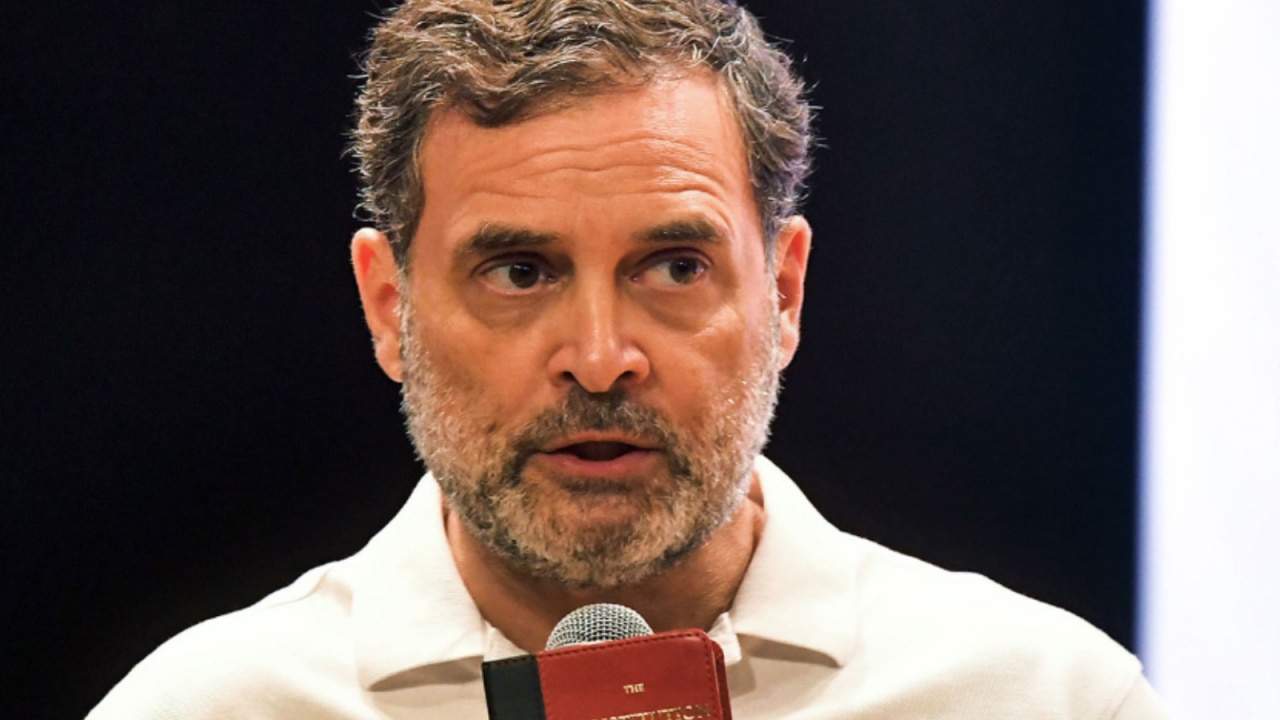
 Rahul Gandhi backs Elon Musk in Starlink India row; says, ‘Wait till you discover the other guy’
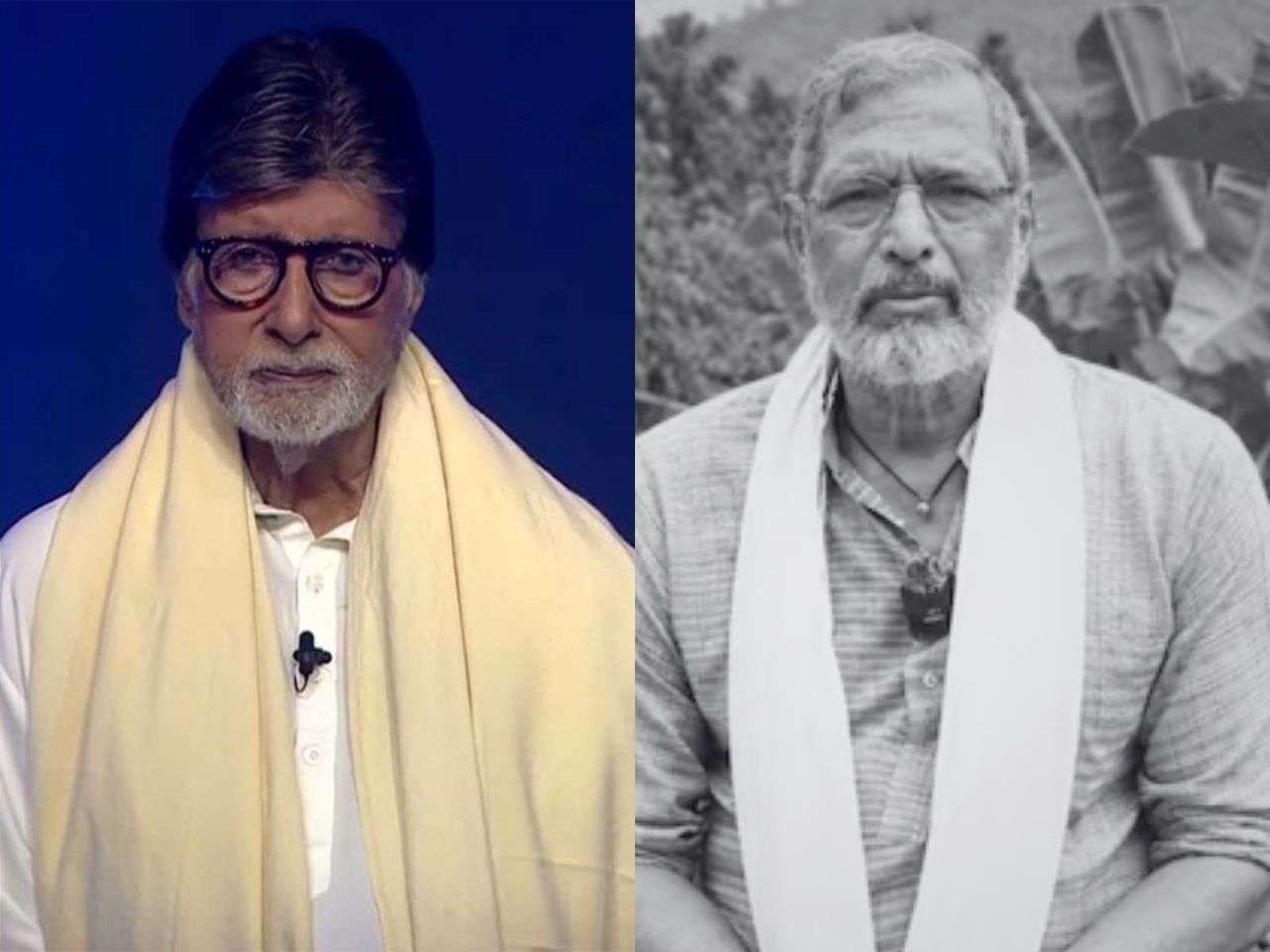 Amitabh Bachchan gets emotional, pays homage to Nana Patekar at KBC 18, celebrates late actor's 'bebaki, sadgi, sach ko kehne ka saahas'
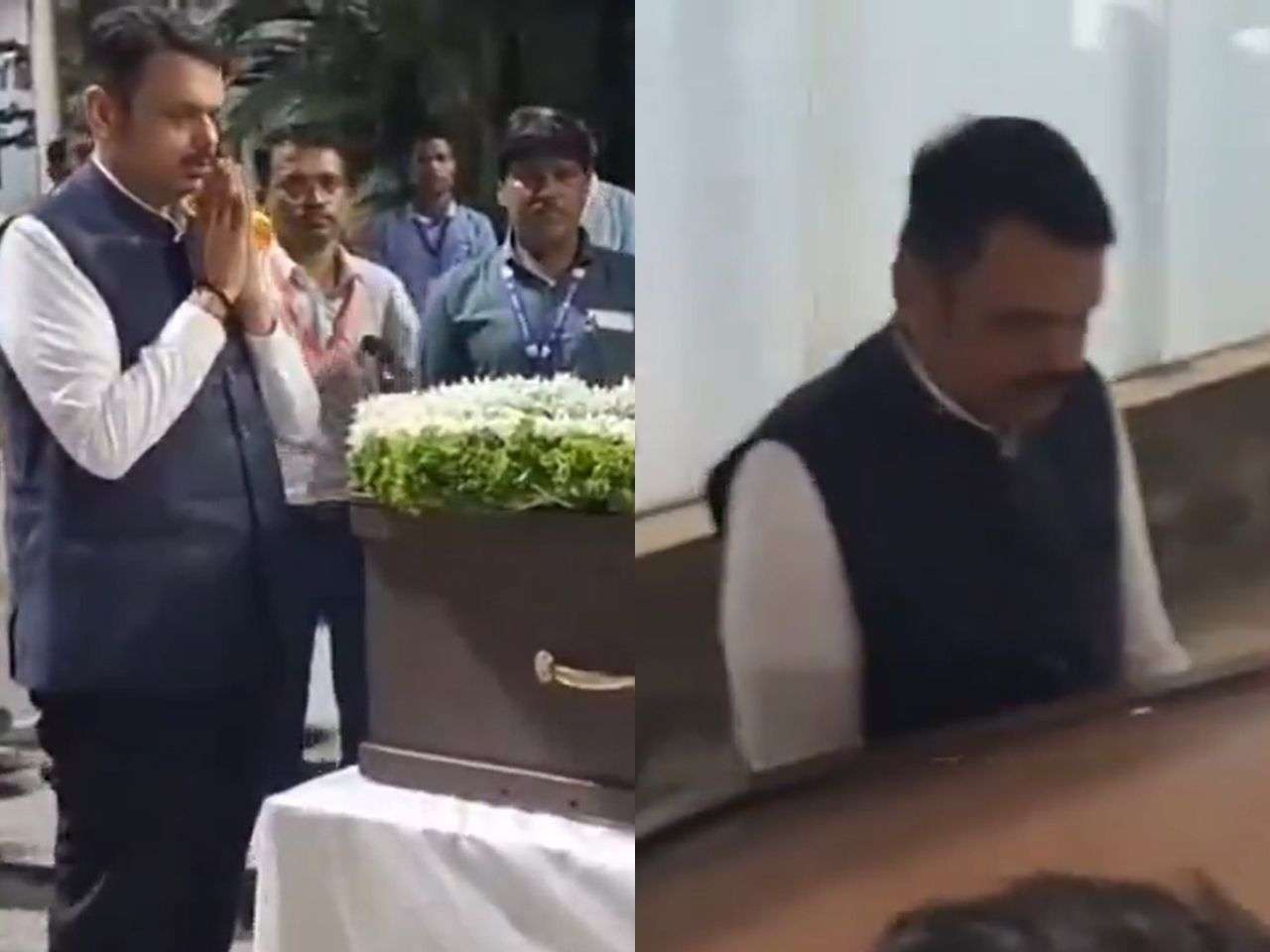 Viral video | Nana Patekar demise: Maharashtra CM Devendra Fadnavis pays respect to Nana Patekar, consoles family, helps carry his coffin ahead of funeral
 57th GST Council Meeting: Experts hail decriminalisation, wider ITC refunds; flag implementation challenges
 American dream for Indian IT professionals shattered? No green cards for TCS, Infosys, Wipro employees
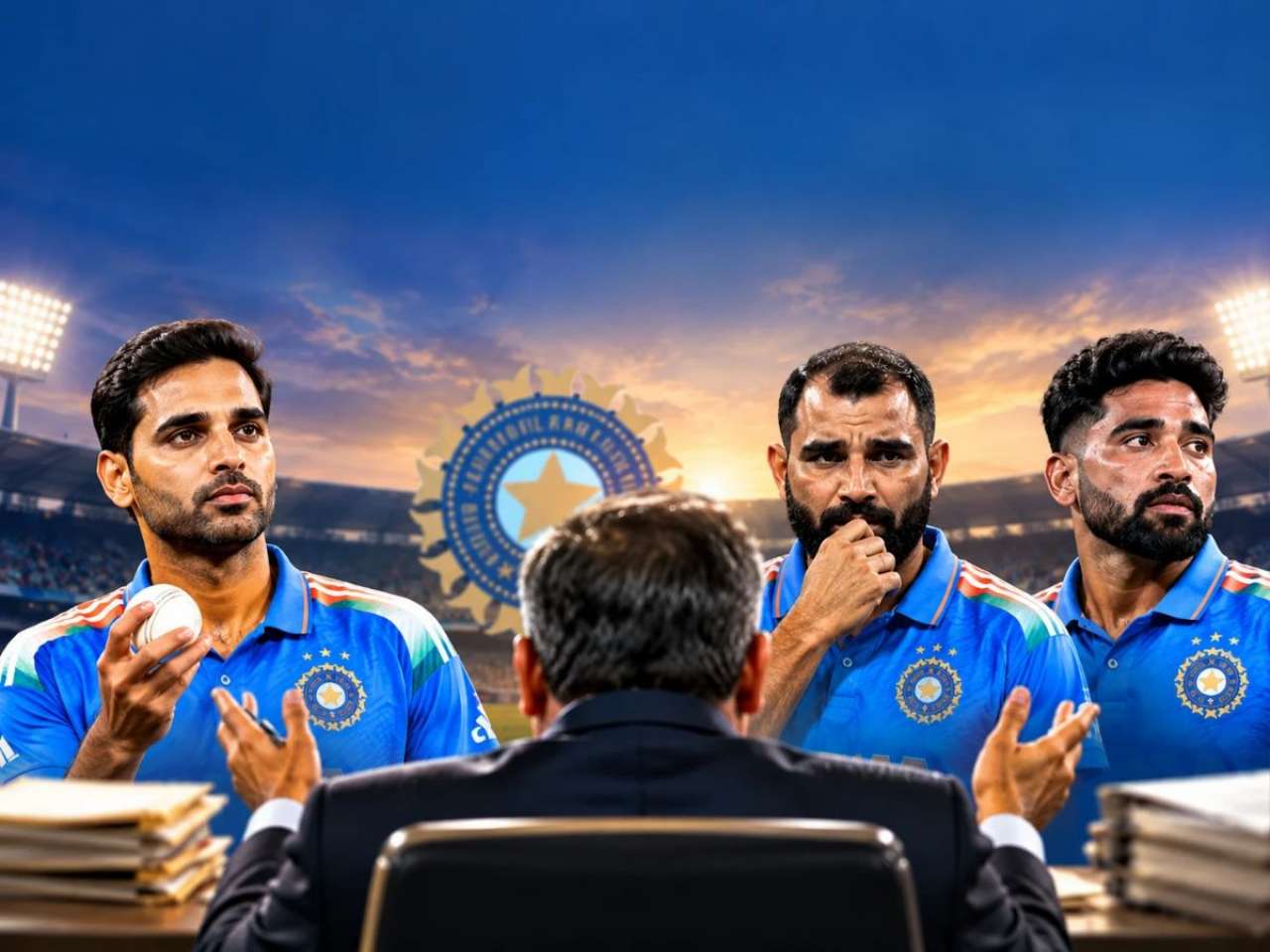 BCCI selectors face big question on Shami, Siraj after Bhuvneshwar Kumar recall: 'Who're your 2nd, 3rd seamers?'
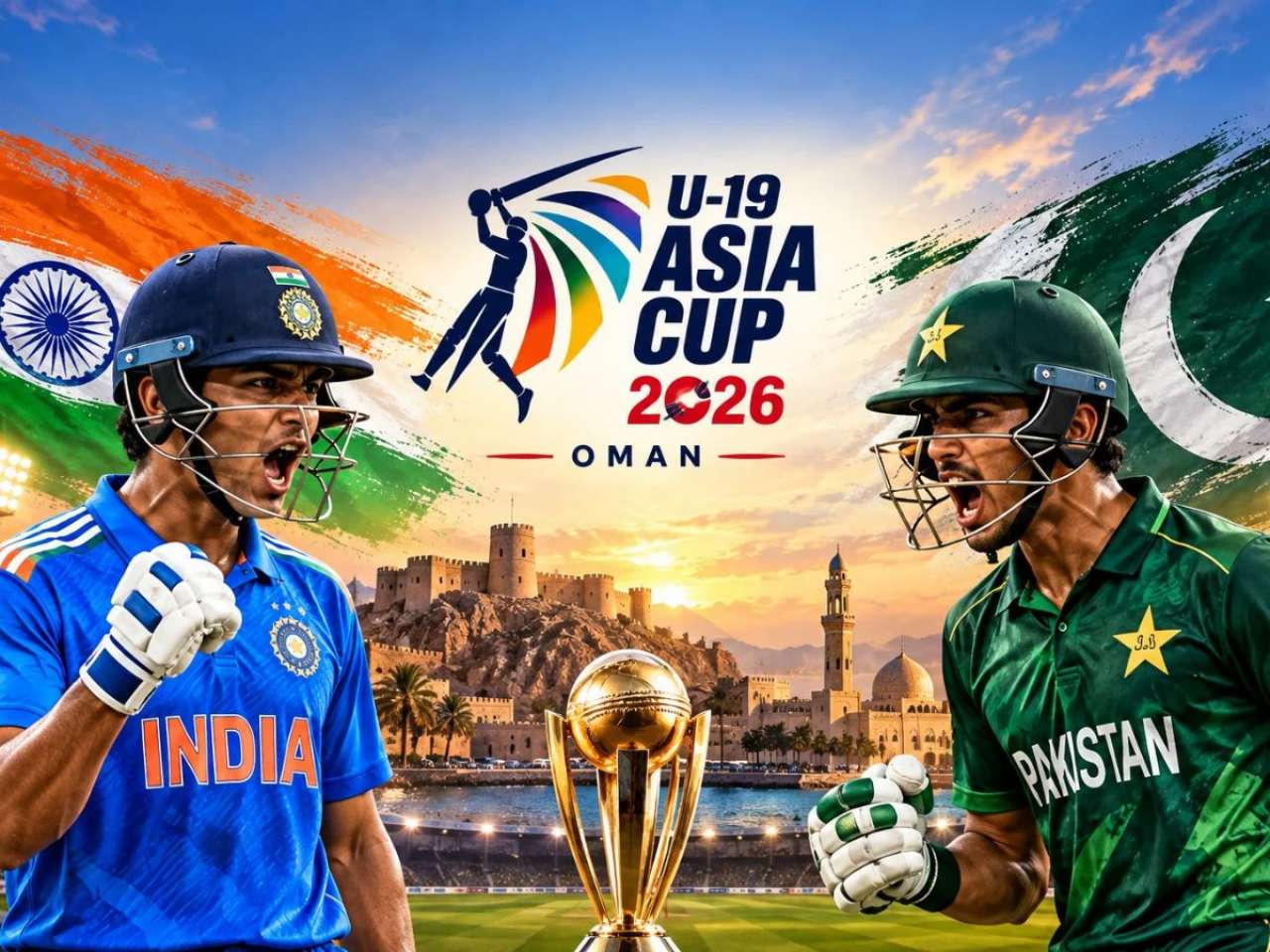 India vs Pakistan U-19 Asia Cup 2026: Arch-rivals ready for high-voltage Oman clash; Full schedule inside
 'Play more cricket': 1983 World Cup legend Kapil Dev hands stern advice to Hardik Pandya amid prolonged absence
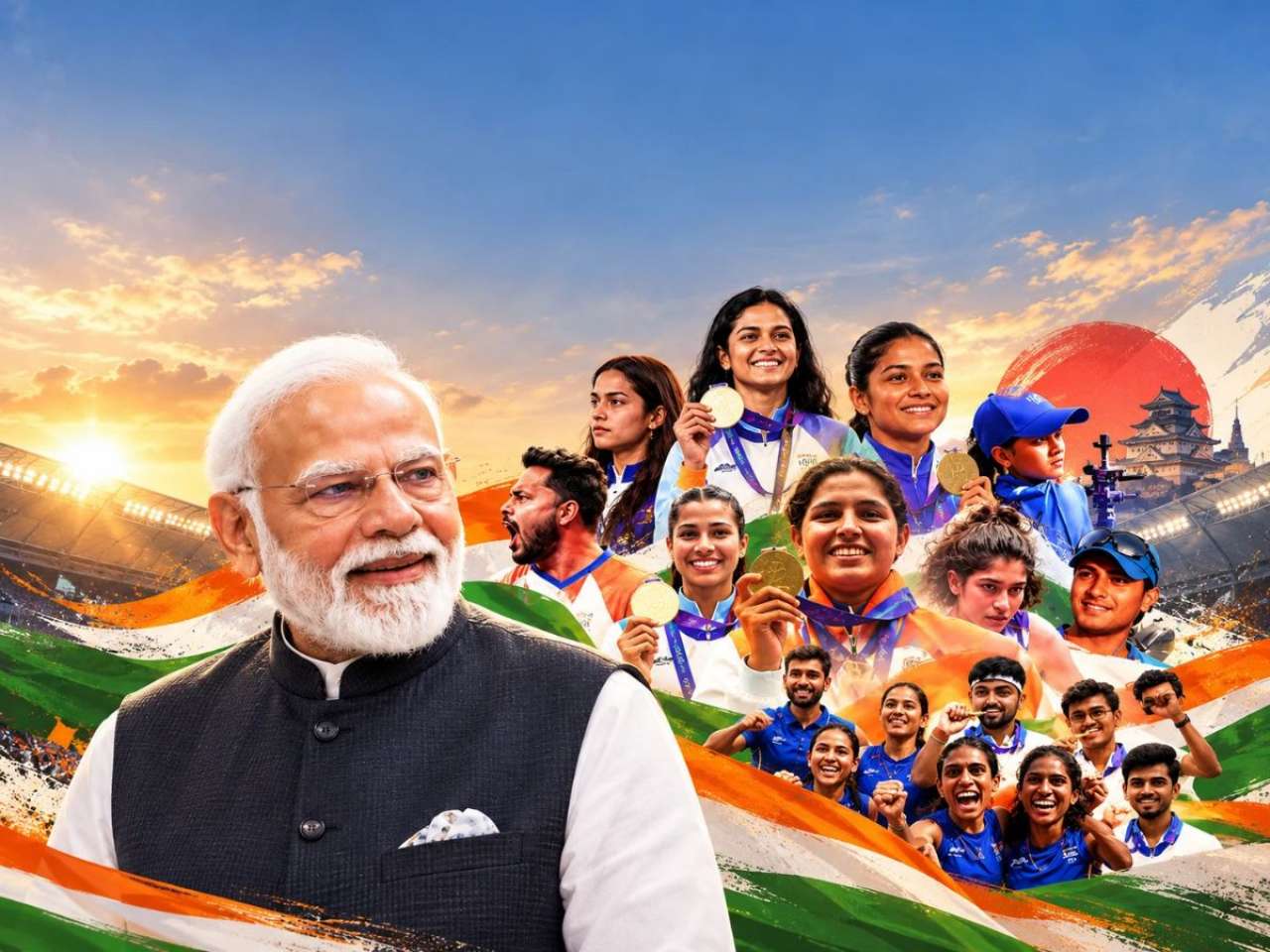 PM Narendra Modi to meet Asian Games 2026 medallists on October 15; India won 85 medals in Aichi-Nagoya
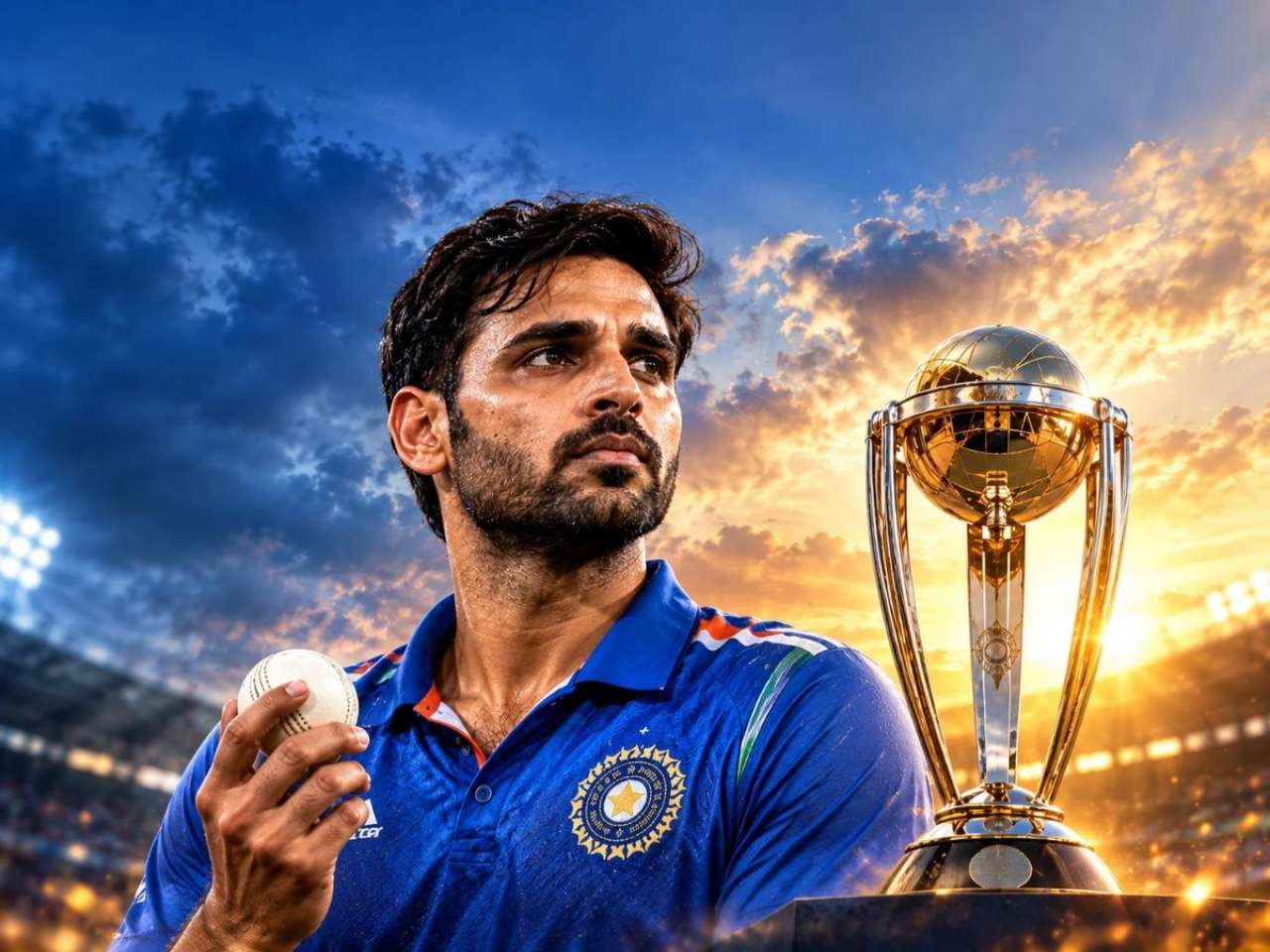 Can Bhuvneshwar Kumar’s surprise T20I comeback pave way for 2027 ODI World Cup return?Amitabh Bachchan gets emotional, pays homage to Nana Patekar at KBC 18, celebrates late actor's 'bebaki, sadgi, sach ko kehne ka saahas'Viral video | Nana Patekar demise: Maharashtra CM Devendra Fadnavis pays respect to Nana Patekar, consoles family, helps carry his coffin ahead of funeral
 'Ch****ya tujhse paise lunga': When Nana Patekar did THIS blockbuster for free, asked director to donate his fees, movie name is...
 Nana Patekar dies at 75: Veteran star's LAST text message dropped major hint of his weak health, he admitted feeling unwell, doctor narrates his final hours
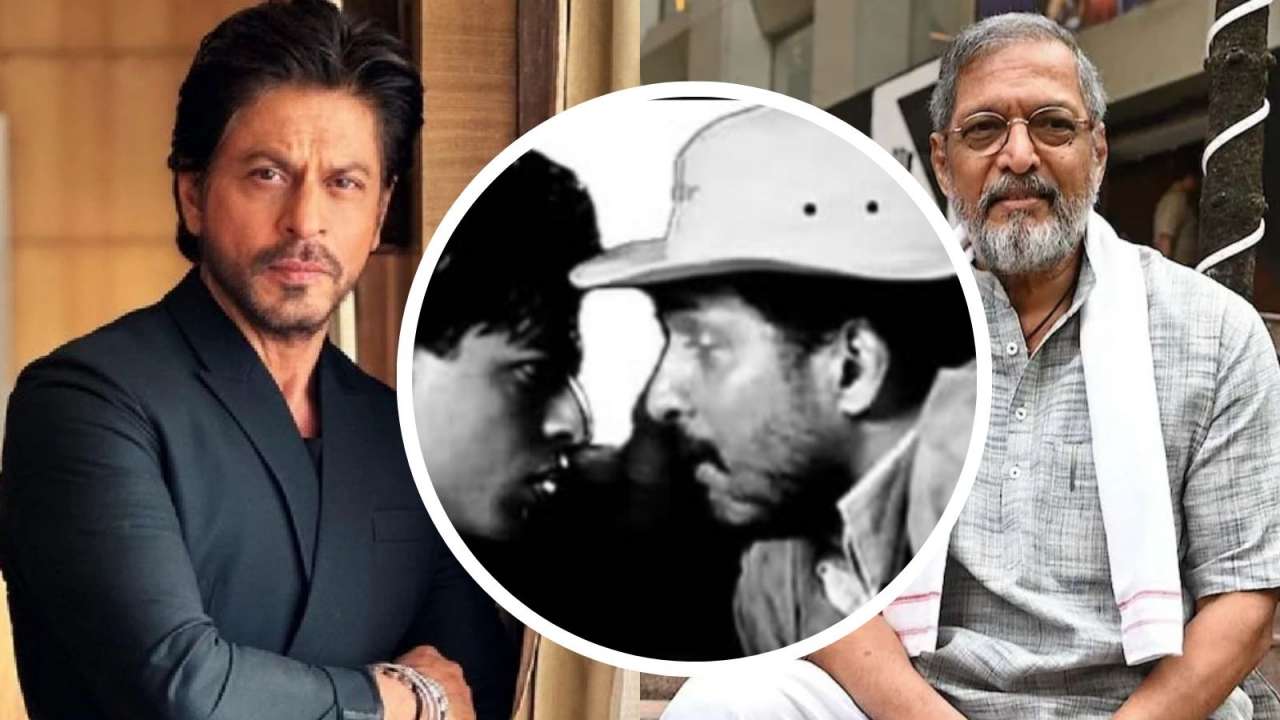 Shah Rukh Khan fondly remembers first encounter with Nana Patekar, shares black-and-white photo
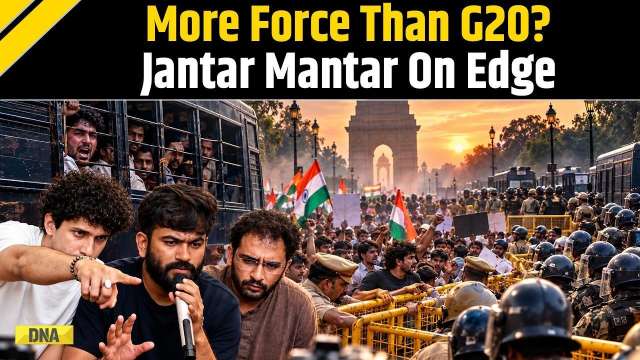 CJP News: Delhi CAPF Deployment Raised To 26,000 Ahead Of CJP October 10 Protest
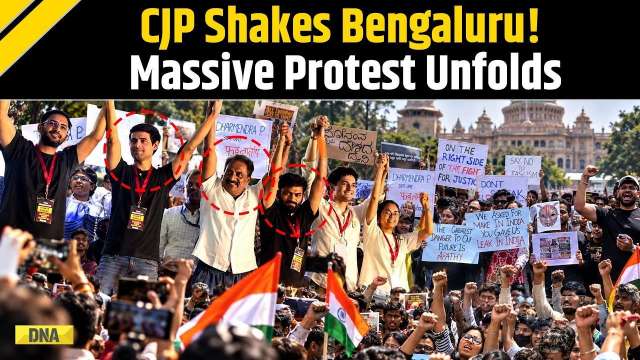 CJP Protest: In Bengaluru Dhruv Rathee, Prakash Raj Join Anti-SIR Demonstration
 Flydubai Flight News:'Revenge For Gaza'; Flydubai Co-Pilot Hamam Al-Hammami Confesses To Terror Plot
 Delhi Building Collapse: 5-Storey Building Collapses In Seemapuri; Emergency Teams Rush To Spot
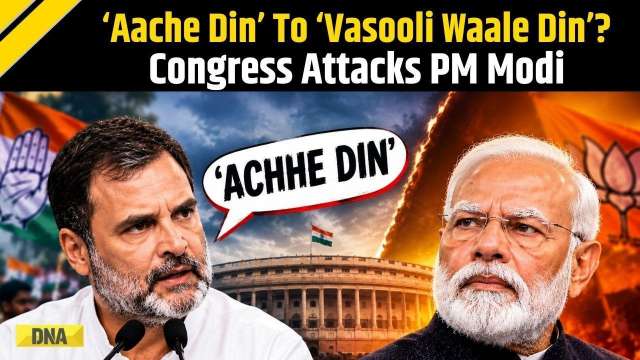 PM Modi News: Congress Attacks Modi Over Repo Rate Hike, Says ‘Achhe Din’ Became ‘Vasooli Wale Din’57th GST Council Meeting: Experts hail decriminalisation, wider ITC refunds; flag implementation challenges
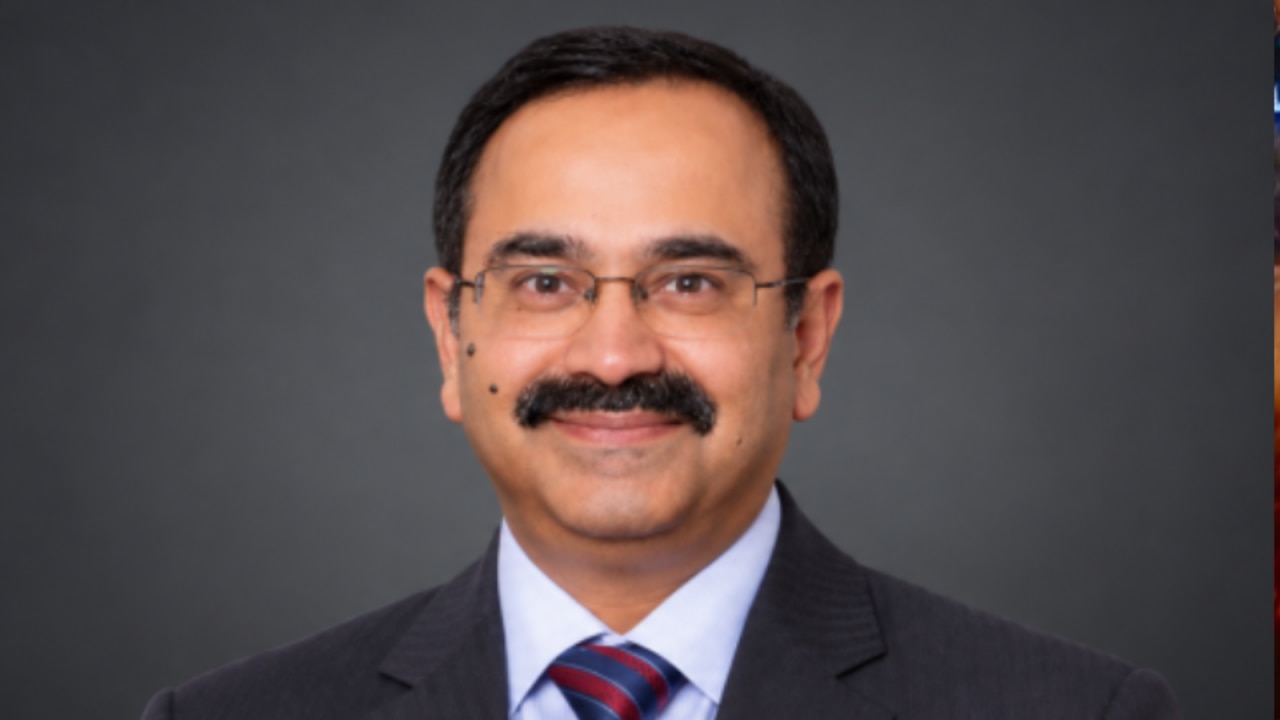 HDFC Bank appoints Anup Bagchi as MD & CEO; set to earn Rs 35.9 crore annual packageHDFC Bank appoints Anup Bagchi as MD & CEO; set to earn Rs 35.9 crore annual package
 How was Rs 11 lakh crore wiped out in a day? Why did Sensex and Nifty crash after RBI rate hike?
 After Oracle, Hubspot Layoffs: Amazon cuts nearly 1000 jobs; will Indian employees be affected?
 OTT Releases This Week (Sept 28 - Oct 4): Dupahiya 2, Pooja Meri Jaan; new movies and shows to watch this Gandhi Jayanti weekend
 From Neeti Mohan, Heer, Sarthak Kalyani; Ahead of Sa Re Ga Ma Pa, 5 musical geniuses championed by AR Rahman
 72nd National Film Awards 2024: Kartik Aaryan, Yami Gautam, Aditya Dhar, Mammootty, Dhanush, Anant Nag accept honours
 OTT Releases This Week (September 14-20): Lust Stories 3, Irumudi, Thudakkam; Indian movies, series to watch on Netflix, Prime Video, JioHotstar
 Ganesh Utsav 2026: Deva Shree Ganesha, Sindoor Lal Chadayo; 5 iconic Ganpati songs that should be must-haves in your playlistRahul Gandhi backs Elon Musk in Starlink India row; says, ‘Wait till you discover the other guy’
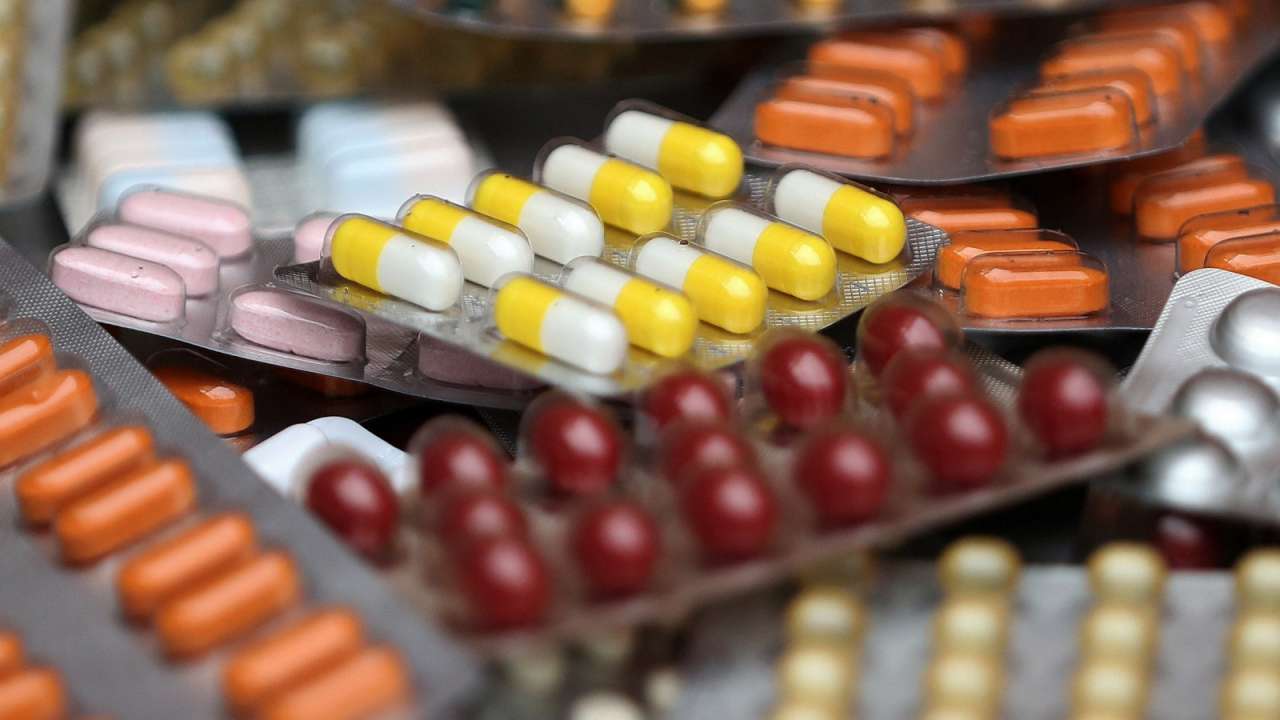 Cancer drugs to get cheaper by up to 70% as govt fixes trade margin at 30%
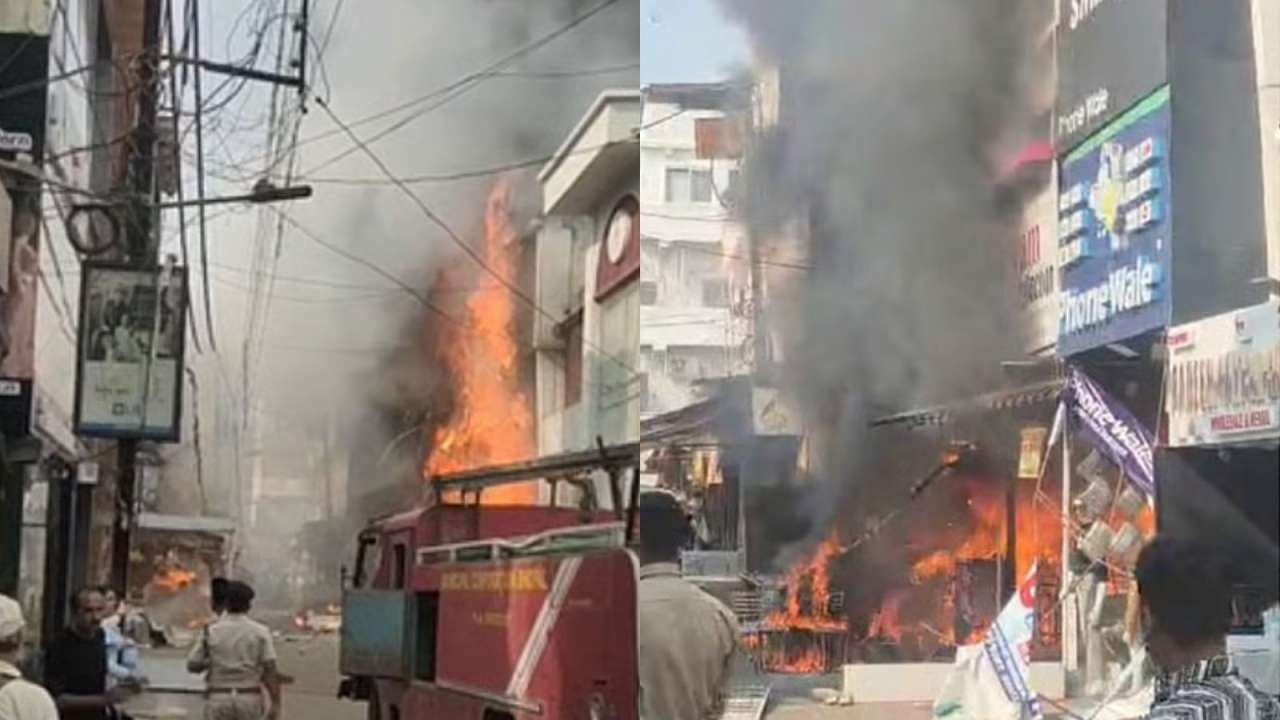 Massive Fire In Madhya Pradesh: Shops gutted in Bhopal's new market! Watch video
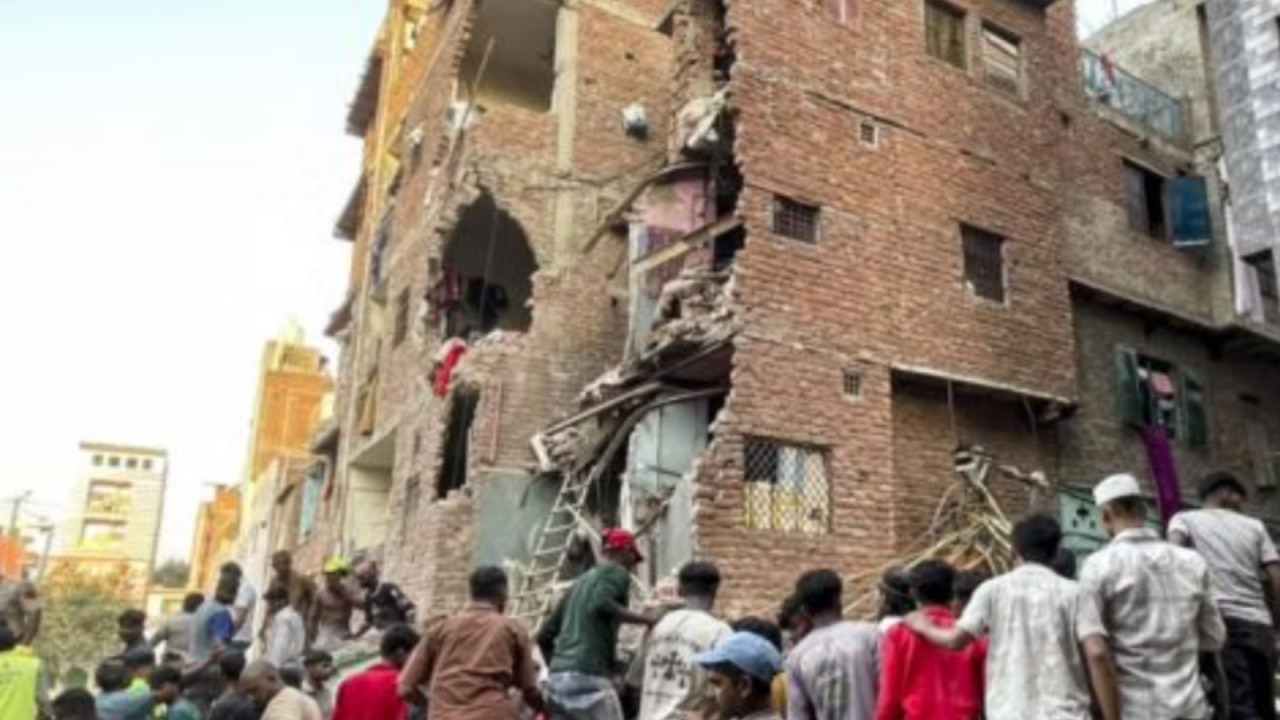 Delhi Building Collapse: Death toll rises to 5 in New Seemapuri; rescue operations continue
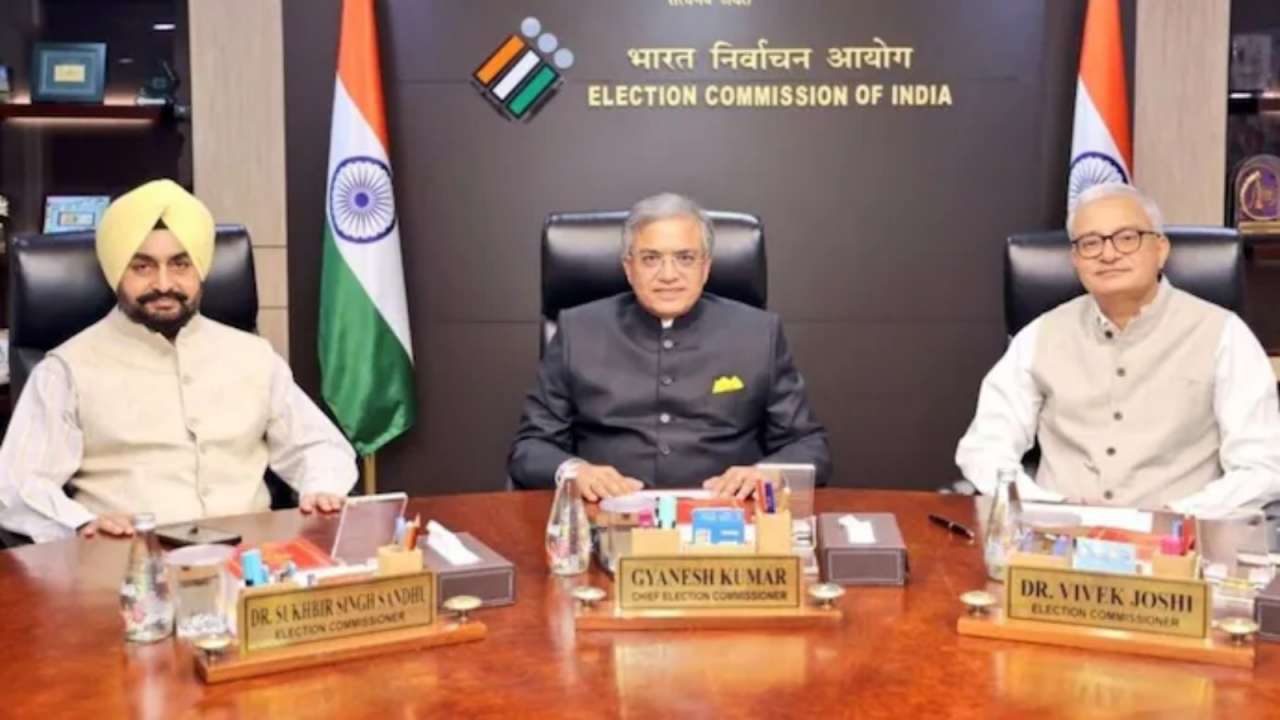 42 ex-judges back CEC Gyanesh Kumar, slams opposition's protest, calls it ‘campaign without evidence’
 Third Language Row: SC extends relaxation to Class 6 students, asks CBSE to grant exemption, here's what it means
 NEET PG 2026 Result Out: Check how to download scorecard from natboard.edu.in; Know category-wise cut-off and more
 Five-year BTech programmes? Ex-IIT director makes proposals amid IIT suicide controversy
 CBSE Date Sheet 2027: When will Class 10, 12 timetable be released? Check details here
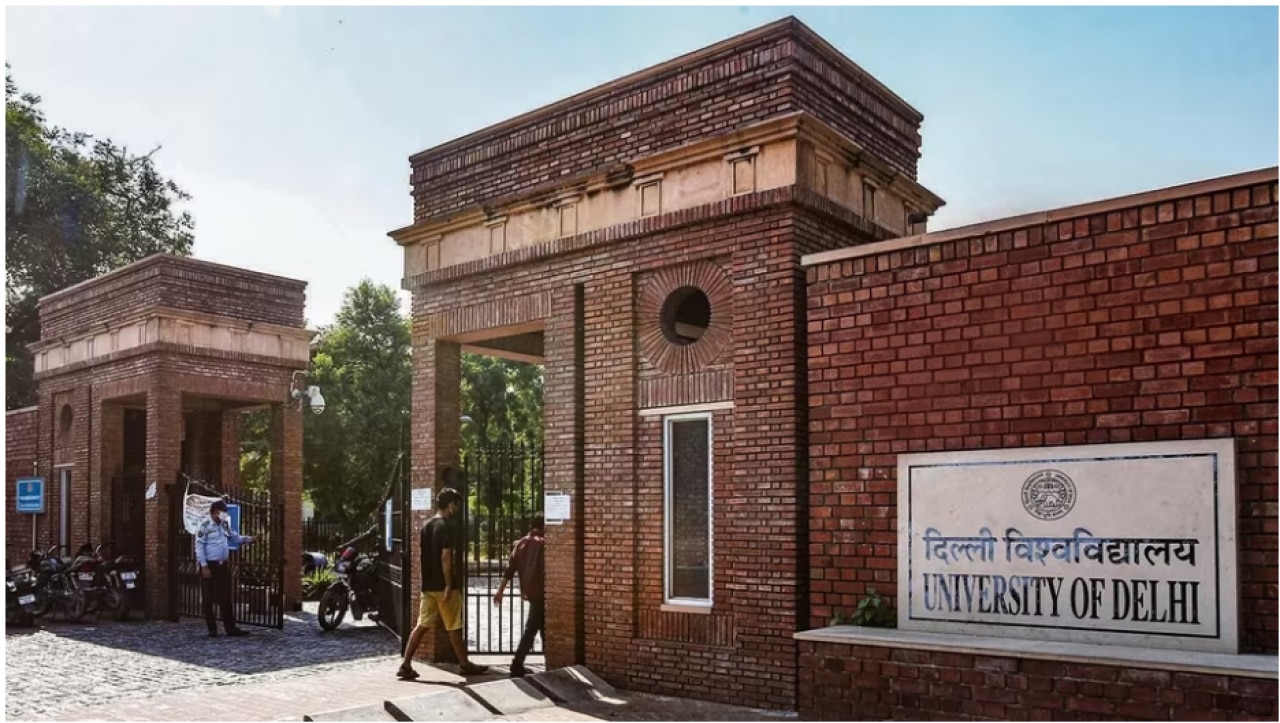 From Rs 150 in 1947 to powerful student body: The story of DUSU’s rise | Explained
 After Hyundai, Maruti Suzuki makes cars costlier ahead of festive season: Check new prices after hike
 Hyundai cars to get costlier from September: Check new prices and reason behind hike
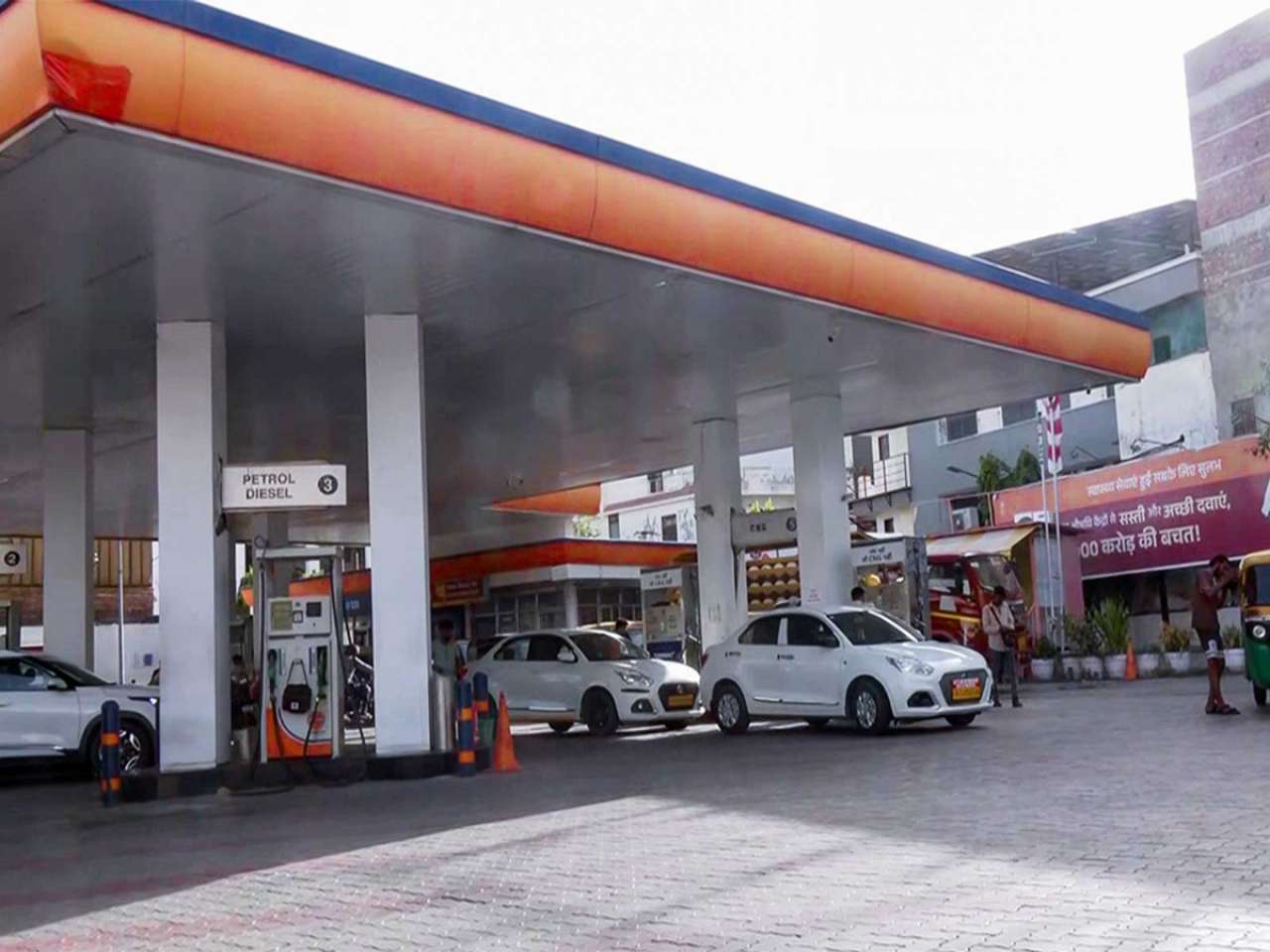 Why can't consumers choose pure petrol or E10? Centre explains why E20 is now the standard fuel
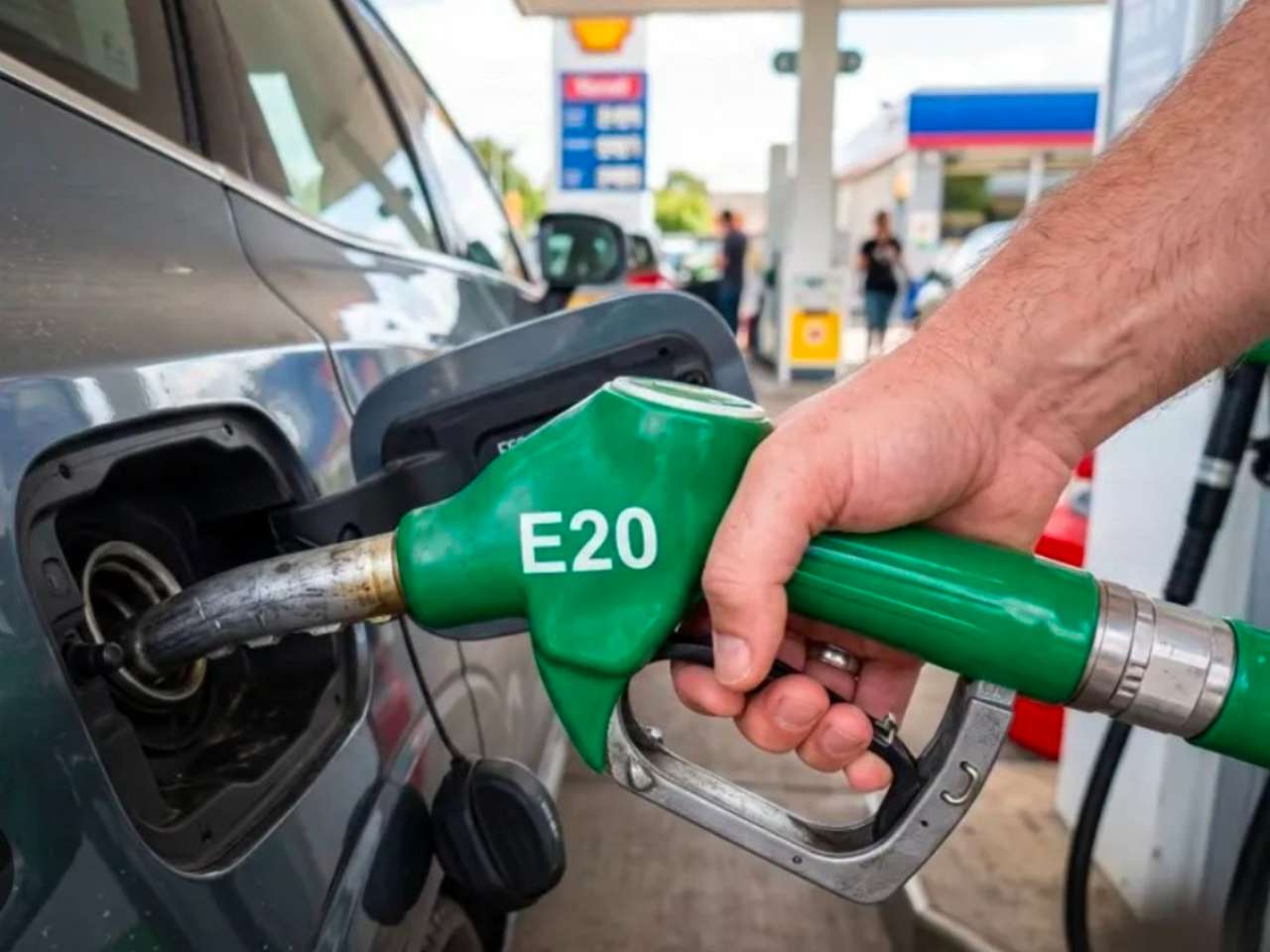 Centre claims E20 fuel does not damage engines, cites data from Maruti Suzuki and Hero MotoCorp
 Maruti WagonR Flex Fuel: What’s price of India’s first ethanol car? Specs, mileage, and top features explained
WORLD
Just weeks after warm handshakes in Washington, the U.S.-India relationship is souring at an alarming rate. President Donald Trump’s recent broadside against New Delhi—labeling it an enabler of the Ukraine war and slapping it with punitive tariffs—marks a dangerous escalation.

Updated : Aug 07, 2025, 07:11 PM IST



Just weeks after warm handshakes in Washington, the U.S.-India relationship is souring at an alarming rate. President Donald Trump’s recent broadside against New Delhi—labeling it an enabler of the Ukraine war and slapping it with punitive tariffs—marks a dangerous escalation.
This shift from partner to problem threatens to alienate a key strategic ally. Now, both nations stand at a critical juncture where smart, sober diplomacy must prevail over heated rhetoric and rash actions. The immediate flashpoint is economic. On Wednesday, President Trump doubled down on tariffs against Indian goods, imposing an additional 25% duty on products like shoes and apparel, bringing the total to a staggering 50%.
This move, set to take effect in 21 days, targets the U.S.'s role as India’s largest export market—a destination for $86.5 billion worth of goods in 2024. For an Indian government focused on ensuring the economic security of 1.4 billion people, this is a direct and painful blow.
The Geopolitical Thorns: Russia and Iran
The conflict, however, runs deeper than trade. At its heart are two major thorns that have irritated the Trump administration: India's relationships with Russia and Iran.
Russia: India's reliance on Russian oil has skyrocketed since 2021, jumping from a mere 3% to nearly 40% of its total imports. From India's perspective, this is a pragmatic decision driven by market needs for affordable energy. For the Trump administration, however, this is seen as directly funding Russia's war machine in Ukraine, undermining Western sanctions and making India appear complicit.
Iran: While the focus is on Russia, India's continued, albeit limited, engagement with Iran is another source of friction. Washington's hardline stance, built on sanctions, aims to isolate Tehran completely. India's transactional ties, often related to energy or regional connectivity projects, are viewed by the White House as a breach of this united front. As former ambassador Ajay Bisaria recently told DW (Deutsche Welle), Trump is attempting to reshape the world order using just two tools: tariffs and sanctions. India is now caught in the crosshairs of both.
The Way Forward: A Diplomatic Tightrope for India
This is not a sustainable foreign policy. As security expert Shanthie Mariet D'Souza points out, Trump's aggressive tactics risk pushing away a trusted democratic partner.Forcing India to choose between its long-standing, independent foreign policy and its growing ties with the West is a losing game for everyone. The solution lies not in defiance or submission, but in a deft diplomatic balancing act.
India must play the long game. This means:
Asserting Sovereignty While Reassuring Washington: India must continue to assert its sovereign right to secure its energy needs based on national interest. Simultaneously, it must actively reassure Washington of its value as a long-term strategic partner. The relationship with the U.S., built on shared democratic values and goals like stability in the Indo-Pacific, is far deeper than its functional, transactional ties with Russia and Iran. Communicating this distinction is key.
Balancing the Relationships: The path forward isn't about abandoning Russia or Iran but about managing these relationships transparently. India can frame its Russian oil purchases as a temporary economic necessity, not a political alignment. It should avoid getting dragged into a war of words over every presidential tweet and instead use official channels for dialogue.
Seizing Diplomatic Opportunities: The upcoming visit of a U.S. delegation offers a golden opportunity to negotiate a trade agreement that addresses mutual concerns. For its part, the Trump administration must recognize that partnership is a two-way street. A warm welcome for President Trump later this year to sign a new trade deal, as Bisaria suggests, could be the perfect off-ramp to de-escalate this crisis. Ultimately, the U.S.-India relationship is too important to be sacrificed on the altar of short-term frustrations. Both sides must look beyond the immediate disputes and focus on the shared strategic interests that bind them.
(Girish Linganna is an award-winning science communicator and a Defence, Aerospace & Geopolitical Analyst. He is the Managing Director of ADD Engineering Components India Pvt. Ltd., a subsidiary of ADD Engineering GmbH, Germany. Contact: girishlinganna@gmail.com)
(Disclaimer: The views expressed above are the author's own and do not reflect those of DNA)