 Bhagwant Mann accuses BJP of using CBI, ED ahead of Punjab elections; says raids show ‘frustration’
 Smriti Mandhana breaks silence on Harmanpreet Kaur rift rumours; Check her viral Instagram story
 81 US aircraft gone, $3.3 billion lost, confirms Congressional report: Is Trump's Iran war draining America's military?
 Supreme Court to examine plea seeking recall of split verdict on CEC appointment law
 How Oxysure Delivers Advanced Oxygen Concentrators at Competitive Prices: The Business Model Behind ItSmriti Mandhana breaks silence on Harmanpreet Kaur rift rumours; Check her viral Instagram story
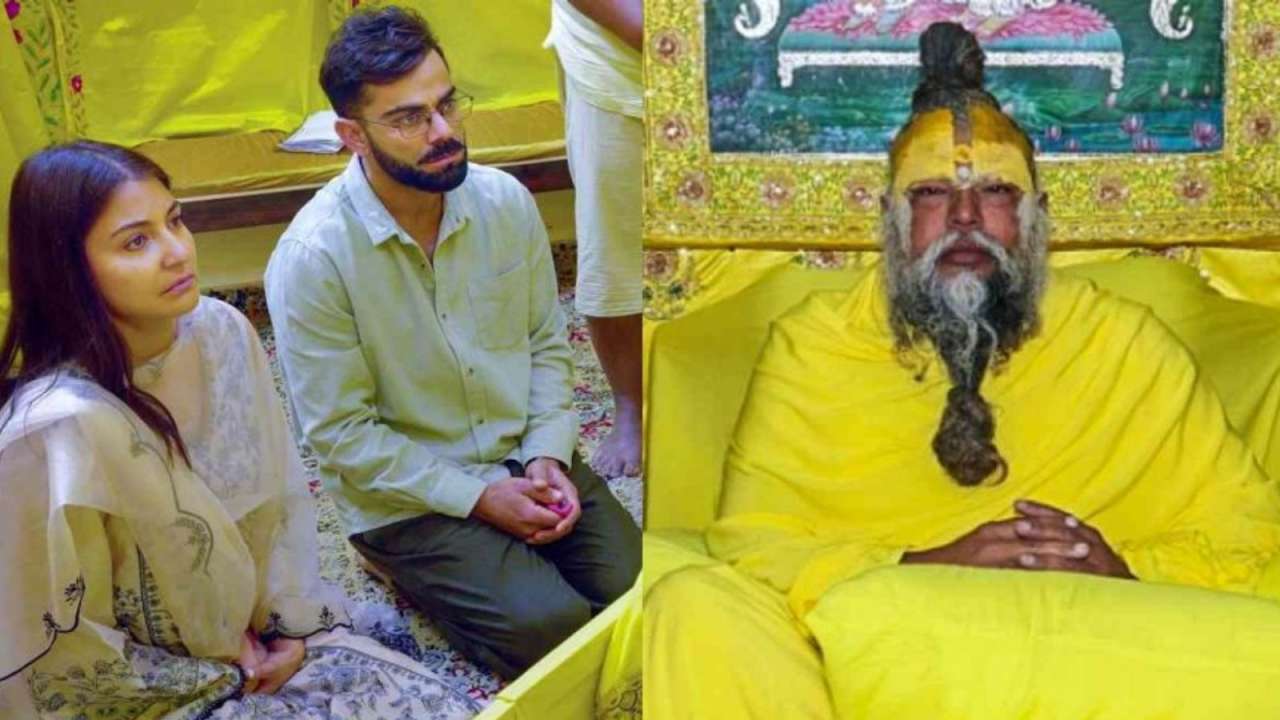 Was Virat Kohli really paid Rs 5 crore for darshan at Premanand Maharaj ashram? Here's what his team say
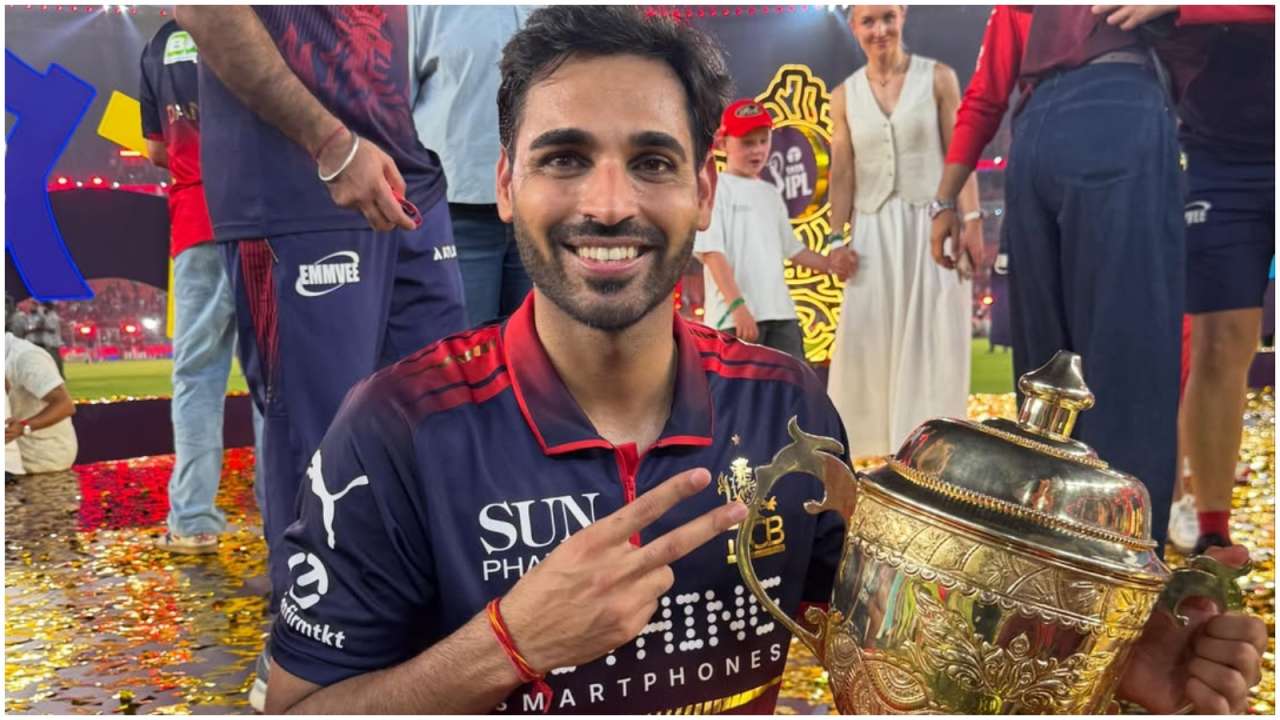 Bhuvneshwar Kumar returns after 4 years: What changed after Ajit Agarkar’s exit?
 Smriti Mandhana Net Worth: Know all about Indian women's cricket new captain's salary, endorsements, WPL contract and more
 When Smriti Mandhana became India captain, the Palash Muchhal chapter returned to spotlight: The full story
 Arun Govil returns to Ramanaya as 'King Dashrath', new poster from Nitesh Tiwari's film out
 ‘My choli became a 6-person panel’: Kriti Sanon revisits her Raksha Bandhan ad controversy
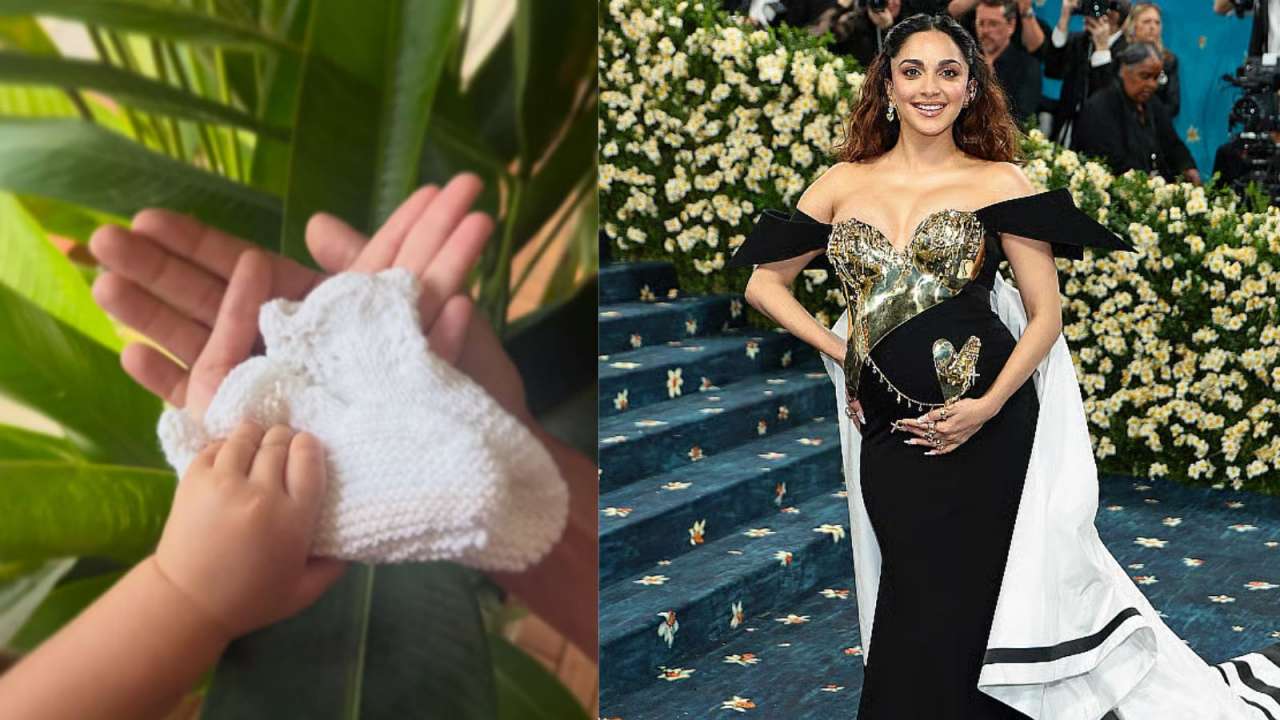 Kiara Advani, Sidharth Malhotra announce second pregnancy, calls it 'greatest gift', Bollywood showers love; See viral post
 Drishyam 3 box office collection day 5: Ajay Devgn film crosses Rs 200 crore mark in India
 The Traitors Telugu trailer: From Chinmayi Sripada to Harsha Vardhan, meet the 20 contestants of Teja Sajja show
 Flydubai Attack: Israeli Dentist Reveals How He Helped Save Captain Smit After Flydubai Attack
 CJP Protest: Delhi Cop Vivek Bhagat's Promotion Withheld Amid Sexual Harassment Allegation
 CJP Protest: CJP Activists Getting Police Notices Over October 10 Delhi Protest
 Delhi News: 'Create Fear In Minds Of Criminals': Supreme Court To Delhi Police On Rising RapesDelhi News: 'Create Fear In Minds Of Criminals': Supreme Court To Delhi Police On Rising Rapes
 Your loan EMIs are about to rise: RBI hikes interest rates by 0.25%
 GST Council October 8 meeting: No rate changes expected; reforms on refunds, ITC and registration on agenda
 Cabinet approves Rs 10,000 crore SME Growth Fund: What it means for small businesses
 Gen Z Finance: From lifestyle spending, credit cards to financial planning—What experts suggest
 FCNR inflows cushion rupee, BoP, but sustained stability hinges on FII flows: Report
 OTT Releases This Week (Sept 28 - Oct 4): Dupahiya 2, Pooja Meri Jaan; new movies and shows to watch this Gandhi Jayanti weekend
 From Neeti Mohan, Heer, Sarthak Kalyani; Ahead of Sa Re Ga Ma Pa, 5 musical geniuses championed by AR Rahman
 72nd National Film Awards 2024: Kartik Aaryan, Yami Gautam, Aditya Dhar, Mammootty, Dhanush, Anant Nag accept honours
 OTT Releases This Week (September 14-20): Lust Stories 3, Irumudi, Thudakkam; Indian movies, series to watch on Netflix, Prime Video, JioHotstar
 Ganesh Utsav 2026: Deva Shree Ganesha, Sindoor Lal Chadayo; 5 iconic Ganpati songs that should be must-haves in your playlistBhagwant Mann accuses BJP of using CBI, ED ahead of Punjab elections; says raids show ‘frustration’Supreme Court to examine plea seeking recall of split verdict on CEC appointment law
 Caught On Camera: Telangana Congress MLA 'misbehaved' with woman on TSRTC bus, faces flak, says he 'has no idea of consent'
 IIT Bombay to put 1-semester suspension on hold after student death? Emergency Senate meeting on Wednesday
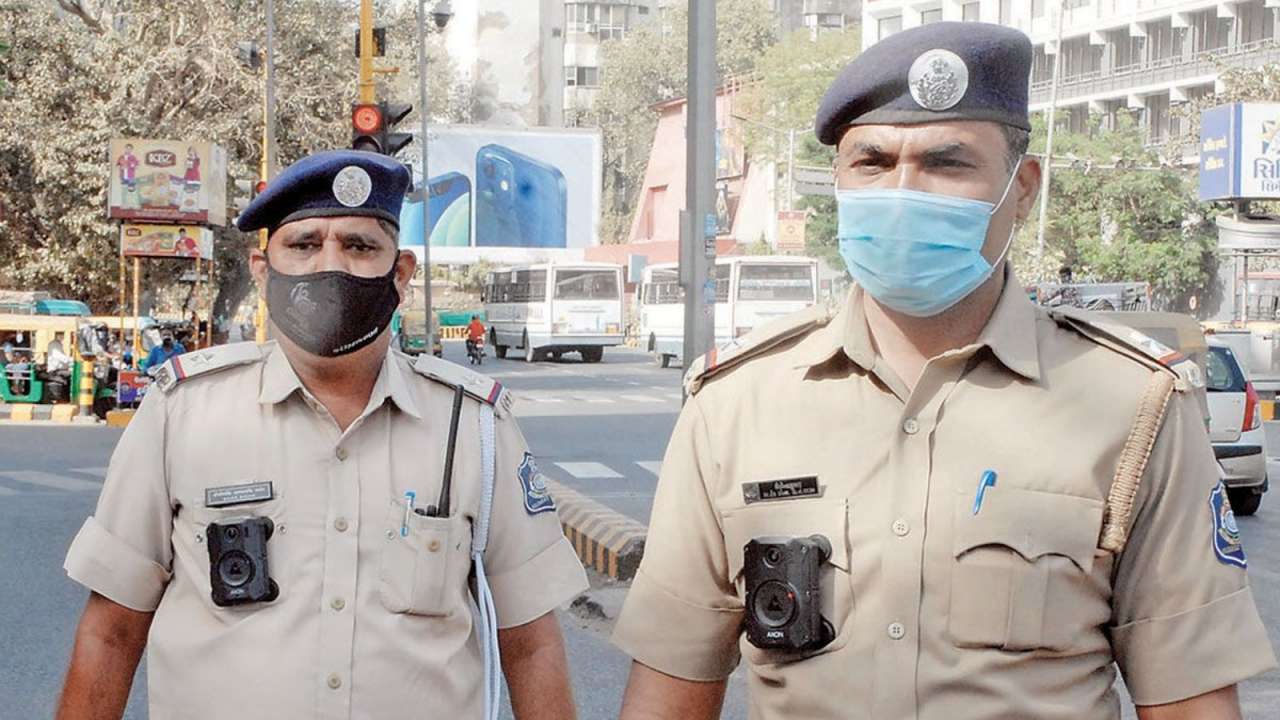 Body camera for Delhi Police, RAF personnel deployed for crowd control?
 Third Language Row: SC extends relaxation to Class 6 students, asks CBSE to grant exemption, here's what it means
 NEET PG 2026 Result Out: Check how to download scorecard from natboard.edu.in; Know category-wise cut-off and more
 Five-year BTech programmes? Ex-IIT director makes proposals amid IIT suicide controversy
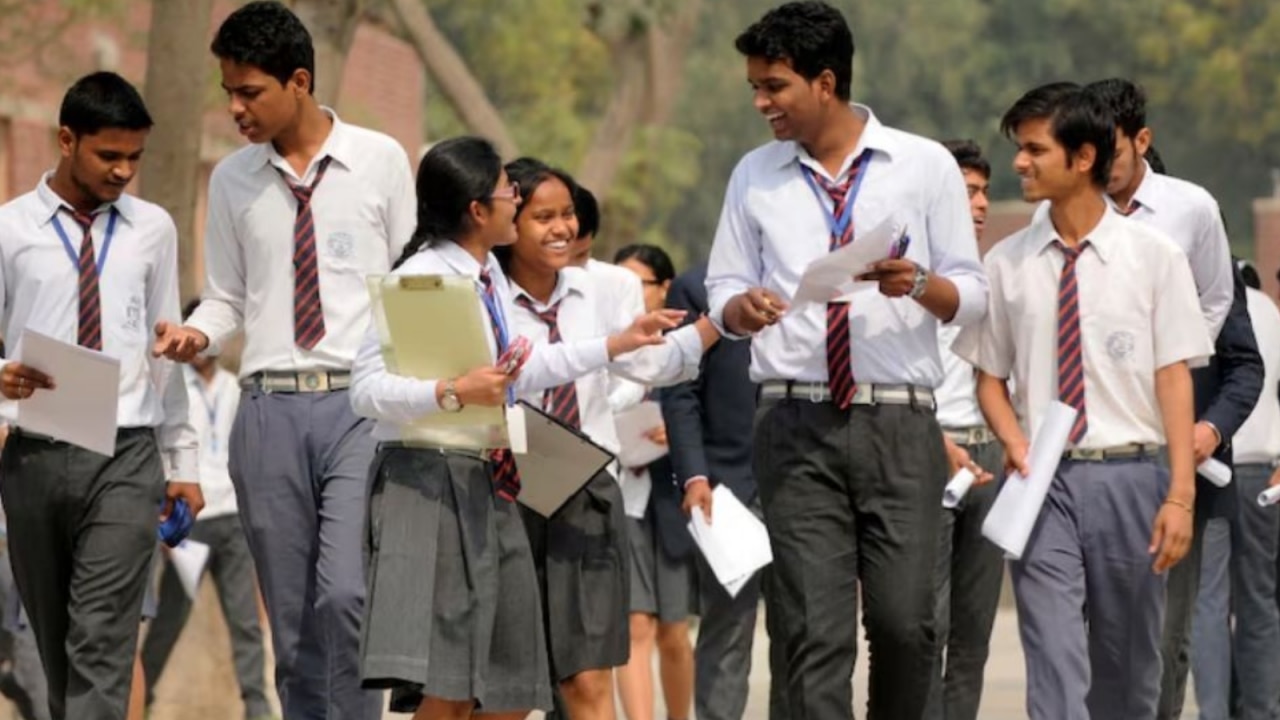 CBSE Date Sheet 2027: When will Class 10, 12 timetable be released? Check details here
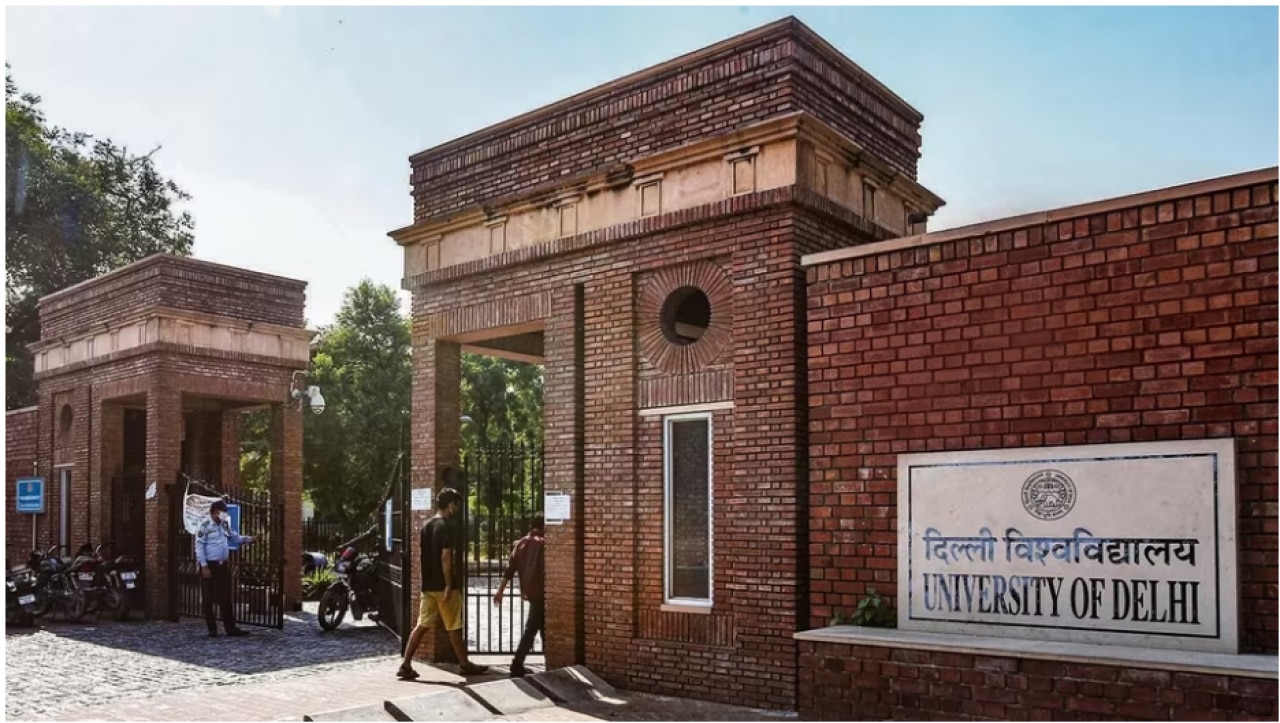 From Rs 150 in 1947 to powerful student body: The story of DUSU’s rise | Explained
 After Hyundai, Maruti Suzuki makes cars costlier ahead of festive season: Check new prices after hike
 Hyundai cars to get costlier from September: Check new prices and reason behind hike
 Why can't consumers choose pure petrol or E10? Centre explains why E20 is now the standard fuel
 Centre claims E20 fuel does not damage engines, cites data from Maruti Suzuki and Hero MotoCorp
 Maruti WagonR Flex Fuel: What’s price of India’s first ethanol car? Specs, mileage, and top features explained
VIRAL
Regardless of the weather, be it sunny or cold, girls wear short skirts in Japan's school even in winters. Check here to know why

Updated : Jun 03, 2025, 02:29 PM IST



In Japan, where school uniforms are not just symbols of uniformity and discipline, there's a unique perspective on their significance. Unlike in other countries where uniforms often represent equality or identity, Japan's school uniforms are more about style and cultural trends.
Observing any Japanese school, one can easily spot girls embracing fashion trends rooted in pop culture, such as the impractical yet stylish short, pleated skirt. Regardless of the weather, be it sunny or cold, these miniskirts are a common sight.
Know why girls wear short skirts in Japan's school even in winters
Short and mini skirts in Japan, a trend that has persisted for decades, originated in pop culture but eventually became a cultural norm. In the 1990s, Japanese pop icon Namie Amuro gained prominence, celebrated for her fashion choices, particularly her use of short skirts. This trend quickly resonated with teenage girls, including school students who adapted their uniforms, ultimately shaping the educational dress code of today.
However, according to another report, the reason Japanese schoolgirls wear short skirts, even in winter, is largely due to the country's strict adherence to traditional school uniforms, known as "seifuku." These uniforms are modeled after European naval uniforms from the early 20th century and are seen as a symbol of modesty, discipline, and equality among students.
More than a uniform
Reports indicate that teenage school girls embraced this trend to feel cuter and more stylish. What started as a fashion inspiration evolved into a matter of confidence and identity for them.
The trend has become so prevalent among Japanese girls that, regardless of the weather, schoolgirls continue to embrace this tradition. Even in freezing temperatures, they style the mini skirt with scarves and jackets, yet the skirt's length remains unchanged.
Beyond its role as a school uniform, this trend has become iconic, with numerous anime, dramas, and K-pop-inspired videos, as well as international films, embracing it. Now, this trend serves as a global symbol of Japanese youth culture.