 Viral video | Nana Patekar demise: Maharashtra CM Devendra Fadnavis pays respect to Nana Patekar, consoles family, helps carry his coffin ahead of funeral
 US suspends Infosys, TCS, Wipro, HCL, Cognizant from labour programme amid H-1B visa probe
 BCCI selectors face big question on Shami, Siraj after Bhuvneshwar Kumar recall: 'Who're your 2nd, 3rd seamers?'
 India vs Pakistan U-19 Asia Cup 2026: Arch-rivals ready for high-voltage Oman clash; Full schedule inside
 Crude oil crosses $105: Why does India face triple shock of inflation, rupee fall and slower growth?BCCI selectors face big question on Shami, Siraj after Bhuvneshwar Kumar recall: 'Who're your 2nd, 3rd seamers?'India vs Pakistan U-19 Asia Cup 2026: Arch-rivals ready for high-voltage Oman clash; Full schedule inside
 'Play more cricket': 1983 World Cup legend Kapil Dev hands stern advice to Hardik Pandya amid prolonged absence
 PM Narendra Modi to meet Asian Games 2026 medallists on October 15; India won 85 medals in Aichi-Nagoya
 Can Bhuvneshwar Kumar’s surprise T20I comeback pave way for 2027 ODI World Cup return?Viral video | Nana Patekar demise: Maharashtra CM Devendra Fadnavis pays respect to Nana Patekar, consoles family, helps carry his coffin ahead of funeral
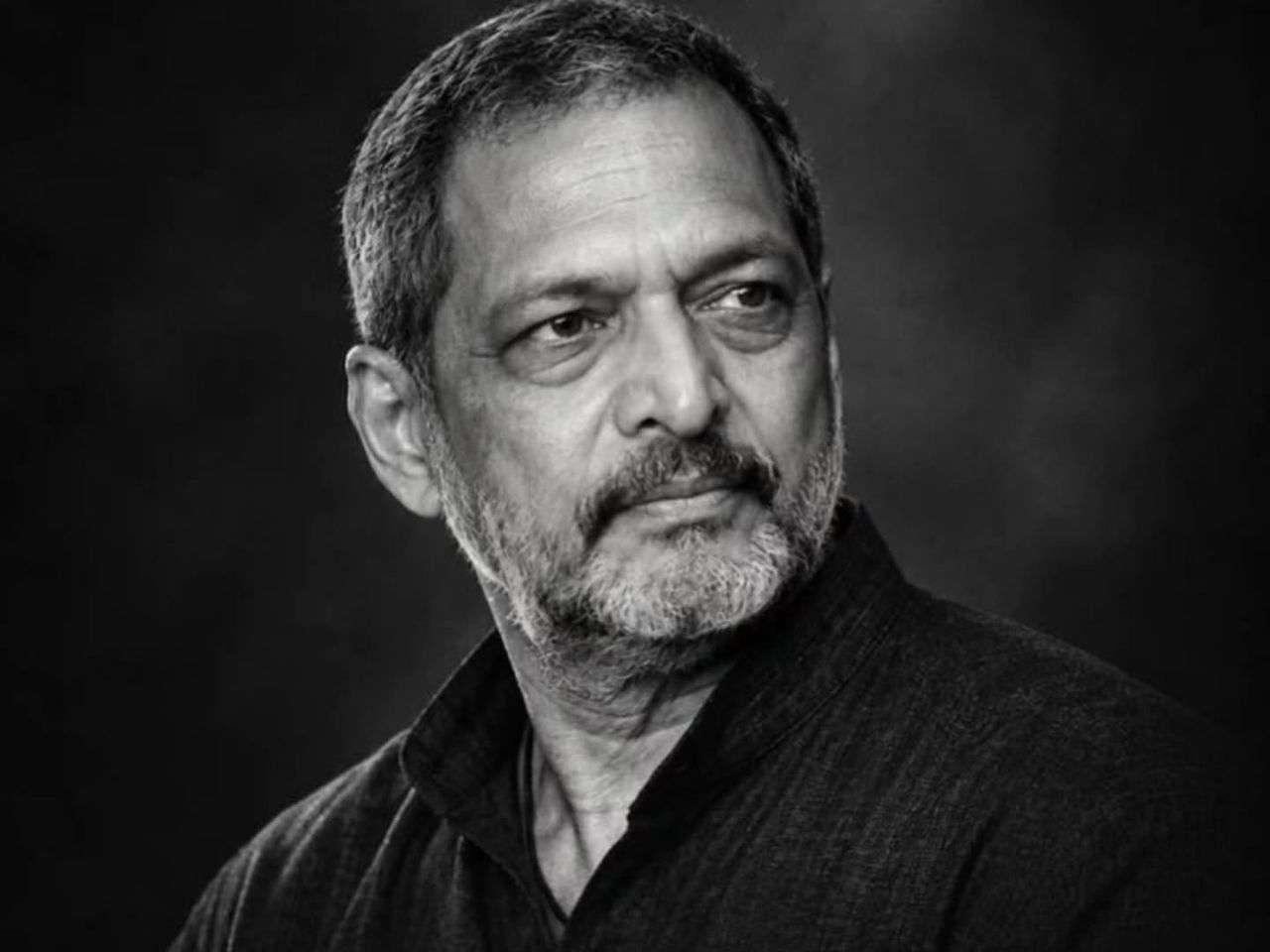 'Ch****ya tujhse paise lunga': When Nana Patekar did THIS blockbuster for free, asked director to donate his fees, movie name is...
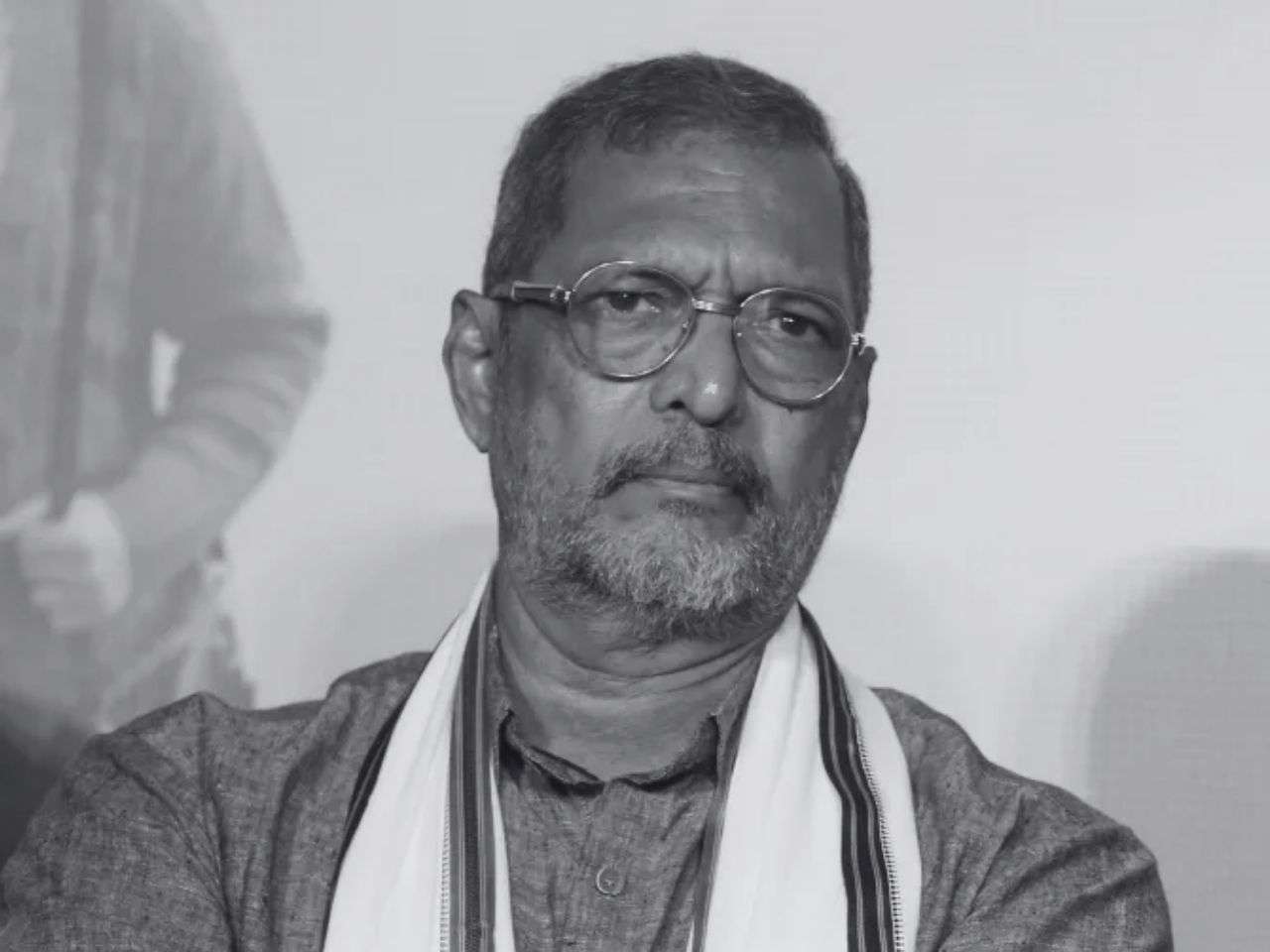 Nana Patekar dies at 75: Veteran star's LAST text message dropped major hint of his weak health, he admitted feeling unwell, doctor narrates his final hours
 Shah Rukh Khan fondly remembers first encounter with Nana Patekar, shares black-and-white photo
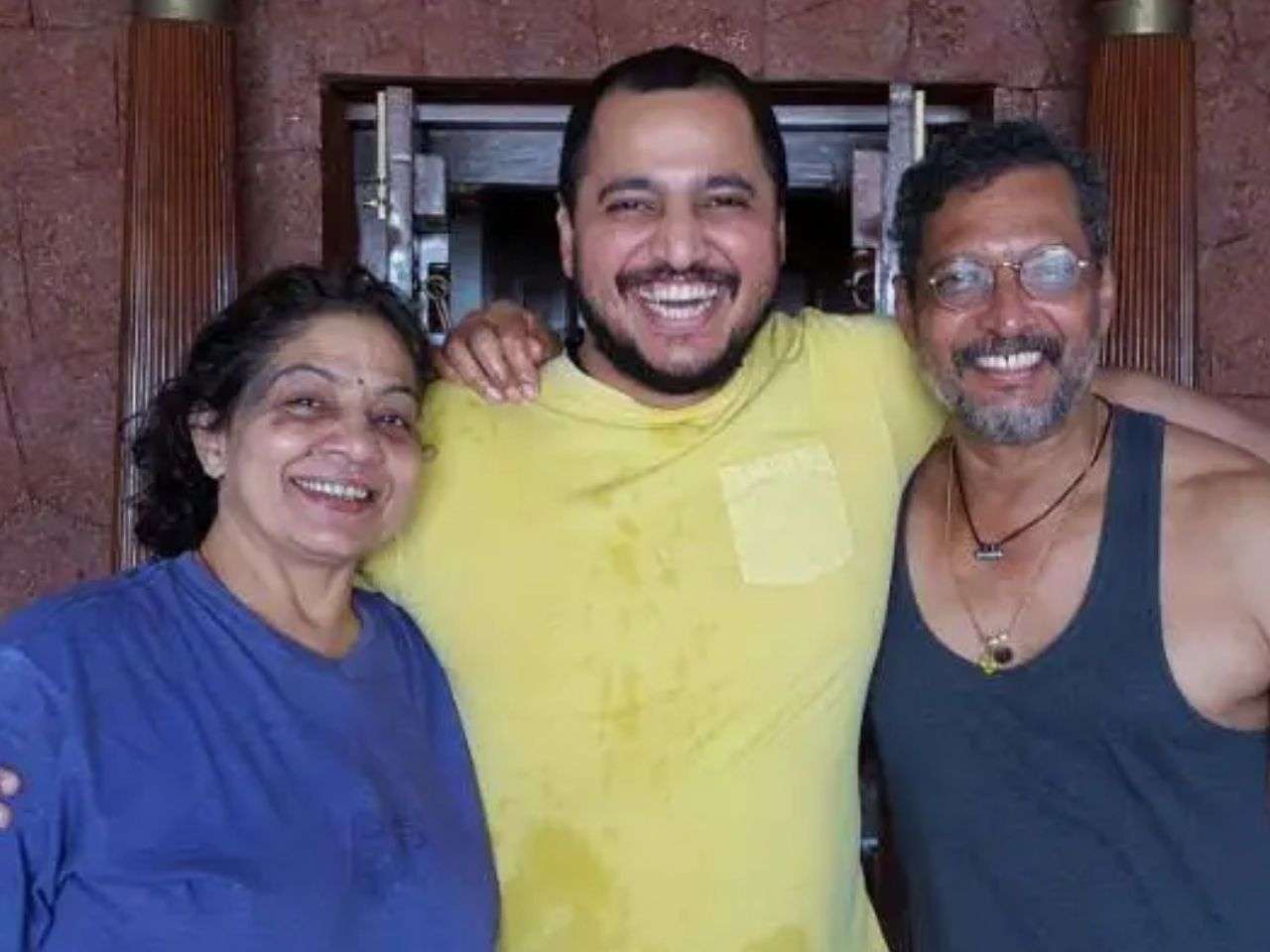 Meet Malhar Patekar: Late Nana Patekar's son who wished to join Army, later his star father denied to launch him in films due to..., now he's handling...
 CJP News: Delhi CAPF Deployment Raised To 26,000 Ahead Of CJP October 10 Protest
 CJP Protest: In Bengaluru Dhruv Rathee, Prakash Raj Join Anti-SIR Demonstration
 Flydubai Flight News:'Revenge For Gaza'; Flydubai Co-Pilot Hamam Al-Hammami Confesses To Terror Plot
 Delhi Building Collapse: 5-Storey Building Collapses In Seemapuri; Emergency Teams Rush To Spot
 PM Modi News: Congress Attacks Modi Over Repo Rate Hike, Says ‘Achhe Din’ Became ‘Vasooli Wale Din’
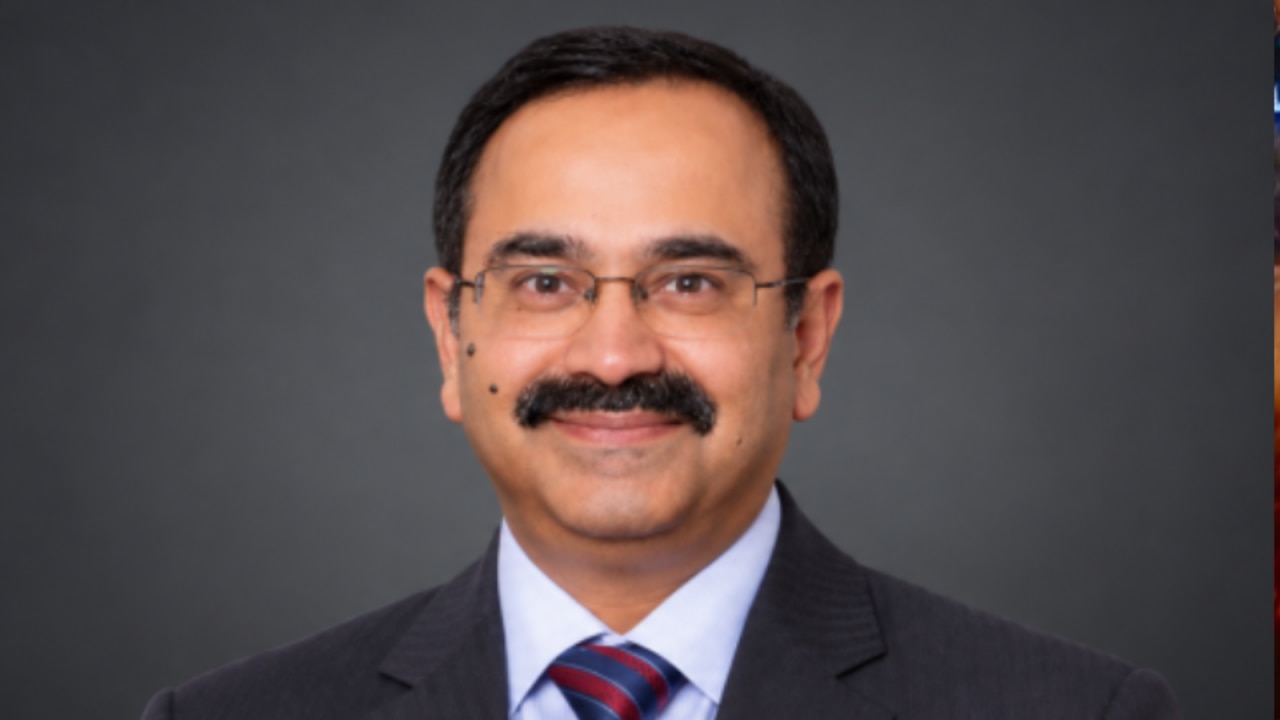 HDFC Bank appoints Anup Bagchi as MD & CEO; set to earn Rs 35.9 crore annual packageHDFC Bank appoints Anup Bagchi as MD & CEO; set to earn Rs 35.9 crore annual package
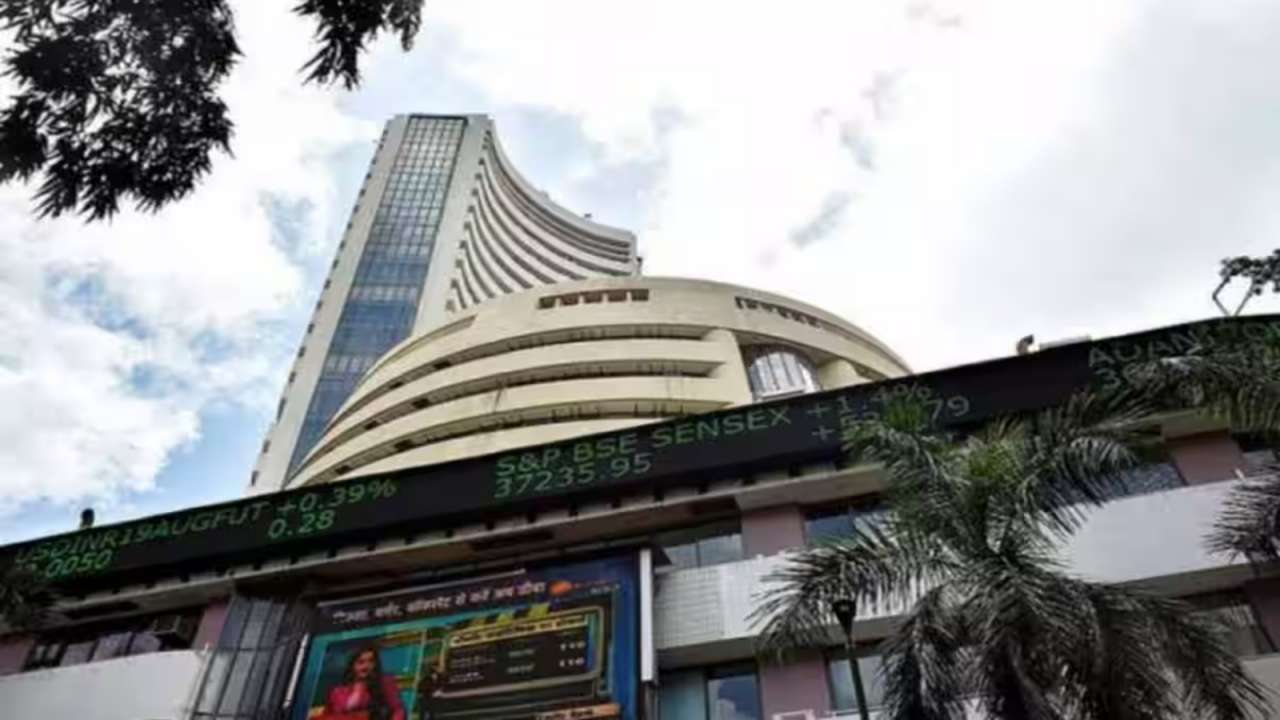 How was Rs 11 lakh crore wiped out in a day? Why did Sensex and Nifty crash after RBI rate hike?
 After Oracle, Hubspot Layoffs: Amazon cuts nearly 1000 jobs; will Indian employees be affected?
 Gold, Silver prices today, October 8, 2026: Check city-wise rates in Delhi, Mumbai, Chennai, Kolkata and more
 OTT Releases This Week (Sept 28 - Oct 4): Dupahiya 2, Pooja Meri Jaan; new movies and shows to watch this Gandhi Jayanti weekend
 From Neeti Mohan, Heer, Sarthak Kalyani; Ahead of Sa Re Ga Ma Pa, 5 musical geniuses championed by AR Rahman
 72nd National Film Awards 2024: Kartik Aaryan, Yami Gautam, Aditya Dhar, Mammootty, Dhanush, Anant Nag accept honours
 OTT Releases This Week (September 14-20): Lust Stories 3, Irumudi, Thudakkam; Indian movies, series to watch on Netflix, Prime Video, JioHotstar
 Ganesh Utsav 2026: Deva Shree Ganesha, Sindoor Lal Chadayo; 5 iconic Ganpati songs that should be must-haves in your playlist
 Cancer drugs to get cheaper by up to 70% as govt fixes trade margin at 30%
 Massive Fire In Madhya Pradesh: Shops gutted in Bhopal's new market! Watch video
 Delhi Building Collapse: Death toll rises to 5 in New Seemapuri; rescue operations continue
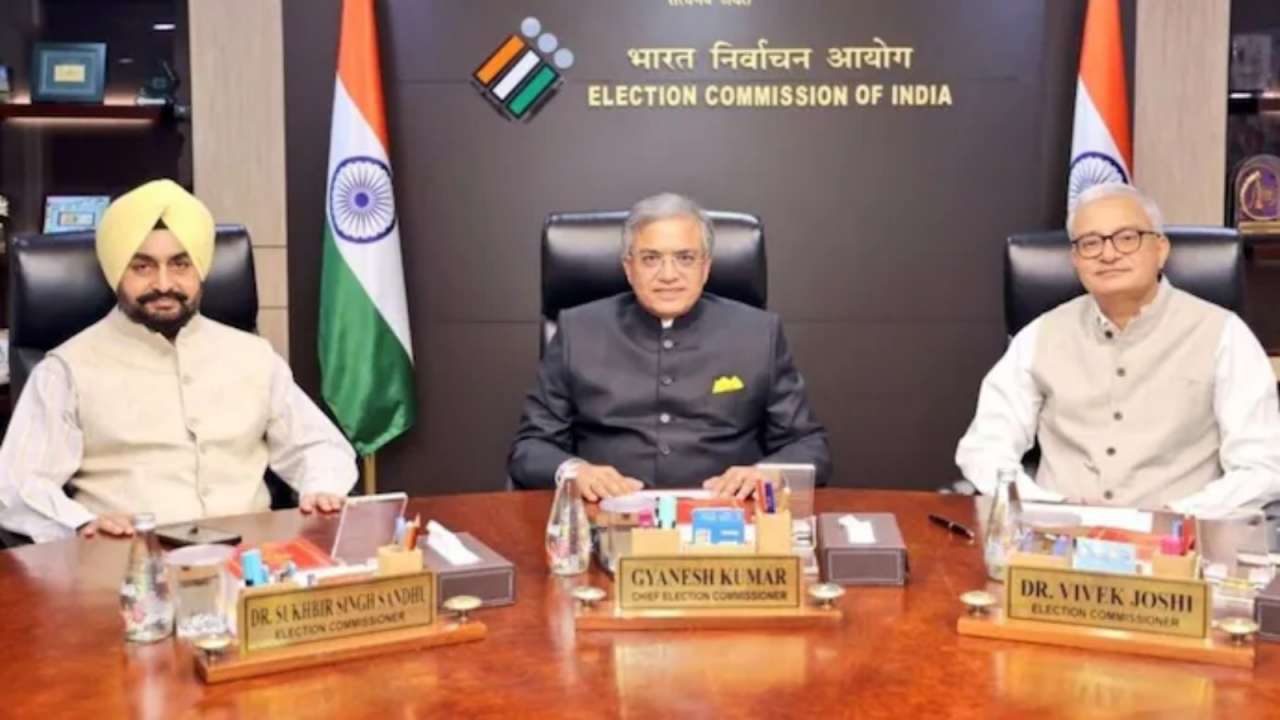 42 ex-judges back CEC Gyanesh Kumar, slams opposition's protest, calls it ‘campaign without evidence’
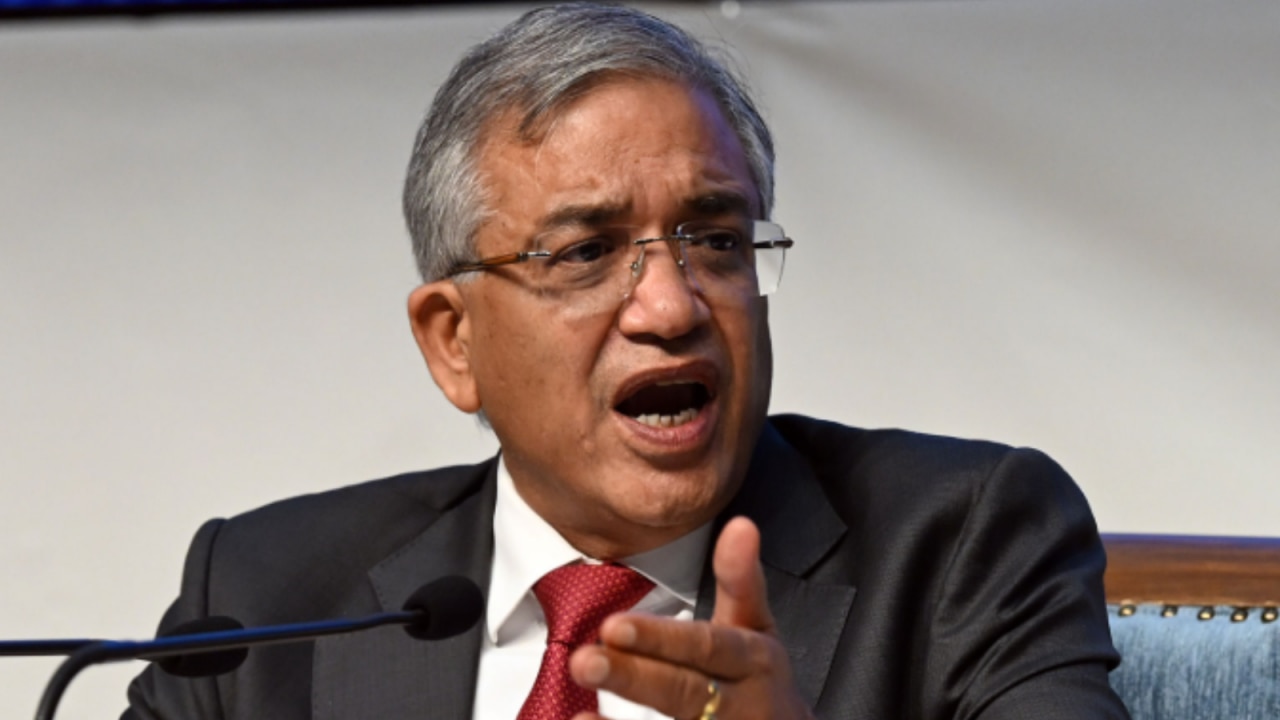 CEC Gyanesh Kumar gets additional CISF security amid SIR protests; Z+ cover unchanged
 Third Language Row: SC extends relaxation to Class 6 students, asks CBSE to grant exemption, here's what it means
 NEET PG 2026 Result Out: Check how to download scorecard from natboard.edu.in; Know category-wise cut-off and more
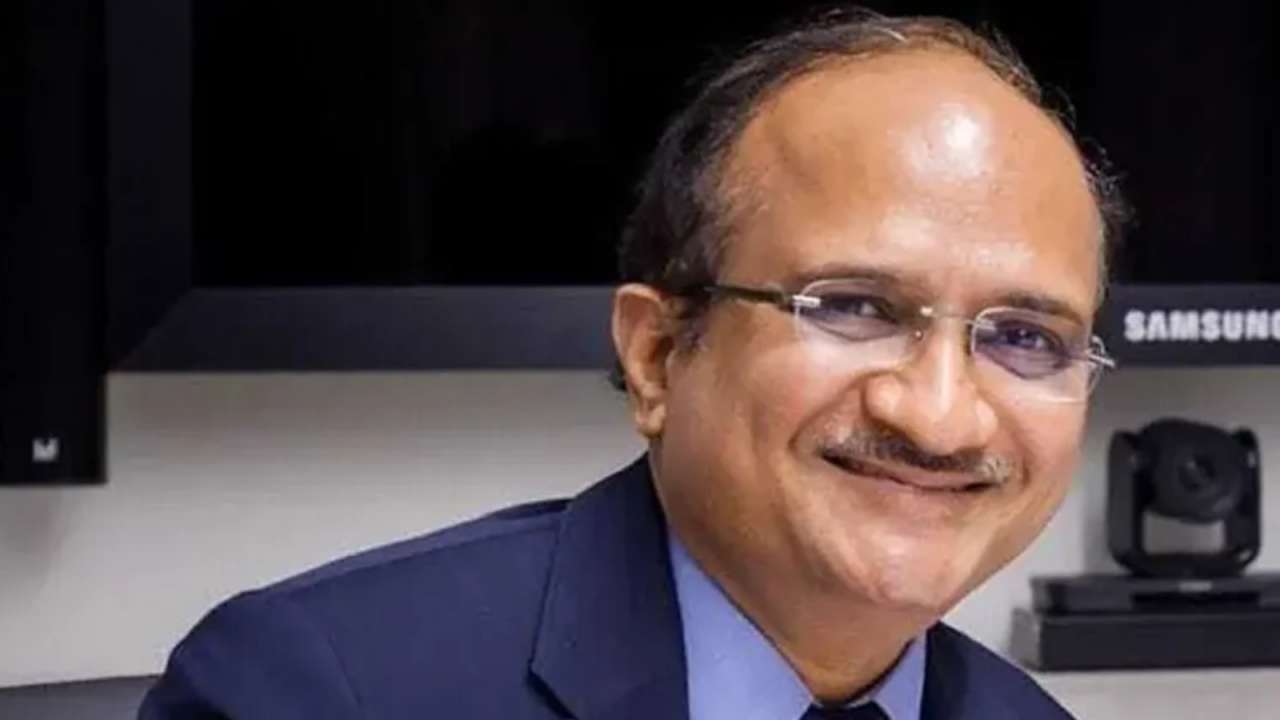 Five-year BTech programmes? Ex-IIT director makes proposals amid IIT suicide controversy
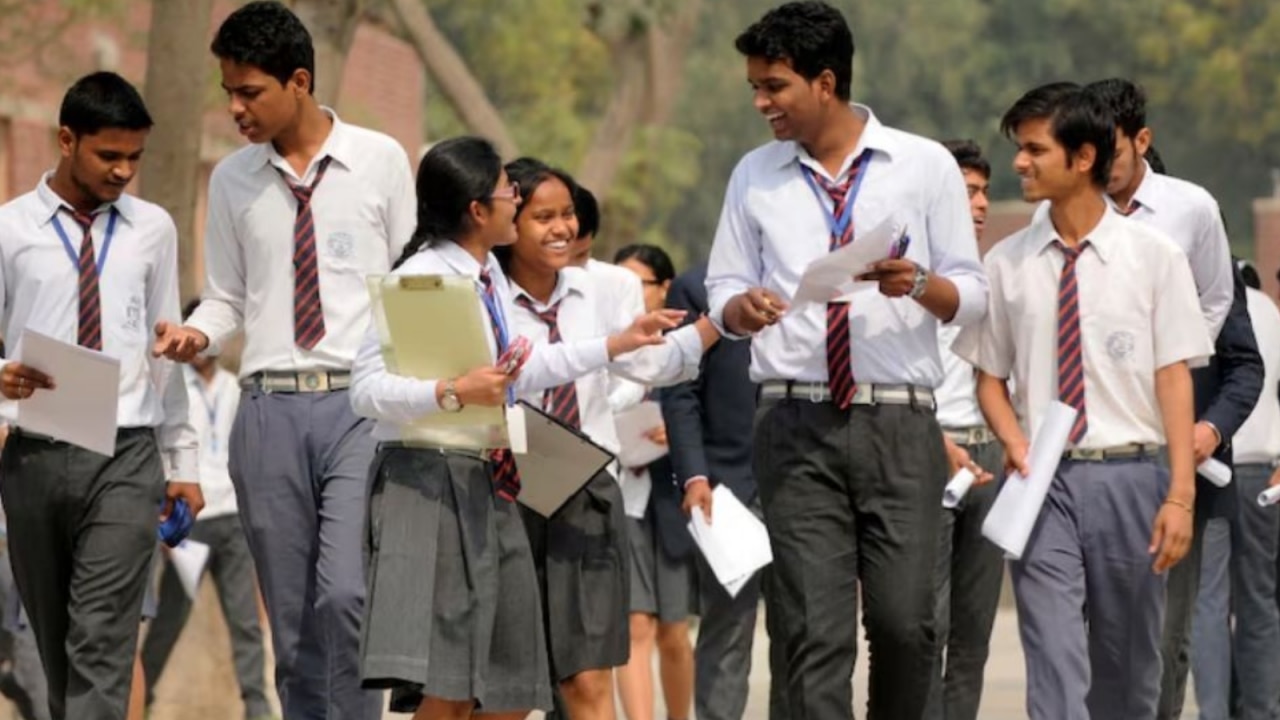 CBSE Date Sheet 2027: When will Class 10, 12 timetable be released? Check details here
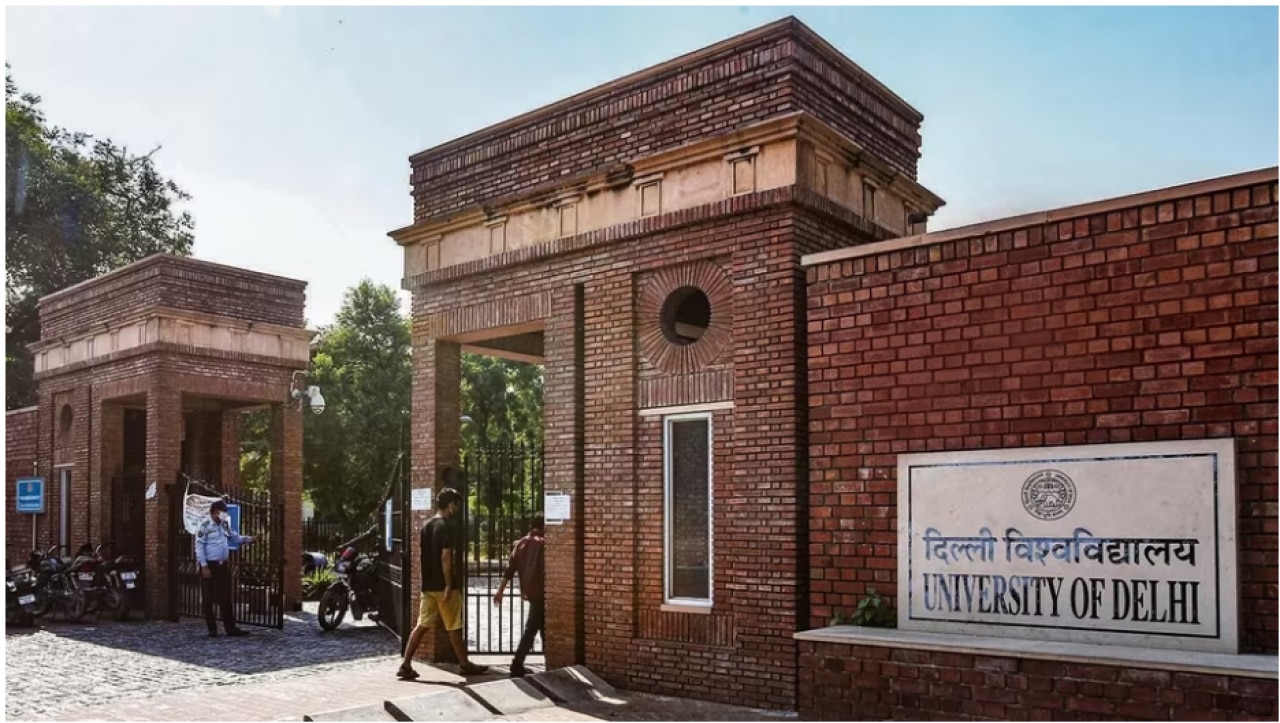 From Rs 150 in 1947 to powerful student body: The story of DUSU’s rise | Explained
 After Hyundai, Maruti Suzuki makes cars costlier ahead of festive season: Check new prices after hike
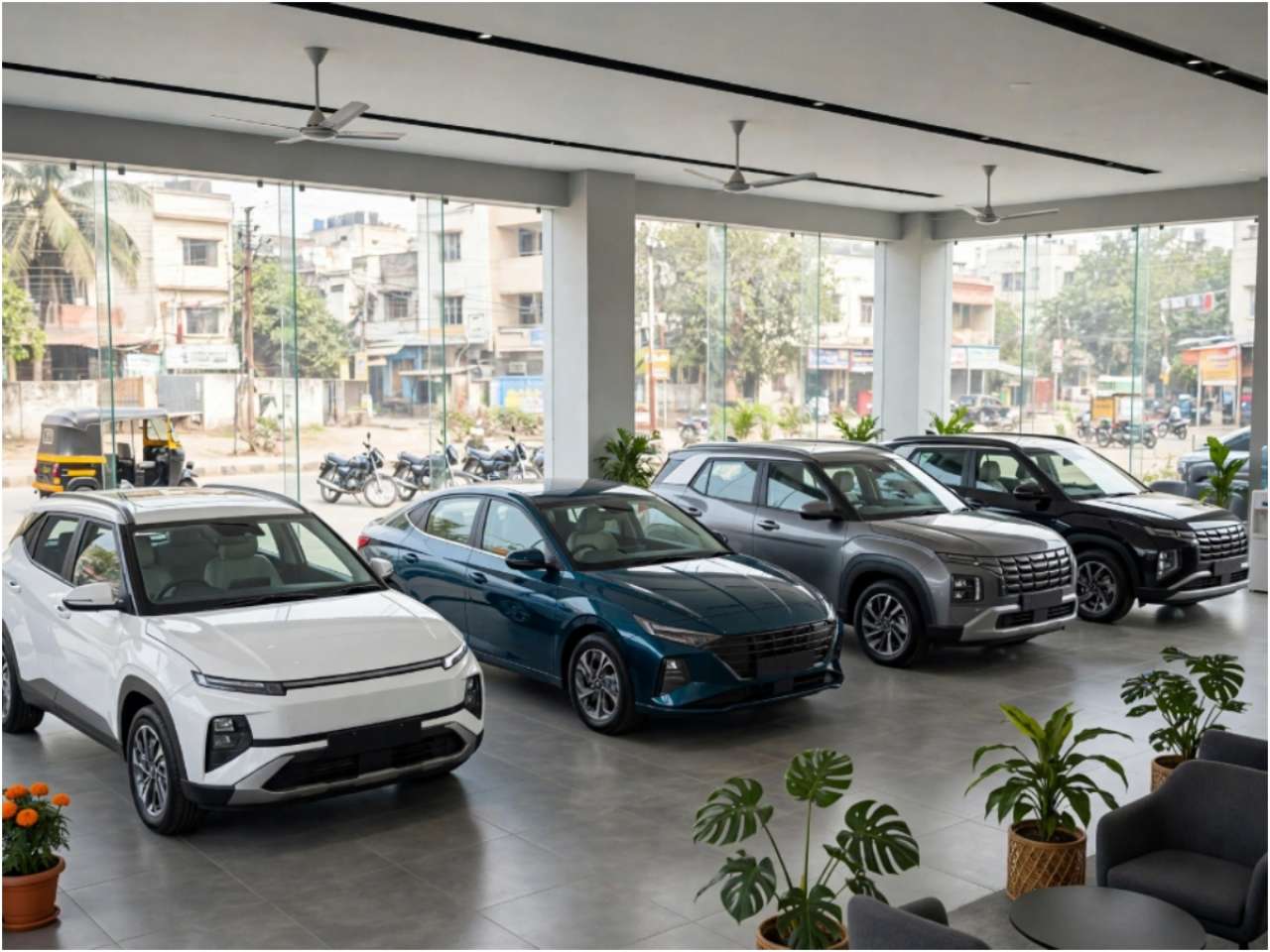 Hyundai cars to get costlier from September: Check new prices and reason behind hike
 Why can't consumers choose pure petrol or E10? Centre explains why E20 is now the standard fuel
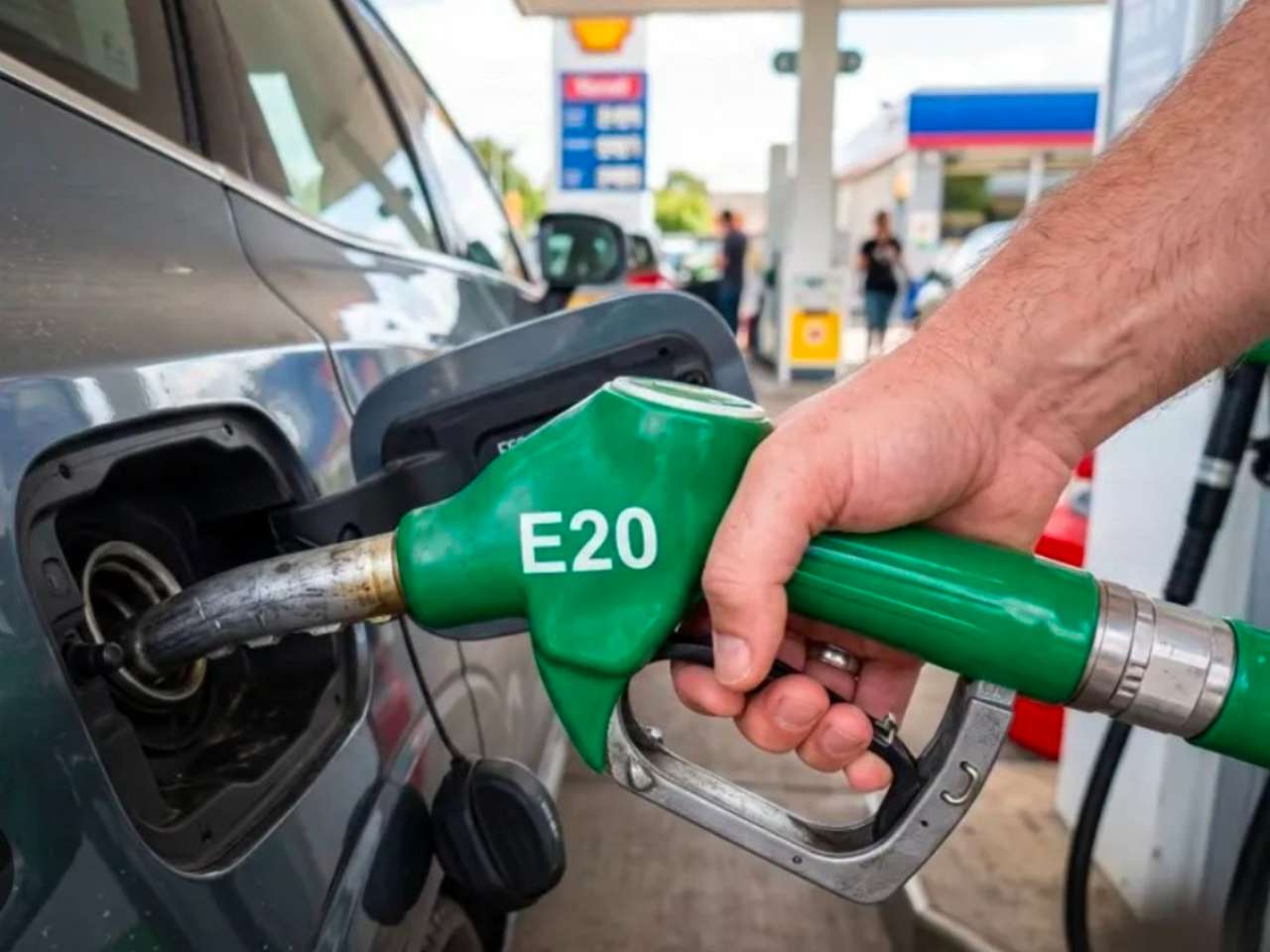 Centre claims E20 fuel does not damage engines, cites data from Maruti Suzuki and Hero MotoCorp
 Maruti WagonR Flex Fuel: What’s price of India’s first ethanol car? Specs, mileage, and top features explained
VIRAL
The post has sparked a lively debate, with users sharing diverse perspectives on the feasibility of these figures and the broader implications for financial and personal goals.

Updated : Nov 24, 2024, 05:31 PM IST
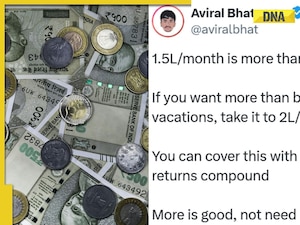



Aviral Bhatnagar's post on X (formerly Twitter) has ignited a spirited discussion about the ideal income for a comfortable lifestyle in India. The post, which quickly gained traction, presents a thought-provoking perspective on financial planning and aspirations.
In his tweet, Aviral, an alumnus of IIT Bombay and IIM Bangalore, stated that a monthly expense of ₹1.5 lakh is sufficient to live comfortably anywhere in India. For those seeking additional luxuries like foreign vacations, he suggested raising the figure to ₹2 lakh per month. He further explained that such expenses could be sustainably managed with a corpus of approximately ₹4.8 crore, withdrawing 5% annually while letting the rest compound over time.
1.5L/month is more than enough to live well anywhere in India
— Aviral Bhatnagar (@aviralbhat) November 23, 2024
If you want more than being in the top 1% and add luxuries like foreign vacations, take it to 2L/month
You can cover this with 5% each year on a ~4.8Cr corpus, the remaining returns compound
More is good, not need
He wrote, 1.5L/month is more than enough to live well anywhere in India If you want more than being in the top 1% and add luxuries like foreign vacations, take it to 2L/month You can cover this with 5% each year on a ~4.8Cr corpus, the remaining returns compound More is good, not need." In another X thread, he added, "For those who didn't follow, these are expenses and not income The question of pre-tax/post-tax is irrelevant On the ambition to earn more, please feel free to aspire - though if money is your only ambition you're almost always not going to get it."
Aviral later clarified that his calculations referred to monthly expenses, not income, and pointed out that the distinction between pre-tax and post-tax earnings is irrelevant in this context.
The post has sparked a lively debate, with users sharing diverse perspectives on the feasibility of these figures and the broader implications for financial and personal goals.