 US: 3 children, teacher killed in Oregon elementary school shooting; gunmen shot dead
 Gold, Silver prices today, October 16, 2026: Check city-wise rates in Delhi, Mumbai, Chennai, Kolkata and more
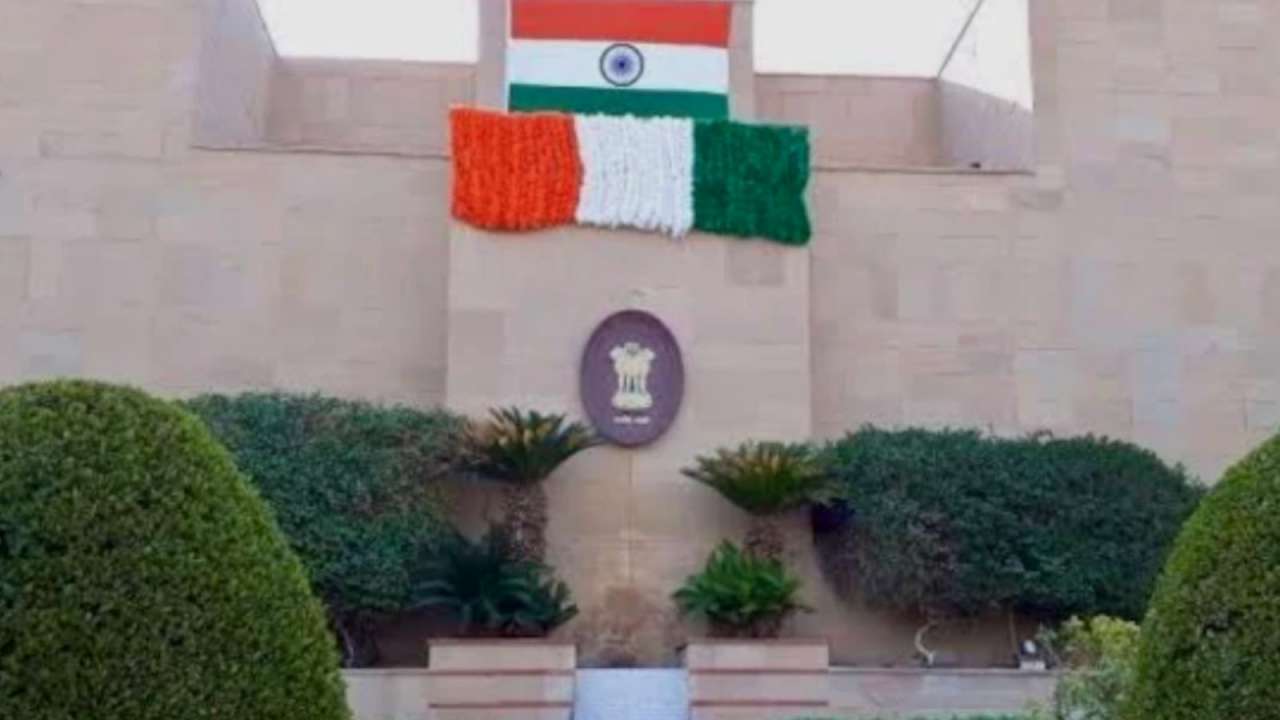 Saudi Arabia Attacks: Indian Embassy issues advisory, urges citizens to stay alert
 Viral video: Yash defends Ranbir Kapoor against trolls for playing Lord Rama in Ramayana, calls him 'most honest' actor: 'God has given us the opportunity'
 SEBI Revises Closing Auction Session Rules: What changes from December 7?
 WATCH: PM Narendra Modi’s '15-year-olds' remark prompts priceless reaction from Vaibhav Sooryavanshi
 Sanju Samson sounds alarm on India's bowling crisis, makes huge admission on Jasprit Bumrah
 Watch: West Indies coach Darren Sammy wins hearts with gesture towards differently-abled fan
 PM Narendra Modi meets India’s Asian Games 2026 stars after 85-medal haul, congratulates champions
 Were Sachin Tendulkar, Gautam Gambhir, Yuvraj Singh pushed out of Team India? Former selector drops massive bombshellViral video: Yash defends Ranbir Kapoor against trolls for playing Lord Rama in Ramayana, calls him 'most honest' actor: 'God has given us the opportunity'
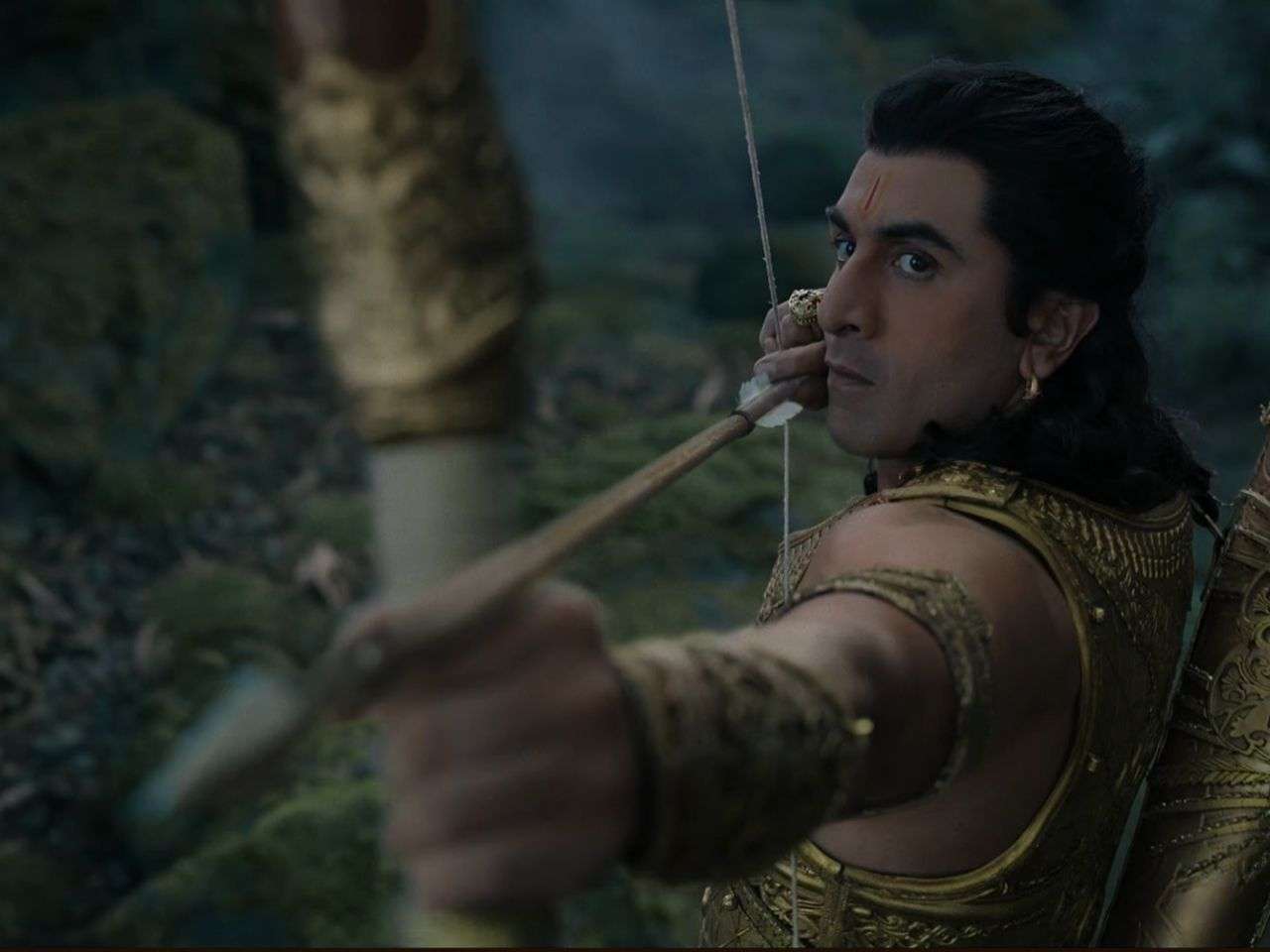 Ramayana: Ranbir Kapoor makes big statement, admits 'I don't deserve' to play Lord Rama, confesses what convinced him for film
 Ramayana: New trailer gives extended glimpses of Jatadhari Yash becoming ruthless Raavana, Ranbir's Ram battling mega monsters on rannbhoomi, fans react
 Prahaar Movie Review: Rajkummar Rao Streaks Into A Gripping Story Of Justice Beyond 26/11
 Imran Khan offered Rs 15 lakh to post against Modi govt? Know truth behind claim
 CJP Protest: Mumbai Police Issues Notice To Actor Imran Khan To Leave India By October 28
 CJP Protest: Rahul Gandhi Accuses Delhi Police Of Beating Youngsters At Protest | Jantar Mantar
 CJP Protest: Congress Rahul Gandhi Backs CJP Leaders Jailed For Tresspassing At Jantar Mantar
 Delhi Protest: Delhi High Court Bench To Hear Pleas On Protest Regulation & Jantar Mantar Ban
 Pakistan News: 5 Killed, 30 Injured As Rehman Baba Express Derails Near Multan In PakistanGold, Silver prices today, October 16, 2026: Check city-wise rates in Delhi, Mumbai, Chennai, Kolkata and moreSEBI Revises Closing Auction Session Rules: What changes from December 7?
 Jio IPO: How Rs 30,213-crore issue could impact Mukesh Ambani's Reliance Jio, India’s digital ecosystem
 India-New Zealand FTA from Oct 20, Canada trade deal by year-end; What it means for exporters
 Gold, Silver prices today, October 15, 2026: Check city-wise rates in Delhi, Mumbai, Chennai, Kolkata and more
 Navratri Day 4: From Shraddha Kapoor, Kriti Sanon, Sanya Malhotra, actresses who embody goddess in blue outfits
 Navratri 2026: From Alia Bhatt to Sara Ali Khan, Shraddha Kapoor, take inspiration from Bollywood actresses to stun everyone in white
 Ranbir Kapoor-Sai Pallavi, Yami Gautam-Addinath Kothare, Rajkummar Rao-Wamiqa Gabbi: 5 fresh on-screen jodis to watch out for in 2026
 OTT Releases This Week (October 5-11): Awarapan 2, Khalifa, Mandaadi; new India movies, shows to watch on Netflix, Prime Video
 OTT Releases This Week (Sept 28 - Oct 4): Dupahiya 2, Pooja Meri Jaan; new movies and shows to watch this Gandhi Jayanti weekend
 Delhi Ramleela to burn 30-foot Cockroach effigy alongside Ravan
 Connaught Place central park closed Oct 16-17 ahead of CJP's Tiranga rally, Delhi Police urges citizens to stay away
 Special Summary Revision of electoral rolls in 17 states, ECI takes big step after SIR
 Fire breaks out after boiler blast at Chhatral GIDC, four dead in Gujarat factory
 Explosion at fire cracker factory in Varanasi, many feared trapped under debris
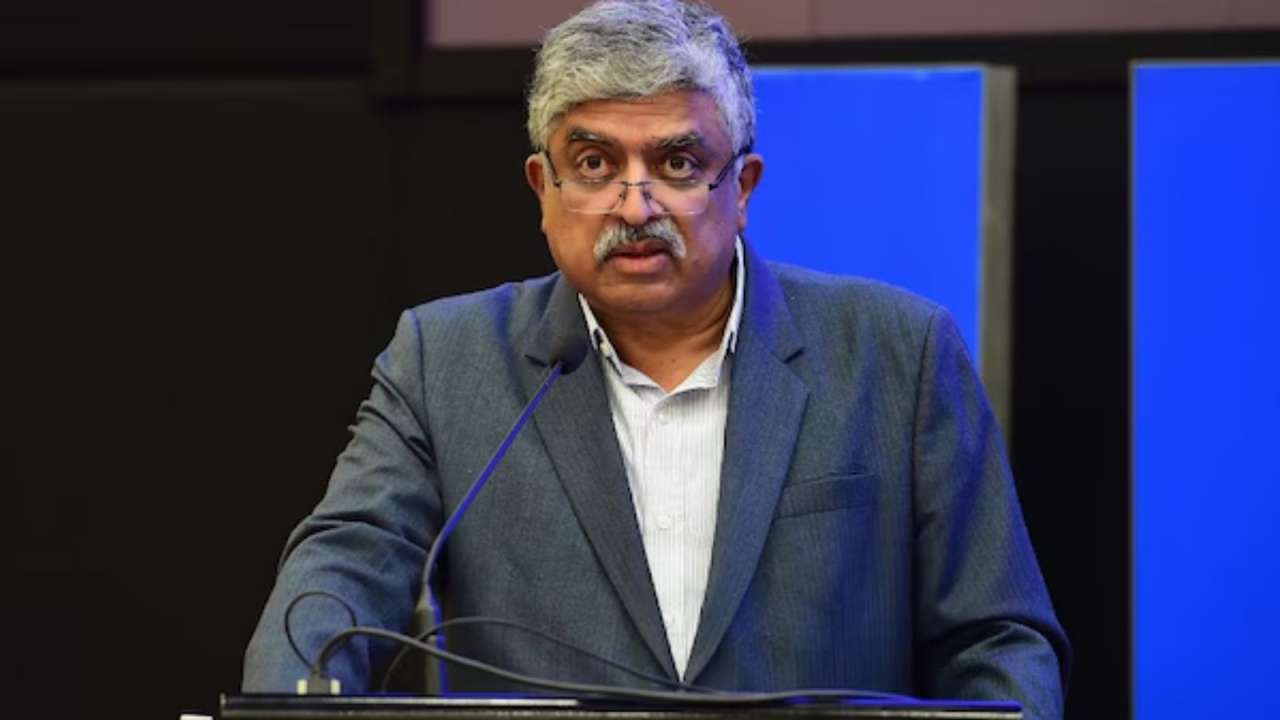 AI-generated question papers for NEET? Nandan Nilekani proposes novel idea for stopping paper leak
 Third Language Row: SC extends relaxation to Class 6 students, asks CBSE to grant exemption, here's what it means
 NEET PG 2026 Result Out: Check how to download scorecard from natboard.edu.in; Know category-wise cut-off and more
 Five-year BTech programmes? Ex-IIT director makes proposals amid IIT suicide controversy
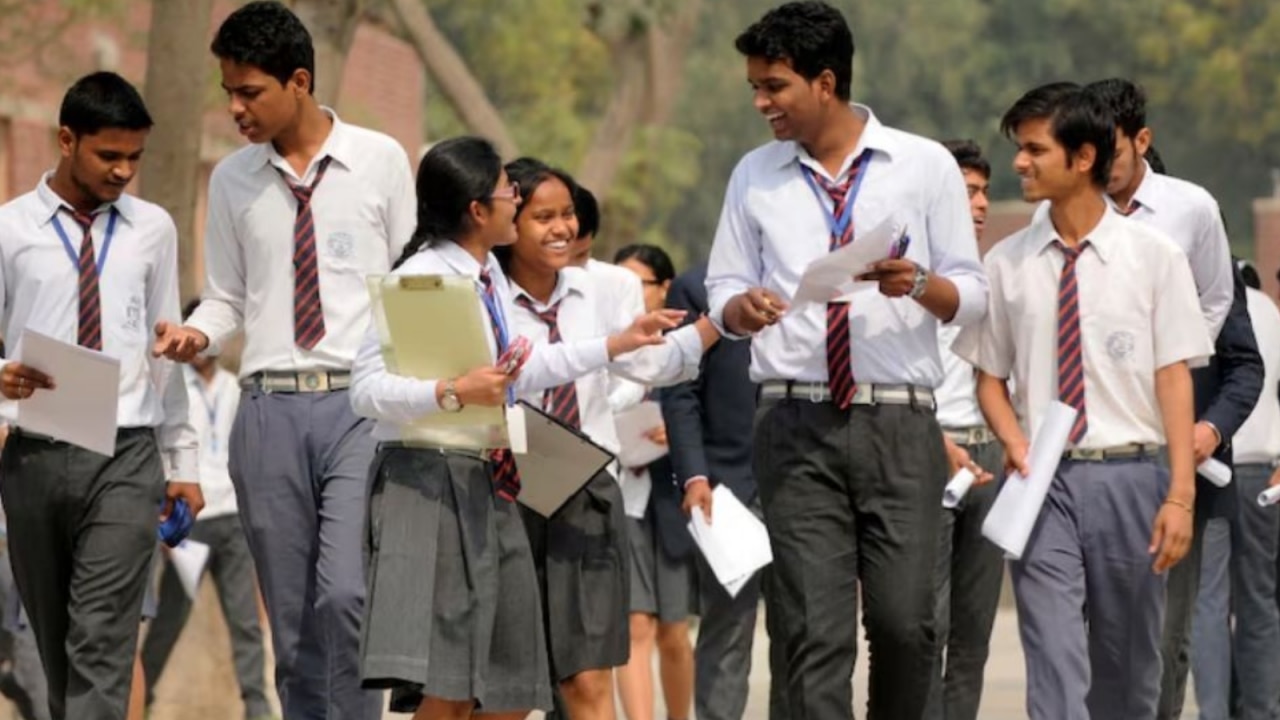 CBSE Date Sheet 2027: When will Class 10, 12 timetable be released? Check details here
 After Hyundai, Maruti Suzuki makes cars costlier ahead of festive season: Check new prices after hike
 Hyundai cars to get costlier from September: Check new prices and reason behind hike
 Why can't consumers choose pure petrol or E10? Centre explains why E20 is now the standard fuel
 Centre claims E20 fuel does not damage engines, cites data from Maruti Suzuki and Hero MotoCorp
 Maruti WagonR Flex Fuel: What’s price of India’s first ethanol car? Specs, mileage, and top features explained
VIRAL
NASA’s study on mice in space reveals how microgravity weakens bones, highlighting risks for astronauts and solutions for future missions.

Updated : Apr 01, 2025, 06:23 AM IST




Long-duration space travel has a significant impact on human health, as seen in Crew-9 astronauts, including Sunita Williams, who recently returned to Earth after nine months in space. NASA has been studying these effects, focusing particularly on bone loss caused by weightlessness. A new study on mice sent to the International Space Station (ISS) has revealed crucial insights about how microgravity weakens bones, helping scientists develop ways to protect astronauts on long missions.
What Did NASA Find?
NASA’s study, conducted as part of the Rodent Research-1 experiment, observed mice living in space for 37 days. Researchers found key differences in how bones reacted to weightlessness:
Weight-Bearing vs. Non-Weight-Bearing Bones: The femur (thigh bone), which normally supports body weight, lost significant bone density. In contrast, the spine, which relies more on muscle activity than gravity, showed little to no loss. This proves that mechanical stress—caused by gravity—is crucial for bone health.
Premature Aging in Bones: The study also found that microgravity speeds up ossification, a process where cartilage turns into bone. In young animals, this could lead to stunted growth, an issue that may also affect young astronauts in the future.
Impact of Physical Activity: Not all mice suffered the same bone loss. Those housed in NASA’s ISS Rodent Habitat, which included a 3D wire-mesh surface allowing them to climb and stay active, maintained or even gained bone mass. Meanwhile, mice in standard cages lost a significant amount of bone. This suggests that physical movement, even in microgravity, plays a major role in maintaining bone strength.
Why Is This Study Important?
Space-induced bone loss is similar to osteoporosis but occurs much faster—up to ten times the rate seen on Earth. Astronauts on six-month missions can lose nearly 10% of their bone mass, increasing the risk of fractures.
The study confirms that the primary cause of this bone loss is microgravity, not space radiation, as bones in the spine remained mostly unaffected. Scientists now emphasize the need for improved exercise equipment and innovative spacecraft habitats that mimic mechanical stress on bones.
These findings are crucial for future Mars missions, where astronauts will spend months or even years in space. Without proper bone protection, they could suffer serious health issues that might affect their ability to complete missions safely.
This research reinforces an important fact: bones need resistance—whether from gravity, exercise, or specialized habitats—to stay strong. As NASA and other space agencies work on sending humans further into space, such studies will help develop better ways to protect astronauts, ensuring their safety and health on long-duration missions.