 US announcements pertaining to PERM and proposed changes to OPT rules
 Raghav Reddy talks about building a career in Hollywood from scratch; says, 'People helped me when I was starting, I believe in passing that help forward'
 Neha Bora with Rahul Gandhi: Is AISA leader set to become another Kanhaiya Kumar?
 Shubman Gill clinches historic fifth 'ICC Player of the Month' award, Shafali Verma triumphs after Asian Games
 IndiGo suspends flights to Riyadh, Jeddah, Dammam and Madinah in Saudi Arabia till Oct 17, here's whyShubman Gill clinches historic fifth 'ICC Player of the Month' award, Shafali Verma triumphs after Asian Games
 Virat Kohli on LinkedIn pitch ahead of World Cup 2027, shares insights on sportswear brand
 Will Vaibhav Sooryavanshi play last T20I of West Indies series? Gautam Gambhir, Shreyas Iyer get big appeal
 Will match venue change for India vs Sri Lanka 1st ODI from Delhi to Ahmedabad? BCCI finally breaks silence
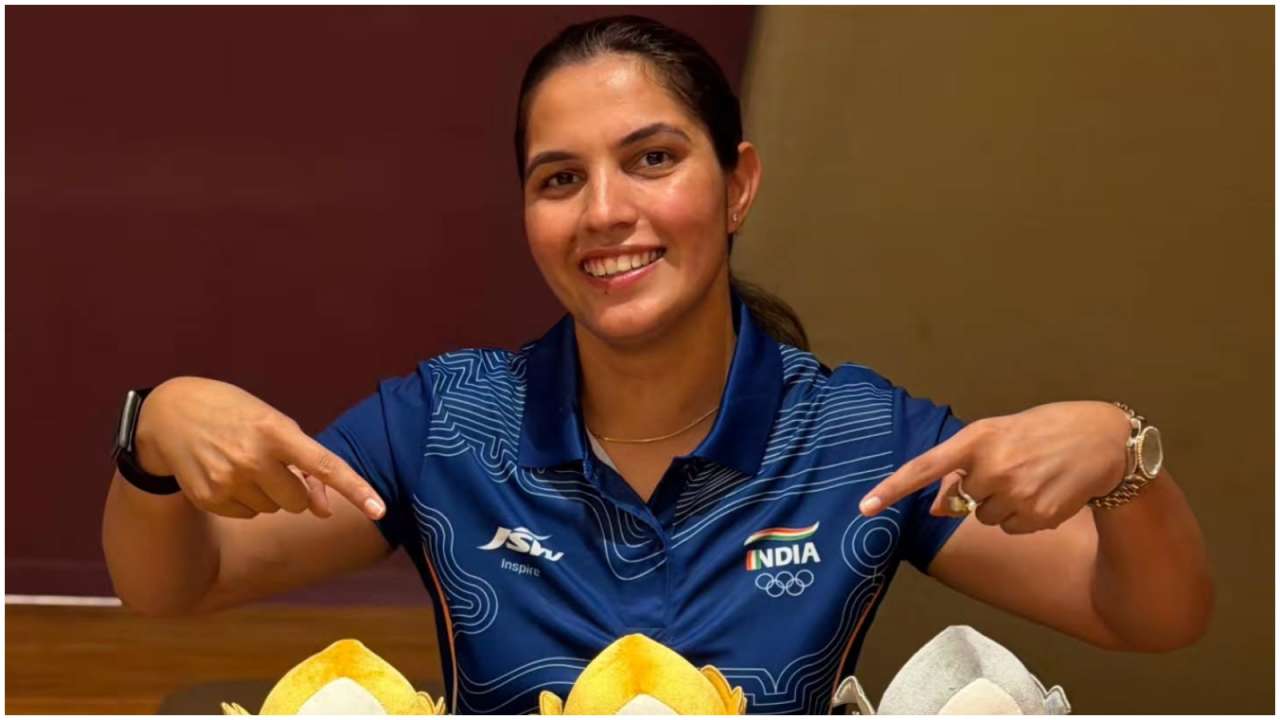 Why Neeru Dhanda chose to dedicate her Asian Games medals to Indian Army?
 Is Alia Bhatt's role in Tumbbad 2 connected to Hastar? Sohum Shah drops major hint as first film marks 8 years
 Drishyam 3 box office collection day 11: Ajay Devgn film becomes his first movie to earn Rs 100 crore overseas
 Rashmika, Vijay Deverakonda praise CM Thalapathy Vijay after special meet ahead of 'Ranabaali' release
 'Imran Khan is attempting to create anarchy': BJP Kirit Somaiya demands immediate arrest of Aamir Khan's nephew, alleges their Pakistani connection
 Maha Devi Adishakti trailer: After Mahavatar Narsimha, Maa Durga vs Mahishasura's epic battle gets adapted into 'impressive' animation flick, netizens react
 CJP Protest: Delhi Police Detains CJP Spokespersons Saurav Das And Ashutosh Ranka At Jantar Mantar
 CJP Protest: 2 FIRs Filed Over INDIA Bloc Leaders March In Delhi; SC To Hear Protesters Plea
 CJP Protest: 'Jantar Mantar De-Notified'; Govt Replaces Historic Protest Site With 3 New Venues
 CEC Resignation Row: Rahul Gandhi Announces Supreme Court Plea Over Voter Roll Fraud
 Saudi Houthi War: Saudi Coalition Releases CCTV Of Deadly Houthi Strike On Riyadh Airport
 UPI payment charges postponed till Diwali, what does it mean for shops, merchants and customers?
 Retail inflation rises to 5.54% in September: Experts warn of pressure on purchasing power, expect more RBI rate hikes
 Gold, Silver prices today, October 10, 2026: Check city-wise rates in Delhi, Mumbai, Chennai, Kolkata and more
 Reliance Jio IPO: Price Band likely at Rs 1065-1119 per share, issue may open on October 21; check details
 How to bypass H-1 B visa restrictions? Can Indian professionals use L-1 and O-1 visas as alternative routes to enter US?
 Navratri 2026: From Alia Bhatt to Sara Ali Khan, Shraddha Kapoor, take inspiration from Bollywood actresses to stun everyone in white
 Ranbir Kapoor-Sai Pallavi, Yami Gautam-Addinath Kothare, Rajkummar Rao-Wamiqa Gabbi: 5 fresh on-screen jodis to watch out for in 2026
 OTT Releases This Week (October 5-11): Awarapan 2, Khalifa, Mandaadi; new India movies, shows to watch on Netflix, Prime Video
 OTT Releases This Week (Sept 28 - Oct 4): Dupahiya 2, Pooja Meri Jaan; new movies and shows to watch this Gandhi Jayanti weekend
 From Neeti Mohan, Heer, Sarthak Kalyani; Ahead of Sa Re Ga Ma Pa, 5 musical geniuses championed by AR Rahman
 Delhi Police asks for extension of deployment for 27,000 CAPF jawans as protests may continue
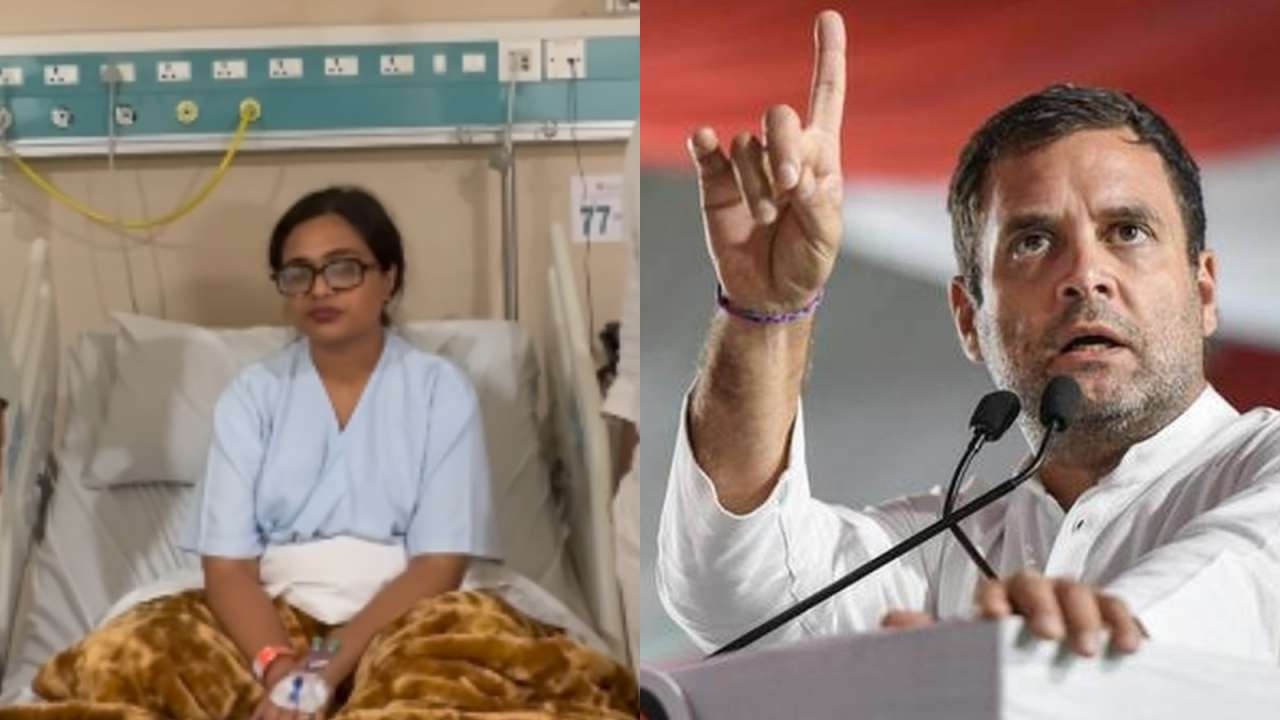 Did Rahul Gandhi push pregnant journalist? Congress calls it propaganda, cooked up by BJP
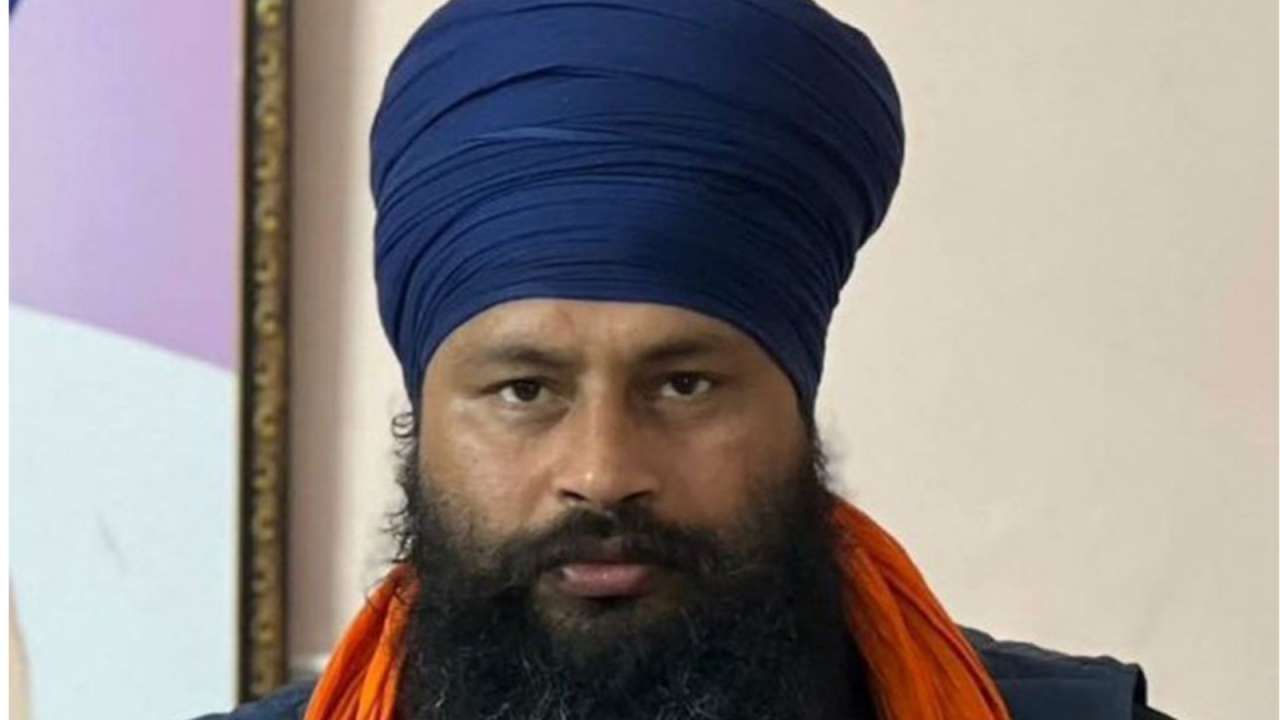 Who was Parvinder Singh Jhota? Punjab anti-drug activist shot dead during Facebook Live, know what exactly happened
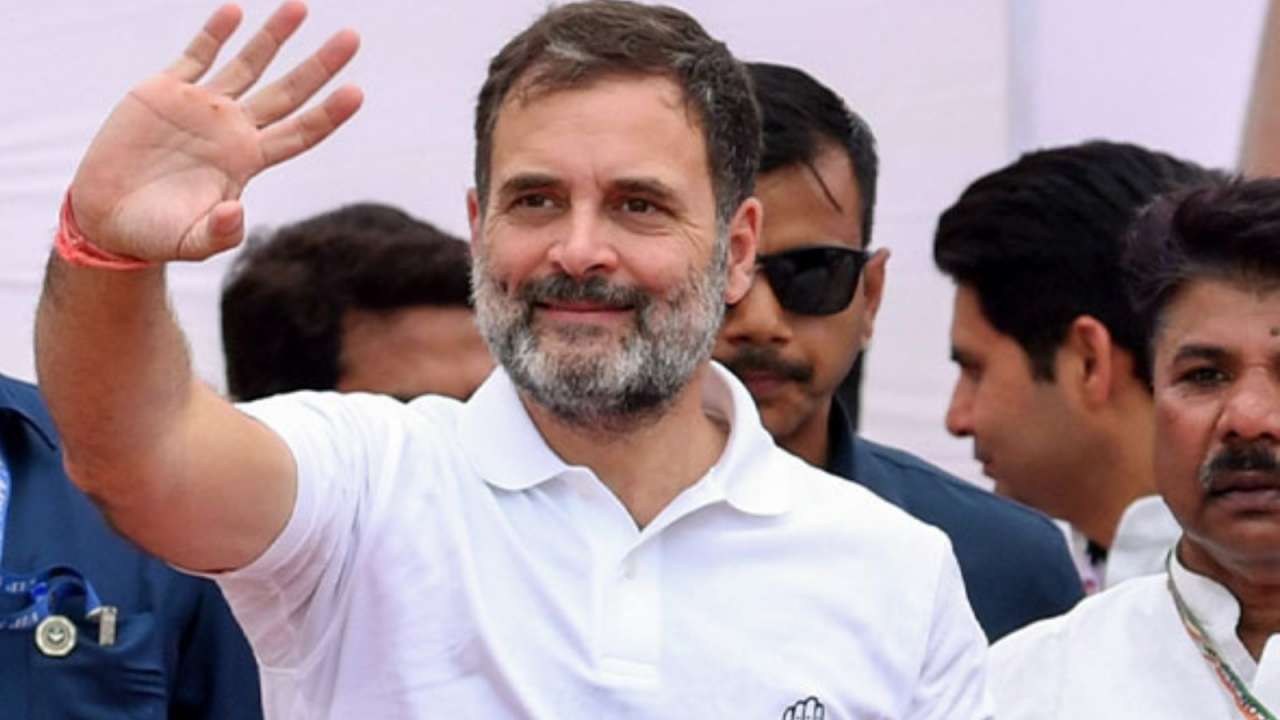 SC stays trial against Rahul Gandhi over remarks on PM Modi in Rafale case
 INDIA Bloc Protest: Police files 4 FIRs over violation of BNSS section 163 restrictions in Central Delhi
 Third Language Row: SC extends relaxation to Class 6 students, asks CBSE to grant exemption, here's what it means
 NEET PG 2026 Result Out: Check how to download scorecard from natboard.edu.in; Know category-wise cut-off and more
 Five-year BTech programmes? Ex-IIT director makes proposals amid IIT suicide controversy
 CBSE Date Sheet 2027: When will Class 10, 12 timetable be released? Check details here
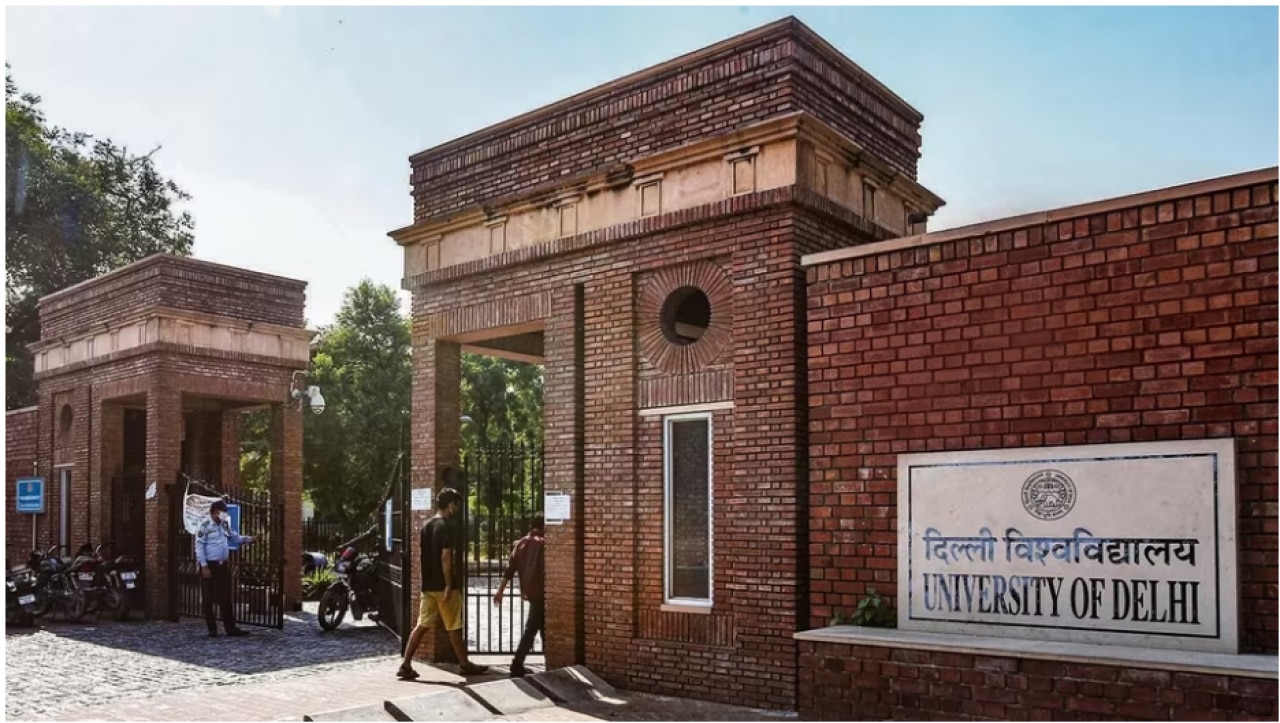 From Rs 150 in 1947 to powerful student body: The story of DUSU’s rise | Explained
 After Hyundai, Maruti Suzuki makes cars costlier ahead of festive season: Check new prices after hike
 Hyundai cars to get costlier from September: Check new prices and reason behind hike
 Why can't consumers choose pure petrol or E10? Centre explains why E20 is now the standard fuel
 Centre claims E20 fuel does not damage engines, cites data from Maruti Suzuki and Hero MotoCorp
 Maruti WagonR Flex Fuel: What’s price of India’s first ethanol car? Specs, mileage, and top features explained
TECHNOLOGY

Updated : Mar 11, 2018, 06:44 AM IST



ElectRx is blurring the line between reality and science fiction by exploring the process where in the human body can heal itself
Our body's peripheral nervous system is in charge of monitoring the status of internal organs and helps with the regulating of biological responses to infection, injury or anything else that may be seen as unwanted by us.
This brings up the possibility that many medical conditions that are difficult to deal with right now could be managed more effectively if we could precisely modulate the peripheral nervous system. This is exactly what DARPA or Defense Advanced Research Projects Agency of the United States government is working on with their Electrical Prescriptions (ElectRx) program which has the full support of United States president Barrack Obama.
“The technology DARPA plans to develop through the ElectRx program could fundamentally change the manner in which doctors diagnose, monitor and treat injury and illness,” said Doug Weber, DARPA program manager. “Instead of relying only on medication—we envision a closed-loop system that would work in concept like a tiny, intelligent pacemaker. It would continually assess conditions and provide stimulus patterns tailored to help maintain healthy organ function, helping patients get healthy and stay healthy using their body’s own systems.”
Started in support of Obama’s brain initiative, ElectRx which is pronounced “electrics” was created with the objective of creating new technology which will modulate nerve circuits and maintain human health.
It is also expected that with this project there should be a gain in understanding when it comes to specific neural circuits and thier role especially when those circuits are involved in things like the immune system. The knowledge to be gained can also help improve peripheral nerve stimulation treatments for brain disorders, such as epilepsy, traumatic brain injury (TBI), Post-Traumatic Stress Disorder (PTSD) and depression.
If DARPA is to achieve its goals for the program, innovative technologies for in vivo sensing and neural stimulation, including advanced biosensors and novel optical, acoustic and electromagnetic devices to achieve precise targeting of individual or small bundles of nerve fibers that control relevant organ functions will need to be developed.
Although implats for things like management of chronic inflammatory diseases and other disorders are already circling the medical world, and the market for neuromodulation devices is in a position of constant growth, they are chunky and usually require surgery that brings this whole range of side effects. The technology DARPA is aiming for will most likely be based on nanotechnology creating devices approximately the same size as individual nerve fibers, which would require only minimally invasive insertion procedures such as injectable delivery through a needle.
ElectRx is not an isolated project but is a part of a broader portfolio of programs within DARPA that support President Obama’s brain initiative.
These programs have been developed for the purpose of advancing the fundamental understanding of the brain’s dynamics to drive applications (Revolutionizing Prosthetics, Restorative Encoding Memory Integration Neural Device, Reorganization and Plasticity to Accelerate Injury Recovery, Enabling Stress Resistance), manufacture robust sensing systems for neurotechnology applications (Reliable Neutral Interface Technology) and analyze large data sets (Detection and Computational Analysis of Psychological Signals).