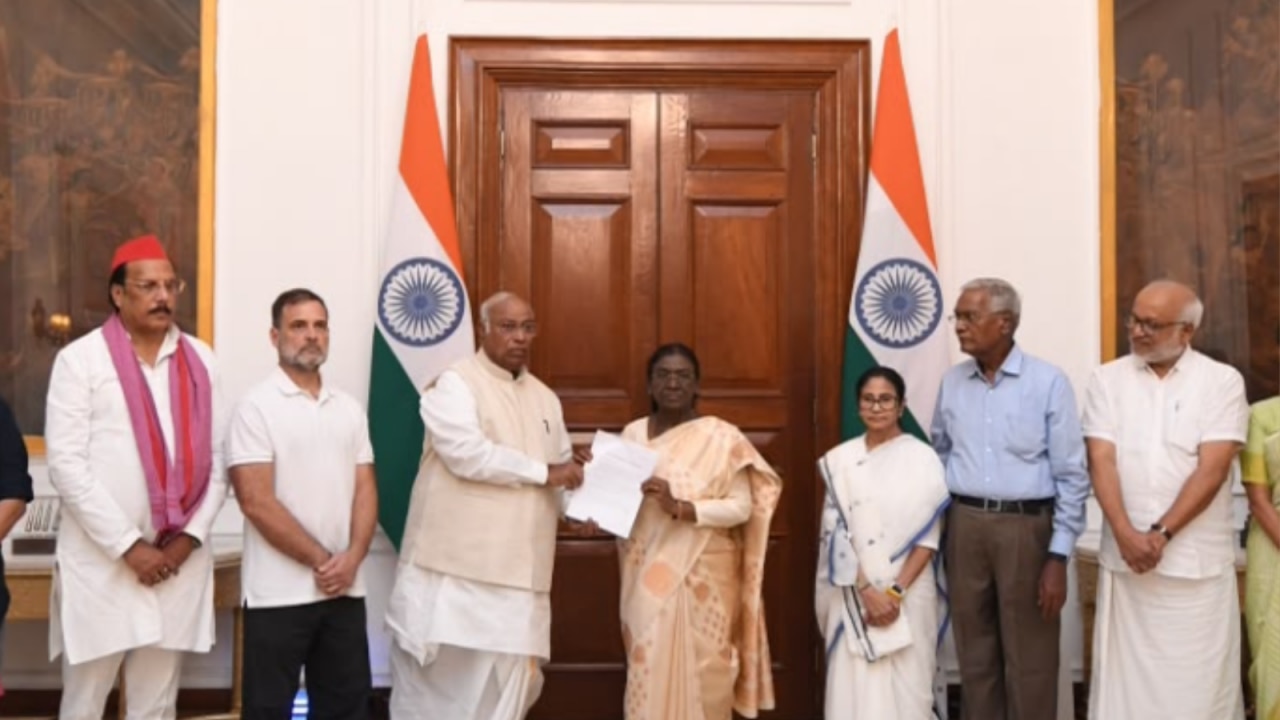
 Rahul Gandhi’s claims on President Murmu meeting ‘Incorrect’: Report
 ECI Caps Form-7 Applications amid SIR Row: What are new rules for voter deletion objections?
 Drishyam 3 box office collection day 8: Ajay Devgn film crosses Rs 250 crore in India, mints Rs 400 crore worldwide
 Elon Musk takes fresh swipe at Mukesh Ambani over Starlink’s India entry: ‘Dear Prime Minister’
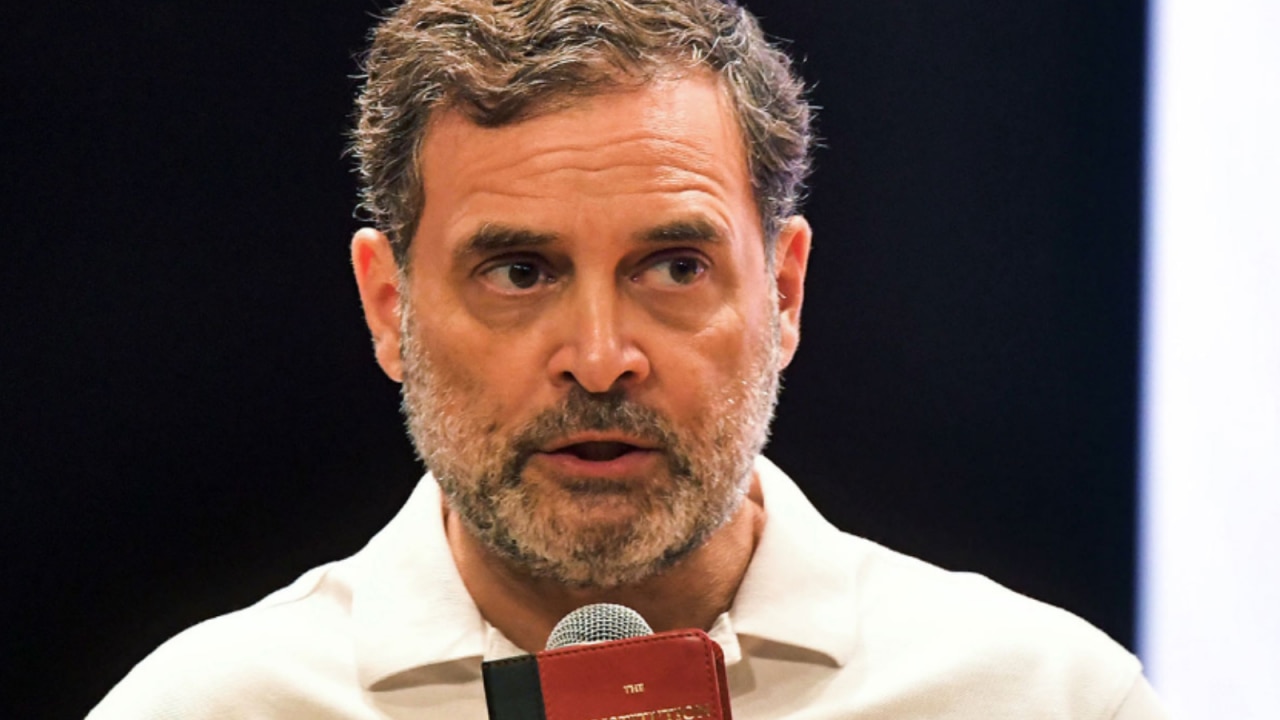 Rahul Gandhi on meeting President Murmu: INDIA Bloc to submit evidence of ‘vote chori’
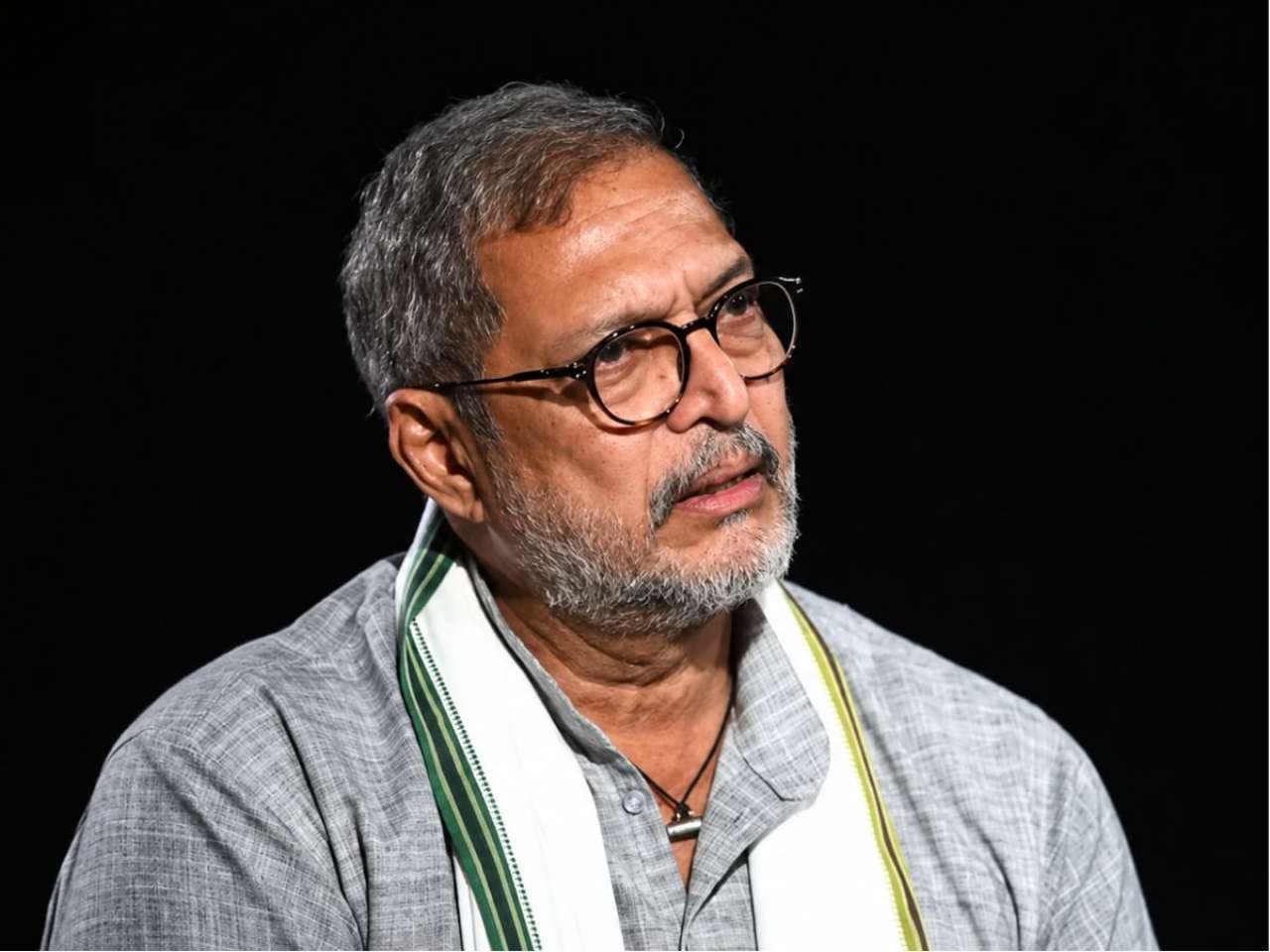 Which ex-Pakistan cricketer did Nana Patekar support after his mother’s death? Untold story revealed
 New Zealand suffer huge double injury blow ahead of India T20Is; full revised squad inside
 'Constant chopping, changing': Shane Watson questions Gautam Gambhir’s team stability, backs Sanju Samson's selection
 Pakistan withdraws from India-hosted Asian Hockey Champions Trophy 2026; Bangladesh replaces them
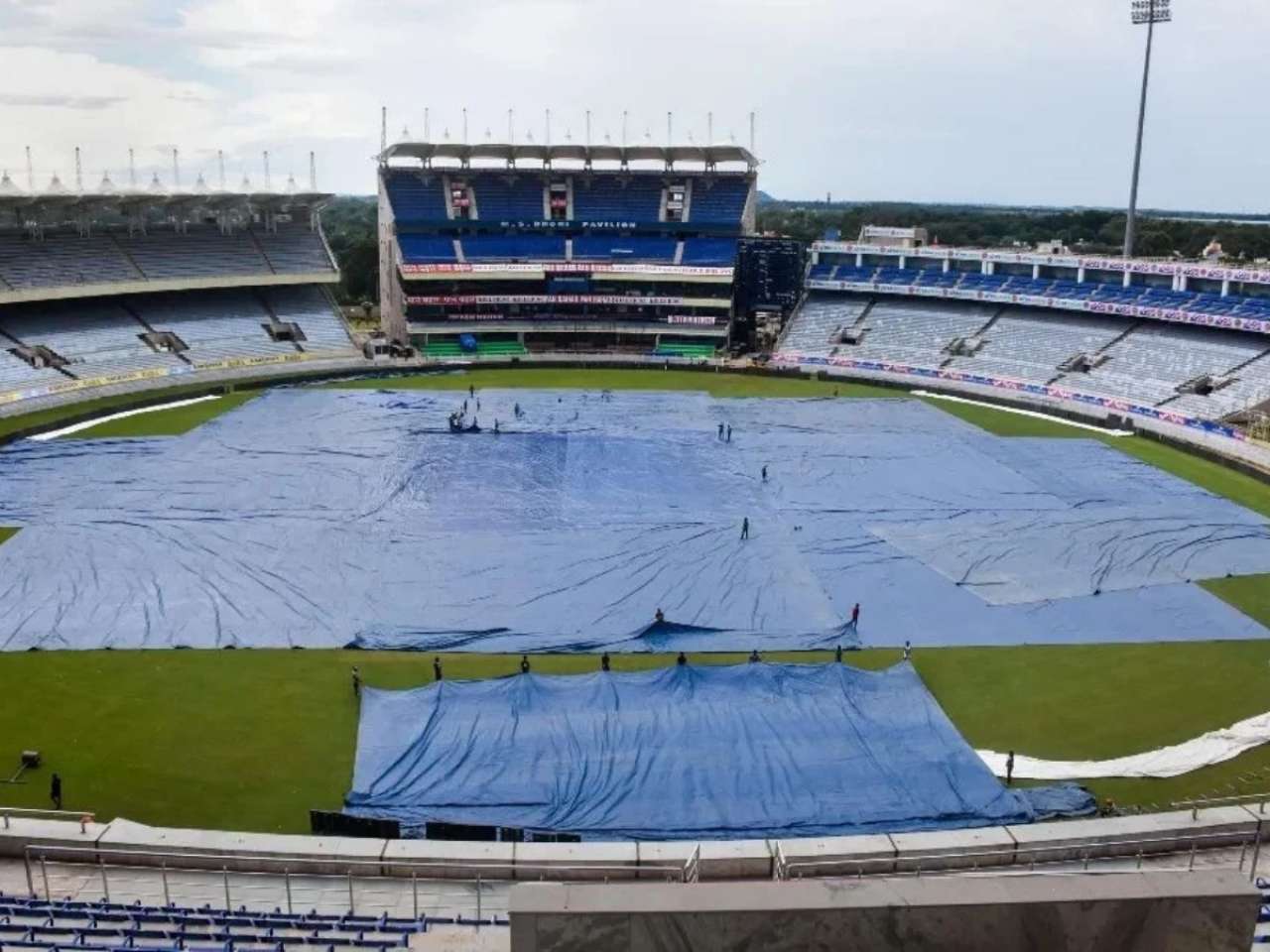 IND vs WI 2nd T20I: Will rain play spoilsport? Check Ranchi weather forecast, pitch report and live streaming detailsDrishyam 3 box office collection day 8: Ajay Devgn film crosses Rs 250 crore in India, mints Rs 400 crore worldwide
 Viral video: As Tanushree Dutta mocks Nana Patekar after his demise, Sona Mohapatra defends actress: 'Growing old doesn't make anyone...'
 Mrunal Thakur defends Katrina Kaif, Kriti Sanon amid postpartum, Rakhi ad trolling: 'People are crazy'
 Shefali Bagga ADMITS 'unknowingly' promoting Mahadev betting app, Bigg Boss 13 contestant surrenders Rs 1.20 crore to ED
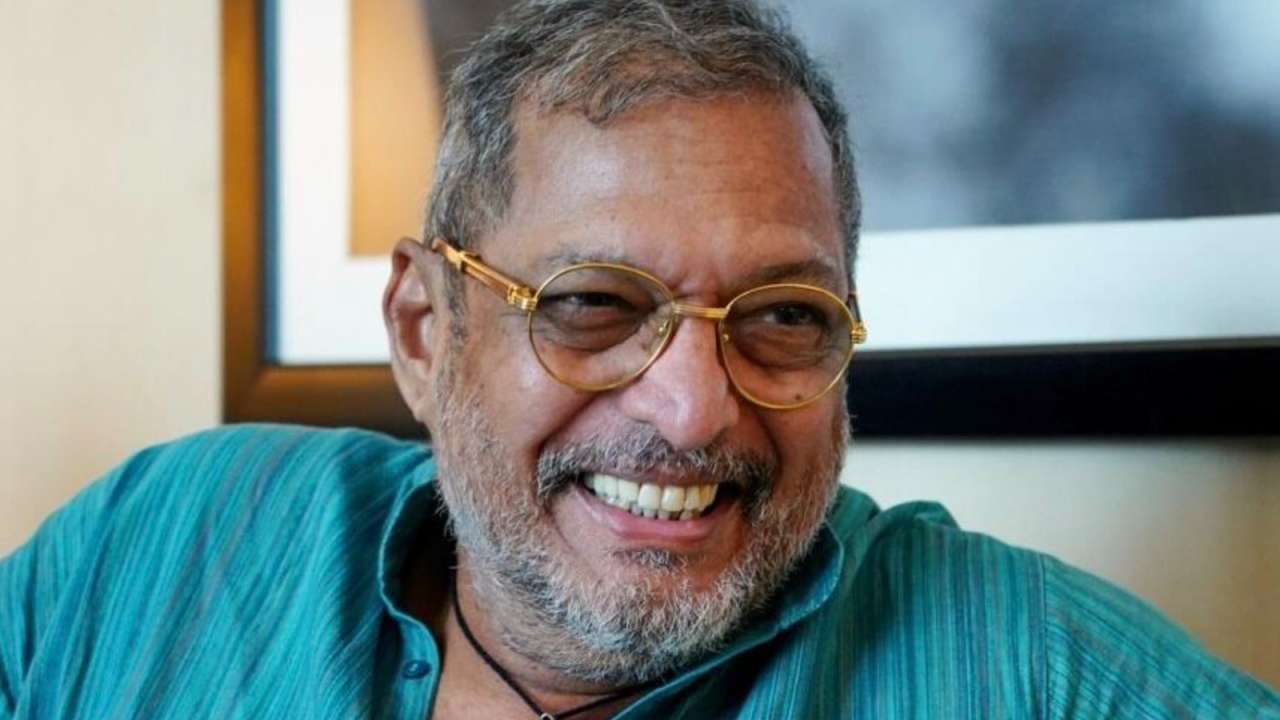 Which Nana Patekar film was rejected by Sridevi, Kajol? Distributors also backed out, yet it became superhit and won National Award
 Saudi Houthi War: India Issues Urgent Advisory To Citizens In Saudi After Riyadh Airport Attack
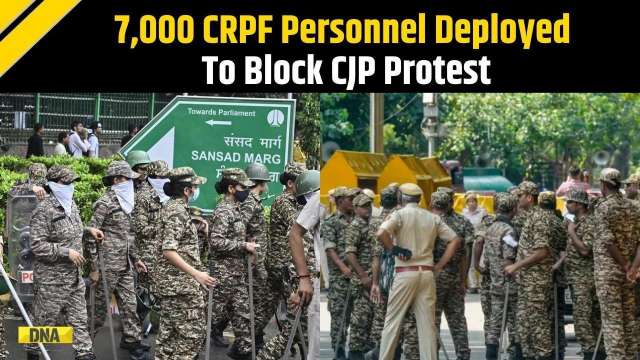 CJP Protest: 7,000 CRPF Personnel Rushed To Capital Ahead Of CJP's Oct 10 March
 CJP News: Delhi CAPF Deployment Raised To 26,000 Ahead Of CJP October 10 Protest
 CJP Protest: In Bengaluru Dhruv Rathee, Prakash Raj Join Anti-SIR Demonstration
 Flydubai Flight News:'Revenge For Gaza'; Flydubai Co-Pilot Hamam Al-Hammami Confesses To Terror Plot
 Reliance Jio IPO: Price Band likely at Rs 1065-1119 per share, issue may open on October 21; check details
 How to bypass H-1 B visa restrictions? Can Indian professionals use L-1 and O-1 visas as alternative routes to enter US?
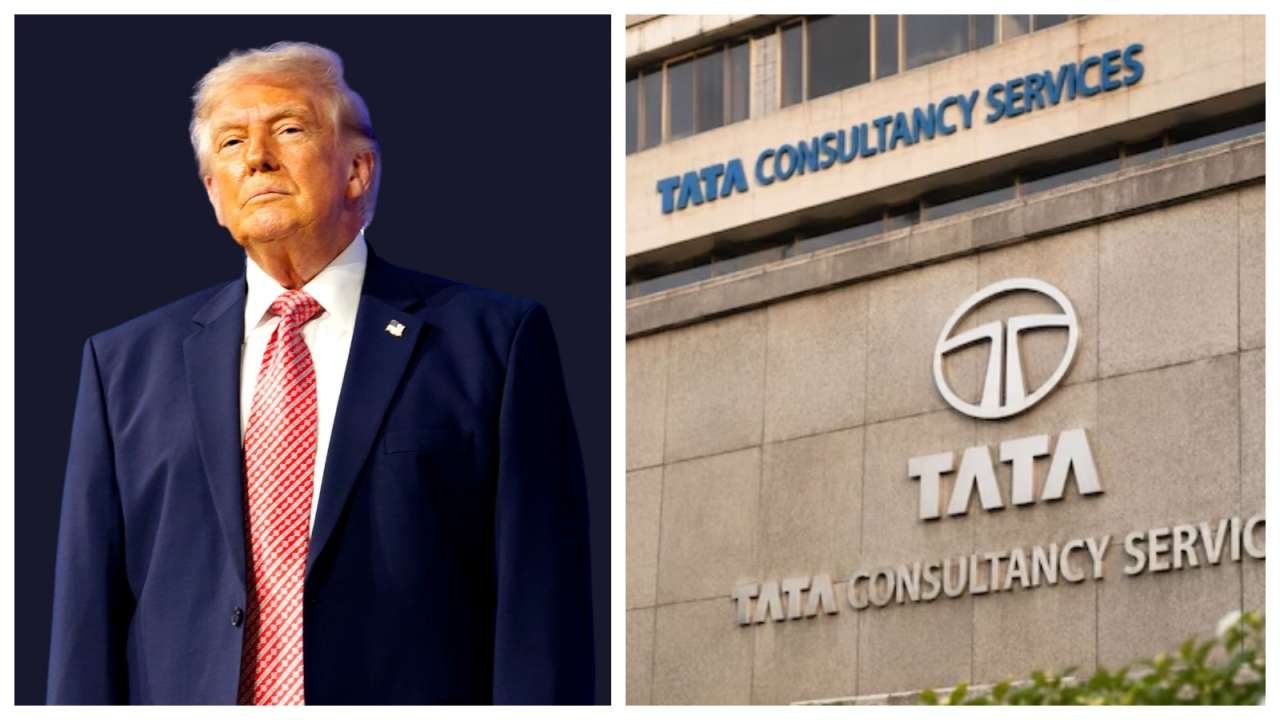 US Green Card Row: TCS says PERM suspension won't impact business, applications in single digits
 Gold, Silver prices today, October 9, 2026: Check city-wise rates in Delhi, Mumbai, Chennai, Kolkata and more
 57th GST Council Meeting: Experts hail decriminalisation, wider ITC refunds; flag implementation challenges
 OTT Releases This Week (Sept 28 - Oct 4): Dupahiya 2, Pooja Meri Jaan; new movies and shows to watch this Gandhi Jayanti weekend
 From Neeti Mohan, Heer, Sarthak Kalyani; Ahead of Sa Re Ga Ma Pa, 5 musical geniuses championed by AR Rahman
 72nd National Film Awards 2024: Kartik Aaryan, Yami Gautam, Aditya Dhar, Mammootty, Dhanush, Anant Nag accept honours
 OTT Releases This Week (September 14-20): Lust Stories 3, Irumudi, Thudakkam; Indian movies, series to watch on Netflix, Prime Video, JioHotstar
 Ganesh Utsav 2026: Deva Shree Ganesha, Sindoor Lal Chadayo; 5 iconic Ganpati songs that should be must-haves in your playlistRahul Gandhi’s claims on President Murmu meeting ‘Incorrect’: ReportECI Caps Form-7 Applications amid SIR Row: What are new rules for voter deletion objections?Elon Musk takes fresh swipe at Mukesh Ambani over Starlink’s India entry: ‘Dear Prime Minister’Rahul Gandhi on meeting President Murmu: INDIA Bloc to submit evidence of ‘vote chori’
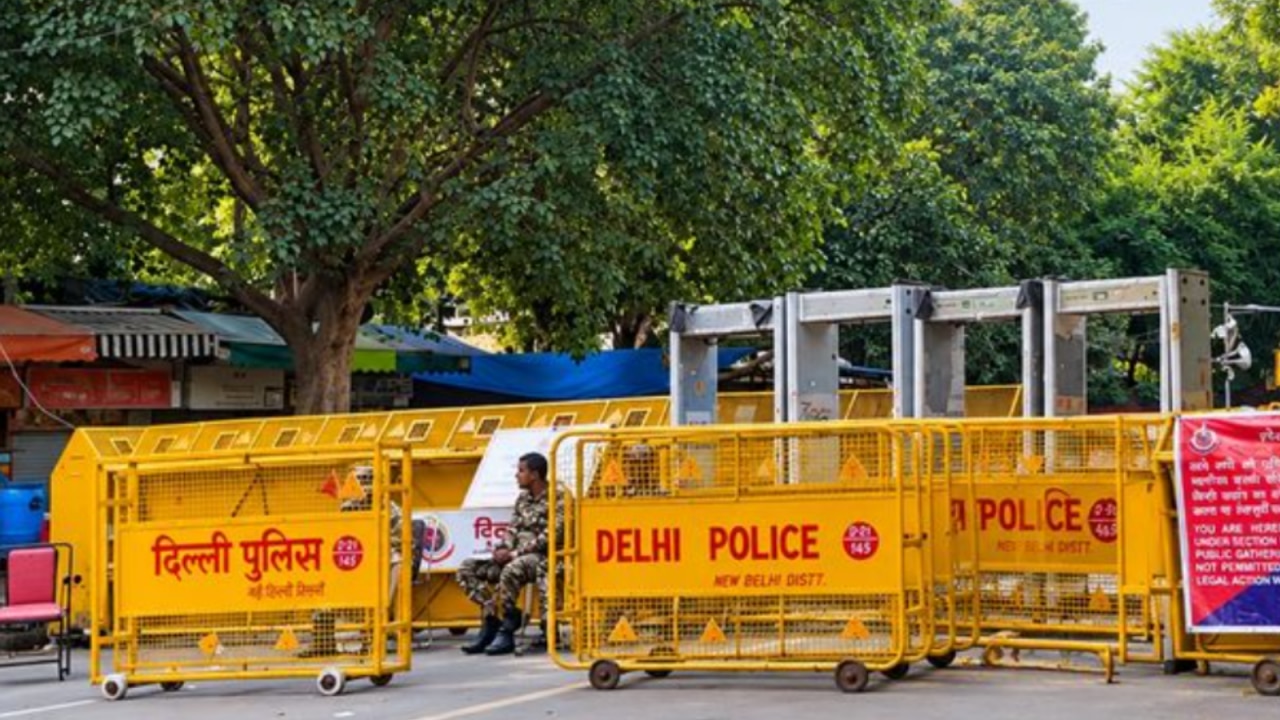 Delhi: Internet suspension to begin at 10 PM today ahead of CJP protest at Jantar Mantar
 Third Language Row: SC extends relaxation to Class 6 students, asks CBSE to grant exemption, here's what it means
 NEET PG 2026 Result Out: Check how to download scorecard from natboard.edu.in; Know category-wise cut-off and more
 Five-year BTech programmes? Ex-IIT director makes proposals amid IIT suicide controversy
 CBSE Date Sheet 2027: When will Class 10, 12 timetable be released? Check details here
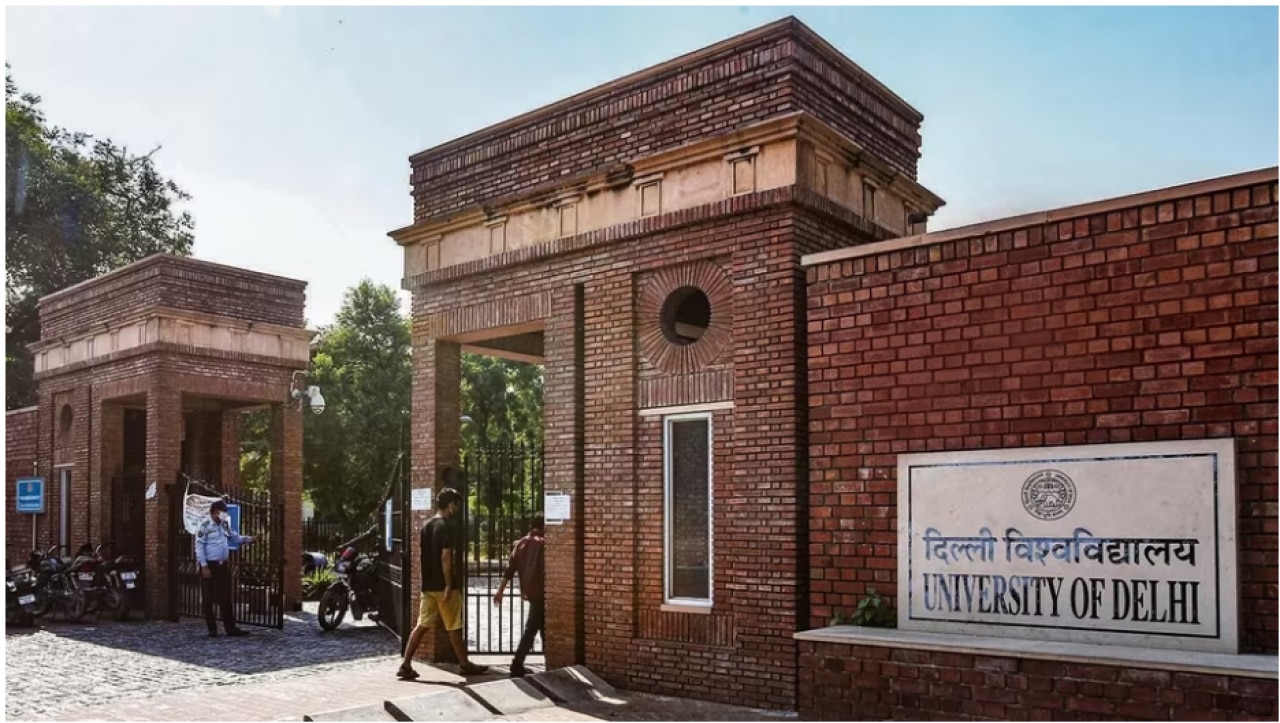 From Rs 150 in 1947 to powerful student body: The story of DUSU’s rise | Explained
 After Hyundai, Maruti Suzuki makes cars costlier ahead of festive season: Check new prices after hike
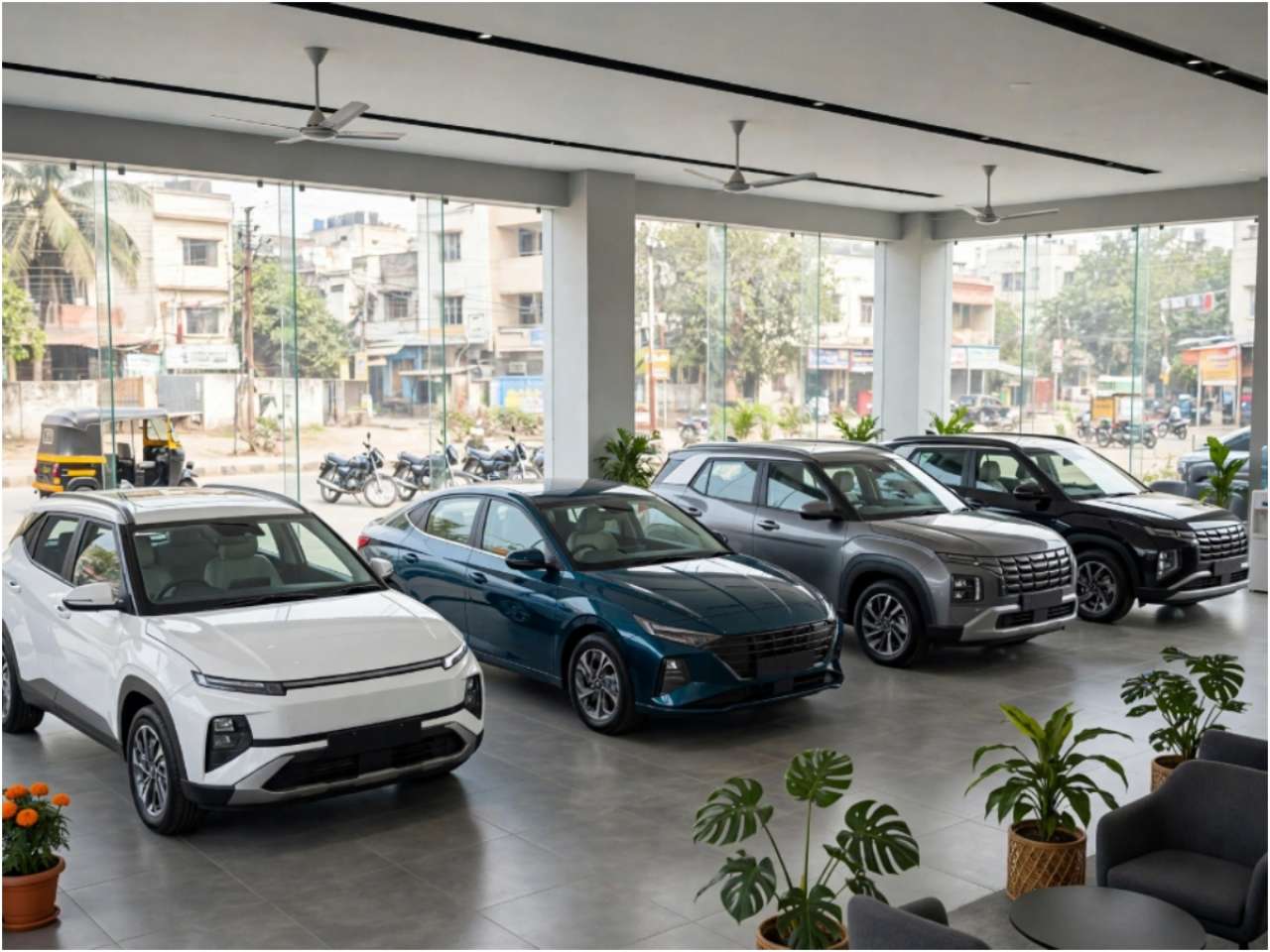 Hyundai cars to get costlier from September: Check new prices and reason behind hike
 Why can't consumers choose pure petrol or E10? Centre explains why E20 is now the standard fuel
 Centre claims E20 fuel does not damage engines, cites data from Maruti Suzuki and Hero MotoCorp
 Maruti WagonR Flex Fuel: What’s price of India’s first ethanol car? Specs, mileage, and top features explained
TECHNOLOGY
India plans to set up a stem cell priority fund to support stem cell research for the treatment of diabetes, and heart and nerve diseases

Updated : Dec 13, 2017, 01:03 AM IST




Visiting your friendly neighbourhood cell bank and ordering a 'lab-fresh' liver may not be the impossible dream it looked a while back, thanks to a South Korea-US partnership and the breakthrough in stem-cell research.
Stem cell research came under a cloud after religious and rightwing groups branded it unethical, because the cells are produced by creating embryos that get destroyed in the process. Even the Pope, on his visit to the US in 2001, had told President Bush that it was "as evil as infanticide".
The Bush administration imposed a ban on scientists using government funds for therapeutic cloning (the technique used to create new embryonic stem cells to grow new tissues for repair). In 2005, the US government even lent its support to an alliance that called on the United Nations to draw up a treaty banning all cloning, including therapeutic cloning.
Federal funds for embryonic stem cell research permit US scientists to carry out experiments on 64 stem cell cultures in research facilities and law allows private investors to fund research using therapeutic cloning.
Thanks to Robert Lanza, a scientist at the Massachusetts-based stem cell company, Advanced Cell Technology, scientists are once again hoping that the government will loosen its purse strings to allow extensive research in this field. Lanza has shown that embryonic stem cells can be created without therapeutic cloning.
In tests carried out on mice, the researchers let fertilised eggs divide for 2-3 days until they formed a ball of eight cells. They then removed one of these cells, and cultured it in a dish, where it multiplied into a mass of cells, of which some were embryonic stem cells.
To make them grow normally, the researchers then re-implanted the rest of the cells into 48 surrogate mothers (mice). They succeeded in developing foetuses in 29 of them - a rate, the scientists, said, comparable to those of in vitro fertility clinics.
The progress in research and the prospect of free flow of funds in the future also hold out fresh hope for scientists working on treatments for motor-neuron diseases such as Parkinson's and Alzheimer's, and even diabetes. The hope of this cutting-edge science saving millions is further bolstered by South Korean scientists agreeing to partner their American counterparts in creating new embryonic stem cells.
But KV Subramaniam, executive vice-president for Reliance Life Sciences, views this breakthrough with suspicion. "This work (of Robert
Lanza) is based on mouse models and may take time to translate to human models," he says.
In India, unhindered by the ethical and societal hurdles that have stymied US scientists, examples abound of how progress in research could grant a new lease of life to the likes of Abhishek Sharma.
Sharma had almost completely lost his vision because of a degenerative corneal disease, when Virender Sangwan, a surgeon of LV Prasad Institute, Hyderabad, decided on a stem-cell transplant. Stem cells taken from Sharma's parents - to lessen the chance of rejection - were sutured on his damaged eyes. The operation, which had been tried only on a handful of people here, was a success. There are bigger plans. India plans to set up a stem cell priority fund to support stem cell research for the treatment of diabetes, and heart/nerve diseases.
D Balasubramanian, the chairman of the task force on stem cell research of the Department of Biotechnology (DBT) says they have a proposal ready for an "exclusive fund for stem cell research and…the government is keen to set up the stem cell priority fund".
The funding, so long reserved only for the DBT, will now be shared with the Indian Council of Medical Research, the Department of Science and Technology, and Defence Research and Development Organisation.
The DBT budget has also been increased from Rs400 crore last year to Rs500 crore this fiscal. A leading private company has also pledged Rs200 million for stem cell research.