 India's new visa rules: 9 categories, shorter forms and changes for foreign visitors | Explained
 Ramayana box office collection day 7: Ranbir Kapoor, Yash film continues to SHATTER records, earns 934 crore despite minor drop
 Indore loses India's cleanest city crown after 8 years, which city takes over?
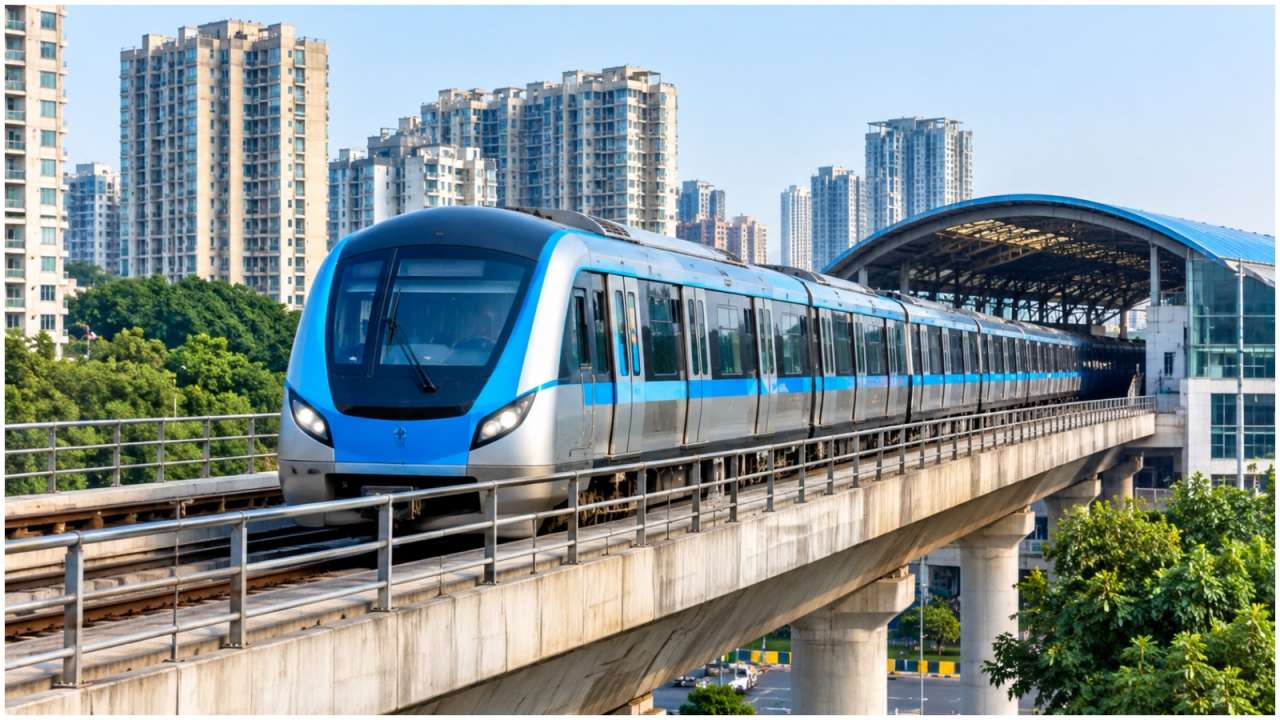 Noida Metro's Aqua Line gets 8.4-km extension: Check route, stations and cost
 Jailer 2 music composer Anirudh Ravichander gets hitched 'for lifetime' with Kavya Maran, drops first pic from intimate wedding at GreeceIndia's new visa rules: 9 categories, shorter forms and changes for foreign visitors | ExplainedIndore loses India's cleanest city crown after 8 years, which city takes over?Noida Metro's Aqua Line gets 8.4-km extension: Check route, stations and cost
 Former Vice President Jagdeep Dhankhar hospitalised after losing consciousness during morning walk
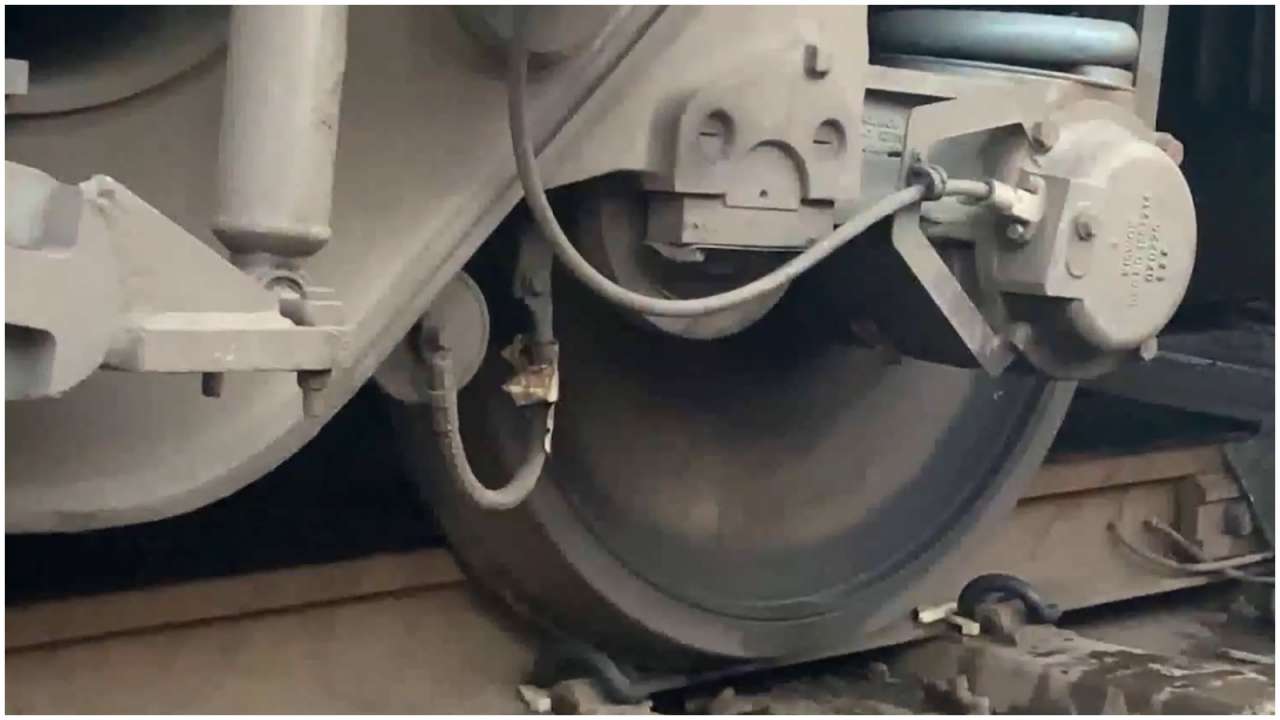 Chauri Chaura Express derails while leaving Kanpur station: What happened to passengers?
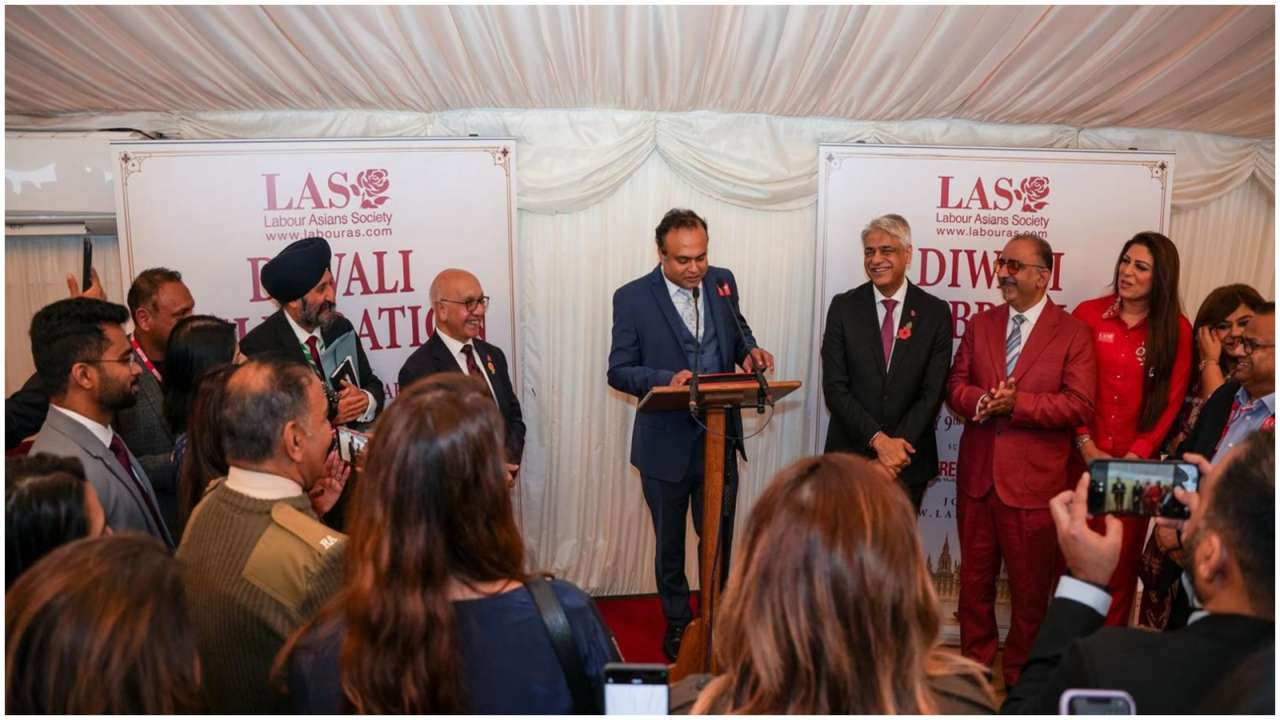 Hanuman Chalisa echoes in UK Parliament for first time: What happened at House of Lords?
 Who is Lori Huang? Will she seek divorce from Nvidia CEO Jensen Huang after his affairs with Chinese 'spy' were exposed?
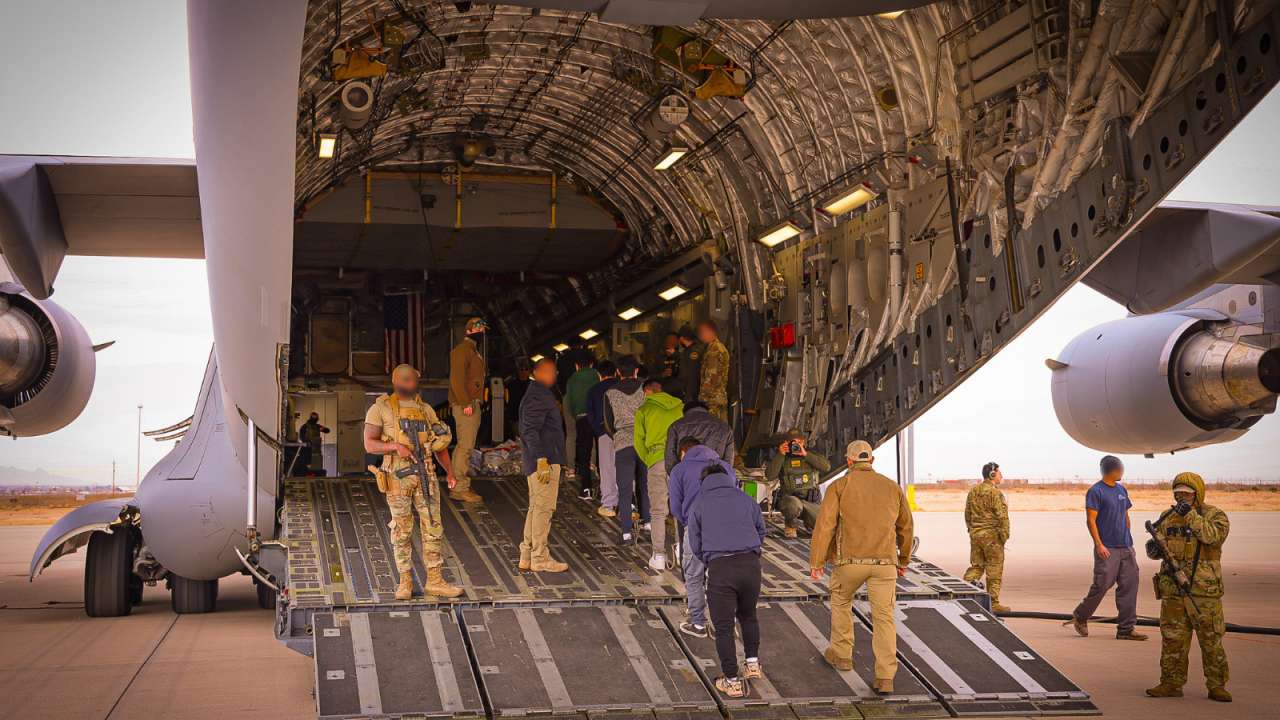 US deportation flight carrying Iranian immigrants forced to return after Pakistan refused entry: Report
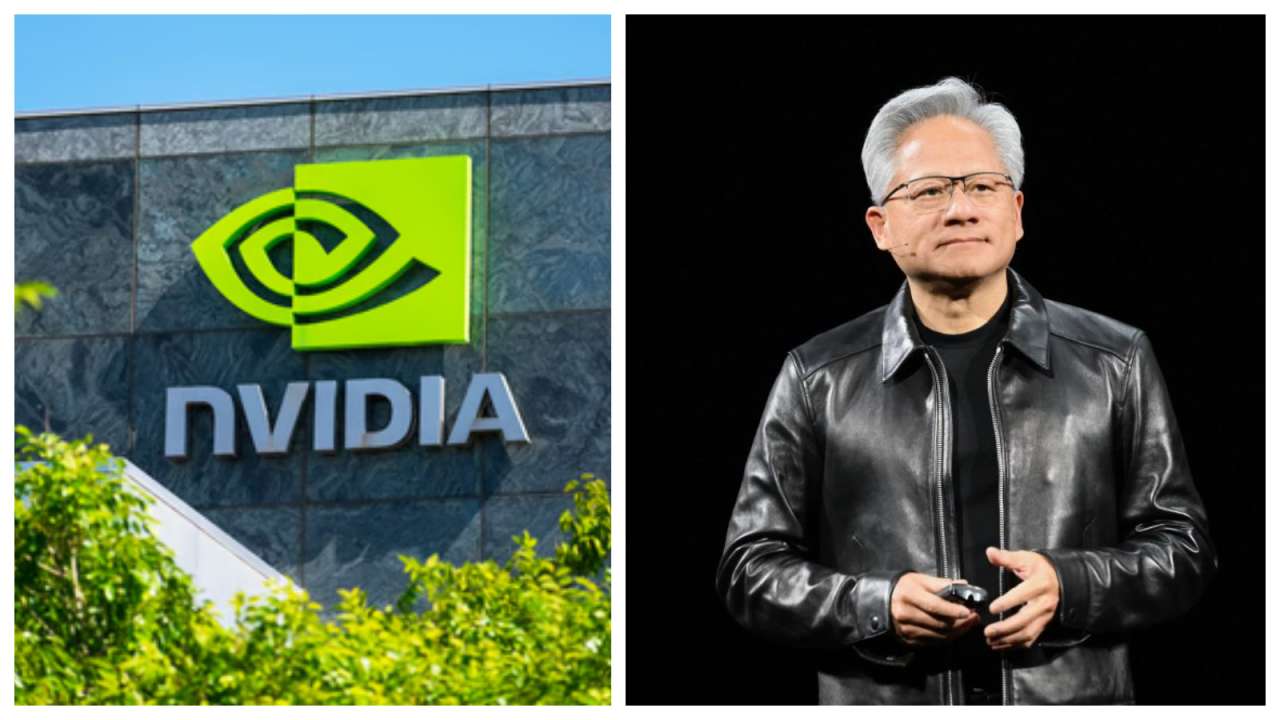 Nvidia taps ex-US Attorney Joon H Kim to lead probe into Jensen Huang affair with alleged Chinese spy
 IBM to discontinue H-1B and green card sponsorship for majority of US consulting roles
 From Nvidia CEO Jensen Huang to top officials: 5 Alleged Chinese 'honey trap' cases that shocked world
 Brent crude crashes from $115 to $90: Will petrol and diesel prices become cheaper in India?
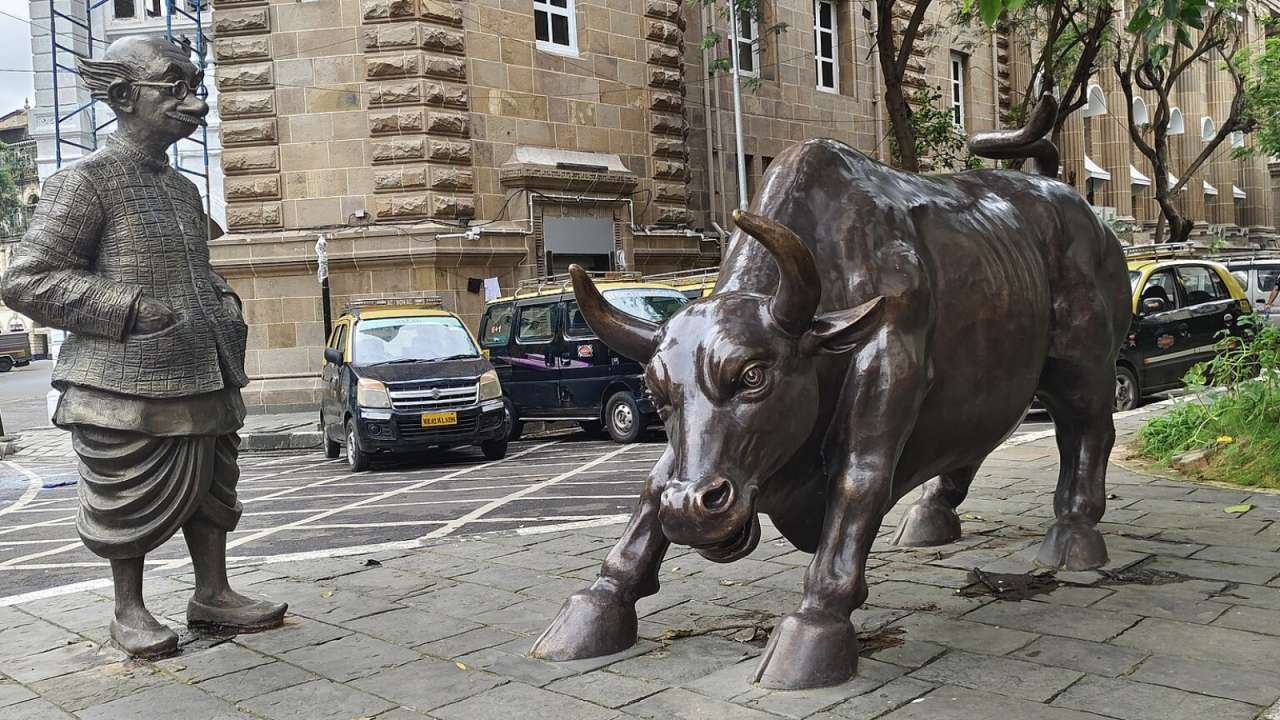 Sensex soars 1,300 points, Rs 6 lakh crore added in minutes: 3 BIG reasons behind stock market rally
 Was Sonia Gandhi afraid of BJP? Did ‘foreign origin’ campaign force her to decline PM's office? Her autobiography drops BIG hint
 Why Sonia Gandhi refused to become PM: Rahul's angry reaction, Priyanka's tears and the dramatic night that changed IndiaRamayana box office collection day 7: Ranbir Kapoor, Yash film continues to SHATTER records, earns 934 crore despite minor dropJailer 2 music composer Anirudh Ravichander gets hitched 'for lifetime' with Kavya Maran, drops first pic from intimate wedding at Greece
 Opinion: With Maatrubhumi v Eetha, Chitrangda Singh, Shraddha Kapoor are in tug-of-war, making it clash of glamour, mass appeal, metro stardom
 Nagziila: Bombay High Court grants big relief to consultant Kuldeep Singh Champawat in Rs 3.92 crore financial irregularity case
 Maatrubhumi: Meiyang Chang gets emotional seeing Prashant Tamang one last time in Salman Khan's film: 'Mero bhai I'm so glad'
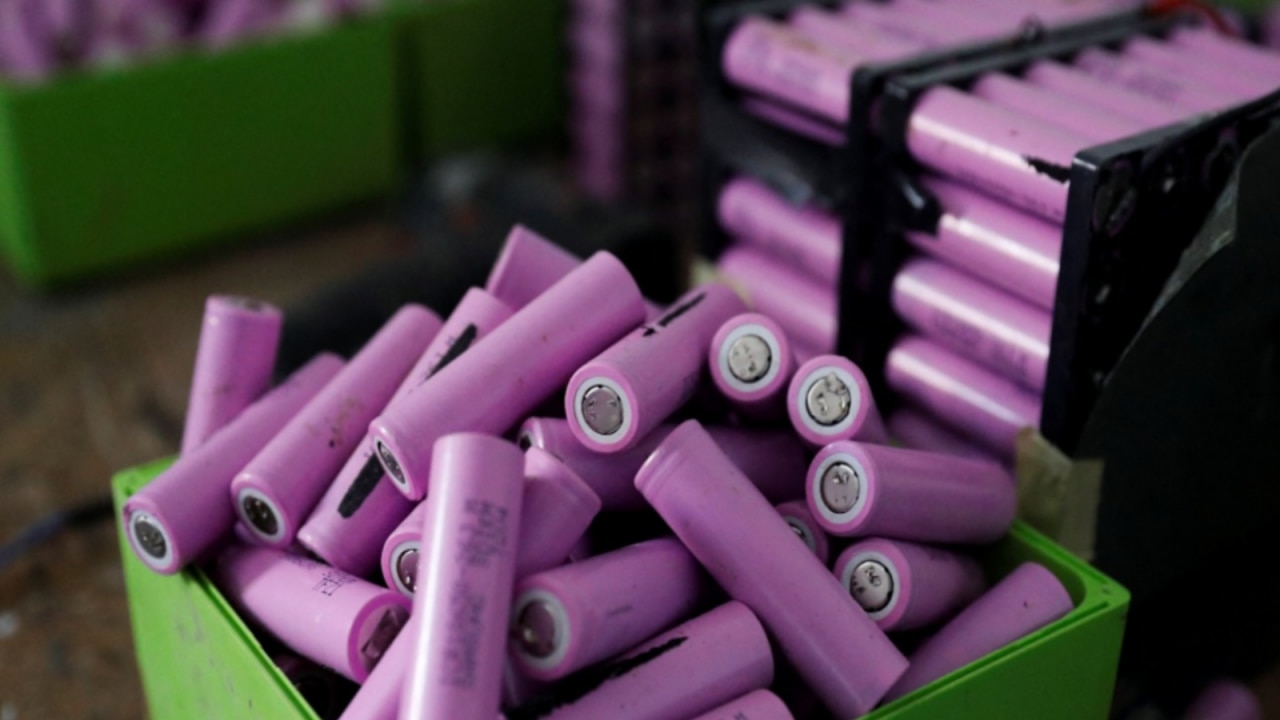 India bans lithium-ion battery waste exports: What's the reason behind the move?
 Why Mother Dairy, Amul to hike milk prices in Delhi-NCR from November 12?
 Qualcomm Layoffs 2026: How much severance will employees in India get? Check full package, eligibility and key details
 Gold, Silver prices today, November 11, 2026: Check city-wise rates in Delhi, Mumbai, Chennai, Kolkata and more
 Anthropic launches IPO roadshow: 825 million shares on offer, check price and key details
 Arshdeep Singh and Samreen Kaur take relationship to next level: See engagement pictures
 Akash Ambani's first reaction after Hardik Pandya trade, welcomes Arshdeep Singh to Mumbai Indians
 Hardik Pandya drops first message after joining PBKS goes viral, says 'Sat Sri Akal Punjab'
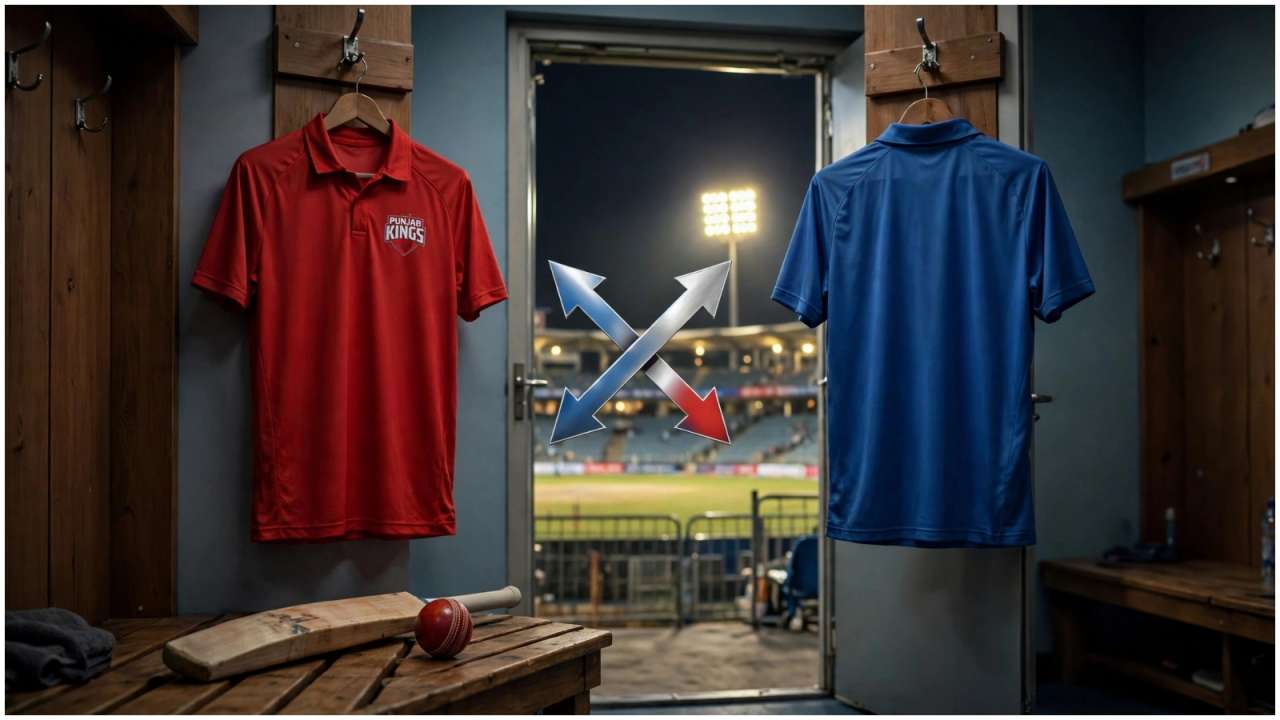 IPL 2027 trades: Full list of players who have switched teams, Hardik-Arshdeep deal included
 Irfan Pathan makes big statement on Arshdeep Singh's trade to MI, says 'Makes Mumbai Indians a stronger side'
 Assam Train Accident: 'Break Failure Or Control Loss...' 300 Passengers Escape Death; What Happened?
 Delhi AQI News: Why India’s Official AQI Stops At 500 While Private Apps Show Readings Above 1,500
 Nvidia Scandal Explained: Jensen Huang, Megaspeed Allegations & Impact On AI Stocks & GPUsMother Dairy Milk Price Revision 2026: Check New Rates For Full Cream, Toned & Cow Milk | Amul Milk
 J&K News: 2 CRPF Personnel Injured In Terrorist Attack At Mir Bazar Checkpoint In Kulgam
SPEAK UP
The fire at CST has made it clear that cooking stalls at stations are a serious fire hazard. DNA finds out why stall owners and their profit takes priority over commuter safety for railways.

Updated : Dec 16, 2010, 09:48 PM IST

















The fire at CST heritage building and the recovery of 30 cooking gas cylinders from the godown has opened a can of worms for the city’s railways as it is now turning out that almost all the stations along Mumbai’s Central, Harbour and Western lines are a serious fire hazard and safety nightmare for the over 6.9 million who travel by local trains daily.
This when the 2010 Catering policy formulated by the Union Ministry of Railways (a copy of which is with DNA) prohibits cooking on railway stations!
A letter written by railway board executive director Mani Anand in July 2010 specifically adds that the revised policy guidelines will be implemented with “immediate effect” A copy of the circular no 35/2010 with guidelines of the new catering policy was sent to general managers of all railways in the country July itself.
Yet, ironically so, 30 cooking gas cylinders were recovered by the Mumbai fire brigade stored in the backyard of CST station where both CR general manager Kul Bhushan and divisional manager Moolchand C Chauhan themselves sit.
Any Mumbaikar who has been seduced by the wafting aroma of hot wada pav on the stations will vouch for how liquified petroleum gas cooking cylinders are a common sight despite regulations and restrictions against their use on stations and platforms.
In an attempt to improve safety standards at railway station food stalls, the Western Railway had decided that stall owners will not be allowed to cook on platforms way back in March 2005. They were asked to switch from gas-based cooking to electrical appliances.
In fact stall owners were given orders by the then Mumbai divisional commercial manager to vacate their stores by March 31, 2005. These stores meant for storage of cooking materials were being misused for cooking with utter disregard for safety or hygiene.
The decision had come after several incidents of fire, especially when a cylinder blast at Andheri station caused a death and an injury.
But look around and these tall orders have remained just that. Most contractors cook Mumbai’s favourite batata wadas and other such items under the space of foot over bridges and many times in the canteen itself, putting to risk lakhs of passengers. The space under the foot over bridge is converted into a cooking room, all set with exhaust fans and ventilation. Most of the railway stations are island platforms (with tracks on both sides of platform, making escape difficult in case of emergency). In fact with collections per day going up to Rs 80,000-90,000 plus on stations like Elphinstone and Thane; catering contractors seem to be having field day doing exactly what they want to.
Rule 7.1 of the circular, there should be no cooking at all on platforms at suburban network stations and for other stations there should be attempts to progressively reduce cooking on stalls and trolleys on the platforms. About setting up kitchens, the order specifically states that in order to ensure cooking-free platforms and availability of clean, hygienic and quality food to the passengers, zonal railways may identify suitable space, if available, on railway premises near railway stations for setting up kitchens by the licensees.
“None of the rules are followed up and you can find violations and illegalities on Mumbai’s suburban railways wherever you look. While managers vie for the plum Mumbai posting none of them ever want to take responsibilities,” says Subhash Gupta of the National Railway Users Consultative Committee who adds, “sometimes one only wonder if the food stall contractors and the officials have some cozy arrangement of sorts.”
While the railway board order also specifies that all systems and processes such as deep freezers, hot cases, microwave ovens and refrigerated storage units should replace existing traditional equipments and manual methods in kitchens; this rule too is hardly followed.
Gupta says, “The fire and cylinder blast at CST was not a first. Unless the authorities do not wake up to the horrible danger that they are exposing lakhs of people every single day this will definitely not be the last.”
Commuter speak
Safety measures needed at stations
Space crunch is a major problem in Mumbai, but it doesn’t mean that the vendor’s should do things that would threaten the lives of commuters. However, I don’t think the stalls should be removed altogether. Many commuters depend on them for refreshment after a long hard day’s work. They serve their purpose, so just a bank on cooking can make it a lot safer. The recent incident at CST should serve as a warning to the authorities; they should be more safety measures in place on the platforms.
— Shailendra Pandey, Bhayandar resident
Should only have packaged food
This kind of an occurrence is rare, but it should not be treated lightly. I have been using the suburban trains for over 20 years now, but it has never occurred to me that vendors cooking on platforms could be risky. The government needs to think of services that can offer commuters food without it being a threat to people’s lives. There could be a separate cafeteria from where the vendors can get food. They could also opt to provide packaged food. These alternatives need to be seriously considered.
— Aziz Khan, Goregaon resident