More over 4,800 spacecraft were active as of the end of last year, with the great majority being commercial low-Earth-orbit (LEO) satellites.
New regulations passed by the US Federal Communications Commission (FCC) stipulate that satellite operators in low-Earth orbit must get rid of their satellites within five years of their operations ending.
Also, READ: Vladimir Putin remembers plundering of India and Africa by West, slams US for ‘double standards’
The new regulations mark a significant step forward for space safety and orbital debris management by reducing the previous 25-year limit for deorbiting satellites after their missions have ended.
More over 4,800 spacecraft were active as of the end of last year, with the great majority being commercial low-Earth-orbit (LEO) satellites.
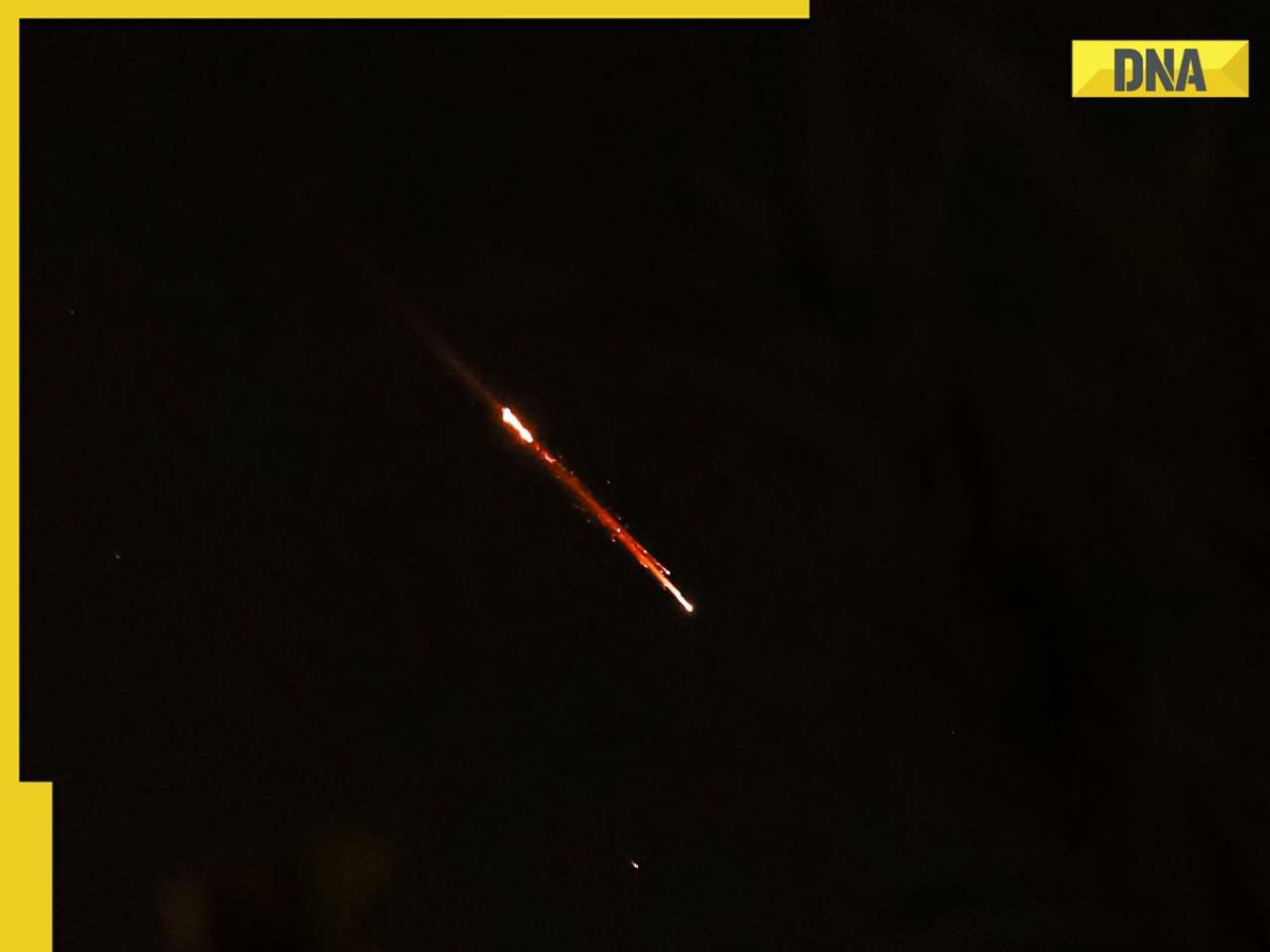
"The FCC takes seriously the short- and long-term challenges of orbital debris. Defunct satellites, discarded rocket cores, and other debris now fill the space environment, creating challenges for current and future missions," the agency said in a statement late on Thursday.
According to the new regulations, satellites whose missions finish while they are in or near low-Earth orbit (below 2,000 km height) must deorbit as soon as possible but no later than five years after their missions complete.
Satellite businesses will also be given a two-year grace period to adapt to the new regulations. Currently, the satellite and launch business is valued at over $279 billion annually.
The sensors of the Pentagon's Orbit Surveillance Network (SSN) monitor 27,000 pieces of debris in space, both man-made and natural.
At speeds of up to 28,163 kilometres per hour, there are 23,000 bits of debris bigger than a baseball circling the Earth, as reported by NASA.
(With inputs from IANS)


































)
)
)
)
)
)
)
)
)
)
)
)
)
)
)
)
)
)

 "Image for representation")






)
)
)
)
)
)
)
)
)
)
)
)
)
)
)
)
)
)