 1,000-Strong and Fastest to $100M: How QualiZeal's Seven Founders Made AI Their Tailwind
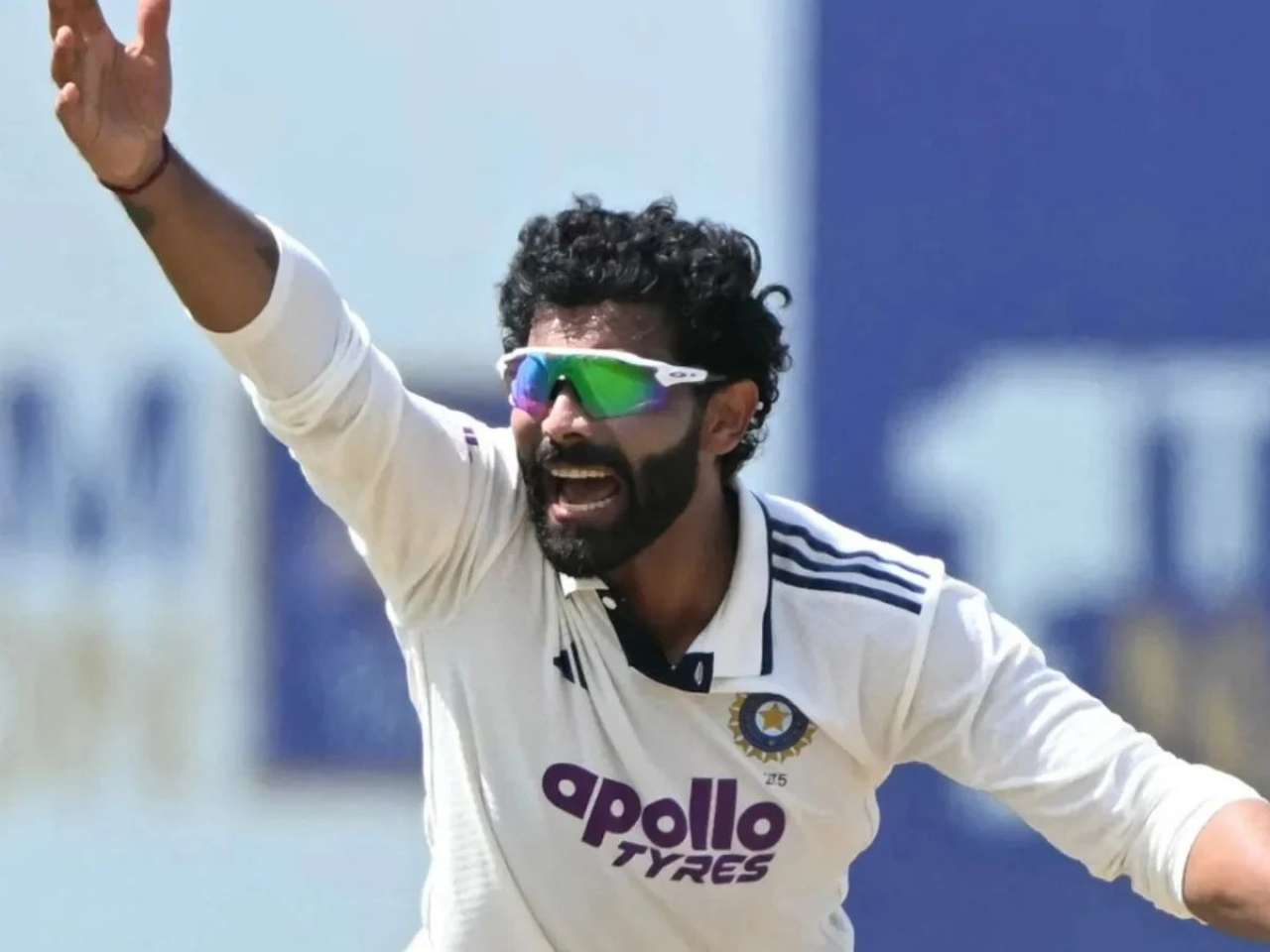 'What’s the procedure?': Ravindra Jadeja's cheeky remark after BCCI invites applications for Ajit Agarkar's replacement
 From Network Segmentation to Behavioral Analytics: One Engineer's Approach to Securing Industrial Systems
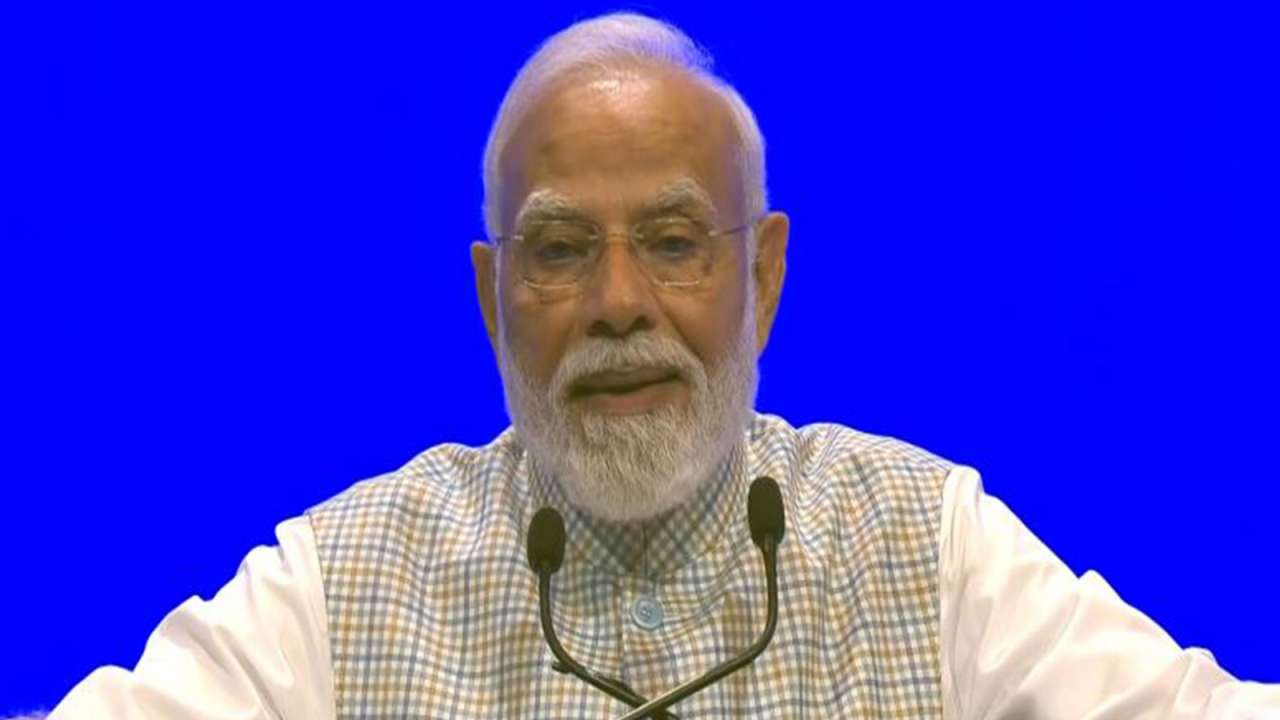 PM Modi hails India's digital transformation at IMC, says '5G has reached every district', governance now on mobile
 'I didn't feel like eating': Nana Patekar’s viral remark on Virat Kohli resurfaces as fans pay tribute to the late actor'What’s the procedure?': Ravindra Jadeja's cheeky remark after BCCI invites applications for Ajit Agarkar's replacement'I didn't feel like eating': Nana Patekar’s viral remark on Virat Kohli resurfaces as fans pay tribute to the late actor
 Portuguese football legend Ronaldo pays rich tribute to arch-rival Lionel Messi, says, 'history will last forever'
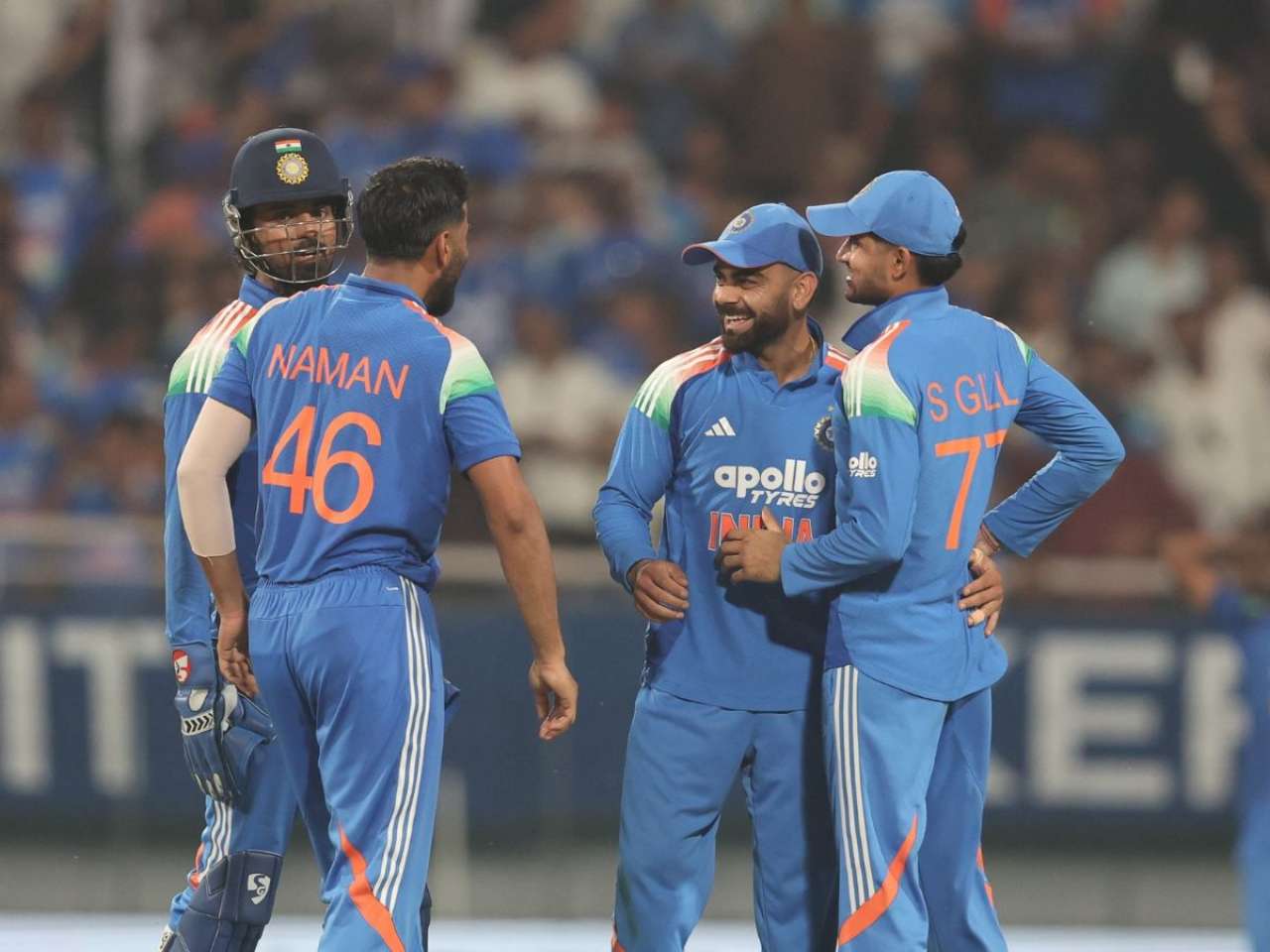 India squad for New Zealand tour delayed: Why selectors are waiting until next week to pick ODI team
 Virat Kohli–Premanand Maharaj Rs 5 crore row escalates: Dinesh Falahari fires back, demands audit of company accounts
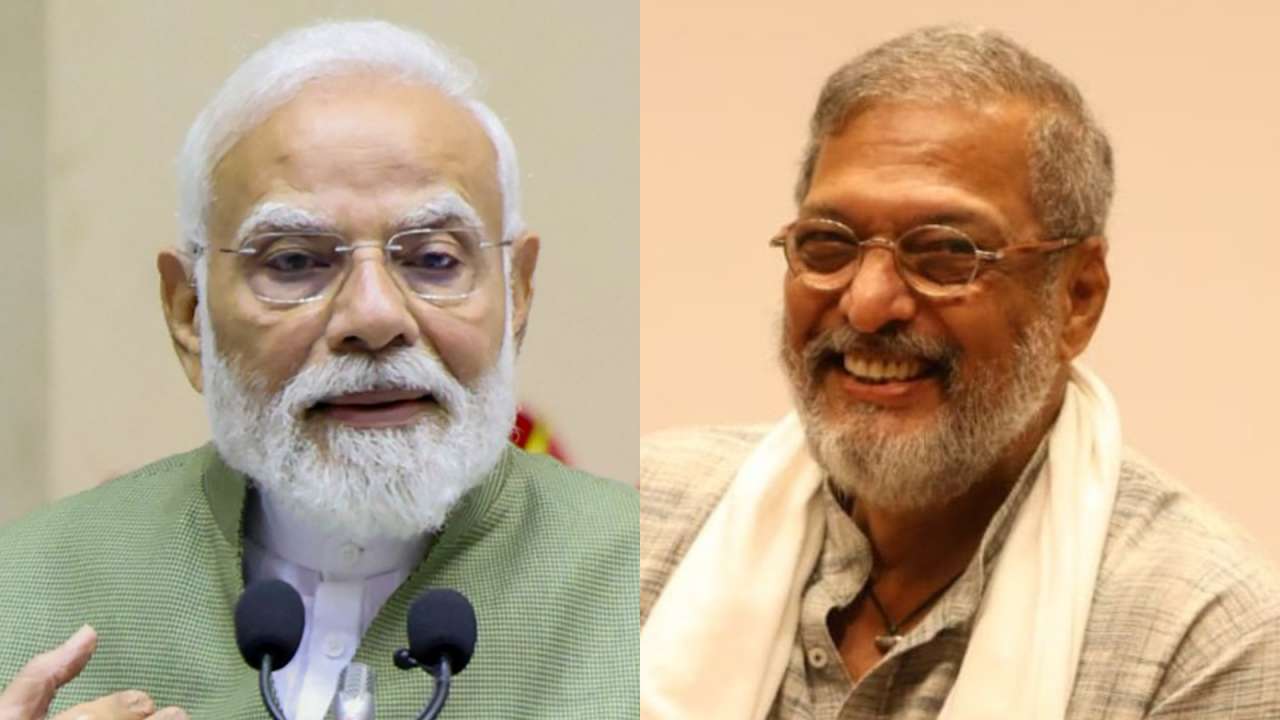 PM Modi pays tribute to Nana Patekar, recalls his ‘unmistakable presence’
 Nana Patekar’s last rites to be held at his Pune farmhouse, son Malhar confirms
 'Goodbye Nana': Ram Gopal Varma pens heartfelt note after Nana Patekar's death at 75; shares throwback photo
 Nana Patekar’s Kargil story: Actor left films, joined Indian Army at career peak, lost 20 kg while serving at the front
 Nana Patekar Dies At 75: Here's all about his Rs 80 crore net worth, simple lifestyle and humanitarian work for farmers
 Flydubai Flight News:'Revenge For Gaza'; Flydubai Co-Pilot Hamam Al-Hammami Confesses To Terror Plot
 Delhi Building Collapse: 5-Storey Building Collapses In Seemapuri; Emergency Teams Rush To Spot
 PM Modi News: Congress Attacks Modi Over Repo Rate Hike, Says ‘Achhe Din’ Became ‘Vasooli Wale Din’
 CJP News: CJP Announces ‘Chappal Protest’ in Bengaluru On October 8 | CEC Gyanesh Kumar Resignation
 Flydubai Attack: Israeli Dentist Reveals How He Helped Save Captain Smit After Flydubai Attack
 After Oracle, Hubspot Layoffs: Amazon cuts nearly 1000 jobs; will Indian employees be affected?
 Gold, Silver prices today, October 8, 2026: Check city-wise rates in Delhi, Mumbai, Chennai, Kolkata and more
 Rupee slips despite RBI rate hike: Why is the Indian currency under pressure against US dollar?Rupee slips despite RBI rate hike: Why is the Indian currency under pressure against US dollar?
 Your loan EMIs are about to rise: RBI hikes interest rates by 0.25%
 OTT Releases This Week (Sept 28 - Oct 4): Dupahiya 2, Pooja Meri Jaan; new movies and shows to watch this Gandhi Jayanti weekend
 From Neeti Mohan, Heer, Sarthak Kalyani; Ahead of Sa Re Ga Ma Pa, 5 musical geniuses championed by AR Rahman
 72nd National Film Awards 2024: Kartik Aaryan, Yami Gautam, Aditya Dhar, Mammootty, Dhanush, Anant Nag accept honours
 OTT Releases This Week (September 14-20): Lust Stories 3, Irumudi, Thudakkam; Indian movies, series to watch on Netflix, Prime Video, JioHotstar
 Ganesh Utsav 2026: Deva Shree Ganesha, Sindoor Lal Chadayo; 5 iconic Ganpati songs that should be must-haves in your playlistPM Modi hails India's digital transformation at IMC, says '5G has reached every district', governance now on mobile
 Delhi High Court issues summons after Kangana Ranaut files plea against misuse of personality rights
 Elon Musk accuses 'oligarchs' of blocking Starlink's entry into India, who are these people?
 Dhruv Rathee joins Bengaluru protest against SIR, CJP plans bigger Delhi agitation on October 10| Video
 IndiGo Patna-Lucknow flight hit by lightning at 17,000 feet, makes emergency landing; nose damaged
 Third Language Row: SC extends relaxation to Class 6 students, asks CBSE to grant exemption, here's what it means
 NEET PG 2026 Result Out: Check how to download scorecard from natboard.edu.in; Know category-wise cut-off and more
 Five-year BTech programmes? Ex-IIT director makes proposals amid IIT suicide controversy
 CBSE Date Sheet 2027: When will Class 10, 12 timetable be released? Check details here
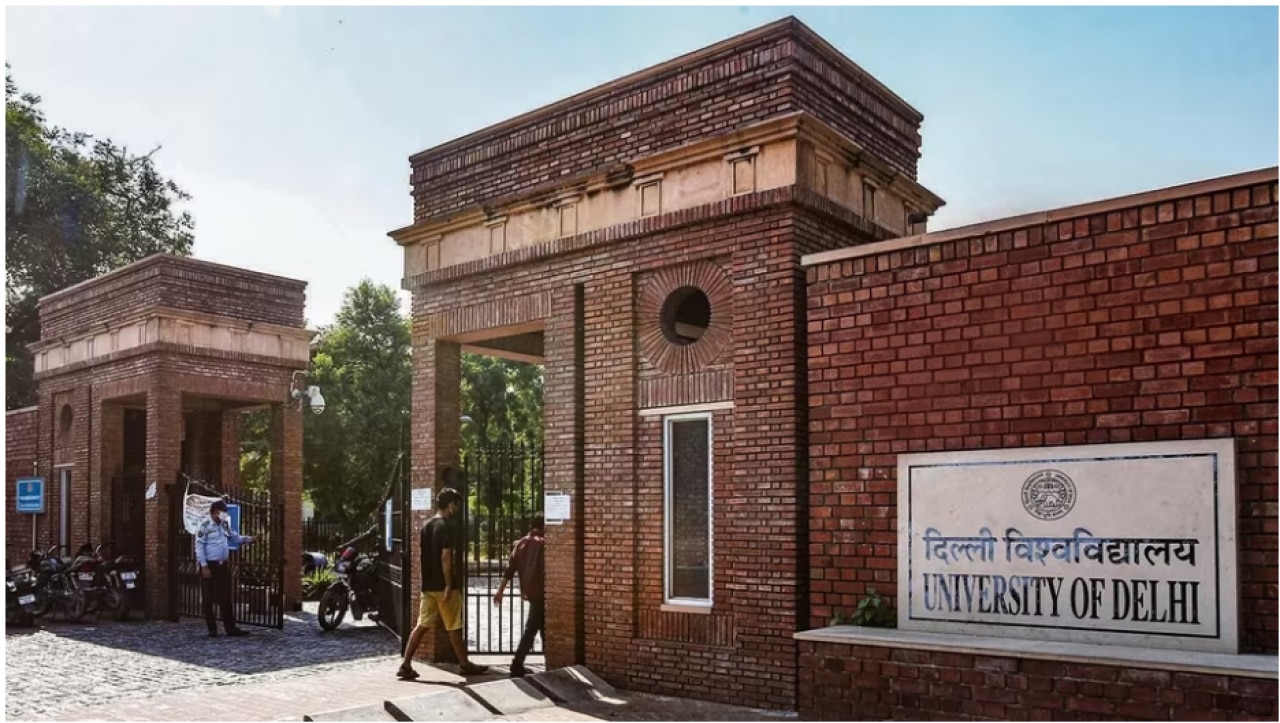 From Rs 150 in 1947 to powerful student body: The story of DUSU’s rise | Explained
 After Hyundai, Maruti Suzuki makes cars costlier ahead of festive season: Check new prices after hike
 Hyundai cars to get costlier from September: Check new prices and reason behind hike
 Why can't consumers choose pure petrol or E10? Centre explains why E20 is now the standard fuel
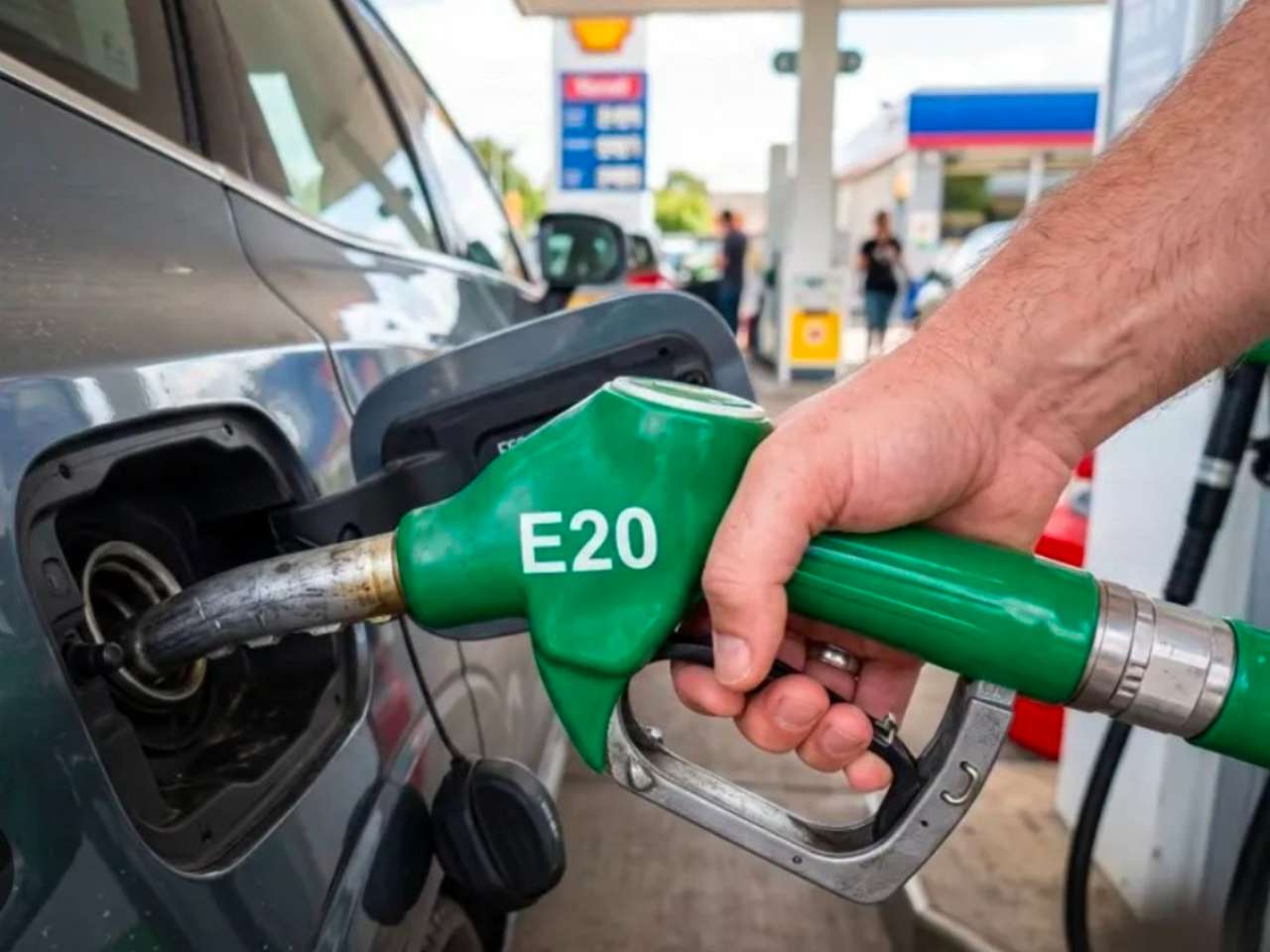 Centre claims E20 fuel does not damage engines, cites data from Maruti Suzuki and Hero MotoCorp
 Maruti WagonR Flex Fuel: What’s price of India’s first ethanol car? Specs, mileage, and top features explained
PERSONAL FINANCE
KEEPING A TRACK: If your funds are consistently underperforming the index, then the power of compounding is unlikely to work

Updated : May 07, 2019, 06:50 AM IST




Talk to any financial advisor and the one advice you will hear is to start investing early so that the power of compounding works in your favour. But what exactly is it? Let us understand the power of compounding with an example of two investors - Ajay and Vijay, who invest Rs 10,000 in an instrument giving 10% return per annum. Ajay chooses to withdraw the interest of 10% every year while Vijay opts to reinvest the interest back in the bond itself. How do they fare at the end of five years?
The beauty of the power of compounding is that with every passing year, the impact of compounding increases. You can see that by the end of year 5, the interest on interest is earning you more than the interest on the principal. That is what power of compounding is all about. The longer you stay invested in growth assets like equities and equity funds, the more your principal and returns earn further returns.
Why do some people end up richer with the same assets, to begin with?
Look around you and you will get to see many instances of people who end up with different levels of financial success despite having the same level of income. The difference lies in how hard you make your money work for you. That comes from the power of compounding.

Let us take a simple example. If you are doing an SIP of Rs 10,000 per month but decide to put that money in a debt fund due to your conservative approach, then what happens? A debt fund earns around 5.5% return in post-tax terms. At that rate, you will need 16 years to double your money.
Obviously, you are not going to create any serious wealth with this approach. Let us look at how two persons with the same level of income can diverge widely in wealth creation based on they make the power of compounding work for them. For compounding to work, you need time and also the choice of right assets.
Both the above investors have invested Rs 24 lakh as principal. The only difference is that the early investor starts 10 years earlier than the lazy investor. The result is that the wealth of the early investor has grown to two times the wealth of the lazy investor purely because he started out early. That is the power of compounding at work.

Growing wealth, in the long run, is about leveraging the power of compounding to the fullest extent. Here are some four ground rules to follow.
Start investment early as we saw in the case above. The earlier you start, the longer you earn returns and the longer your returns earn additional returns. More than the size of the investment, it is the early start that matters.
The real power of compounding is in equity. Even if you invest regularly in debt funds, there is a limit to the wealth you can create. Equities and equity funds give you the full benefit of compounding to create wealth over the long term.
SIP is not just an investment but also a discipline. The rule you need to follow is not to disturb the flow of wealth accumulation. Power of compounding works best when you do not withdraw funds in between. That will defeat the purpose of building wealth over time. Don't treat your mutual fund SIP like an ATM.
For the power of compounding to work, you need to continuously benchmark investment performance against an index and also against the peer group. If your funds are consistently underperforming the index, then the power of compounding is unlikely to work in your favour.
Power compounding is the key to building wealth. That is what bridges the gap between your limited resources and wealth targets.
The writer is chief revenue officer, Angel Broking