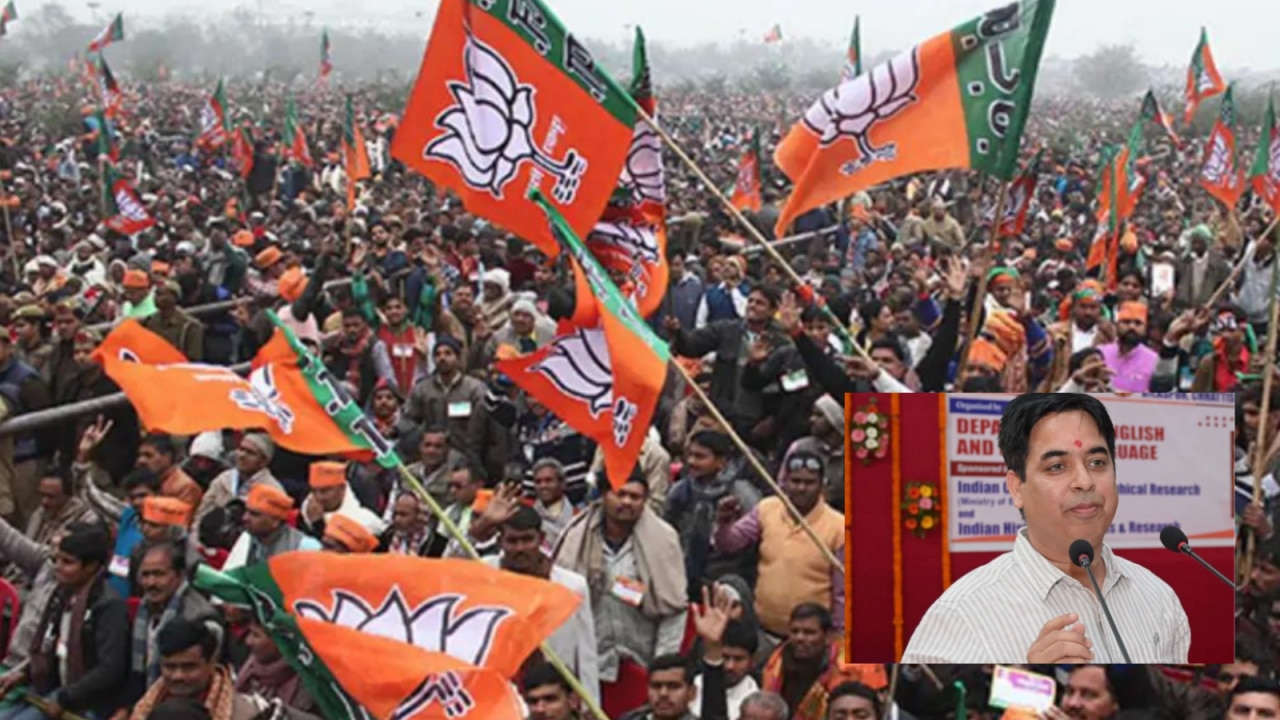
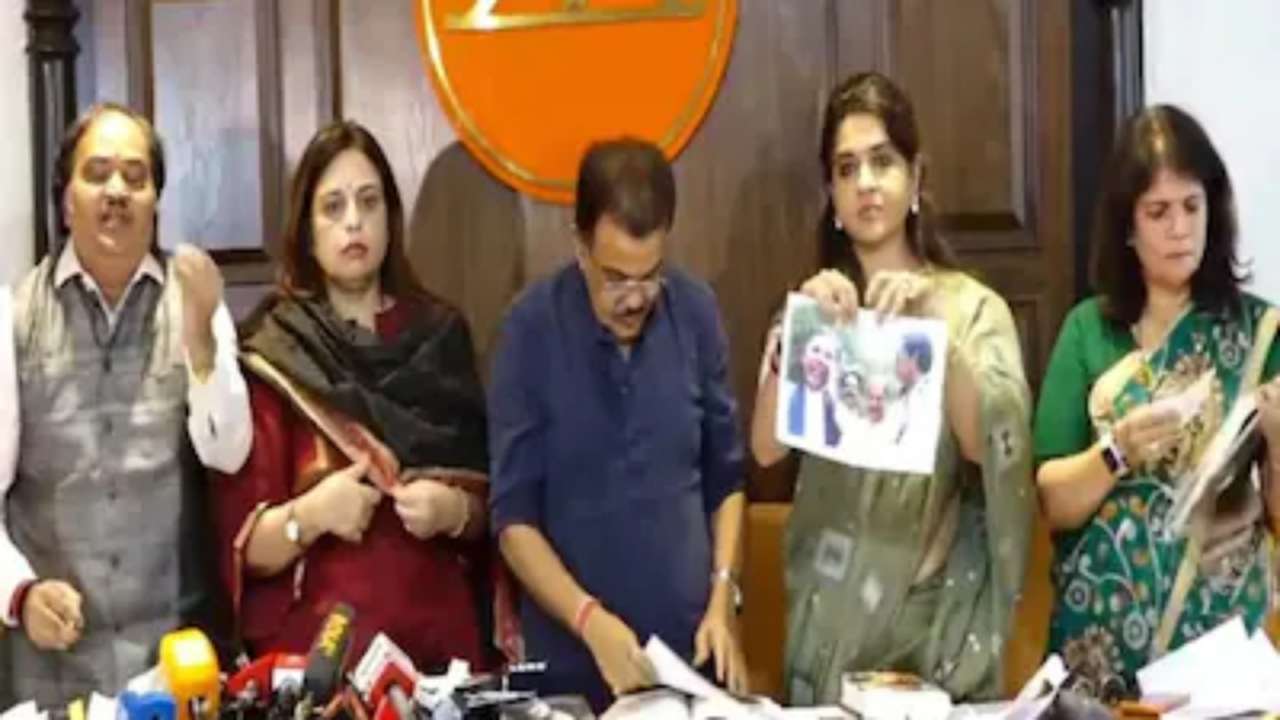
 Protest backfires! Shinde Sena leader Shaina NC mistakenly tears Bal Thackeray photo while protesting Sonia Gandhi's book
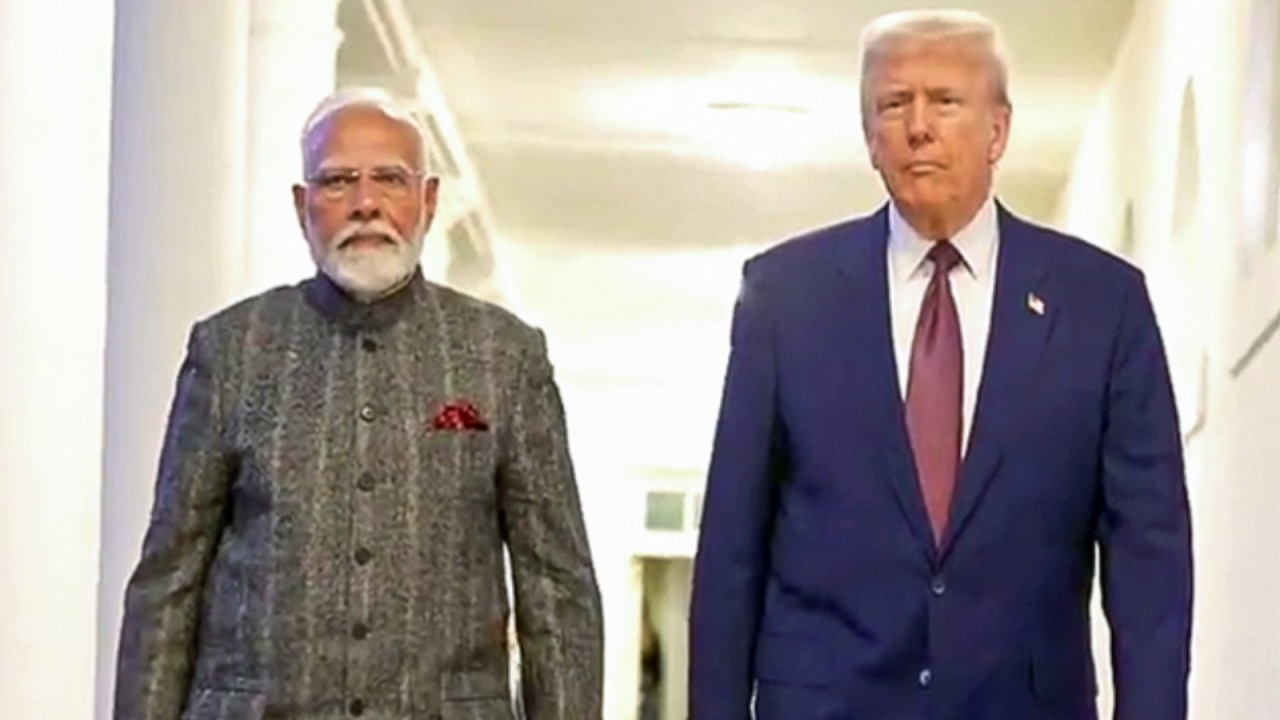 India-US trade deal nears final stage, but why is signing still delayed? Here's what we know
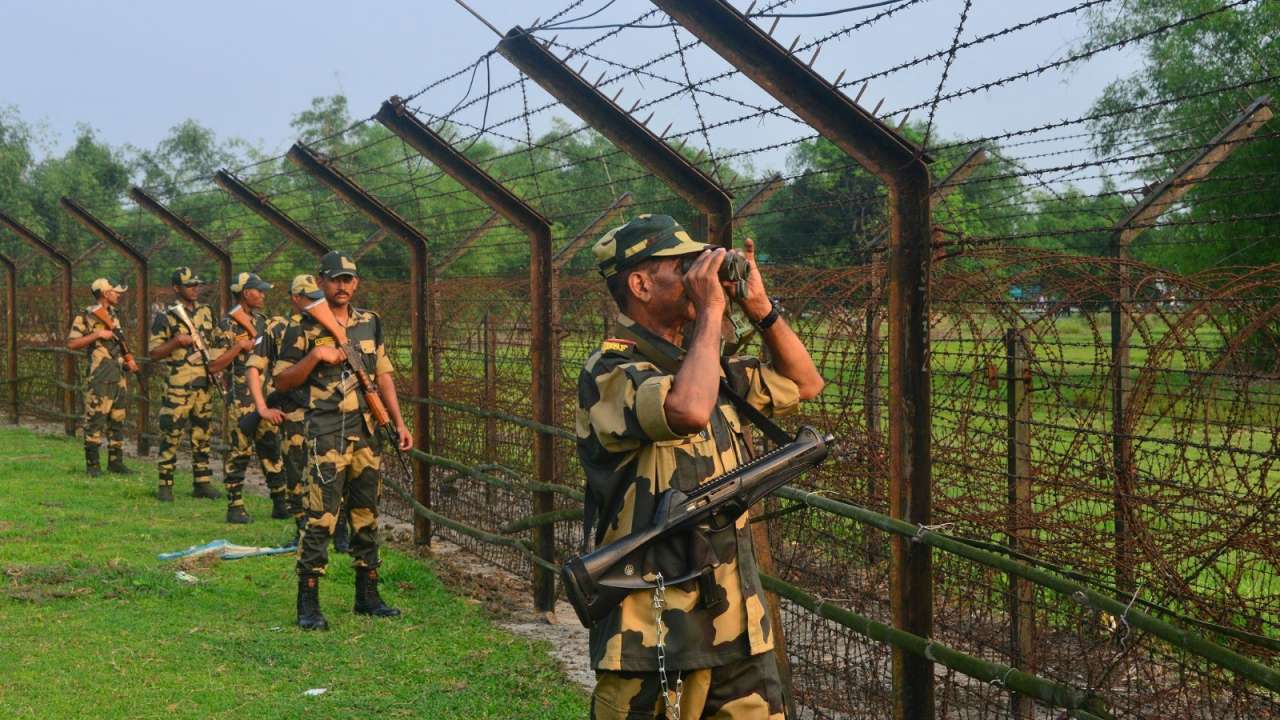 India-Bangladesh Border Tension: Why BSF jawan's detention raises alarm, how Sheikh Hasina factor complicates ties
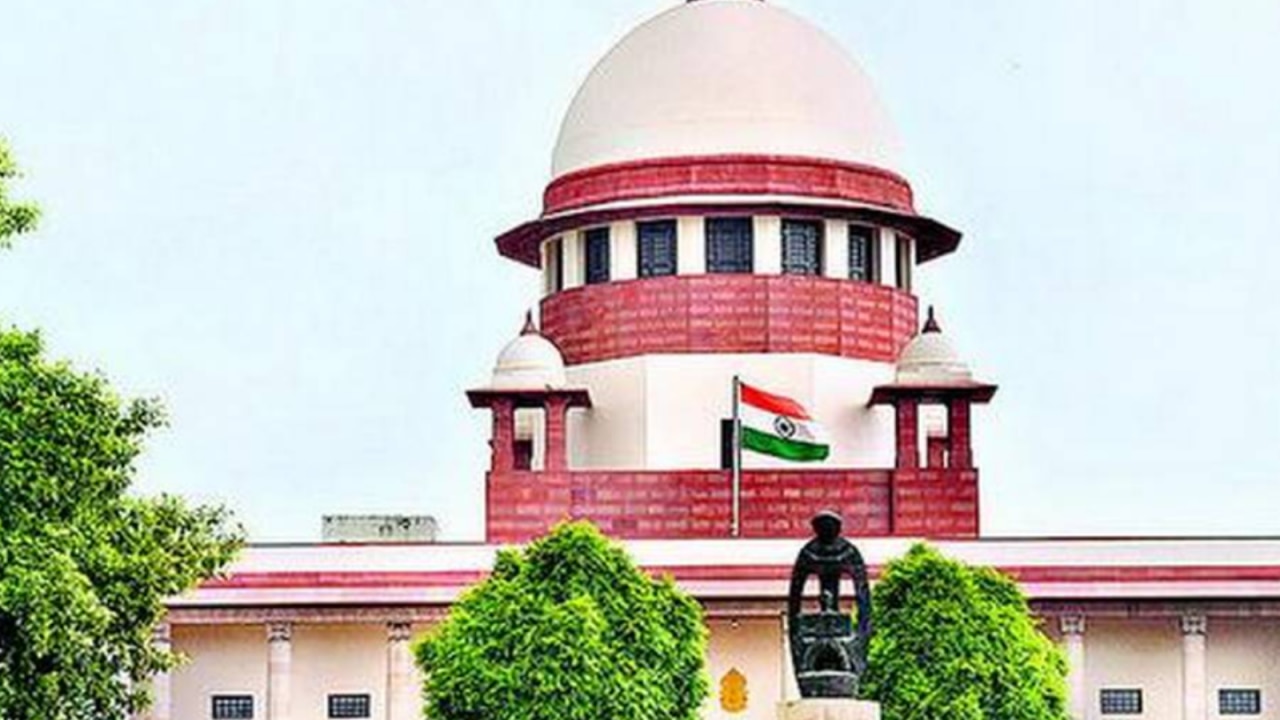 Bharat Summit Row: Plea in SC seeks removal of videos, SIT probe into foreign delegates
 GTA 6 launched in New Zealand; when will it release in India?Protest backfires! Shinde Sena leader Shaina NC mistakenly tears Bal Thackeray photo while protesting Sonia Gandhi's bookIndia-US trade deal nears final stage, but why is signing still delayed? Here's what we knowBharat Summit Row: Plea in SC seeks removal of videos, SIT probe into foreign delegates
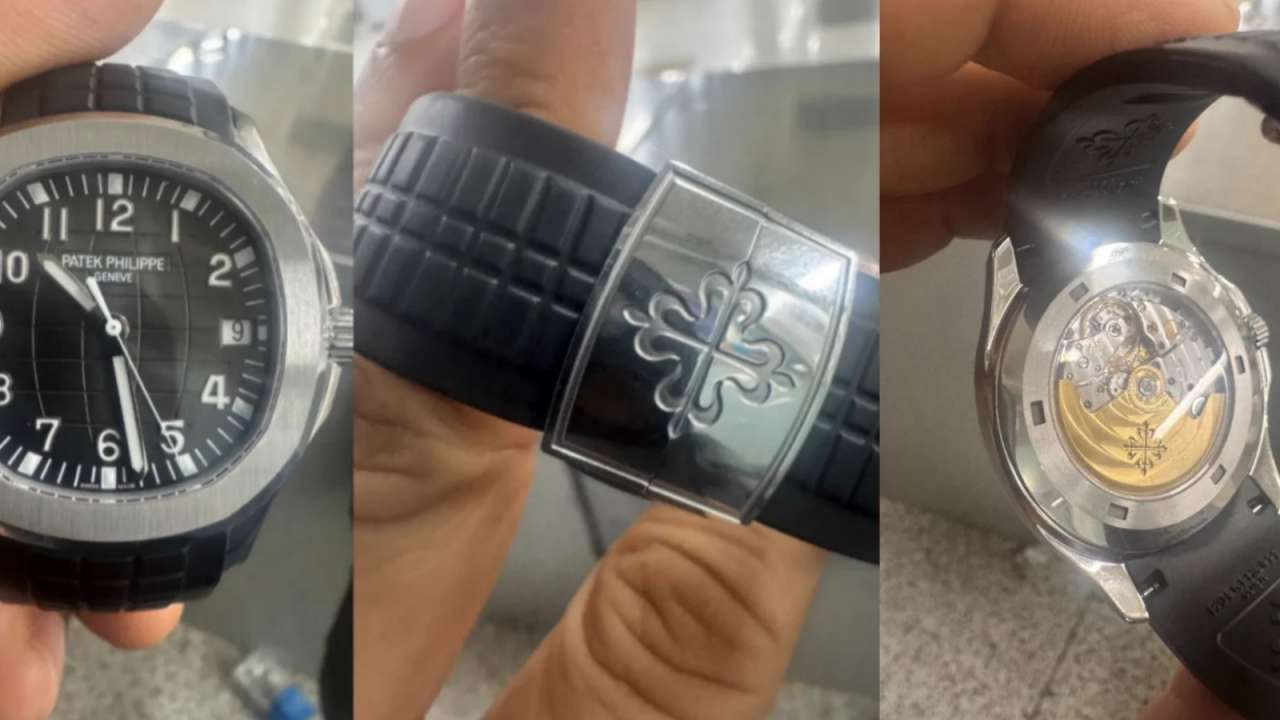 Patek Philippe watch worth Rs 94 lakh seized at Delhi Airport, passenger arrested
 VB-G RAM G Act: How will district-level ombudspersons handle rural workers' complaints? ExplainedGTA 6 launched in New Zealand; when will it release in India?
 Did PM Modi ride made-in-Pakistan e-rickshaw at the ASEAN Summit? Details here
 India-Bangladesh Border Tension Escalates: BSF jawan captured, detained by BGB
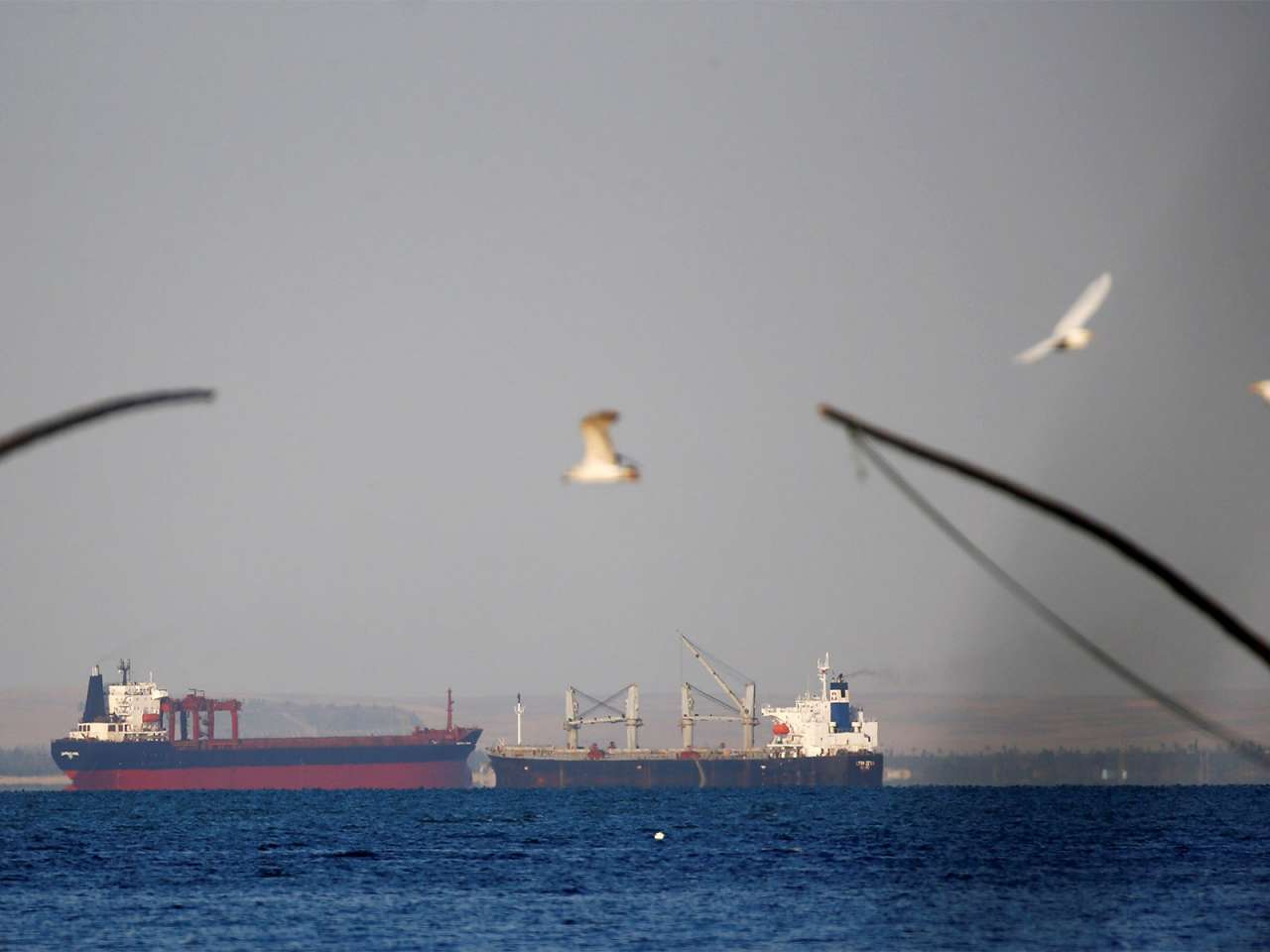 US launches strike on Iran’s Qeshm Island after Bahrain base comes under attack
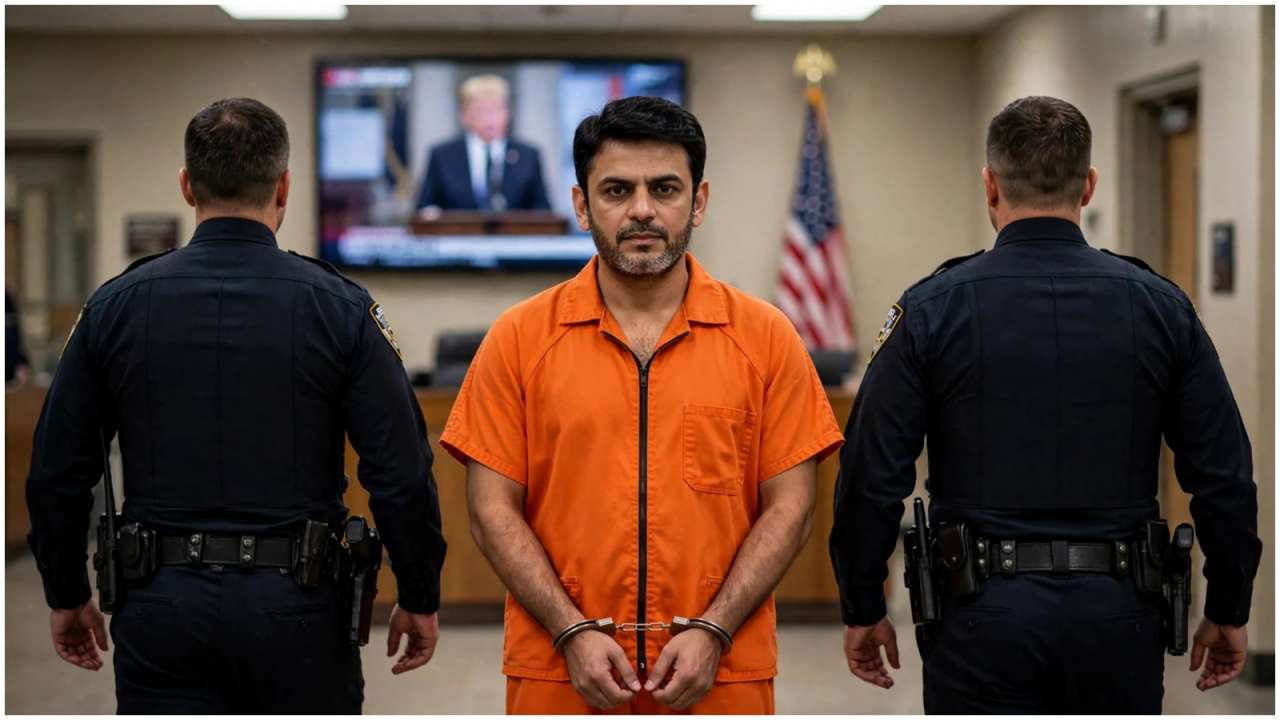 Who is Asif Merchant? Pakistani national jailed for 27 years over Trump assassination plotIndia-Bangladesh Border Tension: Why BSF jawan's detention raises alarm, how Sheikh Hasina factor complicates ties
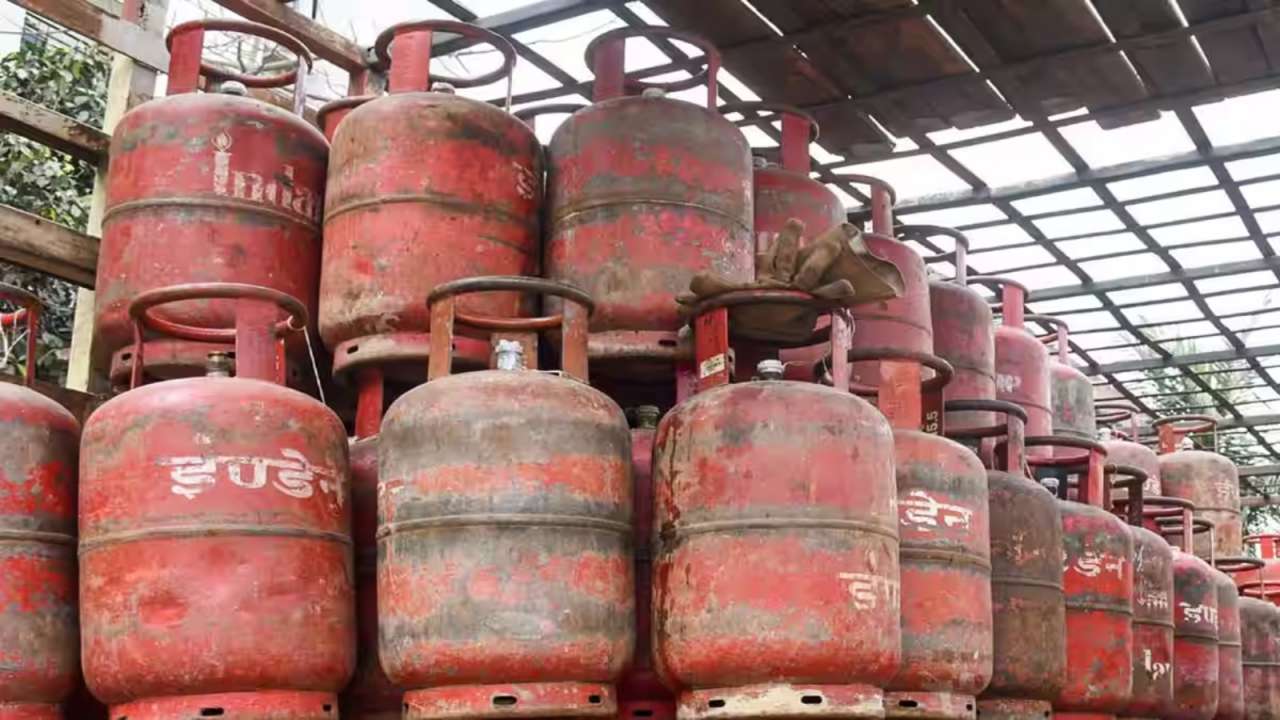 Hormuz LPG Tanker Attack: Will cooking gas prices rise in India? 5 things consumers should know
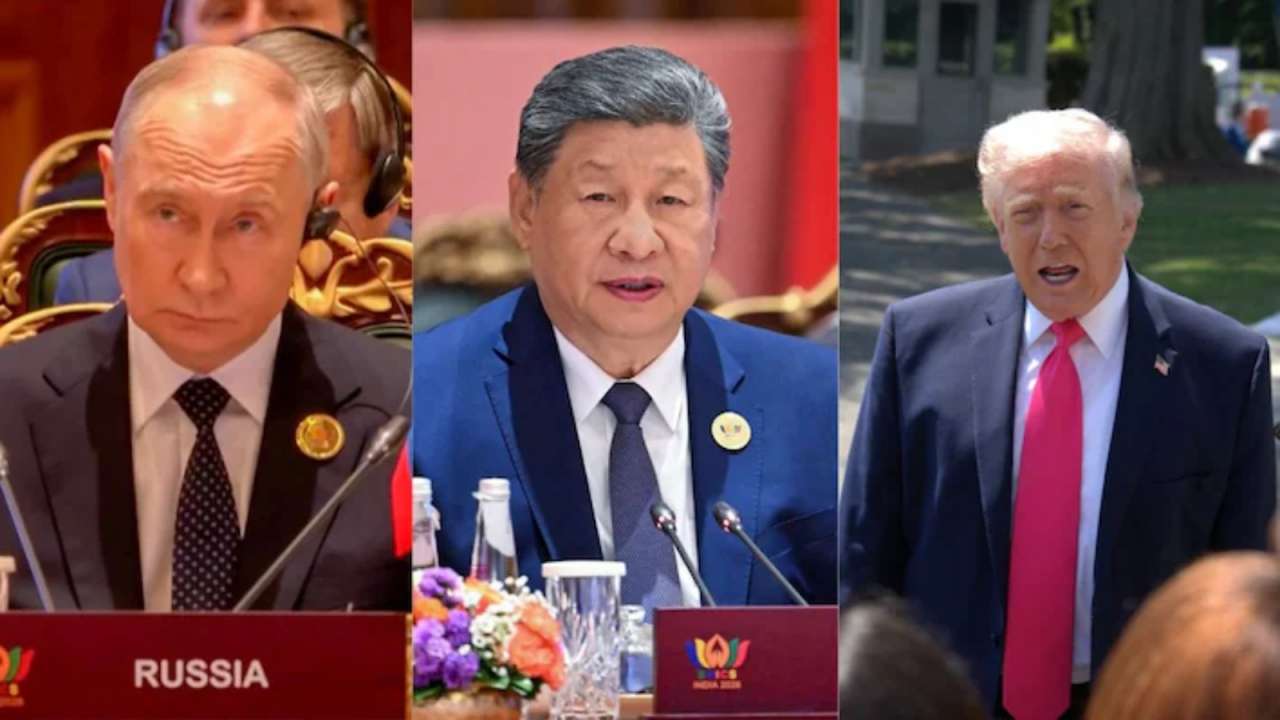 Trump-Xi-Putin Meet: Seven reasons India could pay price for a new global power deal
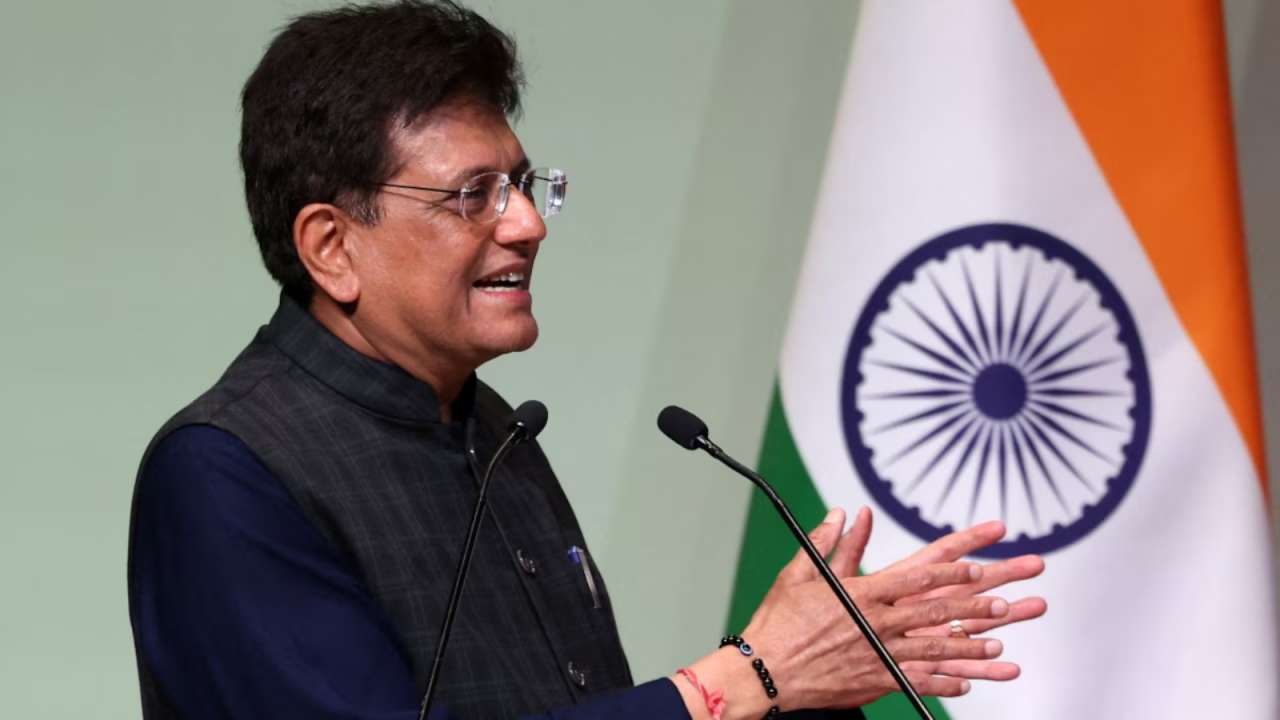 India Eyes $1 Trillion Exports As 7-Month Exports Hit $570 Billion
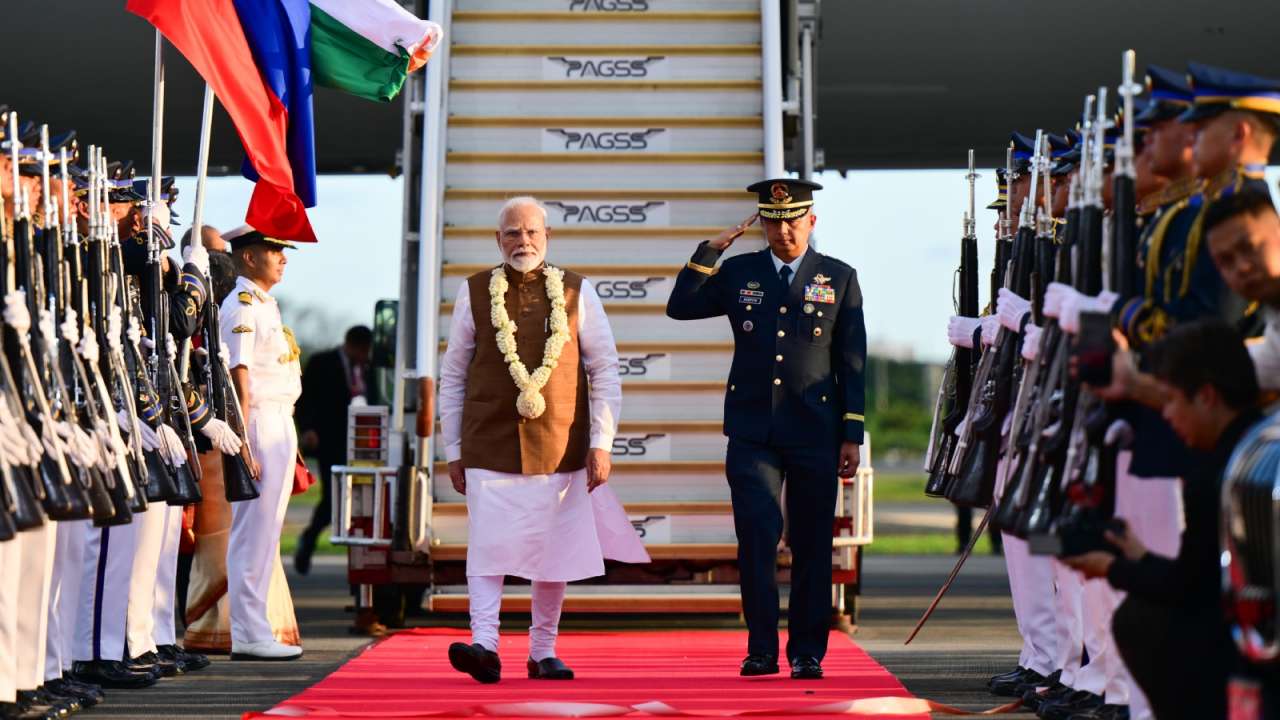 PM Modi Attends Quad Summit: How can India corner China in Indian Ocean without firing a shot: 5 strategic moves
 Dr Hassan OTT release date: Nawazuddin Siddiqui, Dia Mirza-starrer Indian House adaptation to premiere in December
 Dhurandhar 2 receives zero nominations at 2027 Grammys despite nine entries, Tamil song Varuvaaiy creates history
 Anne Hathaway welcomes third child with husband Adam Shulman
 Prince William meets Karan Johar, Saif Ali Khan, Kareena Kapoor Khan at Dharma Productions office, see viral photo
 Panchayat Season 5 OTT release date: When and where to watch Jitendra Kumar, Neena Gupta-starrer series
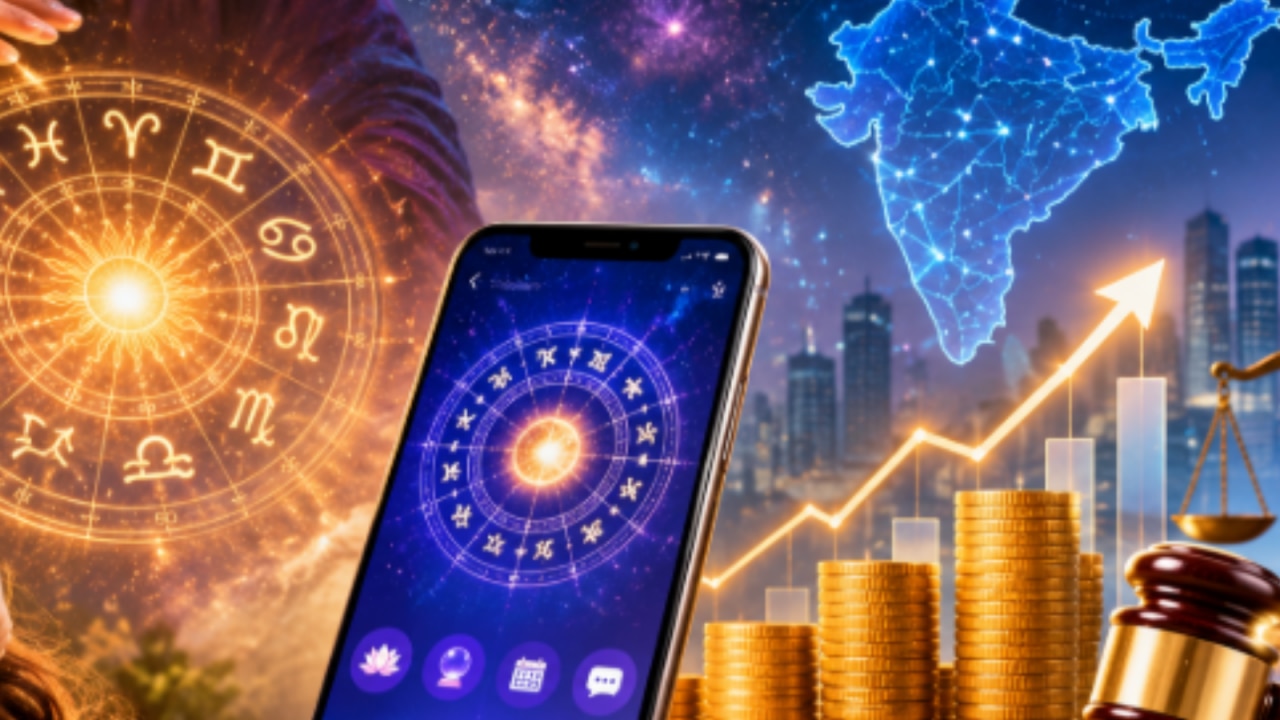 India's Astrology Boom: Faith, big business or emotional dependence? Who is watching the industry?
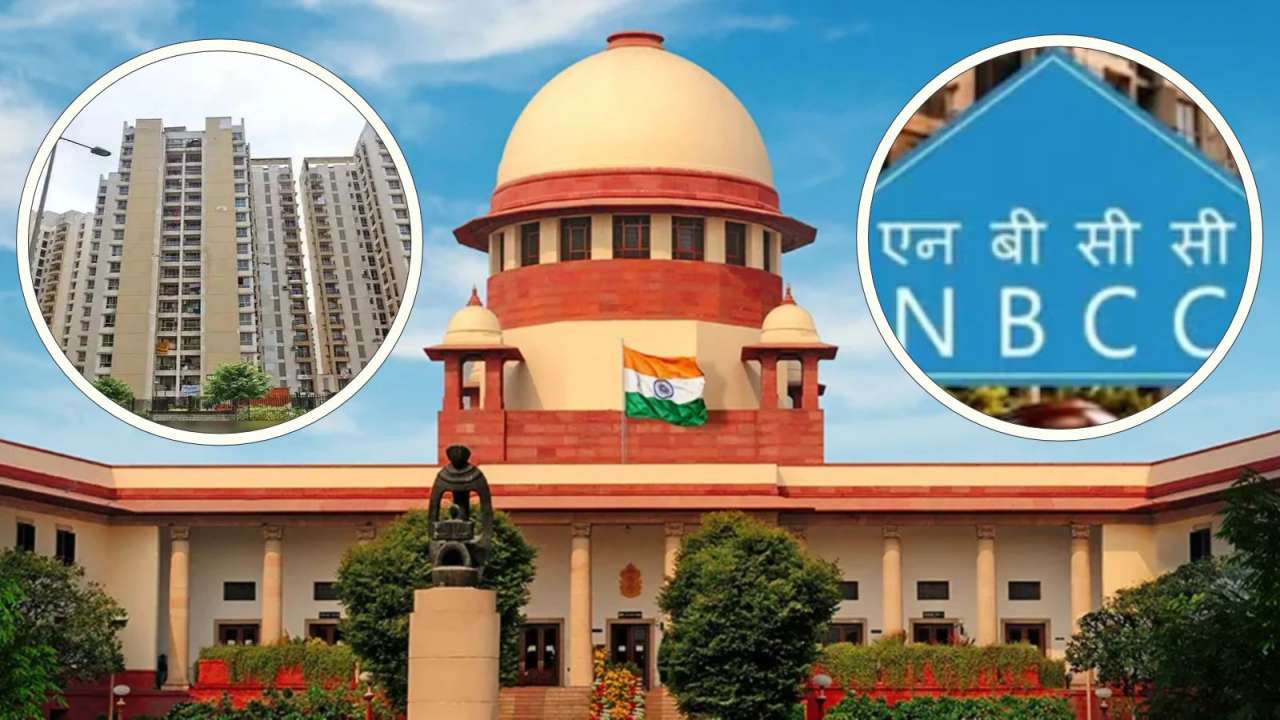 Did NBCC commit contempt of court? Firm resumes auction of flats despite matter being sub judice
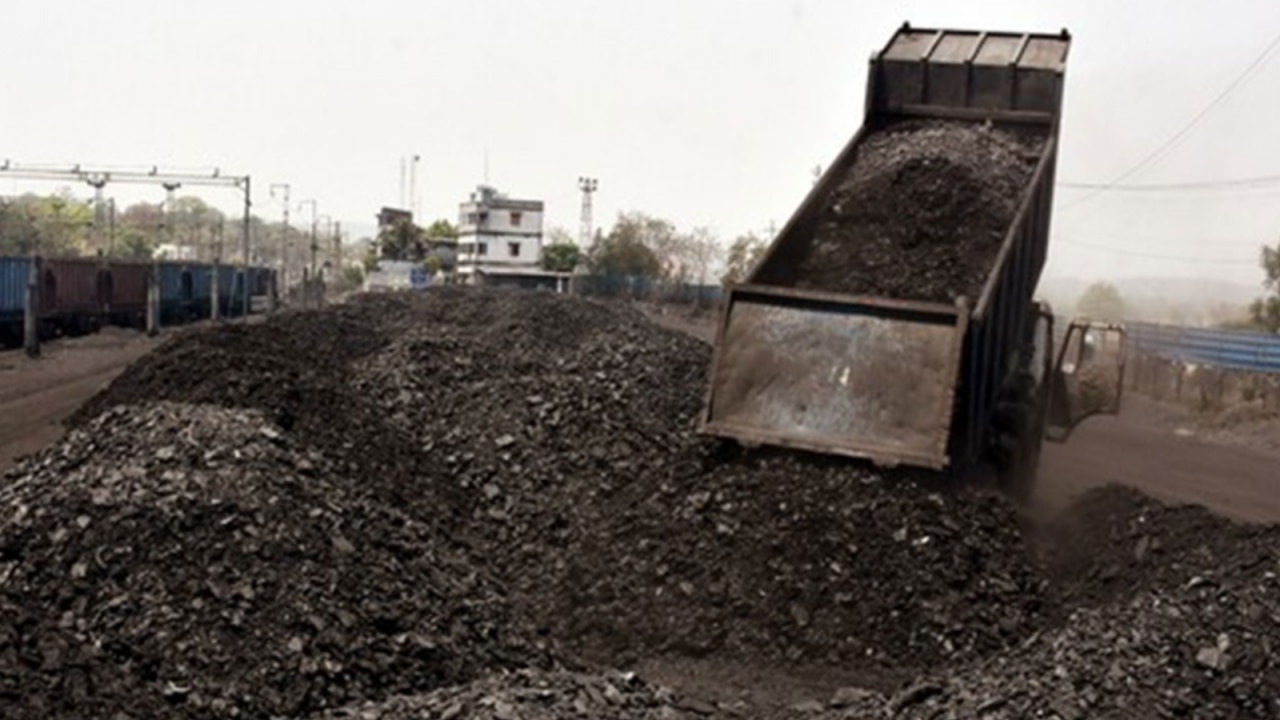 Mahanadi Coalfields IPO: 10 Things to know about issue date, GMP, price band, size and listing
 Tata Sons Listing Row: Why Noel Tata fears it could change Tata Group
 Who will replace Jensen Huang at Nvidia? 3 Indian-origin executives in the race
 Shah Rukh Khan's KKR valued at Rs 16,634 crore: Who is buying Jay Mehta's stake?
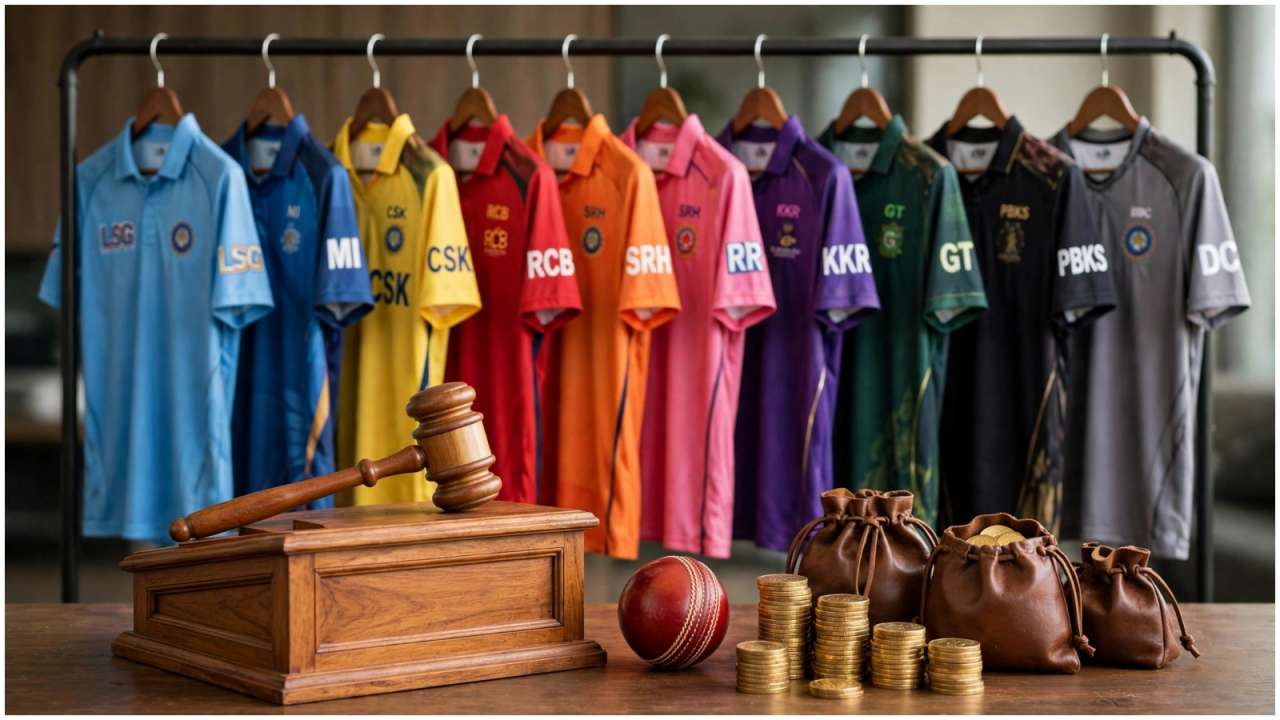 LSG head into IPL 2027 mini-auction as richest team with Rs 47.45 crore: Check purse of all 10 teams
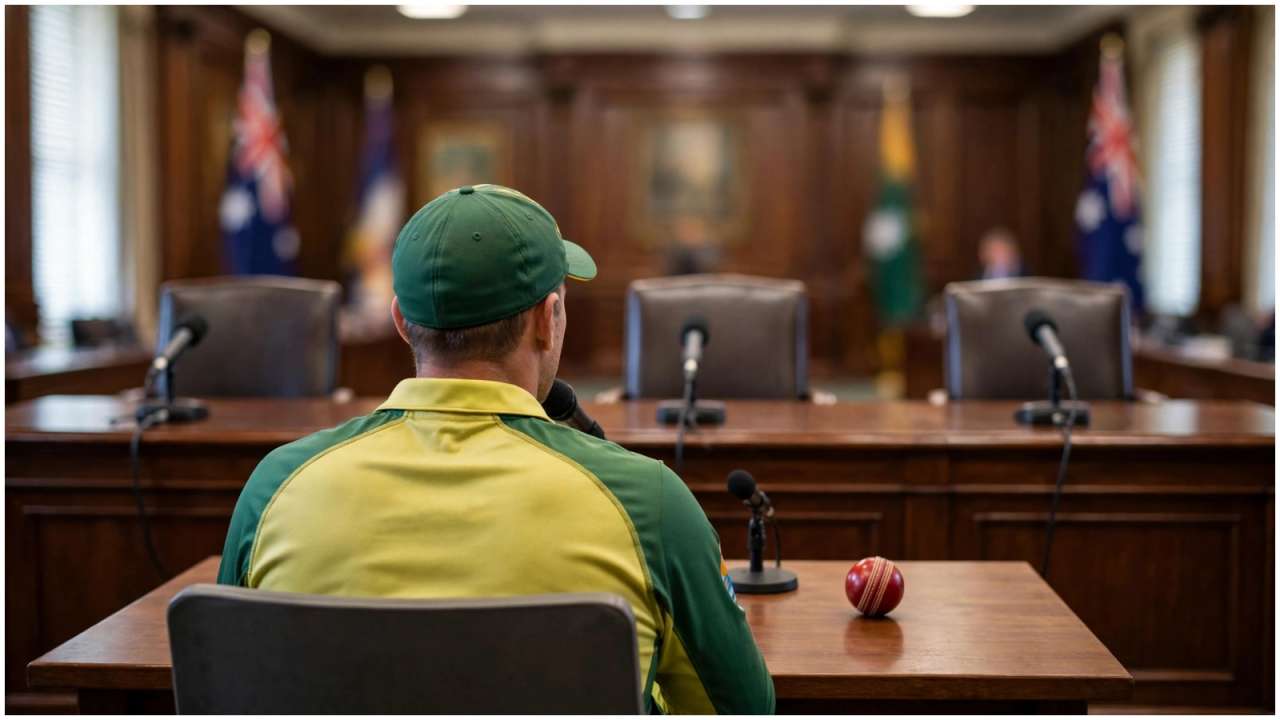 Who knew what in Australia's Sandpapergate scandal? CA gives players another chance to speak
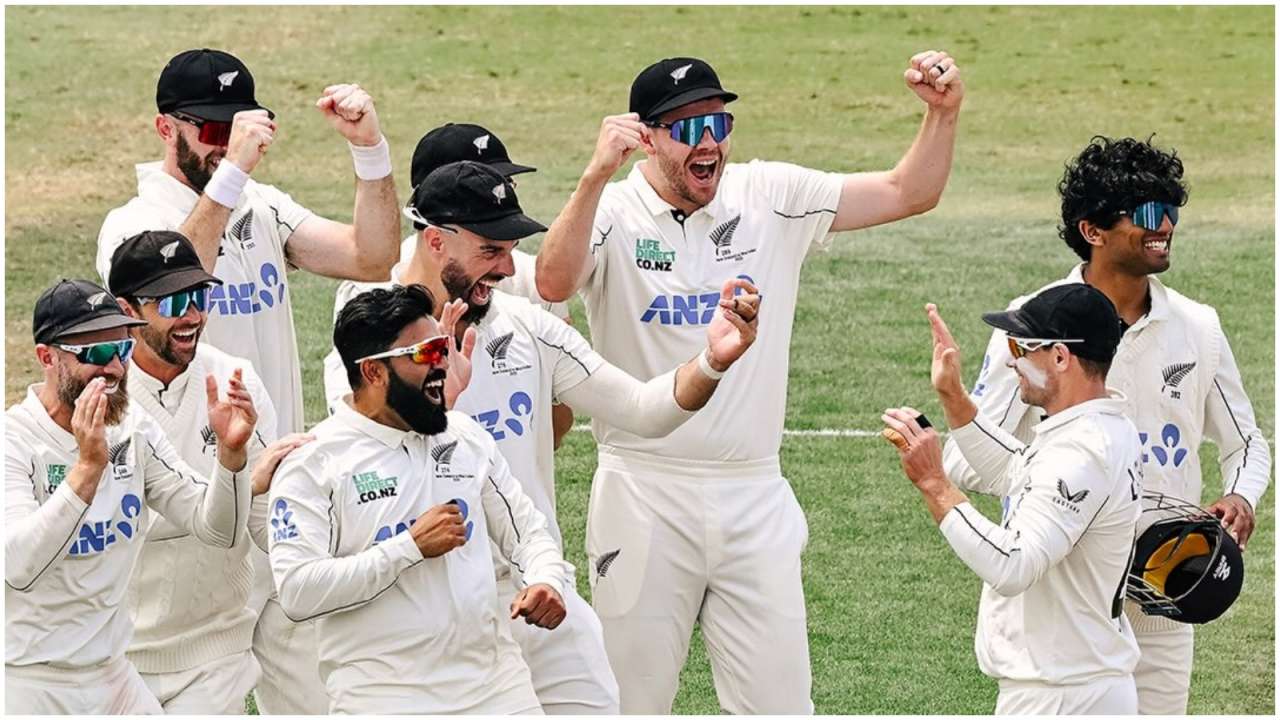 Tom Latham drops a big hint on New Zealand's biggest weapon against India
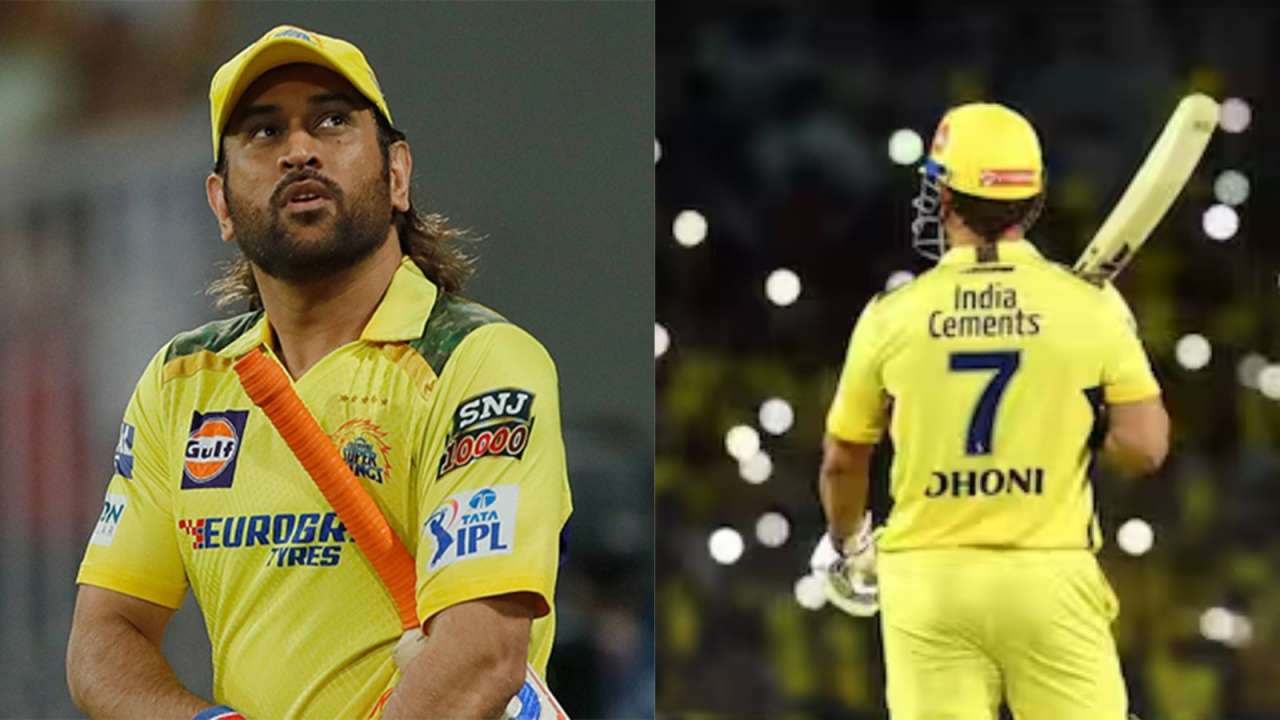 MS Dhoni among IPL's oldest players: Who tops list, where does CSK legend rank?
 Cyclone Akvan: 7 Andhra Pradesh's Districts On Red Alert Ahead Of November 20 Landfall | Odisha
 CJP News: 'Condition In Delhi Police Won't Leak It...' Saurav Das Submits Address Proof To Court
 Punjab News: Head Constable Shot Dead In Punjab, Sixth Cop Killed This Year | Bhagwant Mann
 Cyclone Akvan: Odisha Deploys 74 Rescue Teams, Begins Evacuation Ahead Of 'Severe Storm' | Andhra
 Uttarakhand Bus Accident: 6 Killed After Bus Falls Off Bridge On Rishikesh-Badrinath Highway
PERSONAL FINANCE
The section included in the Finance Act of 2022 that aims to decrease tax evasion and increase the revenue base contains certain inconsistencies.

Updated : Aug 31, 2022, 02:22 PM IST | Edited by : Maitry Kothari