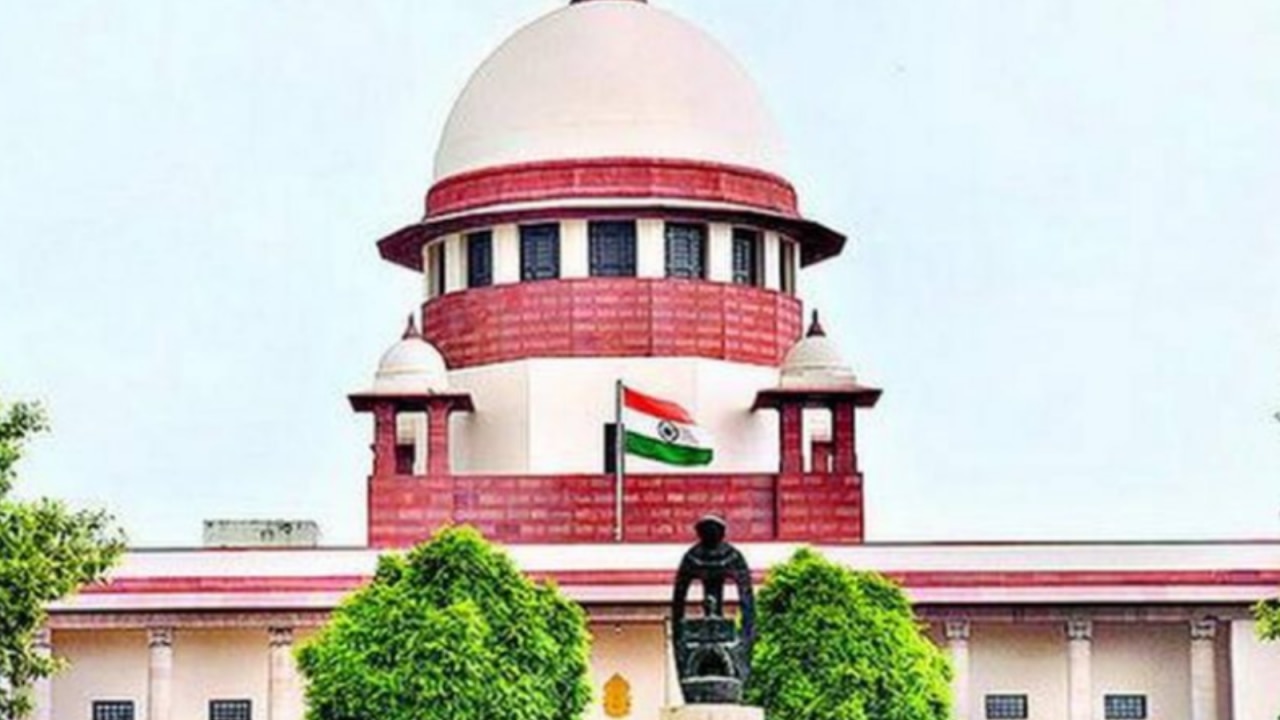
 Supreme Court registry flags 14 defects in INDIA bloc's petition over SIR irregularities: What are theySupreme Court registry flags 14 defects in INDIA bloc's petition over SIR irregularities: What are they
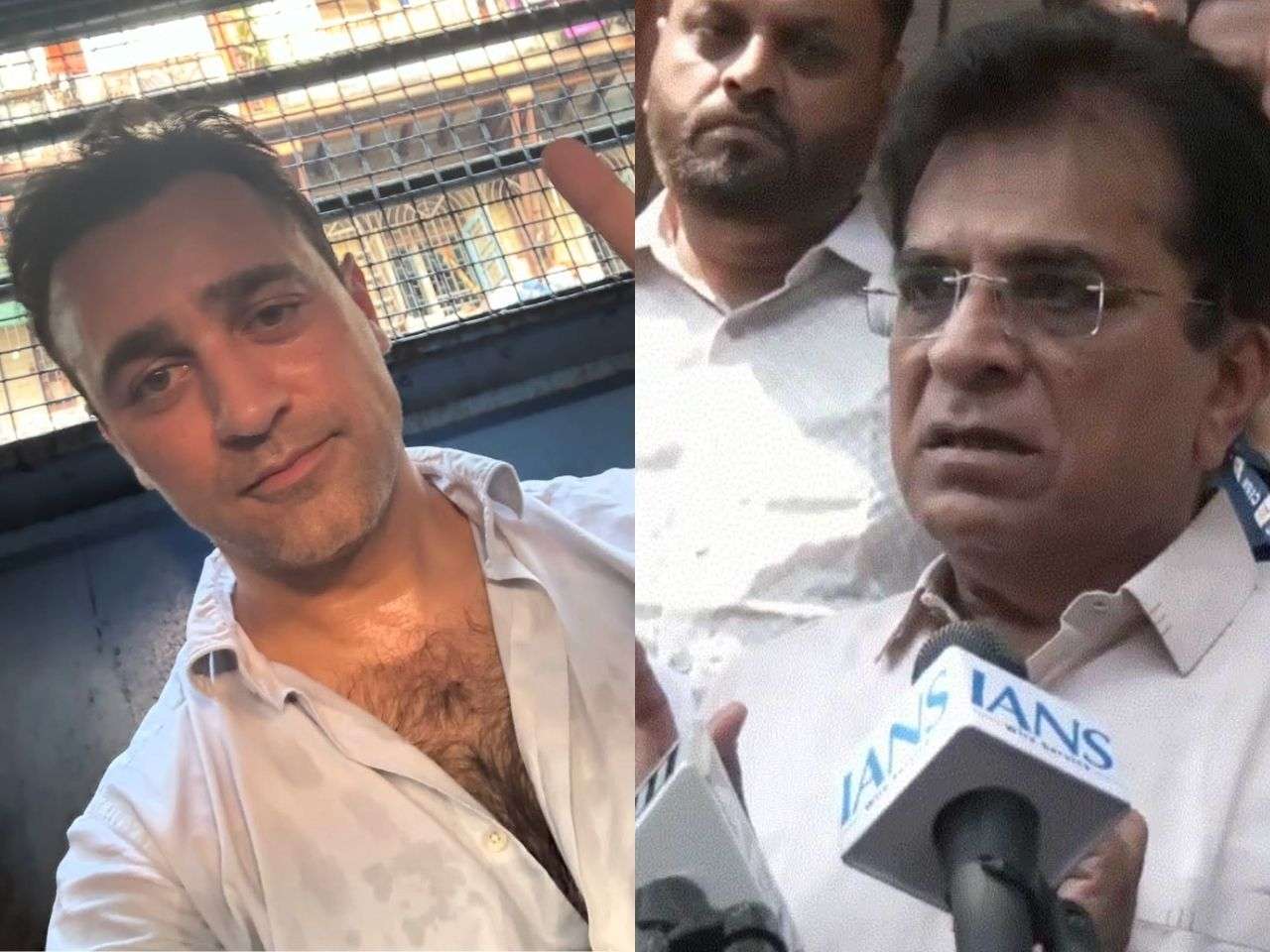 'Imran Khan is attempting to create anarchy': BJP Kirit Somaiya demands immediate arrest of Aamir Khan's nephew, alleges their Pakistani connection
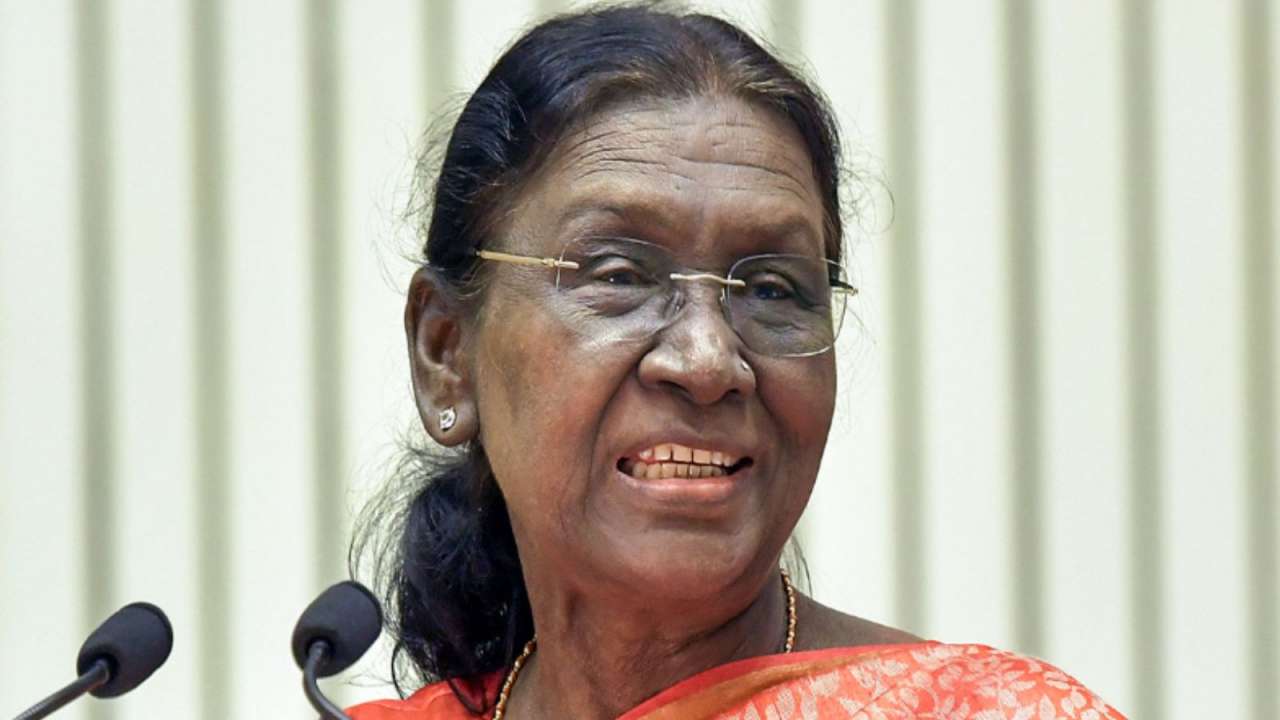 President Murmu appoints Governors in 6 states: Yogi Adityanath, Kiren Rijiju extend greetings
 Maha Devi Adishakti trailer: After Mahavatar Narsimha, Maa Durga vs Mahishasura's epic battle gets adapted into 'impressive' animation flick, netizens react
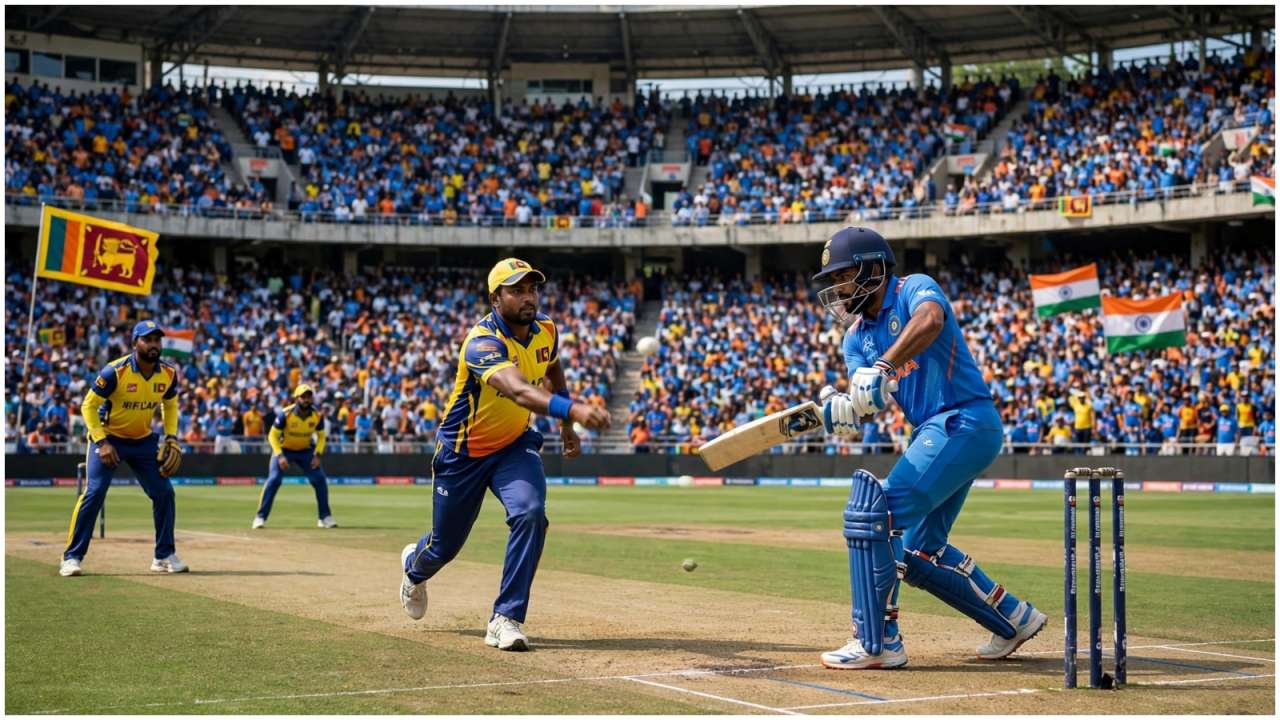 Will match venue change for India vs Sri Lanka 1st ODI from Delhi to Ahmedabad? BCCI finally breaks silence
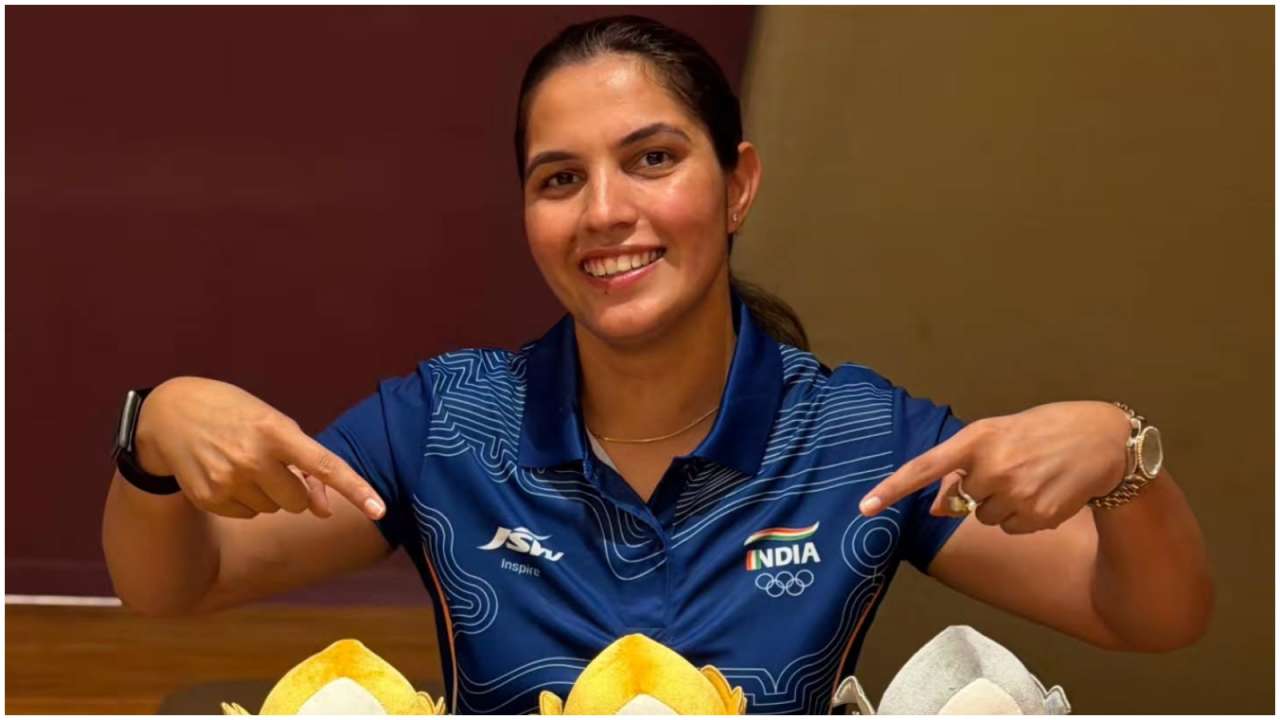 Why Neeru Dhanda chose to dedicate her Asian Games medals to Indian Army?
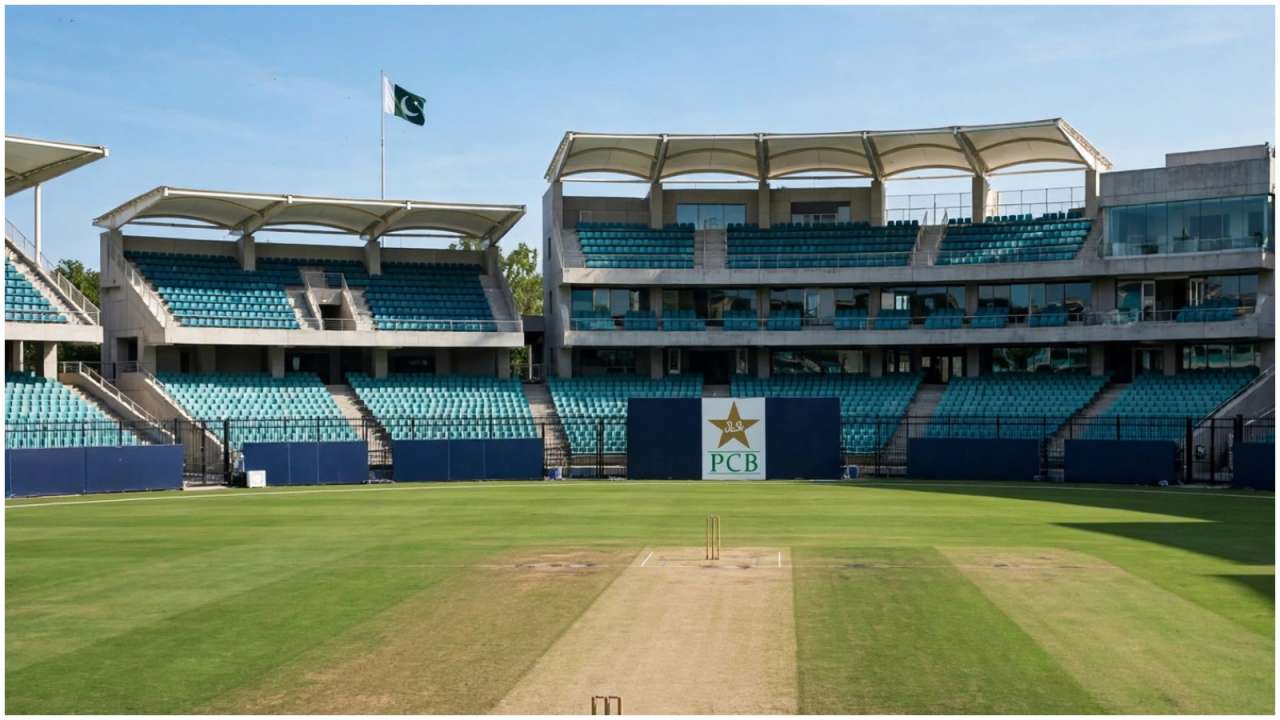 PCB changes match venues after emergency declaration in Pakistan province
 'Terrible human being’: Ex-India pacer Venkatesh Prasad takes scathing dig at Elon Musk amid escalating Starlink India row
 Fact Check: Did Virat Kohli really play in Mumbai’s Kanga League? Mystery behind viral No. 18 clip revealed'Imran Khan is attempting to create anarchy': BJP Kirit Somaiya demands immediate arrest of Aamir Khan's nephew, alleges their Pakistani connectionMaha Devi Adishakti trailer: After Mahavatar Narsimha, Maa Durga vs Mahishasura's epic battle gets adapted into 'impressive' animation flick, netizens react
 Koffee with Karan 9: Salman Khan to kickstart Karan Johar's last season of popular chat show, hints juicy reveal: 'Kahi bhi ja sakta hai'
 After Nana Patekar, Marathi cinema suffered another big loss, Madhu Kambikar, veteran Marathi actor, passes away at 73
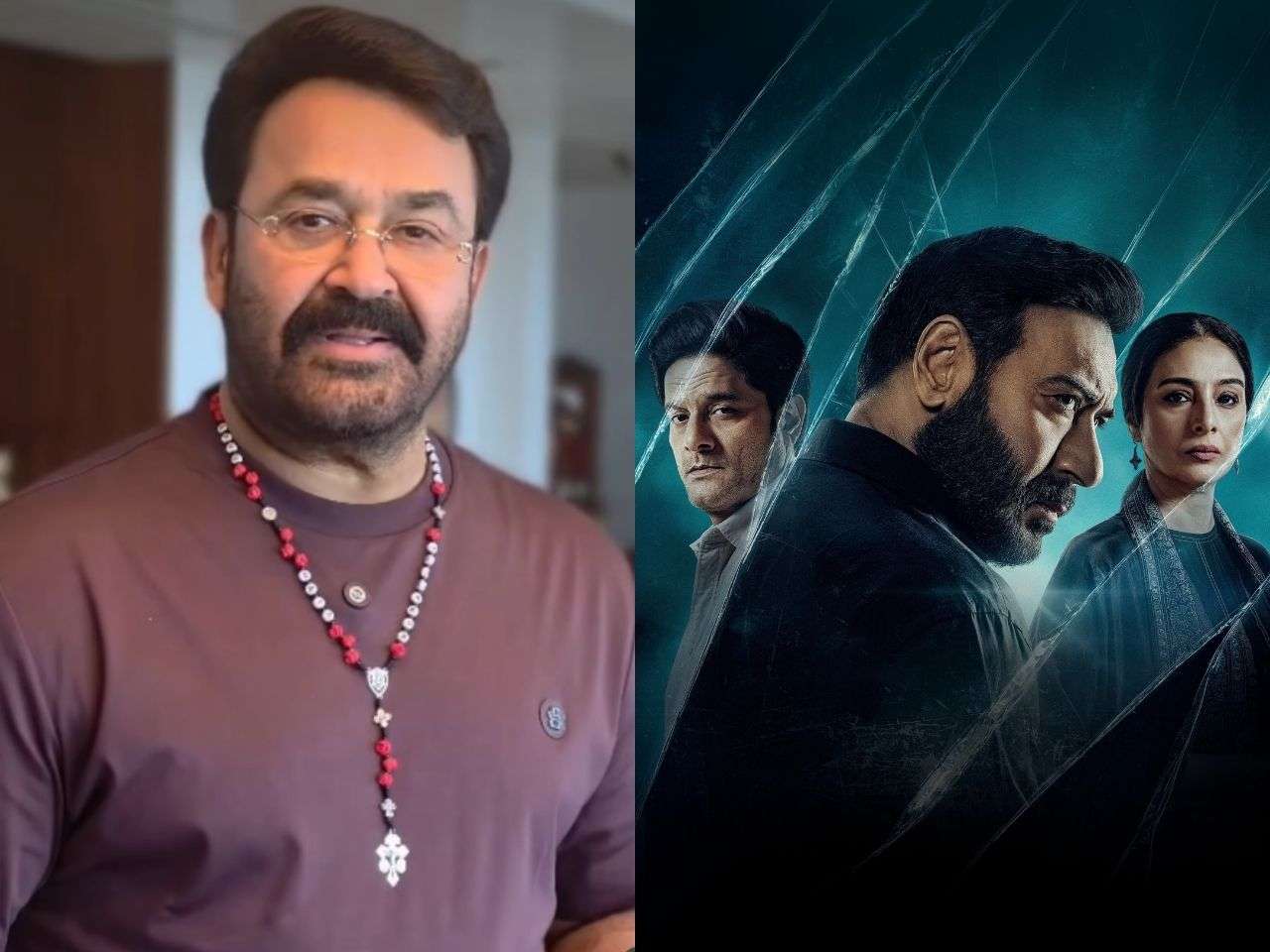 Viral video: Mohanlal reviews Ajay Devgn's Drishyam 3, admits he's 'truly impressed' with conclusion, calls it 'so well done'
 CJP Protest: 'Jantar Mantar De-Notified'; Govt Replaces Historic Protest Site With 3 New Venues
 CEC Resignation Row: Rahul Gandhi Announces Supreme Court Plea Over Voter Roll Fraud
 Saudi Houthi War: Saudi Coalition Releases CCTV Of Deadly Houthi Strike On Riyadh Airport
 Saudi Houthi War: India Issues Urgent Advisory To Citizens In Saudi After Riyadh Airport Attack
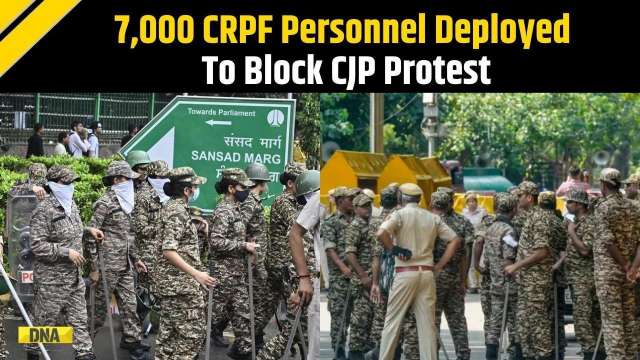 CJP Protest: 7,000 CRPF Personnel Rushed To Capital Ahead Of CJP's Oct 10 March
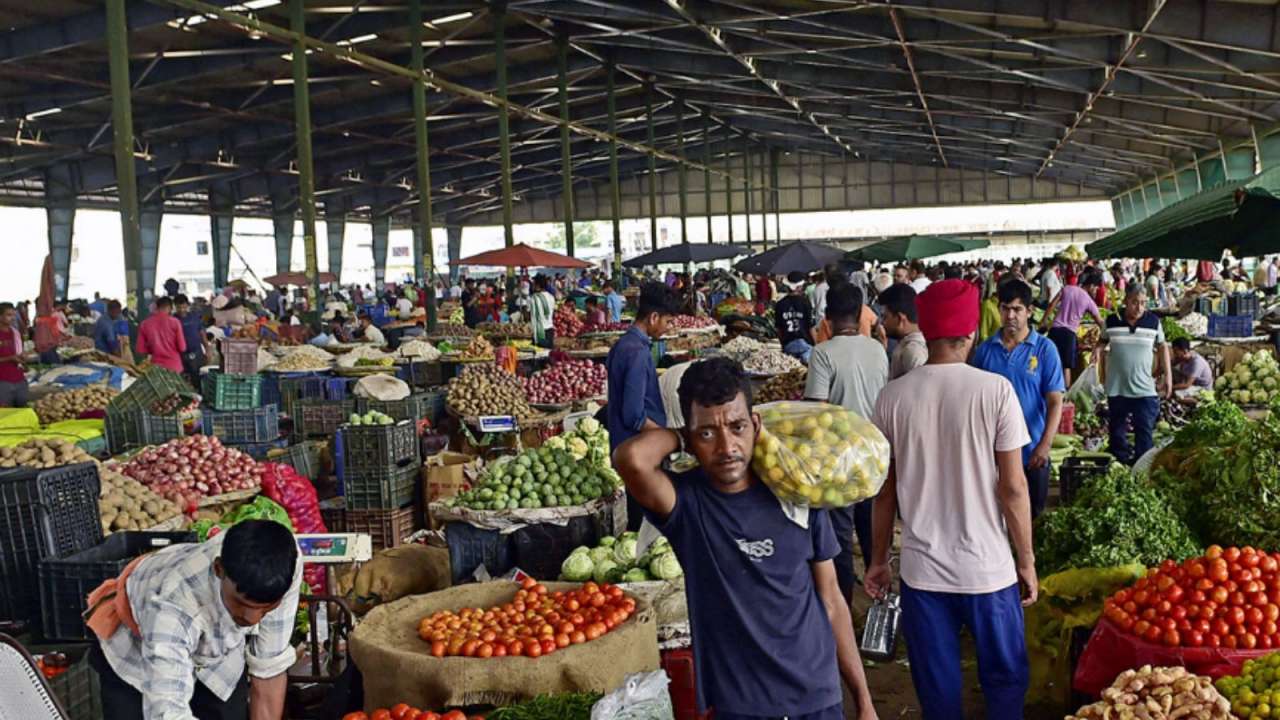 Retail inflation rises to 5.54% in September: Experts warn of pressure on purchasing power, expect more RBI rate hikes
 Gold, Silver prices today, October 10, 2026: Check city-wise rates in Delhi, Mumbai, Chennai, Kolkata and more
 Reliance Jio IPO: Price Band likely at Rs 1065-1119 per share, issue may open on October 21; check details
 How to bypass H-1 B visa restrictions? Can Indian professionals use L-1 and O-1 visas as alternative routes to enter US?
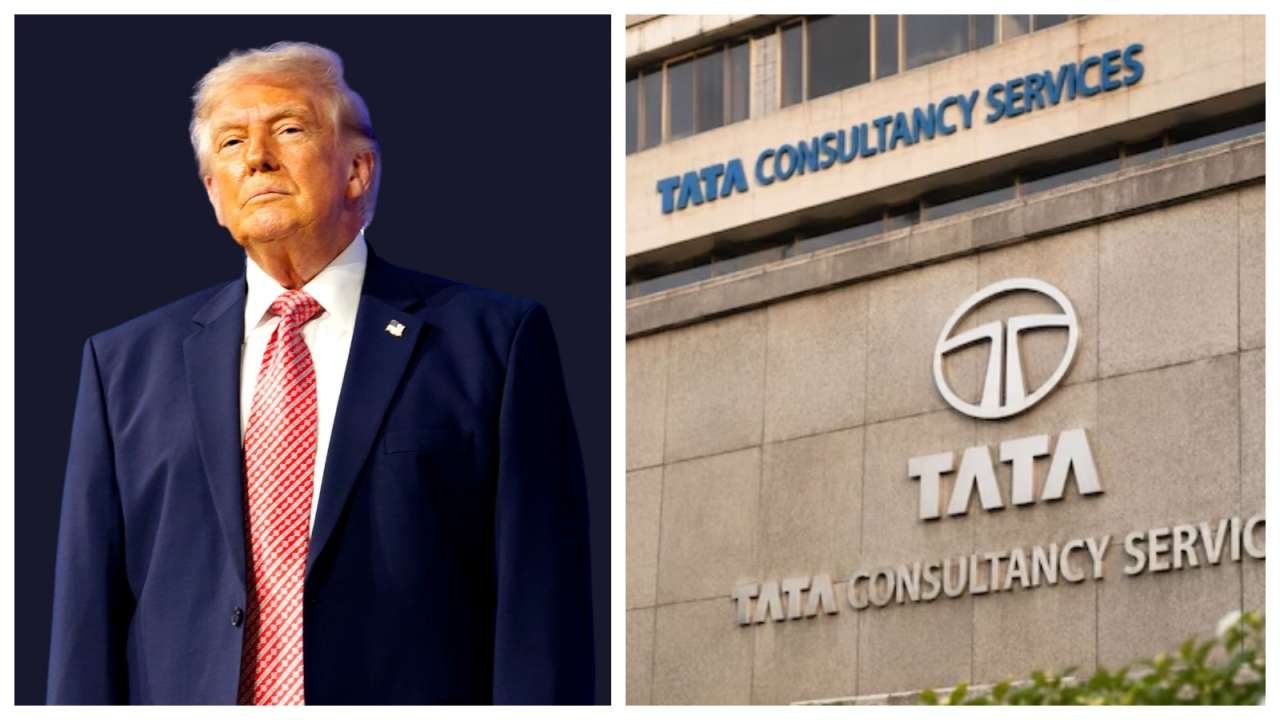 US Green Card Row: TCS says PERM suspension won't impact business, applications in single digits
 Navratri 2026: From Alia Bhatt to Sara Ali Khan, Shraddha Kapoor, take inspiration from Bollywood actresses to stun everyone in white
 Ranbir Kapoor-Sai Pallavi, Yami Gautam-Addinath Kothare, Rajkummar Rao-Wamiqa Gabbi: 5 fresh on-screen jodis to watch out for in 2026
 OTT Releases This Week (October 5-11): Awarapan 2, Khalifa, Mandaadi; new India movies, shows to watch on Netflix, Prime Video
 OTT Releases This Week (Sept 28 - Oct 4): Dupahiya 2, Pooja Meri Jaan; new movies and shows to watch this Gandhi Jayanti weekend
 From Neeti Mohan, Heer, Sarthak Kalyani; Ahead of Sa Re Ga Ma Pa, 5 musical geniuses championed by AR RahmanSupreme Court registry flags 14 defects in INDIA bloc's petition over SIR irregularities: What are theySupreme Court registry flags 14 defects in INDIA bloc's petition over SIR irregularities: What are theyPresident Murmu appoints Governors in 6 states: Yogi Adityanath, Kiren Rijiju extend greetings
 4 terrorists, including top LeT commander Mohammad Faizan, killed in mine blast along LoC in J&K
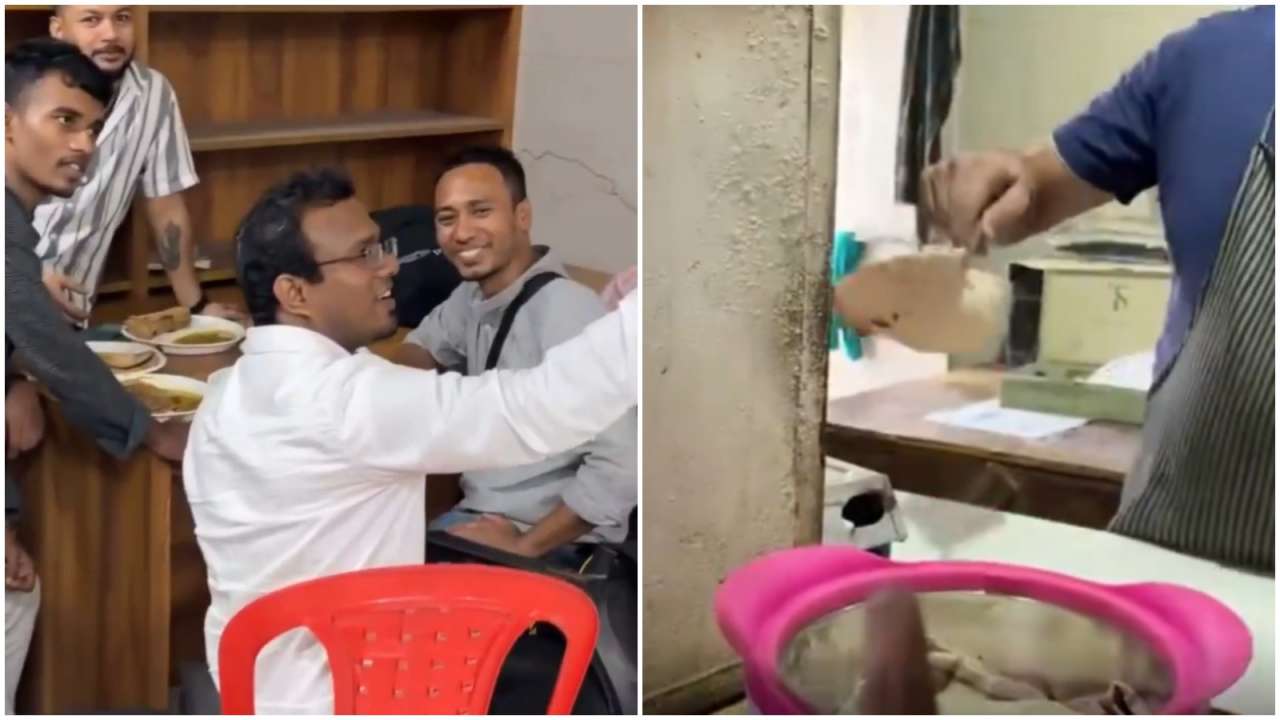 'World's first dictator who serves food to protesters': Videos of detained protesters being served 'garam thali' go viral
 Third Language Row: SC extends relaxation to Class 6 students, asks CBSE to grant exemption, here's what it means
 NEET PG 2026 Result Out: Check how to download scorecard from natboard.edu.in; Know category-wise cut-off and more
 Five-year BTech programmes? Ex-IIT director makes proposals amid IIT suicide controversy
 CBSE Date Sheet 2027: When will Class 10, 12 timetable be released? Check details here
 From Rs 150 in 1947 to powerful student body: The story of DUSU’s rise | Explained
 After Hyundai, Maruti Suzuki makes cars costlier ahead of festive season: Check new prices after hike
 Hyundai cars to get costlier from September: Check new prices and reason behind hike
 Why can't consumers choose pure petrol or E10? Centre explains why E20 is now the standard fuel
 Centre claims E20 fuel does not damage engines, cites data from Maruti Suzuki and Hero MotoCorp
 Maruti WagonR Flex Fuel: What’s price of India’s first ethanol car? Specs, mileage, and top features explained
MUMBAI
The study was conducted by three MSc Part-I (Human Development) students – Paulomi Shah, Yashna D'Souza and Mansi Shedge – under the guidance of the college's Dr Kamini Rege, assistant professor, department of human development. The findings indicate that giving away a baby may prove to be devastating to mother's mental health.

Updated : Apr 08, 2015, 07:07 AM IST




South Mumbai's Nirmala Niketan college of Home Science recently conducted a survey on young and middle aged adults, about their opinion on surrogacy in India. Out of the 86 respondents, a mere 18% were aware of the different types of surrogacy.
The study was conducted by three MSc Part-I (Human Development) students – Paulomi Shah, Yashna D'Souza and Mansi Shedge – under the guidance of the college's Dr Kamini Rege, assistant professor, department of human development. The findings indicate that giving away a baby may prove to be devastating to mother's mental health.
The 86 participants were of mixed academic backgrounds – both experts and young adults (aged 18-35 years) and middle age adults (aged 36-60 years). Of the six experts, two were from the field of teaching (psychology and human development), two from medicine (gynaecologist) and two from social work.
Surrogacy statistics
An estimated 2,000 foreign babies are born to Indian surrogates each year, according to research in the forthcoming Patients with Passports: Medical Tourism, Ethics, and Law, by Harvard law professor I. Glenn Cohen.
The study showed that among young and middle age adults, only 17.5% young adult males (YAM), 8.8% young adult females (YAF), 15% middle aged males (MAM) and 11.3% middle aged females (MAF) were aware about the different types of surrogacy.
With regards to society, 8.8% YAM, 5% YAF, 11.13% MAM, 13.8% MAF said that there was little to no support, or even acceptance for surrogacy. Respondents stated that pressures including criticism, stigma and narrow mindsets, dominated the general attitude.
Additionally, the study pointed out that a surrogate mother develops such an emotional attachment to the fetus, that when the baby is born and given to his/her parents, the surrogate has health complications.
Many adults were of the opinion that surrogacy ought to be legalised as it benefits infertile couples. The experts surveyed felt that mainstream media is not making any attempts to bring surrogacy to the forefront of social discourse.
Dr Kamini Rege said: "The experience of researchers were enriching. The only challenges they faced were to get the experts' opinions, as they were reluctant to comment on the issue."