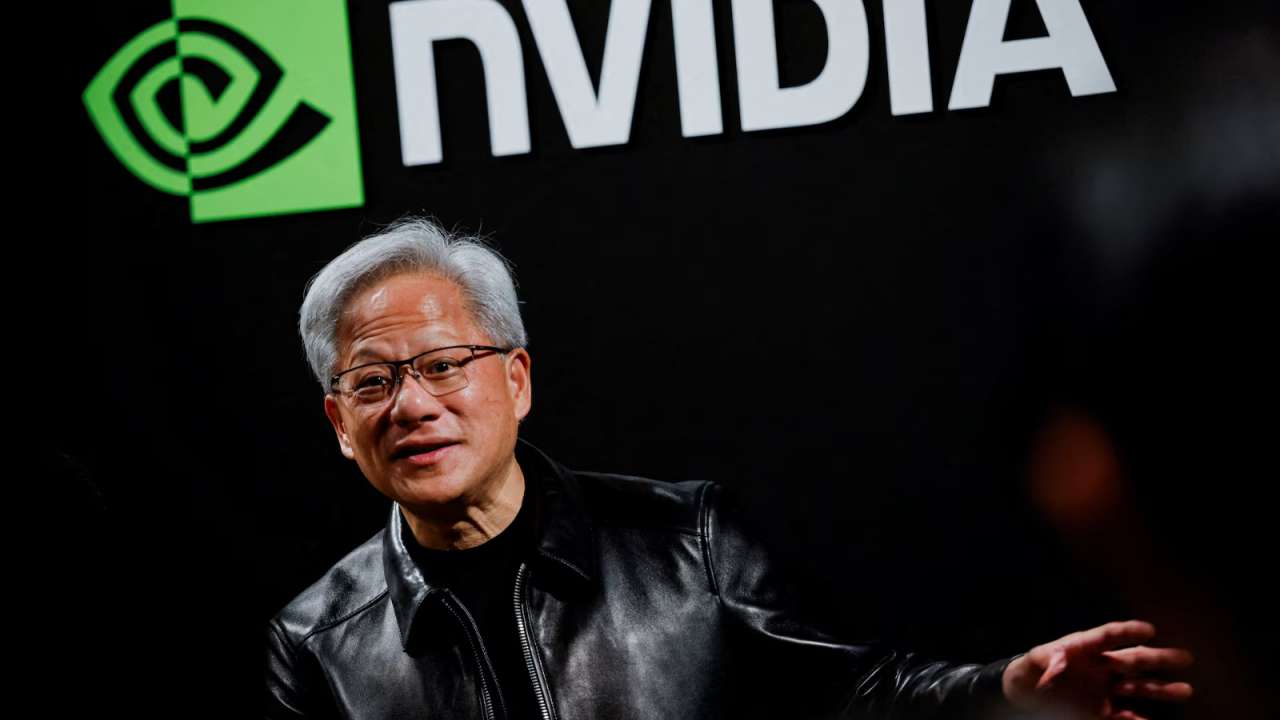
 Nvidia CEO Jensen Huang resigns amid spy affair scandal; CFO Colette Kress named interim CEO
 Liberia-flagged tanker hit by projectile off UAE, 19 Indian crew safe
 Donald Trump vs Netanyahu Over Iran War: Report claims 'shouting match from hell' call
 Why does inflation soar to 6.09% despite falling fuel prices, US-Iran war halt? RBI's next move under focus
 Ramayana box office collection Day 8: Despite big drop, Ranbir Kapoor scores his biggest hit, 1st 1000 crore film
 Maharashtra Shocker: 20-year-old woman molested on local train, pushed onto tracks, loses arm
 Owaisi-Azad join hands in UP, picks Chandra Shekhar Azad as CM face to consolidate Dalit-Muslim votes against BJP
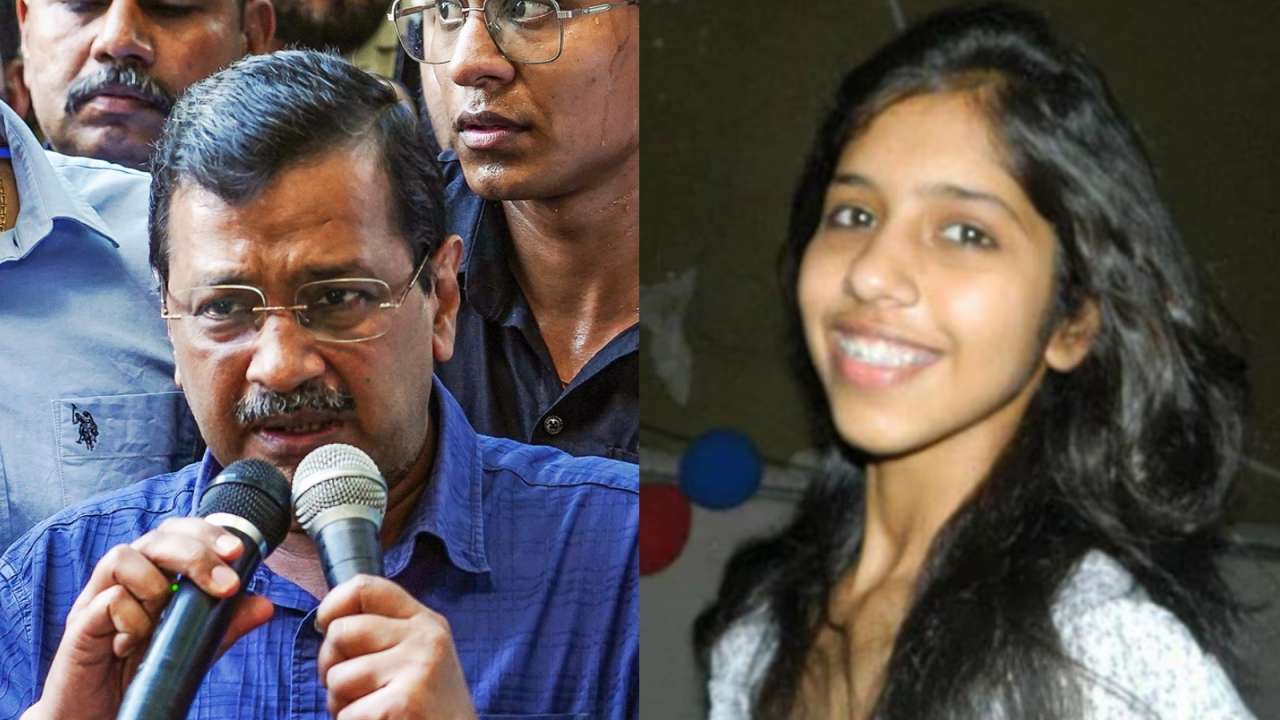 Arvind Kejriwal after Tiger Shroff? Bishnoi gang threatens him, demands ransom of Rs 7 crore, what will Rekha Gupta govt do?
 Abhishek Banerjee attacks Bengal govt after anti-encroachment action near house: 'You cannot bulldoze my voice'
 Jammu and Kashmir Horror: Bullet-riddled bodies of two missing SPOs, who had gone missing on duty, found in KishtwarNvidia CEO Jensen Huang resigns amid spy affair scandal; CFO Colette Kress named interim CEOLiberia-flagged tanker hit by projectile off UAE, 19 Indian crew safeDonald Trump vs Netanyahu Over Iran War: Report claims 'shouting match from hell' call
 Who is Kang Wei? Alice Huang's husband who introduced her to Nvidia CEO Jensen Huang
 Bad News For H-1B Holders? US may remove deference for visa extensions; what it means for Indian employees?Why does inflation soar to 6.09% despite falling fuel prices, US-Iran war halt? RBI's next move under focus
 UP Elections 2027: Will Asaduddin Owaisi and Chandrashekhar Azad defeat BJP or help Yogi win?
 From Nvidia CEO Jensen Huang to top officials: 5 Alleged Chinese 'honey trap' cases that shocked world
 Brent crude crashes from $115 to $90: Will petrol and diesel prices become cheaper in India?
 Sensex soars 1,300 points, Rs 6 lakh crore added in minutes: 3 BIG reasons behind stock market rallyRamayana box office collection Day 8: Despite big drop, Ranbir Kapoor scores his biggest hit, 1st 1000 crore film
 Viral video: Jackie Shroff dodges reacting to Tiger Shroff's firing incident? His mute reaction leaves netizens puzzled
 Anubhav Sinha 'jealous' of Ramayana? Director hopes film 'will no longer be gladiators', netizens brutally trolled him: 'You should stop making movies'
 Kangana Ranaut ATTACKS Sonia Gandhi, calls Congress leader 'billionaire Italian widow' seeking sympathy, netizens brutally troll actress
 Kareena Kapoor lands in major trouble, actress hurts Islamic sentiments by wearing royal pendent with Quranic verse
 Who may replace Nvidia CEO Jensen Huang? THIS Indian tech executive emerged among top contenders
 When CA Mukesh Jain Tested Kwala Intel: Inside the AI market wizard that money managers now swear by
 Tata Group Power Struggle Intensifies: Noel Tata quits boards of six companies, what next?
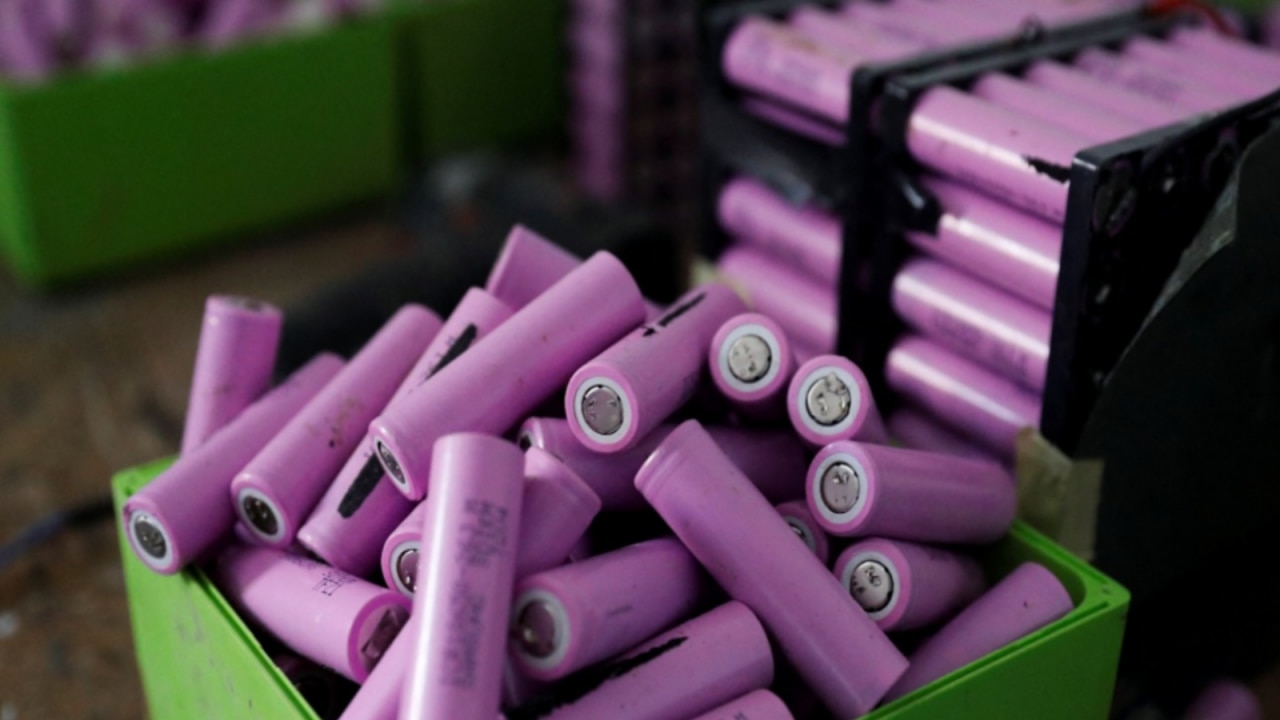 India bans lithium-ion battery waste exports: What's the reason behind the move?
 Why Mother Dairy, Amul to hike milk prices in Delhi-NCR from November 12?
 Arshdeep Singh and Samreen Kaur take relationship to next level: See engagement pictures
 Akash Ambani's first reaction after Hardik Pandya trade, welcomes Arshdeep Singh to Mumbai Indians
 Hardik Pandya drops first message after joining PBKS goes viral, says 'Sat Sri Akal Punjab'
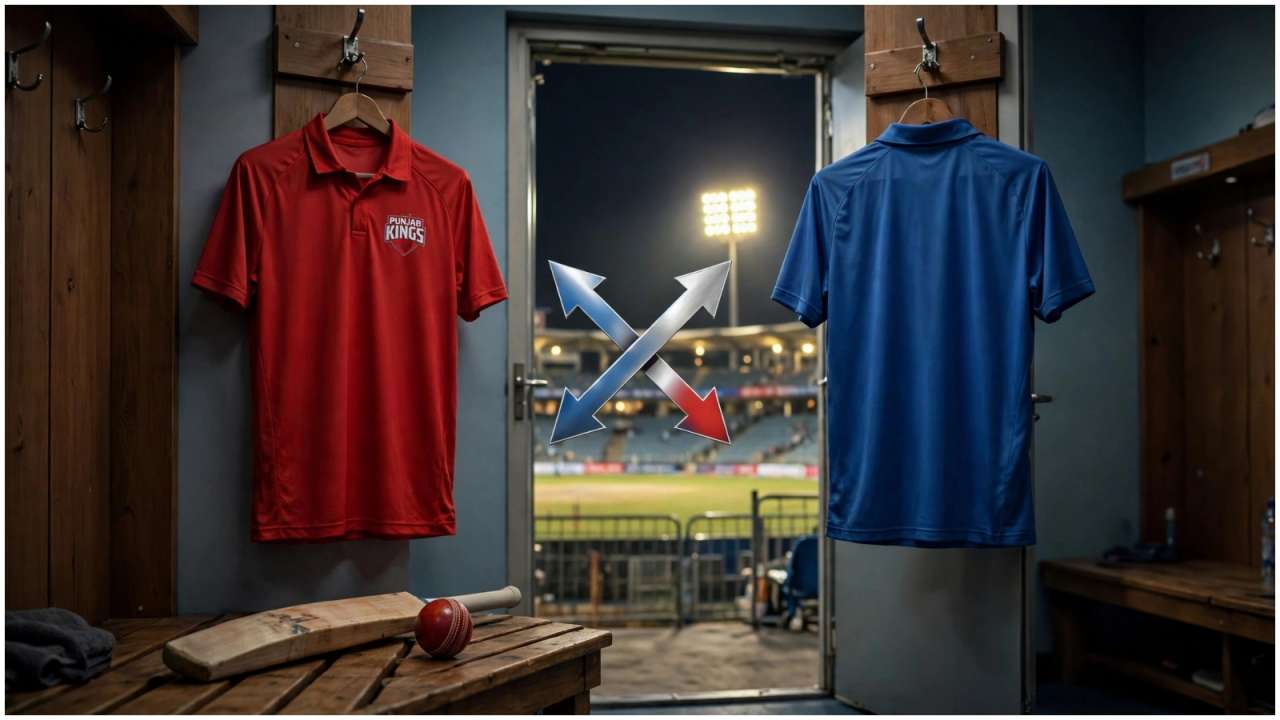 IPL 2027 trades: Full list of players who have switched teams, Hardik-Arshdeep deal included
 Irfan Pathan makes big statement on Arshdeep Singh's trade to MI, says 'Makes Mumbai Indians a stronger side'
 Nvidia-Jensen Huang News: 'Would Be An Honor To Hire Him...' Will Musk Save Huang After Resignation
 J&K News: 'Won't Spare You...' 2 Days Before Kulgam Attack, CRPF Got Unexpected Warning By Boy
 J&K News: Two Special Police Officers Who Went Missing In Kishtwar District Found Dead
 Assam Train Accident: 'Break Failure Or Control Loss...' 300 Passengers Escape Death; What Happened?
 Delhi AQI News: Why India’s Official AQI Stops At 500 While Private Apps Show Readings Above 1,500
MUMBAI

Updated : Jun 26, 2014, 07:30 AM IST
















Kicked about your smartphone's features? Would you be equally kicked when told that your smartphone shares your personal microbial world too?
A new study by a team of microbiologists at the University of Oregon has found that more than 80% of the common bacteria that make up our personal 'bacterial fingerprints' end up on mobile phone screens.
If you think the germs on your phone are safe because they're yours, the problem is when you pass your phone along to someone else.
"We share more than an emotional connection with our phones — they carry our personal microbiome — the trillions of different micro-organisms that live in and on our bodies," says Dr James Meadow of University of Oregon, who led the research team conducting the study.
For the study, the microbiologists sequenced the DNA of microbes found on the index fingers and thumbs of 17 people and took swabs of the subjects' smartphones. A total of 7,000 different types of bacteria were found in 51 samples. On an average, 22% of bacterial families overlapped on fingers and phones, and 82% of the most common bacteria present on participants' fingers were also found on their phones.
They included three families that are commonly found on the skin or in the mouth — streptococcus (sore throats, fever, skin infections, pneumonia and meningitis), staphylococcus (skin infections, blood poisoning and toxic shock), and corynebacterium (conjunctivitis, inflammation of the inner layer of the heart and diptheria). While both men and women shared bacteria with their phones, the connection was stronger in women.
"This project was a proof-of-concept to see if our favourite and most closely held possessions microbially resemble us," Meadow said. "We are ultimately interested in the possibility of using personal effects as a non-invasive way to monitor our health and our contact with the surrounding environment."
He emphasised, however, that there is no evidence that mobile phones present any more infection risk than any other possession. "Our phones could one day be used to study whether people have been exposed to certain bacteria, particularly health care workers."
The scientists said the overlap between the collection of micro-organisms naturally present on our bodies and those on the screens of smartphones could one day be used to track people's exposure to bacteria.
Though admitting that the sample size was not large, Meadow felt the findings were "revealing".
Calling the sample-size "problematic", Haffkine Institute director and head, microbiology, Dr Abhay Chowdhary raised questions about the connections being sought to be made. "It is nobody's case that micro-organisms do not latch on to personal use items like cell phones. It is also true that this can be found more in case of people who work in the health sector," he told dna and added, "I will have to see the study and find out more about methodology used to be able to say whether the claims are true."
He also pointed out how worldwide there is increasing scientific interest in the human microbiome. "This can vary person to person depending on hygiene practices, genetic make-up and other factors," he explained.
He suggested that using tissue with sanitiser to clean personal effects, which are continuously in contact with a person's skin, is important.
Earlier in August 2012, a University of Arizona study too had warned: "Cellphones could be dirtier than a toilet seat."
"What you typically would find is bacteria that can be associated with skin," that study had said, "and not infrequently fecal bacteria."
Meadow told dna, "Antibacterial wipes could clean up your phone and cotton swabs could help clean between the keys but some germs are far too stubborn," and added, "It's very difficult to keep faecal and urine traces out of our lives."