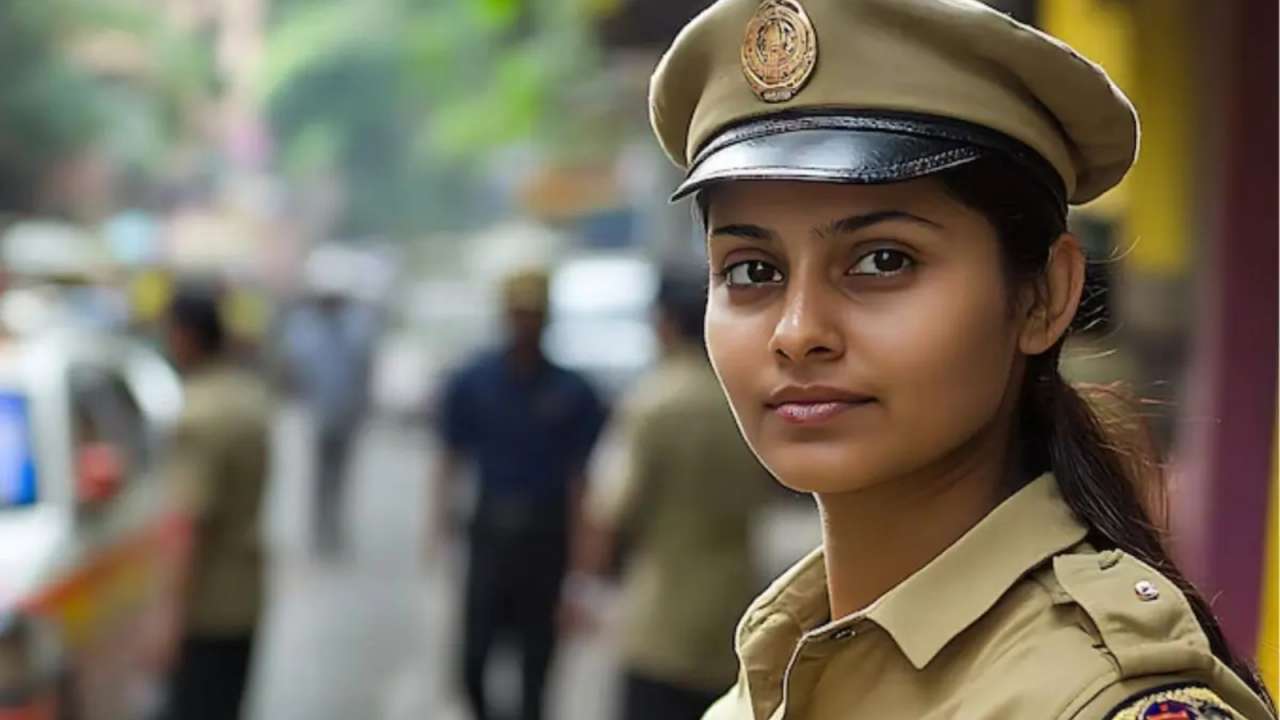
 CJP Protest: Why did Delhi Police deploy hundreds of women cops to detain male protesters?
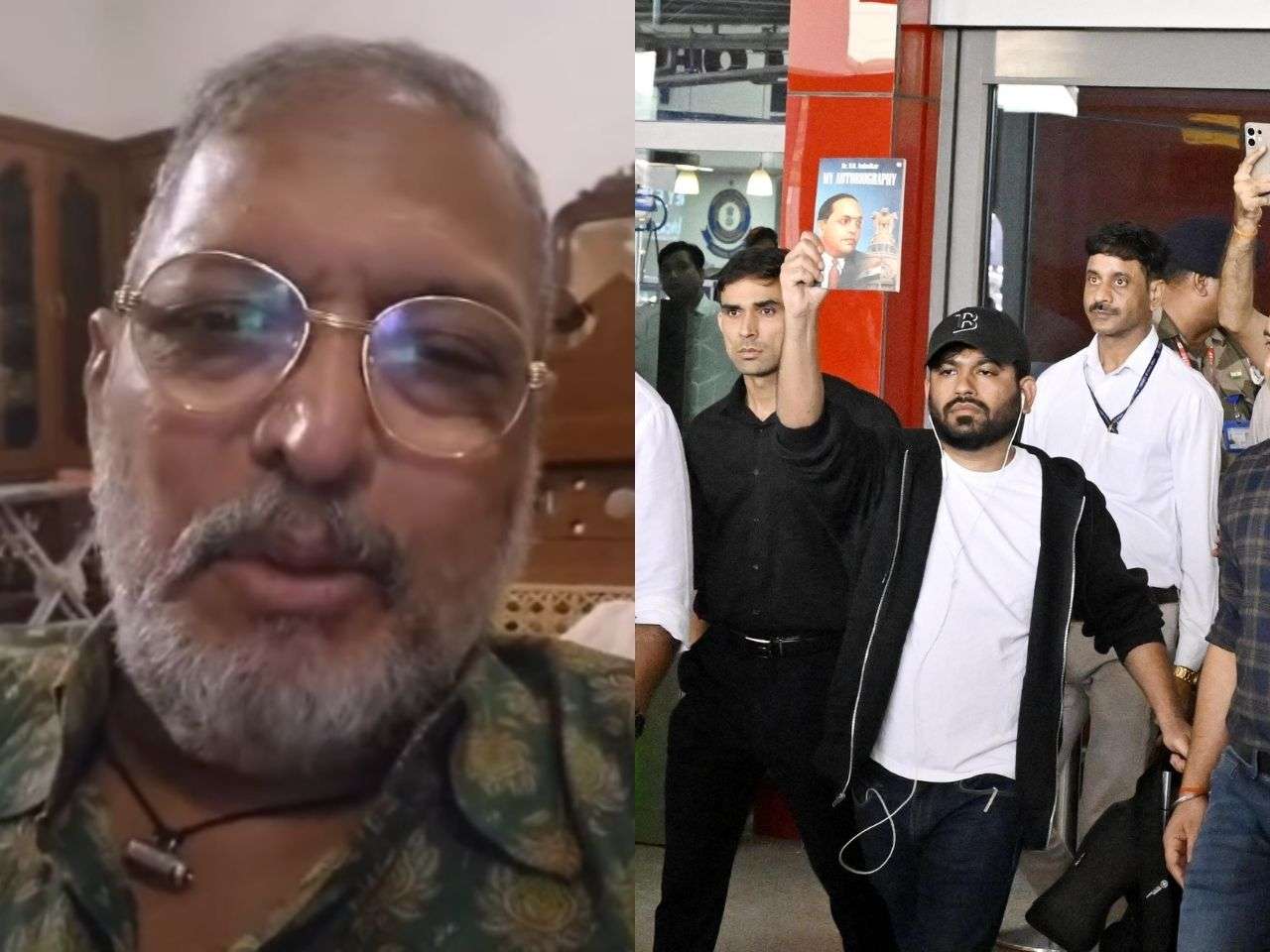 Fact check: Nana Patekar promised Abhijeet Dipke he would join his protest, late actor apologised to CJP founder? Here's the truth behind viral video
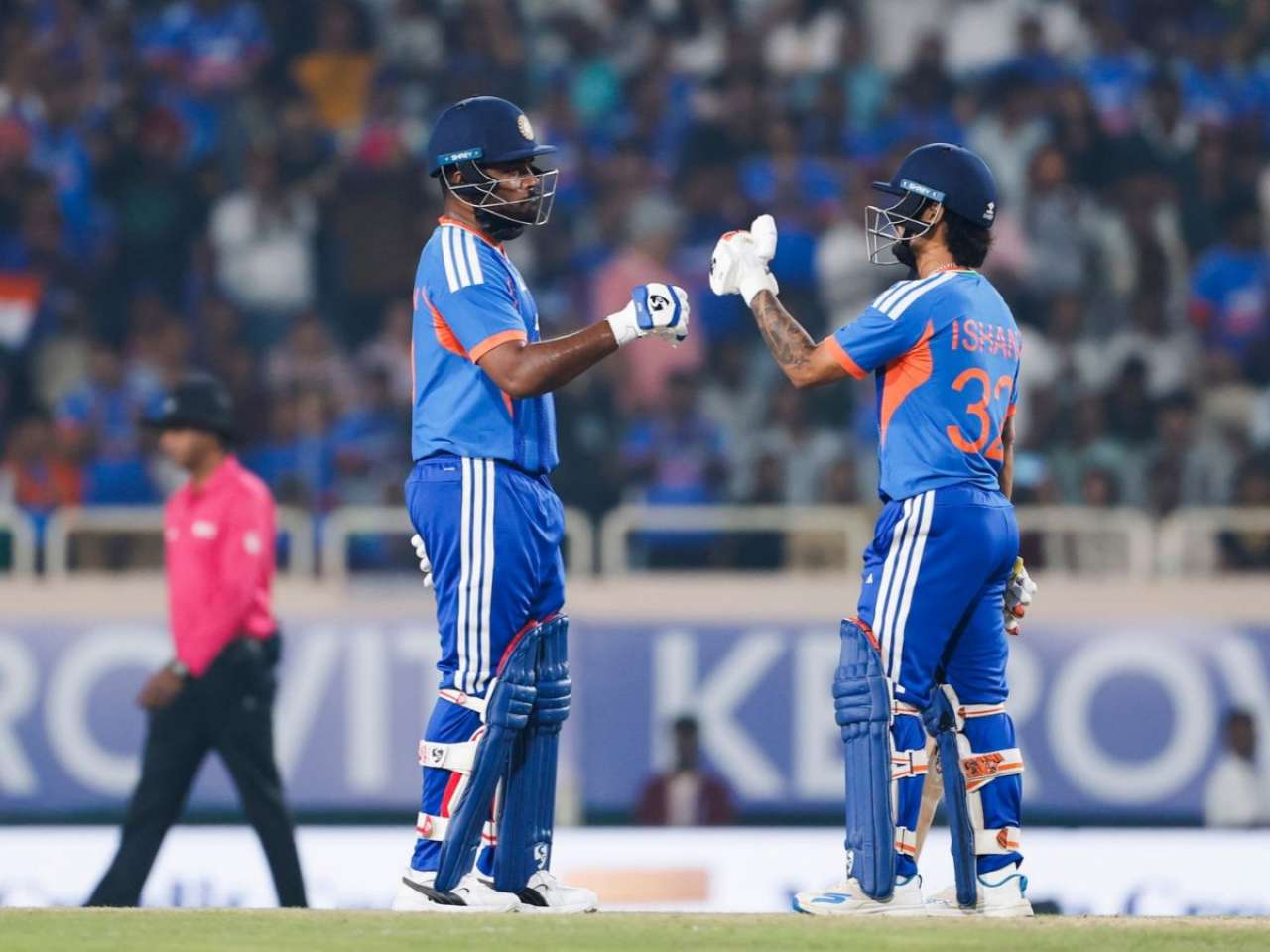 IND vs WI 3rd T20I Live Streaming: When and where to watch India vs West Indies match live on TV and online?
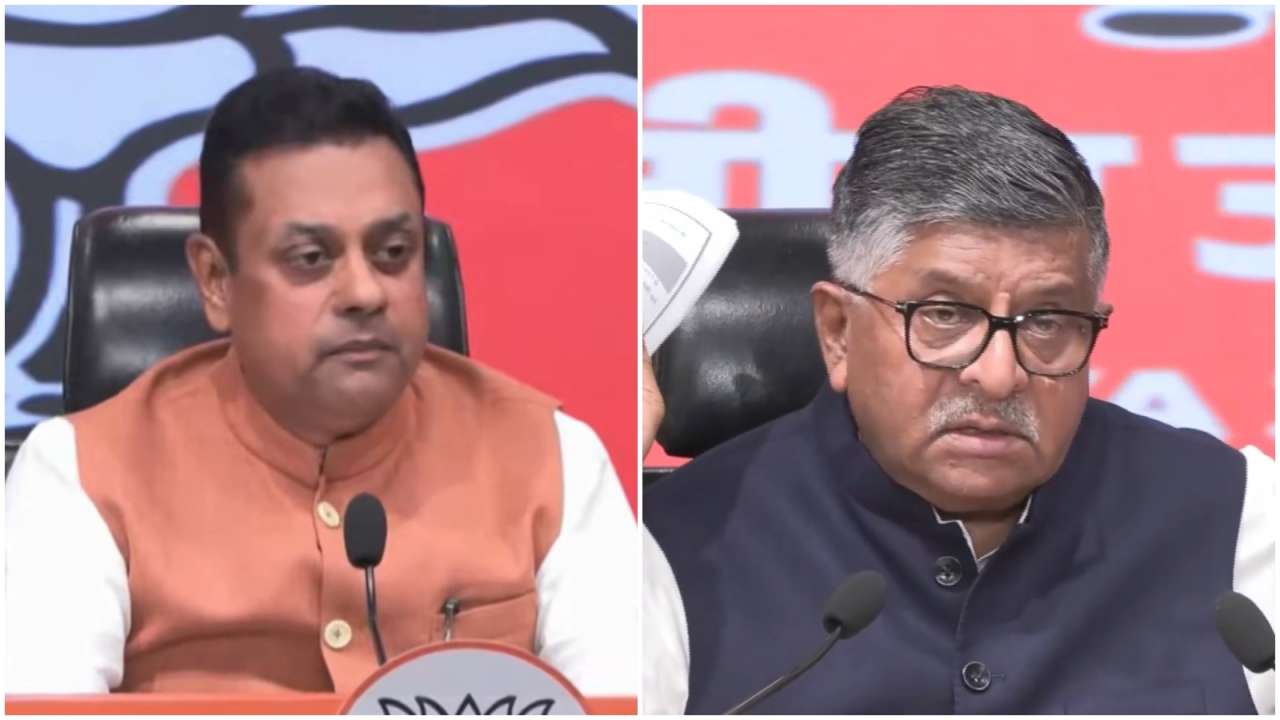 ‘Flop show by anarchists’: BJP's Sambit Patra mocks CJP protest, says Jantar Mantar is 'not India’s story'
 Major trouble for Amitabh Bachchan? Delhi High Court directs superstar to appear personally in this caseIND vs WI 3rd T20I Live Streaming: When and where to watch India vs West Indies match live on TV and online?
 'Bowlers did not execute’: Sunil Gavaskar lashes out after West Indies shock India in high-scoring 2nd T20I
 Another shake-up at CSK! Long-time batting coach Michael Hussey departs ahead of IPL 2027
 'Their careers are also at stake': Gautam Gambhir defends bowlers after West Indies complete record 250-run chase in Ranchi
 Which ex-Pakistan cricketer did Nana Patekar support after his mother’s death? Untold story revealedFact check: Nana Patekar promised Abhijeet Dipke he would join his protest, late actor apologised to CJP founder? Here's the truth behind viral videoMajor trouble for Amitabh Bachchan? Delhi High Court directs superstar to appear personally in this case
 Dhurandhar 2 to receive Grammy Award? Makers of Ranveer Singh film submit soundtrack across 9 categories
 Aastha Gill calls her debut Punjabi EP Wild Card 'a true homecoming moment': 'Wanted it to be absolutely perfect'
 Nana Patekar wanted to act with Sunny Deol in Gadar 3, reveals Anil Sharma: 'He asked me to write a role for him'
 Saudi Houthi War: India Issues Urgent Advisory To Citizens In Saudi After Riyadh Airport Attack
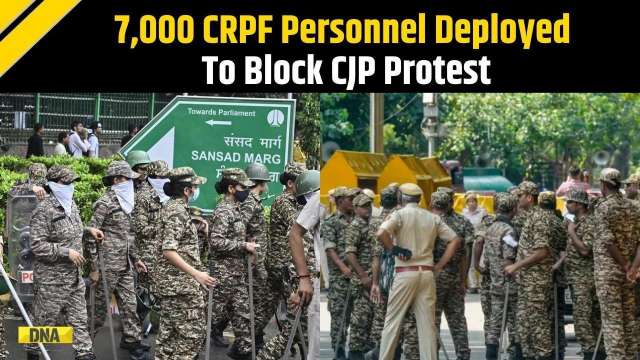 CJP Protest: 7,000 CRPF Personnel Rushed To Capital Ahead Of CJP's Oct 10 March
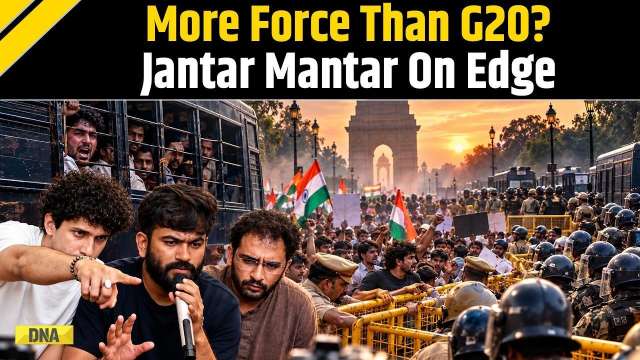 CJP News: Delhi CAPF Deployment Raised To 26,000 Ahead Of CJP October 10 Protest
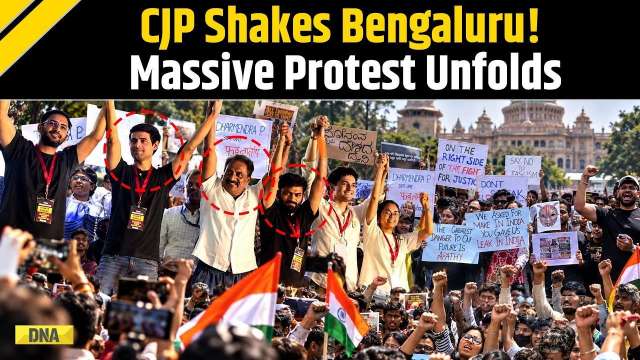 CJP Protest: In Bengaluru Dhruv Rathee, Prakash Raj Join Anti-SIR Demonstration
 Flydubai Flight News:'Revenge For Gaza'; Flydubai Co-Pilot Hamam Al-Hammami Confesses To Terror Plot
 Gold, Silver prices today, October 10, 2026: Check city-wise rates in Delhi, Mumbai, Chennai, Kolkata and more
 Reliance Jio IPO: Price Band likely at Rs 1065-1119 per share, issue may open on October 21; check details
 How to bypass H-1 B visa restrictions? Can Indian professionals use L-1 and O-1 visas as alternative routes to enter US?
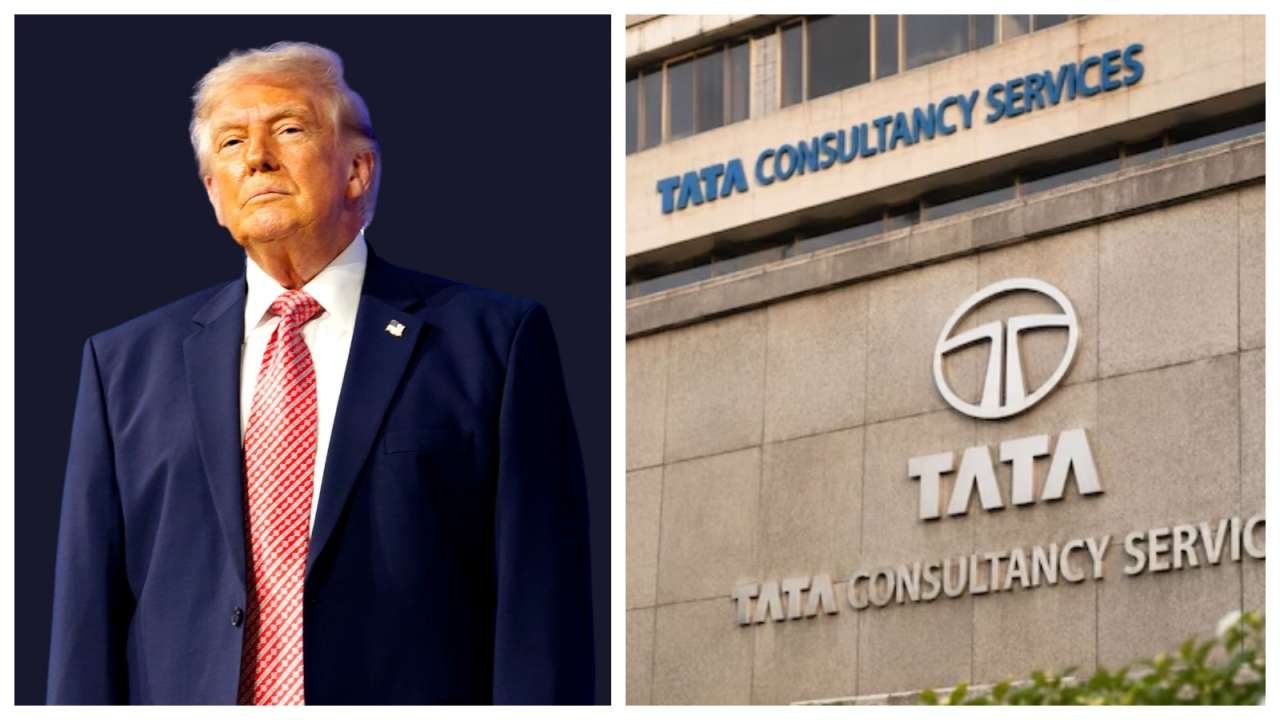 US Green Card Row: TCS says PERM suspension won't impact business, applications in single digits
 Gold, Silver prices today, October 9, 2026: Check city-wise rates in Delhi, Mumbai, Chennai, Kolkata and more
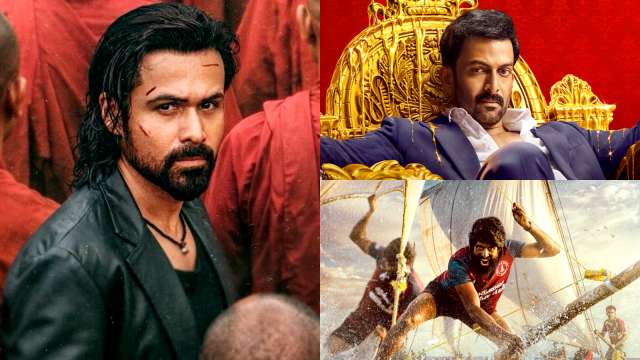 OTT Releases This Week (October 5-11): Awarapan 2, Khalifa, Mandaadi; new India movies, shows to watch on Netflix, Prime Video
 OTT Releases This Week (Sept 28 - Oct 4): Dupahiya 2, Pooja Meri Jaan; new movies and shows to watch this Gandhi Jayanti weekend
 From Neeti Mohan, Heer, Sarthak Kalyani; Ahead of Sa Re Ga Ma Pa, 5 musical geniuses championed by AR Rahman
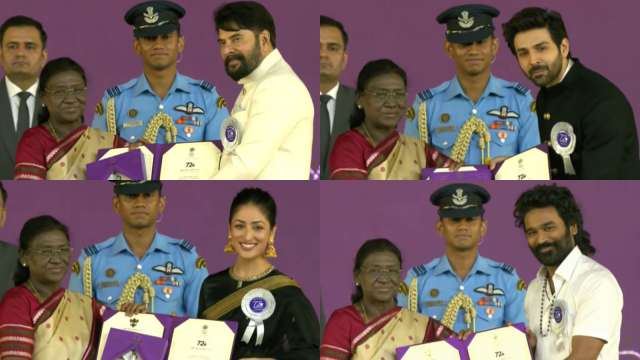 72nd National Film Awards 2024: Kartik Aaryan, Yami Gautam, Aditya Dhar, Mammootty, Dhanush, Anant Nag accept honours
 OTT Releases This Week (September 14-20): Lust Stories 3, Irumudi, Thudakkam; Indian movies, series to watch on Netflix, Prime Video, JioHotstar‘Flop show by anarchists’: BJP's Sambit Patra mocks CJP protest, says Jantar Mantar is 'not India’s story'
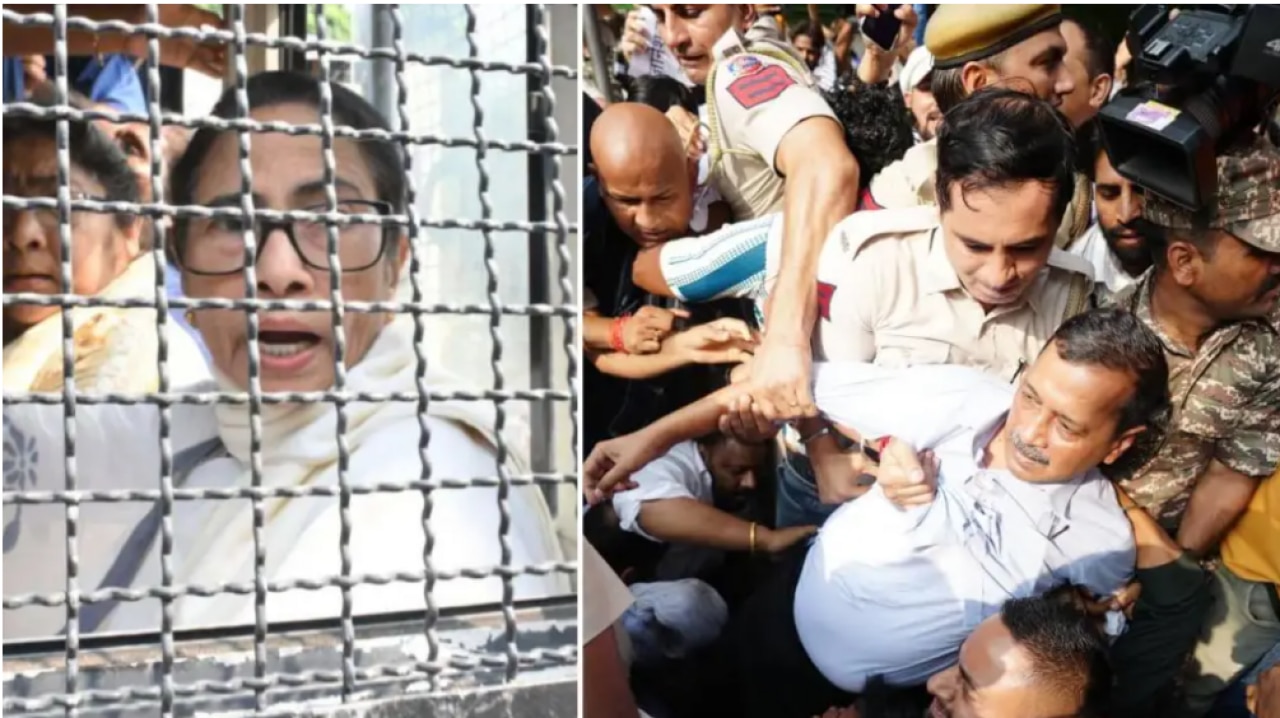 CJP Protest: Ex-CMs Mamata, Kejriwal, MPs Sanjay Singh, Bharwaj, Yogendra Yadav, Neha Bora detained
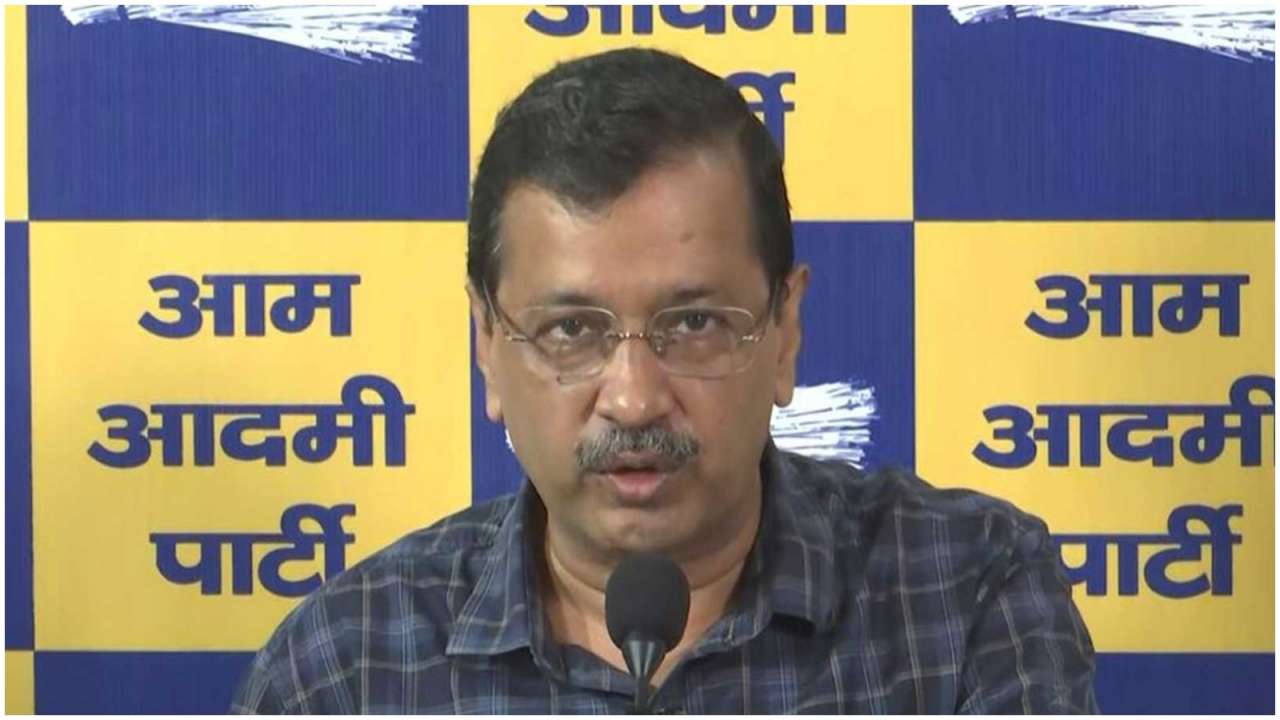 ‘Worse than Emergency’: Arvind Kejriwal slams Centre after CJP leaders detained from flight
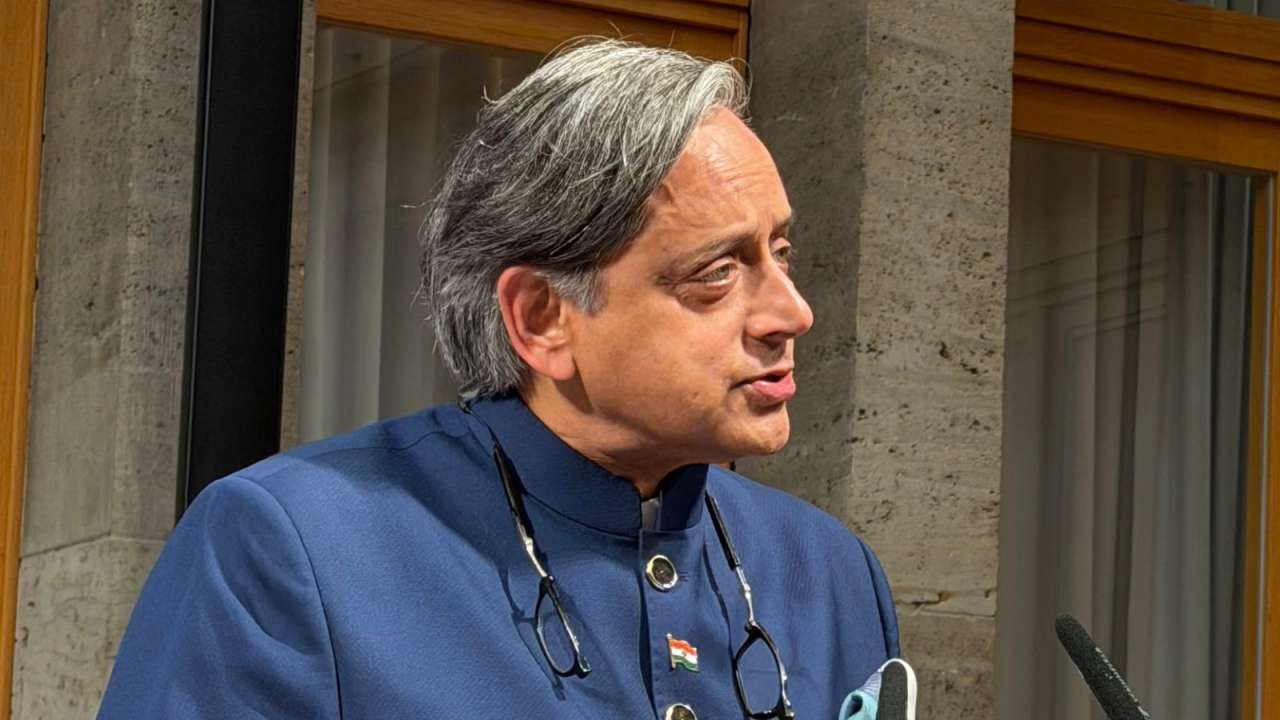 ‘Undeclared Emer-GenZ’: Shashi Tharoor questions Delhi Police crackdown, calls internet suspension ‘most regressive’
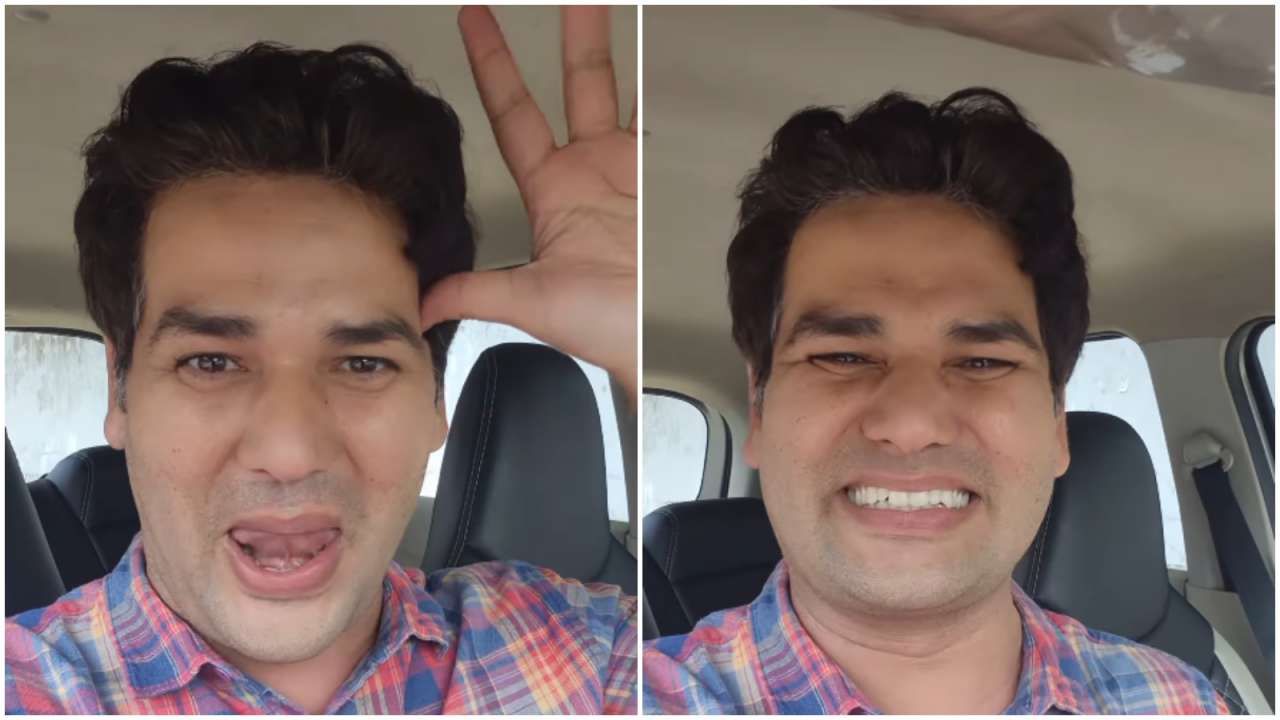 'Zyada load mat lo, bas ek kavita padhunga': Vijeta Dahiya mocks Abhijeet Dipke, Dhruv Rathee over detention by Delhi Police
 Third Language Row: SC extends relaxation to Class 6 students, asks CBSE to grant exemption, here's what it means
 NEET PG 2026 Result Out: Check how to download scorecard from natboard.edu.in; Know category-wise cut-off and more
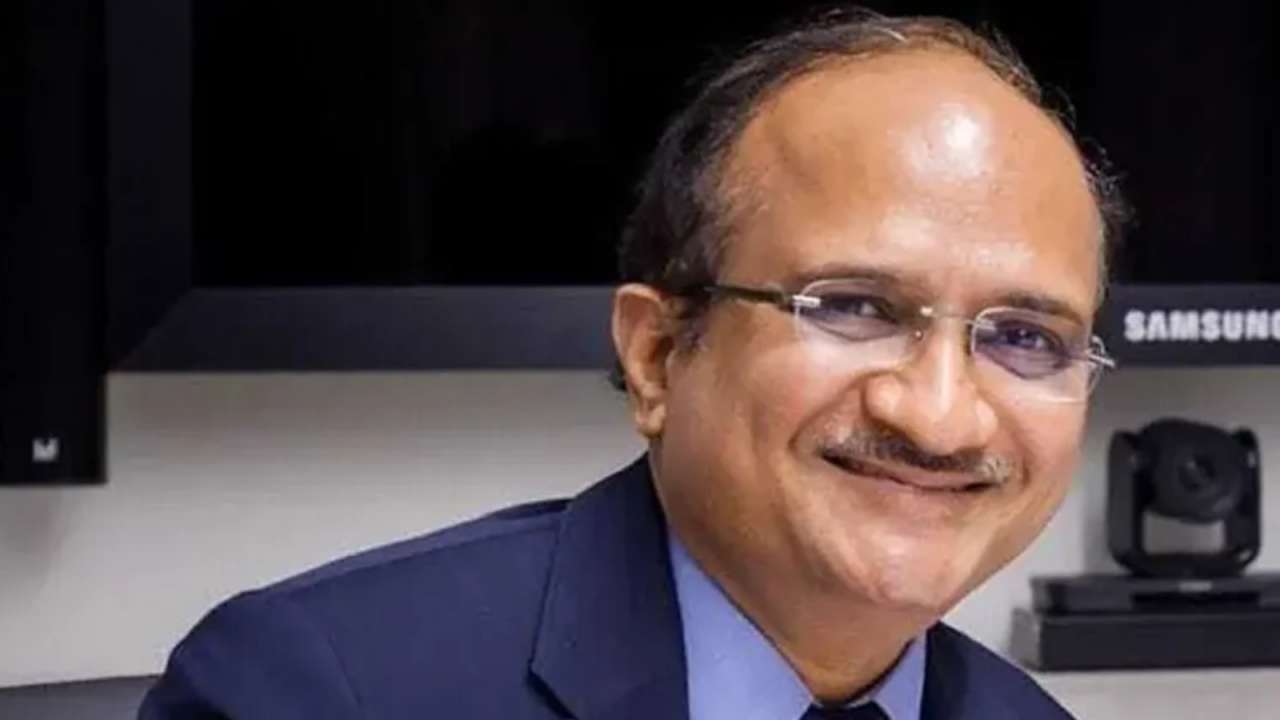 Five-year BTech programmes? Ex-IIT director makes proposals amid IIT suicide controversy
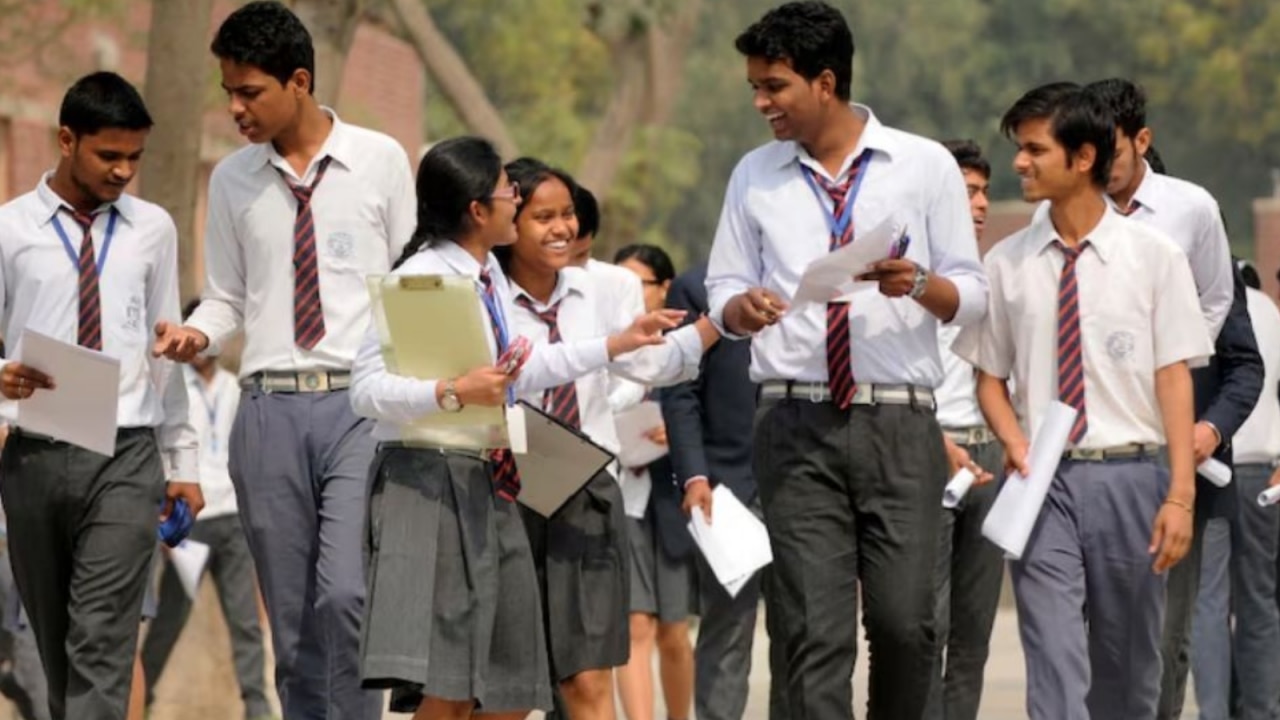 CBSE Date Sheet 2027: When will Class 10, 12 timetable be released? Check details here
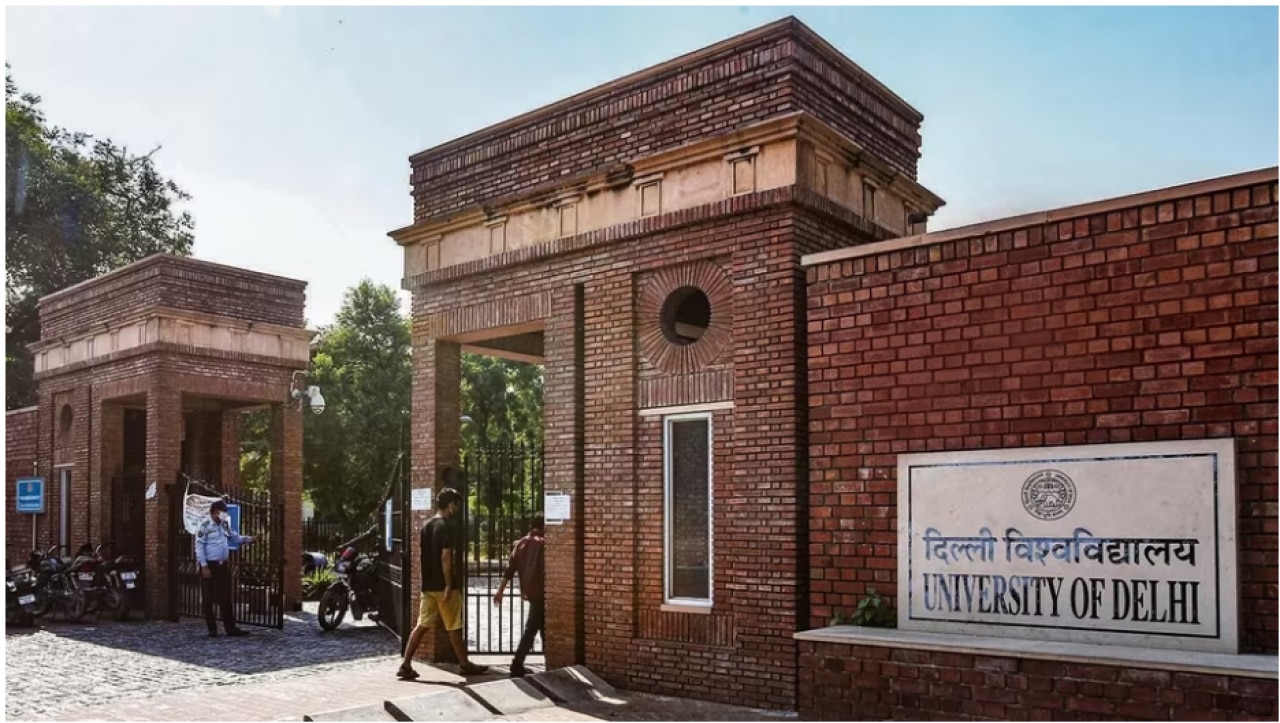 From Rs 150 in 1947 to powerful student body: The story of DUSU’s rise | Explained
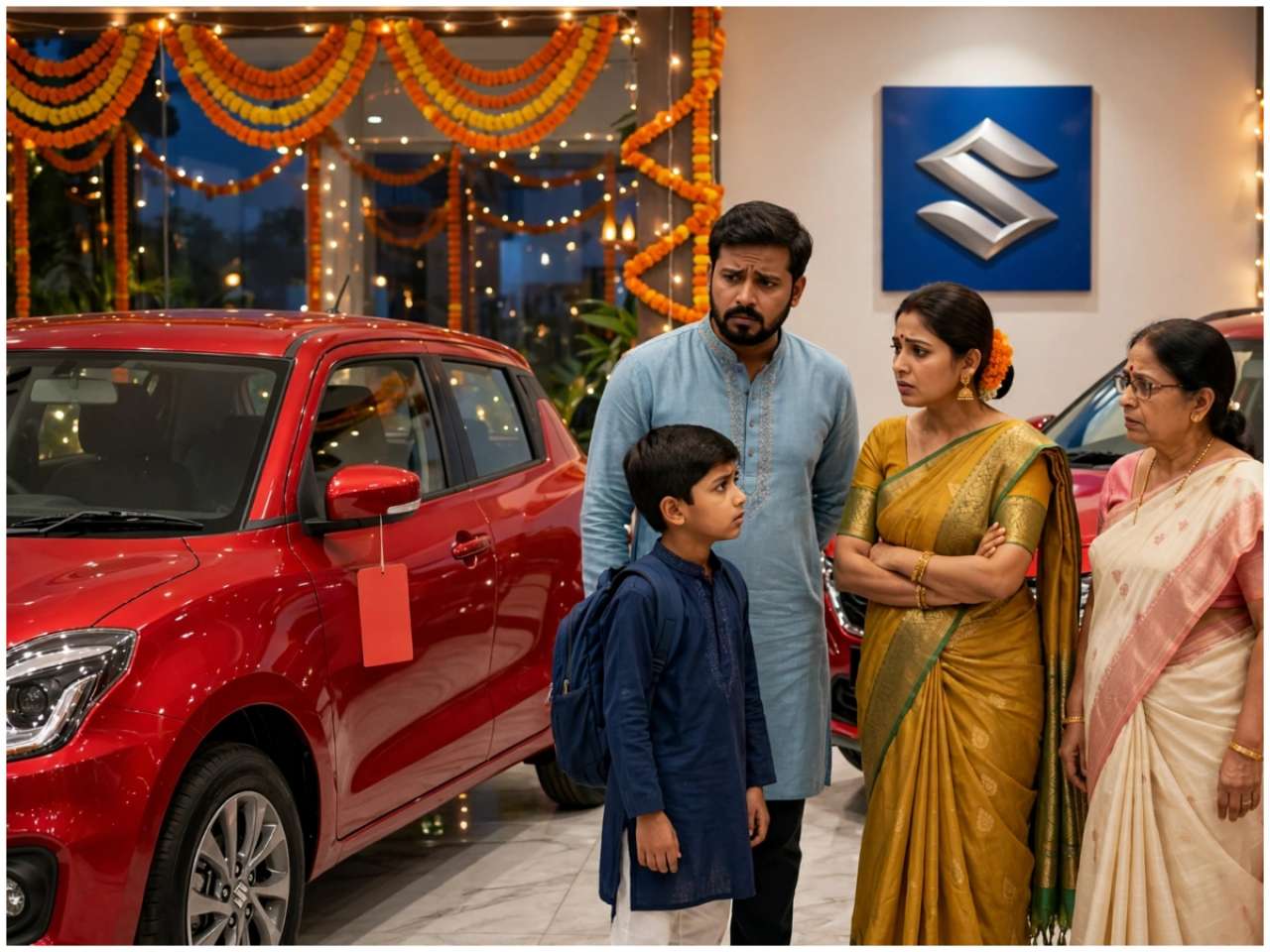 After Hyundai, Maruti Suzuki makes cars costlier ahead of festive season: Check new prices after hike
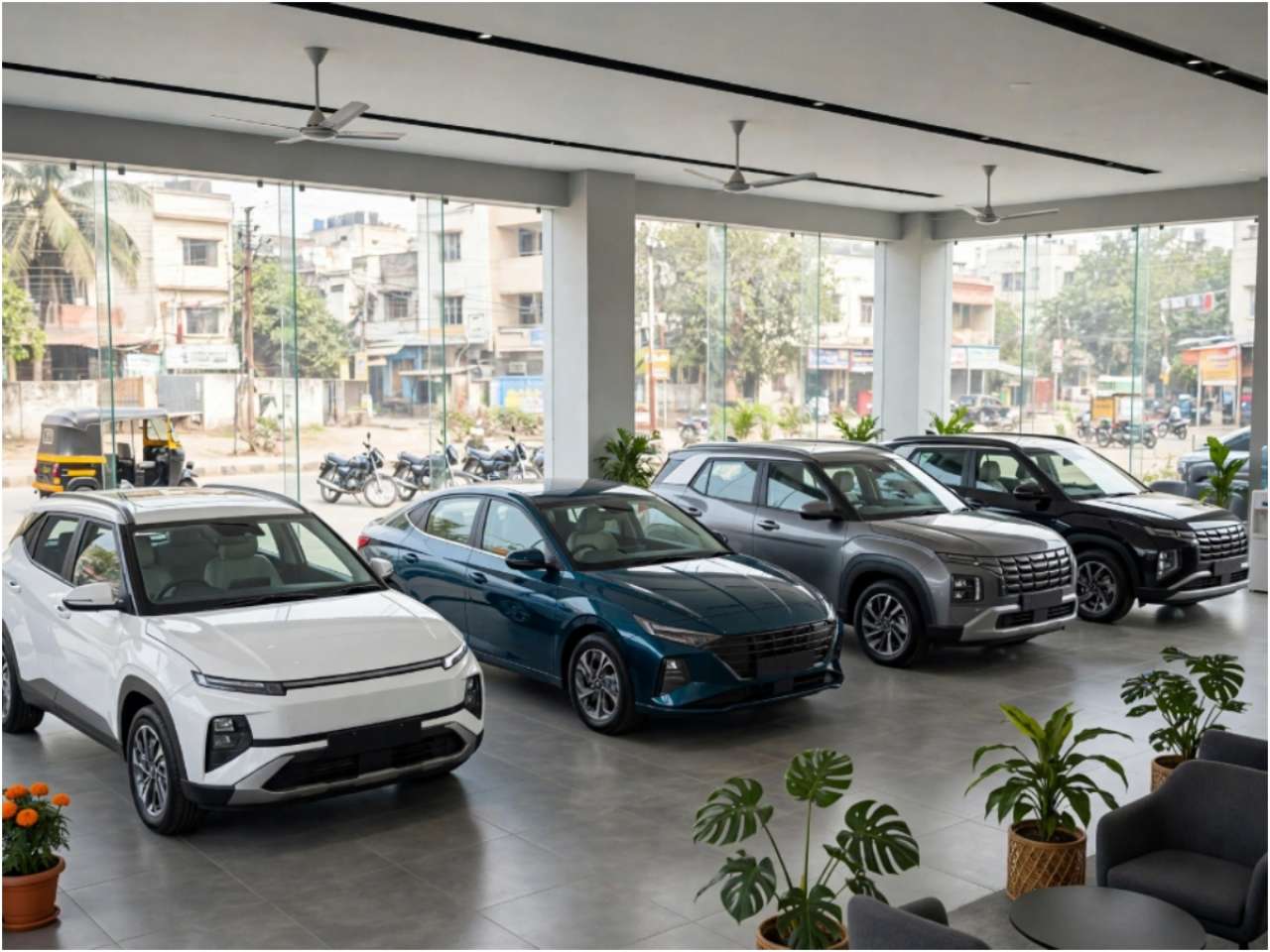 Hyundai cars to get costlier from September: Check new prices and reason behind hike
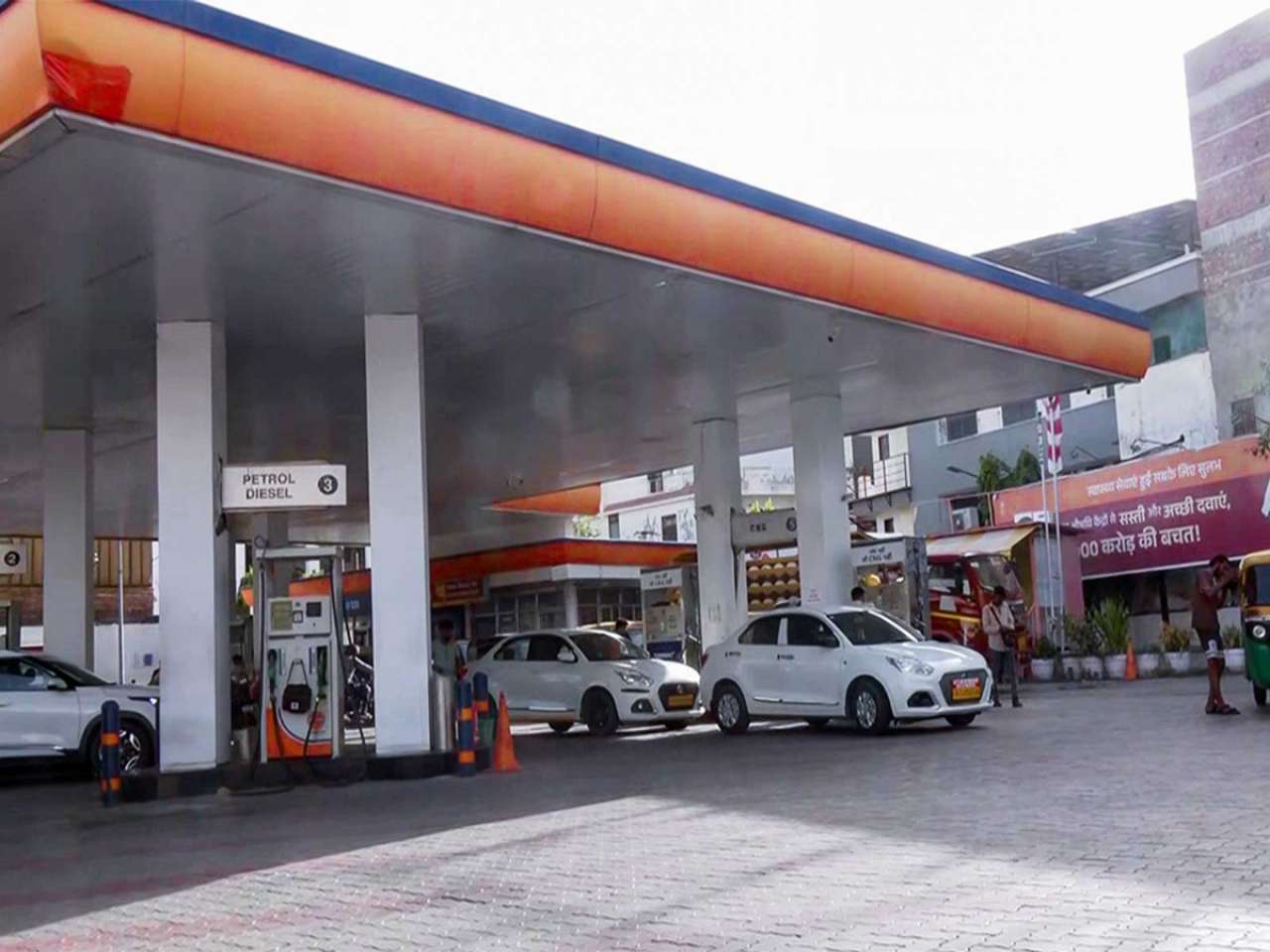 Why can't consumers choose pure petrol or E10? Centre explains why E20 is now the standard fuel
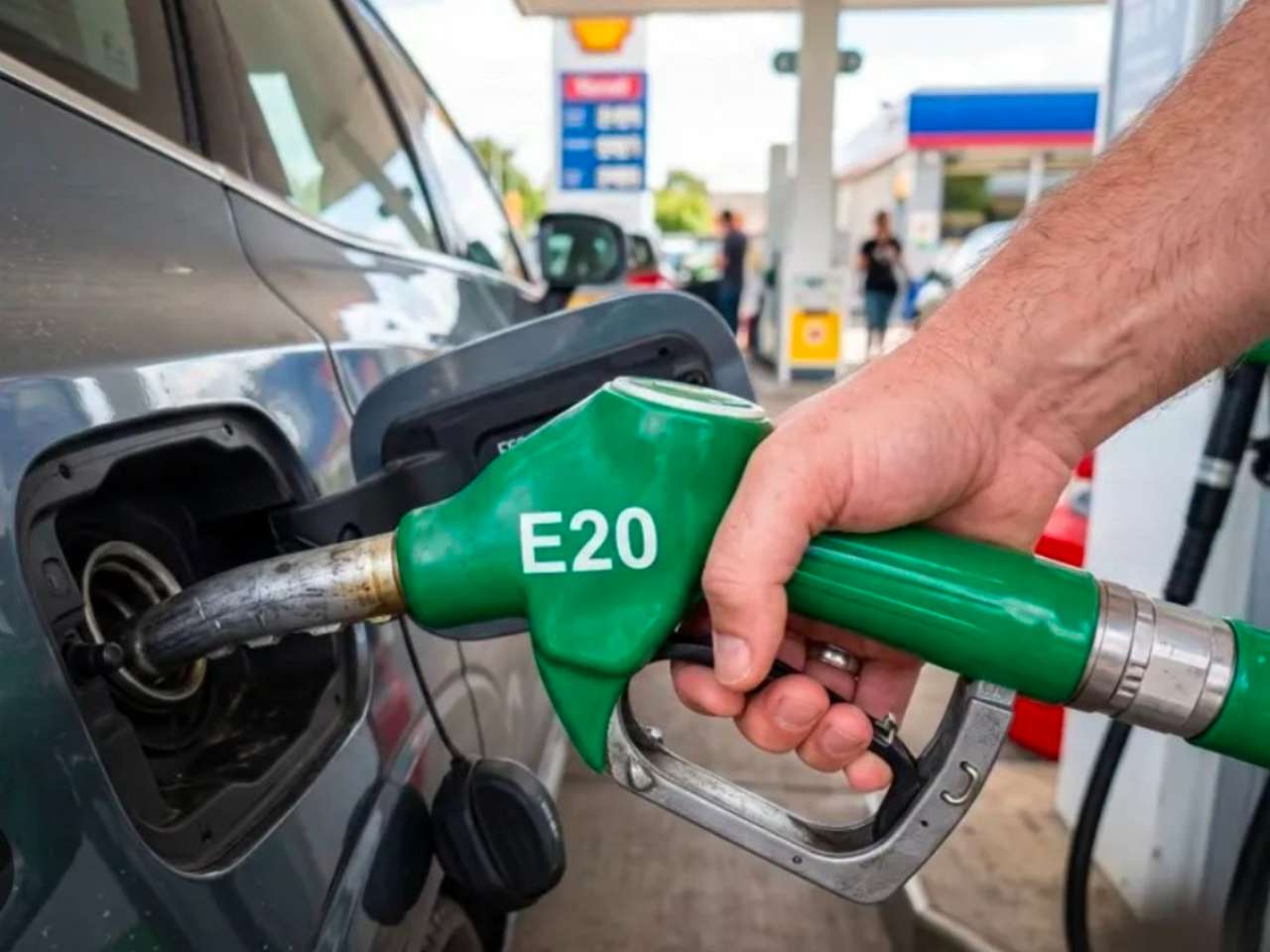 Centre claims E20 fuel does not damage engines, cites data from Maruti Suzuki and Hero MotoCorp
 Maruti WagonR Flex Fuel: What’s price of India’s first ethanol car? Specs, mileage, and top features explained
MUMBAI
The case study reveals that public demand for Monorail was not the major driving force for it. Political, and economic factors had a vital role to play in the decision making process of Mumbai Monorail.

Updated : May 29, 2018, 05:35 AM IST



The first phase of Monorail between Chembur and Wadala is a wastage of public money and the decisions taken by the Mumbai Metropolitan Region Development Authority (MMRDA) since the announcement of the project and during the bidding process were questionable, reveals a independent study conducted by a student of Tata Institute of Social Sciences (TISS).
The case study reveals that public demand for Monorail was not the major driving force for it. Political, and economic factors had a vital role to play in the decision making process of Mumbai Monorail.
The study was conducted by Guruprasad Kamble, a postgraduate student of Urban Policy and Governance at TISS. He spoke to transport experts, MMRDA officials, and scanned official records and plans of Mumbai Monorail.
The study adds there was considerable amount of mismatch between what was promised while planning the Monorail project and existing ground reality. The main objective of making Monorail a feeder system to the existing transport network in Mumbai has not been accomplished at all.
The study adds that if one understands route alignment and phasing of Monorail, they would raise questions on whether MMRDA really wanted to de-congest pockets of the city. This contention is based on the fact that the project was started in the rather vacant Eastern corridor of the city.
"It seems that Monorail phase-1 was not planned to cater to the transportation needs of the people. Rather, it served the MMRDA interest of opening up the eastern corridor for development to spur economic growth," one chapter of the study mentions.
The ridership of Monorail's first phase stands at a mere 15,000 commuters daily. However, this is expected to go up to 1 lakh commuters daily once both the phases are made operational between Chembur and Jacob Circle.
The first phase of Monorail between Chembur and Wadala was made operational in 2014, which was shut after an empty coach of Monorail caught fire in November 2017. The second phase of Monorail between Wadala and Jacob Circle will become operational in a few months.
Kamble said, "My aim was to understand the whole planning process that was undertaken for constructing Mumbai Monorail. But, while conducting the study I realised that plans were changed frequently changed without giving much thought to them."
The study also concluded that public were not consulted when the project was in its planning stage. The implication of such a top-down approach was that the MMRDA ended up creating an inaccessible and disconnected public transport system. Due to poor planning and implementation of the project, the future of Monorail in Mumbai and India has been affected, the study concludes.