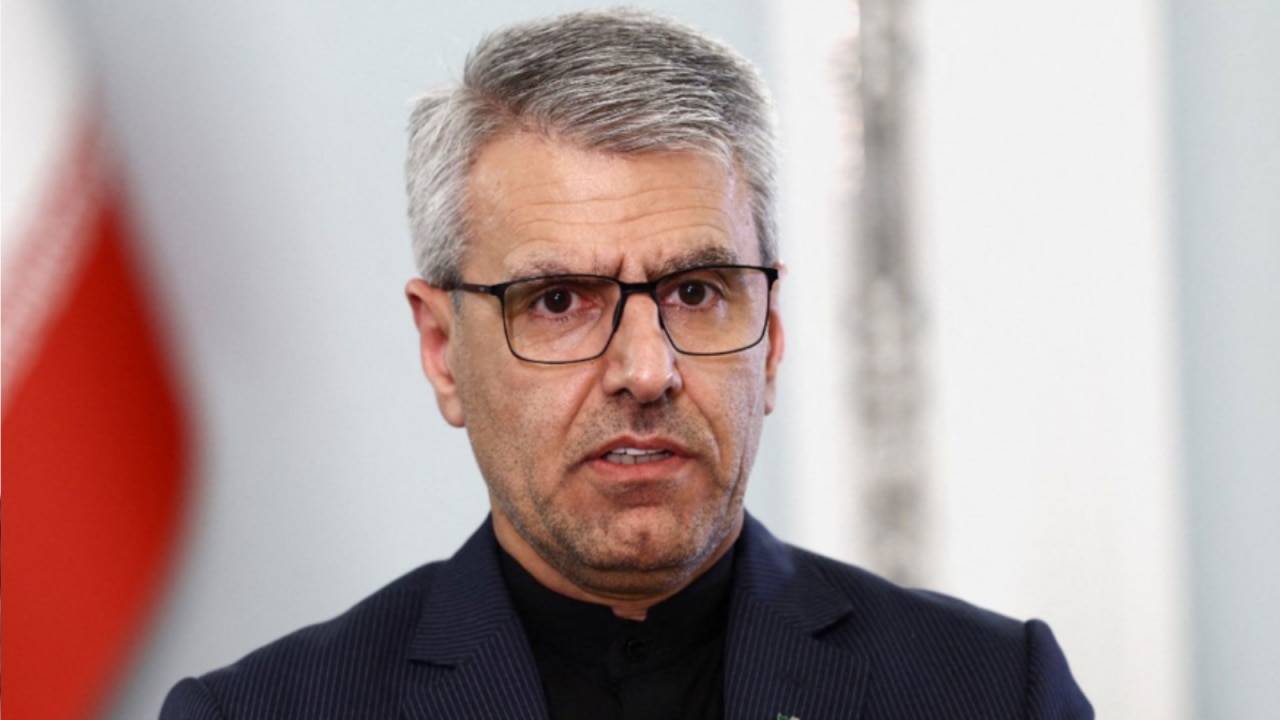
 Iran accuses US of 'threatening to starve' people as Trump intensifies economic pressure
 Mumbai 26/11 Terror Attack: 20-year-old arrested for recce of Nariman House, foreign handlers suspected
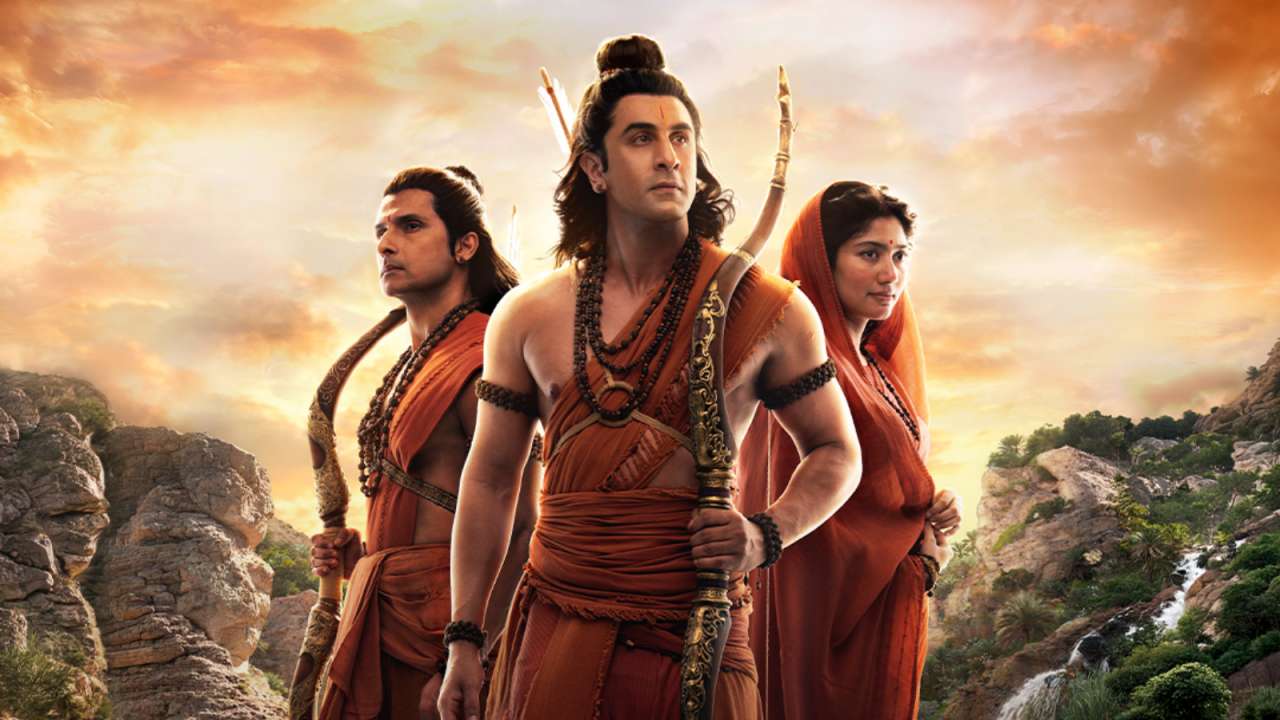 Ramayana box office collection day 10: Ranbir Kapoor, Yash film beats Jawan, KGF 2; earns Rs 1200 crore
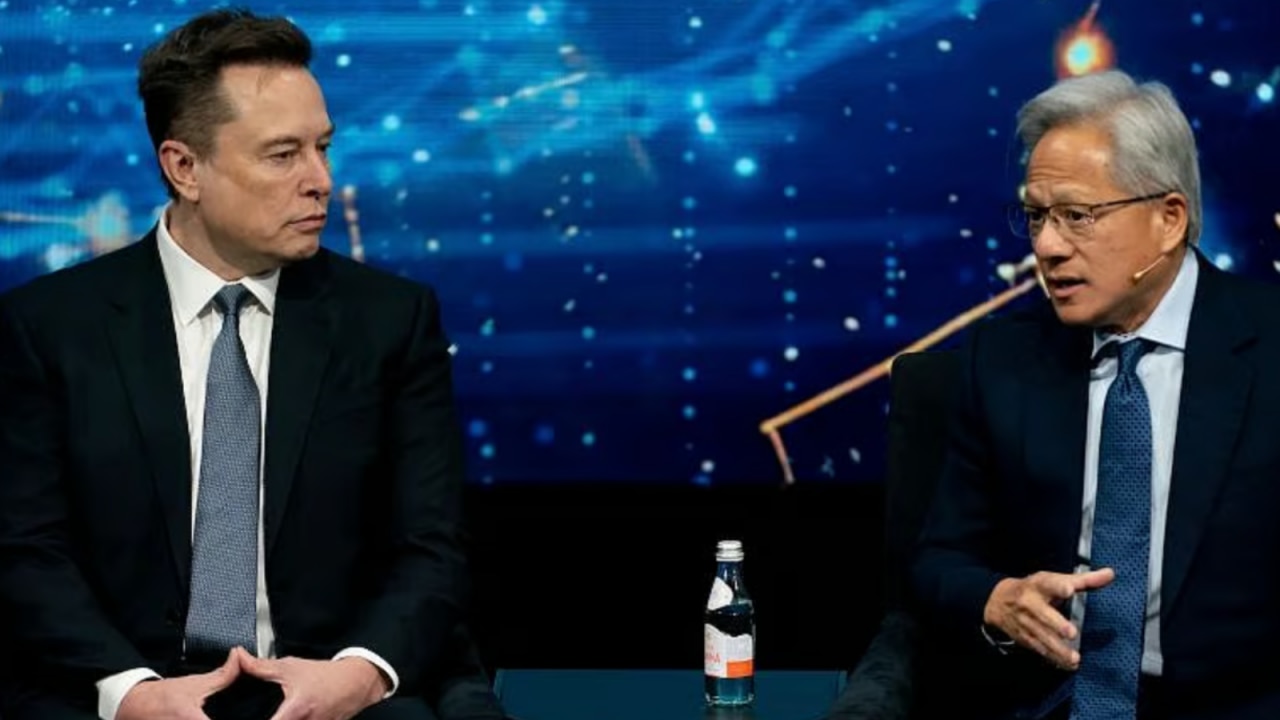 What changes at Nvidia after Jensen Huang's exit? Elon Musk warns of lost deals, Trump disclosed stock investments
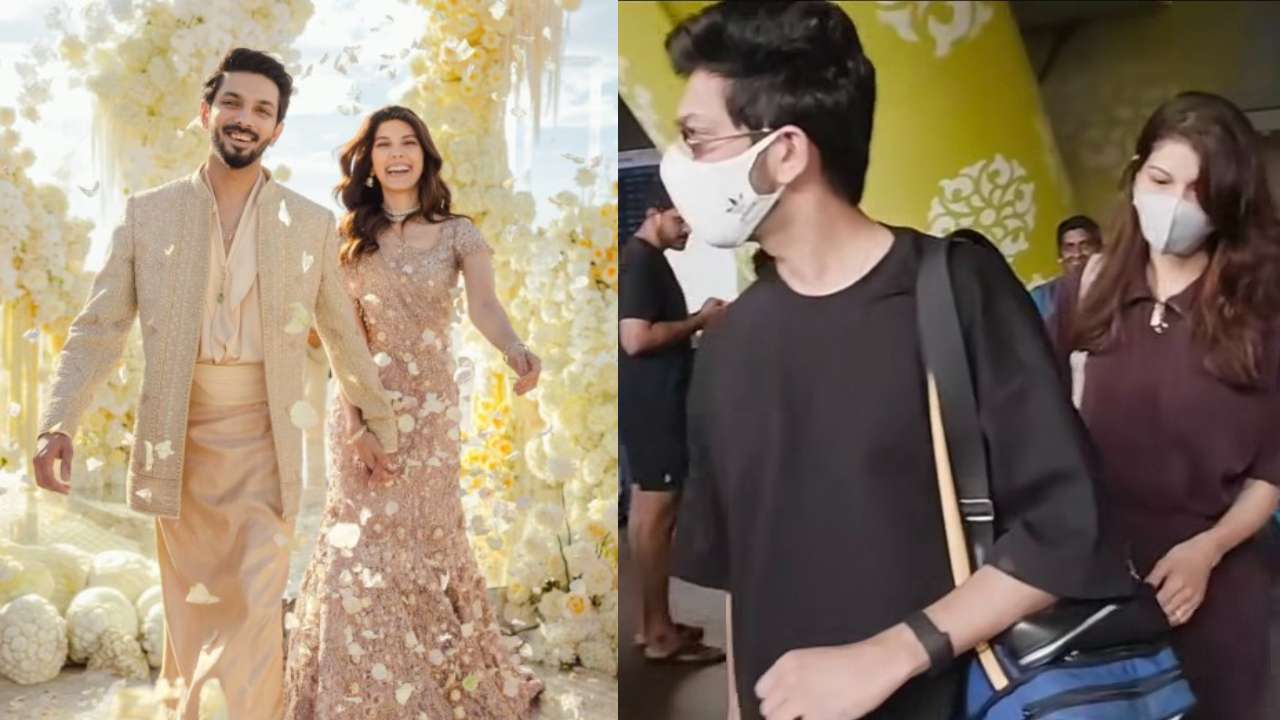 Viral video: Newlyweds Anirudh Ravichander, Kavya Maran return to Chennai after their Greece wedding - WatchMumbai 26/11 Terror Attack: 20-year-old arrested for recce of Nariman House, foreign handlers suspected
 Punjab Bus Accident: 4 killed, 30 injured as two pilgrimage scheme buses collide in Tarn Taran
 DK Shivakumar writes to PM Modi, seeks ninth schedule protection for Karnataka's 56% quota
 Hardeep Singh Puri steps down as UP Rajya Sabha MP 11 days before term ends
 Why PMO summoned Telecom Secretary; How fake court orders led to blocking of 129 websites Iran accuses US of 'threatening to starve' people as Trump intensifies economic pressureWhat changes at Nvidia after Jensen Huang's exit? Elon Musk warns of lost deals, Trump disclosed stock investments
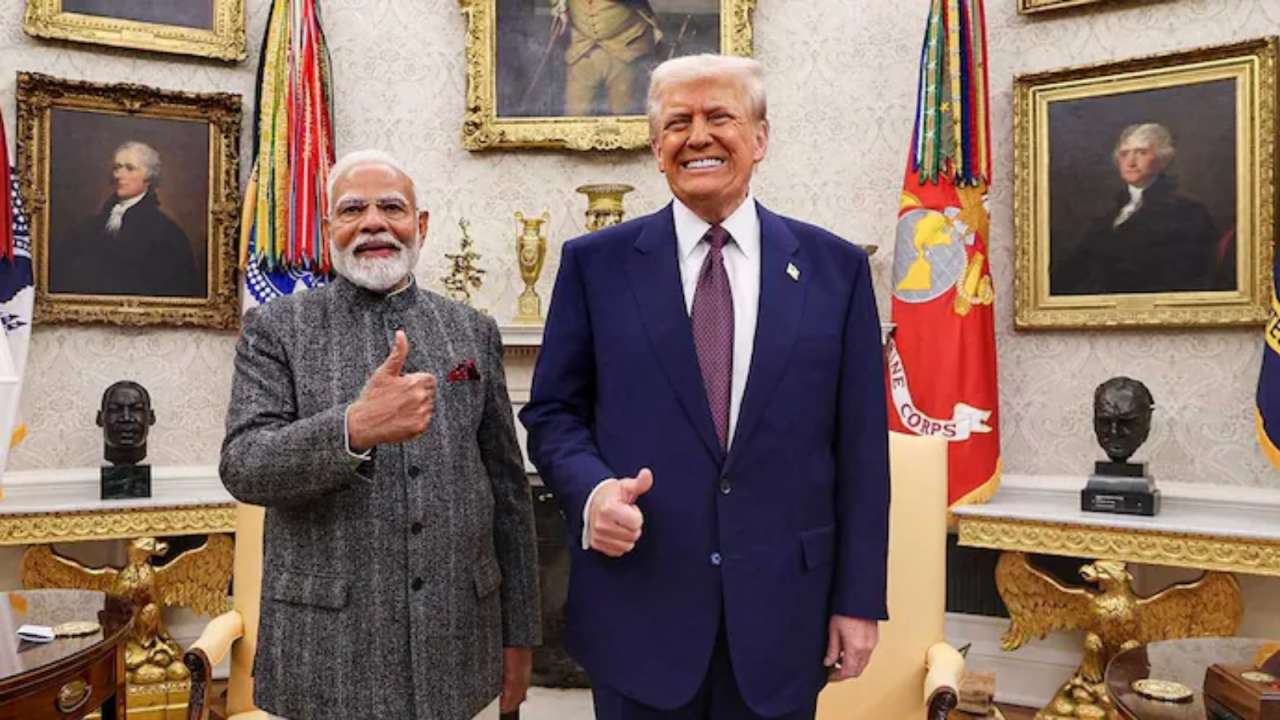 US-India Trade Deal By March 2027? India assured tariff advantage over competitors
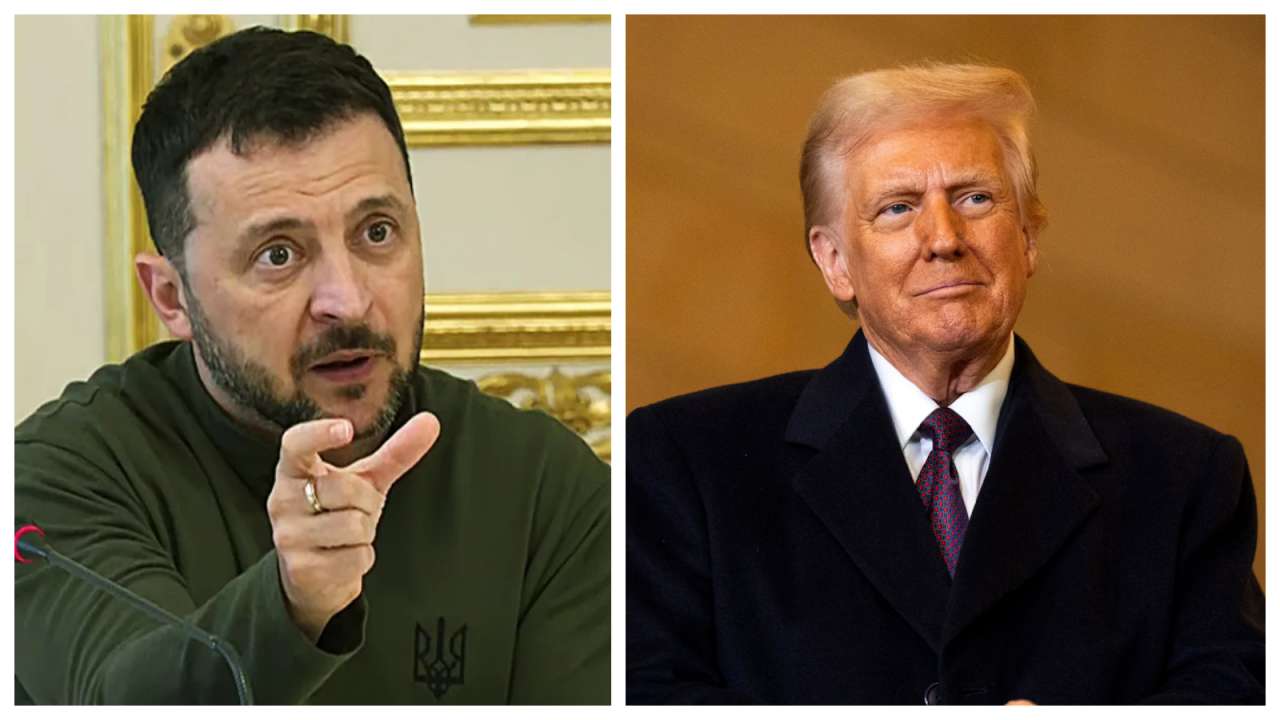 Ukraine to leave Donbas for NATO Membership? Zelenskyy reveals US question in peace talks
 Ukraine expects largest-ever prisoner exchange with Russia with over 1,000 from each side
 Microsoft Global Outage: Why did Outlook stop working? How were airlines in India affected?
 Nvidia After Jensen Huang: Will India's AI dream face chip shortage or open door for new rivals?
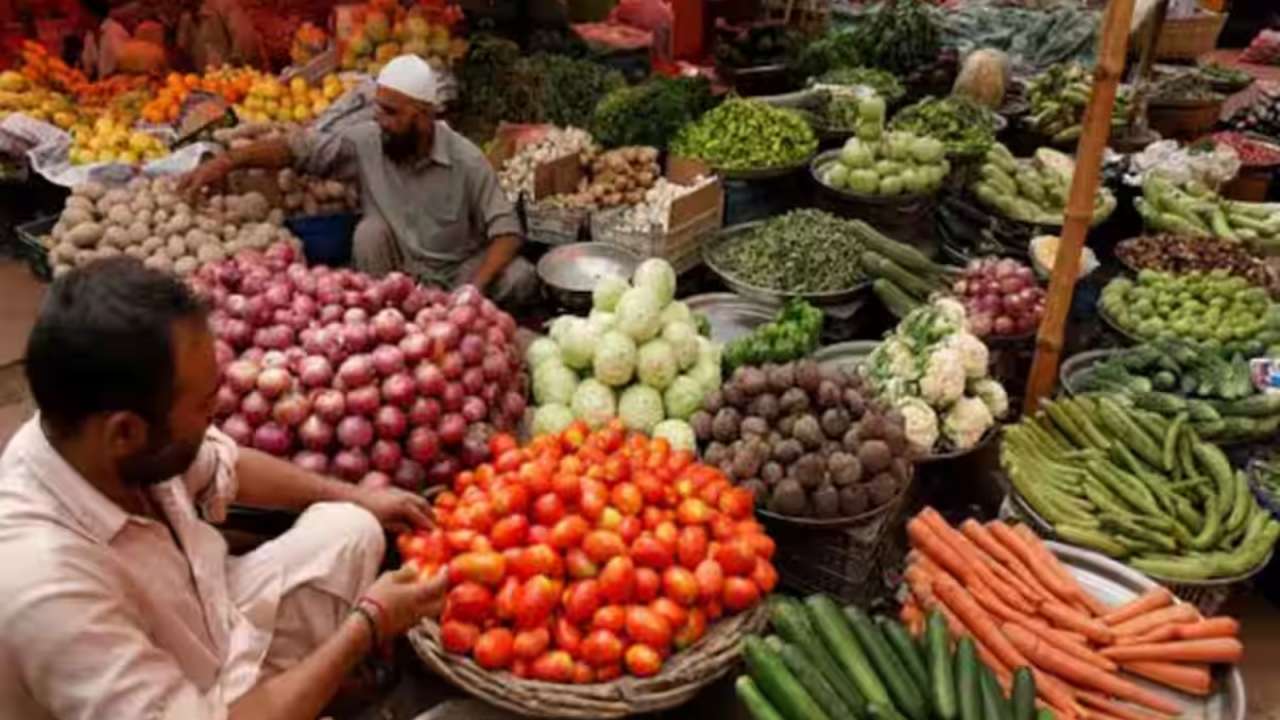 Why does inflation soar to 6.09% despite falling fuel prices, US-Iran war halt? RBI's next move under focus
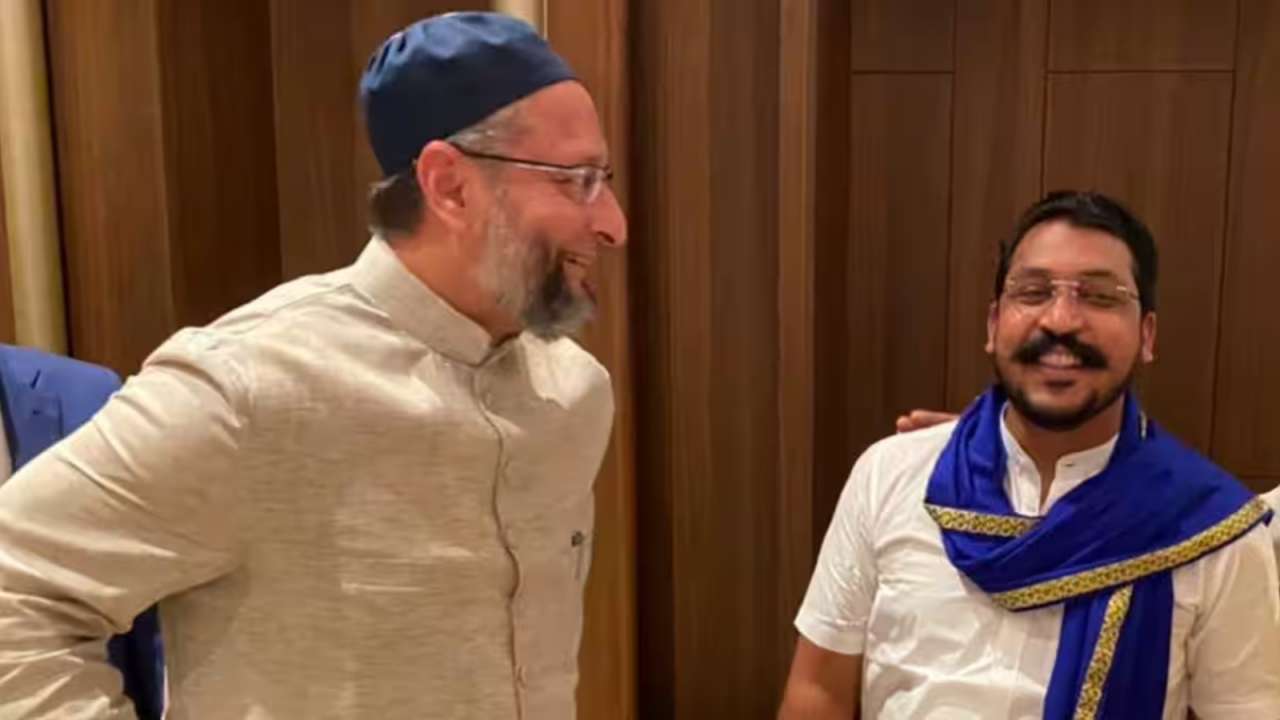 UP Elections 2027: Will Asaduddin Owaisi and Chandrashekhar Azad defeat BJP or help Yogi win?
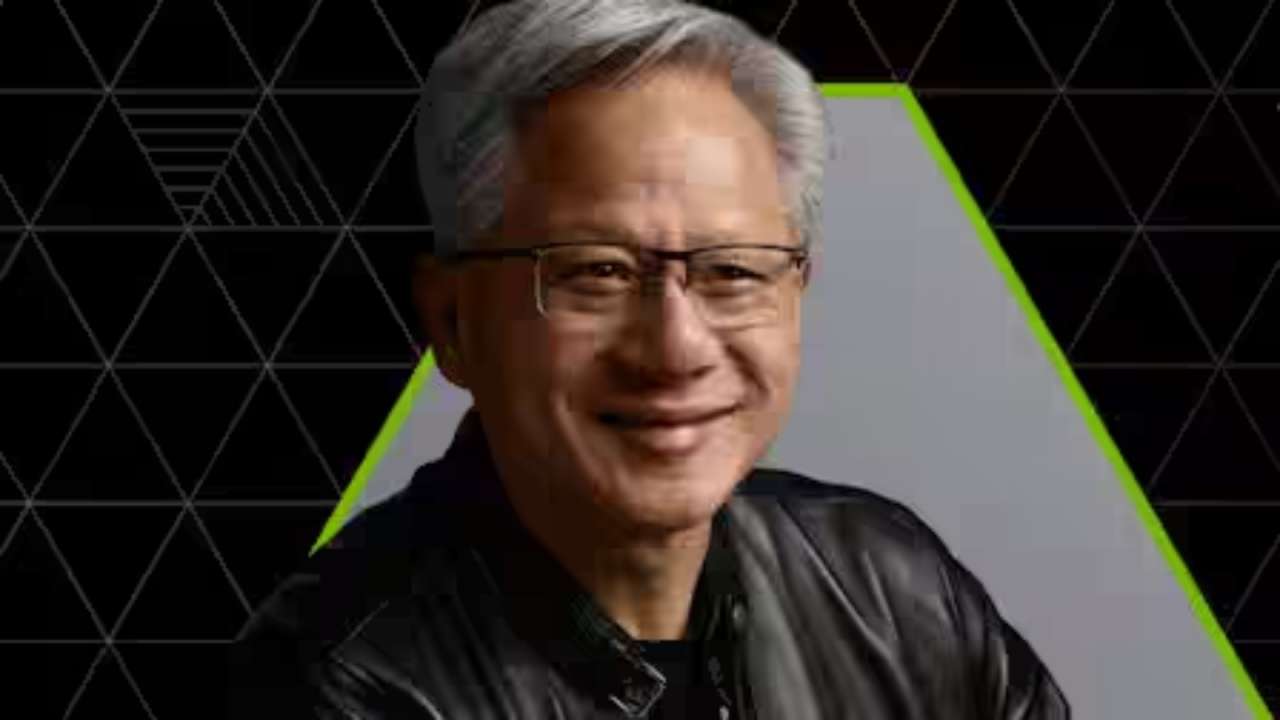 From Nvidia CEO Jensen Huang to top officials: 5 Alleged Chinese 'honey trap' cases that shocked worldRamayana box office collection day 10: Ranbir Kapoor, Yash film beats Jawan, KGF 2; earns Rs 1200 croreViral video: Newlyweds Anirudh Ravichander, Kavya Maran return to Chennai after their Greece wedding - Watch
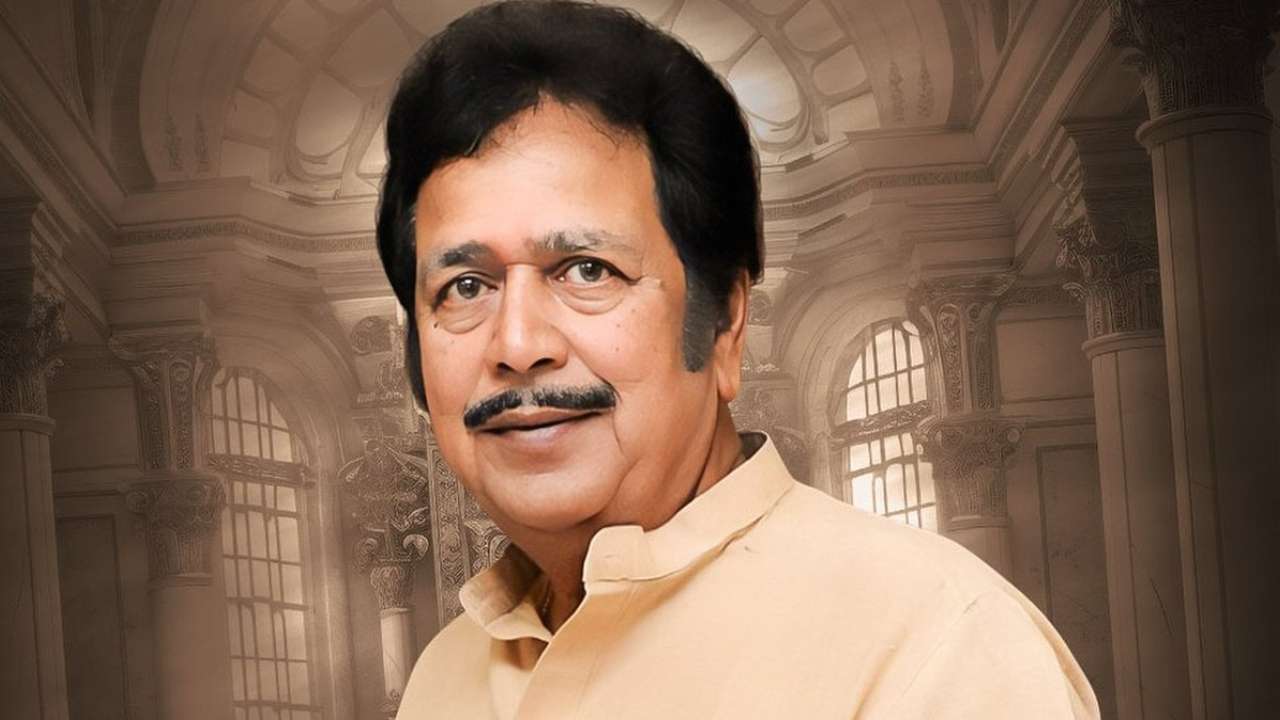 Veteran Telugu actor Giri Babu dies at 80 in Hyderabad; Pawan Kalyan, Chiranjeevi pay tribute
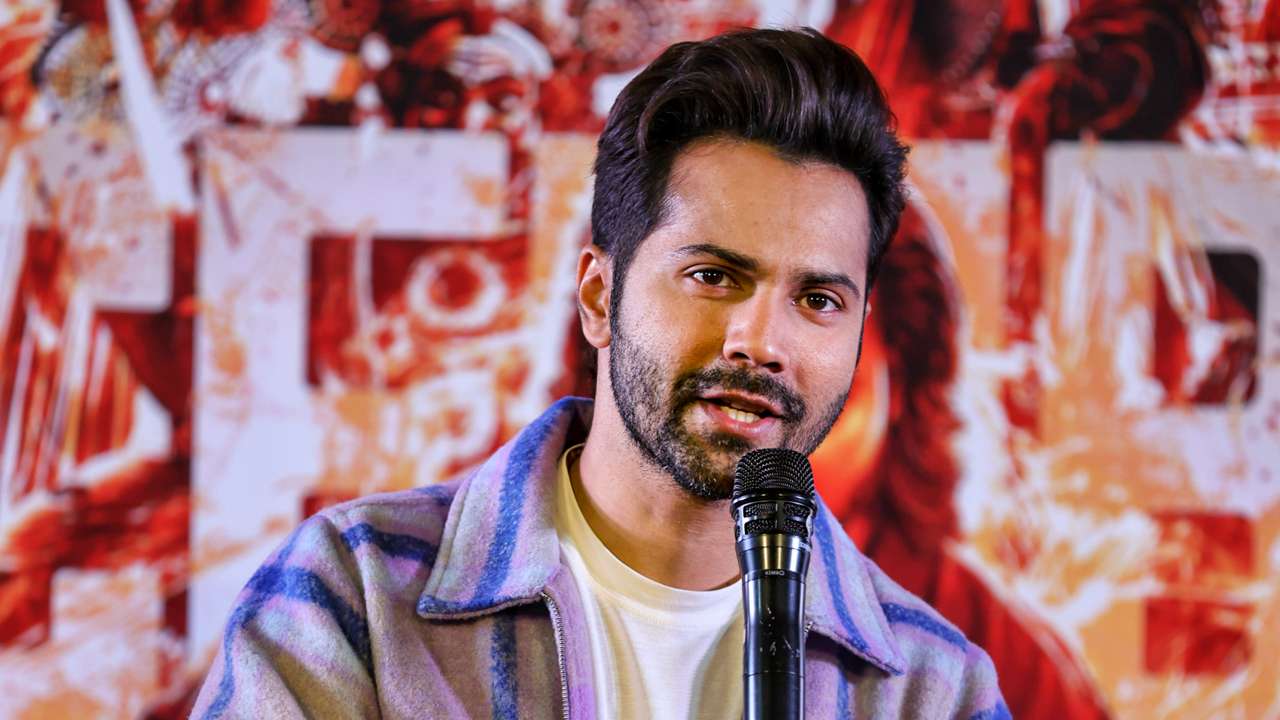 Varun Dhawan-starrer Yash Raj Films' first horror movie locks release date in 2028
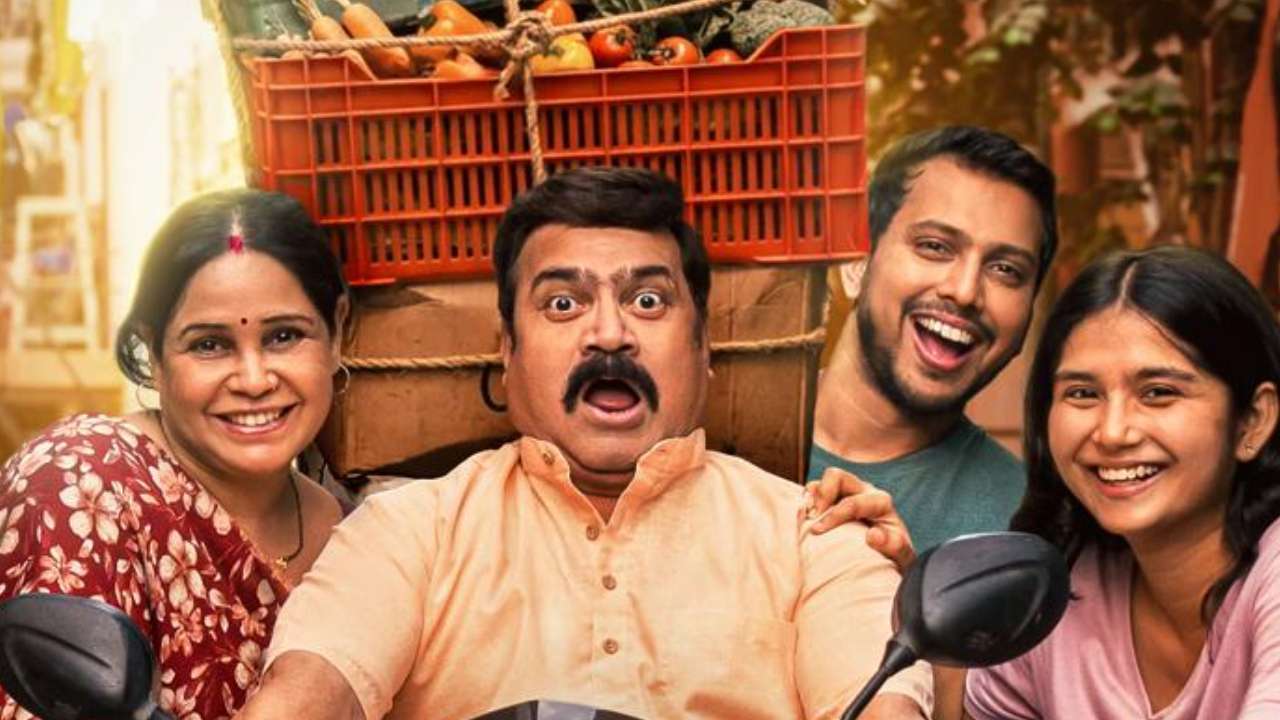 Family Kirana Store Season 3 out on YouTube: TVF sitcom sets new benchmark, delivers three seasons in 10 months
 Tata Sons Listing Row: Why Noel Tata fears it could change Tata Group
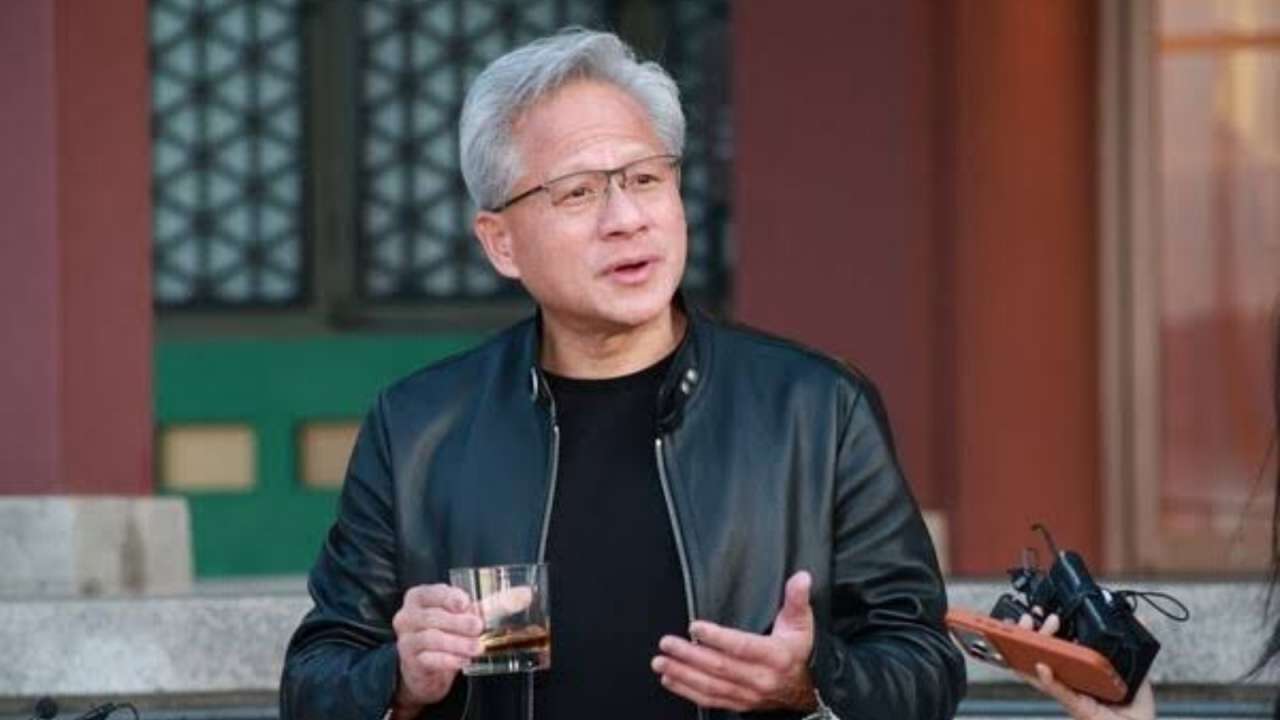 Who will replace Jensen Huang at Nvidia? 3 Indian-origin executives in the race
 Zee Entertainment announces Rs 600 crore share buyback at Rs 91 per share
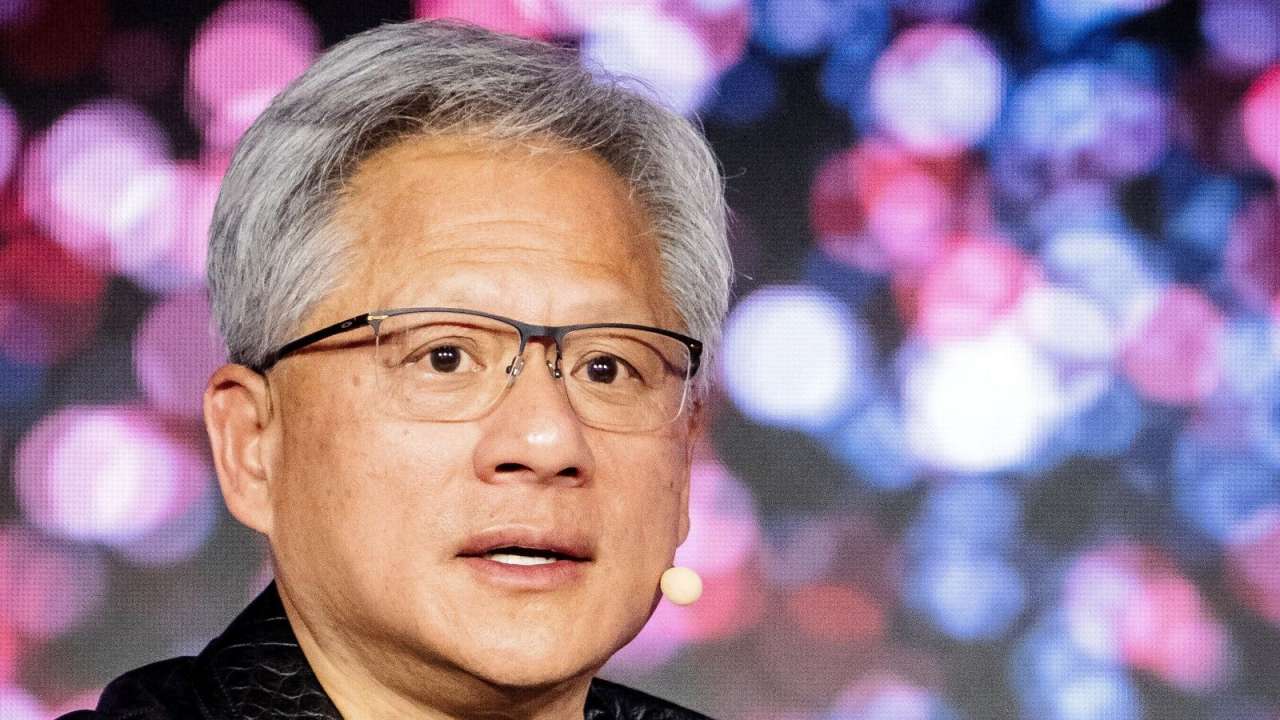 Who may replace Nvidia CEO Jensen Huang? THIS Indian tech executive emerged among top contenders
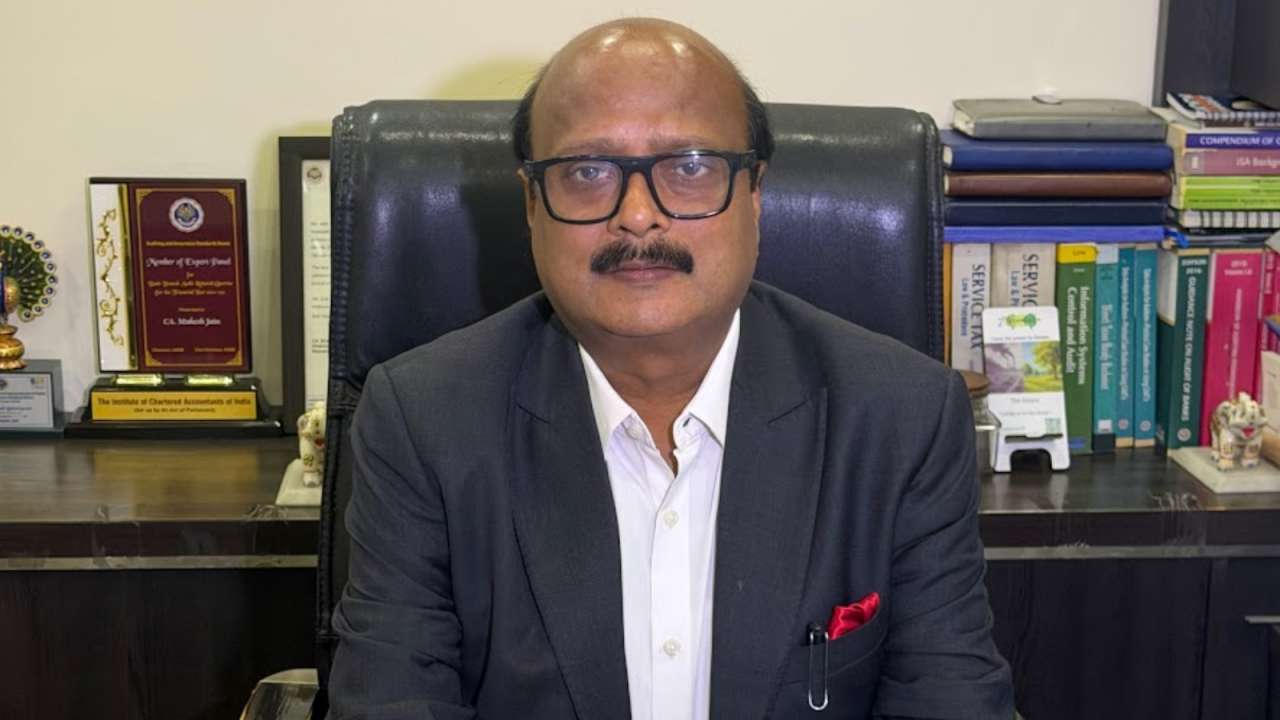 When CA Mukesh Jain Tested Kwala Intel: Inside the AI market wizard that money managers now swear by
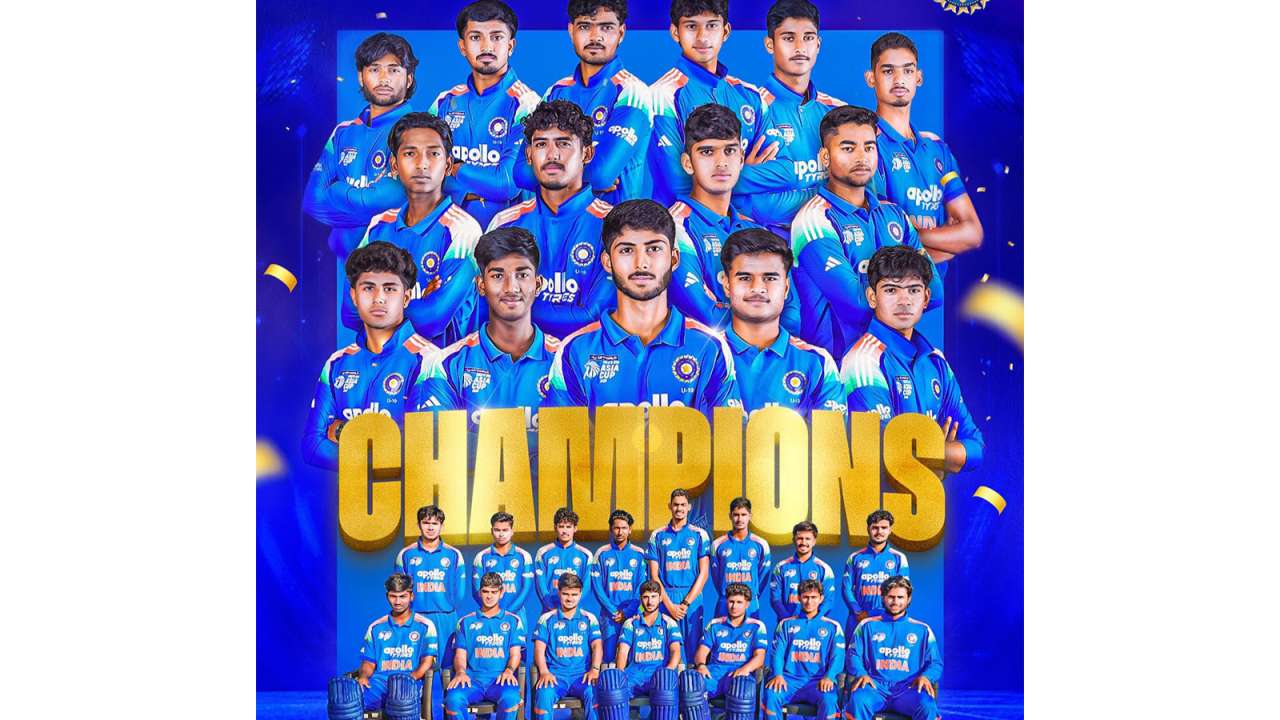 PM Modi congratulates India U19 team after thrilling win over Pakistan in Asia Cup 2026 final
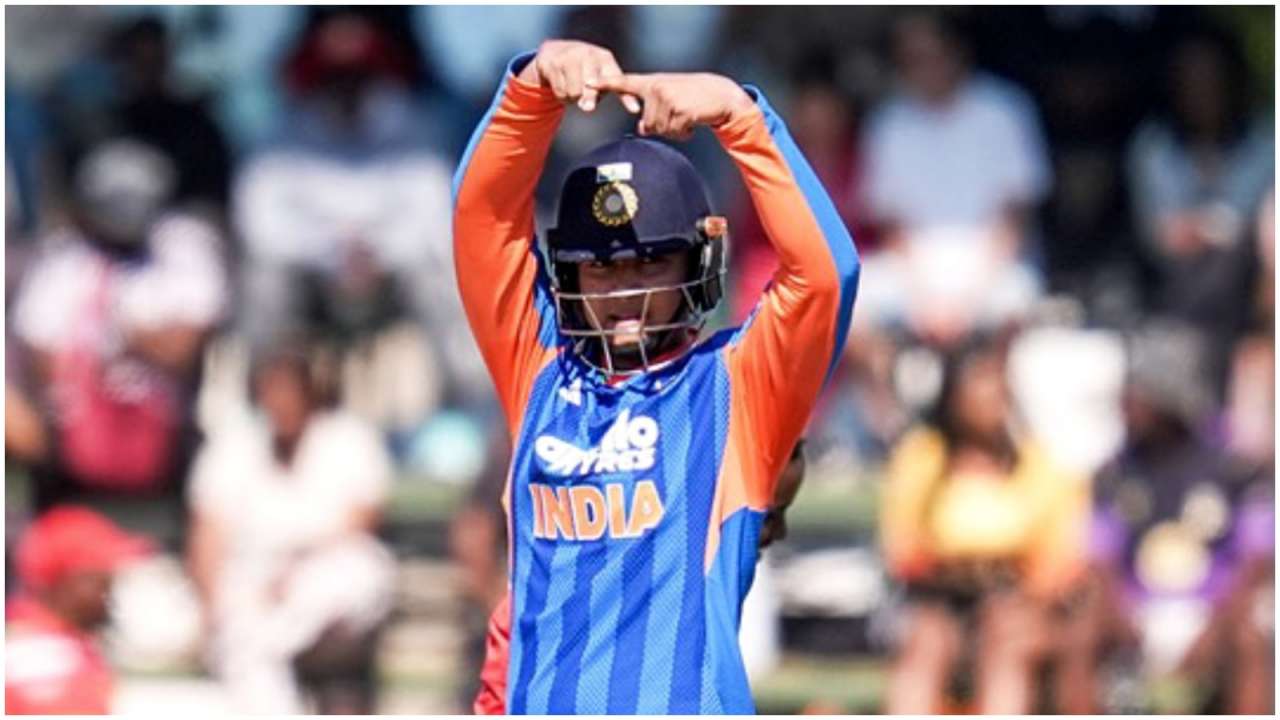 Vaibhav Sooryavanshi achieves a rare first at 15, creates history in T20 cricket
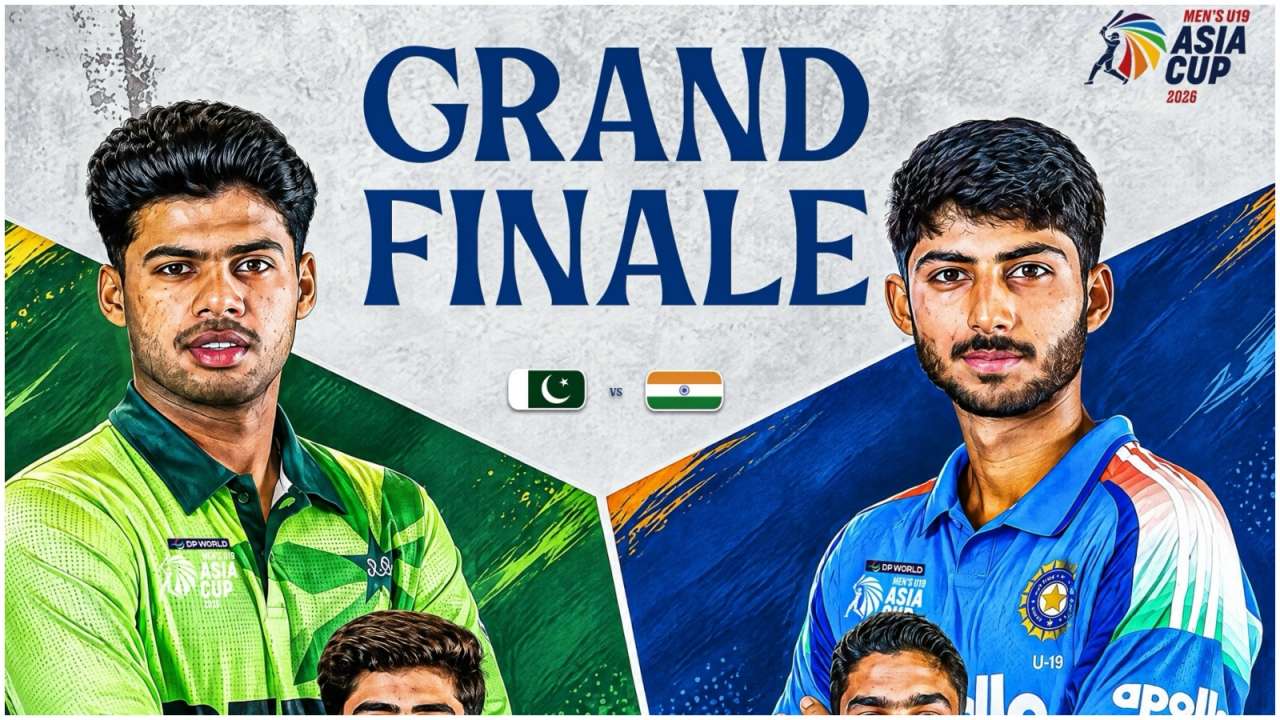 IND vs PAK U19 Asia Cup final: When and where to watch match live on TV and online
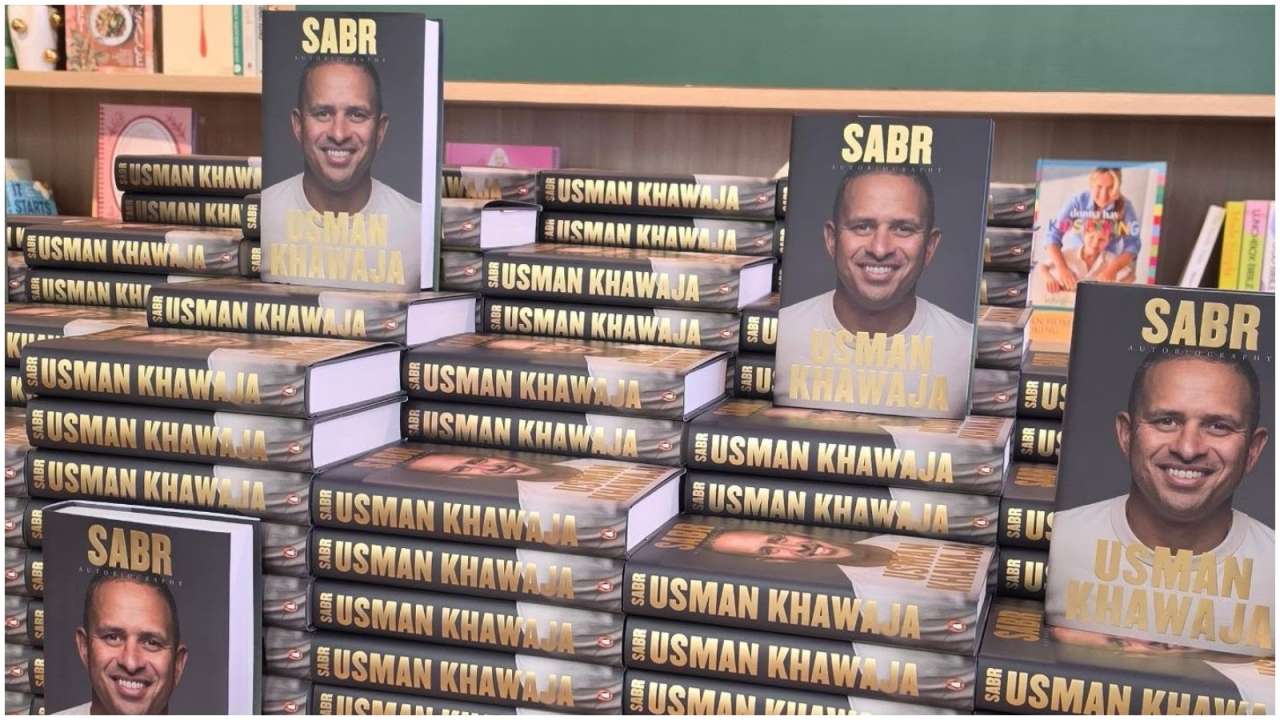 'Big brown mark on my sheets': Usman Khawaja makes shocking revelation about former Australia teammate
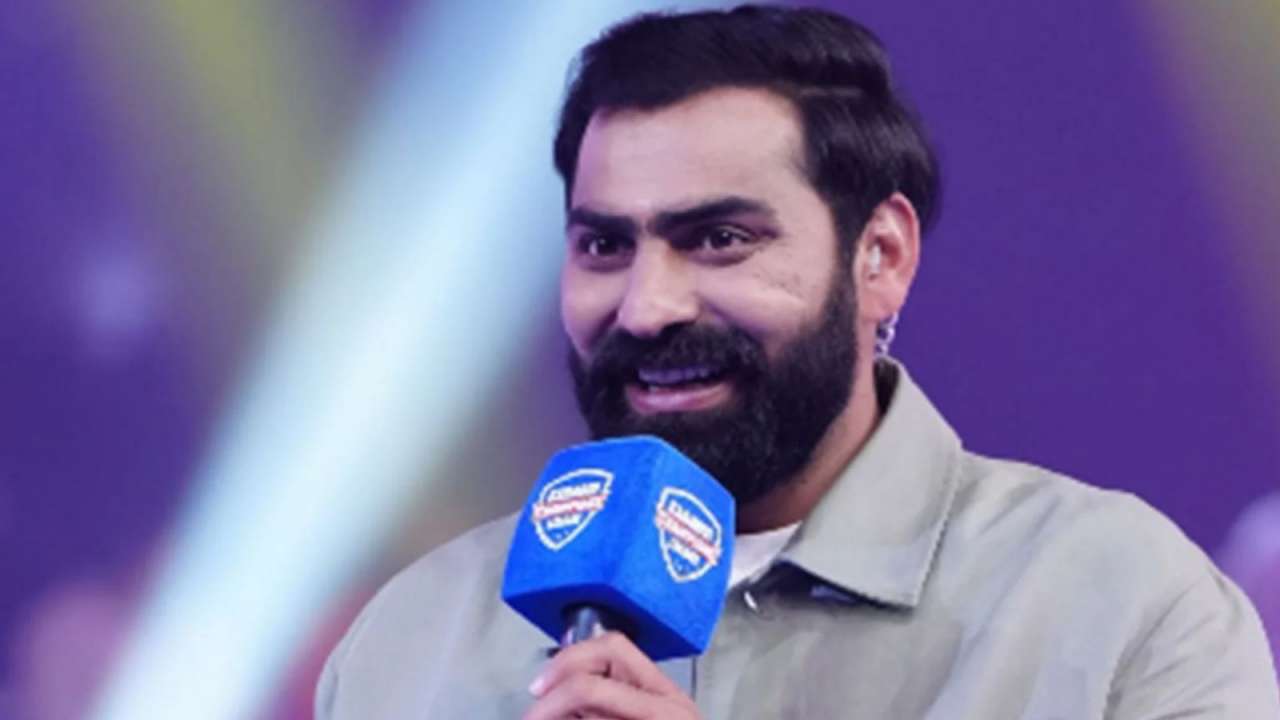 Kabaddi Champions League: Former India star Mohit Chhillar backs it for next generation
 Kaziranga Road Accident Update: Death Toll Rises To 24; Mini-Bus Had 13 Overspeeding Challans
 Bay of Bengal Cyclone Alert: Low-Pressure Area To Intensify By November 16; Yellow Alert In Odisha
 Microsoft 365 Outage Update: Gradual Recovery Underway After 20 Hours; Email Timeout Doubled to 48 Hrs
 Nvidia-Jensen Huang News: 'Would Be An Honor To Hire Him...' Will Musk Save Huang After Resignation
 J&K News: 'Won't Spare You...' 2 Days Before Kulgam Attack, CRPF Got Unexpected Warning By Boy
MUMBAI
Speaking to dna, Dr Ranade opined that it is the duty of every healthy person to donate blood. "I want to donate till the end of my life, but due to standard protocol, I won't be able to do so, soon. Still, I will encourage people to come forward and donate their blood," he said, adding that he has pledged his organs to be donated after his death.

Updated : Jun 14, 2015, 08:10 AM IST
















While the world celebrates Blood Donor Day today, the occasion has left Panvel-based Dr Arun Ranade unhappy. Having donated blood over 150 times, the doctor will soon turn 65 years – after which he won't be able to do so. After one turns 65 years of age, doctors don't recommend donating blood.
Speaking to dna, Dr Ranade opined that it is the duty of every healthy person to donate blood. "I want to donate till the end of my life, but due to standard protocol, I won't be able to do so, soon. Still, I will encourage people to come forward and donate their blood," he said, adding that he has pledged his organs to be donated after his death.
Across the world, June 14 is celebrated as World Blood Donor Day, and the theme of the World Health Organisation's (WHO) campaign this year is 'Thank you for saving my life'. It focuses on thanking blood donors who save lives every day, and encourages more people donate blood voluntarily and regularly with the slogan: 'Give freely, give often. Blood donation matters.'
Remembering the first time he donated blood, Dr Ranade, who was a second year MBBS student, said: "On January 26, 1972 we organised a blood camp at Dadar in a residential society through Sion Hospital. If my memory serves me correctly, 35-40 donors came forward that day."
After that, he would try to donating four times a year, minus the few times he was unable to do so owing to his education. He narrated a ritual he would follow annually, saying: "Every New Year day, at the stroke of midnight, I would donate at some blood bank or the other. That was my way of celebrating the new year."
Like Dr Ranade, 53-year-old Usaram Mundada, a resident of Jalna, has also been a regular donor. Having donated 82 times already, Mundada said that it has become somewhat of a 'hobby'. "Since 1995, I've been donating blood. Doing so would make me very happy, and with the help of some friends, I set up a blood bank, which is doing very well," he said, adding that he and 11 of his friends intend on donating on Sunday evening.
Mundada, who has a jaggery business, said: "Through our bank, we have given blood to the more than 60,000 patients. This kind of service gives one immense happiness, and I think that everyone should come forward and donate."
The first World Blood Donor Day was observed in 2004, followed by its designation as an annual event by the 58th World Health Assembly in 2005. In addition to promoting the importance of donating blood, the occasion is observed to recognise the contribution of voluntary unpaid donors in saving lives.
Another purpose is to create wider awareness about the need for availability and appropriate use of safe blood and blood products, and the need for more people to make a commitment to regular voluntary unpaid blood donation.
Tour of blood bank
Most donors are always curious about the scientific process of their blood reaching the recipients. Thane based Bloodline Charitable Blood Bank (BCBB) has organised a programme on Sunday for the donors where they demonstrate the entire process.
Dr Shilpa Jain, blood transfusion officer, BCBB said: "More than 100 donors are expected to come here. We will explain the process, and facilitate the donors after the programme."