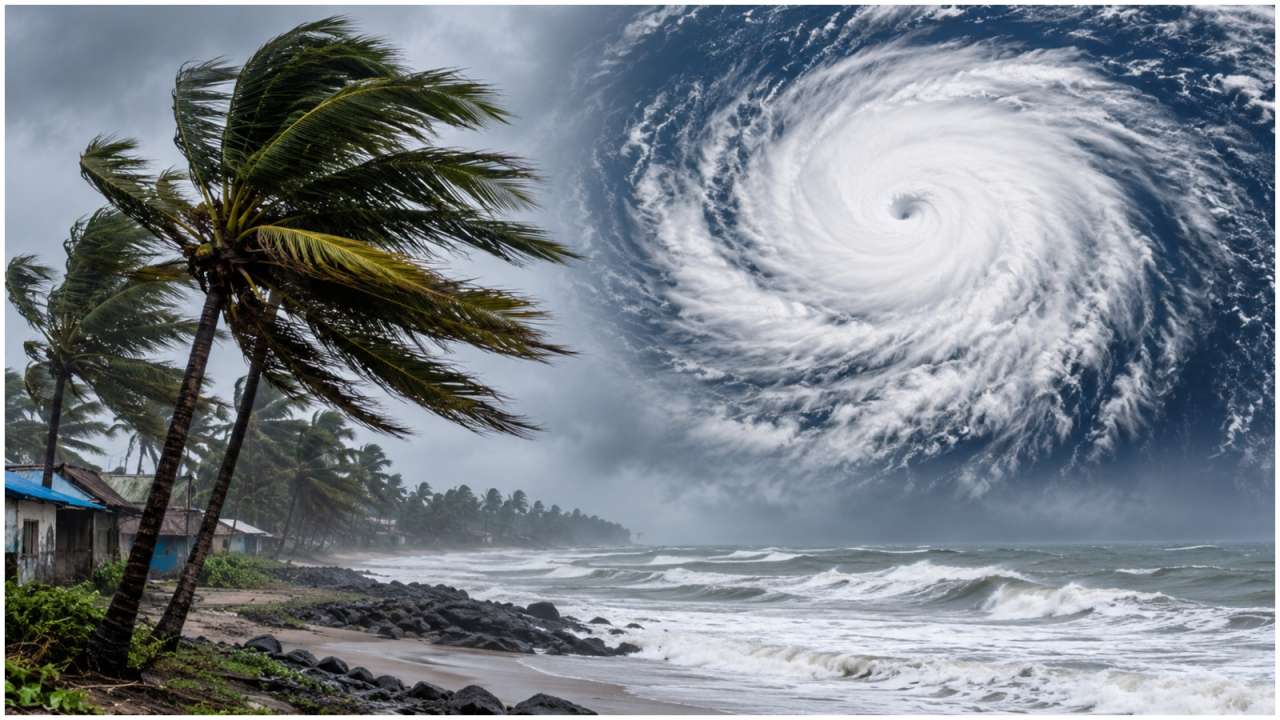
 After Arnab and Murasu, third cyclone threat looms over Bay of Bengal: IMD issues fresh warning, fishermen alerted
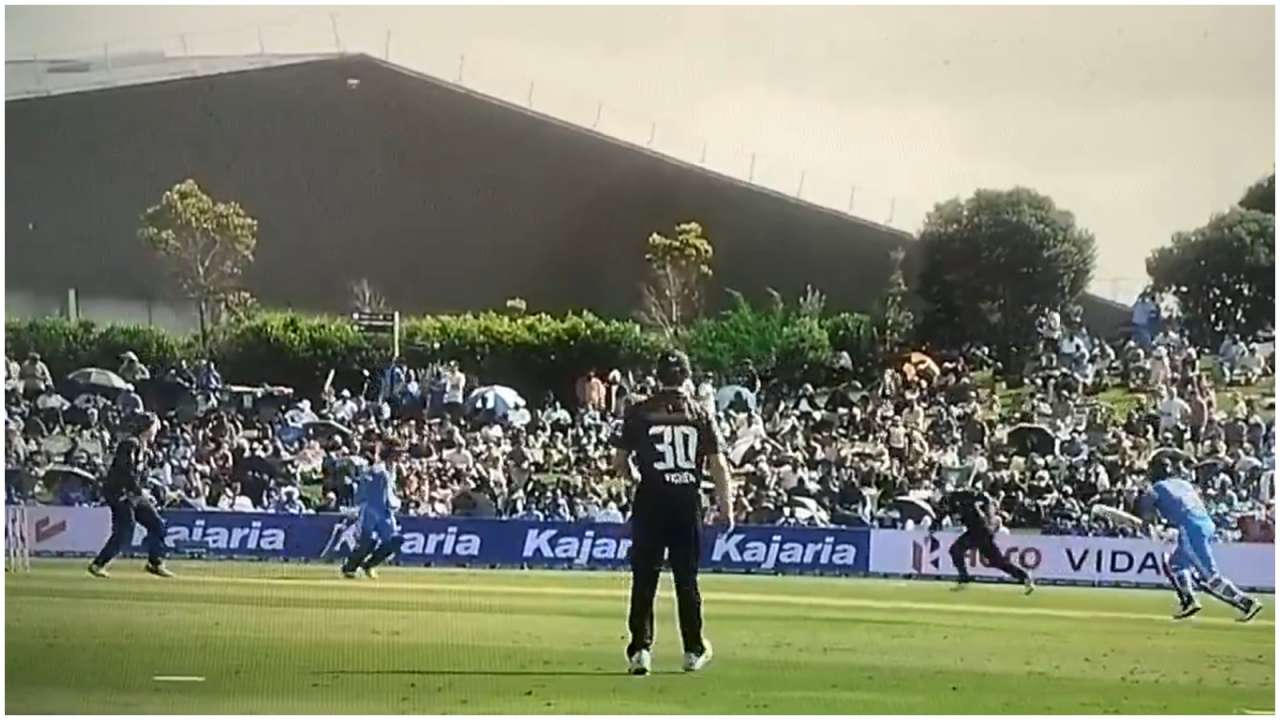 India vs New Zealand 5th ODI: Why did live telecast suddenly face disruption?
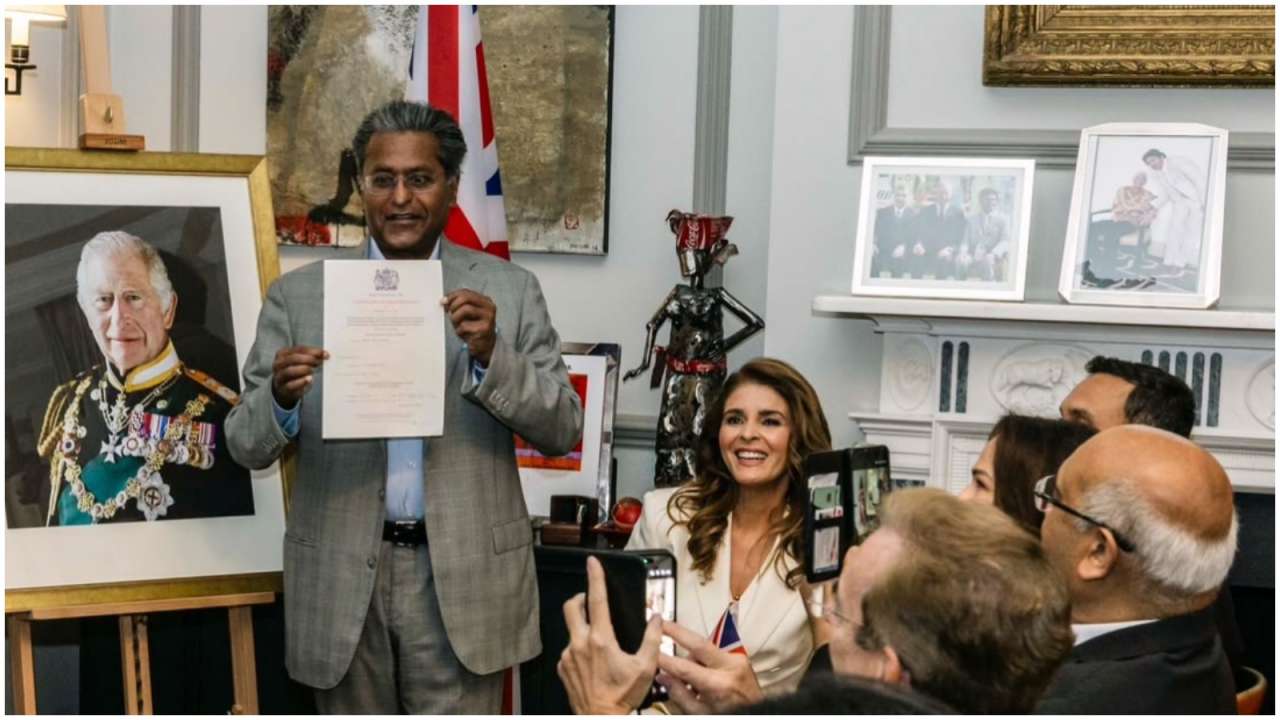 'God Save The King': Lalit Modi gets British citizenship after living in UK for years
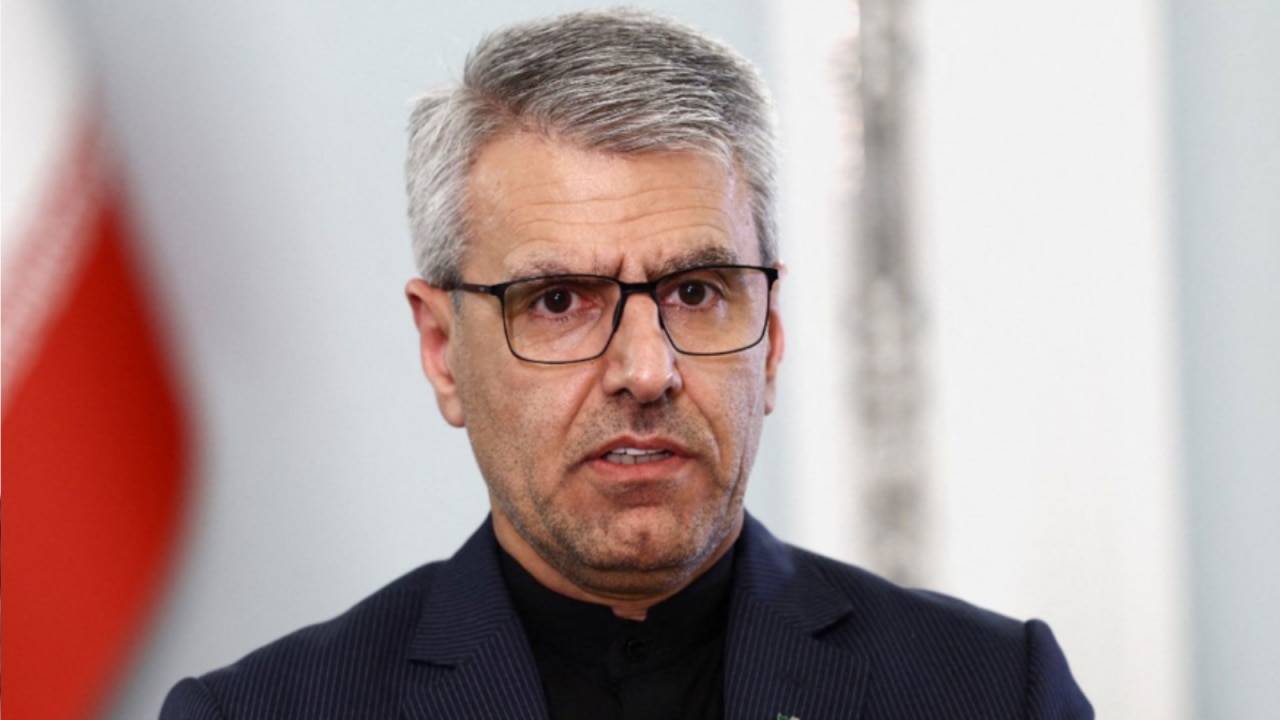 Iran accuses US of 'threatening to starve' people as Trump intensifies economic pressure
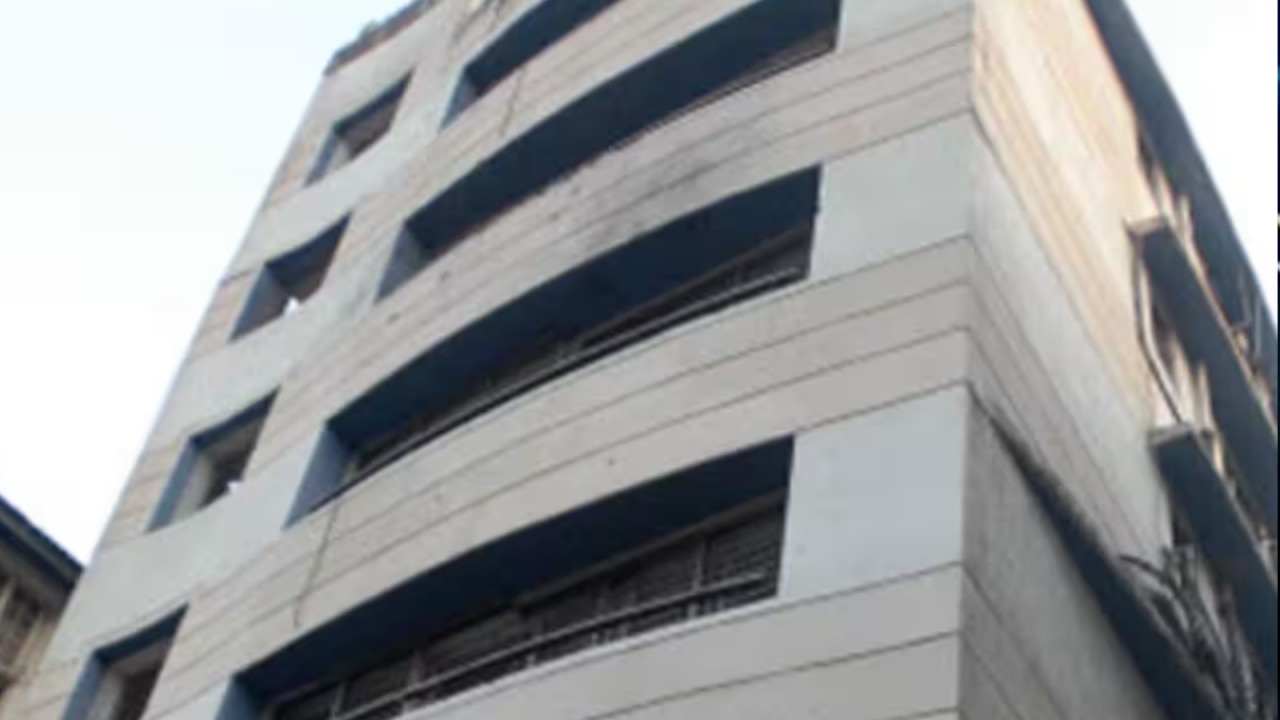 Mumbai 26/11 Terror Attack: 20-year-old arrested for recce of Nariman House, foreign handlers suspectedAfter Arnab and Murasu, third cyclone threat looms over Bay of Bengal: IMD issues fresh warning, fishermen alerted'God Save The King': Lalit Modi gets British citizenship after living in UK for yearsMumbai 26/11 Terror Attack: 20-year-old arrested for recce of Nariman House, foreign handlers suspected
 Punjab Bus Accident: 4 killed, 30 injured as two pilgrimage scheme buses collide in Tarn Taran
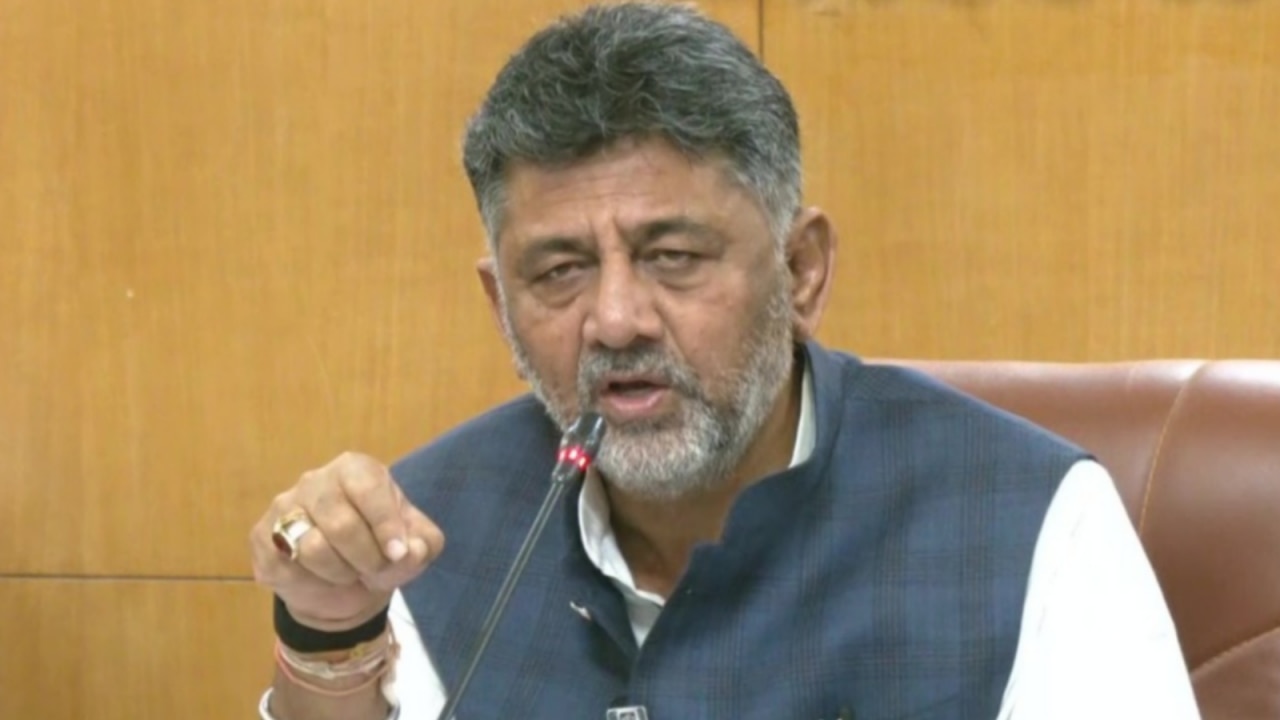 DK Shivakumar writes to PM Modi, seeks ninth schedule protection for Karnataka's 56% quotaIran accuses US of 'threatening to starve' people as Trump intensifies economic pressure
 What changes at Nvidia after Jensen Huang's exit? Elon Musk warns of lost deals, Trump disclosed stock investments
 US-India Trade Deal By March 2027? India assured tariff advantage over competitors
 Ukraine to leave Donbas for NATO Membership? Zelenskyy reveals US question in peace talks
 Ukraine expects largest-ever prisoner exchange with Russia with over 1,000 from each side
 Microsoft Global Outage: Why did Outlook stop working? How were airlines in India affected?
 Nvidia After Jensen Huang: Will India's AI dream face chip shortage or open door for new rivals?
 Why does inflation soar to 6.09% despite falling fuel prices, US-Iran war halt? RBI's next move under focus
 UP Elections 2027: Will Asaduddin Owaisi and Chandrashekhar Azad defeat BJP or help Yogi win?
 From Nvidia CEO Jensen Huang to top officials: 5 Alleged Chinese 'honey trap' cases that shocked world
 Ramayana box office collection day 10: Ranbir Kapoor, Yash film beats Jawan, KGF 2; earns Rs 1200 crore
 Viral video: Newlyweds Anirudh Ravichander, Kavya Maran return to Chennai after their Greece wedding - Watch
 Veteran Telugu actor Giri Babu dies at 80 in Hyderabad; Pawan Kalyan, Chiranjeevi pay tribute
 Varun Dhawan-starrer Yash Raj Films' first horror movie locks release date in 2028
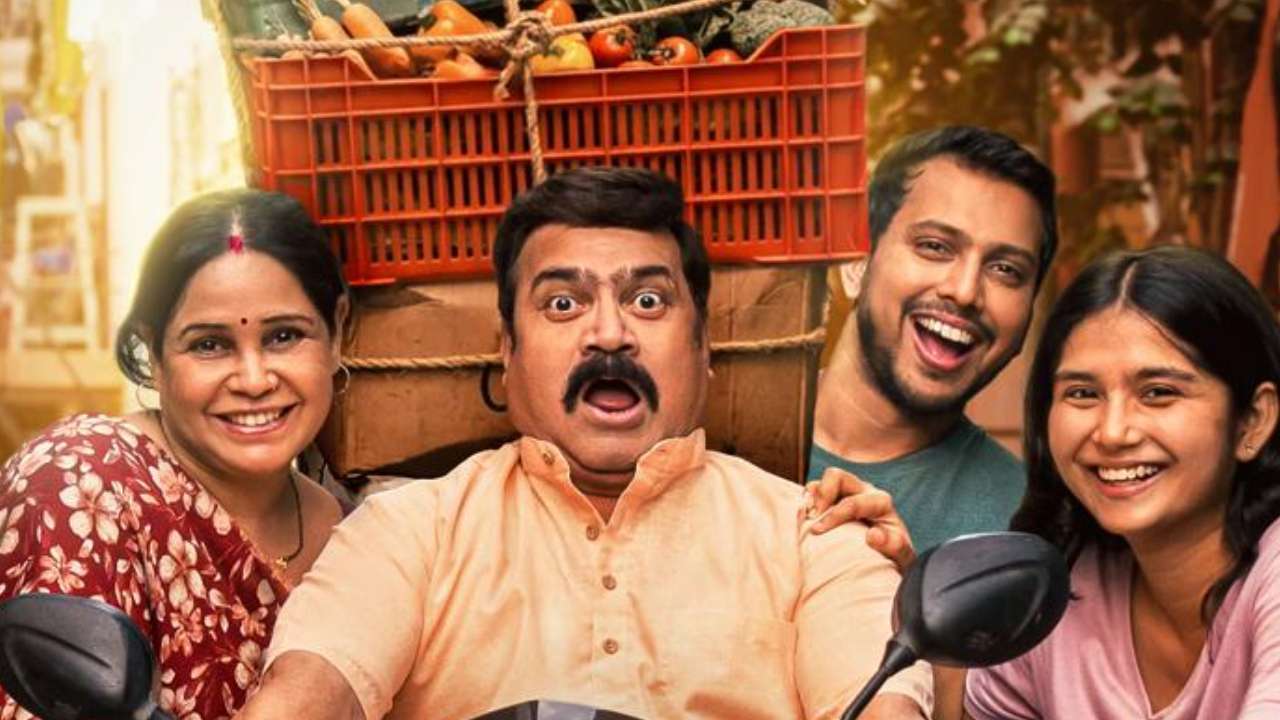 Family Kirana Store Season 3 out on YouTube: TVF sitcom sets new benchmark, delivers three seasons in 10 months
 Tata Sons Listing Row: Why Noel Tata fears it could change Tata Group
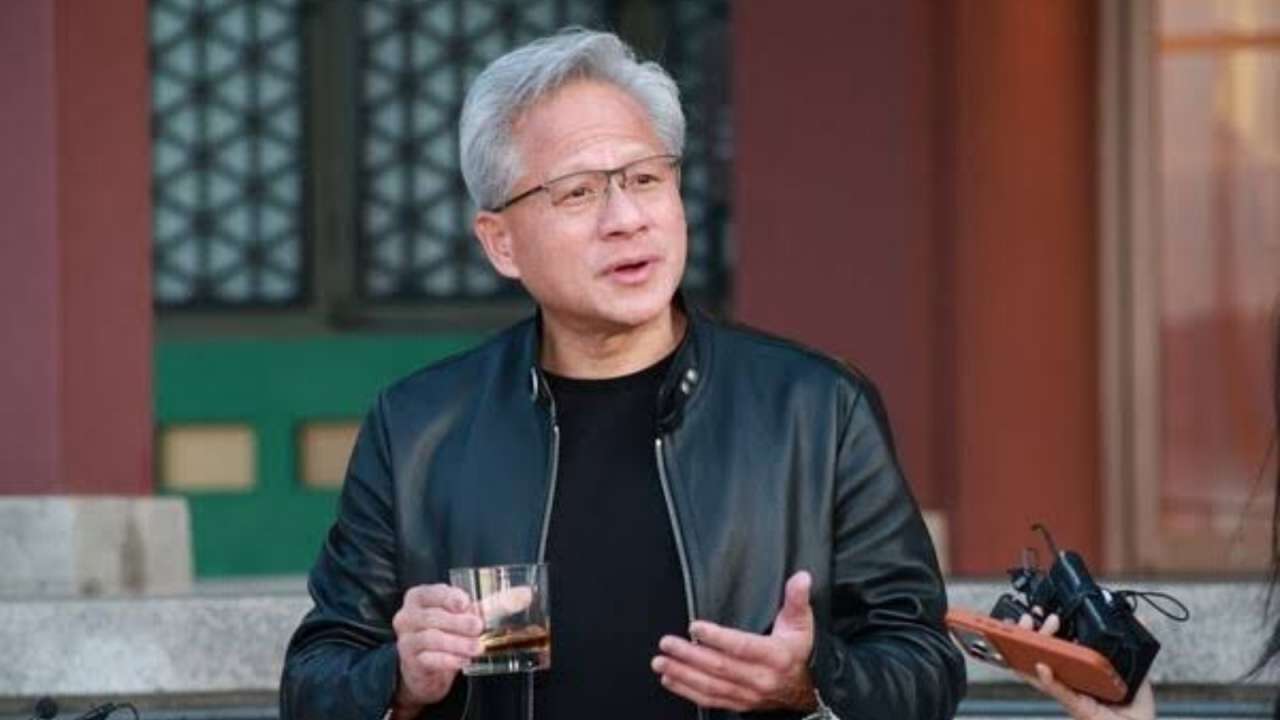 Who will replace Jensen Huang at Nvidia? 3 Indian-origin executives in the race
 Zee Entertainment announces Rs 600 crore share buyback at Rs 91 per share
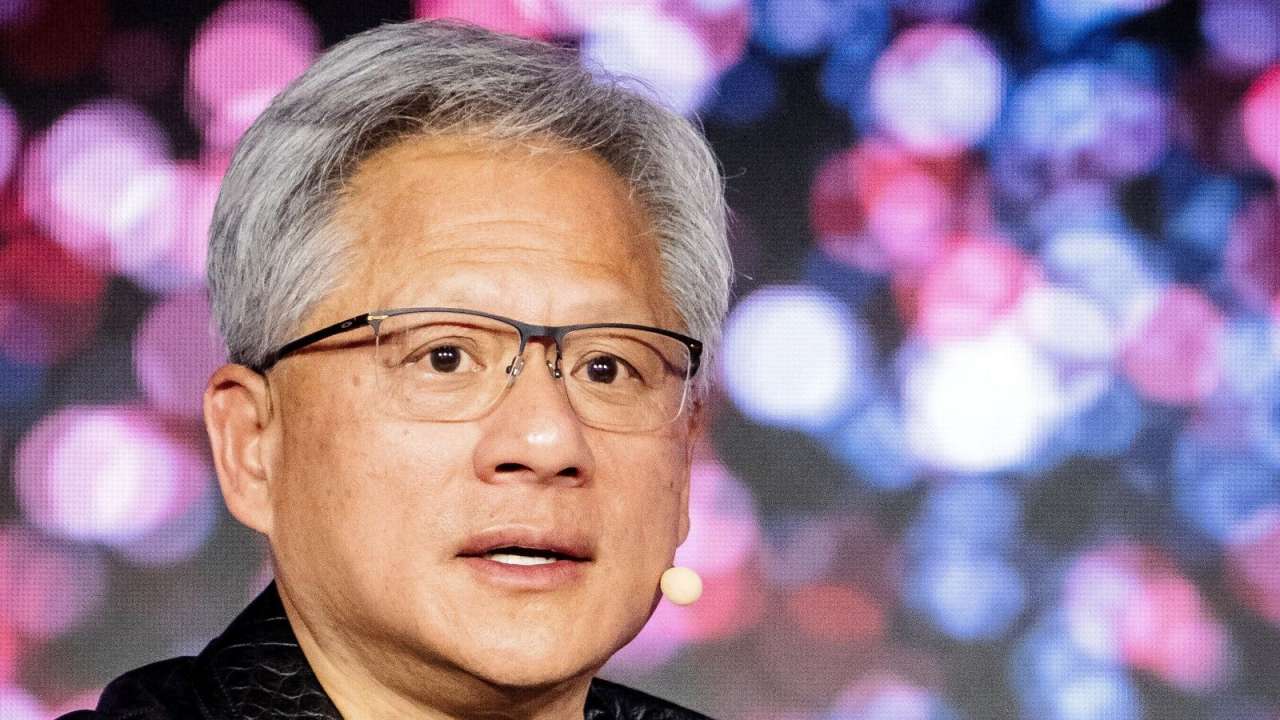 Who may replace Nvidia CEO Jensen Huang? THIS Indian tech executive emerged among top contenders
 When CA Mukesh Jain Tested Kwala Intel: Inside the AI market wizard that money managers now swear byIndia vs New Zealand 5th ODI: Why did live telecast suddenly face disruption?
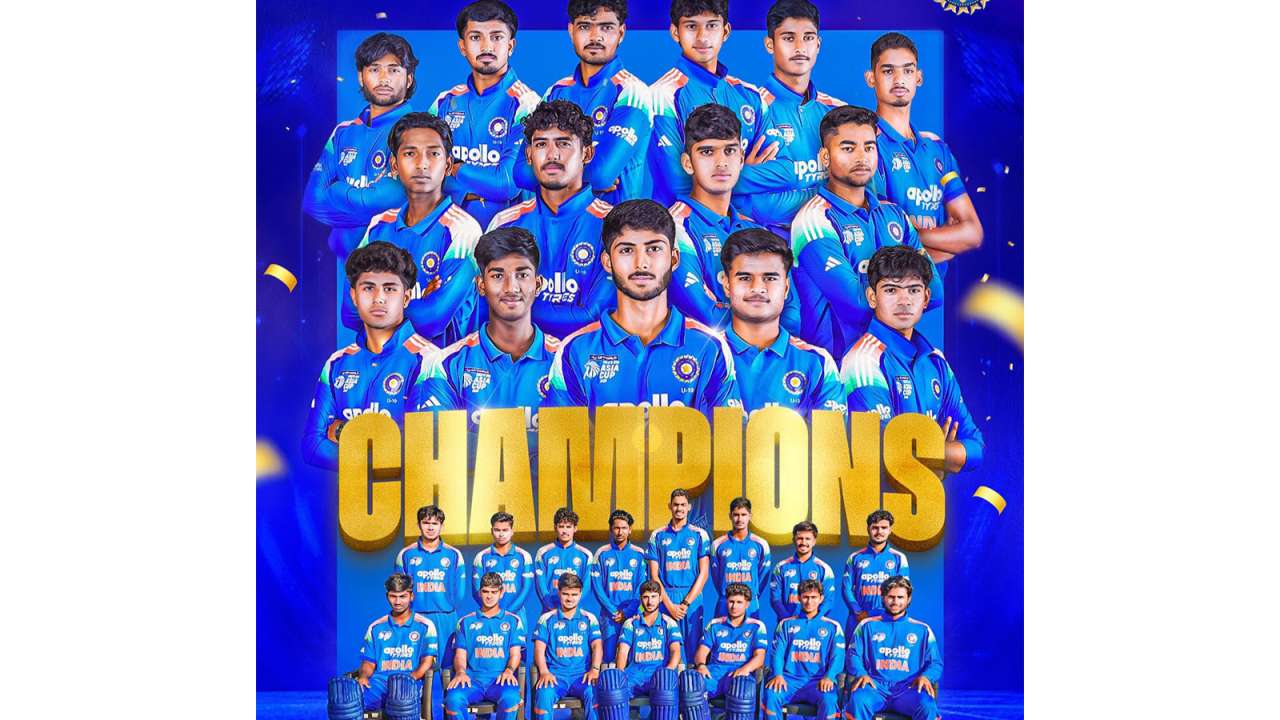 PM Modi congratulates India U19 team after thrilling win over Pakistan in Asia Cup 2026 final
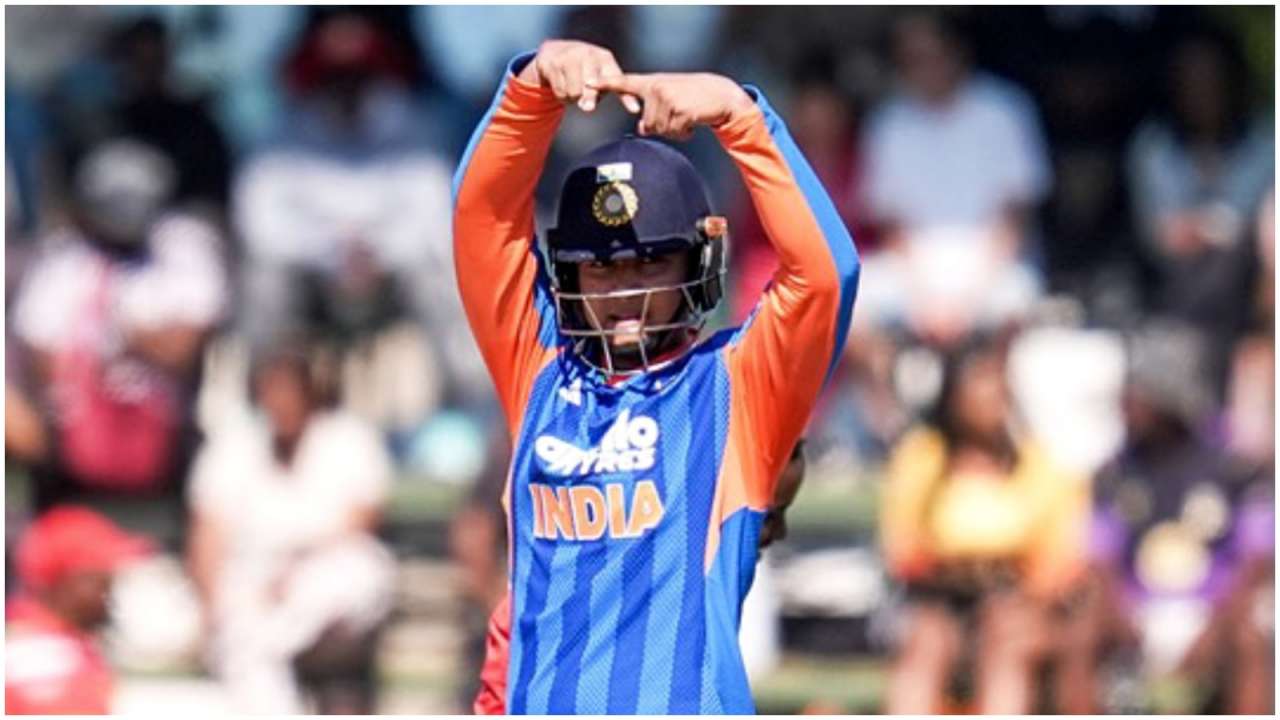 Vaibhav Sooryavanshi achieves a rare first at 15, creates history in T20 cricket
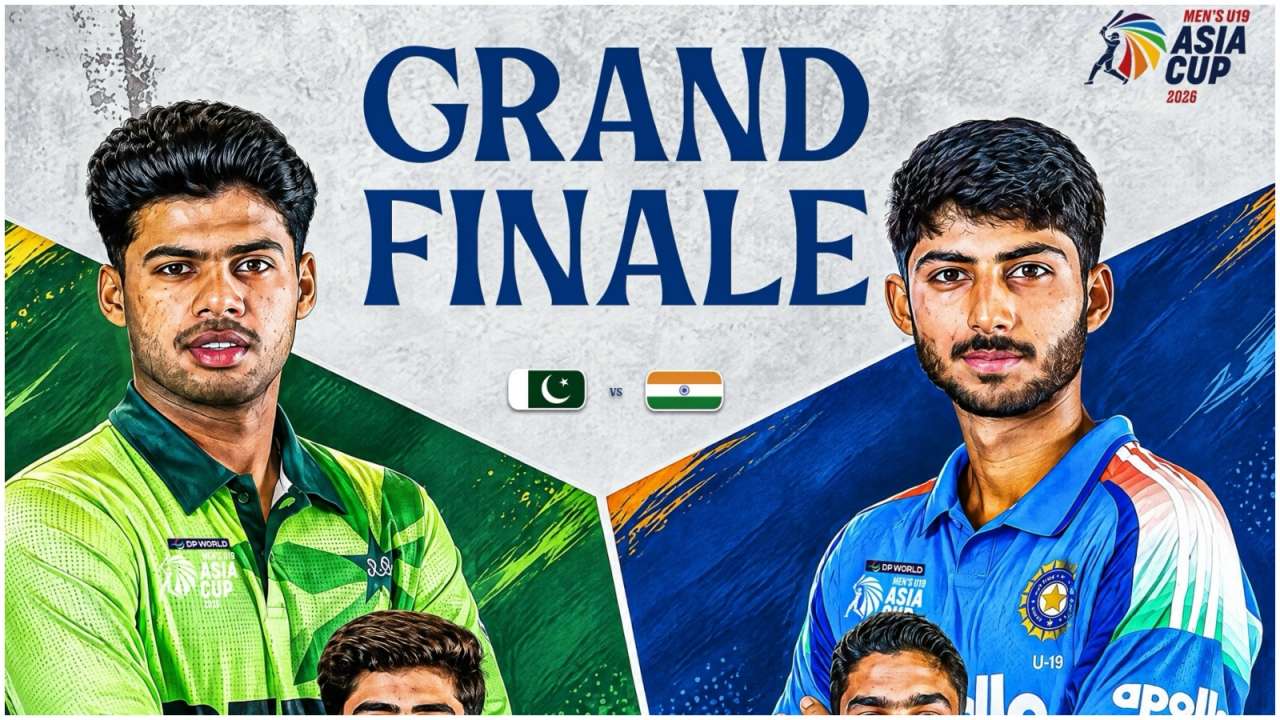 IND vs PAK U19 Asia Cup final: When and where to watch match live on TV and online
 'Big brown mark on my sheets': Usman Khawaja makes shocking revelation about former Australia teammate
 Kaziranga Road Accident Update: Death Toll Rises To 24; Mini-Bus Had 13 Overspeeding Challans
 Bay of Bengal Cyclone Alert: Low-Pressure Area To Intensify By November 16; Yellow Alert In Odisha
 Microsoft 365 Outage Update: Gradual Recovery Underway After 20 Hours; Email Timeout Doubled to 48 Hrs
 Nvidia-Jensen Huang News: 'Would Be An Honor To Hire Him...' Will Musk Save Huang After Resignation
 J&K News: 'Won't Spare You...' 2 Days Before Kulgam Attack, CRPF Got Unexpected Warning By Boy
MUMBAI
Doctors said there was a long pending demand to promote comprehensive kidney care by supporting all types of dialysis and kidney transplant care.

Updated : Mar 02, 2016, 08:25 AM IST
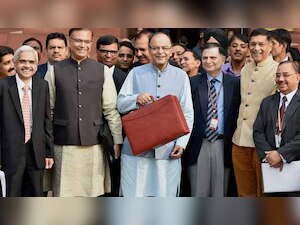















The 2016 Budget has brought relief to many kidney failure patients on dialysis with the finance minister announcing that dialysis centres will now be opened in all district hospitals.
Welcoming the decision, nephrologists said thousands of patients can now avail of this treatment. "This move is similar to the scenario in the USA, Canada, Japan, Australia and the UK, where the government or Medicare pays for dialysis. There is a need to ensure that quality of dialysis is on par with other countries and qualified doctors and technicians deliver good quality care to all patients," said Dr Jatin Kothari, nephrologist at PD Hinduja Hospital.
Doctors said there was a long pending demand to promote comprehensive kidney care by supporting all types of dialysis and kidney transplant care.
Dr Shrirang Bichu, a nephrologist at Bombay Hospital, said the National Dialysis Services Programme will be a game changer in end-stage kidney disease management. "It is a very good provision made in the union Budget. In rural areas of the country, one has to travel for hours to reach a dialysis centre. For example, in rural Maharashtra, the average travel time to a dialysis centre is five to six hours. For a kidney failure patient, travelling long hours thrice a week is taxing. Many discontinue and perish," said Bichu.
In his Budget speech, union finance minister Arun Jaitley noted that with approximately 4,950 dialysis centres in the country, largely in the private sector and concentrated in major towns, the demand is only half met.
Hiranandani hospital's nephrologist Dr Rajesh Kumar said the dialysis burden per patient per year is Rs2 lakh.
"Rs2,000 crore per year is the running cost of dialysis per year to take care of 10 lakh patients. Machine and infrastructure costs are separate. It is a good thought to implement this in every district hospital. It will be a boon for many patients who can't afford the treatment and hence stay away from big cities," said Kumar.
According to health experts, one dialysis machine costs approximately Rs6.5 lakh, out of which 18.94% is custom duty (approx Rs90,000). "So if the duty is waived off, there will be a saving of Rs90,000. Additionally, in Mumbai, octroi of 5.5% of the machine cost (Rs35,000) is levied. Then, the dialyser, a machine component, costs Rs700, which includes custom duty of 26.43%. If the government waives it off, the dialyser will get cheaper by 25%," said Kumar.