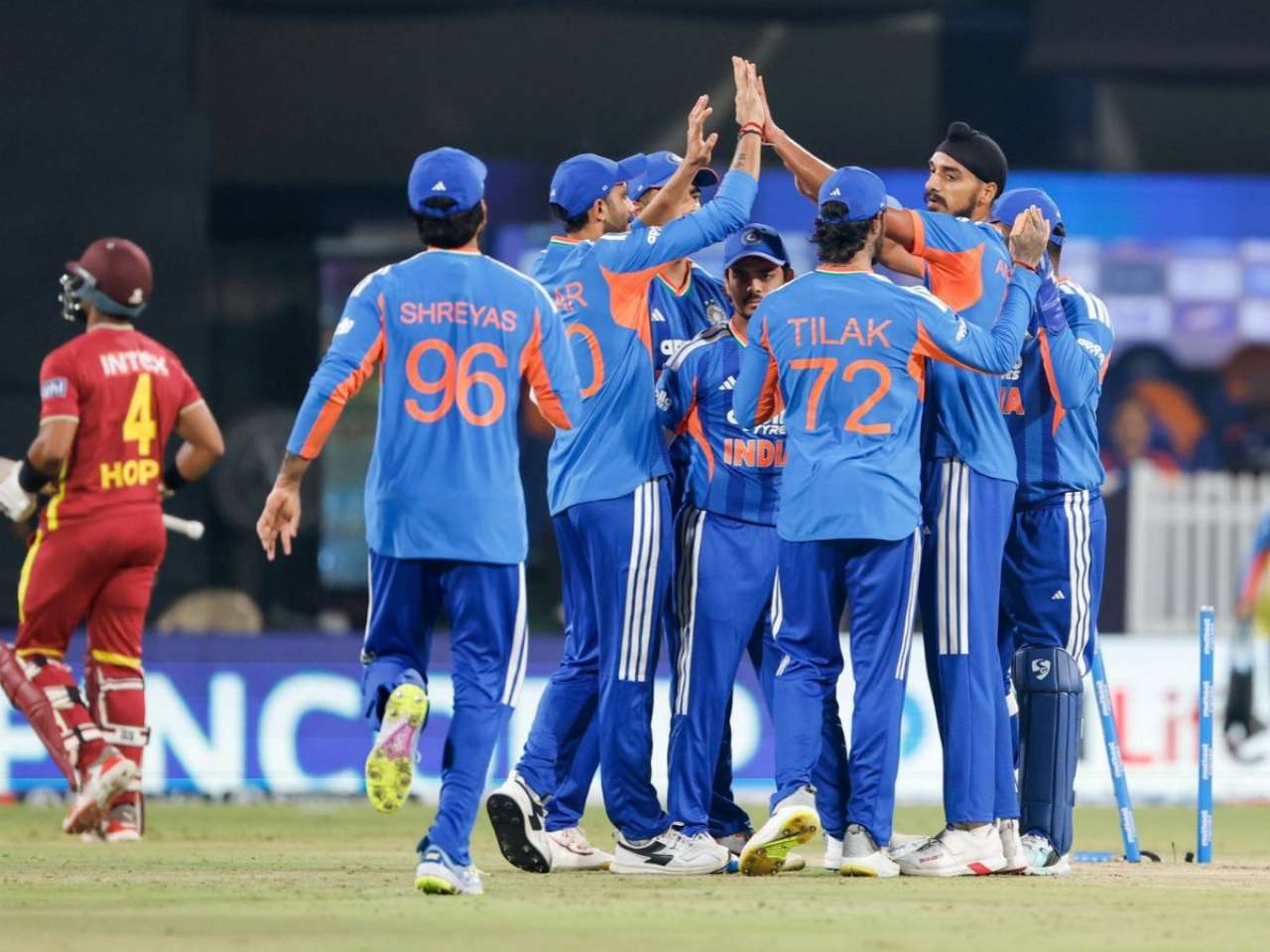
 IND vs WI 4th T20I Live Streaming: When and where to watch India vs West Indies match live on Tv and online?
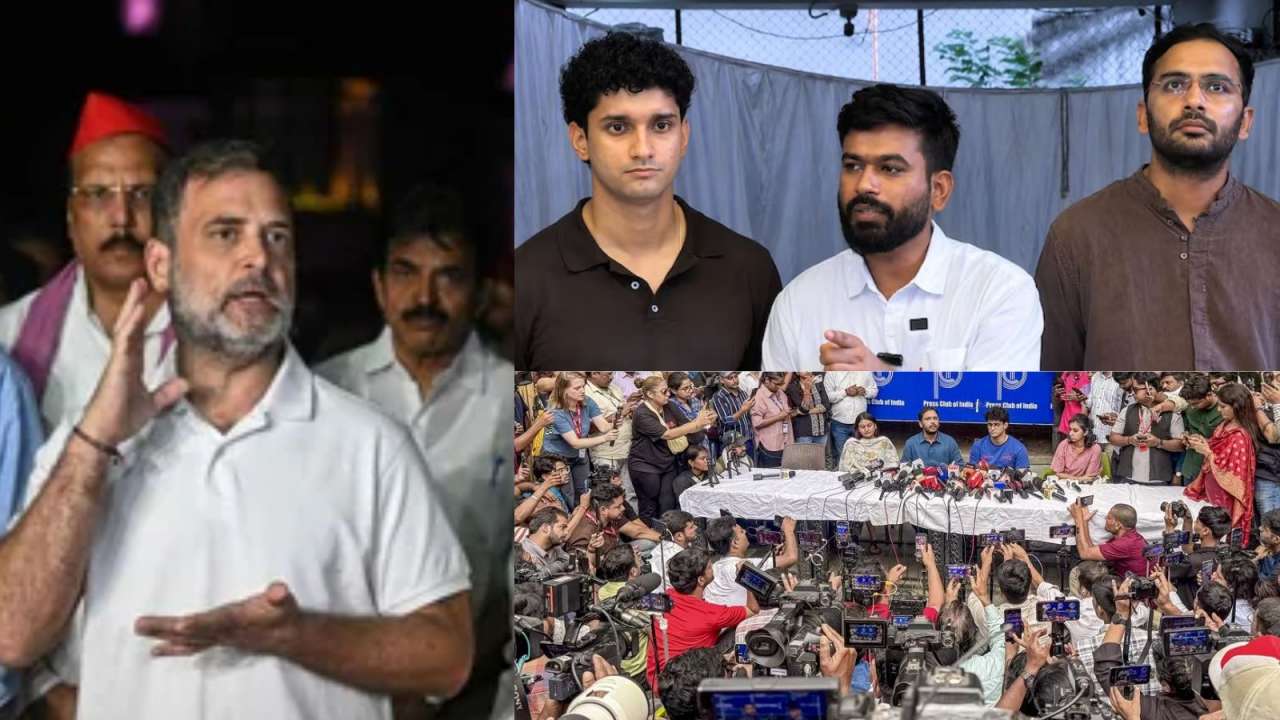 Will CJP join hands with INDIA bloc as Rahul backs it, says, 'Waving national flag not a crime'Will CJP join hands with INDIA bloc as Rahul backs it, says, 'Waving national flag not a crime'
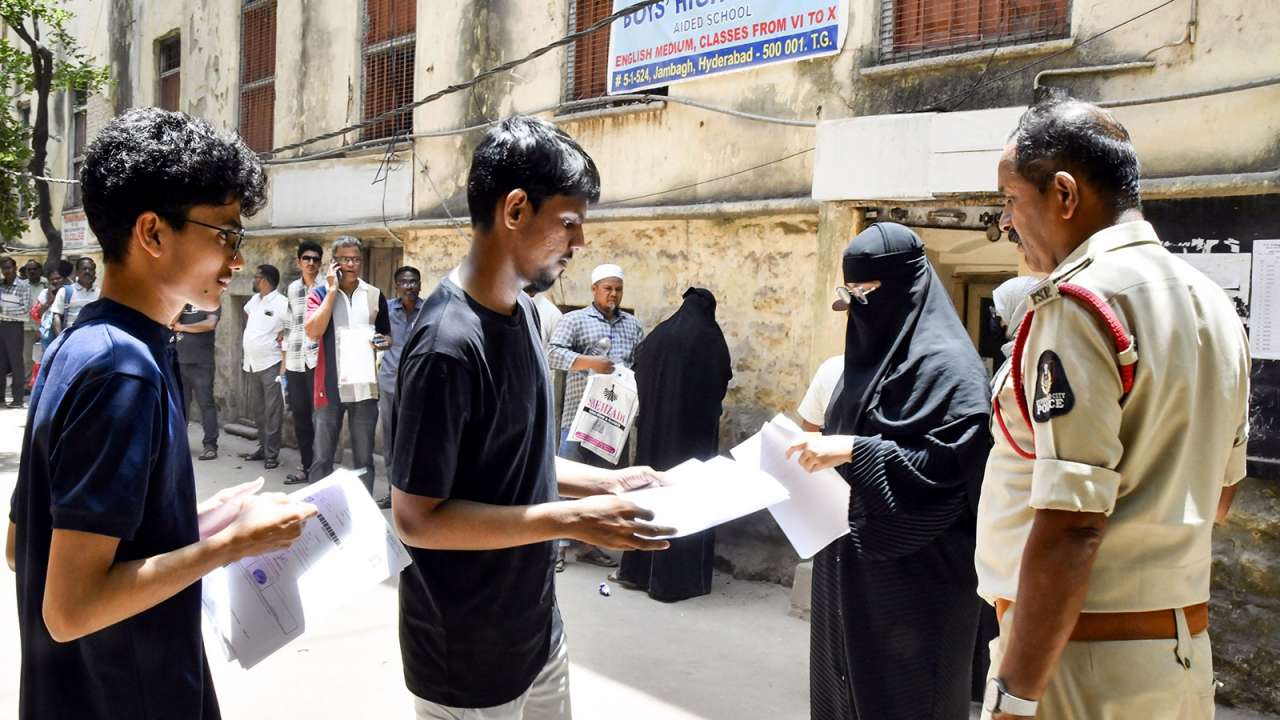 NEET UG Paper Leak Case: No NTA, government employee named in CBI chargesheet, details here
 Former England all-rounder makes big statement on Virat Kohli says, 'He is master of chase'IND vs WI 4th T20I Live Streaming: When and where to watch India vs West Indies match live on Tv and online?Former England all-rounder makes big statement on Virat Kohli says, 'He is master of chase'
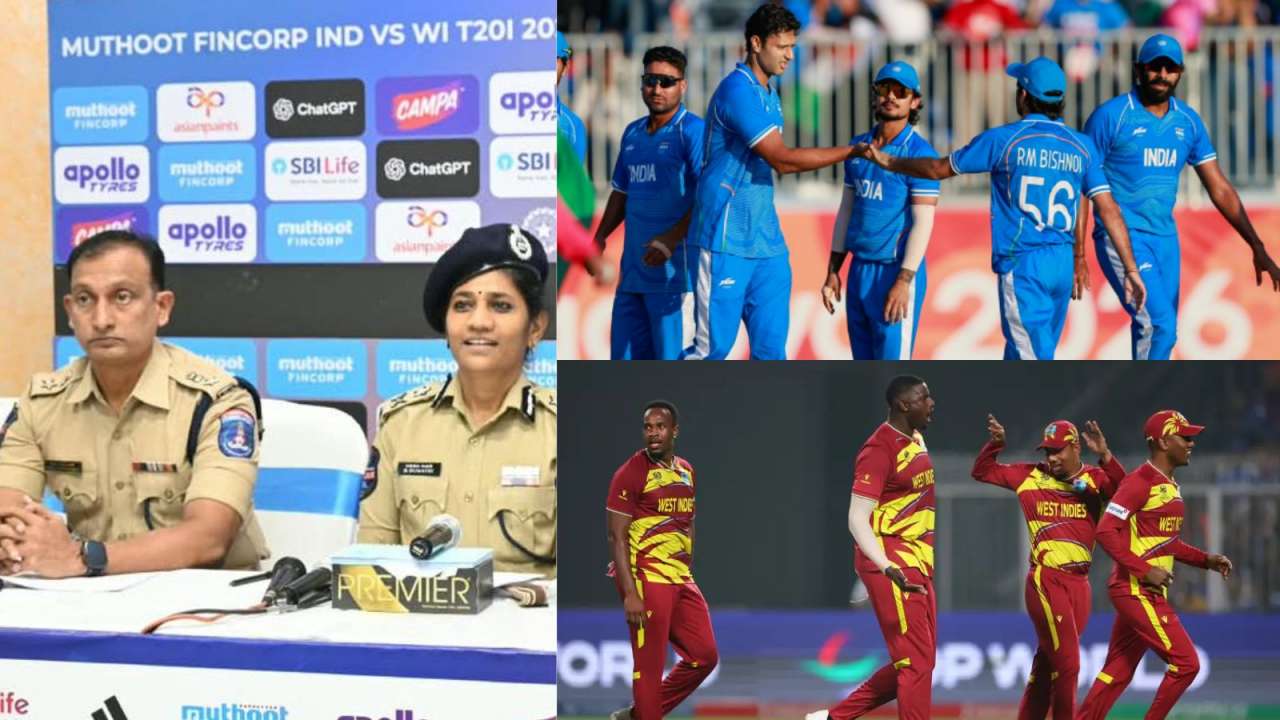 IND vs WI 4th T20I: Hyderabad Police roll out major security plan ahead of uppal clash, deploy 2,200 cops
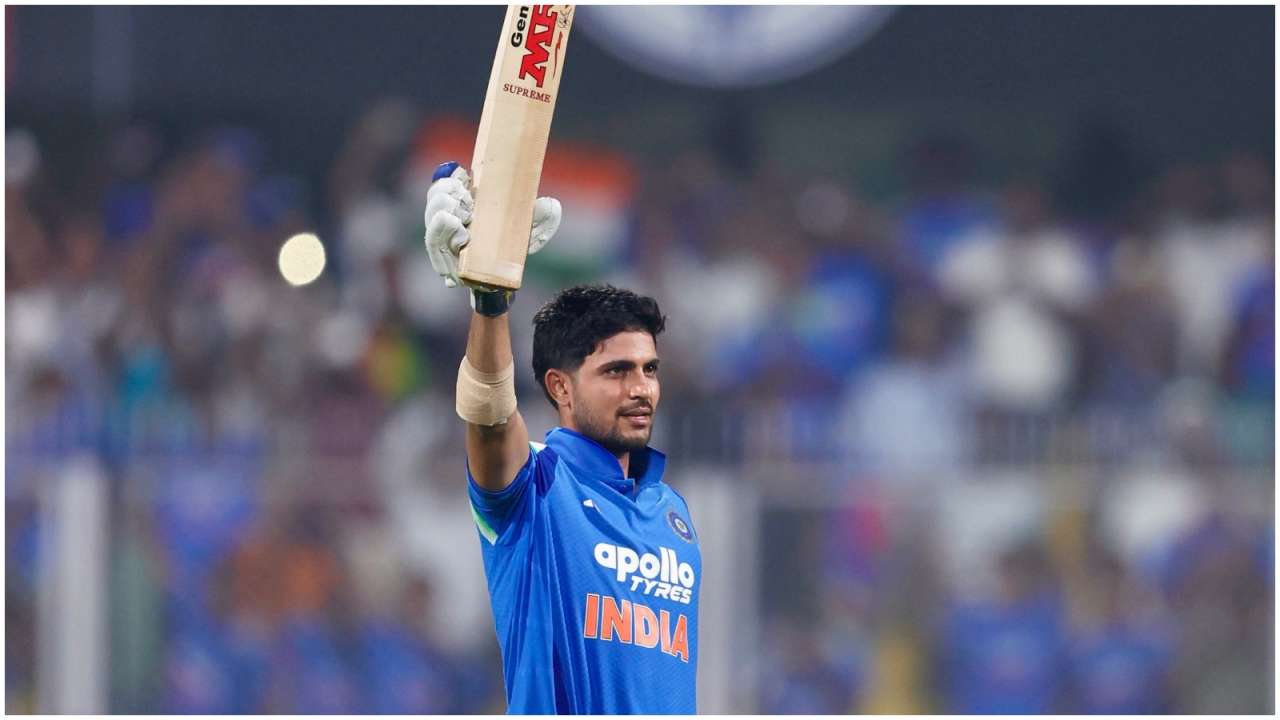 Shubman Gill wins 5th ICC monthly award: How rare is this feat?
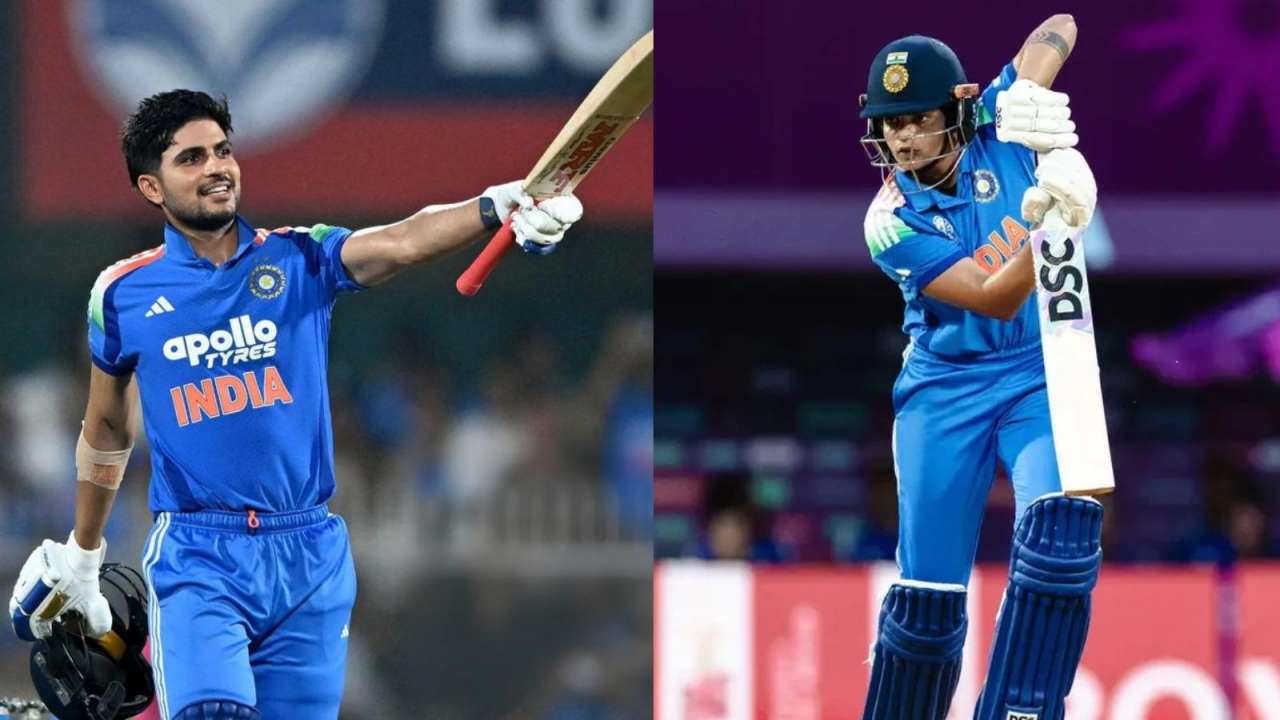 Shubman Gill clinches historic fifth 'ICC Player of the Month' award, Shafali Verma triumphs after Asian Games
 Drishyam 3 box office collection day 12: Ajay Devgn film is unstoppable, crosses Rs 500 crore worldwide
 Adhyayan Suman avoids box office clash with Ayushmann Khurrana, Main Na Raha Mera postponed to December
 Machan Baba: After Hanuman Ansh's blockbuster success, biopic on Deoraha Baba announced, he inspired Congress' hand symbol
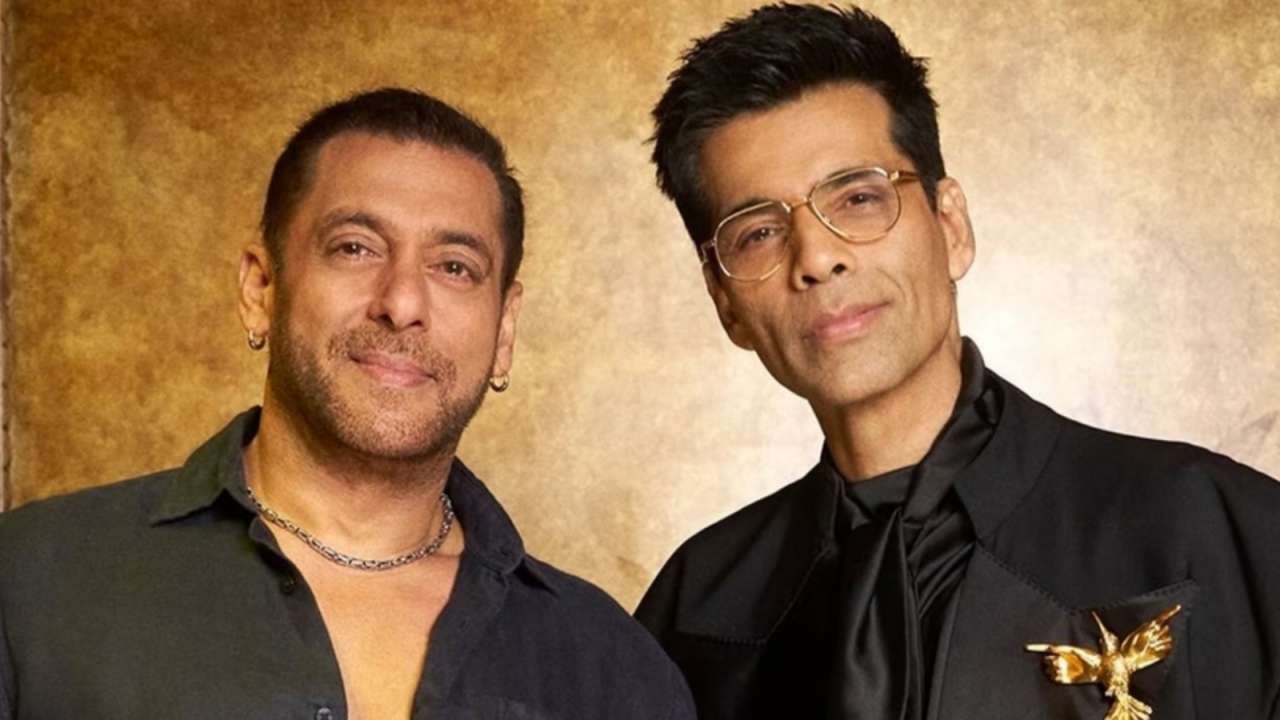 Koffee With Karan 9: Karan Johar brings back his millon-dollar question for Salman Khan, asks him 'are you still a virgin?'
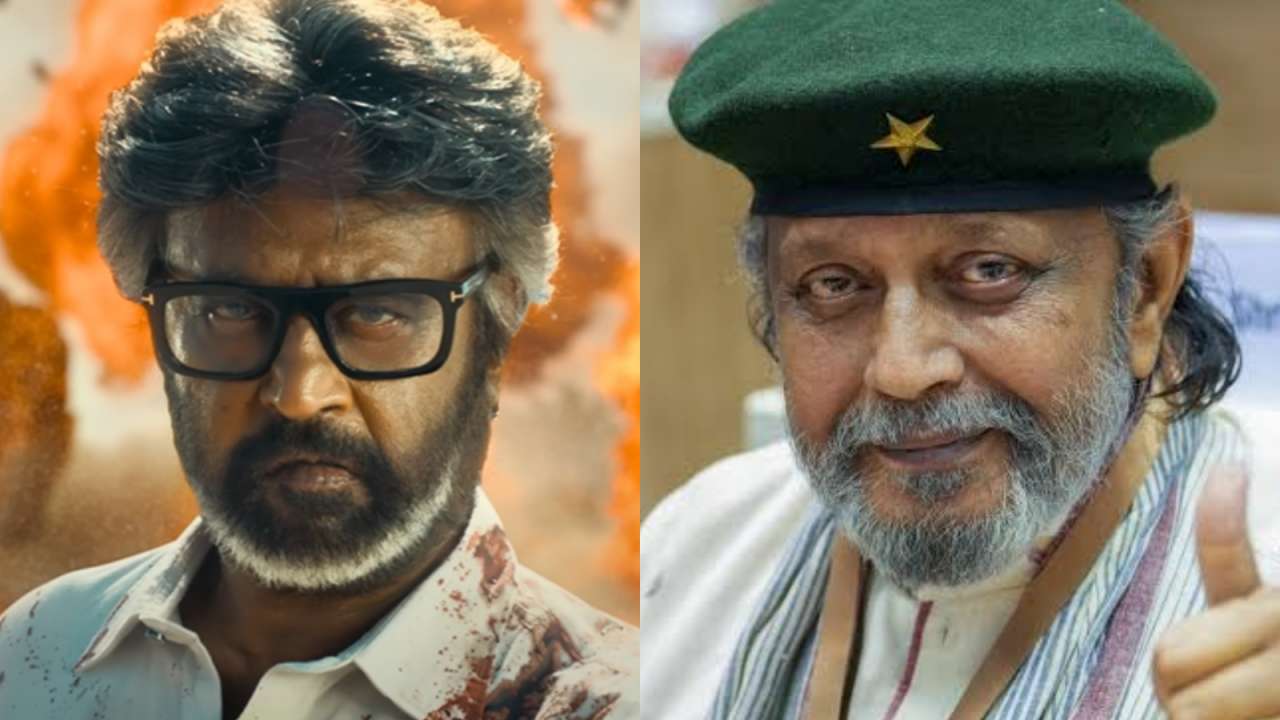 Jailer 2: What condition did Mithun Chakraborty set before agreeing to do the Rajinikanth film?
 Delhi Protest: Delhi High Court Bench To Hear Pleas On Protest Regulation & Jantar Mantar Ban
 Pakistan News: 5 Killed, 30 Injured As Rehman Baba Express Derails Near Multan In Pakistan
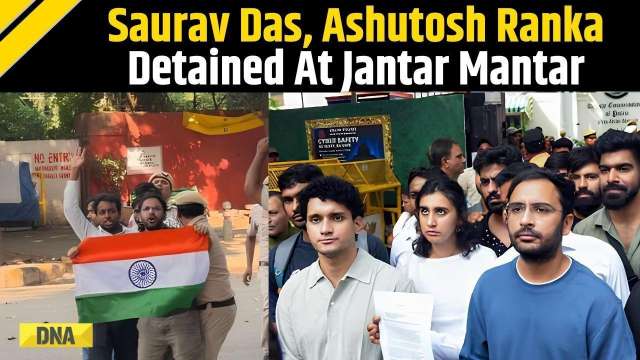 CJP Protest: Delhi Police Detains CJP Spokespersons Saurav Das And Ashutosh Ranka At Jantar Mantar
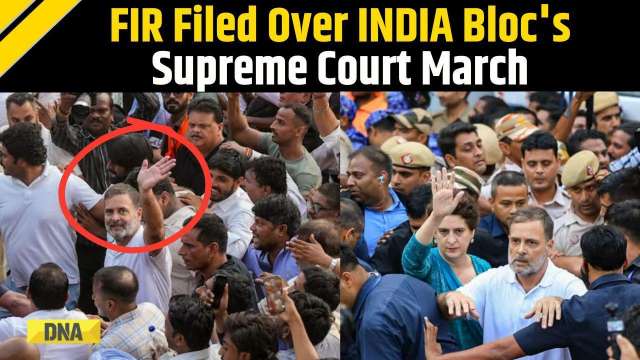 CJP Protest: 2 FIRs Filed Over INDIA Bloc Leaders March In Delhi; SC To Hear Protesters Plea
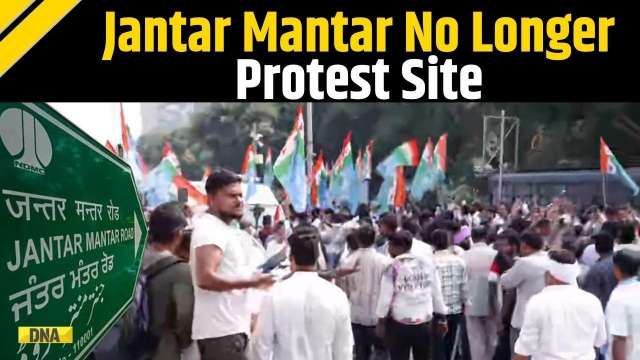 CJP Protest: 'Jantar Mantar De-Notified'; Govt Replaces Historic Protest Site With 3 New Venues
 RBL Bank shares crash 8% despite 170% profit jump: Why are investors worried?
 UPI payment charges postponed till Diwali, what does it mean for shops, merchants and customers?
 Retail inflation rises to 5.54% in September: Experts warn of pressure on purchasing power, expect more RBI rate hikes
 Gold, Silver prices today, October 10, 2026: Check city-wise rates in Delhi, Mumbai, Chennai, Kolkata and more
 Reliance Jio IPO: Price Band likely at Rs 1065-1119 per share, issue may open on October 21; check details
 Navratri 2026: From Alia Bhatt to Sara Ali Khan, Shraddha Kapoor, take inspiration from Bollywood actresses to stun everyone in white
 Ranbir Kapoor-Sai Pallavi, Yami Gautam-Addinath Kothare, Rajkummar Rao-Wamiqa Gabbi: 5 fresh on-screen jodis to watch out for in 2026
 OTT Releases This Week (October 5-11): Awarapan 2, Khalifa, Mandaadi; new India movies, shows to watch on Netflix, Prime Video
 OTT Releases This Week (Sept 28 - Oct 4): Dupahiya 2, Pooja Meri Jaan; new movies and shows to watch this Gandhi Jayanti weekend
 From Neeti Mohan, Heer, Sarthak Kalyani; Ahead of Sa Re Ga Ma Pa, 5 musical geniuses championed by AR RahmanWill CJP join hands with INDIA bloc as Rahul backs it, says, 'Waving national flag not a crime'Will CJP join hands with INDIA bloc as Rahul backs it, says, 'Waving national flag not a crime'NEET UG Paper Leak Case: No NTA, government employee named in CBI chargesheet, details here
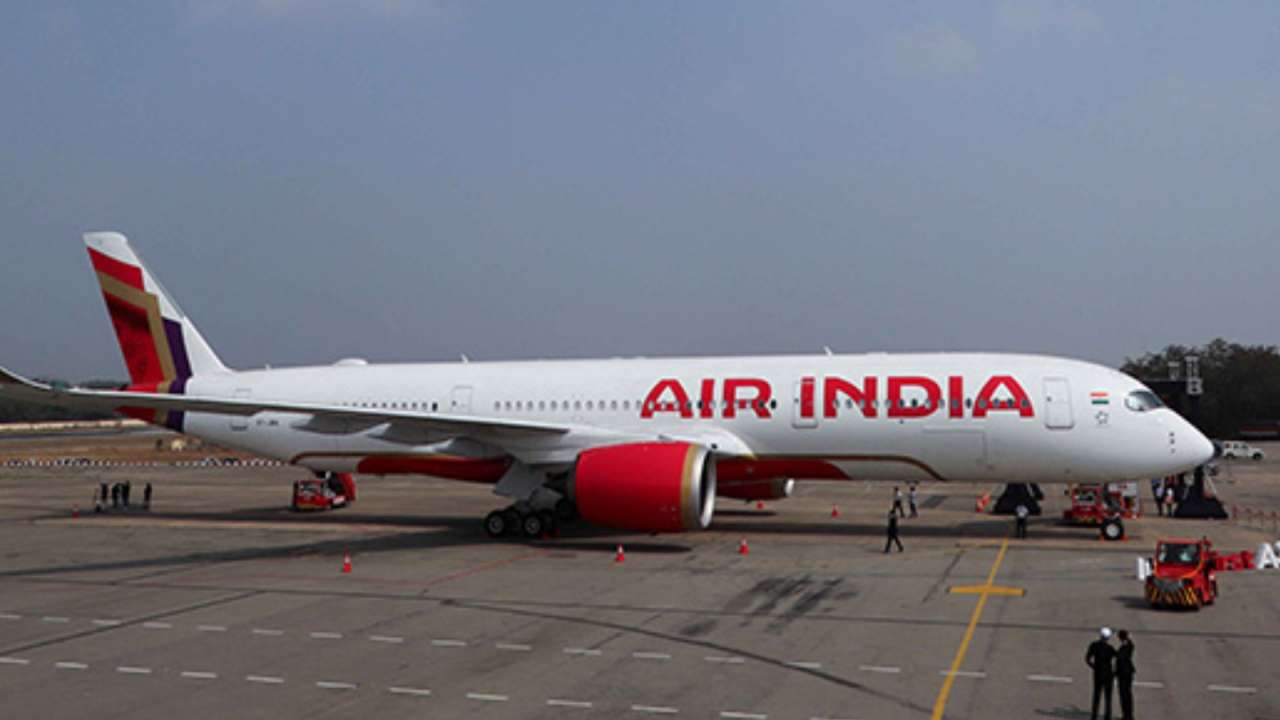 Air India Delhi flight diverted to Jaipur after bomb threat sparks hijack scare, 250 passengers on board safe
 'Third Eye' has received its due and respect
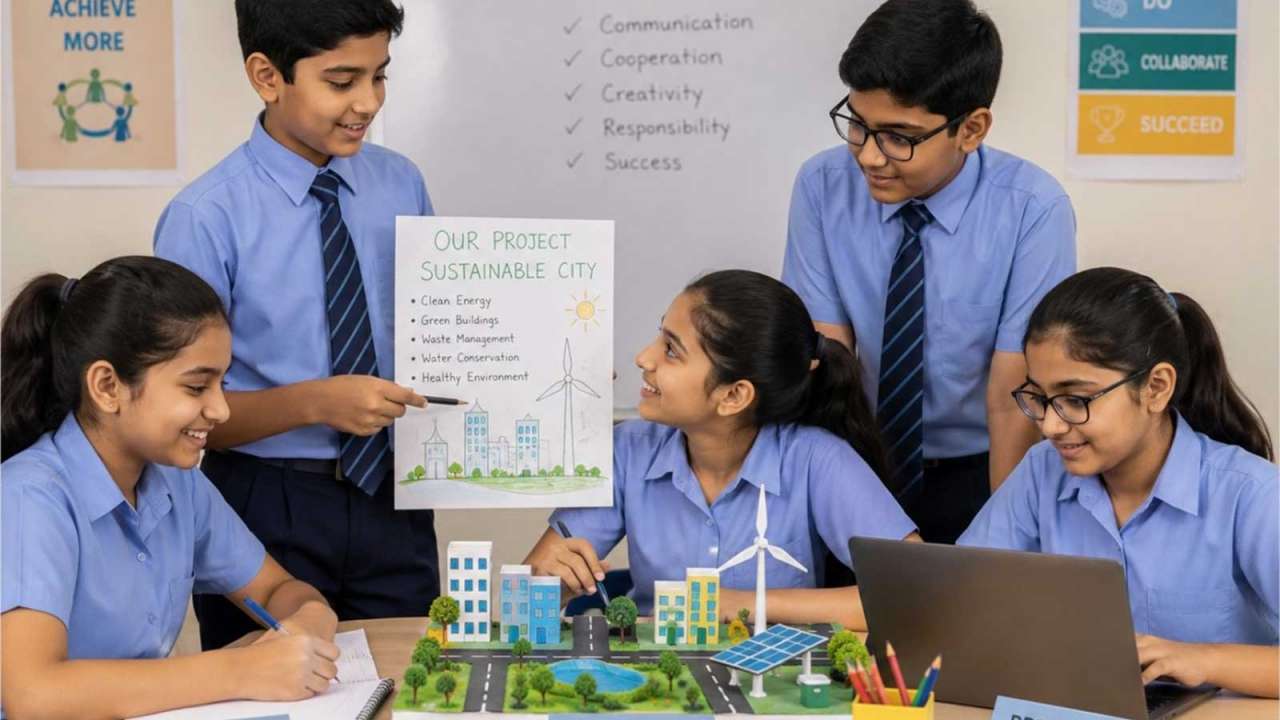 Third Language Row: SC extends relaxation to Class 6 students, asks CBSE to grant exemption, here's what it means
 NEET PG 2026 Result Out: Check how to download scorecard from natboard.edu.in; Know category-wise cut-off and more
 Five-year BTech programmes? Ex-IIT director makes proposals amid IIT suicide controversy
 CBSE Date Sheet 2027: When will Class 10, 12 timetable be released? Check details here
 From Rs 150 in 1947 to powerful student body: The story of DUSU’s rise | Explained
 After Hyundai, Maruti Suzuki makes cars costlier ahead of festive season: Check new prices after hike
 Hyundai cars to get costlier from September: Check new prices and reason behind hike
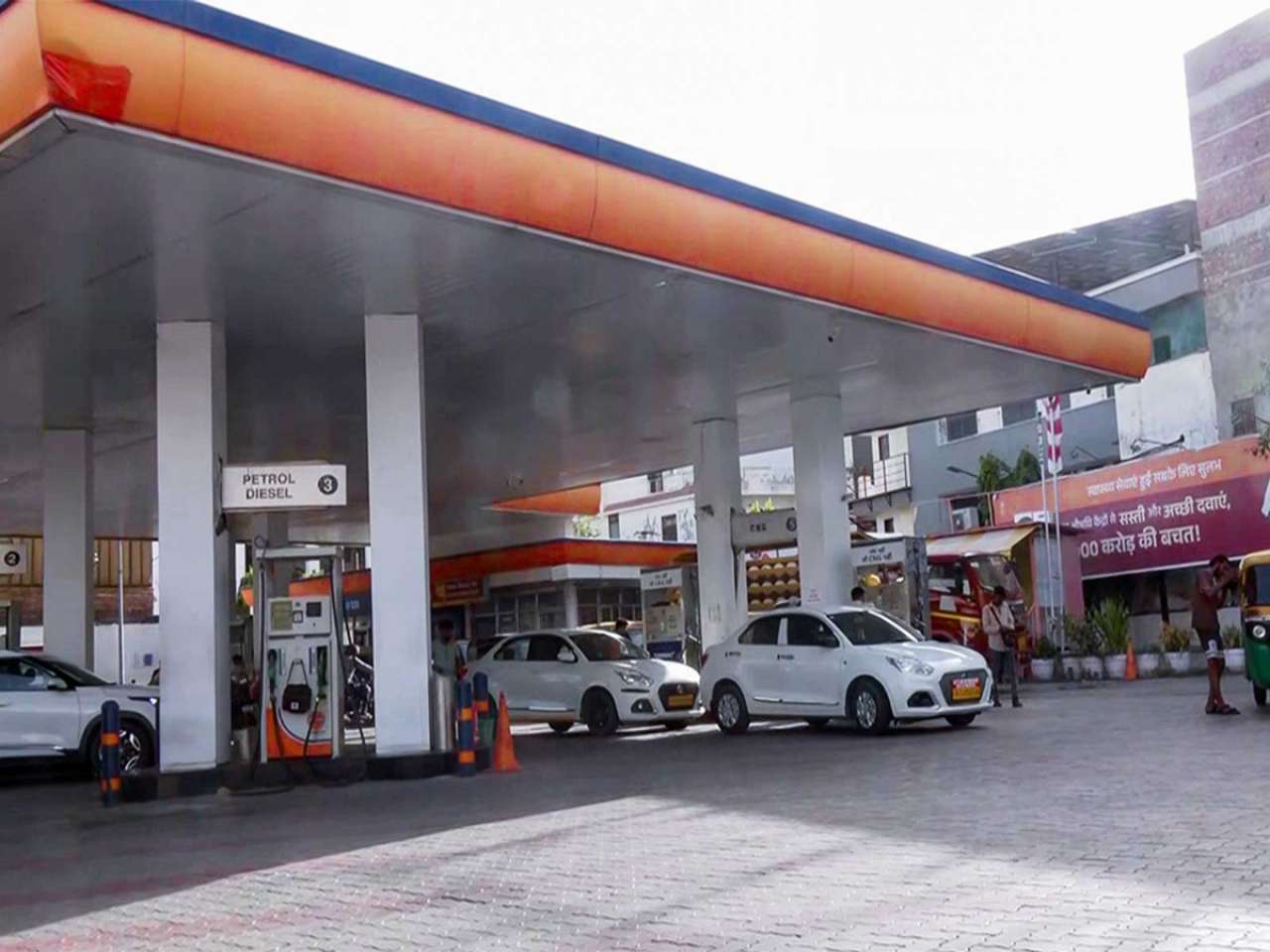 Why can't consumers choose pure petrol or E10? Centre explains why E20 is now the standard fuel
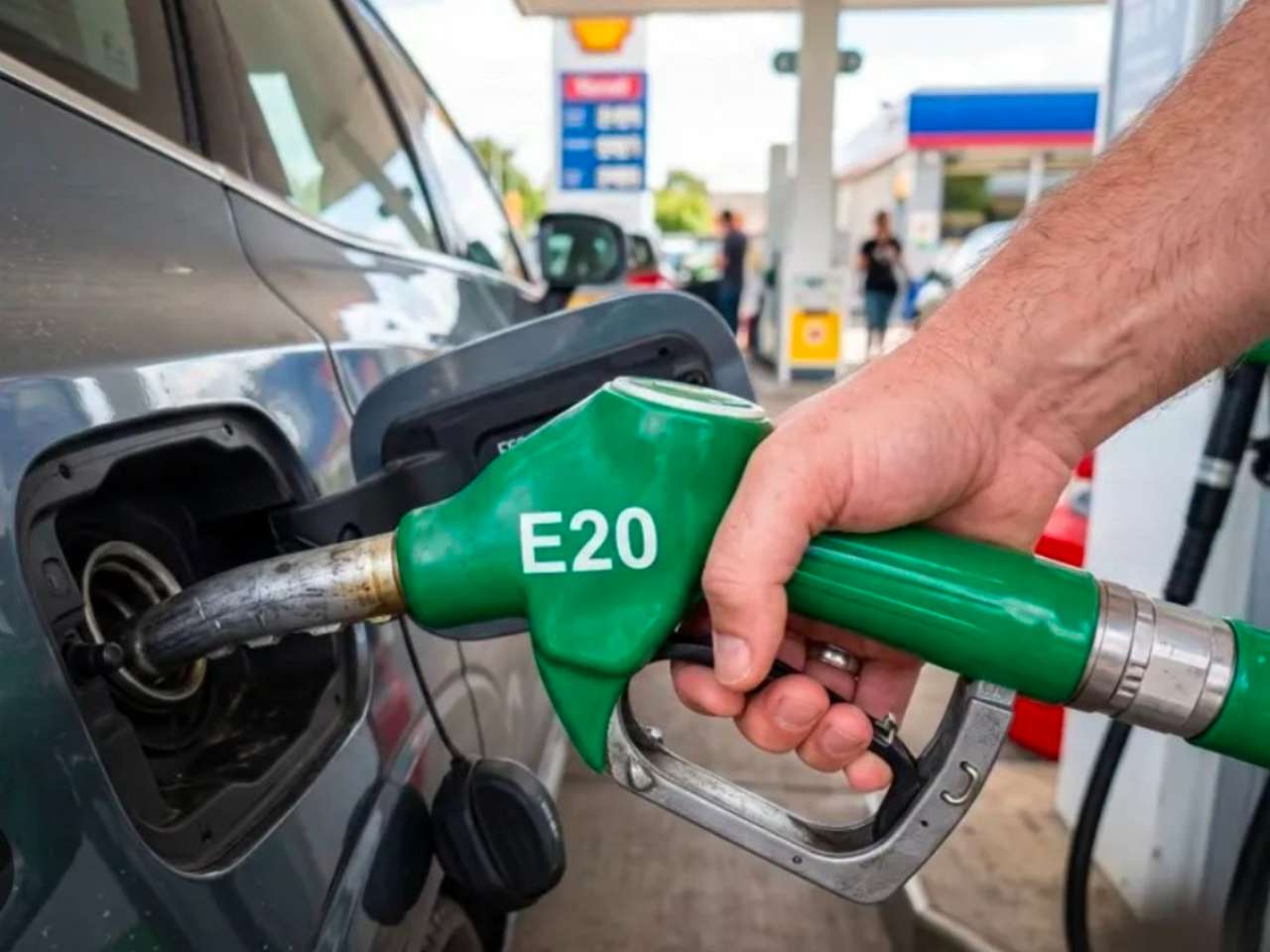 Centre claims E20 fuel does not damage engines, cites data from Maruti Suzuki and Hero MotoCorp
 Maruti WagonR Flex Fuel: What’s price of India’s first ethanol car? Specs, mileage, and top features explained
MUMBAI
From the beginning of the campaign, the network has been creating awareness about the health problems that result from lack of urinals and inadequate number of toilets.

Updated : Sep 27, 2016, 11:52 AM IST



In its strategy meeting on Saturday, the group decided to ensure that the Municipal Corporation of Greater Mumbai (MCGM) implements the construction of 25 public urinals for women by December 2013.
The Right to Pee network was launched when 35 NGOs came together on May 3, 2011, to voice women’s right to clean, safe and free public urinals in Mumbai.
Their idea being that "in a city which has 57,41,632 women there are no public urinals for them and even the number of toilets is far less in comparison to men".
From the beginning of the campaign, the network has been creating awareness about the health problems that result from lack of urinals and inadequate number of toilets.
Some examples they have given are saturation of urine and urinary tract infections caused by long hours of wait before relieving the bladder or reduced water consumption to ward off the urge to pee.
This was a follow up to an MCGM order notified to the department on January 24, 2013, that earmaked Rs75 lakh for construction of public urinals and toilets for women in the city’s crowded places. The allocation is for the period 2013-14.
It also asked the departments to submit a plan in 15 days, mentioning places for their construction and organisations that can carry out the necessary work.
Even after 5 months, no proposal has been submitted by the MCGM. As a result of the campaign, Special Duty Officer of MCGM, Subhash Dalvi, said at the meeting, “BMC is supportive of the campaign and plans to construct 25 new urinals and toilets for women.”
However, the group feels that except for the announcement, nothing has been firmly decided in terms of identifying locations and implementing urinals as nothing has been given in writing.
Dalvi added, “Permanent structures can be created in some locations, but temporary ones will be required in others. While it is possible to give contracts for maintenance of permanent ones, how will we do it for temporary ones if urinals have to be free to the public? We are still trying to find a solution for it.”
But the Right to Pee network plans to ensure that the promise of 25 new urinals and toilets is kept. Economist and professor, Vibhuti Patel said,“ Our team will map and propose locations for construction of these urinals and we want to ensure that all 25 are built by December 2013.”
The meeting was held at Marathi Patrakar Sangh. Besides Vibhuti Patel other speakers included Researcher on Urban and Women’s issues Sulakshana Mahajan, Associate Professor of KEM Dr. Kamakshi Bhate and education and social activist, Farida Lambay. They are also playing advisory roles to give the campaign strength, structure and direction.
In the coming days, the Network also plans to collect information on alternative and innovative types of urinal and toilet across the world and choose a model for the city that ensures economy, eco-friendliness and sustainability. Additionally, they will come up with practical solutions for areas in the city that need urinals and toilets but don't have enough space.