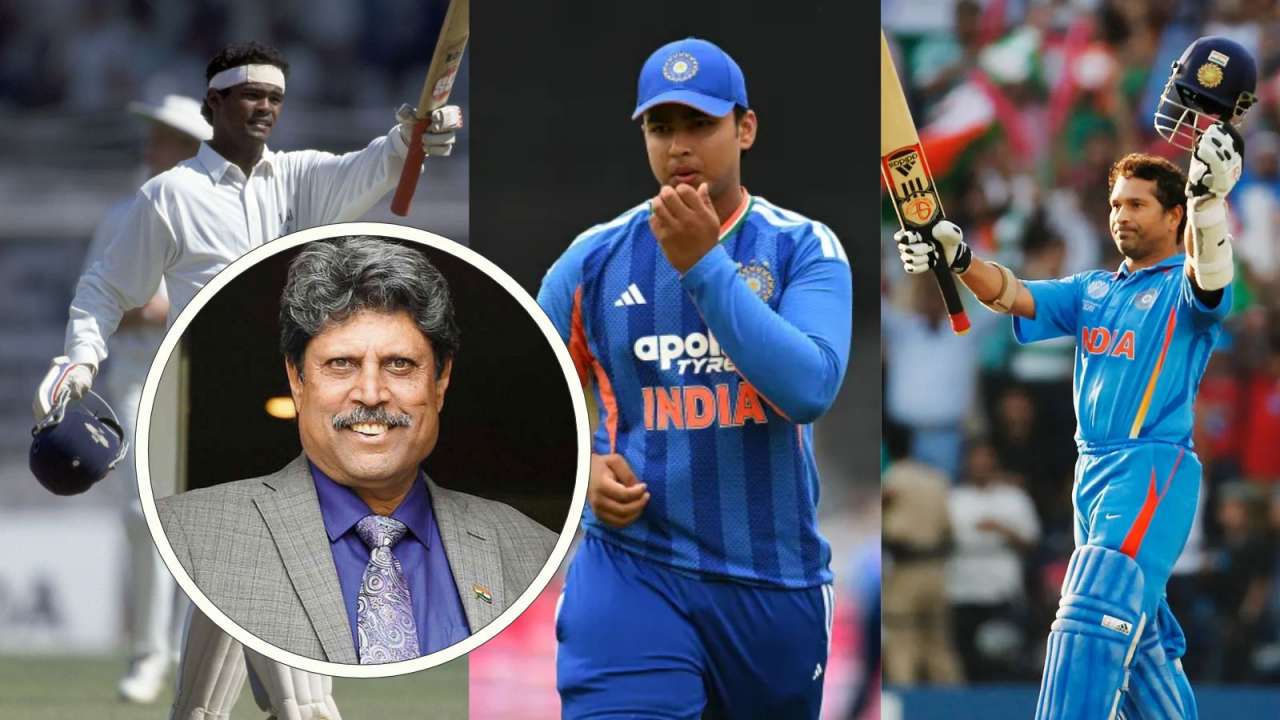
 'Will he be like Sachin Tendulkar or Vinod Kambli?': Kapil Dev makes shocking claim on Vaibhav Sooryavanshi's future
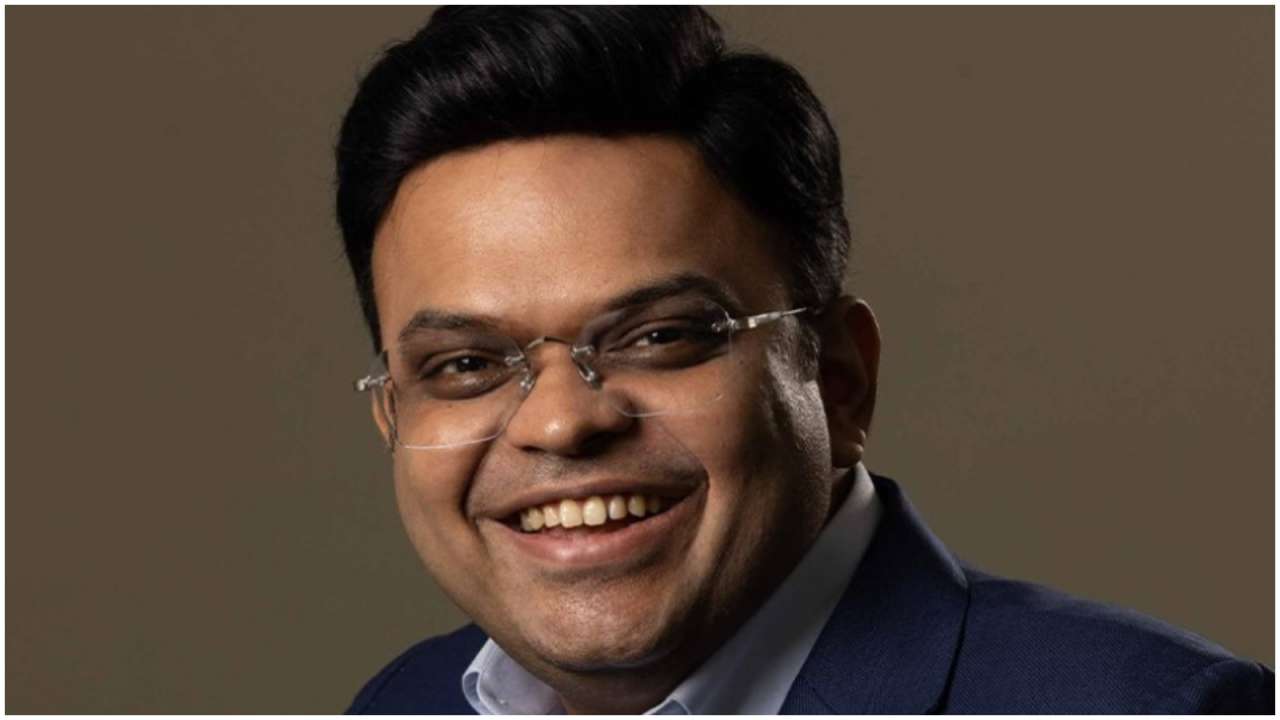 Jay Shah gets another term as ICC chairman, elected unopposed in Bali
 'Not AI, this is Yamuna': AAP slams BJP over toxic foam during Chhath Puja celebrations in Delhi
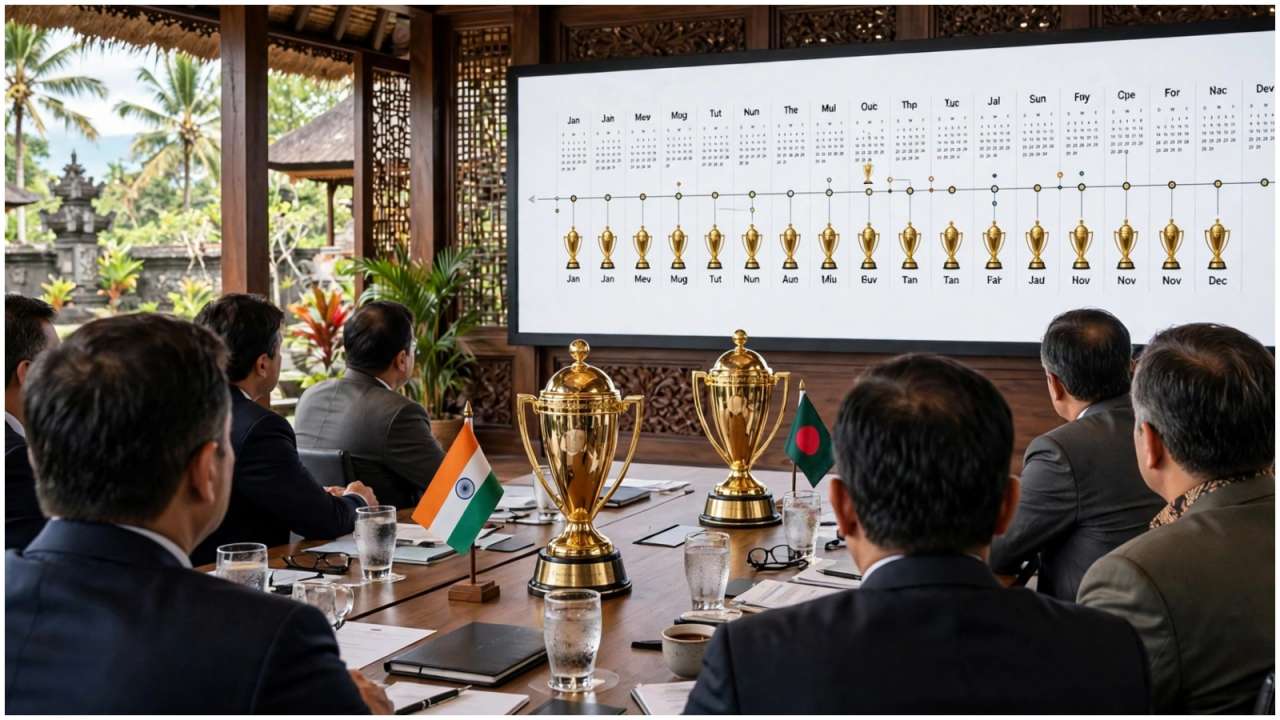 ICC finalises cricket calendar till 2035: India gets two major tournaments, here's the full list
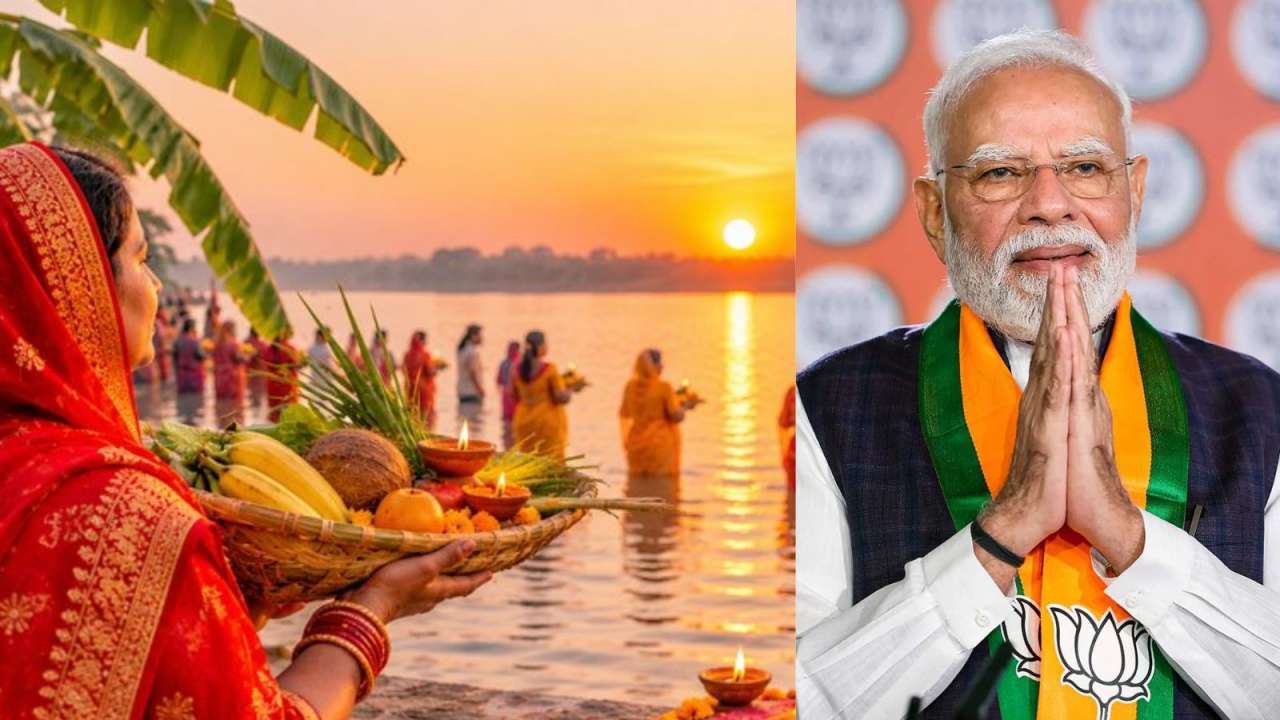 'Pray to Chhathi Maiya to bestow her blessings': PM Modi extends greetings as festival ends with morning Arghya'Not AI, this is Yamuna': AAP slams BJP over toxic foam during Chhath Puja celebrations in Delhi'Pray to Chhathi Maiya to bestow her blessings': PM Modi extends greetings as festival ends with morning Arghya
 PM Modi heads to Manila today: What's on agenda at high-stakes ASEAN summit?
 Raghav Chadha gets key role in Punjab BJP's manifesto panel ahead of 2027 assembly polls
 Amit Shah targets Rahul Gandhi over foreign visits, warns Congress of 30 more years in Opposition
 Italian MP takes on European Socialist leader over 'vote chori' remark, defends India's judiciary
 Jensen Huang eyes Nvidia CEO comeback as Elon Musk and tech allies rally behind him
 Jensen Huang-Alice Huang Controversy: Nvidia Customer Megaspeed says Chinese executive exited in 2025
 India to get lower US tariffs than competitor countries, Piyush Goyal says
 China aircraft enters Indian airspace over Sikkim, ignores warnings for 25 minutes
 Microsoft Global Outage: Why did Outlook stop working? How were airlines in India affected?
 Nvidia After Jensen Huang: Will India's AI dream face chip shortage or open door for new rivals?
 Why does inflation soar to 6.09% despite falling fuel prices, US-Iran war halt? RBI's next move under focus
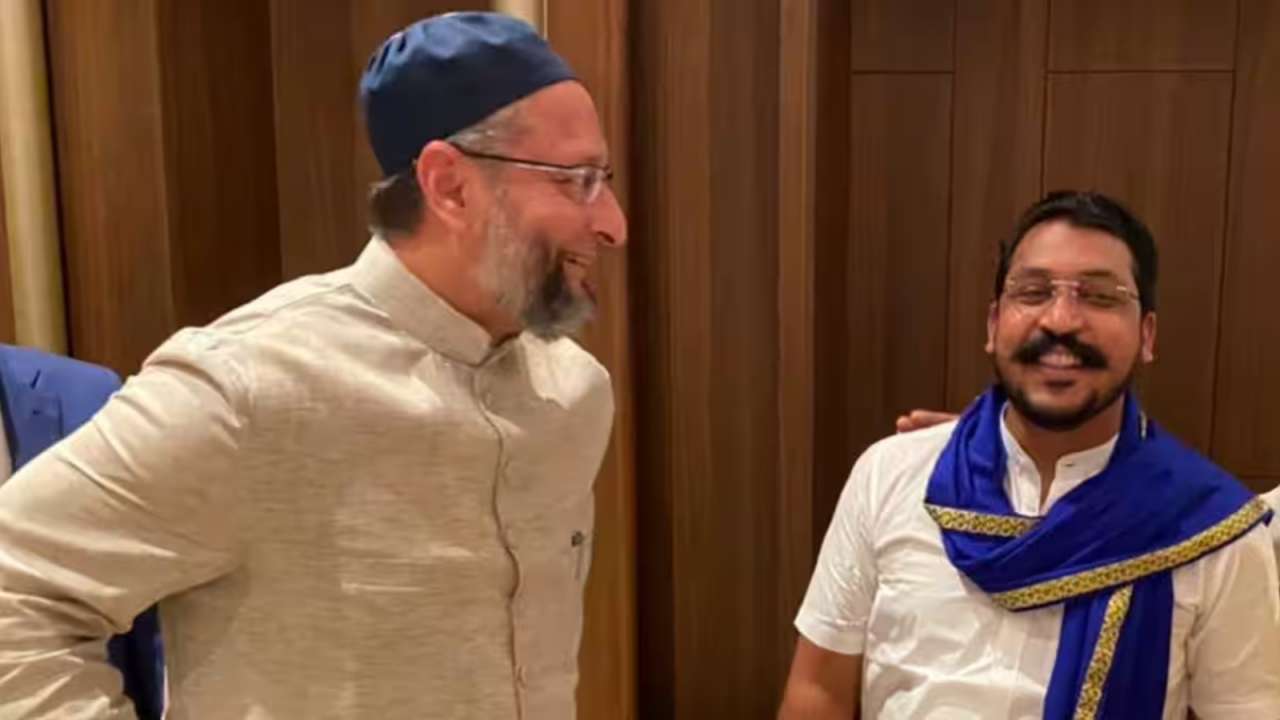 UP Elections 2027: Will Asaduddin Owaisi and Chandrashekhar Azad defeat BJP or help Yogi win?
 From Nvidia CEO Jensen Huang to top officials: 5 Alleged Chinese 'honey trap' cases that shocked world
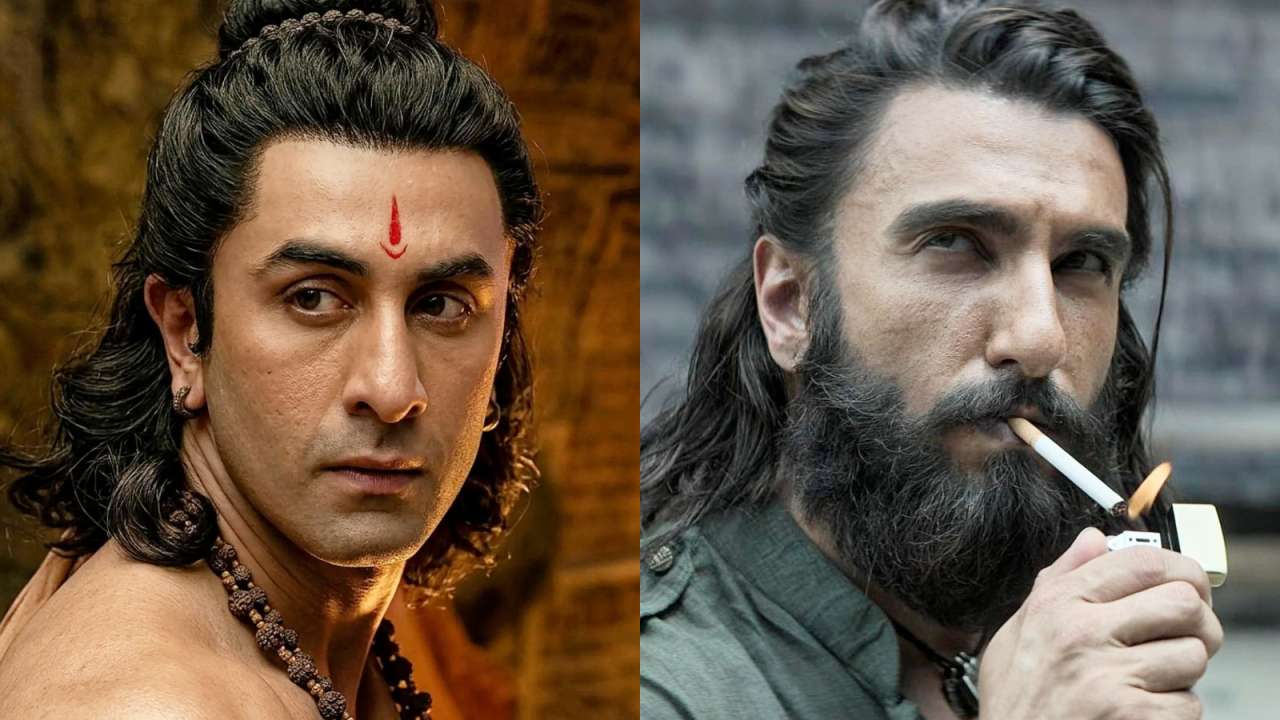 Ramayana box office collection day 11: Ranbir Kapoor film mints Rs 1380 crore, beats Dhurandhar lifetime haul
 Scene box office collection day 10: Suriya film beats Vishwanath and Sons to become his second highest-grossing movie
 Ramayana: Kunal Kapoor thanks fans across India, Thailand and Southeast Asia for overwhelming love for Lord Indra role
 Rashami Desai's ex-husband Nandish Sandhu marries Kavita Banerjee in traditional Bengali wedding
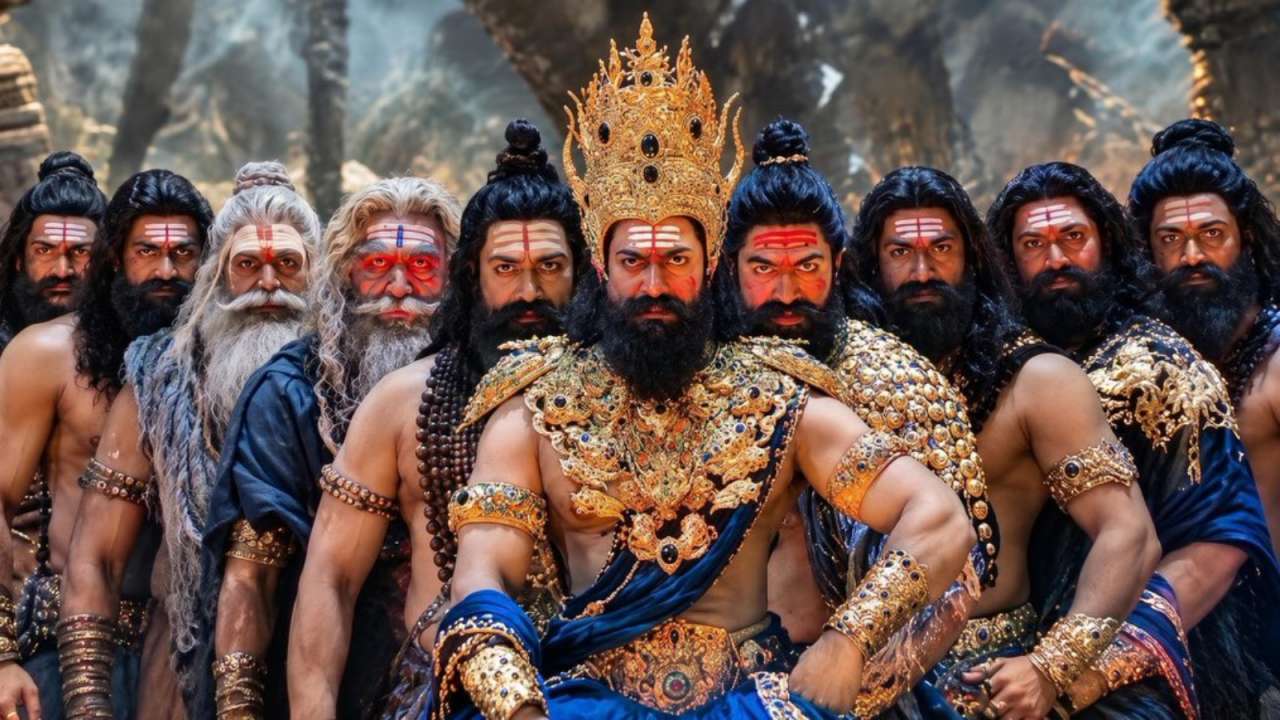 Ramayana box office collection day 11: Ranbir Kapoor, Yash film crosses Rs 750 crore in India
 Mahanadi Coalfields IPO: 10 Things to know about issue date, GMP, price band, size and listing
 Tata Sons Listing Row: Why Noel Tata fears it could change Tata Group
 Who will replace Jensen Huang at Nvidia? 3 Indian-origin executives in the race
 Zee Entertainment announces Rs 600 crore share buyback at Rs 91 per share
 Who may replace Nvidia CEO Jensen Huang? THIS Indian tech executive emerged among top contenders'Will he be like Sachin Tendulkar or Vinod Kambli?': Kapil Dev makes shocking claim on Vaibhav Sooryavanshi's futureJay Shah gets another term as ICC chairman, elected unopposed in BaliICC finalises cricket calendar till 2035: India gets two major tournaments, here's the full list
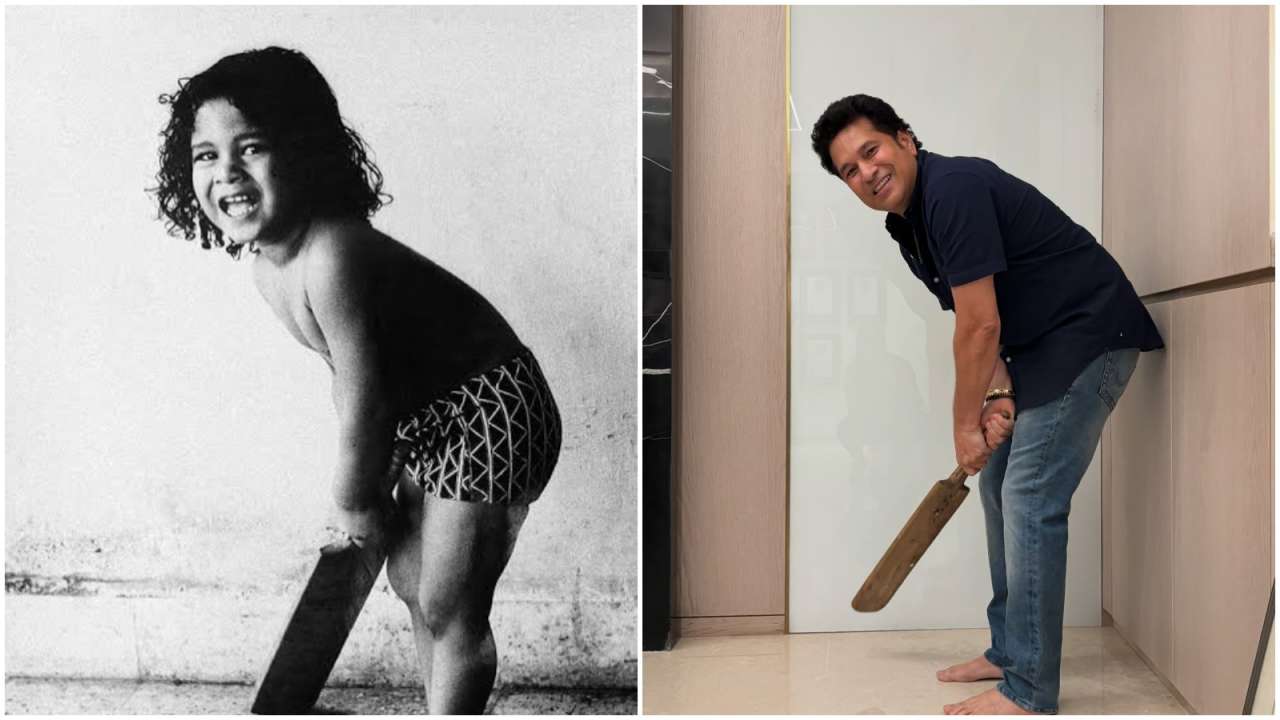 '49 saal baad bhi mere saath hai': Sachin Tendulkar recreates iconic childhood photo on 37th debut anniversary
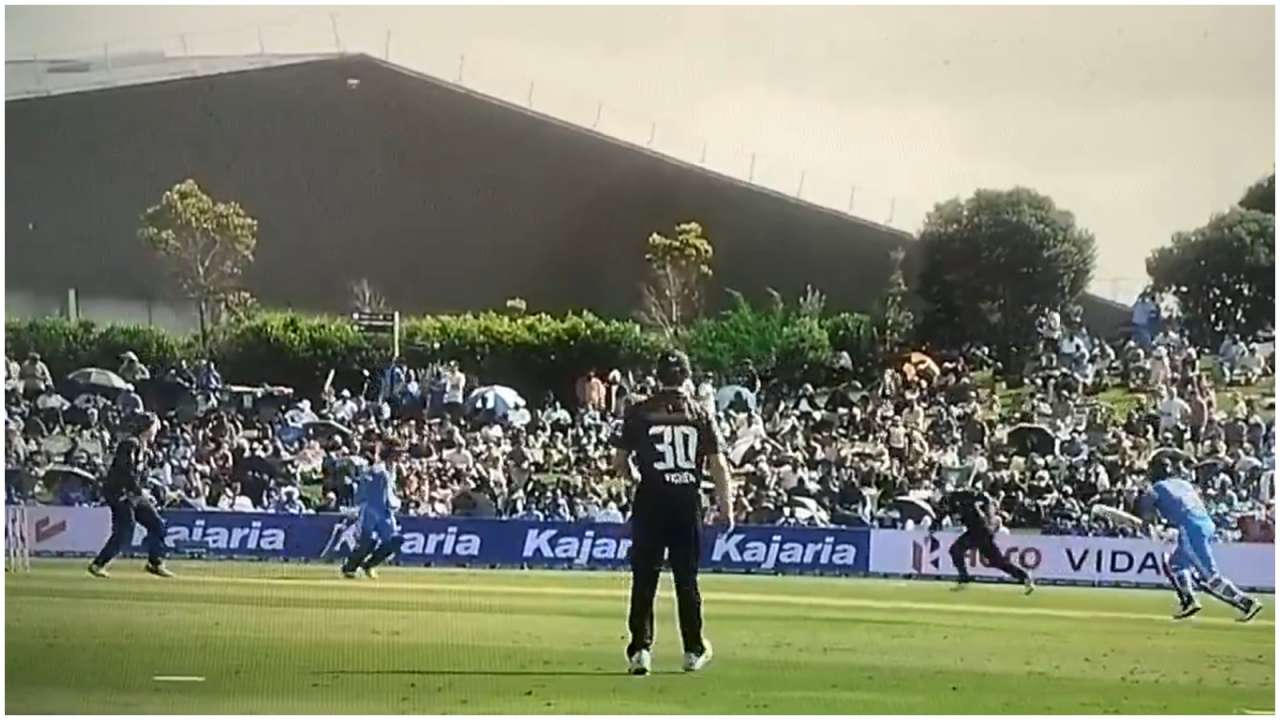 India vs New Zealand 5th ODI: Why did live telecast suddenly face disruption?
 Israel News: 'Trying To Block Govt Formation...' Eisenkot's Bluntly Refuses Netanyahu's 'Unity Govt'
 Cyclone 'Akwan' Alert: '3rd Consecutive Severe Cyclone..' IMD's Big Update On Cyclone Akvan Landfall
 J&K News: Massive Anti-Terror Manhunt In Kishtwar | Joint Army, Police Operation After 2 SPOs Killed
 Kaziranga Road Accident Update: Death Toll Rises To 24; Mini-Bus Had 13 Overspeeding Challans
 Bay of Bengal Cyclone Alert: Low-Pressure Area To Intensify By November 16; Yellow Alert In Odisha
LIFESTYLE
There are several Parsi men who have married outside the faith. While, this in no way had hindered their right to enter temples, or perform rituals, the wife — who is not born a Parsi, is excluded

Updated : May 13, 2017, 10:27 AM IST
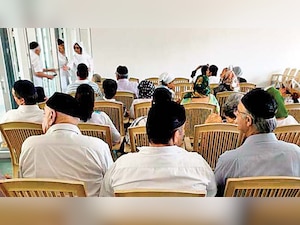
















Goolrukh Contractor married her husband Mahipal, a Marwadi, more than 25 years ago, however in all that time she has not forgotten her faith and hardly ever skips the daily ritual of tying the sudreh and kusti. The daughter of a priest from Valsad, Contractor, now a Gupta, had the liberty to follow her religion, despite marrying outside the faith.
The tiny, dwindling Parsi community is under the threat of extinction. Numbering less than 50,000 now, an urgency has creeped in among them. While, there are some who have taken refuge in the literal teachings of the text, there are those who believe that Parsis need to reach out into the beyond. After all, they all want to survive.
However, Goolrukh pegs the right to practice a faith very simply. “It is not whether you believe or you don’t, here, you have the ‘liberty’ to practice your belief if you are rich or socially connected.”
A Valsad-based woman who married outside her faith was denied the right to participate in the rituals upon her fathers death around 15 years ago. A trustee, who had just then taken over — sometime in 2002-2003, took the hardliners approach and the woman was all but excommunicated. She was not allowed to enter the agyari (fire temple), nor participate in any religious rituals henceforth.
The 51-year-old Mumbai resident then filed a petition in court which, over the years finally reached the corridors of the Gujarat High Court. In their judgment, a three-judge bench 2:1 held that a Parsi woman who marries outside her faith ceases to be a Parsi. Dissatisfied, Goolrukhk then approached the Supreme court, challenging the HC judgment.
Speaking frankly, Goolrukh maintained that despite marrying outside the faith she has been lucky. Goolrukh believes she gets away with special treatment because her father and maternal uncle were priests. Though, others she asserts are not so lucky.
Speaking about the Valsad woman, Goolrukh said, “That woman lost her right as a daughter because the trustee decided she was no longer Parsi. Why is my identity or my religion dependent on who I marry, or if I marry?”
Incensed, she added, “Am I cattle? Today I am married to a Marwadi, doesn’t that negate my upbringing and by genealogy which is steeped in Parsi faith? Tomorrow, if I hypothetically divorce a Hindu and marry someone from another faith, what happens then? Do I not have rights, or a choice?” she asked.
There are several Parsi men who have married outside the faith. While, this in no way had hindered their right to enter temples, or perform rituals, the wife — who is not born a Parsi, is excluded.