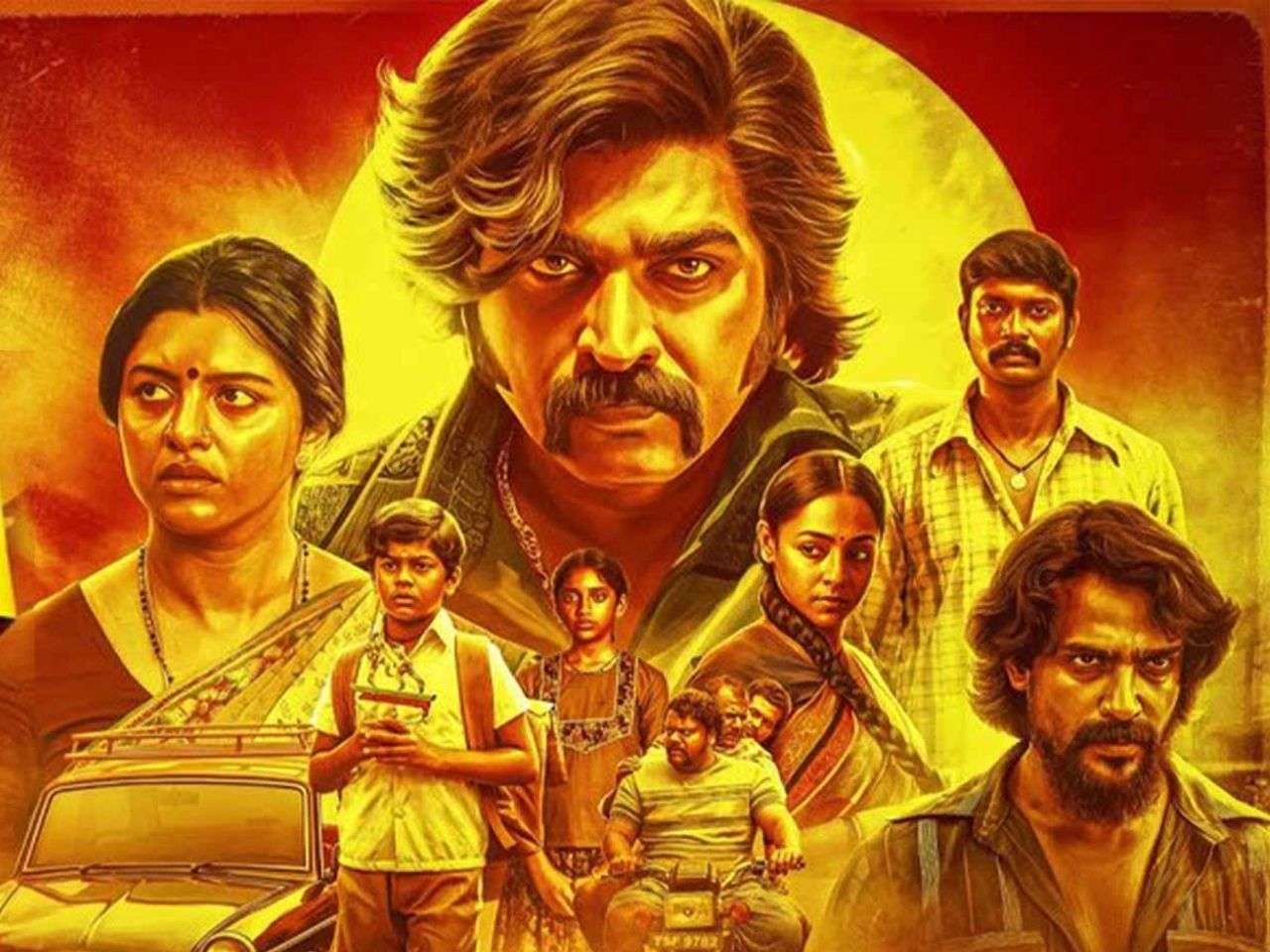
 Vijay Sethupathi's Baththa struck gold in north, expands to 700+ shows due to audience demand, will release in Mumbai, Delhi, Lucknow
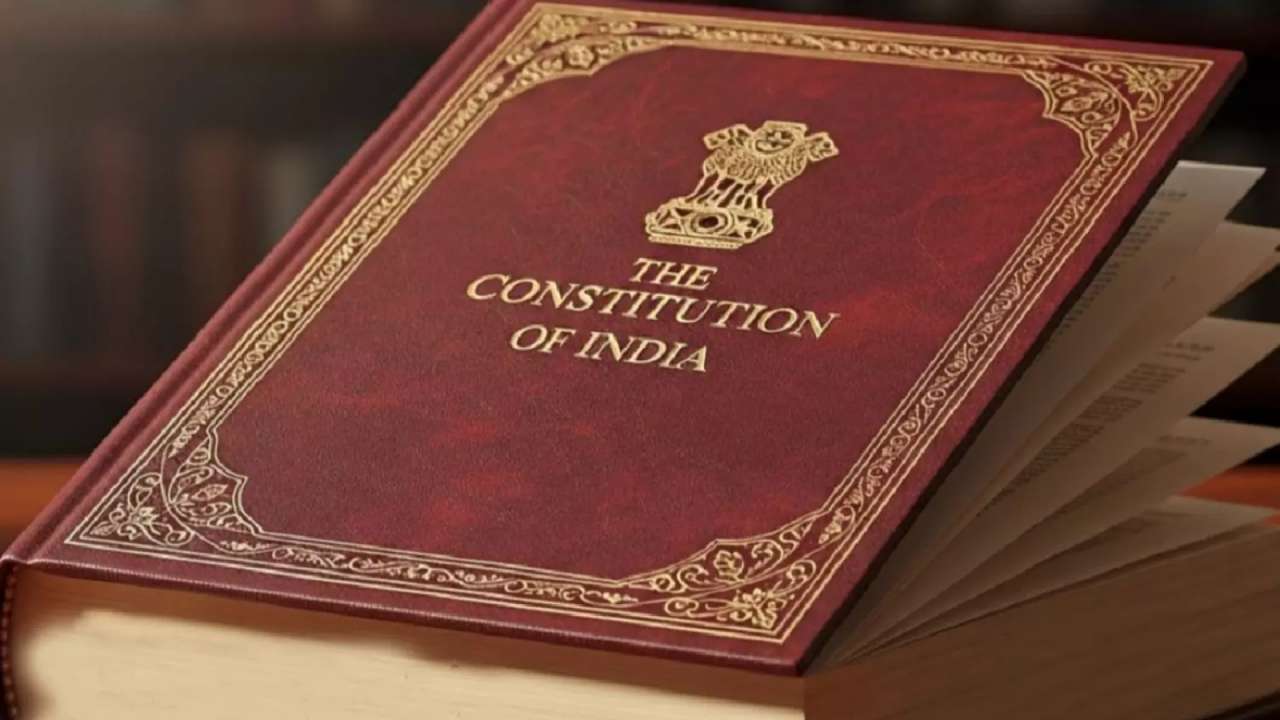 CJP Protest Over CEC Gyanesh Kumar: Can police stop peaceful demonstrations? What does Indian Constitution say?
 Yami Gautam on she found the 'perfect balance' to play Mohini in Nayyi Navelli: 'Loved the contrast in her' | Exclusive
 IICT and YouTube unveil the first four films, under the Create with AI program, spotlighting India’s next generation of AI-led storytellers
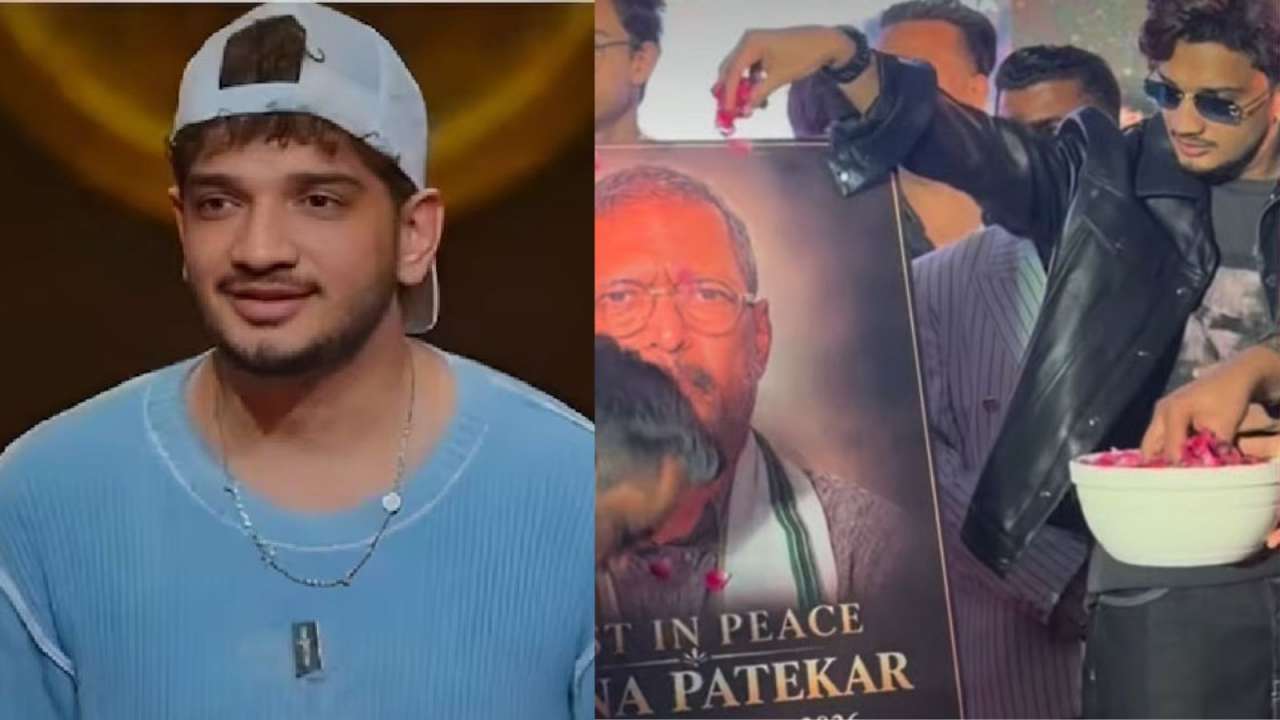 Nana Patekar death: Munawar Faruqui refuses to recreate tribute for paps at Mumbai event | Watch viral video
 'Constant chopping, changing': Shane Watson questions Gautam Gambhir’s team stability, backs Sanju Samson's selection
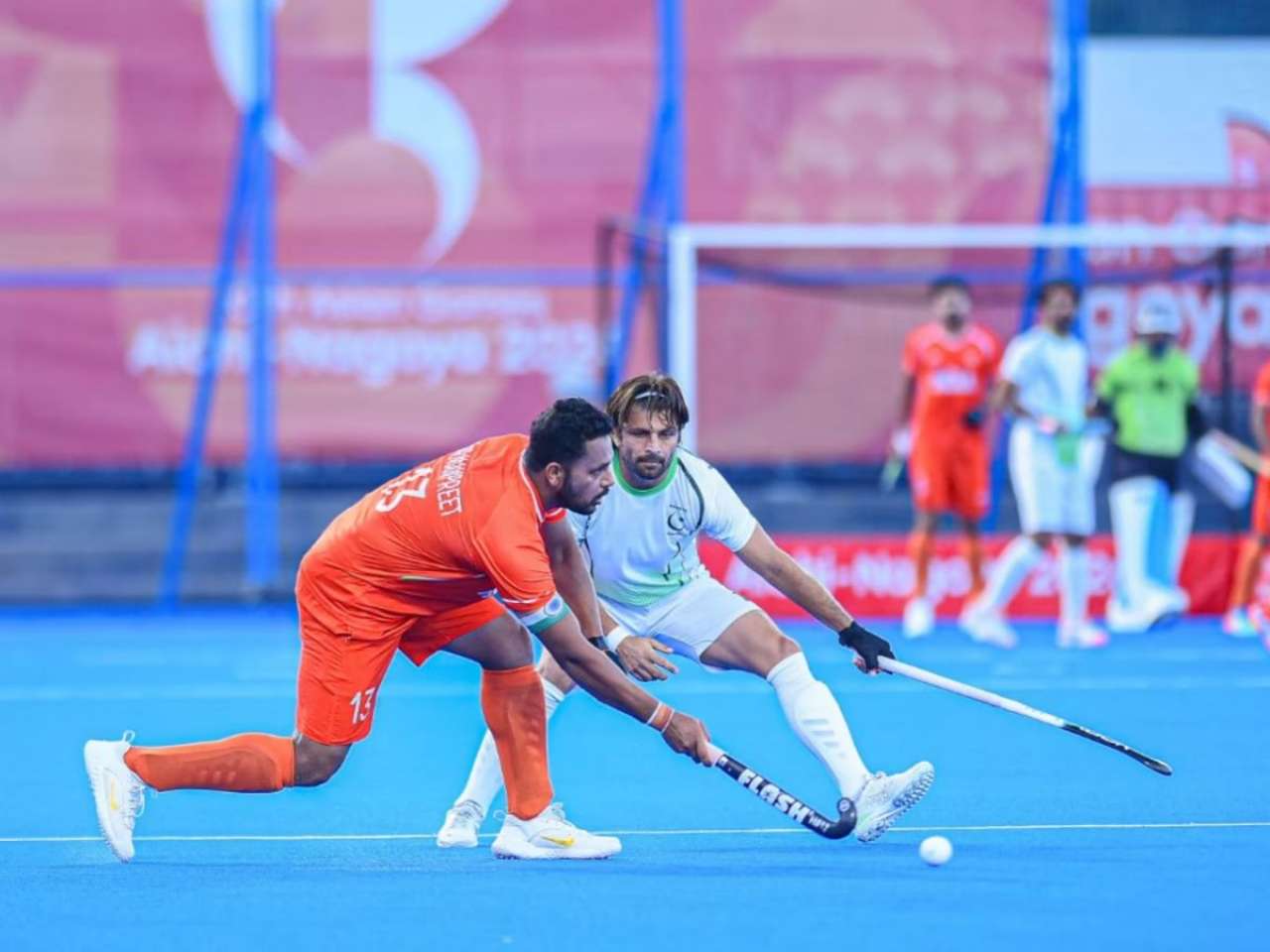 Pakistan withdraws from India-hosted Asian Hockey Champions Trophy 2026; Bangladesh replaces them
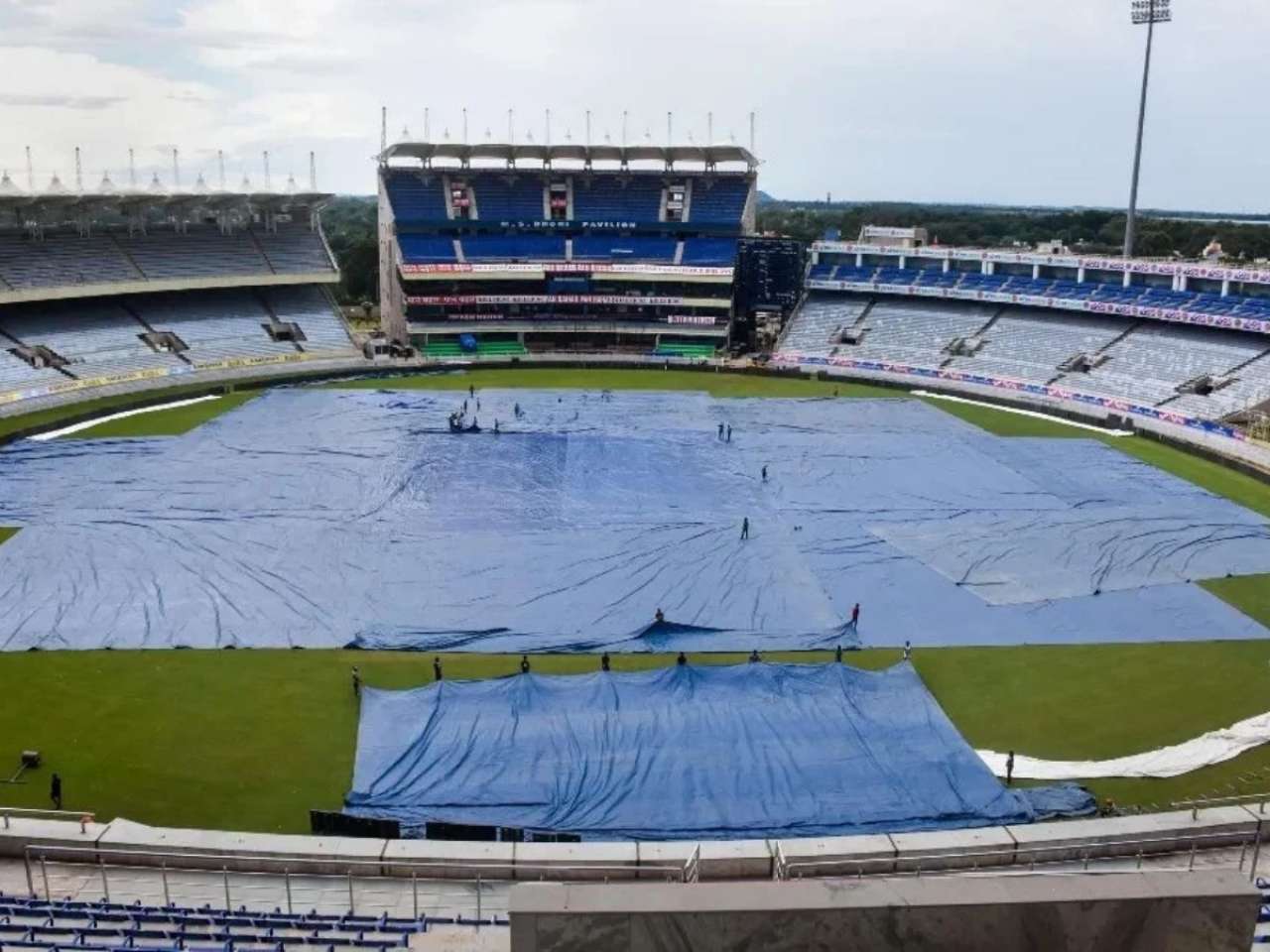 IND vs WI 2nd T20I: Will rain play spoilsport? Check Ranchi weather forecast, pitch report and live streaming details
 Rashid Khan hosts Irfan Pathan, Yusuf Pathan for special Afghan feast; former India star shares special post
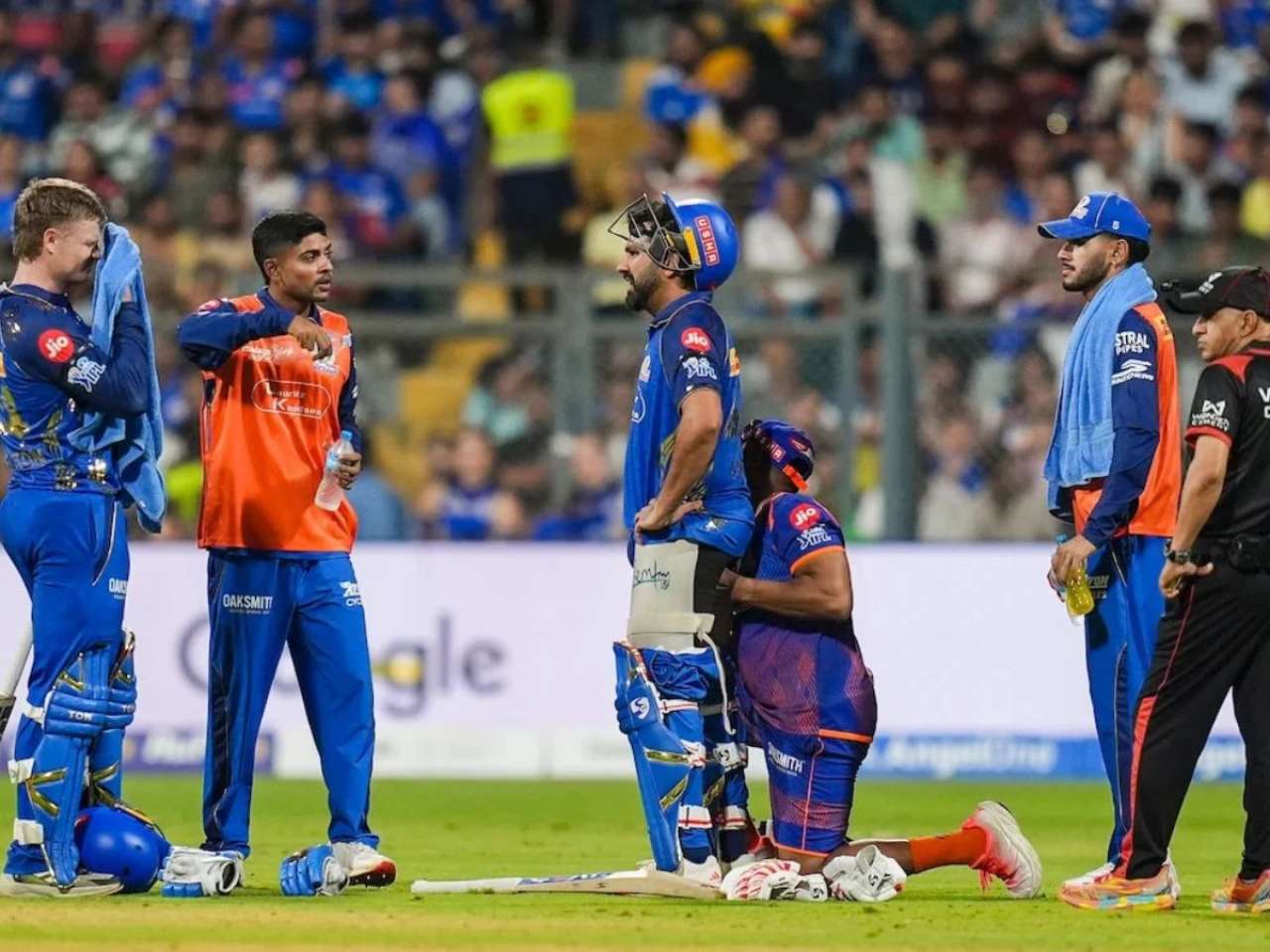 Why did BCCI keep Rohit Sharma’s rehab quiet after IPL 2026? 32 players treated as CoE budget jumps by Rs 35 croreVijay Sethupathi's Baththa struck gold in north, expands to 700+ shows due to audience demand, will release in Mumbai, Delhi, LucknowYami Gautam on she found the 'perfect balance' to play Mohini in Nayyi Navelli: 'Loved the contrast in her' | ExclusiveNana Patekar death: Munawar Faruqui refuses to recreate tribute for paps at Mumbai event | Watch viral video
 Ramayana: Lara Dutta, Sheeba Chadha look striking as Kaikeyi, Manthara; netizens call them 'perfect choices'
 Exclusive: Vidyut Jammwal on his Hollywood debut with Street Fighter, what West can learn from Indians: 'Woh seekh sakte hai ki unke maa-baap ko...'
 Saudi Houthi War: India Issues Urgent Advisory To Citizens In Saudi After Riyadh Airport Attack
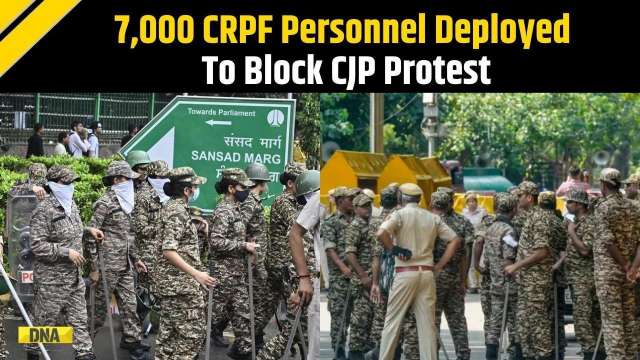 CJP Protest: 7,000 CRPF Personnel Rushed To Capital Ahead Of CJP's Oct 10 March
 CJP News: Delhi CAPF Deployment Raised To 26,000 Ahead Of CJP October 10 Protest
 CJP Protest: In Bengaluru Dhruv Rathee, Prakash Raj Join Anti-SIR Demonstration
 Flydubai Flight News:'Revenge For Gaza'; Flydubai Co-Pilot Hamam Al-Hammami Confesses To Terror Plot
 Reliance Jio IPO: Price Band likely at Rs 1065-1119 per share, issue may open on October 21; check details
 How to bypass H-1 B visa restrictions? Can Indian professionals use L-1 and O-1 visas as alternative routes to enter US?
 US Green Card Row: TCS says PERM suspension won't impact business, applications in single digits
 Gold, Silver prices today, October 9, 2026: Check city-wise rates in Delhi, Mumbai, Chennai, Kolkata and more
 57th GST Council Meeting: Experts hail decriminalisation, wider ITC refunds; flag implementation challenges
 OTT Releases This Week (Sept 28 - Oct 4): Dupahiya 2, Pooja Meri Jaan; new movies and shows to watch this Gandhi Jayanti weekend
 From Neeti Mohan, Heer, Sarthak Kalyani; Ahead of Sa Re Ga Ma Pa, 5 musical geniuses championed by AR Rahman
 72nd National Film Awards 2024: Kartik Aaryan, Yami Gautam, Aditya Dhar, Mammootty, Dhanush, Anant Nag accept honours
 OTT Releases This Week (September 14-20): Lust Stories 3, Irumudi, Thudakkam; Indian movies, series to watch on Netflix, Prime Video, JioHotstar
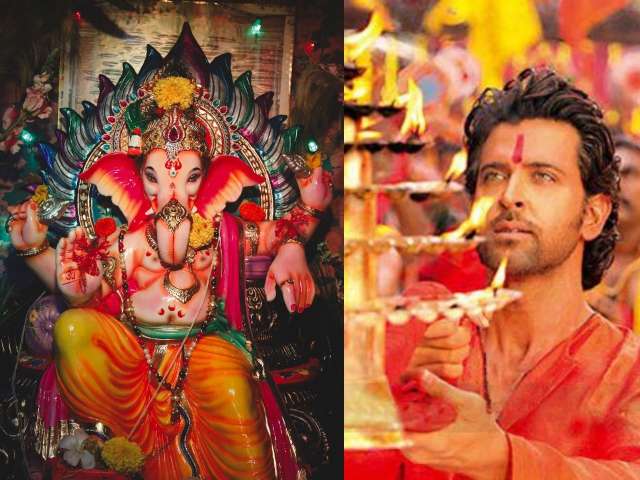 Ganesh Utsav 2026: Deva Shree Ganesha, Sindoor Lal Chadayo; 5 iconic Ganpati songs that should be must-haves in your playlist
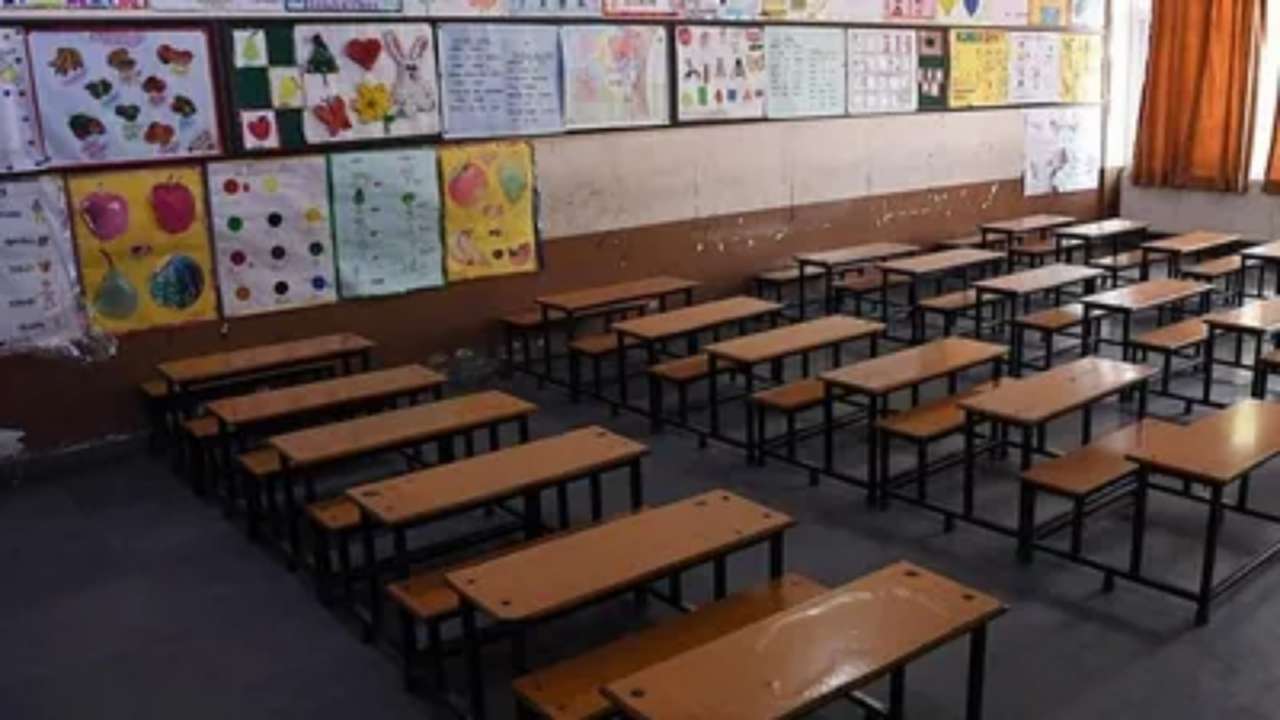 Jantar Mantar Oct 10 Protest: Delhi schools, colleges move online, postpone exams, advisory issued for shops, restaurants in CP
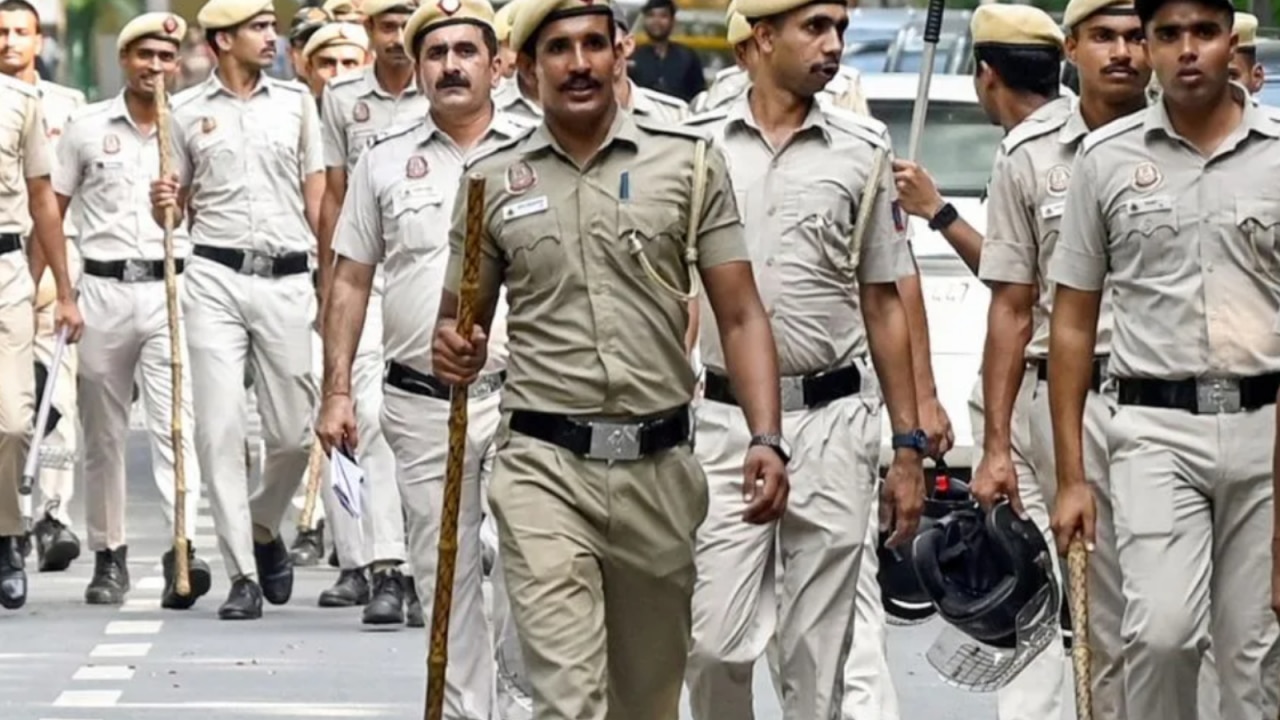 Delhi Police share 'Humanity First' message ahead of Jantar Mantar protest over CEC Gyanesh Kumar
 Who is Prof Bimol Akoijam? Congress MP sacked by JNU over sexual harassment charges
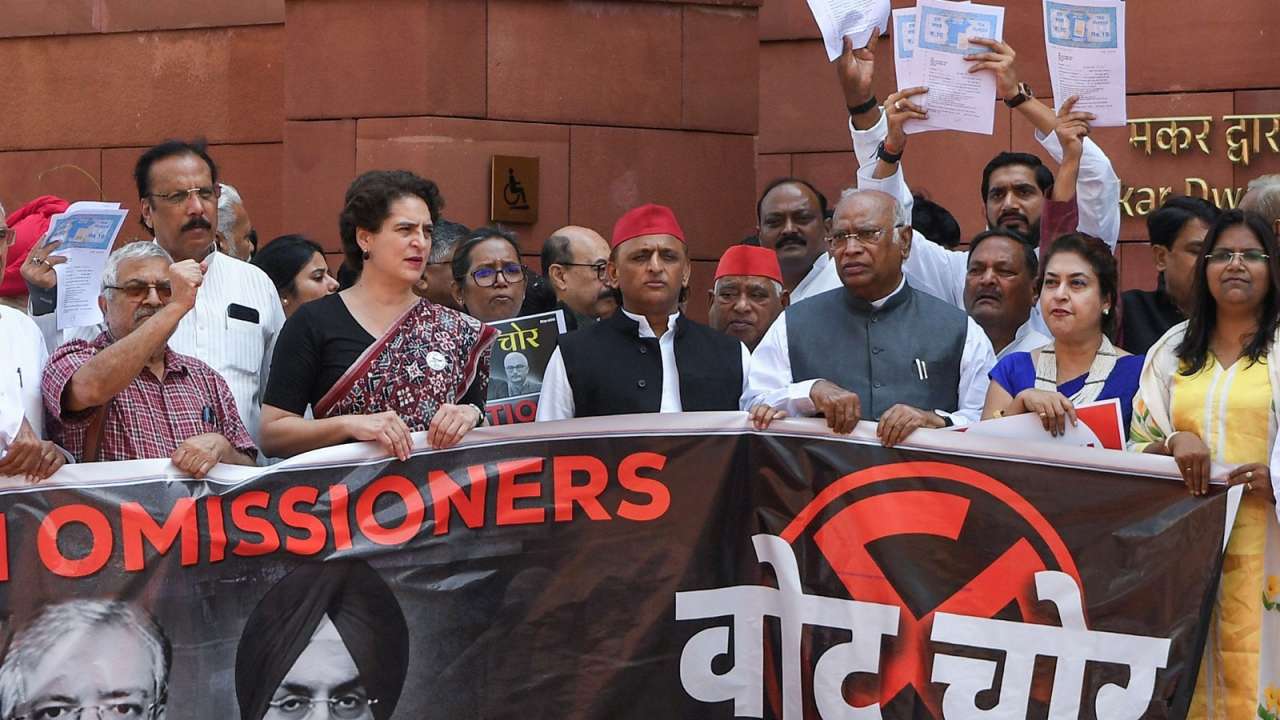 ECI row: INDIA bloc MPs to meet President Murmu at 8 pm today as Opposition intensifies 'vote theft' protest
 SC questions govt over unprecedented curbs in Delhi ahead of CJP protests, says, 'You can't use a sledgehammer to kill a fly'
 Third Language Row: SC extends relaxation to Class 6 students, asks CBSE to grant exemption, here's what it means
 NEET PG 2026 Result Out: Check how to download scorecard from natboard.edu.in; Know category-wise cut-off and more
 Five-year BTech programmes? Ex-IIT director makes proposals amid IIT suicide controversy
 CBSE Date Sheet 2027: When will Class 10, 12 timetable be released? Check details here
 From Rs 150 in 1947 to powerful student body: The story of DUSU’s rise | Explained
 After Hyundai, Maruti Suzuki makes cars costlier ahead of festive season: Check new prices after hike
 Hyundai cars to get costlier from September: Check new prices and reason behind hike
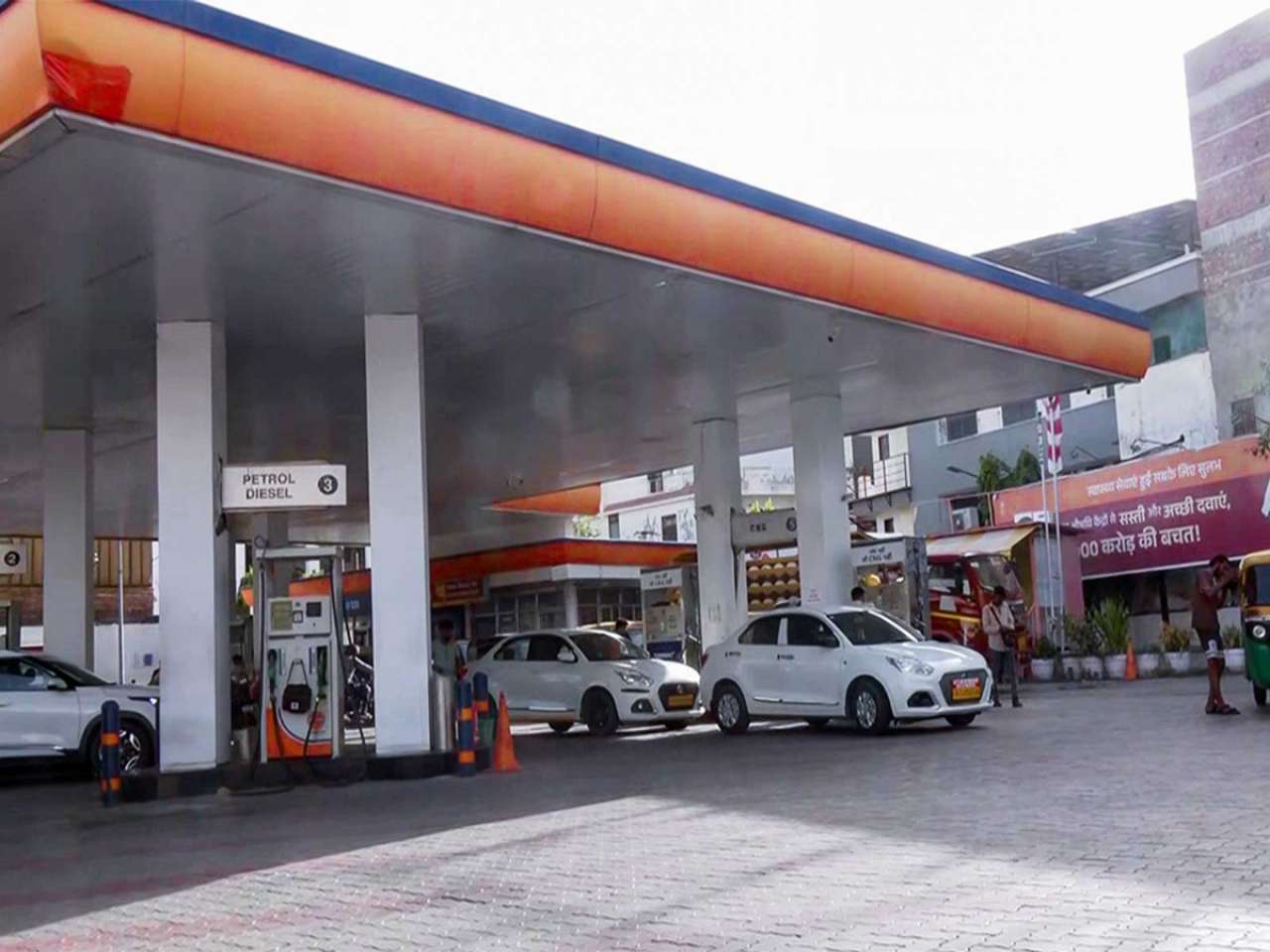 Why can't consumers choose pure petrol or E10? Centre explains why E20 is now the standard fuel
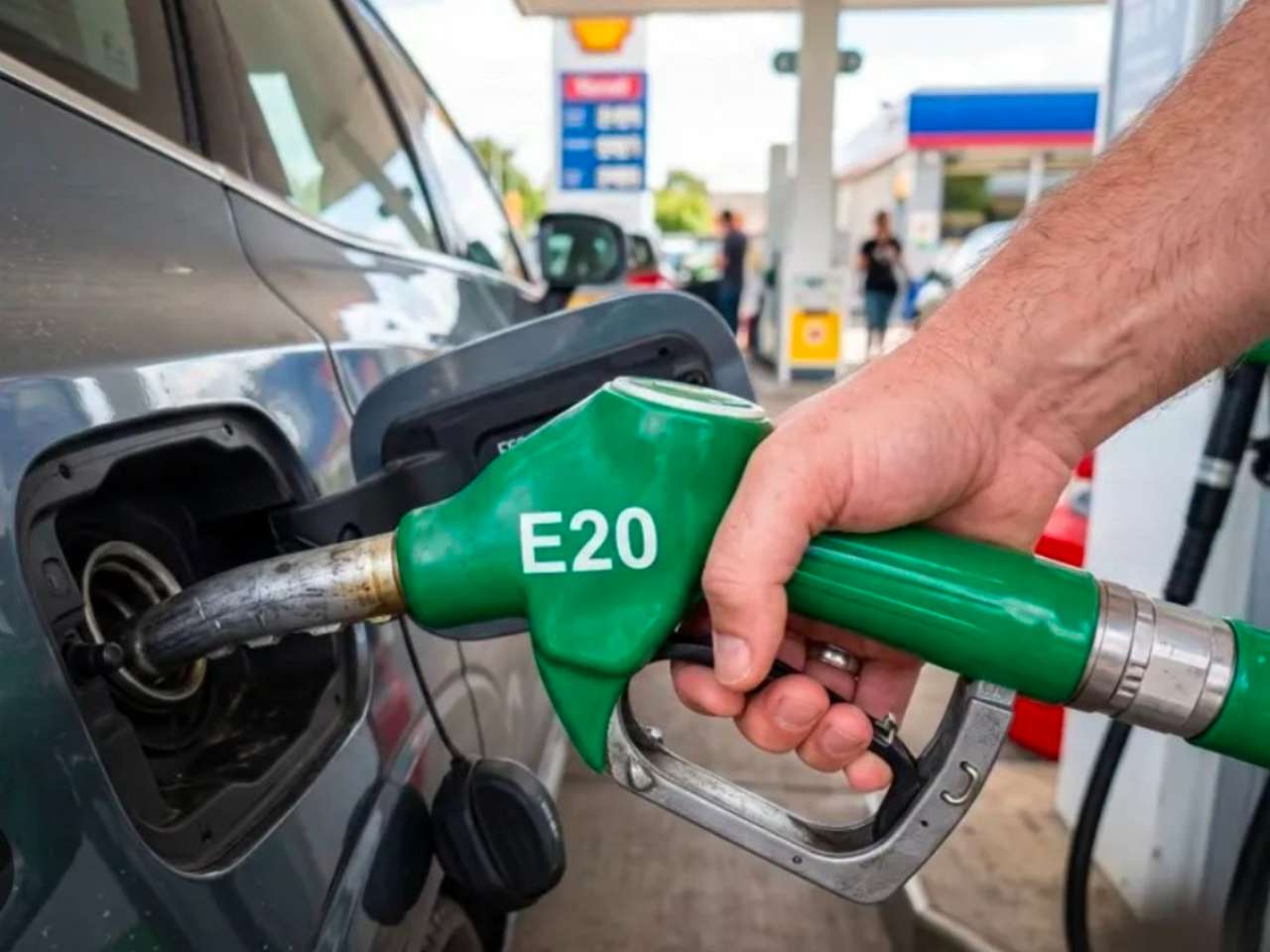 Centre claims E20 fuel does not damage engines, cites data from Maruti Suzuki and Hero MotoCorp
 Maruti WagonR Flex Fuel: What’s price of India’s first ethanol car? Specs, mileage, and top features explained
LIFESTYLE
Here are some signs of this deadly disease that may appear in your hands and feet.

Updated : Oct 02, 2025, 09:46 PM IST
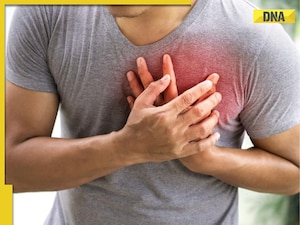



A heart attack is a condition that occurs when blood flow to the heart is obstructed, which can be reduced or completely blocked. This obstruction can be caused by a variety of factors, such as fat deposits and cholesterol. Heart disease is one of the leading causes of death worldwide. According to the World Health Organisation (WHO), an estimated 17.9 million people died from heart disease in 2019, 85% of which were caused by heart attacks and strokes.
One way to understand whether you have heart disease or are about to have a heart attack is to recognise the early symptoms. The early symptoms of this medical emergency are usually not very obvious. However, if you pay attention to them, you can recognise them. Here are some signs of this deadly disease that may appear in your hands and feet.
If your hands and feet are cold, it could be a sign of poor blood circulation caused by heart failure. When the heart cannot pump blood properly, blood is diverted from less vital organs, like the arms and legs to vital organs. This causes the hands and feet to become cold and sweaty.
This is also called edema, and it can be a sign of heart failure. When the heart's ability to pump blood is reduced, fluid accumulates in the hands and feet, causing swelling, especially in the feet.
Poor blood flow due to blocked arteries can cause numbness or a tingling sensation in your hands and feet. This may be mild; however, if it persists, it may indicate a lack of oxygen supply to the peripheral nerves.
A bluish or purple colour in the hands and feet indicates that your blood is not getting enough oxygen. This may be due to decreased heart function or blocked arteries.
While it's a common sign of a heart attack, pain specifically radiates to the left arm, shoulder, or hand. The nerves to the heart and arms share the same pathway; therefore, discomfort in these areas could be a sign of a heart attack.
Also read: Are PCOS and PCOD same? Know the difference, symptoms, and treatment options