 Nana Patekar Dies At 75: Here's all about his Rs 80 crore net worth, simple lifestyle and humanitarian work for farmers
 Donald Trump has not decided on fresh strikes on Iran but Pentagon told to prepare: Report
 Nana Patekar passes away: From earning Rs 35 at 13 to becoming one of Indian cinema’s most celebrated actors; a look at his journey
 Veteran actor Nana Patekar passes away, details here
 Dhruv Rathee joins Bengaluru protest against SIR, CJP plans bigger Delhi agitation on October 10| Video
 India squad for New Zealand tour delayed: Why selectors are waiting until next week to pick ODI team
 Virat Kohli–Premanand Maharaj Rs 5 crore row escalates: Dinesh Falahari fires back, demands audit of company accounts
 ICC Rankings: Shreyas Iyer soars to No. 7 in T20Is, KL Rahul gains while Virat Kohli displaced to 3rd in ODIs
 Bhuvneshwar Kumar back in Indian team after 4 years: How past veterans responded to T20I comebacks
 Can Sourav Ganguly coach Delhi Capitals while heading CAB? Former BCCI boss responds to big controversyNana Patekar Dies At 75: Here's all about his Rs 80 crore net worth, simple lifestyle and humanitarian work for farmersNana Patekar passes away: From earning Rs 35 at 13 to becoming one of Indian cinema’s most celebrated actors; a look at his journeyVeteran actor Nana Patekar passes away, details here
 Drishyam 3 box office collection Day 6: Despite minor drop, Ajay Devgn earns his biggest hit, beats Tanhaji, earns over Rs 350 crore
 Jailer 2: CBFC rating, runtime revealed, bad news for Rajinikanth fans, his latest film isn't suitable for...
 Flydubai Flight News:'Revenge For Gaza'; Flydubai Co-Pilot Hamam Al-Hammami Confesses To Terror Plot
 Delhi Building Collapse: 5-Storey Building Collapses In Seemapuri; Emergency Teams Rush To Spot
 PM Modi News: Congress Attacks Modi Over Repo Rate Hike, Says ‘Achhe Din’ Became ‘Vasooli Wale Din’
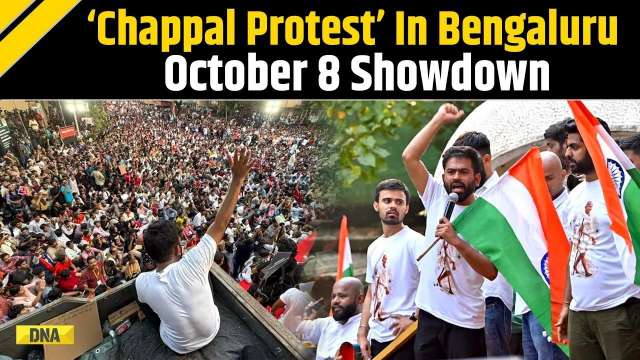 CJP News: CJP Announces ‘Chappal Protest’ in Bengaluru On October 8 | CEC Gyanesh Kumar Resignation
 Flydubai Attack: Israeli Dentist Reveals How He Helped Save Captain Smit After Flydubai Attack
 Gold, Silver prices today, October 8, 2026: Check city-wise rates in Delhi, Mumbai, Chennai, Kolkata and more
 Rupee slips despite RBI rate hike: Why is the Indian currency under pressure against US dollar?Rupee slips despite RBI rate hike: Why is the Indian currency under pressure against US dollar?
 Your loan EMIs are about to rise: RBI hikes interest rates by 0.25%
 GST Council October 8 meeting: No rate changes expected; reforms on refunds, ITC and registration on agenda
 OTT Releases This Week (Sept 28 - Oct 4): Dupahiya 2, Pooja Meri Jaan; new movies and shows to watch this Gandhi Jayanti weekend
 From Neeti Mohan, Heer, Sarthak Kalyani; Ahead of Sa Re Ga Ma Pa, 5 musical geniuses championed by AR Rahman
 72nd National Film Awards 2024: Kartik Aaryan, Yami Gautam, Aditya Dhar, Mammootty, Dhanush, Anant Nag accept honours
 OTT Releases This Week (September 14-20): Lust Stories 3, Irumudi, Thudakkam; Indian movies, series to watch on Netflix, Prime Video, JioHotstar
 Ganesh Utsav 2026: Deva Shree Ganesha, Sindoor Lal Chadayo; 5 iconic Ganpati songs that should be must-haves in your playlistDhruv Rathee joins Bengaluru protest against SIR, CJP plans bigger Delhi agitation on October 10| Video
 IndiGo Patna-Lucknow flight hit by lightning at 17,000 feet, makes emergency landing; nose damaged
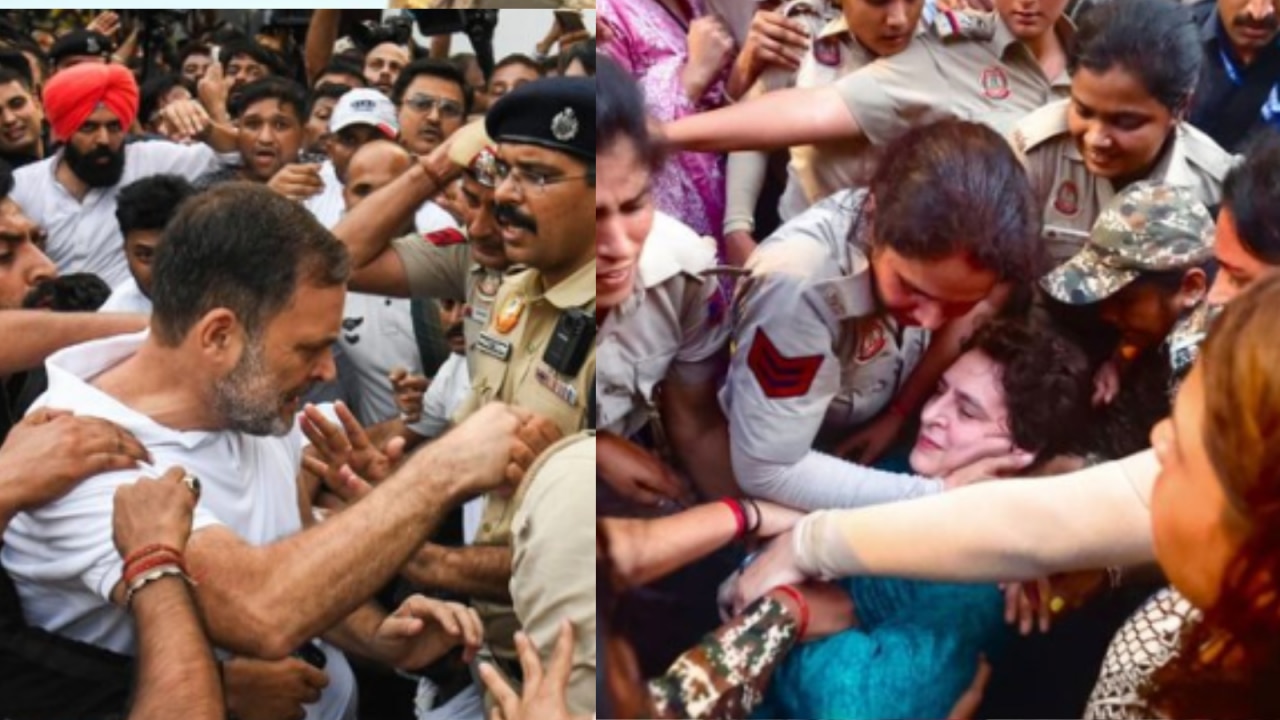 Gyanesh Kumar row: Congress declares October 8 ‘Black Day’ after Rahul, Priyanka detention
 Delhi Building Collapse: Death toll rises to 3, several injured after collapse in New Seemapuri
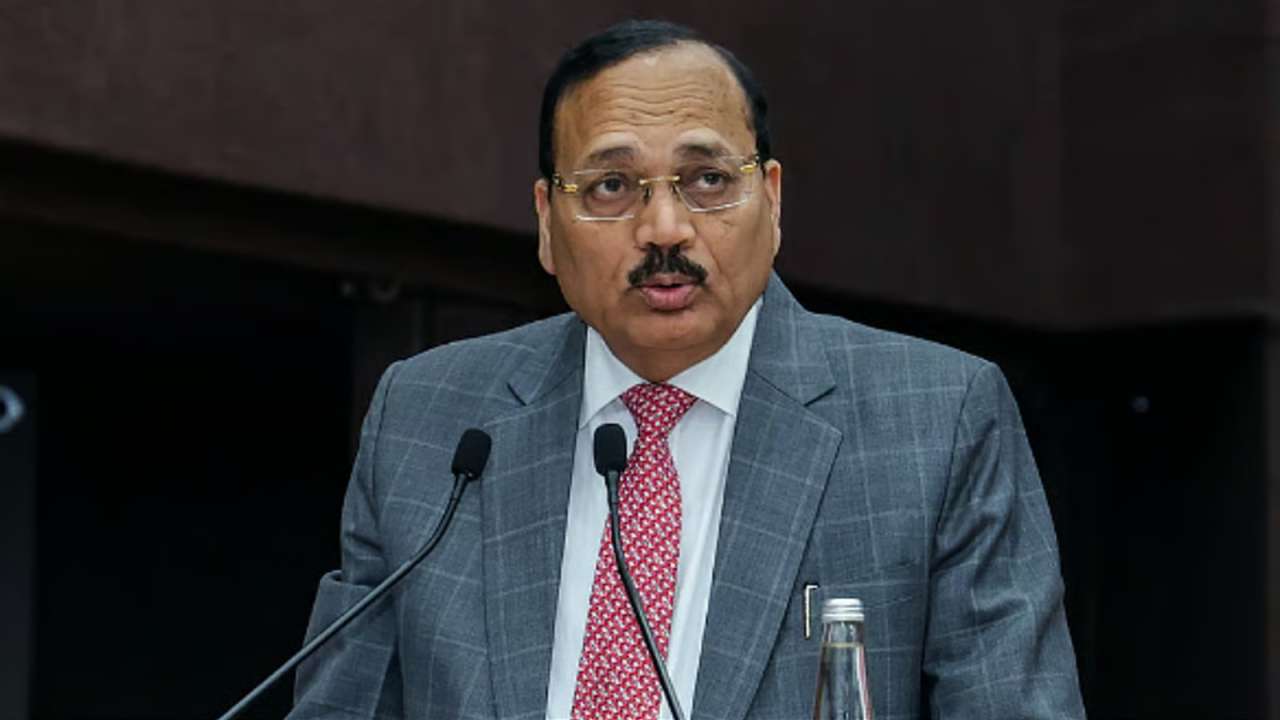 CJI Surya Kant to attend NLSIU Bengaluru convocation on Oct 17 after cancellation row
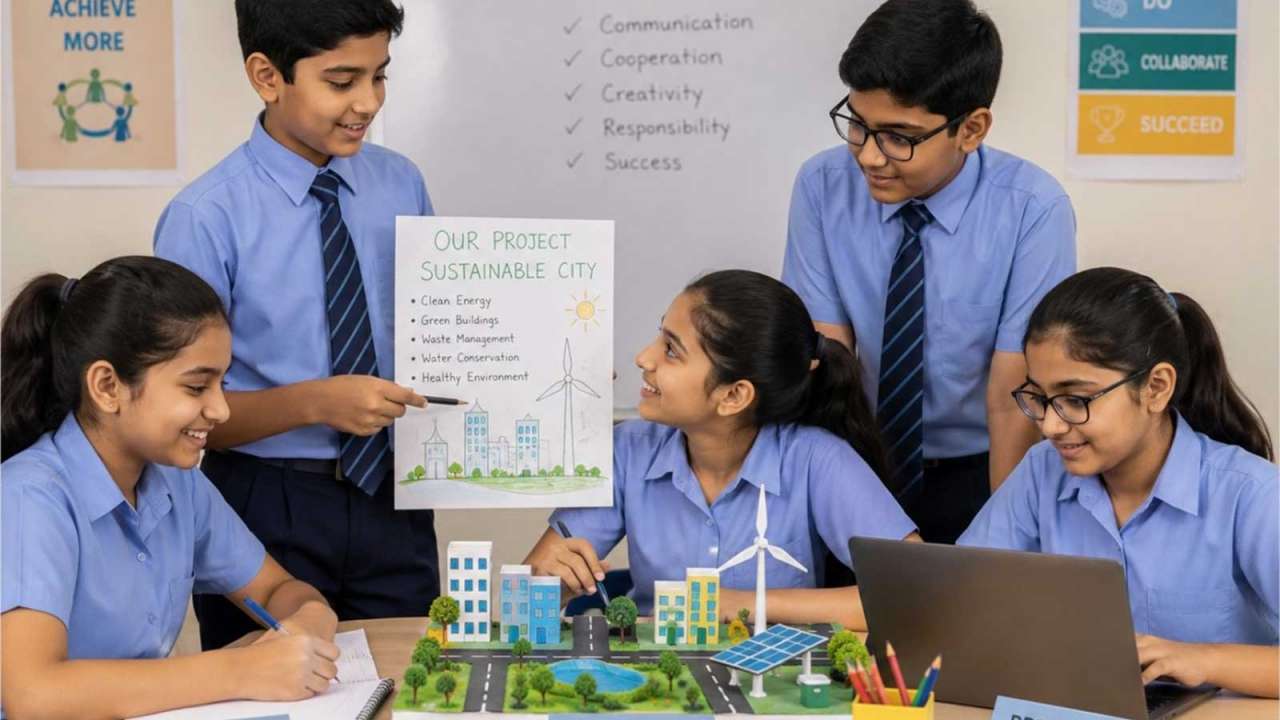 Third Language Row: SC extends relaxation to Class 6 students, asks CBSE to grant exemption, here's what it means
 NEET PG 2026 Result Out: Check how to download scorecard from natboard.edu.in; Know category-wise cut-off and more
 Five-year BTech programmes? Ex-IIT director makes proposals amid IIT suicide controversy
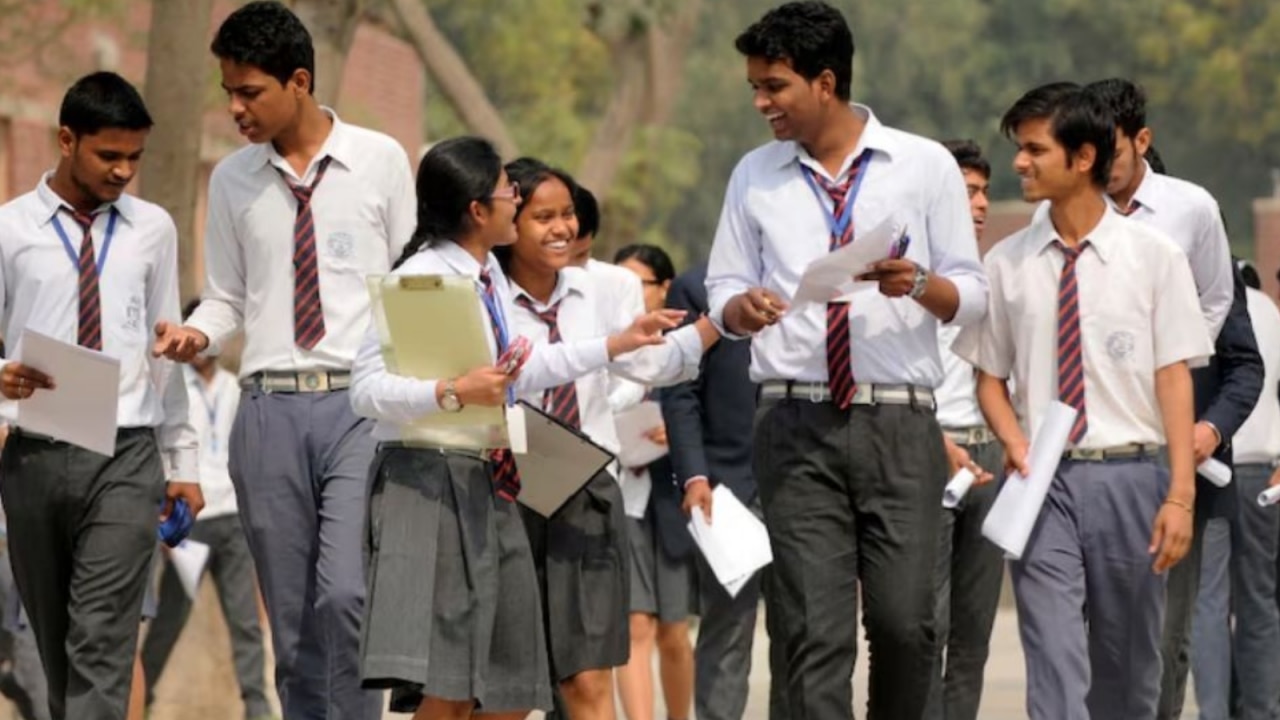 CBSE Date Sheet 2027: When will Class 10, 12 timetable be released? Check details here
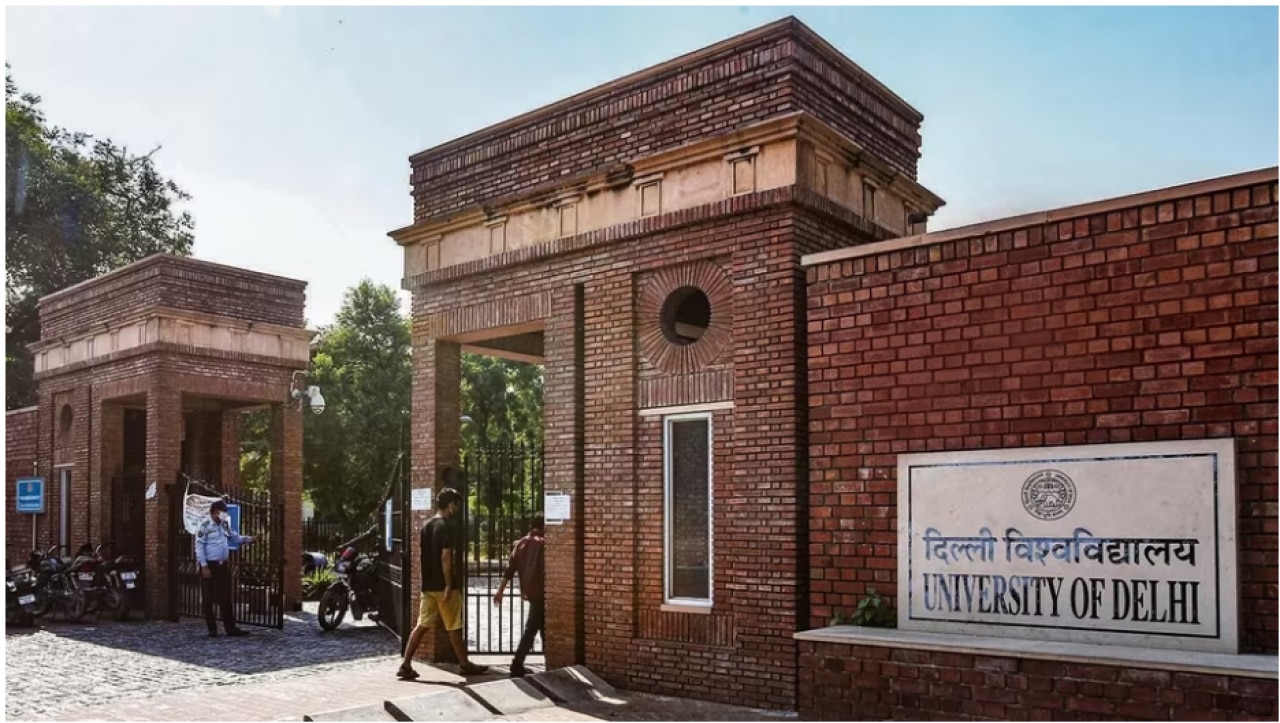 From Rs 150 in 1947 to powerful student body: The story of DUSU’s rise | Explained
 After Hyundai, Maruti Suzuki makes cars costlier ahead of festive season: Check new prices after hike
 Hyundai cars to get costlier from September: Check new prices and reason behind hike
 Why can't consumers choose pure petrol or E10? Centre explains why E20 is now the standard fuel
 Centre claims E20 fuel does not damage engines, cites data from Maruti Suzuki and Hero MotoCorp
 Maruti WagonR Flex Fuel: What’s price of India’s first ethanol car? Specs, mileage, and top features explained
JUST BEFORE MONDAY
Lathika George's latest book takes you on a journey through the amazing diversity of traditional farming methods practised in India and shows you how they can help in saving the environment today, says Pooja Bhula

Updated : Apr 15, 2018, 07:15 AM IST




Book: Mother Earth, Sister Seed: Travels through India’s Farmlands
Author: Lathika George
Publisher: Penguin
Pages: 280
Price: 699
If your bearings have been urban, without much agricultural exposure, the title ‘Mother Earth, Sister Seed: Travels through India’s Farmlands’ is likely to evoke images of farms with a pair of bullocks or tractor ploughing the field, farmers and farm hands bent over sowing seeds, and so on. And sure, farms on plains are often like that. But author Lathika George’s farm visits – described over 11 chapters, each dedicated to a different region in a different state spanning the north, south, east, west and even the north east of India – are an adventurous mix: a fishing village on the southern tip of India separated from Sri Lanka by a river, West Bengal’s Sundarbans where honey collectors risk their lives to procure the golden liquid, mountains of Sikkim plush with organic farming experiments, and so on. Several places, like Auroville, that don't get dedicated chapters, still see detailed coverage wherever relevant. In doing so, the book at once reminds us how special India is for its diversity, and exposes us to the diversity of farming methods that have evolved and been adapted as per climate, terrain and availability of water and other natural resources.
The chapters though, don't merely zoom into her experiences or the regions' agricultural activities, they unravel the place's culture and traditions, natural beauty and the locals’ relationship with nature, wisdom passed down generations and a lot more. So Navratri, generally seen as religious, for farmers signifies the end of monsoons, a time when the earth is fertile and fields are ripening, and so garba (from Sanskrit garbha, meaning womb) is performed to celebrate earth, the eternal mother.
After a line noting the region and state, each chapter enlists its main produce, followed by italicised text (a line to a para long) capturing the spirit of point the landscape designer wants to focus on – sometimes done through a phrase, sometimes a legend or fable and sometimes even a poem. What comes after in ‘bold’ is the background – of the people, the place, the history…anything George deems fit. Her transition from personal to informative is not always smooth. And though the consistent formatting of chapters makes it seem like the book follows a certain pattern, when you pore over the content and its sequence, you realise there isn’t. Due to this variance, while some chapters are page turners with great aural and visual quality, others can be sleep-inducing, and while some seem overly romanticised and less current, others strike a brilliant balance. Then every chapter has a sub chapter at the end that may summarise the main chapter (like talking about all types of coffee following the chapter on Coorg) or may carry particulars that are unrelated to the main chapter, but pertinent to farming in general (like a study of India's granaries that follows the chapter on Kutch).
Sometimes this randomness coupled with density of information can make it a challenging read, but the content is compelling and for relief there lovely B&W pictures and sketches.
What's most refreshing though is that in George’s book, farming is a science and the farmer is a scientist, who keeps meticulous records, refers to farming almanacs and books (Krishi Geetha, Vyavasaya Panchangam and several others holding invaluable scientific knowledge on farming activities), constantly experiments and has historically been responsible for domesticating several wild species of foods. Today too, s/he works on crop improvement despite paucity of resources, season after season, against all odds. The book's display of their entrepreneurship, achievements and risk-taking ability reminds us of something vital – the crucial role of the farmer in the evolution of mankind, especially true if you agree with the old adage: 'You are what you eat'. George also introduces readers to the farmer-poet and peppers the pages with poetry; some of theirs, some on them. In Mother Earth, Sister Seed...the farmer gets his/her due, as its hero, as 'the hero'.
The farms, farmers or practices she lauds and cites are not ones that have chemical factories for fields, but those of the past and present, who’ve held on to the wisdom and ways of yore, when natural methods meant all food was organic. These farmers are important even today as they know effective and empathetic solutions for man-animal conflicts. For instance, in Coorg, where elephants are known to thrash around estates, instead of high voltage fences we now see, farmers would dig trenches and sow in them millets to keep trouble away. Even today, many solve the pest problem by following the cosmic (solar and lunar) calendars. George also features those who carry the spirit of harmony of their predecessors, but find new methods and technology to further the cause of agriculture, sustainably. Among many such examples, there's an enterprising chickoo farmer in Dahanu, who started a chickoo auction so farmers get fair prices, and then farmers in Wayanad, who now have a dedicated radio channel to share information. The book itself has an entire sub chapter on new, useful technology from precision-maps and cloud-based solutions to windmills that also pump water.
For the curious and enthusiastic, the book brings you up to speed about everything from past plunders — be it by the Britishers, Green Revolution and BT Cotton — as well as corrections and advances being made today such as the Svalbard Global Seed Vault beyond the Arctic in Norway, India's own seed-breeder Jai Prakash Singh, who hunts down ones that are not only fast growing, but also drought resistant; our progressive laws in the battle for seed democracy; rice diversity blocks set up by some visionary scientists in a few states, including Chhattisgarh; and likes of First Agro that are making organic cultivation a scalable reality.
At a time when drought and farmer suicides make the most headlines in agriculture, the book gives hope through stories of old and new individual farmers, farming communities, NGOs, students...still holding the fort in every state. There's a chapter on our pride that is Sikkim, India's only organic state that proves that the organic dream isn't a utopian one, but achievable with political will – the state aids farmers with workshops and also deters them from using pesticides by charging transgressors penalty of one lakh rupees. There isn't much more by the way of statistics, but the few figures mentioned – 475 million farms worldwide and 78% Indian farmers still function in harmony with nature; India's small farms produce 41% of its food grains without requisite support; use of agrochemicals has increased 170 times in the last 50 years, etc – serve as clarion call for support to small farms and sustainable methods.
British author Lemn Sissay's poem in book, conveys it best:
What if we got it wrong?
What if we weakened ourselves getting strong?
What if our wanting more was making less?
What if all thiswasn't progress?
George's own leanings towards small farms come from personal interactions with farmers as well as influence of veteran environmentalist Vandana Shiva, whose books she's read and Beej Vidyapeeth she's attended for a workshop. The explorations and research began when she decided to restart her own (nearly 1 acre) kitchen garden in Palani Hills (Kerala) the organic way. From ideas of Masanobu Fukuoka and others to advice of farmers, George has been experimenting with it all, by creating different patches for each on her farm. Her immense research not only runs through the main narrative, but also shows in the 30 pages of notes and index.
About 50 pages explain traditional farming systems, calendars, practices and cropping patterns (did you know of Kashmir's floating vegetable gardens?), traditional water management systems (like khazans of Goa), and agrarian rituals and celebrations. While very informative, this section reads like a text book. You'd be better off referring to it when inspiration strikes and you need guidance. But the farmers' recipes that follow, you must try. Very simple and open to adjustment, they reflect, as George rightly indicates, the pragmatism of cultivators, who know better than anyone, that adapting is the name of the game. Showcasing their dietary habits and foraged foods, George also deliberately makes a case for redefining what food is. The timing couldn't have been better given how the slow food movement is spreading and ideas such as farm to fork, local, seasonal and organic are beginning to regain ground.