 Arvind Kejriwal attacks CBI raid at Punjab CM Bhagwant Mann's camp office, alleges BJP ‘frustration’ ahead of polls
 Earthquake in Uttarakhand: 4.9-magnitude quake hits Chamoli, tremors felt across Delhi-NCR
 Why ECI rejected Rahul Gandhi-led MPs’ request to meet at Parliament Annexe
 Captain Smit Machchhar health update: Indian pilot making steady progress, says Embassy in UAE
 Drishyam 3 box office collection day 5: Ajay Devgn film crosses Rs 200 crore mark in India
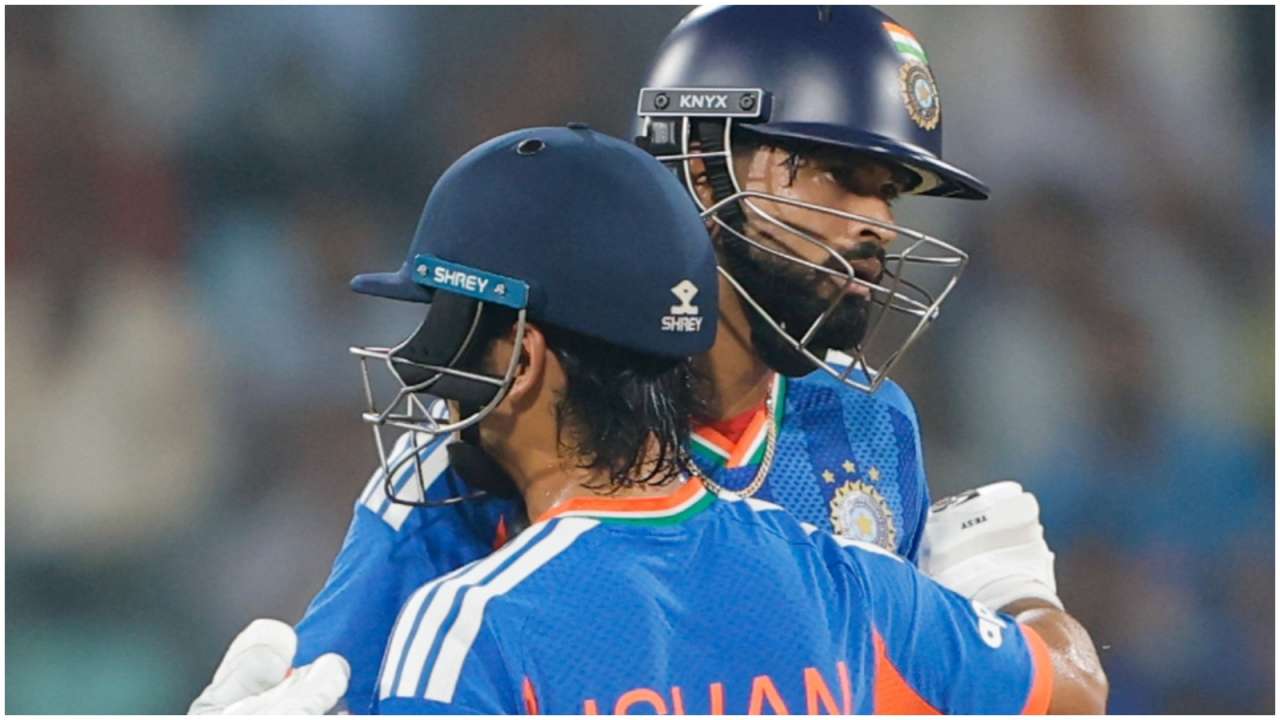 IND vs WI, 1st T20I: Shreyas Iyer unleashes in Lucknow! Captain’s century helps India hammer West Indies by 8 wickets
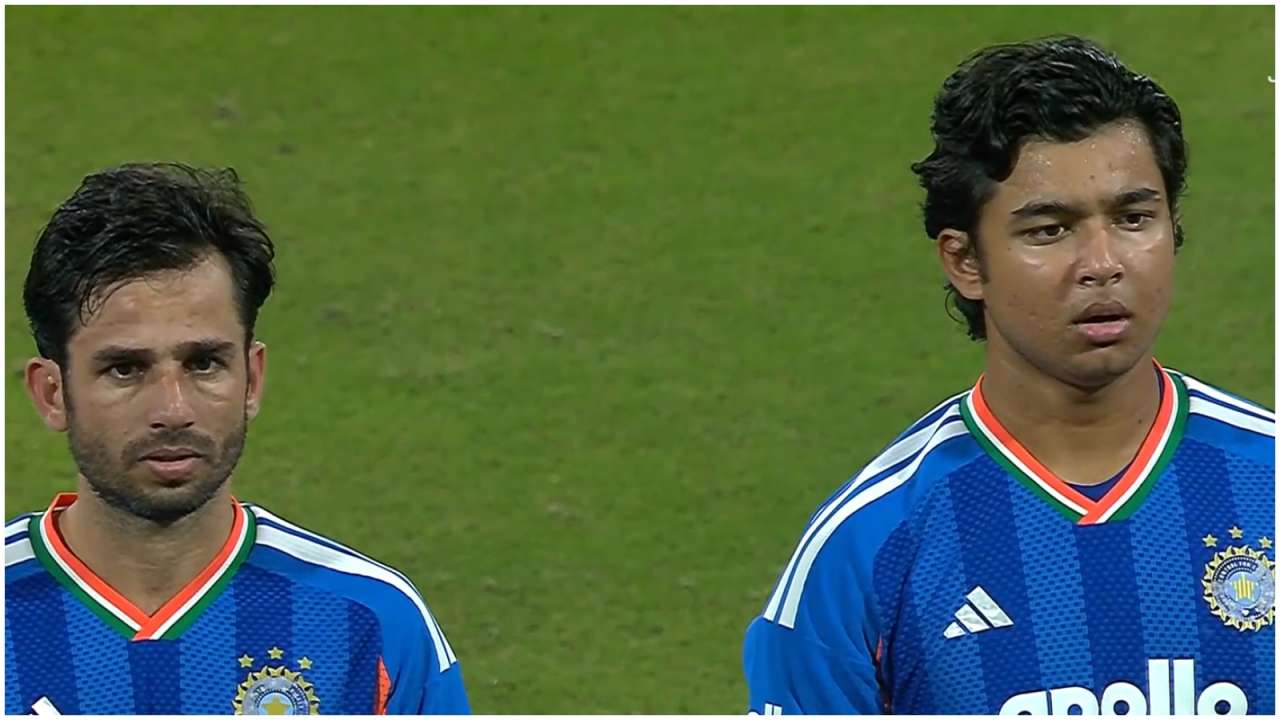 Why is Vaibhav Sooryavanshi missing in 1st T20I vs West Indies? Know real reason
 Pakistan Cricket Board sells home broadcasting rights at half of reserve price, known reasons
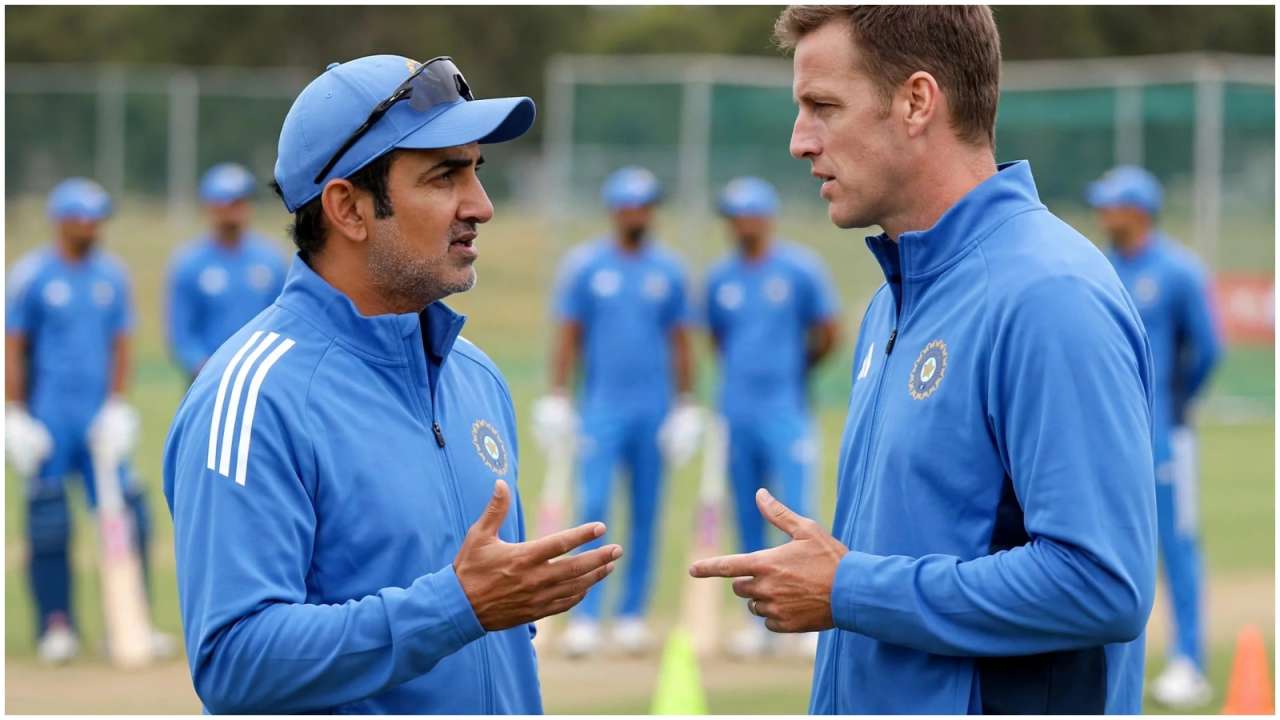 ‘Gambhir will rotate’: Morne Morkel hints at India’s Playing XI vs West Indies for Lucknow T20I
 India in 2036 Olympics race: Which countries are competing and when will host be decided?Drishyam 3 box office collection day 5: Ajay Devgn film crosses Rs 200 crore mark in India
 The Traitors Telugu trailer: From Chinmayi Sripada to Harsha Vardhan, meet the 20 contestants of Teja Sajja show
 Rise and Fall 2: Kajal Raghwani opens up on her suicide attempt; was Khesari Lal Yadav the reason?
 Why were Amitabh Bachchan, Badshah forced to evacuate KBC 18, Hustle 5 sets? Shocking reason revealed
 Why has Delhi High Court issued notice to Salman Khan on Kala Hiran producer's plea?
 CJP Protest: Delhi Cop Vivek Bhagat's Promotion Withheld Amid Sexual Harassment Allegation
 CJP Protest: CJP Activists Getting Police Notices Over October 10 Delhi Protest
 Delhi News: 'Create Fear In Minds Of Criminals': Supreme Court To Delhi Police On Rising RapesDelhi News: 'Create Fear In Minds Of Criminals': Supreme Court To Delhi Police On Rising Rapes
 Russia News: Researcher Dies Of 'Mystery' Pneumonic Plague; Hundreds Quarantined, 5 Hospitals Shut
 GST Council October 8 meeting: No rate changes expected; reforms on refunds, ITC and registration on agenda
 Cabinet approves Rs 10,000 crore SME Growth Fund: What it means for small businesses
 Gen Z Finance: From lifestyle spending, credit cards to financial planning—What experts suggest
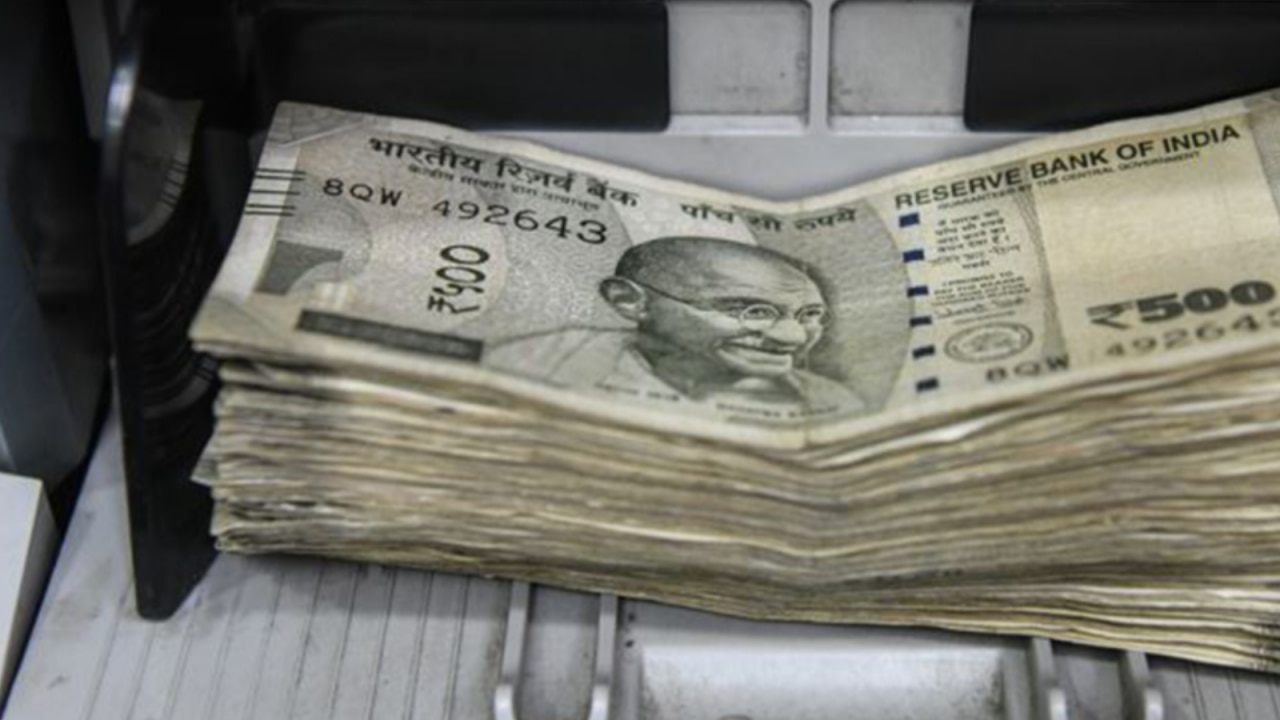 FCNR inflows cushion rupee, BoP, but sustained stability hinges on FII flows: Report
 Gold, Silver prices today, October 2, 2026: Check city-wise rates in Delhi, Mumbai, Chennai, Kolkata and more
 OTT Releases This Week (Sept 28 - Oct 4): Dupahiya 2, Pooja Meri Jaan; new movies and shows to watch this Gandhi Jayanti weekend
 From Neeti Mohan, Heer, Sarthak Kalyani; Ahead of Sa Re Ga Ma Pa, 5 musical geniuses championed by AR Rahman
 72nd National Film Awards 2024: Kartik Aaryan, Yami Gautam, Aditya Dhar, Mammootty, Dhanush, Anant Nag accept honours
 OTT Releases This Week (September 14-20): Lust Stories 3, Irumudi, Thudakkam; Indian movies, series to watch on Netflix, Prime Video, JioHotstar
 Ganesh Utsav 2026: Deva Shree Ganesha, Sindoor Lal Chadayo; 5 iconic Ganpati songs that should be must-haves in your playlistArvind Kejriwal attacks CBI raid at Punjab CM Bhagwant Mann's camp office, alleges BJP ‘frustration’ ahead of pollsEarthquake in Uttarakhand: 4.9-magnitude quake hits Chamoli, tremors felt across Delhi-NCRWhy ECI rejected Rahul Gandhi-led MPs’ request to meet at Parliament Annexe
 INDIA bloc protest: Rahul Gandhi, Priyanka Gandhi detained after hours-long demonstration at Akashvani Bhawan
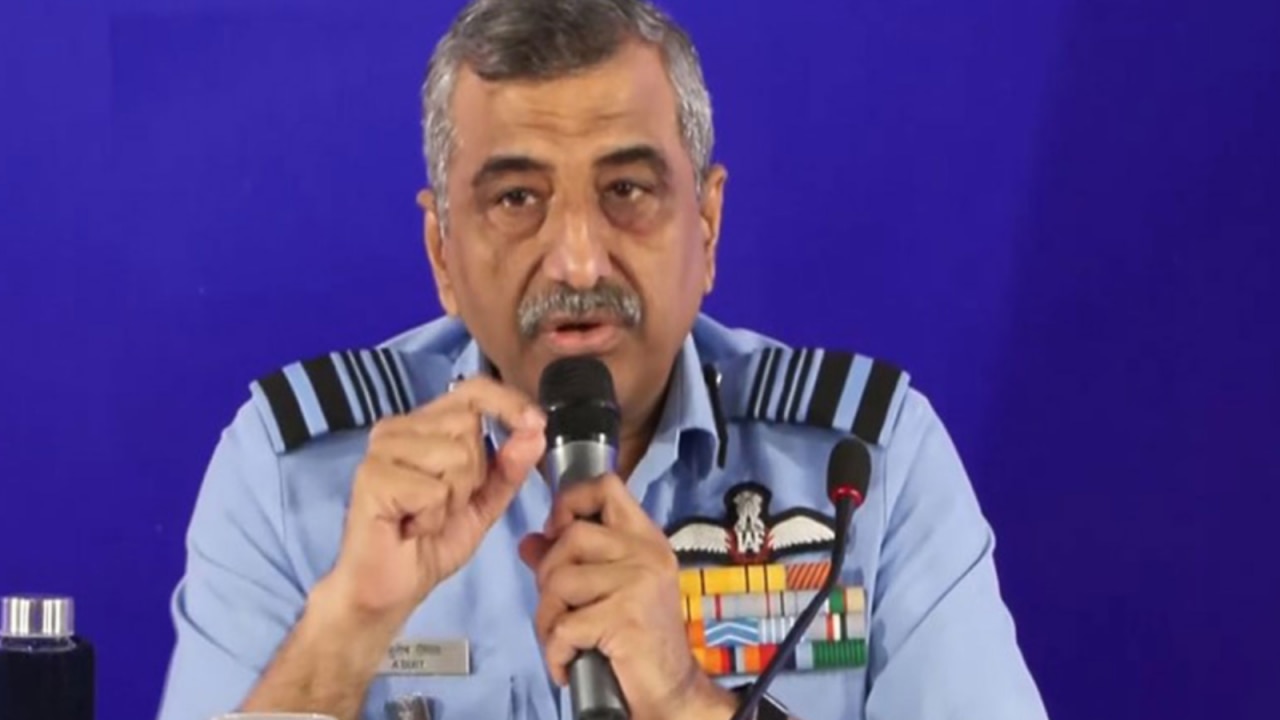 Who is Ashutosh Dixit? Know about next Air Chief Marshal, man behind Operation Sindoor
 Third Language Row: SC extends relaxation to Class 6 students, asks CBSE to grant exemption, here's what it means
 NEET PG 2026 Result Out: Check how to download scorecard from natboard.edu.in; Know category-wise cut-off and more
 Five-year BTech programmes? Ex-IIT director makes proposals amid IIT suicide controversy
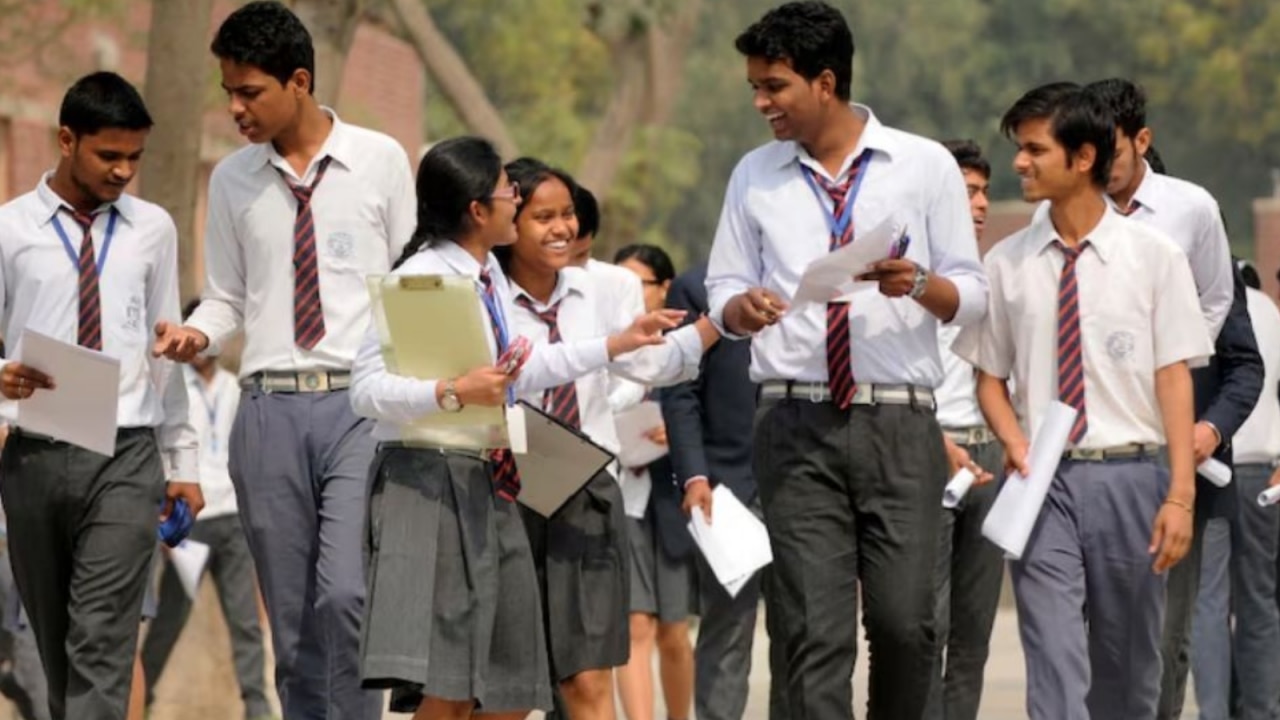 CBSE Date Sheet 2027: When will Class 10, 12 timetable be released? Check details here
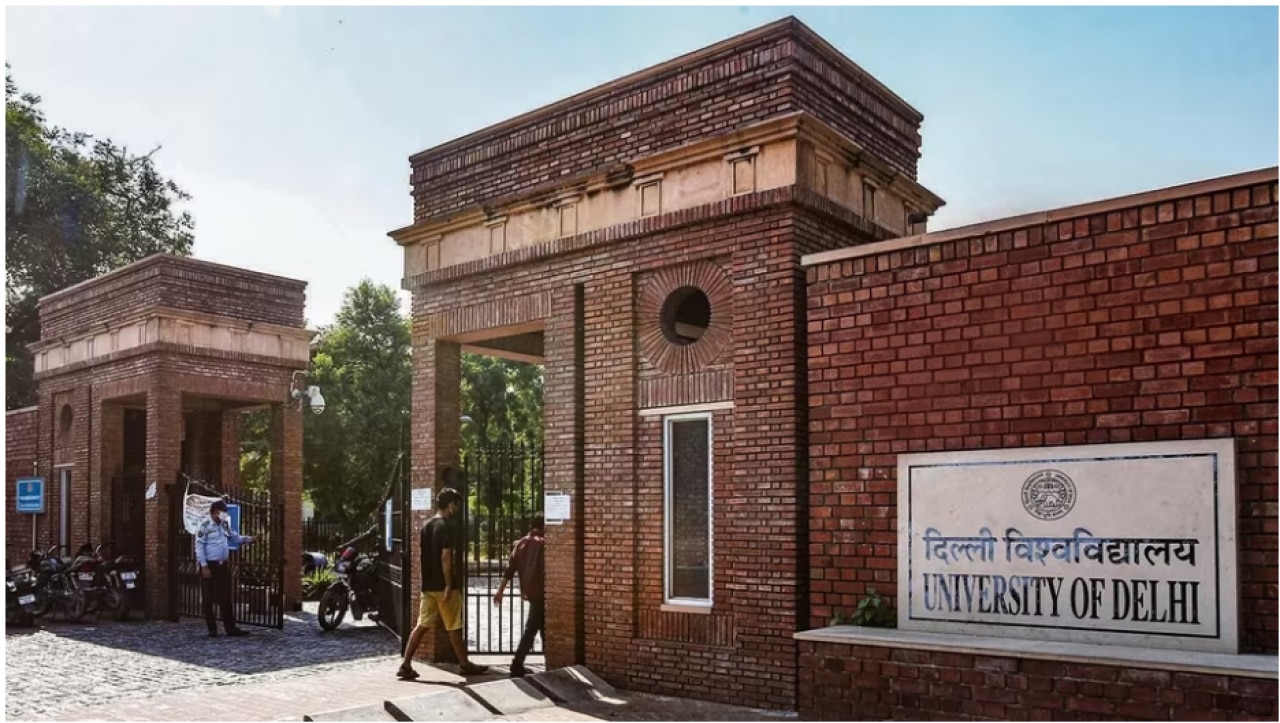 From Rs 150 in 1947 to powerful student body: The story of DUSU’s rise | Explained
 After Hyundai, Maruti Suzuki makes cars costlier ahead of festive season: Check new prices after hike
 Hyundai cars to get costlier from September: Check new prices and reason behind hike
 Why can't consumers choose pure petrol or E10? Centre explains why E20 is now the standard fuel
 Centre claims E20 fuel does not damage engines, cites data from Maruti Suzuki and Hero MotoCorp
 Maruti WagonR Flex Fuel: What’s price of India’s first ethanol car? Specs, mileage, and top features explained
JAIPUR
Construction of a flyover near the wetlands and associated human activities have made the flamingos avoid Didwana this winter, says Dr AK Gautam

Updated : Jul 02, 2018, 06:25 AM IST
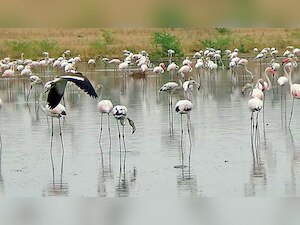



Didwana area has been a winter habitat for thousands of flamingos from Siberia, however, this year they have arrived and stayed past their usual season. The change in the migration pattern is being attributed to impact of the infrastructure projects and human activities at the wetlands.
“Construction of a flyover near the wetlands and associated human activities have made the flamingos avoid Didwana this winter,” explains Dr AK Gautam, associate professor of Zoology at Bangad college.
“Instead these birds have now gone to Sambhar Lake. It was while these birds were on their return journey to Siberia in March that many of them descended and stayed a Didwana as flyover construction was over by then,” he adds.
However, if it was a flyover construction that dissuaded the birds, then another infrastructure project has helped them survive the hot summers. It has been a recently commissioned 5 MLD sewage treatment plant that has facilitated their stay. The plant has helped to keep the wetland free of contaminants and provided supply of fresh water.
“These wetlands have abundance of green blue algae which is a major food source for these migratory birds. It seems that they are making it their home,” says Dr Arun Vyas an ornithologist. There are around 1,200 such flamingos presently dwelling in Didwana wetlands. According to experts the birds that have stayed are those which were too weak to fly all the way back to Siberia. However, experts differ on the issue if these birds will be nesting here to make Didwana their permanent home.
These birds, a native of Siberia region, arrive every year between November and January to escape the extreme cold conditions there and return by March. Most of them spend winters at Sambhar Lake of Rajasthan while Didwana remains a mid-way stop during their arrival and return.