 Salesforce layoffs hit India employees, staff put on garden leave till February 1
 Is Nvidia Data Leaked? The Gentlemen claims hack, threatens to publish data
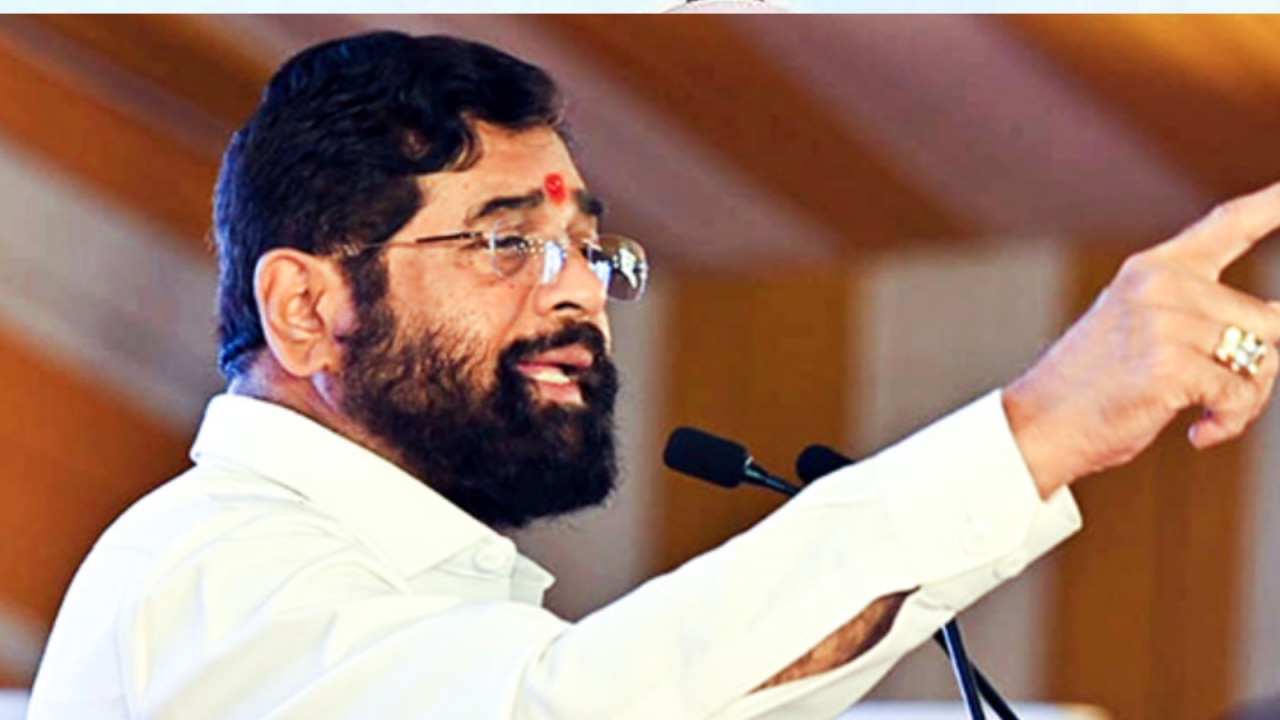 Shaina NC Photo Row: Eknath Shinde says Mani Shankar Aiyar's face was torn, not Balasaheb's
 Rajkumar Hirani reveals powerful deleted funeral scene from Lage Raho Munna Bhai: 'Three bullet marks on Gandhi's chest'
 Did US use expired missiles during Iran war? Here's what US Navy Secretary Hung Cao saidShaina NC Photo Row: Eknath Shinde says Mani Shankar Aiyar's face was torn, not Balasaheb's
 Jharkhand: 3 killed, 2 injured after conveyor belt collapses at NTPC North Karanpura in Chatra
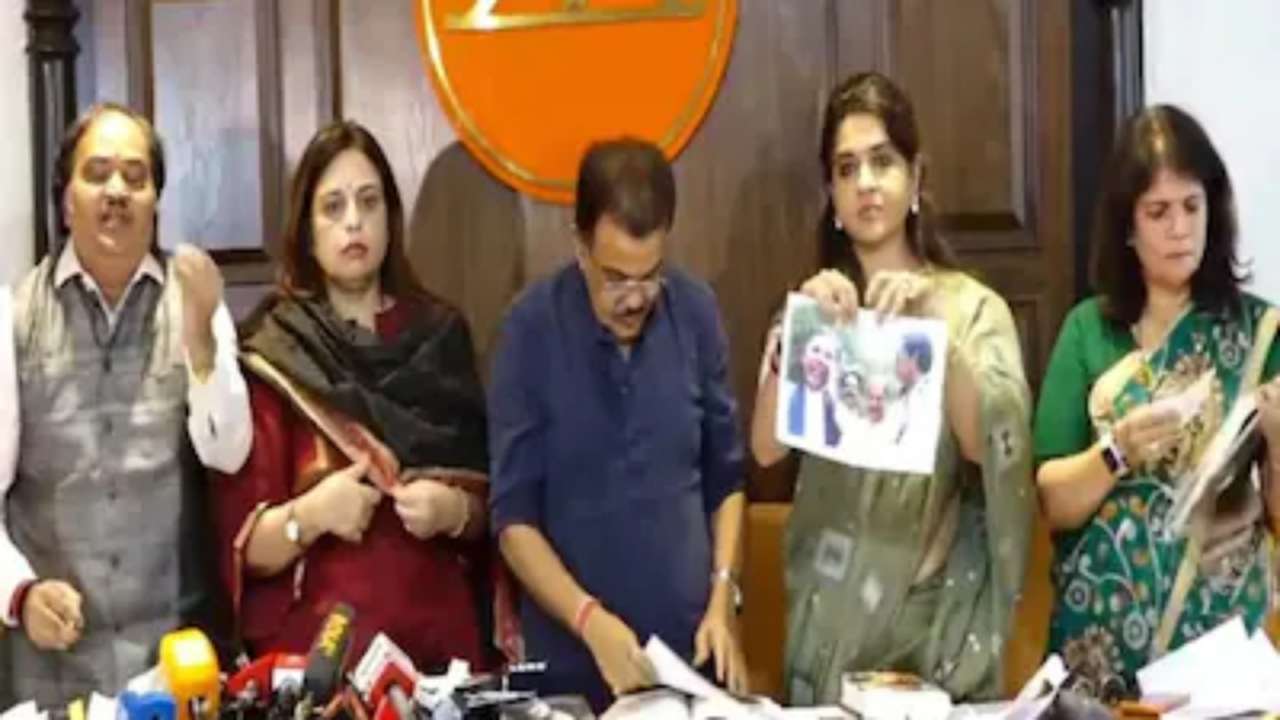 Protest backfires! Shinde Sena leader Shaina NC mistakenly tears Bal Thackeray photo while protesting Sonia Gandhi's book
 India-US trade deal nears final stage, but why is signing still delayed? Here's what we know
 Bharat Summit Row: Plea in SC seeks removal of videos, SIT probe into foreign delegatesIs Nvidia Data Leaked? The Gentlemen claims hack, threatens to publish dataDid US use expired missiles during Iran war? Here's what US Navy Secretary Hung Cao said
 GTA 6 launched in New Zealand; when will it release in India?
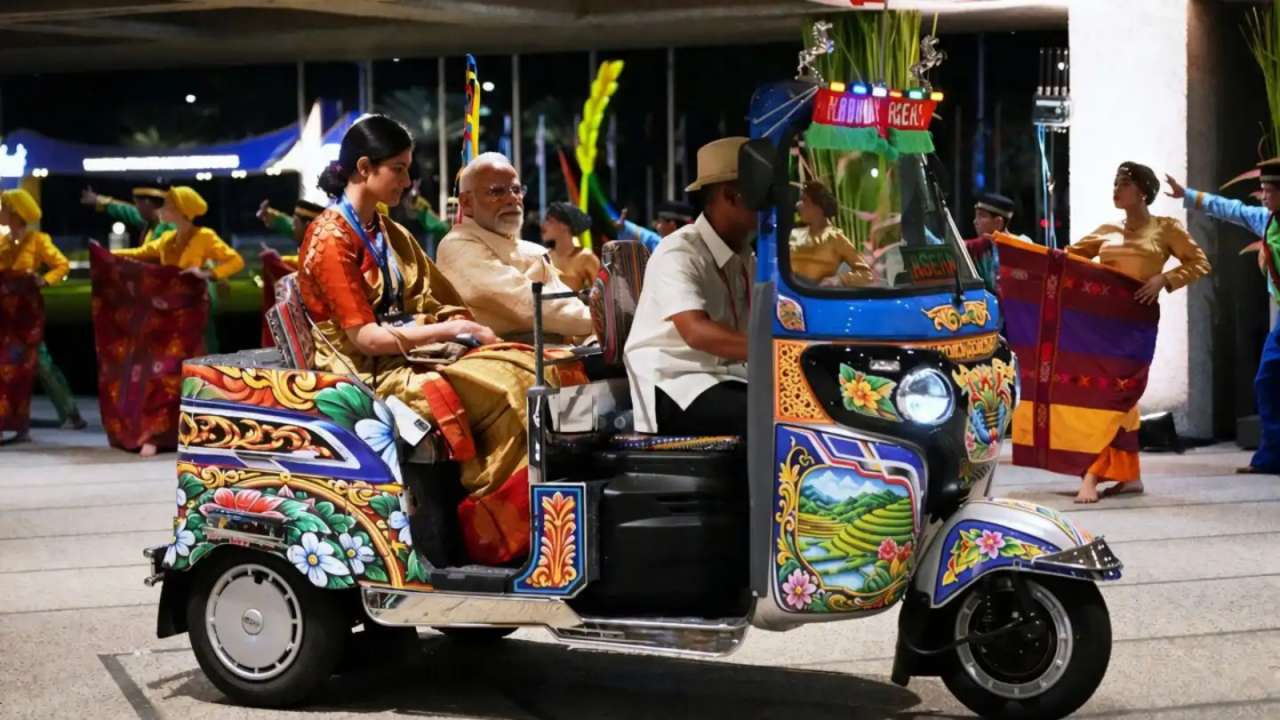 Did PM Modi ride made-in-Pakistan e-rickshaw at the ASEAN Summit? Details here
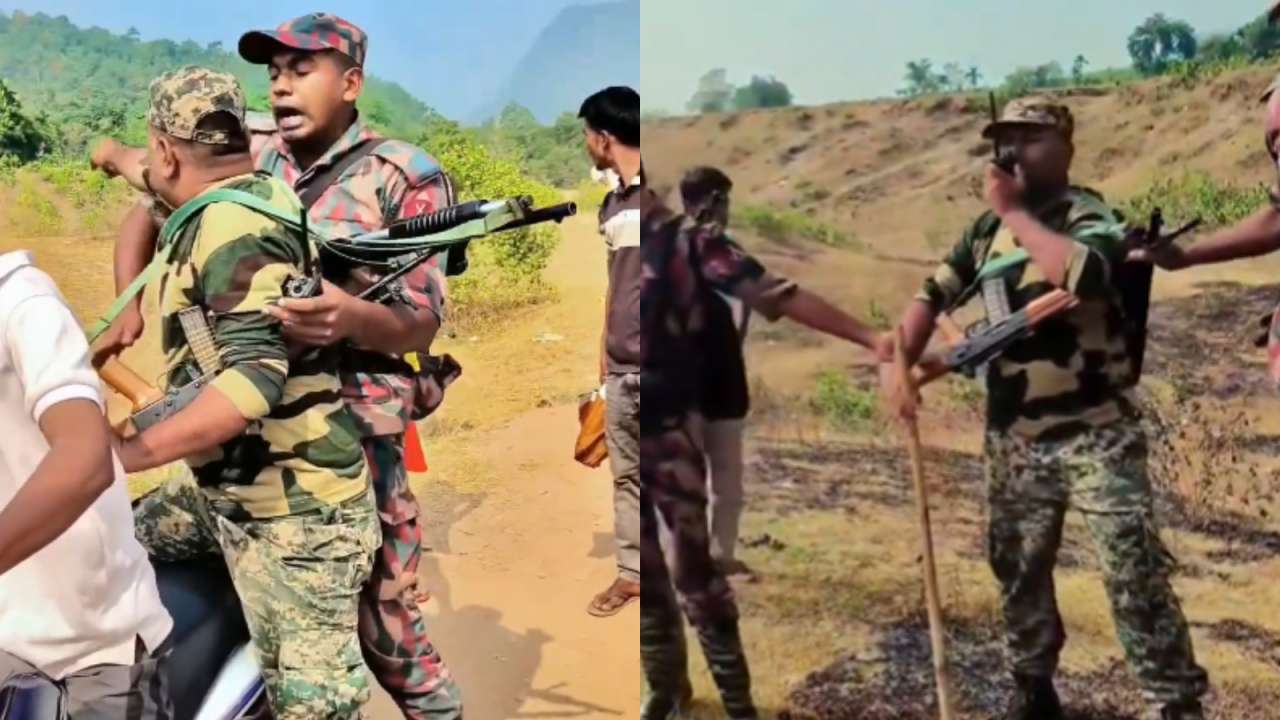 India-Bangladesh Border Tension Escalates: BSF jawan captured, detained by BGB
 Cyclone Akvan Changes Path: Odisha, Andhra Pradesh on alert, Kolkata faces heavy rain threat
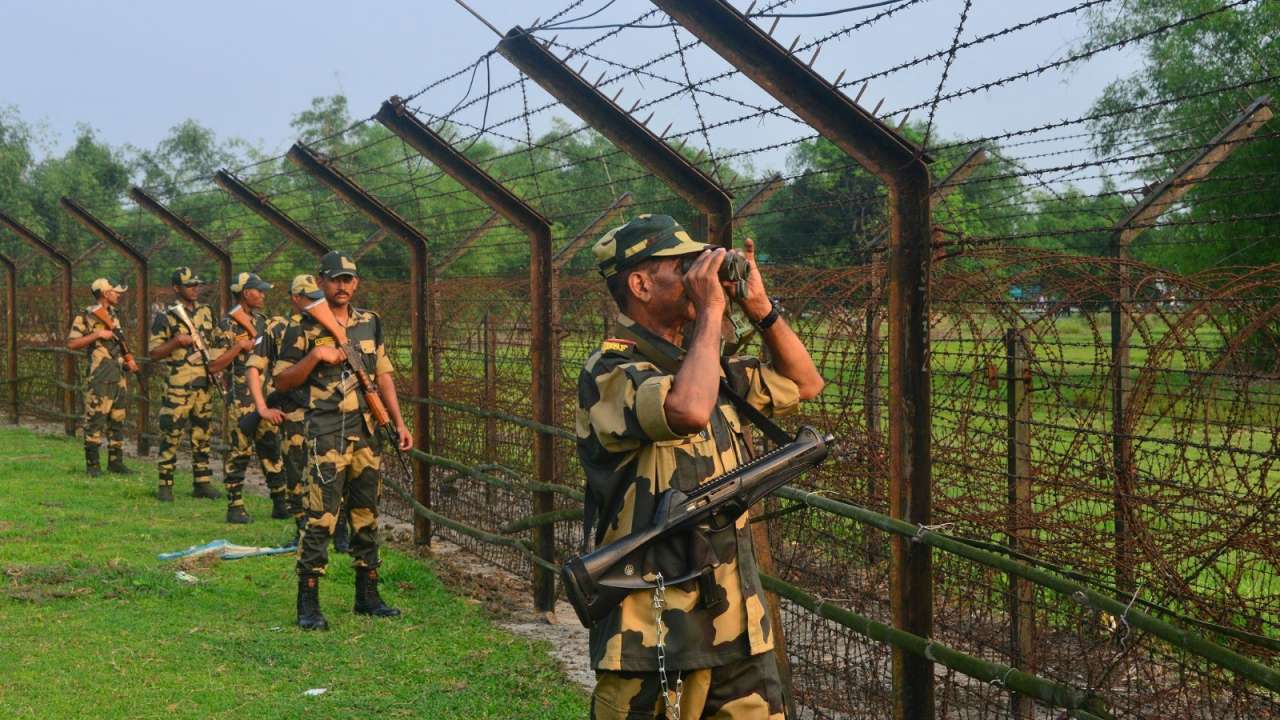 India-Bangladesh Border Tension: Why BSF jawan's detention raises alarm, how Sheikh Hasina factor complicates ties
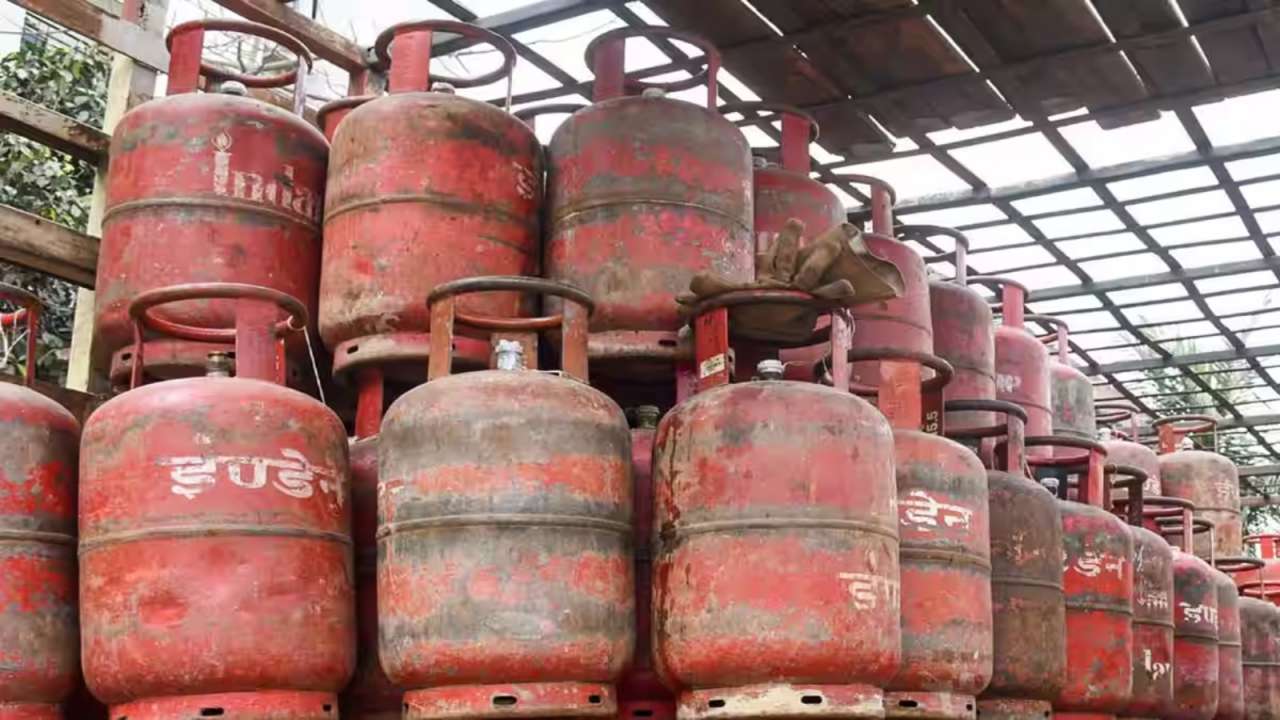 Hormuz LPG Tanker Attack: Will cooking gas prices rise in India? 5 things consumers should know
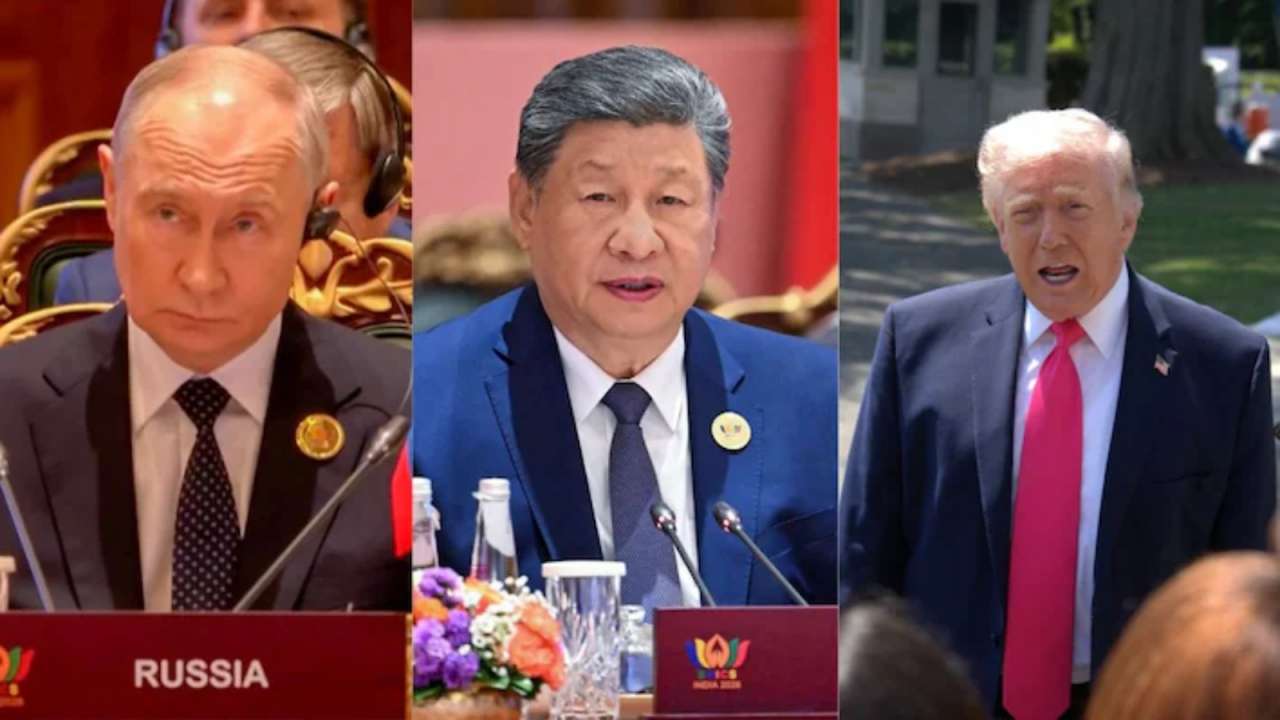 Trump-Xi-Putin Meet: Seven reasons India could pay price for a new global power deal
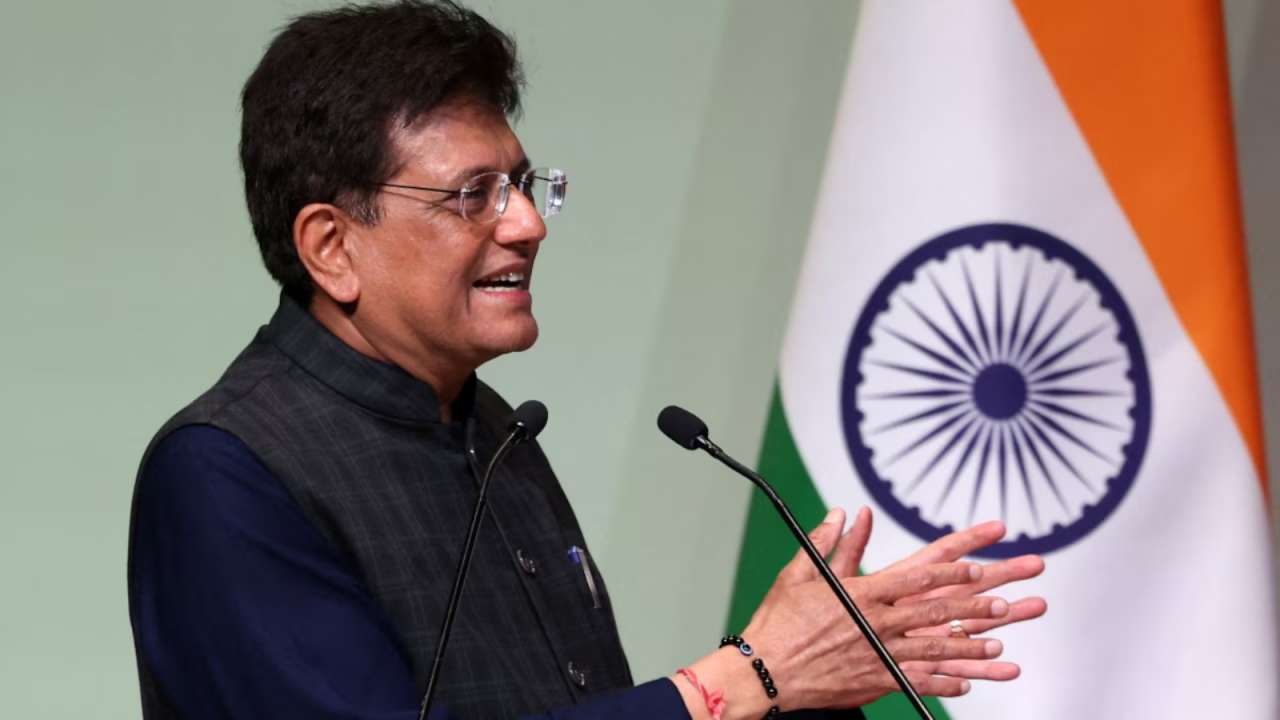 India Eyes $1 Trillion Exports As 7-Month Exports Hit $570 BillionRajkumar Hirani reveals powerful deleted funeral scene from Lage Raho Munna Bhai: 'Three bullet marks on Gandhi's chest'
 Ramayana box office collection day 14: Ranbir Kapoor, Yash film mints Rs 1500 crore worldwide
 Dr Hassan OTT release date: Nawazuddin Siddiqui, Dia Mirza-starrer Indian House adaptation to premiere in December
 Dhurandhar 2 receives zero nominations at 2027 Grammys despite nine entries, Tamil song Varuvaaiy creates history
 Anne Hathaway welcomes third child with husband Adam ShulmanSalesforce layoffs hit India employees, staff put on garden leave till February 1
 India's Astrology Boom: Faith, big business or emotional dependence? Who is watching the industry?
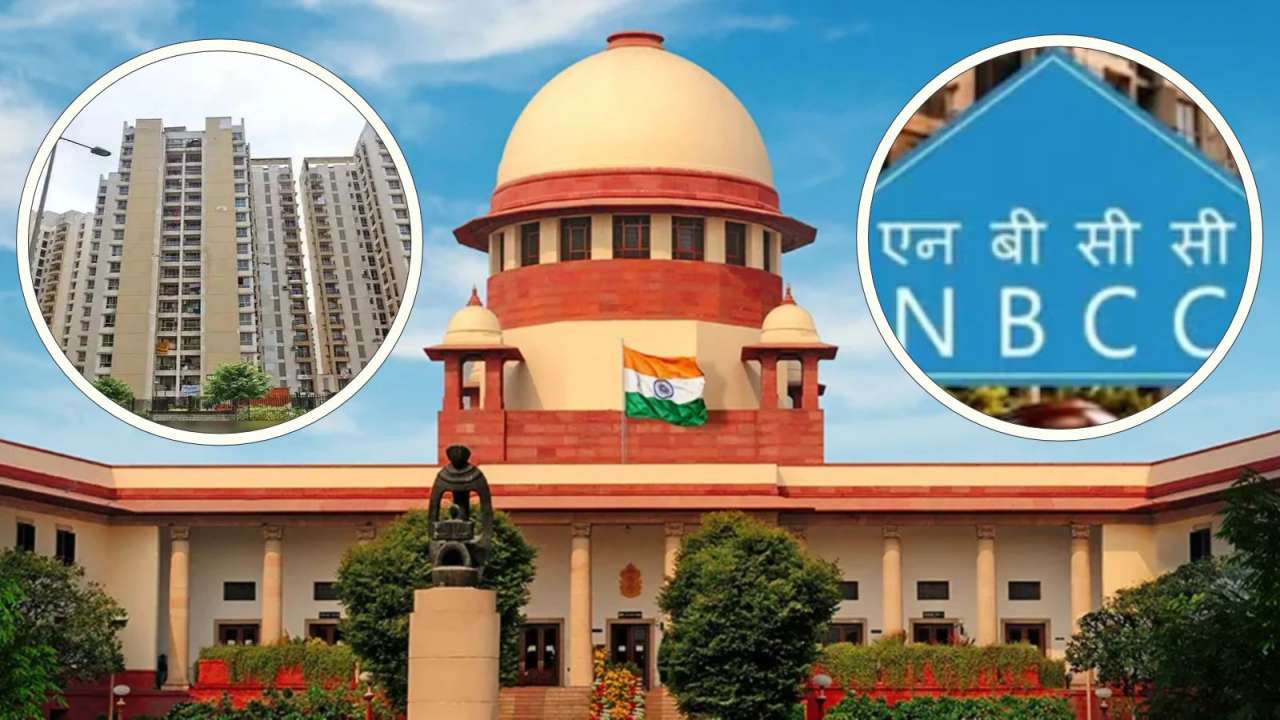 Did NBCC commit contempt of court? Firm resumes auction of flats despite matter being sub judice
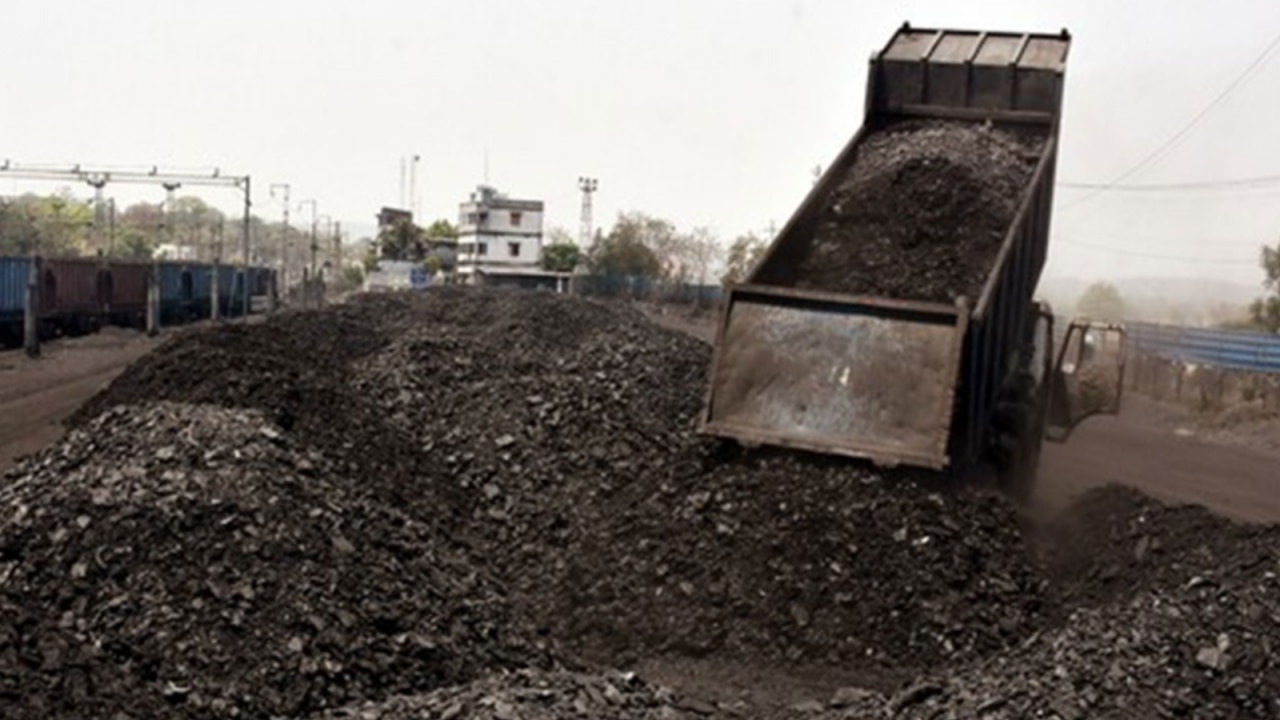 Mahanadi Coalfields IPO: 10 Things to know about issue date, GMP, price band, size and listing
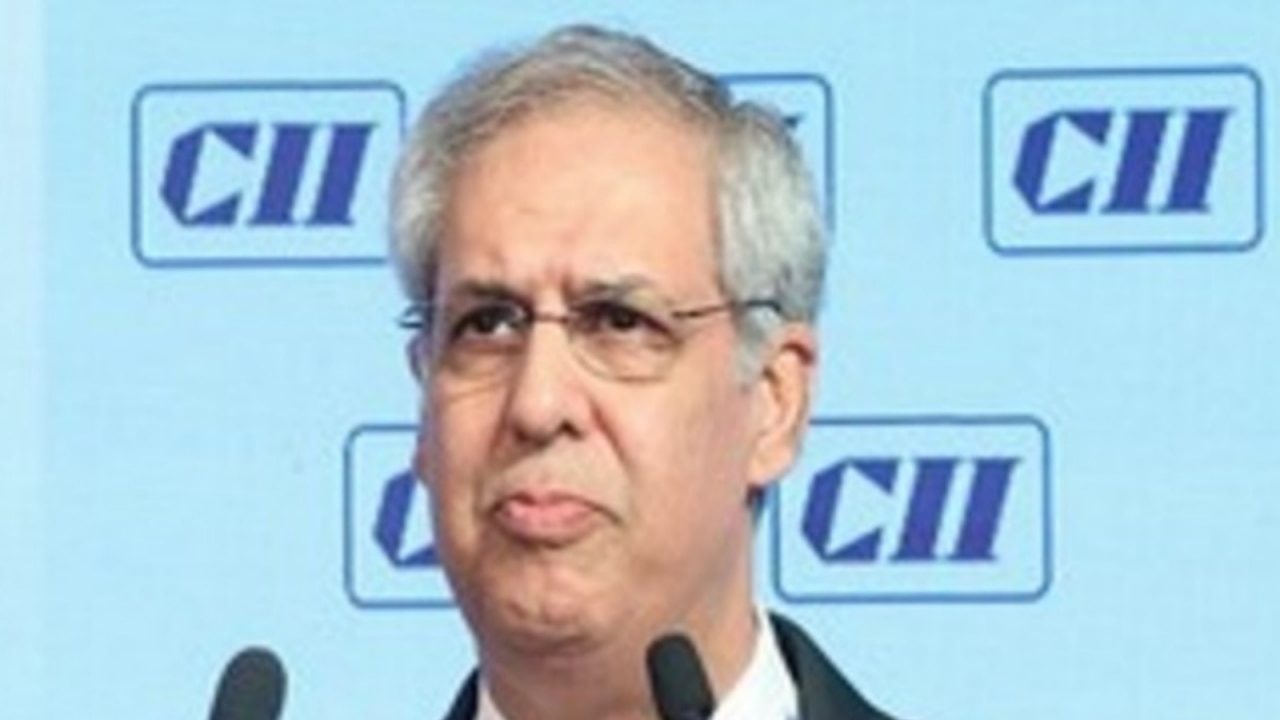 Tata Sons Listing Row: Why Noel Tata fears it could change Tata Group
 Shah Rukh Khan's KKR valued at Rs 16,634 crore: Who is buying Jay Mehta's stake?
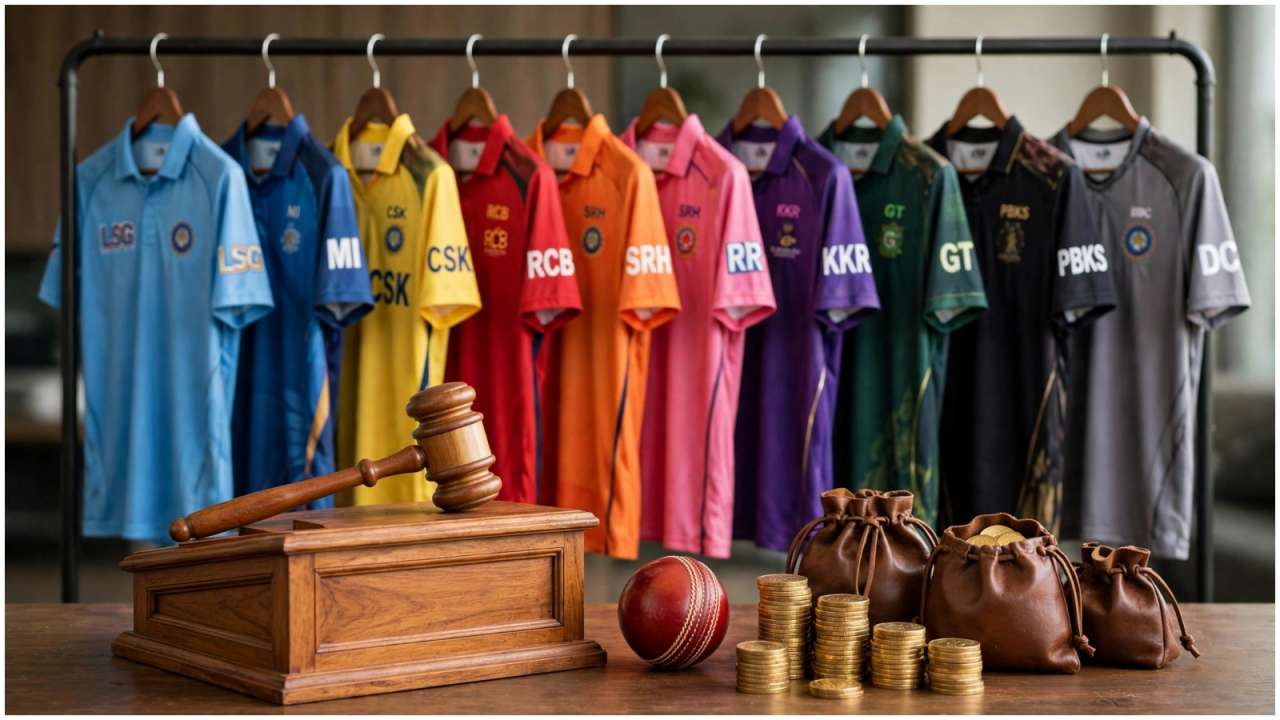 LSG head into IPL 2027 mini-auction as richest team with Rs 47.45 crore: Check purse of all 10 teams
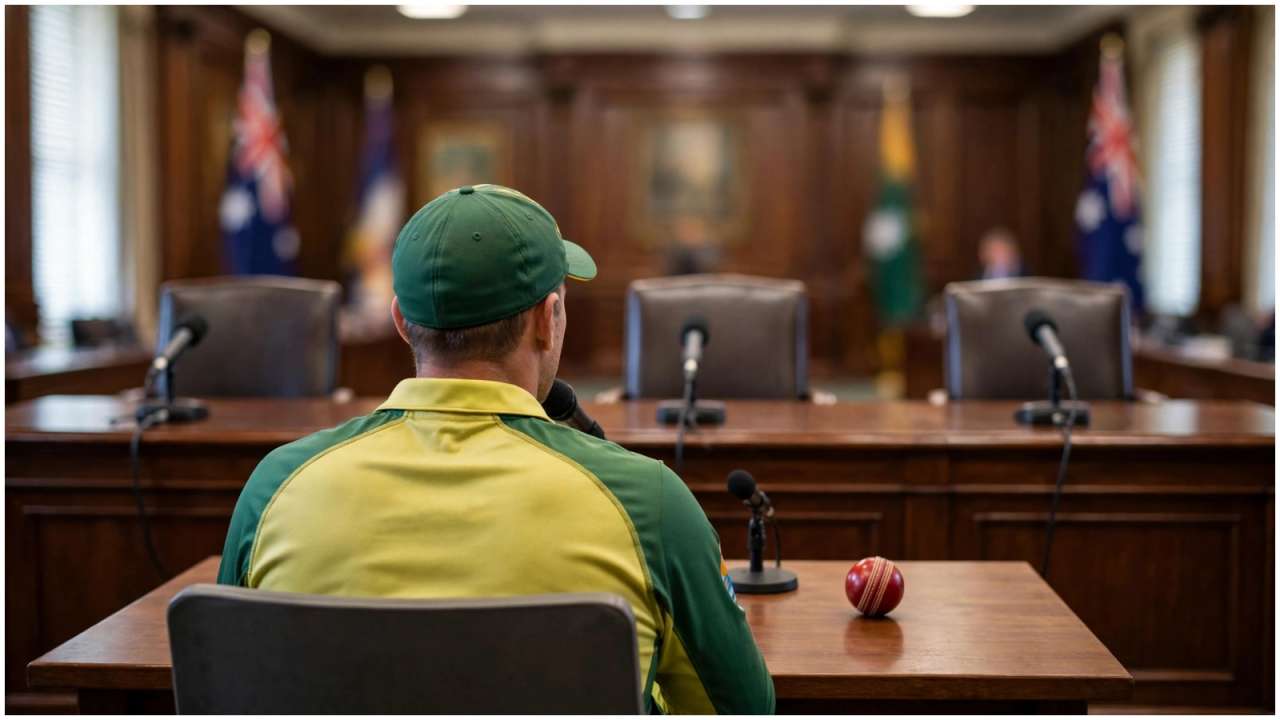 Who knew what in Australia's Sandpapergate scandal? CA gives players another chance to speak
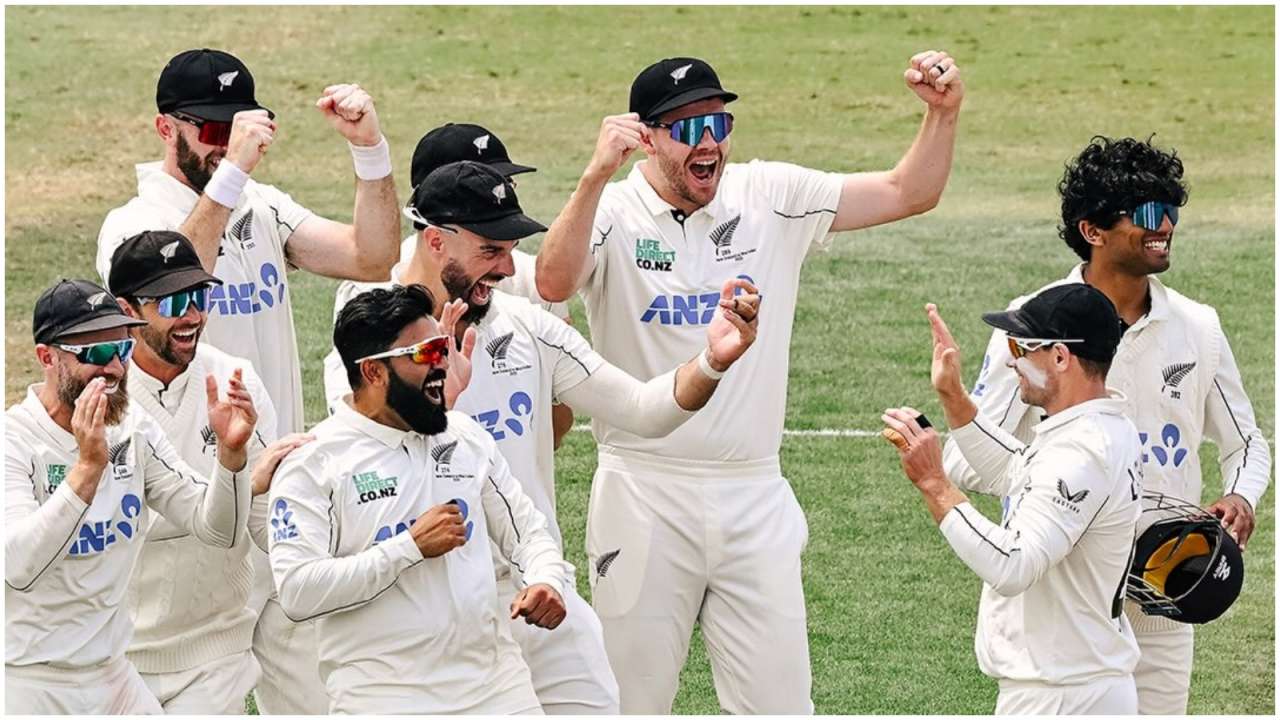 Tom Latham drops a big hint on New Zealand's biggest weapon against India
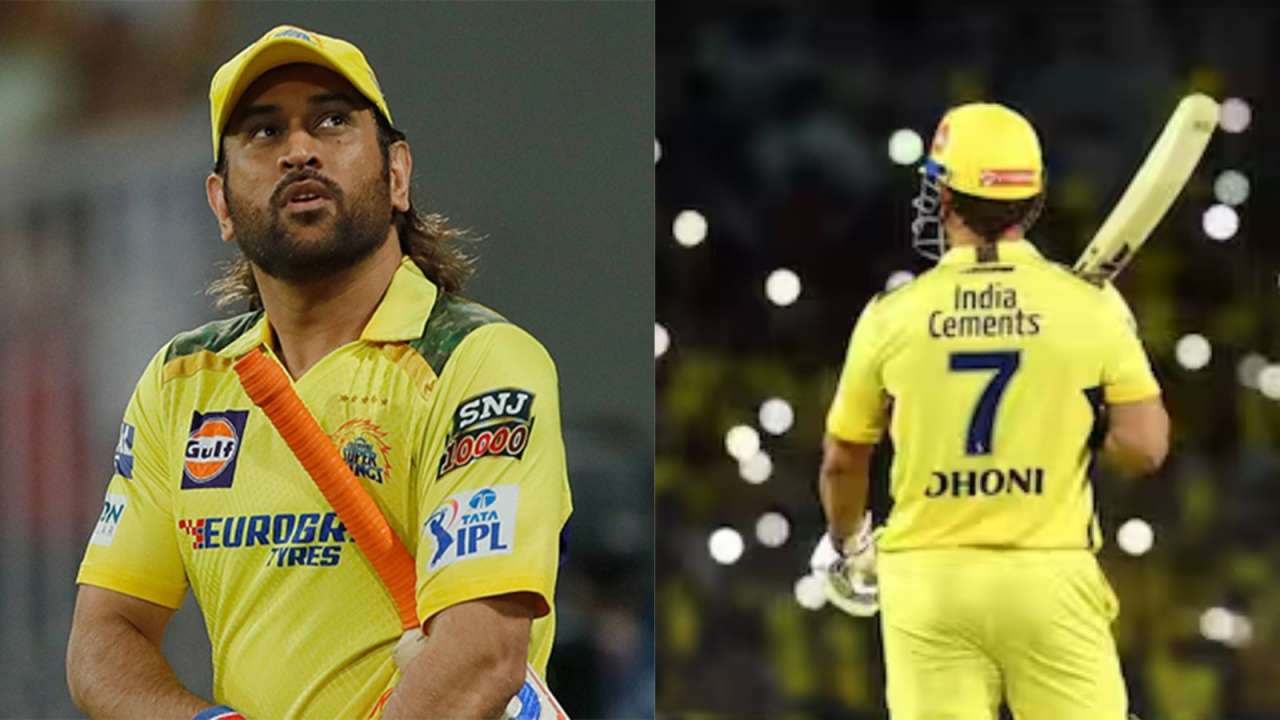 MS Dhoni among IPL's oldest players: Who tops list, where does CSK legend rank?
 Supreme Court Issues Notice To Congress, AAP, CJP & AISA On Delhi Traders' Plea Against Protests
 Cyclone Akvan: 7 Andhra Pradesh's Districts On Red Alert Ahead Of November 20 Landfall | Odisha
 CJP News: 'Condition In Delhi Police Won't Leak It...' Saurav Das Submits Address Proof To Court
 Punjab News: Head Constable Shot Dead In Punjab, Sixth Cop Killed This Year | Bhagwant Mann
 Cyclone Akvan: Odisha Deploys 74 Rescue Teams, Begins Evacuation Ahead Of 'Severe Storm' | Andhra
INSIGHTS
Advocate Anik highlights that enforceable arbitration requires clear, written consent with defined scope, seat, and rules, warning against ambiguity and pathological clauses in contracts.

Updated : Oct 30, 2025, 05:05 PM IST
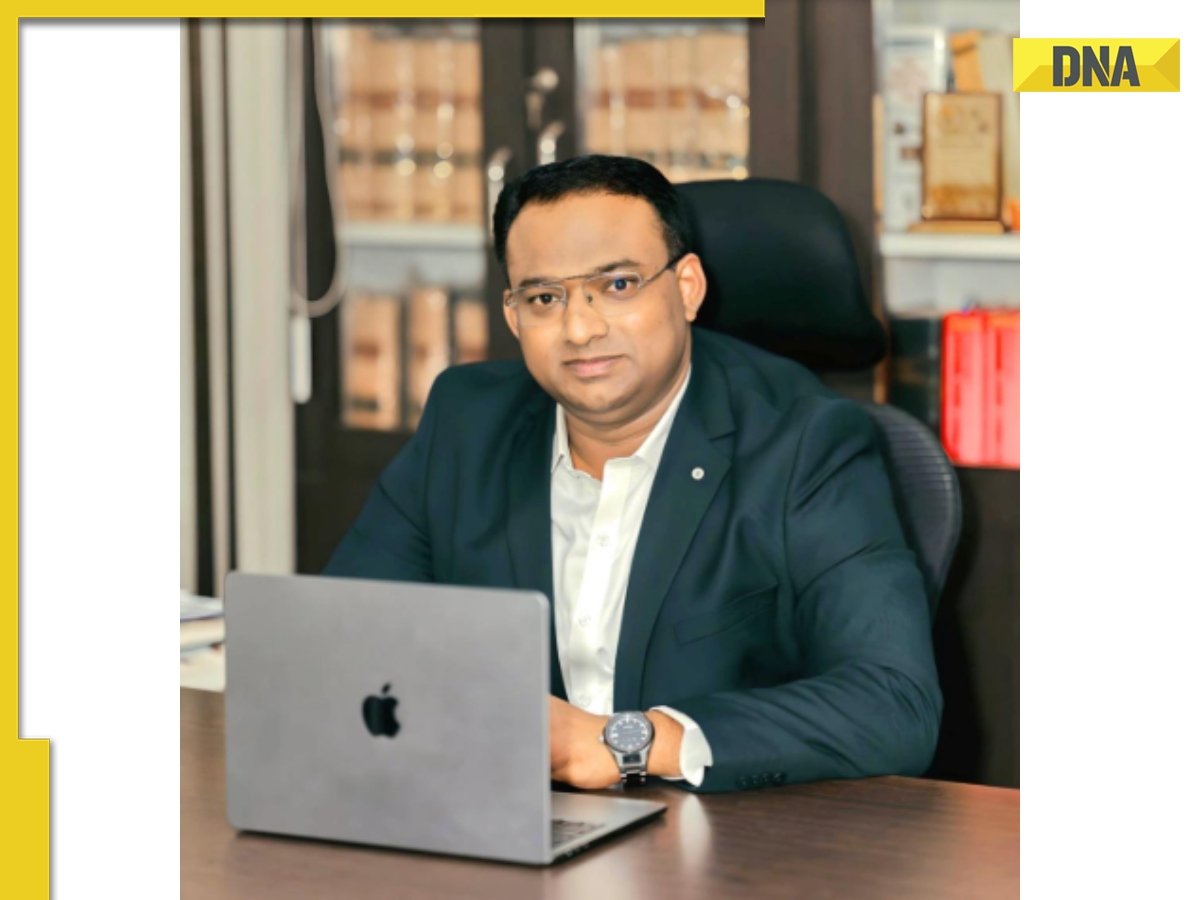



Advocate A M Iktear Uddin (Advocate Anik) is another well-known lawyer and Special Public Prosecutor who has 16+ years of experience in arbitration and is a partner at Prime Legal along with Advocate Ayantika Mondal. He tells us the reasons why arbitration is preferred in international trade due to its confidentiality, efficiency and impartiality but the Indian law questions vague or contradicting clauses. When the courts come in, it is a matter of course to do so and to provide some level of clarity. With his profound history in arbitration, he has a priceless understanding of the factors of enforceability, and clients can be managed by his knowledge of the intricacies of international and local dispute resolution.
Q1 - What is arbitration, advocate Anik?
Arbitration is a confidential form of settling disputes whereby the parties involved in the conflict consent to take their dispute to arbitrators rather than to court.
Q2- Advocate Anik, So what is required to make it binding to proceed to arbitration?-
A binding arbitration clause in your contract is what you need so as to refer the matter to arbitration and it must contain clear, written consent by all the parties with specifications on scope, seat, rules and appointing number/number of arbitrators.
Q3 Advocate Anik:- What so alarming about the enforceability of arbitration clauses in commercial contracts in the present day?
Arbitration clauses are obligatory or not binding and this defines whether parties can in the real sense, use arbitration in place of litigation. As the number of commercial contracts particularly cross-border contracts are ever rising, an inadmissible arbitration clause can make a whole dispute resolution system useless. Section 7 of the Arbitration and Conciliation Act, 1996 obliges that the valid arbitration agreement must be in writing and must indicate the intention by the parties to put disputes before an arbitrator. In case that purpose is not clear or is subject to conditions, the courts might deny the authority to refer parties to arbitration under Section 8 of the same Act.
Q4: Advocate Anik:- What do you think are the crucial legal components that render an arbitration clause enforceable in India? And what are the most common drafting errors you see in cases?
The main key components are, written agreement, intention to arbitrate, definiteness, language, place.
Applying ambiguous statements such as, “may refer to arbitration.”
The absence of the governing law or seat specified.
Arbitrating in a non-existent arbitral institution.
Integrating arbitration and compulsory mediation with no defined trigger.
Q5: Advocate Anik: How do the Indian courts construe ambiguous arbitration clauses?
Since the 2015 and 2019 amendments, Indian courts have adopted a pro-arbitration approach. However, due to parties’ oversight and poorly drafted clauses, courts sometimes find it difficult to enforce arbitration provisions and must adhere to the contract terms. Therefore, it is recommended that parties carefully review and draft arbitration clauses, keeping all legal aspects in mind.
Q6: Advocate Anik:- What is the impact of seat and venue of arbitration on the enforceability?
It is a well-established principle, affirmed by the Hon’ble Supreme Court also, that once the seat of arbitration is specified in the agreement, it grants exclusive jurisdiction to the courts at that location. Therefore, it is advisable for parties to clearly define the seat in their agreement, as any ambiguity regarding the seat can lead to jurisdictional confusion and potentially delay the enforcement process.
Q7: Advocate Anik, Does Indian law have any particular forms of disputes that cannot be resolved by arbitration clauses?
Yes. Some disputes can be thought of as non-arbitrable, as they entail the rights of the people or the remedies that are provided by statute. These are criminal cases, matrimonial cases, bankruptcy, consumer complaints, etc.
Q8: Advocate Anik, What is the implication of the idea of pathological clauses on enforcement?
Answer: A pathological clause is a defective clause, i.e. by referring to something non-existent, contradictory rules or an impractical procedure. These clauses can lead to a lot of procedural challenges. Nevertheless, arbitration is tried to be effected by Indian courts as much as it can. Even though the clause provided two-tier arbitration in the case of Centrotrade Minerals and Metal Inc. v. Hindustan Copper Ltd. (2017), the Supreme Court determined that it was valid based on the party autonomy instead of technical contradictions. But, this independence is not complete, any clauses that are inconsistent with obligatory components of Indian law or which omit any judicial supervision whatsoever will not be enforceable at all. Enforceability depends on balancing between autonomy and legality.
Q10 – Advocate Anik: We hear that banks, financial institutions, and fintechs invoke arbitration through their own arbitrators and even issue orders. How are those legally enforceable?
Awards from self-appointed arbitrators are not generally enforceable. Courts require a legitimate, authorized arbitral forum, due process, and compliance with law. Unilateral appointments or orders by banks/fintechs are typically invalid. Enforcement depends on proper constitution of the arbitrator, fair proceedings, and adherence to the governing agreement and statutory safeguards.
Advocate Anik recommends that companies treat arbitration clauses not as mere formalities but as strategic, carefully drafted provisions. The clause should clearly specify the seat, rules, number of arbitrators, and applicable law while ensuring future enforceability under international conventions. Above all, the drafting must align with Indian legal principles to avoid unilateral arbitrator appointments. Clear and thoughtful arbitration clauses reduce costly jurisdictional disputes and safeguard party autonomy. Moving forward, the focus should be on proactive, precise contractual design to ensure effective dispute resolution and respect for arbitration in India’s evolving legal landscape.