 Black Sea vessel attack: 3 Indians among crew injured, receiving treatment in Romania
 Karnataka voter deletion row: CEO says no name deleted through Form 7 amid bulk filing allegations
 CEC Gyanesh Kumar faces impeachment notice from former officials; what are allegations?
 Anti-CEC Protest: Why was Delhi cop accused of sexually harassing journalist promoted to Additional DCP?
 Honey Singh skips Maharashtra Cyber questioning: What happens next for the rapper?
 'Most recognised Pakistani face globally': Ravi Shastri breaks silence on Imran Khan’s treatment in jail
 Pakistan Champions finally get PCB clearance for WCL 2026: Is an India clash on the cards?
 Virat Kohli's sweet gesture for young fan in matching India kit during WI ODIs wins hearts; netizens react: 'Wow cute moment'
 Mohammed Shami’s India comeback hopes take another hit, ex-star delivers blunt verdict
 Bhuvneshwar Kumar to lead Team India? Veteran pacer gets surprise captaincy call for six-a-side eventHoney Singh skips Maharashtra Cyber questioning: What happens next for the rapper?
 Jailer 2 trailer: Rajinikanth returns as Tiger Muthuvel Pandian, Hrithik Roshan's glimpse excites fans, netizens say 'Kollywood's biggest blockbuster loading'
 Why did Ramesh Taurani once refuse a film with Suniel Shetty? Producer reveals shocking reason
 Baseer Ali reveals why he broke up with ex-girlfriend even after she agreed to convert to Islam: 'Uske jitne gunaah hain...'
 Love & War: No big launch, just three posters of Ranbir, Alia, Vicky create enough curiosity for Sanjay Leela Bhansali's film | Opinion
 Delhi News: 'Create Fear In Minds Of Criminals': Supreme Court To Delhi Police On Rising RapesDelhi News: 'Create Fear In Minds Of Criminals': Supreme Court To Delhi Police On Rising Rapes
 Russia News: Researcher Dies Of 'Mystery' Pneumonic Plague; Hundreds Quarantined, 5 Hospitals Shut
 ECI Row: 'We Did Not Approve Revised Form 6'; CJI Surya Kant Rejects ECI Claim
 CJP News: 'Gyanu Must Go' Slogans Target CEC Gyanesh Kumar At CJP Rally | Mumbai Protest
 Gen Z Finance: From lifestyle spending, credit cards to financial planning—What experts suggest
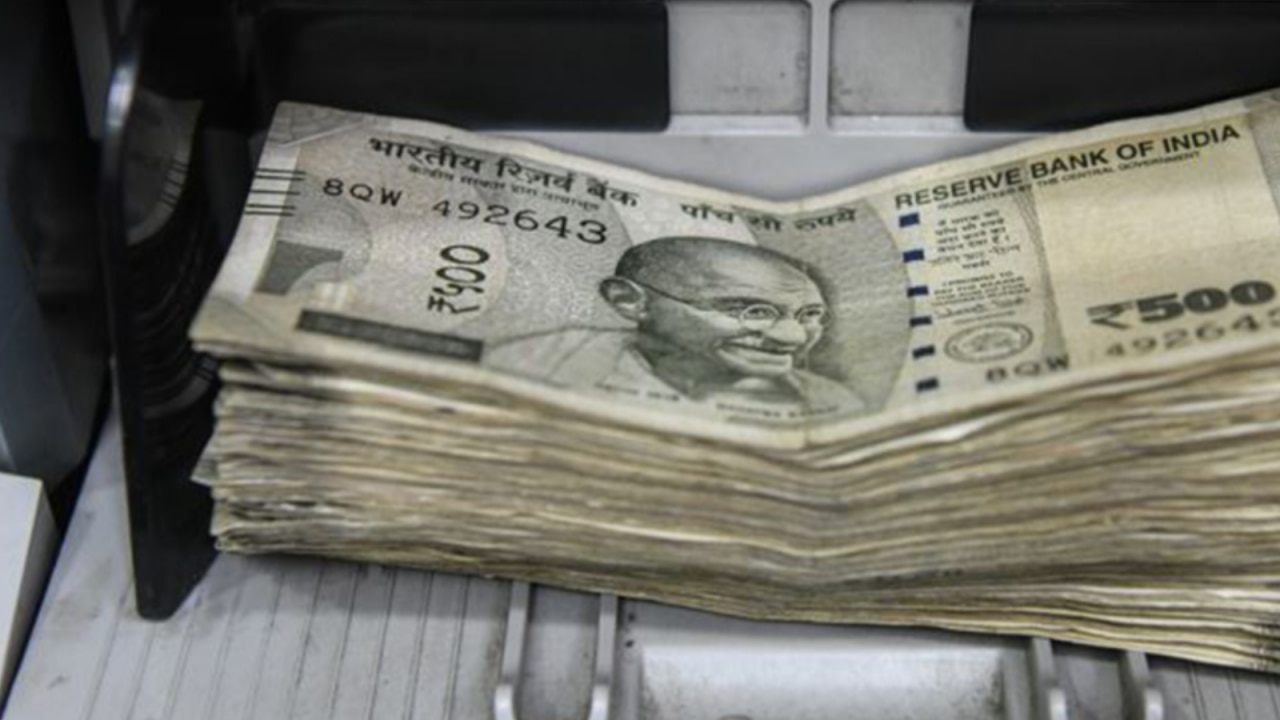 FCNR inflows cushion rupee, BoP, but sustained stability hinges on FII flows: Report
 Gold, Silver prices today, October 2, 2026: Check city-wise rates in Delhi, Mumbai, Chennai, Kolkata and more
 New Money Rules From October 1: What changes in Banking, Tax, UPI & Savings? Check full list
 Export schemes extended: RoDTEP, RoSCTL till December 31, RELIEF till March 2027| Explained
 OTT Releases This Week (Sept 28 - Oct 4): Dupahiya 2, Pooja Meri Jaan; new movies and shows to watch this Gandhi Jayanti weekend
 From Neeti Mohan, Heer, Sarthak Kalyani; Ahead of Sa Re Ga Ma Pa, 5 musical geniuses championed by AR Rahman
 72nd National Film Awards 2024: Kartik Aaryan, Yami Gautam, Aditya Dhar, Mammootty, Dhanush, Anant Nag accept honours
 OTT Releases This Week (September 14-20): Lust Stories 3, Irumudi, Thudakkam; Indian movies, series to watch on Netflix, Prime Video, JioHotstar
 Ganesh Utsav 2026: Deva Shree Ganesha, Sindoor Lal Chadayo; 5 iconic Ganpati songs that should be must-haves in your playlistKarnataka voter deletion row: CEO says no name deleted through Form 7 amid bulk filing allegationsCEC Gyanesh Kumar faces impeachment notice from former officials; what are allegations?Anti-CEC Protest: Why was Delhi cop accused of sexually harassing journalist promoted to Additional DCP?
 Why did Shatabdi Express locomotive skid on wet rails? Railway Board orders RDSO probe
 Form 6 row: Rahul Gandhi targets CEC Gyanesh Kumar after Supreme Court clarification
 Third Language Row: SC extends relaxation to Class 6 students, asks CBSE to grant exemption, here's what it means
 NEET PG 2026 Result Out: Check how to download scorecard from natboard.edu.in; Know category-wise cut-off and more
 Five-year BTech programmes? Ex-IIT director makes proposals amid IIT suicide controversy
 CBSE Date Sheet 2027: When will Class 10, 12 timetable be released? Check details here
 From Rs 150 in 1947 to powerful student body: The story of DUSU’s rise | Explained
 After Hyundai, Maruti Suzuki makes cars costlier ahead of festive season: Check new prices after hike
 Hyundai cars to get costlier from September: Check new prices and reason behind hike
 Why can't consumers choose pure petrol or E10? Centre explains why E20 is now the standard fuel
 Centre claims E20 fuel does not damage engines, cites data from Maruti Suzuki and Hero MotoCorp
 Maruti WagonR Flex Fuel: What’s price of India’s first ethanol car? Specs, mileage, and top features explained
INSIGHTS
Forex trading is rapidly shifting towards advanced automation. Key trends include modular EA design, risk-focused strategies, AI integration, prop firm compliance, and increased regulatory transparency and marketplace standardization for future-ready, scalable robots.

Updated : Jul 17, 2025, 02:46 PM IST




Forex trading is undergoing deep structural changes and, at the heart, is an evolution toward advanced, automated trading systems. What began as a tool for retail scalpers is now blossoming into a global architecture for data-driven, risk-controlled, and AI-enhanced Forex robots.
This article deep-dives into the most vital trends directly shaping Forex automation — from the evolution of EA design principles to regulatory adaptations and prop firm readiness. Whatever your role, be it developer, trader, or fintech builder, knowing these shifts will be core to remaining in the game over the next years.
From Retail to Institutional-Style Engineering
Once EAs were little more than custom indicators wrapped in some kind of trading logic. Today high-performance robots view the market from a modular and scalable perspective, taking cues from institutional quant desks rather than from a retail forum.
Current EA infrastructure entails:
The engines behind this new wave of sophistication are not just mere programmers — they are systems engineers.
Risk Profiling Instead of Profit Chasing
Profit is no longer the chief KPI for a robot's success. Risk now is. Today, the most trusted robots are those that work with rules that adhere to drawdown limits, volatility, and capital preservation mechanisms. Especially in settings like prop firm assessments, bots that enforce a strict exposure discipline between trades tend to fare a lot better as compared to the ones that trade frequently.
The future-ready EAs:
Traders no longer look for pips to be made. They look for capital watching under pressure."
AI Enhances Logic — It Does Not Replace It
AI just can't suddenly go on and replace human strategy. It complements the other's thinking in areas in which it has lacked deterministic logic.
Examples of this:
Rather than making bots smarter, developers are now making bots that learn — and evolve.
The Prop Firm Economy Is Changing the EA Design
Proprietary trading firms, by changing incentives for EA creation in retail, have risen to dominance.
Modern EAs must be able to:
Platforms such as as eafxstore.com, eaforexstore.com, and ecomforex.com have already started meeting such needs—offering bots that are top-tier but also "prop firm safe".
Compliance shall be no longer an option. It lives at the core of what successful EA logic is.
Regulatory Restraint and Transparency Are Inevitable
The larger and more complex trading automation gets, the more strict regulatory frameworks tend to have come. So the future of EA deployment — at least along with managed accounts and copy trading — will require:
EAs that can explain why they do something will become much trusted—and thus will have a longer stay."
Standardization of EA Marketplaces
Similar to how the world of mobile apps has now transitioned from suspicious APKs to store verification, various aspects of the EA market are undergoing professionalization. One should expect:
Reputation, longevity, and auditability will matter than ever.
Technical Prerequisites for the EAs of the Future
Executables of a next generation must exhibit traits similar to professional systems, including:
Trading is so three weeks ago; without a shadow of doubt, anyone needs to corral code, capital, and compliance.
The Response Ahead
Looking ahead, what must develop from is:
This is where quant finance, fintech, and open automation come together. And it is already happening.
Concluding Thoughts: Clarity Is the New Edge
On the next wave of Forex automation success will not be based on the most famous exotic signal but on who manages to build the following systems instead:
The Forex bots of the future will not just be the ones that make money but will be the ones that survive, adapt, and scale with intention.
Above all else, clarity equates to the greatest competition advantage in an increasingly complex world.
Disclaimer: This article is from the Brand Desk. User discretion is advised.