 Salesforce layoffs hit India employees, staff put on garden leave till February 1
 Is Nvidia Data Leaked? The Gentlemen claims hack, threatens to publish data
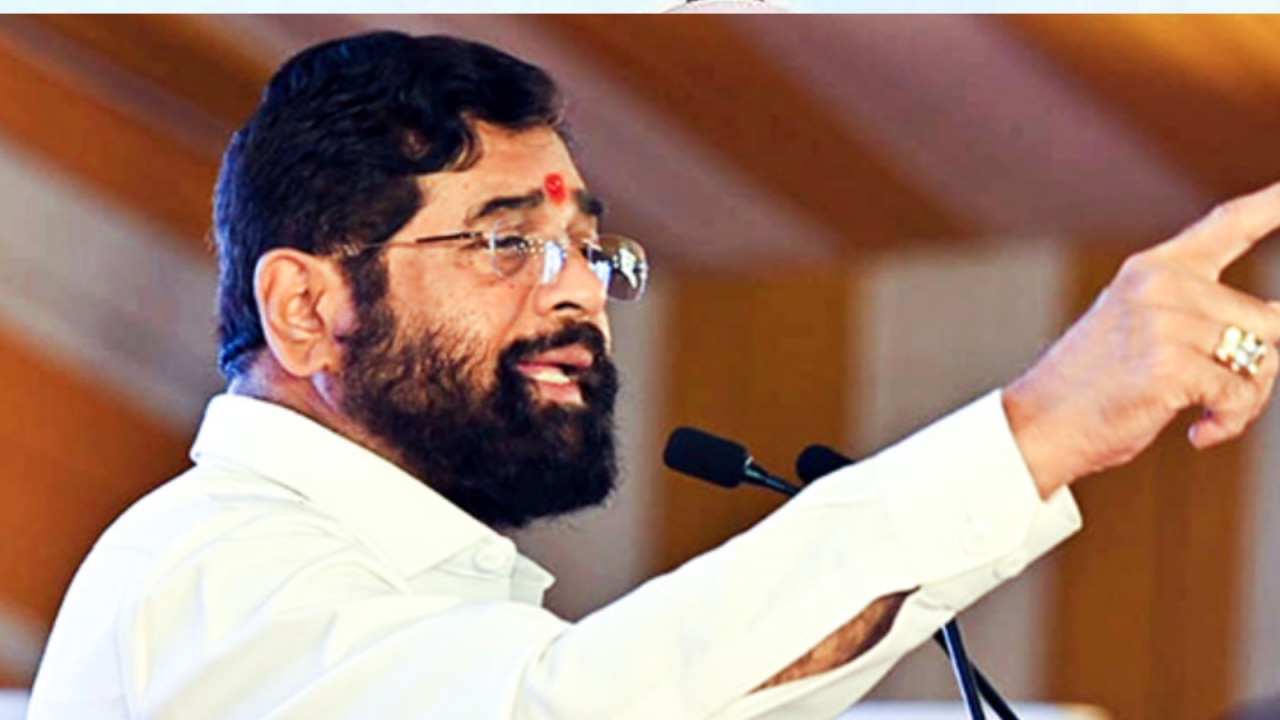 Shaina NC Photo Row: Eknath Shinde says Mani Shankar Aiyar's face was torn, not Balasaheb's
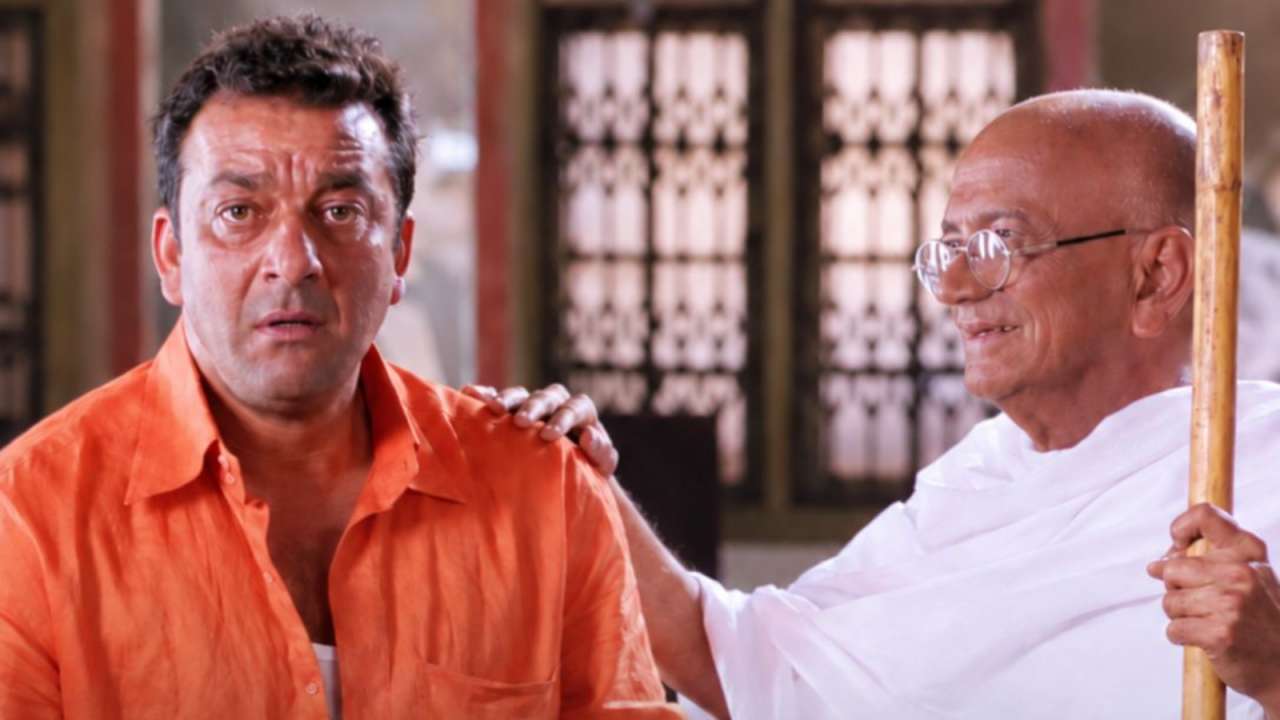 Rajkumar Hirani reveals powerful deleted funeral scene from Lage Raho Munna Bhai: 'Three bullet marks on Gandhi's chest'
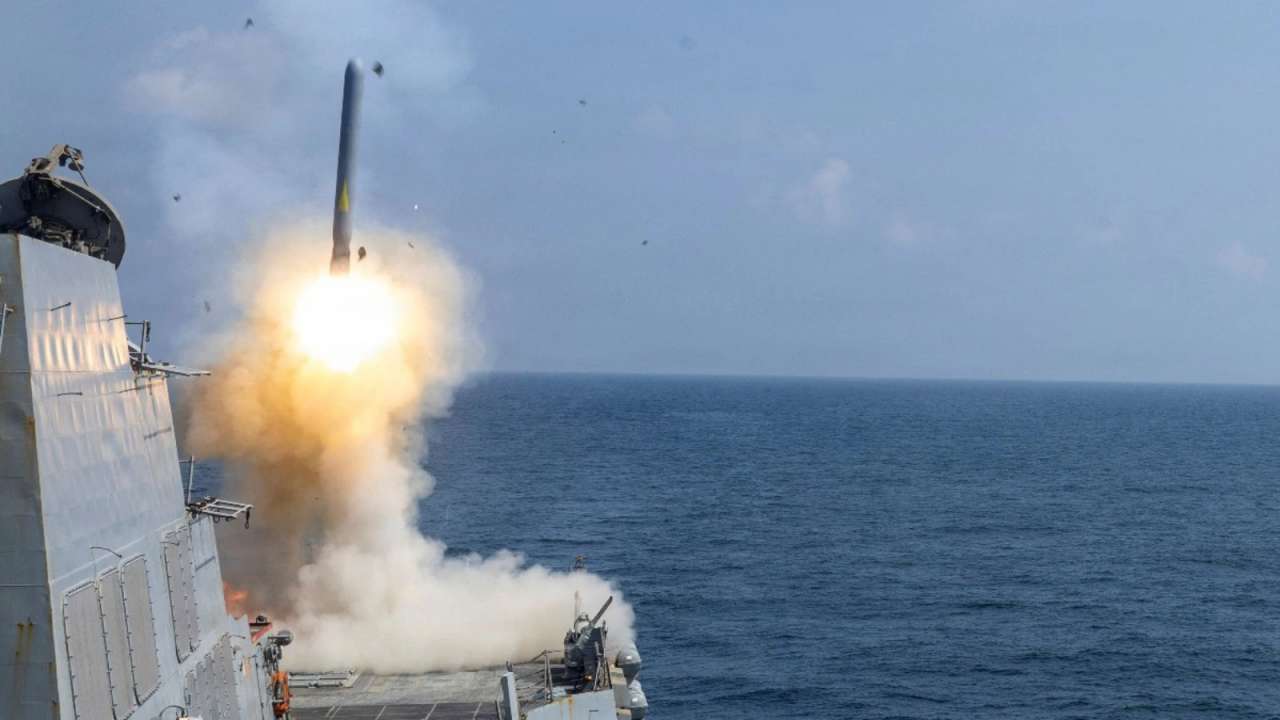 Did US use expired missiles during Iran war? Here's what US Navy Secretary Hung Cao saidShaina NC Photo Row: Eknath Shinde says Mani Shankar Aiyar's face was torn, not Balasaheb's
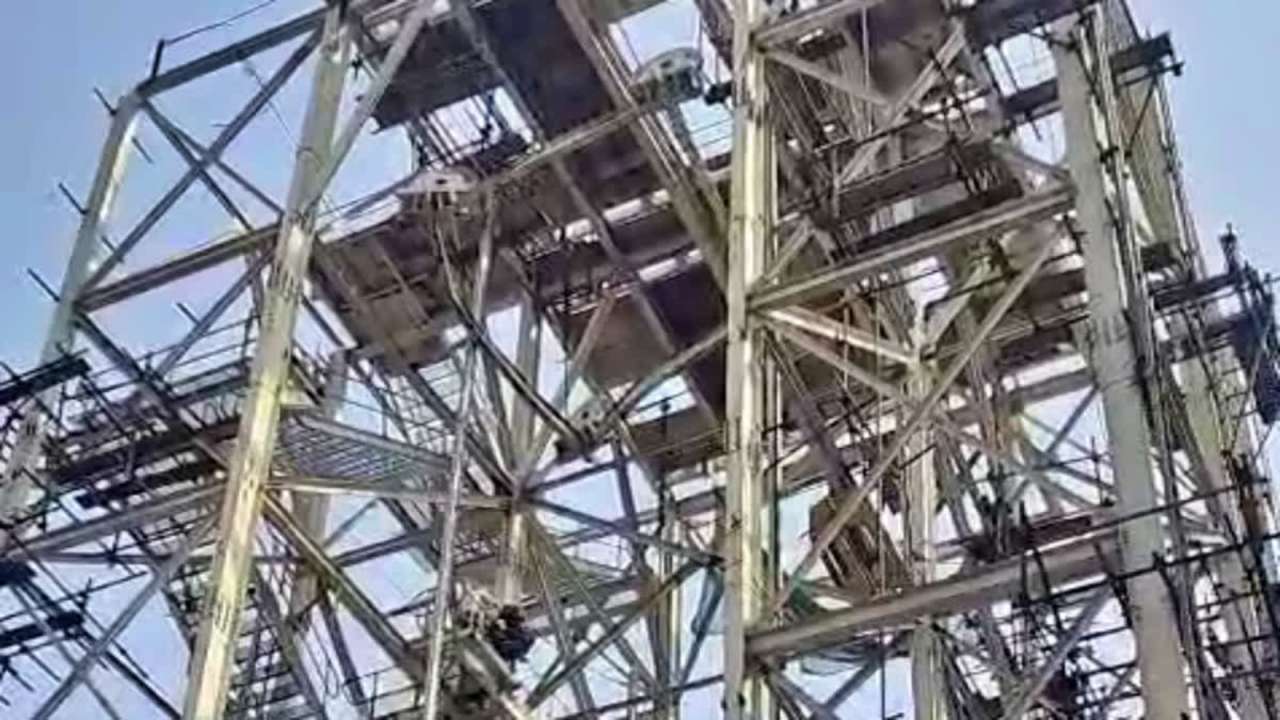 Jharkhand: 3 killed, 2 injured after conveyor belt collapses at NTPC North Karanpura in Chatra
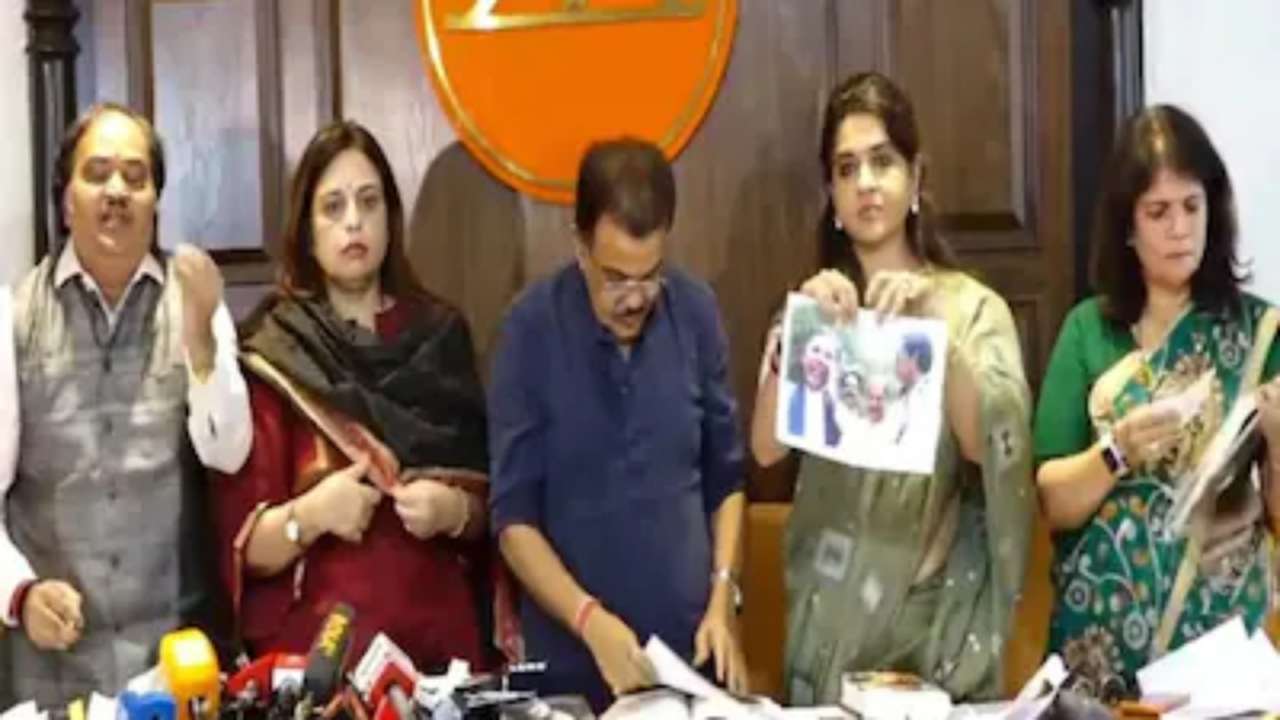 Protest backfires! Shinde Sena leader Shaina NC mistakenly tears Bal Thackeray photo while protesting Sonia Gandhi's book
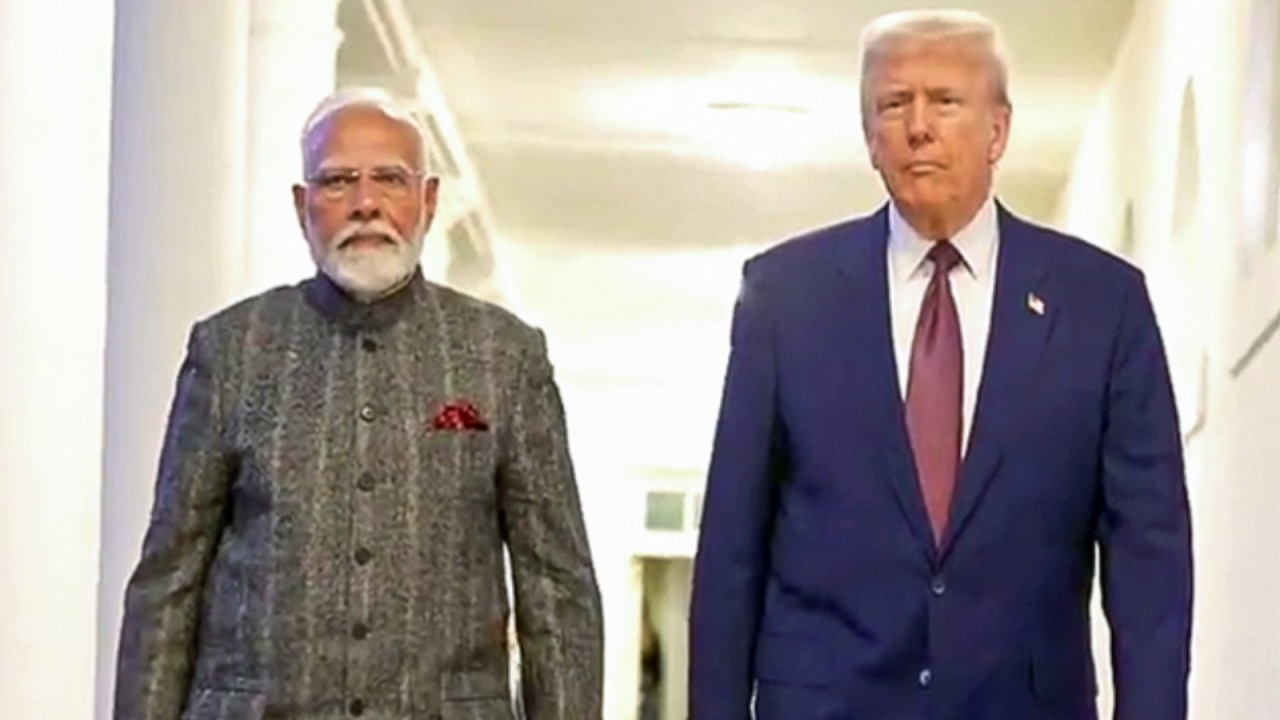 India-US trade deal nears final stage, but why is signing still delayed? Here's what we know
 Bharat Summit Row: Plea in SC seeks removal of videos, SIT probe into foreign delegatesIs Nvidia Data Leaked? The Gentlemen claims hack, threatens to publish dataDid US use expired missiles during Iran war? Here's what US Navy Secretary Hung Cao said
 GTA 6 launched in New Zealand; when will it release in India?
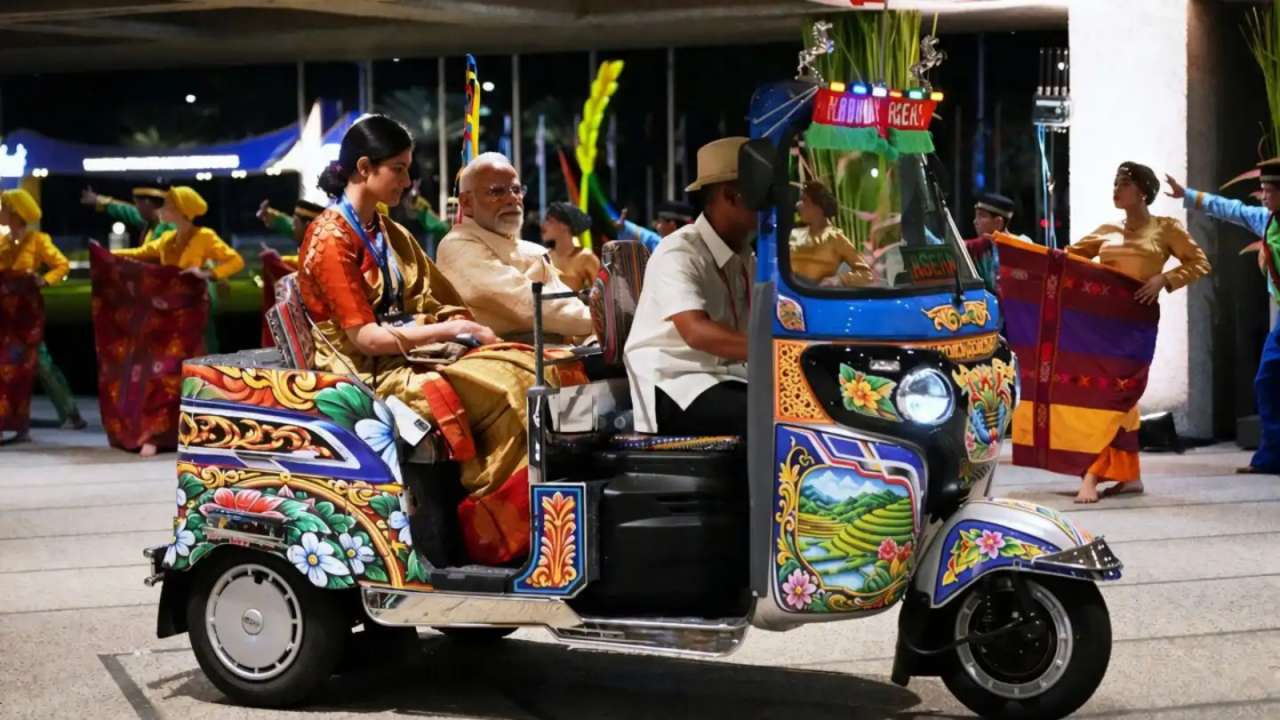 Did PM Modi ride made-in-Pakistan e-rickshaw at the ASEAN Summit? Details here
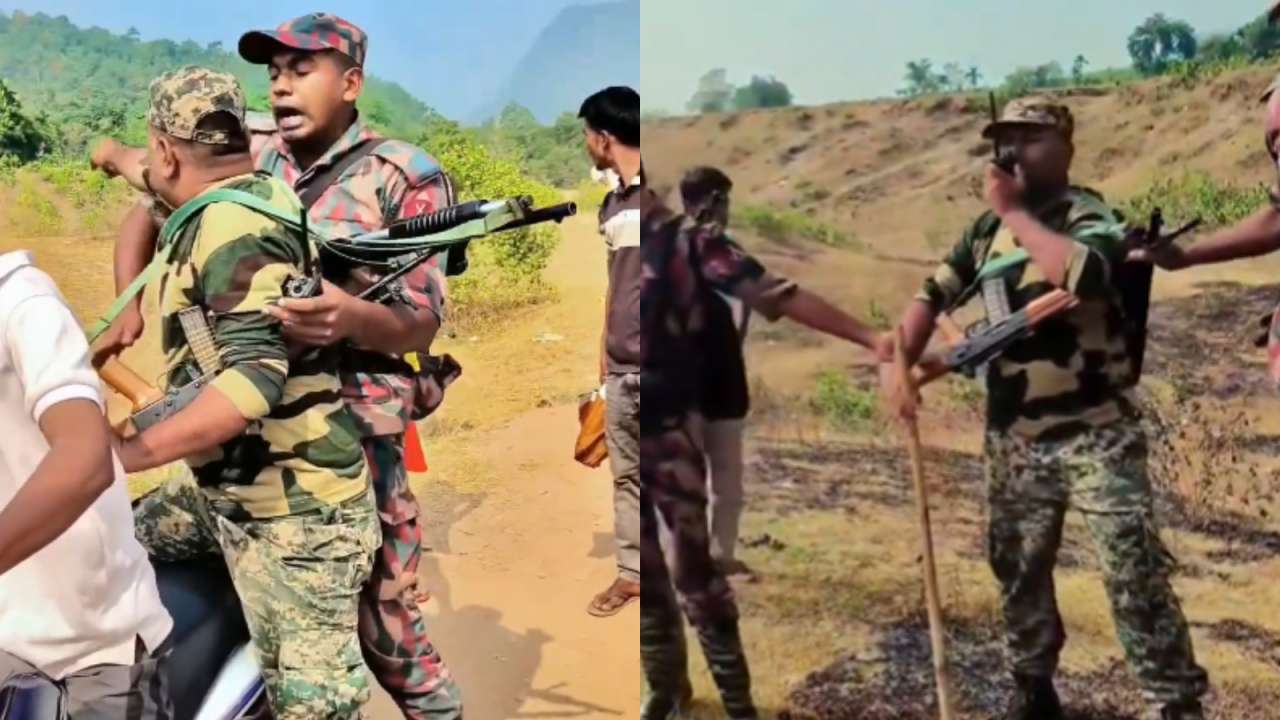 India-Bangladesh Border Tension Escalates: BSF jawan captured, detained by BGB
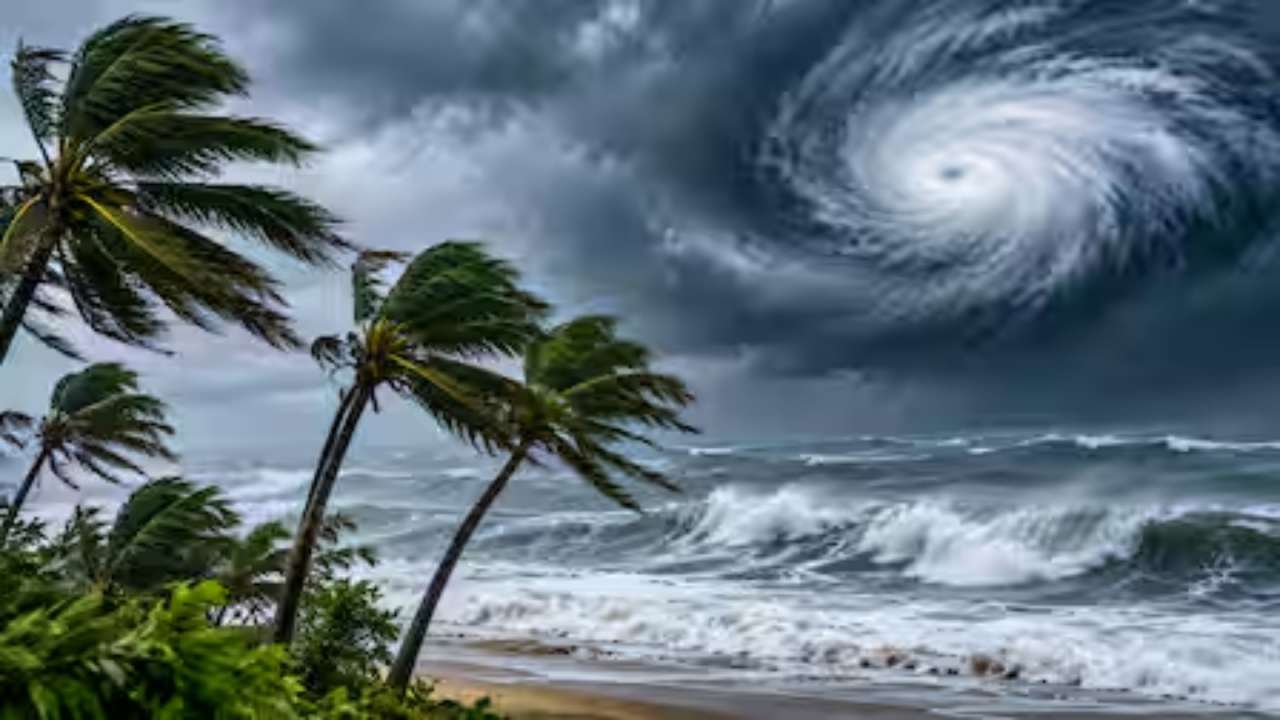 Cyclone Akvan Changes Path: Odisha, Andhra Pradesh on alert, Kolkata faces heavy rain threat
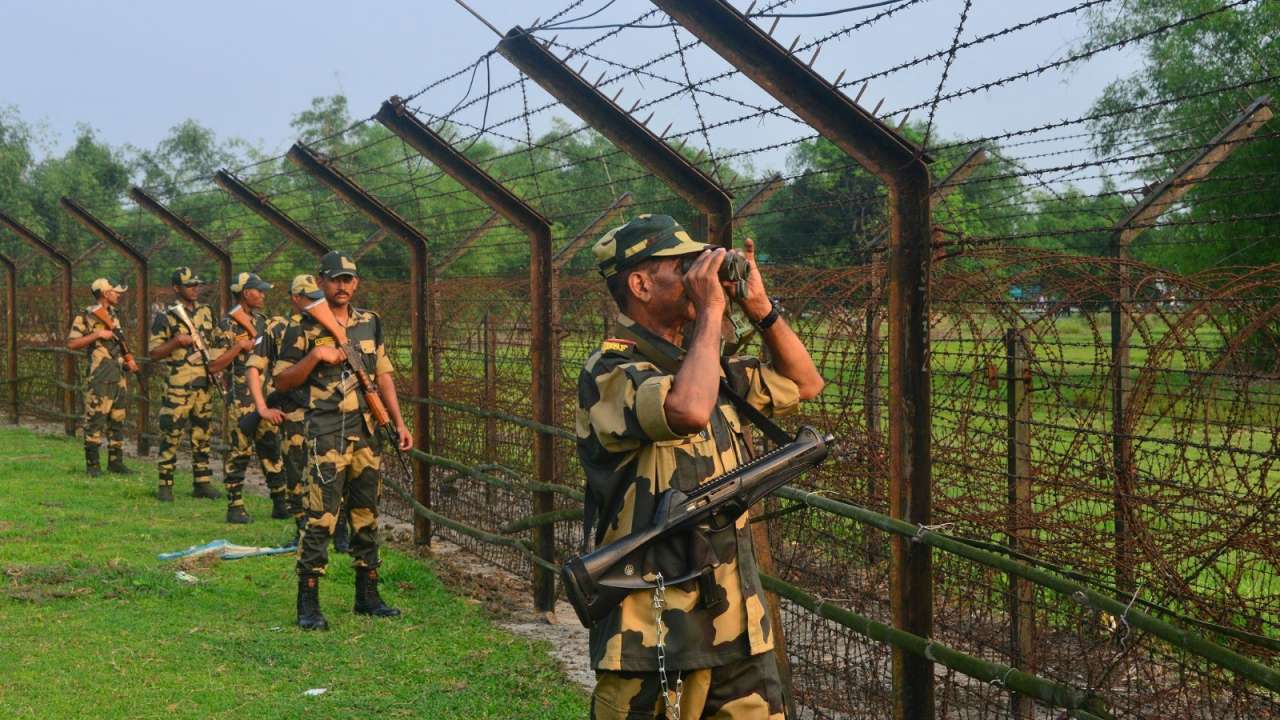 India-Bangladesh Border Tension: Why BSF jawan's detention raises alarm, how Sheikh Hasina factor complicates ties
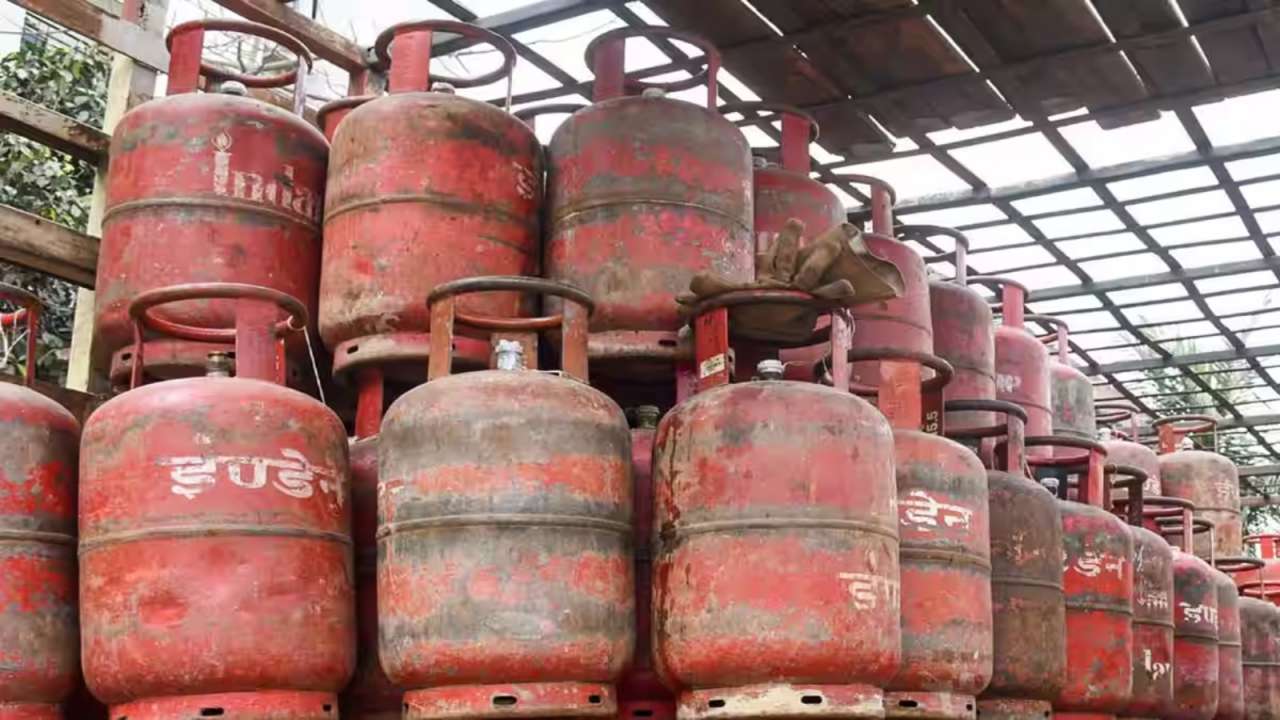 Hormuz LPG Tanker Attack: Will cooking gas prices rise in India? 5 things consumers should know
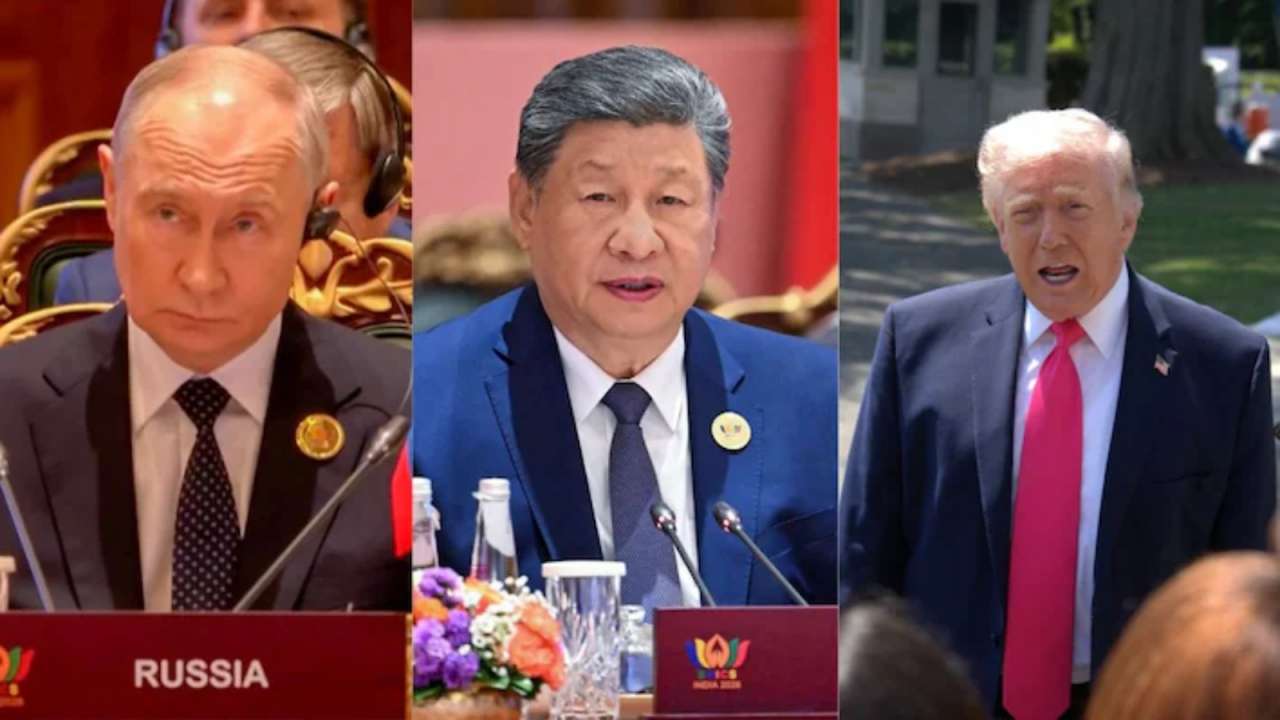 Trump-Xi-Putin Meet: Seven reasons India could pay price for a new global power deal
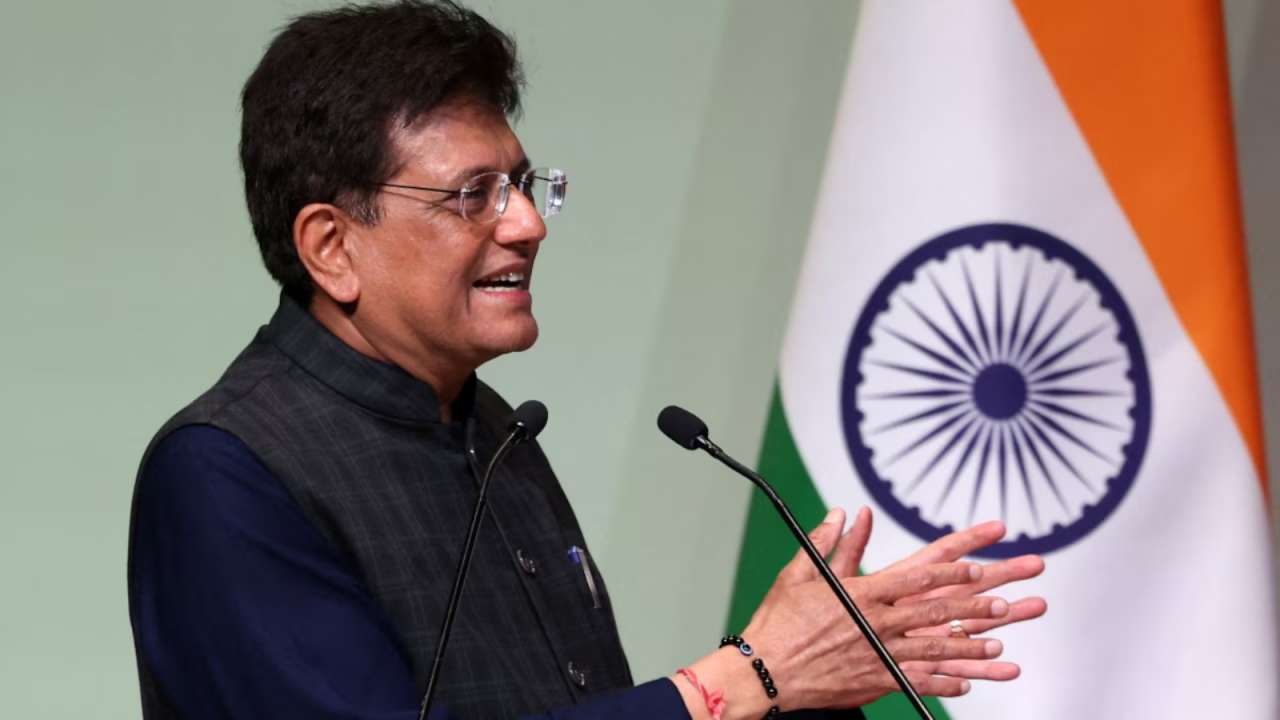 India Eyes $1 Trillion Exports As 7-Month Exports Hit $570 BillionRajkumar Hirani reveals powerful deleted funeral scene from Lage Raho Munna Bhai: 'Three bullet marks on Gandhi's chest'
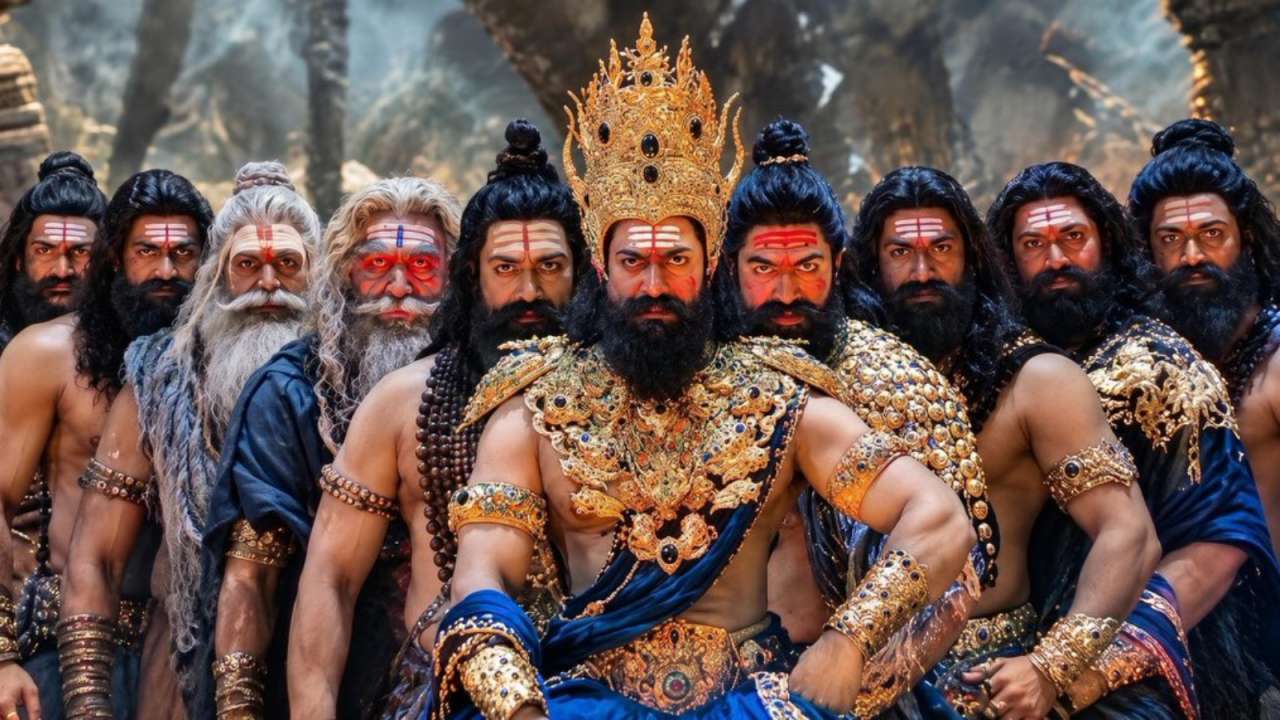 Ramayana box office collection day 14: Ranbir Kapoor, Yash film mints Rs 1500 crore worldwide
 Dr Hassan OTT release date: Nawazuddin Siddiqui, Dia Mirza-starrer Indian House adaptation to premiere in December
 Dhurandhar 2 receives zero nominations at 2027 Grammys despite nine entries, Tamil song Varuvaaiy creates history
 Anne Hathaway welcomes third child with husband Adam ShulmanSalesforce layoffs hit India employees, staff put on garden leave till February 1
 India's Astrology Boom: Faith, big business or emotional dependence? Who is watching the industry?
 Did NBCC commit contempt of court? Firm resumes auction of flats despite matter being sub judice
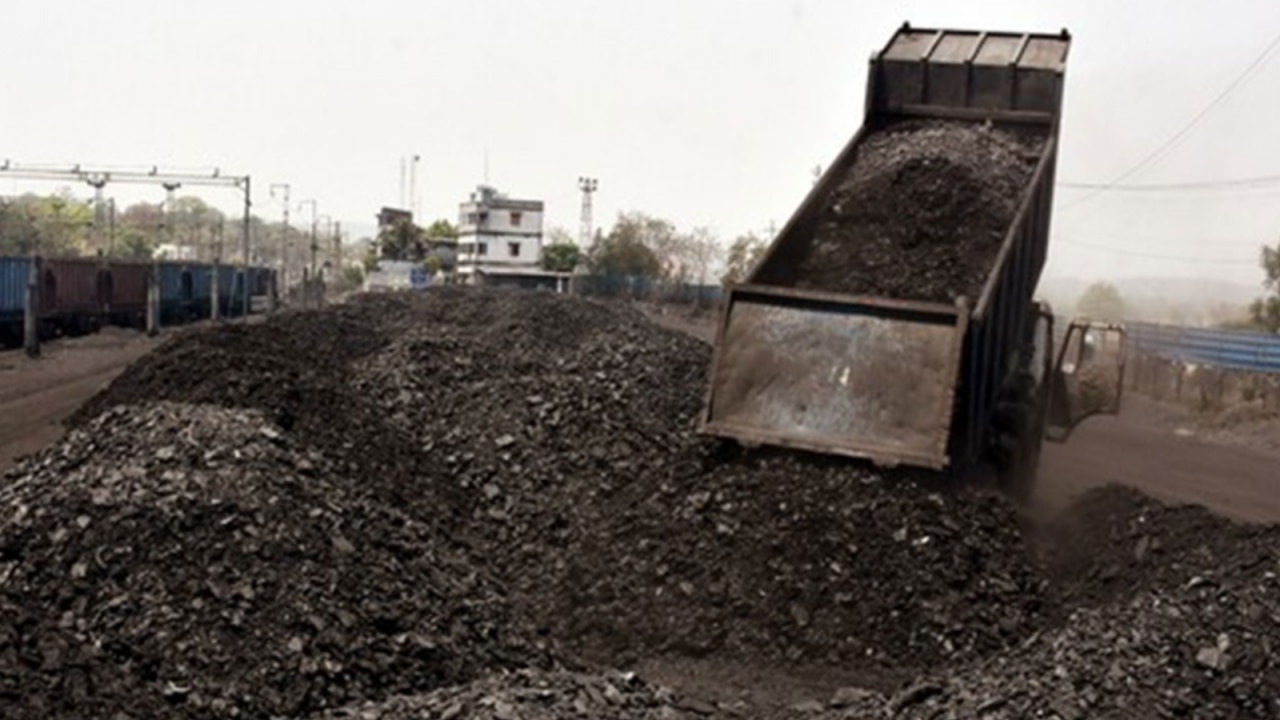 Mahanadi Coalfields IPO: 10 Things to know about issue date, GMP, price band, size and listing
 Tata Sons Listing Row: Why Noel Tata fears it could change Tata Group
 Shah Rukh Khan's KKR valued at Rs 16,634 crore: Who is buying Jay Mehta's stake?
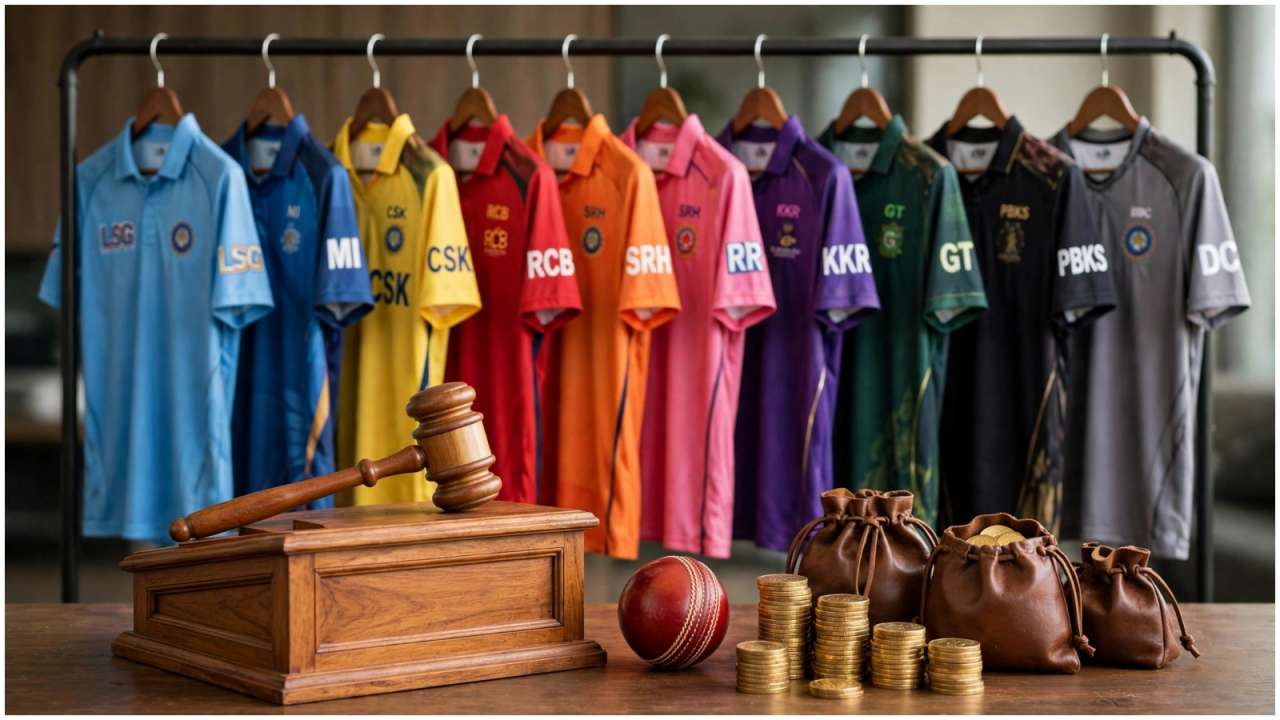 LSG head into IPL 2027 mini-auction as richest team with Rs 47.45 crore: Check purse of all 10 teams
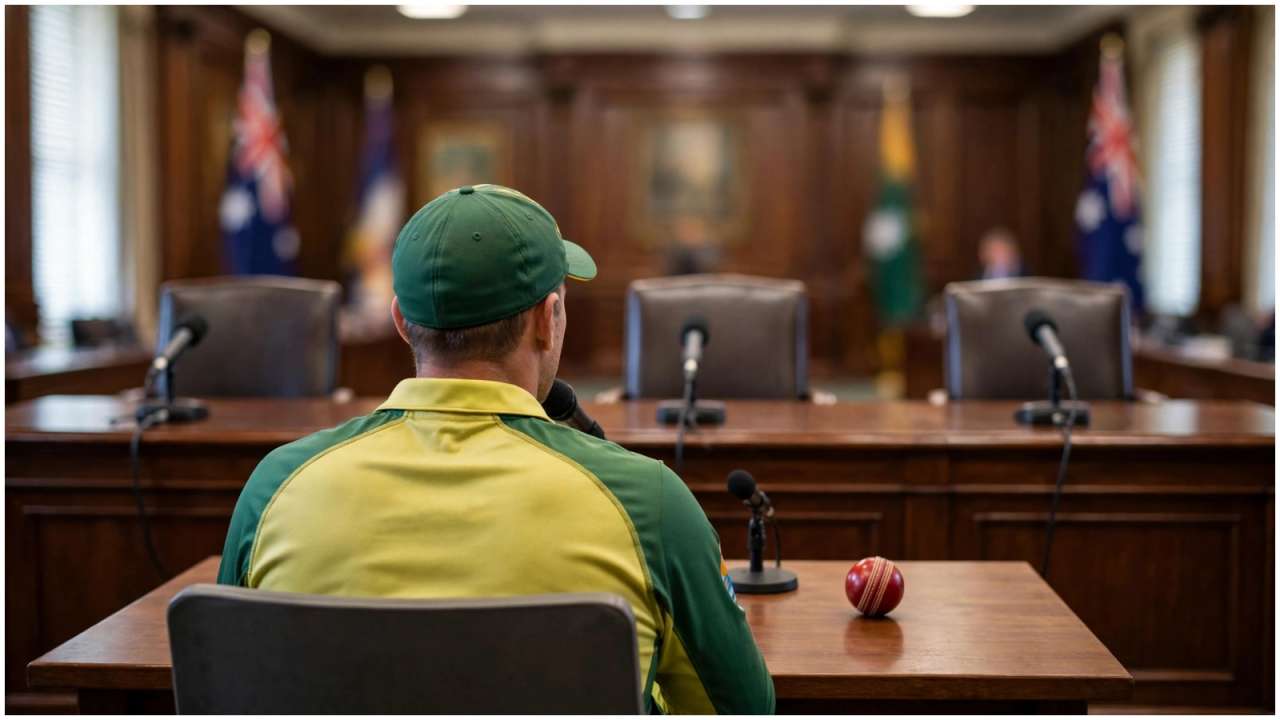 Who knew what in Australia's Sandpapergate scandal? CA gives players another chance to speak
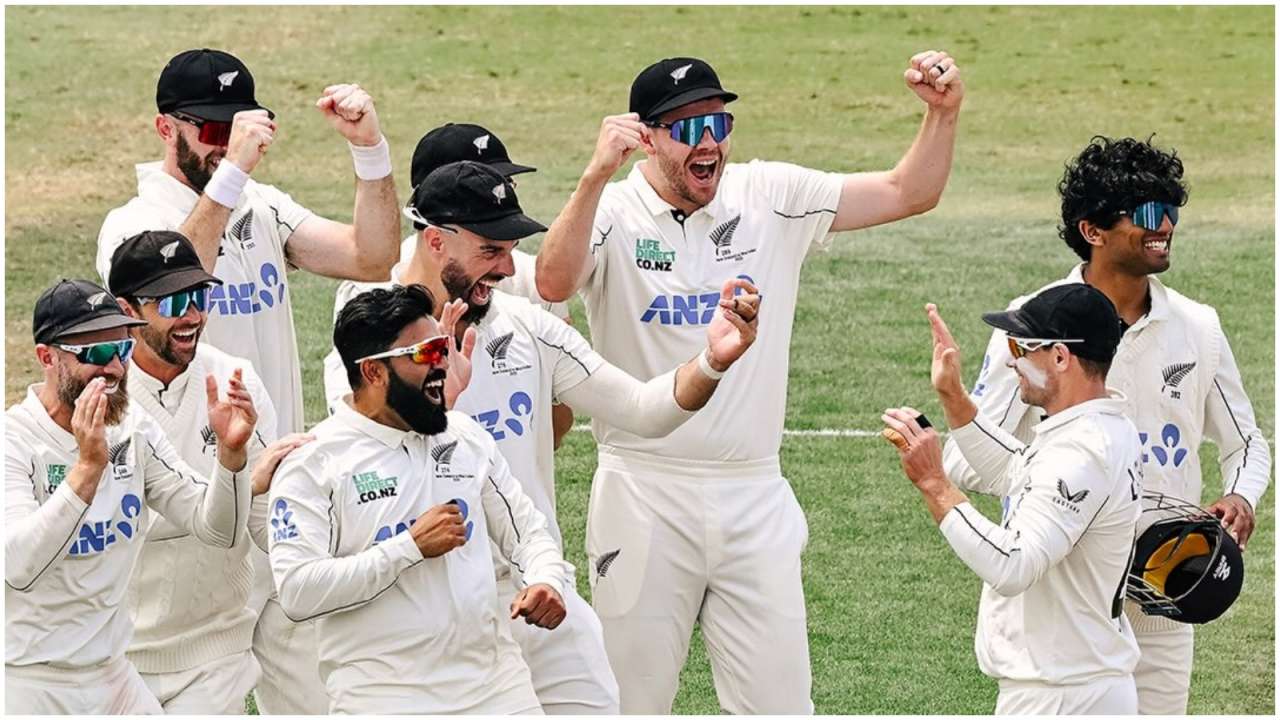 Tom Latham drops a big hint on New Zealand's biggest weapon against India
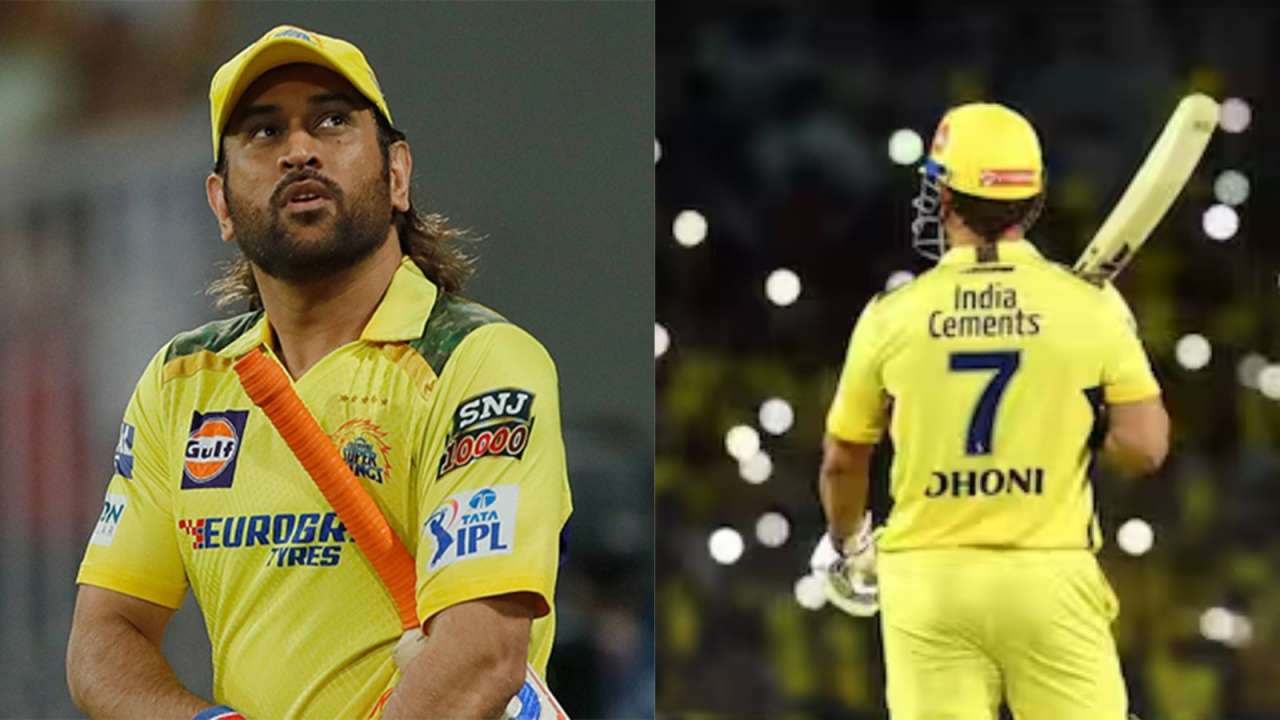 MS Dhoni among IPL's oldest players: Who tops list, where does CSK legend rank?
 APEC Summit 2026 Dinner: Xi Jinping Hosts Donald Trump, Vladimir Putin & World Leaders In Shenzhen
 IndiGo Extends Suspension Of All Flights To Riyadh, Jeddah, Dammam And Madinah Until November 30
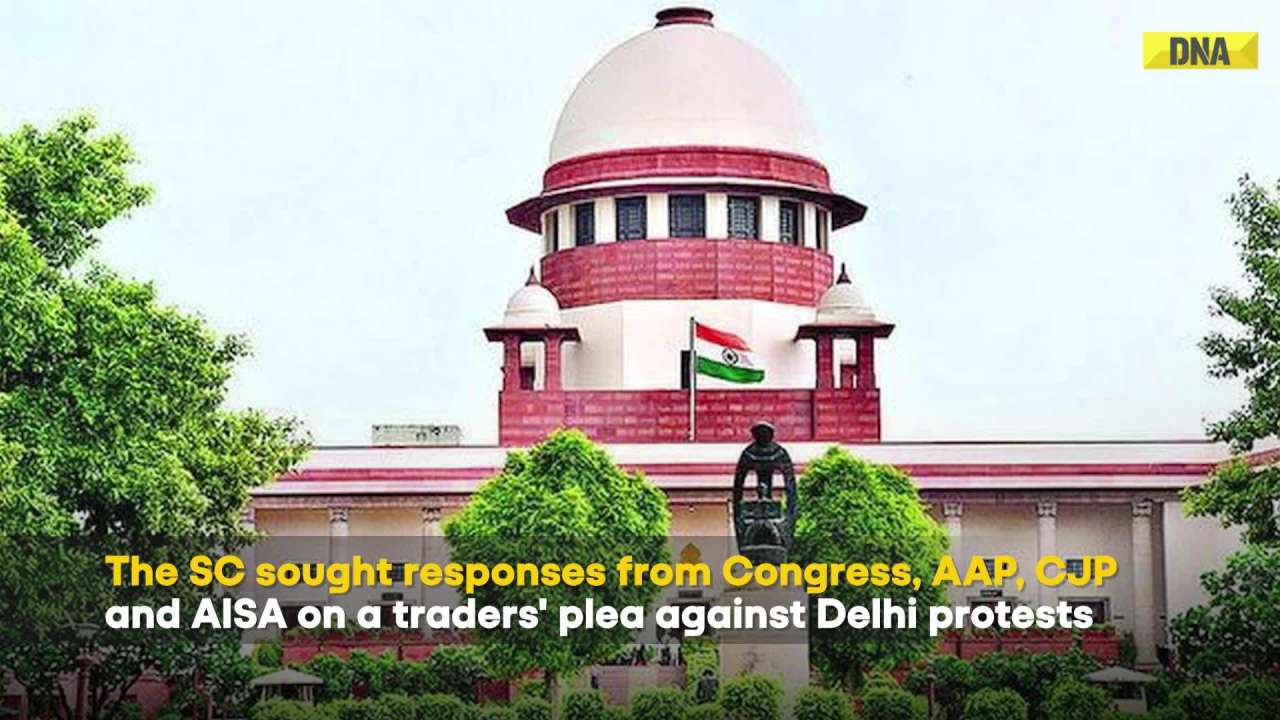
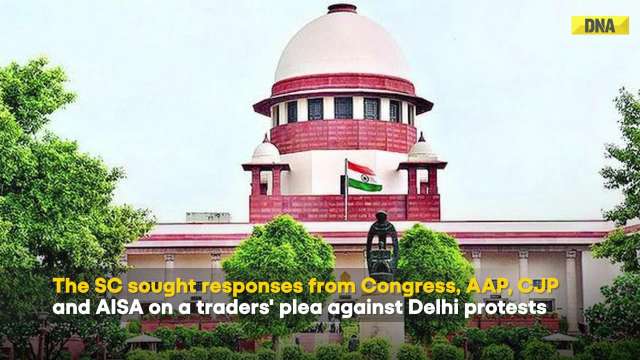 Supreme Court Issues Notice To Congress, AAP, CJP & AISA On Delhi Traders' Plea Against Protests
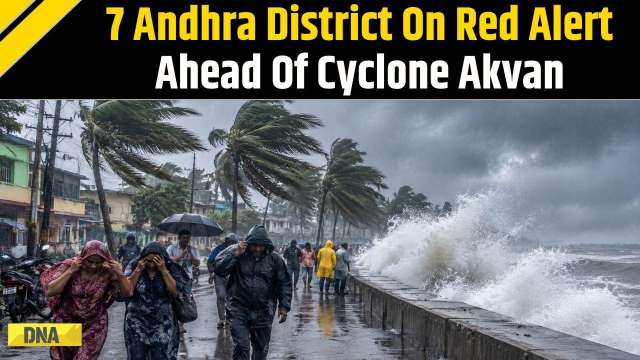 Cyclone Akvan: 7 Andhra Pradesh's Districts On Red Alert Ahead Of November 20 Landfall | Odisha
 CJP News: 'Condition In Delhi Police Won't Leak It...' Saurav Das Submits Address Proof To Court
INDIA
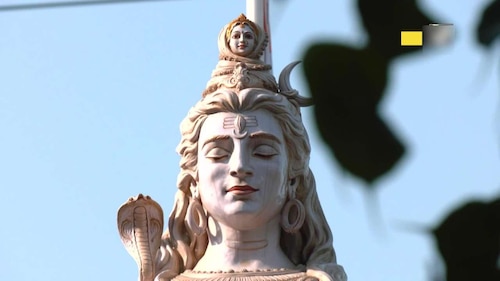

Uttarakhand is a veritable blend of captivating sceneries, which draw hundreds of thousands of tourists every year, and its ever expanding spirituality owing to the year-round flow of the holy River Ganga. And the National Mission for Clean Ganga through its flagship ‘Namami Gange’ project has been tirelessly endeavouring to further enhance people’s experience---both tourists and devotees---by working on mission mode to rejuvenate the river. In a multi-layered effort, the government has ensured that every section of Ganga in the state receives clean water. The key projects include intercepting major drains falling into the river and diverting them to Sewage Treatment Plants (or STPs). In Uttarakhand, as on date a total 36 sewage infrastructure projects costing Rs. 1,373 crores were sanctioned to create 195 MLD STP capacities and to lay / rehabilitate 184 km sewer network. Out of which 34 projects have been completed and the remaining 2 projects will be completed soon. The Chamoli district, which recorded a spike in untreated waste in the past few years now has a 1.12 MLD STP in Gopeshwar. It successfully intercepts and treats water before it meets the river. This plant is based on electric coagulation where .7 MLD is currently being treated. To prevent waste falling into Ganga, six STPs have also been installed in Rudraprayag. These STPs are based on an electro-coagulation system where with the help of anodyne and cathodyne processes, the waste water is separated and later treated as fresh water. Apart from this…under the Namami Gange programme, NMCG has installed a 26 MLD STP in Rishikesh. Kasawan Nallah, one of the biggest drains in Haridwar that would contaminate the river severely, has been tapped entirely and diverted to 14 MLD STP in Sarai. NMCG has also constructed several new ghats and crematoria to keep the holy river clean. Shiv Ghat and Chandi Ghat in Haridwar and Nandprayag Sangam Ghat at the confluence of the Alaknanda and Nandakini have been developed.