 3 Indians die in Germany fire, what led police to arrest a Romanian resident?
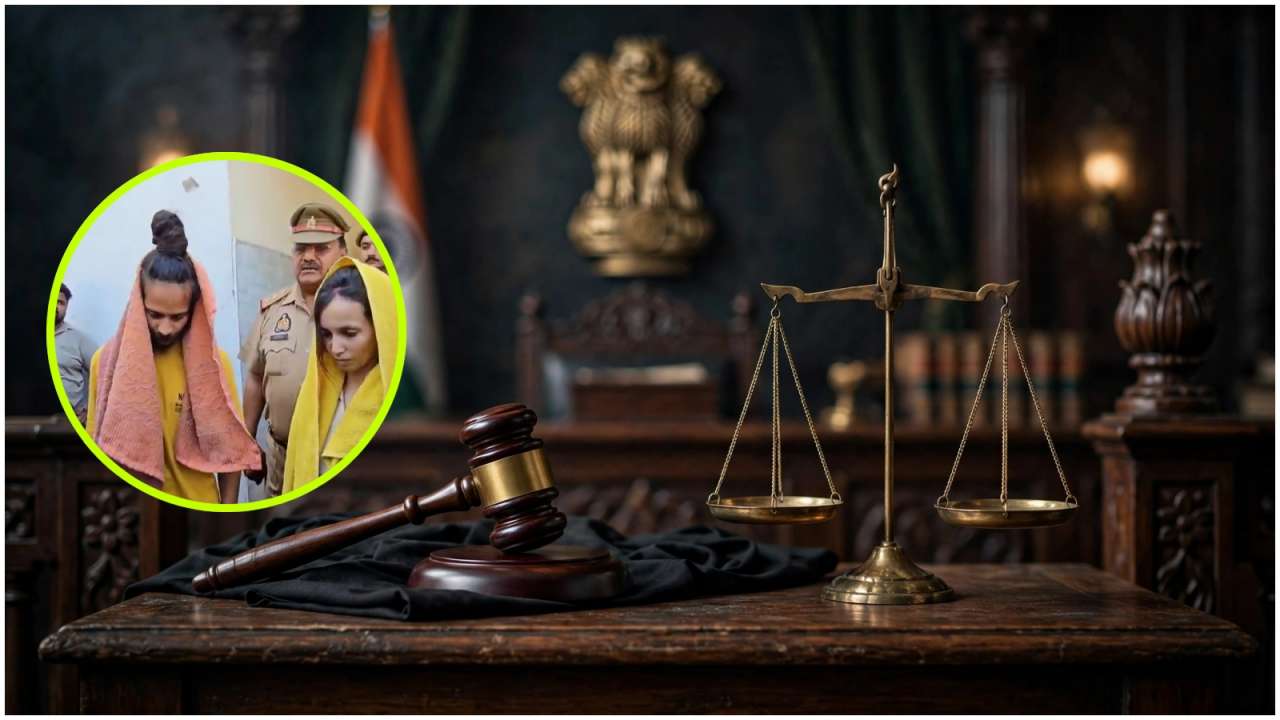 Blue Drum Murder Case: Why Meerut court consider it 'rarest of the rare'? Supreme Court lawyer explains | Exclusive
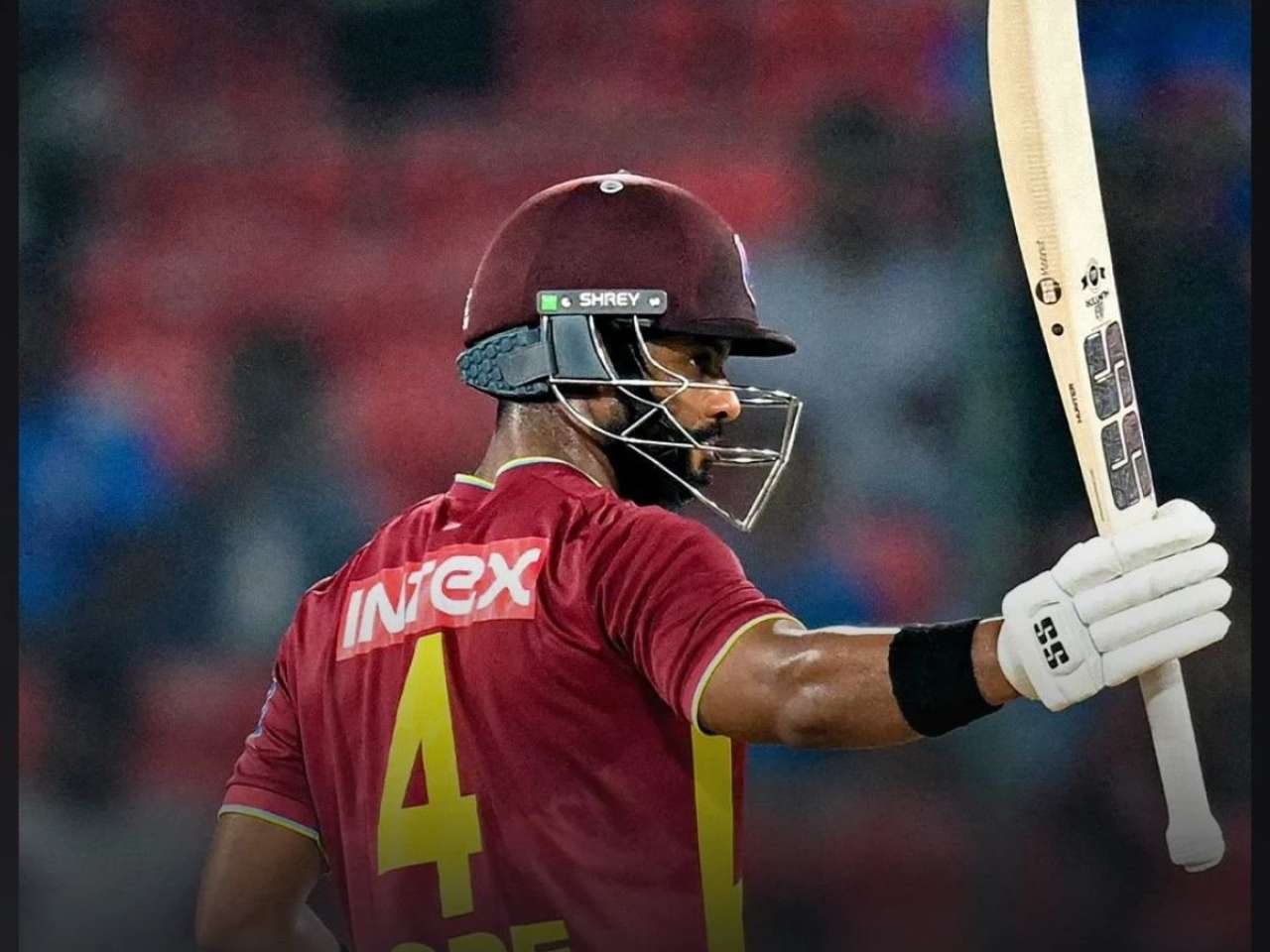 IND vs WI: Shai Hope creates T20I history, smashes record-breaking century to join elite West Indies list
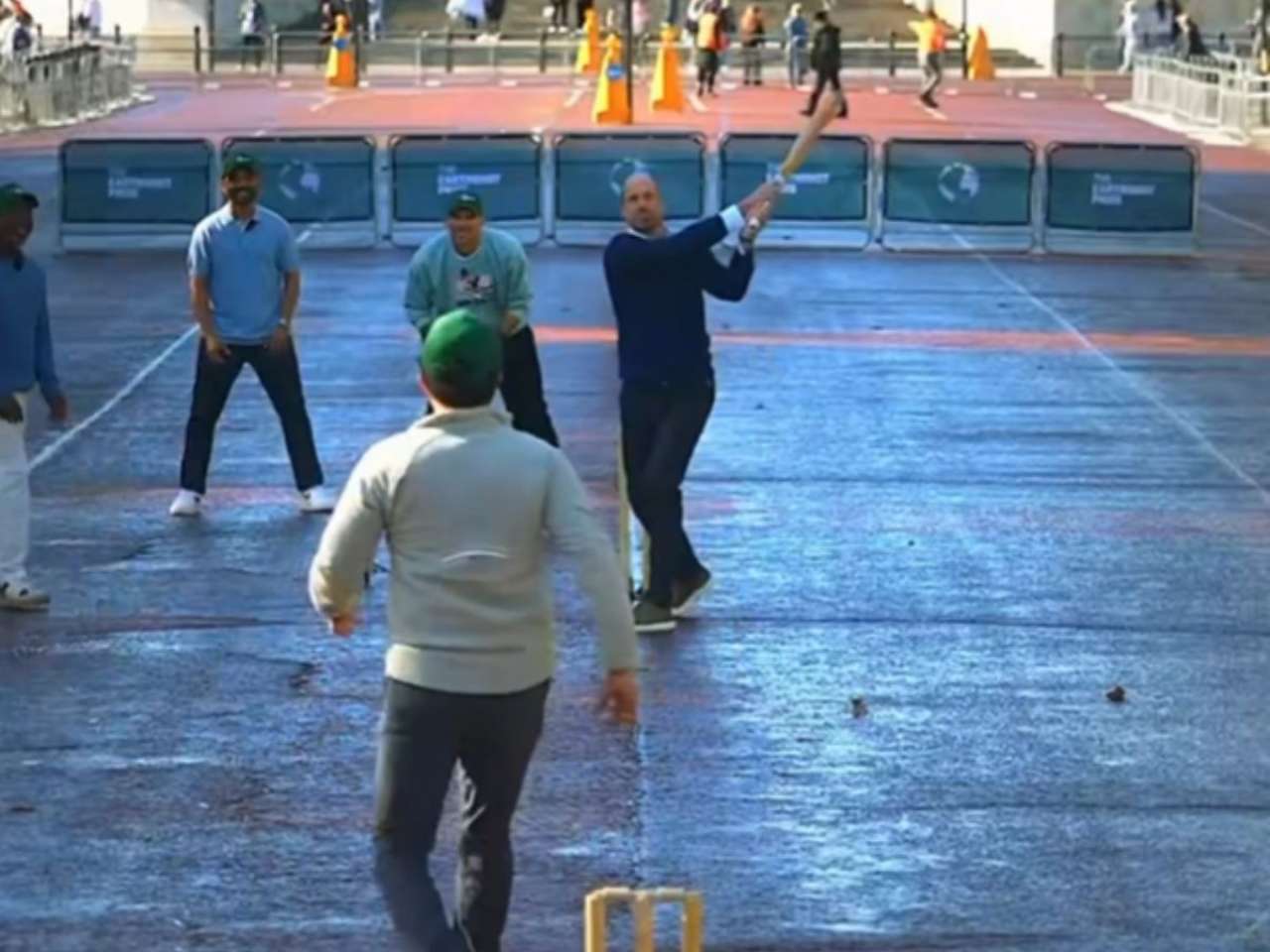 WATCH: Prince William pulls off stunning big hit against Sourav Ganguly outside Buckingham Palace
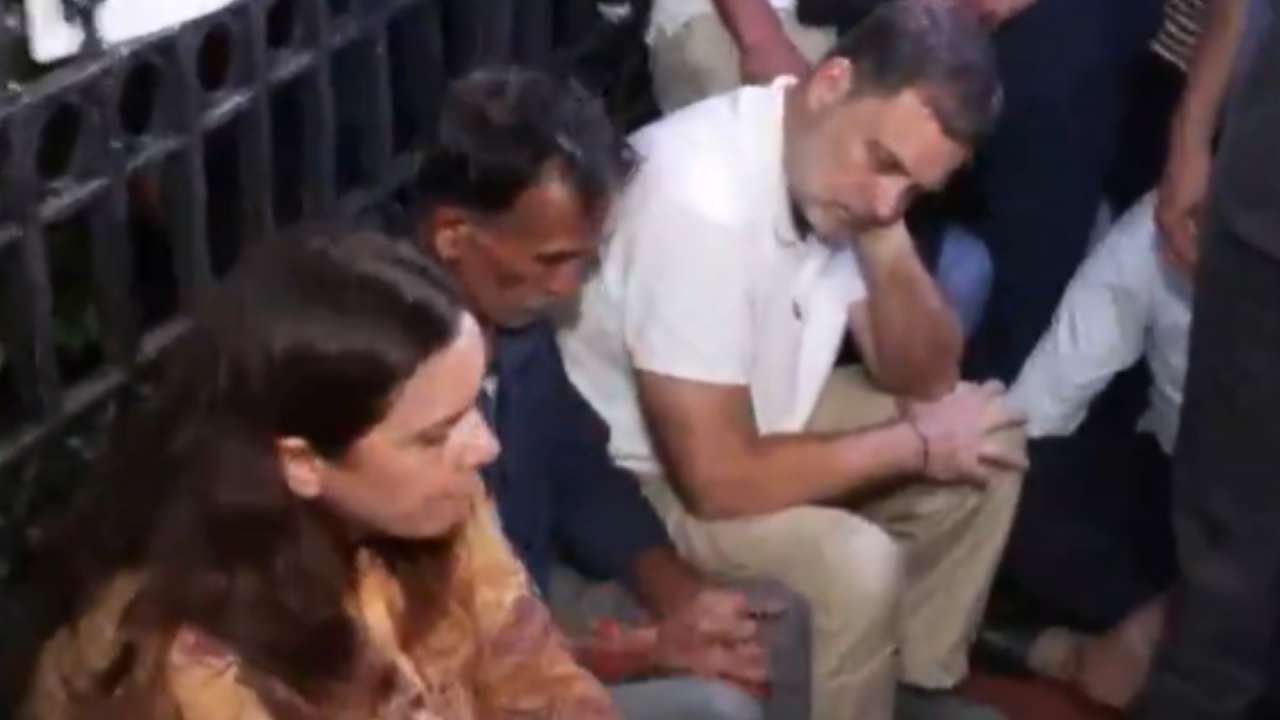 Rahul Gandhi, Priyanka Gandhi reach India Gate to meet Ankita Bhandari’s family: WatchIND vs WI: Shai Hope creates T20I history, smashes record-breaking century to join elite West Indies listWATCH: Prince William pulls off stunning big hit against Sourav Ganguly outside Buckingham Palace
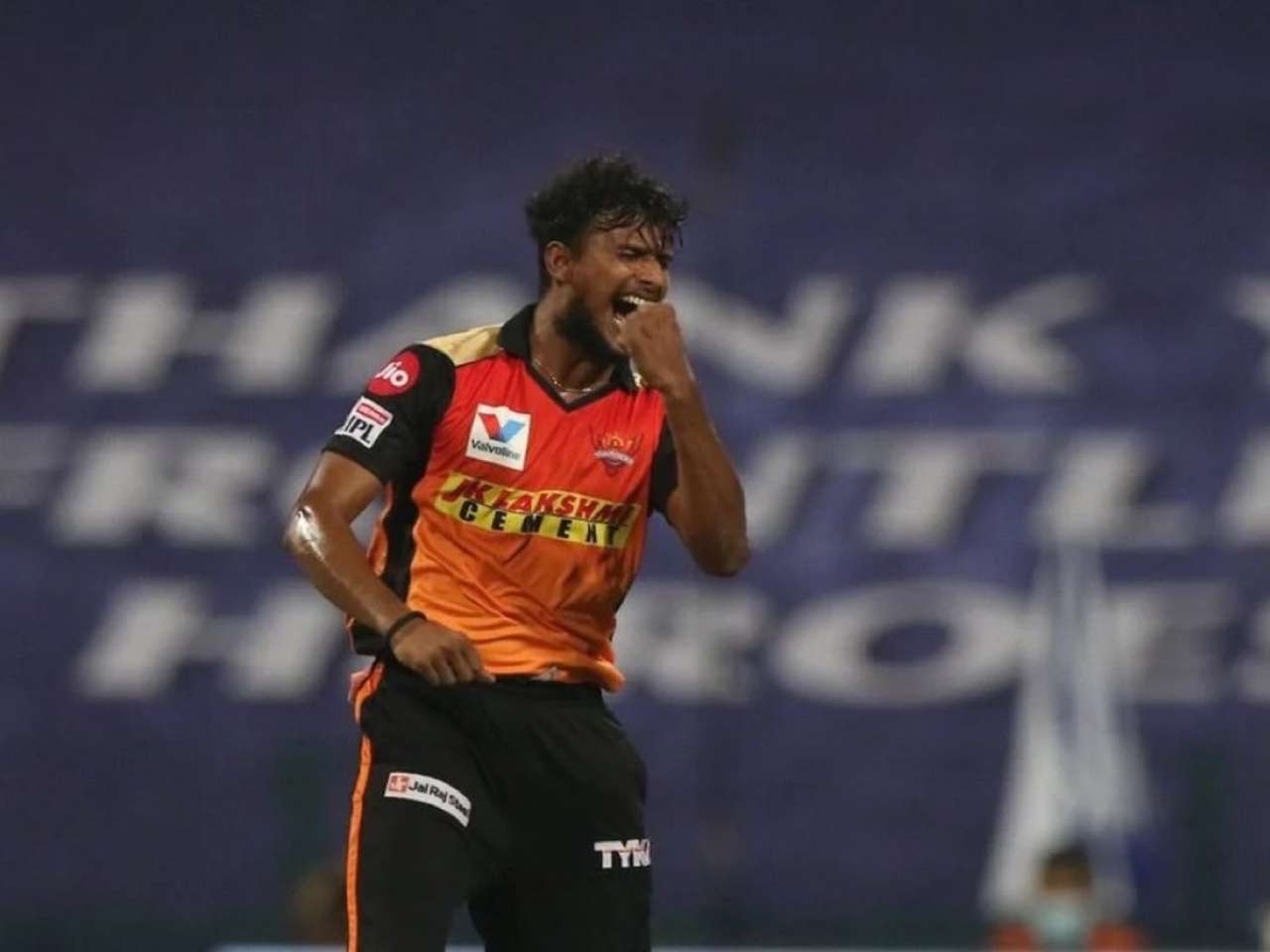 T Natarajan returns to SRH: Why pacer took massive Rs 5.75 crore pay cut and what DC got in return
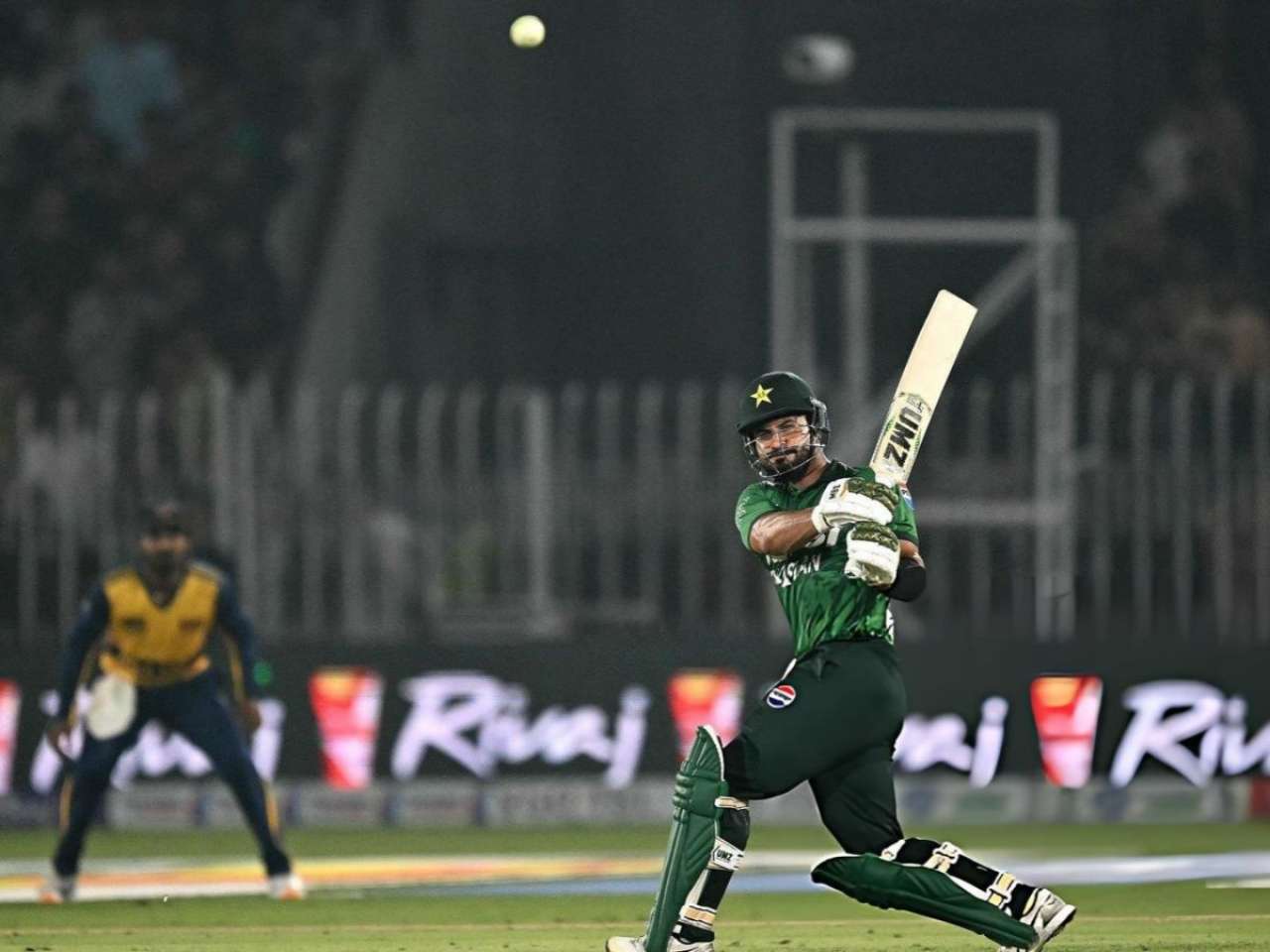 Sahibzada Farhan creates history, breaks Abhishek Sharma’s record during T20I series against Sri Lanka
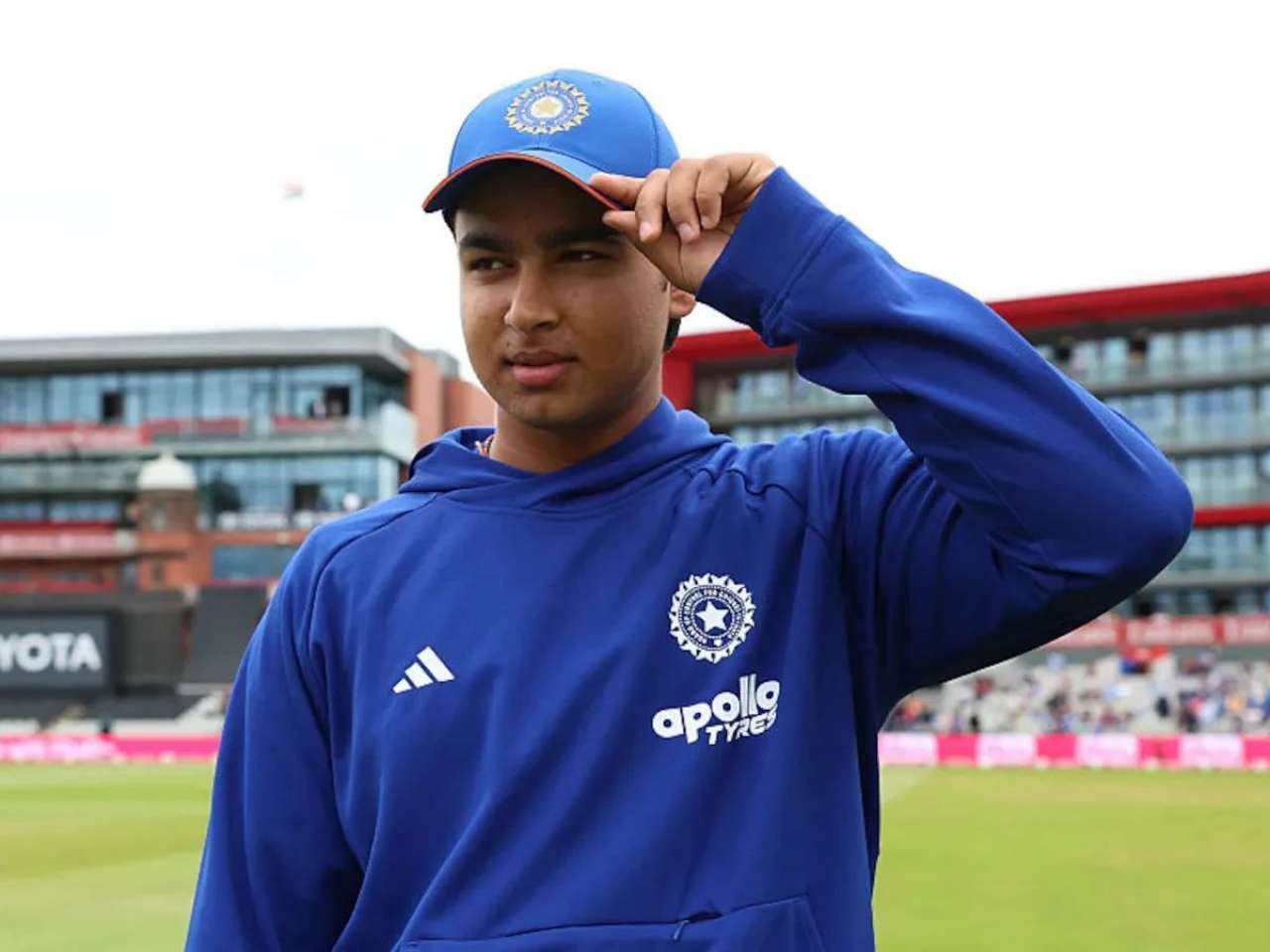 IND vs WI: Will Vaibhav Sooryavanshi make India’s playing XI for 4th T20I? Teenager’s Instagram post goes viral
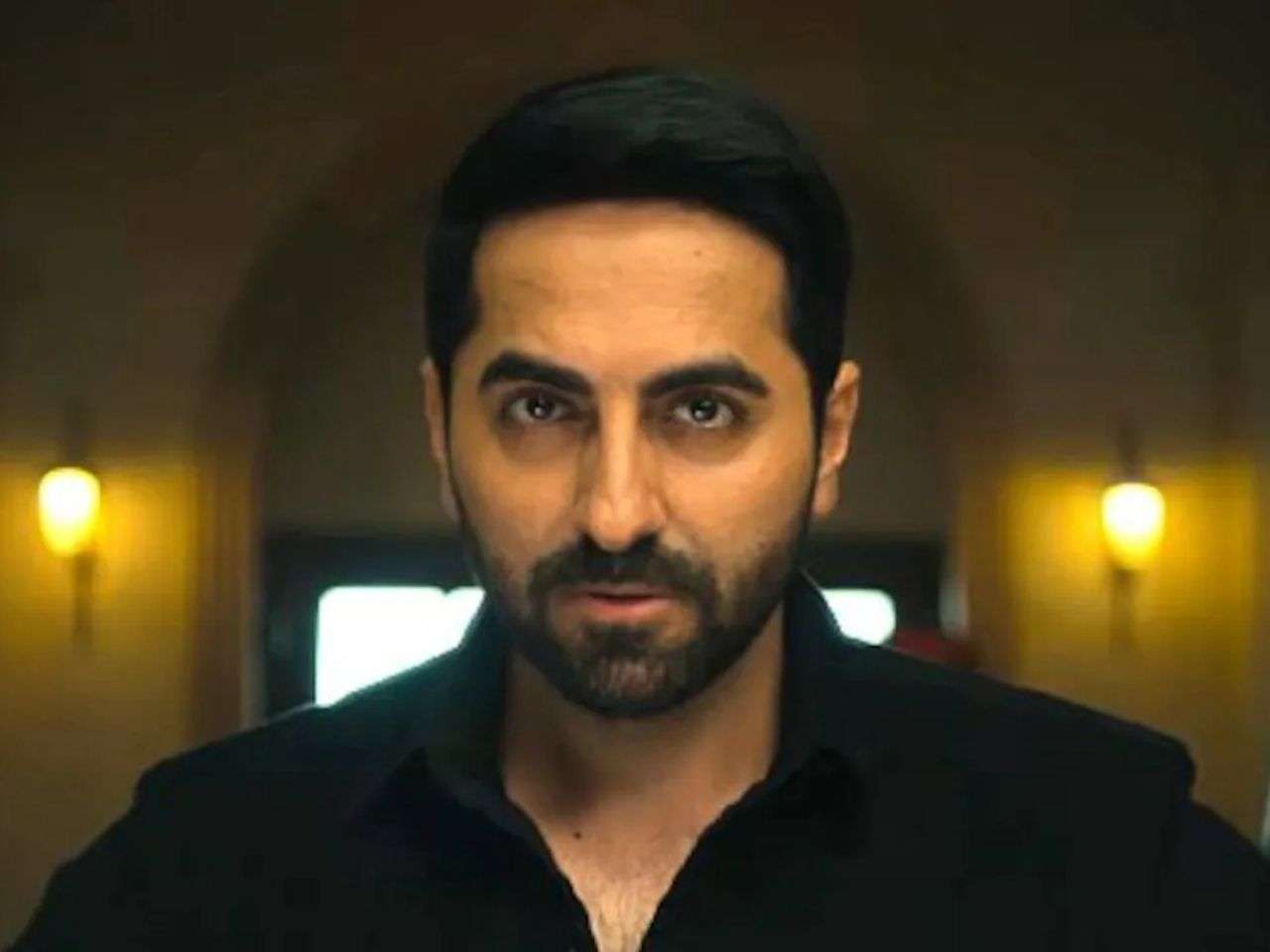 Ayushmann Khurrana on Udta Teer, admits bringing patriotic theme with action, comedy is 'something audiences haven't seen before'
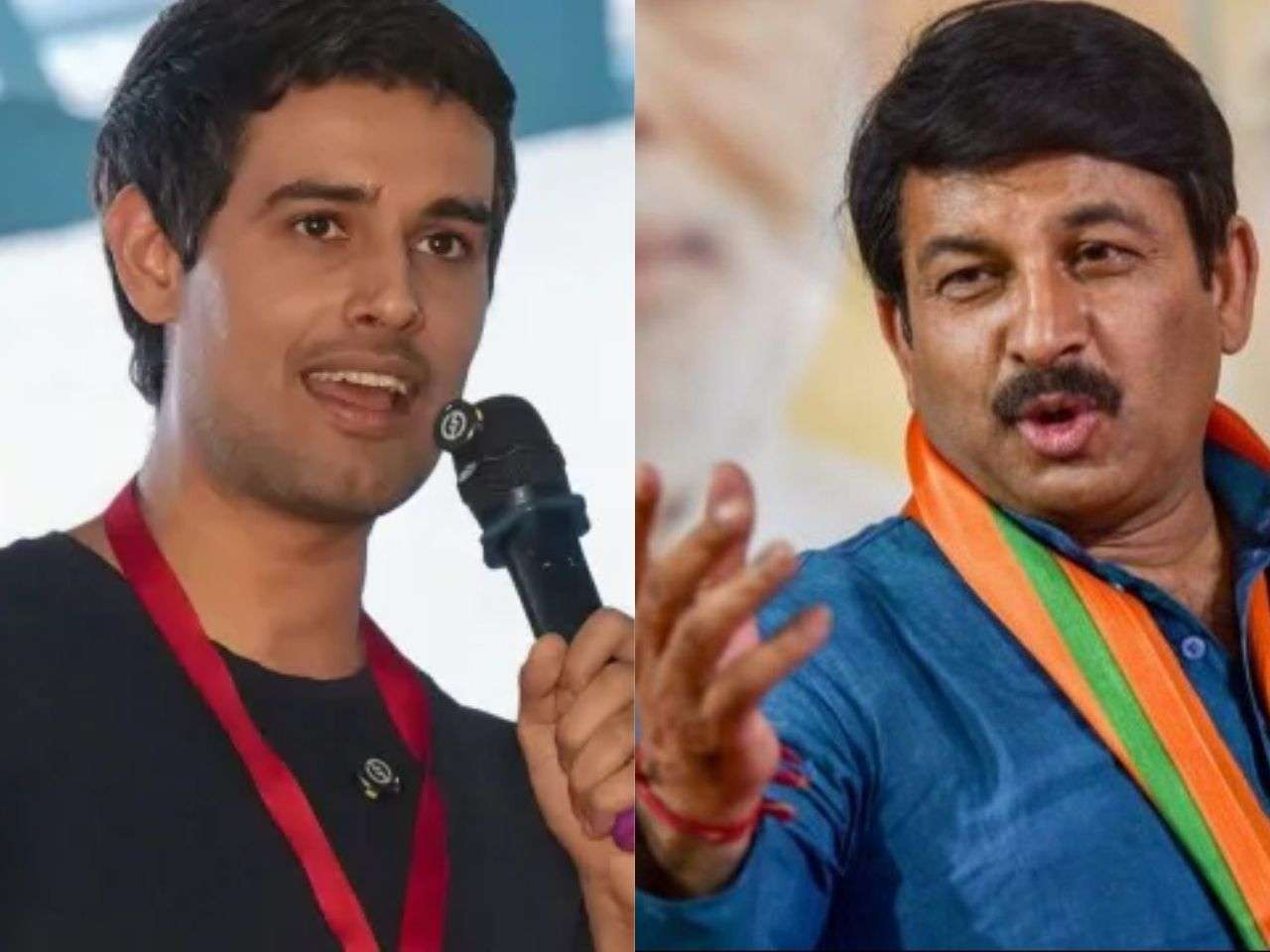 Viral video: Manoj Tiwari attacks CJP protest, says 'Gyanesh Kumar ke liye Dhruv Rathee ki...', gets brutally trolled: 'Yeh phir se peeke aaya hai'
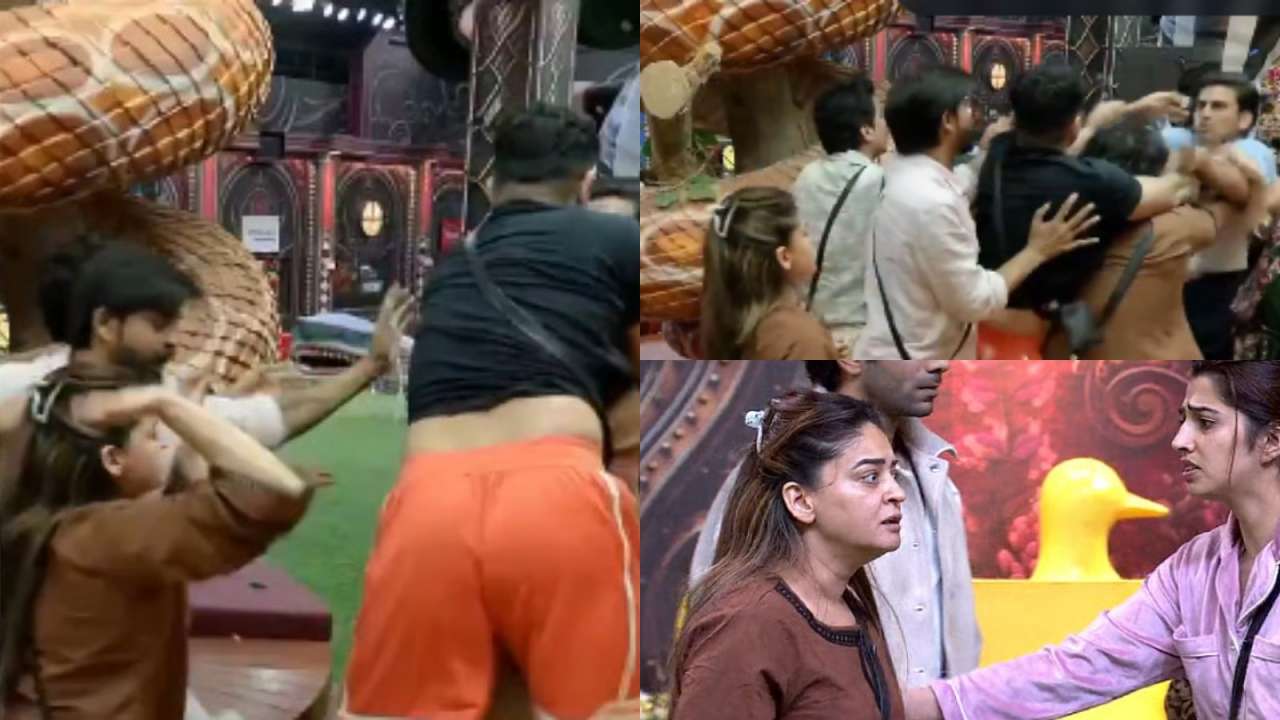 ‘Mahhi Vij ko bhi nikalo’: Bigg Boss 20 viewers demand actress’ eviction after Nakul Dhull-Gullu fight | Video
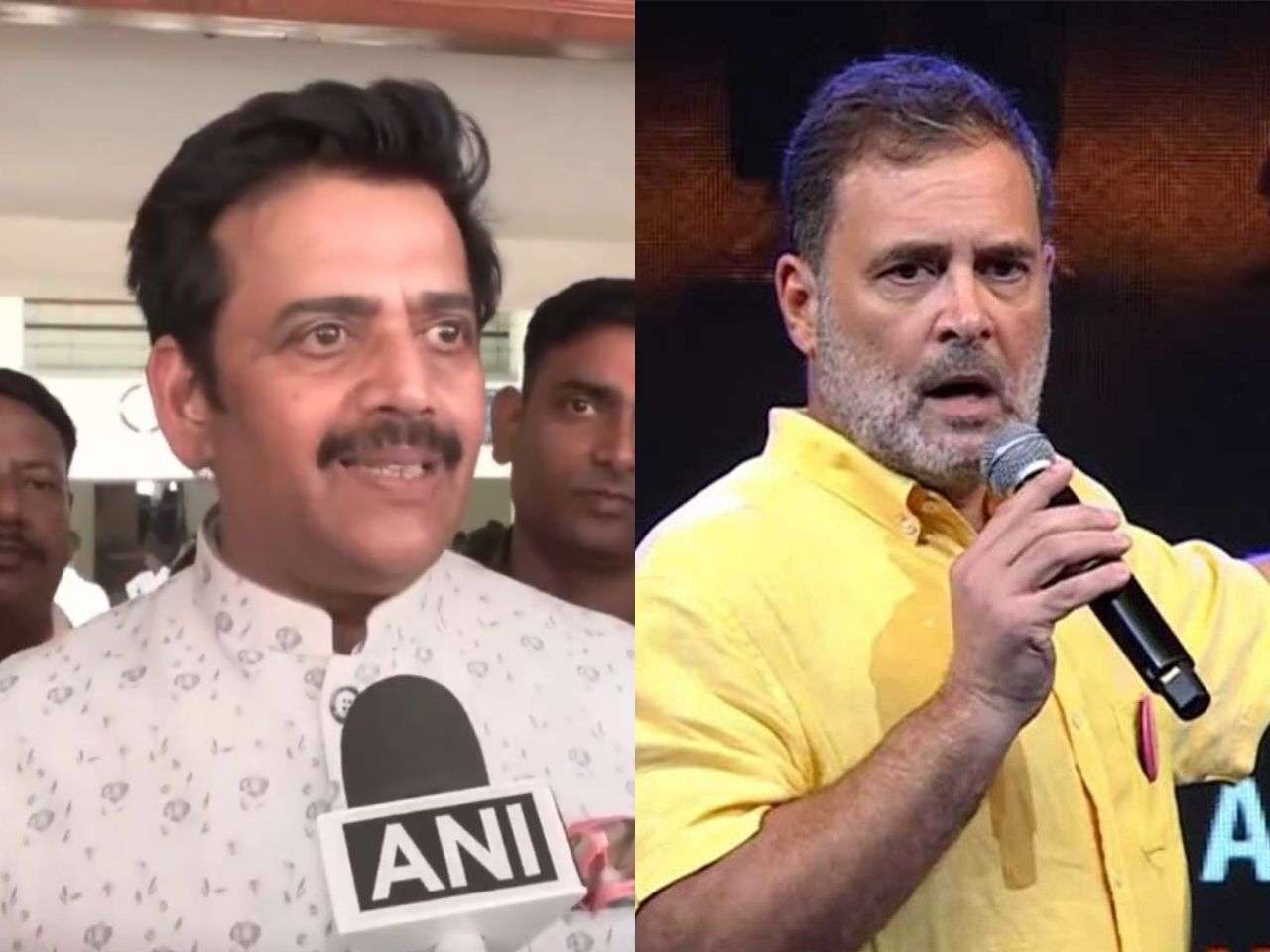 Viral video: Ravi Kishan brutally trolled for criticising Rahul Gandhi protesting against 'vote chori', netizens say 'he is always high on premium sh*t'
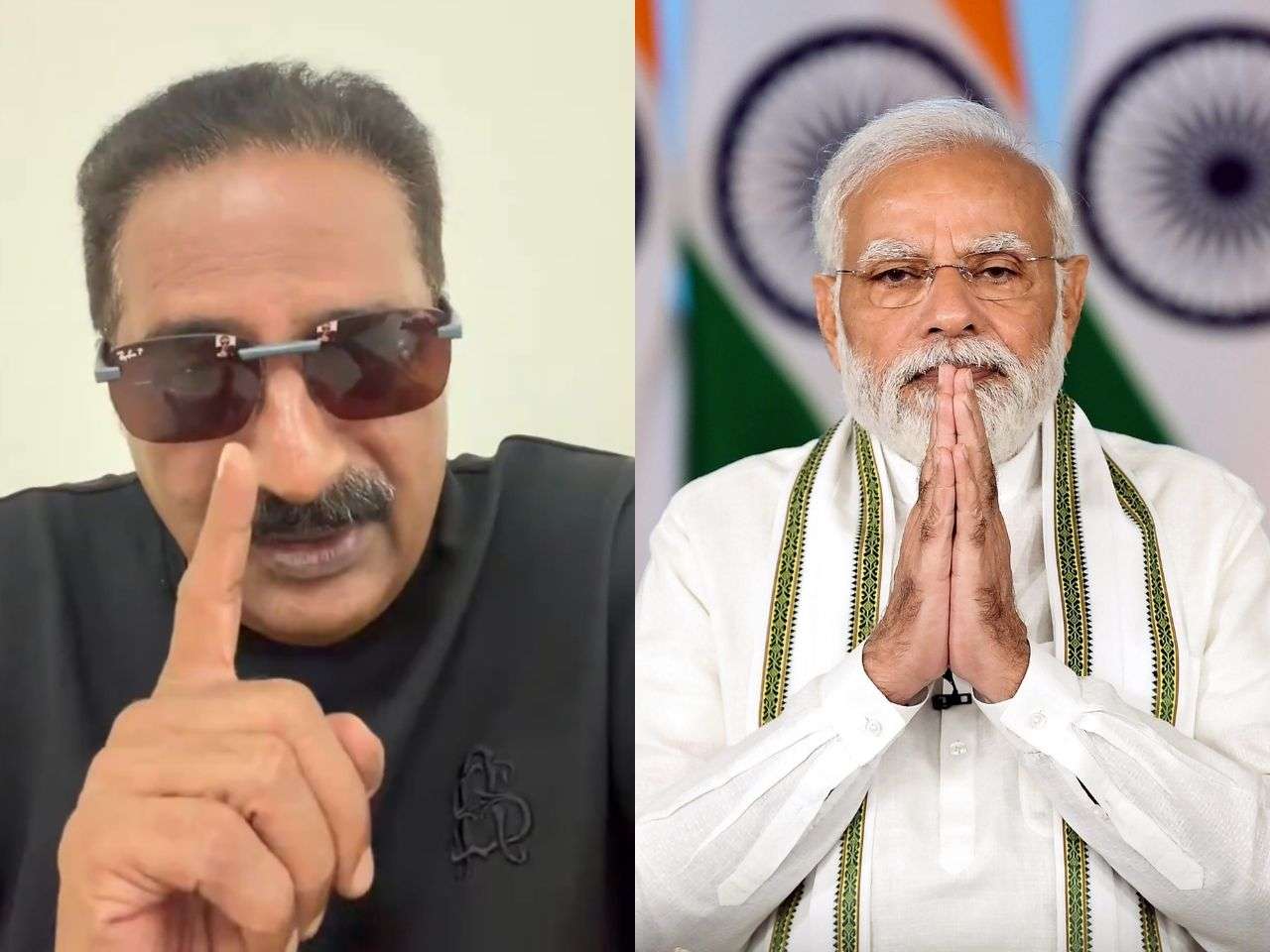 Viral video: Prakash Raj slams Narendra Modi's BJP for sending CJP's Saurav Das, Ashutosh Ranka to judicial custody: 'Poora desh jantar mantar banega'
 CJP Protest: Rahul Gandhi Accuses Delhi Police Of Beating Youngsters At Protest | Jantar Mantar
 CJP Protest: Congress Rahul Gandhi Backs CJP Leaders Jailed For Tresspassing At Jantar Mantar
 Delhi Protest: Delhi High Court Bench To Hear Pleas On Protest Regulation & Jantar Mantar Ban
 Pakistan News: 5 Killed, 30 Injured As Rehman Baba Express Derails Near Multan In Pakistan
 CJP Protest: Delhi Police Detains CJP Spokespersons Saurav Das And Ashutosh Ranka At Jantar Mantar
 IDBI Bank Sold For Rs 52,878 Crore: From Air India to IDBI Bank- Modi govt's big disinvestment moves explained
 Puja Gift To Railways Employees: 11 lakh workmen to get 78-day bonus, govt to spend Rs 2009 crore
 New AI tool for investors: Ask anything about listed companies, valuations, portfolio performance
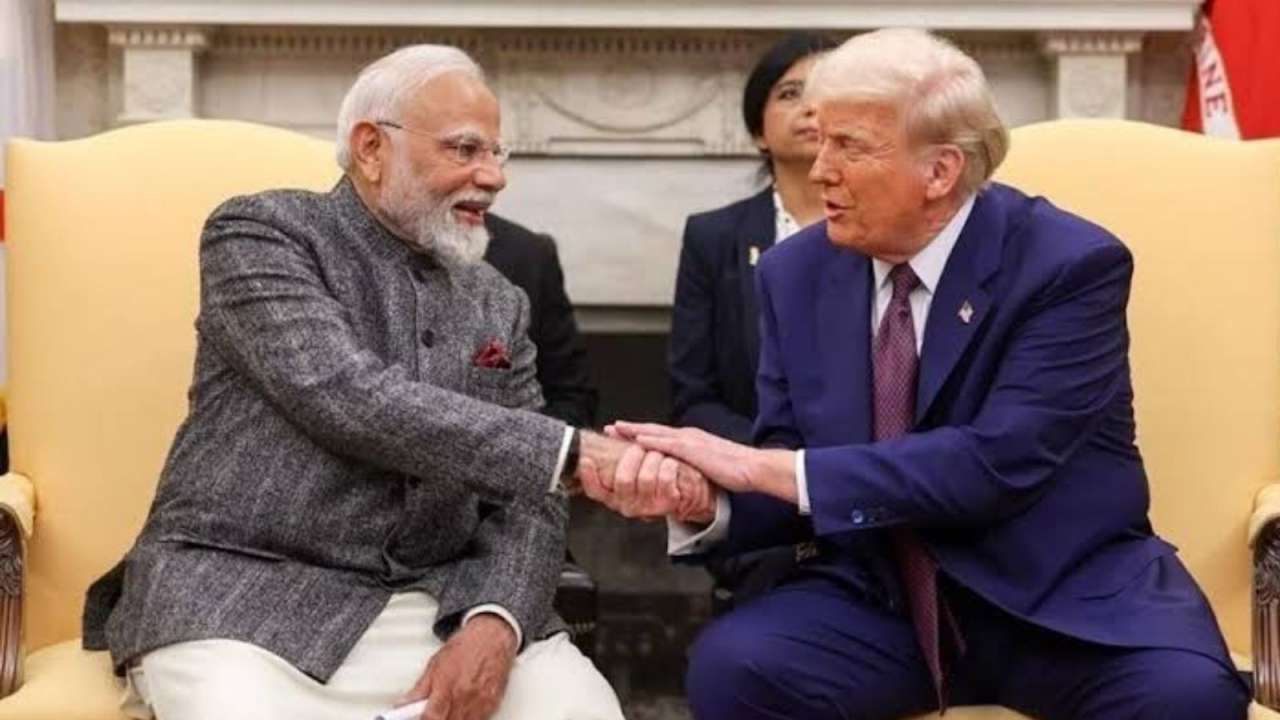 PM Modi to meet Donald Trump to iron out differences over India-US Bilateral Trade Agreement?
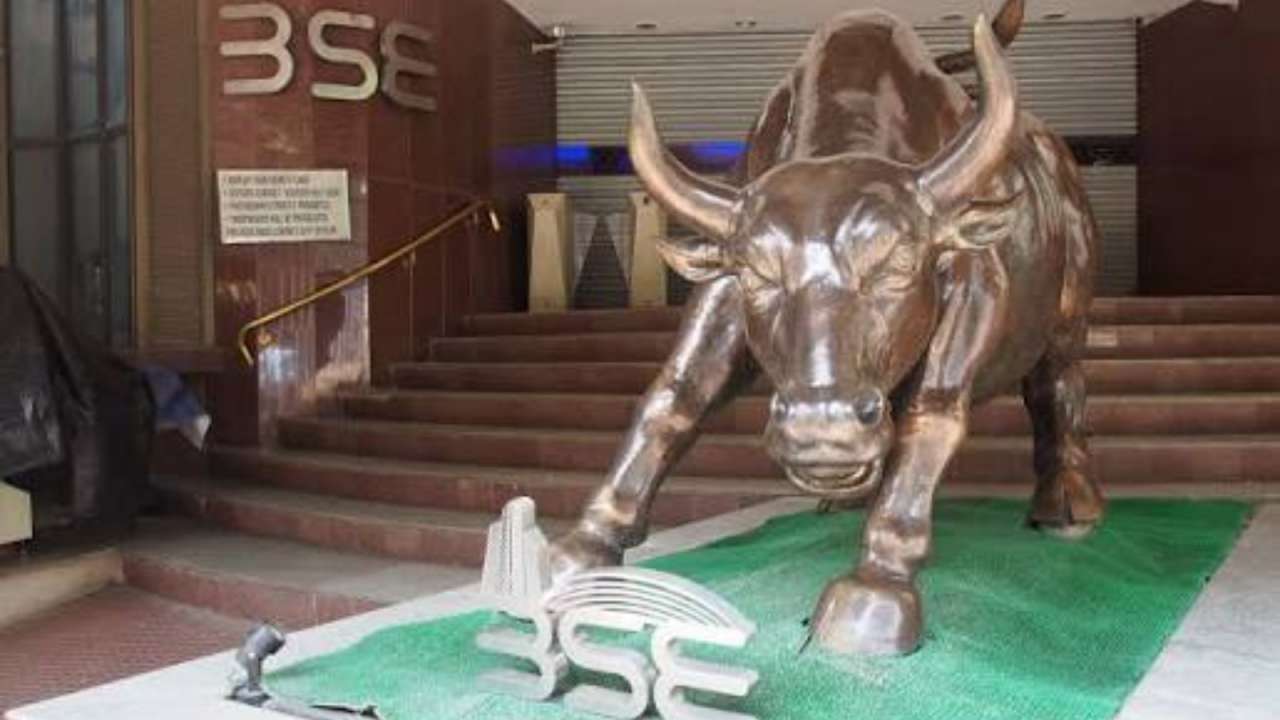 RBL Bank shares crash 8% despite 170% profit jump: Why are investors worried?
 Navratri Day 4: From Shraddha Kapoor, Kriti Sanon, Sanya Malhotra, actresses who embody goddess in blue outfits
 Navratri 2026: From Alia Bhatt to Sara Ali Khan, Shraddha Kapoor, take inspiration from Bollywood actresses to stun everyone in white
 Ranbir Kapoor-Sai Pallavi, Yami Gautam-Addinath Kothare, Rajkummar Rao-Wamiqa Gabbi: 5 fresh on-screen jodis to watch out for in 2026
 OTT Releases This Week (October 5-11): Awarapan 2, Khalifa, Mandaadi; new India movies, shows to watch on Netflix, Prime Video
 OTT Releases This Week (Sept 28 - Oct 4): Dupahiya 2, Pooja Meri Jaan; new movies and shows to watch this Gandhi Jayanti weekendBlue Drum Murder Case: Why Meerut court consider it 'rarest of the rare'? Supreme Court lawyer explains | ExclusiveRahul Gandhi, Priyanka Gandhi reach India Gate to meet Ankita Bhandari’s family: Watch
 From Muskan Rastogi to Siya Goyal: When women plotted killings for love
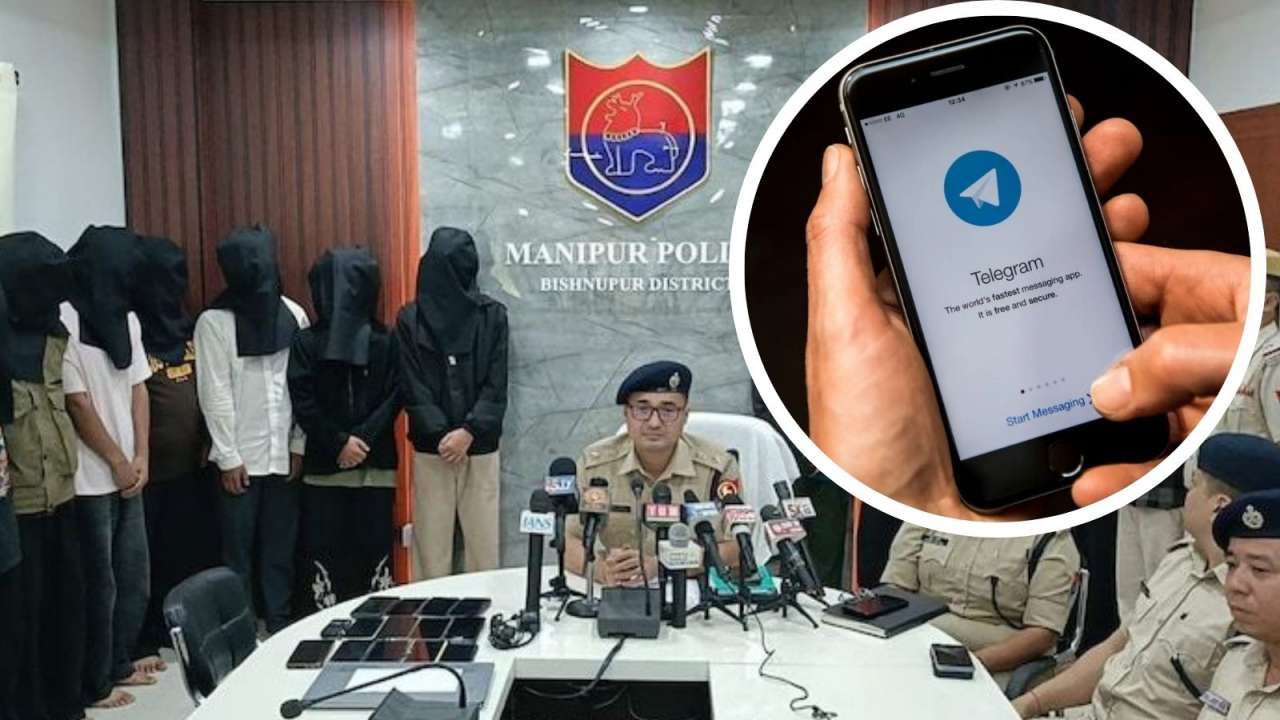 Manipur police arrests 13, including minor, for sharing, monetising explicit content on Telegram
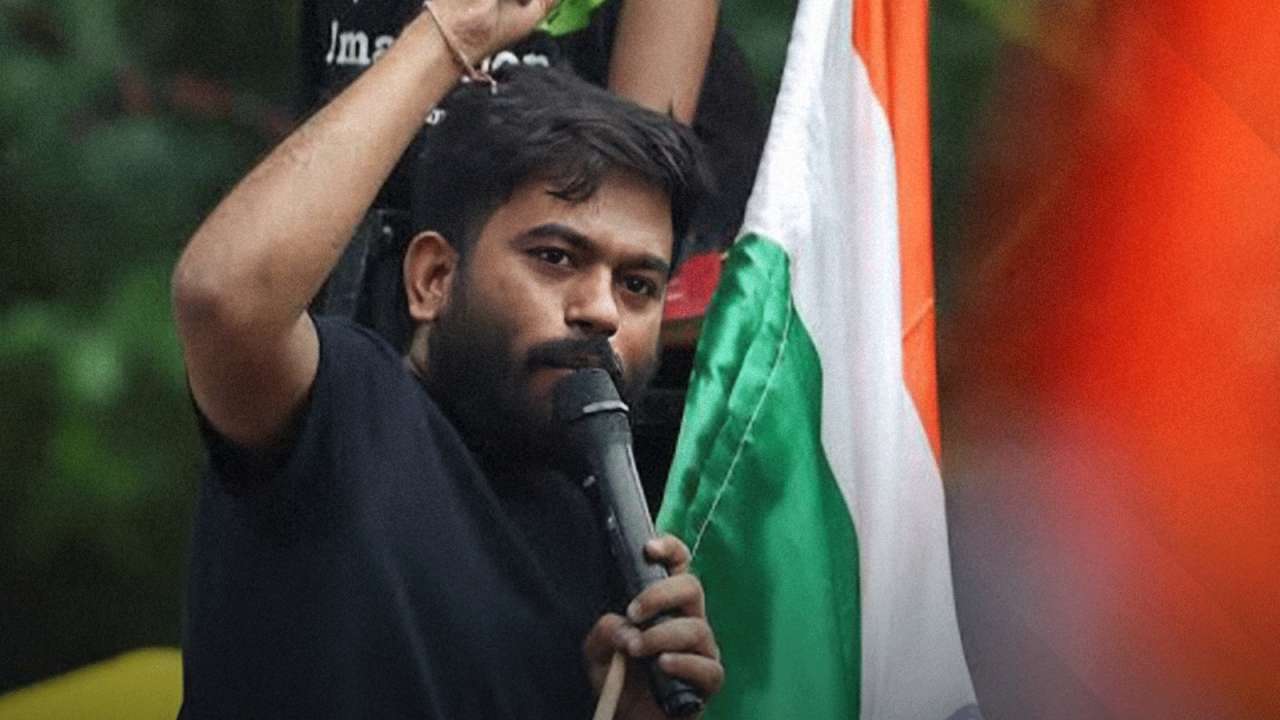 Anti-ECI Protest: Abhijeet Dipke announces Tiranga march at Connaught Place on October 16
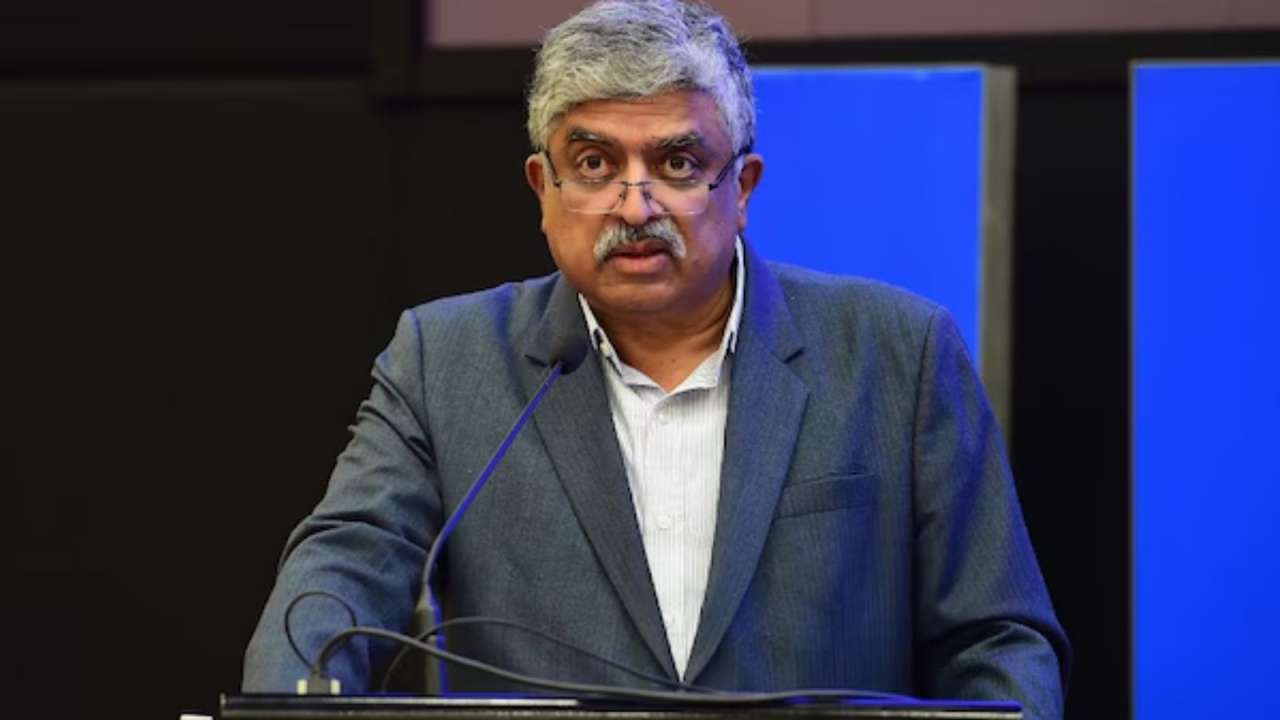 AI-generated question papers for NEET? Nandan Nilekani proposes novel idea for stopping paper leak
 Third Language Row: SC extends relaxation to Class 6 students, asks CBSE to grant exemption, here's what it means
 NEET PG 2026 Result Out: Check how to download scorecard from natboard.edu.in; Know category-wise cut-off and more
 Five-year BTech programmes? Ex-IIT director makes proposals amid IIT suicide controversy
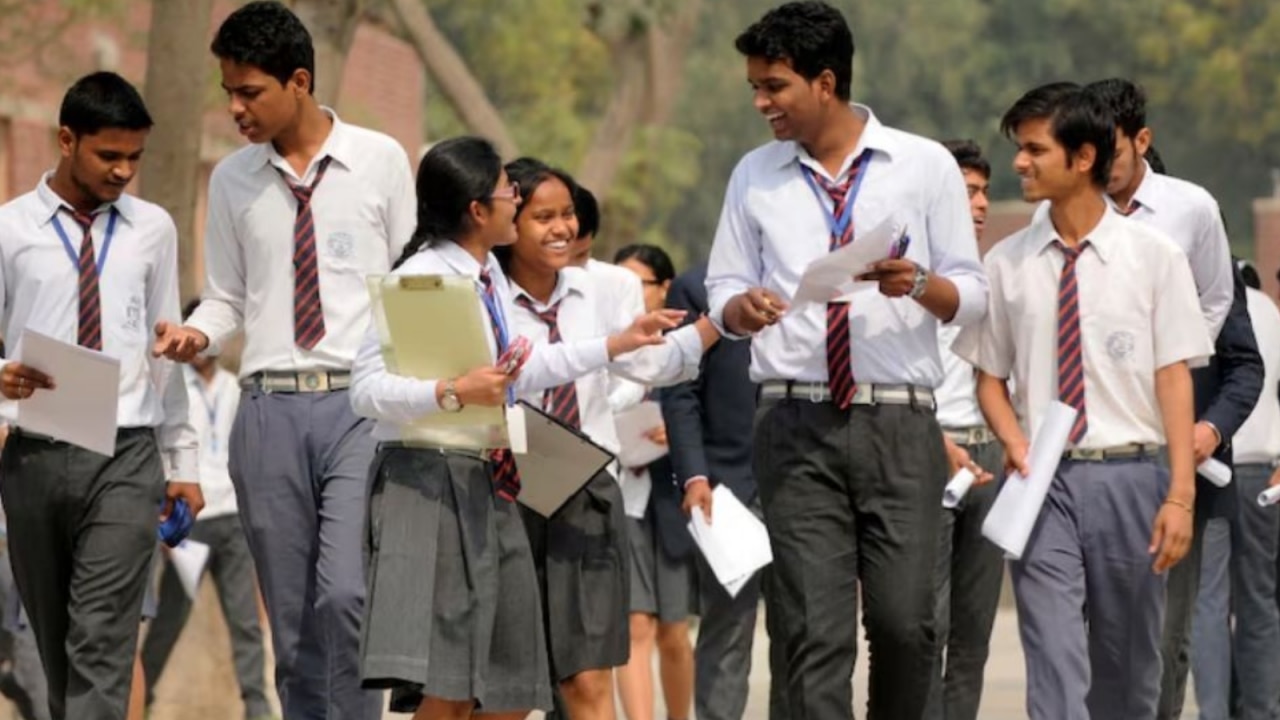 CBSE Date Sheet 2027: When will Class 10, 12 timetable be released? Check details here
 After Hyundai, Maruti Suzuki makes cars costlier ahead of festive season: Check new prices after hike
 Hyundai cars to get costlier from September: Check new prices and reason behind hike
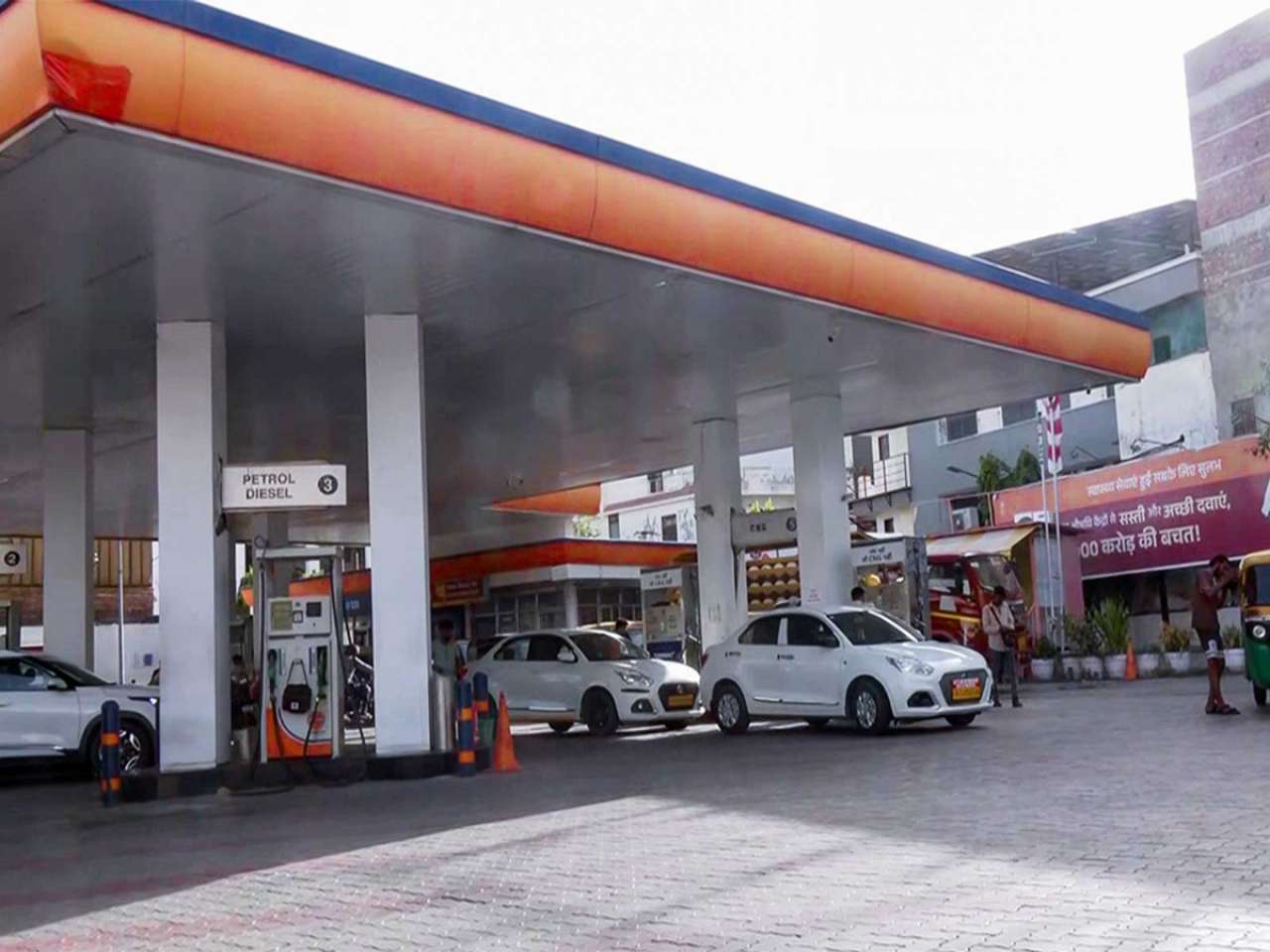 Why can't consumers choose pure petrol or E10? Centre explains why E20 is now the standard fuel
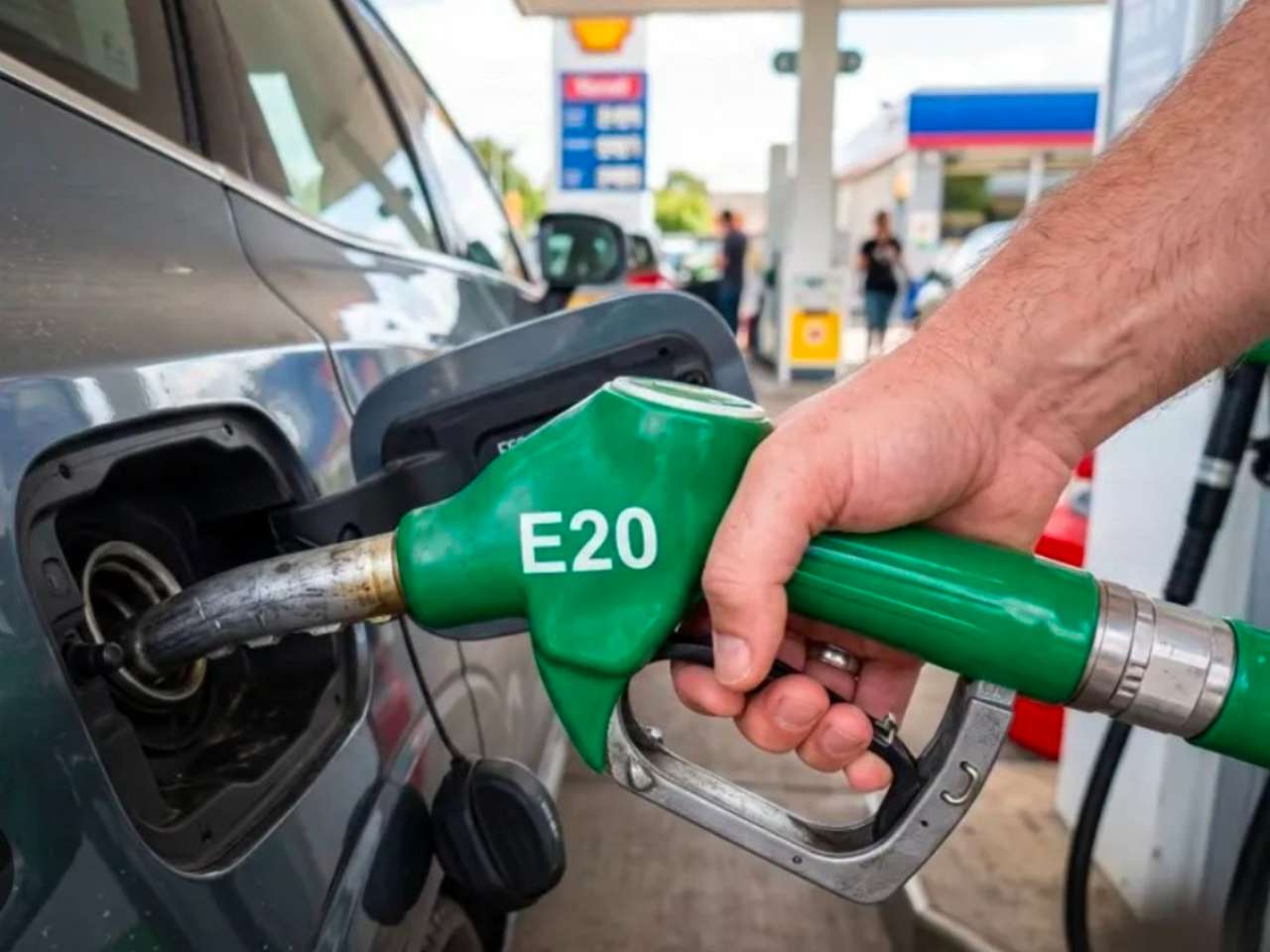 Centre claims E20 fuel does not damage engines, cites data from Maruti Suzuki and Hero MotoCorp
 Maruti WagonR Flex Fuel: What’s price of India’s first ethanol car? Specs, mileage, and top features explained
INDIA
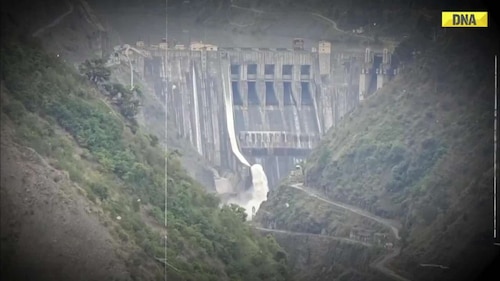

India has begun turning the taps off—literally. Following the deadly terror attack in Pahalgam that killed 26 people, mostly tourists, India has started tightening its control over water flowing to Pakistan under the decades-old Indus Waters Treaty. In a bold move, Indian authorities have shut the gates of the Baglihar Dam in Jammu and Kashmir’s Ramban district, drying up the Chenab riverbed downstream. Similar actions are now being planned at the Kishanganga Dam over the Jhelum. The impact is immediate and visible: Chenab’s reduced flow has triggered an acute water crisis in Pakistan and is expected to severely affect Kharif crop sowing, especially in Punjab province. Reports confirm that this decision wasn’t sudden. With recent rains filling the reservoirs to the brim, India began flushing out silt by opening gates—only to close them shortly after, halting the water flow once again. Officials say it takes three days to rebuild the water reserve. In the meantime, downstream areas in both India and Pakistan are left bone dry. While NHPC officials have tried to downplay any violation of the Indus Waters Treaty, they also admit they’re bound to follow the Government of India’s directives. And the directive, it seems, is clear: water diplomacy is now on the table. Signed in 1960 and brokered by the World Bank, the Indus Waters Treaty gave India control over the eastern rivers and allowed Pakistan access to the western ones. But now, citing national interest and security concerns, India is actively reconsidering its approach to this long-standing agreement. Beyond just halting flow, authorities are also exploring ways to divert Chenab waters to Indian villages in Pargwal, Akhnoor, and Gharota through old canal systems like the Partap Canal. With diplomacy under strain and dams at the center of geopolitics, water—once seen as a symbol of cooperation—might now flow into becoming a tool of strategic pressure.