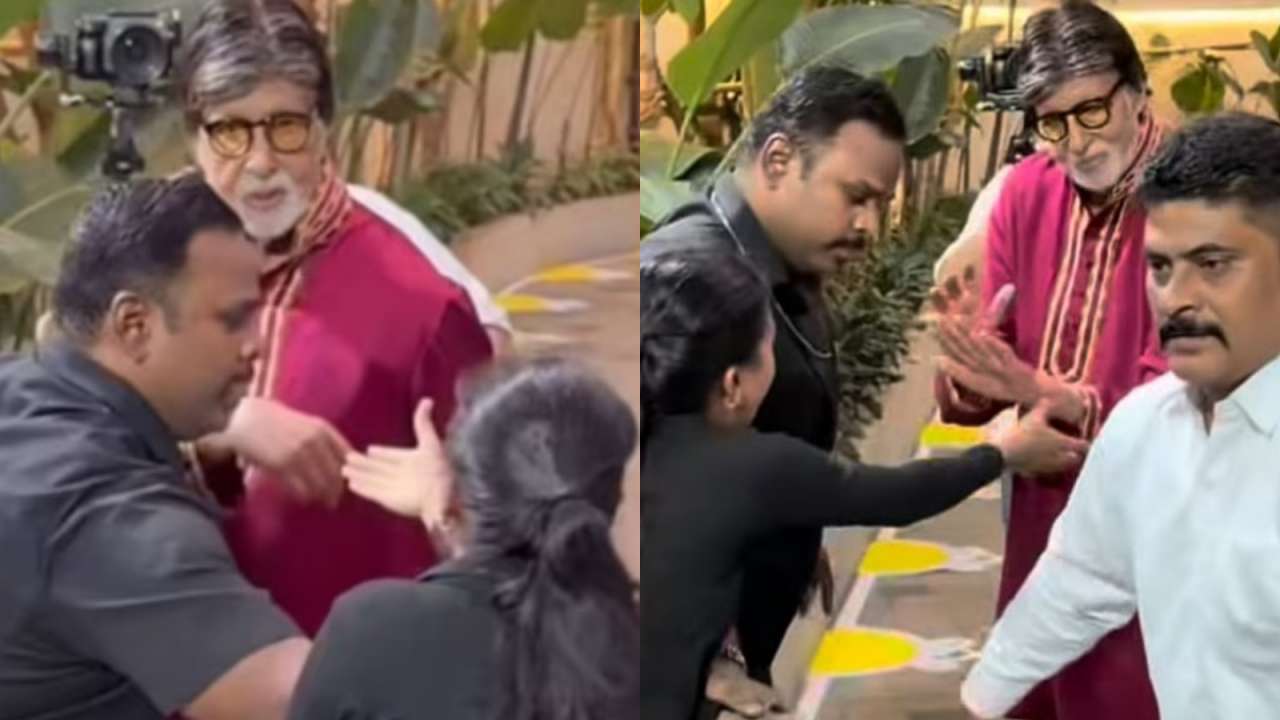
 Viral video: Amitabh Bachchan slammed for refusing to shake hands with female fan, netizens say 'Nana Patekar hote toh gale lagte'
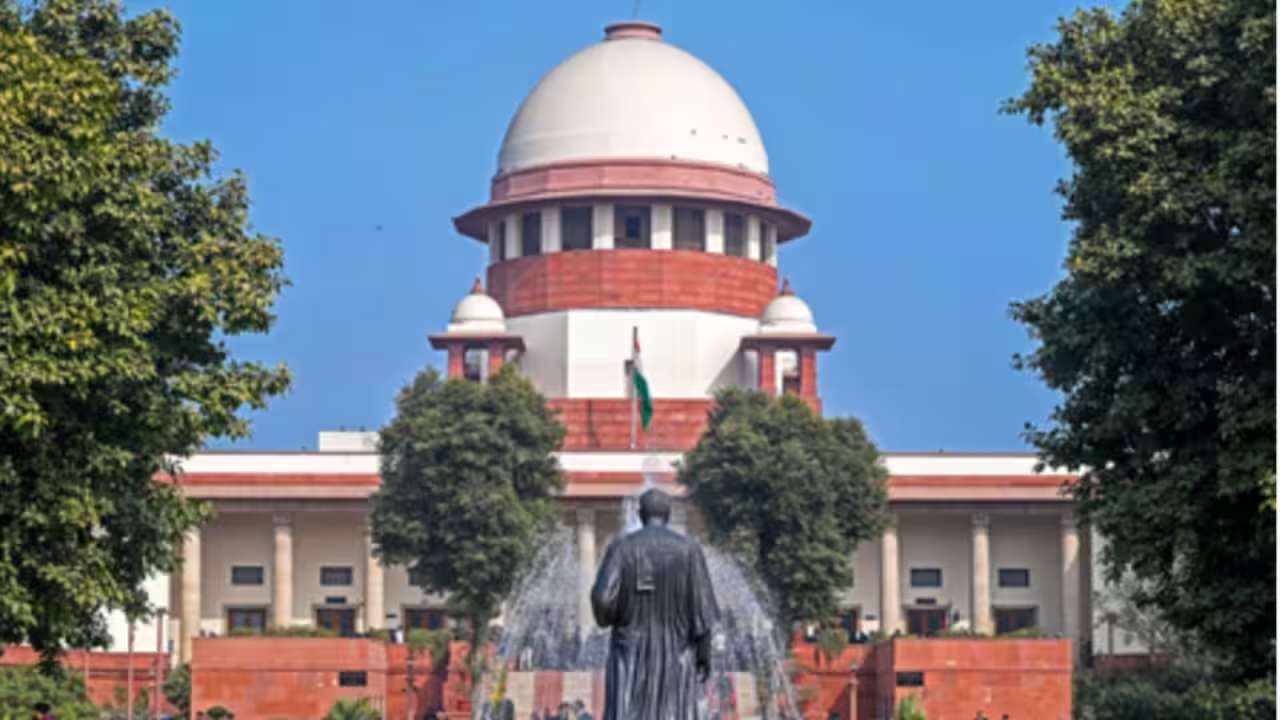 CEC Gyanesh Kumar row: Will INDIA bloc seek SIR stay, restoration of voter names in Supreme Court?
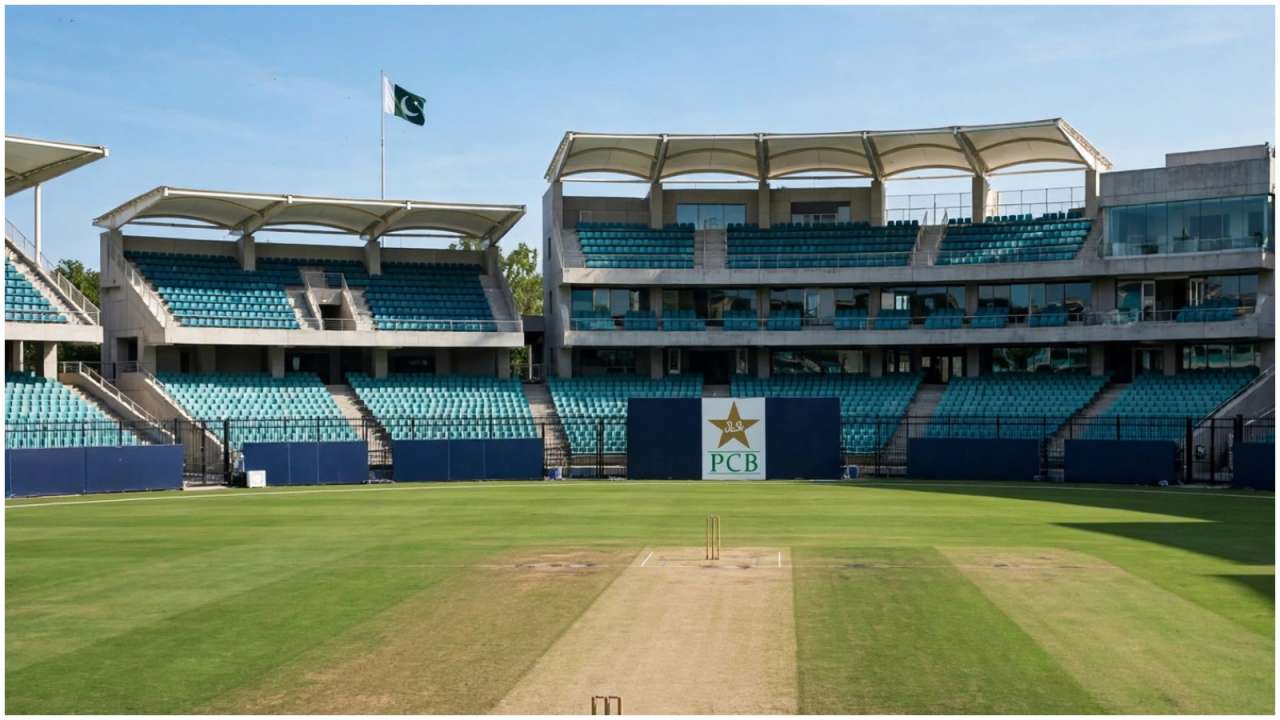 PCB changes match venues after emergency declaration in Pakistan province
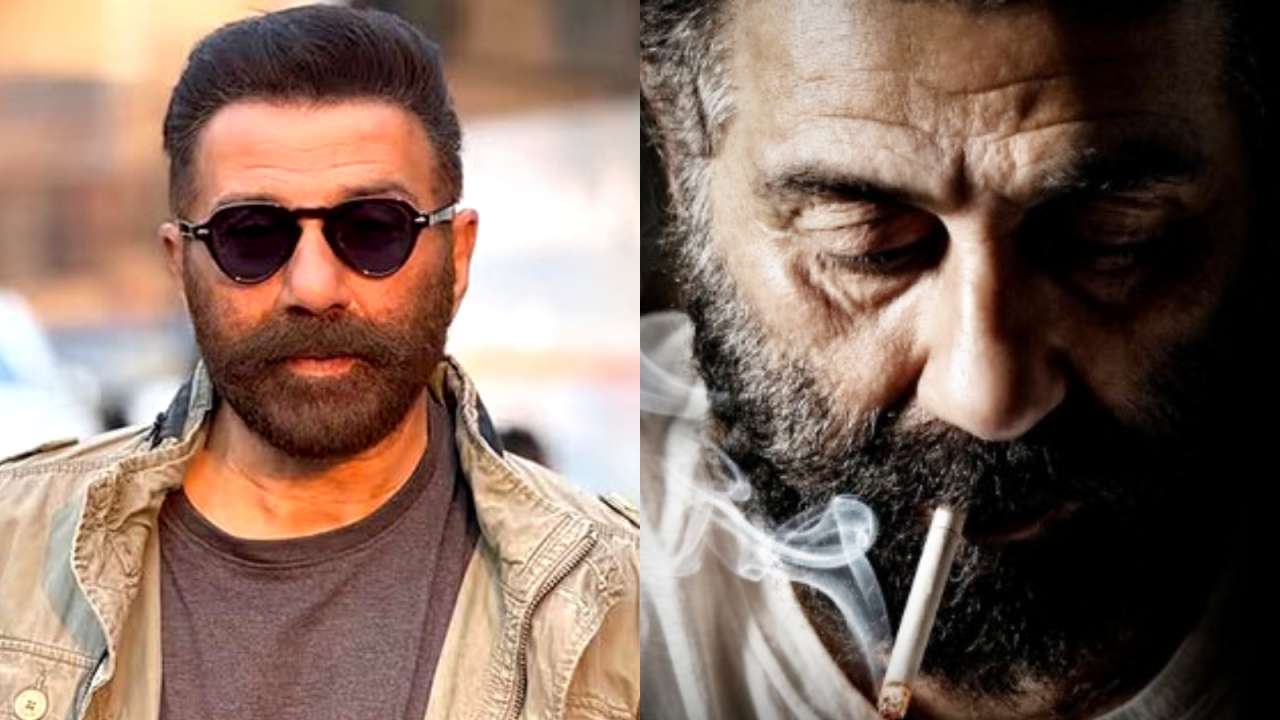 Sunny Deol reunites with Gadar 2 producer Kamal Mukut for Suryaa, first look and release date out
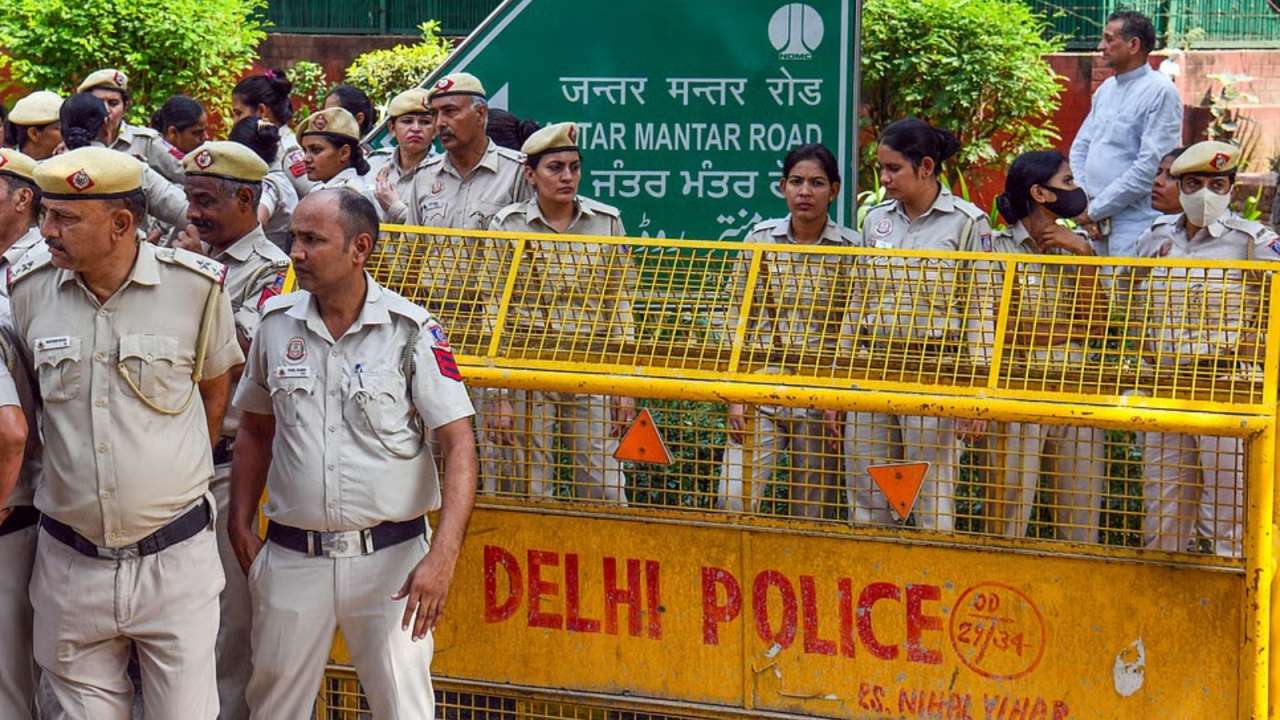 Jantar Mantar no longer 'designated' protest site, Delhi Police allocates 3 new sitesPCB changes match venues after emergency declaration in Pakistan province
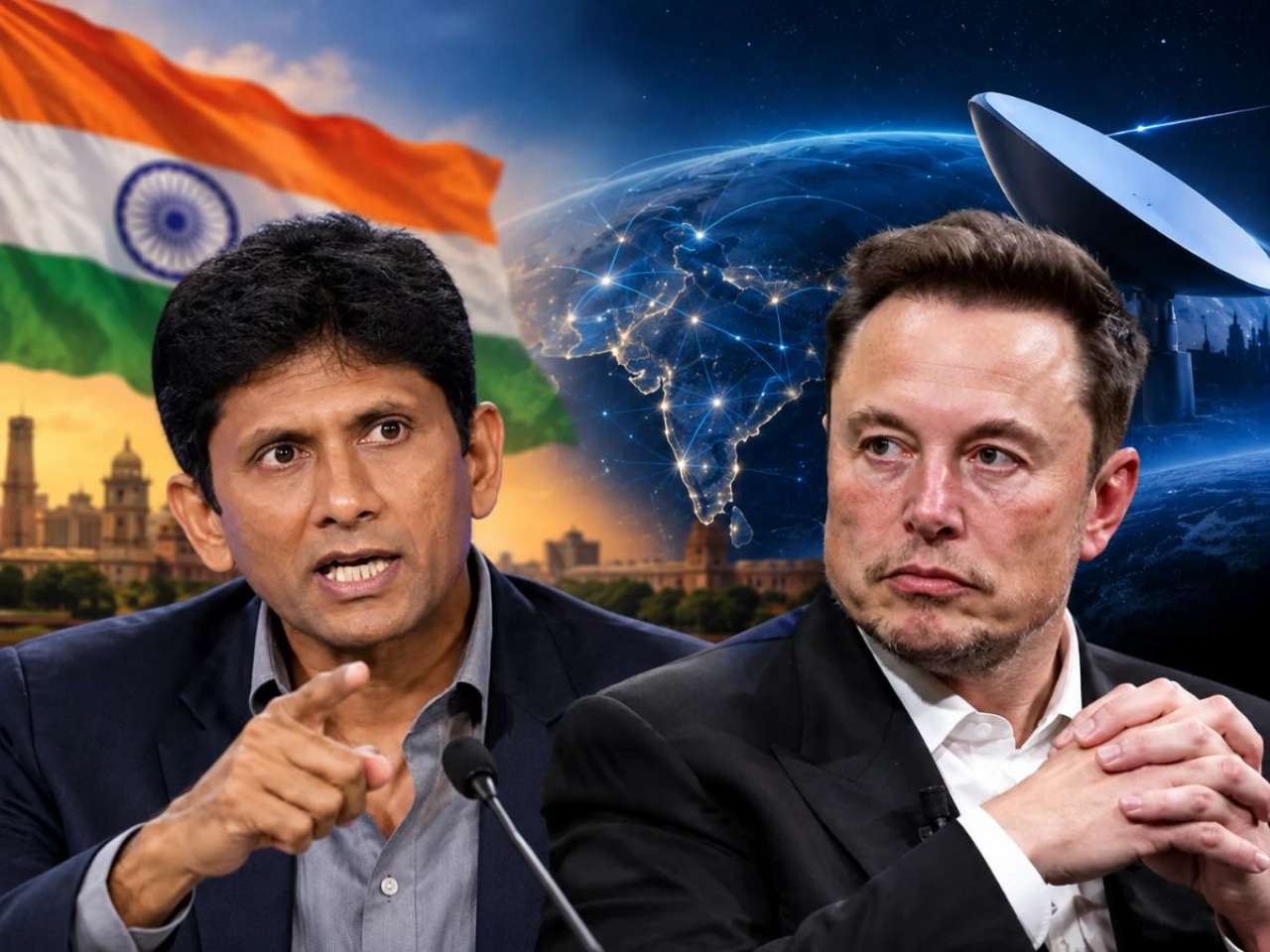 'Terrible human being’: Ex-India pacer Venkatesh Prasad takes scathing dig at Elon Musk amid escalating Starlink India row
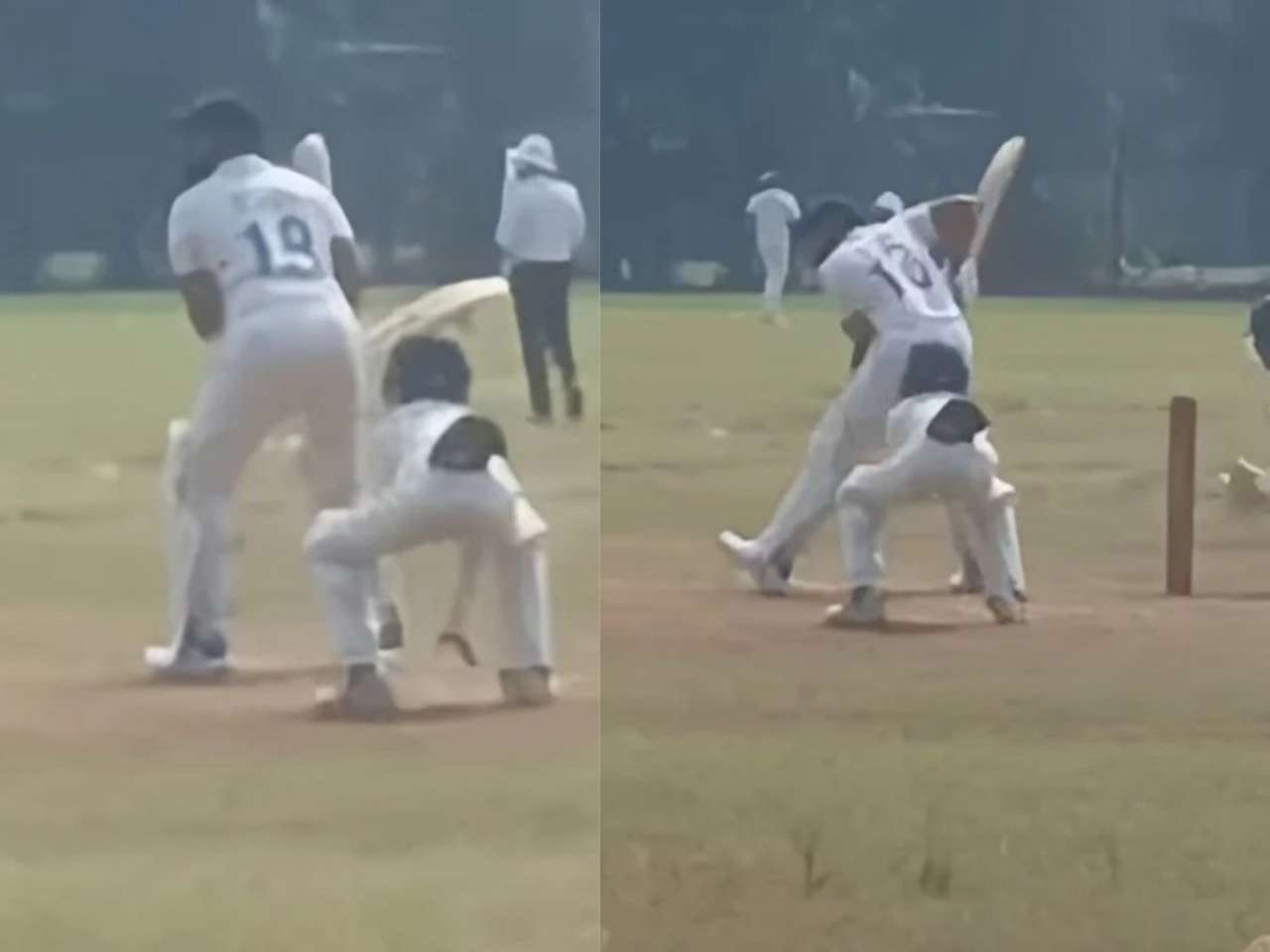 Fact Check: Did Virat Kohli really play in Mumbai’s Kanga League? Mystery behind viral No. 18 clip revealed
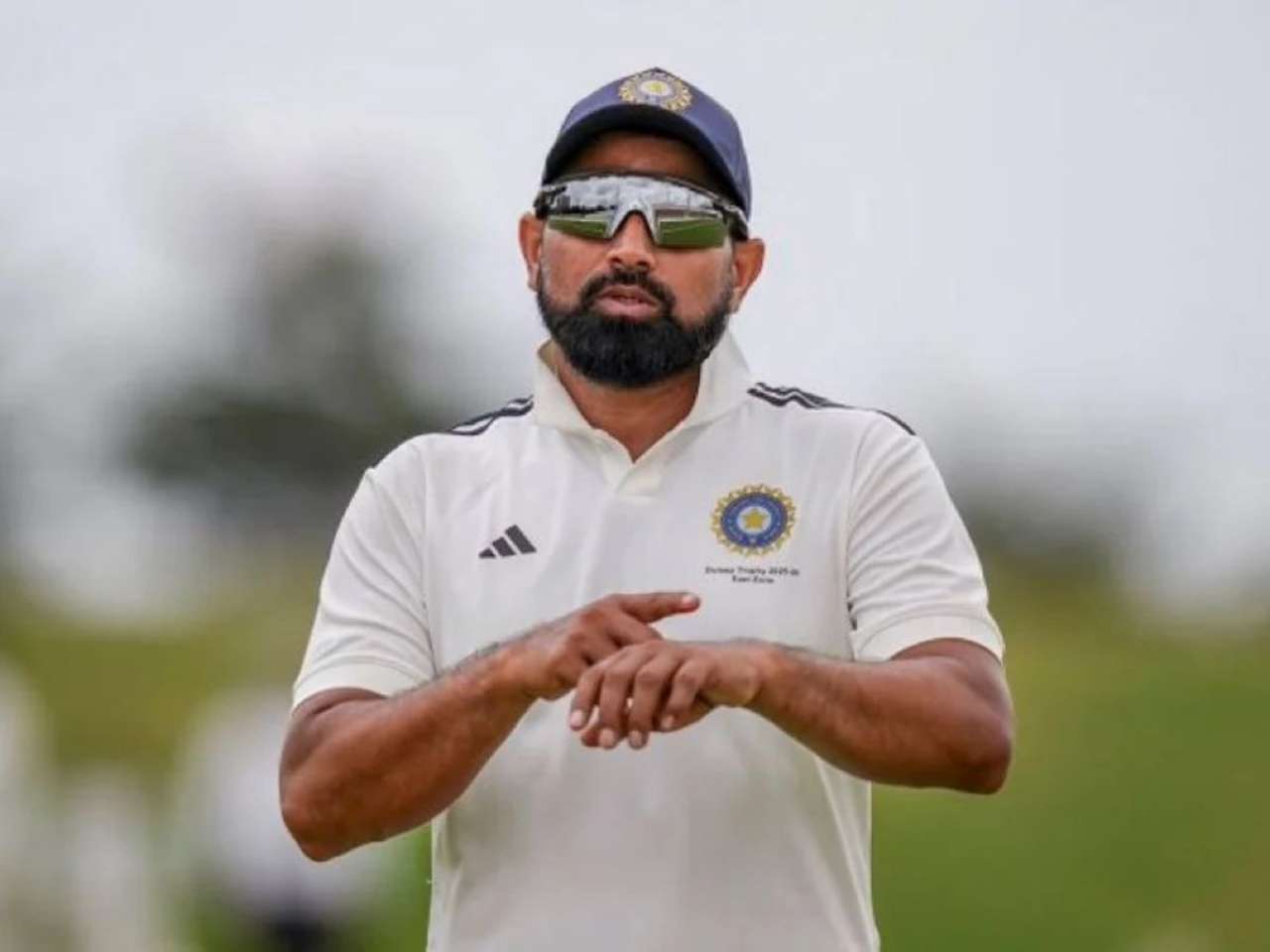 Ranji Trophy: Mohammed Shami stars with 4/30 for Bengal as pressure mounts on selectors over India return
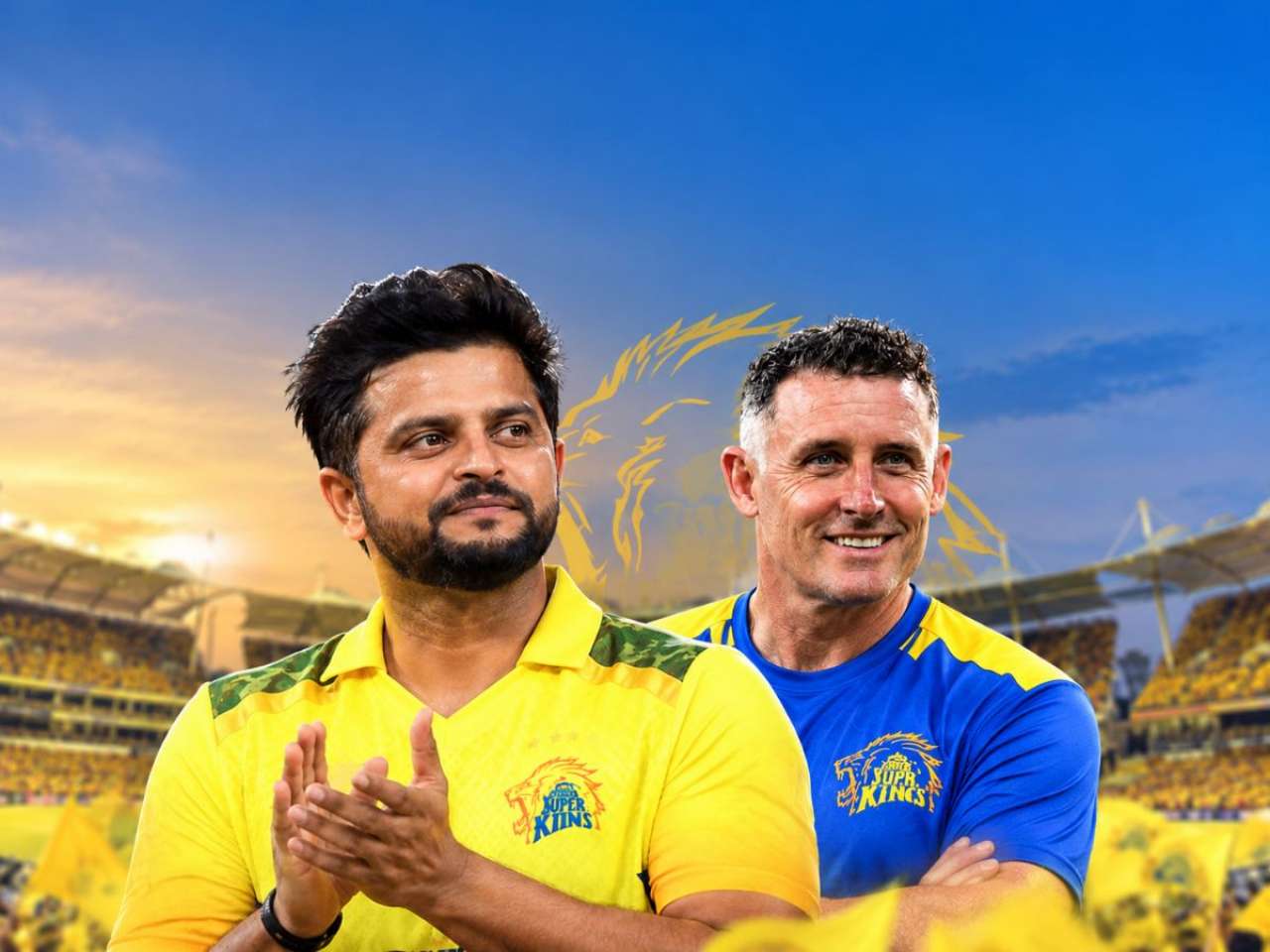 Suresh Raina to become CSK’s next batting coach after Michael Hussey’s exit? Former India star breaks silenceViral video: Amitabh Bachchan slammed for refusing to shake hands with female fan, netizens say 'Nana Patekar hote toh gale lagte'Sunny Deol reunites with Gadar 2 producer Kamal Mukut for Suryaa, first look and release date out
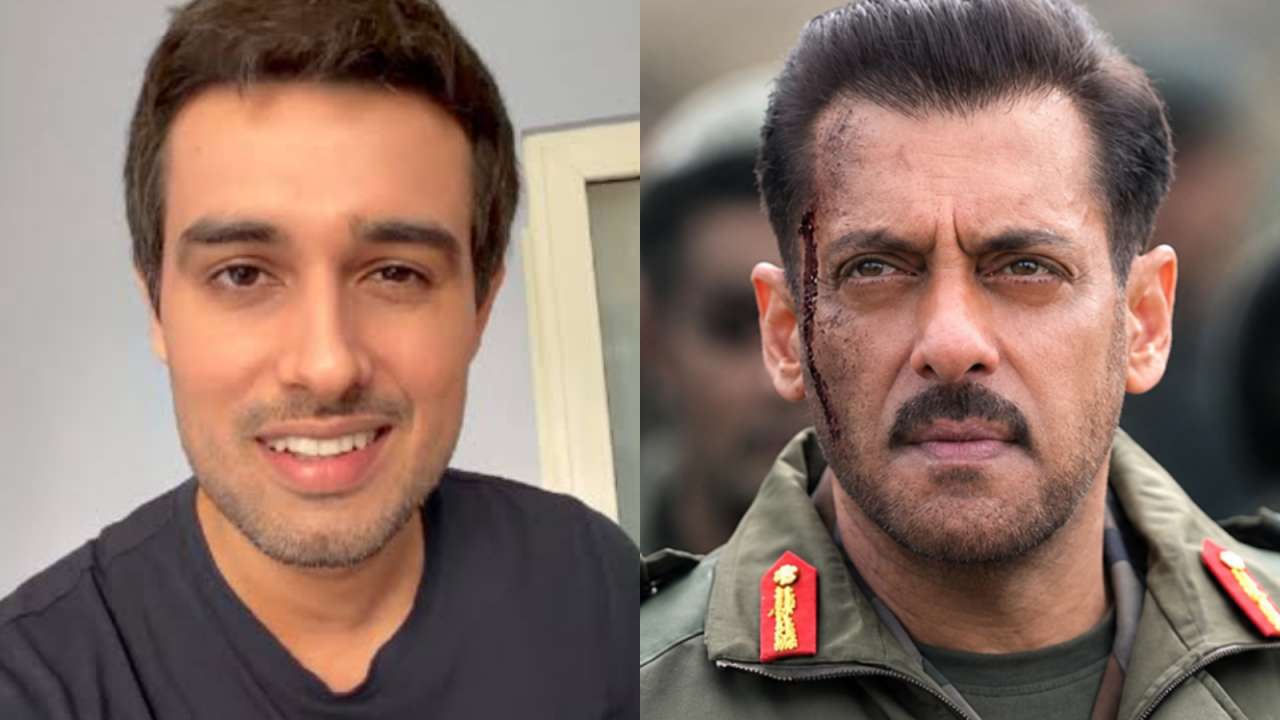 Dhruv Rathee claims PM Modi govt is afraid of Salman Khan's Maatrubhumi, fans agree with him: 'Darpok Vishwaguru'
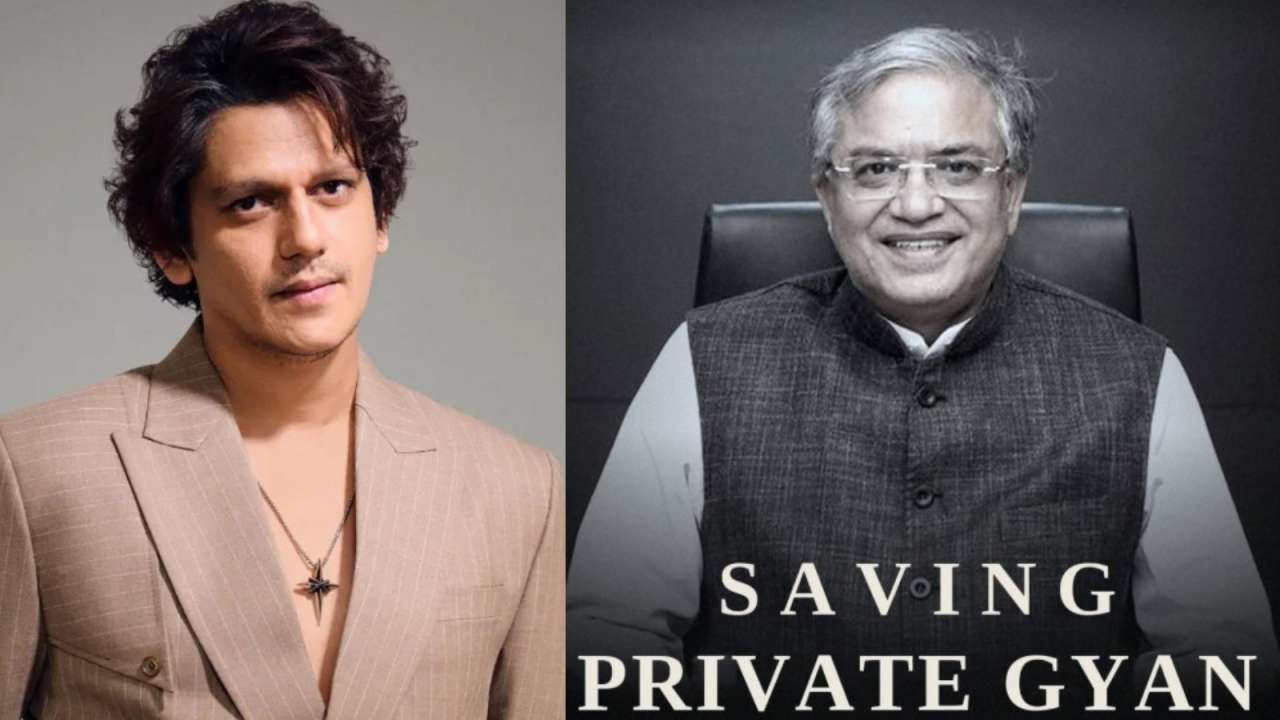 'Saving Private Gyan': Vijay Varma calls Gyanesh Kumar 'national hero' in sarcastic dig at CEC
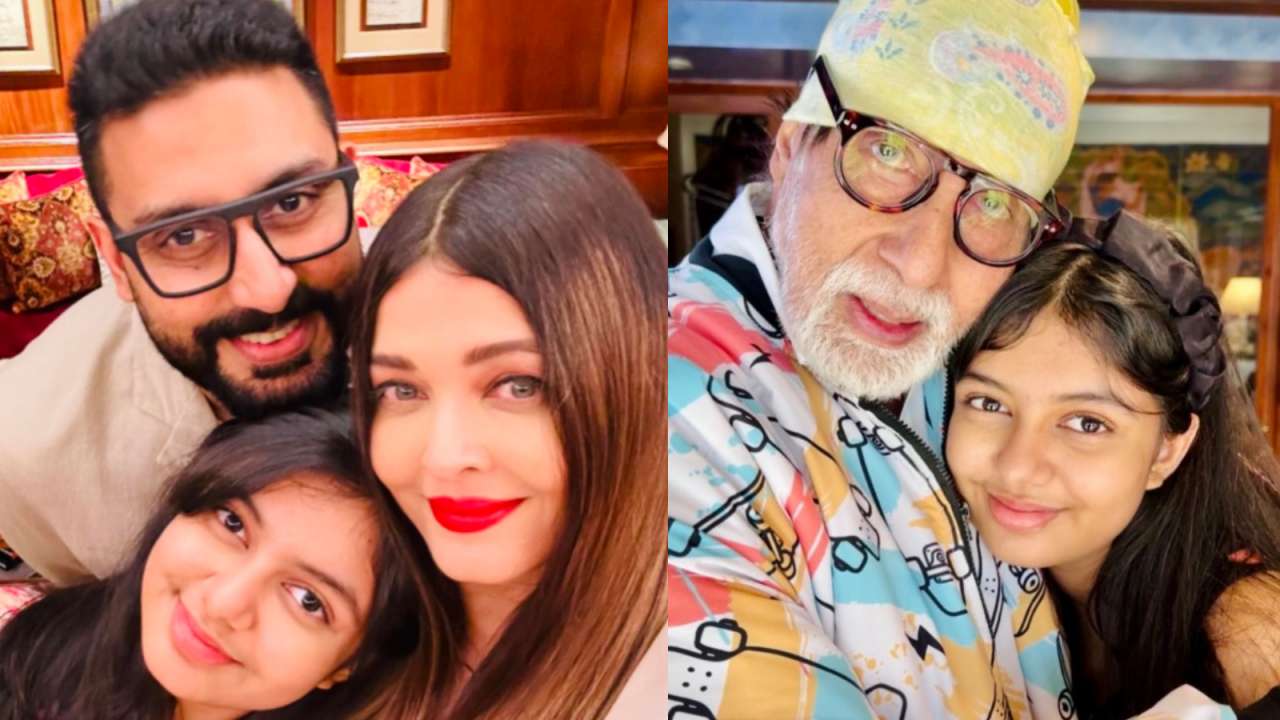 Aishwarya Rai Bachchan shares unseen photo of 'pa-dadaji' Amitabh Bachchan with daughter Aaradhya on his birthday
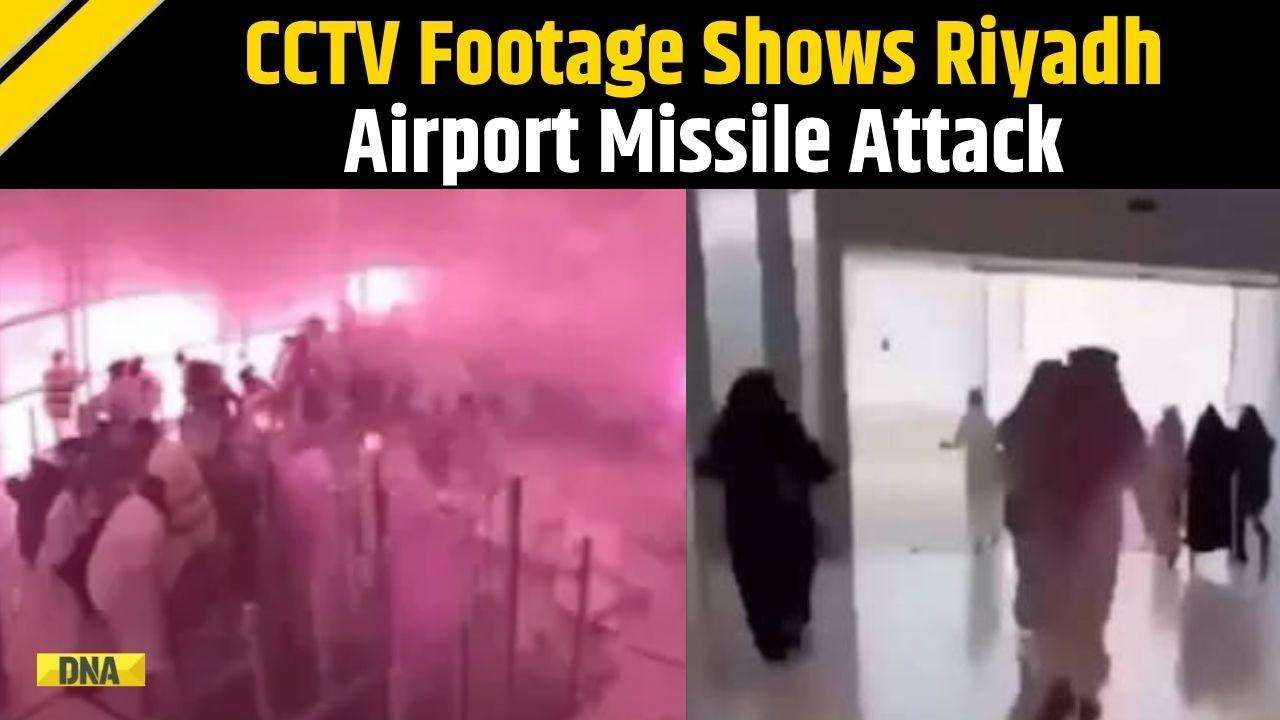
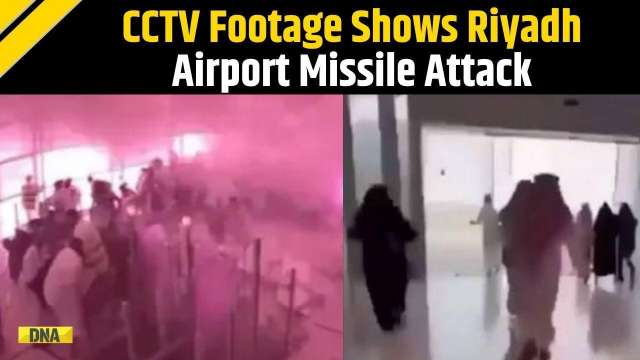 Saudi Houthi War: Saudi Coalition Releases CCTV Of Deadly Houthi Strike On Riyadh Airport
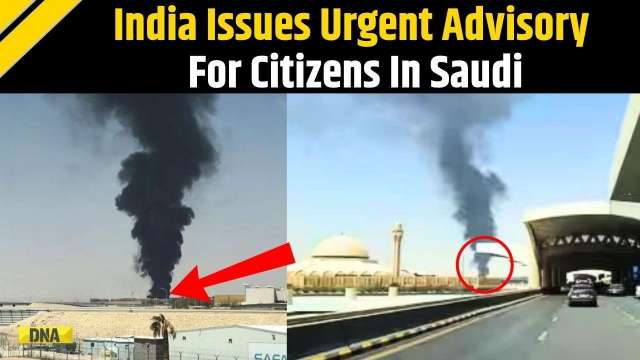 Saudi Houthi War: India Issues Urgent Advisory To Citizens In Saudi After Riyadh Airport Attack
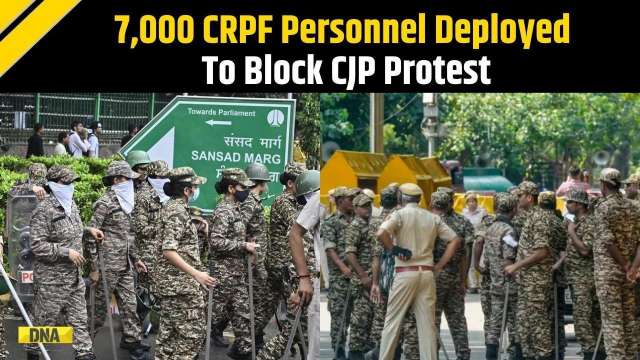 CJP Protest: 7,000 CRPF Personnel Rushed To Capital Ahead Of CJP's Oct 10 March
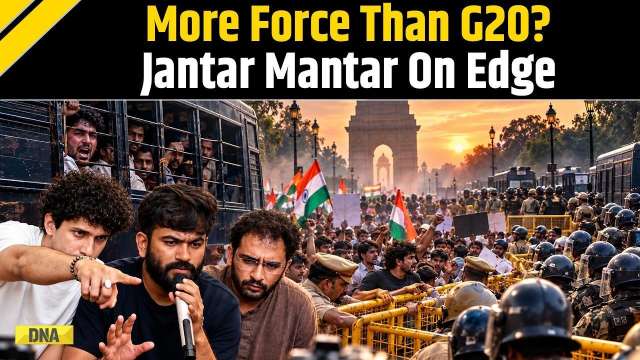 CJP News: Delhi CAPF Deployment Raised To 26,000 Ahead Of CJP October 10 Protest
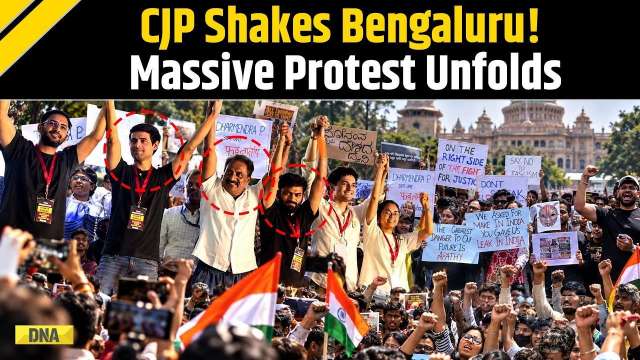 CJP Protest: In Bengaluru Dhruv Rathee, Prakash Raj Join Anti-SIR Demonstration
 Gold, Silver prices today, October 10, 2026: Check city-wise rates in Delhi, Mumbai, Chennai, Kolkata and more
 Reliance Jio IPO: Price Band likely at Rs 1065-1119 per share, issue may open on October 21; check details
 How to bypass H-1 B visa restrictions? Can Indian professionals use L-1 and O-1 visas as alternative routes to enter US?
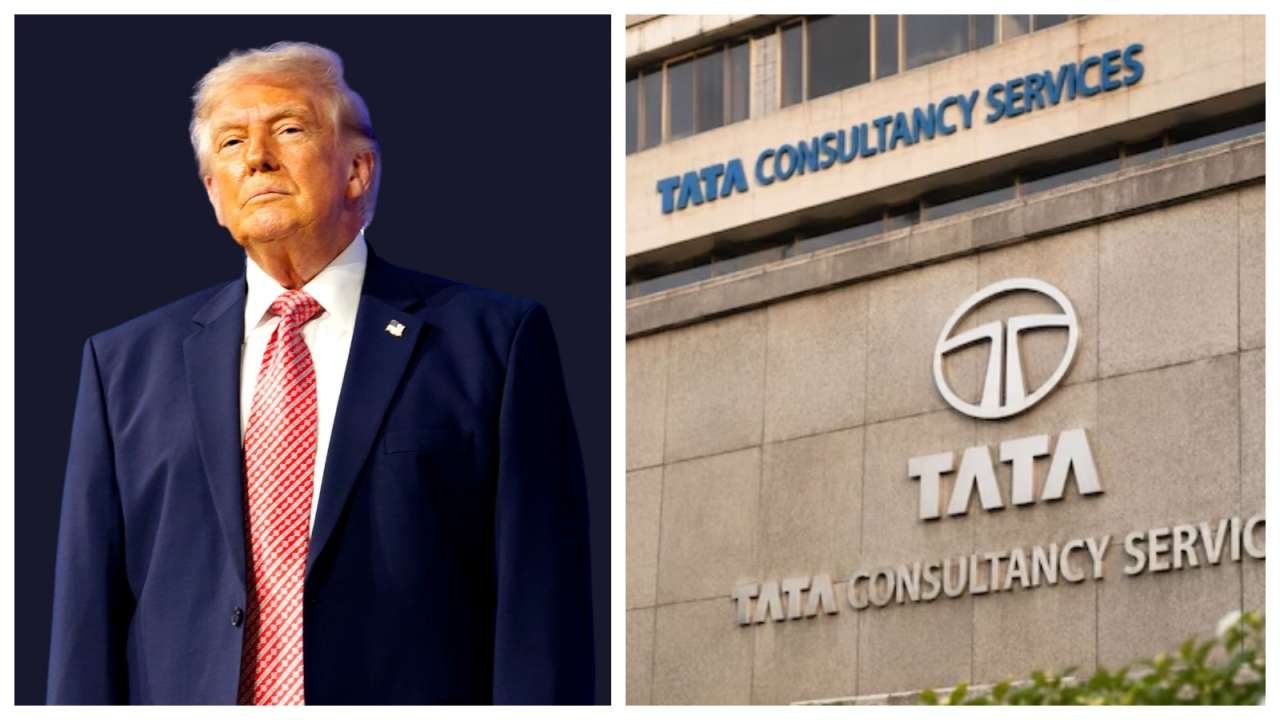 US Green Card Row: TCS says PERM suspension won't impact business, applications in single digits
 Gold, Silver prices today, October 9, 2026: Check city-wise rates in Delhi, Mumbai, Chennai, Kolkata and more
 Ranbir Kapoor-Sai Pallavi, Yami Gautam-Addinath Kothare, Rajkummar Rao-Wamiqa Gabbi: 5 fresh on-screen jodis to watch out for in 2026
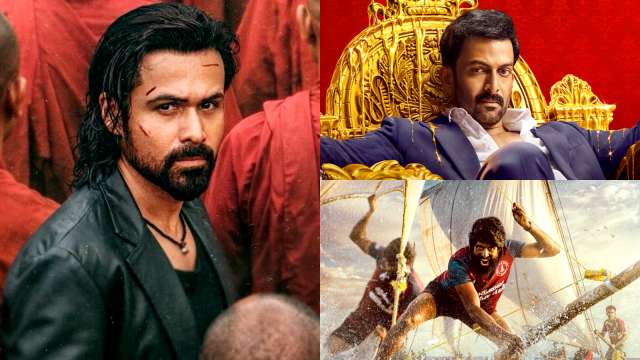 OTT Releases This Week (October 5-11): Awarapan 2, Khalifa, Mandaadi; new India movies, shows to watch on Netflix, Prime Video
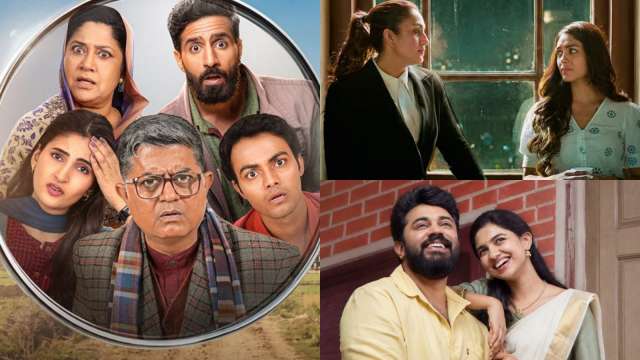 OTT Releases This Week (Sept 28 - Oct 4): Dupahiya 2, Pooja Meri Jaan; new movies and shows to watch this Gandhi Jayanti weekend
 From Neeti Mohan, Heer, Sarthak Kalyani; Ahead of Sa Re Ga Ma Pa, 5 musical geniuses championed by AR Rahman
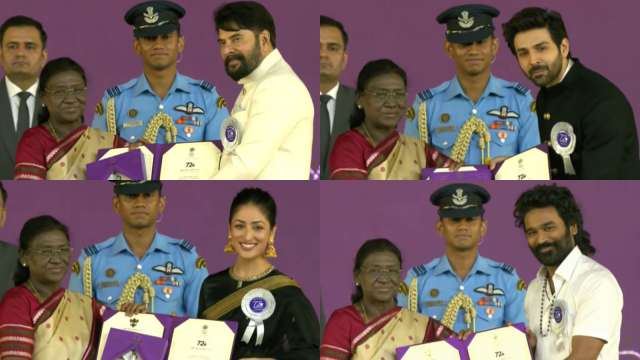 72nd National Film Awards 2024: Kartik Aaryan, Yami Gautam, Aditya Dhar, Mammootty, Dhanush, Anant Nag accept honoursJantar Mantar no longer 'designated' protest site, Delhi Police allocates 3 new sites
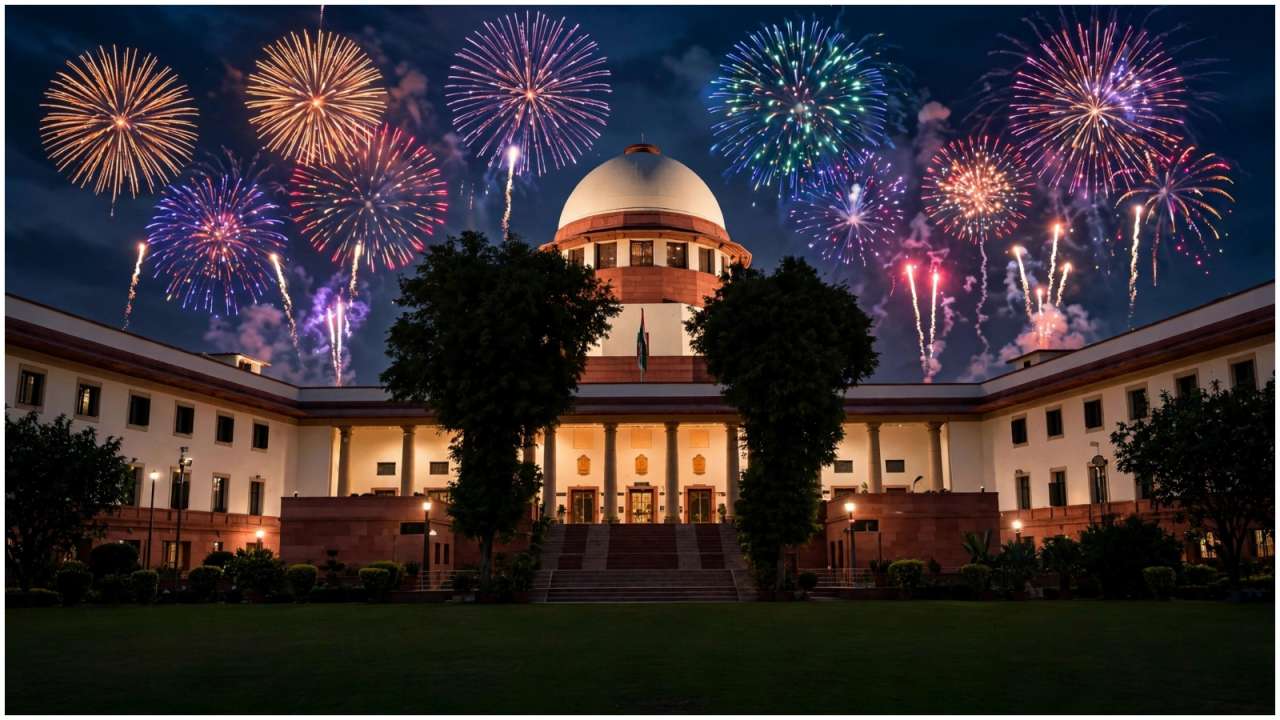 Will a firecracker ban solve the problem? Supreme Court signals a different approach
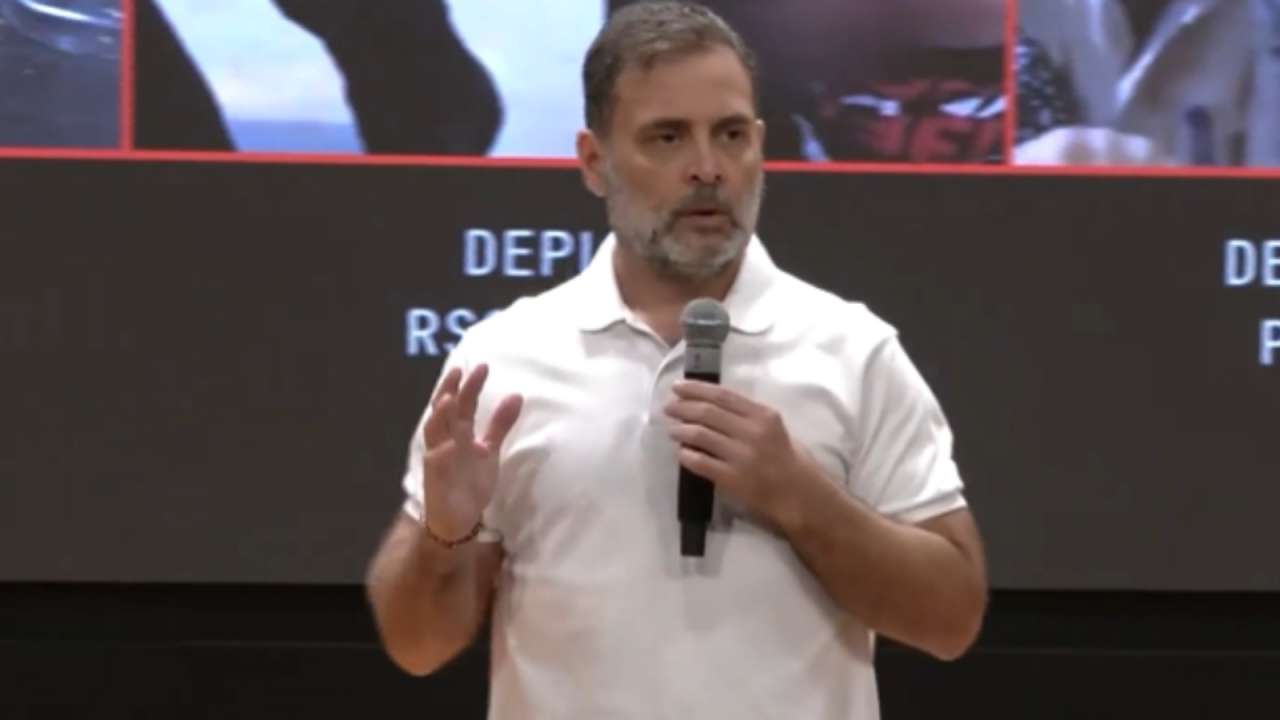 Rahul Gandhi's BIG claim: CEC Gyanesh Kumar sends him messages, 200 officers in his contact, half of policemen back protests
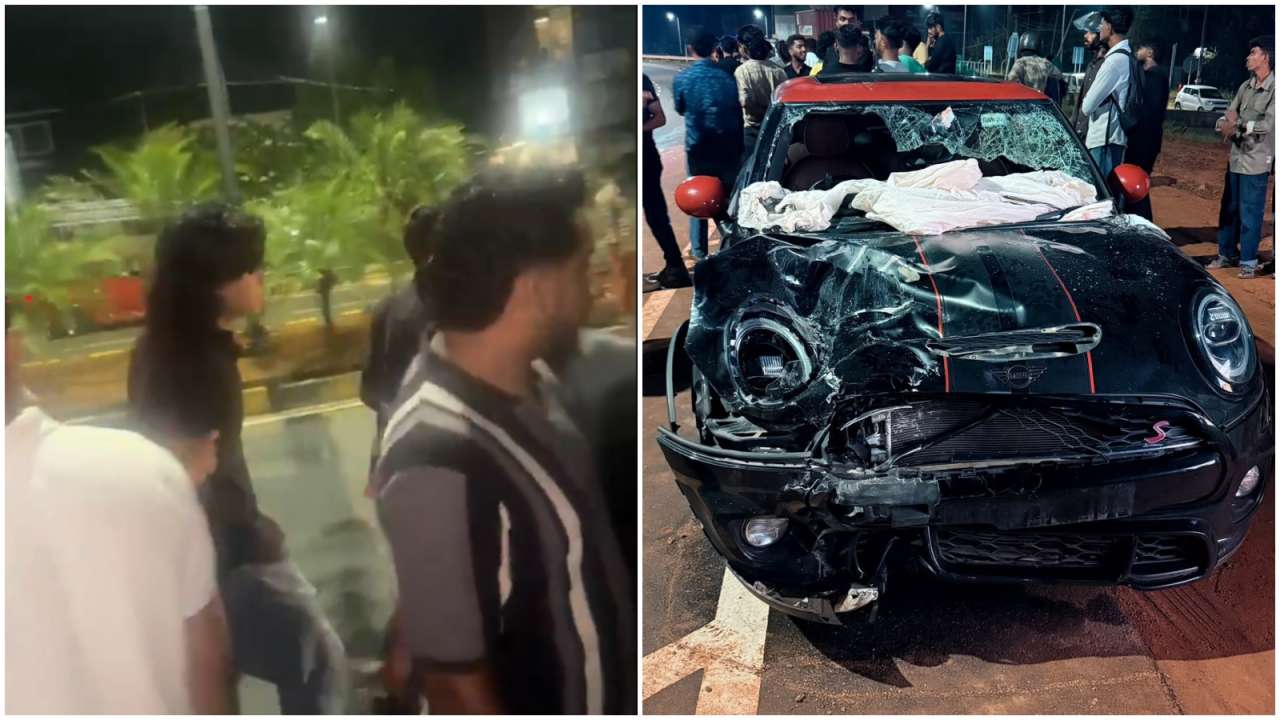 'My father will handle it': Kerala teen's remark after crashing Mini Cooper, killing three students
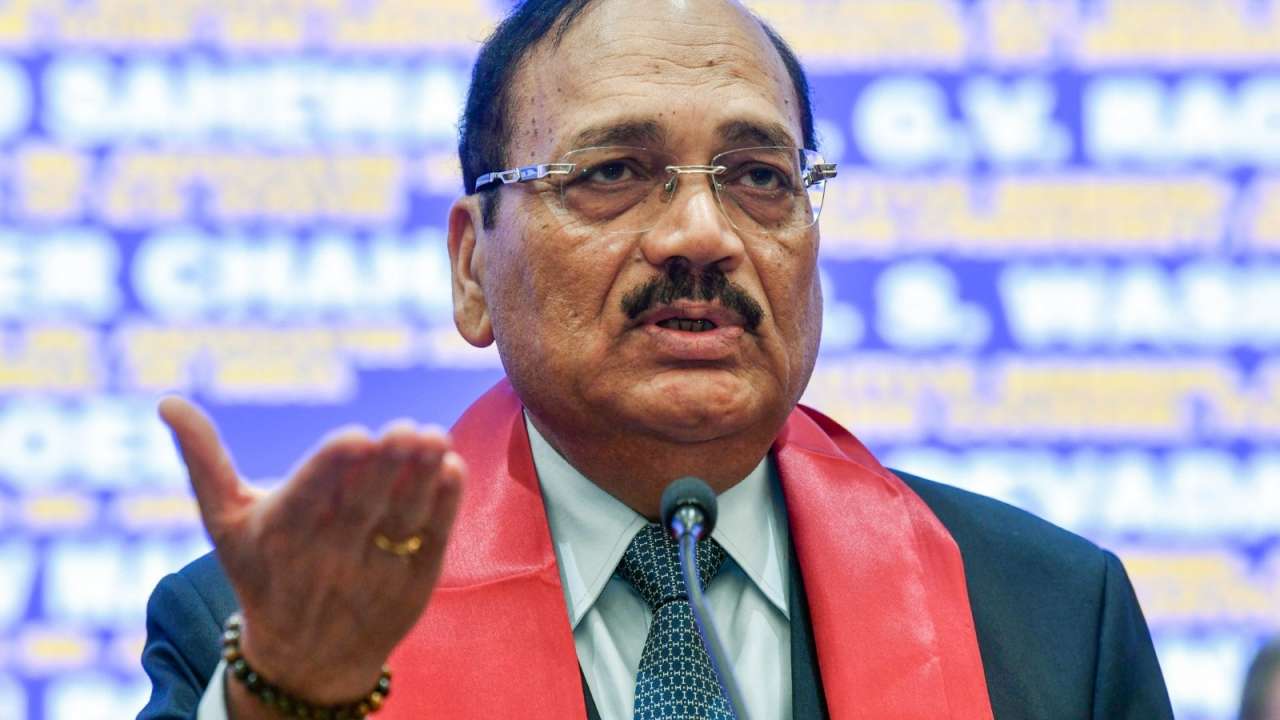 CJI breaks silence on rejecting INDIA bloc's meeting request: 'SC doors open to everyone'
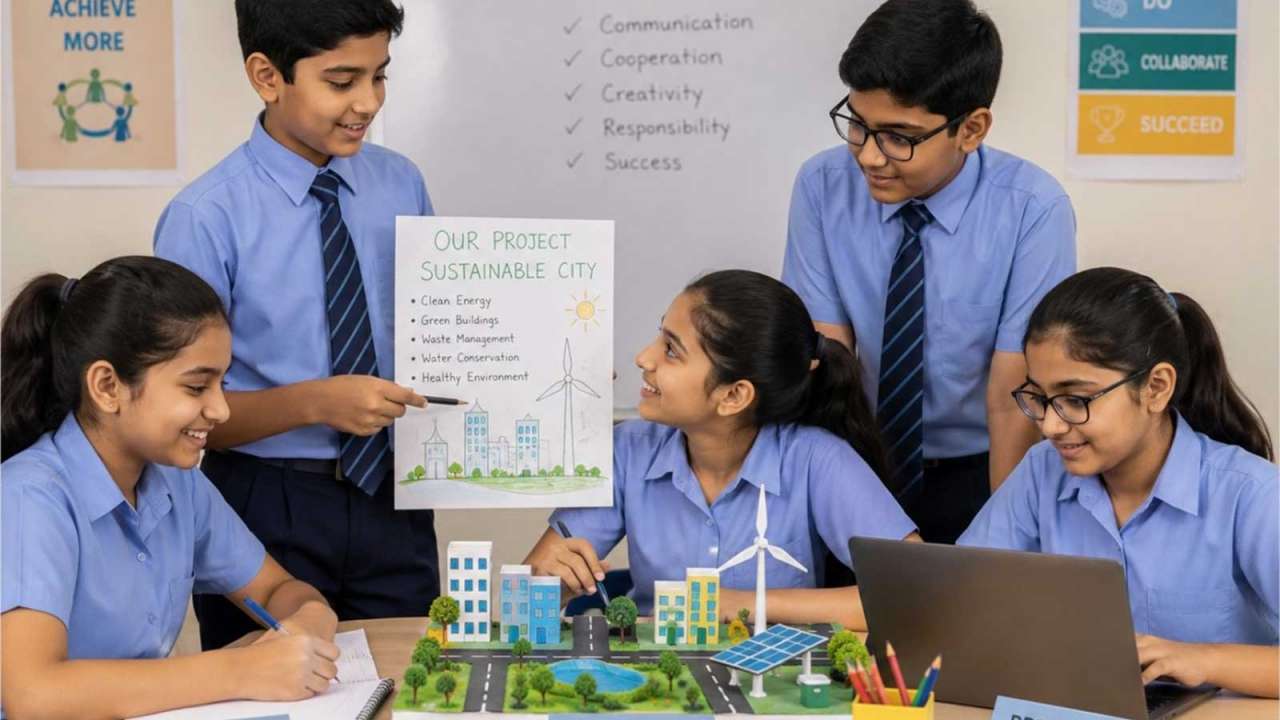 Third Language Row: SC extends relaxation to Class 6 students, asks CBSE to grant exemption, here's what it means
 NEET PG 2026 Result Out: Check how to download scorecard from natboard.edu.in; Know category-wise cut-off and more
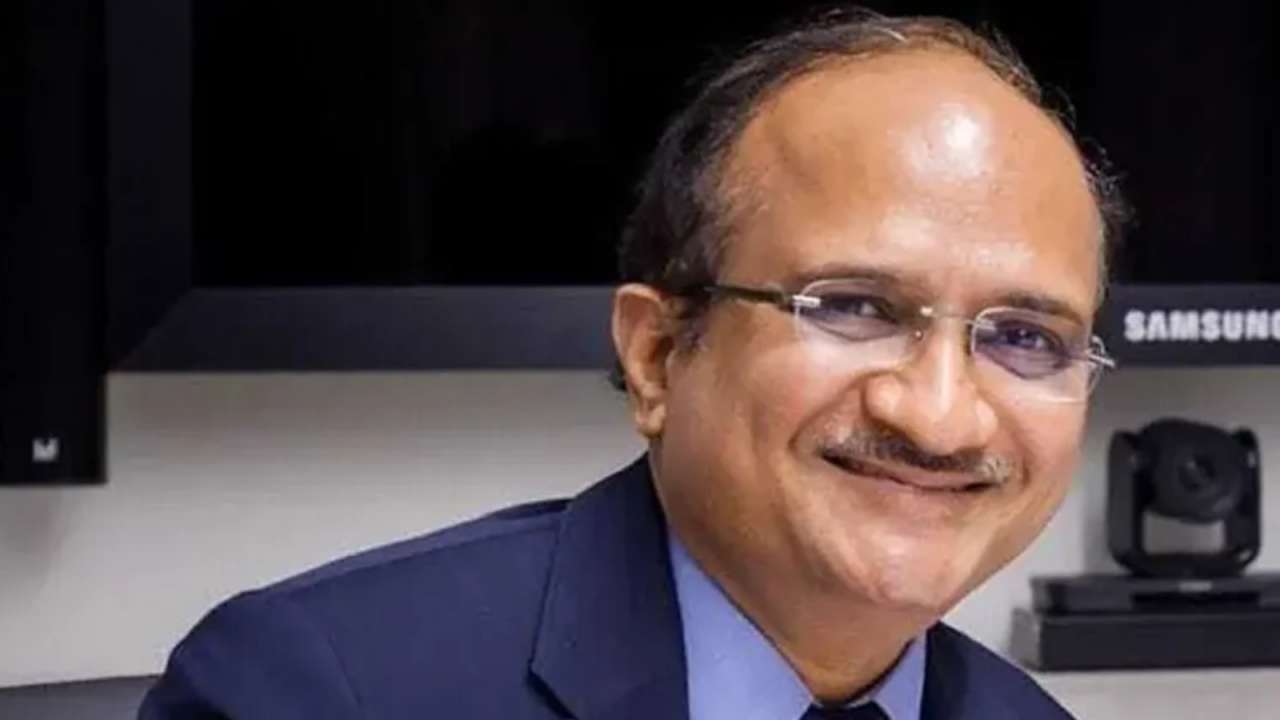 Five-year BTech programmes? Ex-IIT director makes proposals amid IIT suicide controversy
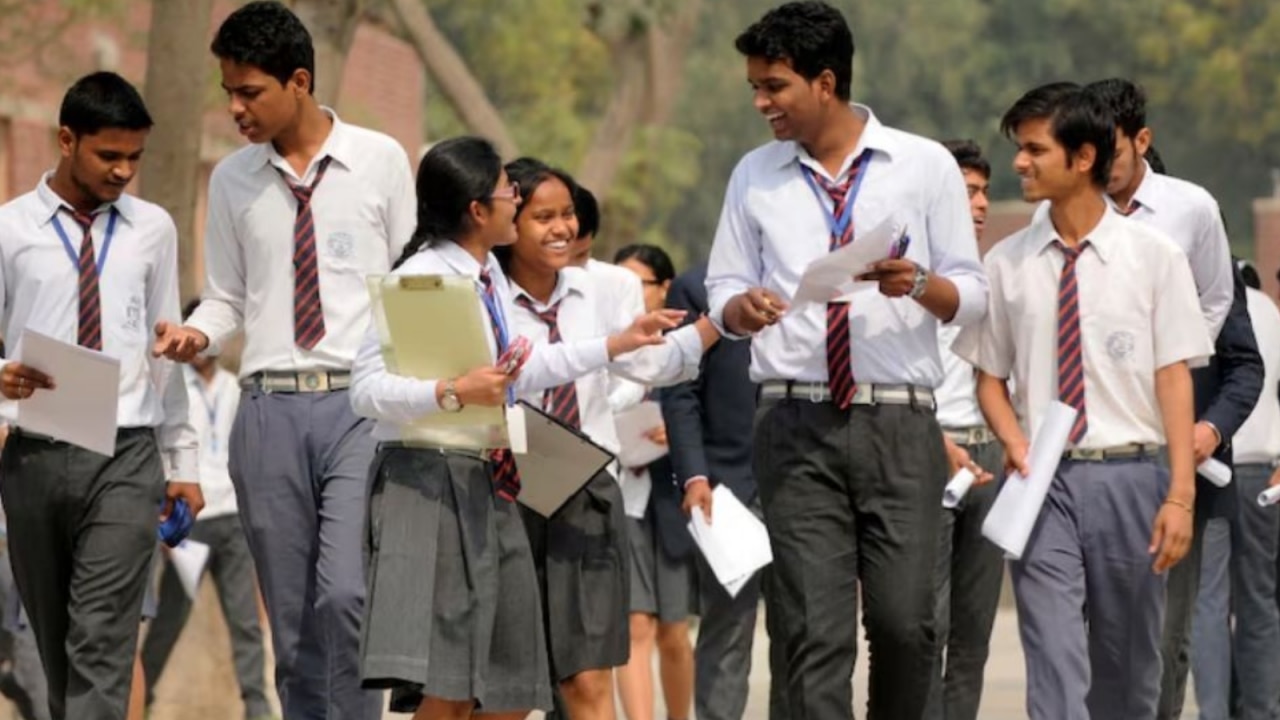 CBSE Date Sheet 2027: When will Class 10, 12 timetable be released? Check details here
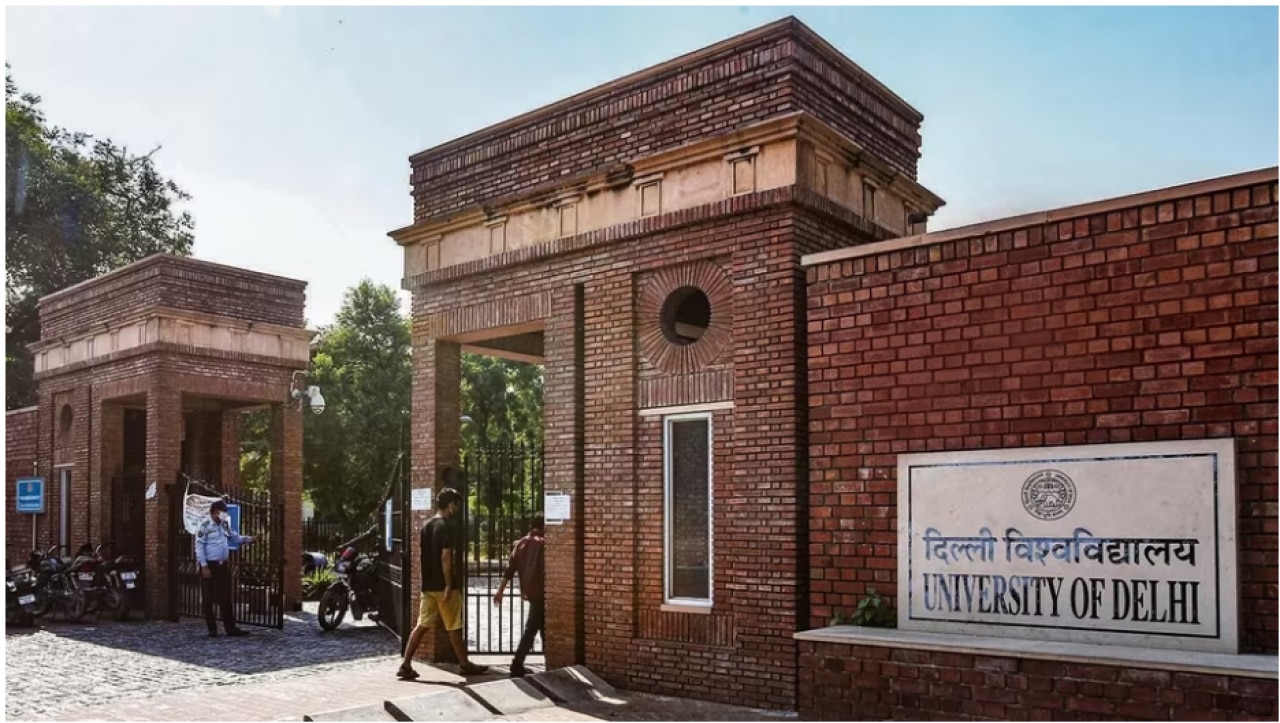 From Rs 150 in 1947 to powerful student body: The story of DUSU’s rise | Explained
 After Hyundai, Maruti Suzuki makes cars costlier ahead of festive season: Check new prices after hike
 Hyundai cars to get costlier from September: Check new prices and reason behind hike
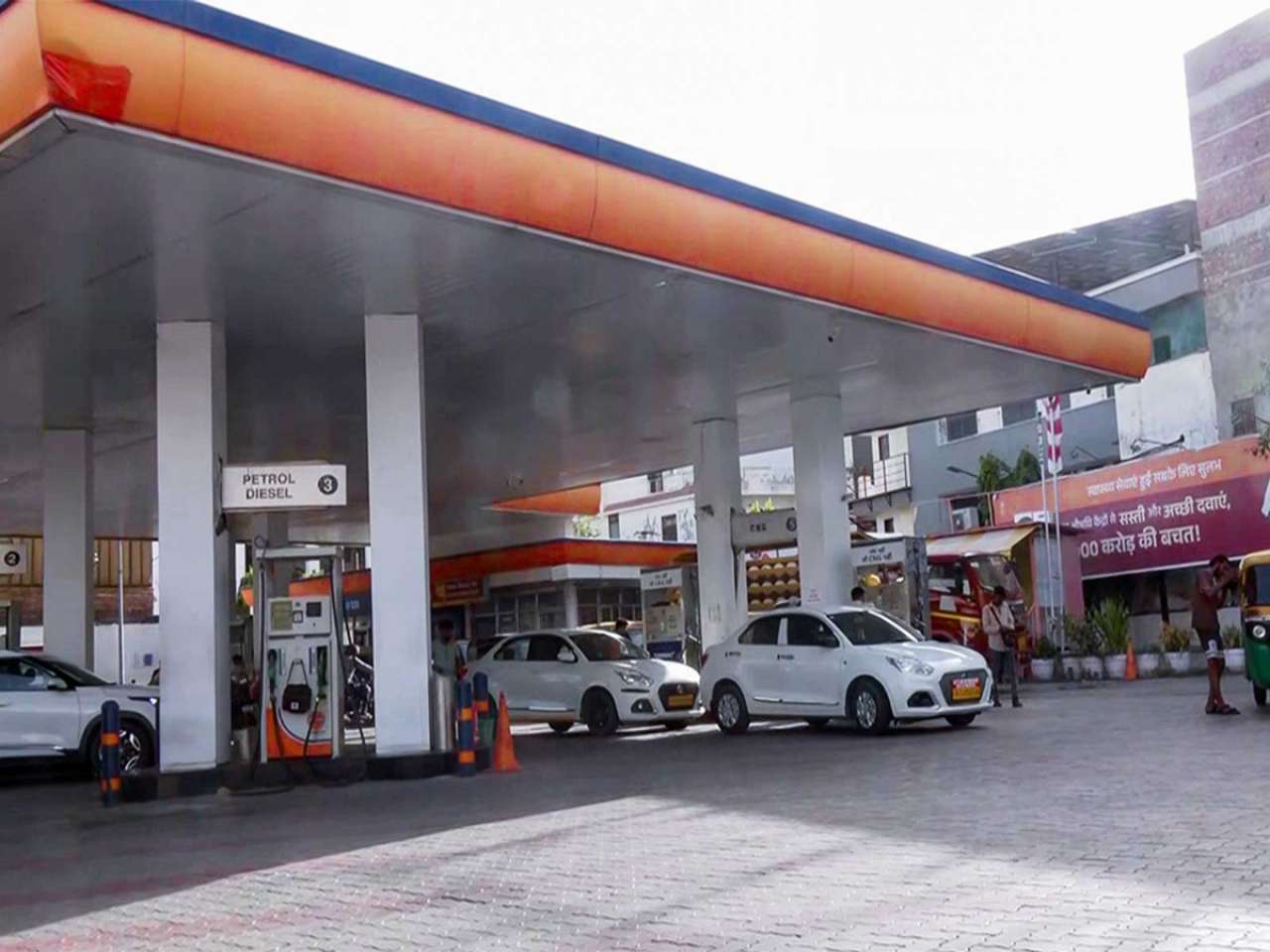 Why can't consumers choose pure petrol or E10? Centre explains why E20 is now the standard fuel
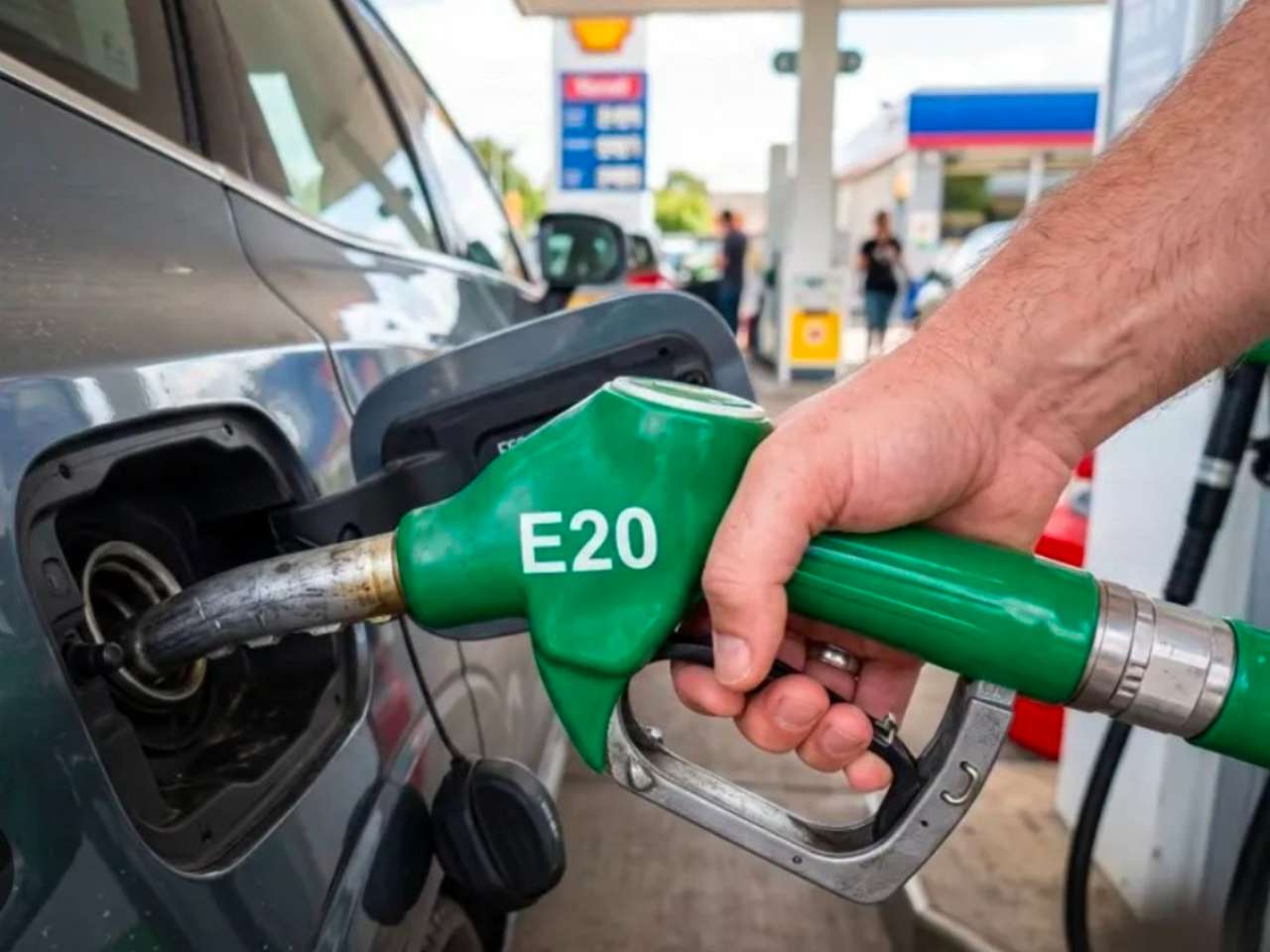 Centre claims E20 fuel does not damage engines, cites data from Maruti Suzuki and Hero MotoCorp
 Maruti WagonR Flex Fuel: What’s price of India’s first ethanol car? Specs, mileage, and top features explained
INDIA
KV Raman says the disaster in Uttarakhand is a grim warning to stop activities harmful to the environment.

Updated : Nov 21, 2013, 01:44 PM IST



The catastrophe that struck Uttarakhand is an instance of what occurs if nature is exploited beyond what it can endure. The monsoon arrived early and came down heavily. But the destruction was the outcome of the damage done by man.
Illegal constructions on the banks of the rivers and on mountain slopes have proliferated, particularly in the Uttarkashi-Kedarnath region that is within a fragile eco zone. In spite of repeated warnings, real estate activity and tourism has been allowed without restraint. Over the past few years, numerous dams and hydroelectric projects have been constructed that have also put additional pressure on the natural system.
From all accounts it seems that the Alaknanda and Mandakini carried whatever was in their path; houses and hotels, roads and bridges that were built over years, were washed away within minutes. This is a grim lesson from which we must learn to curb the activities that interfere with the environment.
Also, the less-than-satisfactory role of the National Disaster Management Authority (NDMA) raises serious questions about its relevance. Set up to serve as the nodal agency in times of emergency, it seems that it has turned into an office for out-of-work politicos and retired babus. How seriously it took its job is evident from the fact that the national executive committee didn’t meet even once between May 2008 and September 2012.
Driver sensed gravity of what was coming
The Himalayan tragedy has shocked us all, but already a debate is heating up on whether the disaster was the result of negligence. Of course, the cloudburst was not man-made. But after what I saw when I visited Uttarakhand on the Char Dham Yatra, in the fourth week of May, makes me believe that irregularities have contributed to aggravating the situation. When news about the disaster first flashed on the TV screen, I immediately phoned our driver to inquire about his well-being. He told me that he had been in the area with tourists on the Char Dham Yatra and had returned to Haridwar in the evening before the fateful day.
He said he had realised that the weather conditions were set to worsen and that somehow he managed to convince the tourists he was taking around, to cut short their yatra and return immediately. If a simple driver could sense the gravity of the situation and make a sensible decision, why did the government not act in time to prevent tourists from going on? Timely action could have saved hundreds of lives and avoided the agony of thousands of people who got stranded. If nothing else, this single lapse turns it into a ‘government-made’ tragedy.
– Prashant Inamdar, Pune
Armed forces taken for granted
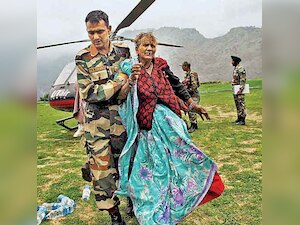
Seeing the courage and determination of the men in uniform – whether it is the ITBP, Army, Air Force or Navy – I have run out of words of appreciation and wonderment. They do a thankless job, always. Thankless, because the acknowledgement lasts only till either the last bullet is fired, or as in this case, till the last survivor is rescued. After that, all is forgotten, whether it is their problems, their grievances or their welfare. Our political leaders who should be taking cognisance of this, get back to slamming and blaming each other and looking for ill-gotten wealth. I wonder when they will learn. I hope it is not when it is too late.
– Col AM Limaye, Pune
Vijay Bahuguna’s team has done well
Instead of saluting the personnel of the NDRF, the ITBP and the armed forces, and thousands of selfless volunteers who are doing a marvellous job in rescuing thousands of people stranded in the inaccessible regions of Uttarakhand, our politicians are engaged in a shameless blame game over who is responsible for letting the destruction happen. I don’t think any other state would have done any better in such trying circumstances, than what the Uttarakhand administration led by chief minister Vijay Bahuguna is doing. There are bound to be some drawbacks, failures or faults in such a mammoth operation, but that must be ignored, at least for now.
– KP Rajan, Mumbai