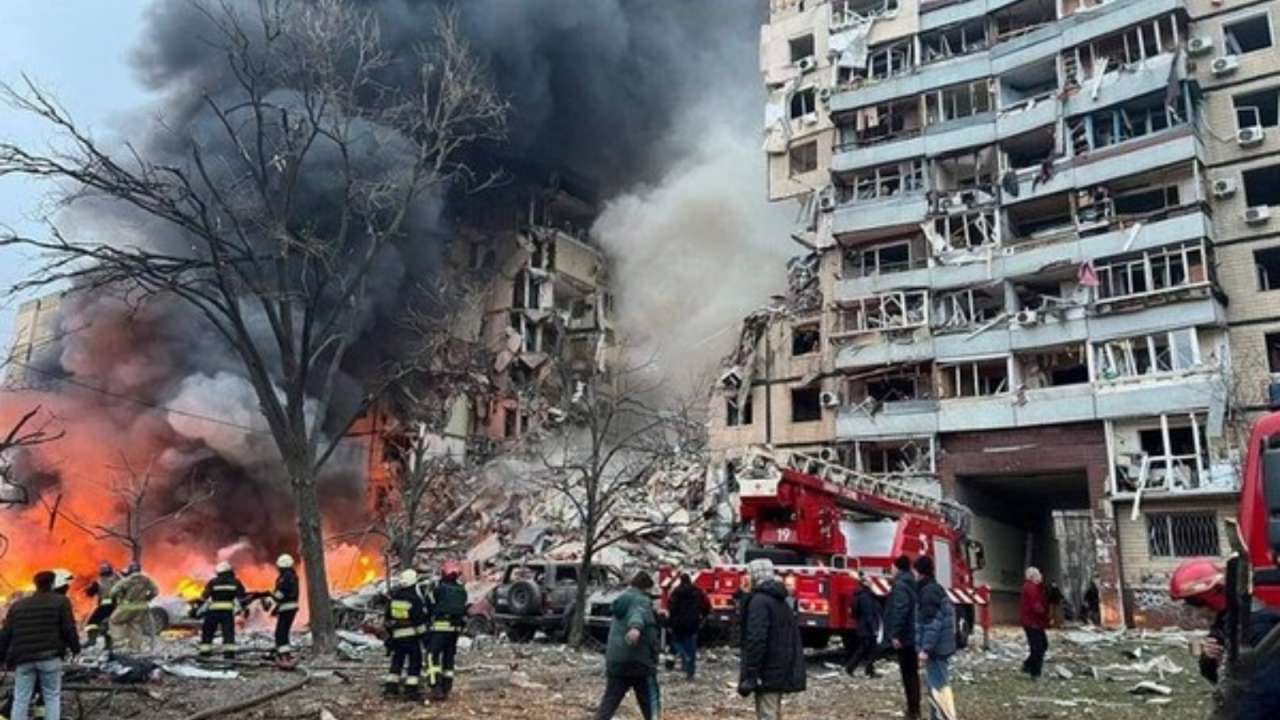
 Jaishankar reveals India’s quiet role in ending Russia-Ukraine war: ‘We are talking to both sides’
 Flydubai pilot Smit Machchhar suffers skull fracture in co-pilot attack, emergency surgery performed in Saudi Arabia
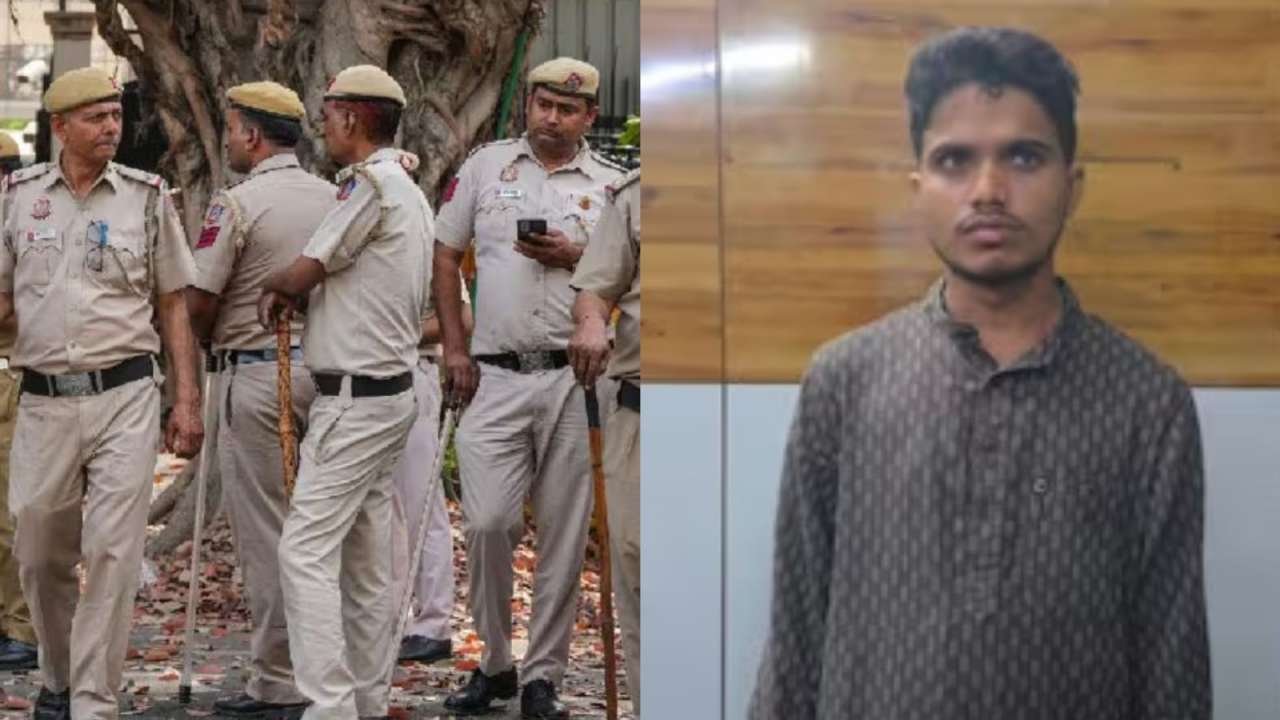 Delhi police arrest 24-year-old YouTuber for AI-generated poster of officer molesting journalist
 Shefali Shah feared being the 'next Nirupa Roy' after Amitabh Bachchan, Akshay Kumar's Waqt: 'Was bombarded with mommy roles'
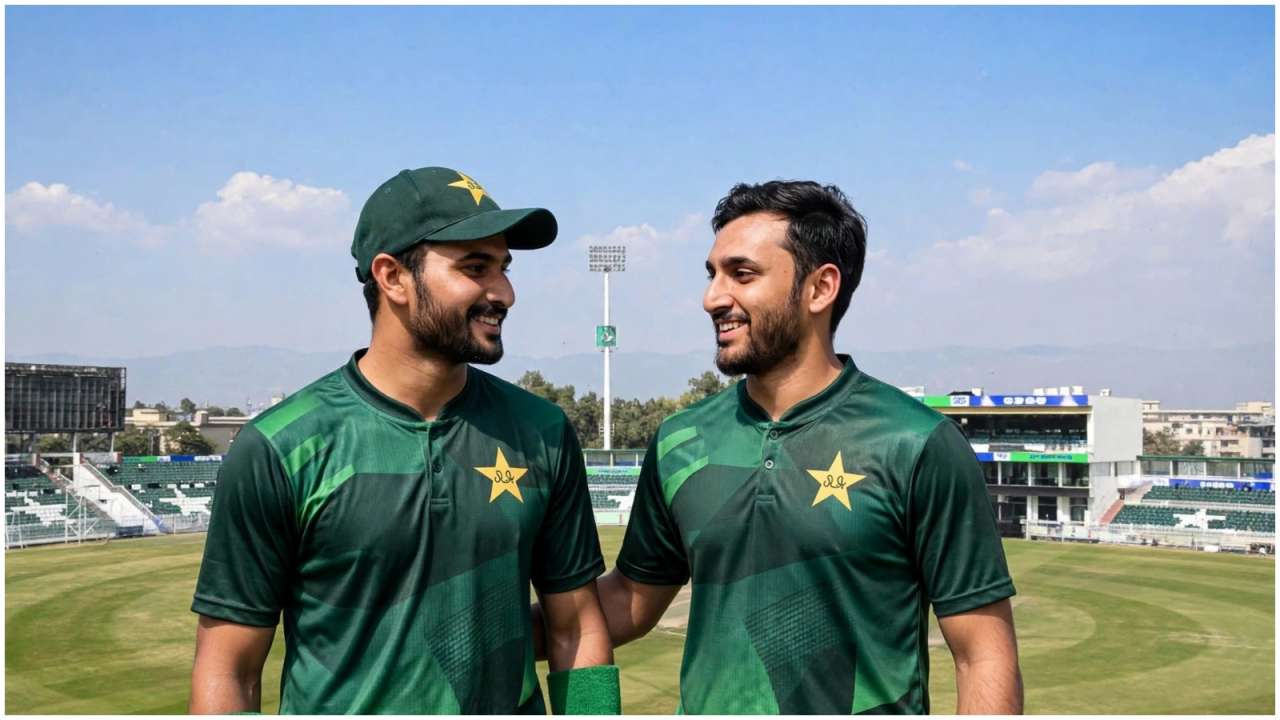 Sahibzada Farhan gets Pakistan T20I captaincy again: What happened to Salman Ali Agha?Sahibzada Farhan gets Pakistan T20I captaincy again: What happened to Salman Ali Agha?
 Pakistan Champions withdraw from WCL Season 3: India clash cancelled, what went wrong?
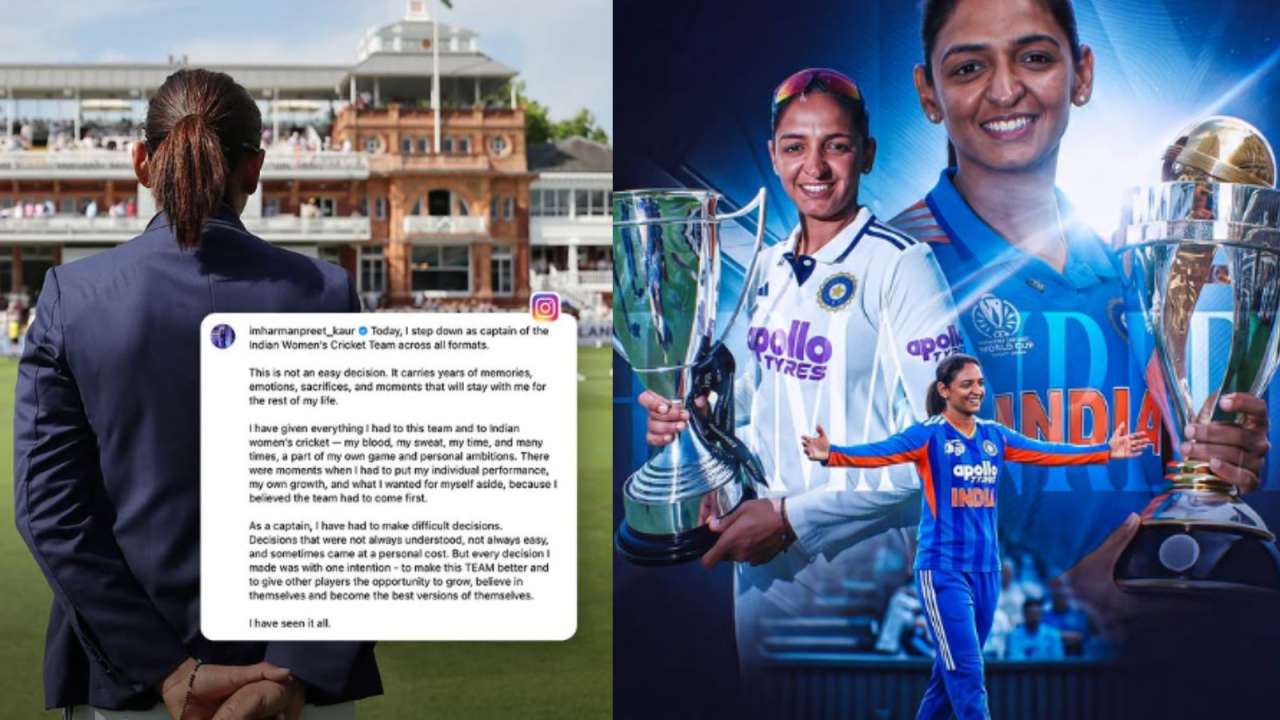 How did Harmanpreet Kaur reshape Indian women's cricket during 10 years of her captaincy?
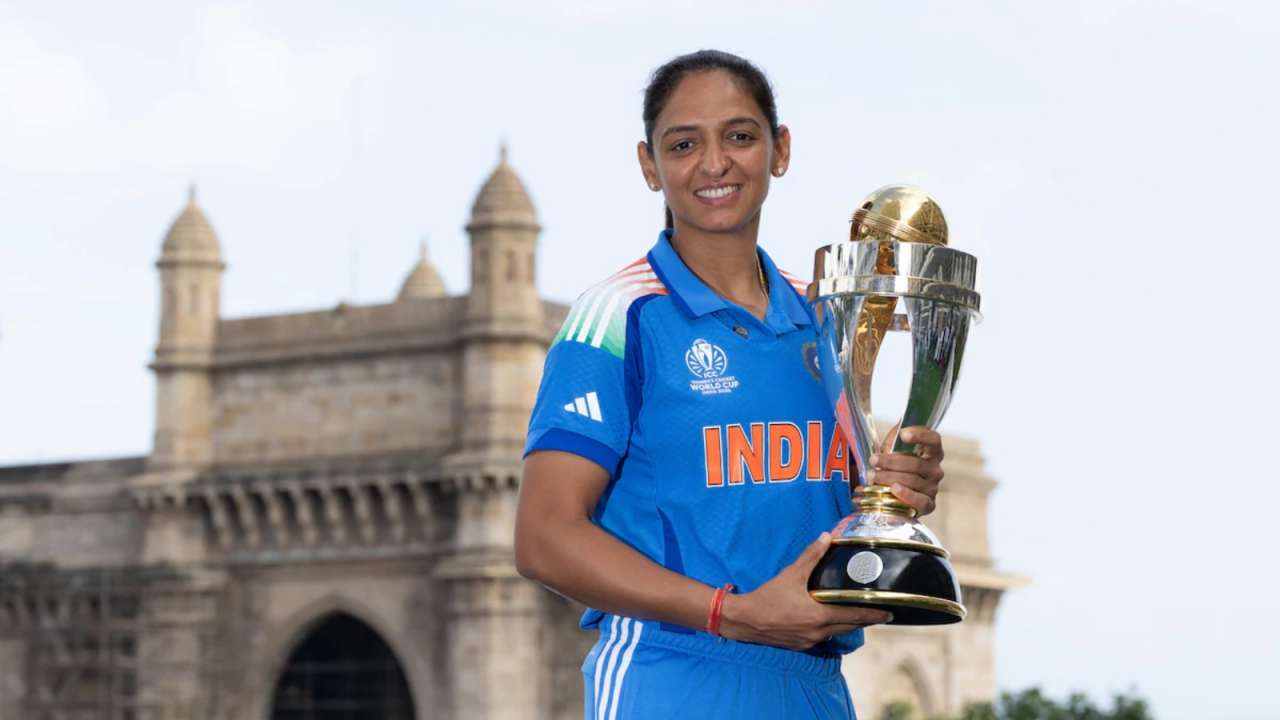 Harmanpreet Kaur steps down as India women's team captain across all formats; Will Smriti Mandhana take the baton?
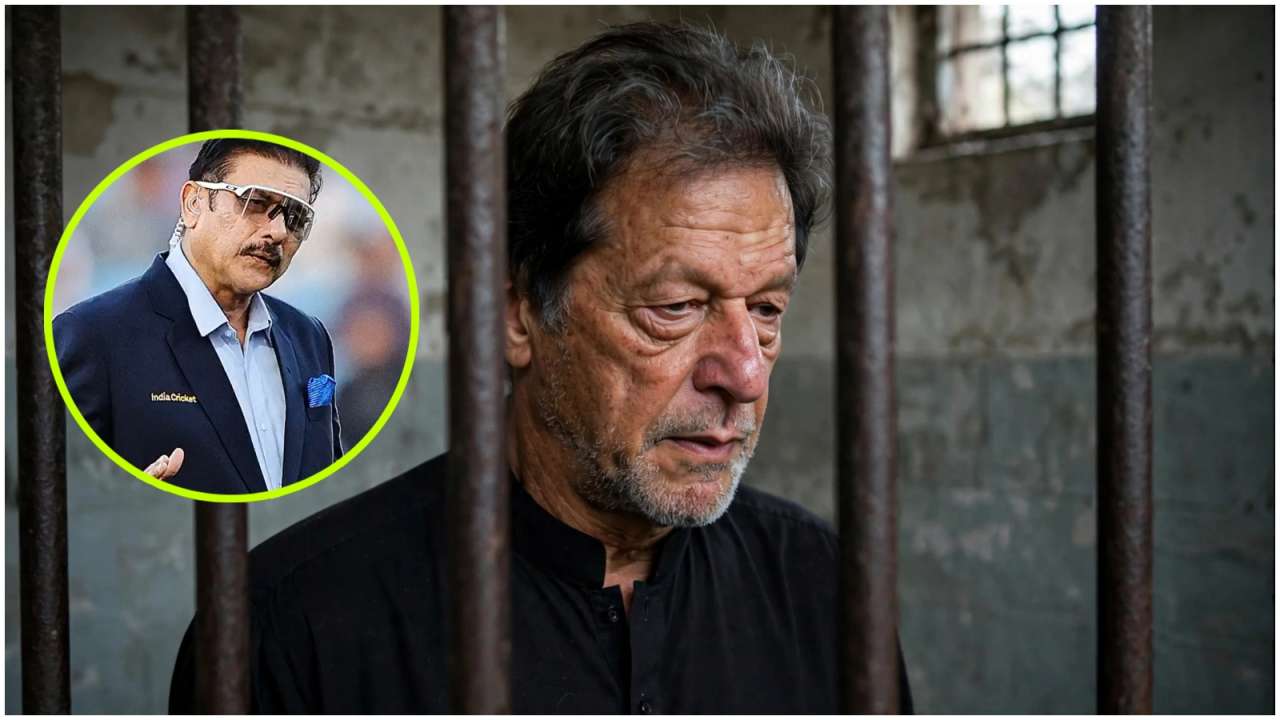 'Most recognised Pakistani face globally': Ravi Shastri breaks silence on Imran Khan’s treatment in jailShefali Shah feared being the 'next Nirupa Roy' after Amitabh Bachchan, Akshay Kumar's Waqt: 'Was bombarded with mommy roles'
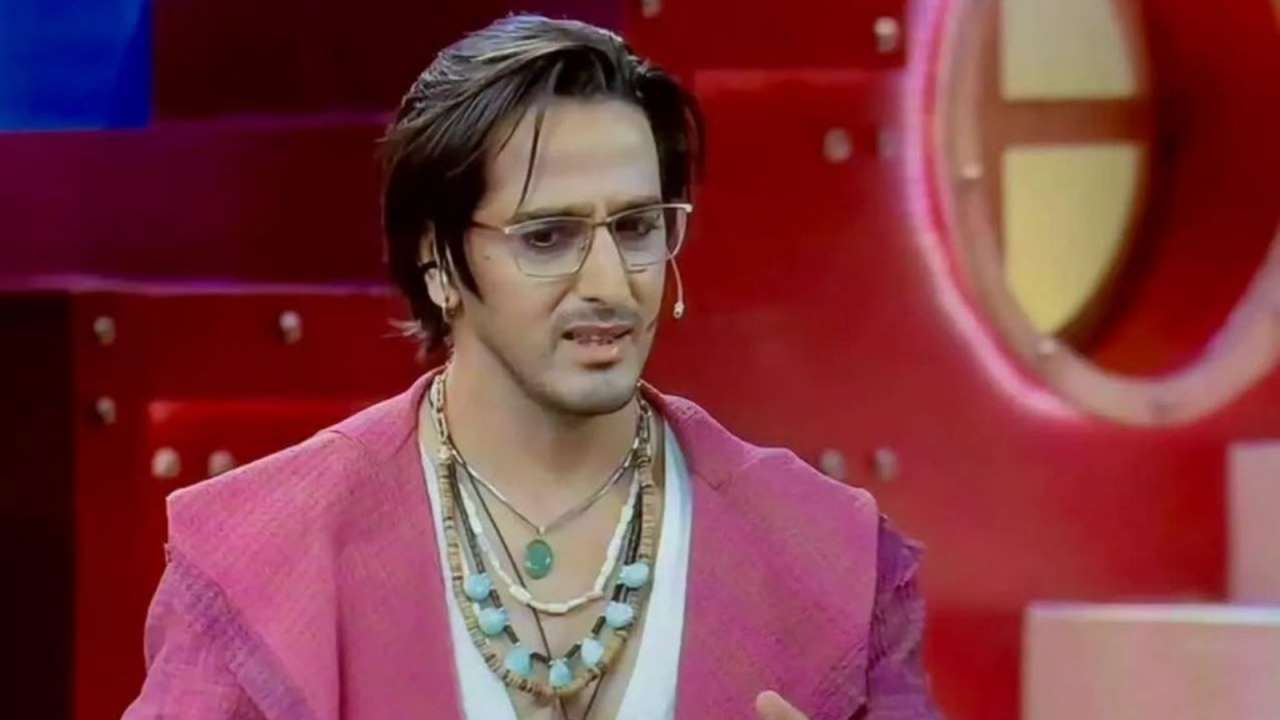 Qazi Touqeer eliminated from Bigg Boss 20 over health issue? Team breaks silence
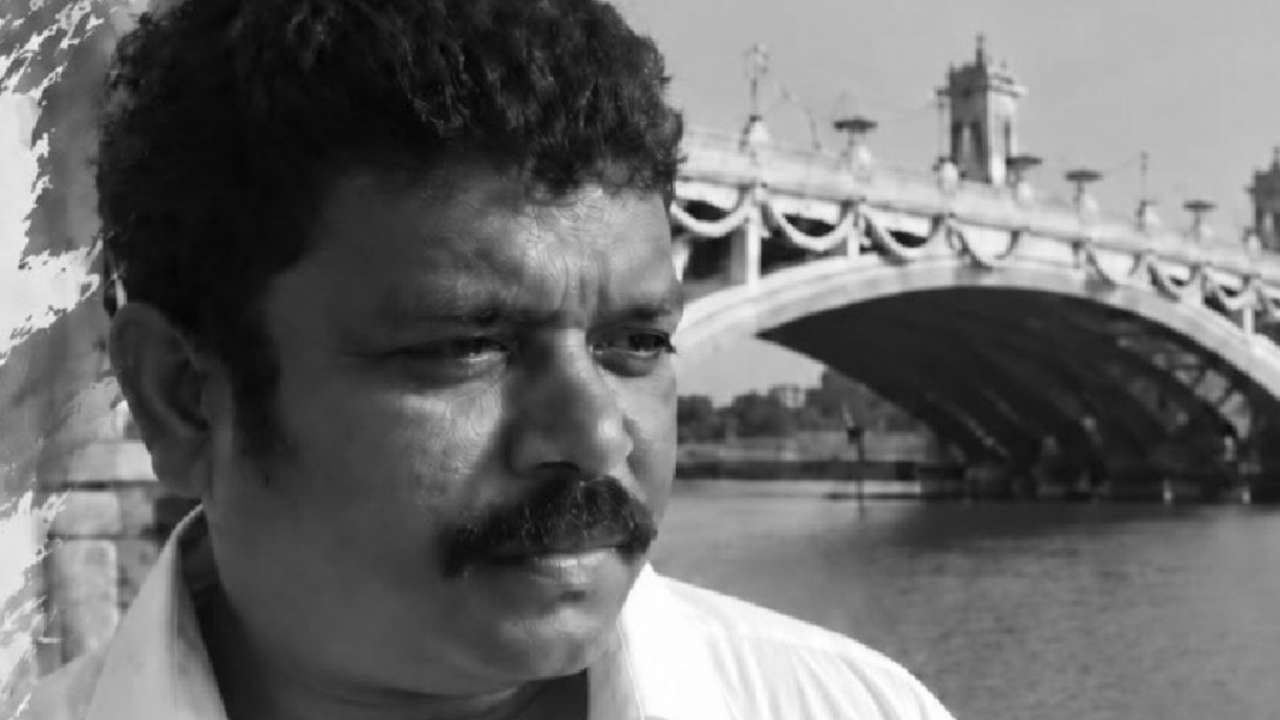 Odia film director SK Muralidharan dies at 60, heart attack suspected; Odisha CM Majhi pays tribute
 Drishyam 3 box office collection day 4: Ajay Devgn film zooms past Rs 300 crore worldwide
 ‘I love you baby’: Avinash Mishra and Eisha Singh make relationship official, video goes viral
 Delhi News: 'Create Fear In Minds Of Criminals': Supreme Court To Delhi Police On Rising RapesDelhi News: 'Create Fear In Minds Of Criminals': Supreme Court To Delhi Police On Rising Rapes
 Russia News: Researcher Dies Of 'Mystery' Pneumonic Plague; Hundreds Quarantined, 5 Hospitals Shut
 ECI Row: 'We Did Not Approve Revised Form 6'; CJI Surya Kant Rejects ECI Claim
 CJP News: 'Gyanu Must Go' Slogans Target CEC Gyanesh Kumar At CJP Rally | Mumbai Protest
 Gen Z Finance: From lifestyle spending, credit cards to financial planning—What experts suggest
 FCNR inflows cushion rupee, BoP, but sustained stability hinges on FII flows: Report
 Gold, Silver prices today, October 2, 2026: Check city-wise rates in Delhi, Mumbai, Chennai, Kolkata and more
 New Money Rules From October 1: What changes in Banking, Tax, UPI & Savings? Check full list
 Export schemes extended: RoDTEP, RoSCTL till December 31, RELIEF till March 2027| Explained
 OTT Releases This Week (Sept 28 - Oct 4): Dupahiya 2, Pooja Meri Jaan; new movies and shows to watch this Gandhi Jayanti weekend
 From Neeti Mohan, Heer, Sarthak Kalyani; Ahead of Sa Re Ga Ma Pa, 5 musical geniuses championed by AR Rahman
 72nd National Film Awards 2024: Kartik Aaryan, Yami Gautam, Aditya Dhar, Mammootty, Dhanush, Anant Nag accept honours
 OTT Releases This Week (September 14-20): Lust Stories 3, Irumudi, Thudakkam; Indian movies, series to watch on Netflix, Prime Video, JioHotstar
 Ganesh Utsav 2026: Deva Shree Ganesha, Sindoor Lal Chadayo; 5 iconic Ganpati songs that should be must-haves in your playlistDelhi police arrest 24-year-old YouTuber for AI-generated poster of officer molesting journalist
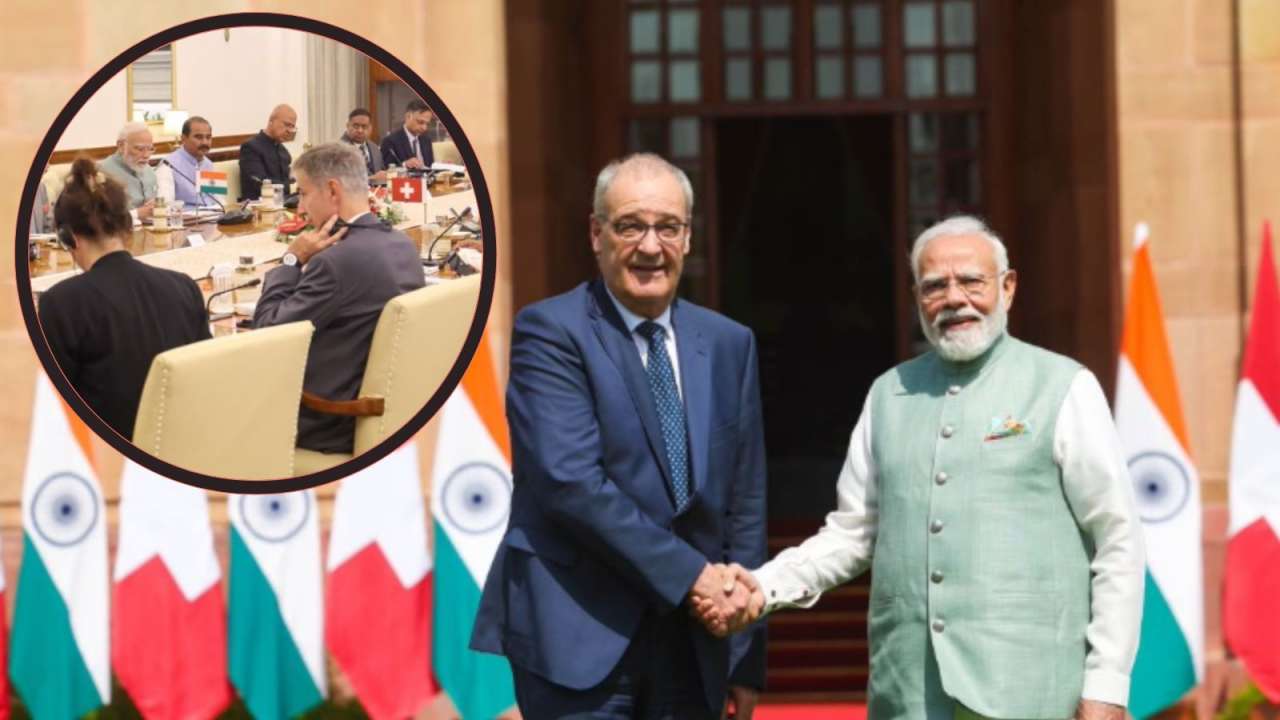 From barley soup to Gobhi Mussalam to paneer rice: After BRICS dinner, lunch offered to Swiss president hits headline
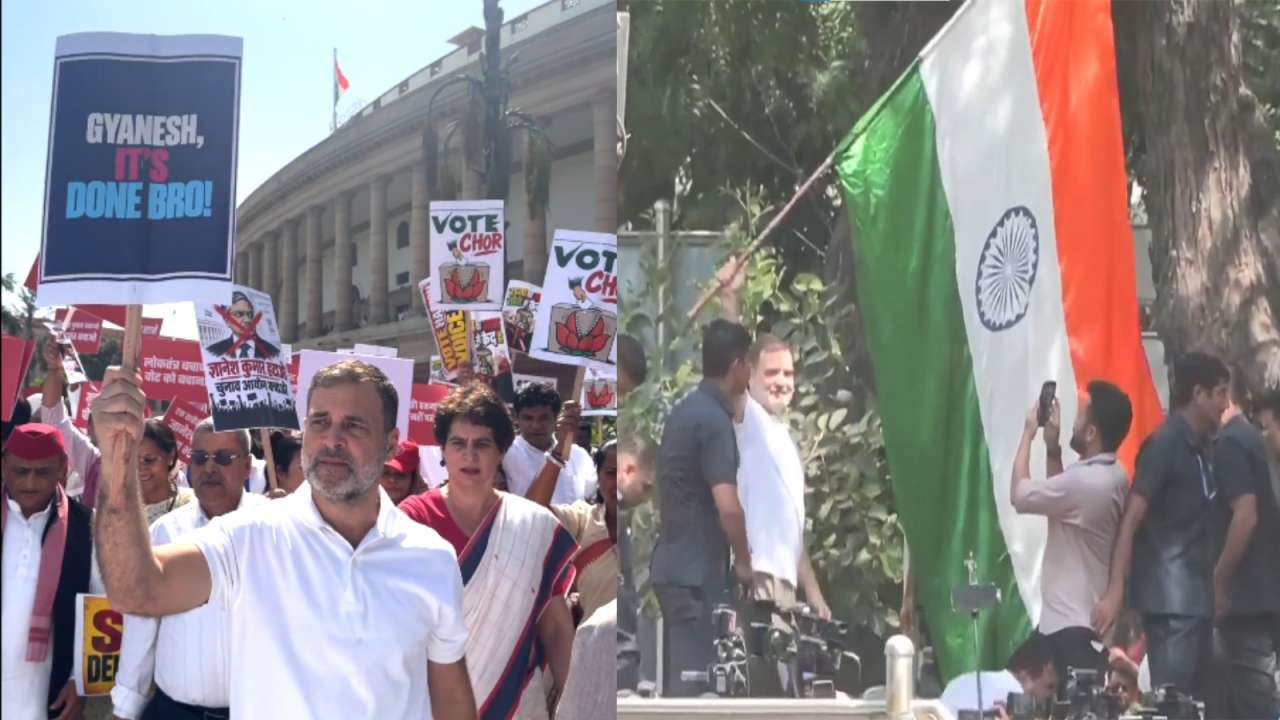 Rahul Gandhi On Dharna: LoP leads roadside sit-in at ECI gate, demanding removal of CEC Gyanesh Kumar, says 'it's done, bro'
 Bihar Police's SHO threatens to open fire on flood-hit people for demanding relief material! Watch video
 Sex For Release From Prison? Chief Jail Superintendent faces trial for soliciting sex from prisoner's wife
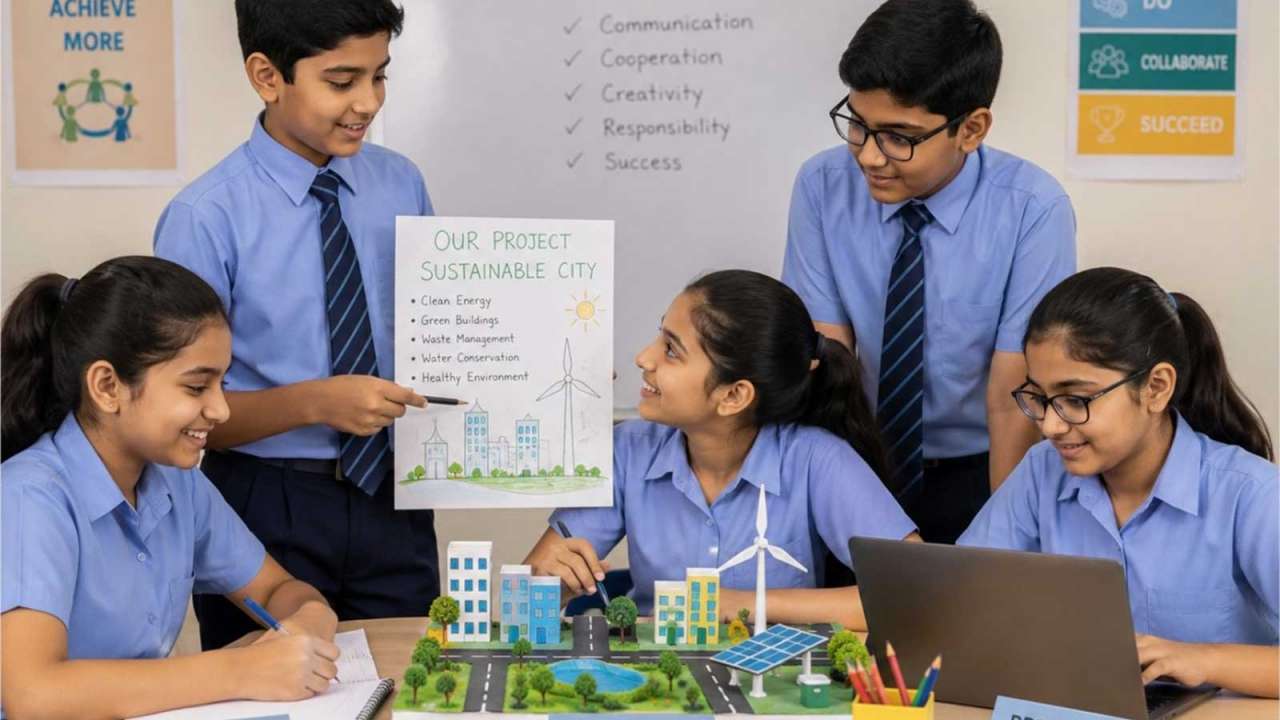 Third Language Row: SC extends relaxation to Class 6 students, asks CBSE to grant exemption, here's what it means
 NEET PG 2026 Result Out: Check how to download scorecard from natboard.edu.in; Know category-wise cut-off and more
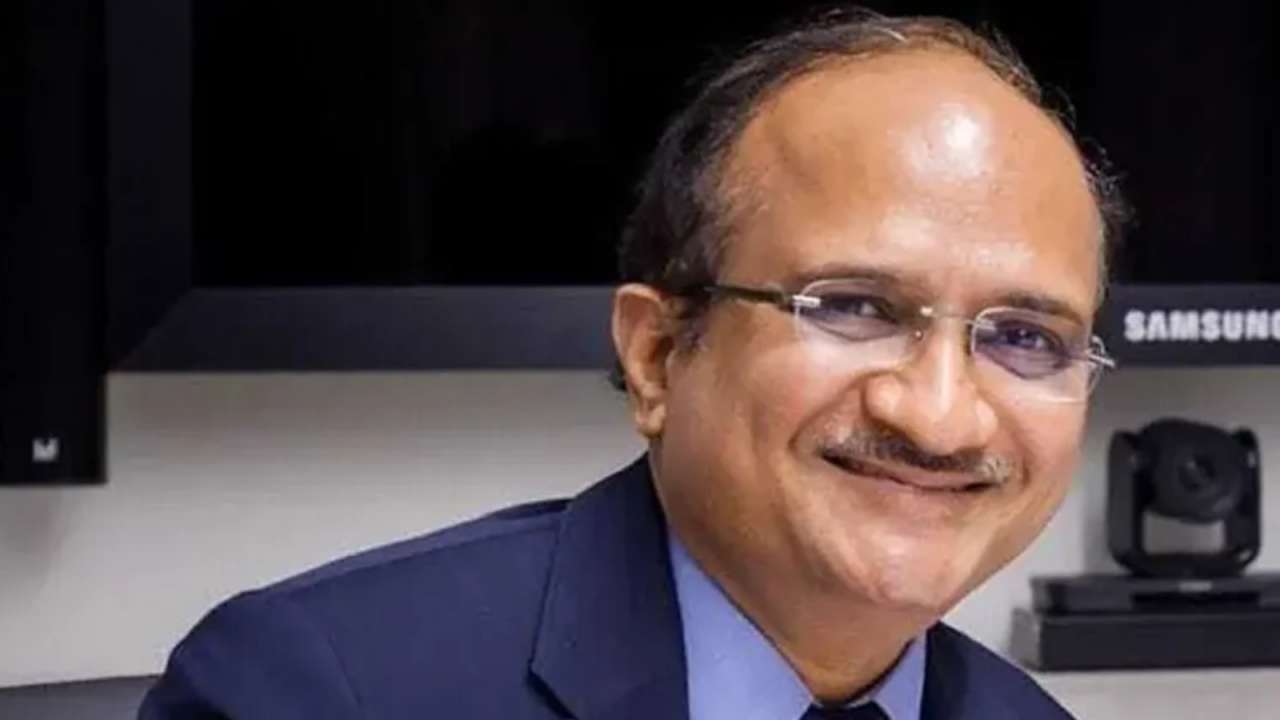 Five-year BTech programmes? Ex-IIT director makes proposals amid IIT suicide controversy
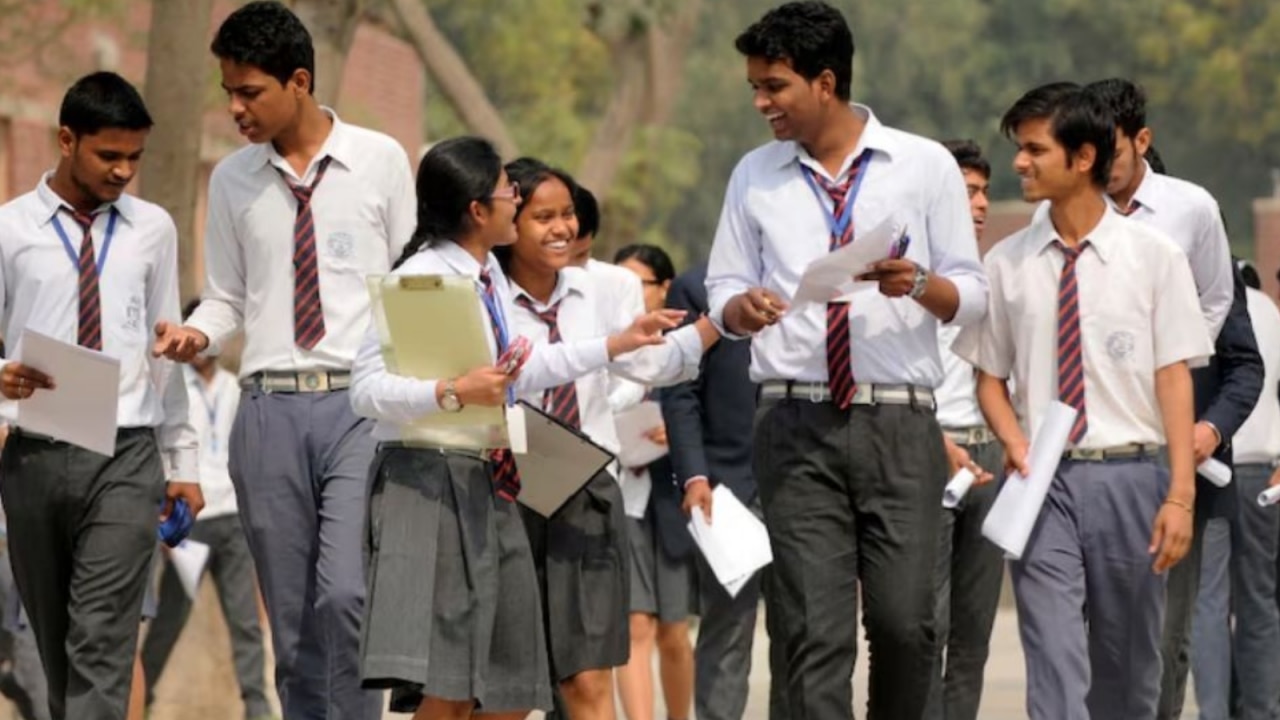 CBSE Date Sheet 2027: When will Class 10, 12 timetable be released? Check details here
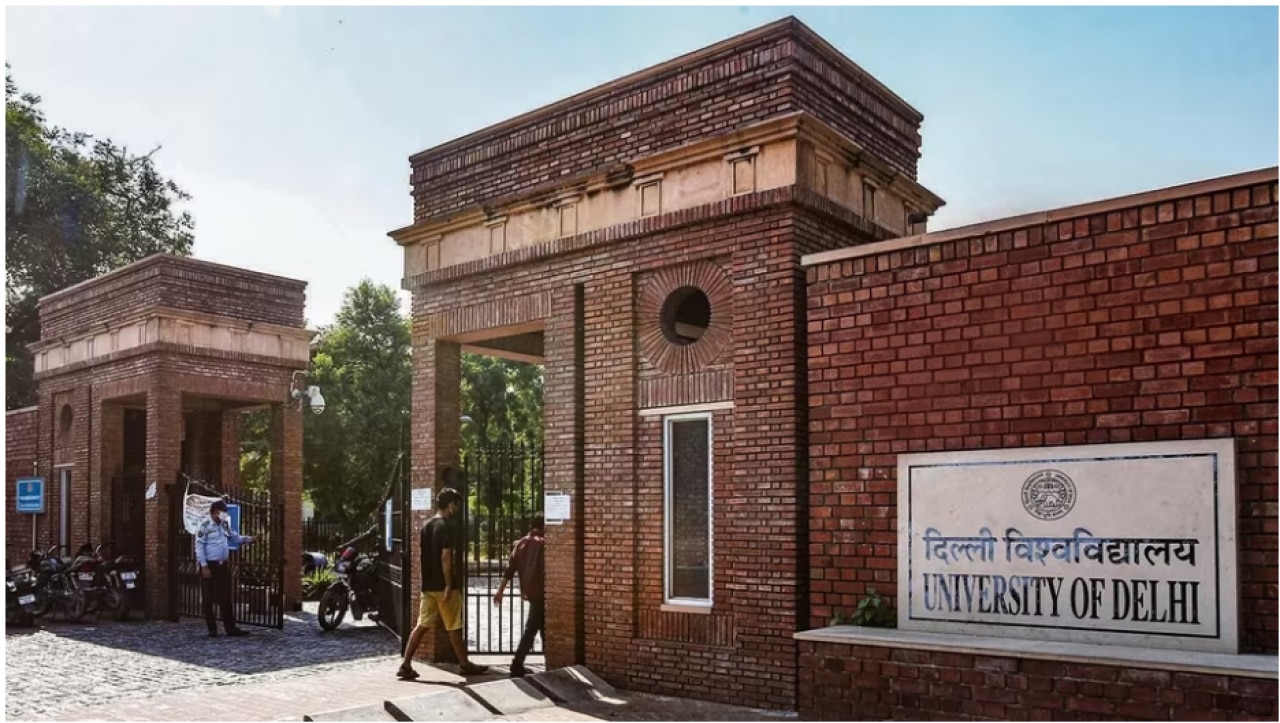 From Rs 150 in 1947 to powerful student body: The story of DUSU’s rise | Explained
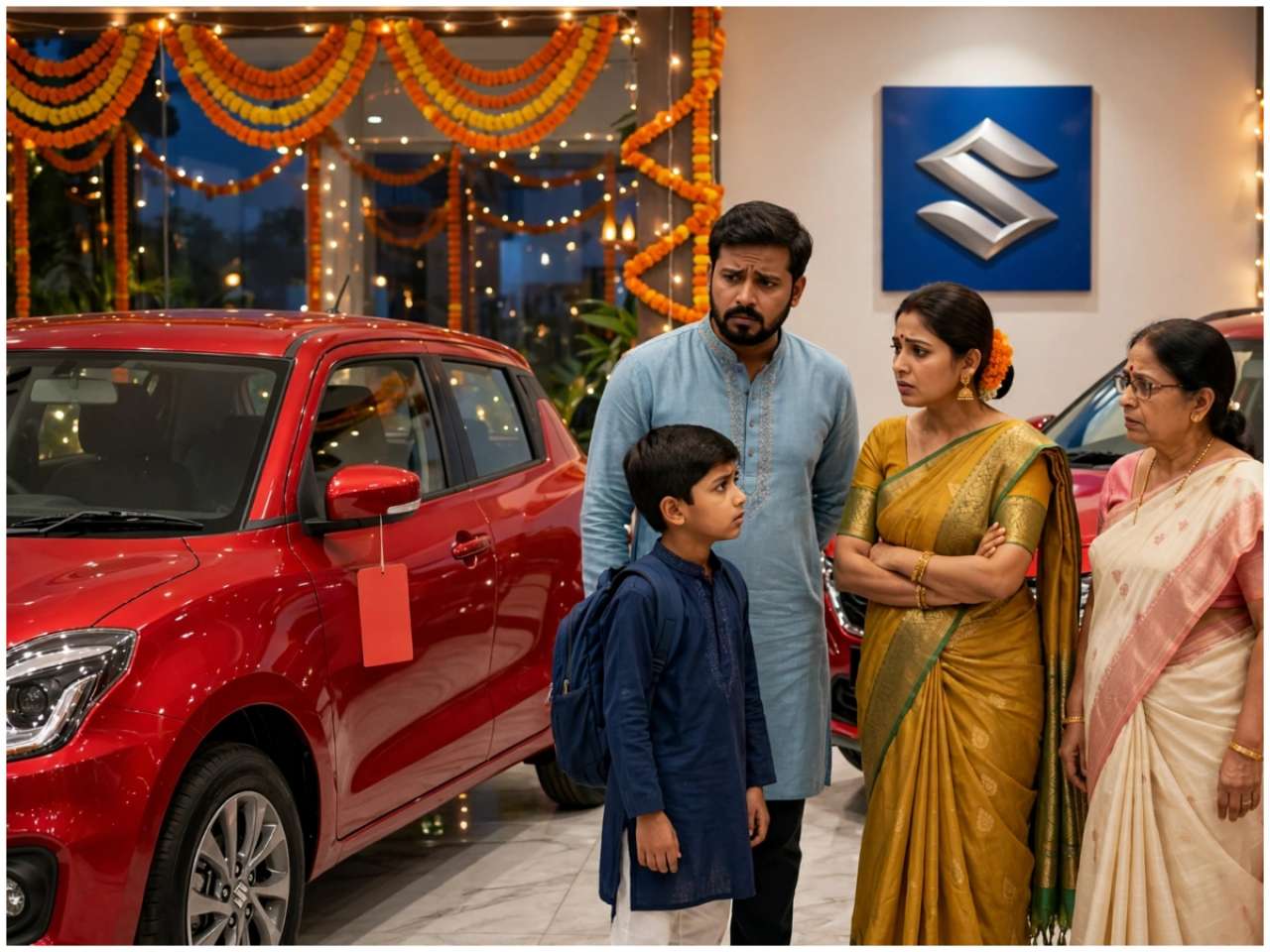 After Hyundai, Maruti Suzuki makes cars costlier ahead of festive season: Check new prices after hike
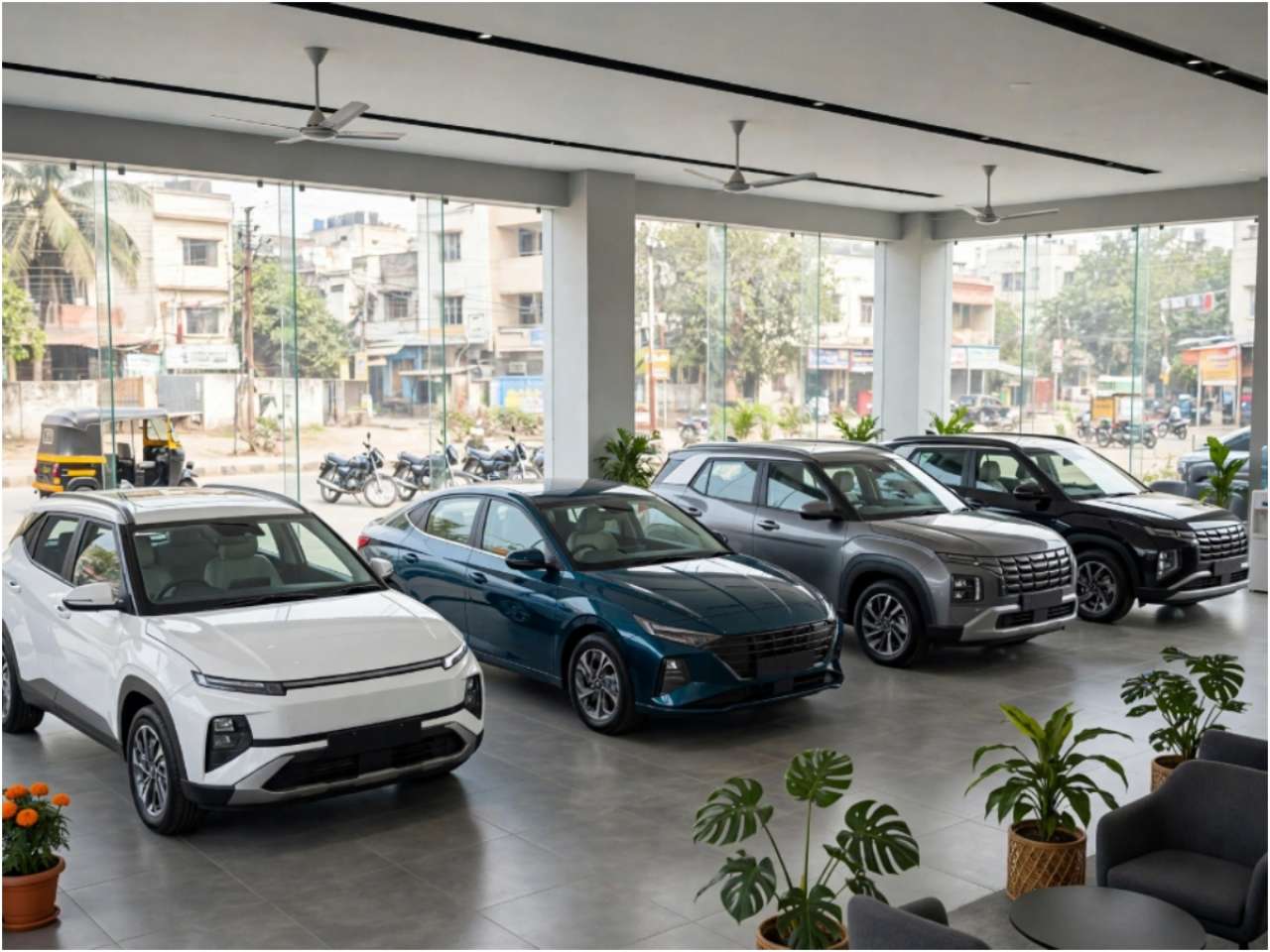 Hyundai cars to get costlier from September: Check new prices and reason behind hike
 Why can't consumers choose pure petrol or E10? Centre explains why E20 is now the standard fuel
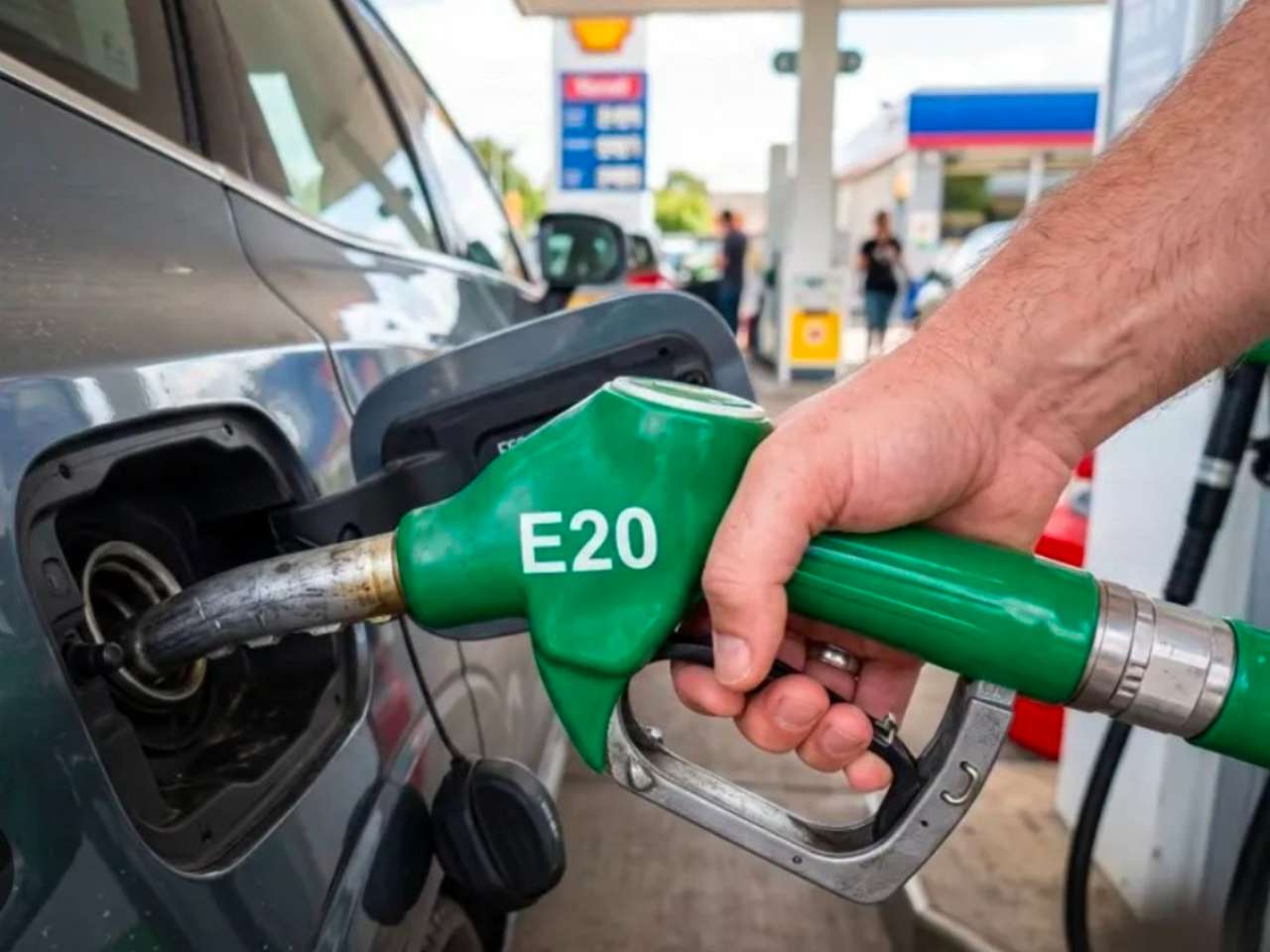 Centre claims E20 fuel does not damage engines, cites data from Maruti Suzuki and Hero MotoCorp
 Maruti WagonR Flex Fuel: What’s price of India’s first ethanol car? Specs, mileage, and top features explained
INDIA
The SDG for under five mortality is 25 deaths per 1000 live births.

Updated : Jul 03, 2016, 08:20 AM IST
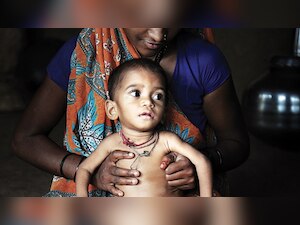



With 17 per cent of the global deaths of children under five projected to take place in India, the country is one of the leading factors endangering the Sustainable Development Goal targets of 2030 said a recently released UNICEF report. The State of the World's Children Report 2016 put India among the five countries that will account for more than half of the under five deaths. Among the rest Nigeria will bear 15 per cent, Pakistan 8 per cent, the Democratic Republic of the Congo 7 per cent and Angola 5 per cent.
The SDG for under five mortality is 25 deaths per 1000 live births.
If the world continues on its current track of inequality and malnutrition, it will see dire consequences in 2030 instead of the outcomes of the SDGs; 167 million children will live in extreme poverty, 69 million children under the age of five will die between 2016 and 2030, 60 million children of primary school age will be out of school. "Pneumonia will remain the second biggest killer of children under age 5, and preterm birth complications will remain the first" says the report.
A glaring reason for such a dire situation was the widening gap between status of children of the rich and of the poor. The poorest children are 1.9 times likelier to die before the age of five than the richest children. Though economic growth a country does alleviate the burden of under five deaths, India as country "in the fast lane for global economic growth" has been slow about reducing child mortality. Here, children born into the poorest 20 per cent are almost thrice as likely to die during their first five years as those from the richest 20 per cent, while they're twice as likely in Bangladesh.
India is also off track to achieve the neo-natal mortality target of 12 deaths per 1000 live births, needing "accelerated progress" to achieve the desired rate of reduction, which is double its current rate.
This poverty also deeply impacts the learning outcomes and access to education of the surviving children. As a marker of each child's level of learning, the report says that in India there is a 19 per cent gap in the ability to subtract between the rich and the poor children. It calls this a "learning penalty". This continues through schooling, placoing poor children at a progressive disadvantage. The report says, "In India's rural schools, a 2014 study showed that just under half of children in fifth grade were able to read a basic second-grade text. In arithmetic, half of fifth graders could not subtract two-digit numbers, and only about one quarter could do basic division."