 US Treasury Secretary Bessent blames Commerce Dept for failure to blacklist Megaspeed in Nvidia scandal
 Air India suspends flights to Riyadh, Dammam, Jeddah amid Houthi attacks on Saudi
 Vijay Sethupathi reunites with Super Deluxe's director Thiagarajan Kumararaja after 7 years with Pocket Novel, announces Hindi release
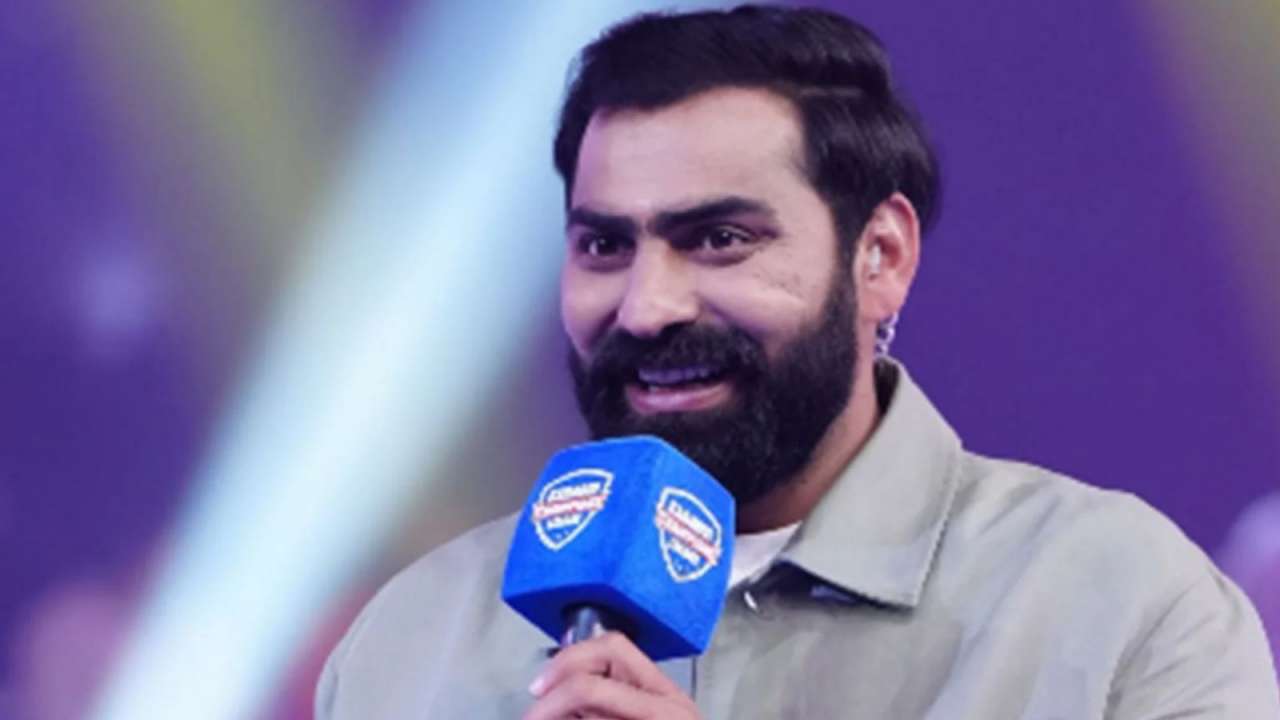 Kabaddi Champions League: Former India star Mohit Chhillar backs it for next generation
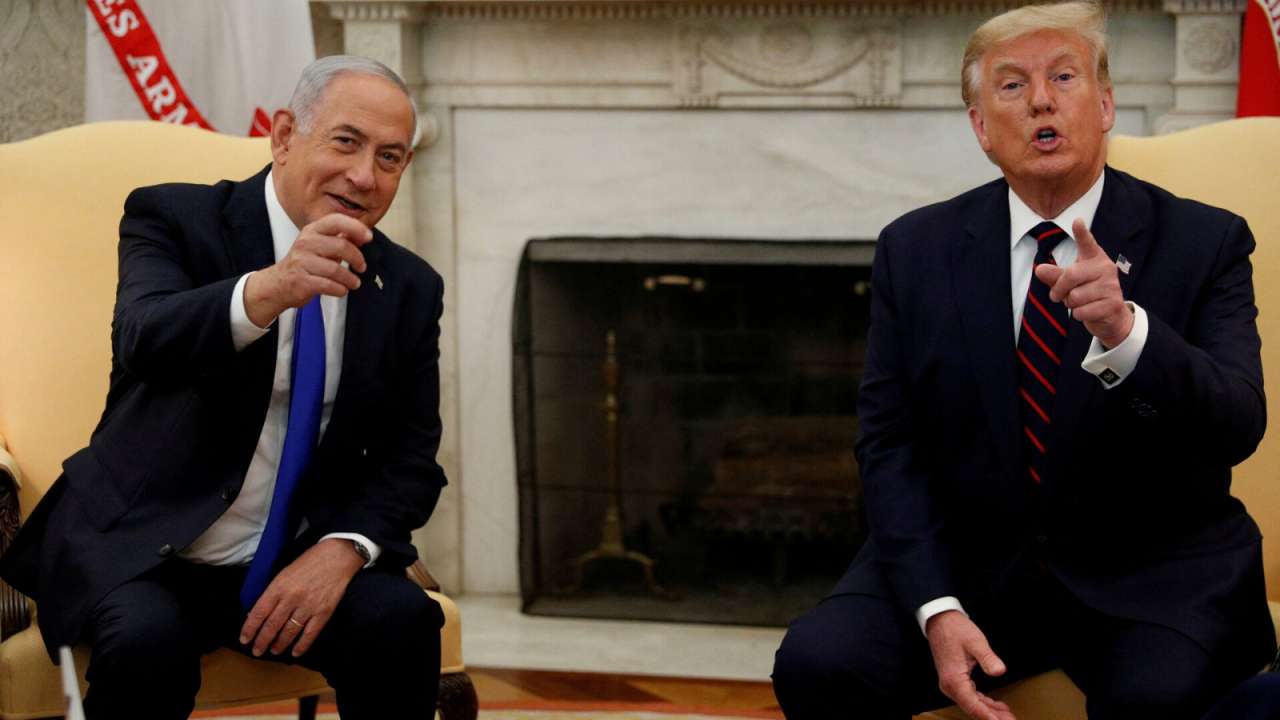 Will Trump succumb to Netanyahu's pressure to attack Iran again? Israel intel chief visits WashingtonAir India suspends flights to Riyadh, Dammam, Jeddah amid Houthi attacks on Saudi
 Manipur: 4 killed as armed men ambush vehicles on NH-202 in New Heaven Village
 Who are Sonia Gandhi's sisters? What does she reveal about Nadia, Anoushka in 'Belonging: A Journey of Love '?
 Rasgulla Bomb? Man dies in MP as explosive hidden inside sweet explodes in mouth
 Assam Accident: 23 killed, several injured as truck hits traveller in KazirangaUS Treasury Secretary Bessent blames Commerce Dept for failure to blacklist Megaspeed in Nvidia scandalWill Trump succumb to Netanyahu's pressure to attack Iran again? Israel intel chief visits Washington
 Microsoft 365 Outage Update: Outlook, Teams restoration underway, 48-hour email delay continues
 Was Alice Huang Really A Chinese Spy? US intel has no definitive proof, divided over Jensen Huang affair
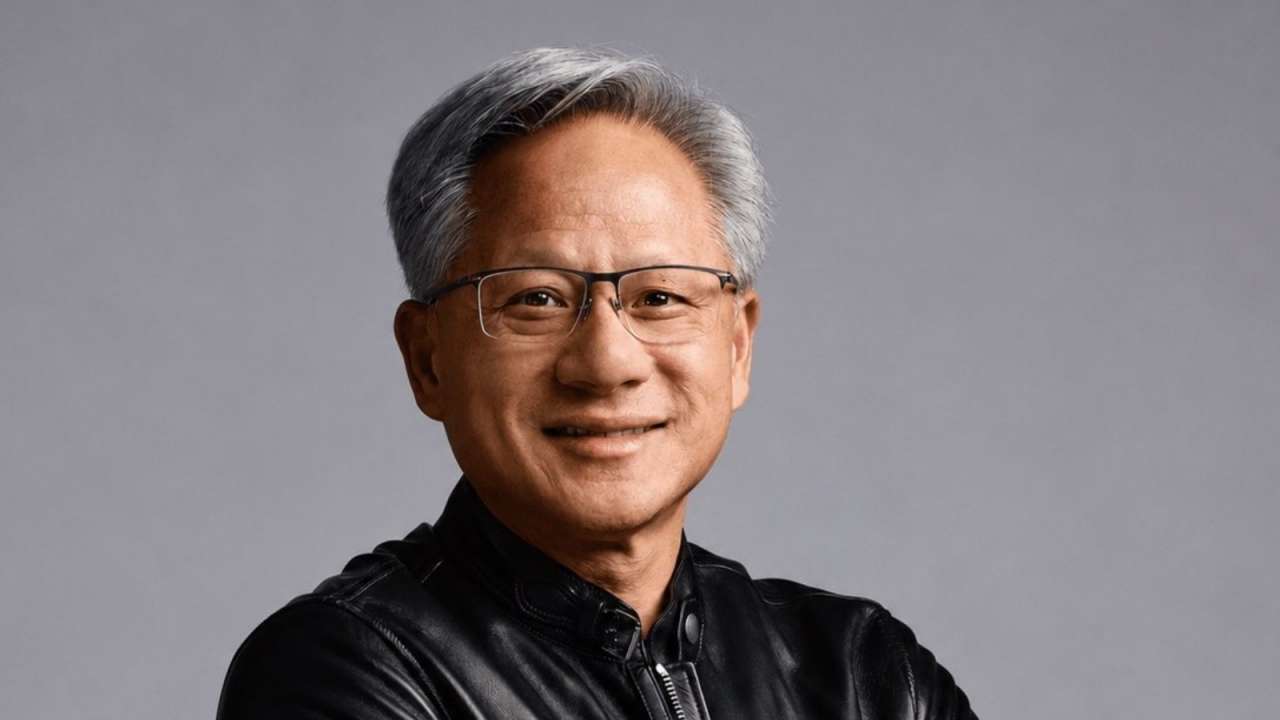 From cleaning toilets to $4.5 trillion empire: Who is Jensen Huang? His Nvidia exit, China spy controversy
 Microsoft Global Outage: Why did Outlook stop working? How were airlines in India affected?
 Nvidia After Jensen Huang: Will India's AI dream face chip shortage or open door for new rivals?
 Why does inflation soar to 6.09% despite falling fuel prices, US-Iran war halt? RBI's next move under focus
 UP Elections 2027: Will Asaduddin Owaisi and Chandrashekhar Azad defeat BJP or help Yogi win?
 From Nvidia CEO Jensen Huang to top officials: 5 Alleged Chinese 'honey trap' cases that shocked worldVijay Sethupathi reunites with Super Deluxe's director Thiagarajan Kumararaja after 7 years with Pocket Novel, announces Hindi release
 Ayushmann Khurrana on celebrating Chhath Puja for first time with Yeh Prem Mol Liya, calls it 'beautiful tradition, completely new' to him
 Amrita Rao’s sister married: Preetika Rao ties knot in intimate ceremony, gets blessings of Spiritual leader Ravi Shankar
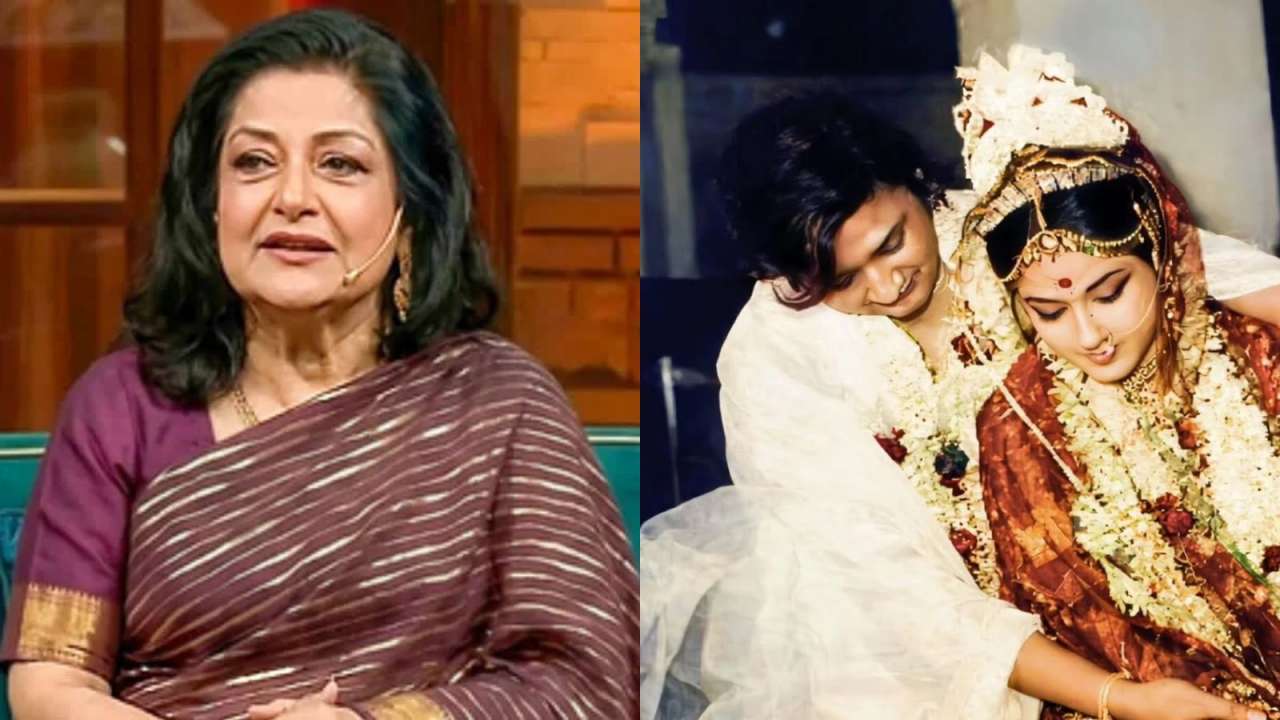 Moushumi Chatterjee's husband, producer Jayanta Mukherjee, passes away at his Mumbai home
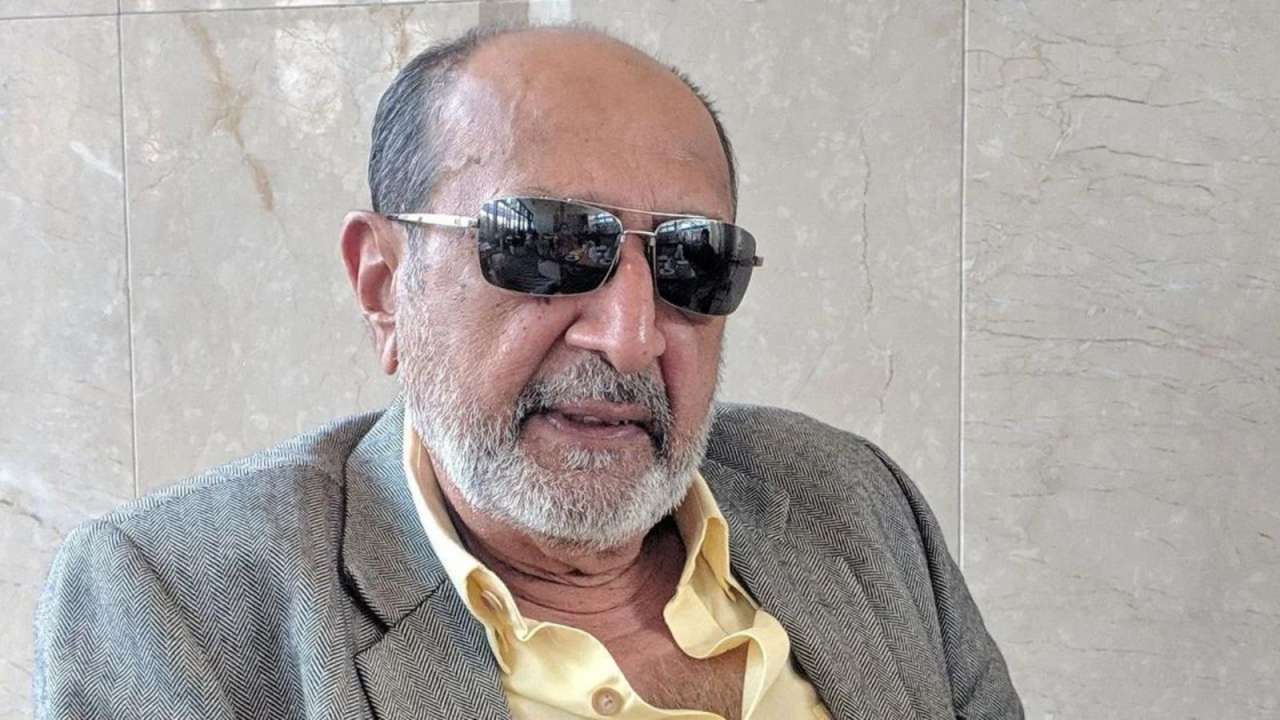 Tinnu Anand makes FIRST big statement after suffering 5 rib fractures and punctured lung, shares health update
 Who will replace Jensen Huang at Nvidia? 3 Indian-origin executives in the race
 Zee Entertainment announces Rs 600 crore share buyback at Rs 91 per share
 Who may replace Nvidia CEO Jensen Huang? THIS Indian tech executive emerged among top contenders
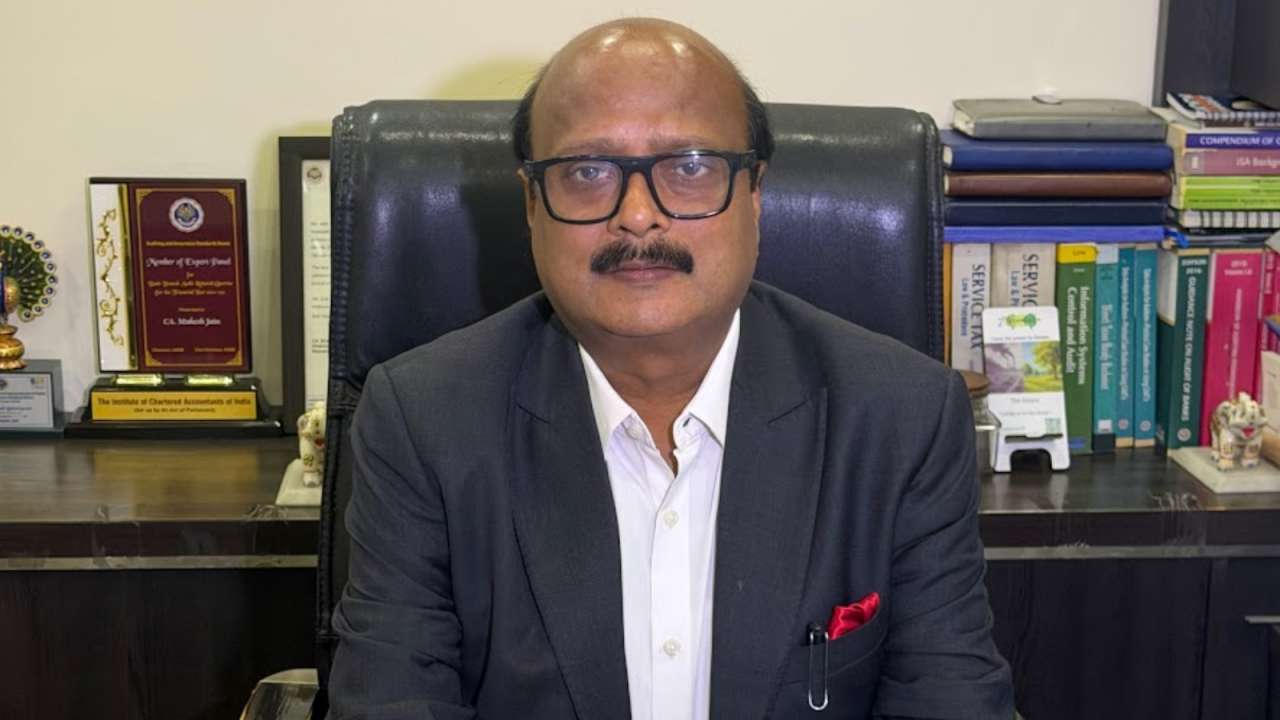 When CA Mukesh Jain Tested Kwala Intel: Inside the AI market wizard that money managers now swear by
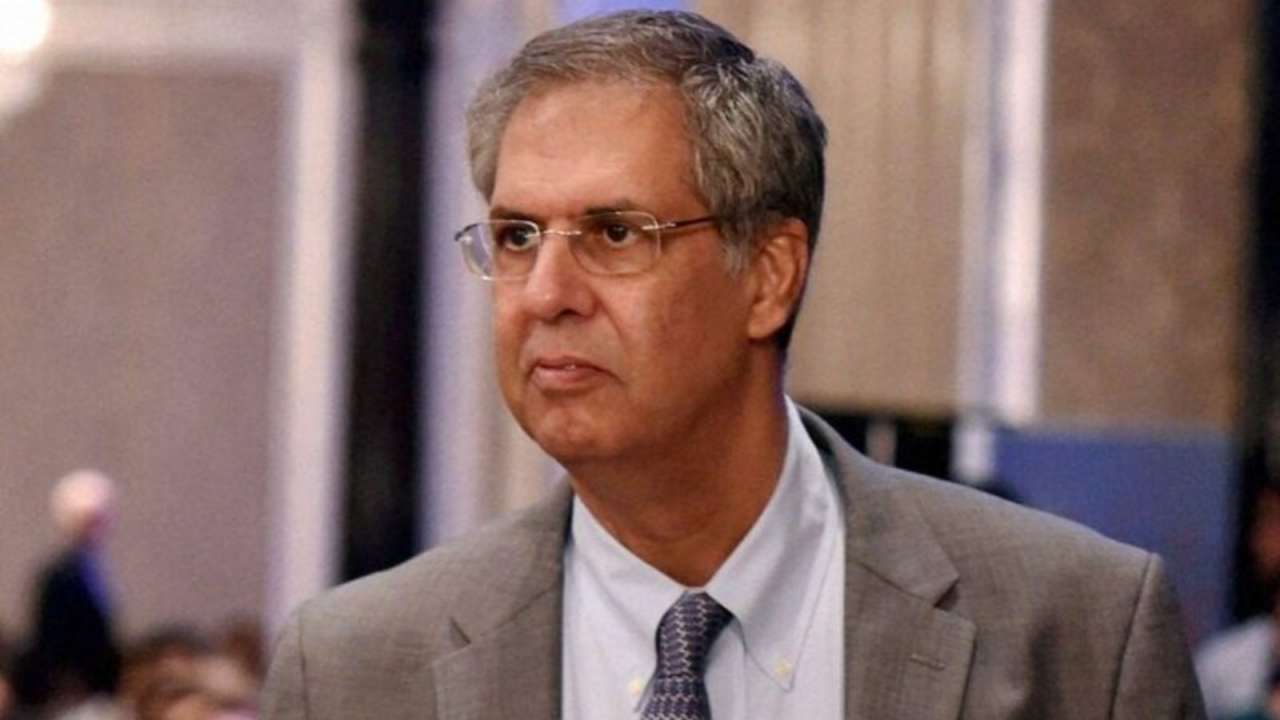 Tata Group Power Struggle Intensifies: Noel Tata quits boards of six companies, what next?Kabaddi Champions League: Former India star Mohit Chhillar backs it for next generation
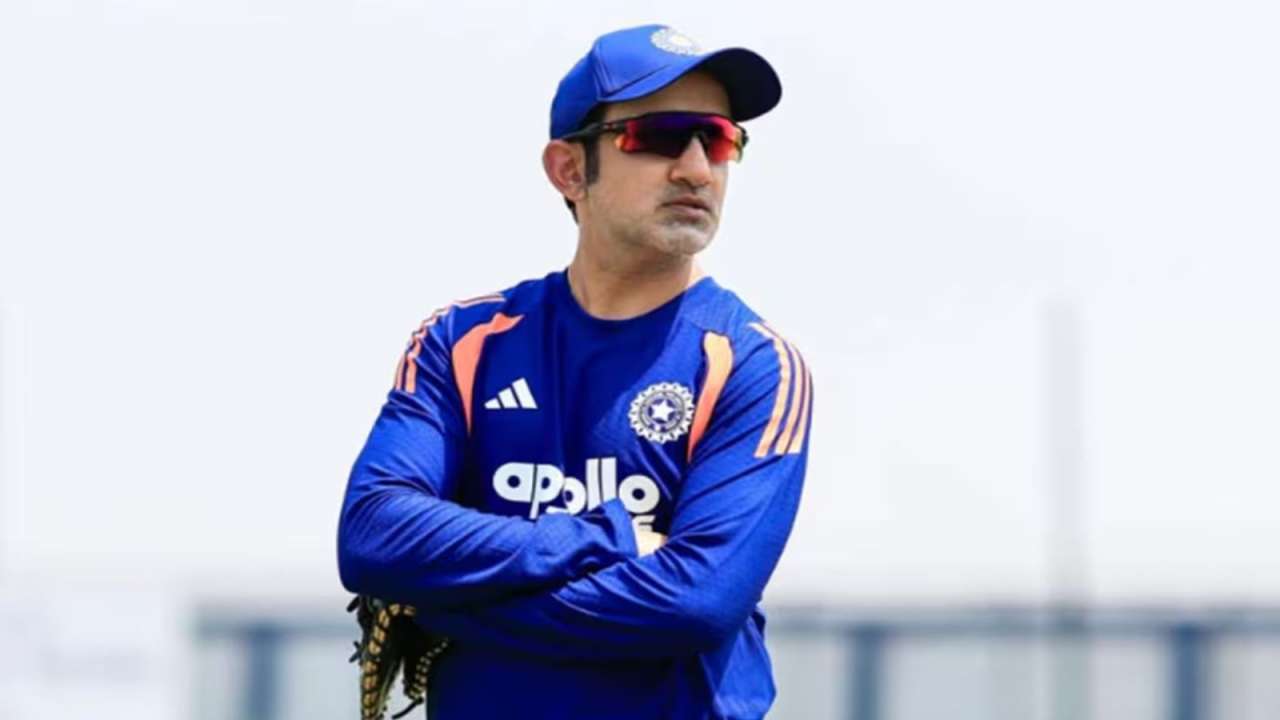 Gautam Gambhir loses patience after India's 89-run collapse against New Zealand, refuses to spare batters, slams Rohit, Kohli, Iyer
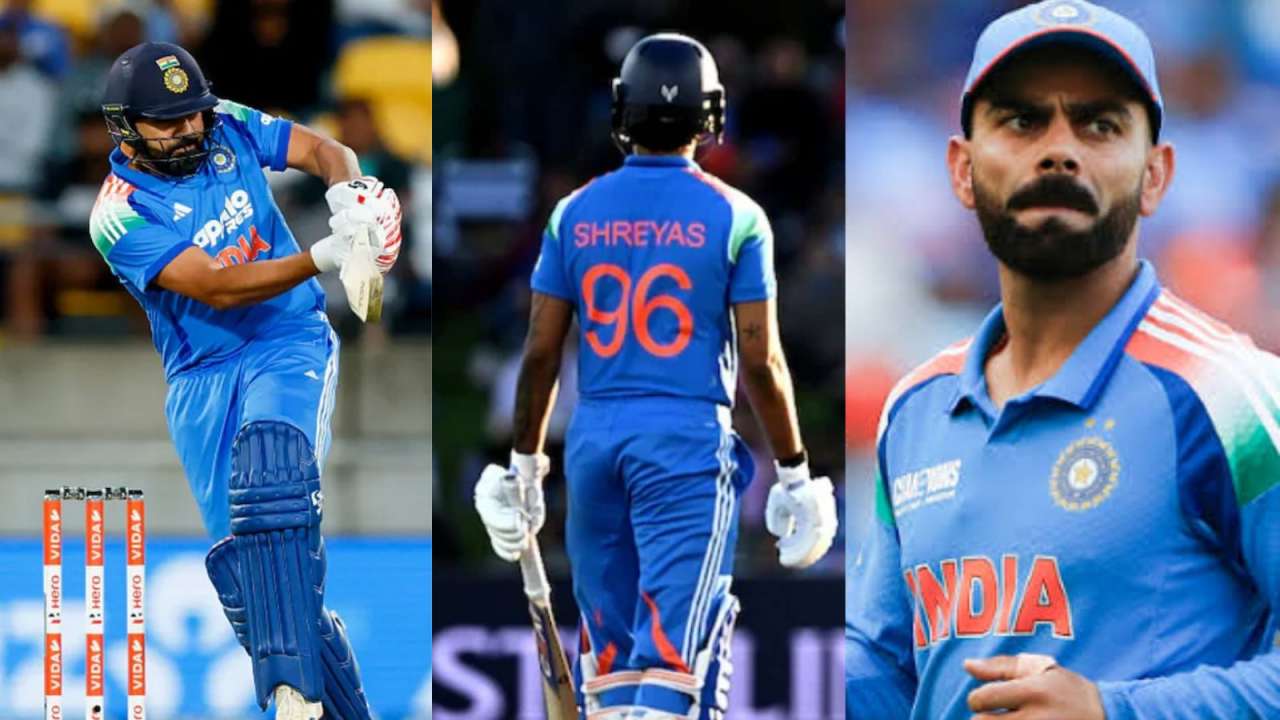 Rohit, Kohli, Shreyas Iyer fall for ducks! India suffer humiliating 89 all-out collapse
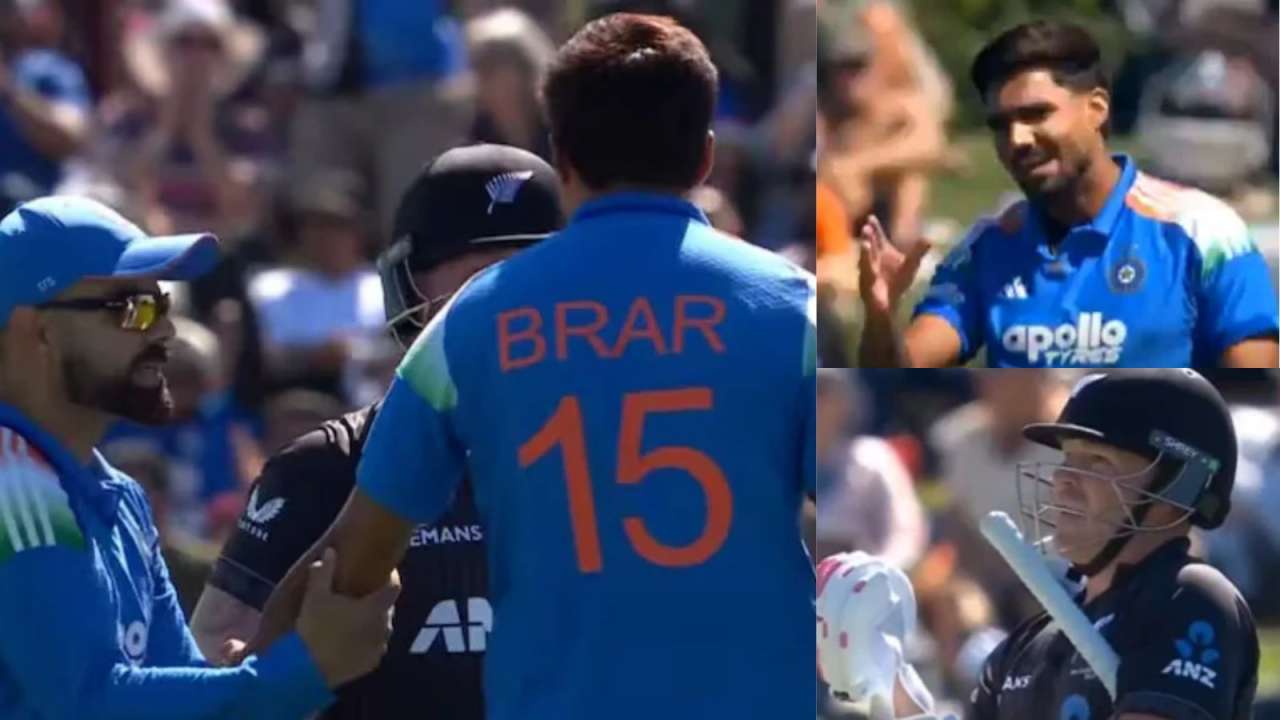 IND vs NZ 4th ODI: Virat Kohli's calm act goes viral after Gurnoor Brar clashes with Tim Seifert, Watch video
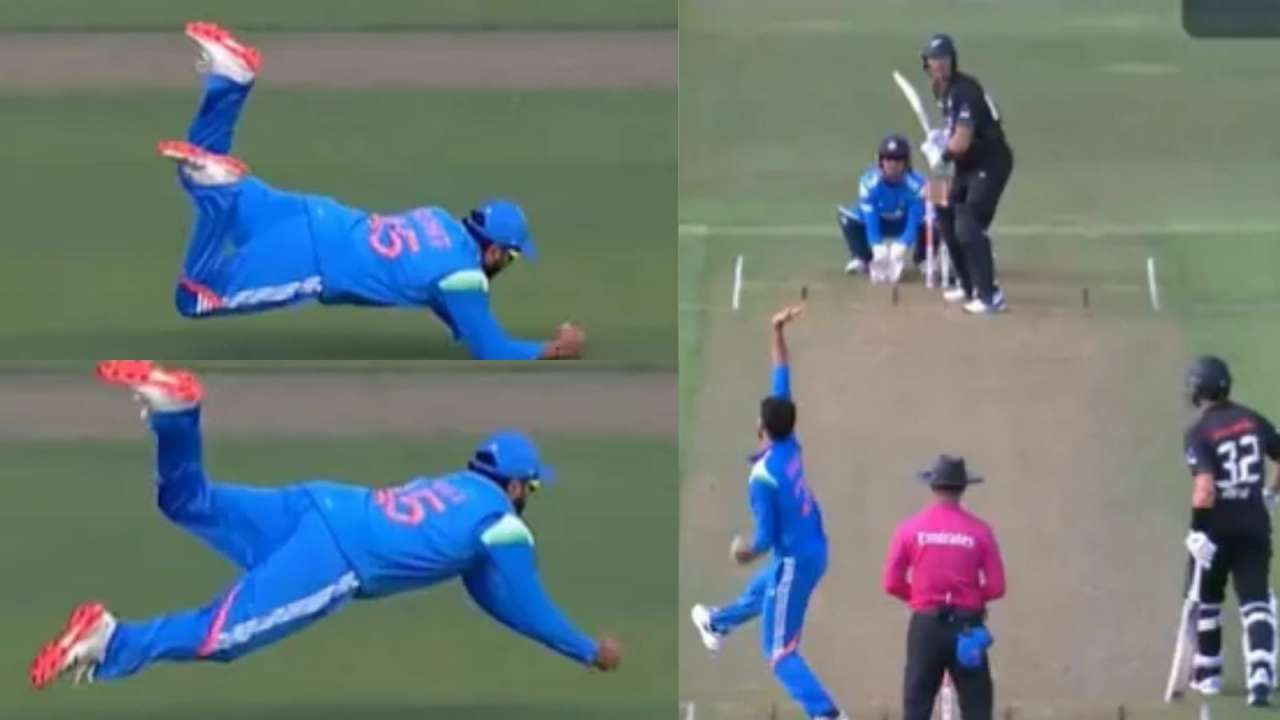 IND vs NZ ODI Series: Rohit Sharma's diving catch goes viral after he dismisses Finn Allen for 41, Watch
 Kaziranga Road Accident Update: Death Toll Rises To 24; Mini-Bus Had 13 Overspeeding Challans
 Bay of Bengal Cyclone Alert: Low-Pressure Area To Intensify By November 16; Yellow Alert In Odisha
 Microsoft 365 Outage Update: Gradual Recovery Underway After 20 Hours; Email Timeout Doubled to 48 Hrs
 Nvidia-Jensen Huang News: 'Would Be An Honor To Hire Him...' Will Musk Save Huang After Resignation
 J&K News: 'Won't Spare You...' 2 Days Before Kulgam Attack, CRPF Got Unexpected Warning By Boy
INDIA
What is Talaq-e-Hasan? Whay is Khula? The petition was filed by a Ghaziabad resident named Heena.

Updated : Aug 16, 2022, 06:26 PM IST | Edited by : Vaibhav Tiwari
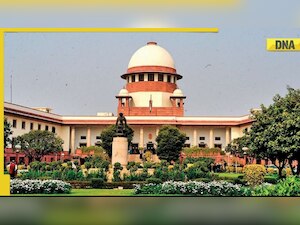



The Supreme Court on Thursday said the practice of divorce through Talaq-e-Hasan is not similar to outlawed triple talaq. It added that women also have the option to end the marriage through a permitted Islamic practice called Khula. Justices S K Kaul and M M Sundresh said if husband and wife cannot live together, the court can also grant the divorce on the ground of irretrievable breakdown of marriage under Article 142 of the Constitution. The court was hearing a plea demanding to declare all forms of "unilateral extra-judicial talaq as void and unconstitutional".
The bench said, "This is not triple talaq in that sense. Marriage being contractual in nature, you also have an option of khula. If two people cannot live together, we are also granting divorce on grounds of an irretrievable breakdown of the marriage. Are you open to divorce by mutual consent if 'Mehar' (gift given in cash or kind by the groom to the bride) is taken care of...Prima facie, I don't agree with petitioners. I don't want this to become an agenda for any other reason," the bench observed.
The petition was filed by a Ghaziabad resident named Heena who said she was a victim of Talaq-E-Hasan. She wanted the Centre to frame guidelines for divorce in Islam in India.
What is Talaq-e-Hasan? Whay is Khula?
Under Talaq-e-Hasan, any Muslim man can give any woman the divorce in three successive installments -- once every three months. So if a person says Talaq to his wife in March and doesn't repeat it in April, their marriage would remain intact. However, if the same person said Talaq in March, April and May, the act would be tantamount to divorce. Under this system, divorce is formalized after the third utterance, In between these three months, if they cohabit, the divorce cannot be formalized. However, after the third utterance, the marriage is deemed irrevocably ended.
Under Khula, a Muslim woman has the right to seek divorce from her husband. She can first seek divorce from her husband. If he doesn't agree, she can appear before the Darul Qada committee. The Qazi can award divorce after hearing both the parties.
With inputs from PTI