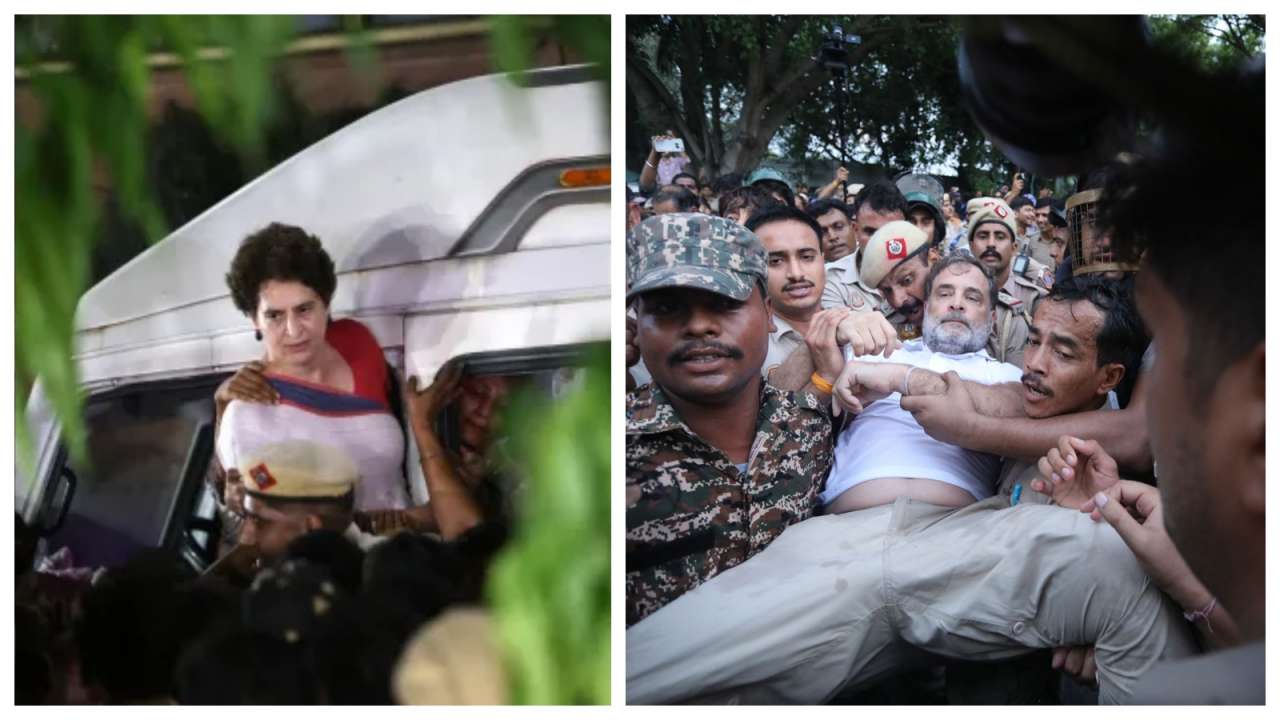
 Rahul Gandhi, Priyanka dragged, pushed into bus, detained as they lead protest against CEC Gyanesh Kumar
 Can Sourav Ganguly coach Delhi Capitals while heading CAB? Former BCCI boss responds to big controversy
 A Haemoglobin of 2.8: The Anaemia Stories Hiding in India's Classrooms and Villages
 Viral video: Dhurandhar actor Vivek Sinha on Virat Kohli recieving Rs 5 crore from Premanand Maharaj, warns netizens: 'Aise Zahoor Mistry baithe hai jo...'
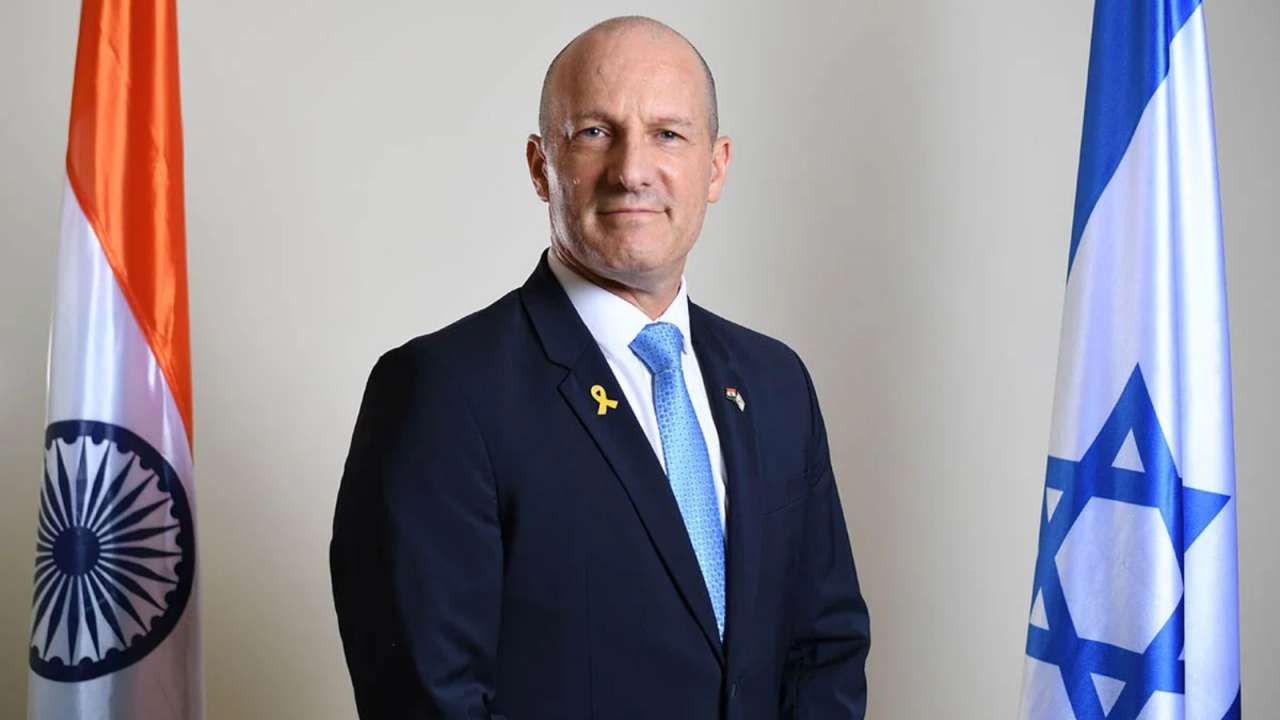 Israel warns India of 'radical Islamist terror attack wave', envoy claims; Hamas inspiring terrorists in PakistanCan Sourav Ganguly coach Delhi Capitals while heading CAB? Former BCCI boss responds to big controversy
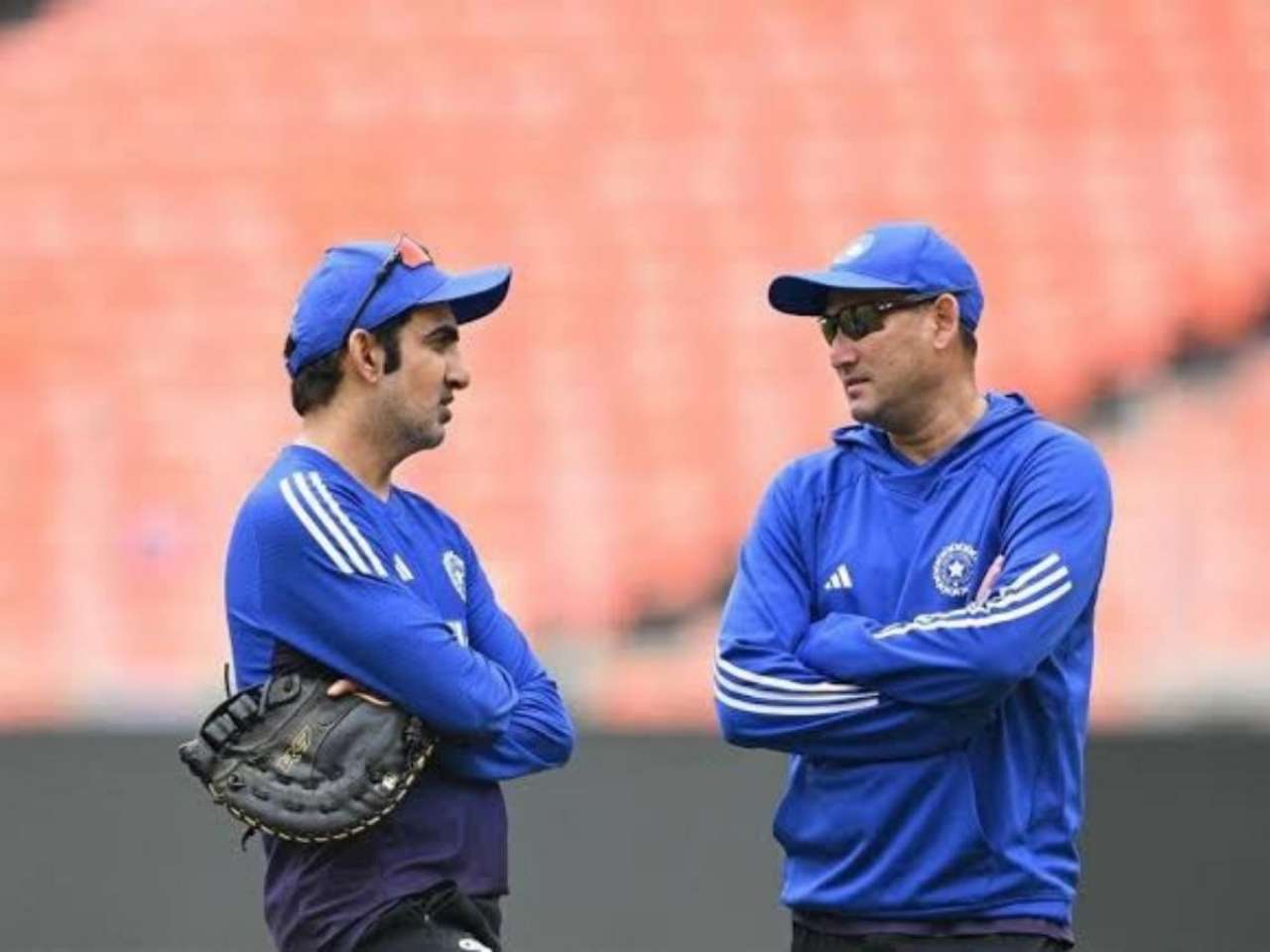 'History will be kinder': Gautam Gambhir bids farewell to Ajit Agarkar, credits former chief selector for 3 ICC trophies
 'Manager broke his word': Cristiano Ronaldo speaks out on Jorge Jesus row, hints at future amid retirement talk
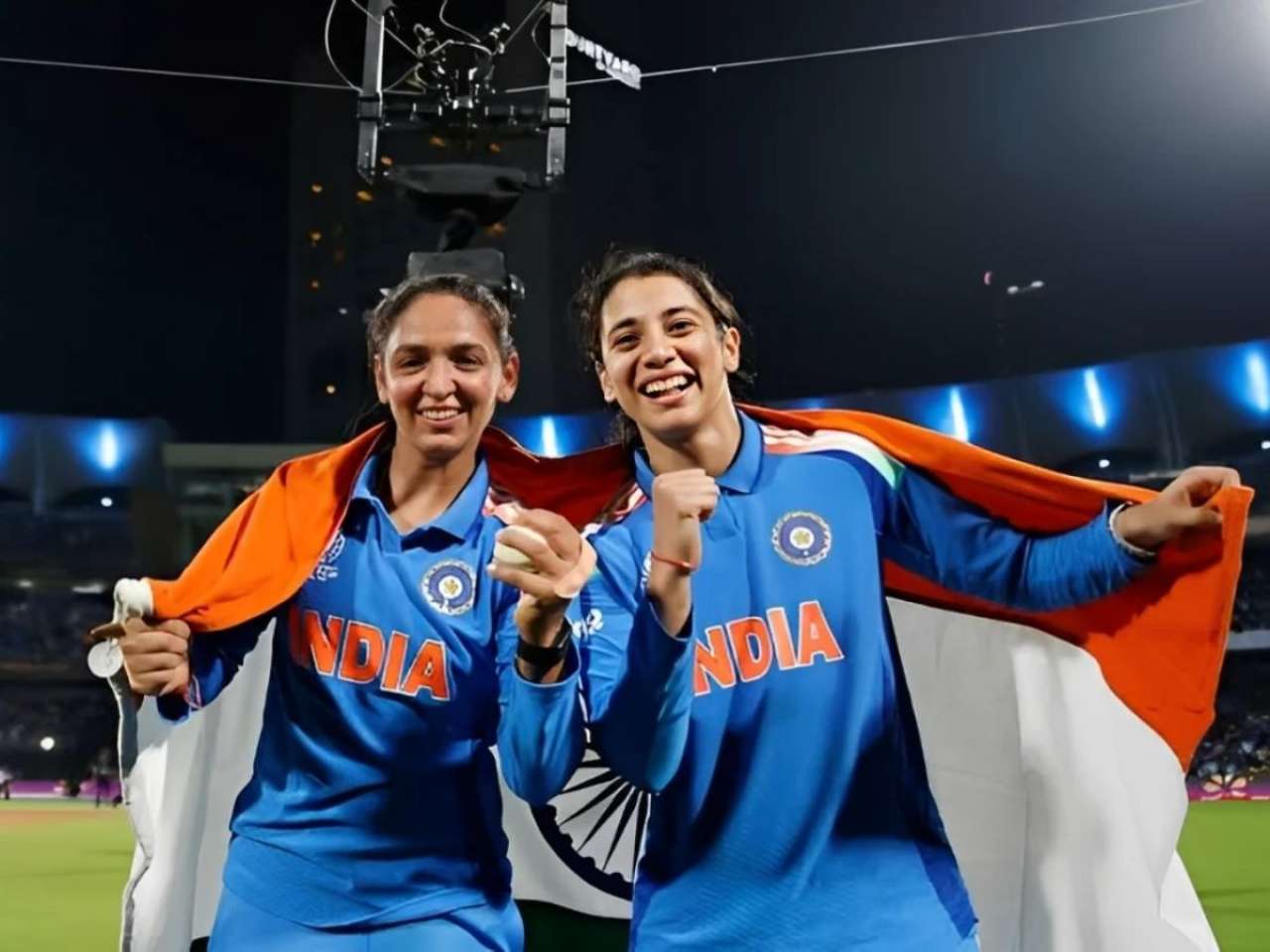 Smriti Mandhana breaks silence on Harmanpreet Kaur rift rumours; Check her viral Instagram story
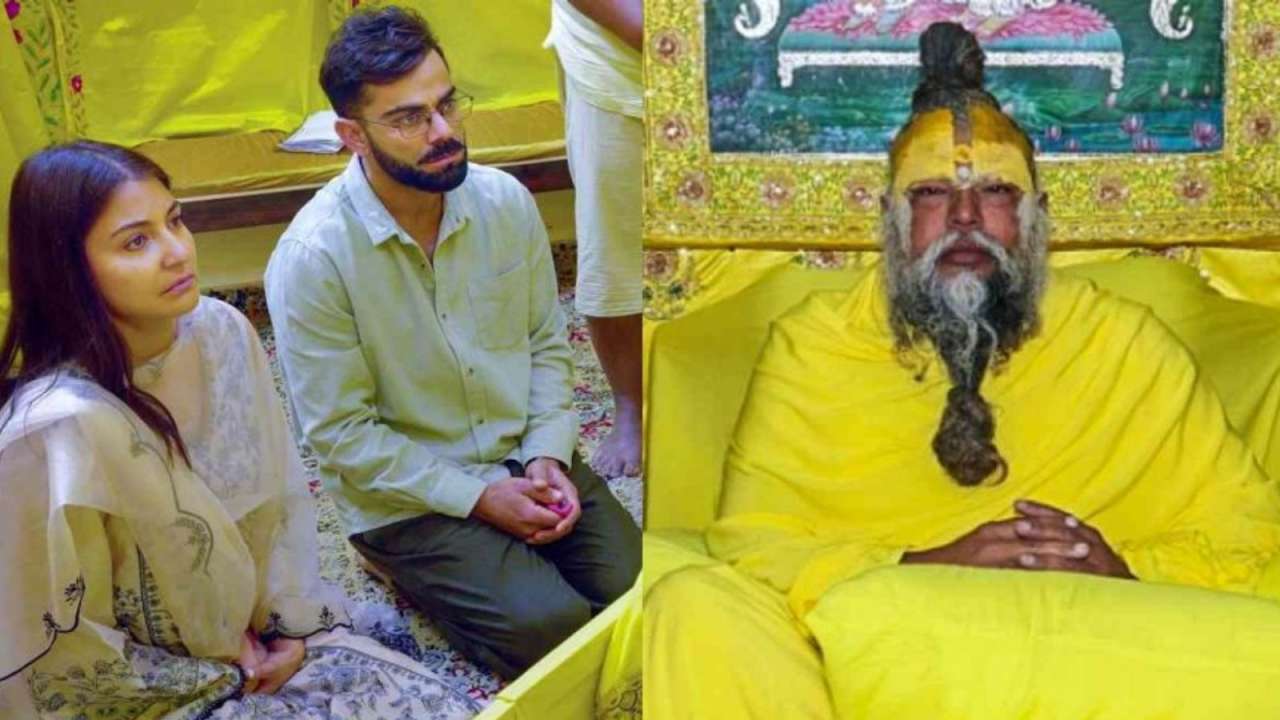 Was Virat Kohli really paid Rs 5 crore for darshan at Premanand Maharaj ashram? Here's what his team sayViral video: Dhurandhar actor Vivek Sinha on Virat Kohli recieving Rs 5 crore from Premanand Maharaj, warns netizens: 'Aise Zahoor Mistry baithe hai jo...'
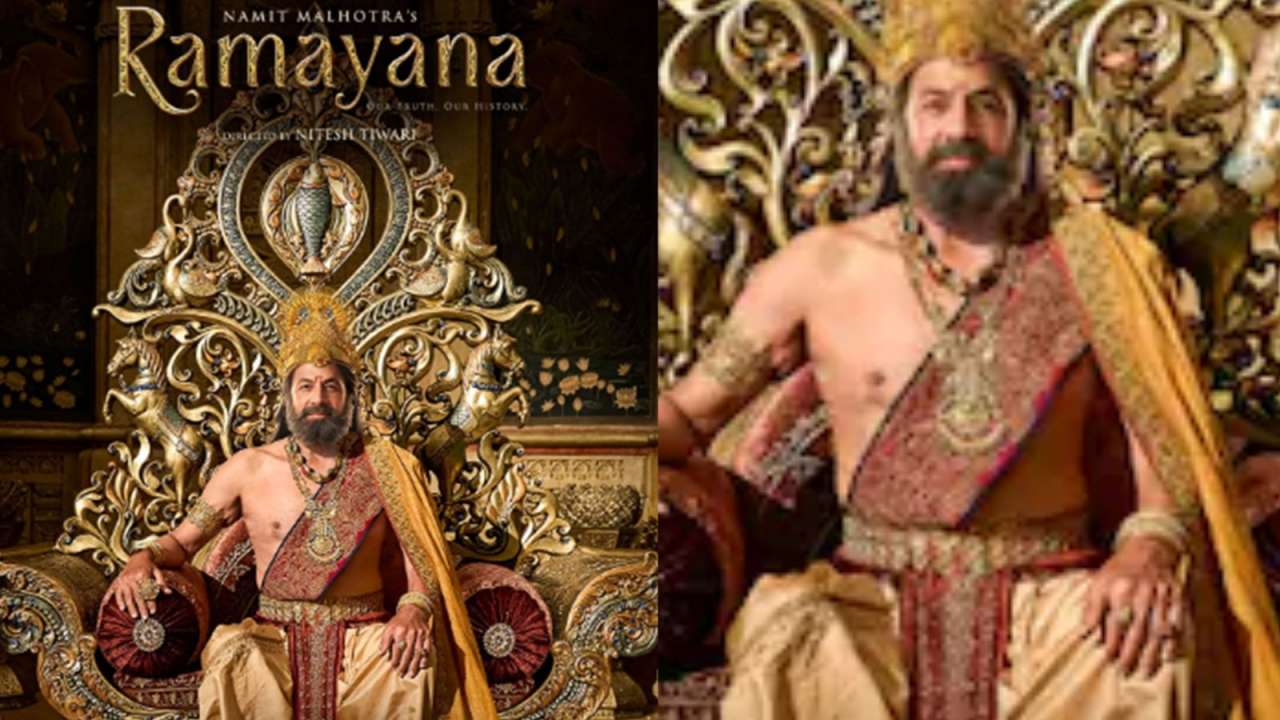 Arun Govil returns to Ramanaya as 'King Dashrath', new poster from Nitesh Tiwari's film out
 ‘My choli became a 6-person panel’: Kriti Sanon revisits her Raksha Bandhan ad controversy
 Kiara Advani, Sidharth Malhotra announce second pregnancy, calls it 'greatest gift', Bollywood showers love; See viral post
 Drishyam 3 box office collection day 5: Ajay Devgn film crosses Rs 200 crore mark in India
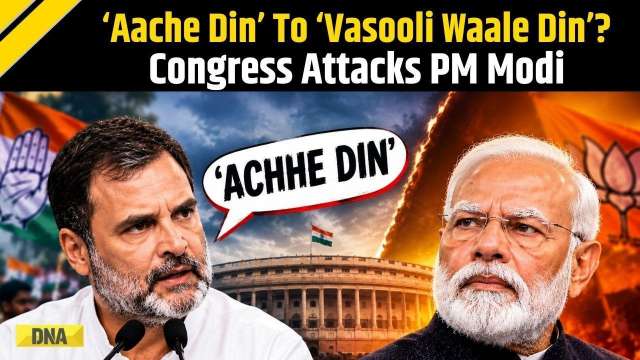 PM Modi News: Congress Attacks Modi Over Repo Rate Hike, Says ‘Achhe Din’ Became ‘Vasooli Wale Din’
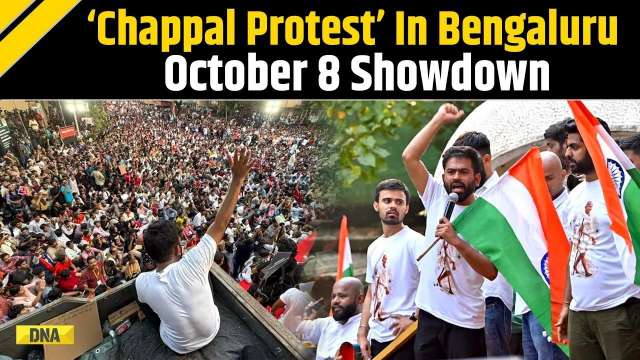 CJP News: CJP Announces ‘Chappal Protest’ in Bengaluru On October 8 | CEC Gyanesh Kumar Resignation
 Flydubai Attack: Israeli Dentist Reveals How He Helped Save Captain Smit After Flydubai Attack
 CJP Protest: Delhi Cop Vivek Bhagat's Promotion Withheld Amid Sexual Harassment Allegation
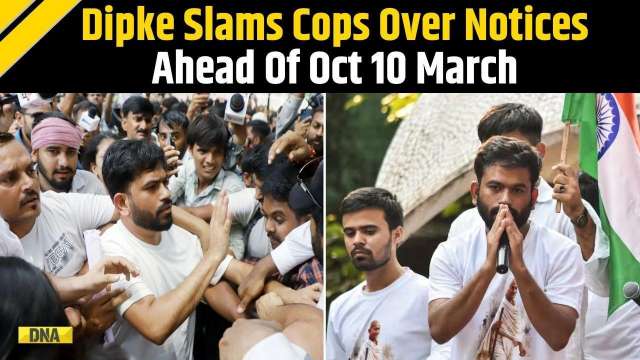 CJP Protest: CJP Activists Getting Police Notices Over October 10 Delhi Protest
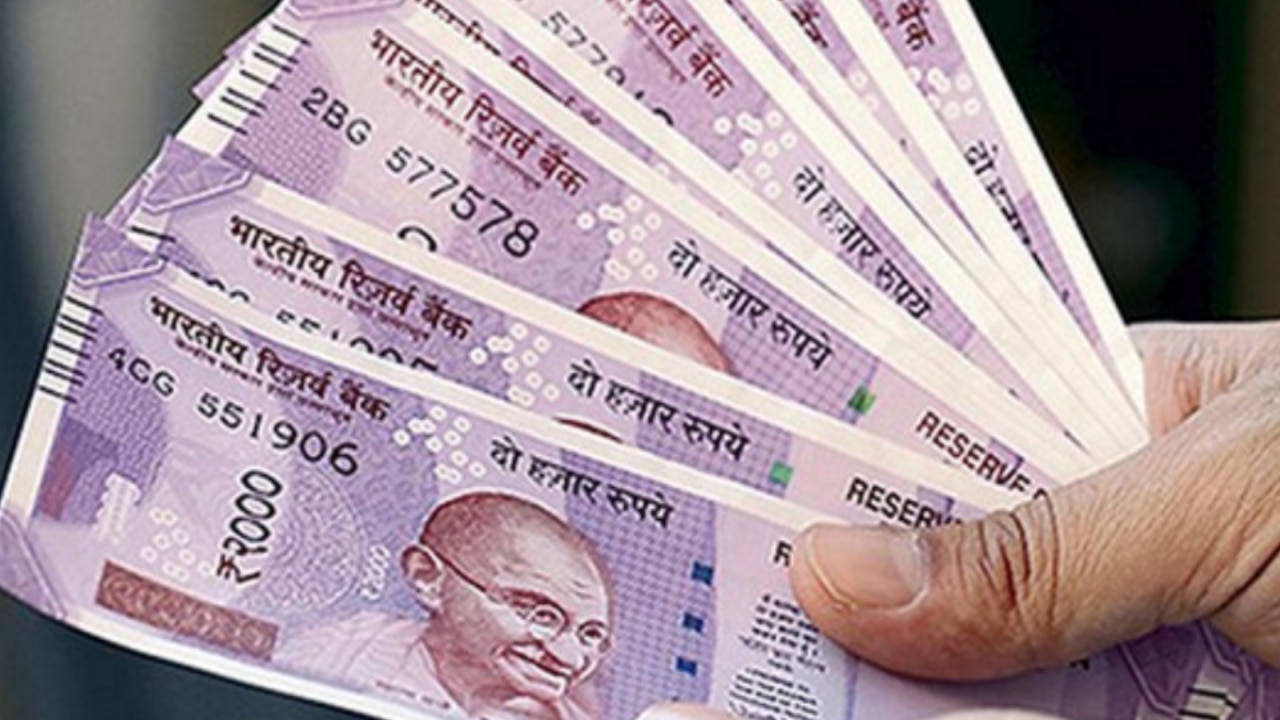 Rupee slips despite RBI rate hike: Why is the Indian currency under pressure against US dollar?Rupee slips despite RBI rate hike: Why is the Indian currency under pressure against US dollar?
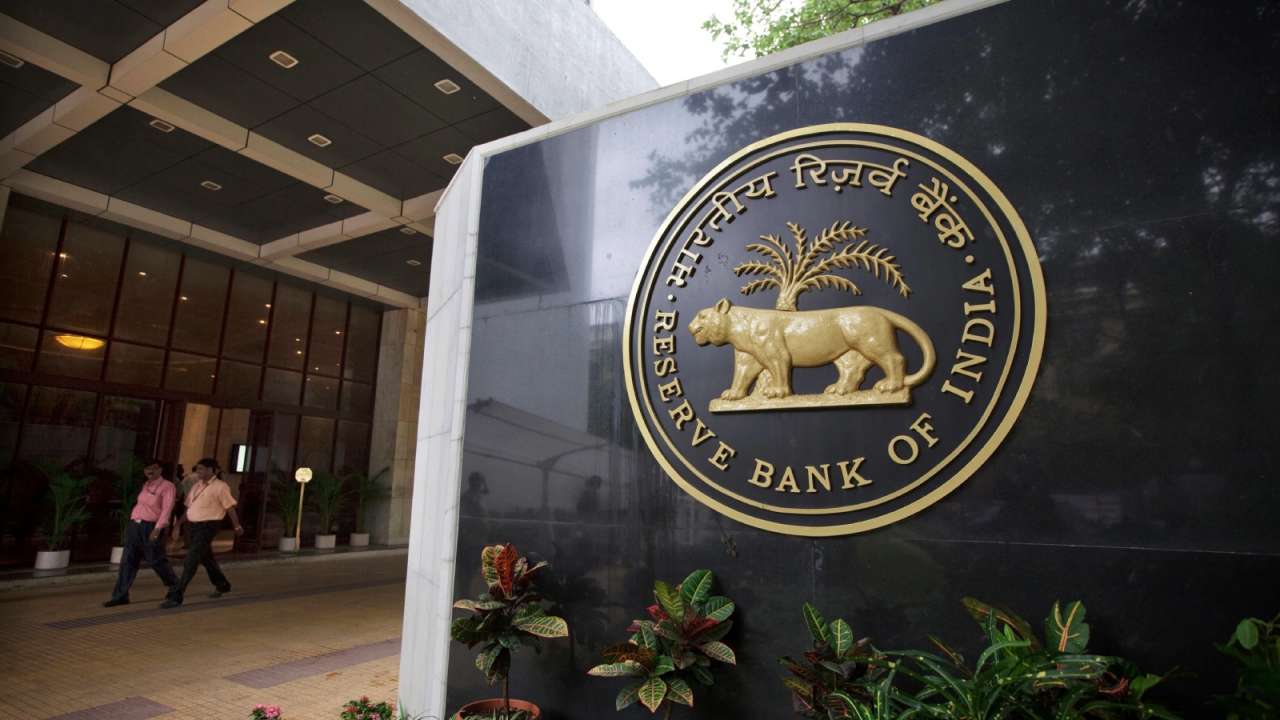 Your loan EMIs are about to rise: RBI hikes interest rates by 0.25%
 GST Council October 8 meeting: No rate changes expected; reforms on refunds, ITC and registration on agenda
 Cabinet approves Rs 10,000 crore SME Growth Fund: What it means for small businesses
 OTT Releases This Week (Sept 28 - Oct 4): Dupahiya 2, Pooja Meri Jaan; new movies and shows to watch this Gandhi Jayanti weekend
 From Neeti Mohan, Heer, Sarthak Kalyani; Ahead of Sa Re Ga Ma Pa, 5 musical geniuses championed by AR Rahman
 72nd National Film Awards 2024: Kartik Aaryan, Yami Gautam, Aditya Dhar, Mammootty, Dhanush, Anant Nag accept honours
 OTT Releases This Week (September 14-20): Lust Stories 3, Irumudi, Thudakkam; Indian movies, series to watch on Netflix, Prime Video, JioHotstar
 Ganesh Utsav 2026: Deva Shree Ganesha, Sindoor Lal Chadayo; 5 iconic Ganpati songs that should be must-haves in your playlistRahul Gandhi, Priyanka dragged, pushed into bus, detained as they lead protest against CEC Gyanesh Kumar
 Building collapses in Delhi again! After Satya Niketan, many residents feared trapped under debris at Seemapuri
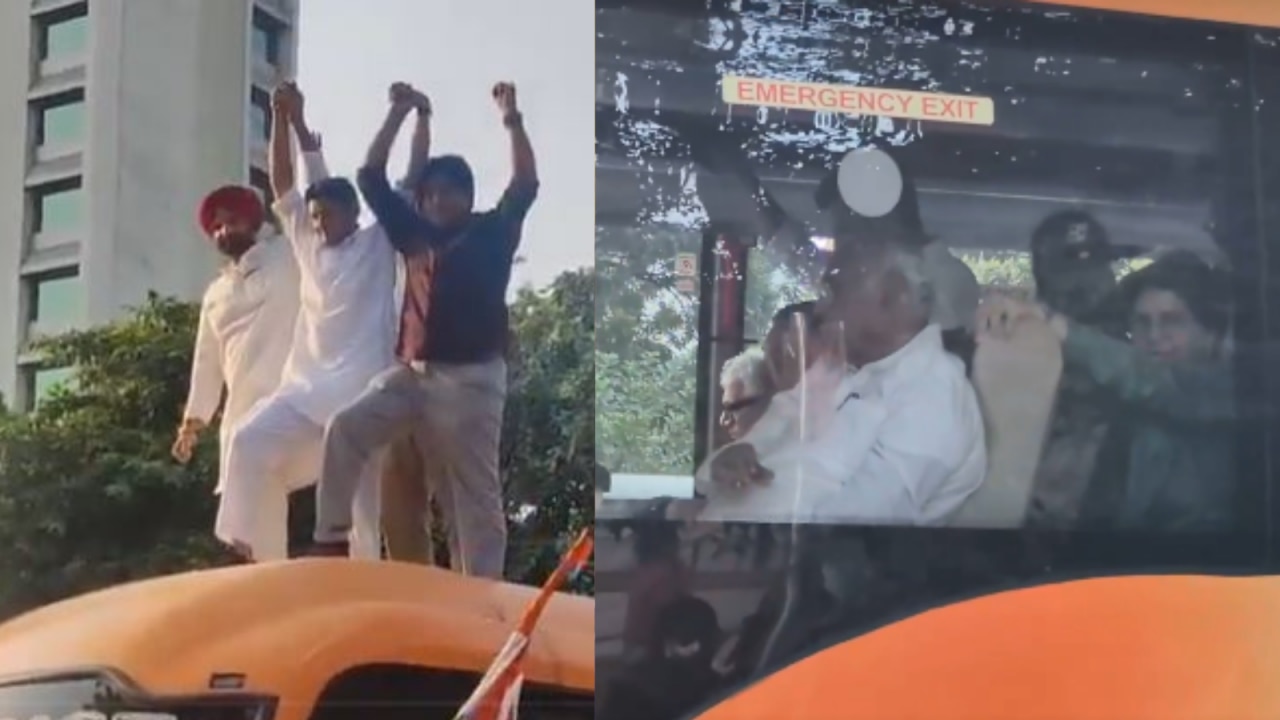 Rahul Gandhi steps up attack on CEC Gyanesh Kumar as Opposition MPs march to Jantar Mantar
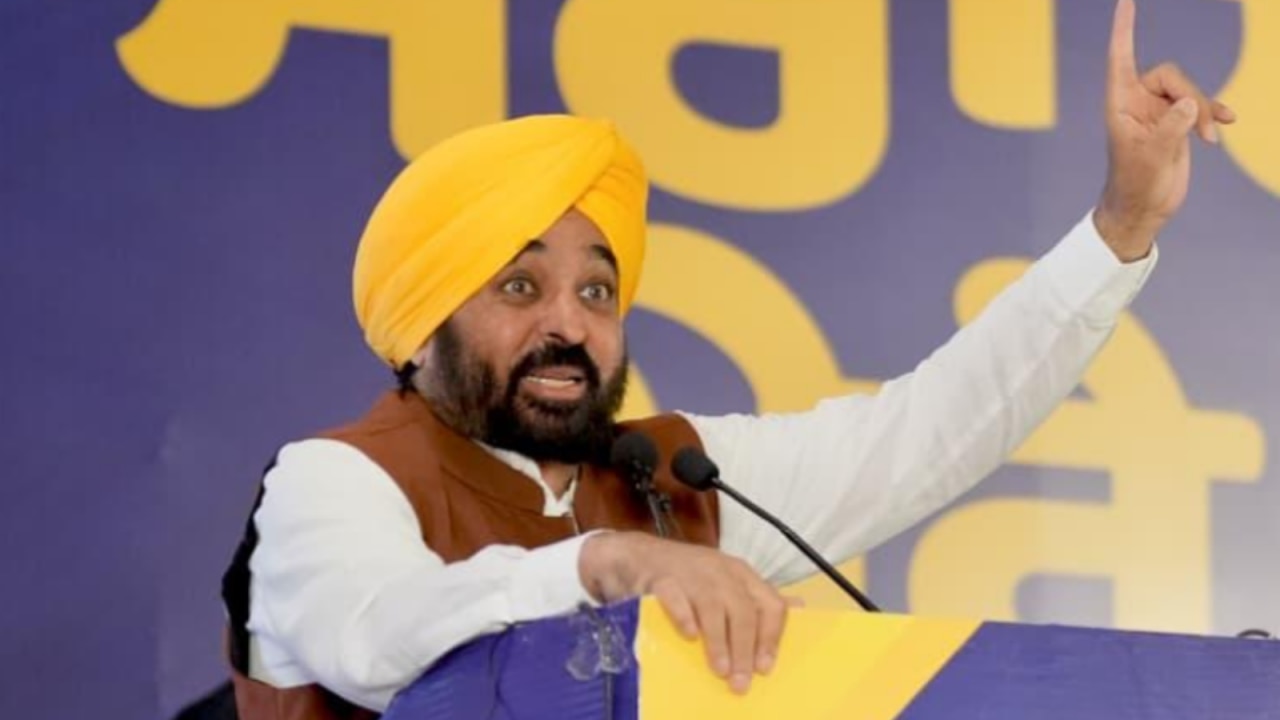 Bhagwant Mann accuses BJP of using CBI, ED ahead of Punjab elections; says raids show ‘frustration’
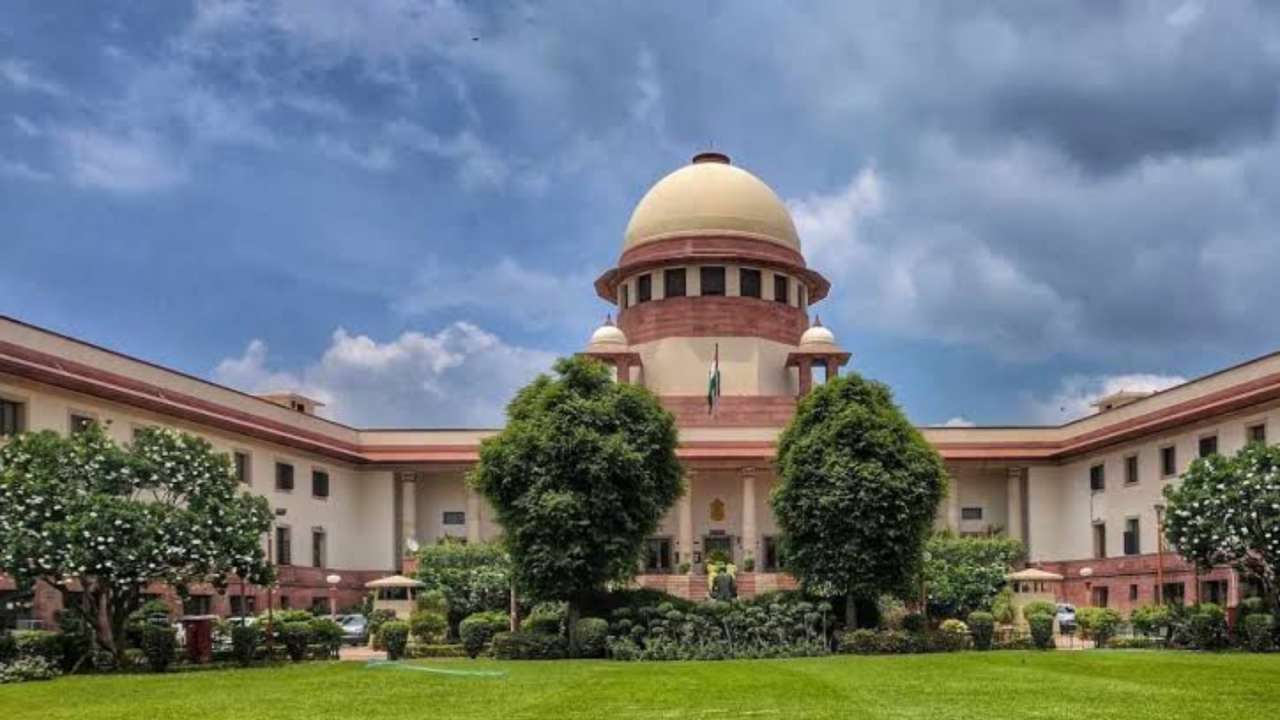 Supreme Court to examine plea seeking recall of split verdict on CEC appointment law
 Third Language Row: SC extends relaxation to Class 6 students, asks CBSE to grant exemption, here's what it means
 NEET PG 2026 Result Out: Check how to download scorecard from natboard.edu.in; Know category-wise cut-off and more
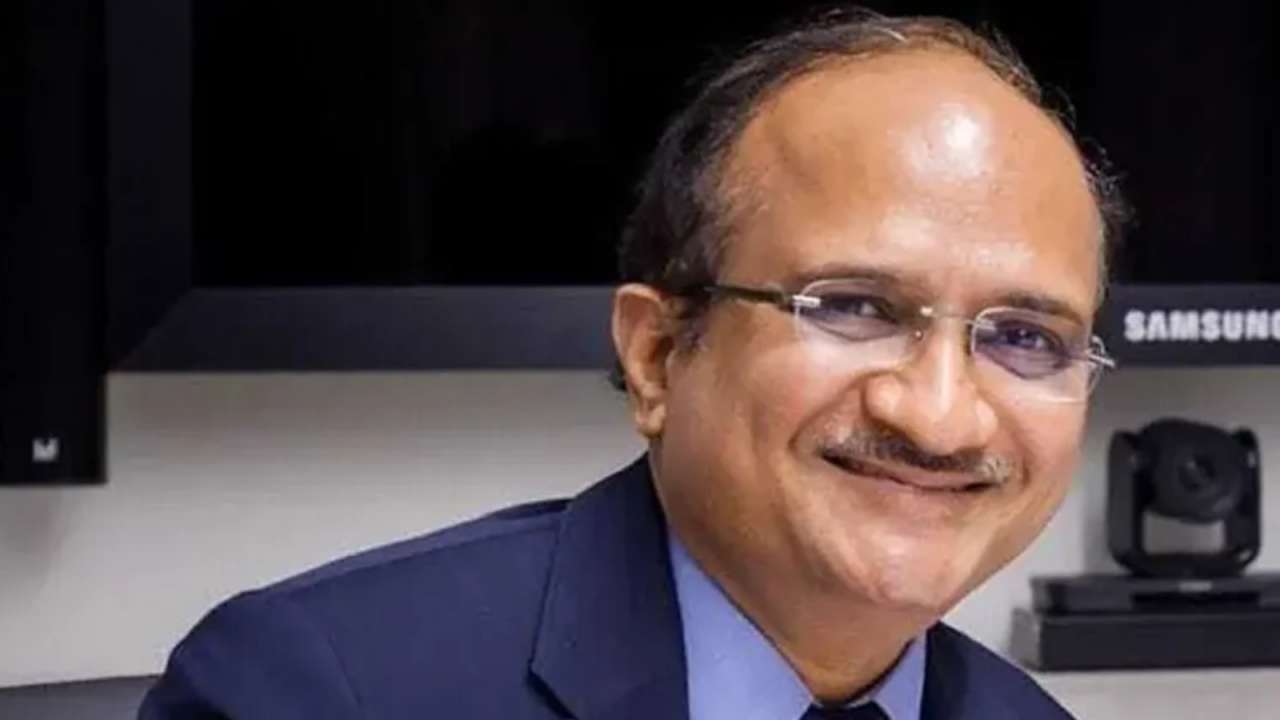 Five-year BTech programmes? Ex-IIT director makes proposals amid IIT suicide controversy
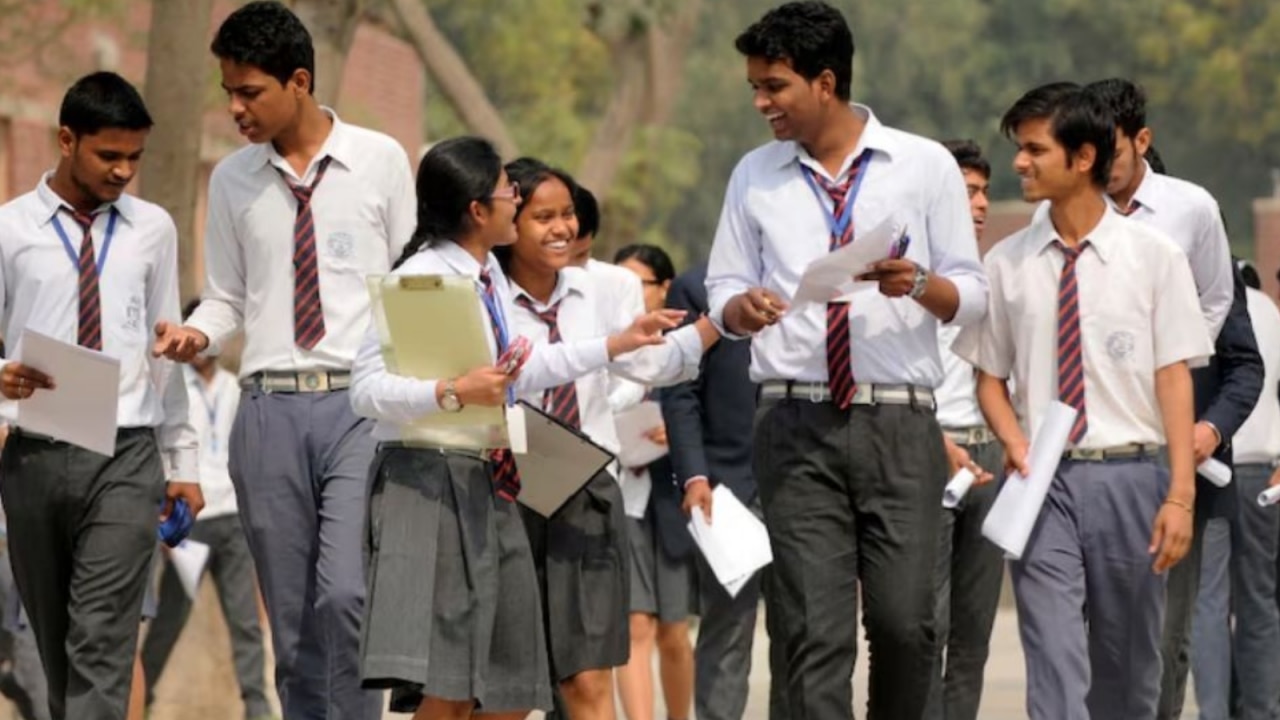 CBSE Date Sheet 2027: When will Class 10, 12 timetable be released? Check details here
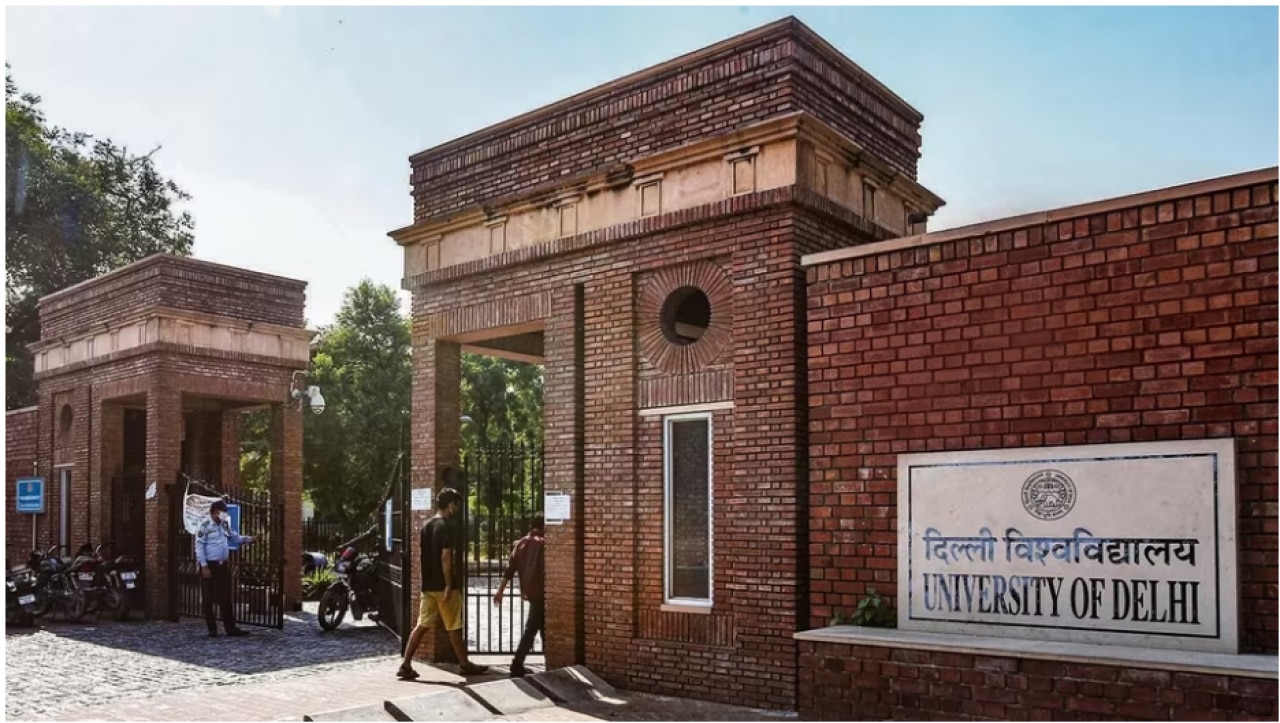 From Rs 150 in 1947 to powerful student body: The story of DUSU’s rise | Explained
 After Hyundai, Maruti Suzuki makes cars costlier ahead of festive season: Check new prices after hike
 Hyundai cars to get costlier from September: Check new prices and reason behind hike
 Why can't consumers choose pure petrol or E10? Centre explains why E20 is now the standard fuel
 Centre claims E20 fuel does not damage engines, cites data from Maruti Suzuki and Hero MotoCorp
 Maruti WagonR Flex Fuel: What’s price of India’s first ethanol car? Specs, mileage, and top features explained
INDIA
A five-judge constitution bench is hearing matters pertaining to a users' right to privacy and whether WhatsApp sharing user information with its parent company Facebook, violated the citizens' right to privacy

Updated : May 16, 2017, 07:00 AM IST
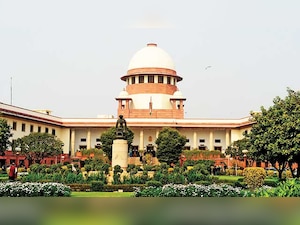



The Supreme Court on Monday questioned WhatsApp's change in its privacy policy to share user data in 2016, two years after it was acquired by social media giant Facebook.
"Why did you change the policy and what is the purpose for sharing the data?" a five-judge Constitution Bench headed by Justice Dipak Misra asked WhatsApp on day one of the hearing.
A five-judge constitution bench is hearing matters pertaining to a users' right to privacy and whether WhatsApp sharing user information with its parent company Facebook, violated the citizens' right to privacy. The bench led by Justice Misra also comprises of Justices Amitava Roy, AK Sikri, AM Khanwilkar and M Shantanagouder.
When the bench was informed that Senior Advocate Harish Salve was at the International Court of Justice in the Hague representing India in the Kulbhushan Jadhav case, the apex court asked Senior Advocate KV Vishwanathan to kickstart the day-long proceedings.
Representing the Internet Freedom Foundation (IFF), an intervenor in the case, Viswanathan said that unlike several other countries, India does not have any data protection legislation. In the absence of regulation, the government was obliged to protect the rights of its citizens, he implored.
"Facebook and WhatsApp are the violators according to us and how to deal with them is upto the Union of India as the government has an obligation to protect the rights of its citizens," he said. Vishwanathan added that due to the 2016 privacy policy, "I am under fear and my communication is hampered."
"Life of fear, anxiety, tension and torture is not a free life. This court is not powerless to lay out a guideline for this," he told the bench, which will continue hearing the matter on Tuesday.
However, Senior Advocate Siddharth Luthra's submissions who denied that its pre-2016 policy his client WhatsApp didn't include data-sharing and asserted that the company never snooped on messages or shared users' content.
"What is shared is the phone number of the user, the identification number of the devise used, user's registration detail and last access of the service by the user," Luthra said. He added that in today's fast rapidly developing technological world it was important to communicate with other platforms for enhanced services.
"Our promise is to provide enhanced services by sharing limited information without impinging an individual's rights," he said.
The court then made several observations and directed several questions towards the instant messaging service.
"What is bothering us is that the earlier policy was a transaction between WhatsApp and the user. Now you create a mega-data base to exploit it commercially," Justice Roy observed.
Under the new policy, introduced in 2016, WhatsApp can share all its users' data with Facebook. Alleging that the decision impinged the privacy of 160 million Indian users, two petitioners appealed against a Delhi High Court judgment which partly allowed the WhatsApp to share data.
"Why do you share? You were not sharing it in 2012, then why have you done it in 2016? You say the name is not shared but the attributes of identity are shared. What is the need to share the attributes of identity? Now they (users) fear what you will share," the bench said, adding that it breached a users' trust.
During an earlier hearing, the Union had informed a constitution bench that it was wedded to an "individual's freedom of choice" though it was willing to debate the finer points of law pertaining to the right to privacy since the same is already under consideration by another Bench of the Court in the Aadhaar matter.
The Centre added that the Telecom Regulatory Authority of India (TRAI) was framing a regulatory policy on data protection and was mulling over a comprehensive date protection framework.
However, advocate Madhvi Divan, appearing for the petitioners, told the bench that the regulation in place was outdated by the technology, a fact acknowledged by the Centre in an affidavit.
"You (Centre) have said you are making a regulation on this. Till then, as a citizenry, what is the protection," the bench asked. "Suppose somebody has written an inland letter to X. Can Y intervene and read it? They feel your privacy clause affects their right to freedom of speech. They say fear corrodes their right."
Representing Facebook, senior advocate KK Venugopal, told the bench that "message conveyed by A to B on WhatsApp is never seen by anybody. At no time, it will be available to perusal by anybody else as it is end-to-end encrypted."
This was also challenged by Divan who told the court that Facebook and WhatsApp are foreign corporations with business across the globe where they also asserted that they would not share the user data.