 RJ Mitte, who played Walter White Jr on Breaking Bad, dies by suicide at 34; Bryan Cranston remembers 'sweet son'
 Old Monk ban in Maharashtra: Company claims Rs 500 crore loss, government loses Rs 350 crore in excise revenue
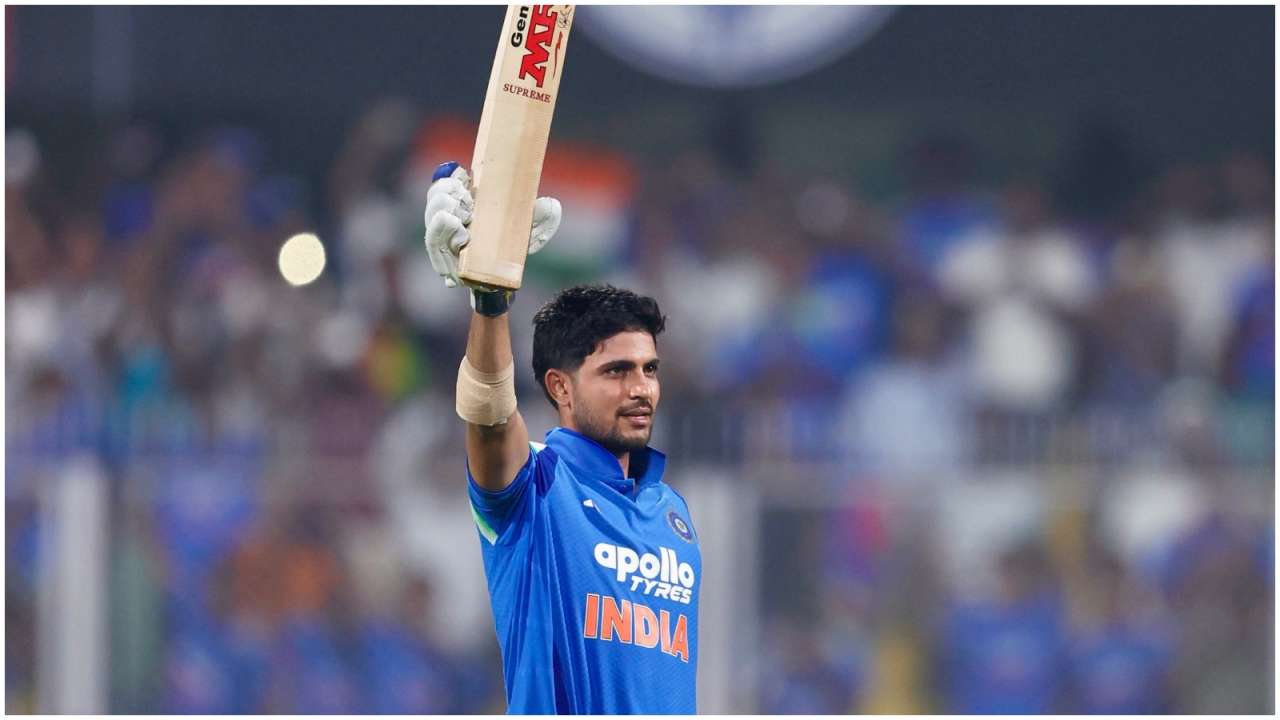 Shubman Gill wins 5th ICC monthly award: How rare is this feat?
 US announcements pertaining to PERM and proposed changes to OPT rules
 Raghav Reddy talks about building a career in Hollywood from scratch; says, 'People helped me when I was starting, I believe in passing that help forward'Shubman Gill wins 5th ICC monthly award: How rare is this feat?
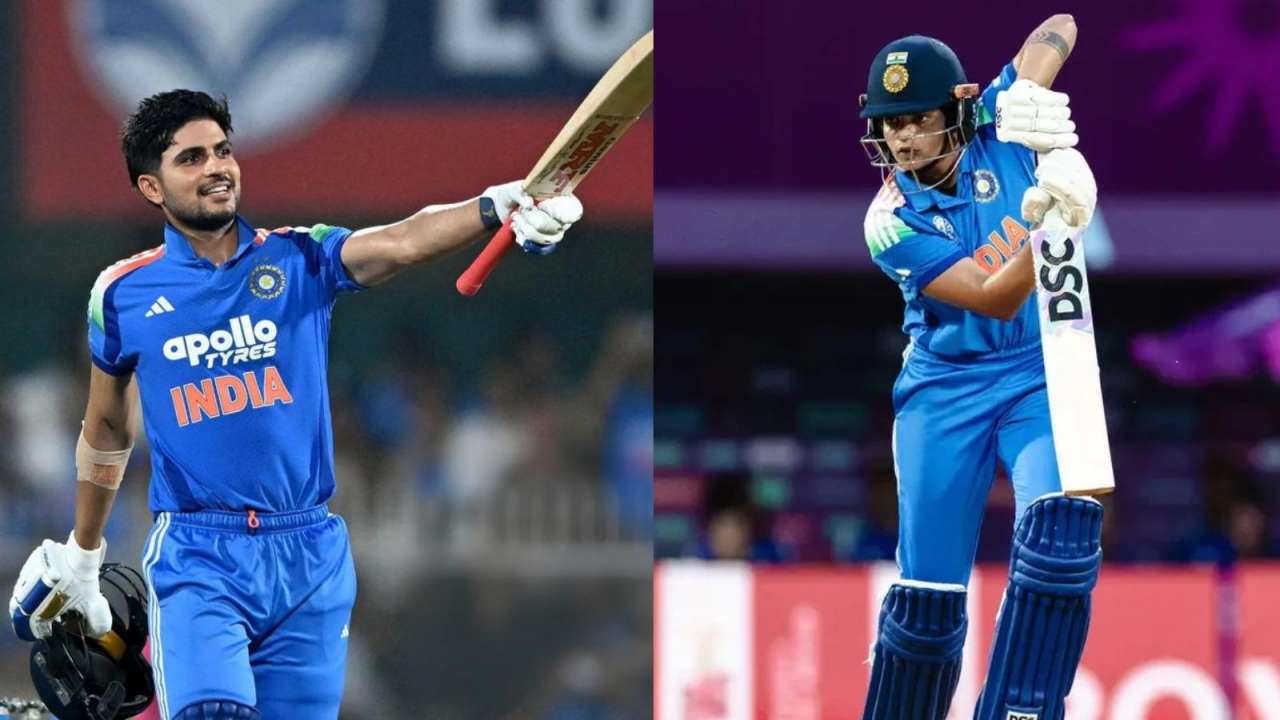 Shubman Gill clinches historic fifth 'ICC Player of the Month' award, Shafali Verma triumphs after Asian Games
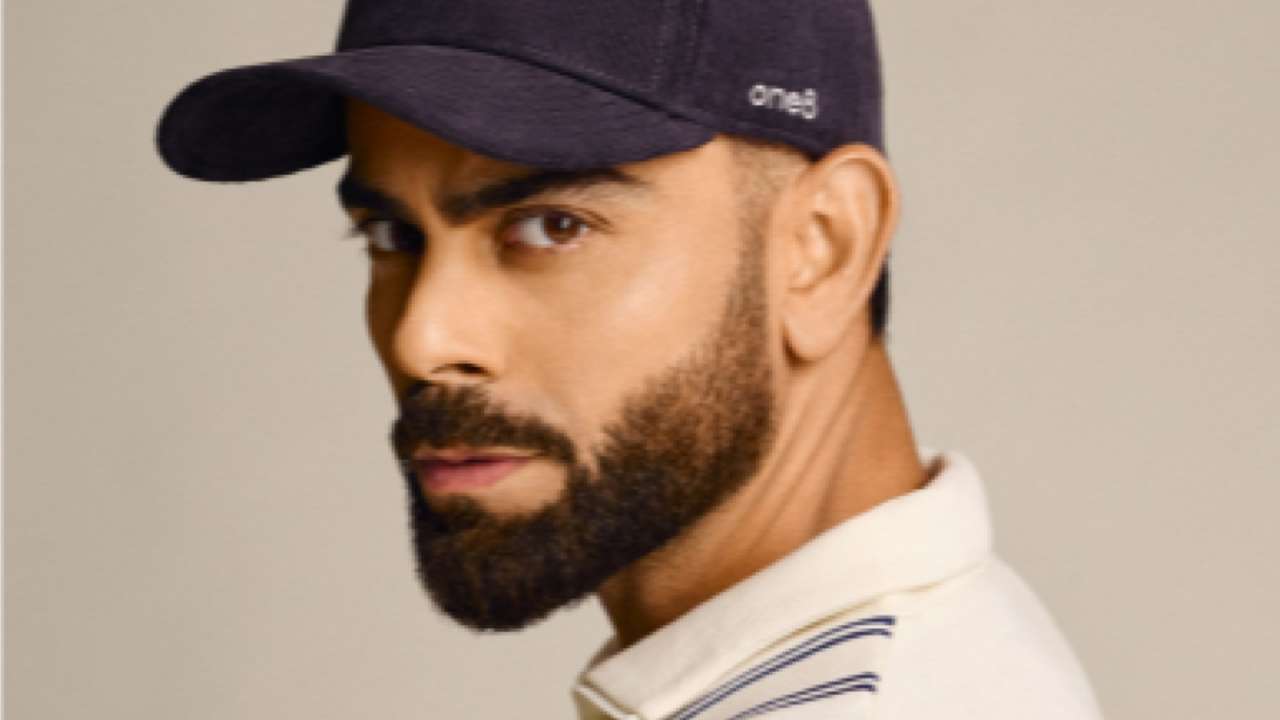 Virat Kohli on LinkedIn pitch ahead of World Cup 2027, shares insights on sportswear brand
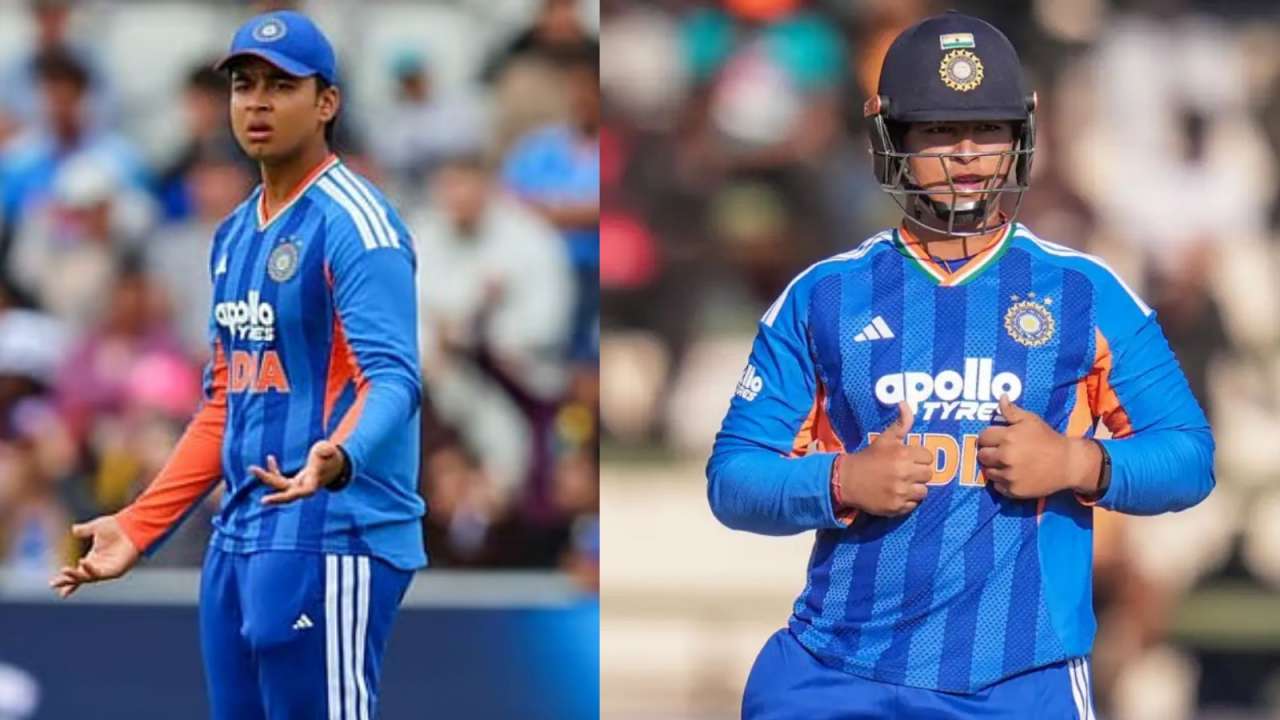 Will Vaibhav Sooryavanshi play last T20I of West Indies series? Gautam Gambhir, Shreyas Iyer get big appeal
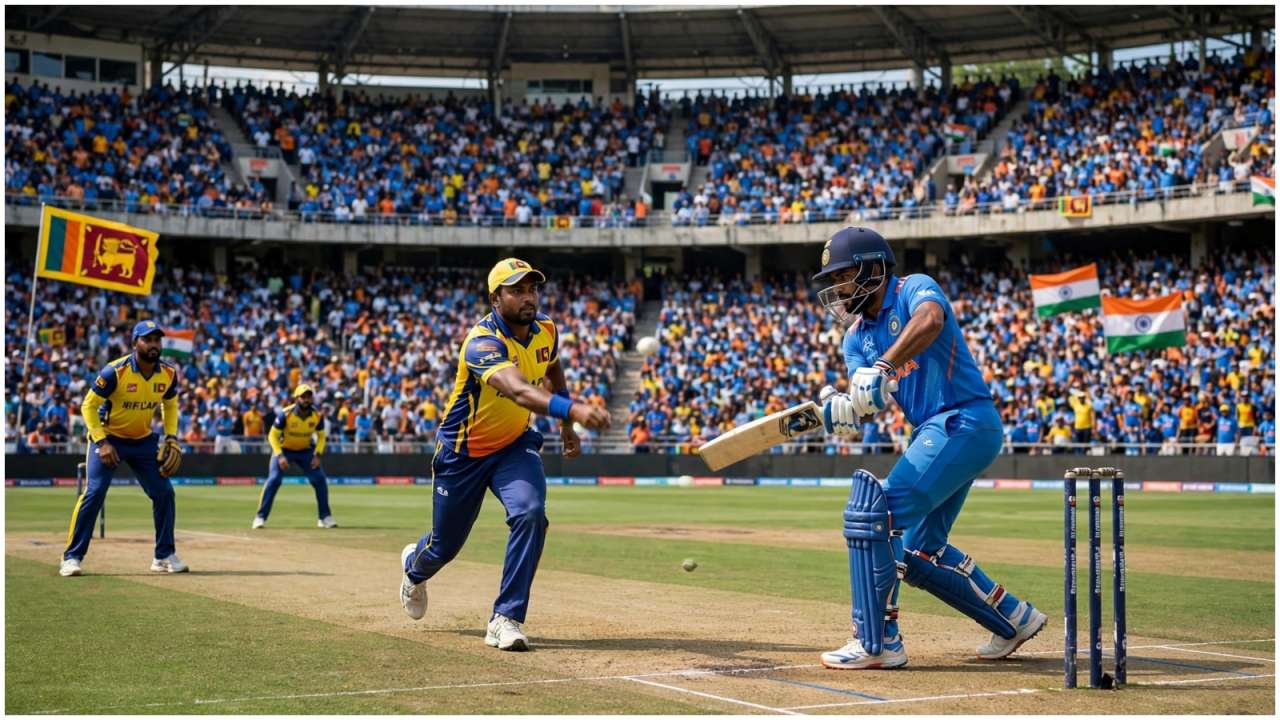 Will match venue change for India vs Sri Lanka 1st ODI from Delhi to Ahmedabad? BCCI finally breaks silenceRJ Mitte, who played Walter White Jr on Breaking Bad, dies by suicide at 34; Bryan Cranston remembers 'sweet son'
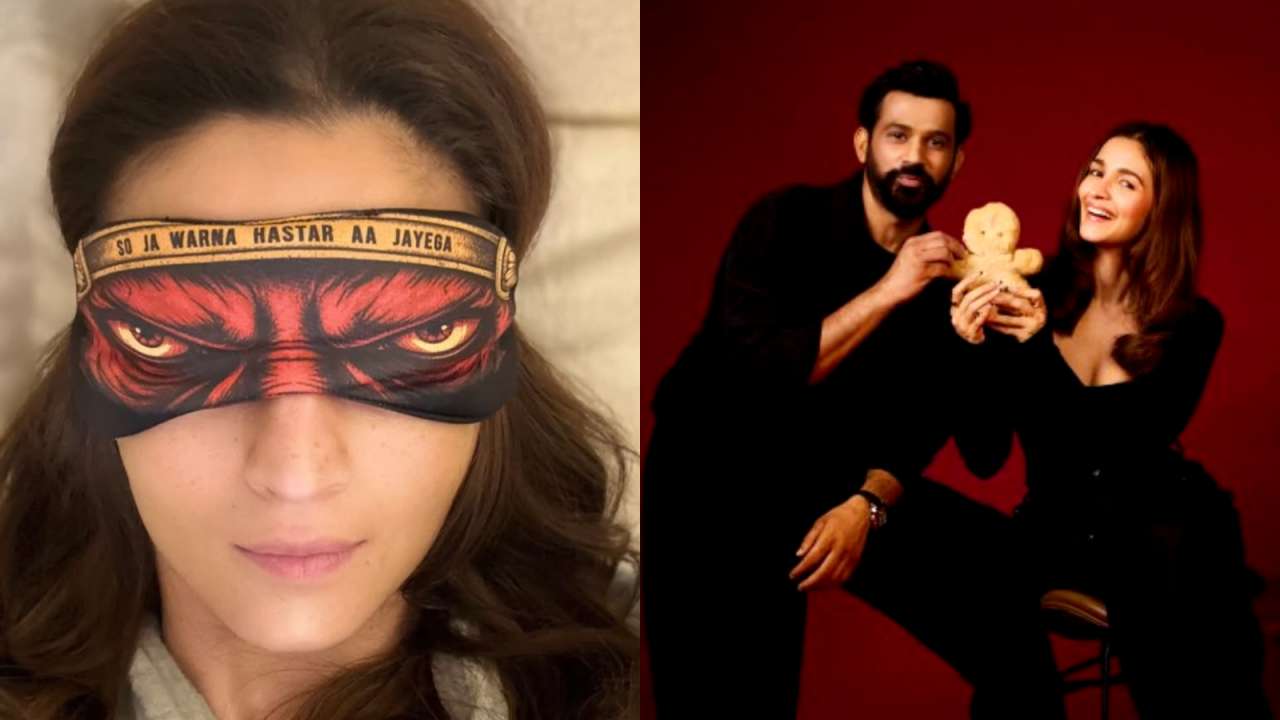 Is Alia Bhatt's role in Tumbbad 2 connected to Hastar? Sohum Shah drops major hint as first film marks 8 years
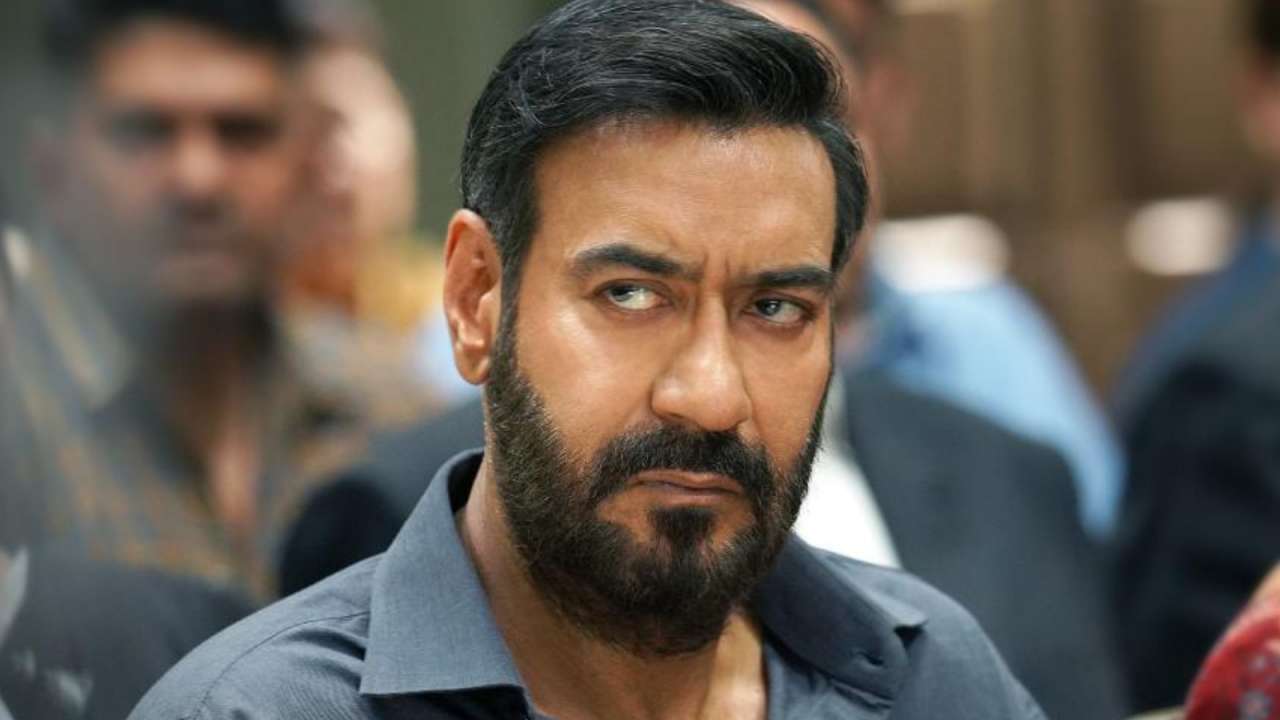 Drishyam 3 box office collection day 11: Ajay Devgn film becomes his first movie to earn Rs 100 crore overseas
 Rashmika, Vijay Deverakonda praise CM Thalapathy Vijay after special meet ahead of 'Ranabaali' release
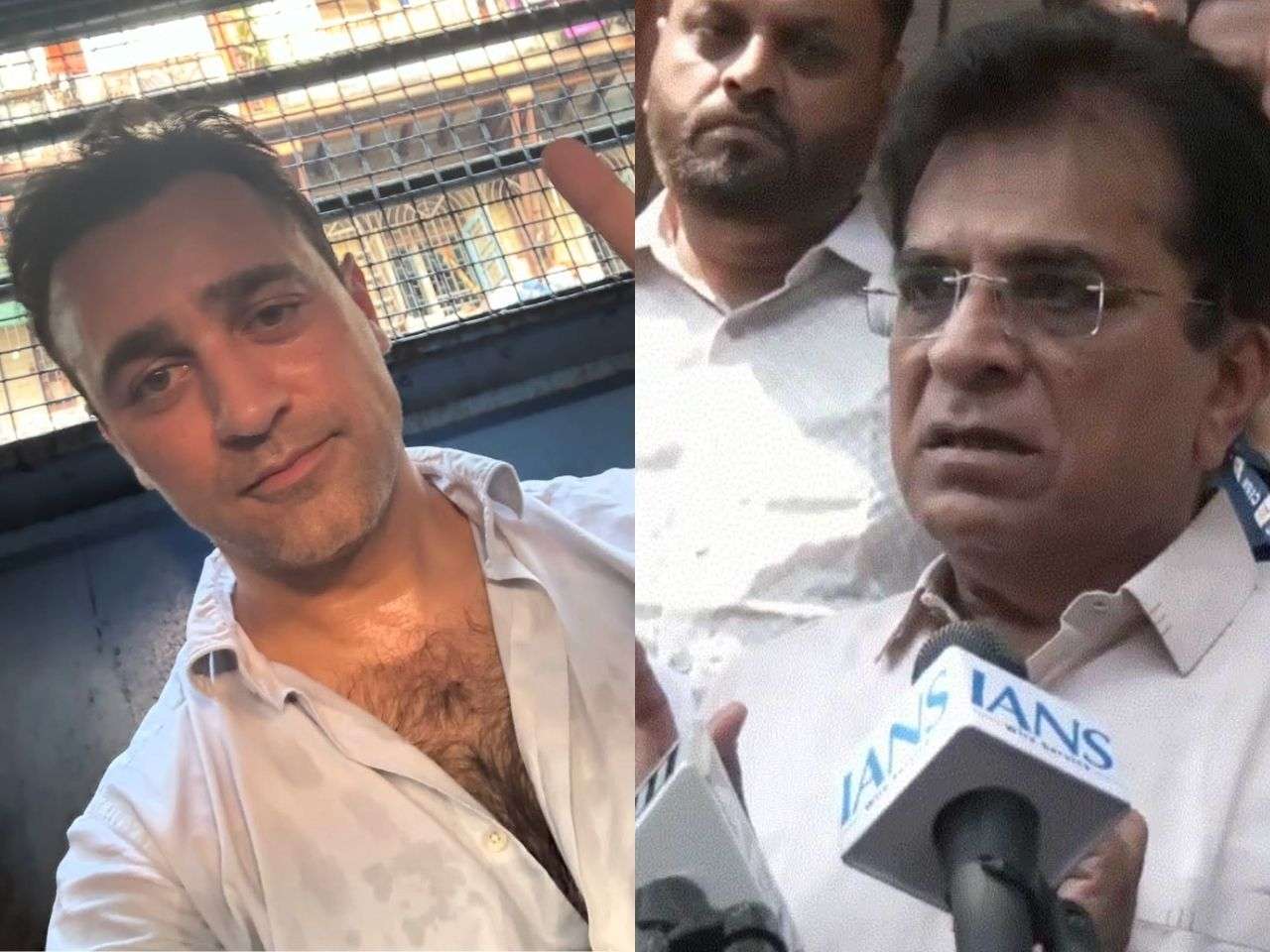 'Imran Khan is attempting to create anarchy': BJP Kirit Somaiya demands immediate arrest of Aamir Khan's nephew, alleges their Pakistani connection
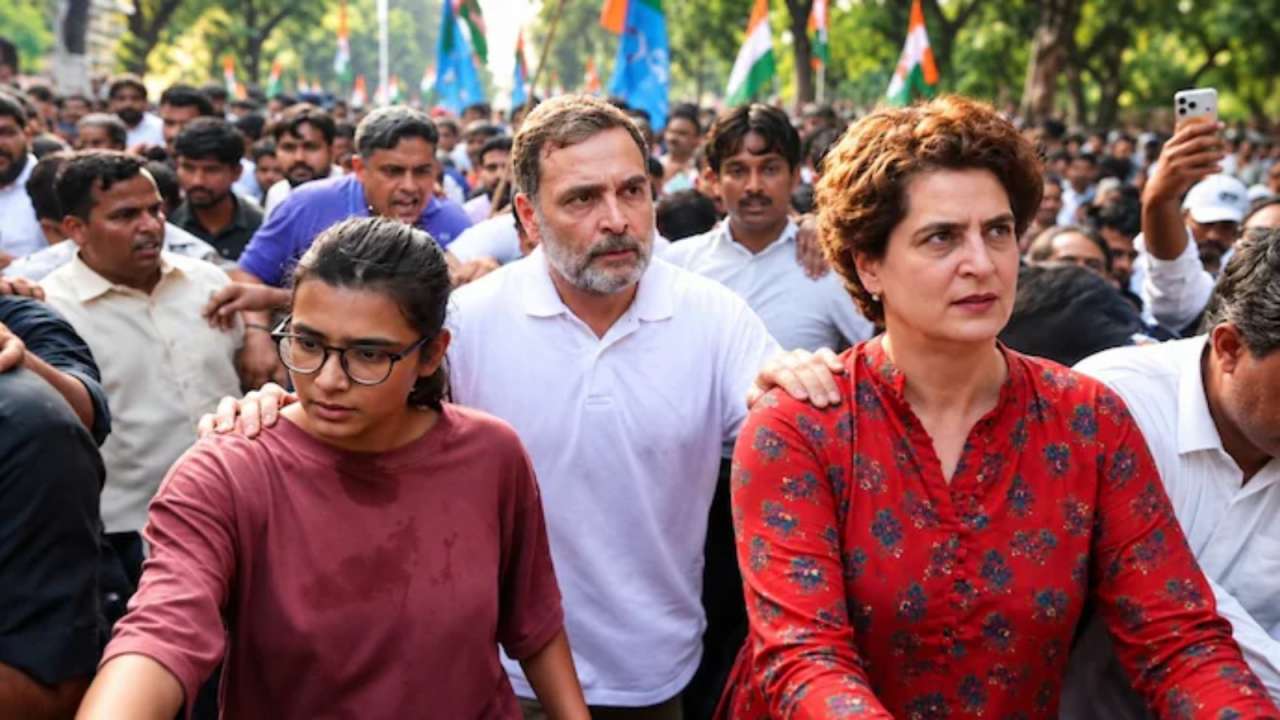
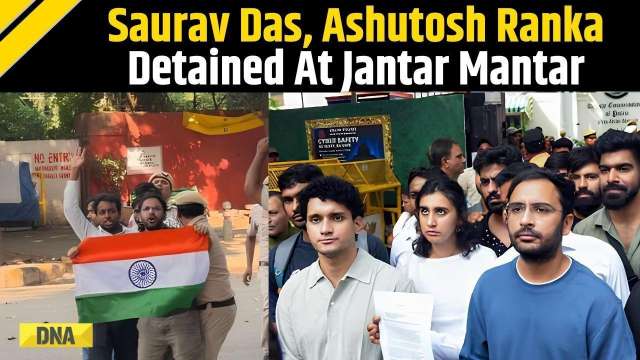 CJP Protest: Delhi Police Detains CJP Spokespersons Saurav Das And Ashutosh Ranka At Jantar Mantar
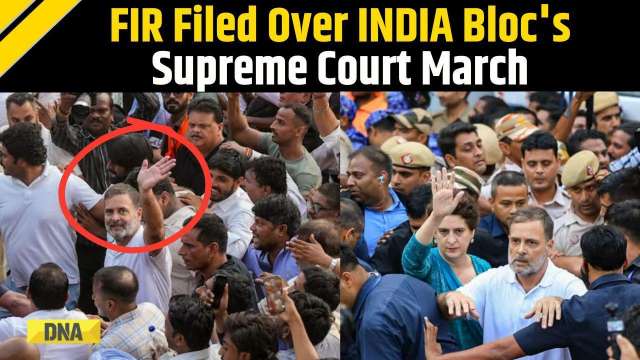 CJP Protest: 2 FIRs Filed Over INDIA Bloc Leaders March In Delhi; SC To Hear Protesters Plea
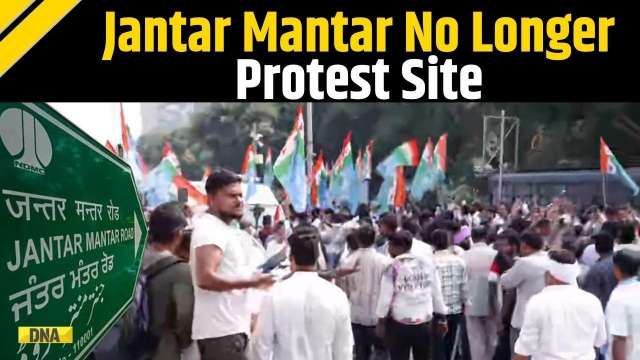 CJP Protest: 'Jantar Mantar De-Notified'; Govt Replaces Historic Protest Site With 3 New Venues
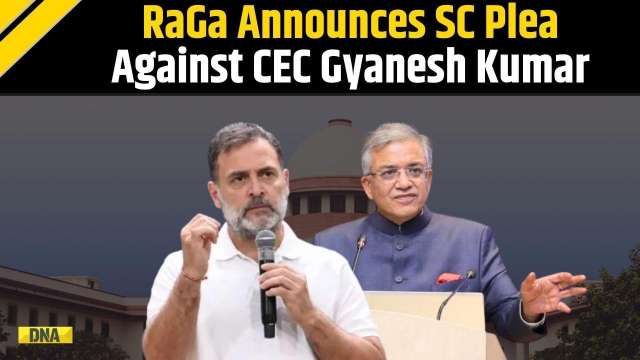 CEC Resignation Row: Rahul Gandhi Announces Supreme Court Plea Over Voter Roll Fraud
 Saudi Houthi War: Saudi Coalition Releases CCTV Of Deadly Houthi Strike On Riyadh Airport
 UPI payment charges postponed till Diwali, what does it mean for shops, merchants and customers?
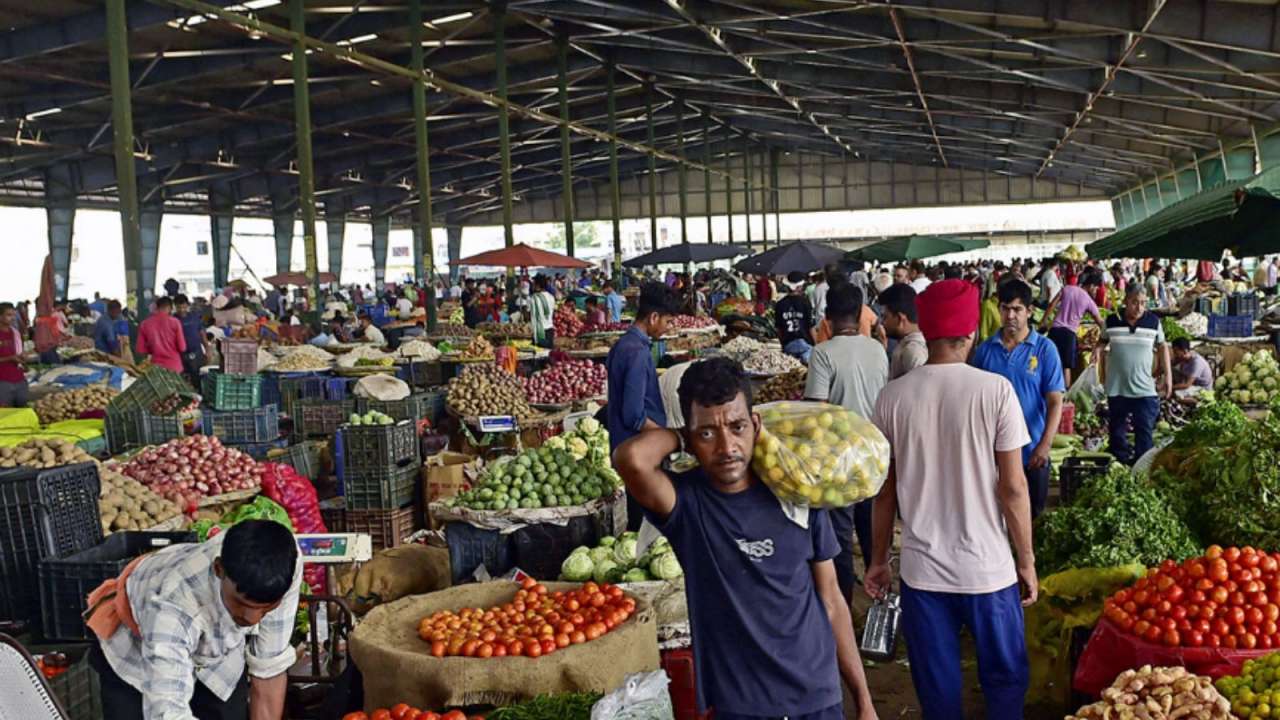 Retail inflation rises to 5.54% in September: Experts warn of pressure on purchasing power, expect more RBI rate hikes
 Gold, Silver prices today, October 10, 2026: Check city-wise rates in Delhi, Mumbai, Chennai, Kolkata and more
 Reliance Jio IPO: Price Band likely at Rs 1065-1119 per share, issue may open on October 21; check details
 How to bypass H-1 B visa restrictions? Can Indian professionals use L-1 and O-1 visas as alternative routes to enter US?
 Navratri 2026: From Alia Bhatt to Sara Ali Khan, Shraddha Kapoor, take inspiration from Bollywood actresses to stun everyone in white
 Ranbir Kapoor-Sai Pallavi, Yami Gautam-Addinath Kothare, Rajkummar Rao-Wamiqa Gabbi: 5 fresh on-screen jodis to watch out for in 2026
 OTT Releases This Week (October 5-11): Awarapan 2, Khalifa, Mandaadi; new India movies, shows to watch on Netflix, Prime Video
 OTT Releases This Week (Sept 28 - Oct 4): Dupahiya 2, Pooja Meri Jaan; new movies and shows to watch this Gandhi Jayanti weekend
 From Neeti Mohan, Heer, Sarthak Kalyani; Ahead of Sa Re Ga Ma Pa, 5 musical geniuses championed by AR RahmanOld Monk ban in Maharashtra: Company claims Rs 500 crore loss, government loses Rs 350 crore in excise revenue
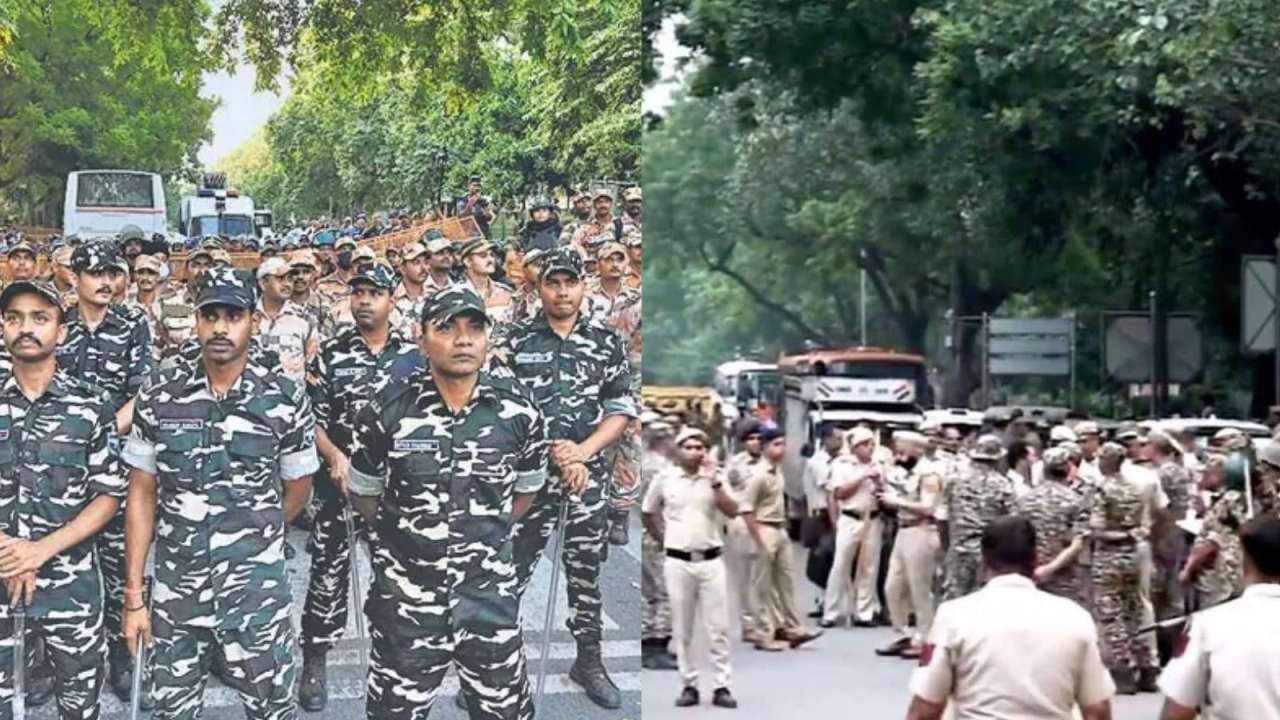 Delhi Police asks for extension of deployment for 27,000 CAPF jawans as protests may continue
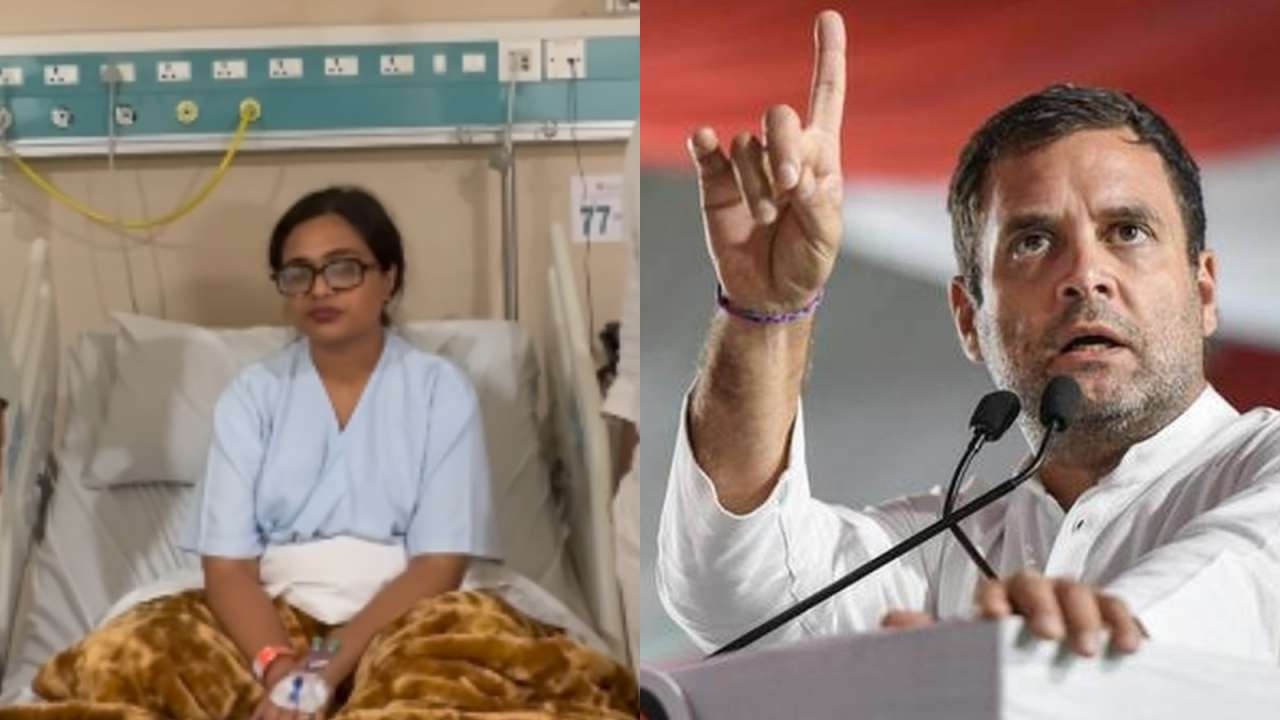 Did Rahul Gandhi push pregnant journalist? Congress calls it propaganda, cooked up by BJP
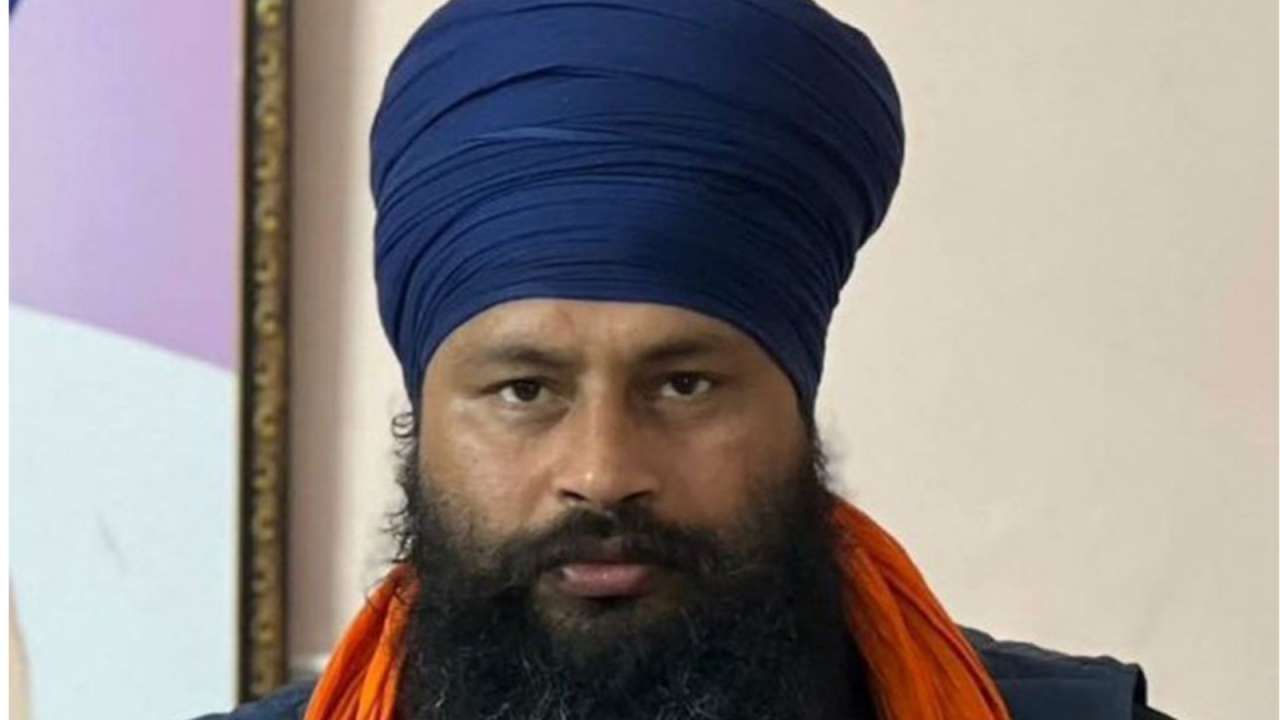 Who was Parvinder Singh Jhota? Punjab anti-drug activist shot dead during Facebook Live, know what exactly happened
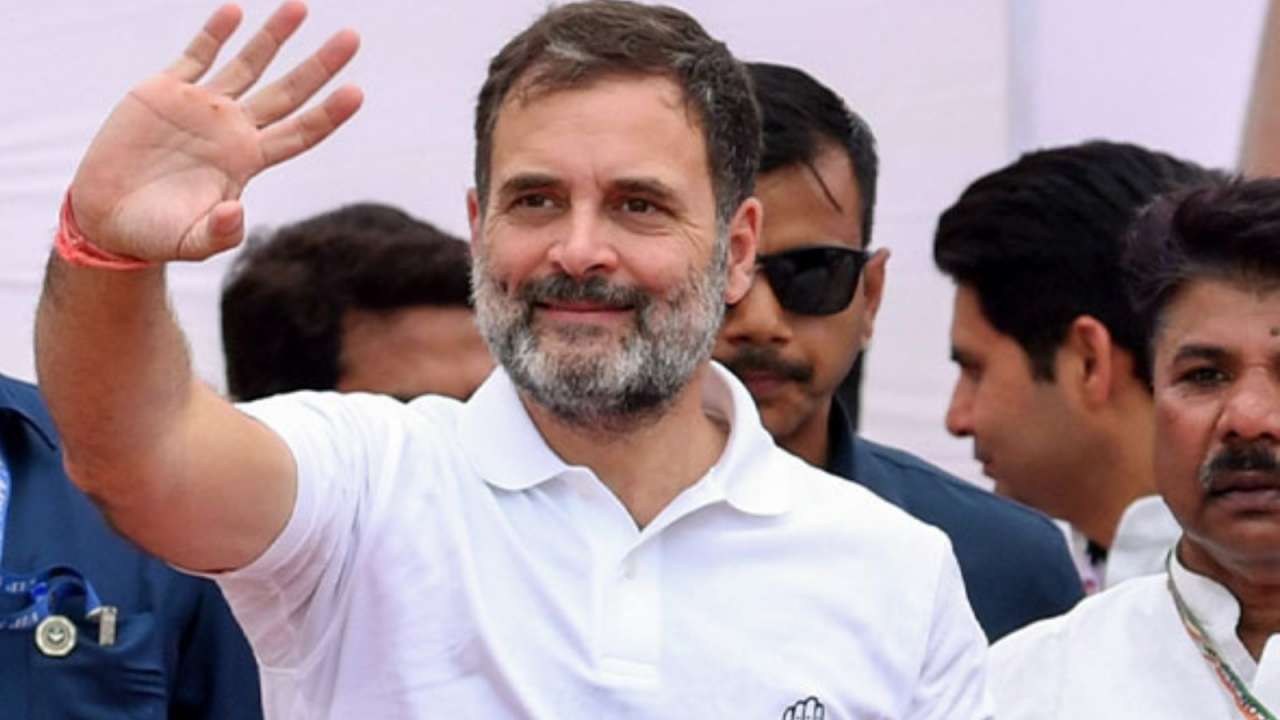 SC stays trial against Rahul Gandhi over remarks on PM Modi in Rafale case
 Third Language Row: SC extends relaxation to Class 6 students, asks CBSE to grant exemption, here's what it means
 NEET PG 2026 Result Out: Check how to download scorecard from natboard.edu.in; Know category-wise cut-off and more
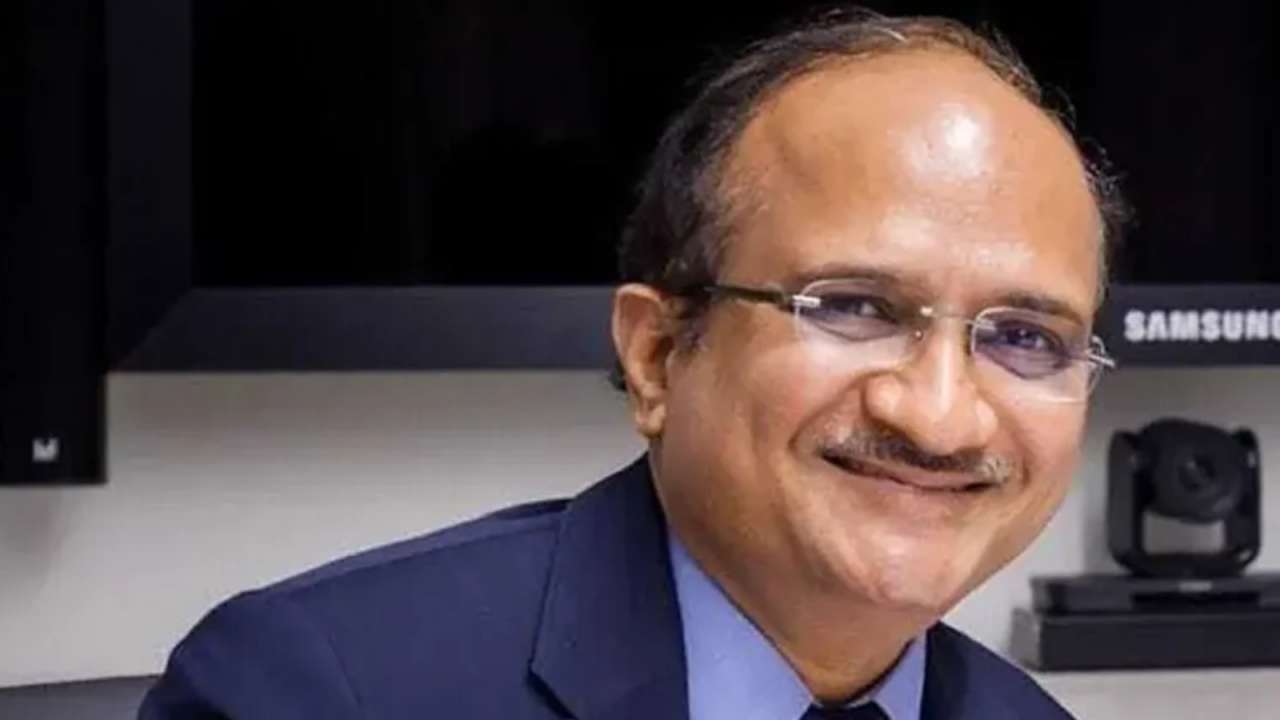 Five-year BTech programmes? Ex-IIT director makes proposals amid IIT suicide controversy
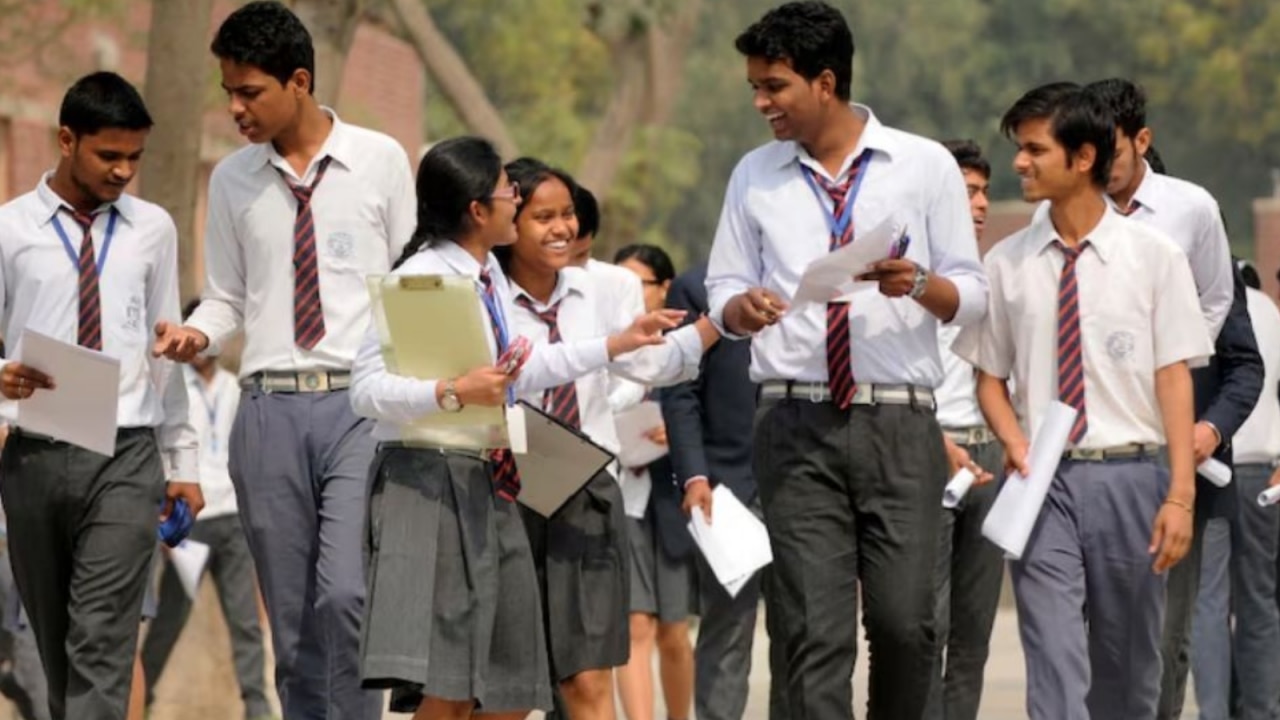 CBSE Date Sheet 2027: When will Class 10, 12 timetable be released? Check details here
 From Rs 150 in 1947 to powerful student body: The story of DUSU’s rise | Explained
 After Hyundai, Maruti Suzuki makes cars costlier ahead of festive season: Check new prices after hike
 Hyundai cars to get costlier from September: Check new prices and reason behind hike
 Why can't consumers choose pure petrol or E10? Centre explains why E20 is now the standard fuel
 Centre claims E20 fuel does not damage engines, cites data from Maruti Suzuki and Hero MotoCorp
 Maruti WagonR Flex Fuel: What’s price of India’s first ethanol car? Specs, mileage, and top features explained
INDIA
The Indian Army thwarted a barrage of targeted attacks from Pakistan using drones and other munitions throughout last night. But how did India effectively intercept the overnight series of strikes?

Updated : May 09, 2025, 06:13 PM IST



The Indian Army thwarted a barrage of targeted attacks from Pakistan using drones and other munitions throughout last night. The force said it had also retaliated to ceasefire violations along the border by troops of the neighbouring country. But how did India effectively intercept the overnight series of attacks? The answer lies in India's air defence systems that are designed to foil such attacks.
What is an air defence system?
An air defence system is designed to detect and destroy aerial threats such as drones, missiles, helicopters, and aircraft. These systems function through integrated radar and sensor networks and identify threats in real time.
They also comprise a range of surface-to-air missiles, varying in range and capability, to neutralise threatening objects.
Key air defence systems that are part of India's military are as follows:
S-400: A Russian-made defence system with a massive range of 380 kilometers, for which India struck a three-squadron deal of Rs 40,000 crore in 2018. Two more squads are expected by the next year.
Barak-8 MR-SAM: A system developed in collaboration with Israel that covers a distance of over 70 kilometers.
Akash missiles: An indigenous system with a range of 25 kilometers. The Indian Air Force has inducted 15 squads of these missiles under a Rs 10,900 crore deal.
Spyder system: This is an Israeli defence system with a 15-kilometer range. Multiple units of the system have been inducted in the Indian armed forces.
Short-range defence: Short-range defence weapons include Russian Igla-S (6 kilometers), Igla-1M (5 kilometers), OSA-AK-M (10 kilometers), Pechora missiles, and upgraded L-70 guns (3.5 kilometers).