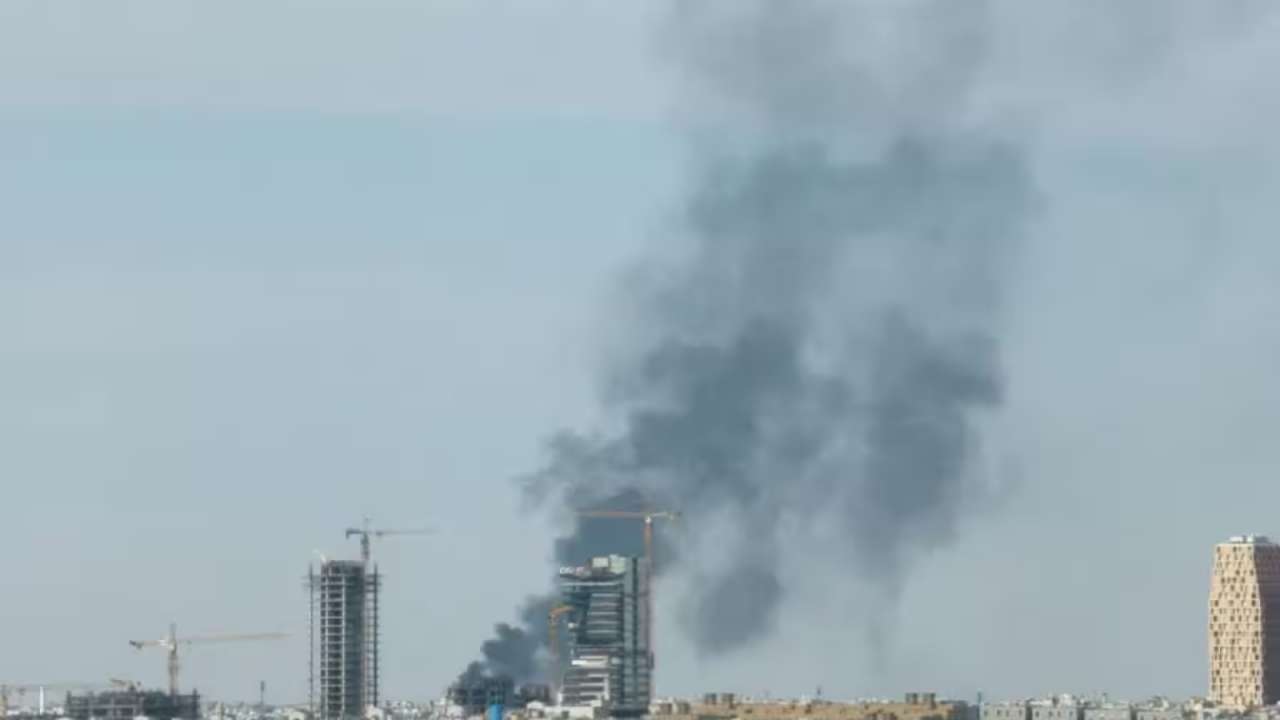
 Riyadh Airport targeted again, fire reported day after Houthi deadly attack killed 12 people
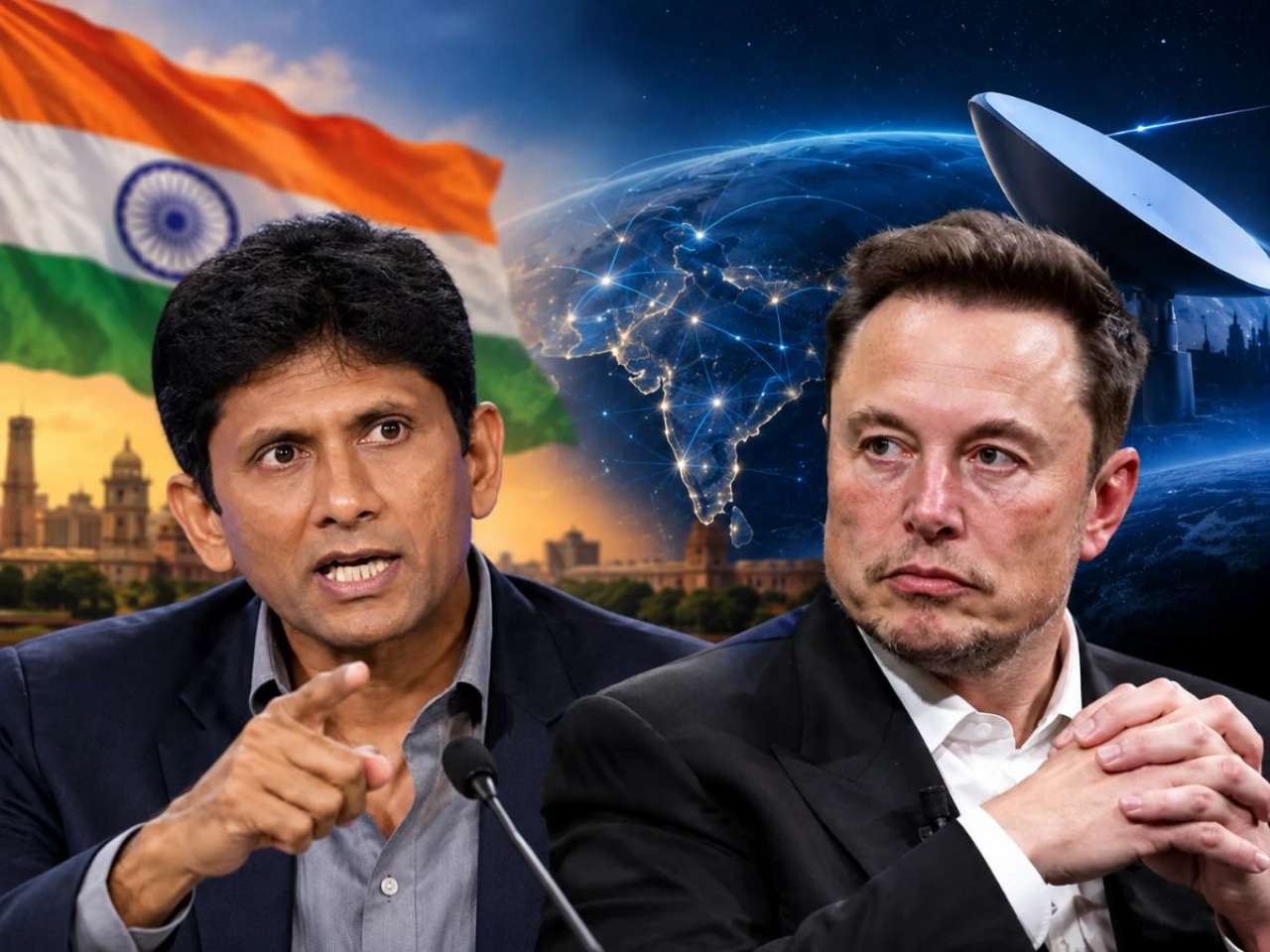 'Terrible human being’: Ex-India pacer Venkatesh Prasad takes scathing dig at Elon Musk amid escalating Starlink India row
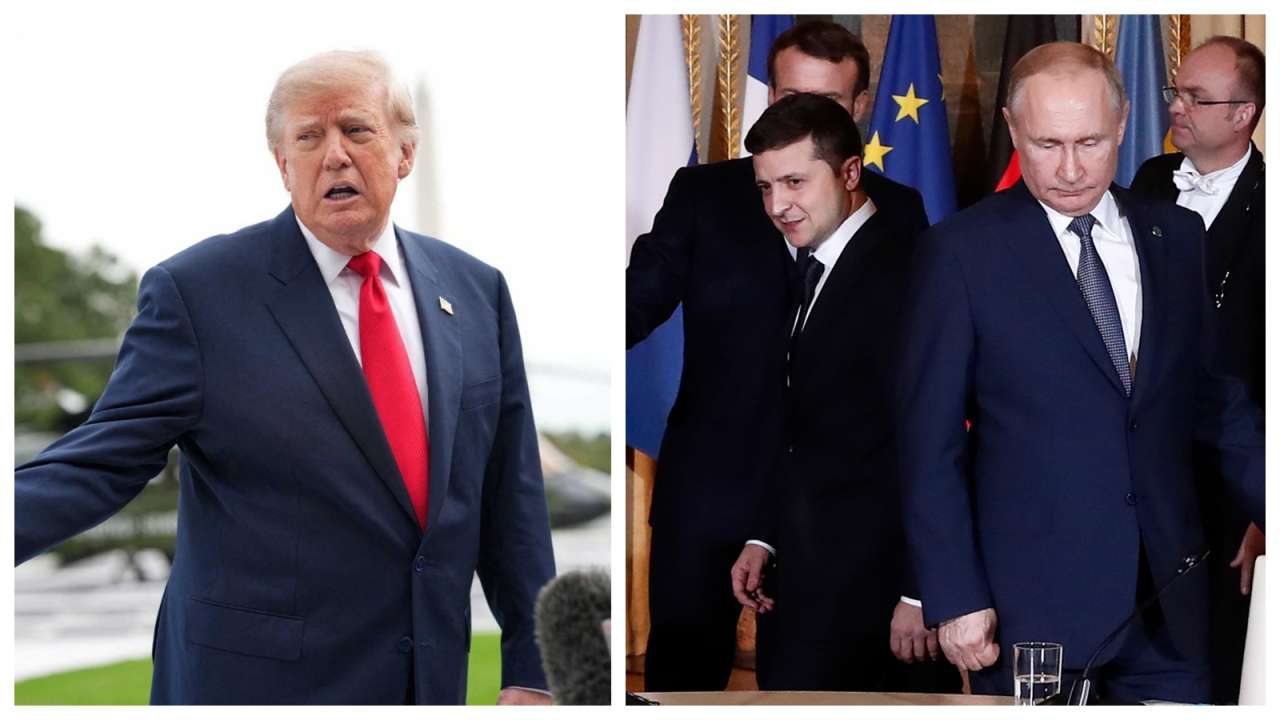 Donald Trump claims Russia-Ukraine have agreed to energy ceasefire effective immediately
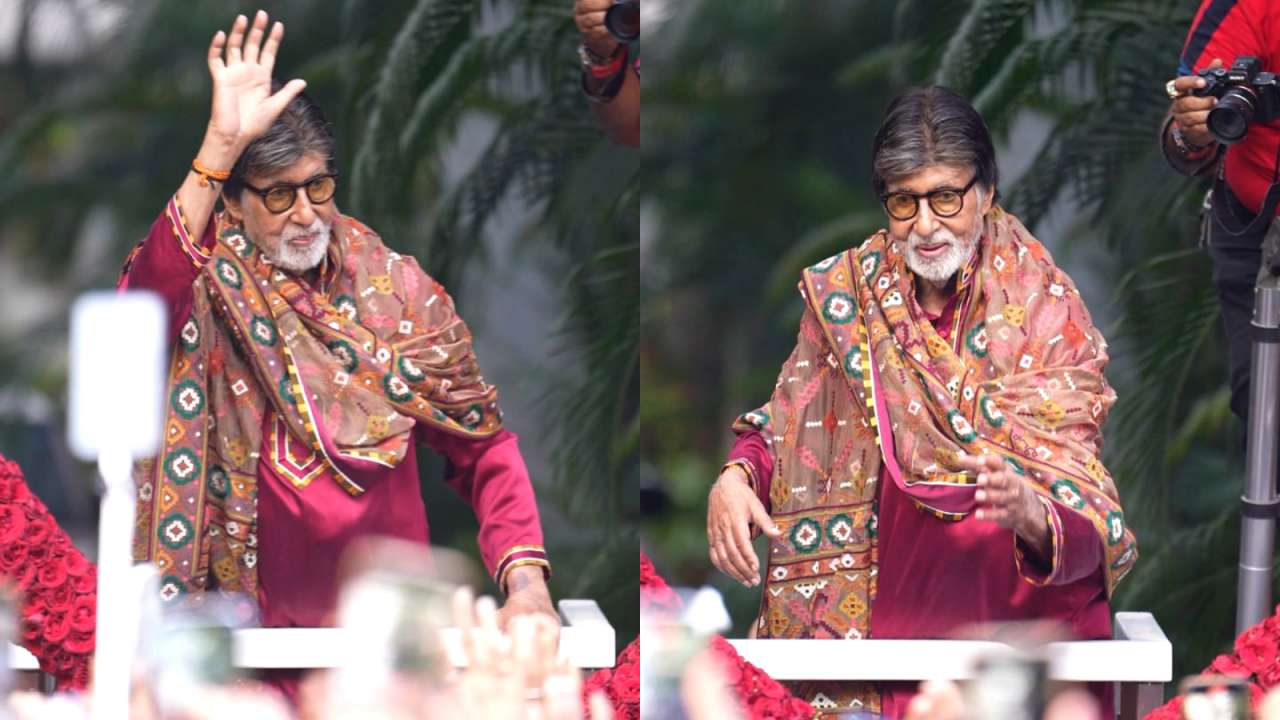 Amitabh Bachchan greets fans outside Jalsa on 84th birthday, video goes viral - Watch
 Mumbai welcomes Cordelia Sky, second vessel in Cordelia Cruises Fleet; Check features, routes and more'Terrible human being’: Ex-India pacer Venkatesh Prasad takes scathing dig at Elon Musk amid escalating Starlink India row
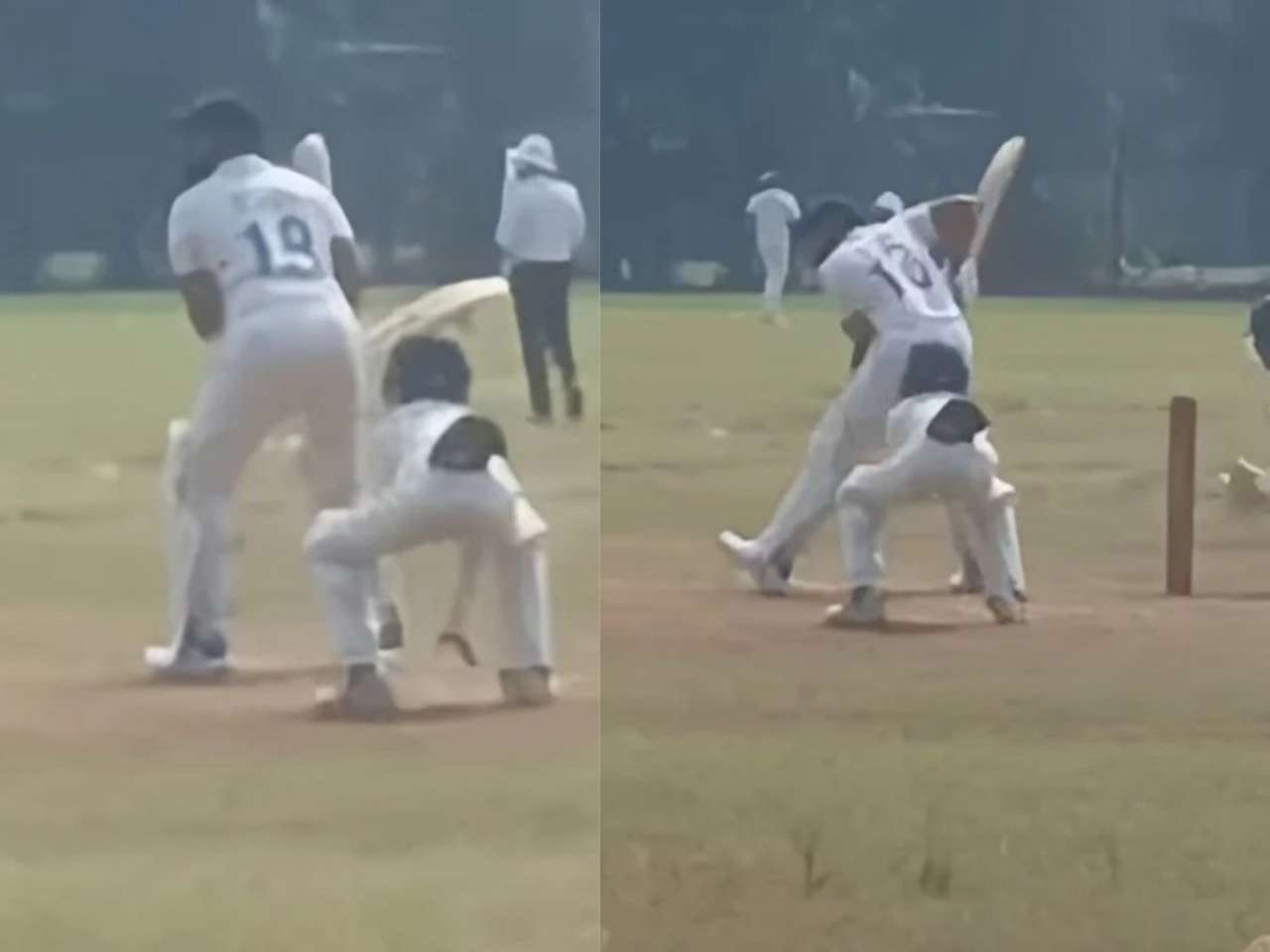 Fact Check: Did Virat Kohli really play in Mumbai’s Kanga League? Mystery behind viral No. 18 clip revealed
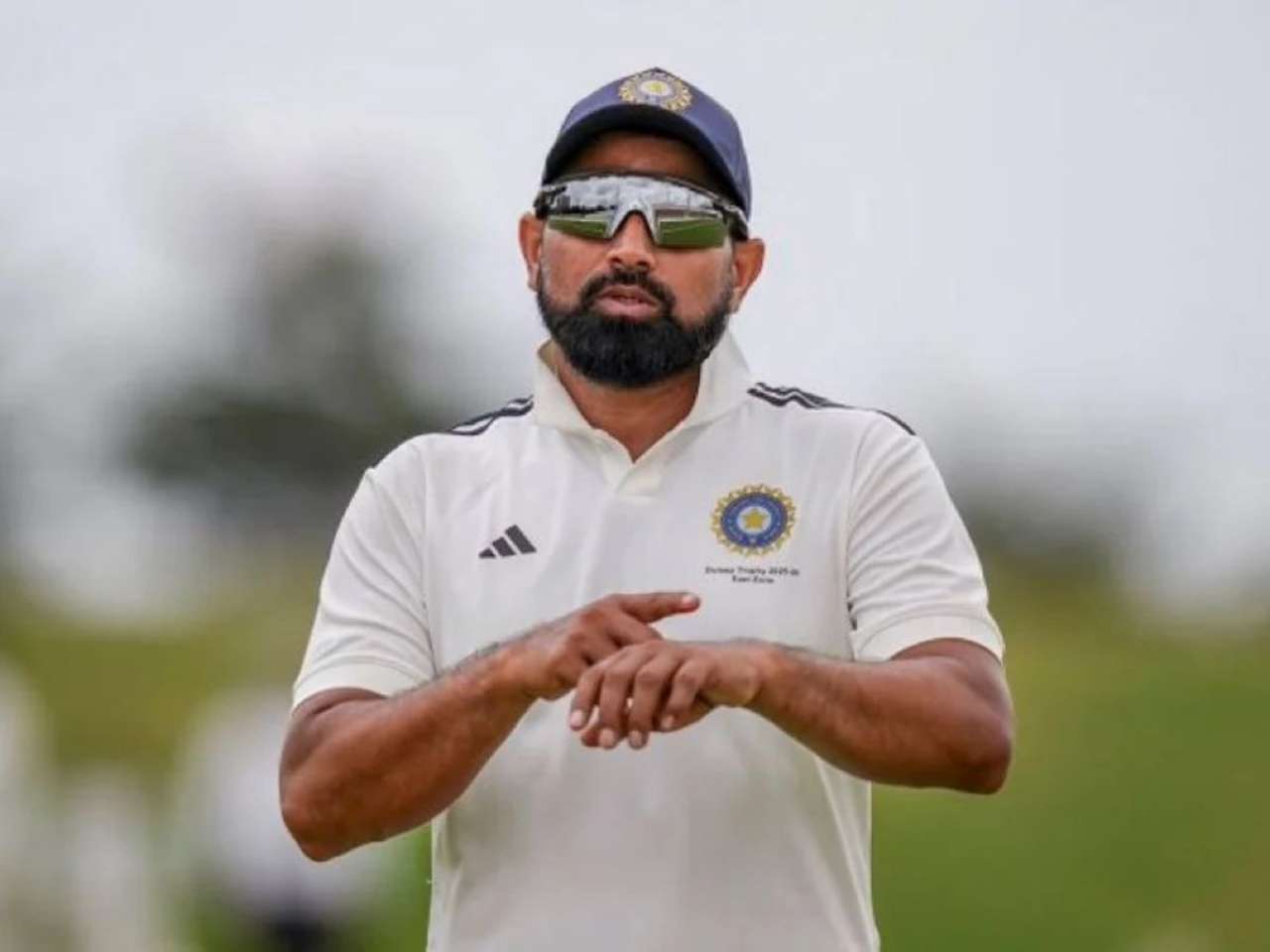 Ranji Trophy: Mohammed Shami stars with 4/30 for Bengal as pressure mounts on selectors over India return
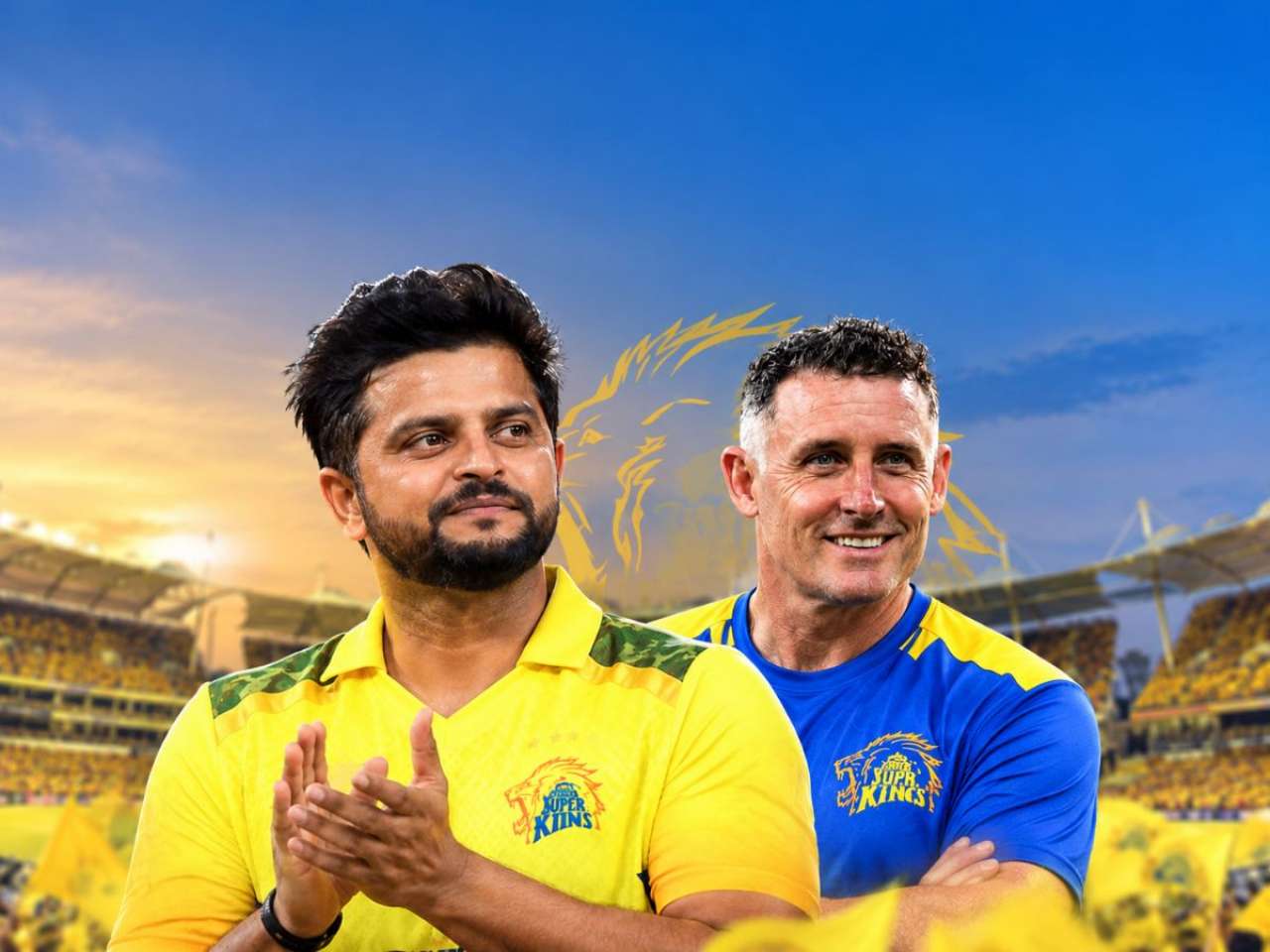 Suresh Raina to become CSK’s next batting coach after Michael Hussey’s exit? Former India star breaks silence
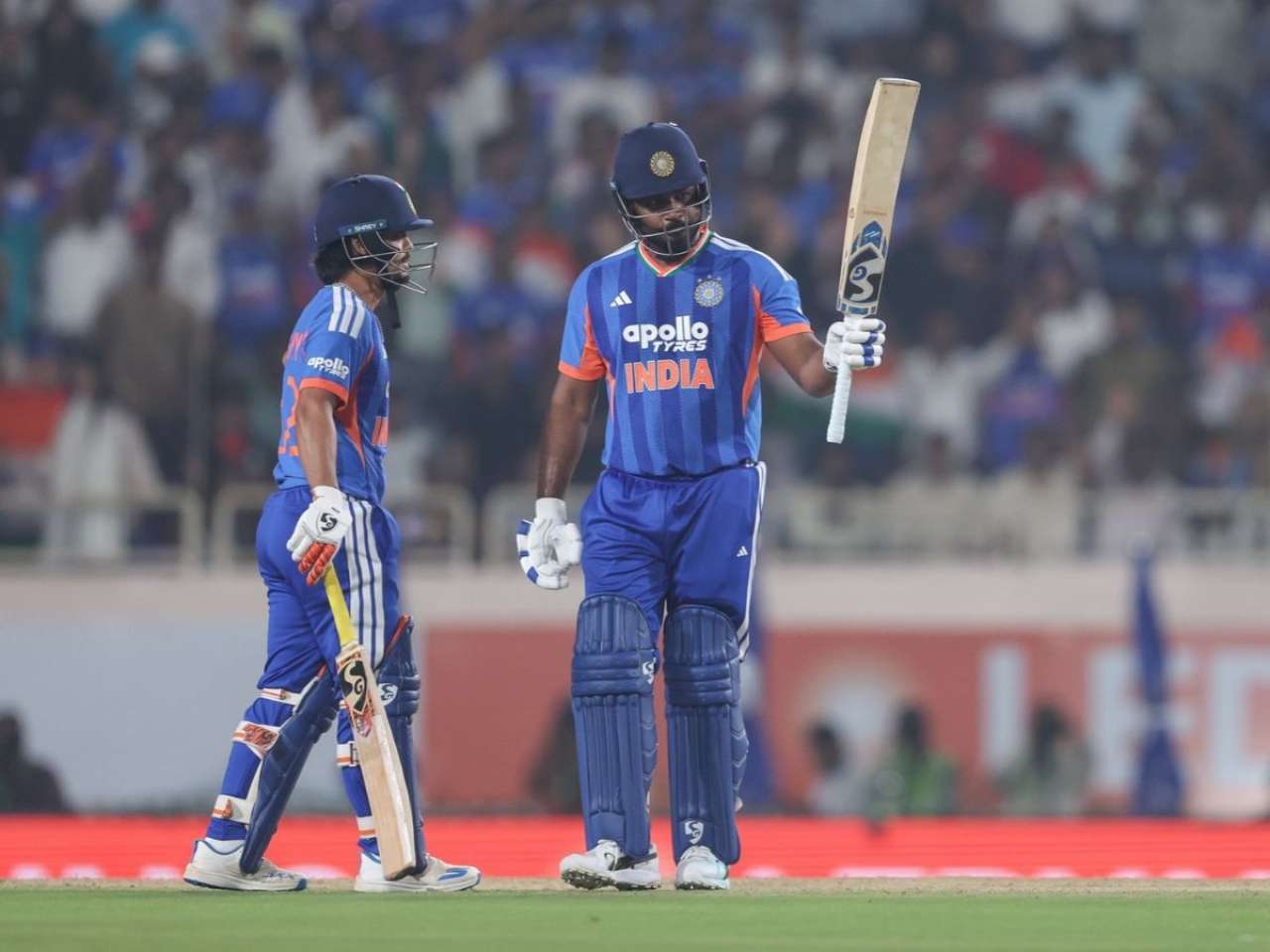 IND vs WI: Can Sanju Samson eclipse coach Gautam Gambhir? Big record in sight as India look to bounce back in 3rd T20IAmitabh Bachchan greets fans outside Jalsa on 84th birthday, video goes viral - Watch
 Drishyam 3 box office collection day 10: Ajay Devgn film crosses Rs 300 crore mark in India
 Ramayana release date: Ranbir Kapoor film to hit theatres worldwide before Diwali, advance bookings open on Dussehra
 Nana Patekar death: Final post-mortem reveals actor died due to this reason
 Vidyut Jammwal reveals what separates Indian and Hollywood action films: 'If you see movies like Baahubali...'
 Saudi Houthi War: India Issues Urgent Advisory To Citizens In Saudi After Riyadh Airport Attack
 CJP Protest: 7,000 CRPF Personnel Rushed To Capital Ahead Of CJP's Oct 10 March
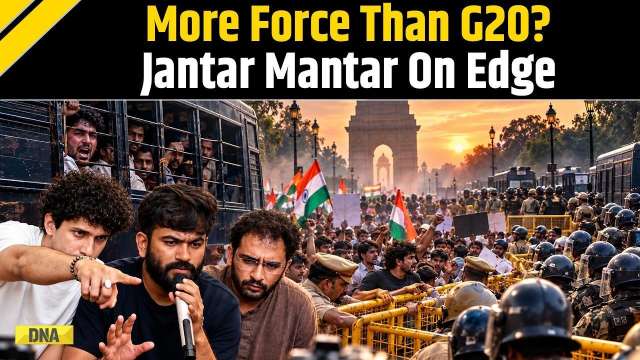 CJP News: Delhi CAPF Deployment Raised To 26,000 Ahead Of CJP October 10 Protest
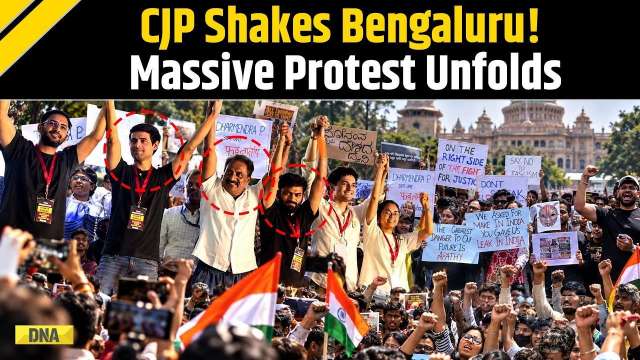 CJP Protest: In Bengaluru Dhruv Rathee, Prakash Raj Join Anti-SIR Demonstration
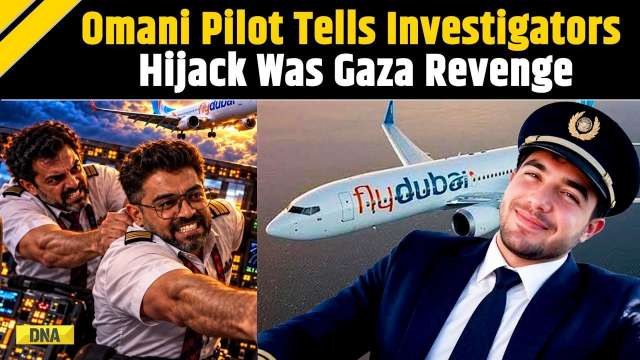 Flydubai Flight News:'Revenge For Gaza'; Flydubai Co-Pilot Hamam Al-Hammami Confesses To Terror Plot
 Gold, Silver prices today, October 10, 2026: Check city-wise rates in Delhi, Mumbai, Chennai, Kolkata and more
 Reliance Jio IPO: Price Band likely at Rs 1065-1119 per share, issue may open on October 21; check details
 How to bypass H-1 B visa restrictions? Can Indian professionals use L-1 and O-1 visas as alternative routes to enter US?
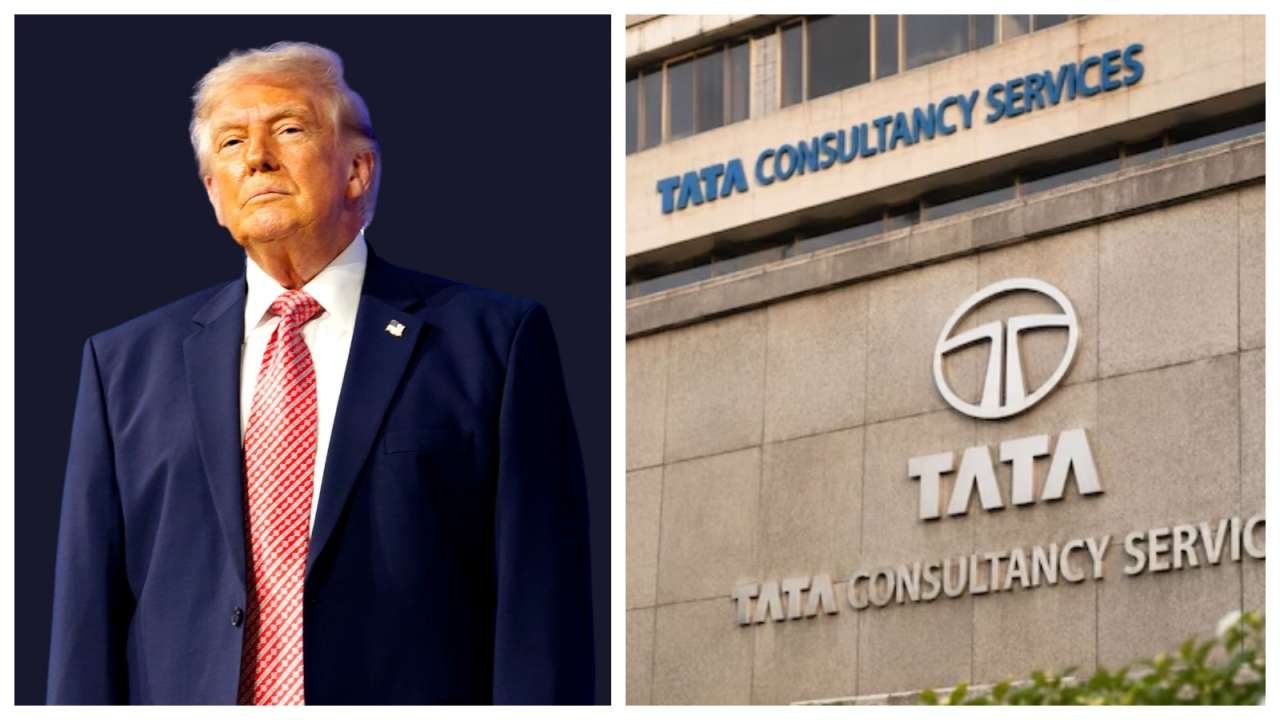 US Green Card Row: TCS says PERM suspension won't impact business, applications in single digits
 Gold, Silver prices today, October 9, 2026: Check city-wise rates in Delhi, Mumbai, Chennai, Kolkata and more
 Ranbir Kapoor-Sai Pallavi, Yami Gautam-Addinath Kothare, Rajkummar Rao-Wamiqa Gabbi: 5 fresh on-screen jodis to watch out for in 2026
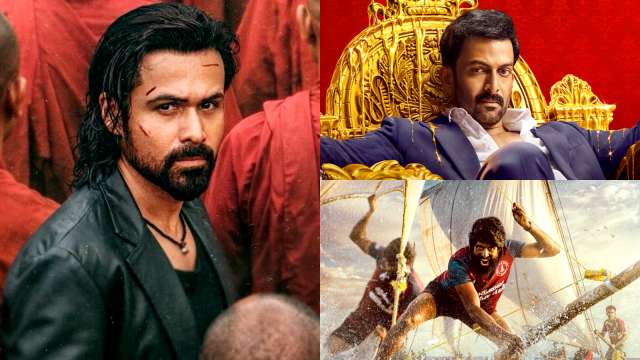 OTT Releases This Week (October 5-11): Awarapan 2, Khalifa, Mandaadi; new India movies, shows to watch on Netflix, Prime Video
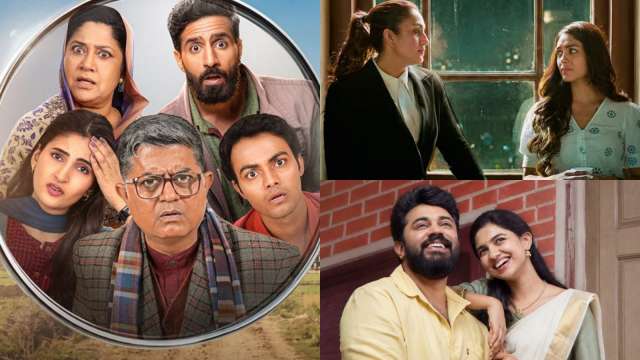 OTT Releases This Week (Sept 28 - Oct 4): Dupahiya 2, Pooja Meri Jaan; new movies and shows to watch this Gandhi Jayanti weekend
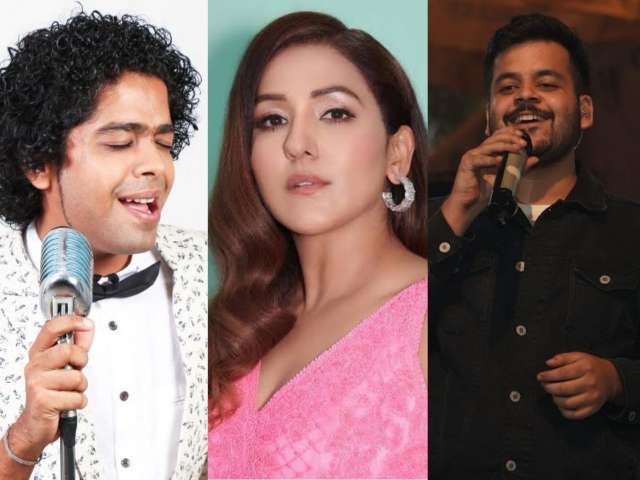 From Neeti Mohan, Heer, Sarthak Kalyani; Ahead of Sa Re Ga Ma Pa, 5 musical geniuses championed by AR Rahman
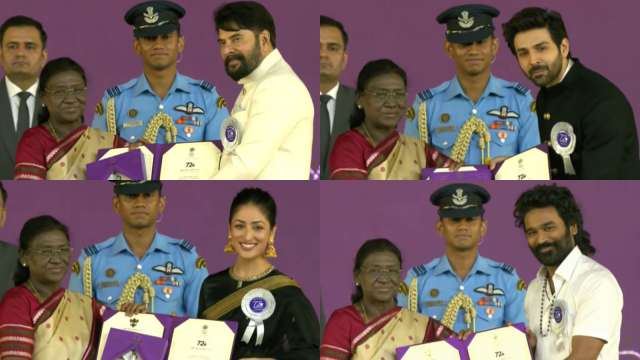 72nd National Film Awards 2024: Kartik Aaryan, Yami Gautam, Aditya Dhar, Mammootty, Dhanush, Anant Nag accept honoursMumbai welcomes Cordelia Sky, second vessel in Cordelia Cruises Fleet; Check features, routes and more
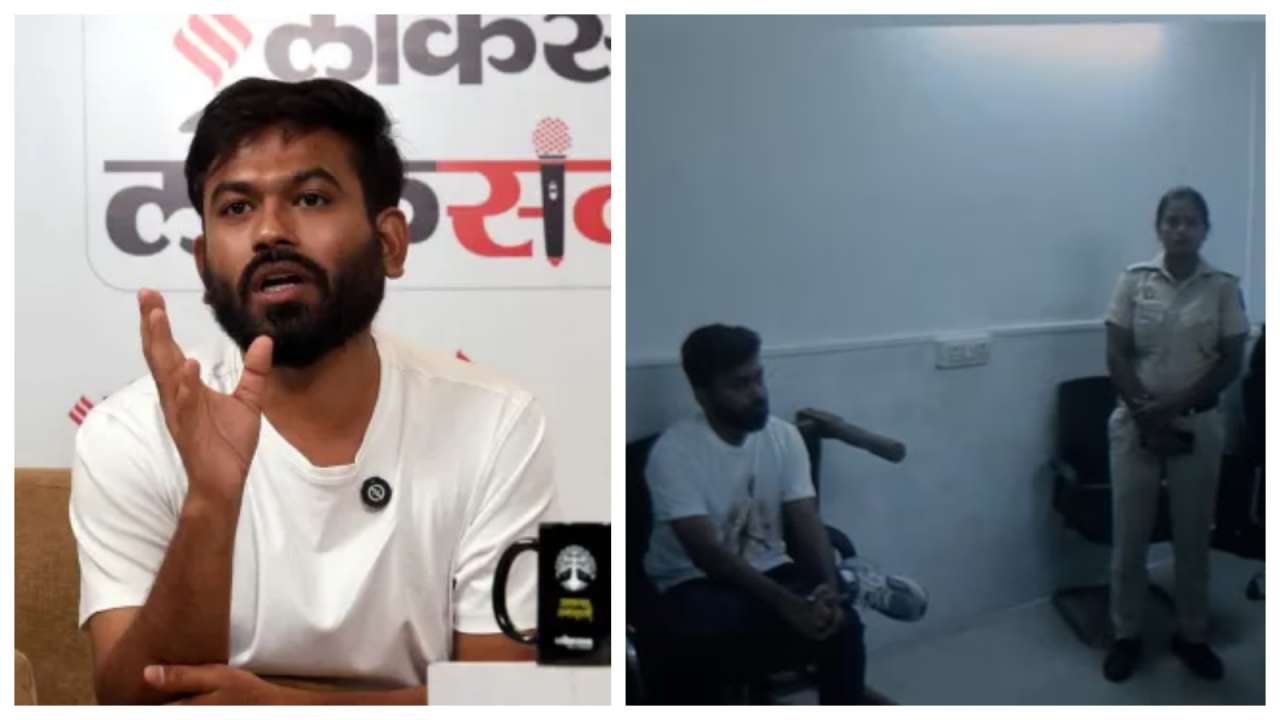 Abhijeet Dipke Denied Permission To Speak To Family? Delhi Police releases video, says offered flight and phone help
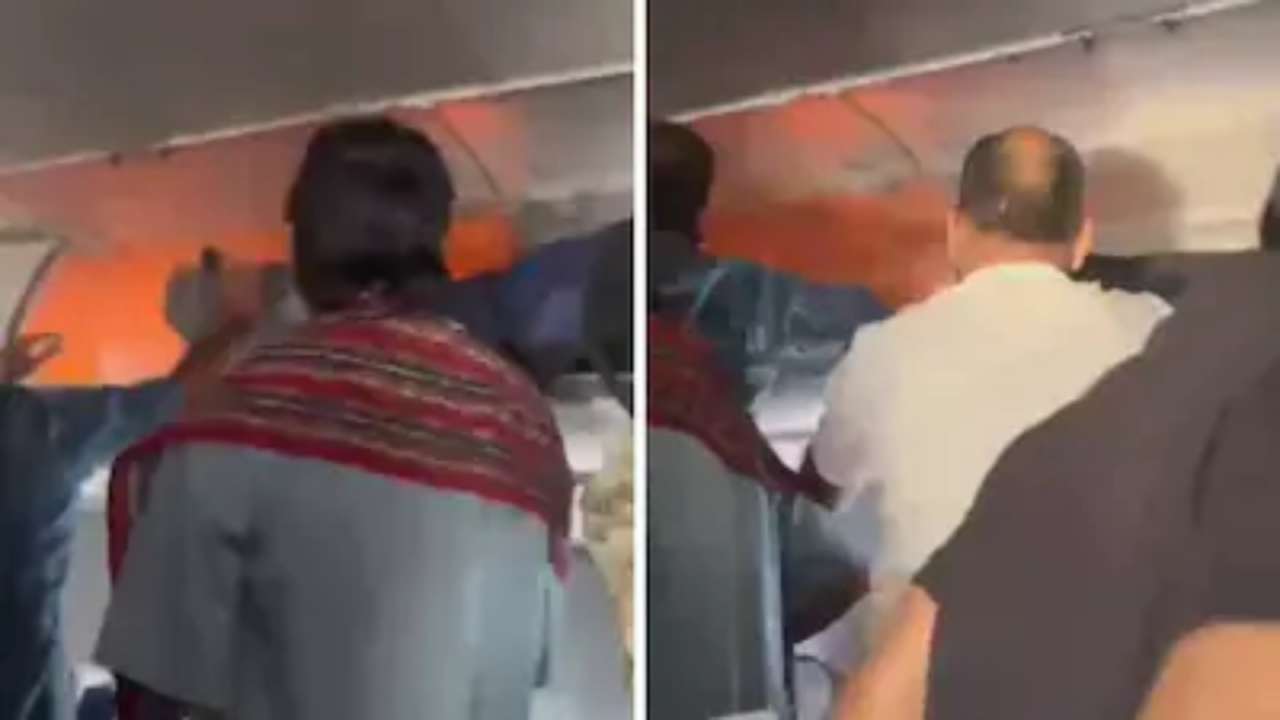 IndiGo Delhi-Chennai flight diverted to Hyderabad after smoke from passenger device
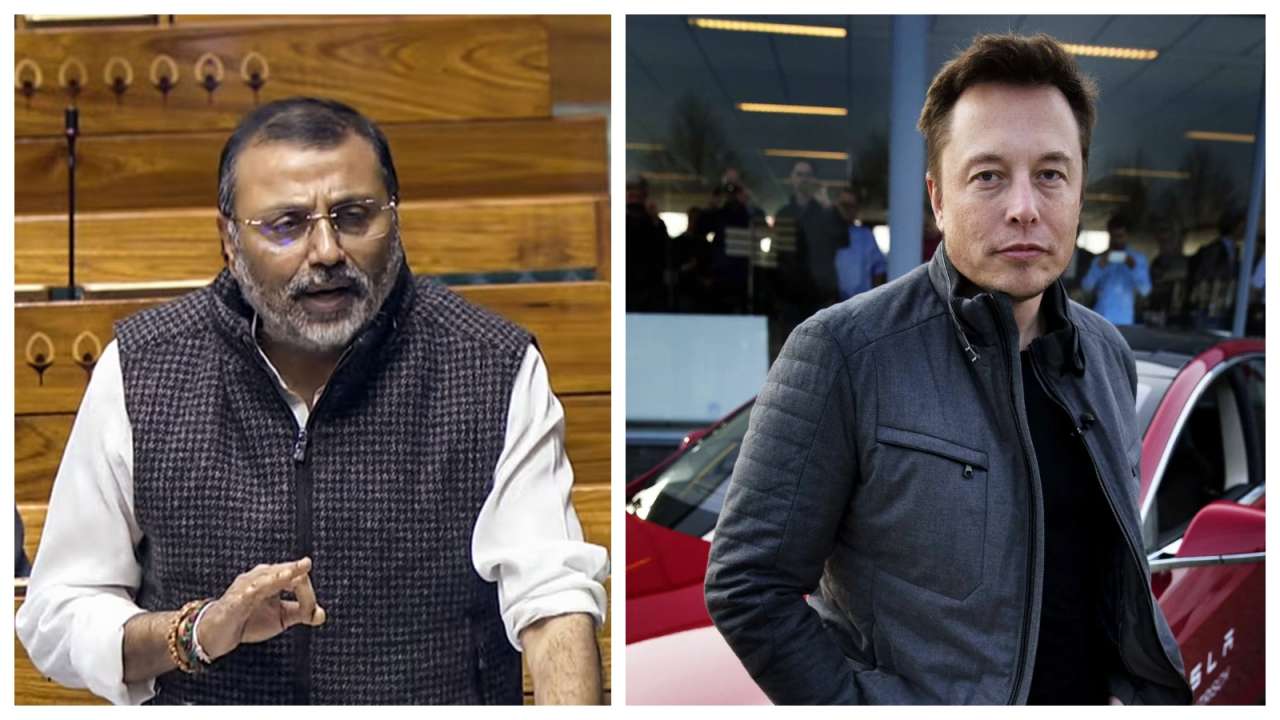 'India Does Not Change Security Policy Under Pressure': BJP MP Nishikant Dubey hits back at Elon Musk over Starlink
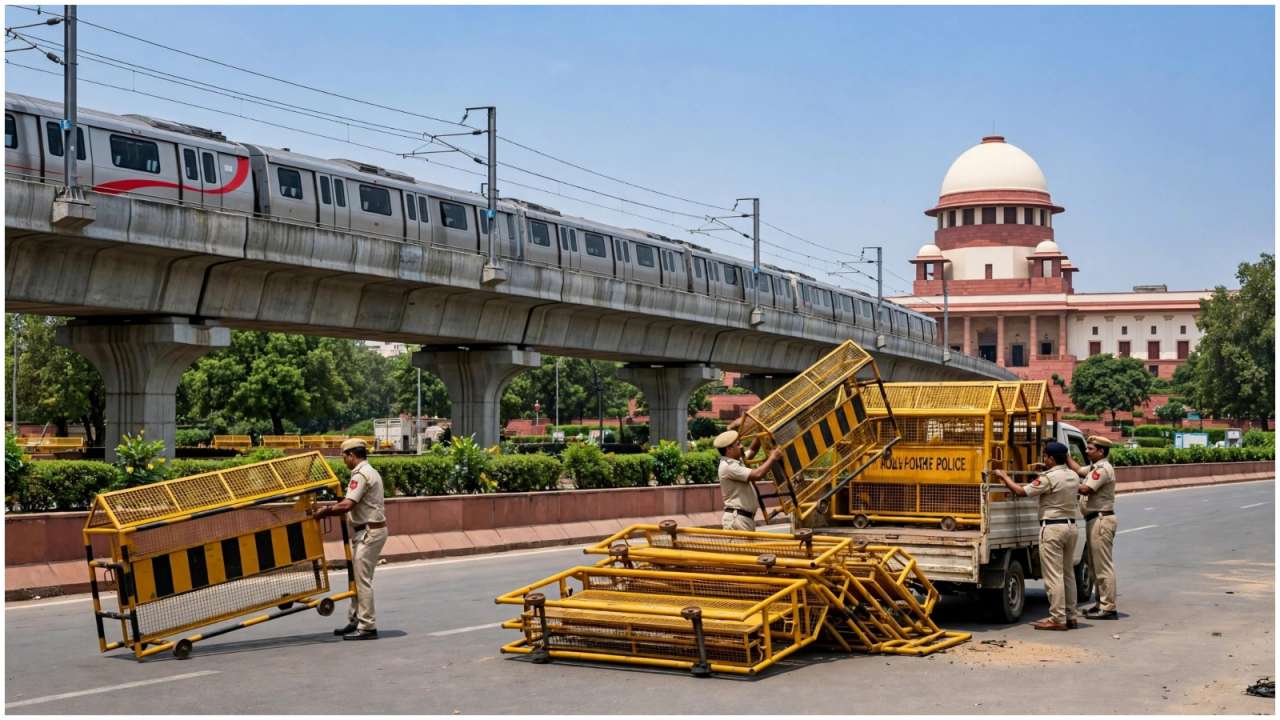 No metro disruption, no internet shutdown: Supreme Court's message to Centre on CJP protest
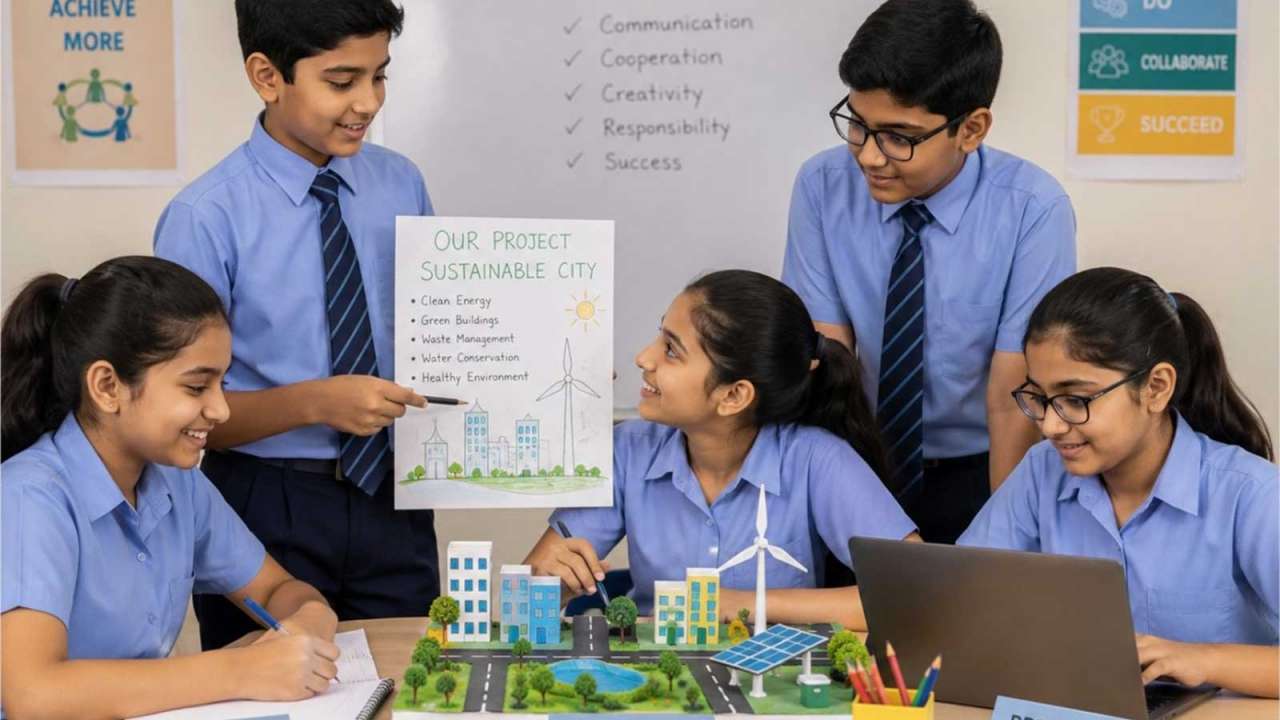 Third Language Row: SC extends relaxation to Class 6 students, asks CBSE to grant exemption, here's what it means
 NEET PG 2026 Result Out: Check how to download scorecard from natboard.edu.in; Know category-wise cut-off and more
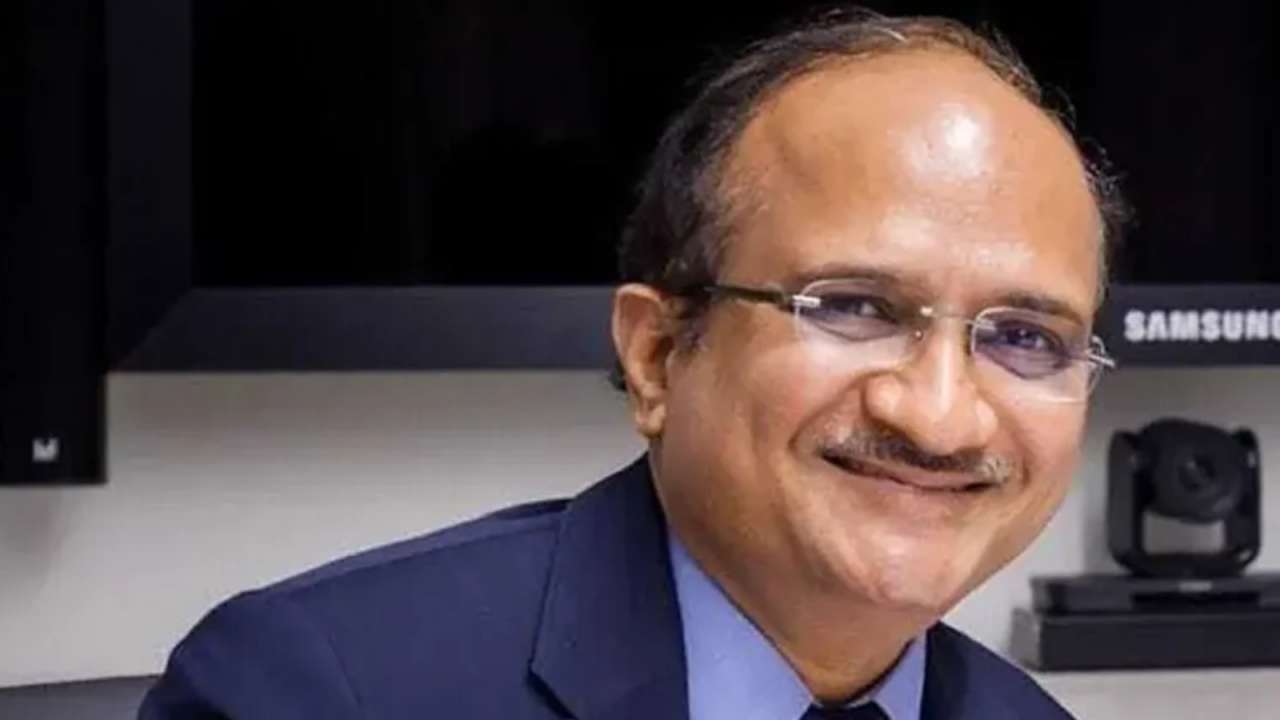 Five-year BTech programmes? Ex-IIT director makes proposals amid IIT suicide controversy
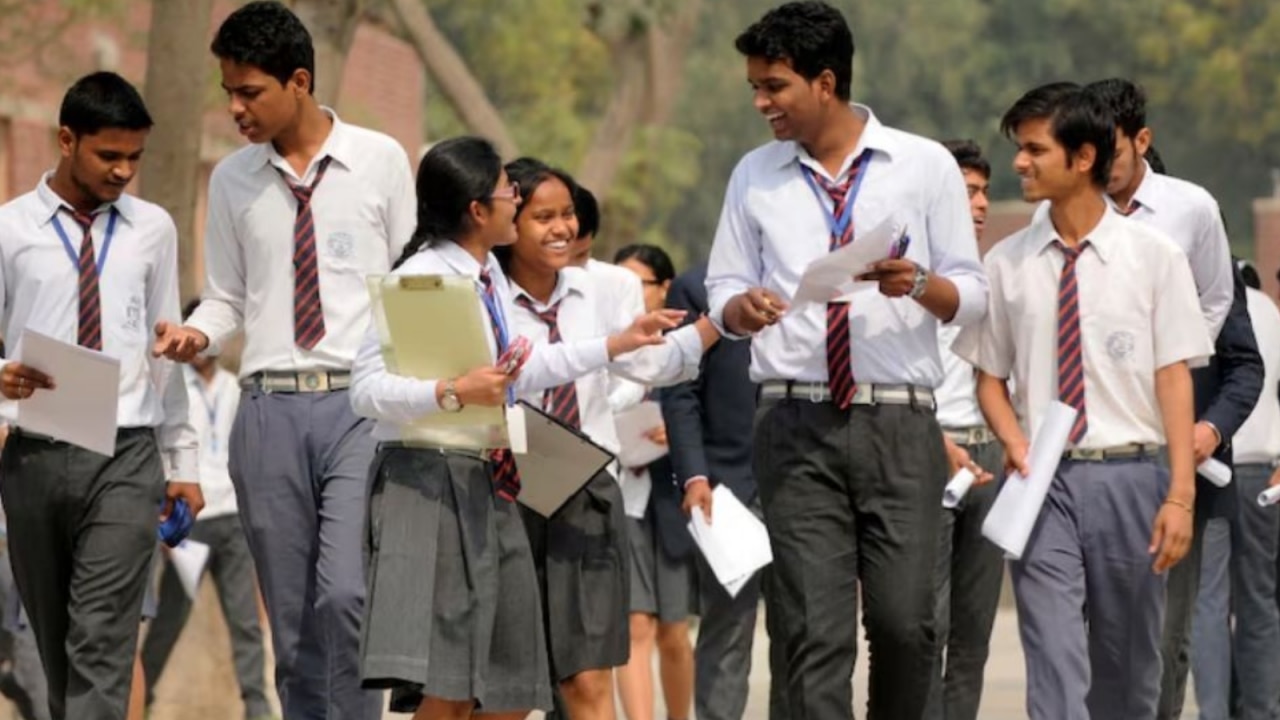 CBSE Date Sheet 2027: When will Class 10, 12 timetable be released? Check details here
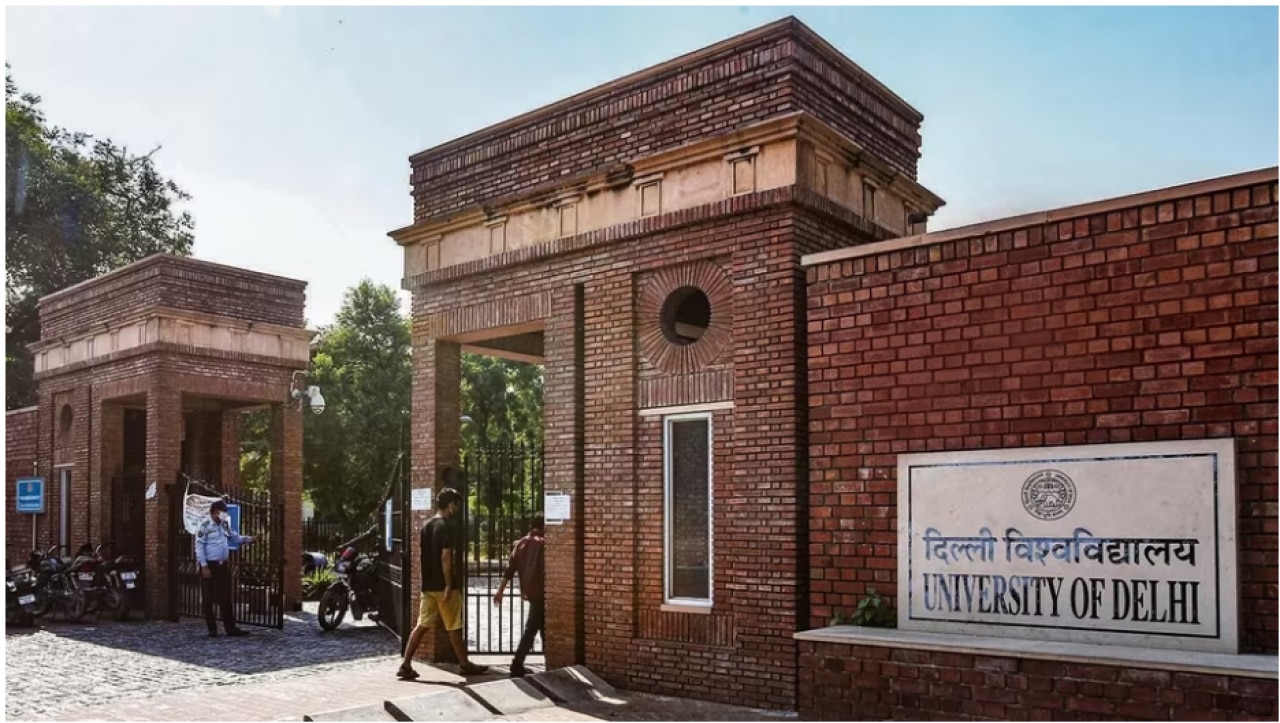 From Rs 150 in 1947 to powerful student body: The story of DUSU’s rise | Explained
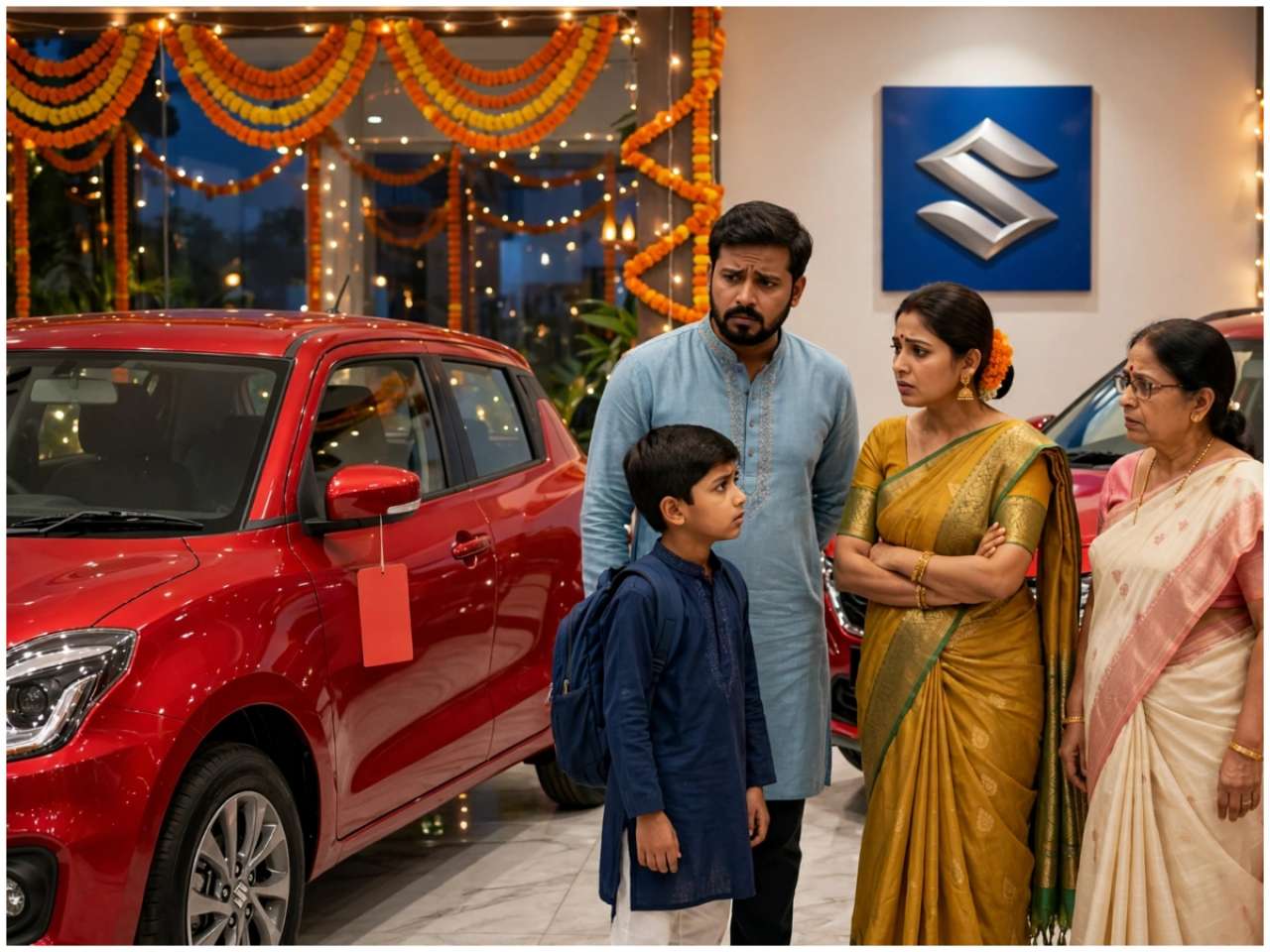 After Hyundai, Maruti Suzuki makes cars costlier ahead of festive season: Check new prices after hike
 Hyundai cars to get costlier from September: Check new prices and reason behind hike
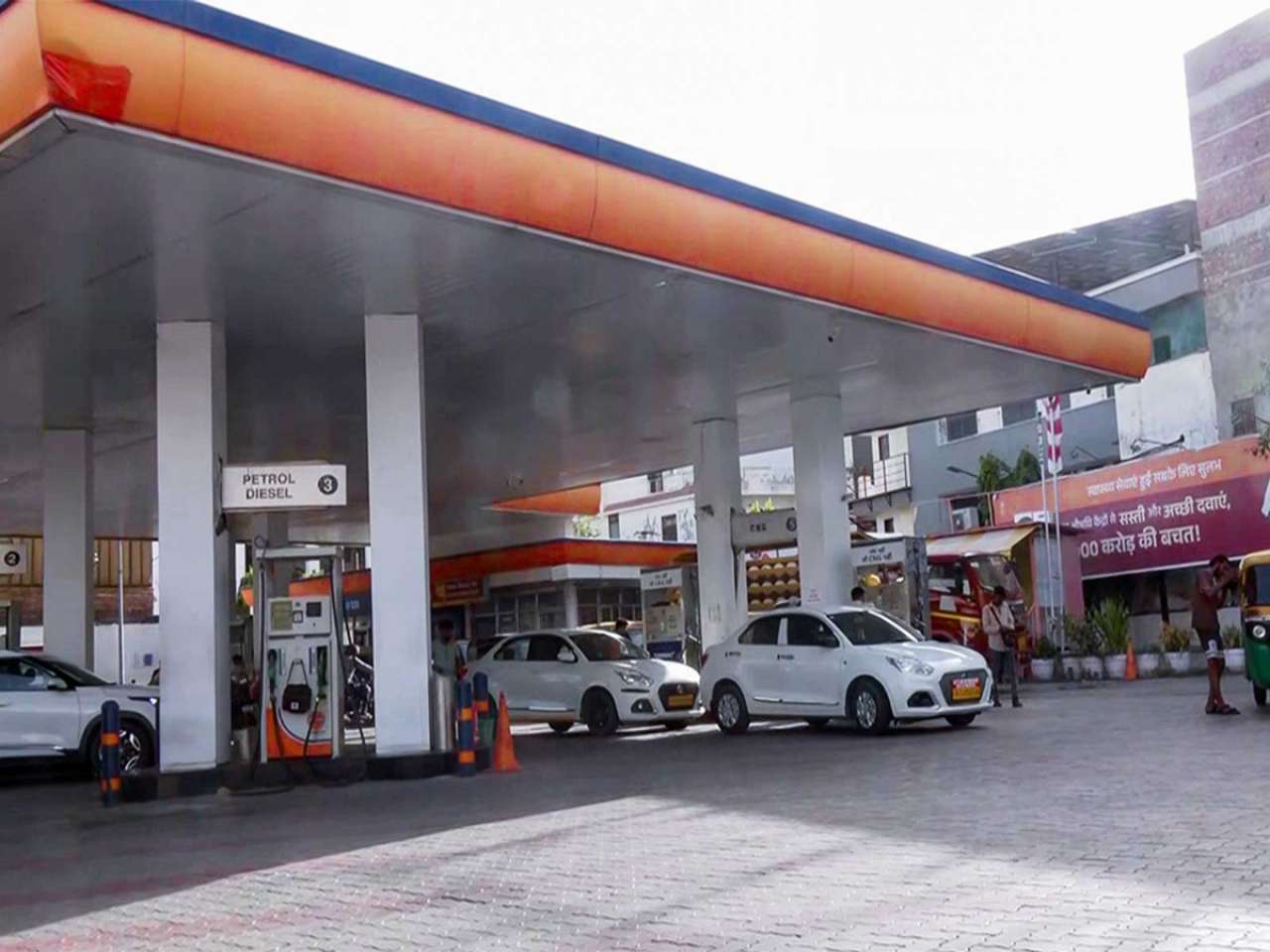 Why can't consumers choose pure petrol or E10? Centre explains why E20 is now the standard fuel
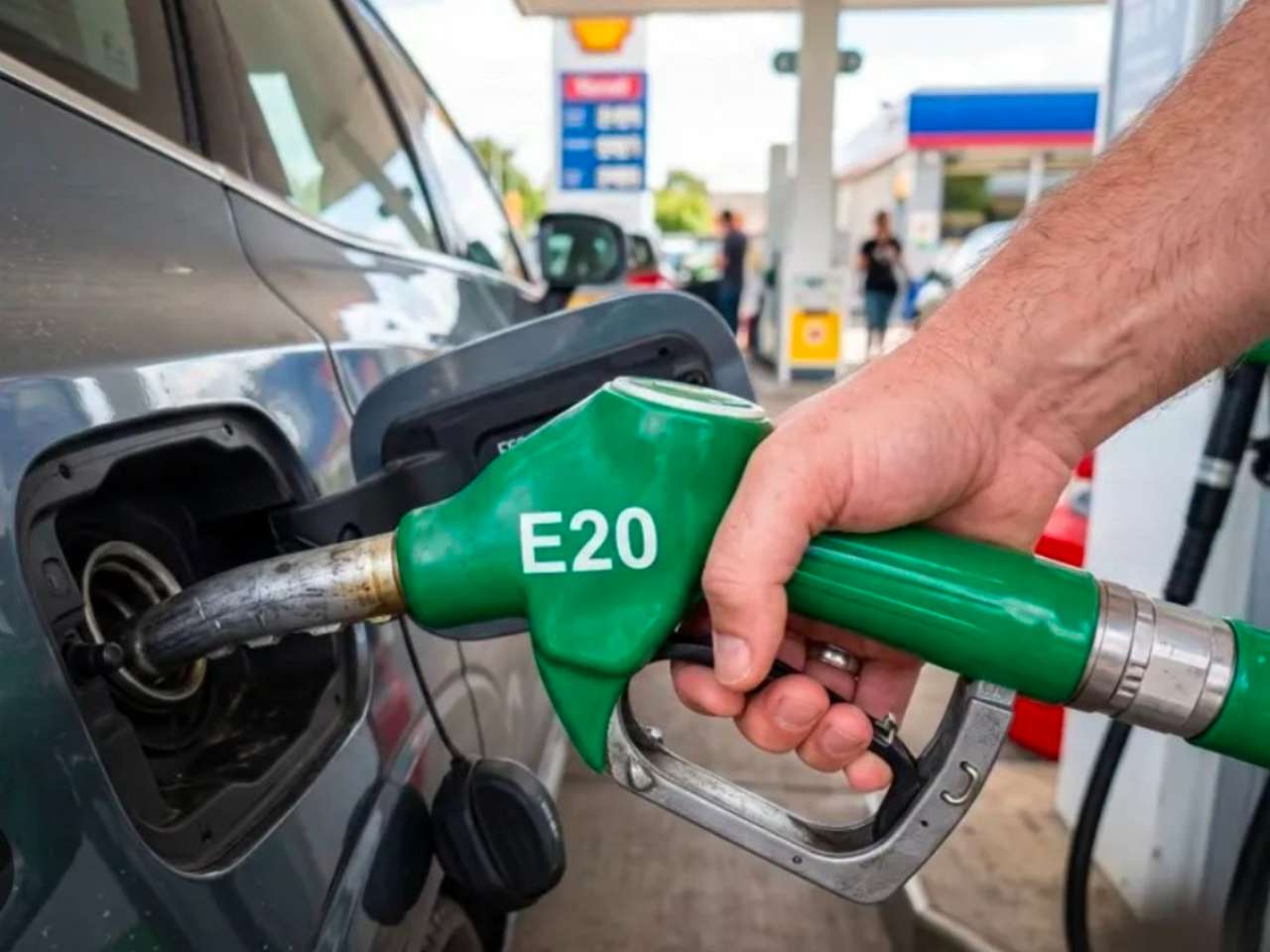 Centre claims E20 fuel does not damage engines, cites data from Maruti Suzuki and Hero MotoCorp
 Maruti WagonR Flex Fuel: What’s price of India’s first ethanol car? Specs, mileage, and top features explained
INDIA

Updated : Mar 21, 2014, 10:00 AM IST




Khushwant Singh, the grand old man of Indian letters, passed away in New Delhi on Wednesday of a heart attack just one year short of a century. The end, which came at around 12.15 pm, was peaceful, said his son Rahul Singh who was with him. "His health was fine until a few weeks ago when he caught a cold. He'd been complaining of breathing problems for the past few days. But yesterday evening he had his one glass of single malt whiskey. He was fine in the morning too. In fact he had breakfast," Singh said.
The news which flashed early afternoon brought Khushwant's many admirers and acolytes, his extended family, rushing to his home, the ground floor flat in New Delhi's Sujan Singh Park , across the road from the tony Khan market.
The apartment of course sported on its door that famous admonition — "Don't ring the bell unless you are expected," but the man himself was gone. Over the years, the warning didn't deter the scores of visitors who came hoping to get an audience with him, to hear him talk about colourful characters of the last half-century that he counted among his friends, and, if they were lucky, partake of his sundowner.
Prime Minister Manmohan Singh made an appearance, accompanied by his wife Gursharan Kaur, about whom Khushwant had written admiringly several times in his columns and whom he'd dedicated his book Khushwantnama to. Congress president Sonia Gandhi came and so did veteran BJP leader LK Advani, a self-professed Khushwant admirer, who had also gone to see him on his 99th birthday early last month.
Senior journalists, many of whom he'd worked with or mentored, turned up — a misty-eyed MJ Akbar; Kuldeep Nayar, who crossed swords with him during the Emergency, walked with difficulty to pay his respects to his teacher at the Lahore Law college; Hiranmay Karlekar, who preceded him as editor of The Hindustan Times; and Malvika Singh, the publisher of Seminar, whose father and Congressman Raj Thapar was one of Khushwant's close friends.
Their memories of the man who styled himself the "dirty old man" of Delhi were fond. Karlekar, who was also Khushwant's neighbour, said "I loved to say about him that I was the man whose shoes Khushwant Singh filled....He was mischievous but not malicious." "I used to call him Khushamad Singh," recalled Nayar. "I used to tell him that the Indian Express, where I worked then, would turn me out, and he would tell me that I could always write for the Illustrated Weekly of India, of which he was editor."
But it wasn't just the capital's political and media circles that Khushwant left his mark on. He was equally entrenched in the cultural and social life of Delhi — evident from the number of celebrities who trooped in. There was Bina Ramani :"I practically grew up in the family; Bishen Singh Bedi : "he lived life to the hilt"; and planning commission member Hamida Sayeed.
Among the plethora of books that he wrote was the three definitive books on the history of the Sikhs. He also translated Urdu shairs, especially Ghalib. His Train to Pakistan was the first and influential English novel on the horrors of the Partition and is now mandated reading in universities across India. It is a modern day classic. Khushwant's father, Sir Shobha Singh, was one of the principal civil contractors employed by the British to build Lutyens' Delhi. In fact, the apartment complex Khushwant lived all his life and died in was built by his father. His daughter, Mala Dayal, lives in the flat across the corridor, and his cousins occupy several flats there. Two years back there was a move to name a prominent road after Shobha Singh, but then a newspaper report pointed out the dubious role he had played during the trial of Bhagat Singh . The move was thus scuttled.
Khushwant Singh was a long-time and staunch supporter of warmer ties with Pakistan, which got him on the wrong side of the right-wing nationalists. He was a man of disarming candour which he directed at others as much as he did at himself. "I often ask myself why I write. While it provides me my daal, chawal and Scotch whiskey, I could earn as much, if not more, running a dhaba on a national highway," he wrote in Absolute Khushwant. It was this plainspeak, often delivered in his light, almost conversational style in his long-running column, "With Malice Towards One and All", that made him so popular. Often it aroused controversy, which Khushwant relished . For instance, the comment, "There's no condom for a pen", and a recent remark on Advani, that "he doesn't womanise; such men are dangerous."
But the one controversy that did leave its mark was his support of Sanjay Gandhi and the Emergency, though in later life he did revise his opinion of Indira Gandhi and called her a "vindictive despot".
The man, the writer and his Malice columns will be missed by thousands of his fans who waited for the Saturday edition to chuckle a bit. He ran sick jokes sent in by his readers, and he dutifully wrote about a pretty woman he had met that week. He rated women sexually but they didn't mind, he leched at them, and they loved it. Often it seemed that his dirtiness was put-on.
To national debate be brought in a robust contrarian view, which will be missed. Secular to the core, a non-believer to the depth of his heart, he was often ahead of his times. In an age when religious fundamentalism seemed a threat he was beacon of hope. It is that beacon that has dimmed for ever.