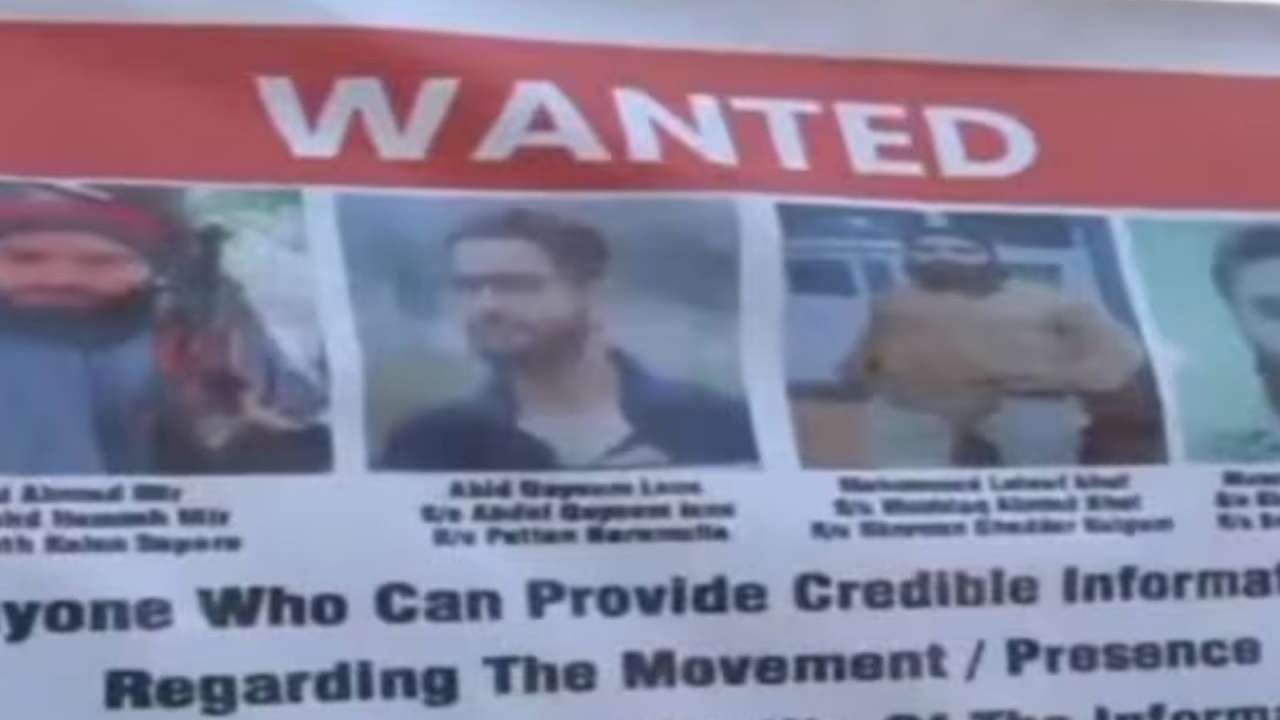
 Who was Latief Bhat? Lashkar terrorist responsible for attack on CRPF camp, killed in Kulgam encounter
 Vote Chori Row: Rahul Gandhi, INDIA Bloc submit 48 questions to SC, seek answers from CEC Gyanesh Kumar
 Samuk first look out: Akshay Kumar to hunt down monstrous creature, alien action film to release in May 2027
 Samay Raina spotted with rumoured GF Medha Shankr at Mumbai cafe, netizens react: 'Confirm kar do' | Watch Video
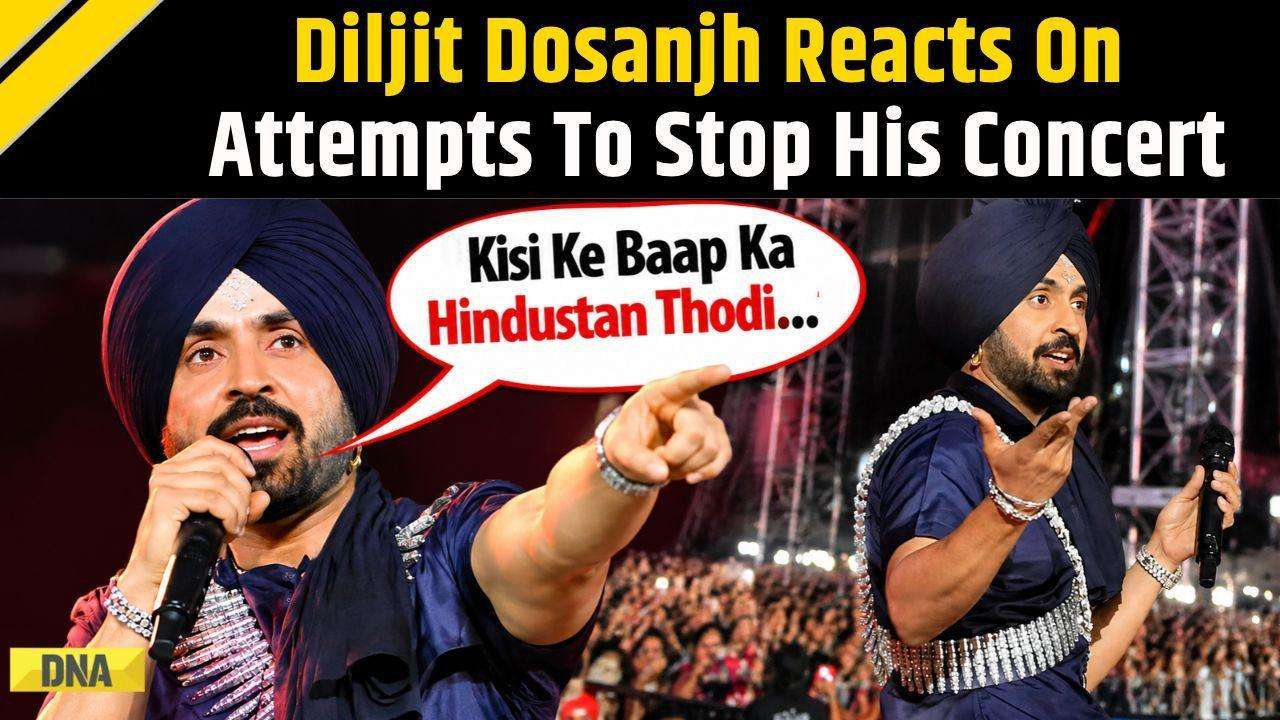
 'Kisi ke baap ka Hindustan thodi hai': Diljit Dosanjh shuts down his critics at Indore concert - Viral videoWho was Latief Bhat? Lashkar terrorist responsible for attack on CRPF camp, killed in Kulgam encounterVote Chori Row: Rahul Gandhi, INDIA Bloc submit 48 questions to SC, seek answers from CEC Gyanesh Kumar
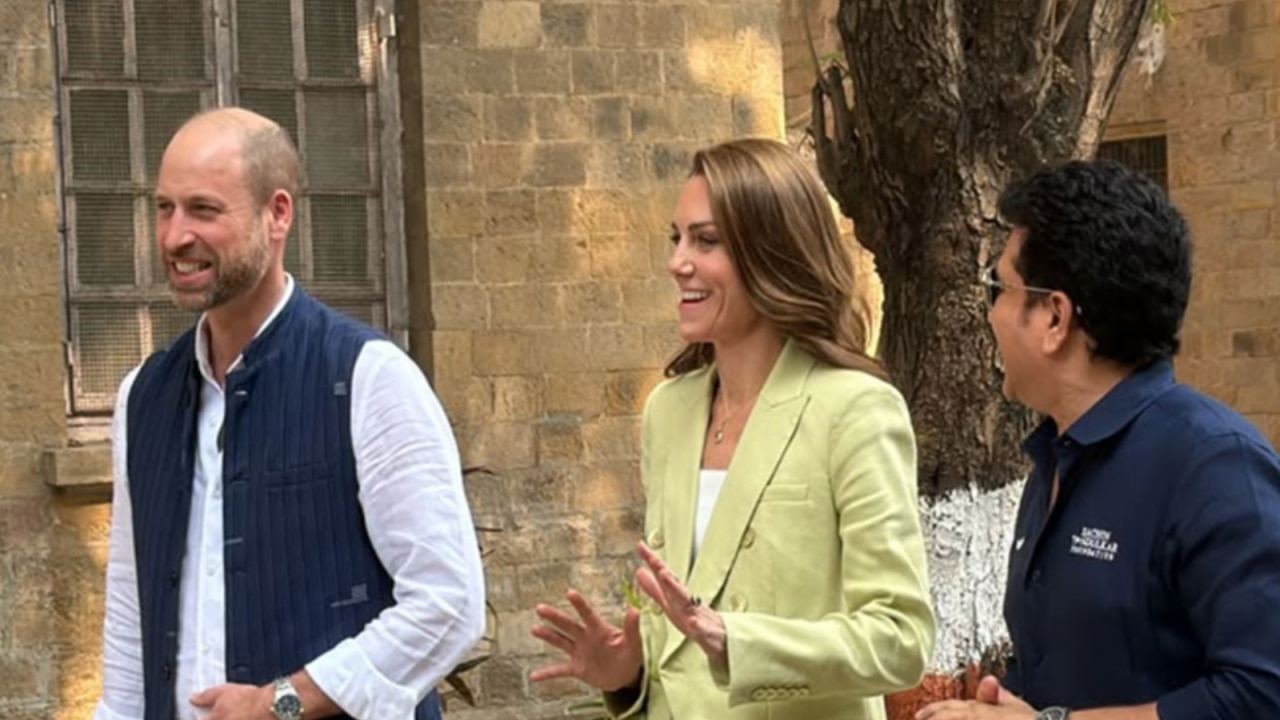 Prince William, Kate Middleton Arrive In Mumbai: Gully Cricket with Sachin Tendulkar, Nehru jacket and 5 key highlights
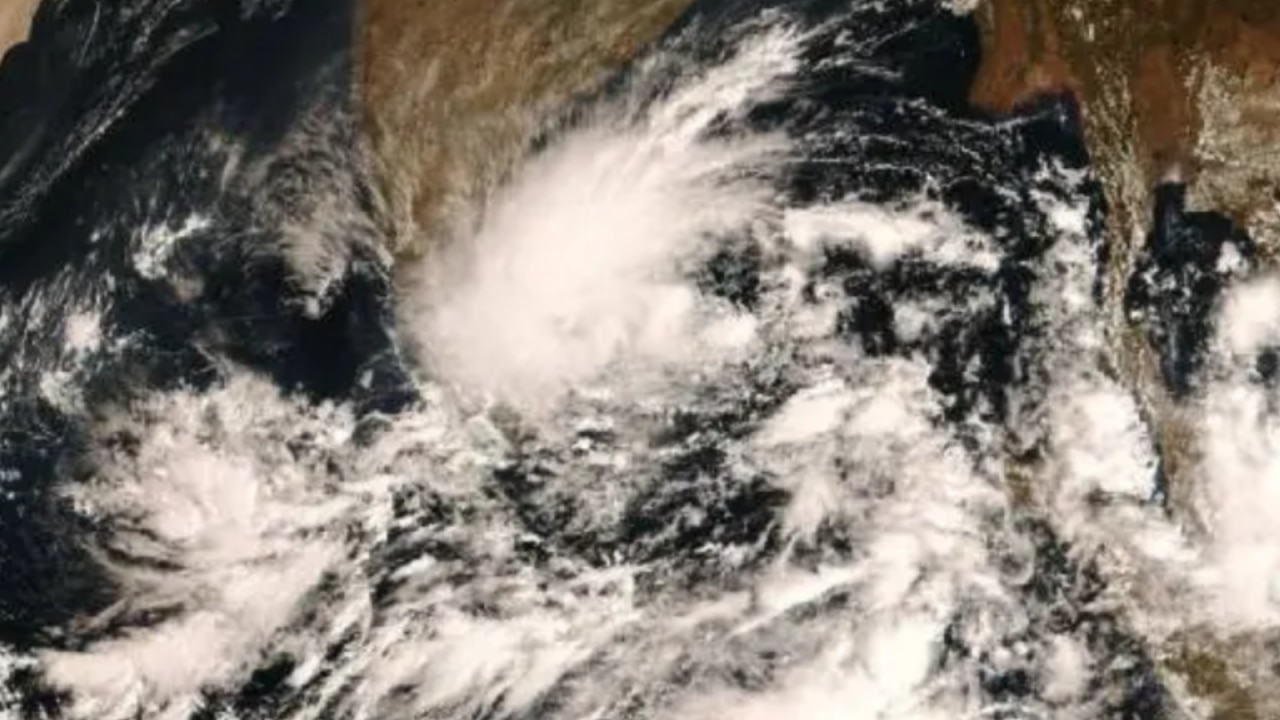 Cyclone Akvan: IMD issues heavy rainfall alert for Andhra Pradesh, Odisha; 13 districts on watch
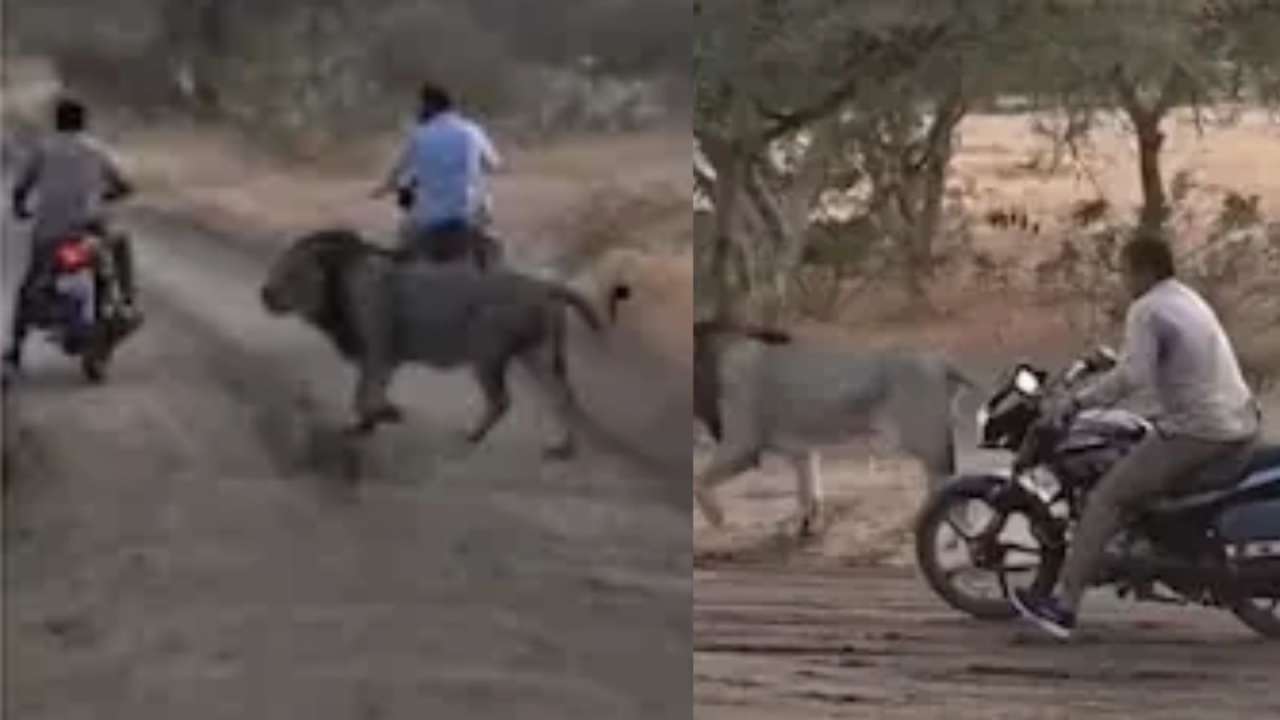 Watch video: Lion chased on motorcycles at Gujarat Safari Park, 3 forest staff removed
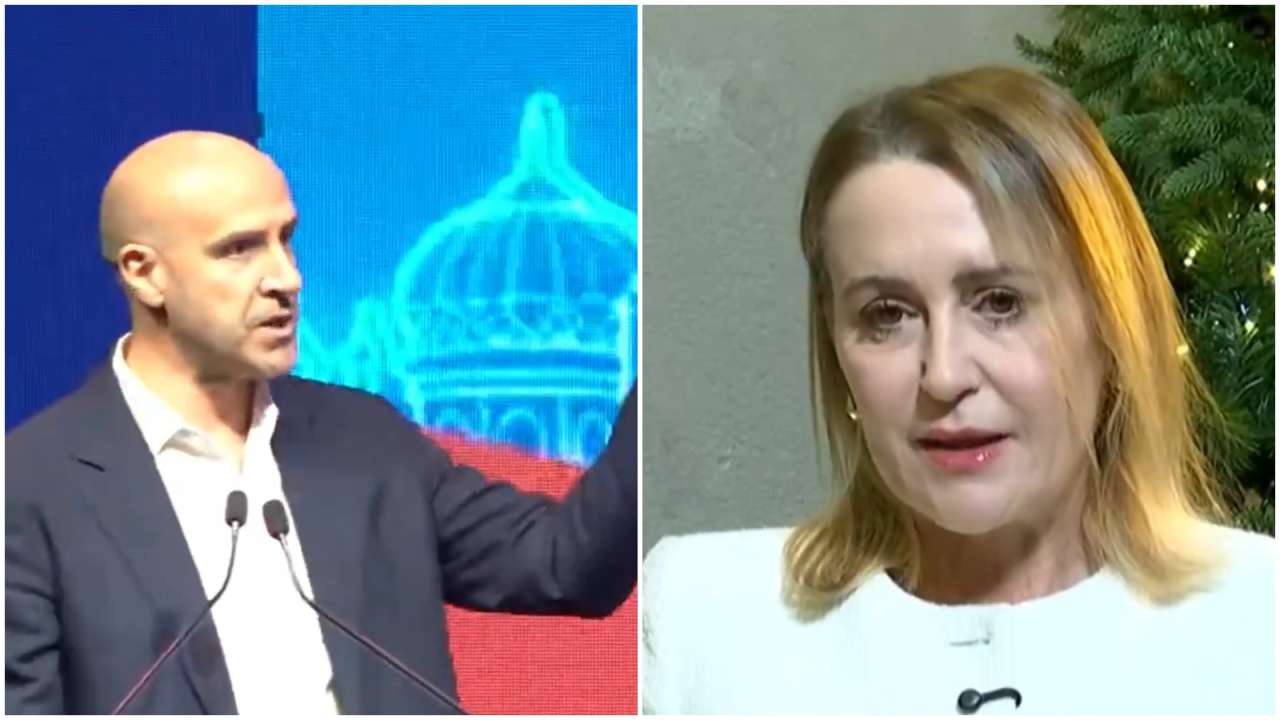 Italian MP takes on European Socialist leader over 'vote chori' remark, defends India's judiciary
 Jensen Huang eyes Nvidia CEO comeback as Elon Musk and tech allies rally behind him
 Jensen Huang-Alice Huang Controversy: Nvidia Customer Megaspeed says Chinese executive exited in 2025
 India to get lower US tariffs than competitor countries, Piyush Goyal says
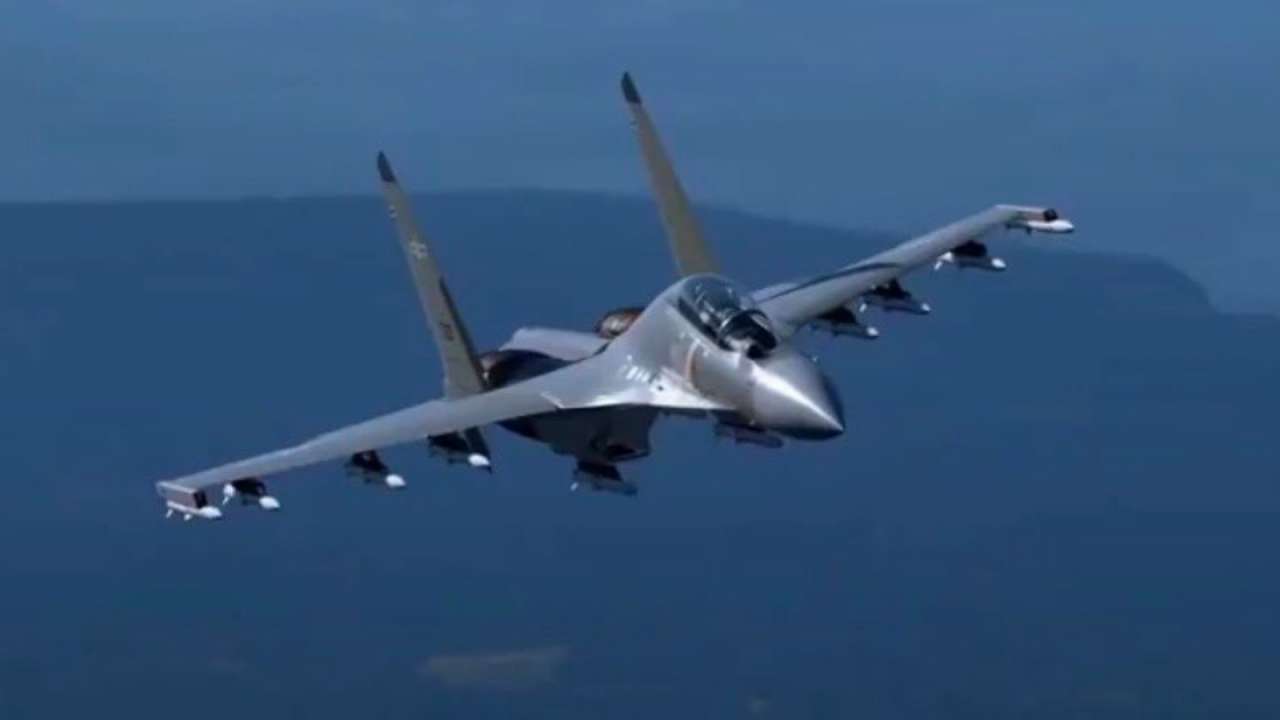 China aircraft enters Indian airspace over Sikkim, ignores warnings for 25 minutes
 Microsoft Global Outage: Why did Outlook stop working? How were airlines in India affected?
 Nvidia After Jensen Huang: Will India's AI dream face chip shortage or open door for new rivals?
 Why does inflation soar to 6.09% despite falling fuel prices, US-Iran war halt? RBI's next move under focus
 UP Elections 2027: Will Asaduddin Owaisi and Chandrashekhar Azad defeat BJP or help Yogi win?
 From Nvidia CEO Jensen Huang to top officials: 5 Alleged Chinese 'honey trap' cases that shocked worldSamuk first look out: Akshay Kumar to hunt down monstrous creature, alien action film to release in May 2027Samay Raina spotted with rumoured GF Medha Shankr at Mumbai cafe, netizens react: 'Confirm kar do' | Watch Video'Kisi ke baap ka Hindustan thodi hai': Diljit Dosanjh shuts down his critics at Indore concert - Viral video
 Not Salman, Shah Rukh or Aamir; this actor comes to Sharad Kapoor's rescue after Josh actor asks film industry for work
 Ramayana box office collection: Ranbir Kapoor film beats Dhurandhar 2, records biggest second Sunday
 Mahanadi Coalfields IPO: 10 Things to know about issue date, GMP, price band, size and listing
 Tata Sons Listing Row: Why Noel Tata fears it could change Tata Group
 Who will replace Jensen Huang at Nvidia? 3 Indian-origin executives in the race
 Zee Entertainment announces Rs 600 crore share buyback at Rs 91 per share
 Who may replace Nvidia CEO Jensen Huang? THIS Indian tech executive emerged among top contenders
 Jasprit Bumrah returns, Kuldeep Yadav released: India's Test squad sees major changes for NZ series
 'They abused us on Diwali': Yashveer Goud reveals reason behind India's celebrations against Pakistan
 'Will he be like Sachin Tendulkar or Vinod Kambli?': Kapil Dev makes shocking claim on Vaibhav Sooryavanshi's future
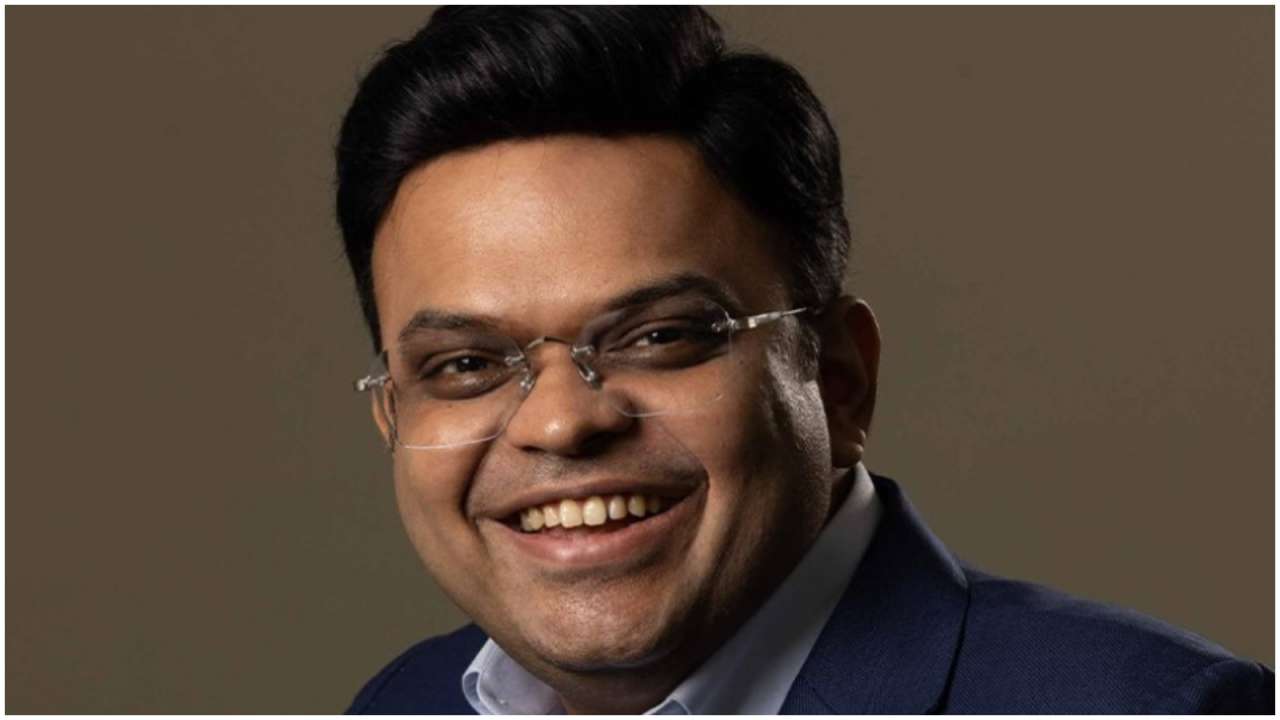 Jay Shah gets another term as ICC chairman, elected unopposed in Bali
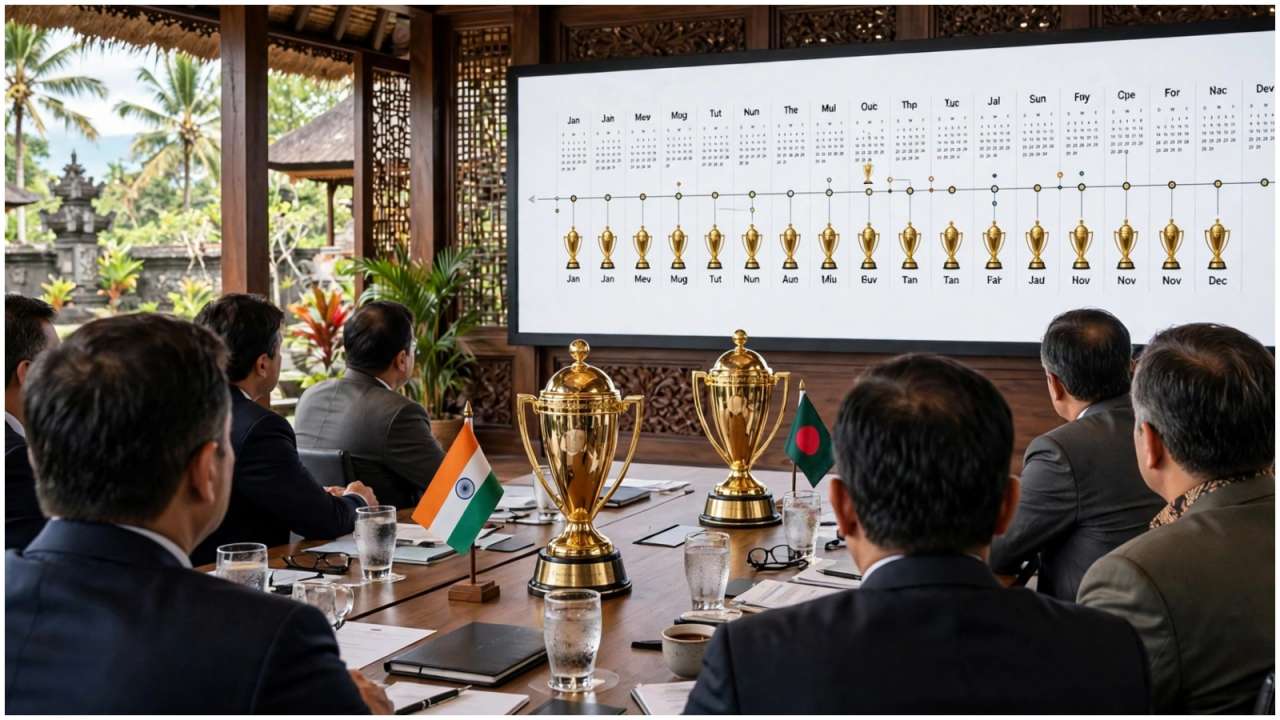 ICC finalises cricket calendar till 2035: India gets two major tournaments, here's the full list
 Diljit Dosanjh News: 'Kisi Ke Baap Ka Hindustan', Diljit Dosanjh's Message Amid Indore Concert Row
 Israel News: 'Trying To Block Govt Formation...' Eisenkot's Bluntly Refuses Netanyahu's 'Unity Govt'
 Cyclone 'Akwan' Alert: '3rd Consecutive Severe Cyclone..' IMD's Big Update On Cyclone Akvan Landfall
 J&K News: Massive Anti-Terror Manhunt In Kishtwar | Joint Army, Police Operation After 2 SPOs Killed
 Kaziranga Road Accident Update: Death Toll Rises To 24; Mini-Bus Had 13 Overspeeding Challans
INDIA
Says ideologies of hate and their proponents are closed to notion of dialogue

Updated : May 13, 2017, 06:30 AM IST
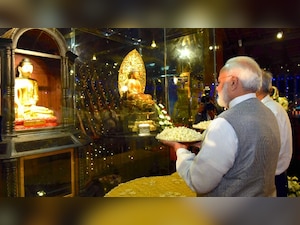















Without naming Pakistan, Prime Minister Narendra Modi on Friday cautioned against “ideologies of hate”, saying “their proponents were not open to dialogue”.
Speaking as the chief guest at the International Vesak Day celebrations in Colombo, while hailing the shared Buddhist heritage of the region, Modi warned the international community against the growing “arc of violence”. He said the biggest challenge to sustainable world peace is from mindsets rooted in hate and violence, and not necessarily from conflict between the nation states, making a significant point discounting any possibility of a war or full-fledged hostilities in the region—a cliché often used by Pakistan to seek international attention.
Another significant statement from PM Modi was that the ideologies of hate and their proponents in the region are closed to the notion of dialogue and hence only open to causing death and destruction.
The statement comes amid calls by some political parties as well as the intelligentsia to re-start dialogue with Kashmir separatists and Pakistan to contain the current situation in Kashmir Valley.
Modi told the audience, which included Sri Lankan President Maithripala Sirisena, Prime Minister Ranil Wickremesinghe, diplomats, politicians and Buddhist leaders from across the world that message of Buddhism was the answer to growing ‘arc of violence’ all over the world.
“Our region is blessed to have given to the world the invaluable gift of Buddha and his teachings,” he said, adding that Buddhism and its various strands are deep seated in “our governance, culture and philosophy.”
The themes of social justice and sustainable world peace, chosen for the Vesak day, resonate deeply with Buddha’s teachings; they are both deeply interdependent and interconnected, Modi said.
He assured India’s support to Sri Lanka for the island’s nation-building endeavours.
Modi, on his second visit to Sri Lanka in two years, was earlier received by his Sri Lankan counterpart Wickremesinghe at the venue amid traditional fanfare. The prime minister lit a lamp -- a traditional practice -- initiating the UN ‘Vesak Day’ celebrations, which commemorates the birth, enlightenment, and death of Buddha. Several Buddhist monks chanted prayers during which Modi closed his eyes and kept his hands folded.
Later, addressing Tamil community in the town of Dickoya, in the Central district of Nuwara Eliya, Modi struck a chord with tea workers, reminding them his own association with tea. “I have a special association with tea” was how he connected with the Tamil community members in the tea-growing province. He lauded the Ceylon Tea, saying it was world famous but what was lesser known was the sweat and labour behind it. “You and I have something in common. I have a special association with tea,” Modi said. “Chai pe Charcha or discussions over tea is mark of deep respect for dignity and integrity of honest labour,” he said.
“We remember your forefathers. Men and women of strong will and courage, who undertook the journey of their life from India to then Ceylon,” the Prime Minister told thousands of Tamils during the public rally in the presence of Lankan President Maithripala Srisena and Prime Minister Ranil Wickremesinghe.
Earlier as a gesture Sri Lanka refused Chinese Navy to park its submarines in Colombo on eve of the PM’s visit, a move appreciated in Indian official circles. China’s Defence Ministry, in a statement sent to news agencies, did not directly mention the rejected request for the submarine visit, but said its submarines needed a place to resupply on their way to anti-piracy missions. “The stopping to resupply of our military’s submarines that are on their way to the Gulf of Aden and Somali waters for protection missions is an internationally accepted practice,” the ministry said. China has invested heavily in Sri Lanka in recent years, funding airports, roads, railways and ports, unsettling India, traditionally the closest economic partner of the island nation of 21 million people. More than 70 per cent of the trans-shipment in Colombo port comes from India.