 Viral video: Tanushree Dutta now blames Nana Patekar for Sushant Singh Rajput's death; netizens brutally slam her: 'Yeh alag level ka phoonk rahi hai'
 Nushrratt Bharuccha drops first post after spine injury, admits her views changed, chasing for...: 'Picture abhi baki hai mere dost'
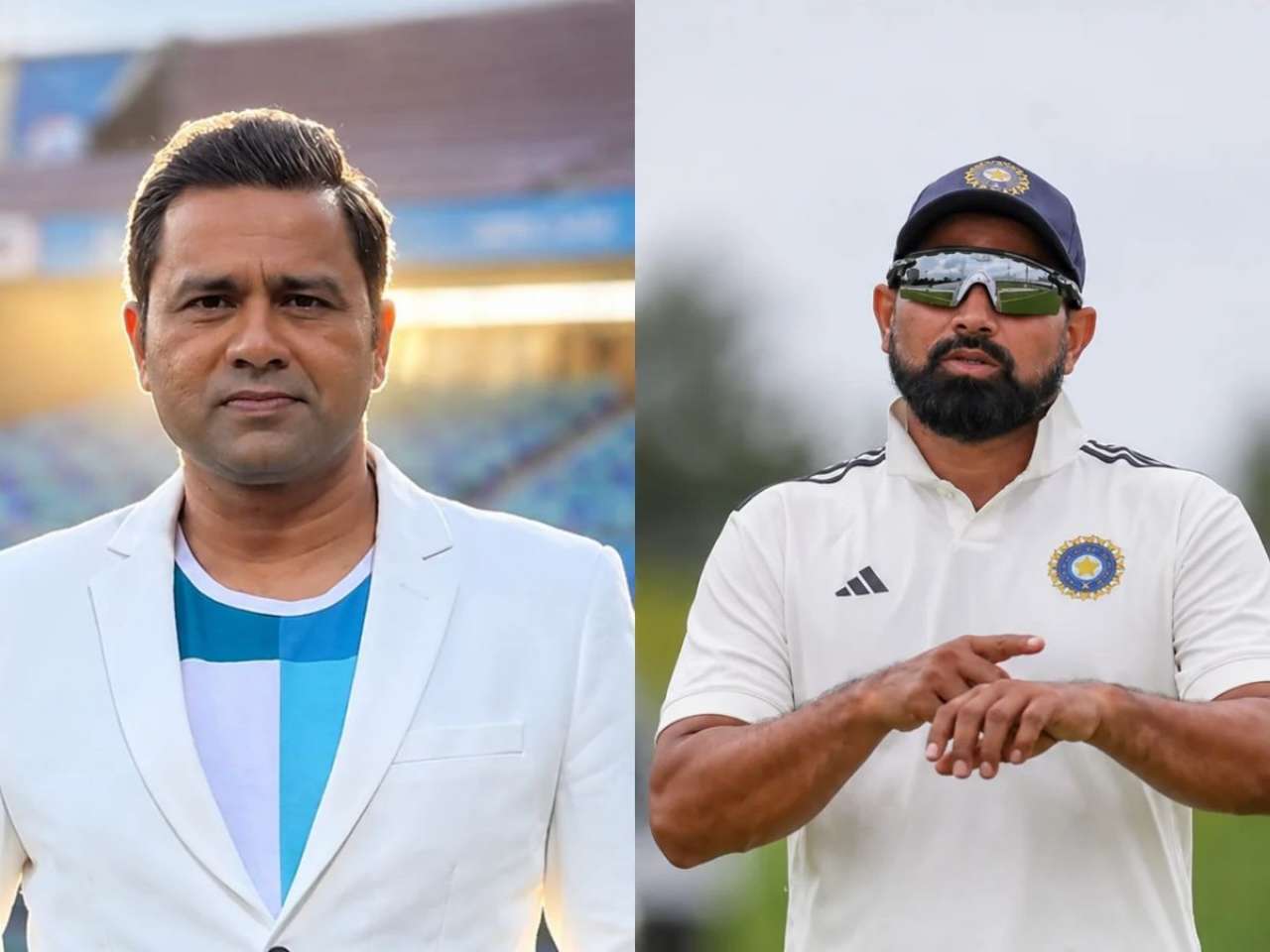 Will Mohammed Shami return to Team India after Ajit Agarkar’s exit? Aakash Chopra gives blunt verdict
 ‘Owning X does not give you a veto’: Lalit Modi slams Elon Musk over ‘Prime Minister Ambani’ jibe
 Faisal Shaikh aka Mr Faisu says 'Qubool Hai' to Nikhat Fatima at Madinah, hopes 'Allah bless our marriage with endless...'Will Mohammed Shami return to Team India after Ajit Agarkar’s exit? Aakash Chopra gives blunt verdict
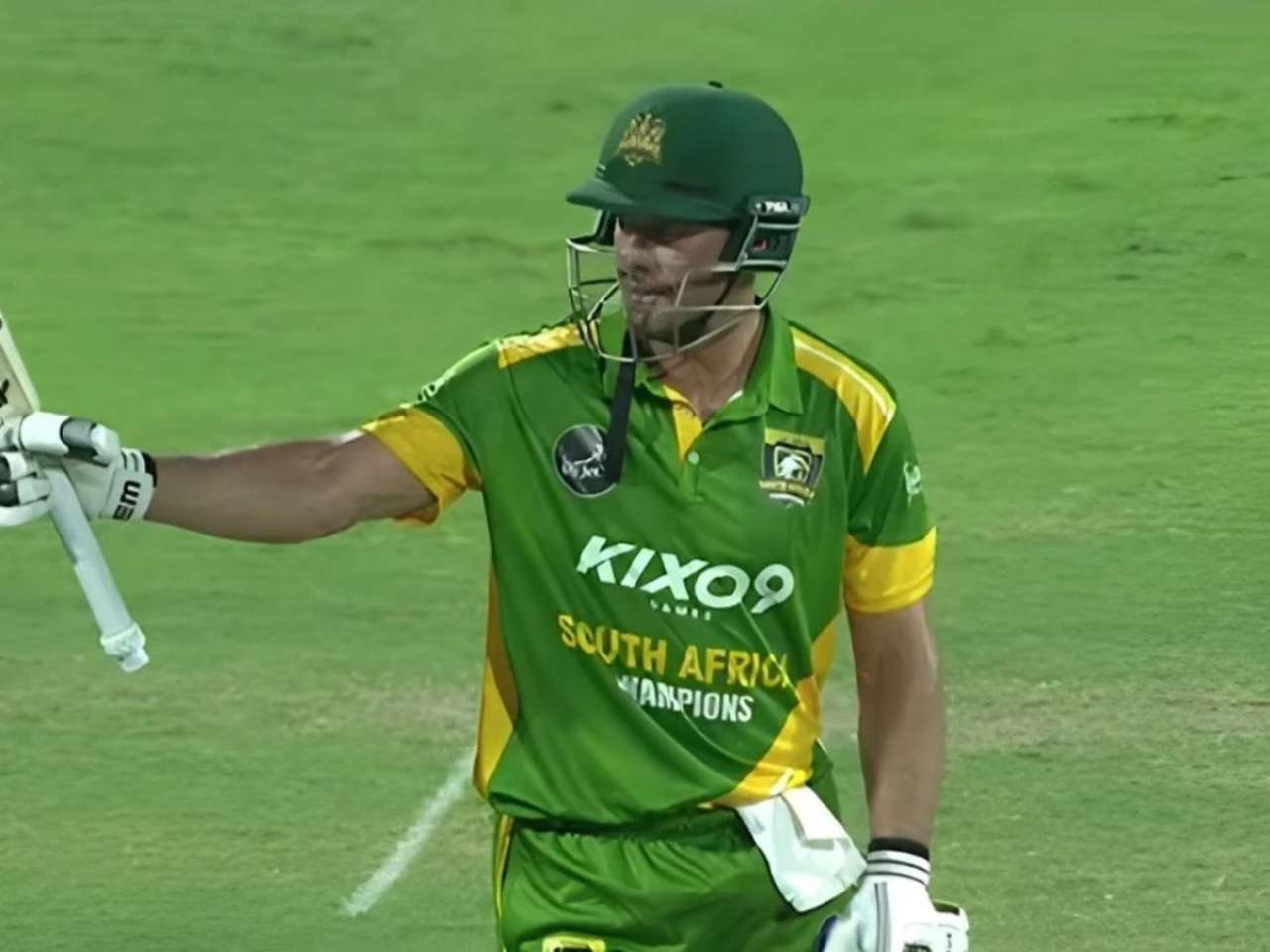 Fans demand IPL comeback as AB de Villiers turns back the clock at 42 with blazing 37-ball century in WCL
 Dinesh Karthik backs impact player rule as Ajinkya Rahane demands it be scrapped ahead of IPL 2027
 'I was asked to be ready': Former India batter reveals shock offer to replace Virat Kohli as RCB captain
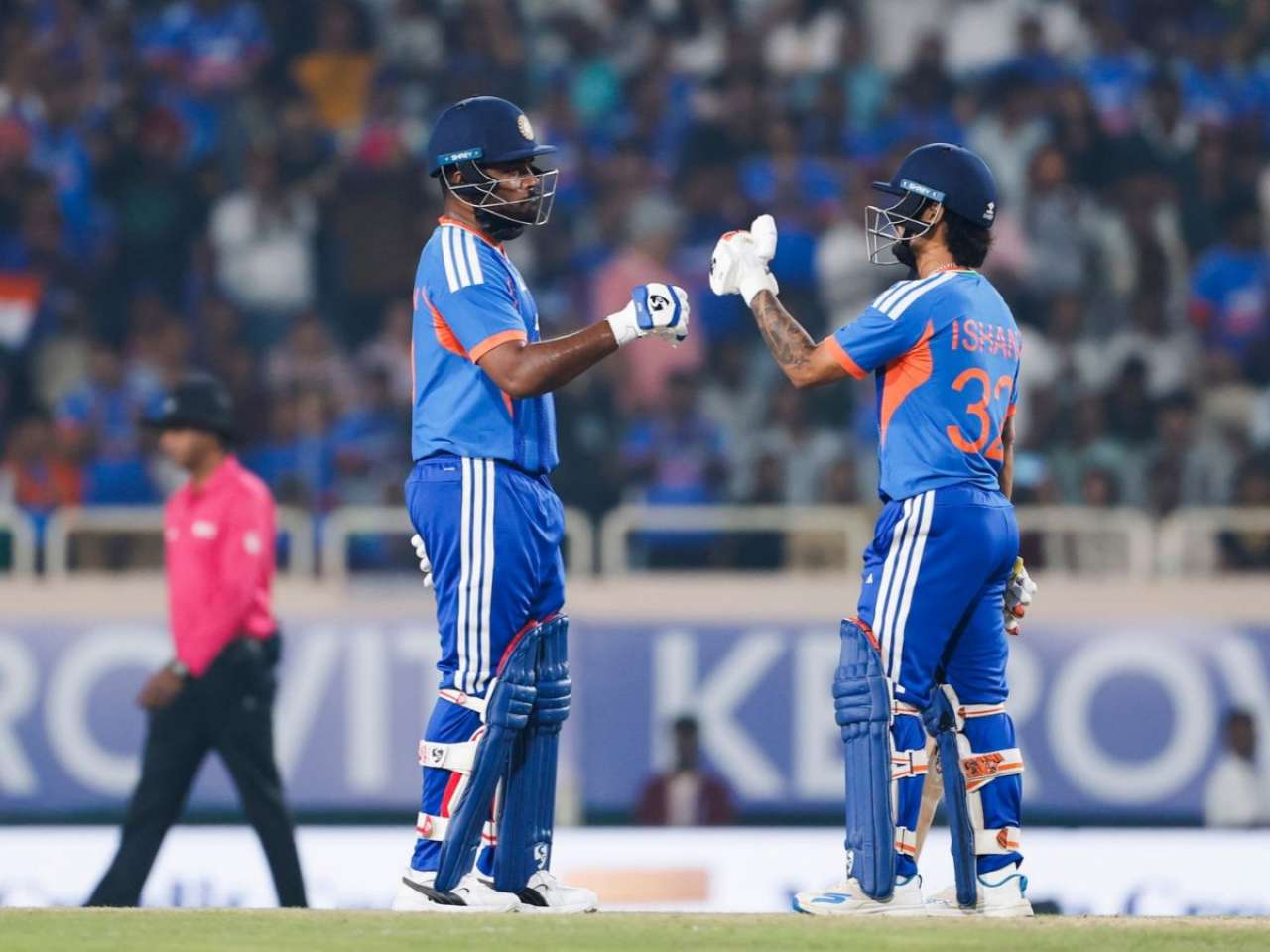 IND vs WI 3rd T20I Live Streaming: When and where to watch India vs West Indies match live on TV and online?Viral video: Tanushree Dutta now blames Nana Patekar for Sushant Singh Rajput's death; netizens brutally slam her: 'Yeh alag level ka phoonk rahi hai'Nushrratt Bharuccha drops first post after spine injury, admits her views changed, chasing for...: 'Picture abhi baki hai mere dost' Faisal Shaikh aka Mr Faisu says 'Qubool Hai' to Nikhat Fatima at Madinah, hopes 'Allah bless our marriage with endless...'
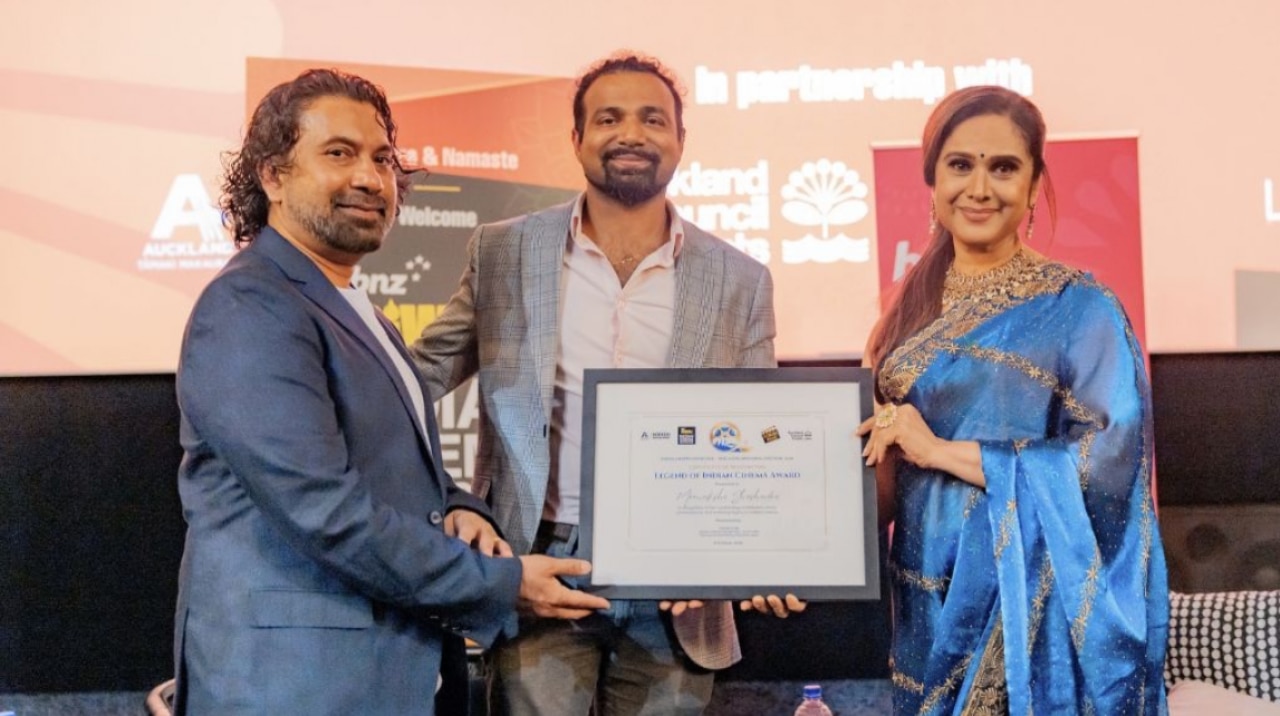 ‘First time in decades’: Meenakshi Sheshadri gets emotional watching Damini on big screen in Auckland
 Imran Khan gets detained by Mumbai Police for supporting CJP protest, actor makes first big statement: 'I'm going for a...'
 Saudi Houthi War: India Issues Urgent Advisory To Citizens In Saudi After Riyadh Airport Attack
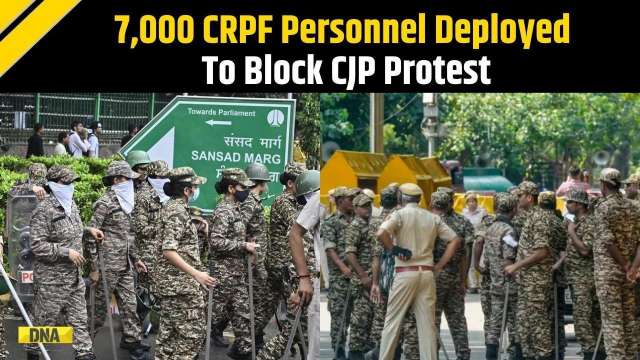 CJP Protest: 7,000 CRPF Personnel Rushed To Capital Ahead Of CJP's Oct 10 March
 CJP News: Delhi CAPF Deployment Raised To 26,000 Ahead Of CJP October 10 Protest
 CJP Protest: In Bengaluru Dhruv Rathee, Prakash Raj Join Anti-SIR Demonstration
 Flydubai Flight News:'Revenge For Gaza'; Flydubai Co-Pilot Hamam Al-Hammami Confesses To Terror Plot
 Gold, Silver prices today, October 10, 2026: Check city-wise rates in Delhi, Mumbai, Chennai, Kolkata and more
 Reliance Jio IPO: Price Band likely at Rs 1065-1119 per share, issue may open on October 21; check details
 How to bypass H-1 B visa restrictions? Can Indian professionals use L-1 and O-1 visas as alternative routes to enter US?
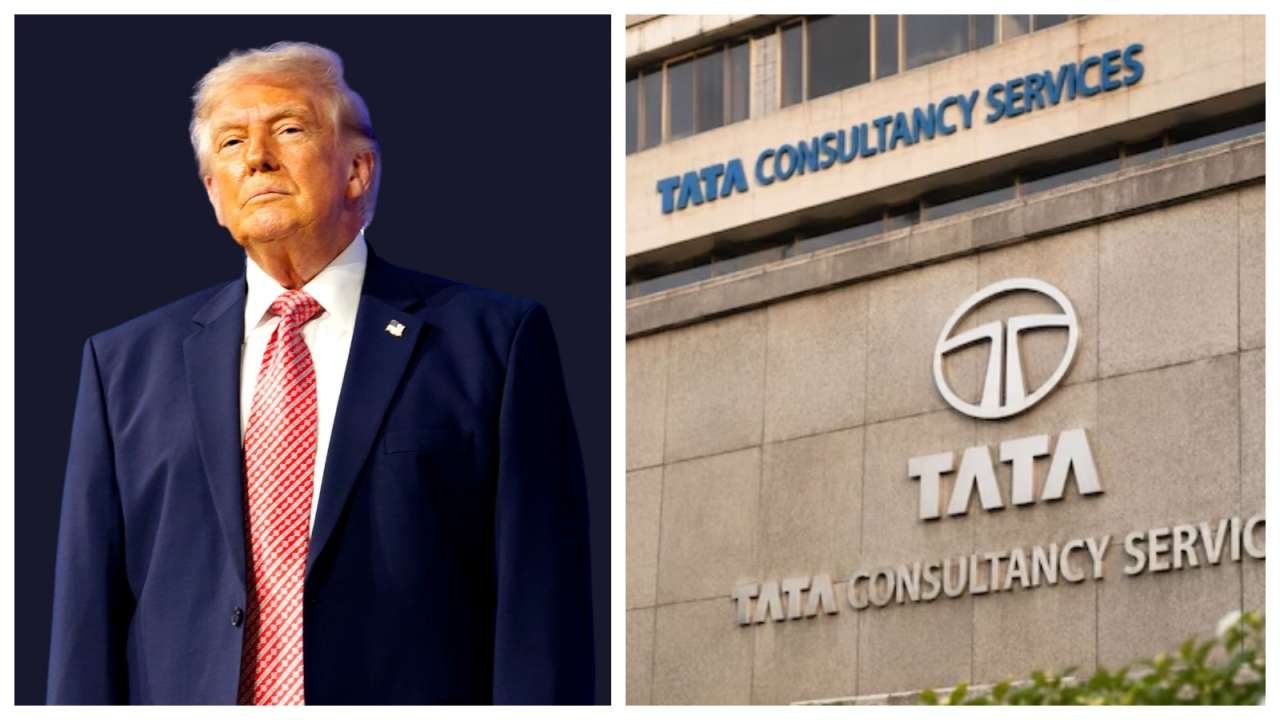 US Green Card Row: TCS says PERM suspension won't impact business, applications in single digits
 Gold, Silver prices today, October 9, 2026: Check city-wise rates in Delhi, Mumbai, Chennai, Kolkata and more
 OTT Releases This Week (October 5-11): Awarapan 2, Khalifa, Mandaadi; new India movies, shows to watch on Netflix, Prime Video
 OTT Releases This Week (Sept 28 - Oct 4): Dupahiya 2, Pooja Meri Jaan; new movies and shows to watch this Gandhi Jayanti weekend
 From Neeti Mohan, Heer, Sarthak Kalyani; Ahead of Sa Re Ga Ma Pa, 5 musical geniuses championed by AR Rahman
 72nd National Film Awards 2024: Kartik Aaryan, Yami Gautam, Aditya Dhar, Mammootty, Dhanush, Anant Nag accept honours
 OTT Releases This Week (September 14-20): Lust Stories 3, Irumudi, Thudakkam; Indian movies, series to watch on Netflix, Prime Video, JioHotstar‘Owning X does not give you a veto’: Lalit Modi slams Elon Musk over ‘Prime Minister Ambani’ jibe
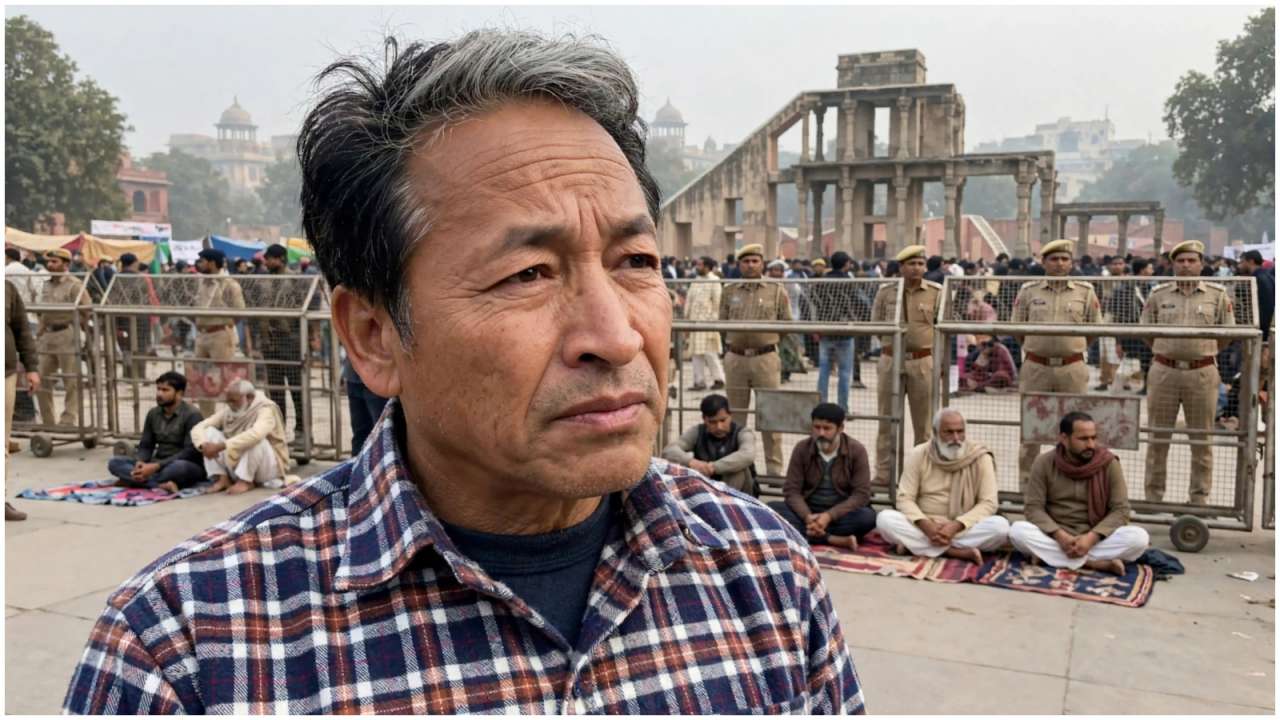 'Will fast if they aren't freed': Sonam Wangchuk's ultimatum to Centre over 3,000 detentions in Delhi
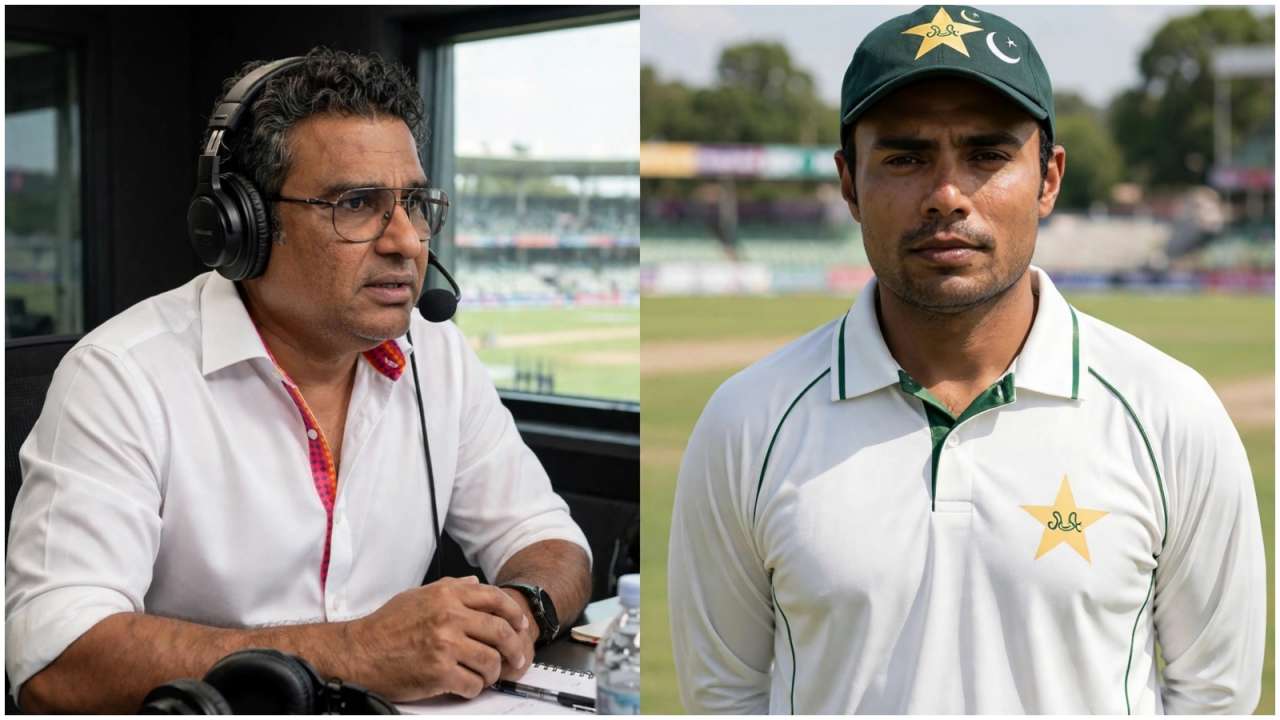 India’s Sanjay Manjrekar questions democracy, Pakistan’s Danish Kaneria tells Delhi Police to ‘bat first’: Two takes on CJP protest
 Delhi Police offers CJP chief Abhijeet Dipke option to travel to hometown after grandmother's death
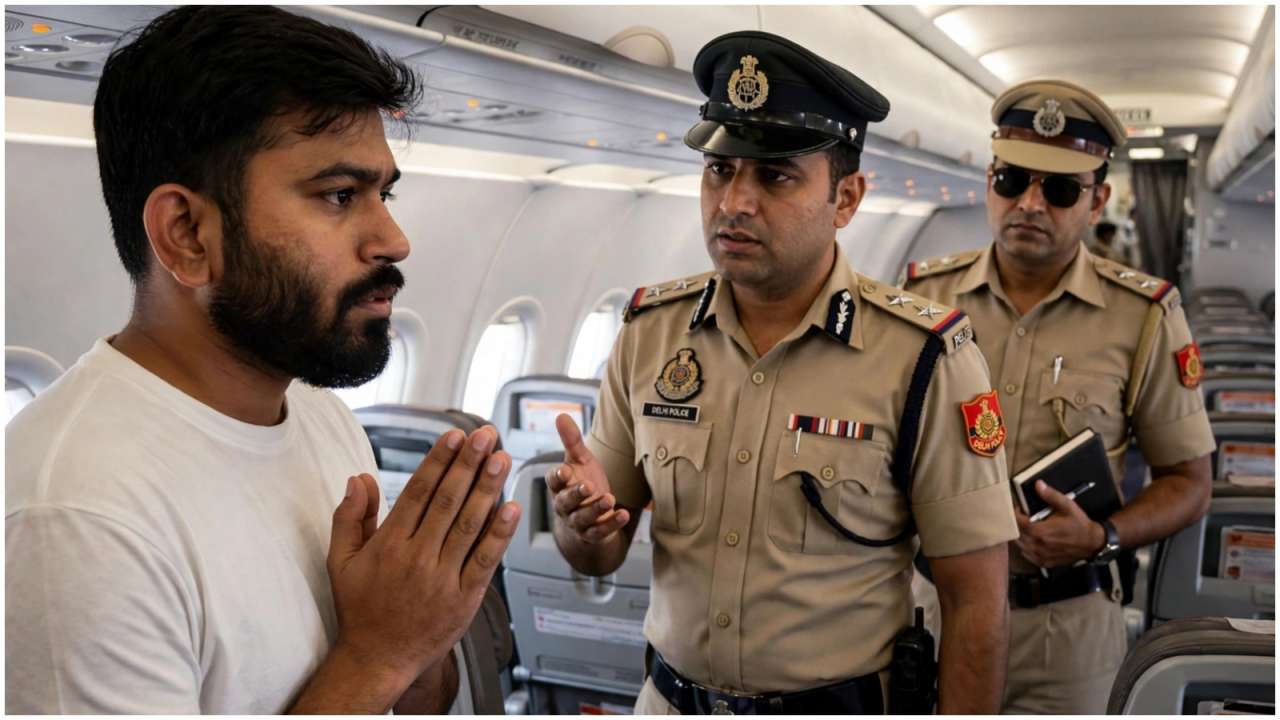
 ‘Shame on you’: Saurav Das clashes with woman passenger on Delhi flight| Watch
 Third Language Row: SC extends relaxation to Class 6 students, asks CBSE to grant exemption, here's what it means
 NEET PG 2026 Result Out: Check how to download scorecard from natboard.edu.in; Know category-wise cut-off and more
 Five-year BTech programmes? Ex-IIT director makes proposals amid IIT suicide controversy
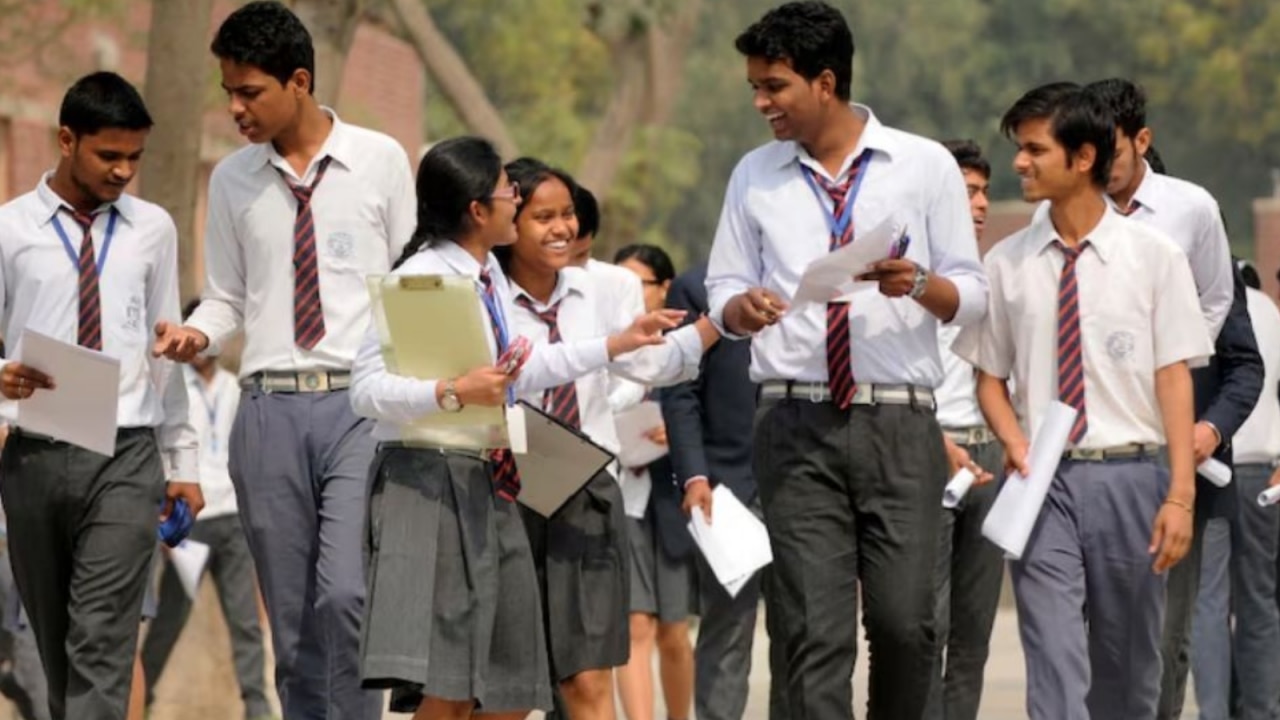 CBSE Date Sheet 2027: When will Class 10, 12 timetable be released? Check details here
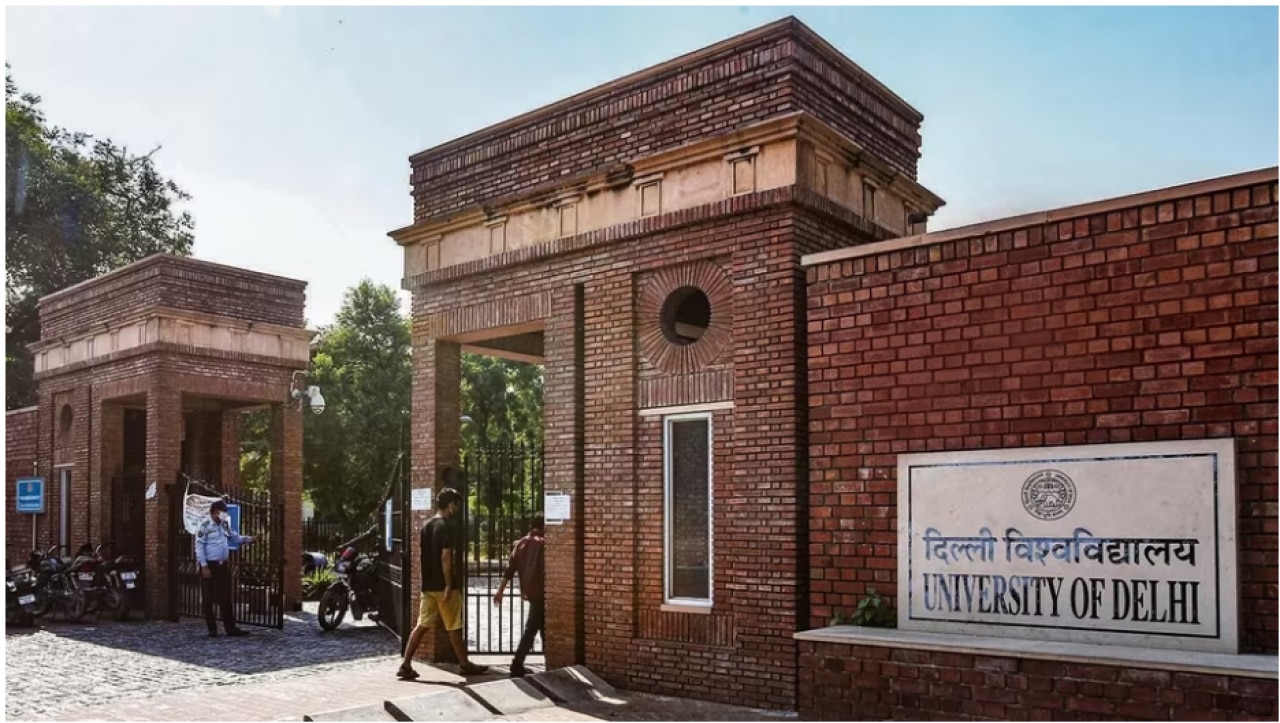 From Rs 150 in 1947 to powerful student body: The story of DUSU’s rise | Explained
 After Hyundai, Maruti Suzuki makes cars costlier ahead of festive season: Check new prices after hike
 Hyundai cars to get costlier from September: Check new prices and reason behind hike
 Why can't consumers choose pure petrol or E10? Centre explains why E20 is now the standard fuel
 Centre claims E20 fuel does not damage engines, cites data from Maruti Suzuki and Hero MotoCorp
 Maruti WagonR Flex Fuel: What’s price of India’s first ethanol car? Specs, mileage, and top features explained
INDIA
Nafees Zakaria blamed India for weaving a humanitarian angle in Jadhav's case to divert the world's attention from his real actions — fomenting terrorism inside Pakistan

Updated : May 19, 2017, 06:50 AM IST



Facing embarrassment at home, Pakistan’s Foreign Office spokesman Nafees Zakaria questioned the ICJ’s jurisdiction over the county’s national security matters as the Pakistani press expressed shock and disappointment over the court’s decision to stay the execution of alleged Indian spy Kulbhushan Jadhav by lashing out at the legal team for presenting “weak” and “damaging” arguments.
Zakaria blamed India for weaving a humanitarian angle in Jadhav's case to divert the world's attention from his real actions — fomenting terrorism inside Pakistan.
A Pakistani daily played up Zakaria's comment and carried a headline that read: "ICJ verdict was leaked to India ahead of time: Pakistan Foreign Office".
Quoting former Chief Justice of the Sind High Court, Shaiq Usmani, a Pakistani newspaper said the decision to stay Jadhav's execution was alarming as it did not fall under ICJ's jurisdiction.
"It's Pakistse on jurisdiction and it proved "weak". "More arguments should have been made regarding espionage," she said.
Politician Sherry Rehman, a Pakistan Peoples' Party member, also termed the case as "weak". "We based our case on jurisdiction and it proved weak. More arguments should have been made regarding espionage," she said.
Lawyer Feisal Naqvi said the issue was a question of consular access. "The question is not whether he should be hung. The question is whether he can get consular access," Naqvi said. Shireen Mazari, leader of Pakistan's Tehreek-e-Insaf , said she had predicted in her earlier tweets that the ICJ decision was a foregone conclusion.
London-based Barrister Rashid Aslam blamed Pakistan's lack of preparation and wasting 40 of the 90 minutes it was given to make its arguments.
"I was surprised why we finished our arguments in such little time. I think Khawar Qureshi didn't consume all the time that was afforded to him,"Aslam said.
"Pakistan had the right to set up a judge there, but we didn't do that. I think Pakistan was grossly unprepared. It might be that we didn't have enough time…" he added.