 Ramayana: Ahead of Ranbir Kapoor film crossing 1000 crore, makers send Indian Epic to Oscars? Here's what we know
 Yogi Adityanath defends Diwali firecrackers amid Delhi-NCR pollution, questions critics
 Karnataka BJP protests price hikes, demands rollback of milk, bus fare increases
 Irfan Pathan makes big statement on Arshdeep Singh's trade to MI, says 'Makes Mumbai Indians a stronger side'
 A stronger showing in QS Asia 2027 as Parul University secures 239th rank in Southern AsiaYogi Adityanath defends Diwali firecrackers amid Delhi-NCR pollution, questions criticsKarnataka BJP protests price hikes, demands rollback of milk, bus fare increases
 Air India issues hijack alert just before take-off at Kolkata Airport, aircraft moved to isolation bay
 Mother Dairy hikes milk prices by Rs 2-4 per litre from November 12, second hike in 6 months
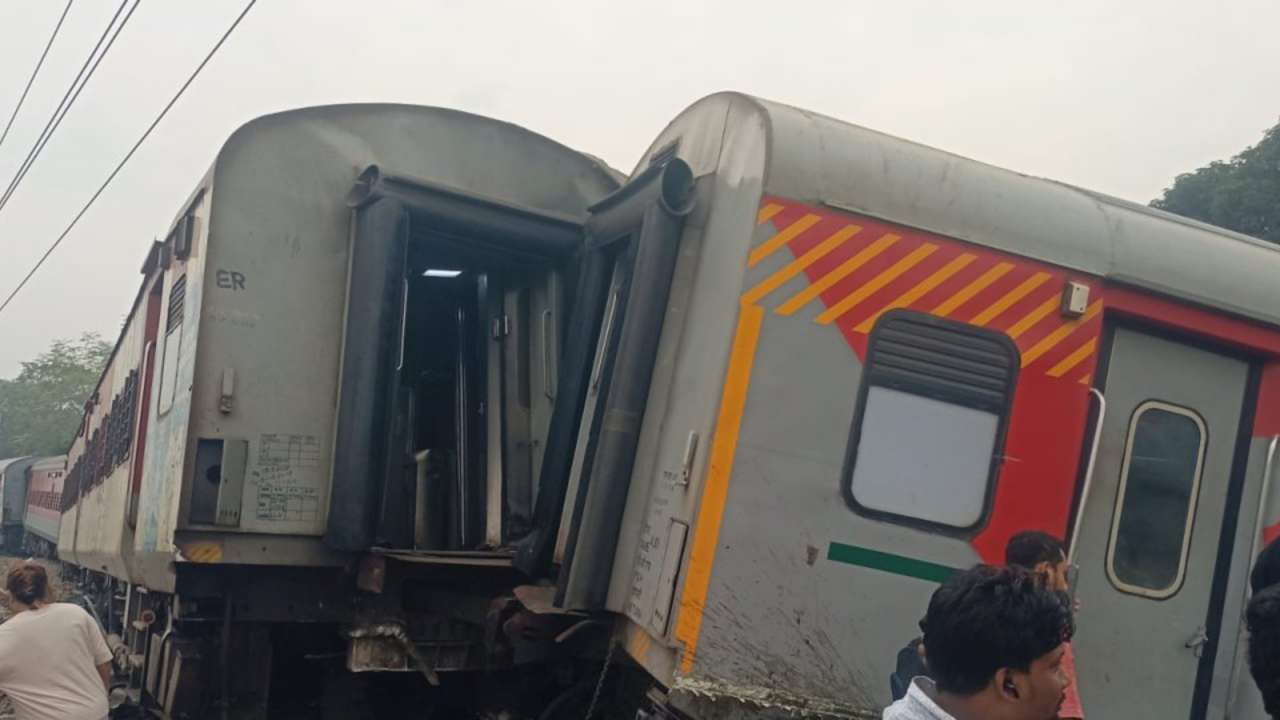 Assam: Seven coaches of Kolkata-Sairang Express derail near Digaru, several injured
 US deportation flight carrying Iranian immigrants forced to return after Pakistan refused entry: Report
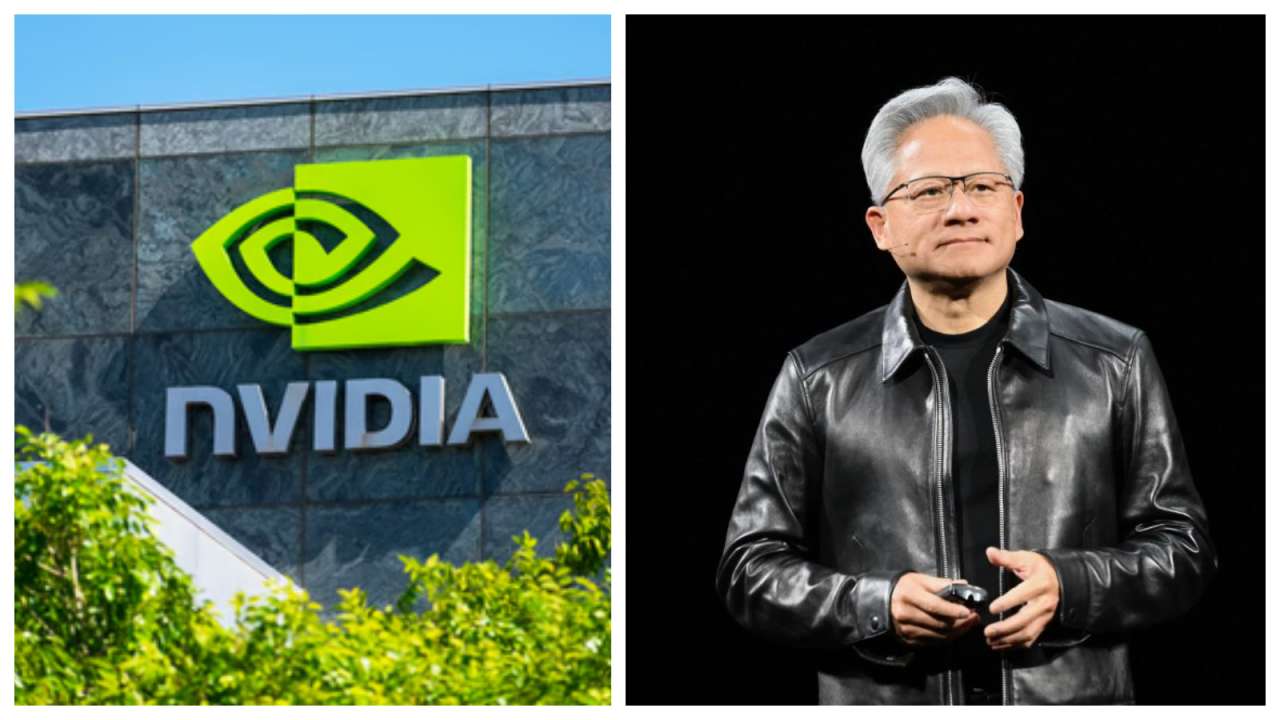 Nvidia taps ex-US Attorney Joon H Kim to lead probe into Jensen Huang affair with alleged Chinese spy
 IBM to discontinue H-1B and green card sponsorship for majority of US consulting roles
 US House blocks resolution to impeach Defence Secretary Pete Hegseth in 211-204 vote
 Sheikh Hasina return row: Bangladesh says death sentence must be executed if ex-PM comes home
 Sensex soars 1,300 points, Rs 6 lakh crore added in minutes: 3 BIG reasons behind stock market rally
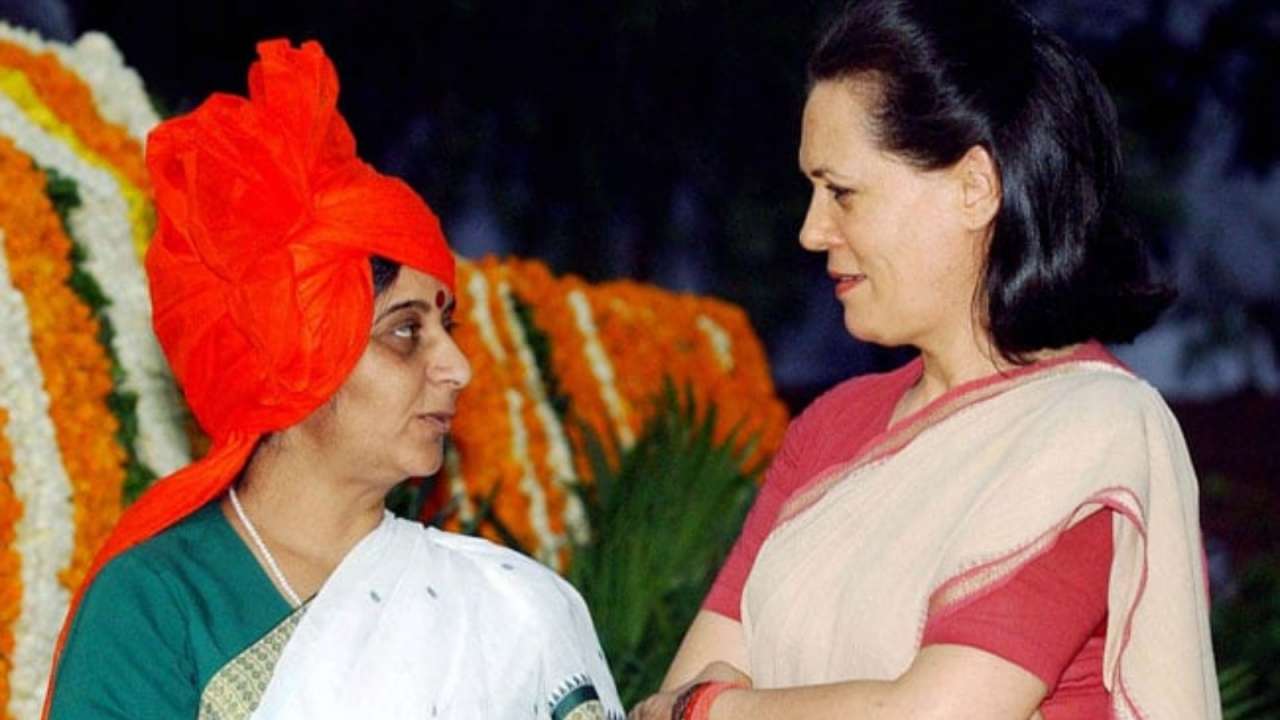 Was Sonia Gandhi afraid of BJP? Did ‘foreign origin’ campaign force her to decline PM's office? Her autobiography drops BIG hint
 Why Sonia Gandhi refused to become PM: Rahul's angry reaction, Priyanka's tears and the dramatic night that changed India
 Foreign Secretary Vikram Misri Visits Nepal, Meets PM Balendra Shah
 Born in Pakistan, praised Jinnah, abandoned by party: The untold story of LK Advani at 100Ramayana: Ahead of Ranbir Kapoor film crossing 1000 crore, makers send Indian Epic to Oscars? Here's what we know
 Maatrubhumi trailer: Salman Khan leads emotional war drama, tells Chinese soldiers 'let's solve this sh*t bro'
 Scene box office collection day 5: Suriya film sees major 40% dip but inches closer to Rs 100 crore in India
 Ramayana box office collection day 6: Ranbir Kapoor film crosses Rs 400 crore in India, earns Rs 800 crore worldwide
 Diljit Dosanjh's Indore concert receives bomb threat email after singer dismisses cancellation rumours
 Qualcomm Layoffs 2026: How much severance will employees in India get? Check full package, eligibility and key details
 Gold, Silver prices today, November 11, 2026: Check city-wise rates in Delhi, Mumbai, Chennai, Kolkata and more
 Anthropic launches IPO roadshow: 825 million shares on offer, check price and key details
 Rupee climbs to 7-month high, gains 93.70 against US dollar in early trade
 Dhanteras 2026: Are banks open or closed on November 6? Check RBI holiday listIrfan Pathan makes big statement on Arshdeep Singh's trade to MI, says 'Makes Mumbai Indians a stronger side'
 Sanju Samson Turns 32: CSK calls him 'Namma Chettan' in heartfelt birthday tribute; shares special photo
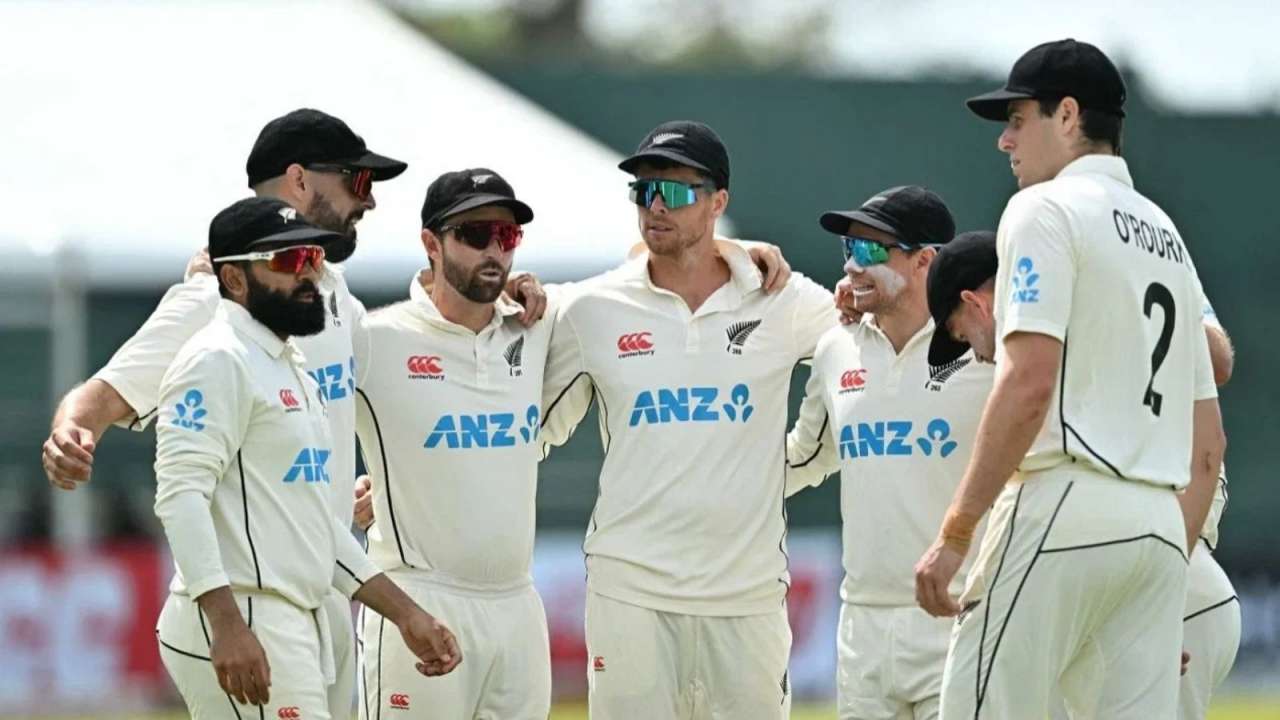 New Zealand announce team for Tests vs India, eye another clean sweep; check full squad list here
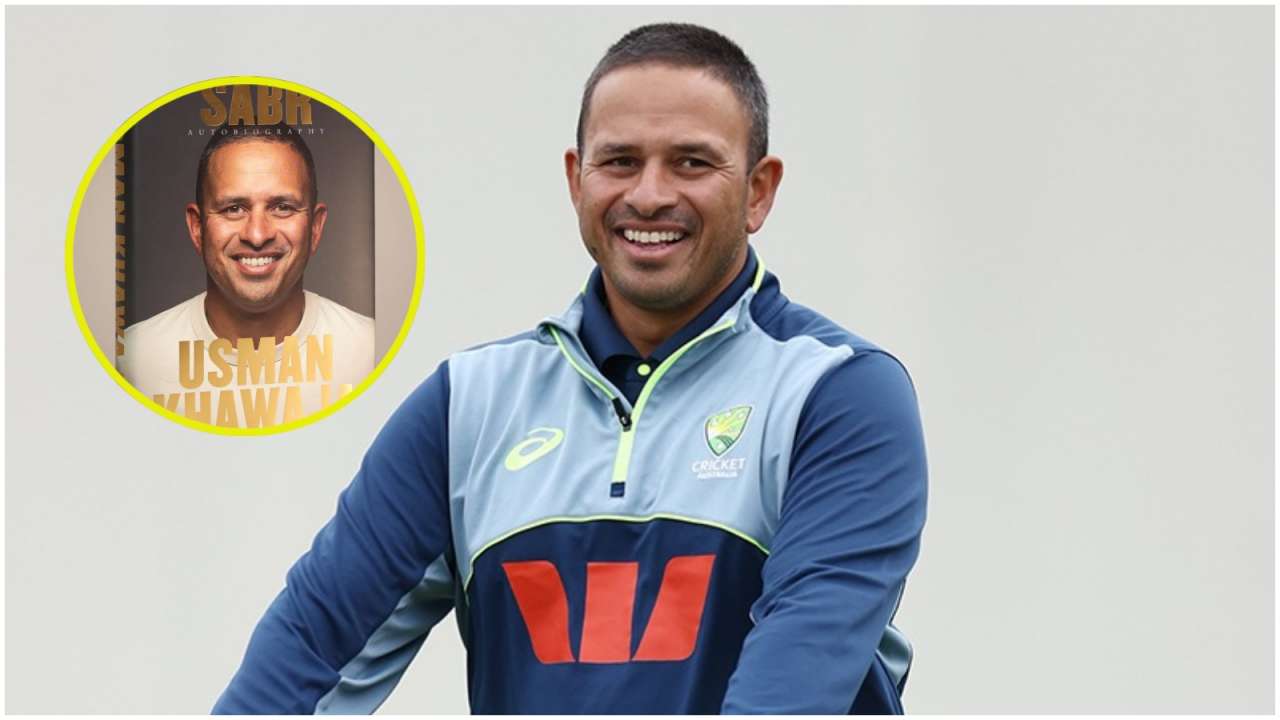 Why has Usman Khawaja reopened Australia's 2018 ball-tampering scandal? 'Not a witch hunt' remark explained
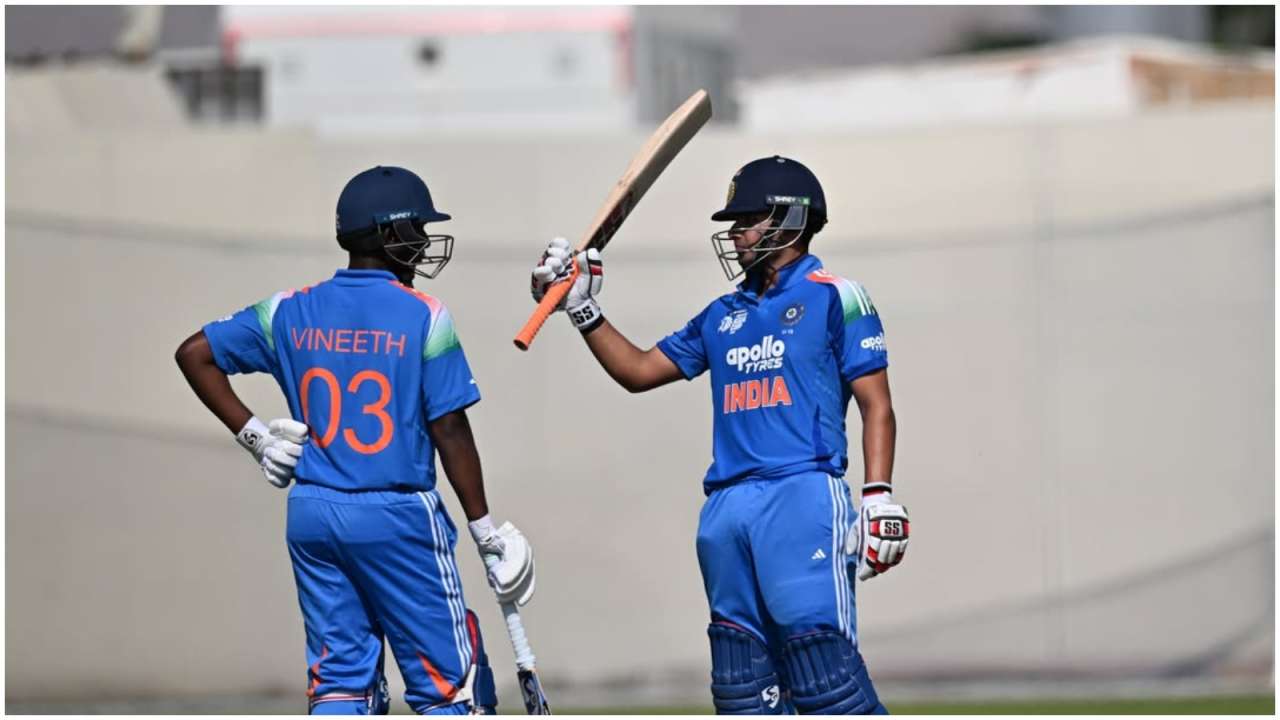 Virender Sehwag's son smashes 160 as India defeat UAE to enter U19 Asia Cup semis
 Jensen Huang News: Nvidia CEO Loses $7.4 Billion In 30 Minutes, Drops 2 Spots In Forbes Rich List
 Bhai Dooj 2026: Check Date, Time Check Shubh Muhurat, Tilak Timings, Puja Rituals
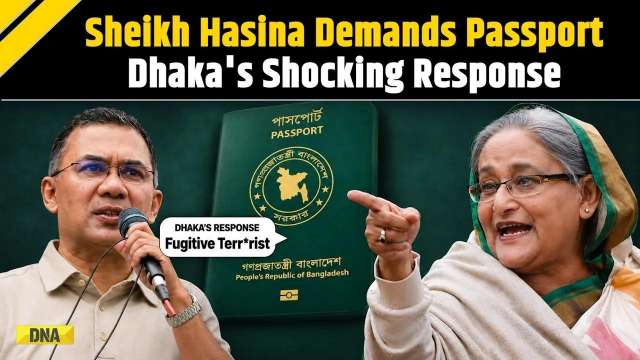 Bangladesh News: 'Fugitive Terr*rist...' Dhaka Slams Hasina's Passport Demand, Calls For Extradition
 Congress vs PM Modi Row: 'Jhola-Picking-Up Time' Remark, Bastar Address & Political Reactions
 Nvidia Scandal: The Megaspeed Connection, Alice Huang Ties & Jensen Huang’s Affair
INDIA
Currently, Cyclone Shakti, named by Sri Lanka, has intensified over the Arabian Sea and is positioned about 300 km west of Dwarka and 360 km west of Porbandar. The IMD forecasts that it will further intensify into a severe cyclonic storm by today and intensify over the next two days.

Updated : Oct 04, 2025, 08:45 AM IST
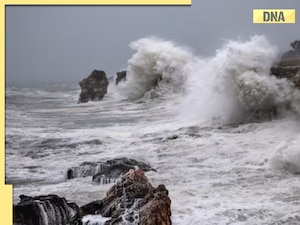
















The India Meteorological Department (IMD) has issued cyclone 'Shakti' warning for some districts of Maharashtra, with high to moderate cyclone warning between October 3 and 7. According to the release, the warning covers Mumbai, Thane, Palghar, Raigad, Ratnagiri, and Sindhudurg. The wind speed, reaching 45-55 kmph and gusting to 65 kmph, is likely to prevail over the North Maharashtra coast between October 3 and 5. The wind speed may increase depending on the cyclone's intensity. The Sea conditions are very rough, with rough seas expected along the northern Maharashtra coast until October 5 . Fishermen are advised to avoid venturing into the sea.
Maharashtra on high alert as IMD issues Cyclone Shakti warning
Currently, Cyclone Shakti, named by Sri Lanka, has intensified over the Arabian Sea and is positioned about 300 km west of Dwarka and 360 km west of Porbandar. The IMD forecasts that it will further intensify into a severe cyclonic storm by today and remain offshore, strengthening over the next two days.
The India Meteorological Department (IMD) has forecast heavy to very heavy rains in the interior parts of Maharashtra, particularly in East Vidarbha and parts of Marathwada, with a possibility of flooding in the low-lying areas of North Konkan due to intense cloud formation and infiltration of moisture into the atmosphere.
Maharashtra govt issues advisory
The cyclone-triggered intense rainfall may cause waterlogging in low-lying areas, leading to traffic congestion and potential road closures, potentially causing disruptions to daily activities. Strong winds may lead to power outages or communication disruptions. The Maharashtra government has issued instructions for preparation in response to the cyclone 'Shakti' warning. District administrations should activate their disaster management systems, prepare evacuation plans for citizens in coastal and low-lying areas, issue public advisories, advise against sea travel, and maintain safety during heavy rains. Residents in coastal areas are advised to be prepared for potential flooding and follow evacuation instructions. They are asked to stay informed about weather updates and follow instructions from local authorities.
(With inputs from ANI)