 'Third Eye' has received its due and respect
 Vatican chief Pope Leo diagnosed with lung cancer, undergoes surgery
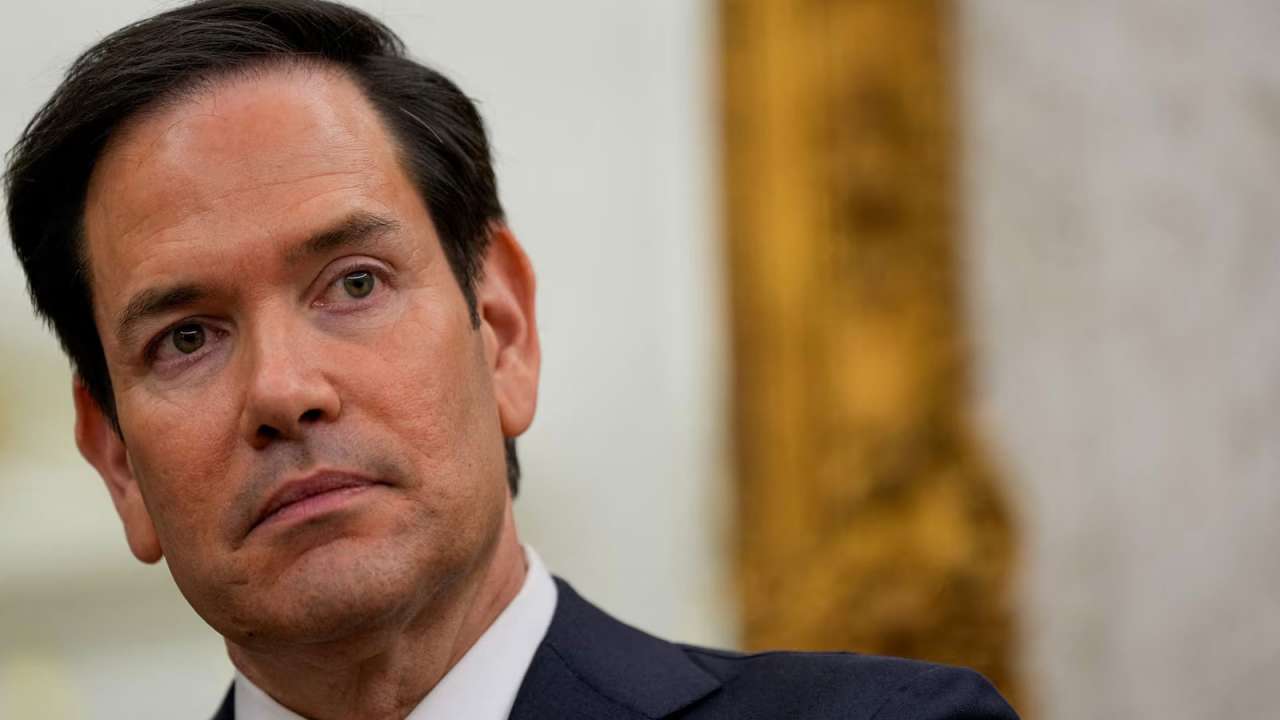 Marco Rubio to begin 5-day India visit from Oct 17; Know what's on agenda?
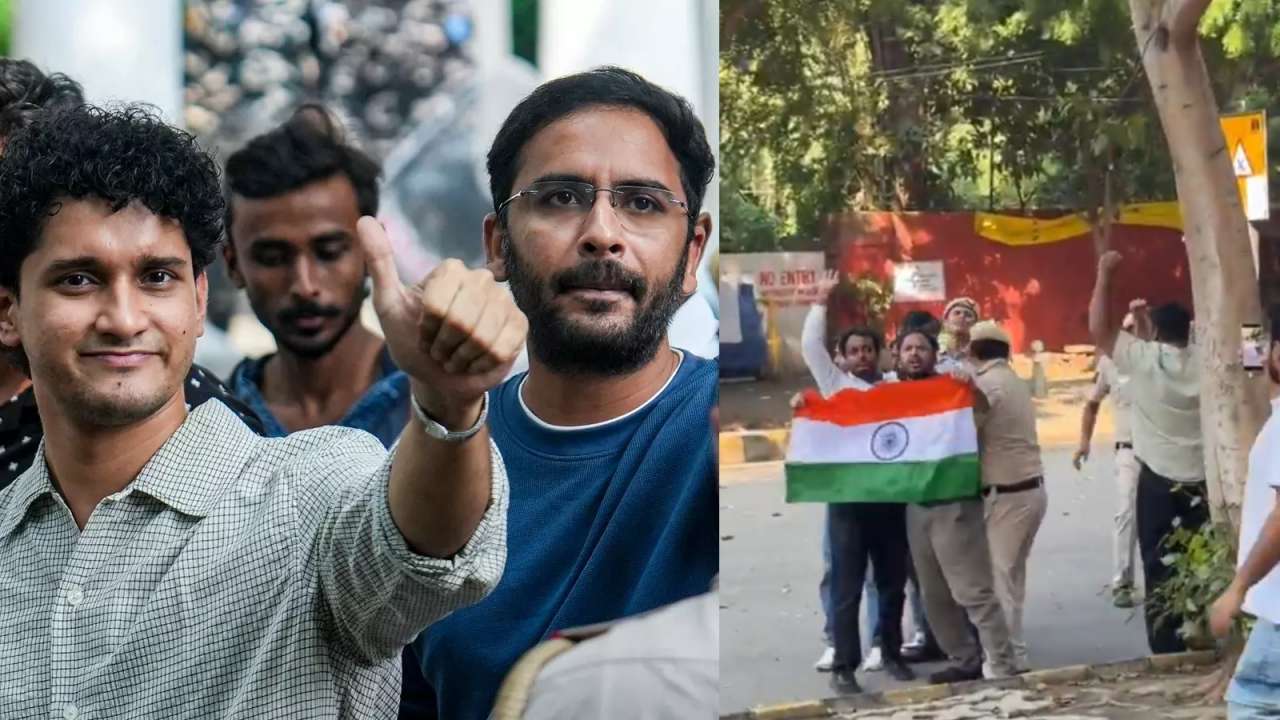 CJP activists Saurav Das, Ashutosh Ranka, placed under preventive arrest after Jantar Mantar intrusion
 Bihar Boat Tragedy: 14 killed as boat overturns in Ganges near Hajipur, victims include women, children
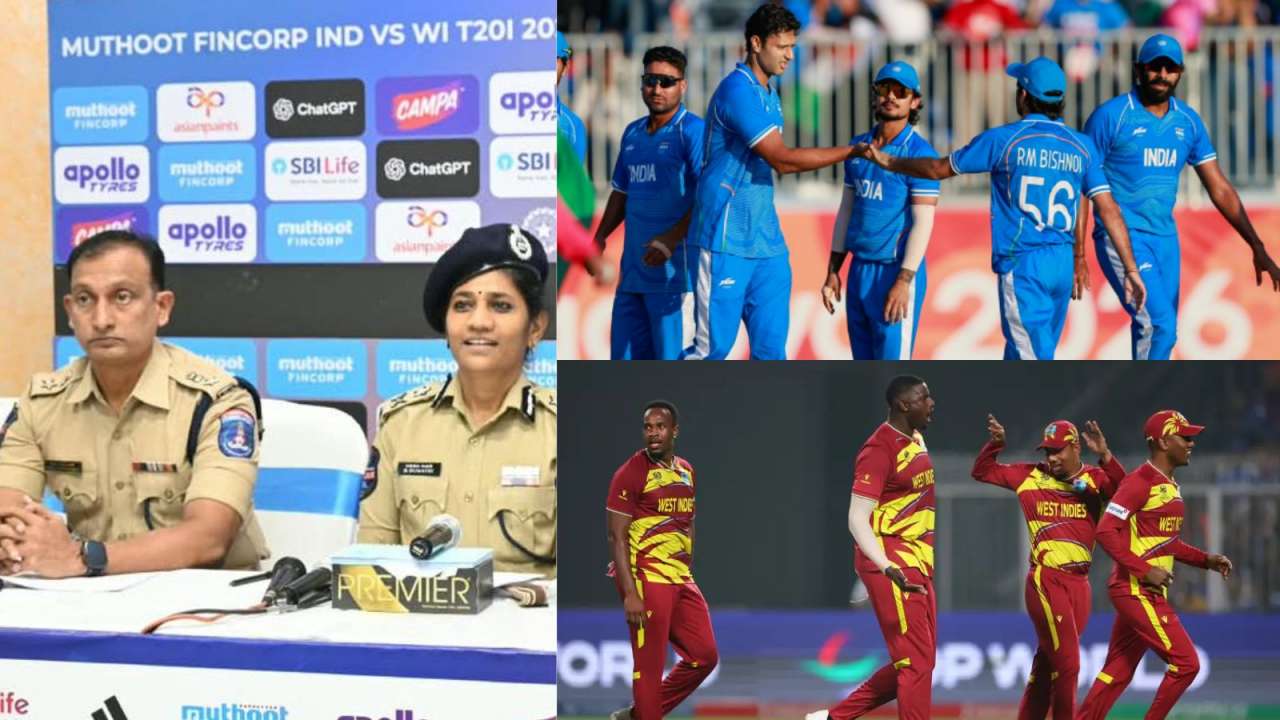 IND vs WI 4th T20I: Hyderabad Police roll out major security plan ahead of uppal clash, deploy 2,200 cops
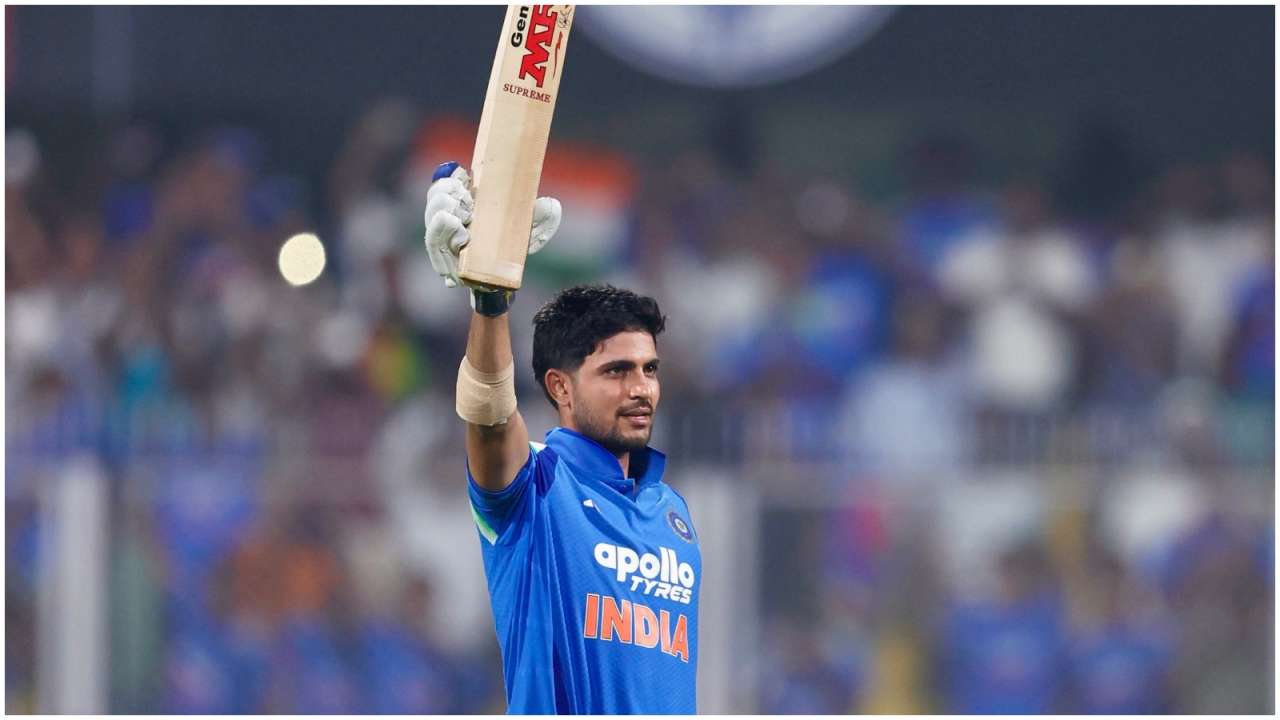 Shubman Gill wins 5th ICC monthly award: How rare is this feat?
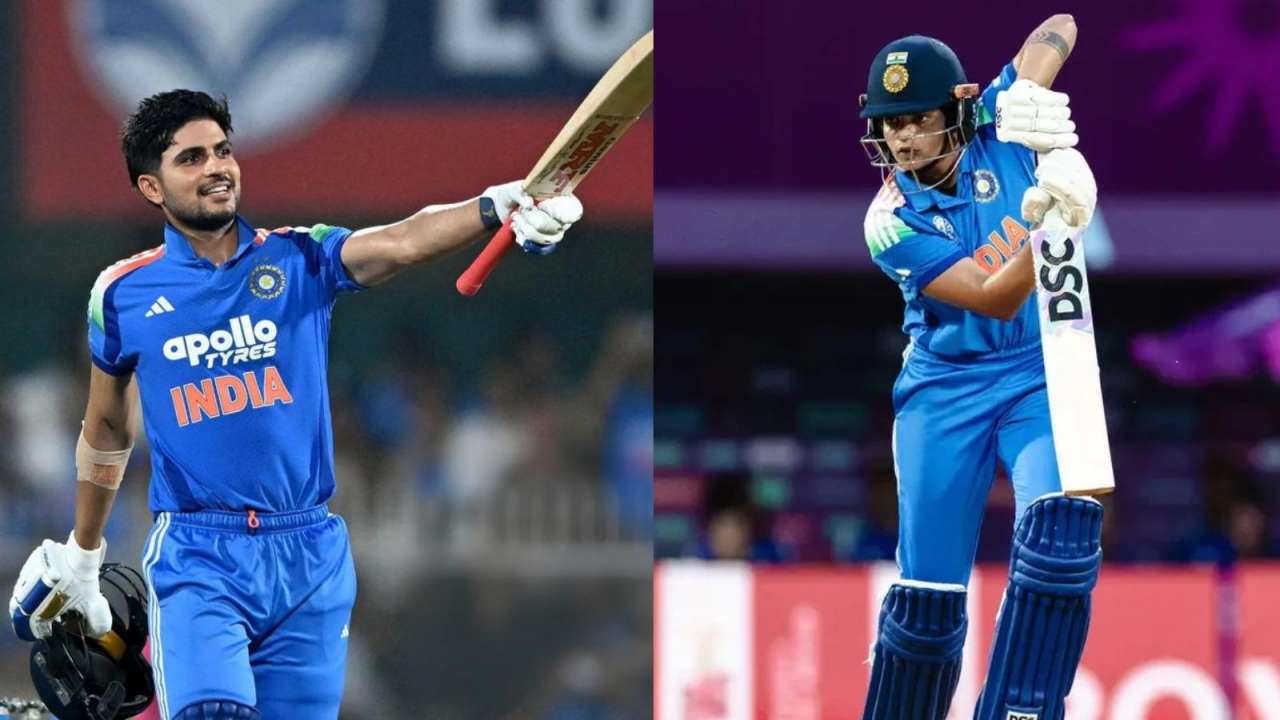 Shubman Gill clinches historic fifth 'ICC Player of the Month' award, Shafali Verma triumphs after Asian Games
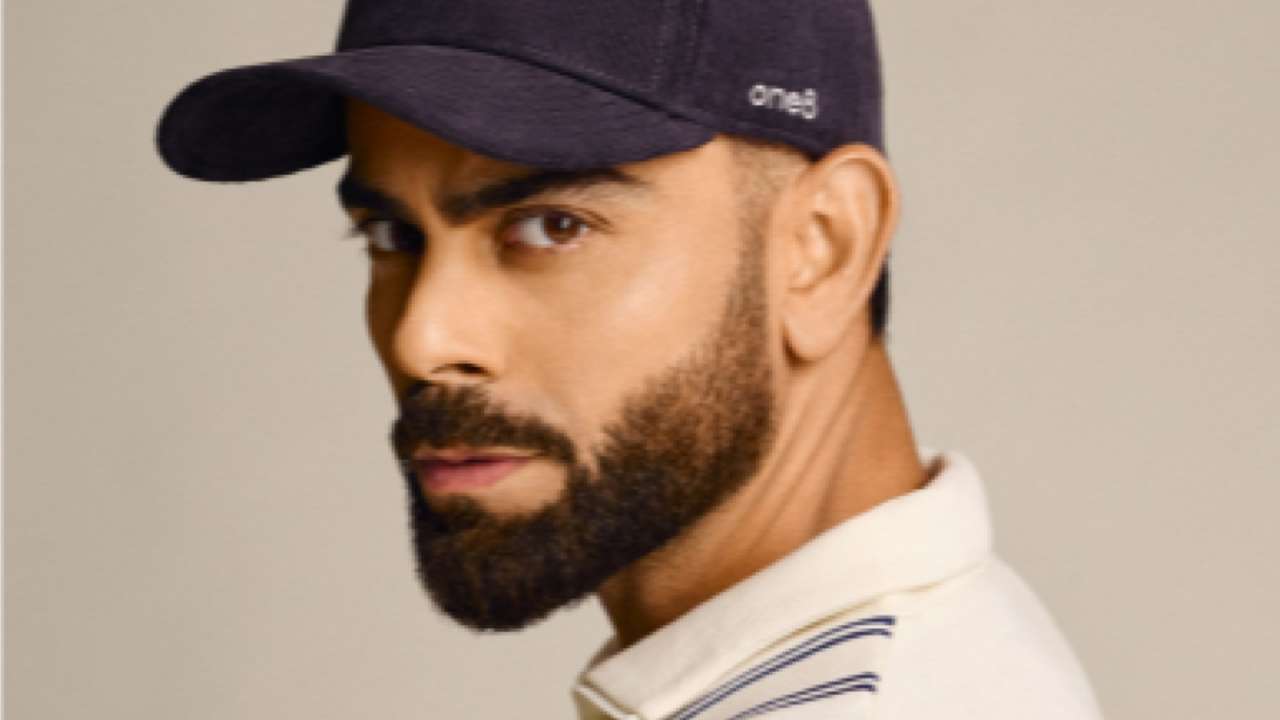 Virat Kohli on LinkedIn pitch ahead of World Cup 2027, shares insights on sportswear brand
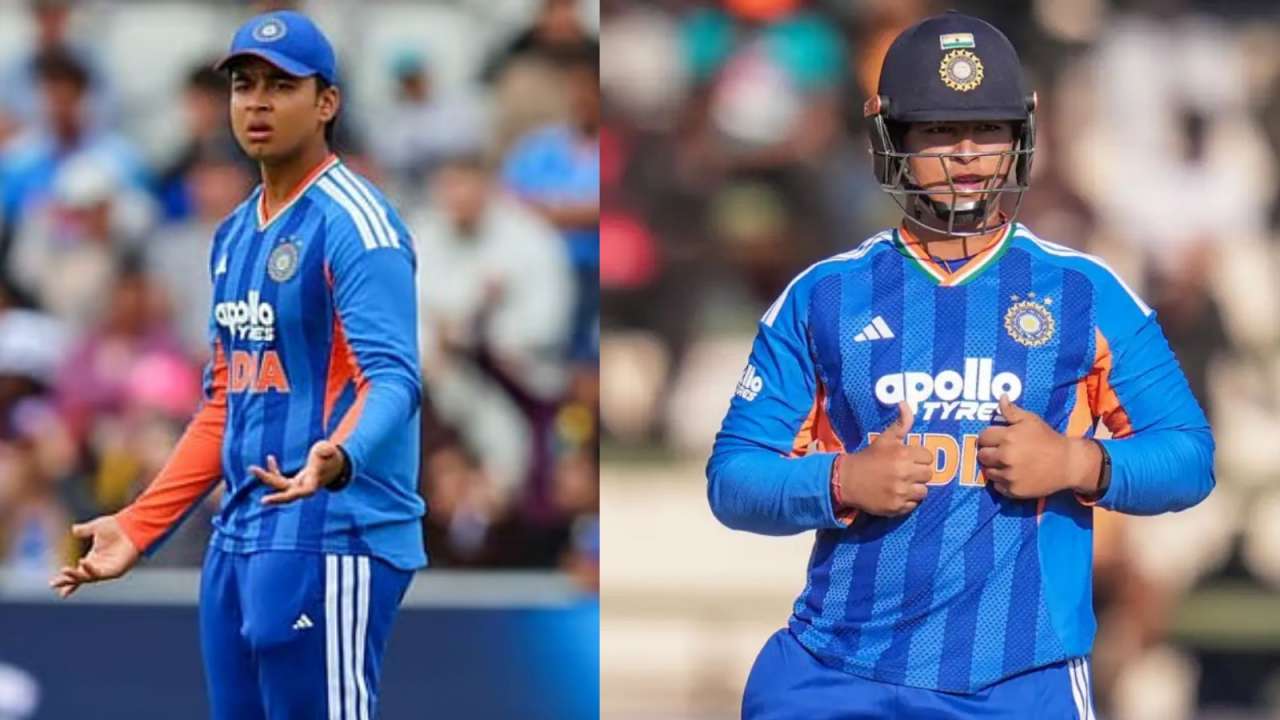 Will Vaibhav Sooryavanshi play last T20I of West Indies series? Gautam Gambhir, Shreyas Iyer get big appeal
 Drishyam 3 box office collection day 12: Ajay Devgn film is unstoppable, crosses Rs 500 crore worldwide
 Adhyayan Suman avoids box office clash with Ayushmann Khurrana, Main Na Raha Mera postponed to December
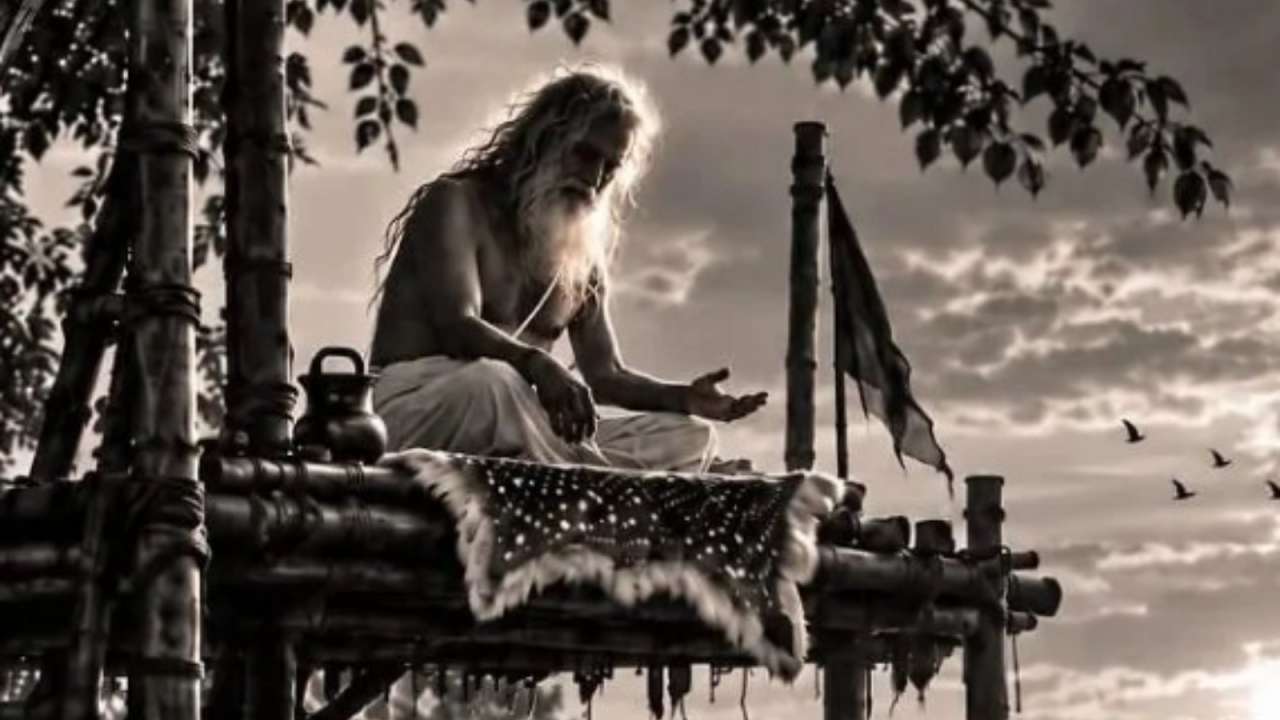 Machan Baba: After Hanuman Ansh's blockbuster success, biopic on Deoraha Baba announced, he inspired Congress' hand symbol
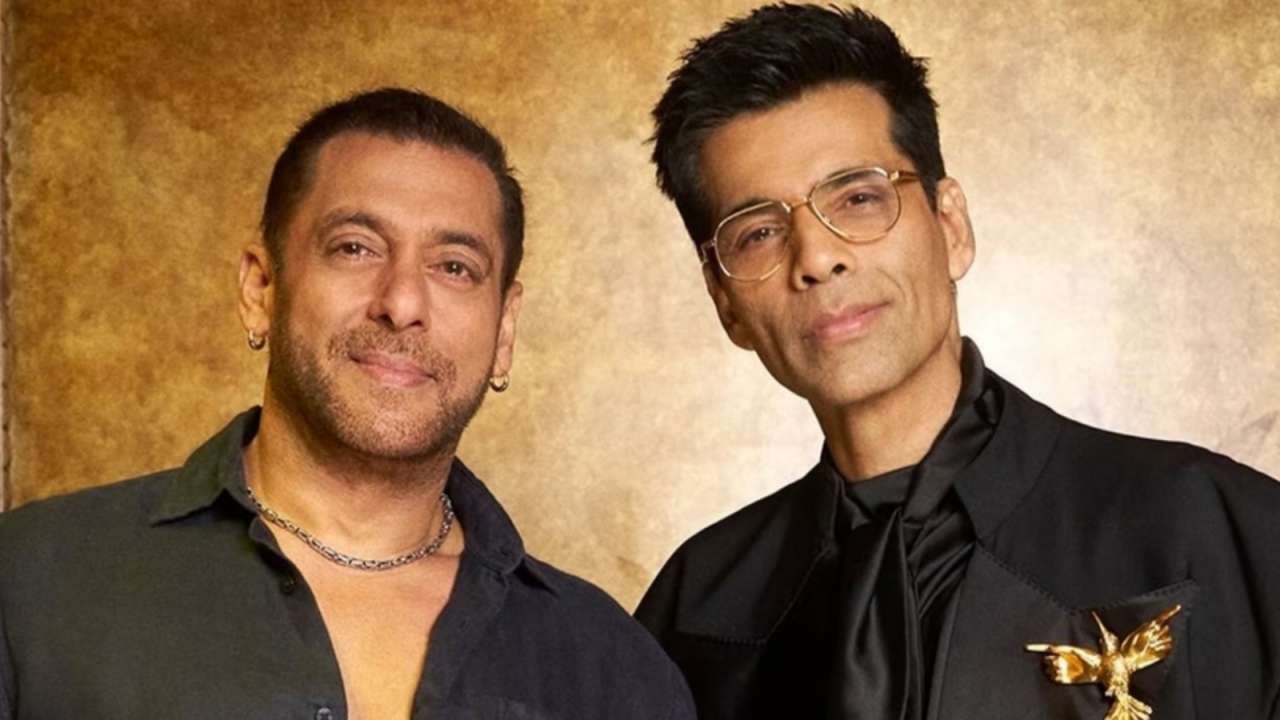 Koffee With Karan 9: Karan Johar brings back his millon-dollar question for Salman Khan, asks him 'are you still a virgin?'
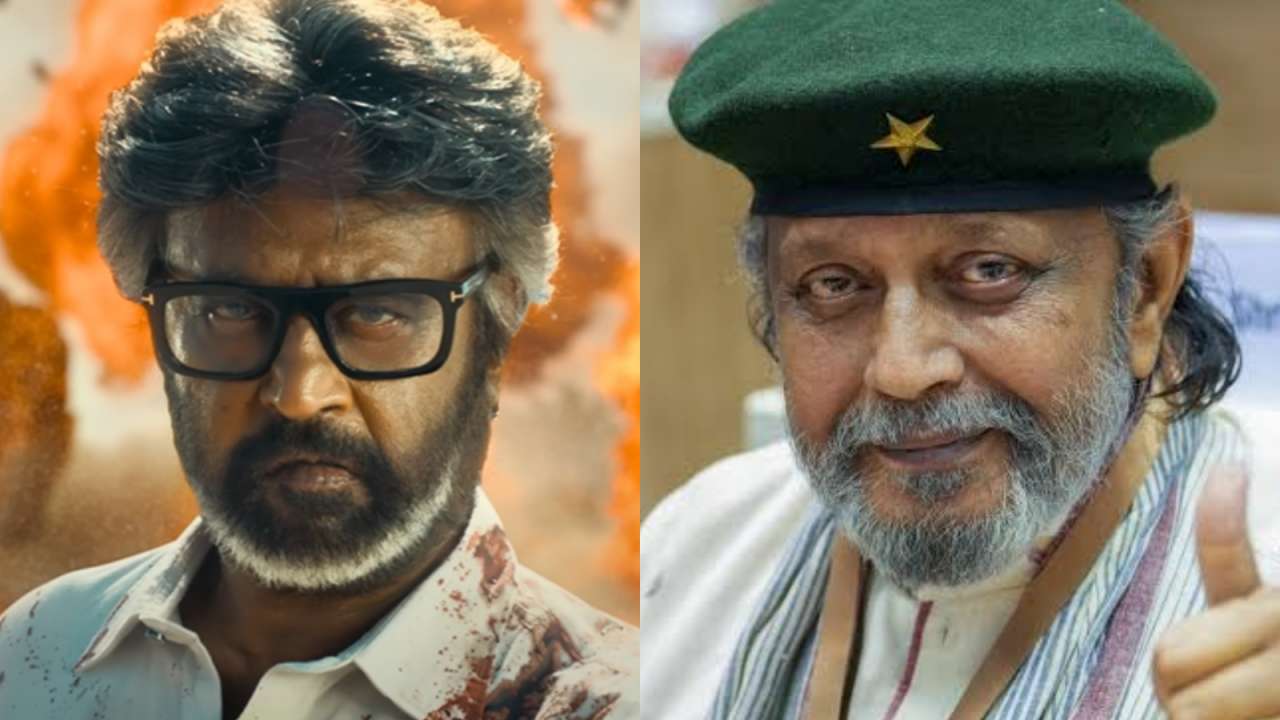 Jailer 2: What condition did Mithun Chakraborty set before agreeing to do the Rajinikanth film?
 Delhi Protest: Delhi High Court Bench To Hear Pleas On Protest Regulation & Jantar Mantar Ban
 Pakistan News: 5 Killed, 30 Injured As Rehman Baba Express Derails Near Multan In Pakistan
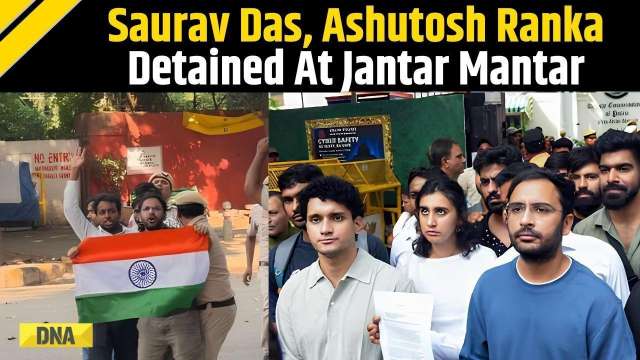 CJP Protest: Delhi Police Detains CJP Spokespersons Saurav Das And Ashutosh Ranka At Jantar Mantar
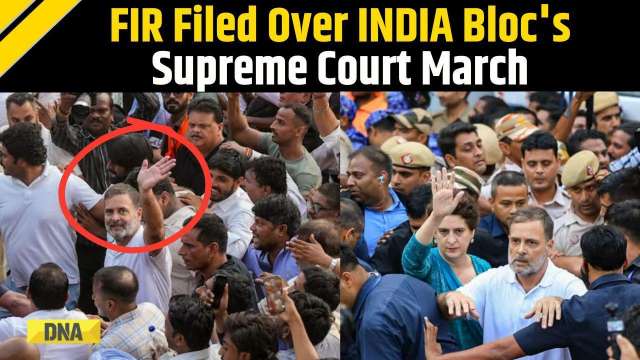 CJP Protest: 2 FIRs Filed Over INDIA Bloc Leaders March In Delhi; SC To Hear Protesters Plea
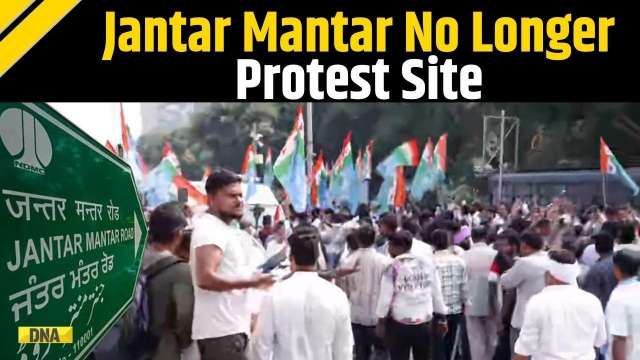 CJP Protest: 'Jantar Mantar De-Notified'; Govt Replaces Historic Protest Site With 3 New Venues
 RBL Bank shares crash 8% despite 170% profit jump: Why are investors worried?
 UPI payment charges postponed till Diwali, what does it mean for shops, merchants and customers?
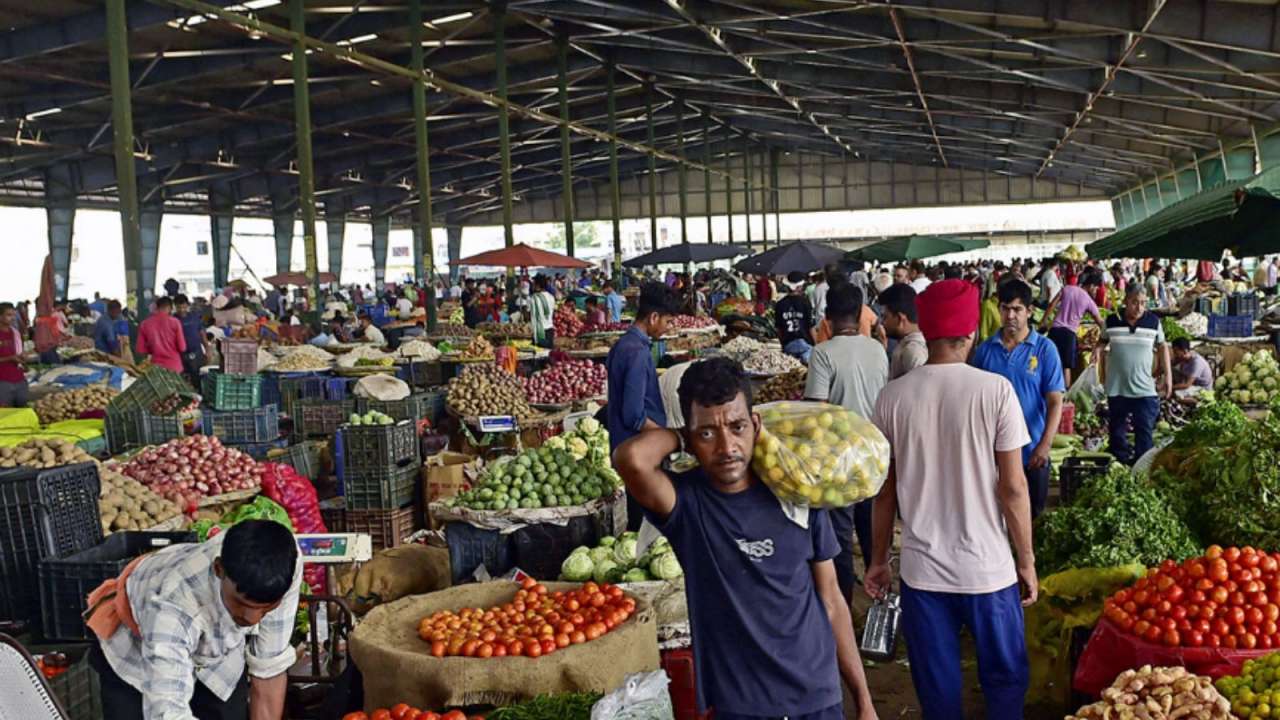 Retail inflation rises to 5.54% in September: Experts warn of pressure on purchasing power, expect more RBI rate hikes
 Gold, Silver prices today, October 10, 2026: Check city-wise rates in Delhi, Mumbai, Chennai, Kolkata and more
 Reliance Jio IPO: Price Band likely at Rs 1065-1119 per share, issue may open on October 21; check details
 Navratri 2026: From Alia Bhatt to Sara Ali Khan, Shraddha Kapoor, take inspiration from Bollywood actresses to stun everyone in white
 Ranbir Kapoor-Sai Pallavi, Yami Gautam-Addinath Kothare, Rajkummar Rao-Wamiqa Gabbi: 5 fresh on-screen jodis to watch out for in 2026
 OTT Releases This Week (October 5-11): Awarapan 2, Khalifa, Mandaadi; new India movies, shows to watch on Netflix, Prime Video
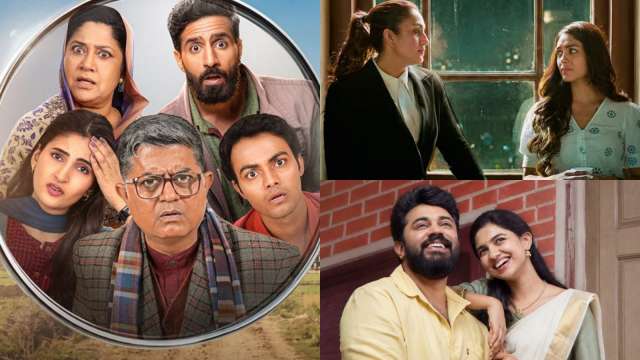 OTT Releases This Week (Sept 28 - Oct 4): Dupahiya 2, Pooja Meri Jaan; new movies and shows to watch this Gandhi Jayanti weekend
 From Neeti Mohan, Heer, Sarthak Kalyani; Ahead of Sa Re Ga Ma Pa, 5 musical geniuses championed by AR Rahman'Third Eye' has received its due and respectCJP activists Saurav Das, Ashutosh Ranka, placed under preventive arrest after Jantar Mantar intrusionBihar Boat Tragedy: 14 killed as boat overturns in Ganges near Hajipur, victims include women, children
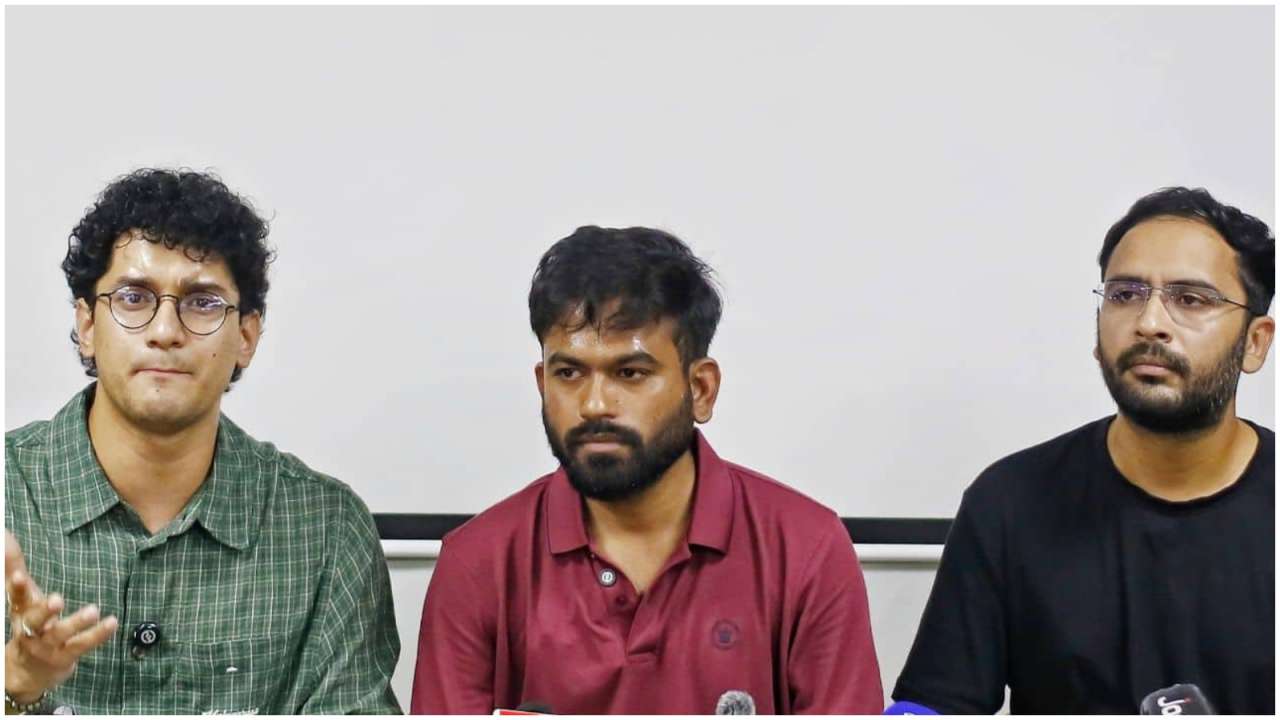 Jantar Mantar breach: Delhi Police files trespassing case against Saurav Das, Ashutosh Ranka
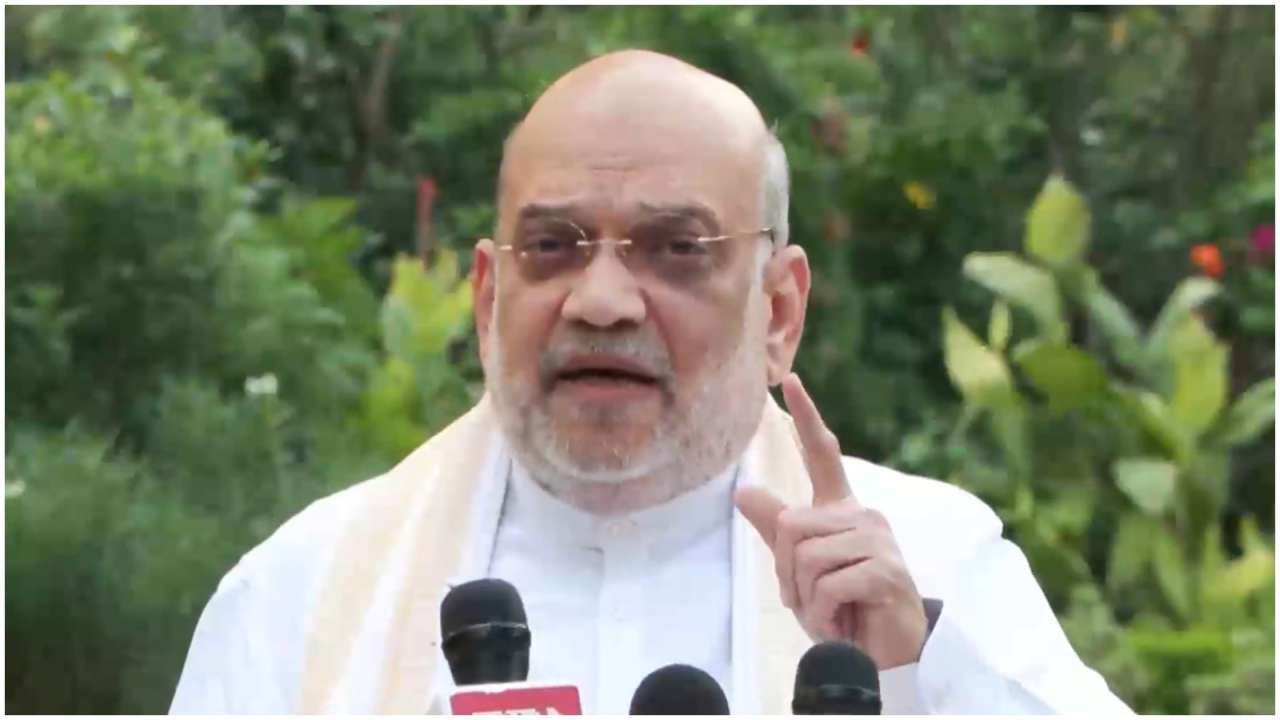 ‘Get ready to lose big time in 2029’: Amit Shah slams Rahul Gandhi over ‘vote chori’ charge
 Third Language Row: SC extends relaxation to Class 6 students, asks CBSE to grant exemption, here's what it means
 NEET PG 2026 Result Out: Check how to download scorecard from natboard.edu.in; Know category-wise cut-off and more
 Five-year BTech programmes? Ex-IIT director makes proposals amid IIT suicide controversy
 CBSE Date Sheet 2027: When will Class 10, 12 timetable be released? Check details here
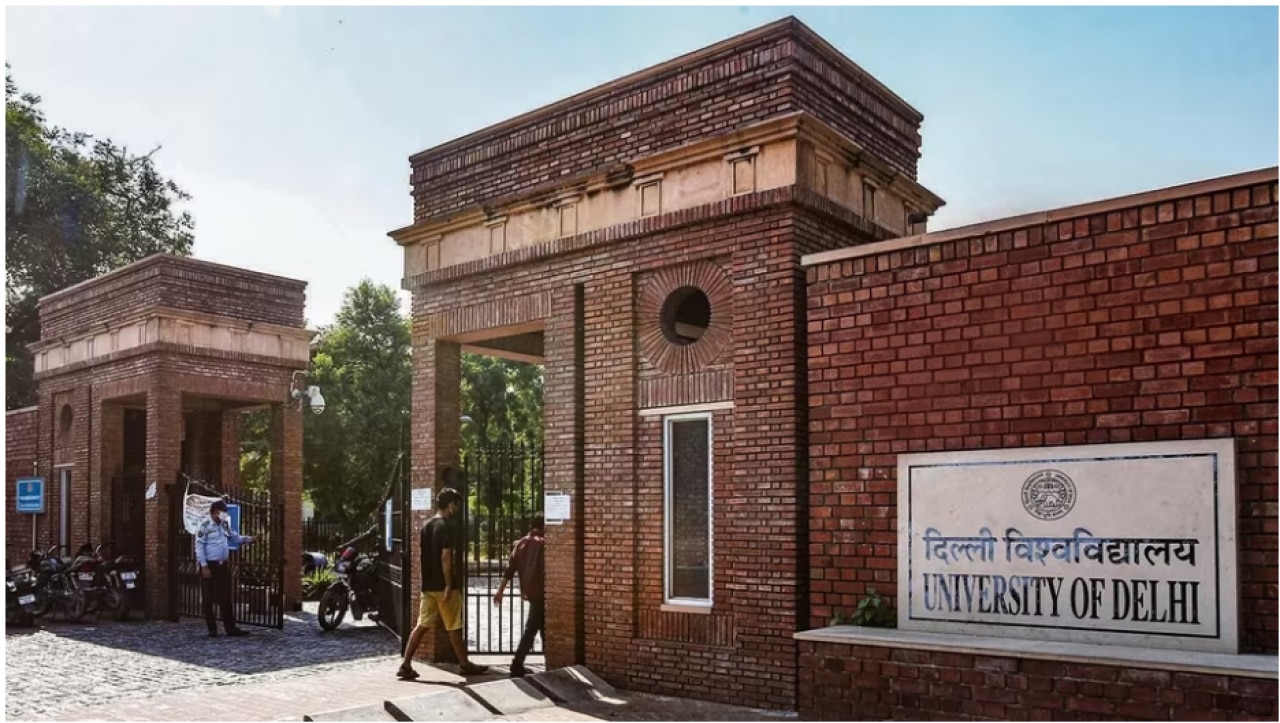 From Rs 150 in 1947 to powerful student body: The story of DUSU’s rise | Explained
 After Hyundai, Maruti Suzuki makes cars costlier ahead of festive season: Check new prices after hike
 Hyundai cars to get costlier from September: Check new prices and reason behind hike
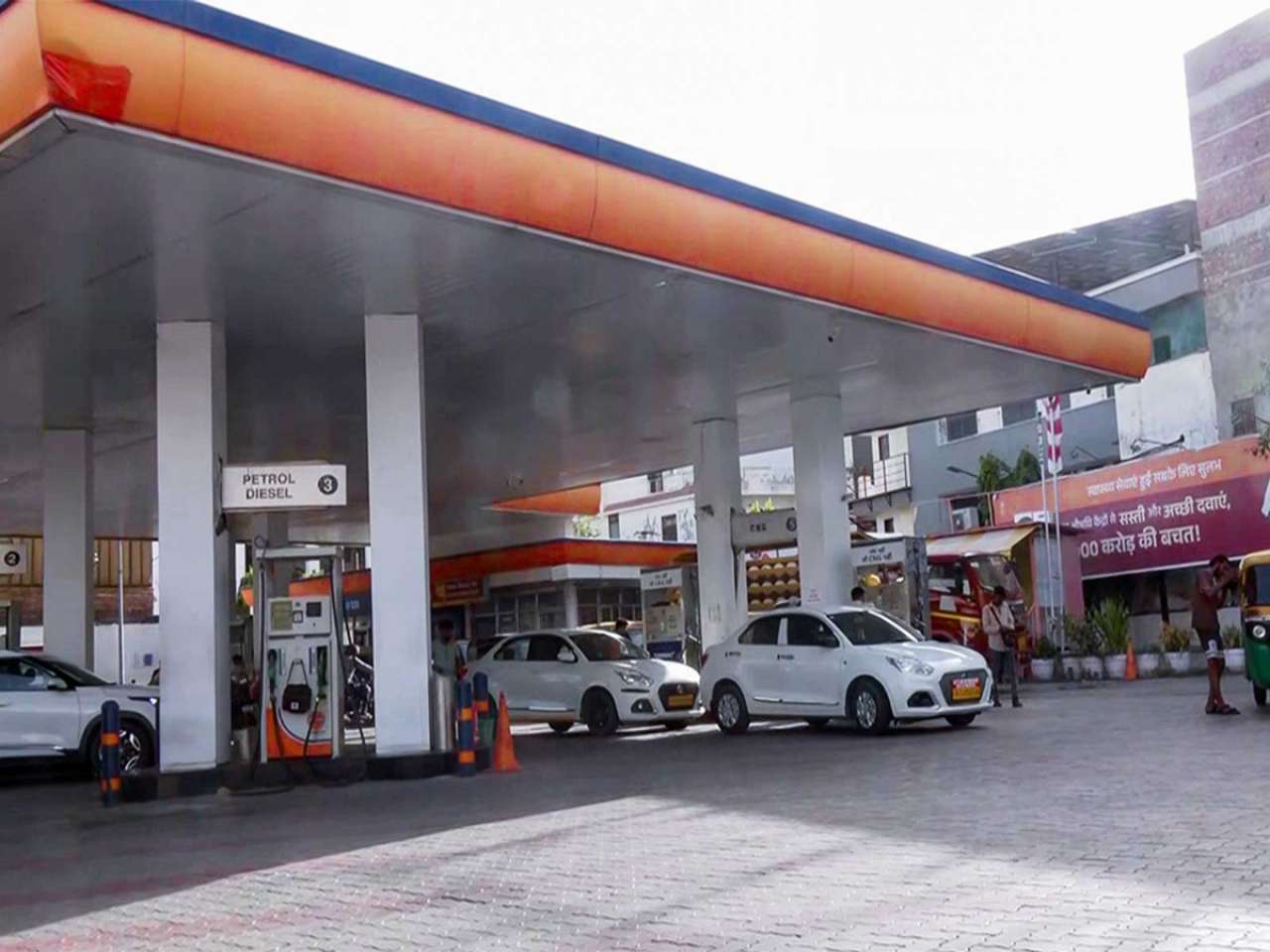 Why can't consumers choose pure petrol or E10? Centre explains why E20 is now the standard fuel
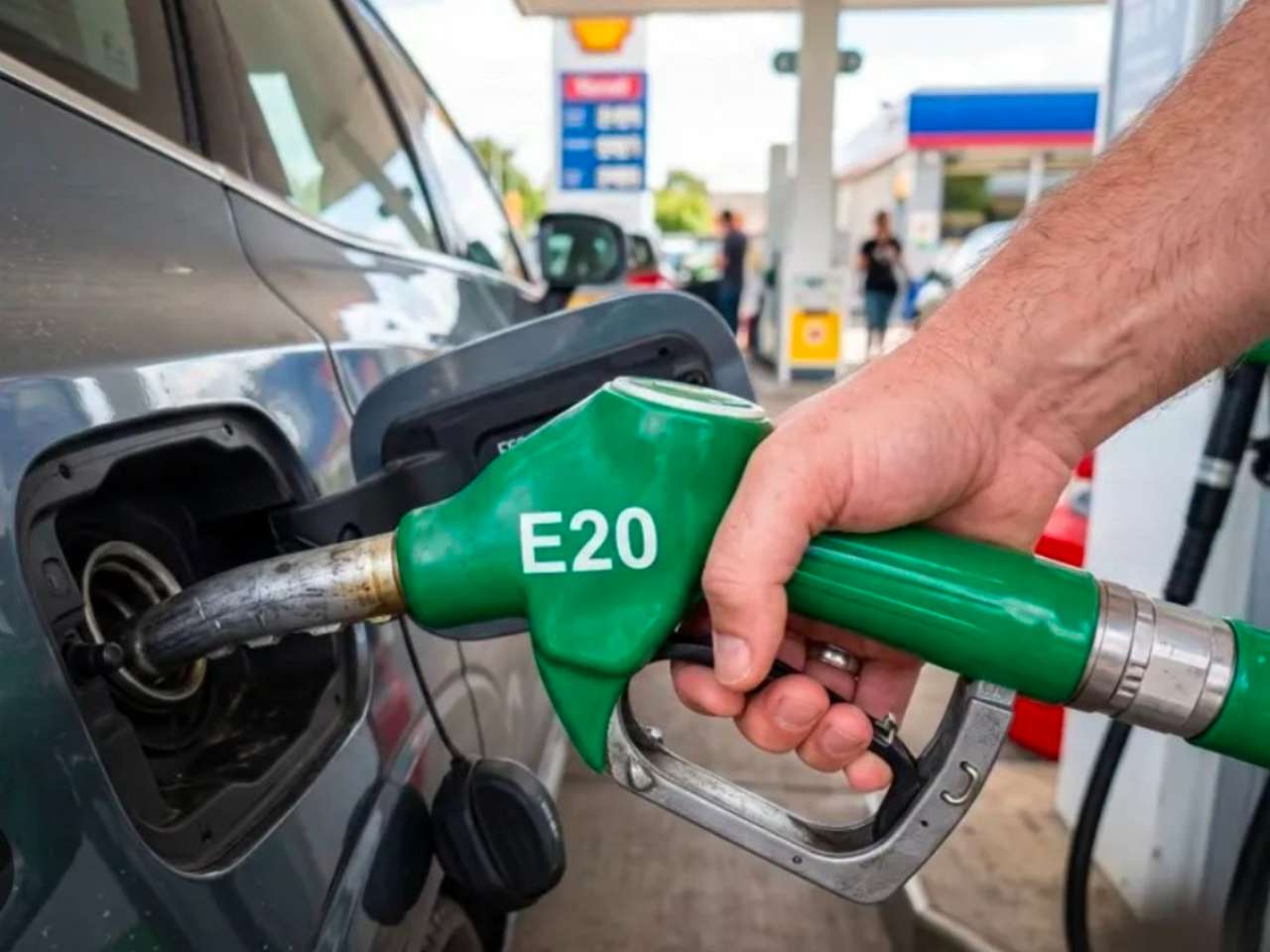 Centre claims E20 fuel does not damage engines, cites data from Maruti Suzuki and Hero MotoCorp
 Maruti WagonR Flex Fuel: What’s price of India’s first ethanol car? Specs, mileage, and top features explained
INDIA
India has slipped to 131st place out of 148 countries in the Gender Index 2025. It has been clubbed with Pakistan, Sudan, Egypt and Iran.

Updated : Jun 13, 2025, 05:45 PM IST



Despite the rise in economic participation and opportunity for women, the gender gap in India has widened and the country has slipped further in the World Economic Forum's Global Gender Gap Index 2025 rankings. Along with Pakistan, India has been put in the group of five countries where women have access to less than one-third of the economic resources available to men. These are the countries that have shown "minimal gender parity in senior workplace roles". Besides, India has been marked as a country with females-to-male ratios not exceeding 0.4. This is also a country where the labour-force participation rates reflect less than half parity between women and men.
India has slipped to 131st place out of 148 countries in the Gender Index 2025. It has been clubbed with Pakistan, Sudan, Egypt and Iran. The Global Gender Gap Index has four parameters for evaluating gender parity, these are- economic participation and opportunity, educational attainment, health and survival, and political empowerment. India has been placed along with the economies that are ranked in the bottom five of the Economic Participation and Opportunity subindex. These are: Sudan (31.3%), Pakistan (34.7%), Islamic Republic of Iran (34.9%), Egypt (40.6%) and India (40.7%).
The Gender Index measures economic participation and opportunity through factors like labor force participation, wage equality and estimated earned income. India’s score in labour-force participation rate remains unchanged at 45.9%. According to the report, India's performance in health and survival parity improved. This is measured through the sex ratio at birth and healthy life expectancy.
The Gender Index makes it clear that India's performance in political empowerment has worsened. Women’s representation in Indian Parliament has come down from 14.7% to 13.8%. Similarly, the proportion of women in ministerial positions too has declined from 6.5% to 5.6%. It can be understood by the fact that only 74 women were elected to Lok Sabha in 2024 elections.