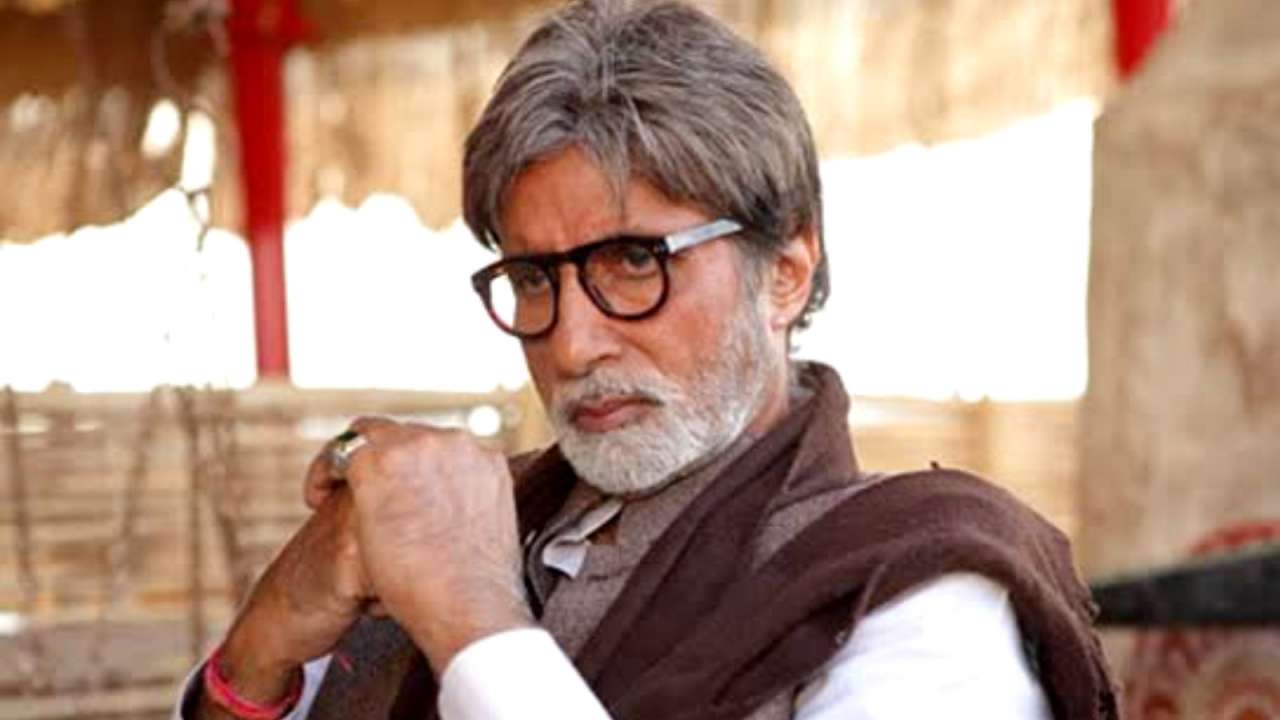
 Major trouble for Amitabh Bachchan? Delhi High Court directs superstar to appear personally in this case
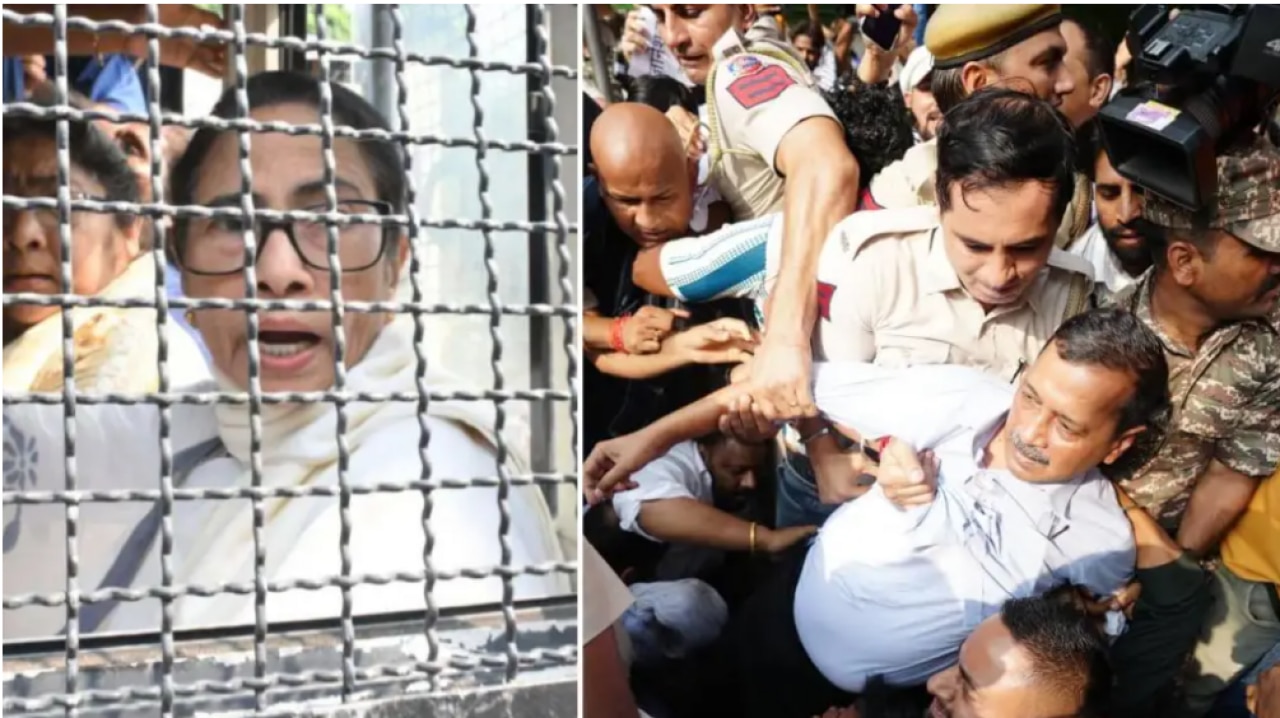 CJP Protest: Ex-CMs Mamata, Kejriwal, MPs Sanjay Singh, Bharwaj, Yogendra Yadav, Neha Bora detained
 Dhurandhar 2 to receive Grammy Award? Makers of Ranveer Singh film submit soundtrack across 9 categories
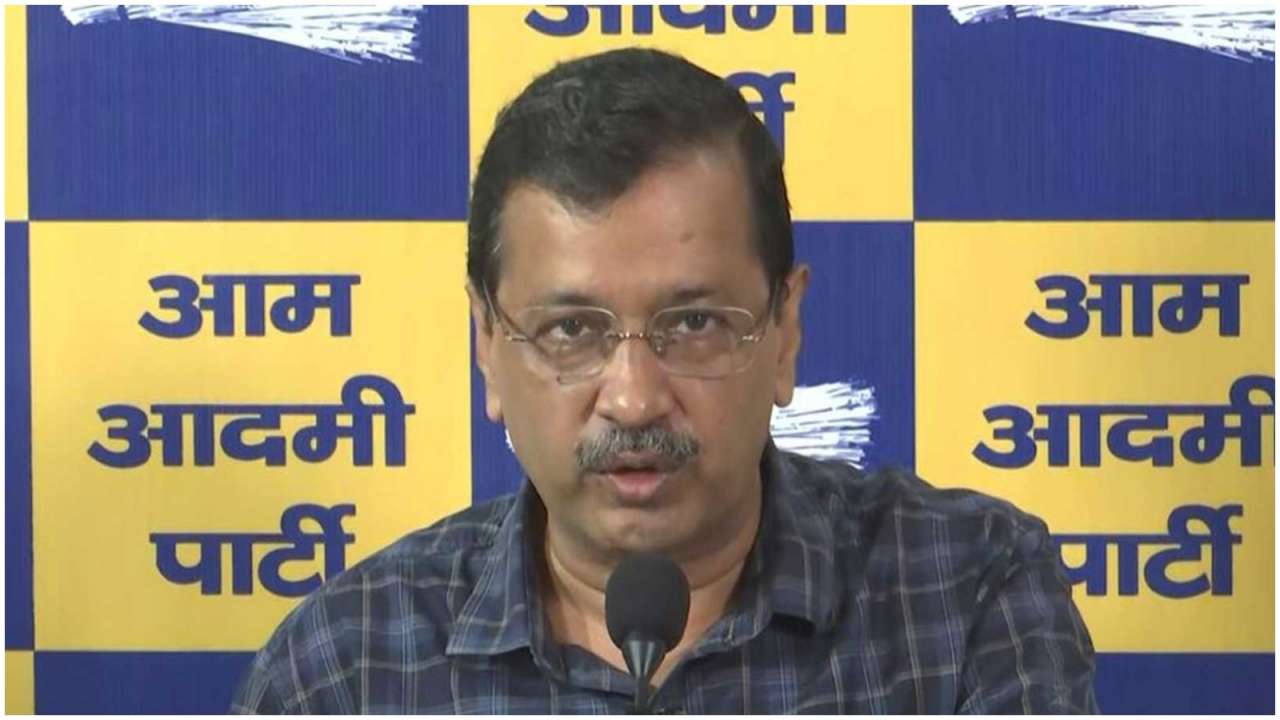 ‘Worse than Emergency’: Arvind Kejriwal slams Centre after CJP leaders detained from flight
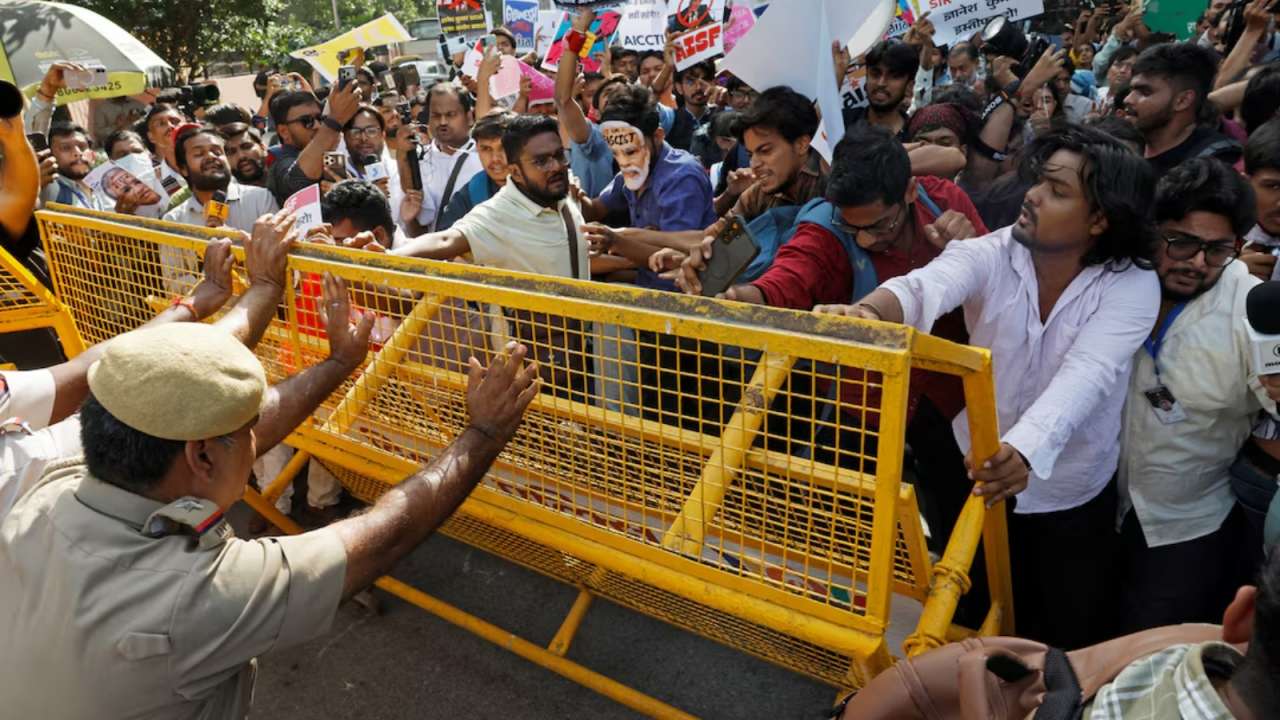 CJP Protest: Did Delhi Police's security clampdown go too far? Did Abhijeet Dipke's group turn into larger force?
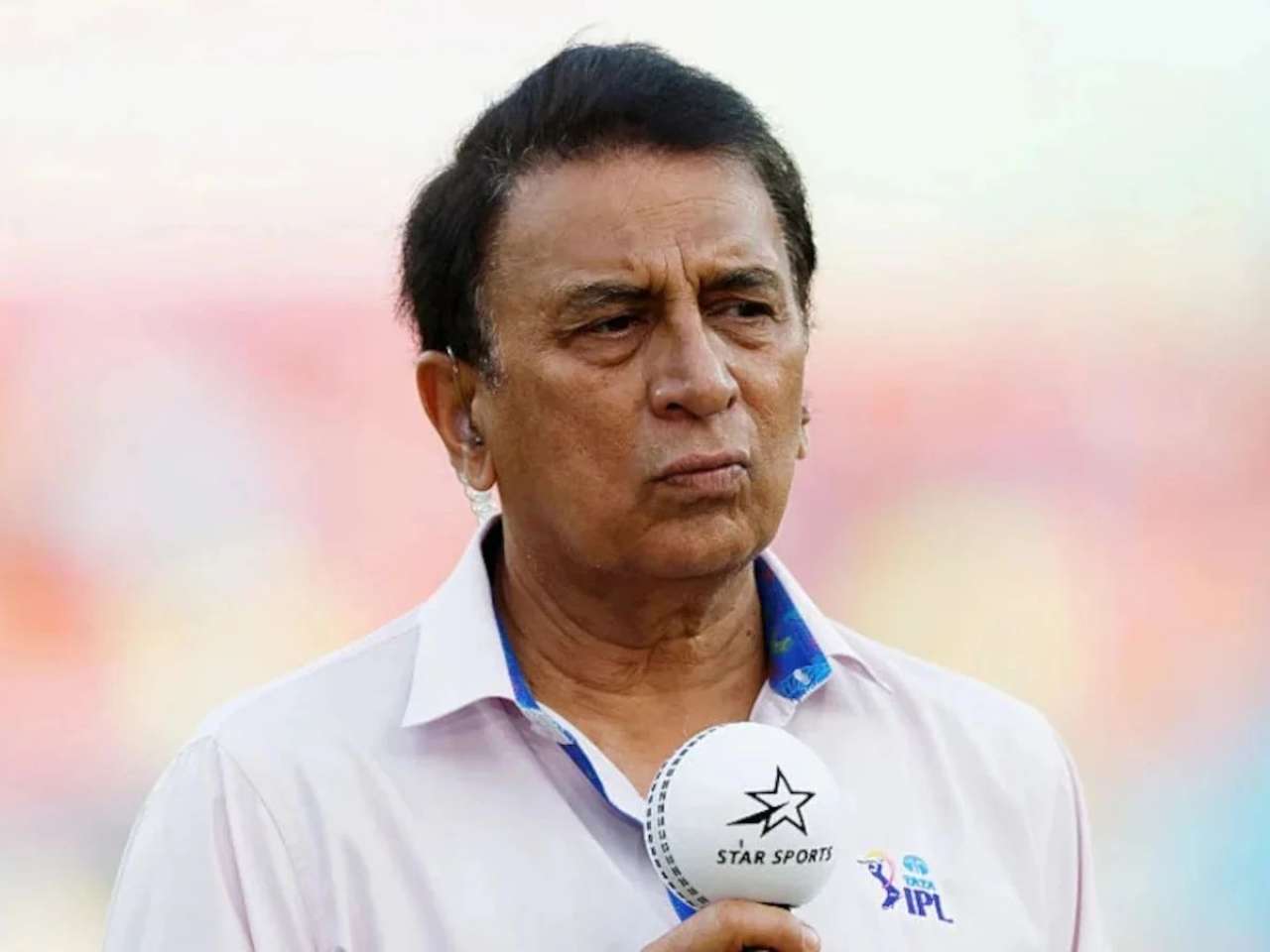 'Bowlers did not execute’: Sunil Gavaskar lashes out after West Indies shock India in high-scoring 2nd T20I
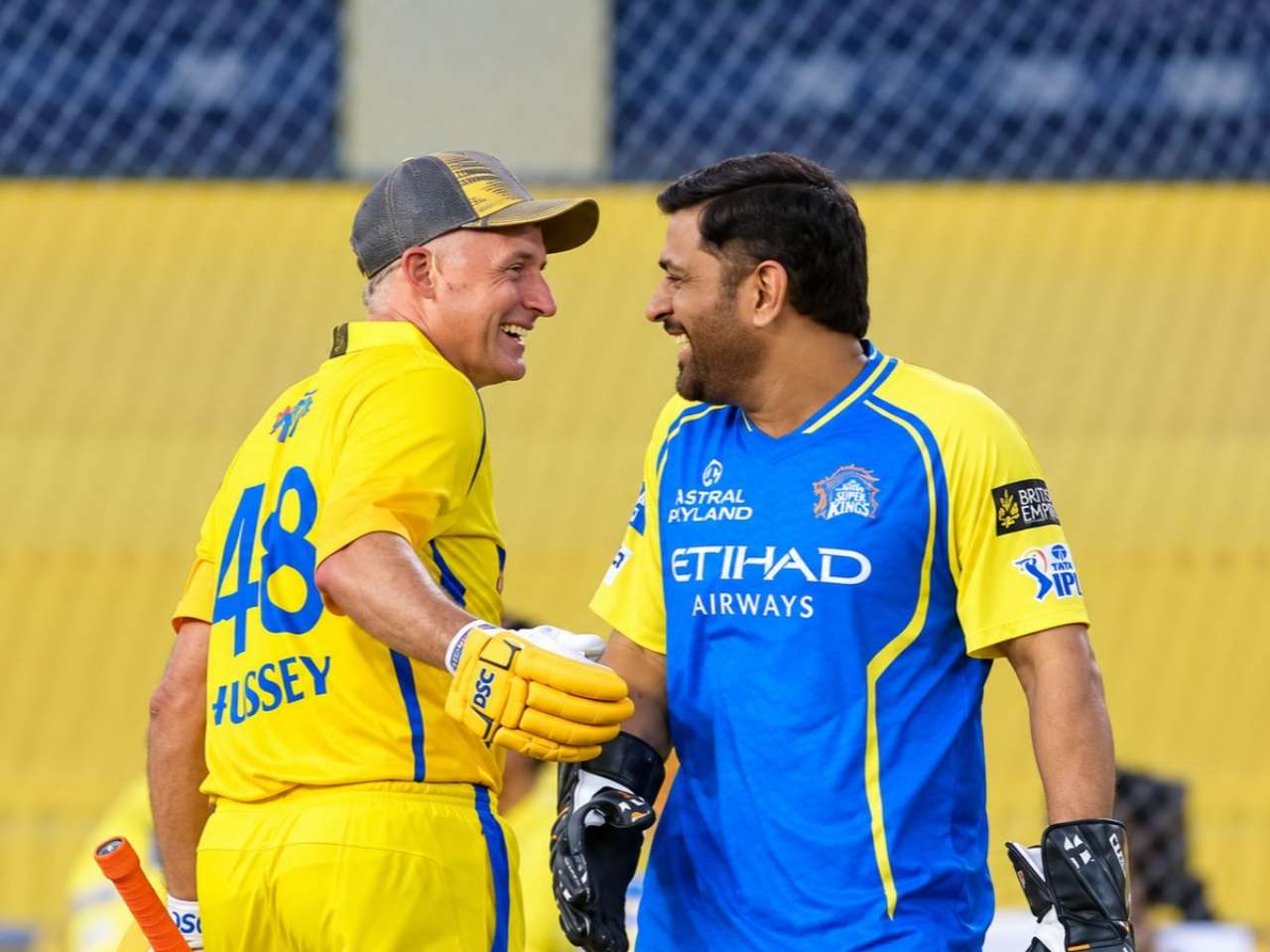 Another shake-up at CSK! Long-time batting coach Michael Hussey departs ahead of IPL 2027
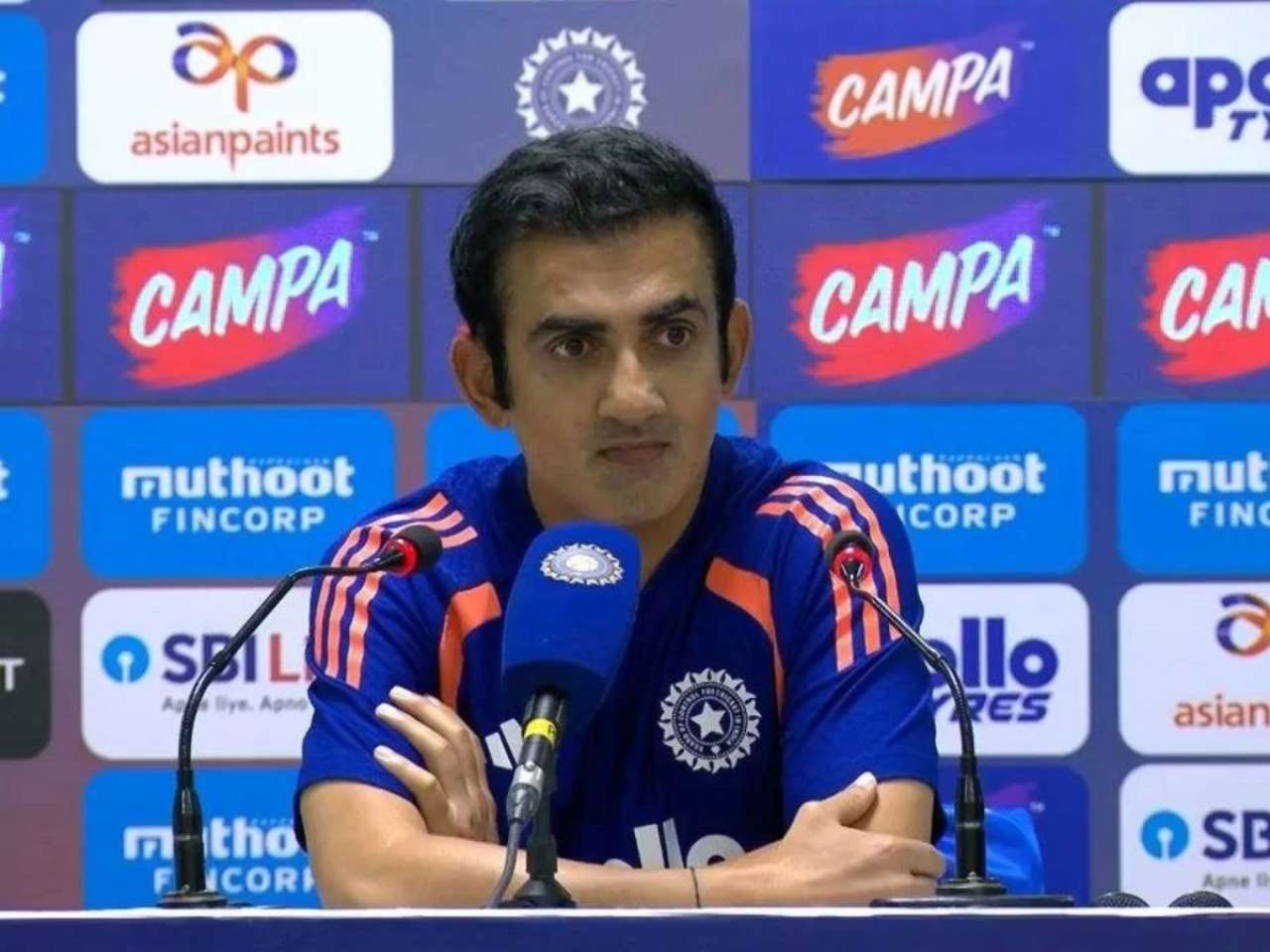 'Their careers are also at stake': Gautam Gambhir defends bowlers after West Indies complete record 250-run chase in Ranchi
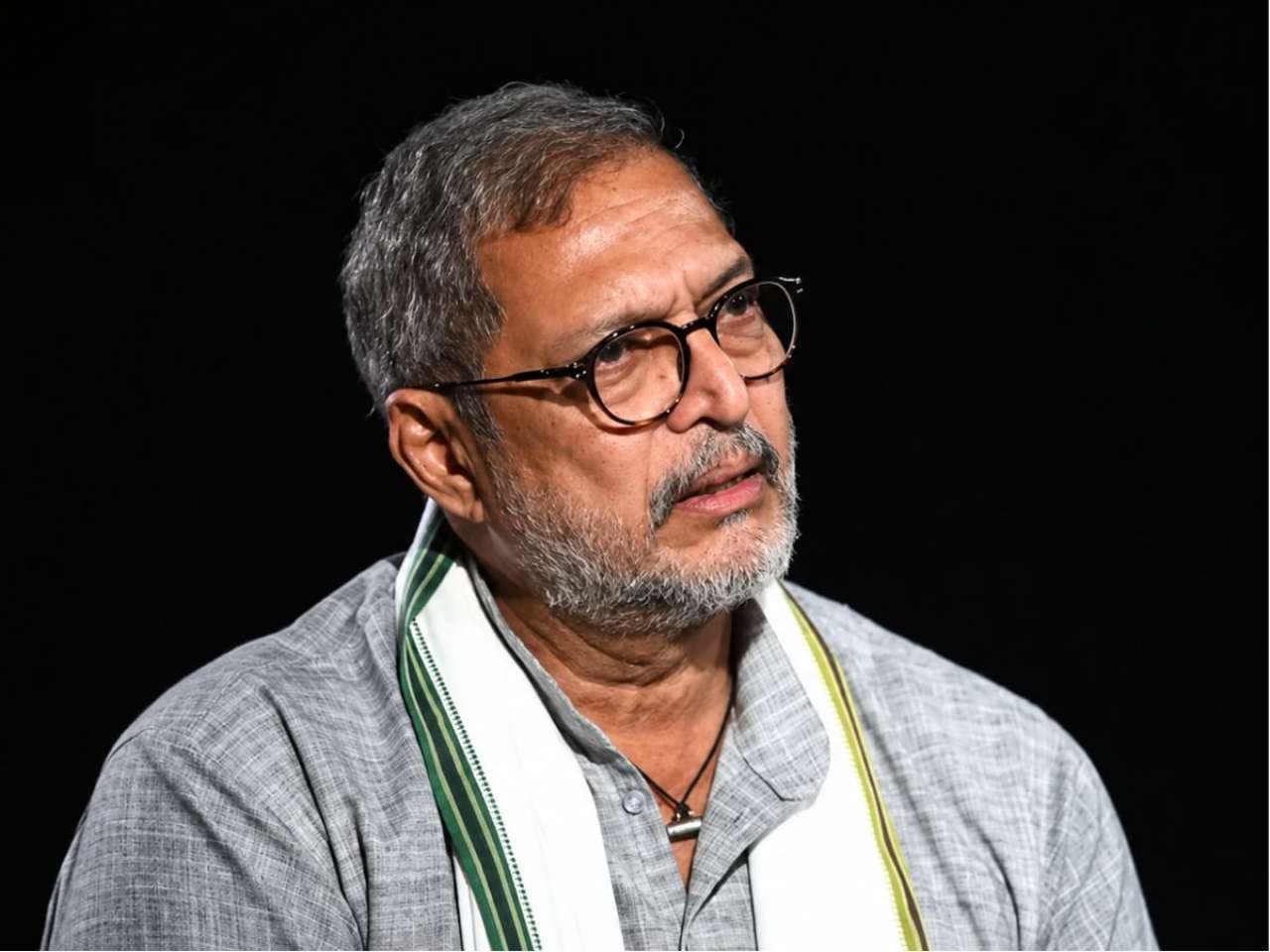 Which ex-Pakistan cricketer did Nana Patekar support after his mother’s death? Untold story revealed
 New Zealand suffer huge double injury blow ahead of India T20Is; full revised squad insideMajor trouble for Amitabh Bachchan? Delhi High Court directs superstar to appear personally in this caseDhurandhar 2 to receive Grammy Award? Makers of Ranveer Singh film submit soundtrack across 9 categories
 Aastha Gill calls her debut Punjabi EP Wild Card 'a true homecoming moment': 'Wanted it to be absolutely perfect'
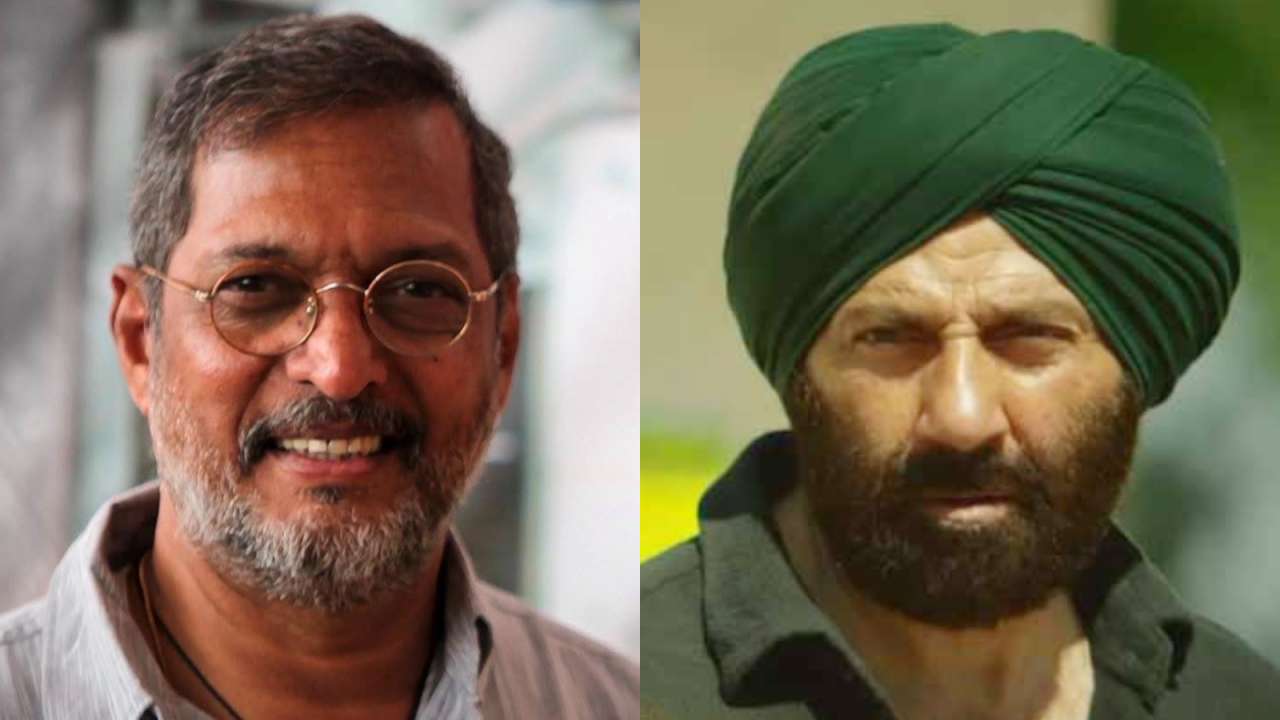 Nana Patekar wanted to act with Sunny Deol in Gadar 3, reveals Anil Sharma: 'He asked me to write a role for him'
 Vishwa Hindu Parishad bashes Vivek Agnihotri over his 'tax religion' remark: 'Who are you to question Hinduism'
 Saudi Houthi War: India Issues Urgent Advisory To Citizens In Saudi After Riyadh Airport Attack
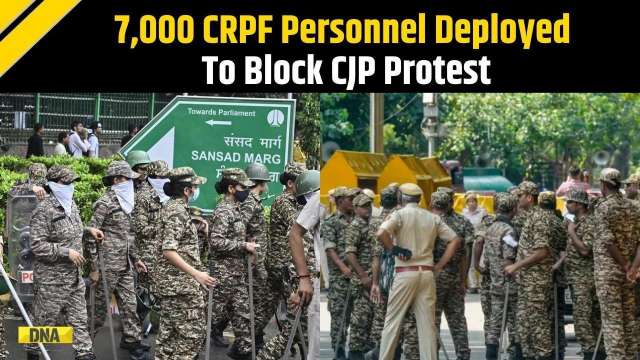 CJP Protest: 7,000 CRPF Personnel Rushed To Capital Ahead Of CJP's Oct 10 March
 CJP News: Delhi CAPF Deployment Raised To 26,000 Ahead Of CJP October 10 Protest
 CJP Protest: In Bengaluru Dhruv Rathee, Prakash Raj Join Anti-SIR Demonstration
 Flydubai Flight News:'Revenge For Gaza'; Flydubai Co-Pilot Hamam Al-Hammami Confesses To Terror Plot
 Gold, Silver prices today, October 10, 2026: Check city-wise rates in Delhi, Mumbai, Chennai, Kolkata and more
 Reliance Jio IPO: Price Band likely at Rs 1065-1119 per share, issue may open on October 21; check details
 How to bypass H-1 B visa restrictions? Can Indian professionals use L-1 and O-1 visas as alternative routes to enter US?
 US Green Card Row: TCS says PERM suspension won't impact business, applications in single digits
 Gold, Silver prices today, October 9, 2026: Check city-wise rates in Delhi, Mumbai, Chennai, Kolkata and more
 OTT Releases This Week (October 5-11): Awarapan 2, Khalifa, Mandaadi; new India movies, shows to watch on Netflix, Prime Video
 OTT Releases This Week (Sept 28 - Oct 4): Dupahiya 2, Pooja Meri Jaan; new movies and shows to watch this Gandhi Jayanti weekend
 From Neeti Mohan, Heer, Sarthak Kalyani; Ahead of Sa Re Ga Ma Pa, 5 musical geniuses championed by AR Rahman
 72nd National Film Awards 2024: Kartik Aaryan, Yami Gautam, Aditya Dhar, Mammootty, Dhanush, Anant Nag accept honours
 OTT Releases This Week (September 14-20): Lust Stories 3, Irumudi, Thudakkam; Indian movies, series to watch on Netflix, Prime Video, JioHotstarCJP Protest: Ex-CMs Mamata, Kejriwal, MPs Sanjay Singh, Bharwaj, Yogendra Yadav, Neha Bora detained‘Worse than Emergency’: Arvind Kejriwal slams Centre after CJP leaders detained from flight
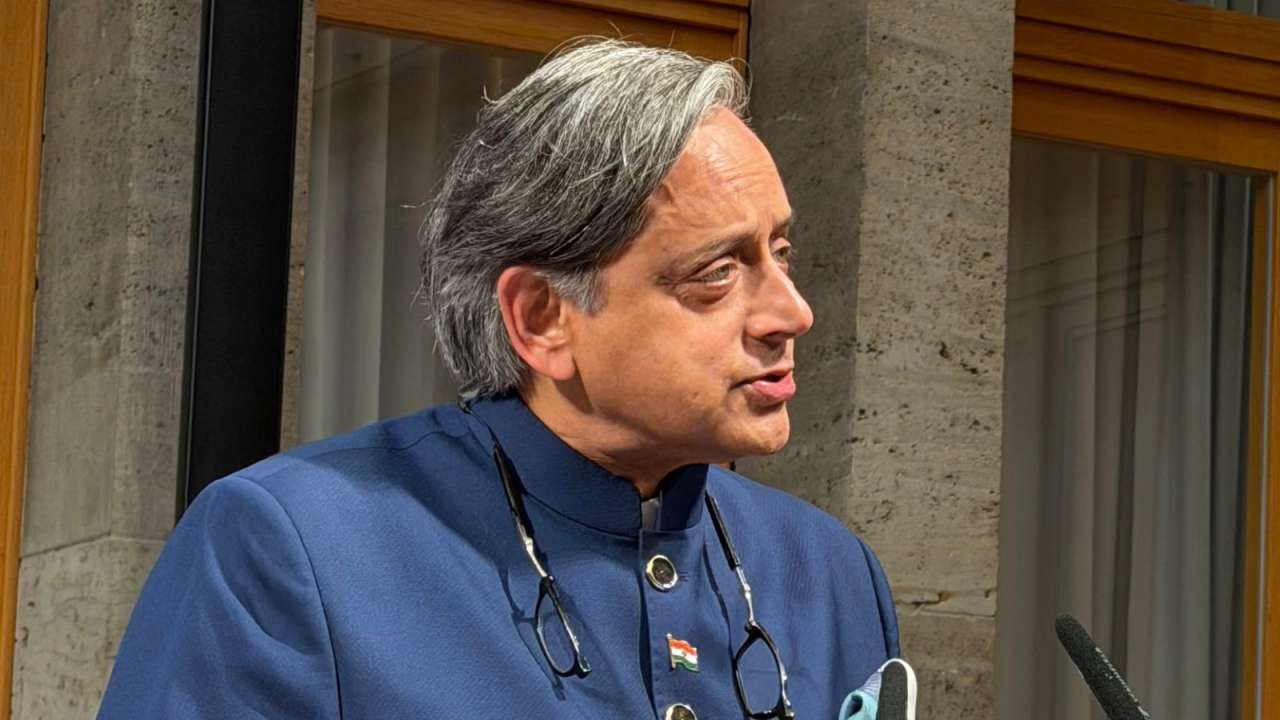 ‘Undeclared Emer-GenZ’: Shashi Tharoor questions Delhi Police crackdown, calls internet suspension ‘most regressive’
 'Zyada load mat lo, bas ek kavita padhunga': Vijeta Dahiya mocks Abhijeet Dipke, Dhruv Rathee over detention by Delhi Police
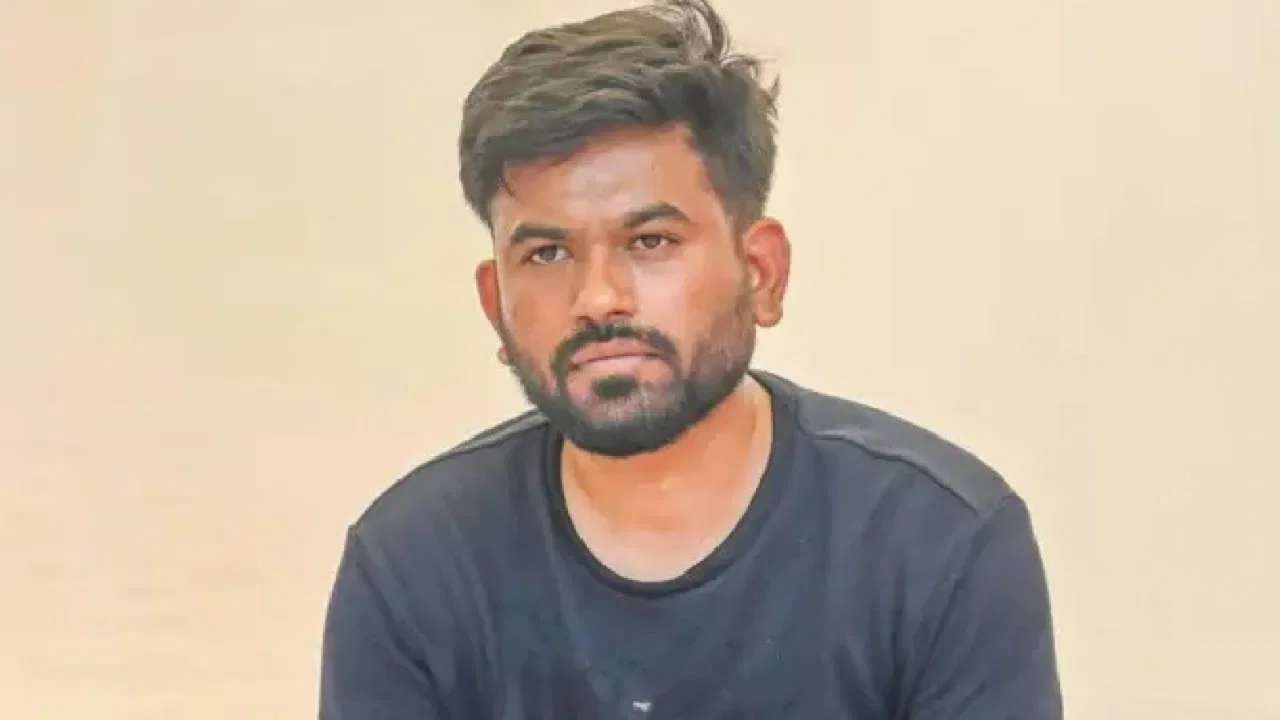 CJP founder Abhijeet Dipke's grandmother passes away at 85, hours after his detention in Delhi
 Third Language Row: SC extends relaxation to Class 6 students, asks CBSE to grant exemption, here's what it means
 NEET PG 2026 Result Out: Check how to download scorecard from natboard.edu.in; Know category-wise cut-off and more
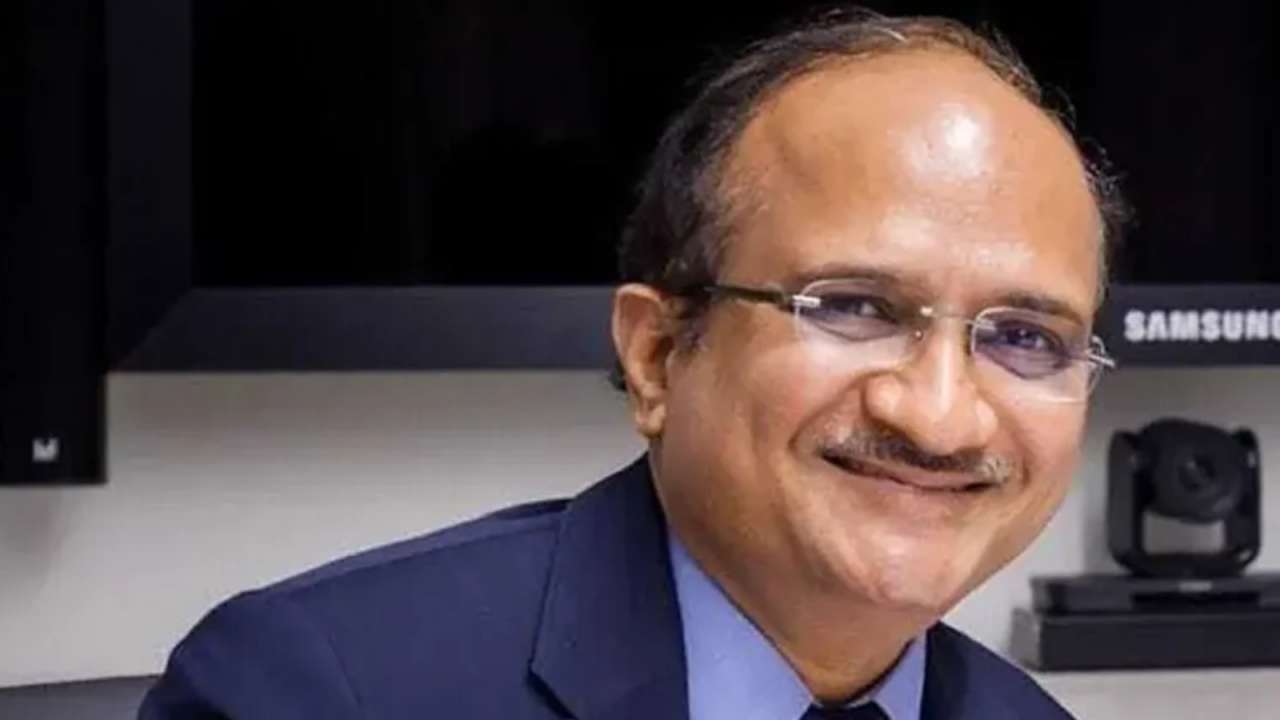 Five-year BTech programmes? Ex-IIT director makes proposals amid IIT suicide controversy
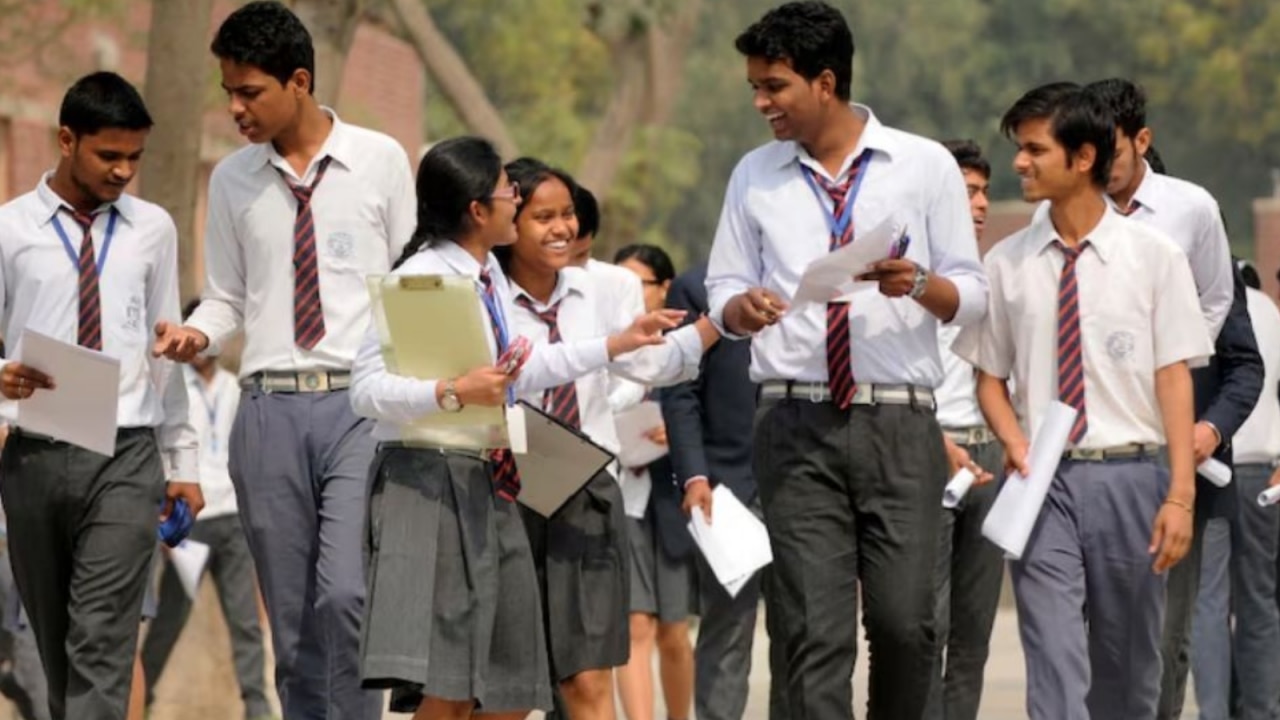 CBSE Date Sheet 2027: When will Class 10, 12 timetable be released? Check details here
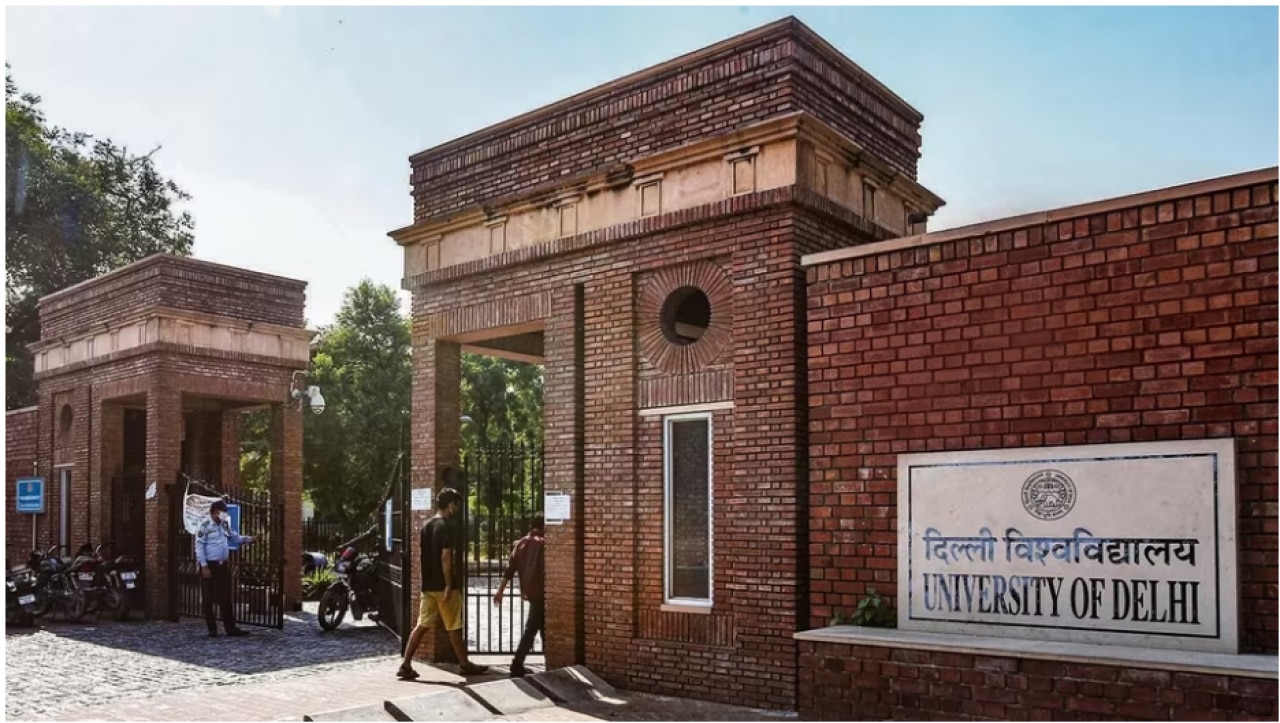 From Rs 150 in 1947 to powerful student body: The story of DUSU’s rise | Explained
 After Hyundai, Maruti Suzuki makes cars costlier ahead of festive season: Check new prices after hike
 Hyundai cars to get costlier from September: Check new prices and reason behind hike
 Why can't consumers choose pure petrol or E10? Centre explains why E20 is now the standard fuel
 Centre claims E20 fuel does not damage engines, cites data from Maruti Suzuki and Hero MotoCorp
 Maruti WagonR Flex Fuel: What’s price of India’s first ethanol car? Specs, mileage, and top features explained
INDIA
New Delhi scored a major diplomatic victory over Pakistan as the International Court of Justice (ICJ) stayed the execution of Kulbhushan Jadhav.

Updated : May 18, 2017, 10:39 PM IST




India scored a major diplomatic victory over Pakistan today as the International Court of Justice (ICJ) here stayed the execution of former Indian Navy officer Kulbhushan Jadhav.
The UN's highest judicial body also asked Pakistan to take "all measures" to ensure that Jadhav, sentenced to death by a Pakistani military court for alleged espionage, was not executed till the court had delivered its final verdict on the issue.
India welcomed the court's unanimous decision on Jadhav, 46, while Islamabad said it had informed the ICJ that it did not accept the court's jurisdiction in matters related to national security.
Prime Minister Narendra Modi expressed his satisfaction with the verdict and spoke to External Affairs Minister Sushma Swaraj who described the order as a "great relief". The two leaders thanked senior lawyer Harish Salve, who headed a battery of lawyers presenting India's case at The Hague.
ICJ President Ronny Abraham, a 63-year-old French academic and practitioner in public international law, asked Pakistan to keep the court informed "of all measures taken" in the implementation of the order.
Following are the provisional measures relief sought by India in the case of Kulbhushan Jadhav, sentenced to death in Pakistan, and the International Court of Justice's response to them in today's ruling.
India - A relief by way of immediate suspension of the sentence of death awarded to the accused.
ICJ's response - The UN court stayed Jadhav's death sentence.
India - A relief by way of restitution in interregnum by declaring that the sentence of the military court arrived at, in brazen defiance of the Vienna Convention rights under Article 36...in defiance of elementary human rights of an accused which are also to be given effect as mandated under Article 14 of the 1966 International Covenant on Civil and Political Rights, is violative of international law and the provisions of the Vienna Convention[;] and
ICJ - The Court notes that the acts alleged by India are capable of falling within the scope of Article 36, paragraph 1, of the Vienna Convention, which, inter alia, guarantees the right of the sending State to communicate with and have access to its nationals in the custody of the receiving State.The Court considers that the alleged failure by Pakistan to provide the requisite consular notifications with regard to the arrest and detention of Jadhav, as well as the alleged failure to allow communication and provide access to him, appear to be capable of falling within the scope of the Vienna Convention ratione materiae.
India - Restraining Pakistan from giving effect to the sentence awarded by the military court, and directing it to take steps to annul the decision of the military court as may be available to it under the law in Pakistan.
ICJ - The UN court indicated to Pakistan that it must "take all measures at its disposal" to ensure that Jadhav is not executed pending a final judgment of the Court.
India - If Pakistan is unable to annul the decision, then this Court declare the decision illegal, being violative of international law and treaty rights and restrain Pakistan from acting in violation of the Vienna Convention.
ICJ - Pakistan shall inform the Court of all measures taken in implementation of the Order. It further decided to remain seised of the matters which form the subject of the Order until it has rendered its final judgment. PTI ZH