 Air India suspends flights to Riyadh, Dammam, Jeddah amid Houthi attacks on Saudi
 Vijay Sethupathi reunites with Super Deluxe's director Thiagarajan Kumararaja after 7 years with Pocket Novel, announces Hindi release
 Kabaddi Champions League: Former India star Mohit Chhillar backs it for next generation
 Will Trump succumb to Netanyahu's pressure to attack Iran again? Israel intel chief visits Washington
 Ayushmann Khurrana on celebrating Chhath Puja for first time with Yeh Prem Mol Liya, calls it 'beautiful tradition, completely new' to himAir India suspends flights to Riyadh, Dammam, Jeddah amid Houthi attacks on Saudi
 Manipur: 4 killed as armed men ambush vehicles on NH-202 in New Heaven Village
 Who are Sonia Gandhi's sisters? What does she reveal about Nadia, Anoushka in 'Belonging: A Journey of Love '?
 Rasgulla Bomb? Man dies in MP as explosive hidden inside sweet explodes in mouth
 Assam Accident: 23 killed, several injured as truck hits traveller in KazirangaWill Trump succumb to Netanyahu's pressure to attack Iran again? Israel intel chief visits Washington
 Microsoft 365 Outage Update: Outlook, Teams restoration underway, 48-hour email delay continues
 Was Alice Huang Really A Chinese Spy? US intel has no definitive proof, divided over Jensen Huang affair
 From cleaning toilets to $4.5 trillion empire: Who is Jensen Huang? His Nvidia exit, China spy controversy
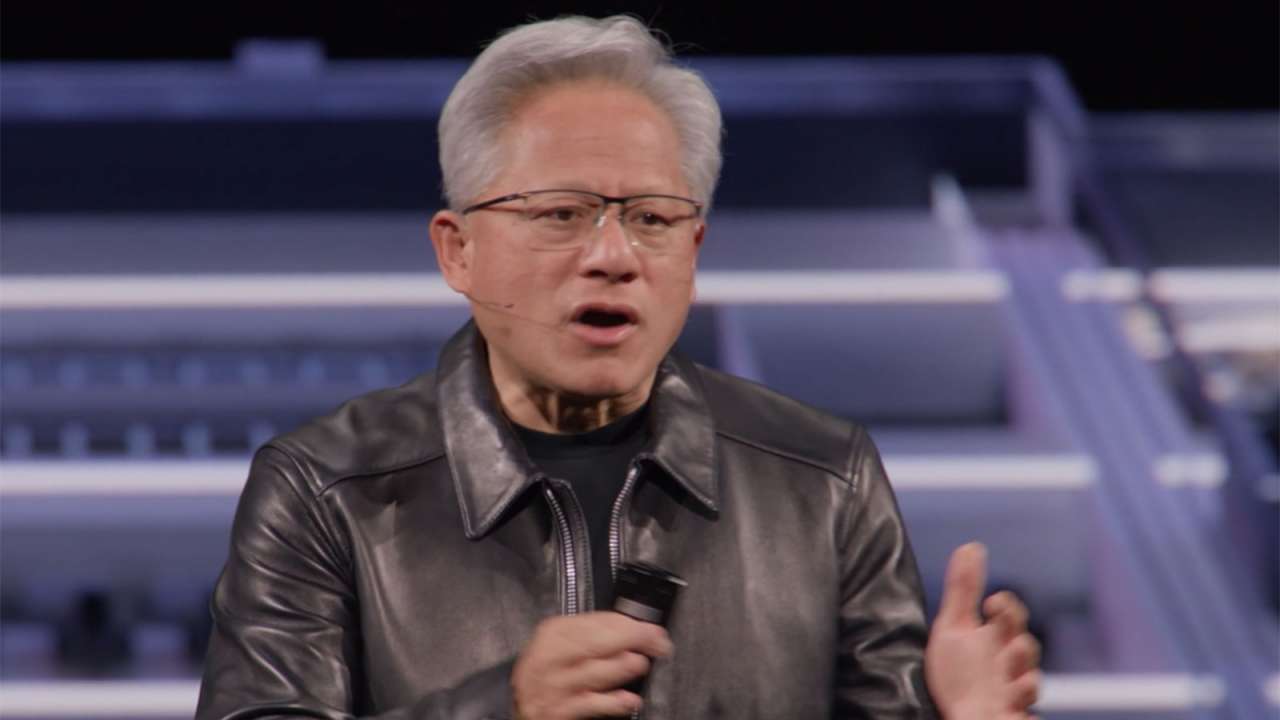 Nvidia CEO's Pathetic Final Hours In Office: Shattered Jensen Huang turns penitent, says, 'I am a piece of sh*t'
 Microsoft Global Outage: Why did Outlook stop working? How were airlines in India affected?
 Nvidia After Jensen Huang: Will India's AI dream face chip shortage or open door for new rivals?
 Why does inflation soar to 6.09% despite falling fuel prices, US-Iran war halt? RBI's next move under focus
 UP Elections 2027: Will Asaduddin Owaisi and Chandrashekhar Azad defeat BJP or help Yogi win?
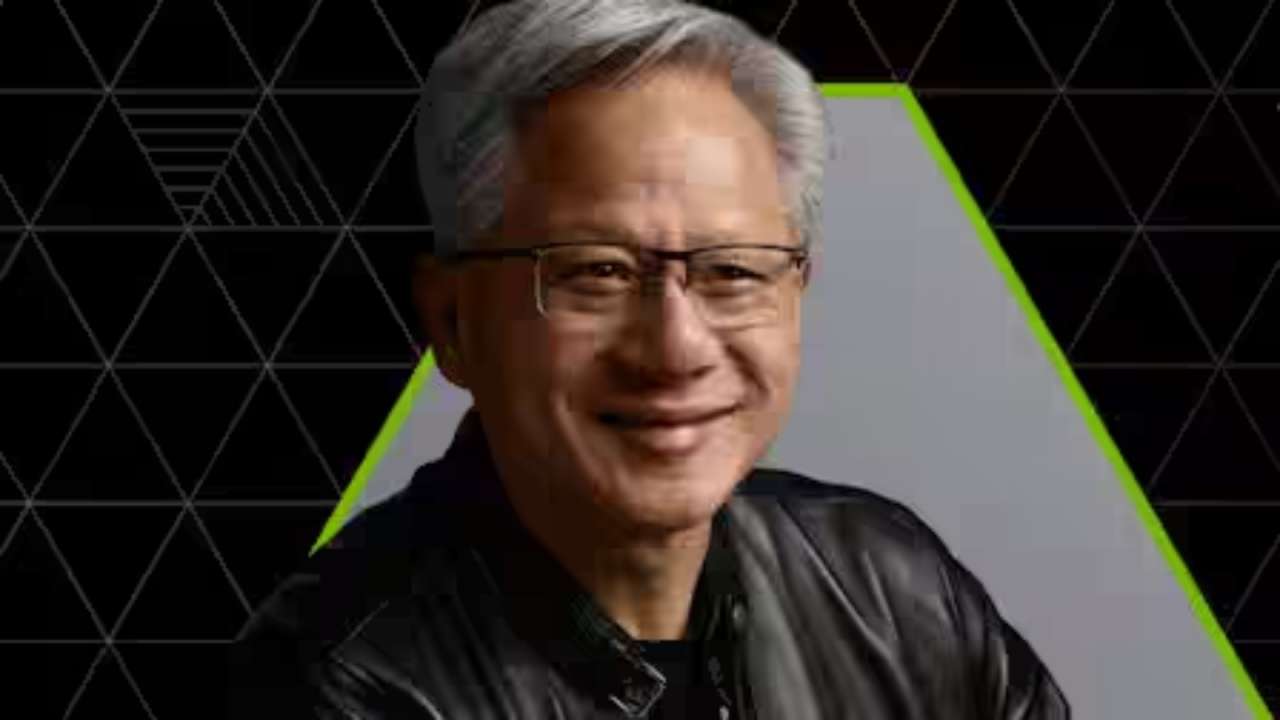 From Nvidia CEO Jensen Huang to top officials: 5 Alleged Chinese 'honey trap' cases that shocked worldVijay Sethupathi reunites with Super Deluxe's director Thiagarajan Kumararaja after 7 years with Pocket Novel, announces Hindi releaseAyushmann Khurrana on celebrating Chhath Puja for first time with Yeh Prem Mol Liya, calls it 'beautiful tradition, completely new' to him
 Amrita Rao’s sister married: Preetika Rao ties knot in intimate ceremony, gets blessings of Spiritual leader Ravi Shankar
 Moushumi Chatterjee's husband, producer Jayanta Mukherjee, passes away at his Mumbai home
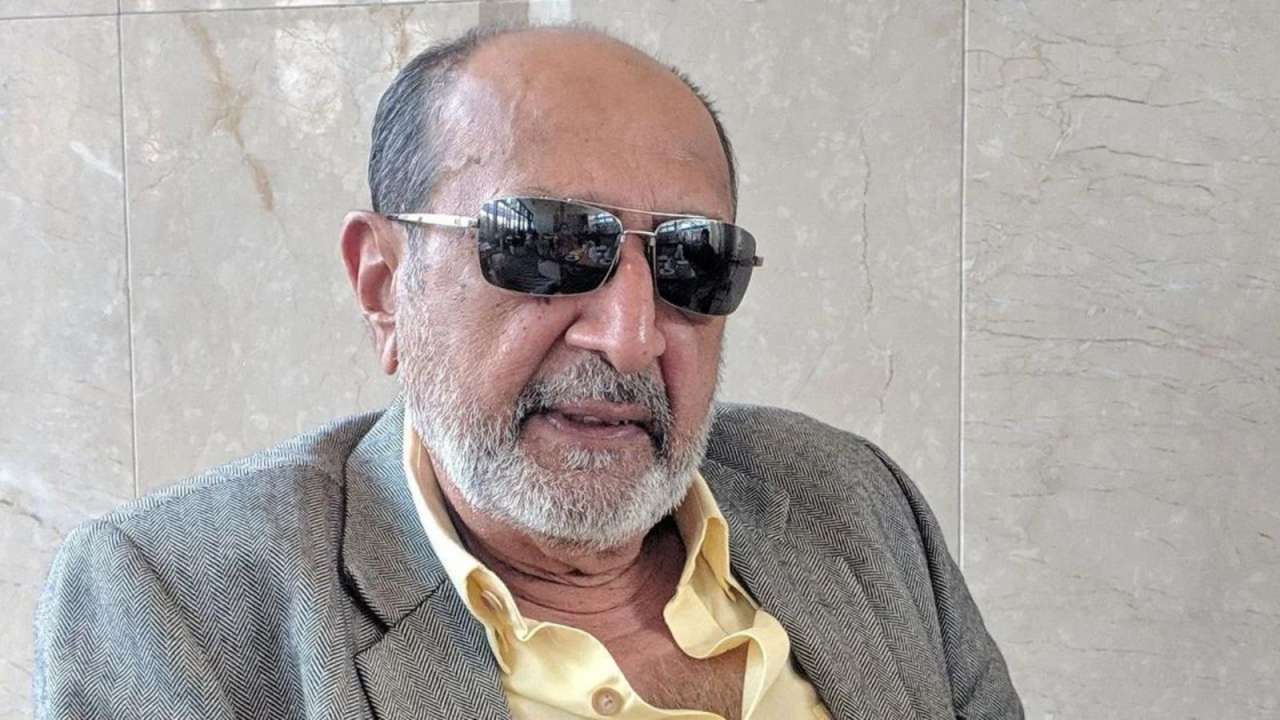 Tinnu Anand makes FIRST big statement after suffering 5 rib fractures and punctured lung, shares health update
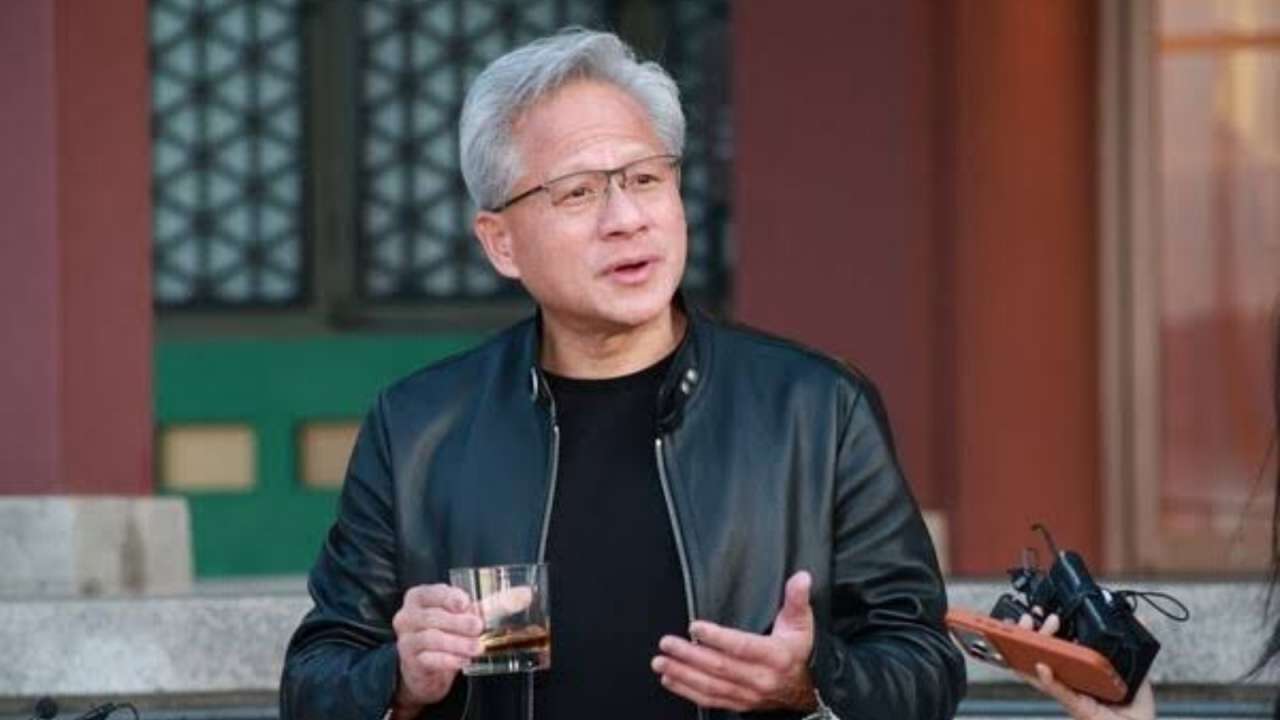 Who will replace Jensen Huang at Nvidia? 3 Indian-origin executives in the race
 Zee Entertainment announces Rs 600 crore share buyback at Rs 91 per share
 Who may replace Nvidia CEO Jensen Huang? THIS Indian tech executive emerged among top contenders
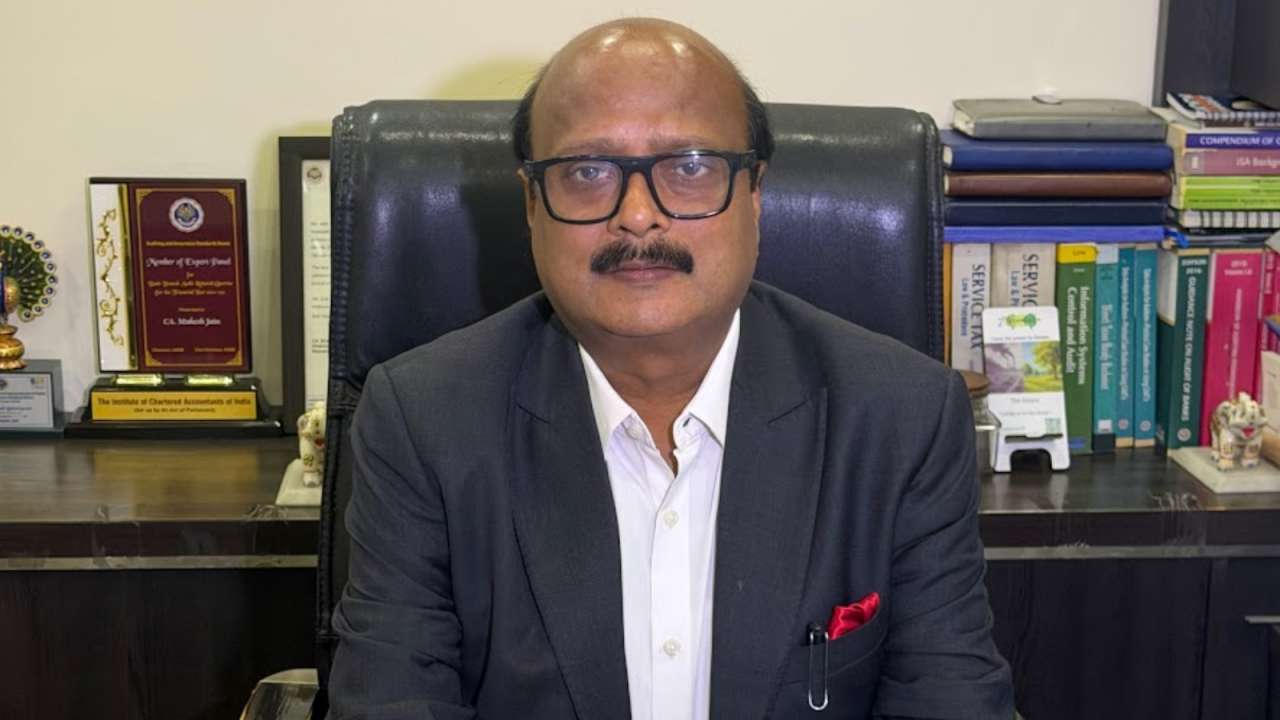 When CA Mukesh Jain Tested Kwala Intel: Inside the AI market wizard that money managers now swear by
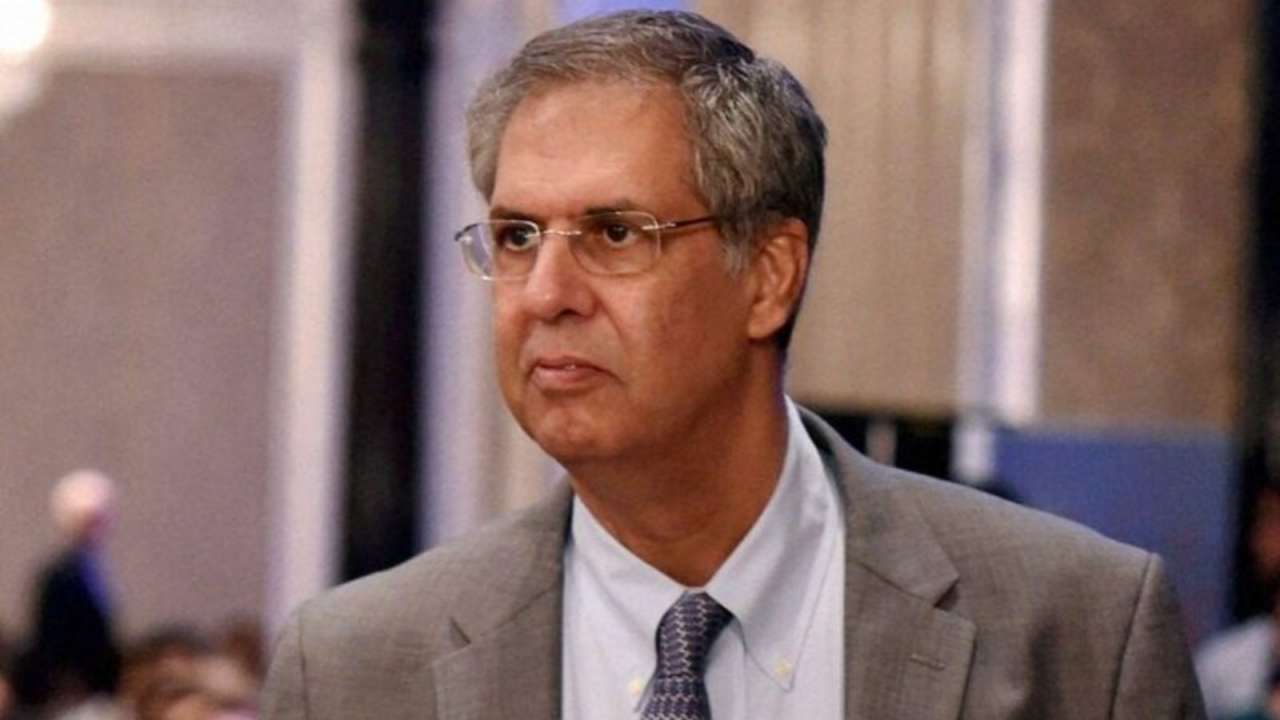 Tata Group Power Struggle Intensifies: Noel Tata quits boards of six companies, what next?Kabaddi Champions League: Former India star Mohit Chhillar backs it for next generation
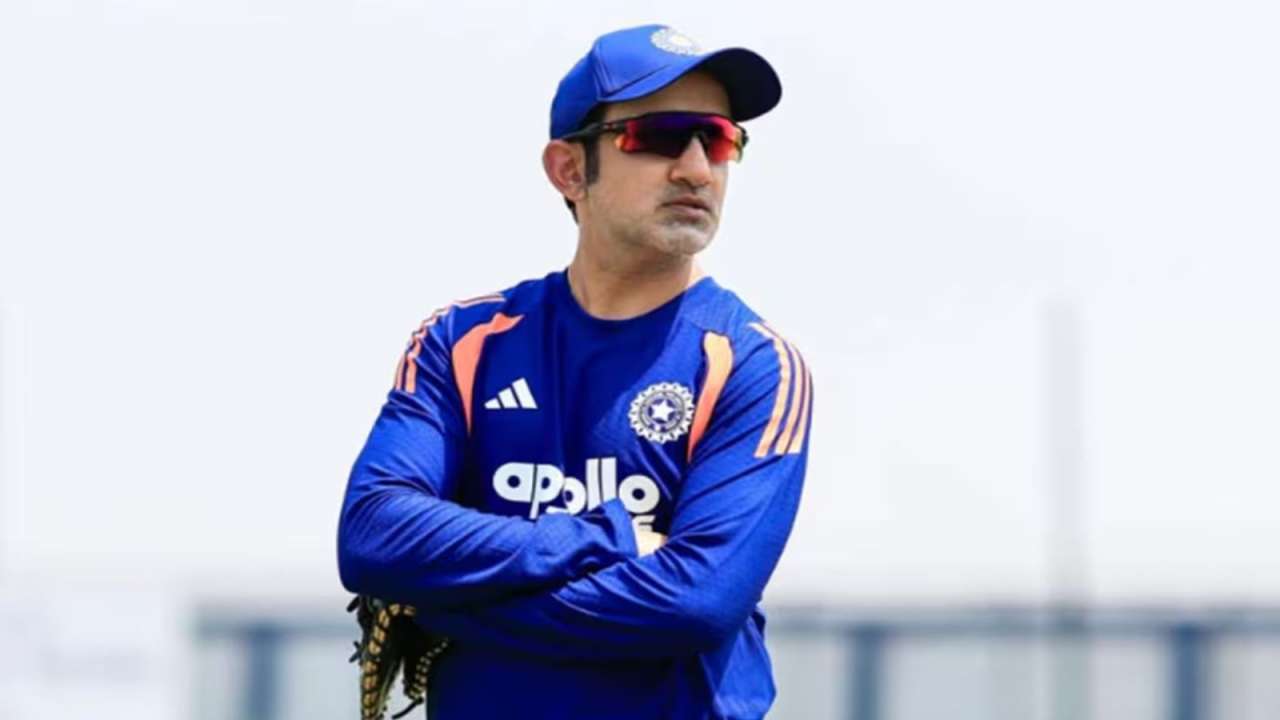 Gautam Gambhir loses patience after India's 89-run collapse against New Zealand, refuses to spare batters, slams Rohit, Kohli, Iyer
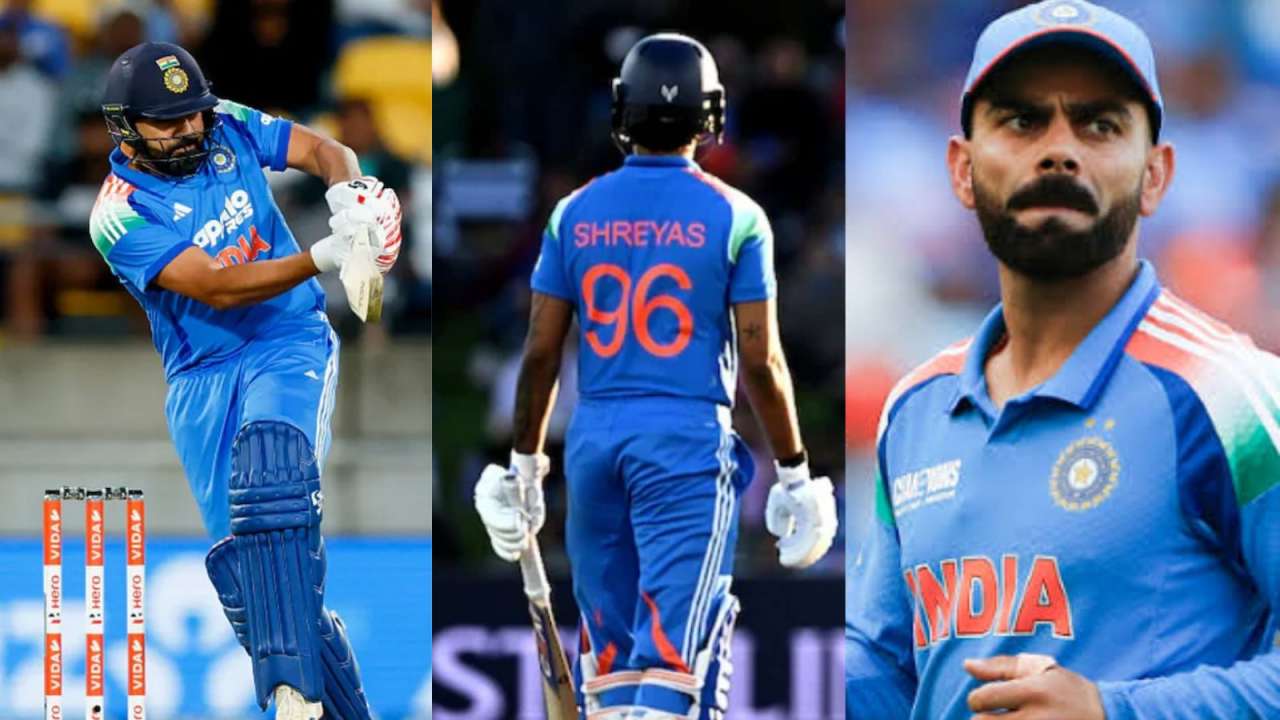 Rohit, Kohli, Shreyas Iyer fall for ducks! India suffer humiliating 89 all-out collapse
 IND vs NZ 4th ODI: Virat Kohli's calm act goes viral after Gurnoor Brar clashes with Tim Seifert, Watch video
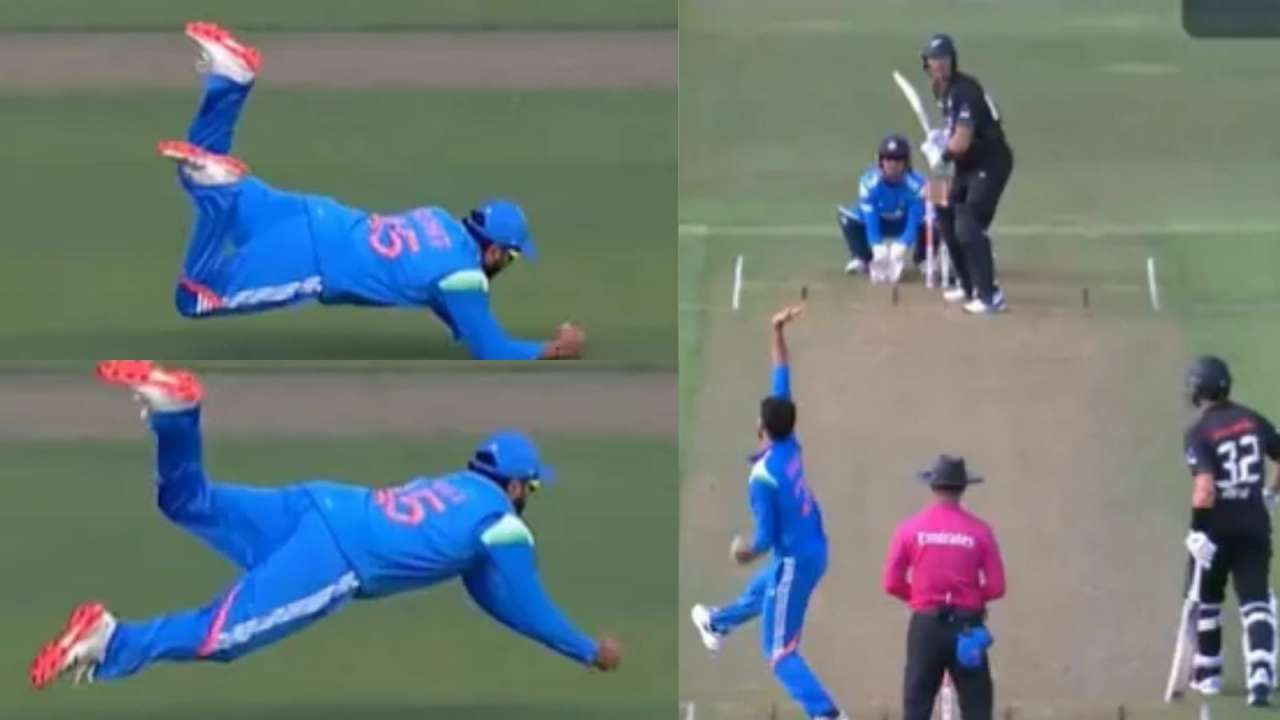 IND vs NZ ODI Series: Rohit Sharma's diving catch goes viral after he dismisses Finn Allen for 41, Watch
 Nvidia-Jensen Huang News: 'Would Be An Honor To Hire Him...' Will Musk Save Huang After Resignation
 J&K News: 'Won't Spare You...' 2 Days Before Kulgam Attack, CRPF Got Unexpected Warning By Boy
 J&K News: Two Special Police Officers Who Went Missing In Kishtwar District Found Dead
 Assam Train Accident: 'Break Failure Or Control Loss...' 300 Passengers Escape Death; What Happened?
 Delhi AQI News: Why India’s Official AQI Stops At 500 While Private Apps Show Readings Above 1,500
INDIA
Gyanvapi Mosque case: The hearing was postponed after Anjuman Masjid Committee objected to the Hindu worshippers’ plea for carbon dating.

Updated : Oct 11, 2022, 08:07 PM IST
















The Varanasi district court today deferred till October 14 the hearing on the Hindu side’s plea seeking carbon dating/scientific investigation of the structure found inside the Gyanvapi Mosque which they claimed to be a ‘Shivling’.
The hearing was postponed after Anjuman Masjid Committee objected to the Hindu worshippers’ plea for carbon dating. The court asked the mosque management committee to file reply on plea for carbon-dating of the structure.
The court had last Friday asked the mosque committee to file its reply on the plea for carbon-dating of the structure, claimed to be a ‘Shivling’.
The petitioners contended that the ‘Shivling’ found in the "wazookhana" reservoir of the mosque during survey work on May 16 was part of the case property.
The court had reserved the order in the Gyanvapi Mosque-Shringar Gauri case on September 29 after hearing both sides' arguments. The Muslim side in the Gyanvapi mosque-Shringar Gauri complex case had filed an objection in the court against the Hindu plaintiffs' plea for the carbon dating of the 'Shivling'.
What is carbon dating?
Carbon dating is a process through which age of an organic matter could be detected by finding the amount of a particular type of carbon atom (C14) in the matter, while comparing it with the standard amount of that particular carbon atom present in the organic matter today.
The process has been widely used by archaeologists across the globe to predict the age of structures and human settlements dating up to 800 BC by only analysing the plan map, size and quality of the pottery and baked bricks used for construction.
All living things absorb carbon during their life span and when it dies, the carbon absorption stops. Thus, the experts carbon dating the shivling will take a sample from the surface of the stone and see how much C-14 it has accumulated, determining its age.
In February 2020, carbon-dating process was used to confirm that India’s largest known necropolis in Uttar Pradesh’s Sanauli district -- where 126 burials have been discovered until now -- is 3,800 years old.