 Deadly shooting rocks Poland's Krakow market square: What happened and how police responded
 Ramayana box office collection Day 3: Ranbir Kapoor, Yash-starrer shows fantastic jump, earns over 60 crore on Saturday, crosses Rs 375 crore
 'Apologise to Ram devotees': Yogi's pointed message to Akhilesh ahead of Ayodhya visit
 Viral video: Ramayana English includes extended fight of Ranbir, Sai, Ravi with Asura's dogs, furious netizens ask 'Hindi mein kyu nahi rakha?'
 UP govt hikes employees' DA to 63%: Check effective date, arrears and payment details'Apologise to Ram devotees': Yogi's pointed message to Akhilesh ahead of Ayodhya visitUP govt hikes employees' DA to 63%: Check effective date, arrears and payment details
 PM Modi's Diwali message for nation: What he said about celebrating festival with jawans
 ‘Run bulldozers over us’: Mamata Banerjee's strong message to BJP after Kalighat incident
 Sonia Gandhi hits out at Modi govt for damaging India's fabric, says Congress 'has nothing to learn from BJP, RSS'Deadly shooting rocks Poland's Krakow market square: What happened and how police responded
 From President to house arrest: How bank collapse triggered Santiago Pena's dramatic downfall
 Armed Venezuelan man arrested near White House, says 'voices urged' trump assassination
 Who is Stephen Miller? Trump picks his loyalist after midterm defeat to replace Susie Wiles as chief of staff
 'POK Turned Into Gaza': People compare Pakistan Army to Israeli forces after deadly drone strikes
 New Yalta After US Midterm? China plans Trump-Putin talks as Ukraine raises alarm over being left out
 New 26/11 Threat? Is Hafiz Saeed's LeT getting maritime training near Karachi to target India?
 Gold Hits Rs 1.46 Lakh Per 10 Grams On Dhanteras: Check 18K, 22K and 24K gold rates in Delhi, Mumbai, Chennai, Kolkata
 Trump humiliated in US midterms, planning fresh attack on Iran? Pentagon, Israel reportedly prepare for new strikes
 Trump's midterm defeat could shake up AI: Why Democrats' victory may impact Nvidia, data centres, India's $105 billion opportunityRamayana box office collection Day 3: Ranbir Kapoor, Yash-starrer shows fantastic jump, earns over 60 crore on Saturday, crosses Rs 375 croreViral video: Ramayana English includes extended fight of Ranbir, Sai, Ravi with Asura's dogs, furious netizens ask 'Hindi mein kyu nahi rakha?'
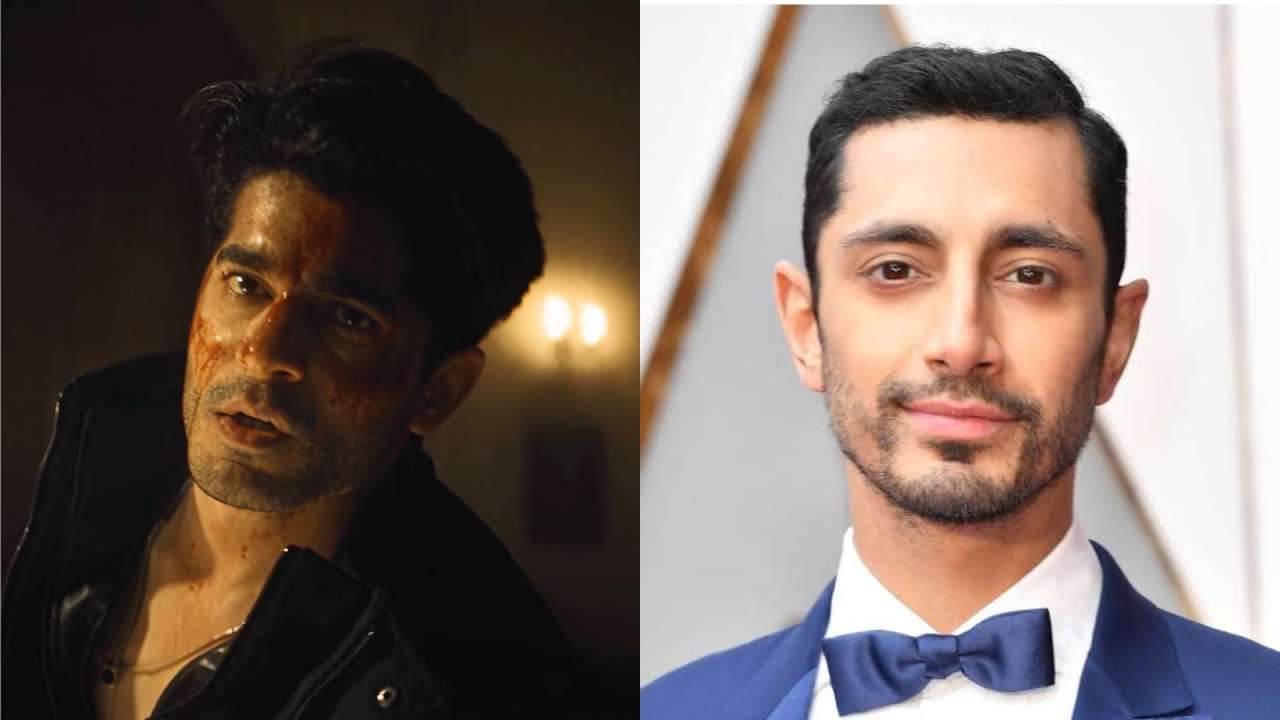 Shaan Grover's Junglywood attracts Hollywood star Riz Ahmed, Oscar winner drops special message on Saiyaara actor's upcoming film: 'This is so good'
 Pyre director Vinod Kapri slams Ramayana producers, alleges Ranbir-Yash film for '75% cut down of shows': 'Aap kis maryada ki baat karte hai'
 Sandiyar: Kamal Haasan shows no mercy, kickstarts shooting of his gritty actioner on his 72nd birthday, director pens heartfelt note
 Dhanteras 2026: Are banks open or closed on November 6? Check RBI holiday list
 Why did Sensex surge over 2,000 points, Nifty rally 576 points today?
 Diwali Muhurat Trading 2026: What investors need to know about date, timings and settlement
 Gold, Silver prices today, November 5, 2026: Check city-wise rates in Delhi, Mumbai, Chennai, Kolkata and more
 Gold, Silver prices today, November 4, 2026: Check city-wise rates in Delhi, Mumbai, Chennai, Kolkata and more
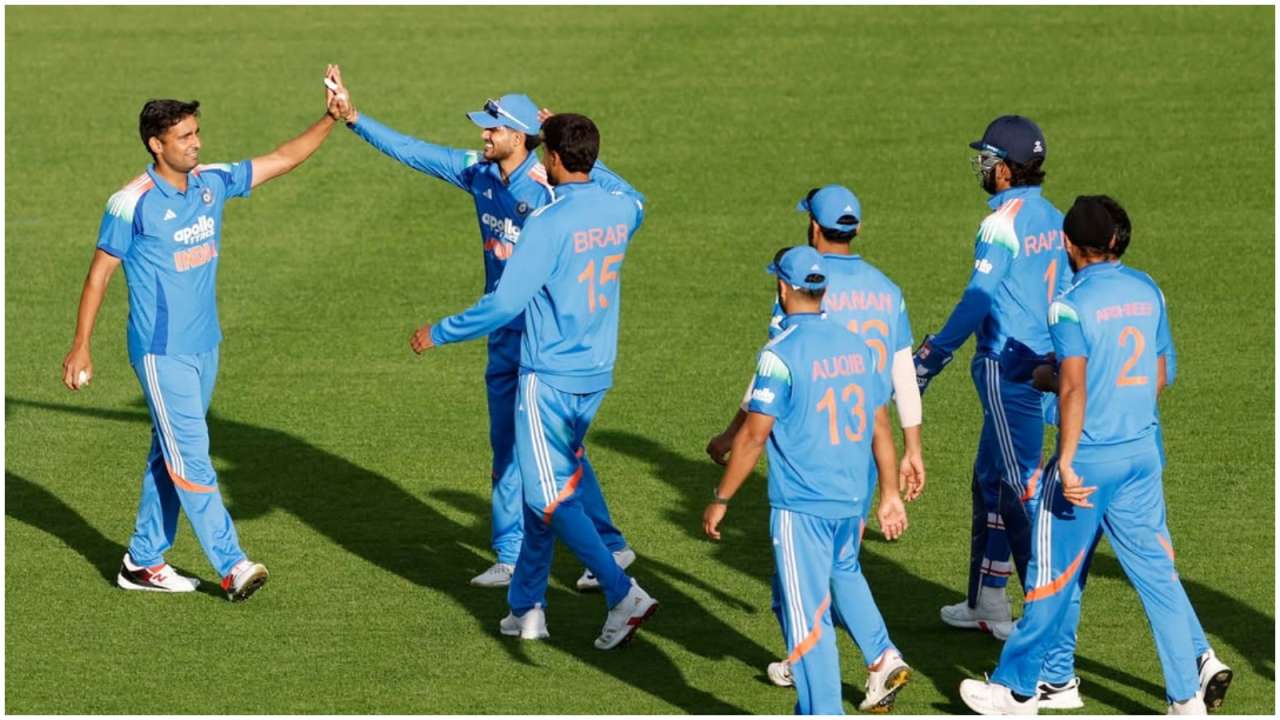 IND vs NZ, 2nd ODI Highlights: From Brar's four-wicket haul to rain drama, how India edged past Kiwis
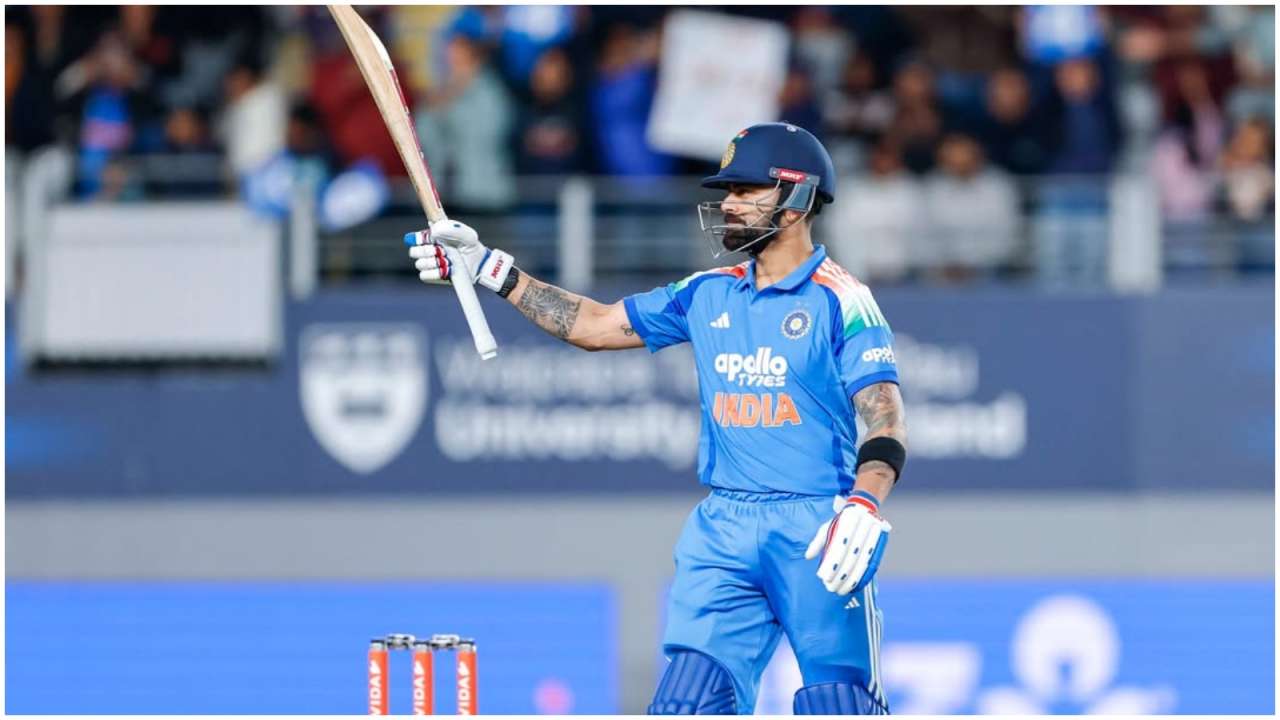 Virat Kohli creates history in Wellington, surpasses Ricky Ponting to achieve major ODI feat
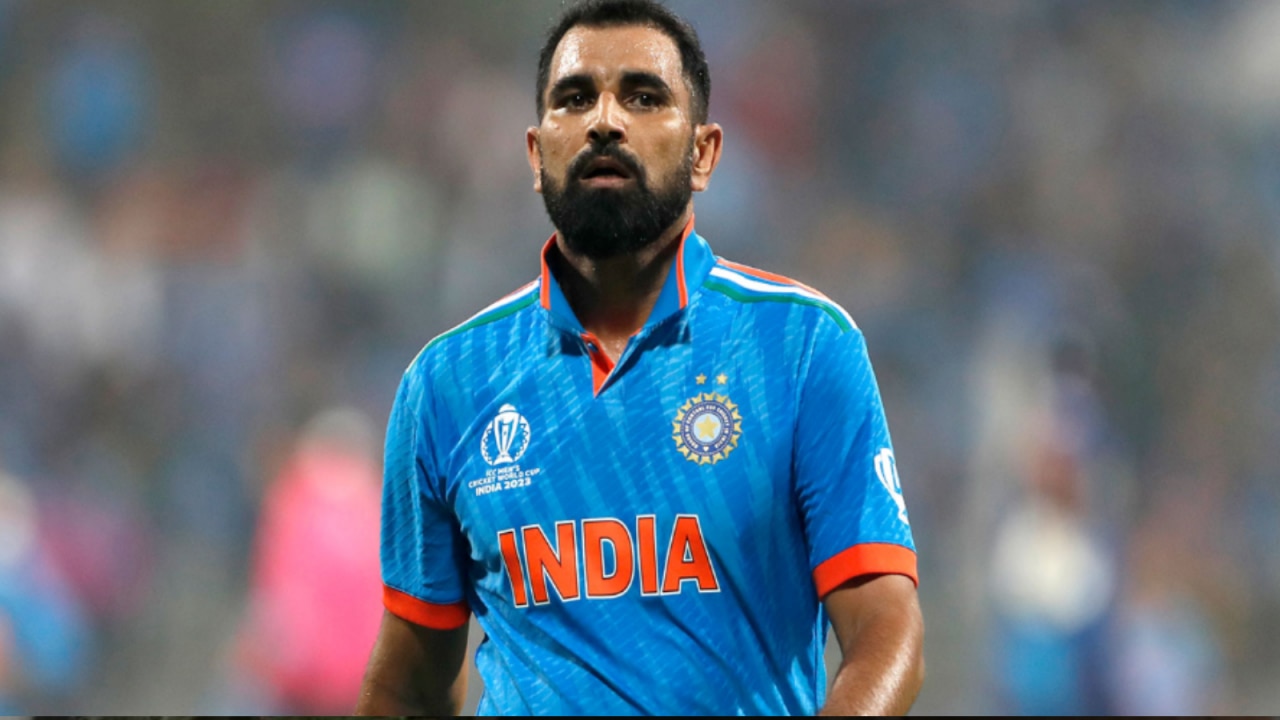 Mohammed Shami announces retirement from Test cricket, reveals plans for white-ball future
 World Record Chaos: 53 Red Cards after mass brawl erupts during Brazil U20 football match
 Cristiano Ronaldo retires from international football after fallout with coach Jorge Jesus, bids emotional farewell
 US MidTerm Elections: How Trump's Defeat Could Impact Pakistan? | Democrats Vs Republicans | India
 Agniveer News: '2 Year Extension...' Army's Major Relief For Agniveers; CDS Subramani's Full Speech
 Delhi Police Protest: 'Threatened Lawyer With Ak-47' PIL Against ACP Manasvi Vashistha In Delhi HC
 Cyclone Murasu: 'Electric Poles Damaged', Aftermath Of 'Severe' Cyclonic Storm In Andhra Pradesh
 ACP Manasvi Vashishta who led protest outside Delhi Police HQ suspended
INDIA
Its meat can be bought at Rs 300 per kg and eggs at Rs 5.

Updated : Nov 21, 2013, 01:44 PM IST
















The efforts of College of Veterinary Sciences and Animal Husbandry in Mhow have borne fruits, with endangered black-fleshed Kadaknath being successfully bred outside its natural habitat.
A poultry breed Kadaknath aka Kali Masi is native to Jhabua and is among endangered due to over hunting. "This breed has almost been wiped out from Jhabua, due to a belief that its meat has aphrodisiac qualities," said the Dean Dr U K Garg, adding it was found in Alirajpur and Kathiwada too, but not anymore.
"We are trying our best to ensure that the Kadaknath can be saved from genetic erosion and it continues to thrive," he added.
Connoisseurs who wish to relish the tasty Kadaknath meat can buy the chickens at `300 per kg live weight. "We also sell the eggs which are very nutritious at `5 per egg. Fertile eggs are sold at `20 per egg to poultry farmers," Dr Garg said.
"Hopefully Mhow will soon become the focal point for revival of the Kadaknath breed," he added. The Kadaknath belongs to the same species (Gallus gallus domesticus) as the domestic fowl. But it is a different breed.
Dr Garg said that there are three breeds of black meat chicken in the world one is the Kadaknath, Silkie of China and Ayam Cemani of Indonesia.
"There are three types of Kadaknath chicken - Golden, Pencilled and Jet Black. The jet black variety is the most popular," he said adding the black colour of the meat is due to the large amount of melanin present in it.
"We had originally started this project in 2011 with 500 chicks from Jhabua and an equal number from our college in Jabalpur," said Dr Shrikant Joshi, principal investigator of the government sponsored project Conservation and Scientific Evaluation of Kadaknath Breed of Fowl.
The whole process is conducted very scientifically. Eggs laid by the hens are collected and kept in the incubator for 18 days at a temperature of 99-100 degrees Fahrenheit and 85% relative humidity, he said. They are then taken to the egg candler where the eggs with live embryos are separated and kept in the hatcher where the temperature is around 2 degrees less than that of the incubator but the relative humidity is more.
The chicks which are hatched in 21 days are then sold to poultry farm owners.