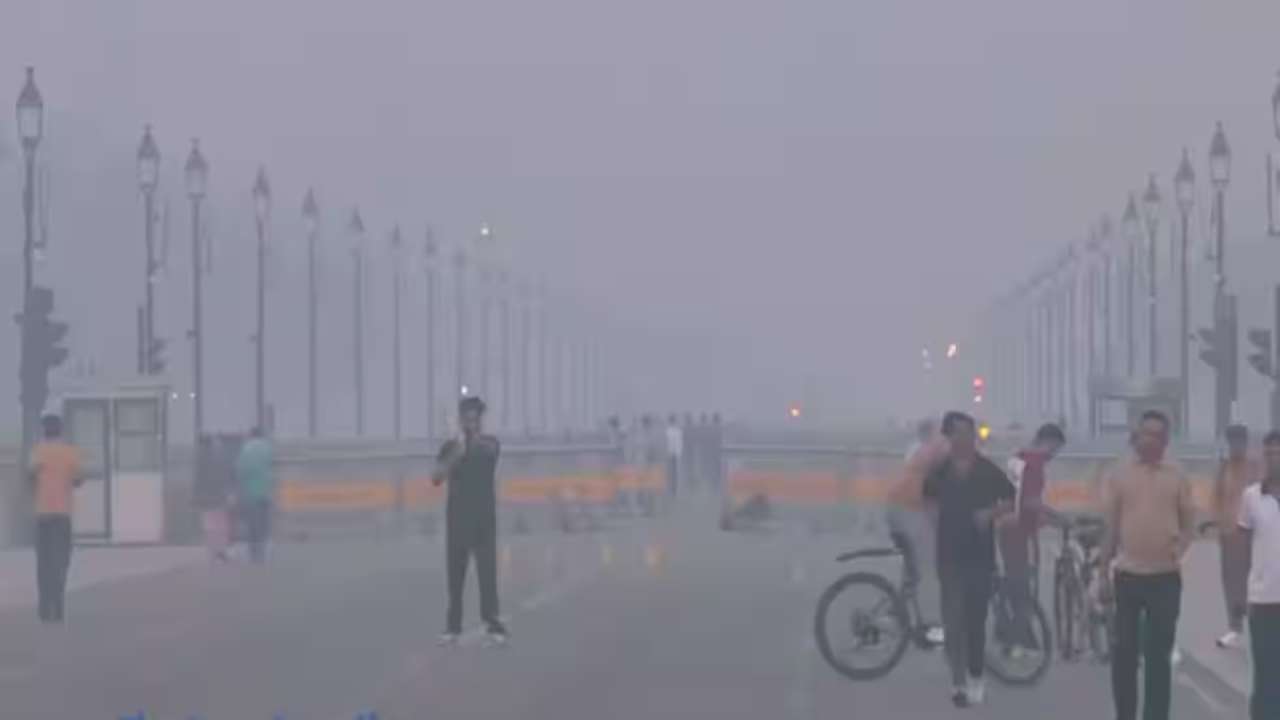
 Delhi AQI at 370, 1,000 or even 2,000 after Diwali? Why pollution readings show wildly different numbers
 Ramayana box office prediction Day 5: Ranbir Kapoor, Yash's film CREATES history, beats Dhurandhar 2, Pushpa 2; will cross Rs 600 crore
 ‘Khushiyon ki Eid’: Mallikarjun Kharge’s Diwali wish draws BJP’s criticism
 SC targets vehicular pollution, asks Delhi and 3 other states for action plan
 Slugfest Over AQI: Delhi minister accuses AAP of setting fire to Punjab paddy fields‘Khushiyon ki Eid’: Mallikarjun Kharge’s Diwali wish draws BJP’s criticismSC targets vehicular pollution, asks Delhi and 3 other states for action planSlugfest Over AQI: Delhi minister accuses AAP of setting fire to Punjab paddy fields
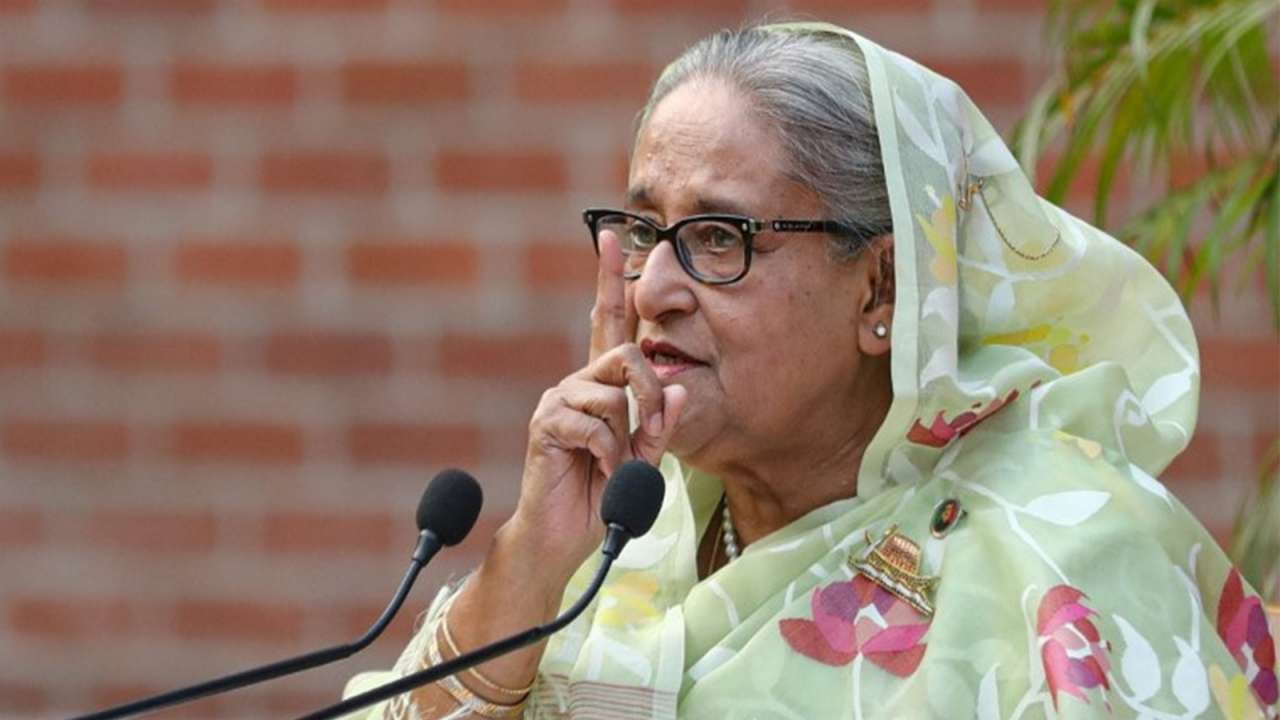 Sheikh Hasina wants fresh passport, identity card ahead of Bangladesh return: Report
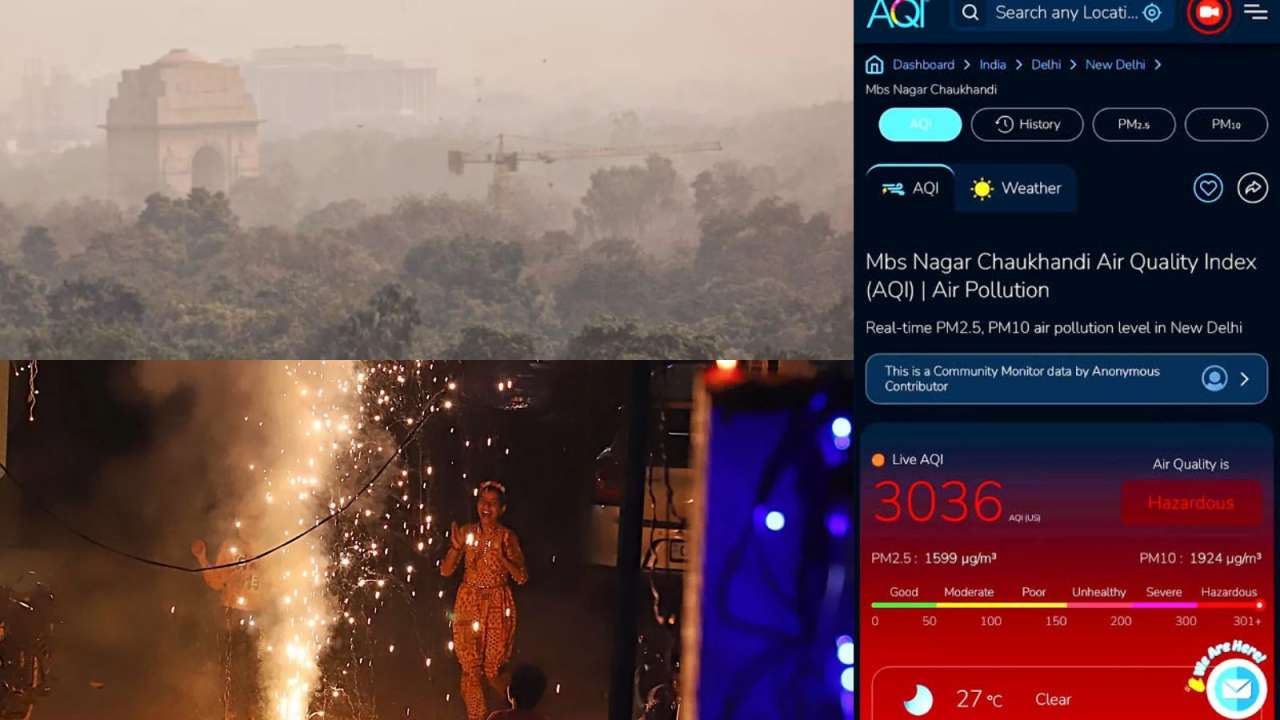 AQI Crosses 3,000 In Delhi? AAP accuses Delhi govt of fudging with pollution data to hide truth
 Why does Trump say he won't forgive his enemies even on his deathbed?
 Trump backs Pete Hegseth over Iran war, rejects impeachment push
 Nvidia CEO confesses to affair with Chinese spy suspect, board orders inquiry: 'I was unfaithful to my wife'
 Egypt Train Accident: 4 dead, 90 injured after 2 trains collide near Cairo, carriages derailed
 End Of Netanyahu Era? Ex-Army Chief Gadi Eisenkot gets mandate to form Israel govtDelhi AQI at 370, 1,000 or even 2,000 after Diwali? Why pollution readings show wildly different numbers
 New Yalta After US Midterm? China plans Trump-Putin talks as Ukraine raises alarm over being left out
 New 26/11 Threat? Is Hafiz Saeed's LeT getting maritime training near Karachi to target India?
 Gold Hits Rs 1.46 Lakh Per 10 Grams On Dhanteras: Check 18K, 22K and 24K gold rates in Delhi, Mumbai, Chennai, Kolkata
 Trump humiliated in US midterms, planning fresh attack on Iran? Pentagon, Israel reportedly prepare for new strikesRamayana box office prediction Day 5: Ranbir Kapoor, Yash's film CREATES history, beats Dhurandhar 2, Pushpa 2; will cross Rs 600 crore
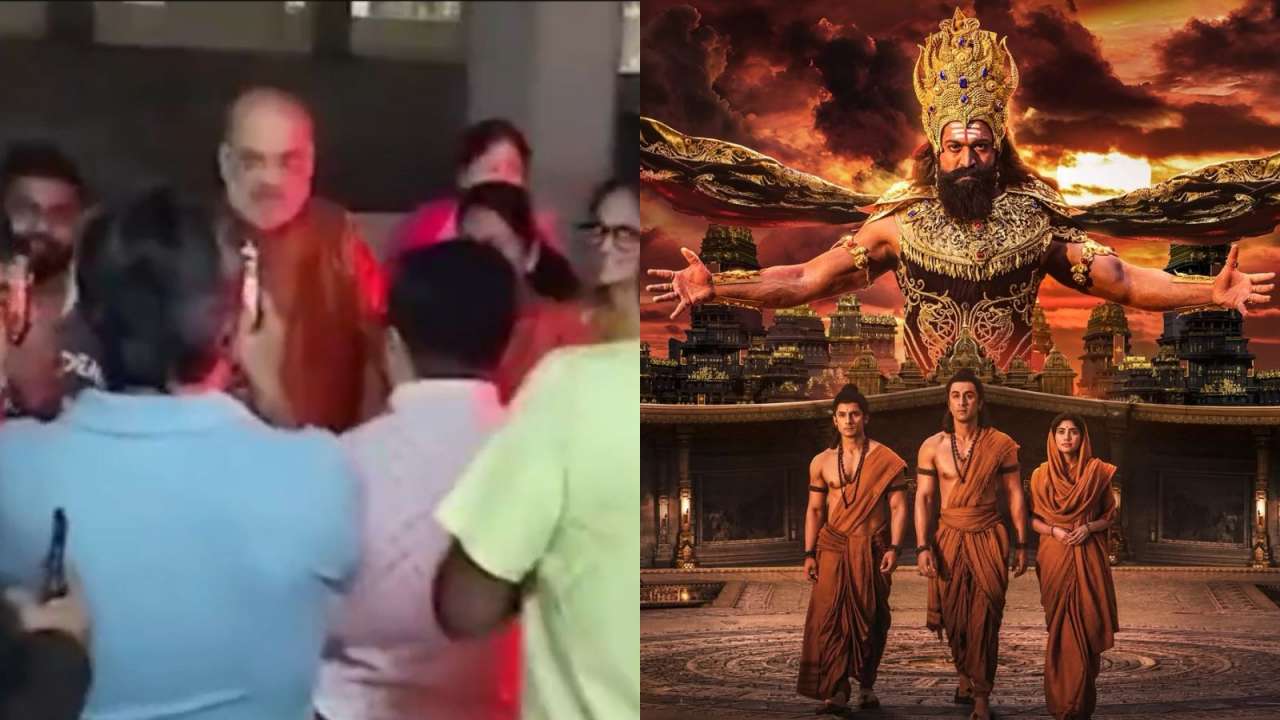 Viral video: Home Minister Amit Shah watches Ranbir Kapoor's Ramayana with family, netizens laugh on RW: 'Lord Rama is bigger than Modi, BJP'
 Ram Gopal Varma says Ramayana takes 'Bollywood beyond Hollywood', snaps at Ranbir Kapoor, Yash's haters, calls them 'barking dogs'
 Not Ranveer Singh, Shah Rukh Khan, Salman Khan, Aamir Khan, but Ranbir Kapoor creates HISTORY with THIS record in Bollywood
 Ramayana box office collection day 4: Ranbir Kapoor, Yash film mints Rs 500 crore in opening weekend
 Rupee climbs to 7-month high, gains 93.70 against US dollar in early trade
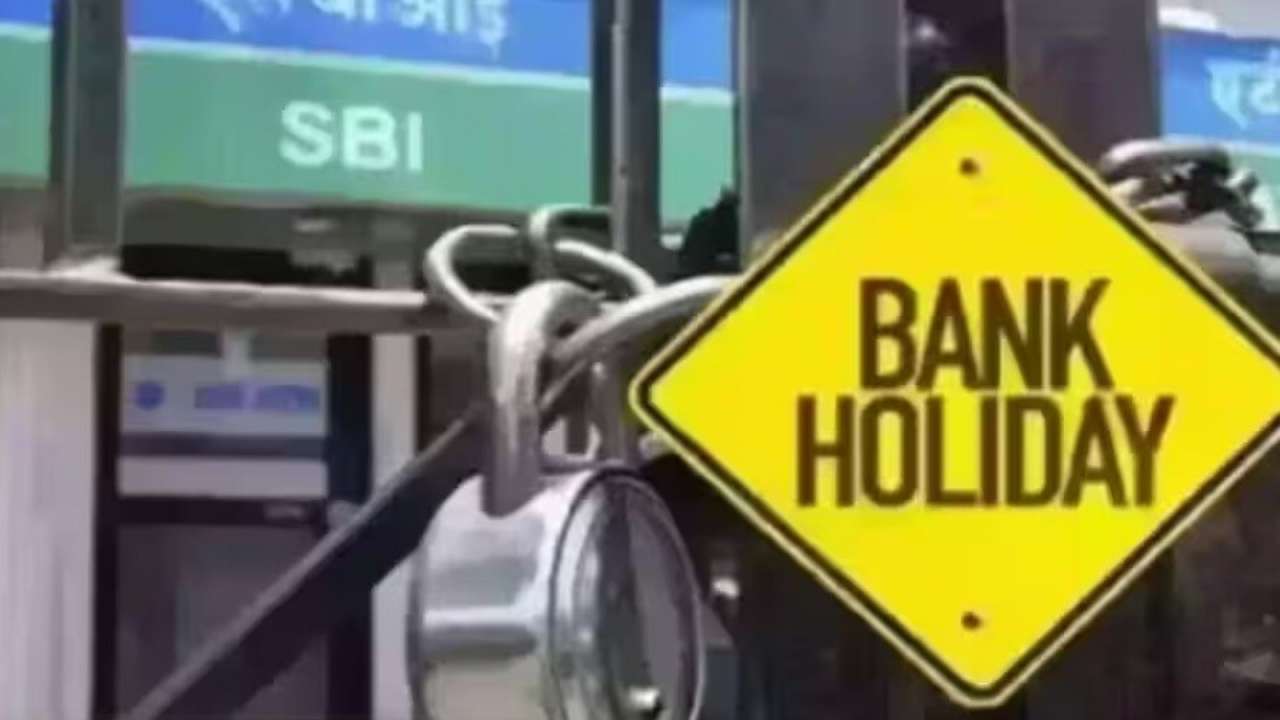 Dhanteras 2026: Are banks open or closed on November 6? Check RBI holiday list
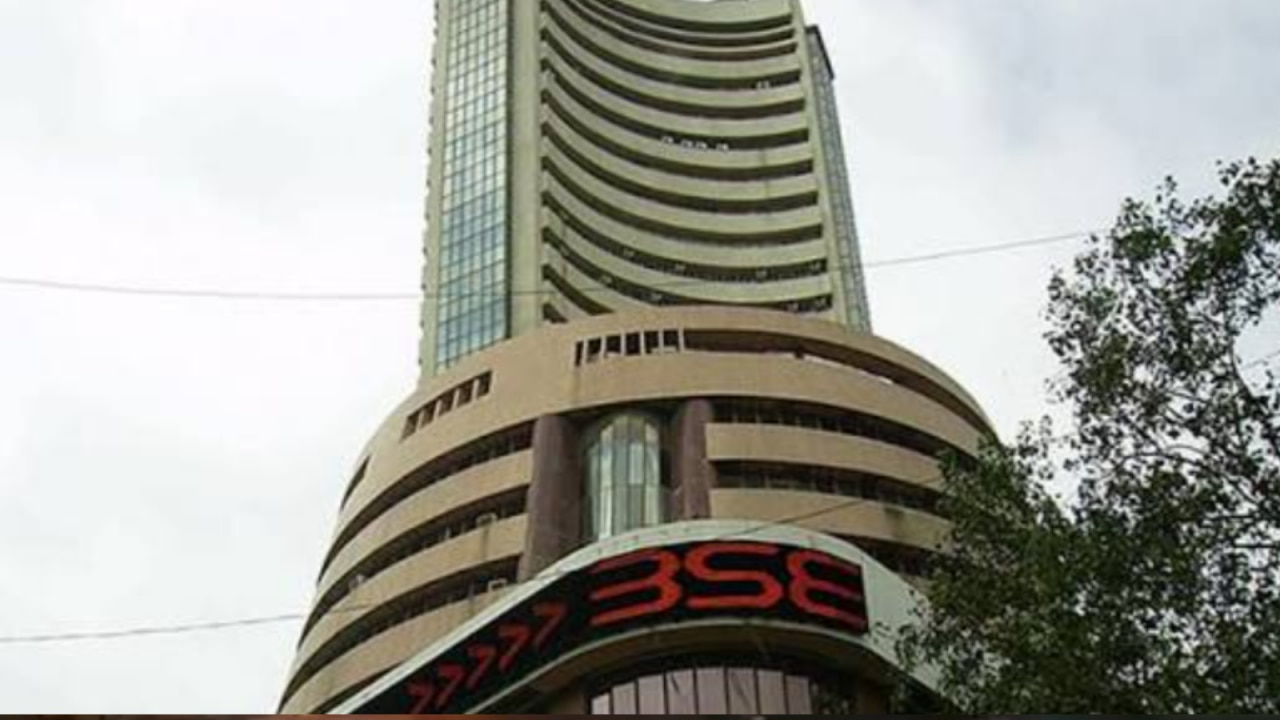 Why did Sensex surge over 2,000 points, Nifty rally 576 points today?
 Diwali Muhurat Trading 2026: What investors need to know about date, timings and settlement
 Gold, Silver prices today, November 5, 2026: Check city-wise rates in Delhi, Mumbai, Chennai, Kolkata and more
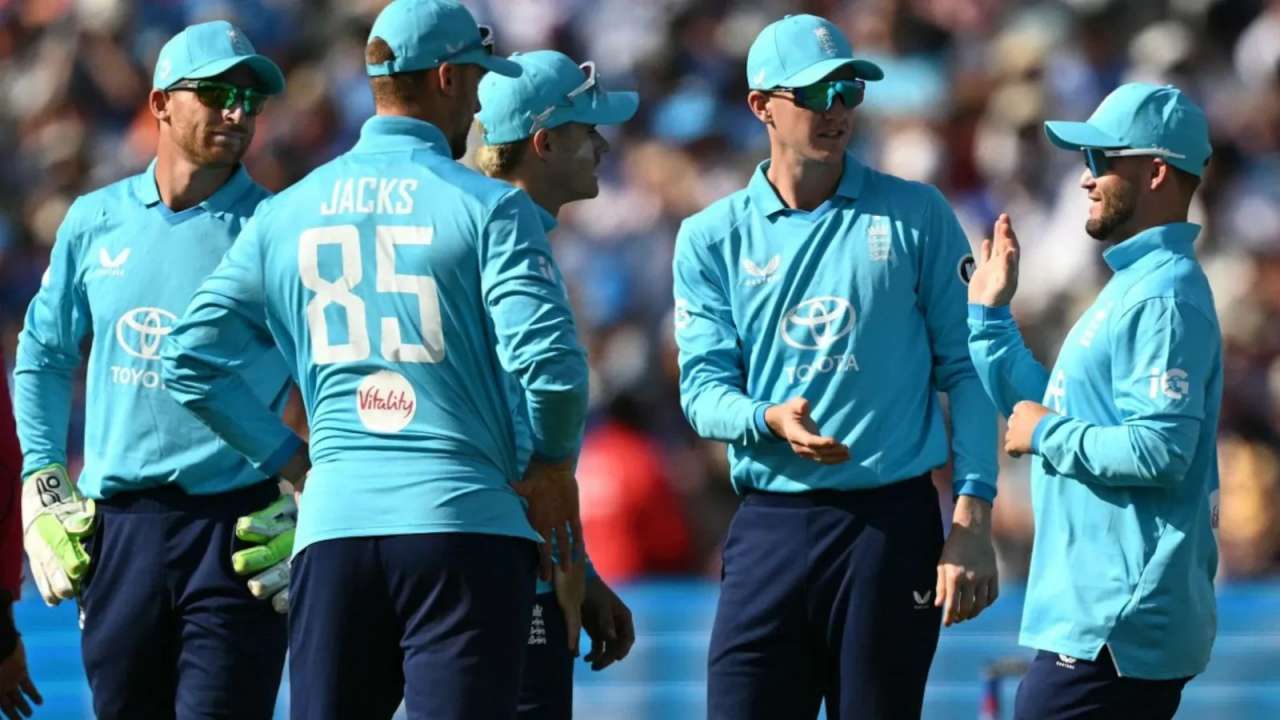 England Cricket In Crisis: Why 2027 could be ECB's toughest year? No India tour, ICC payment cut, here's all you need to know
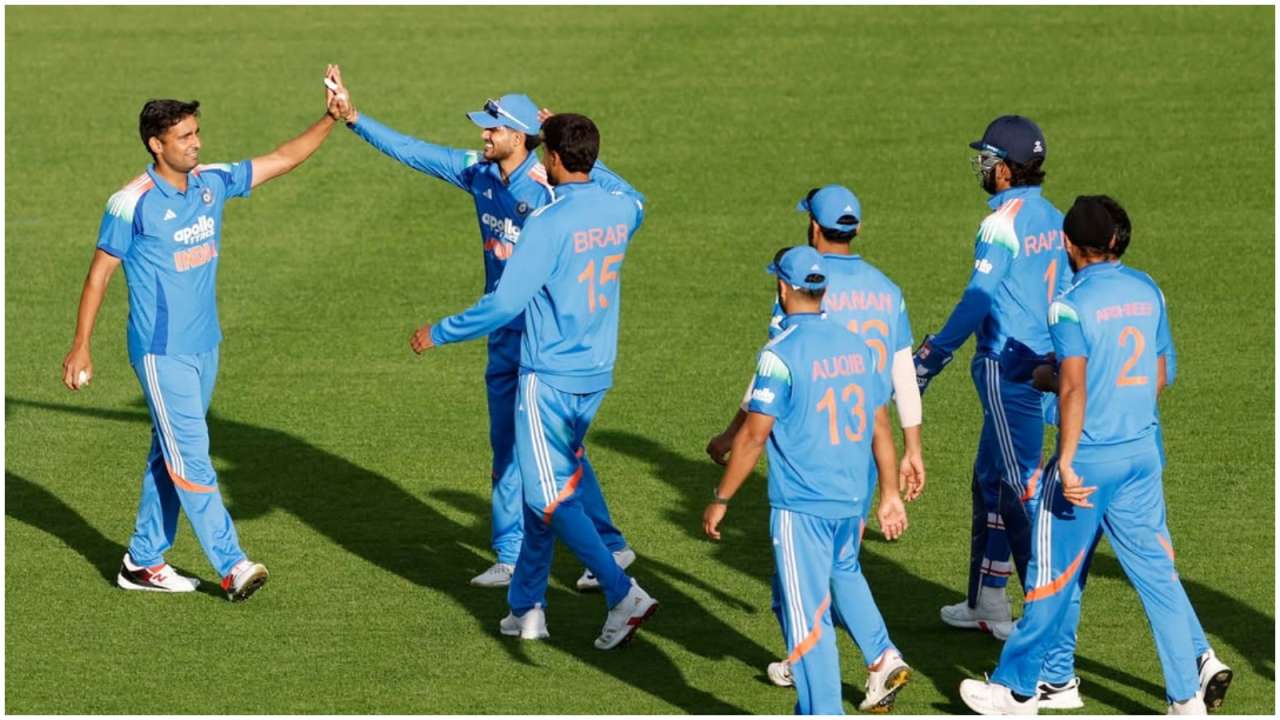 IND vs NZ, 2nd ODI Highlights: From Brar's four-wicket haul to rain drama, how India edged past Kiwis
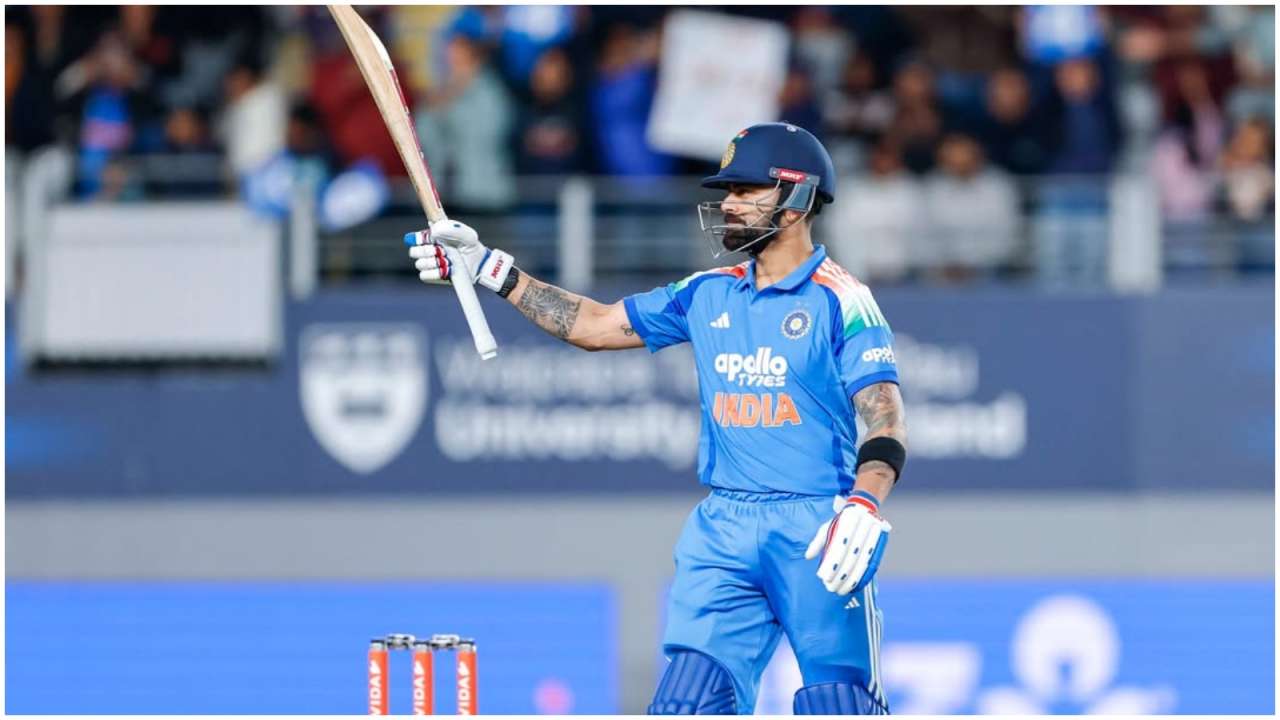 Virat Kohli creates history in Wellington, surpasses Ricky Ponting to achieve major ODI feat
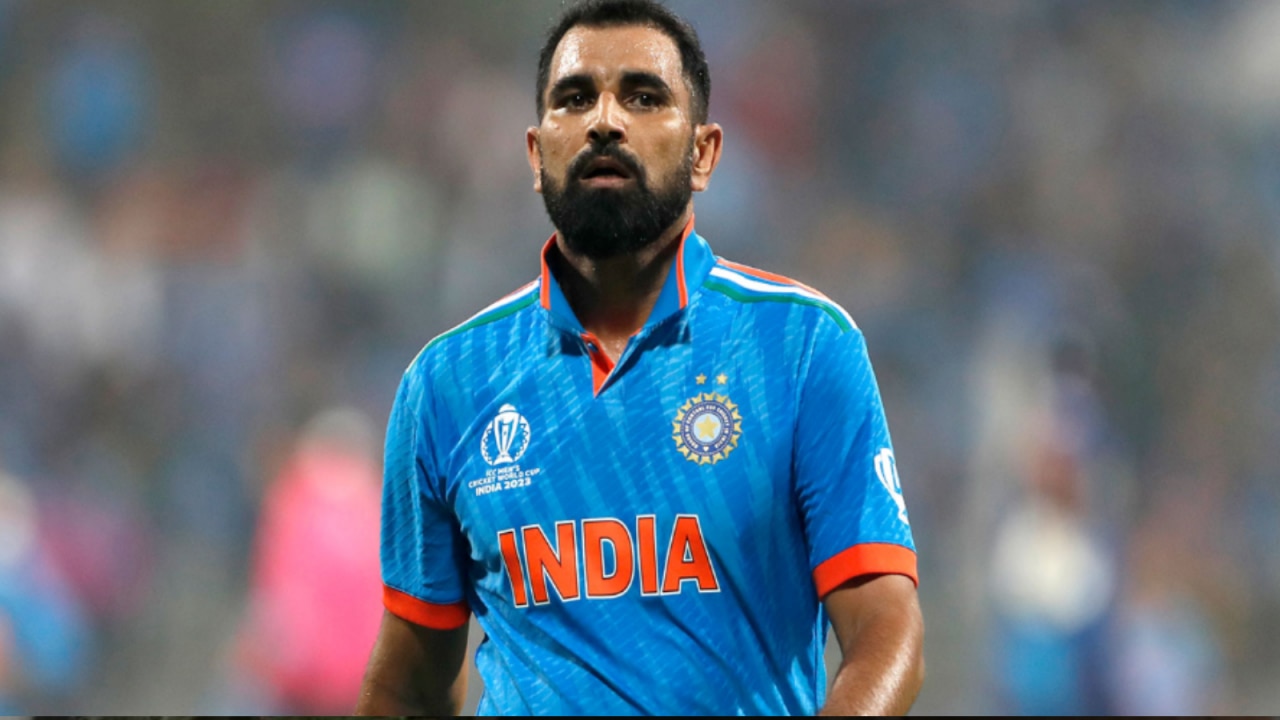 Mohammed Shami announces retirement from Test cricket, reveals plans for white-ball future
 World Record Chaos: 53 Red Cards after mass brawl erupts during Brazil U20 football match
 US MidTerm Elections: How Trump's Defeat Could Impact Pakistan? | Democrats Vs Republicans | India
 Agniveer News: '2 Year Extension...' Army's Major Relief For Agniveers; CDS Subramani's Full Speech
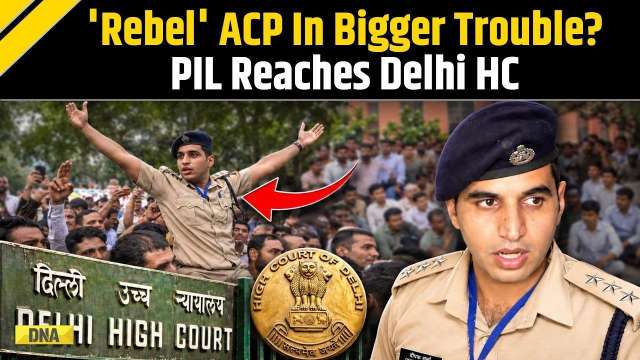 Delhi Police Protest: 'Threatened Lawyer With Ak-47' PIL Against ACP Manasvi Vashistha In Delhi HC
 Cyclone Murasu: 'Electric Poles Damaged', Aftermath Of 'Severe' Cyclonic Storm In Andhra Pradesh
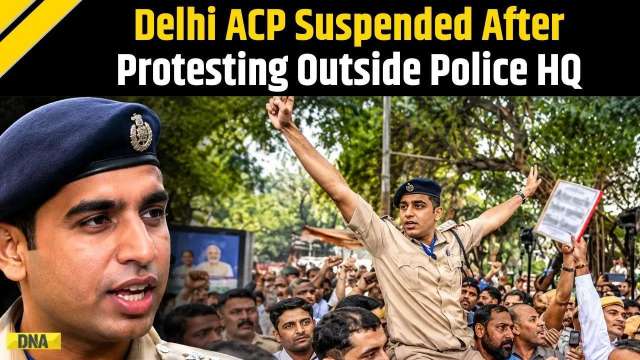 ACP Manasvi Vashishta who led protest outside Delhi Police HQ suspended
INDIA
Mufti resigned in June after BJP abruptly broke its three-year unlikely alliance with her party, citing rising security crisis in the state. The state is under Governor’s rule.

Updated : Aug 03, 2018, 07:18 AM IST
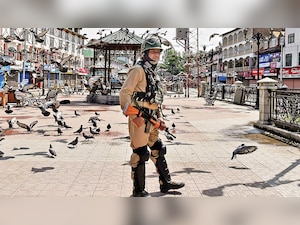
















The then PDP-BJP government in Jammu & Kashmir quietly amended the Public Safety Act in May that meant officials who review detention orders in the restive state can now be appointed without judicial consultation.
The amendment coming through an ordinance was approved by Mehbooba Mufti’s government on May 22. It did away with the requirement of the J&K High Court Chief Justice’s approval to appoint members of an advisory board that reviews detention orders by District Magistrates and Divisional Commissioners under the Act.
Mufti resigned in June after BJP abruptly broke its three-year unlikely alliance with her party, citing rising security crisis in the state. The state is under Governor’s rule.
While the May amendment went un-noticed, political parties are up in arms after Governor NN Vohra last month removed a legal provision that barred the administration from sending prisoners detained under the Act to jails outside the state.
Venkatesh Nayak of Commonwealth Human Rights Initiative (CHRI) and Shaikh Ghulam Rasool of J&K RTI Movement found about the May amendment through a maze of RTI applications.
The amendment called for the setting up of a three-member search-cum-selection committee of senior bureaucrats including the chief secretary and secretaries of home and law departments.
They have been empowered to select candidates to be recommended to the Governor for appointment as the chairperson and members of the advisory board.
Before the last month’s amendment, the Act stipulated that detenues who are permanent residents of Jammu and Kashmir shall not be lodged in jails outside the state.
The amendment removed this clause on July 13 through an ordinance as the Assembly is in suspended animation.
“The J&K government has not yet placed in public domain detailed reasons that form the basis of this amendment despite statutory obligations of transparency under the J&K Right to Information Act, 2009,” says Nayak.
But the more draconian May 22 amendment was brought by the elected government even when the Assembly was functional.
The erstwhile Section 14(3) of the Act stipulated that the Chairperson and members of the board shall be appointed by the government in consultation with the Chief Justice of the High Court.
The amendment removed the mandatory requirement of consultation unless the government intends to appoint a sitting judge of the High Court or a sitting District and Sessions Judge.
The board is empowered to examine the correctness of every detention order. It can recommend revocation of a detention order or confirm it based on the materials presented before it.
Between April 2016 and mid-December 2017, the state government referred 1,004 detention orders to the board. The board found sufficient cause to recommend confirmation in 998 cases. In contrast, the J&K High Court quashed 764 orders issued since March 2016. The court quashed 81 per cent of detention orders that the board had upheld earlier.