 Hardeep Singh Puri steps down as UP Rajya Sabha MP 11 days before term ends
 Ukraine expects largest-ever prisoner exchange with Russia with over 1,000 from each side
 India-US trade deal nears finish line, Jaishankar says most issues resolved
 Why PMO summoned Telecom Secretary; How fake court orders led to blocking of 129 websites
 Tata Sons Listing Row: Why Noel Tata fears it could change Tata GroupHardeep Singh Puri steps down as UP Rajya Sabha MP 11 days before term endsWhy PMO summoned Telecom Secretary; How fake court orders led to blocking of 129 websites
 Akhilesh Yadav reacts to Owaisi-Chandrashekhar Azad alliance ahead of 2027 UP polls, here's what he said
 Shocking! Man found dead inside police station in Tamil Nadu; CBI and CID to investigate
 Assam Horror: Class 9 student stabs mother in Guwahati, dies after falling from buildingUkraine expects largest-ever prisoner exchange with Russia with over 1,000 from each sideIndia-US trade deal nears finish line, Jaishankar says most issues resolved
 Iran's navy warns tankers against entering restricted Strait of Hormuz zone after vessel hits mine
 Who is Rene Haas? Arm CEO approached by Nvidia board to succeed Jensen Huang
 Pakistan’s polio crisis deepens: Vaccine refusals and public distrust fuel fresh outbreak fears
 Microsoft Global Outage: Why did Outlook stop working? How were airlines in India affected?
 Nvidia After Jensen Huang: Will India's AI dream face chip shortage or open door for new rivals?
 Why does inflation soar to 6.09% despite falling fuel prices, US-Iran war halt? RBI's next move under focus
 UP Elections 2027: Will Asaduddin Owaisi and Chandrashekhar Azad defeat BJP or help Yogi win?
 From Nvidia CEO Jensen Huang to top officials: 5 Alleged Chinese 'honey trap' cases that shocked world
 Campus Diaries 2 trailer: Harsh Beniwal returns to show after five years, Ritwik Sahore on how drama has evolved: 'Audiences may not always agree'
 Dhvani Bhanushali gets engaged to 'cupcake for life', posts pic with boyfriend Yash
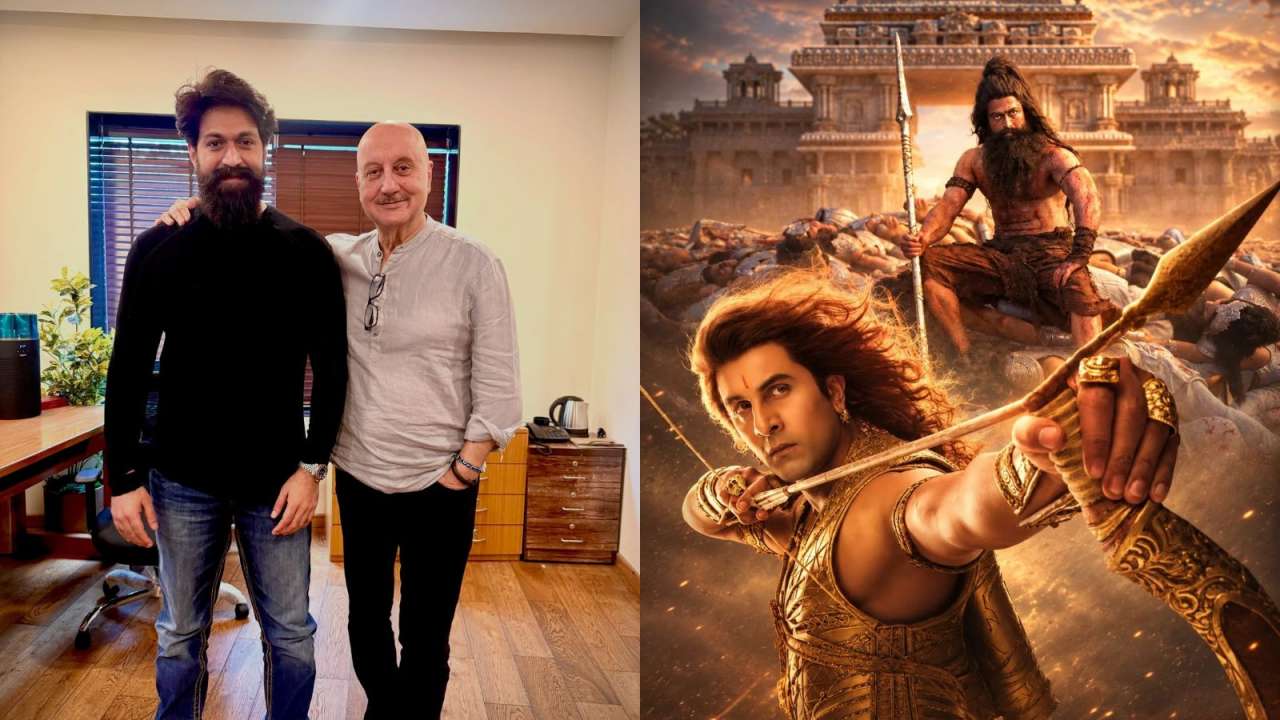 Anupam Kher defends Ramayana, explains if Ravana is shown more powerful than Rama, hits back at haters: 'There are people who...'
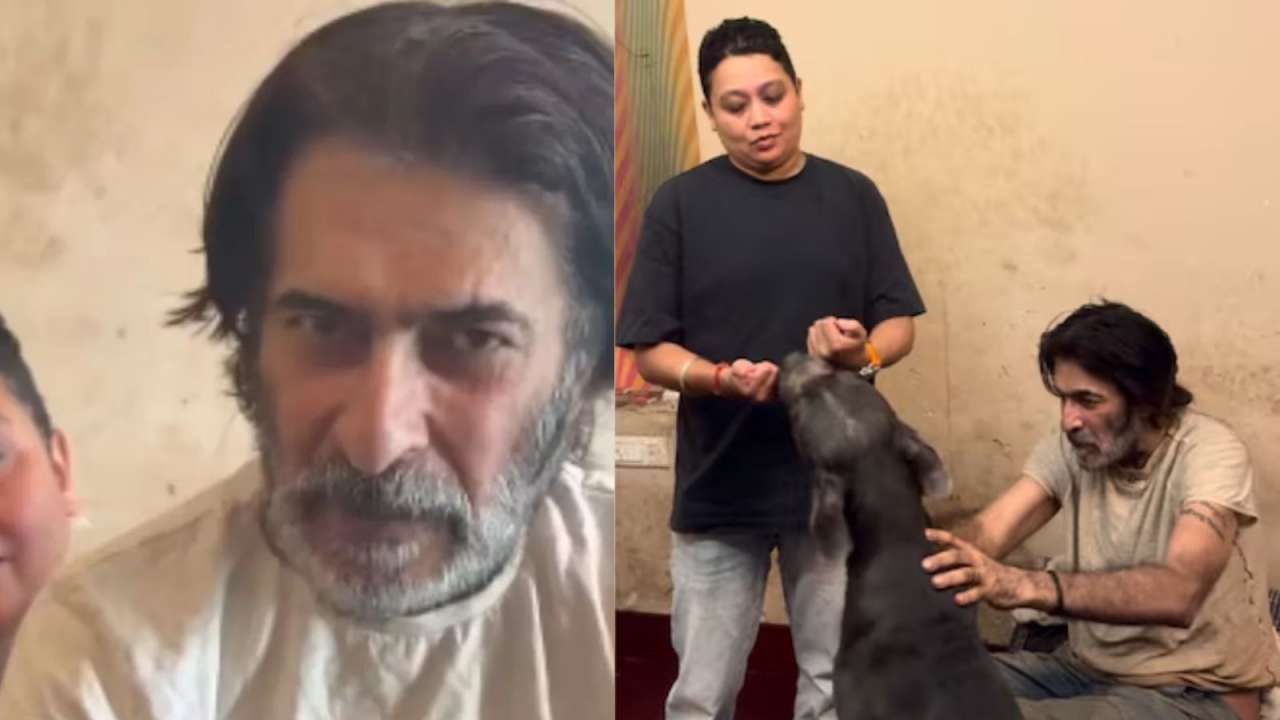 Sharad Kapoor APPEALS film industry for work, reveals how his health got detoriated, recalls tragic injury: 'I need your support, not money'
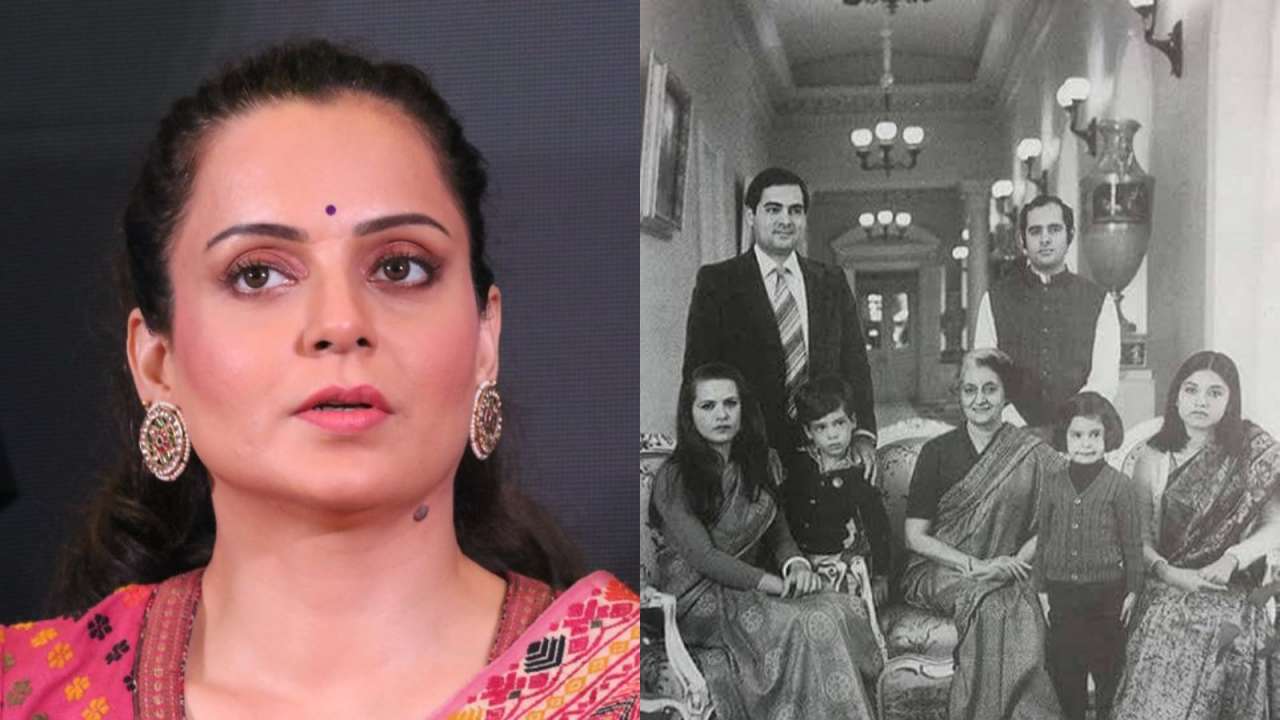 Kangana Ranaut lands in major trouble, FIR against actress-politician for insulting Sonia Gandhi and familyTata Sons Listing Row: Why Noel Tata fears it could change Tata Group
 Who will replace Jensen Huang at Nvidia? 3 Indian-origin executives in the race
 Zee Entertainment announces Rs 600 crore share buyback at Rs 91 per share
 Who may replace Nvidia CEO Jensen Huang? THIS Indian tech executive emerged among top contenders
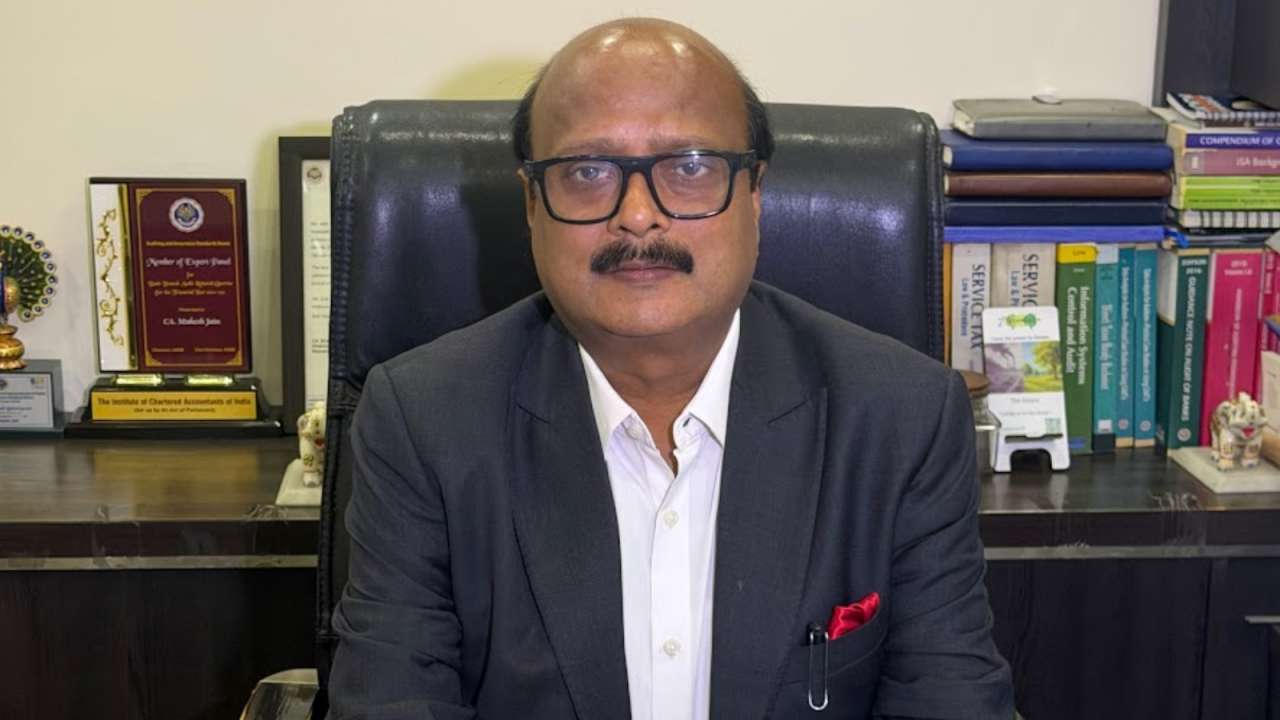 When CA Mukesh Jain Tested Kwala Intel: Inside the AI market wizard that money managers now swear by
 Vaibhav Sooryavanshi achieves a rare first at 15, creates history in T20 cricket
 IND vs PAK U19 Asia Cup final: When and where to watch match live on TV and online
 'Big brown mark on my sheets': Usman Khawaja makes shocking revelation about former Australia teammate
 Kabaddi Champions League: Former India star Mohit Chhillar backs it for next generation
 Gautam Gambhir loses patience after India's 89-run collapse against New Zealand, refuses to spare batters, slams Rohit, Kohli, Iyer
 Kaziranga Road Accident Update: Death Toll Rises To 24; Mini-Bus Had 13 Overspeeding Challans
 Bay of Bengal Cyclone Alert: Low-Pressure Area To Intensify By November 16; Yellow Alert In Odisha
 Microsoft 365 Outage Update: Gradual Recovery Underway After 20 Hours; Email Timeout Doubled to 48 Hrs
 Nvidia-Jensen Huang News: 'Would Be An Honor To Hire Him...' Will Musk Save Huang After Resignation
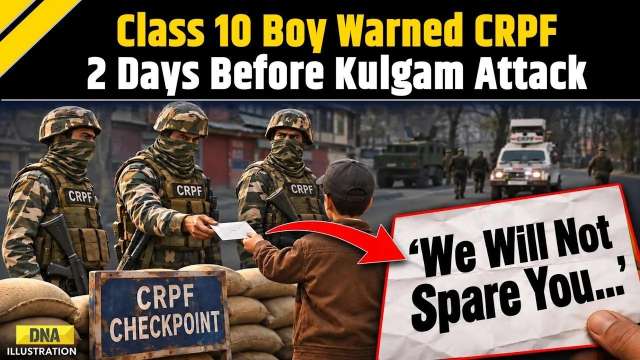 J&K News: 'Won't Spare You...' 2 Days Before Kulgam Attack, CRPF Got Unexpected Warning By Boy
INDIA
Govt fears it will be misused against Dalit & Muslims — a poll risk.

Updated : Nov 21, 2013, 01:44 PM IST



The union home ministry’s ambitious project to equip every ‘usual adult resident’ of the country with a Resident Identity Card (RIC) to make the country secure has run into rough weather as the group of ministers (GoM) studying it dumped it in the cold storage till the high command takes a view on it.
An adult who has been staying at a place for six months is called a usual adult resident of the area.
After clearing several roadblocks, the home ministry had secured clearance from the Expenditure Finance Committee (EFC) for the Rs 5,500 crore proposal to issue RIC smart cards under its flagship scheme of National Population Register last year. But in January this year, the union cabinet had again referred it to a high-level GoM to take a considered view of all stakeholders.
Sources in the government said that with at least three ministers expressing serious reservations over issuing RIC in the second meeting of the GoM, the panel’s chairman AK Antony decided to defer implementation of the RIC and leave it to prime minister Manmohan Singh and Congress president Sonia Gandhi to take the final call.
The overwhelming view against the RIC was that it would lead to harassment of minorities, mainly Muslims, Dalits, tribals and the poor by the authorities, especially the police, which the government can ill afford at a time when elections are round the corner.
“Naturally, we cannot afford to spark a debate on who is a resident and who is not,” said a minister of state, whose boss was part of the GoM.
At the meeting, objections to the RIC were raised by health minister Ghulam Nabi Azad, law minister Kapil Sibal, tribal affairs minister V Kishore Chandra Deo and deputy chairman of the planning commission Montek Singh Ahluwalia, who was a special invitee to the GoM.
A senior minister tried to counter the arguments by giving example of Andaman & Nicobar Islands where such cards have been issued but no case of harassment has come to the fore. Home minister Sushilkumar Shinde , too, said that the RIC should be allowed in Maharashtra where security concerns are very high in the aftermath of 26/11 terror attack.
The MHA even tried to strike a bargain by seeking implementation of RIC in vulnerable districts located along the international borders. But Antony chose to play safe in view of the equal opposition.
Blow to MHA
The GoM’s decision comes as a big blow to the union home ministry which had gone through an acid test to secure the clearance for RIC that included tough scrutiny by the EFC and road blocks put up by the Planning Commission, UIDAI and a couple of central ministries.
A senior home ministry official said, “The debate is unnecessary if the country’s security is the concern. We have implemented the scheme in the 3331 coastal villages by distributing over 60 lakh cards and if you do not implement it elsewhere then what is the use of it. Are coastal people any lesser residents?”